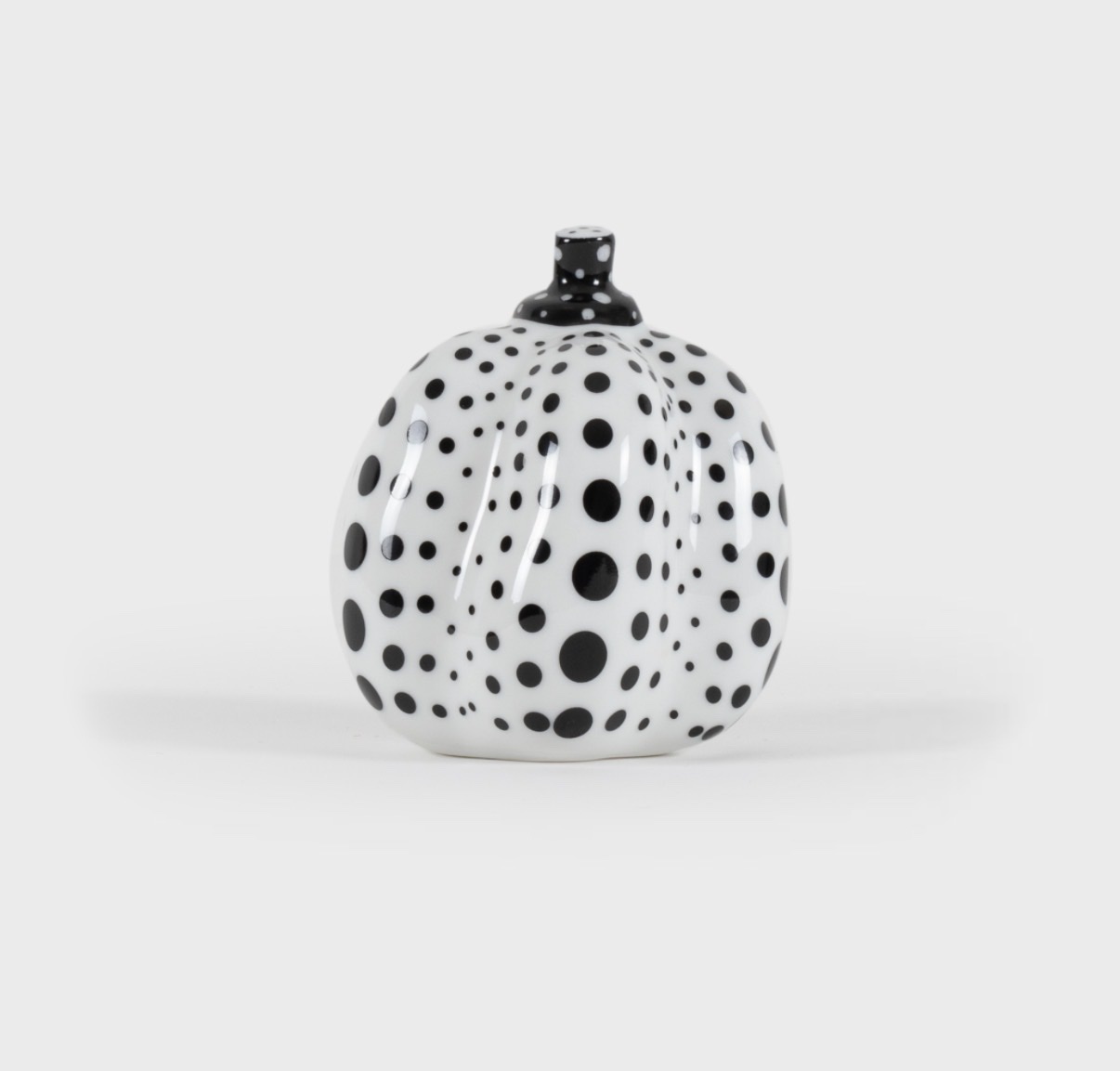
British
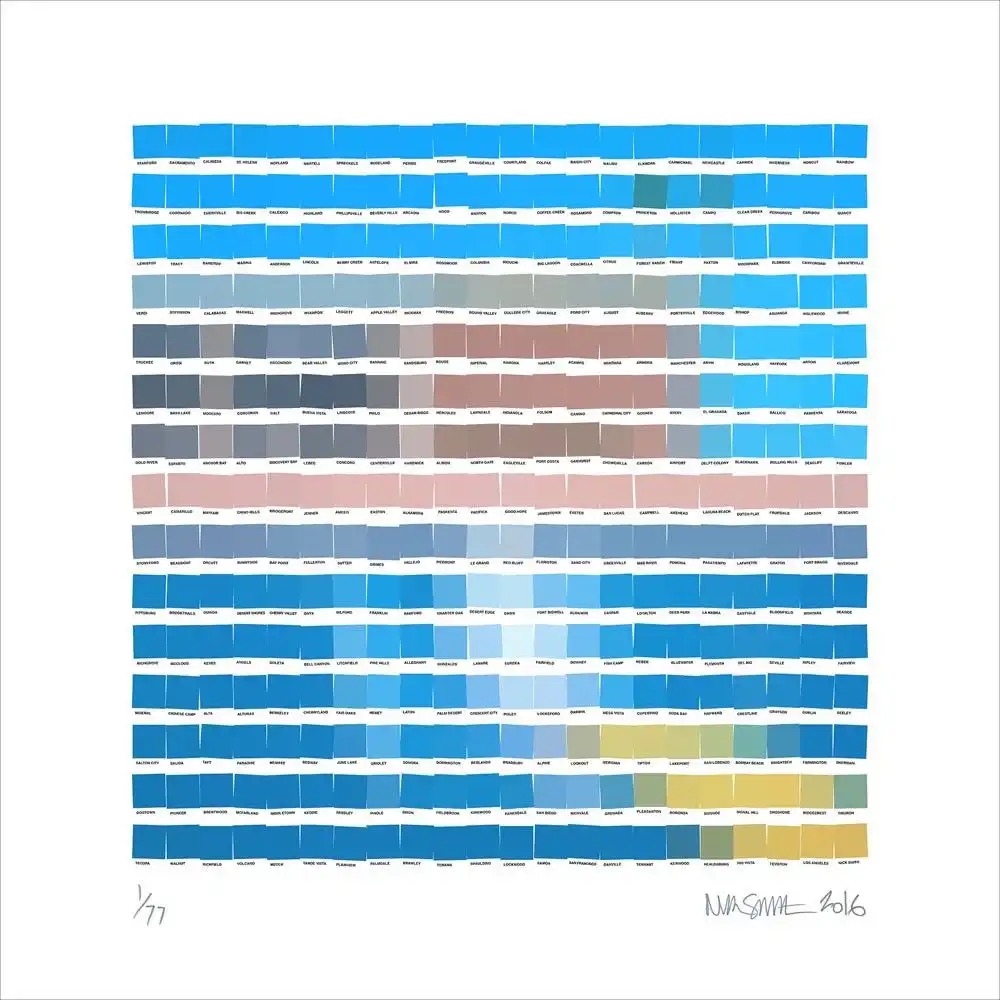
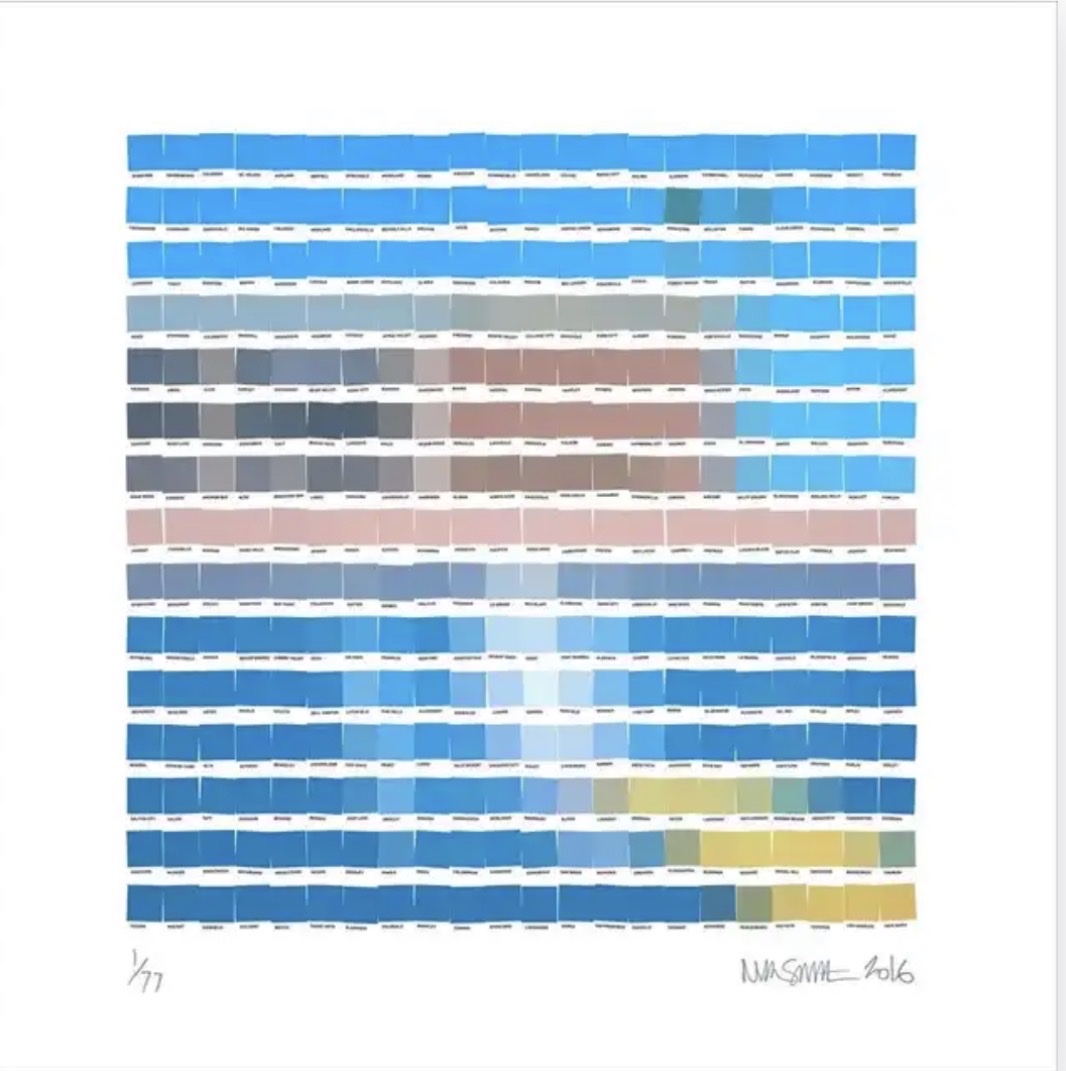
Nick Smith
Bigger Splash, 2015

Bloody Hell: British Art Still Rules
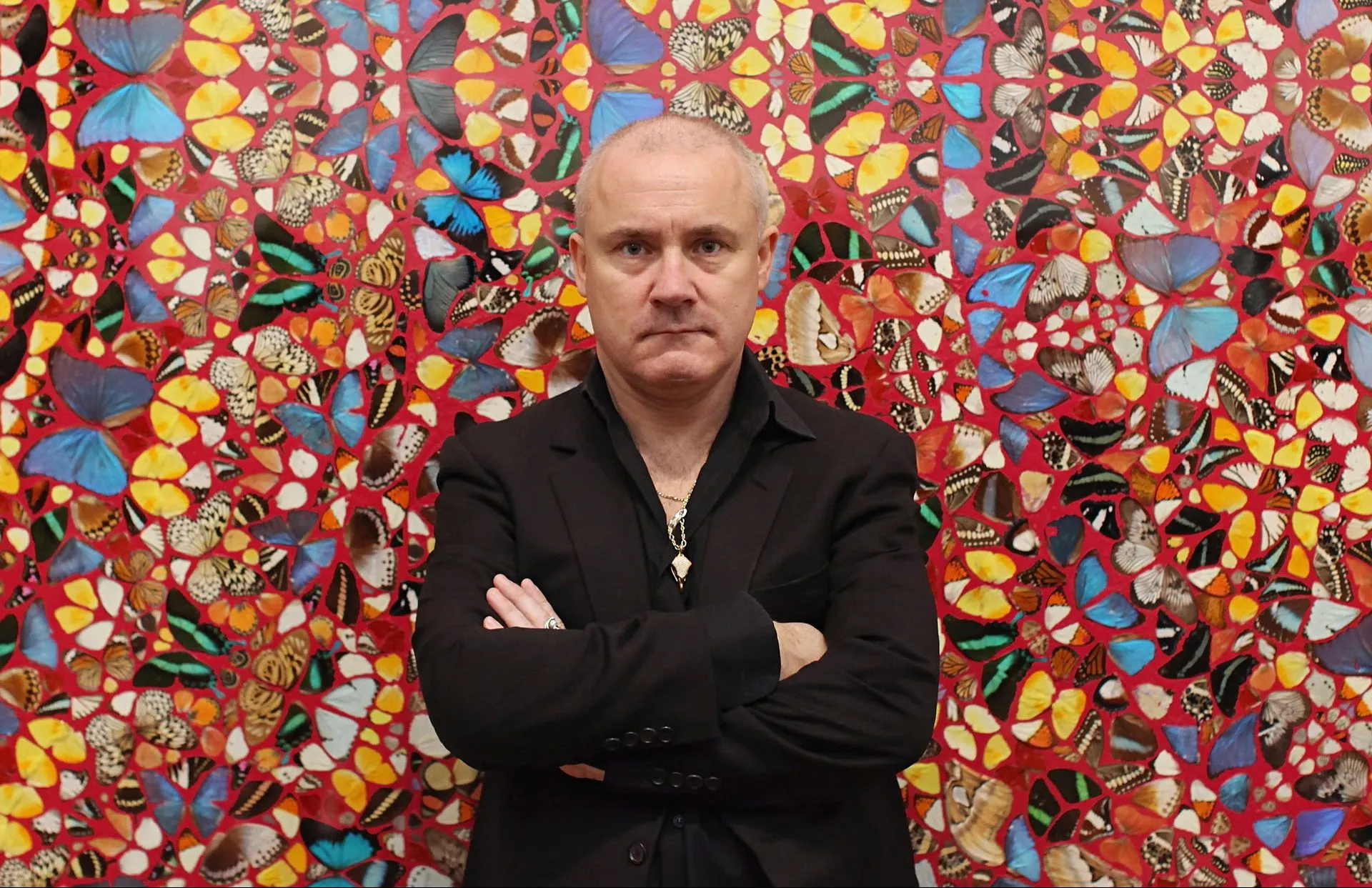
When Damien Hirst's spot paintings filled eleven Gagosian galleries simultaneously across the globe in 2012, the art world had a complicated reaction. Some called it the most audacious exhibition gambit in living memory. Others called it a stunt. Both camps were right, and that tension is precisely what has kept British art at the centre of the international conversation for more than three decades.
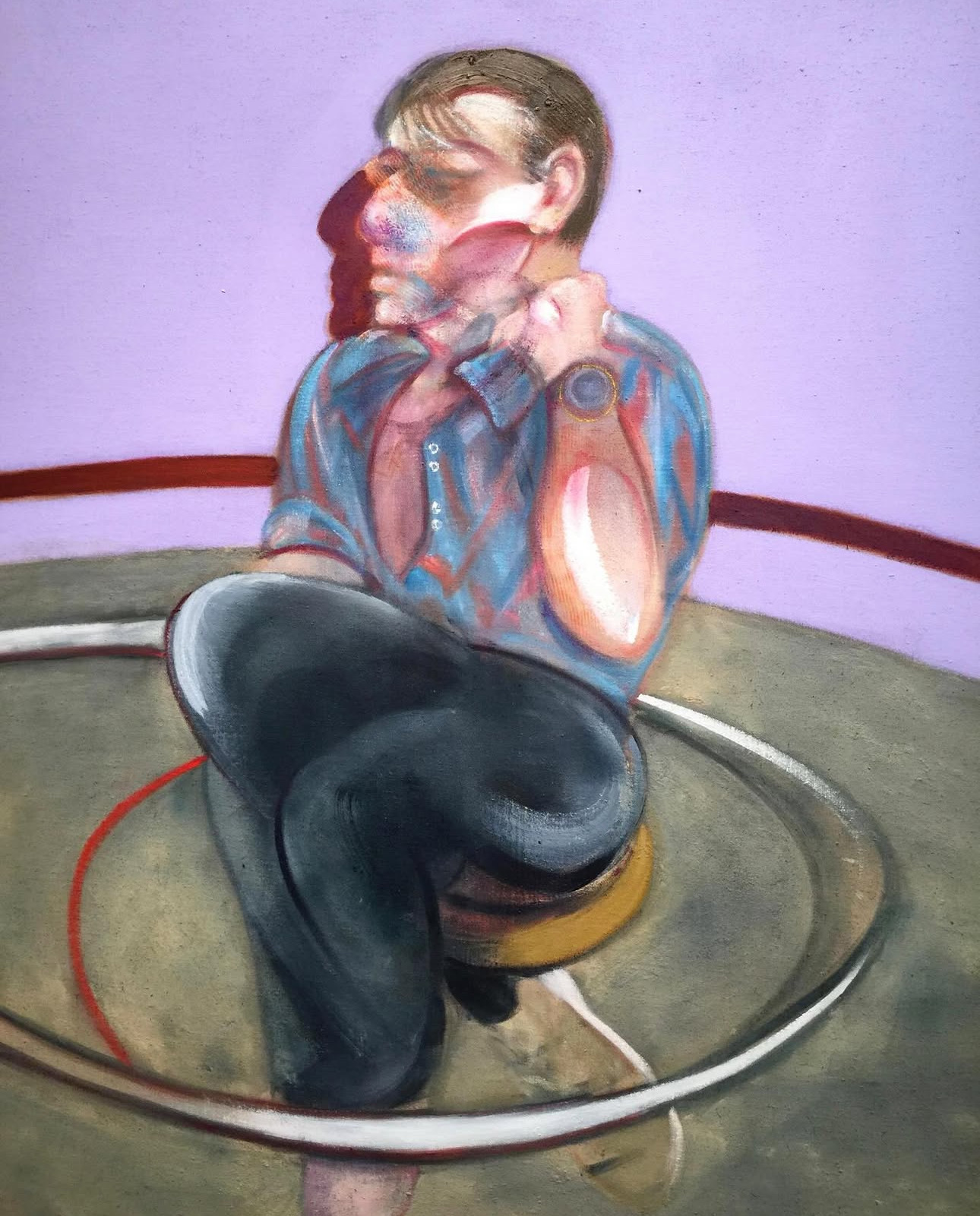
The question is no longer whether British artists matter. The question is which version of Britain the market and the museum world want to buy into right now. The auction data tells one story with real clarity. Francis Bacon remains the undisputed financial titan of British modernism, with his triptychs regularly breaching the fifty million dollar threshold and his 1969 triptych of Lucian Freud achieving just under one hundred and forty three million dollars at Christie's New York in 2013, a record that still defines the upper atmosphere of what British painting can command.
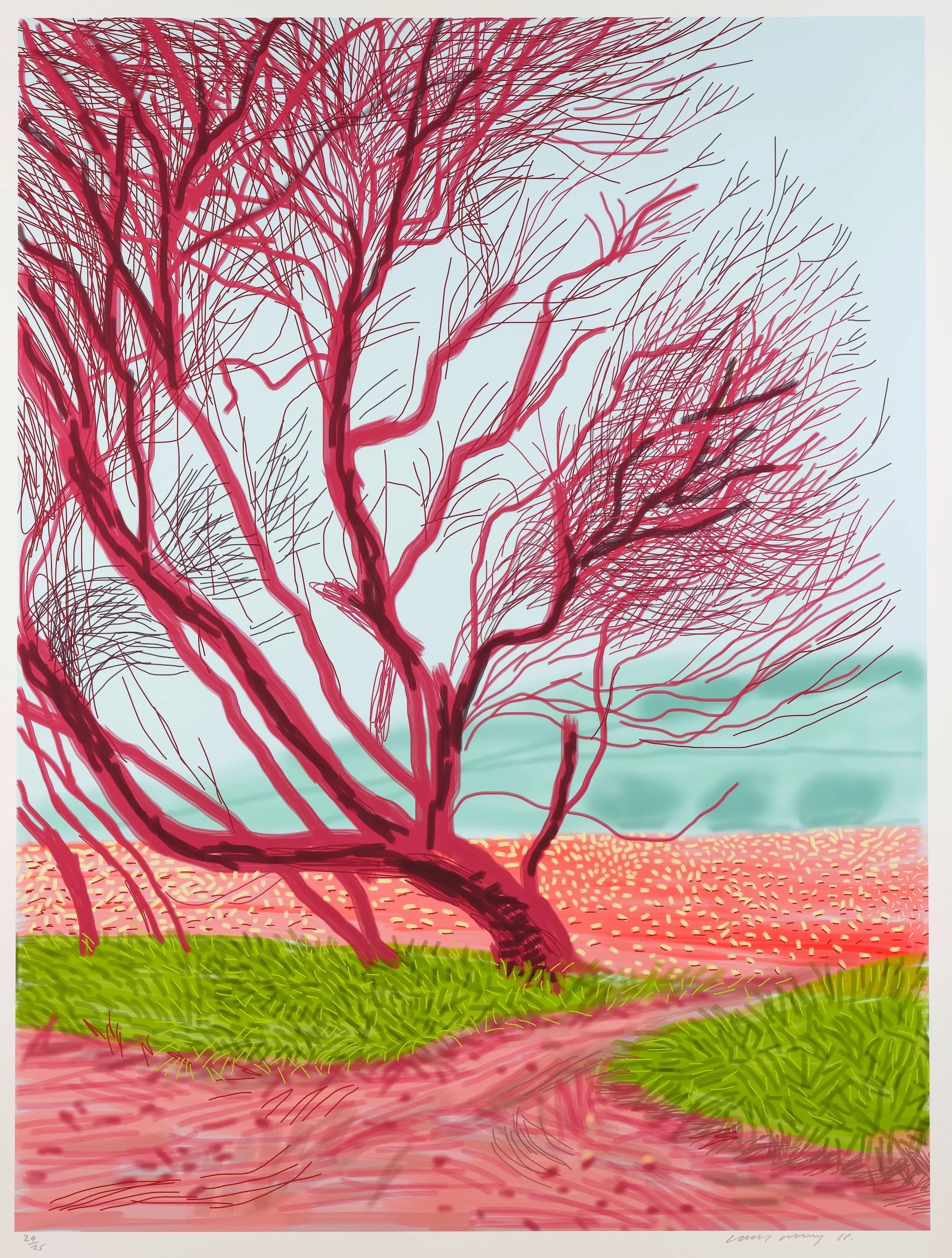
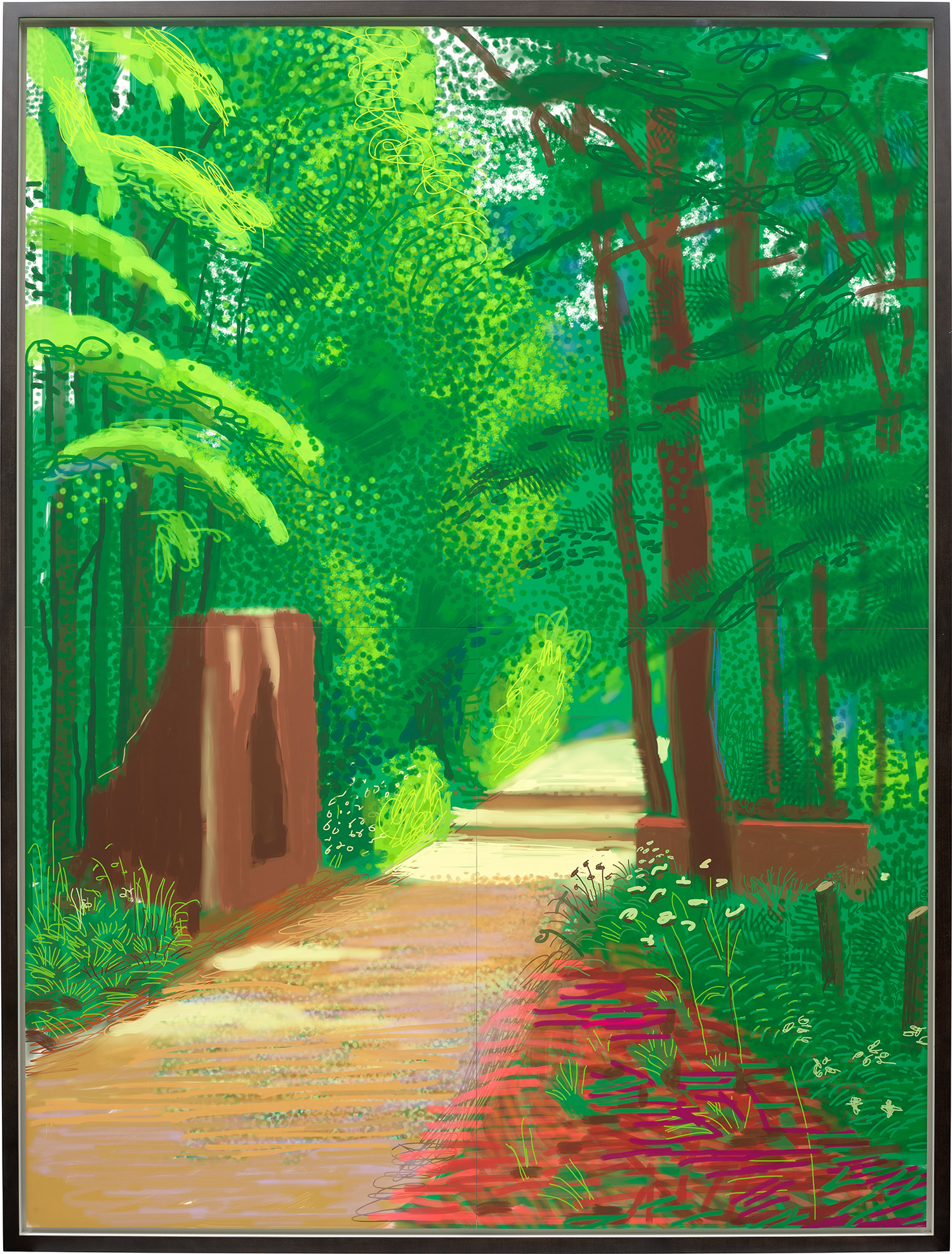
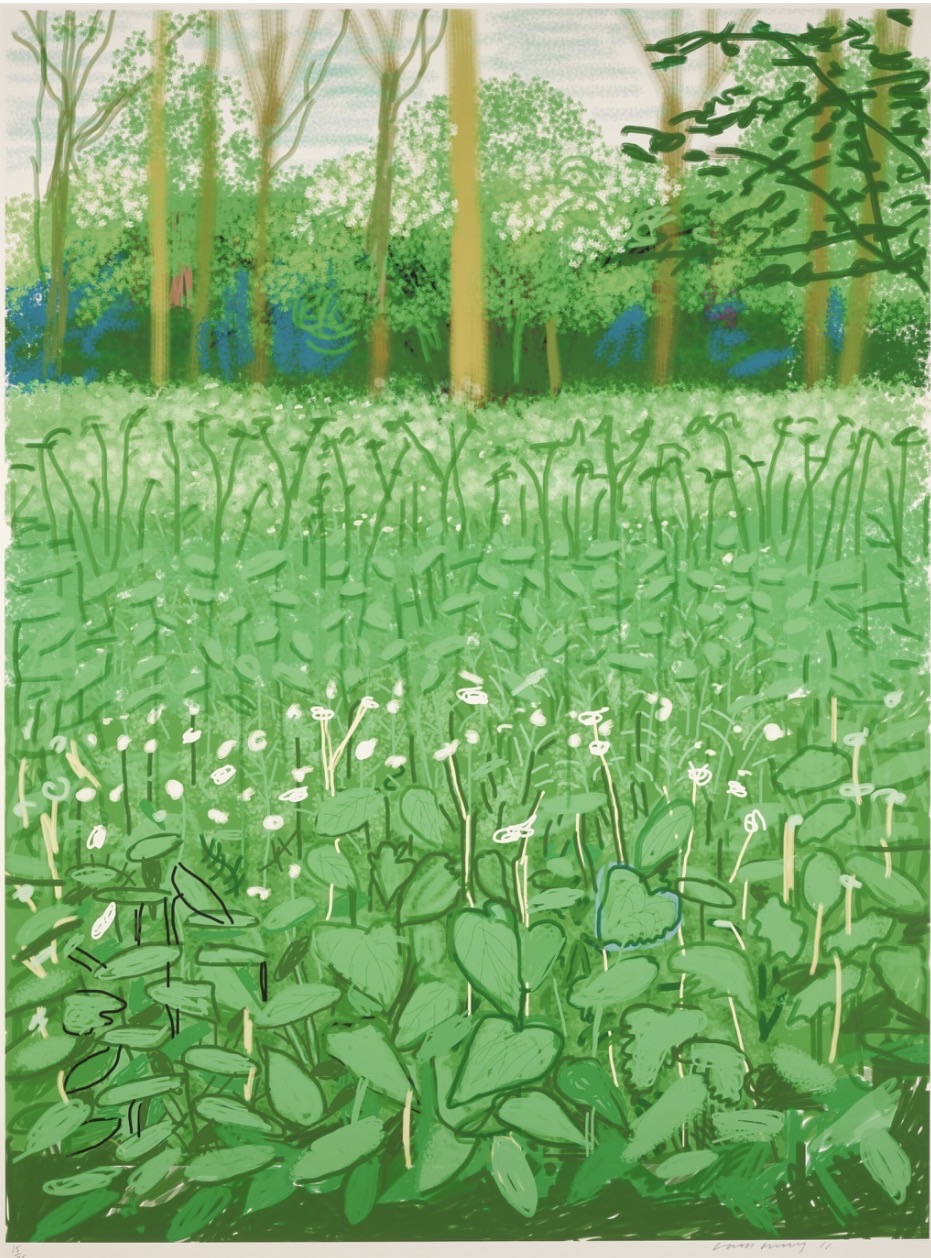
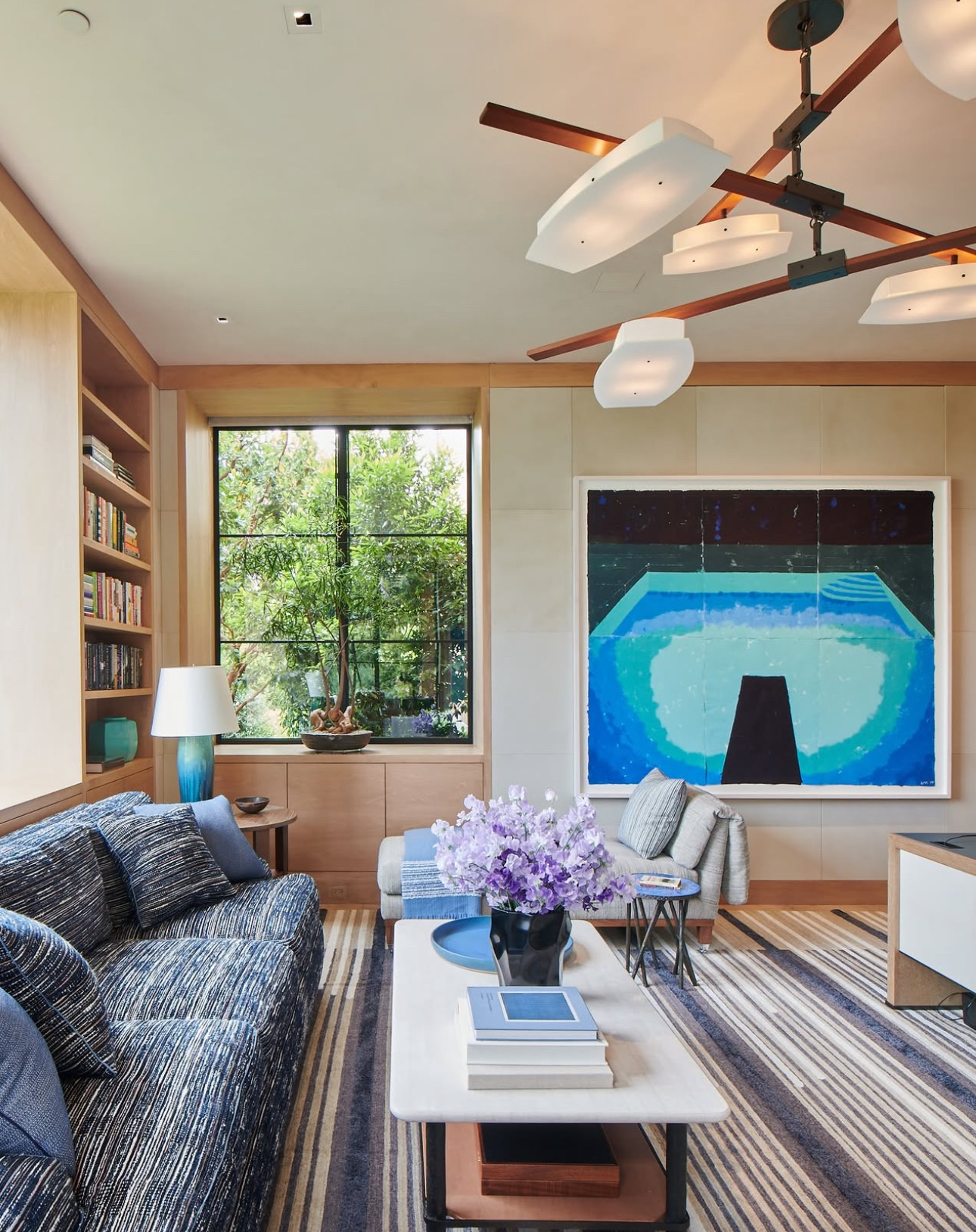
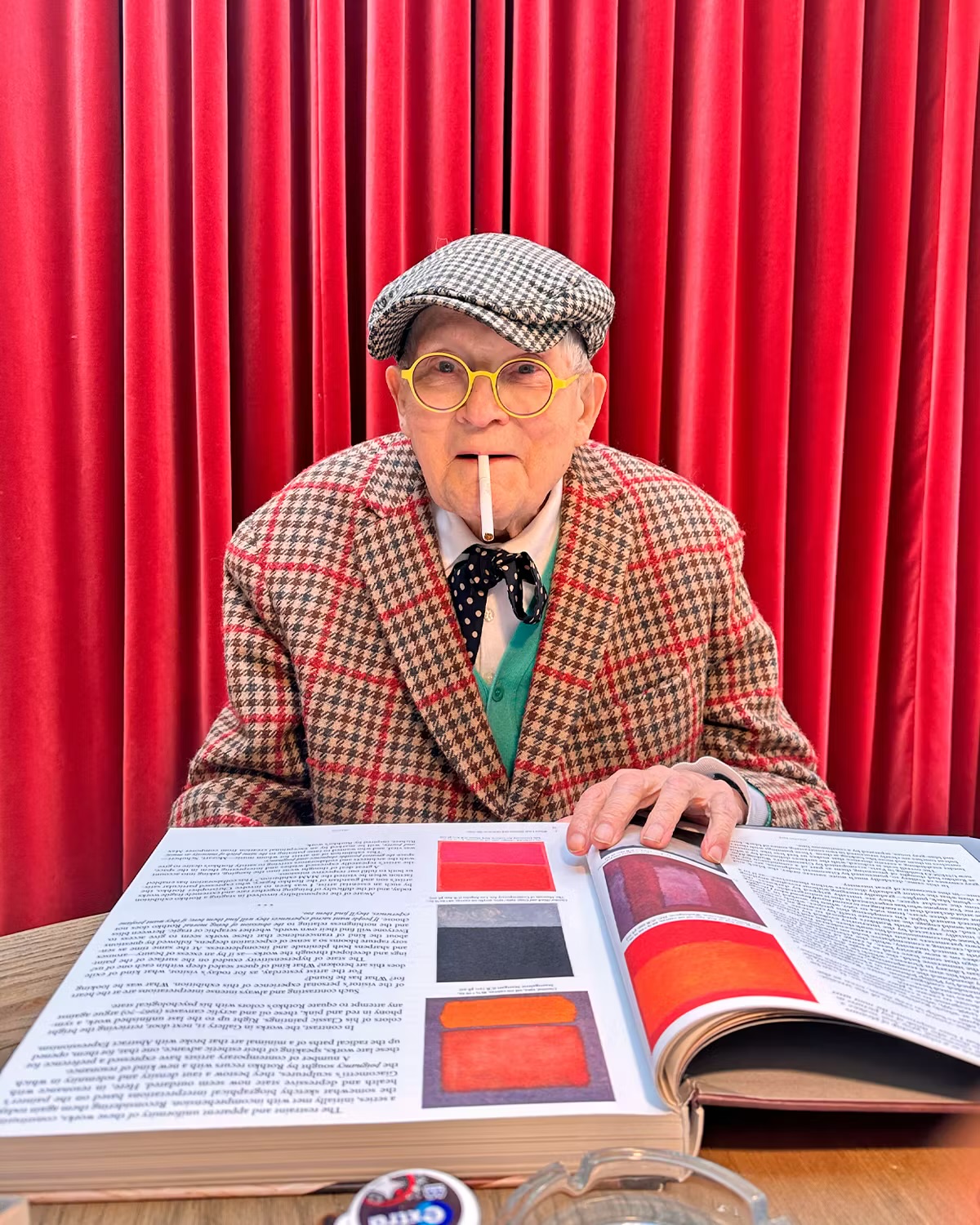
David Hockney
The Arrival of Spring in Woldgate, East Yorkshire in 2011, 2011
David Hockney followed with his own landmark moment when A Bigger Splash sold at Sotheby's for over twenty three million pounds, cementing his status as the most beloved living British painter among both institutional and private buyers. What is interesting about both artists is how differently they operate in the market: Bacon as a rare and almost mythological presence, Hockney as a prolific and endlessly collectable figure whose works span price points and collecting generations. Banksy occupies a category entirely his own. The 2018 shredding of Girl with Balloon at Sotheby's London, now retitled Love is in the Bin, was one of the defining market theatre moments of the decade.
When that same work returned to auction in 2021 and sold for nearly eighteen and a half million pounds, any remaining doubt about whether street art could sustain serious secondary market prices was settled. The Banksy market is also a cultural barometer. Collector appetite for his work tracks closely with broader anxieties about authenticity, institutions, and the question of who gets to decide what art means. That conversation has not quieted.
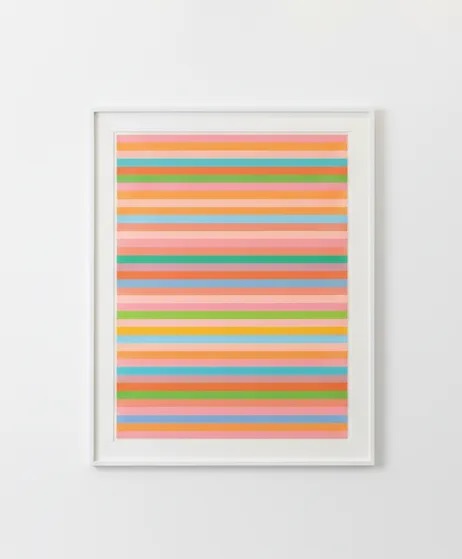
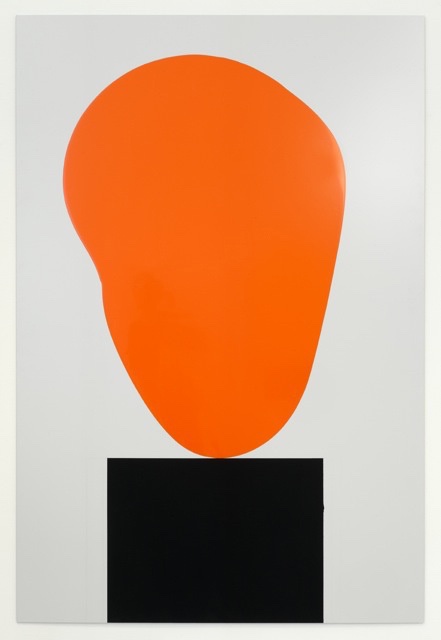
Bridget Riley
Rose Rose, 2011
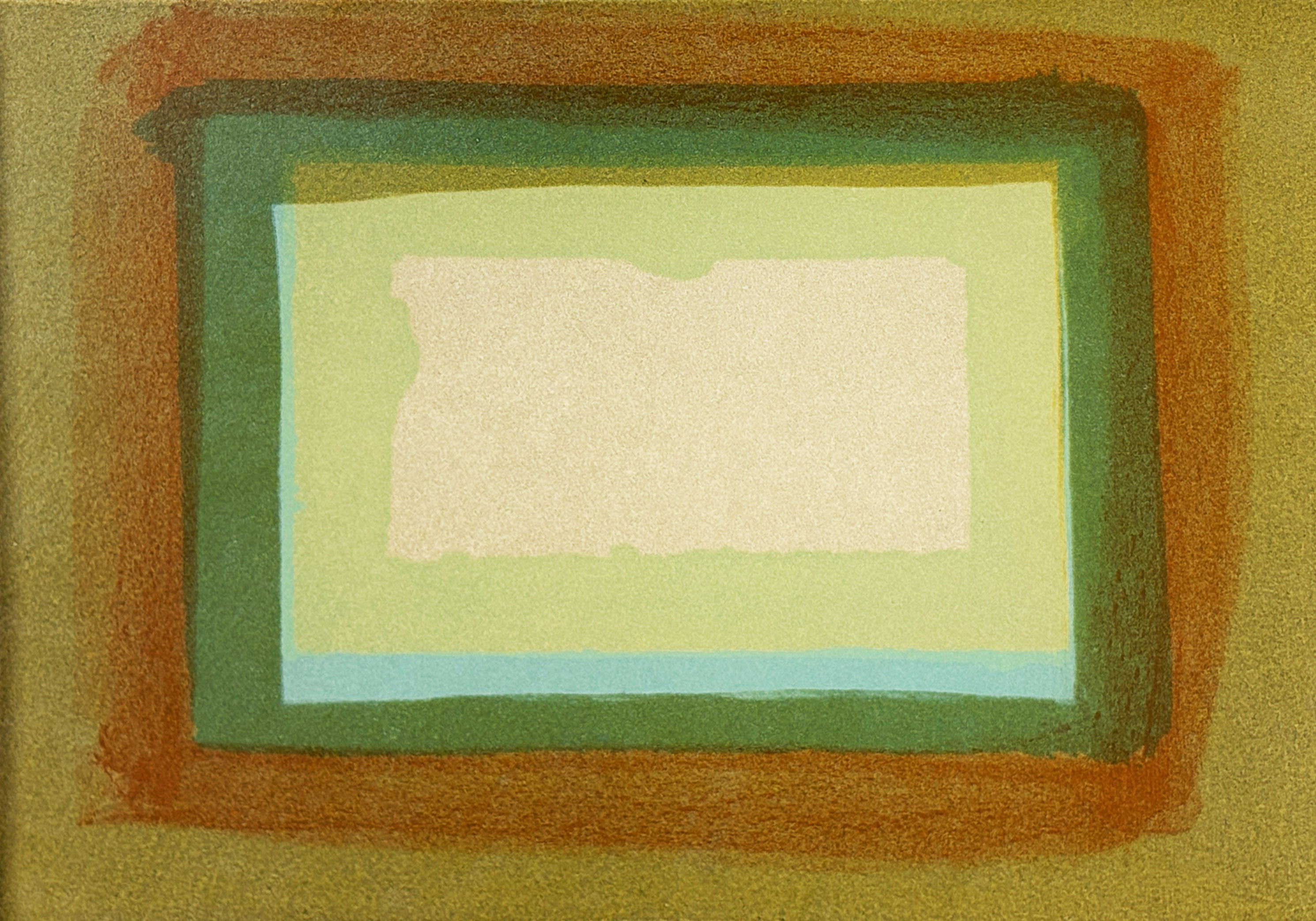
Beyond the headline numbers, some of the most interesting collecting energy around British art has gathered around figures whose critical reputations have been rebuilt with real care over time. Bridget Riley, long acknowledged as one of the defining voices of Op Art, has seen renewed institutional enthusiasm following a major retrospective at the Hayward Gallery and sustained attention from American collectors who came to her work through the lens of abstraction rather than through the British context in which she was first understood. Howard Hodgkin, who died in 2017, has benefited from the kind of posthumous reassessment that often separates the genuinely significant from the merely fashionable. His small, intensely personal paintings are finding their way into collections that previously overlooked them.
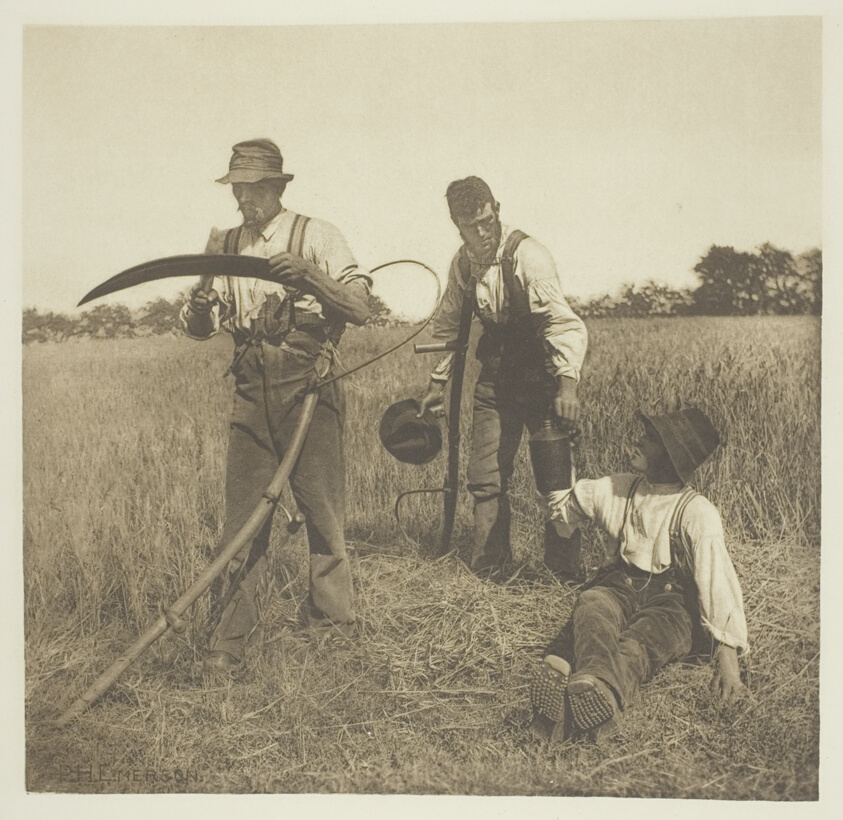
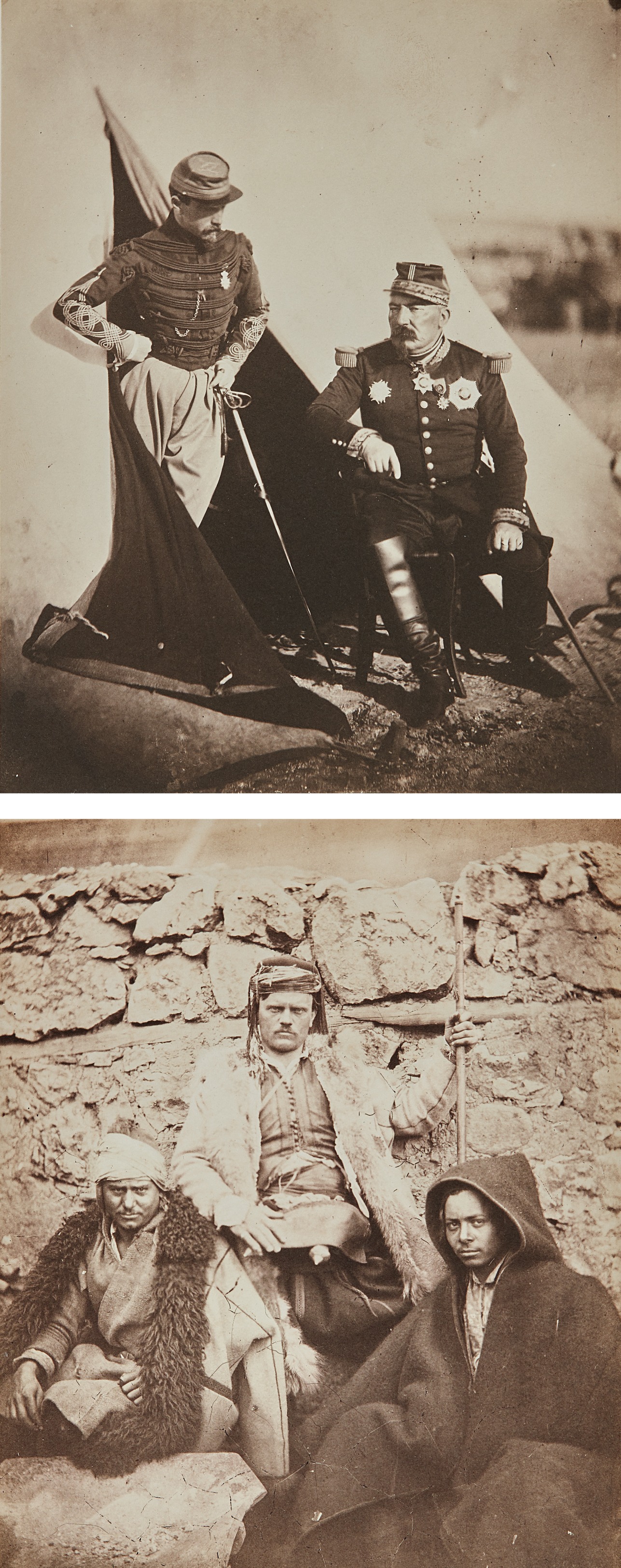
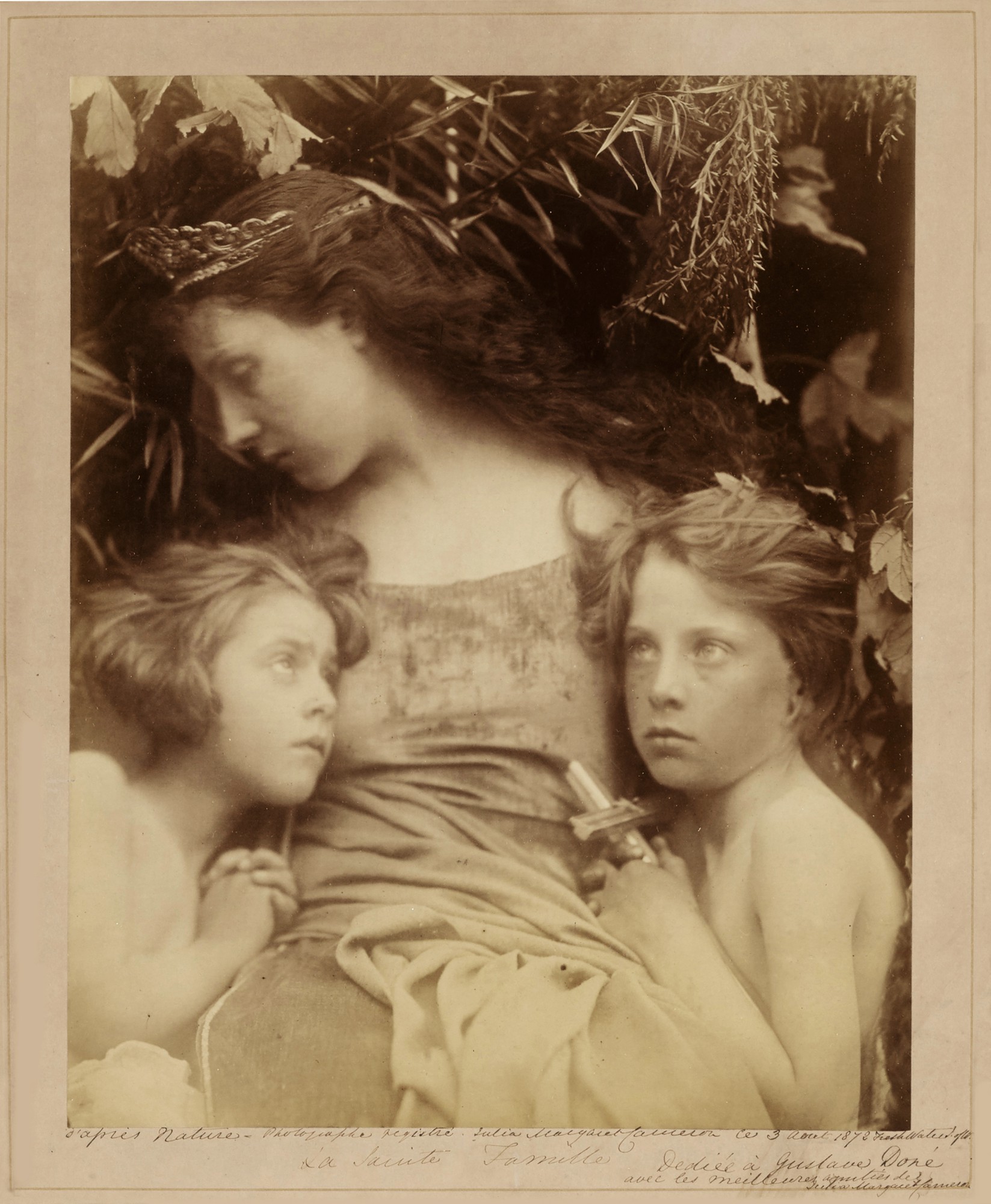
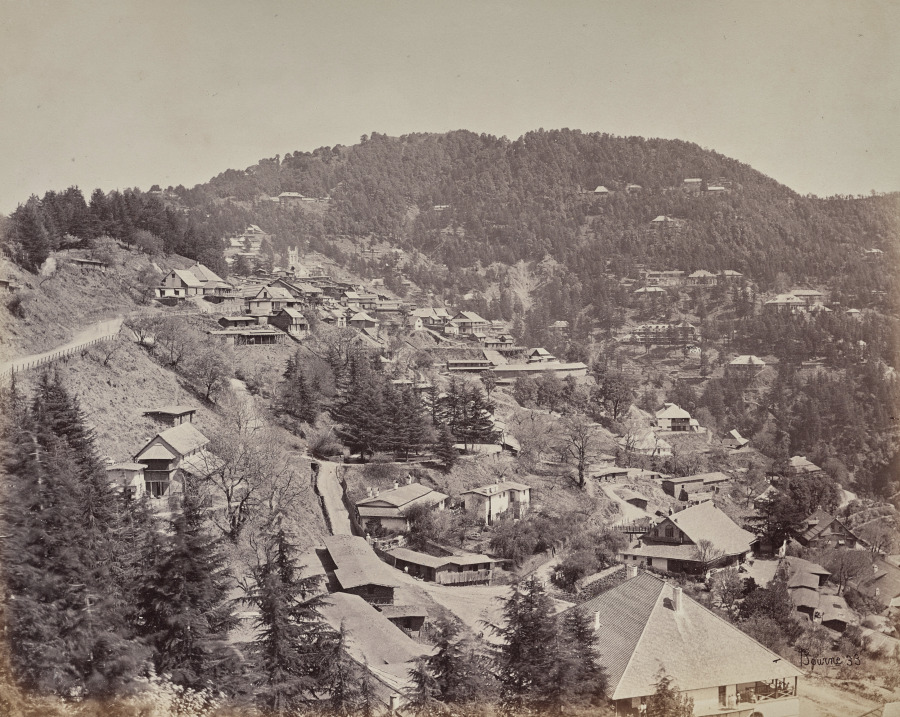
Antony Gormley continues to attract institutional commissions that keep his work visible in public discourse in a way few sculptors of his generation have managed. The photographic tradition within British art is also receiving overdue attention. William Henry Fox Talbot, whose calotypes effectively invented the language of photography, sits at the origin point of a lineage that runs through Roger Fenton's Crimean War documentation, Julia Margaret Cameron's ethereal Victorian portraiture, and Bill Brandt's mid twentieth century exploration of class, landscape, and the body. Museum shows at the V&A and the National Portrait Gallery have drawn fresh eyes to this tradition, and the market for fine photographic works has followed.
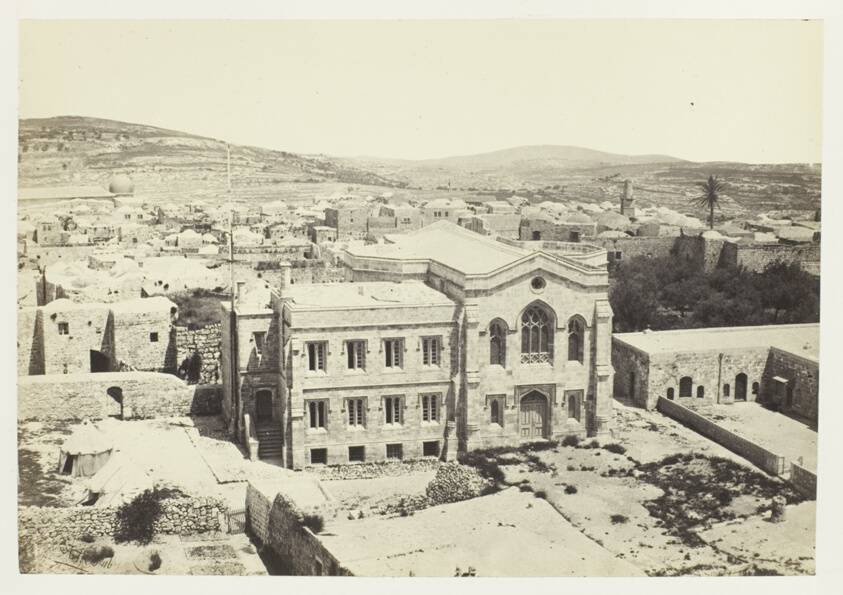
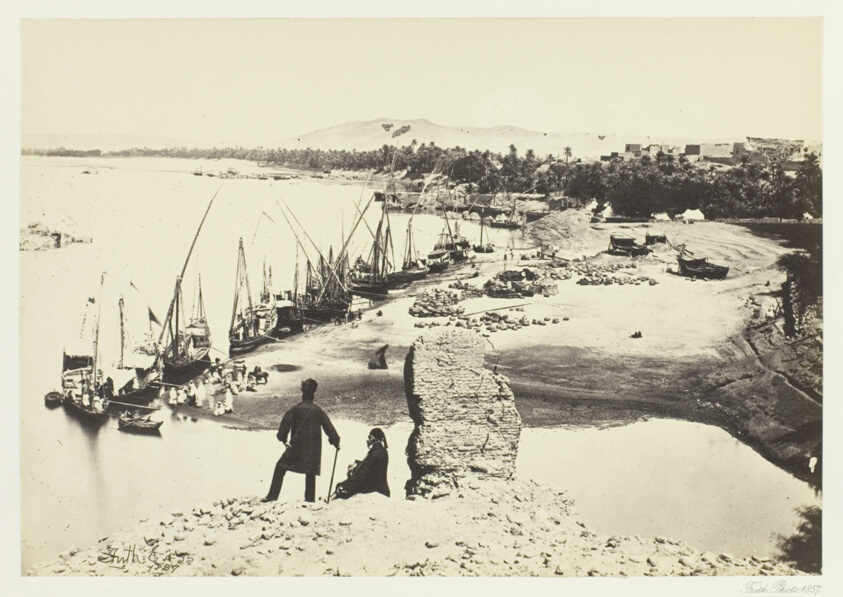
Francis Frith
The New English Church from the Tower of Hippicus, Jerusalem, 1857
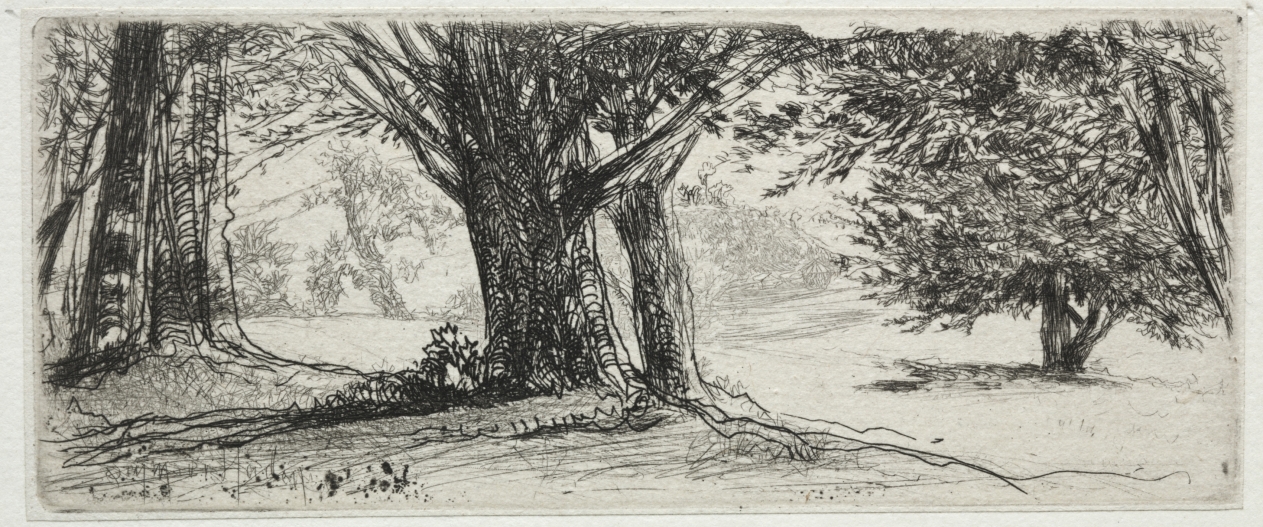
Peter Henry Emerson's naturalistic photographs and Frederick H. Evans's architectural studies have found serious collectors who understand that this is not a secondary category but rather a foundational one. Francis Frith's vast documentary project photographing Egypt and the British Isles in the nineteenth century reads differently now than it did even ten years ago, with postcolonial scholarship reshaping how curators and collectors contextualise the work. The critical conversation around British art is being shaped by a generation of writers and curators who are less interested in the YBA narrative as a fixed story and more interested in what it obscured or displaced.
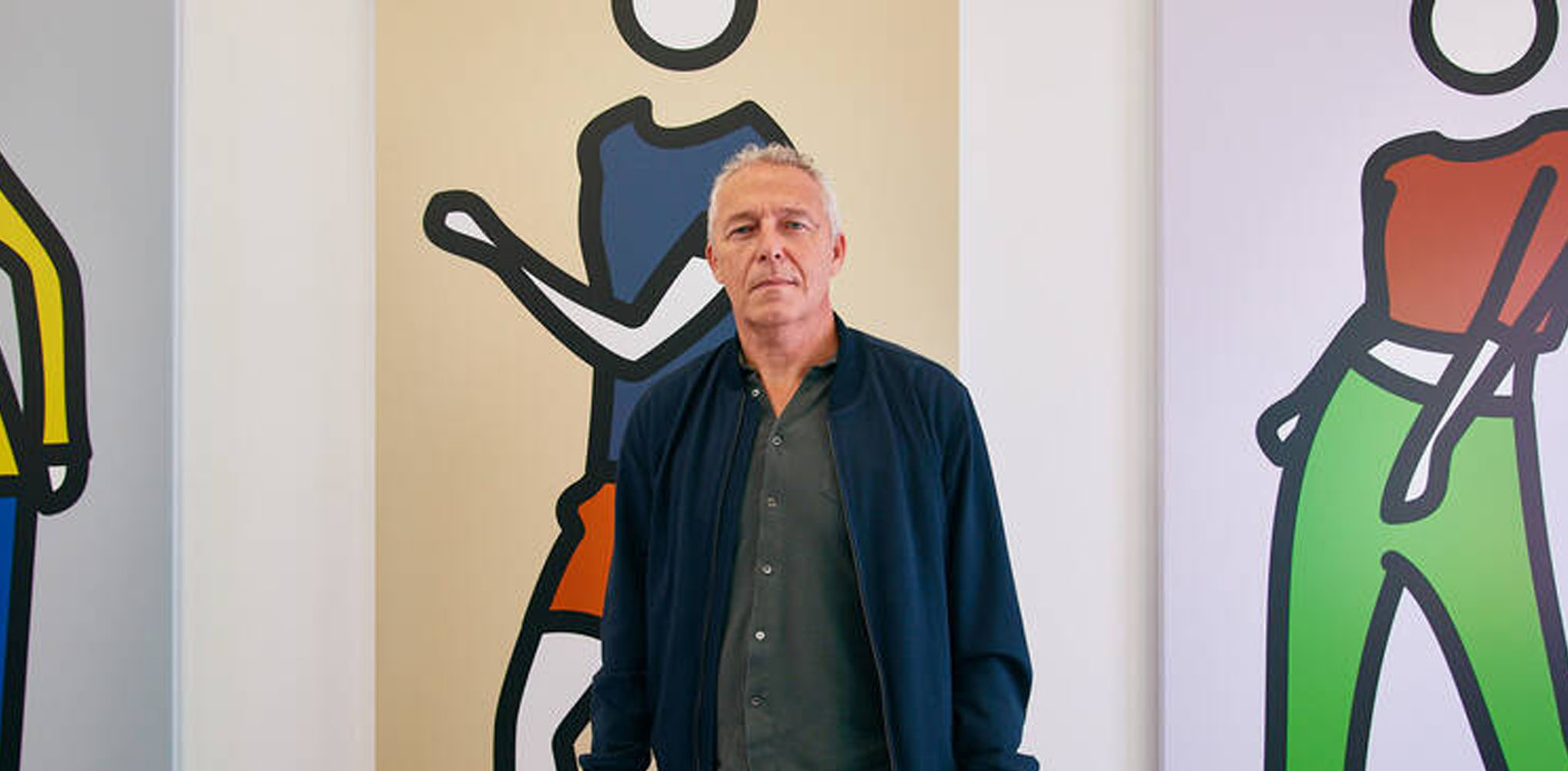
There has been sustained scholarly attention to figures like Richard Hamilton, whose conceptual rigour and deep engagement with American popular culture made him a vital but often undersung forerunner to everything that followed. Julian Opie's continued evolution, moving fluidly between prints, digital works, and large scale public installations, has attracted renewed critical interest from writers grappling with how portraiture and identity function in an image saturated world. Tracey Emin, whose raw autobiographical practice once made critics uncomfortable, is now the subject of serious reconsideration by younger feminist art historians who see in her work something more formally sophisticated than the tabloid version ever allowed. What feels alive right now is the space between the well documented canon and the figures who have always been present but never quite centred.
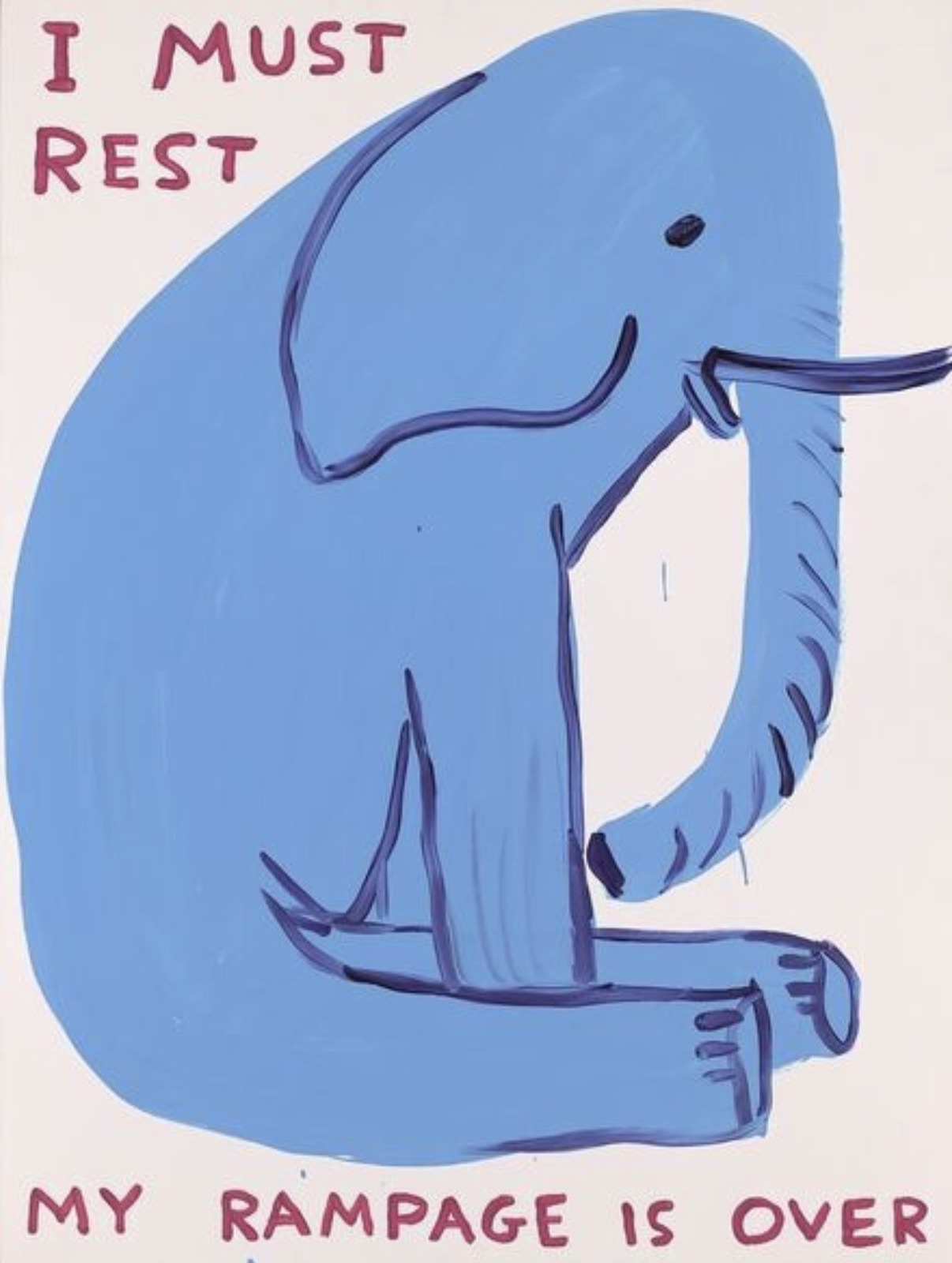
David Shrigley
My Rampage Is Over, 2019
Henry Moore's international reputation has been so thoroughly established that it can almost obscure the genuine radicalism of what he did with form and scale in the 1940s and 1950s. Gilbert and George continue to resist any comfortable categorisation, which is exactly why they remain interesting. David Shrigley occupies a curious position, beloved by a broad public and quietly collected by serious buyers who appreciate the degree of formal control beneath the apparently casual surface. Marc Quinn's engagement with the body, identity, and biological materiality has aged well given the cultural conversations now dominating the art world.
The Collection represents the breadth of this tradition with particular depth, from the Victorian photographers who gave Britain its first visual archive to the generation of artists who made London the centre of the art world in the 1990s and the figures who have quietly continued to develop remarkable bodies of work since. What British art offers a collector, ultimately, is range: conceptual ambition sitting alongside lyrical intimacy, institutional critique sharing space with genuine formal invention. The energy is not concentrated in one moment or one movement. It runs like a current through the whole history, and the wisest collectors are the ones who follow it rather than fight it.