Printmaking
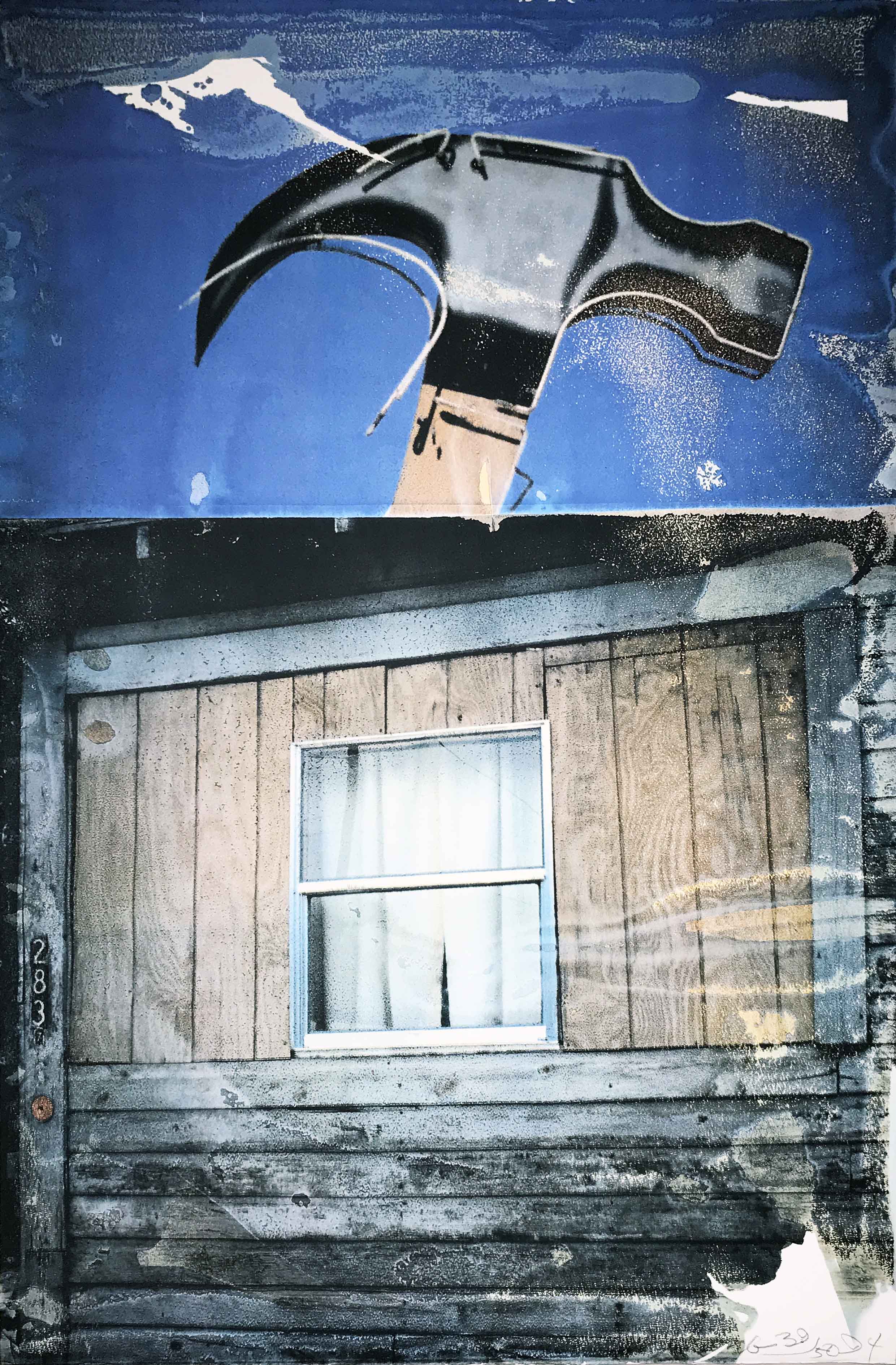
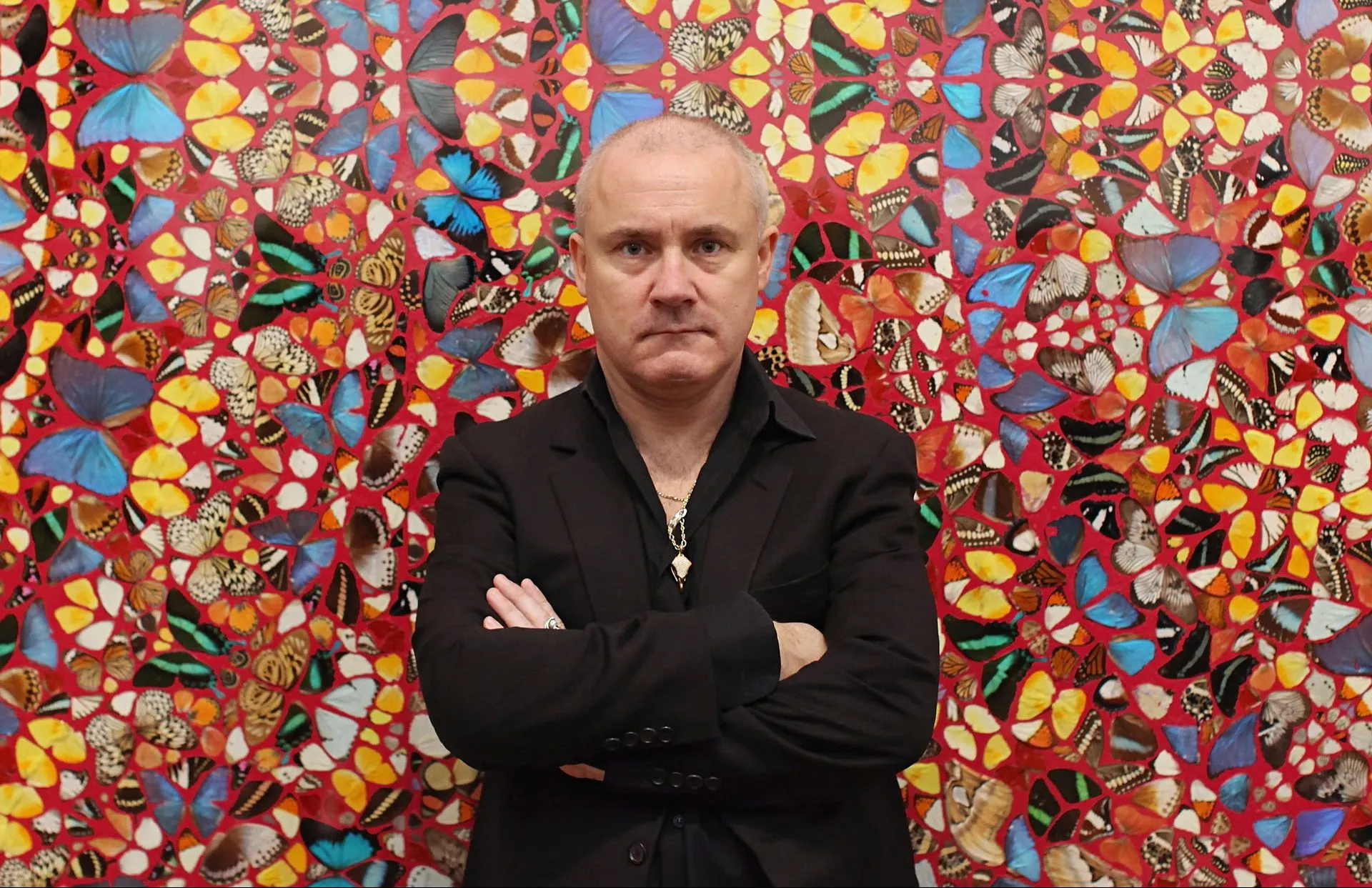
Robert Rauschenberg
Tribute 21: Labor, 1994
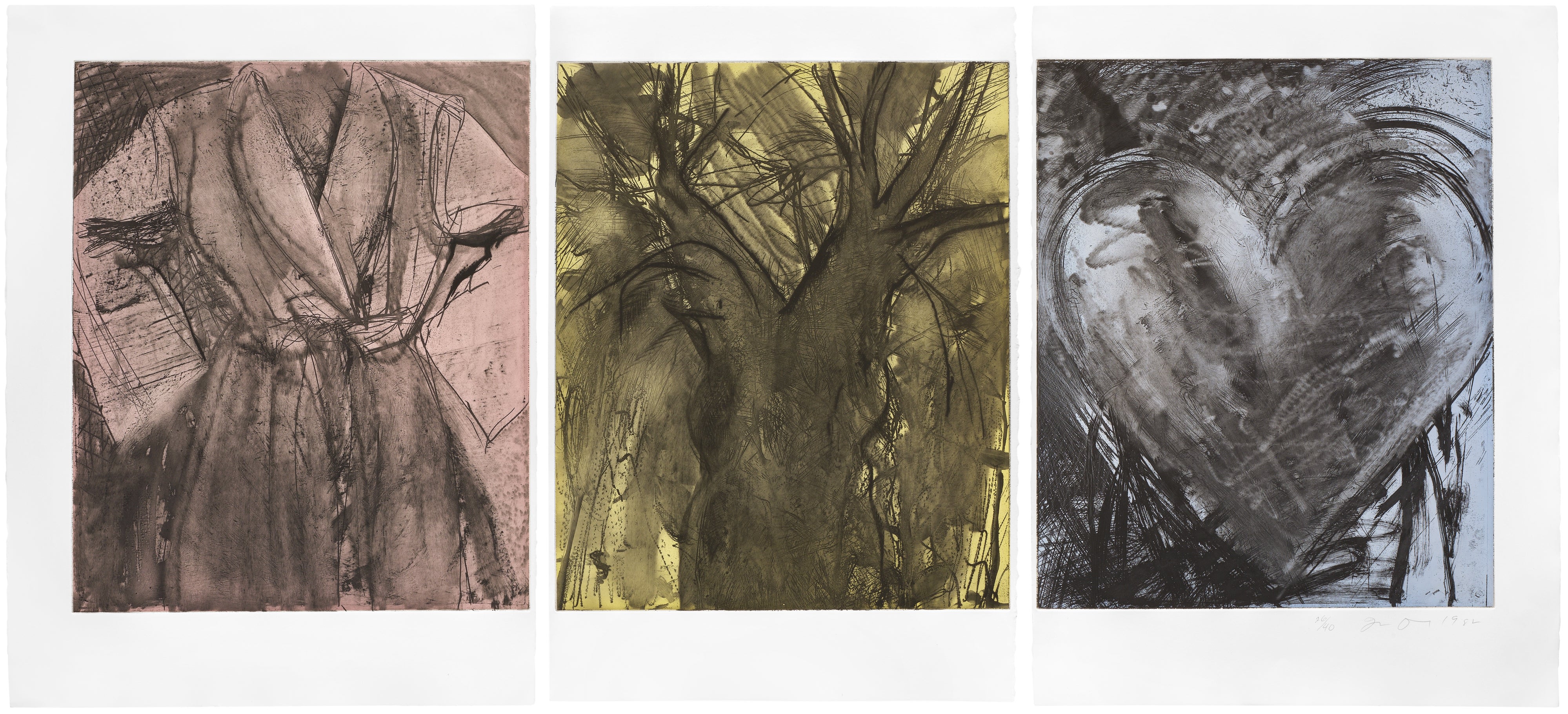
Ink, Pressure, and the Multiplied Sublime
There is something almost alchemical about printmaking. You carve into a surface, roll ink across it, press paper down, and lift away something that did not exist a moment before. The image arrives from pressure and resistance, from the tension between the hand and the material, and it arrives not once but many times over. That capacity for multiplication is what makes printmaking one of the most philosophically charged mediums in art history, and also one of the most persistently misunderstood.
The story begins in earnest in fifteenth century Europe, when goldsmiths and metalworkers discovered that the incised lines they used to decorate armor and jewelry could be inked and pressed onto paper to produce images. Albrecht Dürer brought engraving to its first great summit in the early 1500s, treating the medium not as a reproductive tool but as a primary form of expression. His prints circulated across the continent with a speed that oil paintings simply could not match, and in doing so they made the case that a work could be both multiple and original, both democratic and sublime. The argument still stands.
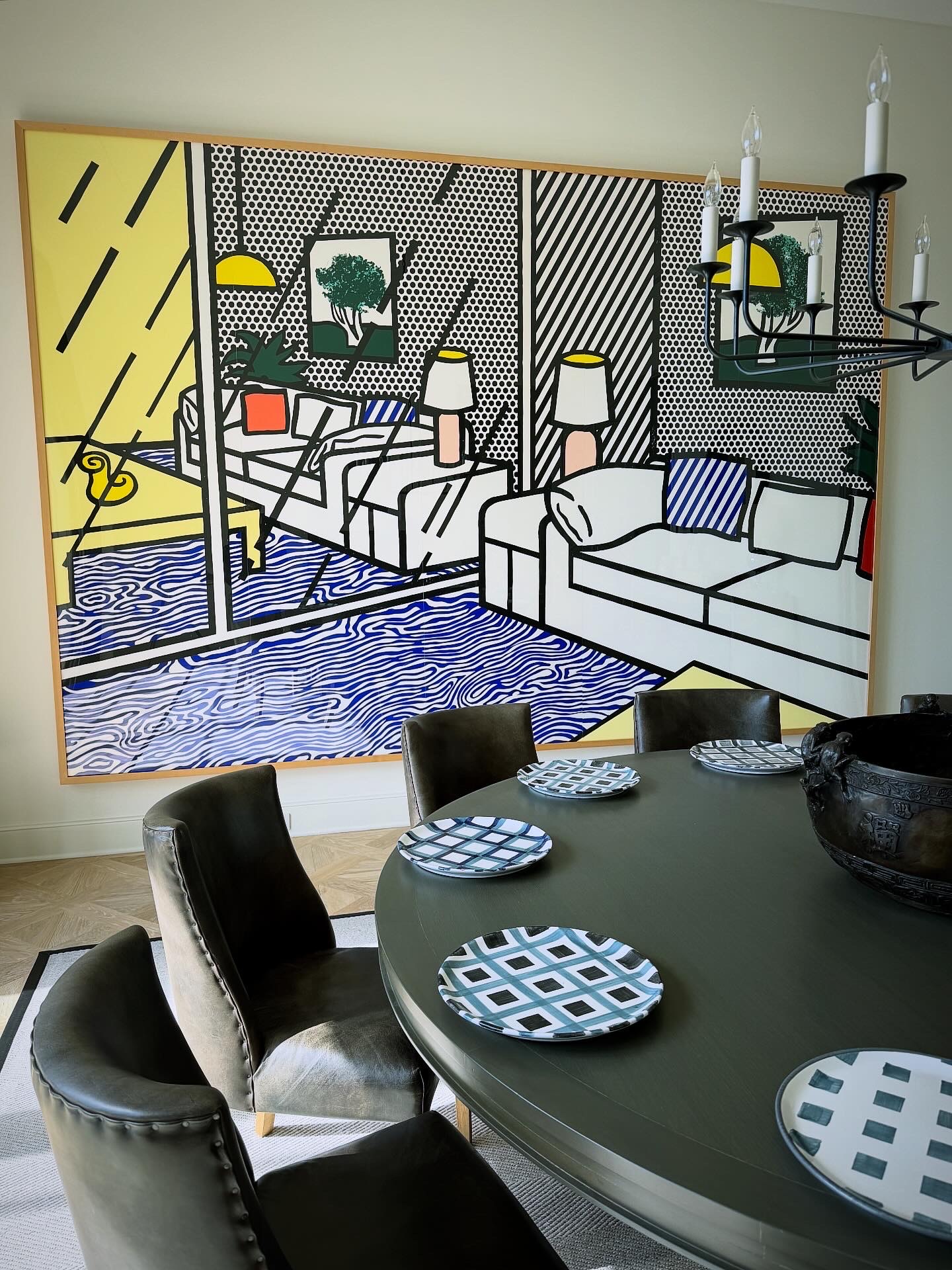
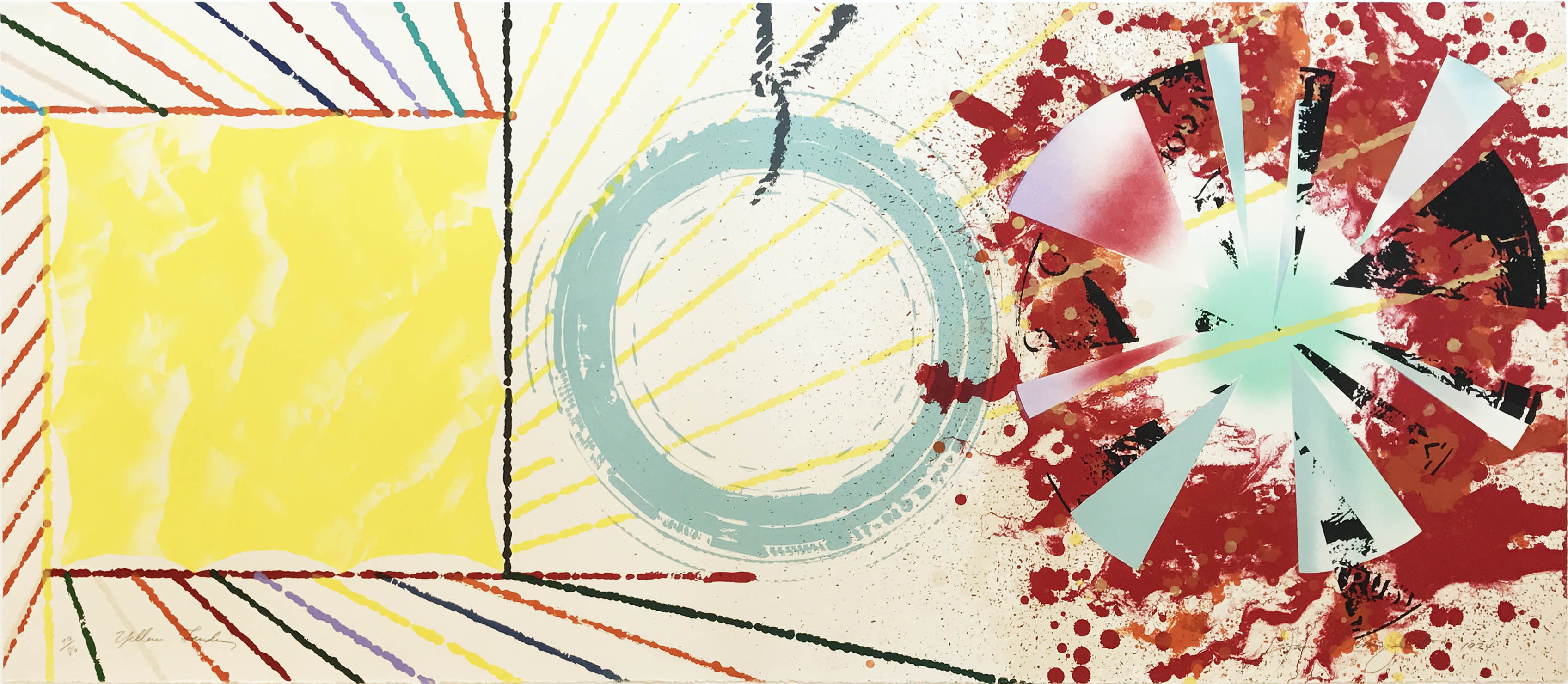
Roy Lichtenstein
untitled
Rembrandt took that case further. Working in Amsterdam through the middle decades of the seventeenth century, he approached etching with the same restless intelligence he brought to painting, reworking his plates through multiple states, letting the copper itself become a kind of sketchbook. The range of marks he achieved through varying pressure and the deliberate use of plate tone have never quite been surpassed, and his etchings continue to set the standard against which all subsequent intaglio work is measured. The works by Rembrandt on The Collection carry that weight quietly but unmistakably.
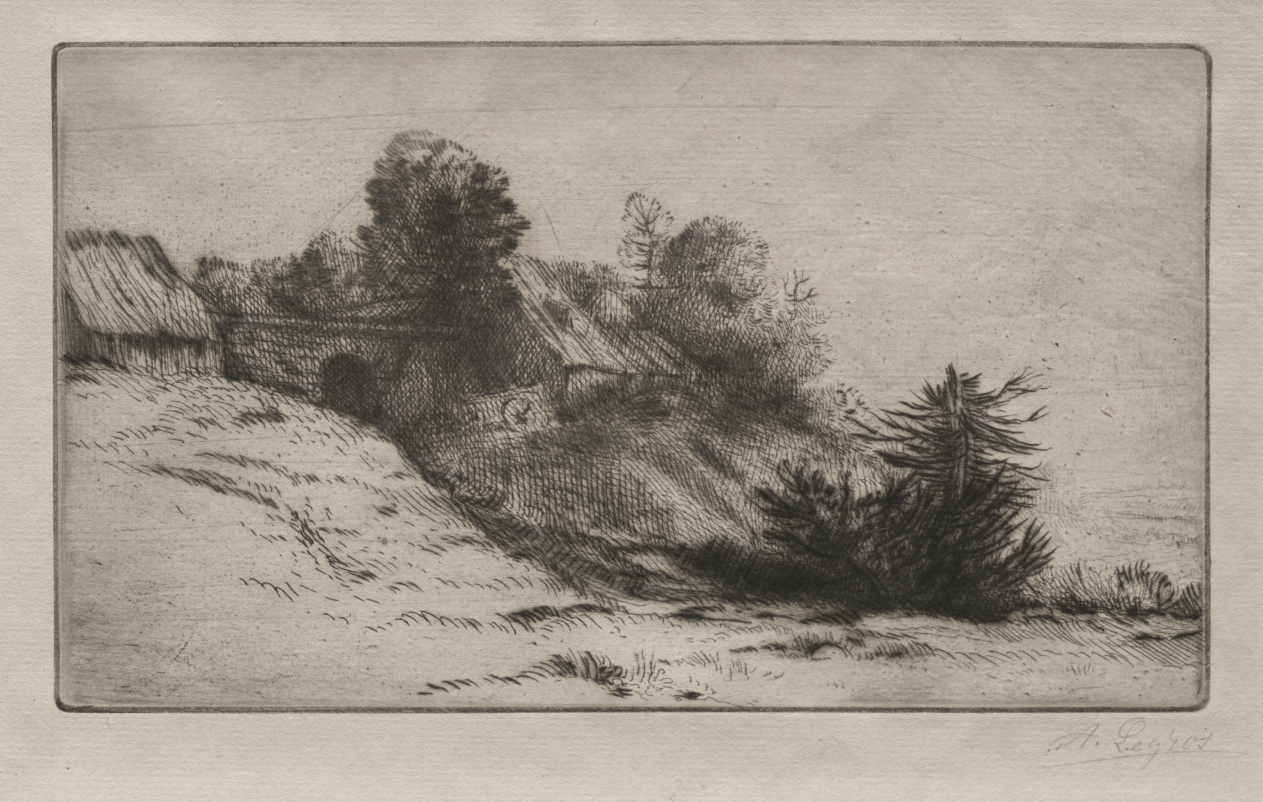
The nineteenth century saw printmaking splinter into new directions. James McNeill Whistler, a pivotal figure in the medium's Victorian reinvention, elevated etching to the level of serious critical attention in the 1870s and 1880s, championing a subtlety of line and atmosphere that stood against the bombastic engraved illustrations dominating publishing at the time. Around the same period, Auguste Louis Lepère was reanimating woodcut in France, bringing an energetic directness to the medium that anticipated the Expressionists by decades. Alphonse Legros, working between France and Britain, produced etchings of austere psychological power that have been quietly influential far beyond his public reputation.
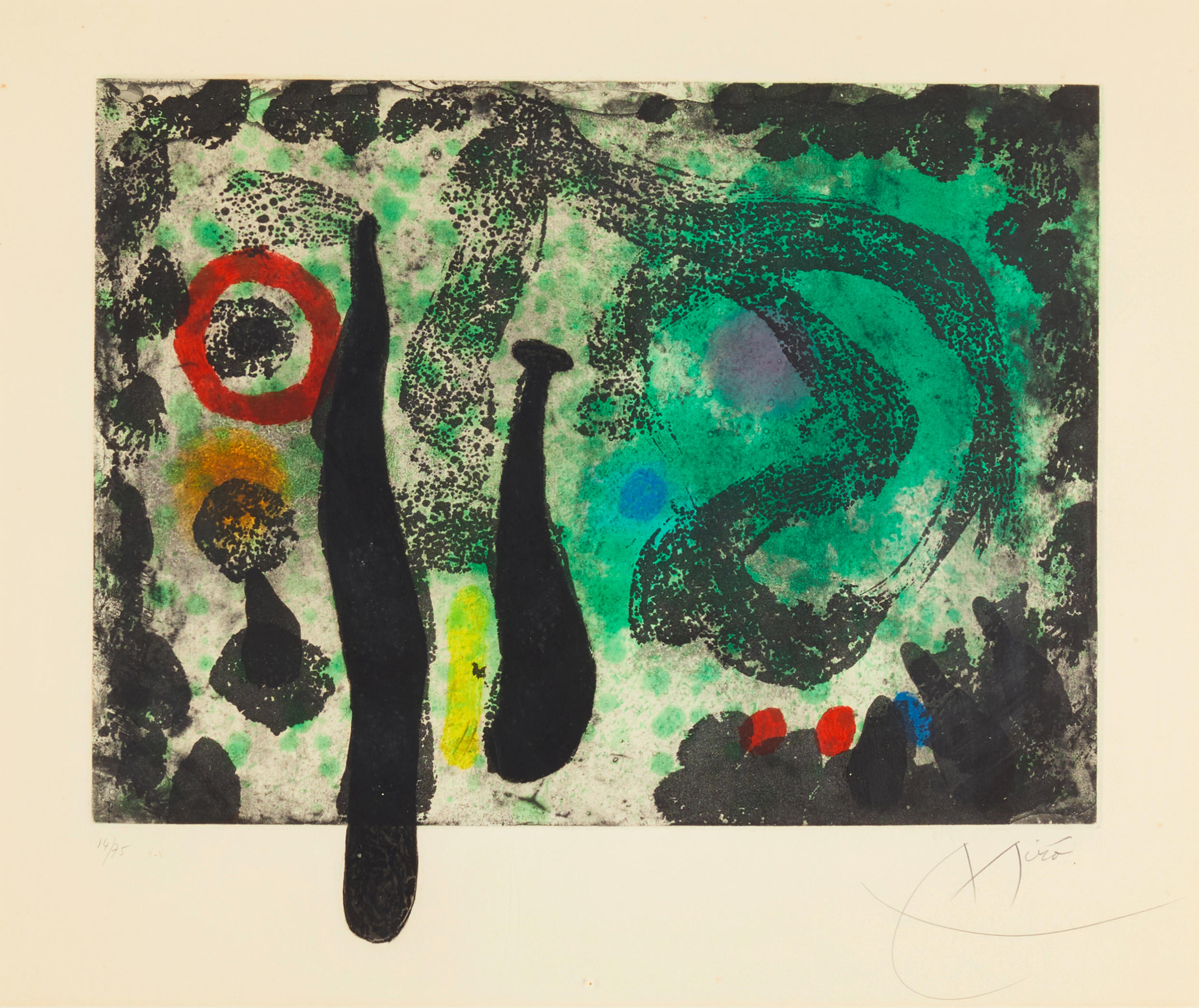
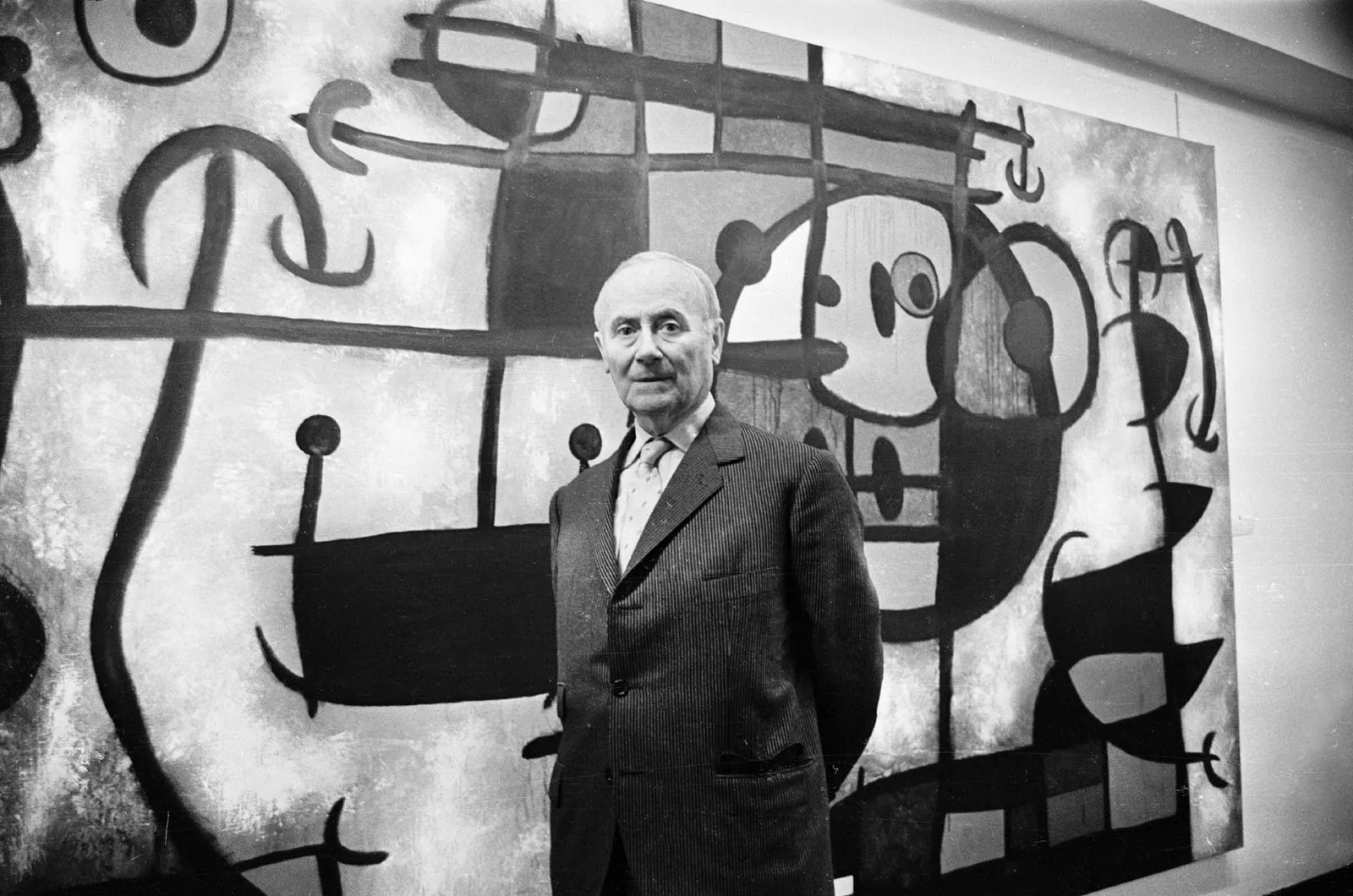
Joan Miró
Le Jardin De Mousse , 1968
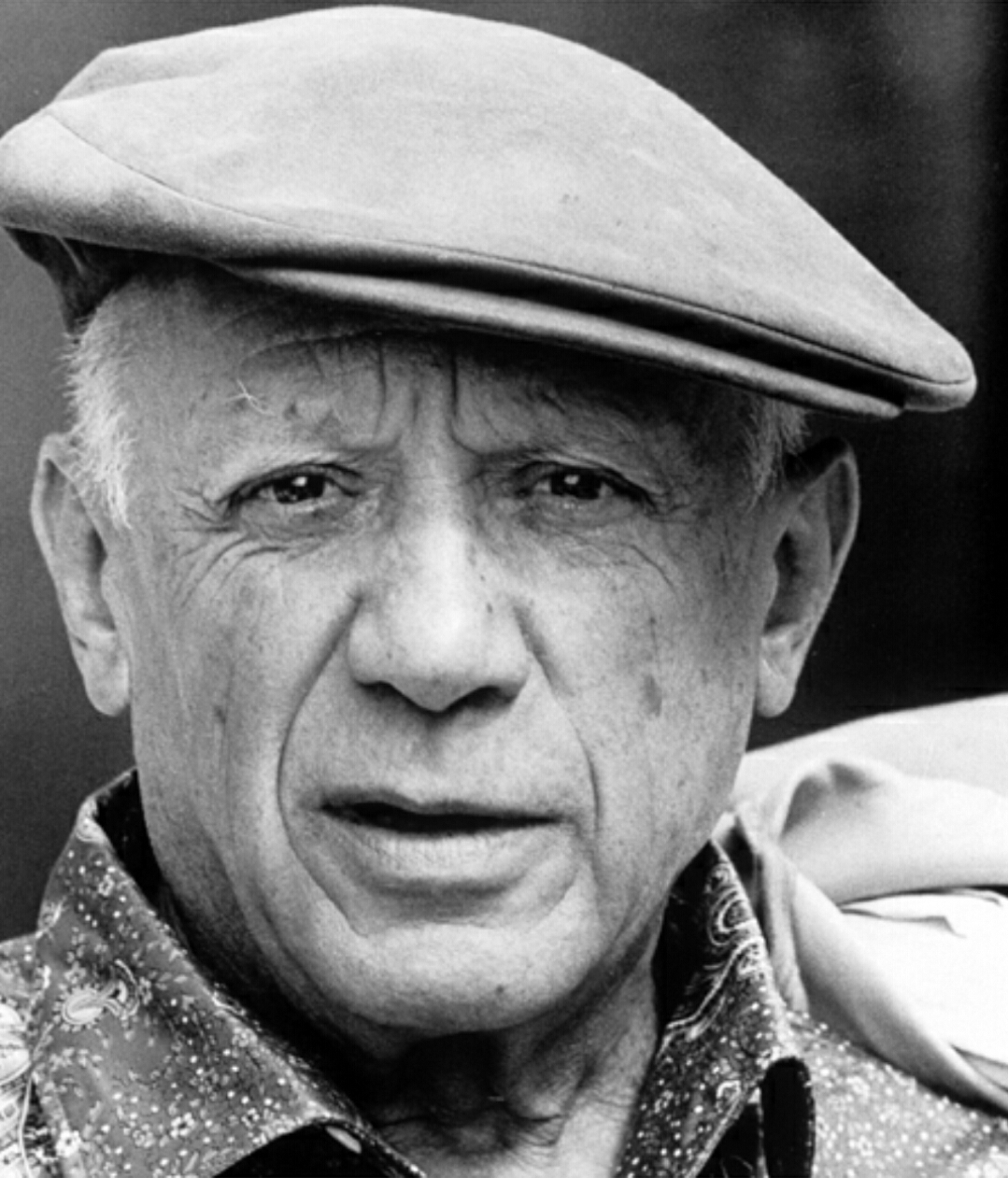
The twentieth century transformed printmaking from the inside out. Picasso approached lithography, etching, linocut, and aquatint with characteristic ferocity, treating each technique as a new set of constraints to overcome or subvert. His print output is staggering in both quantity and ambition, and it sits at the heart of any serious conversation about modernism in the medium. Joan Miró found in lithography a vehicle perfectly suited to his biomorphic vocabulary, producing work that feels simultaneously ancient and invented, as though the marks arrived from some prelinguistic place.
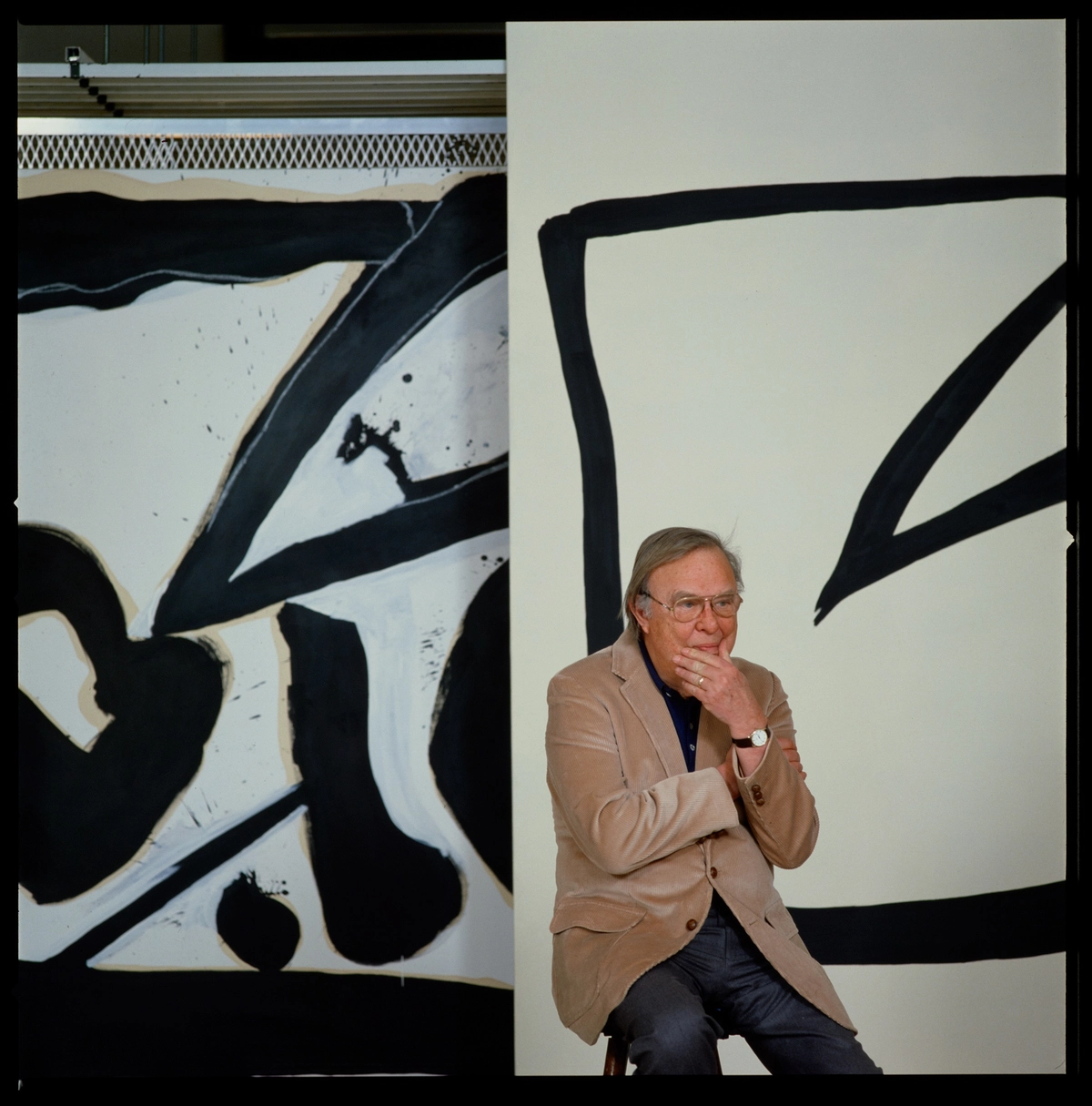
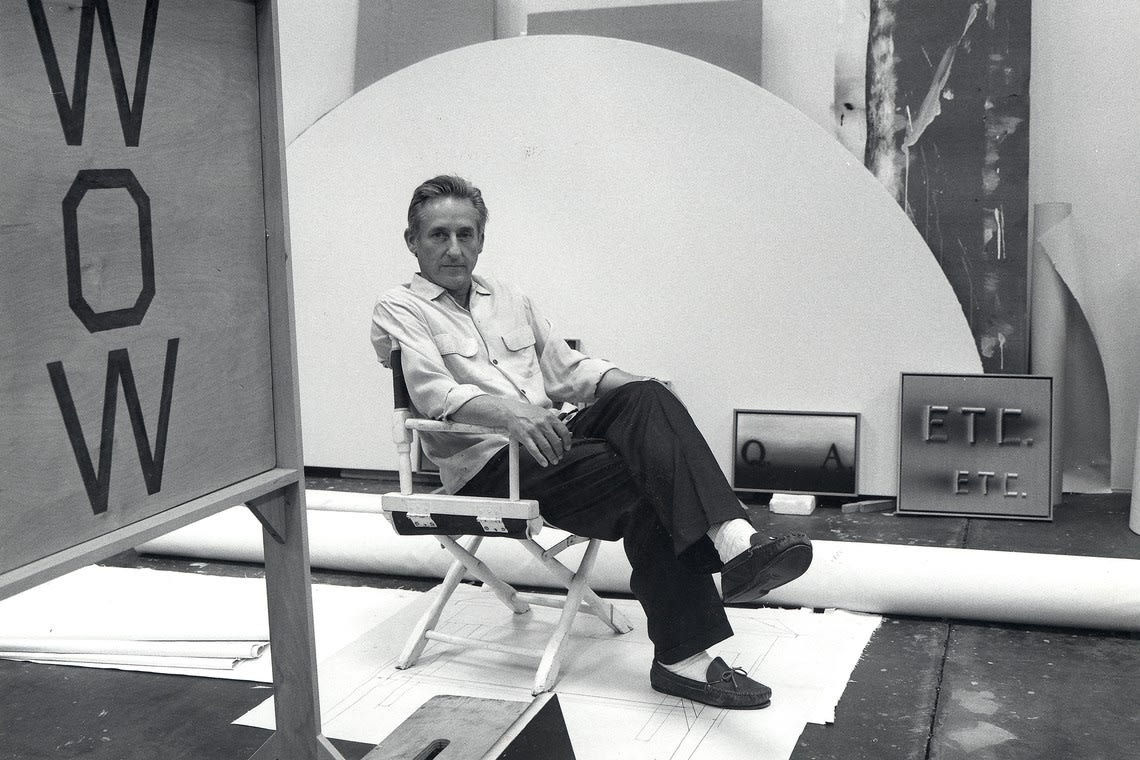
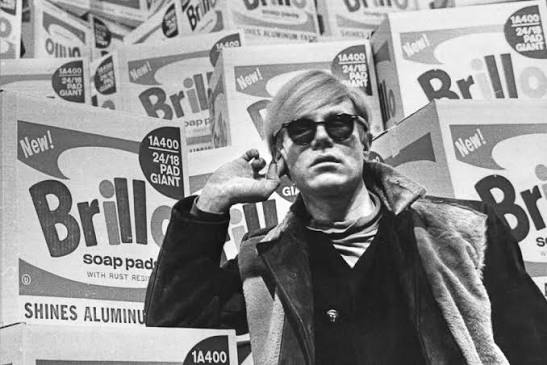
Both artists are exceptionally well represented on The Collection, and spending time with their prints reveals how differently two masters can inhabit the same historical moment. The American postwar scene produced a second great revolution. When Robert Rauschenberg and Jasper Johns began working with master printer Tatyana Grosman at Universal Limited Art Editions in the late 1950s, they brought Conceptual and Neo Dada sensibilities to lithography and transformed what serious artists thought the medium could do. Andy Warhol's silkscreen work, beginning in the early 1960s, asked even more fundamental questions about originality, authorship, and the relationship between art and consumer culture.
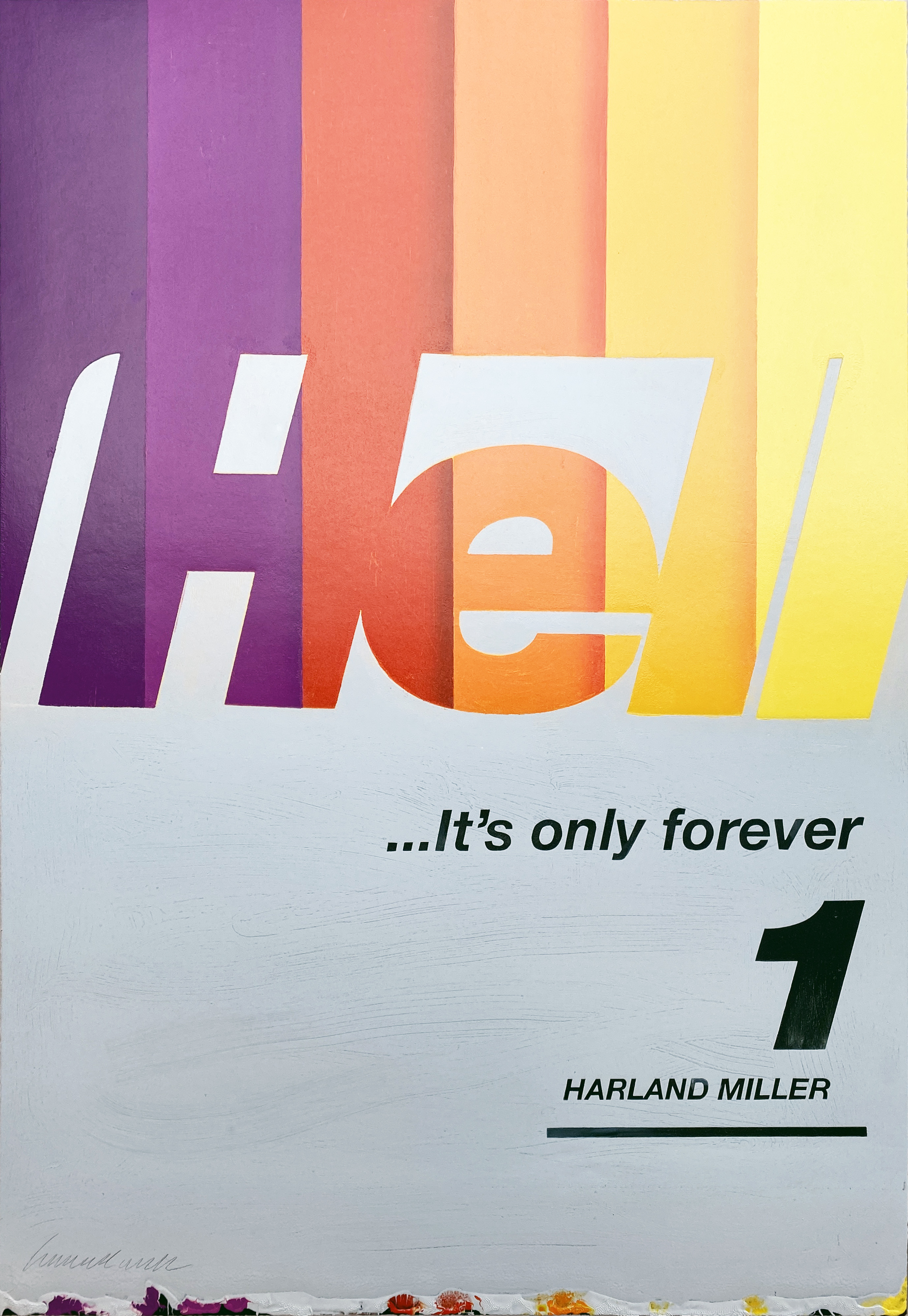
Harland Miller
Hell... It's only Forever 1, 2020
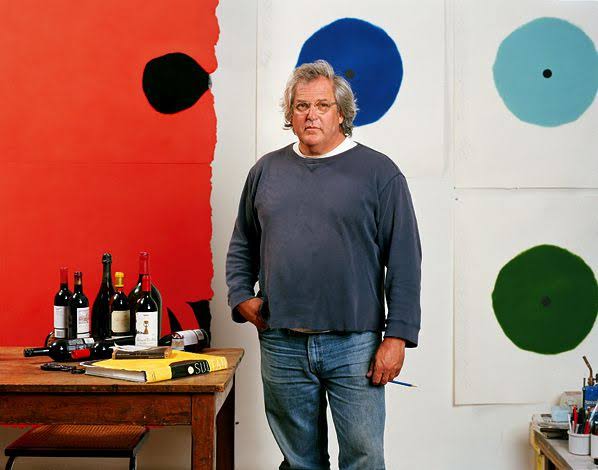
Roy Lichtenstein used the visual language of Ben Day dots, borrowed from commercial printing, to comment on the very processes of mechanical reproduction he was employing. These were not just aesthetic choices but theoretical positions. The range of printmaking techniques is part of what keeps the medium so alive. Relief printing, where the image area sits proud of the surface, encompasses woodcut and linocut.
Intaglio, where ink is held in incised lines or bitten by acid, includes etching, aquatint, drypoint, and engraving. Planographic processes like lithography work from a flat surface through the chemical repulsion of oil and water. Screen printing, also called silkscreen or serigraphy, forces ink through a mesh stencil. Each has its own logic, its own texture, its own relationship between intention and accident.
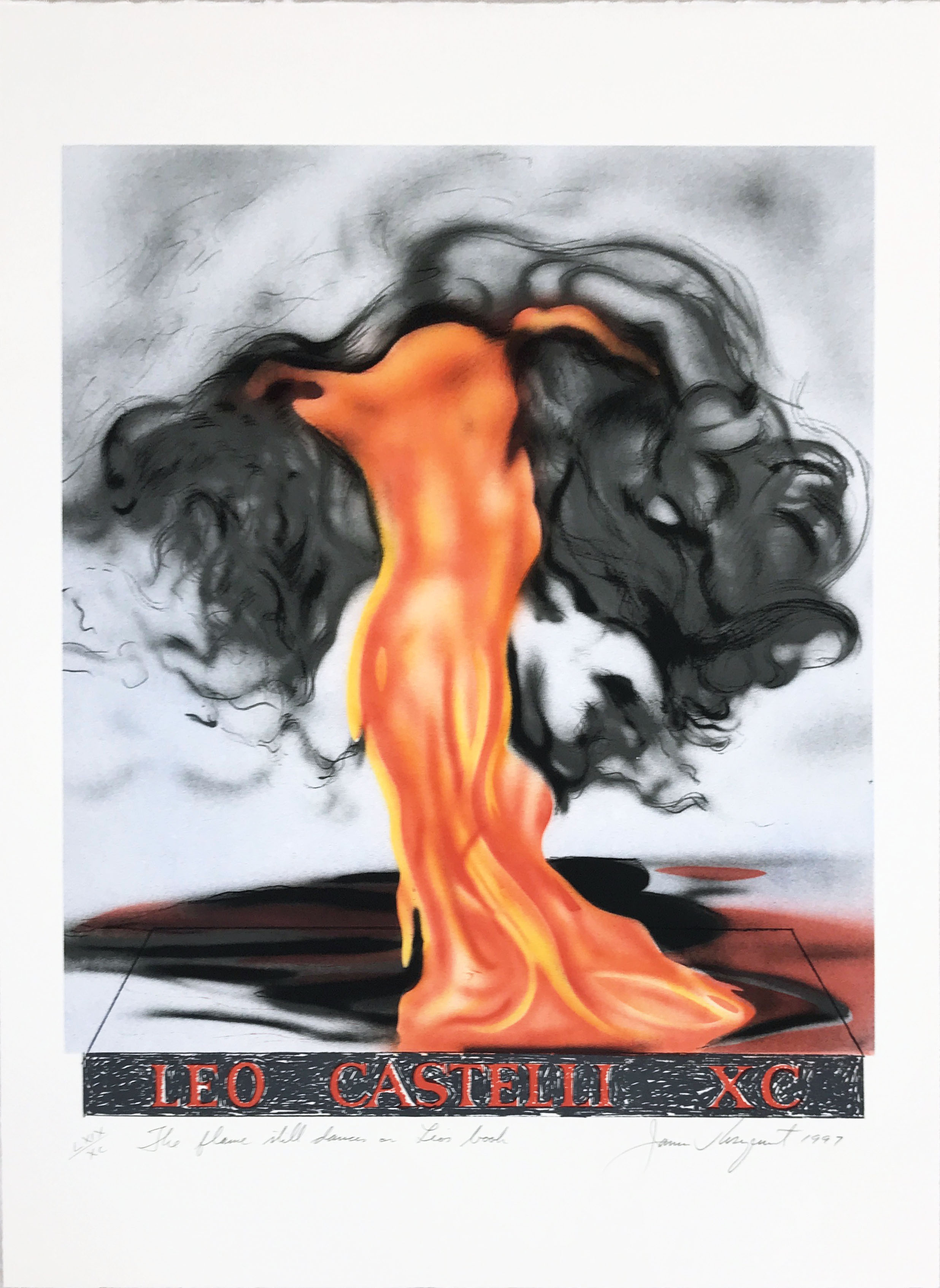
James Rosenquist
The Flame Still Dances on Leo's Book (not in Glenn) from the portfolio of Leo Castelli's 90th Birthday, 1997
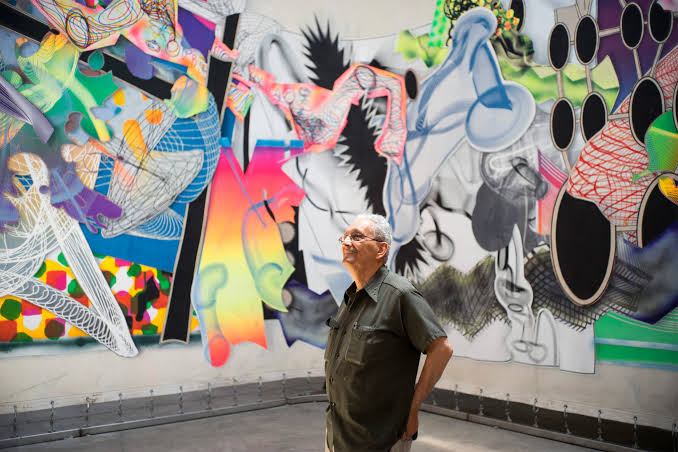
Frank Stella has explored the combinatory possibilities of these techniques across decades of extraordinarily ambitious print projects, and his work in the medium stands as some of the most technically inventive of the late twentieth century. For later generations, the print became a site of political and philosophical reflection. Robert Motherwell's Elegies to the Spanish Republic, begun as paintings, found a natural extension into printmaking, where the reduction and repetition of form took on a meditative quality. Louise Bourgeois made etchings of haunting intimacy late in her career, returning to the medium as though it offered a particular kind of confession.
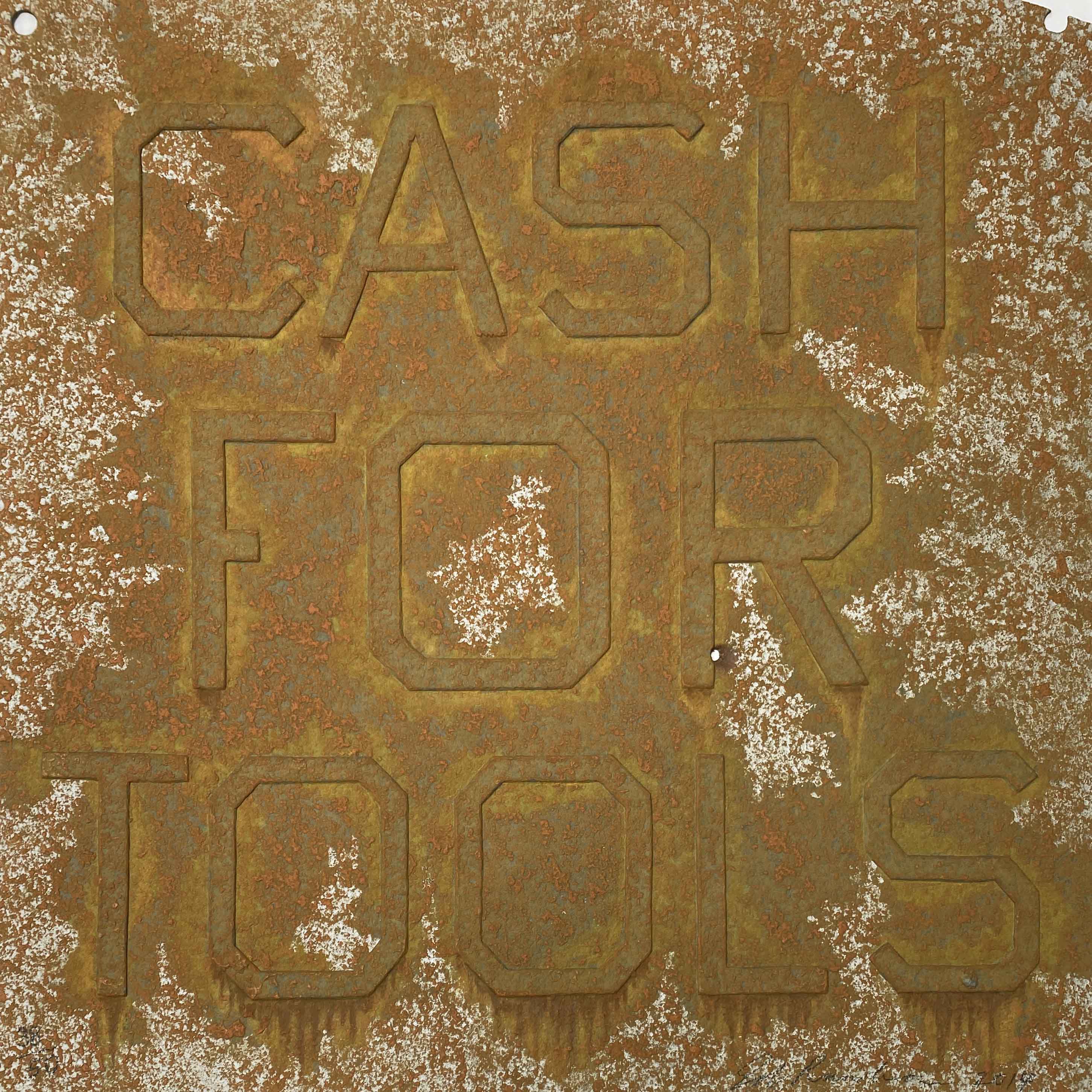
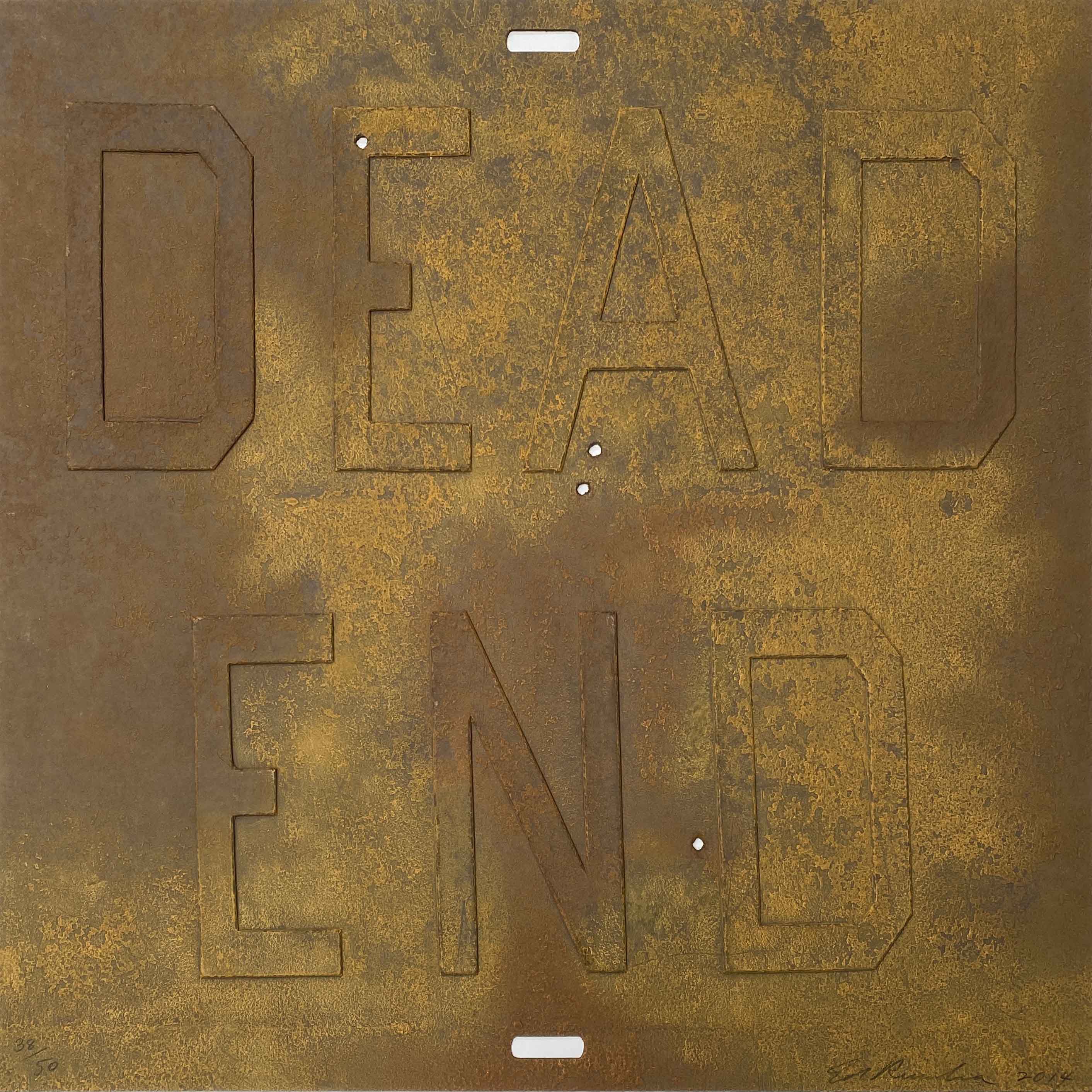
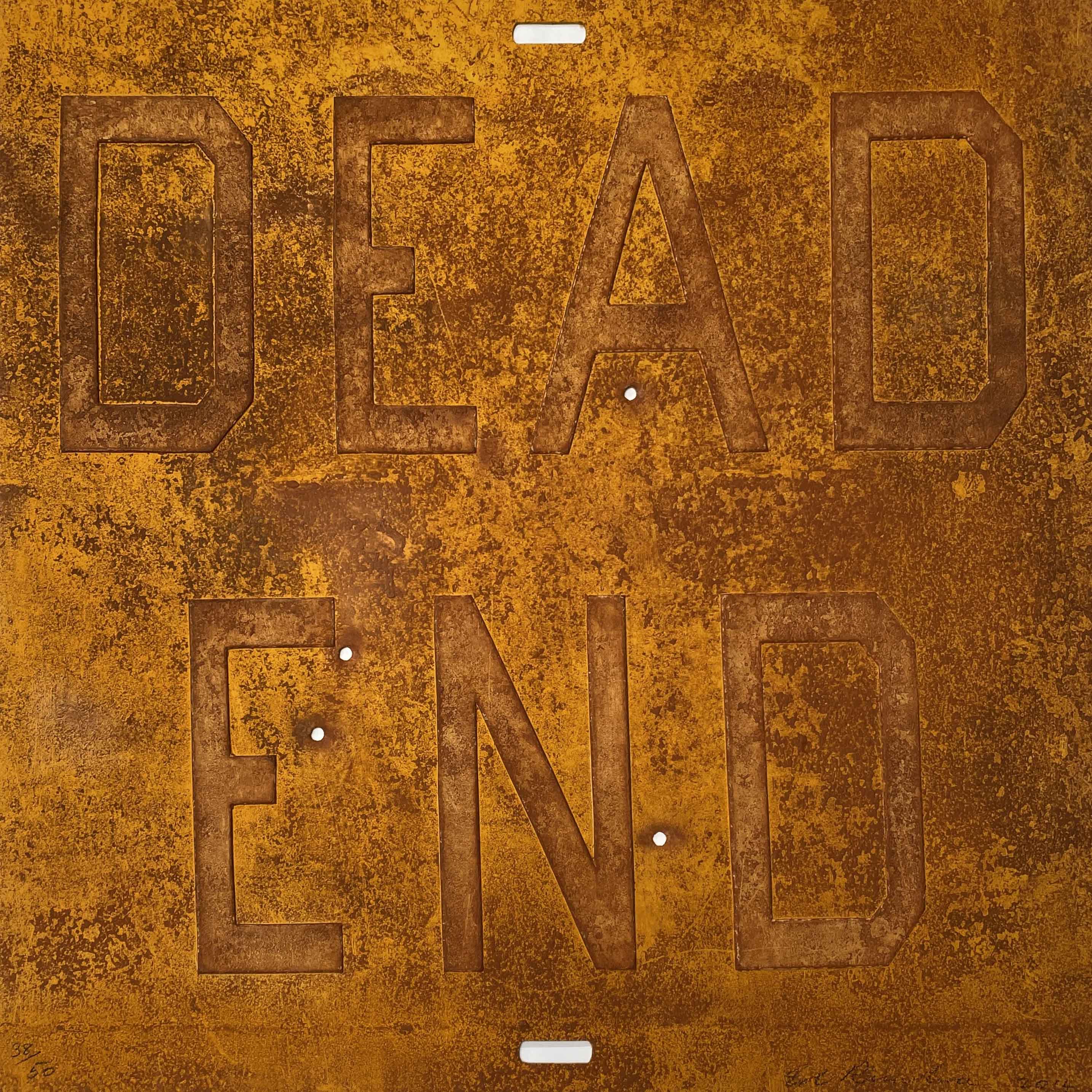
Richard Serra brought the physical aggression of his sculptural thinking to prints of tremendous tonal density. Brice Marden has used etching to pursue the same questions about line, space, and surface that animate his paintings, producing works of severe and quiet beauty. What connects the Rembrandt etchings on The Collection to the Warhol screenprints, the Miró lithographs to the Ed Ruscha works that play with text and image in the idiom of Los Angeles commercial culture, is not just technique but a shared understanding that the multiple is not the lesser thing. The matrix, whether copper plate, limestone, or silkscreen mesh, holds something that each impression releases anew.
Collectors who understand this tend to find printmaking among the most rewarding areas of sustained attention, not as a secondary category defined by what it is not, but as a primary form with its own history, its own arguments, and its own extraordinary range. The works on The Collection make that range visible in ways that reward return visits and close looking in equal measure.