Classical
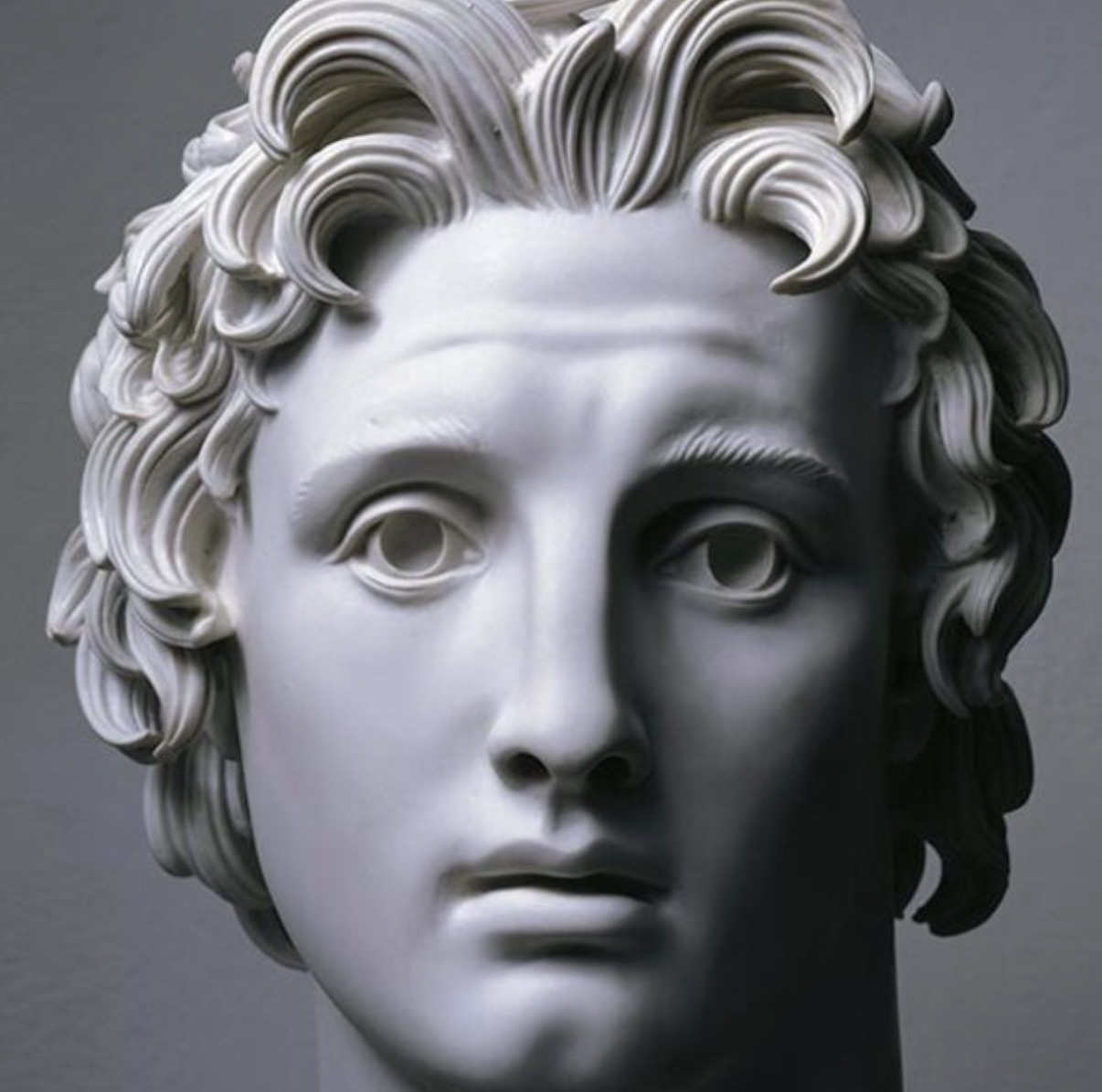
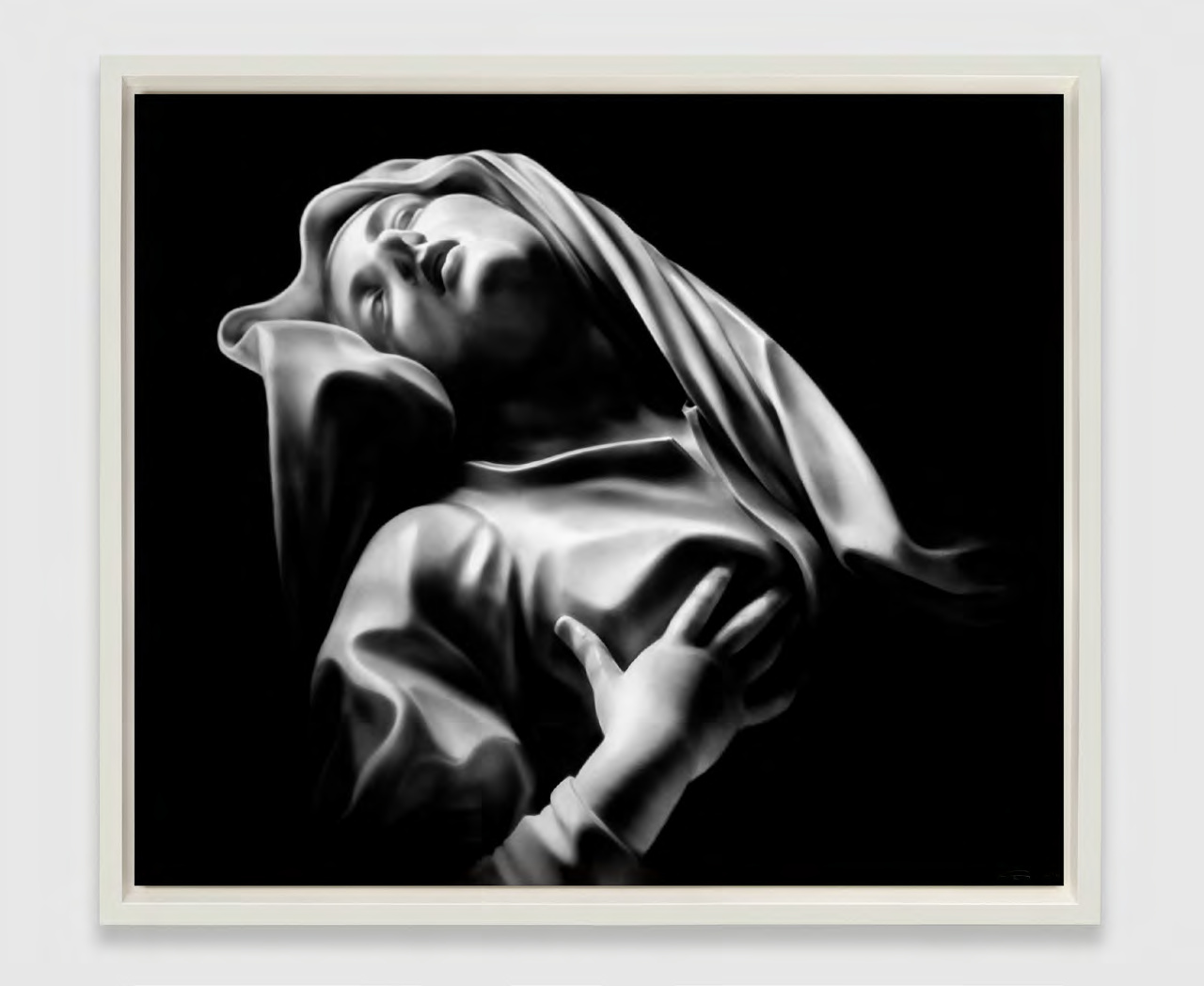
Massimo Listri
Arno Brecker I, 2015
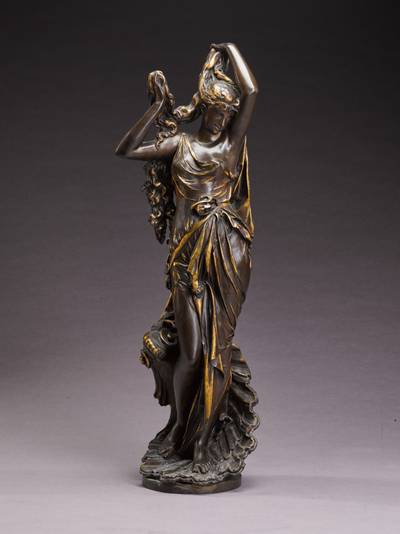
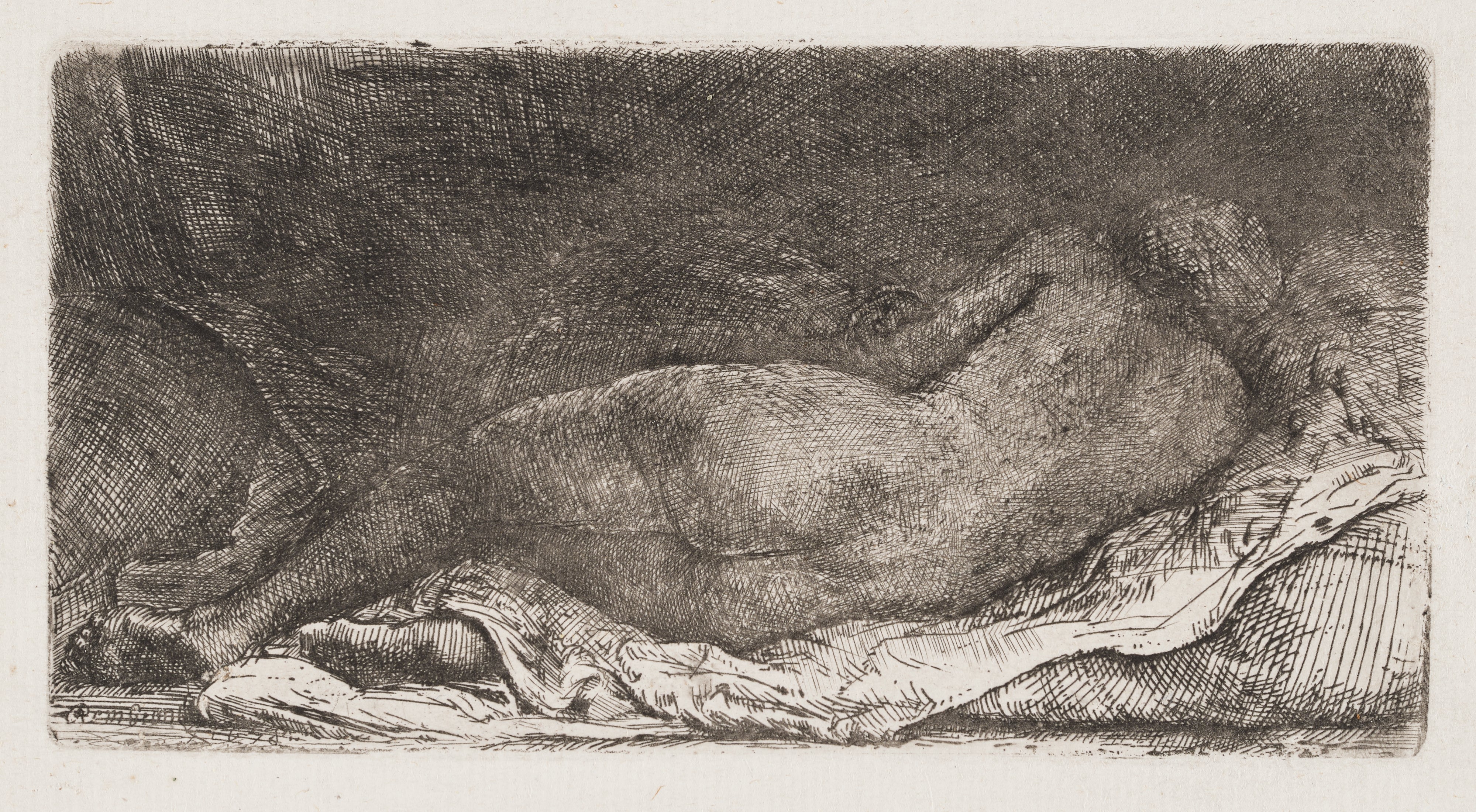
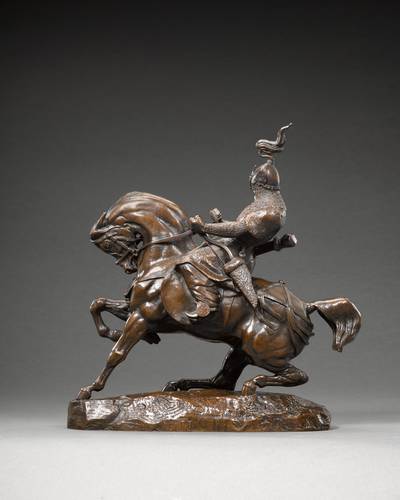
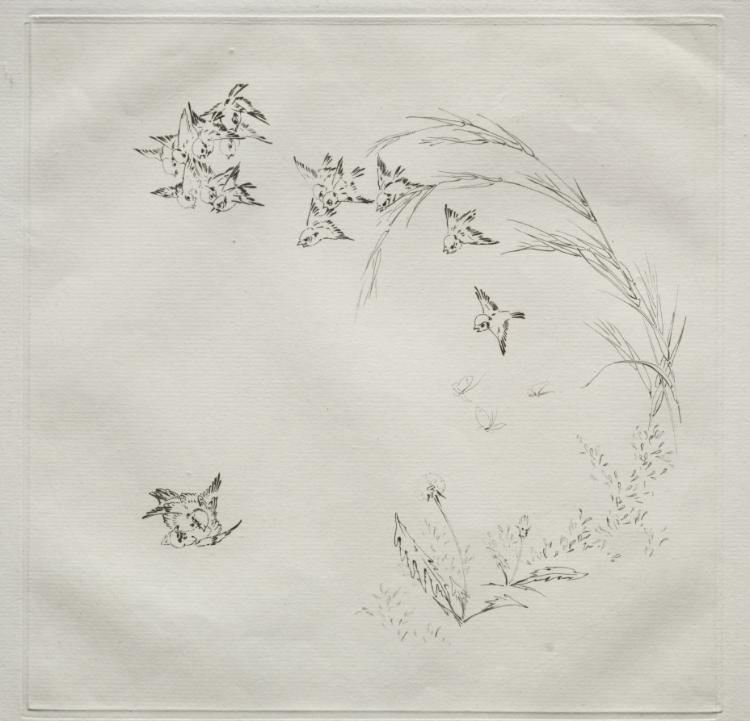
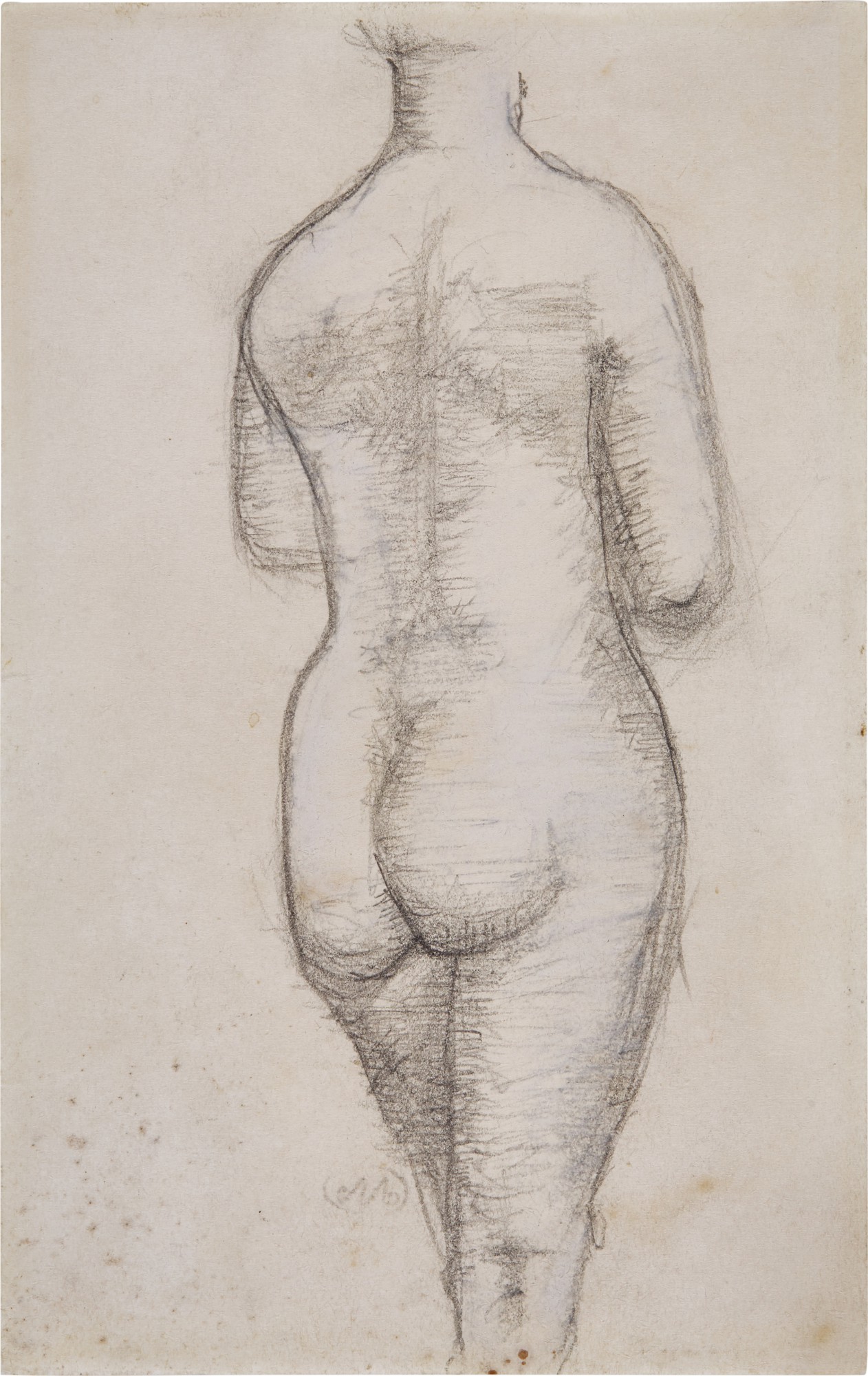
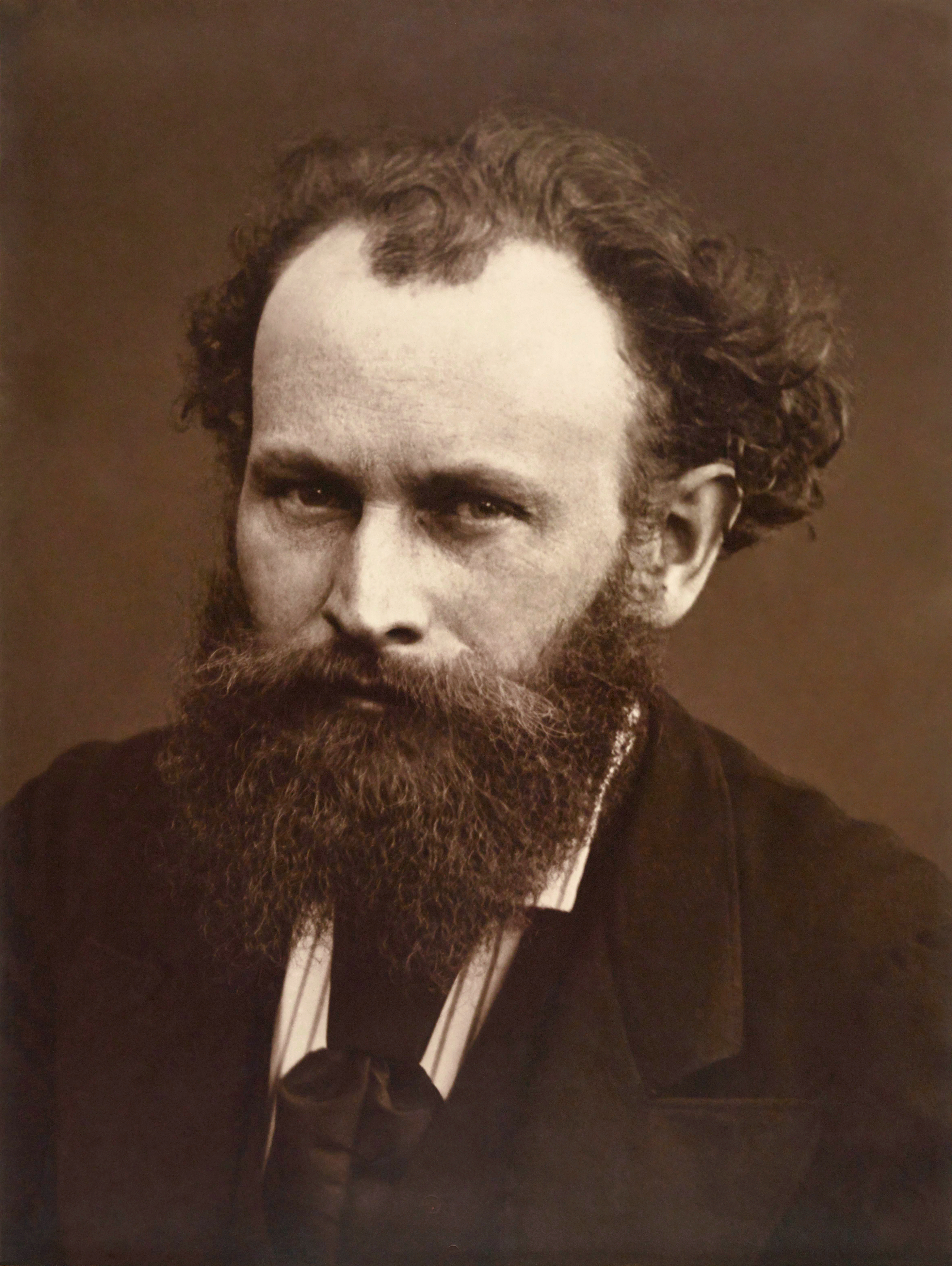
The Eternal Returns: Art's Classical Obsession
There is a particular quality of stillness that classical art demands from its viewer. Not the passive stillness of indifference, but the active stillness of someone who has stopped, genuinely stopped, and allowed centuries of accumulated human thought to settle around them. The classical tradition is not a museum piece, not a relic preserved under glass. It is an ongoing conversation, interrupted constantly, rejoined obsessively, one that has shaped the ambitions and anxieties of artists from ancient Athens to the studios of Montparnasse and well beyond.
The word itself carries enormous weight. When we speak of the classical in art, we are reaching back to fifth century BCE Greece, to the sculptural programs of the Parthenon, to the philosophical conviction that beauty and truth were not merely related but identical. The Greeks developed a vocabulary of proportion, balance, and idealized form that became, through Roman transmission and Renaissance revival, the foundational grammar of Western art. The figures at the Parthenon frieze, carved between 447 and 432 BCE under the supervision of Pheidias, established a standard for representing the human body that artists would spend the next two and a half millennia arguing with, bowing to, or trying to escape.
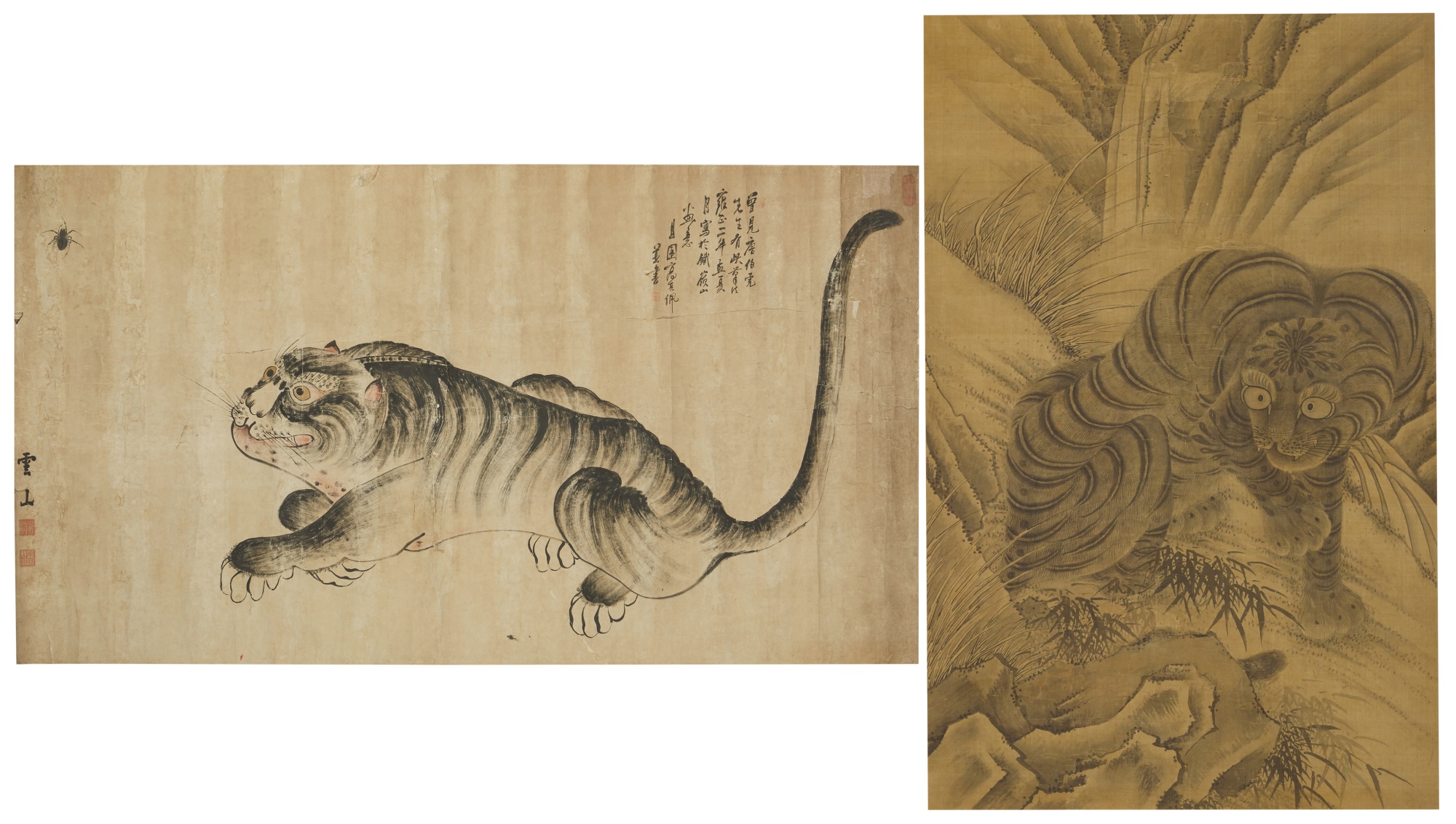
Two paintings of tigers,
佚名《老虎蜘蛛》設色紙本 及 趙廉(傳)《荒山蹲虎圖》水墨絹本 立軸 一組兩幅
The Renaissance codified this inheritance into doctrine. Leon Battista Alberti laid out the rules in precise terms in the fifteenth century, and a generation of painters and sculptors trained themselves on plaster casts of antique sculpture, learning the canon by tracing its forms with their own hands. By the time the French Academy was formally established in 1648, the classical had become institutional, the official language of artistic ambition. Students at the École des Beaux Arts in Paris competed for the Prix de Rome, which sent them to study ancient monuments and Renaissance masters firsthand.
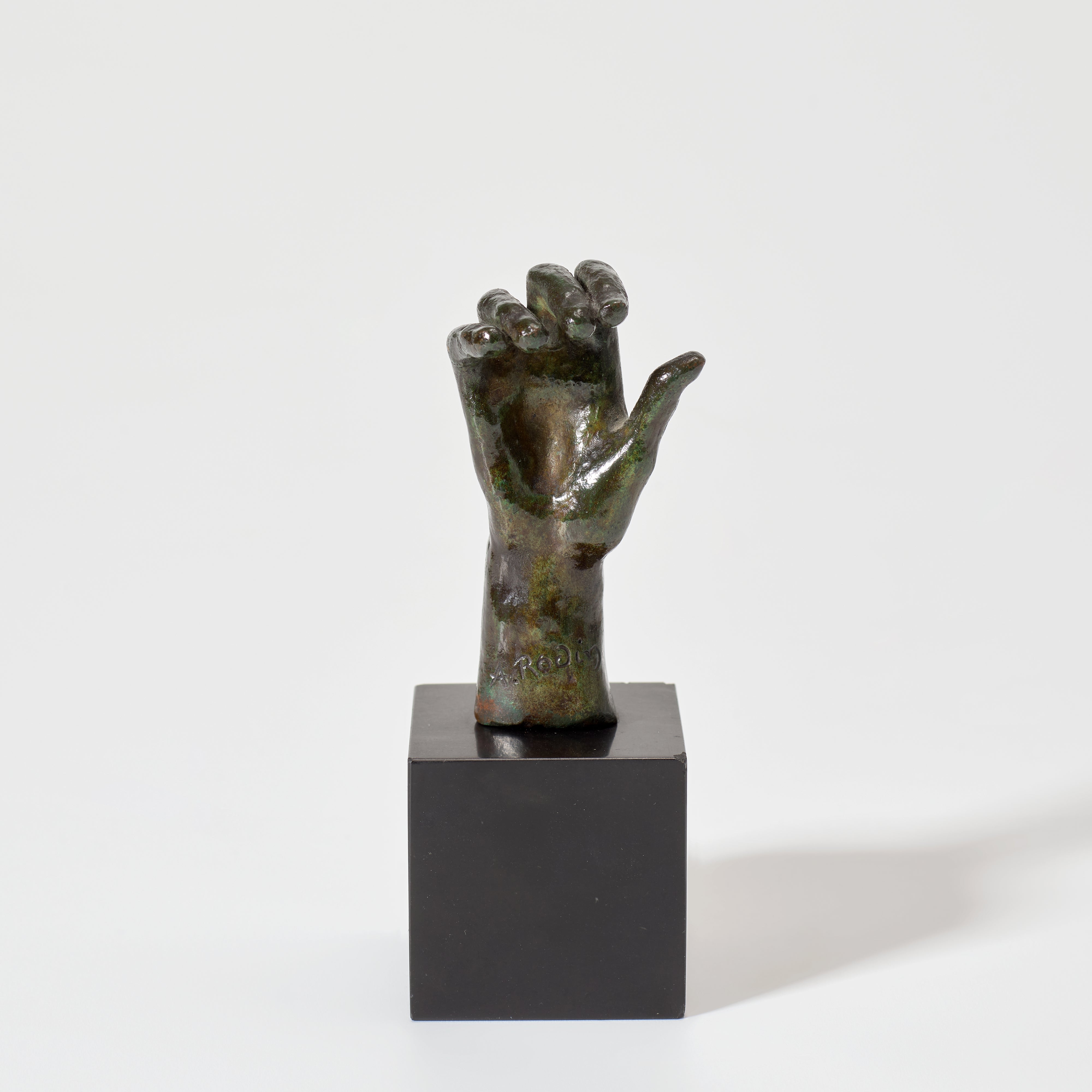
The classical was not merely admired. It was the prerequisite for being taken seriously. The sculptors represented on The Collection understood this inheritance with particular intimacy. Auguste Rodin, whose work appears here in depth, spent years in Italy absorbing Michelangelo before developing his own radical approach to surface, fragment, and psychological intensity.
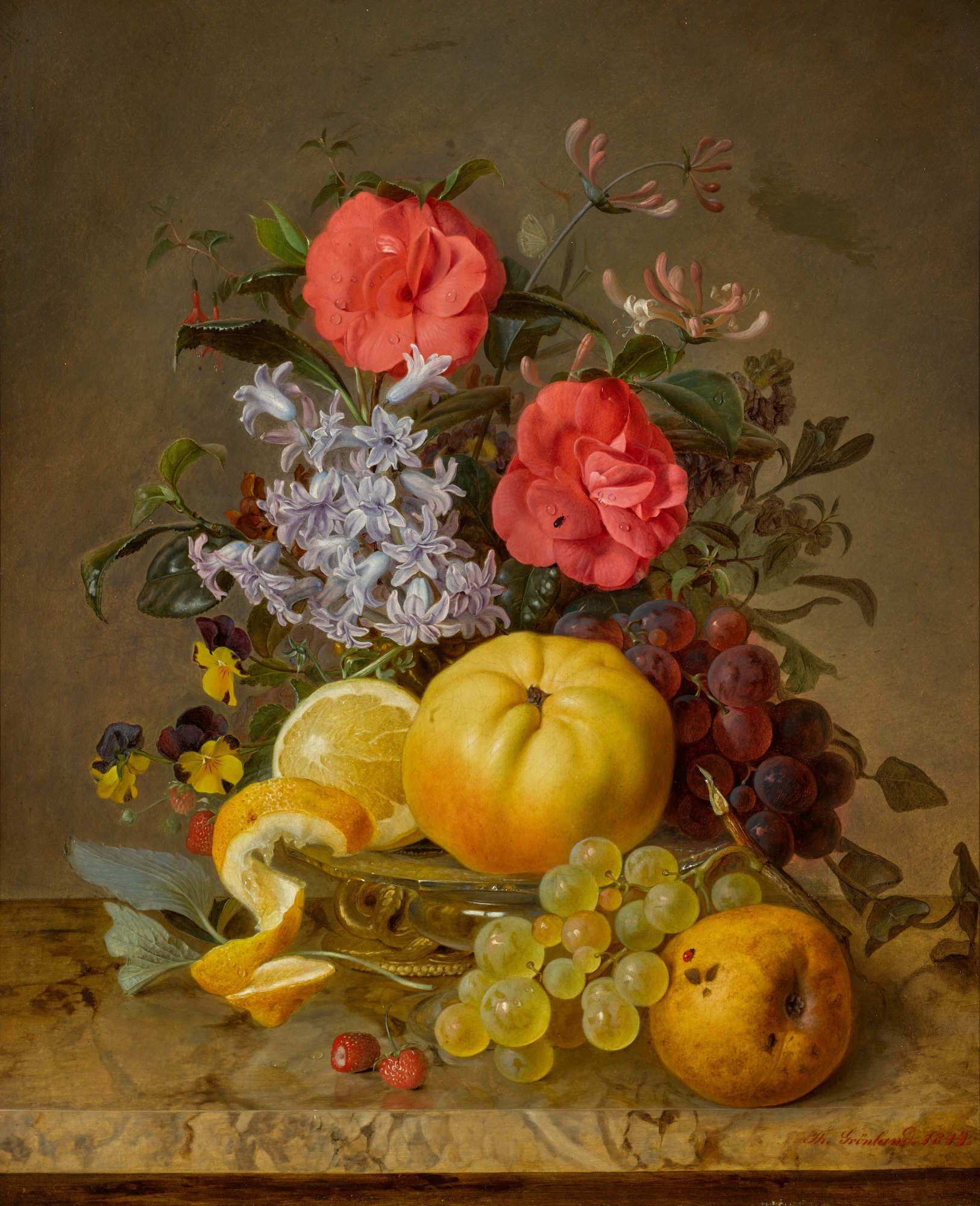
Theude Grönland
Still life with Fruit and Flowers on a Marble Ledge
Yet Rodin never fully abandoned the classical armature. His figures carry their antique gravity with them even when their surfaces tremble with expressionistic urgency. Jean Baptiste Carpeaux, whose influence on Rodin was considerable, trained at the École des Beaux Arts and won the Prix de Rome in 1854, returning from Italy with a new sensuality in his modeling that retained classical structure while electrifying it with Baroque energy. Albert Ernest Carrier Belleuse, under whom Rodin once worked as an assistant, kept one foot planted firmly in the ornamental classicism of the Second Empire while his student reached toward something far more turbulent.
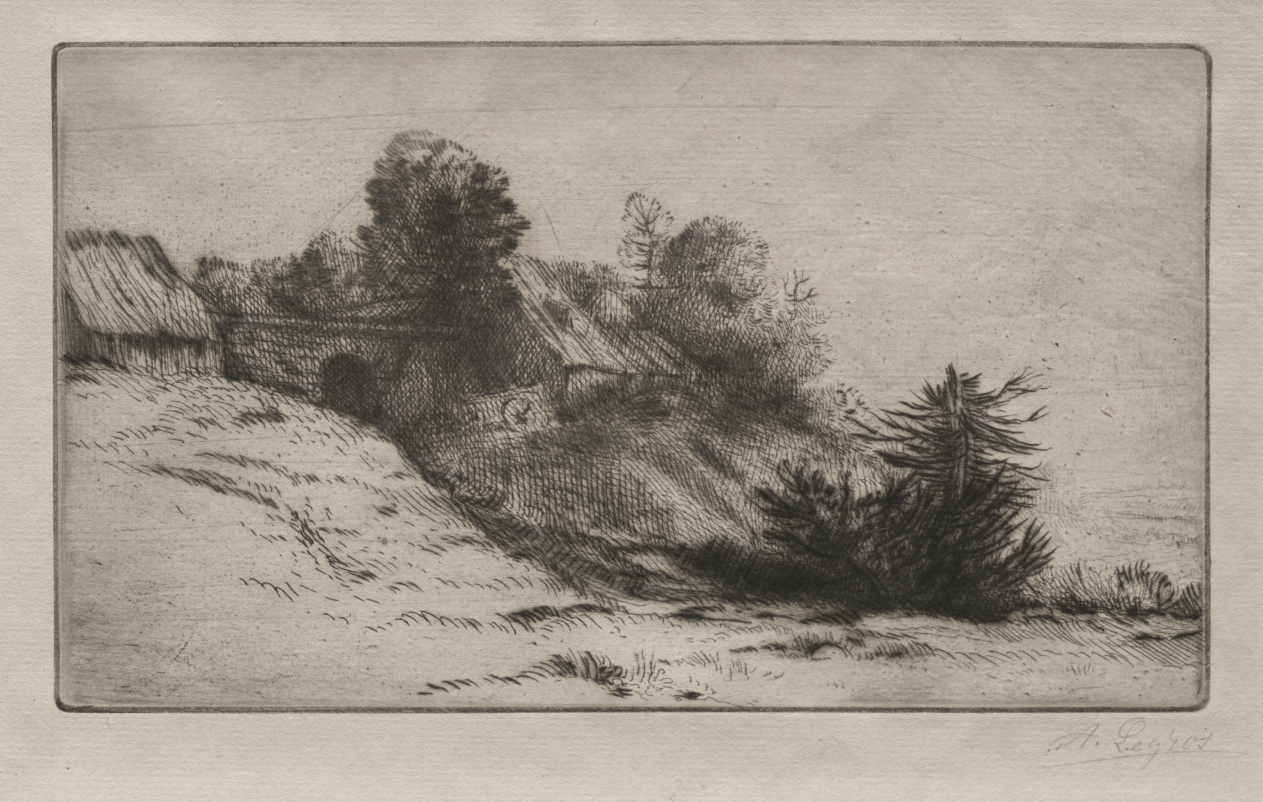
The printmakers and draughtsmen of the nineteenth century engaged with classical themes in ways that are sometimes overlooked in favor of the more dramatic gestures of their painted and sculptured counterparts. Alphonse Legros, whose presence on The Collection is substantial, brought an almost archaeological seriousness to his figurative work, drawing on the gravity and economy of line that connects his practice to Renaissance and antique precedents. Albrecht Dürer, represented here with a significant group of works, stands at a pivotal moment in the history of the classical tradition, his engravings synthesizing Italian Renaissance proportion with Northern European naturalism in a fusion that still astonishes. Rembrandt, also well represented in The Collection, conducted his own private dialogue with classical antiquity, collecting ancient busts and coins and filtering that knowledge through his inimitable interest in the particular and the mortal.
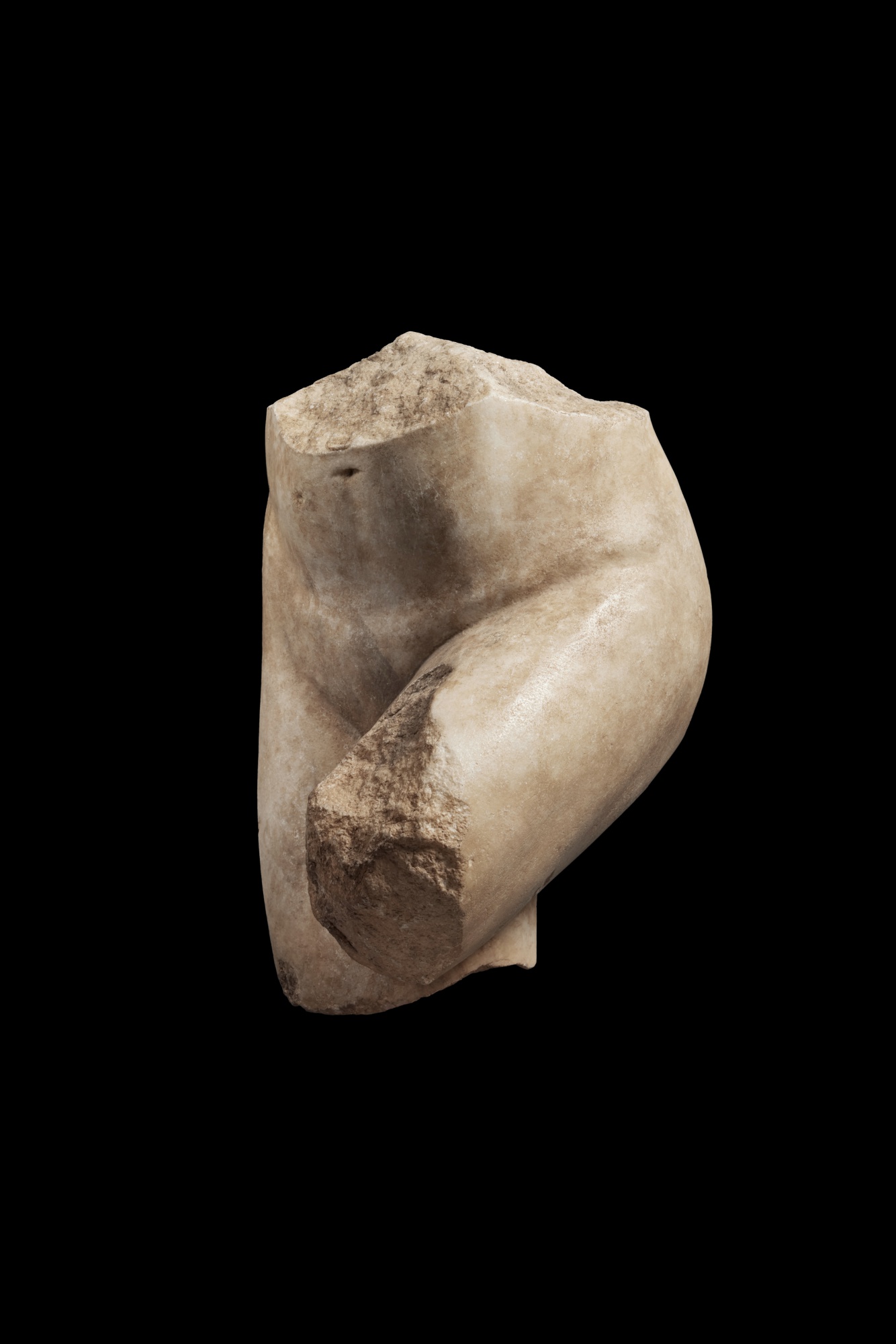
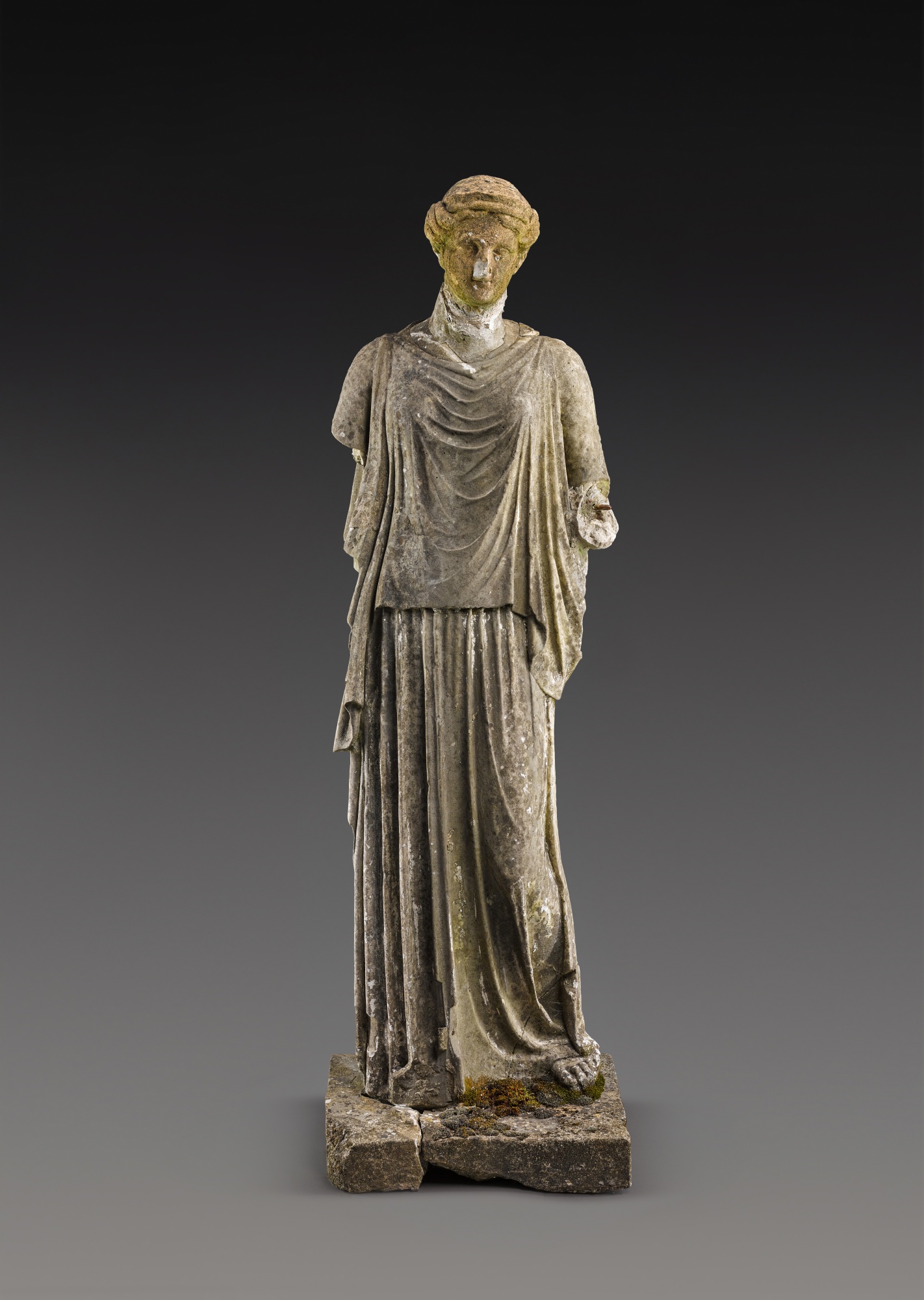
A Fragmentary Roman Marble Torso of Aphrodite Untying her Sandal, circa 2nd Century A.D.
A Fragmentary Roman Marble Torso of Aphrodite Untying her Sandal, circa 2nd Century A.D.
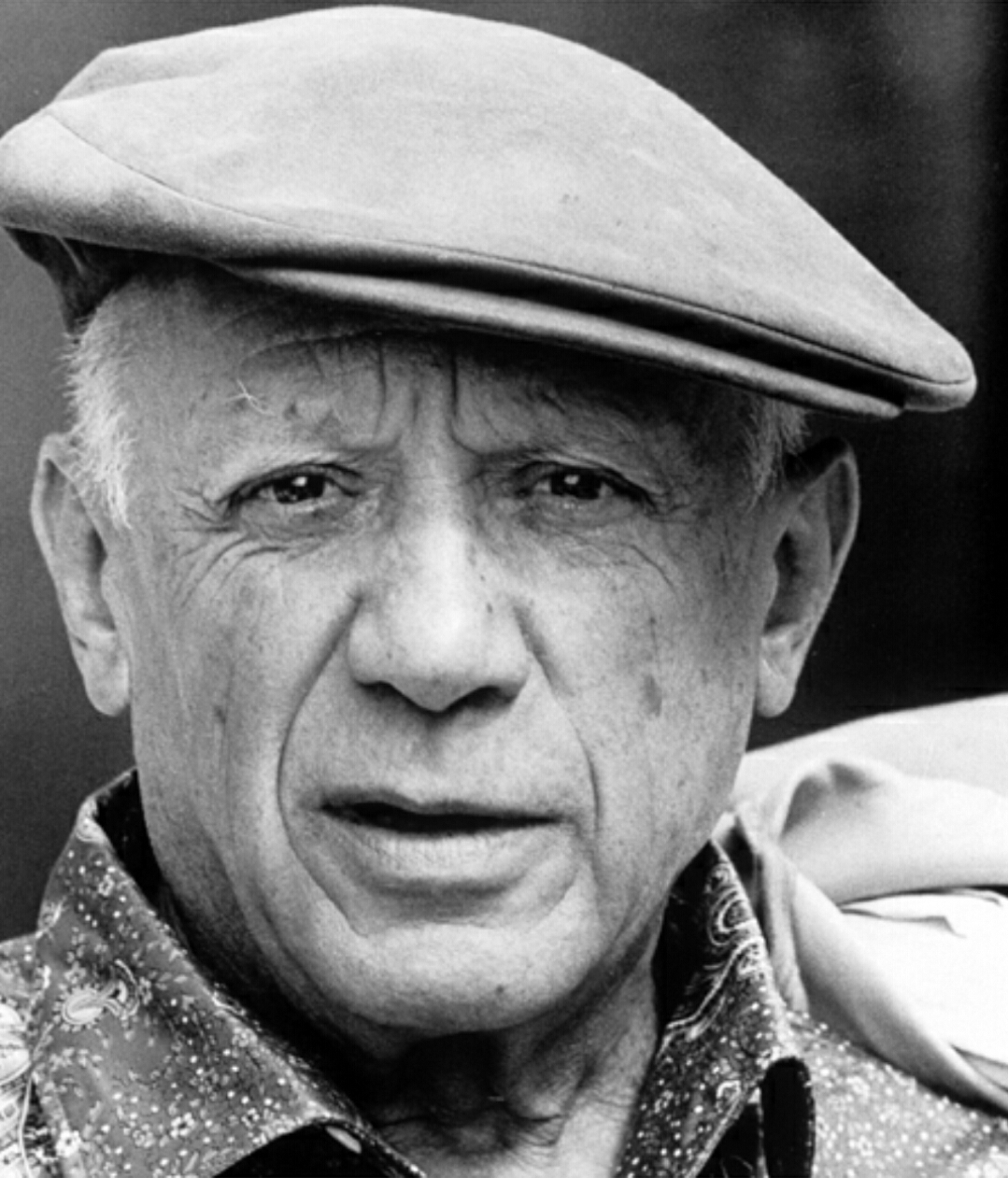
The late nineteenth and early twentieth centuries brought both the most intense devotion to classical form and the most decisive ruptures with it. Aristide Maillol, whose work appears across The Collection, returned to a Mediterranean simplicity after the psychological turbulence of Rodin, creating figures of massive, serene volume that echo archaic Greek sculpture without ever becoming merely archaeological. Charles Despiau, who worked in Maillol's orbit and trained under Rodin, pursued a quieter classicism in his portrait sculpture, finding universality in the specific. Pablo Picasso, whose range of work here is considerable, lived out the tension between classical permanence and modernist disruption more dramatically than almost any artist of his century.
His so called classical period of the early 1920s produced monumental figures of almost parodic solidity, women rendered as if carved from travertine, at the same moment he was dismantling pictorial convention elsewhere. For Picasso, the classical was not a retreat. It was another weapon. William Adolphe Bouguereau represents something important in this story, even if his reputation has traveled a complicated road.
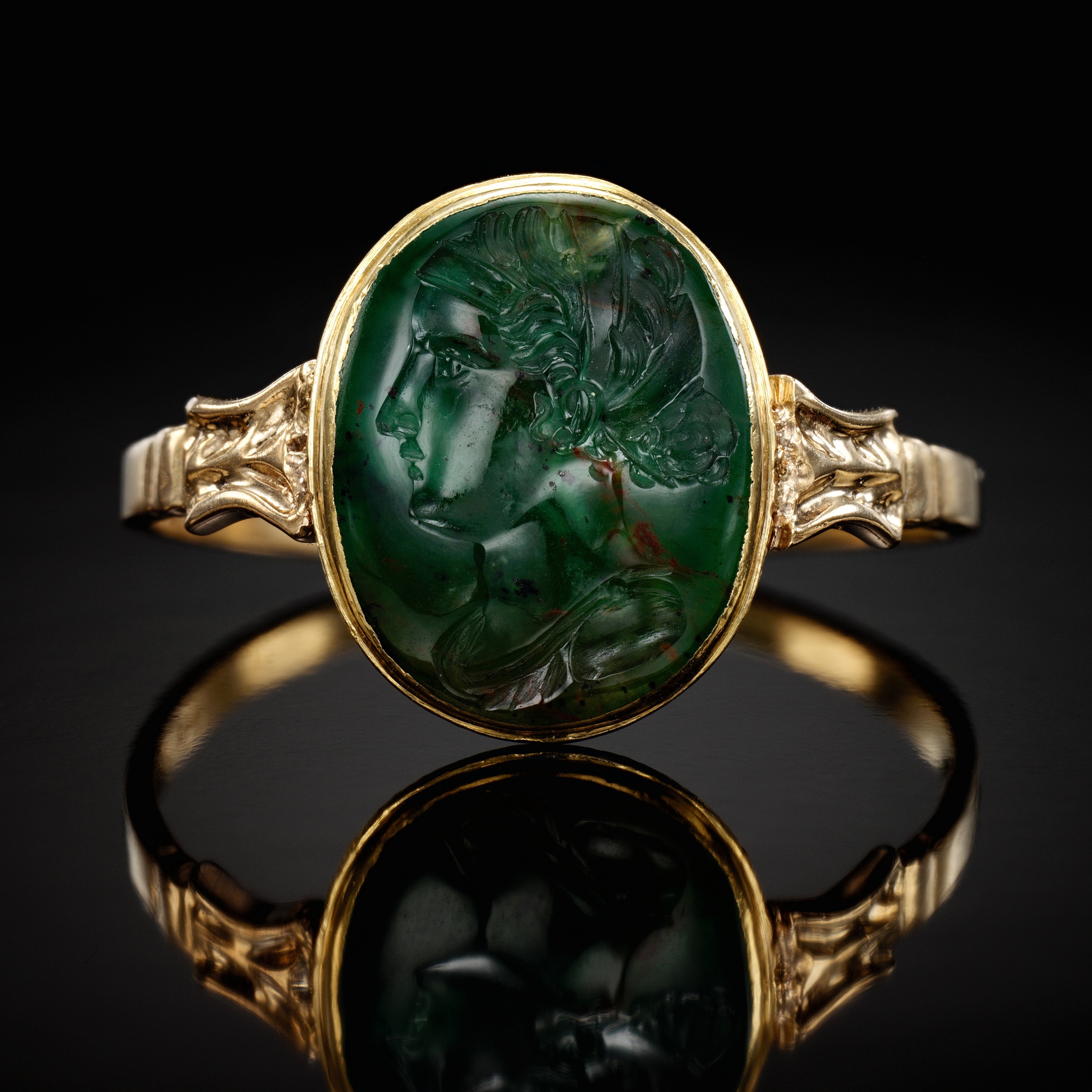
Italian, 17th/ 18th century
Intaglio with Sappho
At the height of his fame in the late nineteenth century, he was the classical ideal made flesh, his technical command of the academic tradition so total that critics accused him of a kind of excess of perfection. The reaction against Bouguereau was in many ways the reaction against the classical itself, the Impressionists and their successors rejecting the smooth surface and idealized form in favor of sensation, process, and the contingent moment. Henri Fantin Latour, by contrast, occupied a more nuanced position, his still lifes and figure compositions carrying classical weight without academic rigidity, bridging the world of Manet and Whistler while maintaining a deep respect for the Old Masters. What the classical ultimately offers, and what keeps drawing artists back to it across centuries, is a set of questions rather than a set of answers.
How do we represent the human body in a way that transcends the individual instance and speaks to something shared and permanent. How do we organize visual experience so that it feels inevitable rather than arbitrary. How do we honor what came before without being suffocated by it. These are not historical questions.
They are the questions that every serious artist still faces when they walk into the studio. The collection assembled at collctn.art, ranging across sculpture, printmaking, drawing, and painting from the Renaissance to the early twentieth century, offers an extraordinary opportunity to sit with those questions across time, to watch artists of very different temperaments wrestle with the same enduring inheritance. That conversation, once you enter it, does not easily let you go.