Sculpture
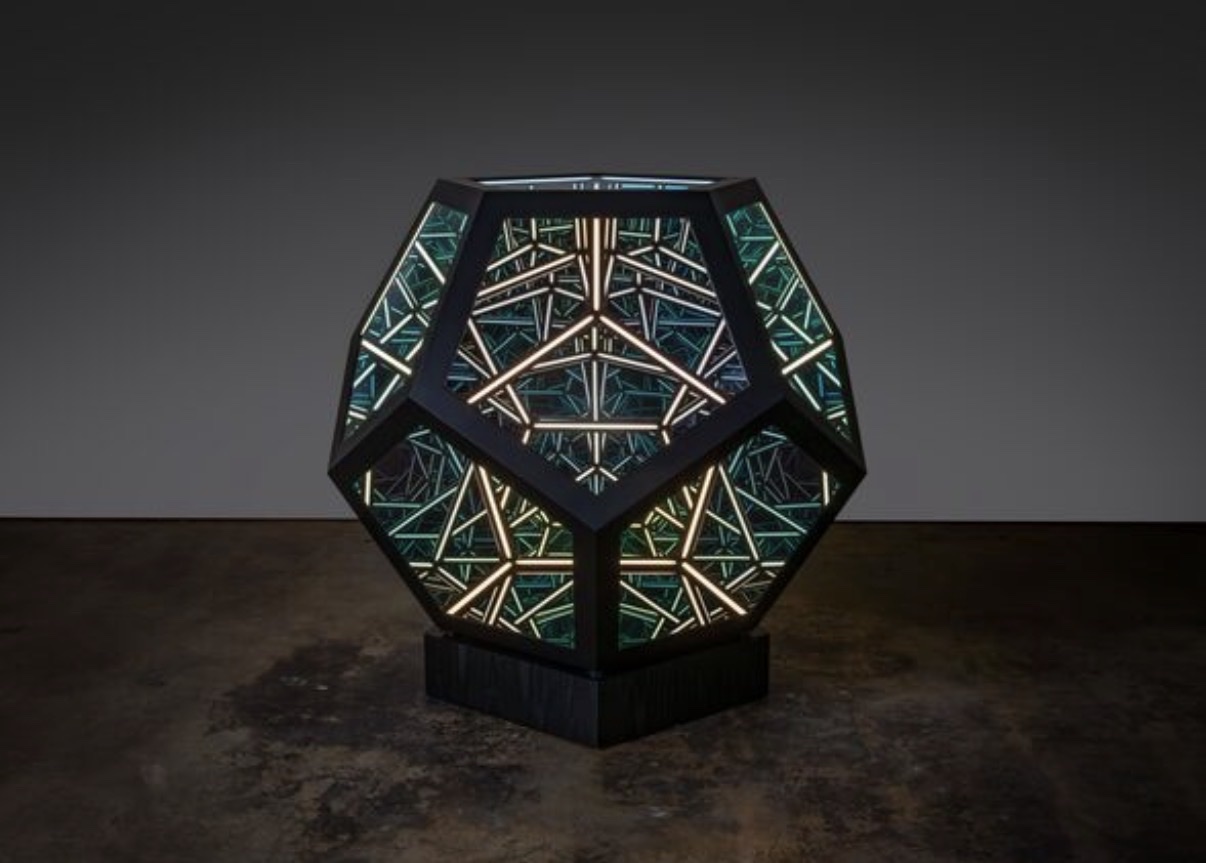
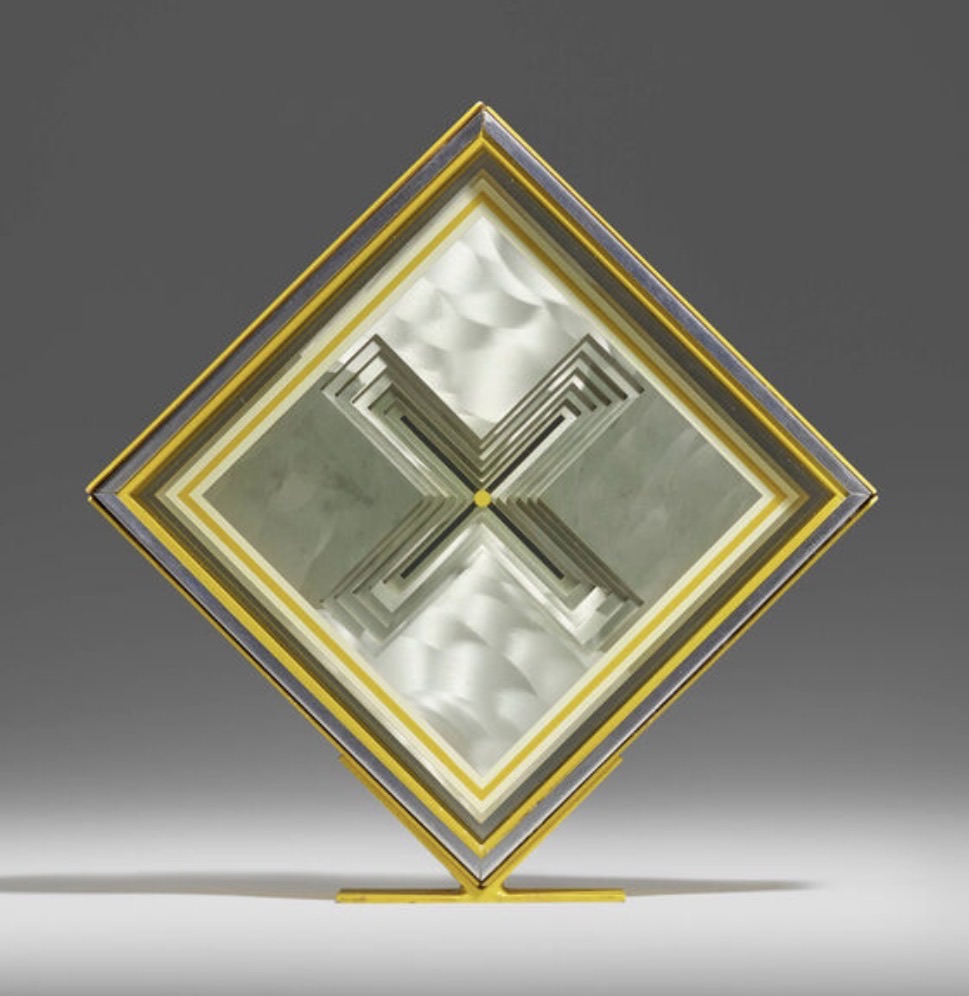
Anthony James
Dodecahedron 40" (Solar Black), 2025


Sculpture Has Always Known We Are Bodies
There is something primal about the encounter with sculpture. Unlike painting, which asks us to stand before a surface and imagine depth, sculpture occupies the same physical world we do. It breathes the same air. It casts shadows in the same afternoon light.
This is why, across every civilization and every era, human beings have felt compelled to render three dimensional form out of stone, bronze, wood, and eventually crushed car bodies and inflatable steel. Sculpture is the art form that refuses to stay in its frame. The earliest surviving sculptures predate written language, which tells us something important about the impulse. The Venus of Willendorf, carved roughly 25,000 years ago, is less an artwork in the modern sense than a condensed act of belief.
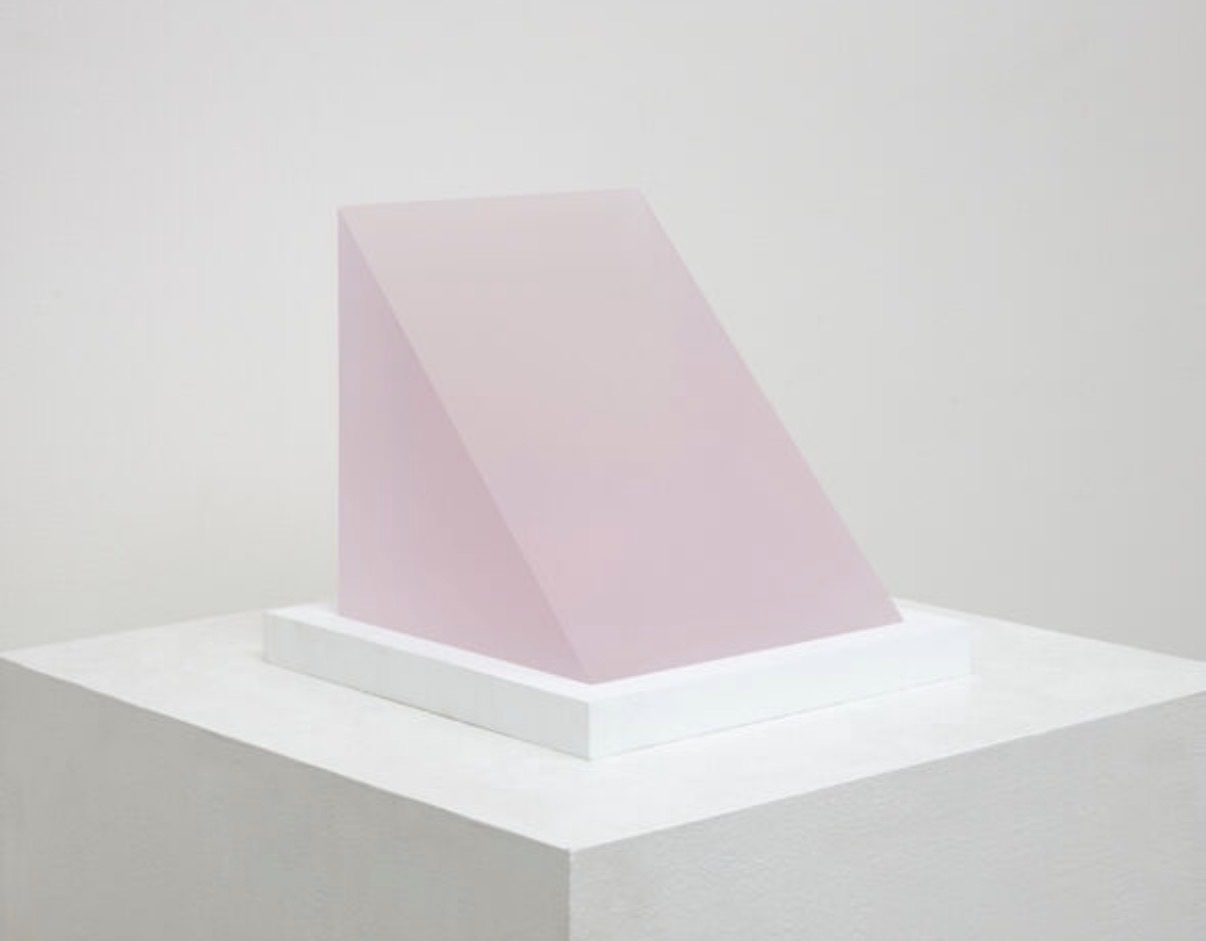
Peter Alexander
3/20/18 (Frosted Pink Wedge), 2018
Ancient Egypt treated sculpture as a technology of the eternal, creating colossal forms meant to outlast dynasties. Greece refined the human body into idealized proportion, and Rome copied those proportions obsessively, distributing them across an empire. The works we now attribute to Unknown Historical artists on The Collection carry that long weight of anonymity and intention, objects made not for galleries but for temples, tombs, and the devotional imagination. The Renaissance returned to classical ideals with fresh urgency, and by the nineteenth century European sculpture had settled into an extraordinarily productive academic tradition.
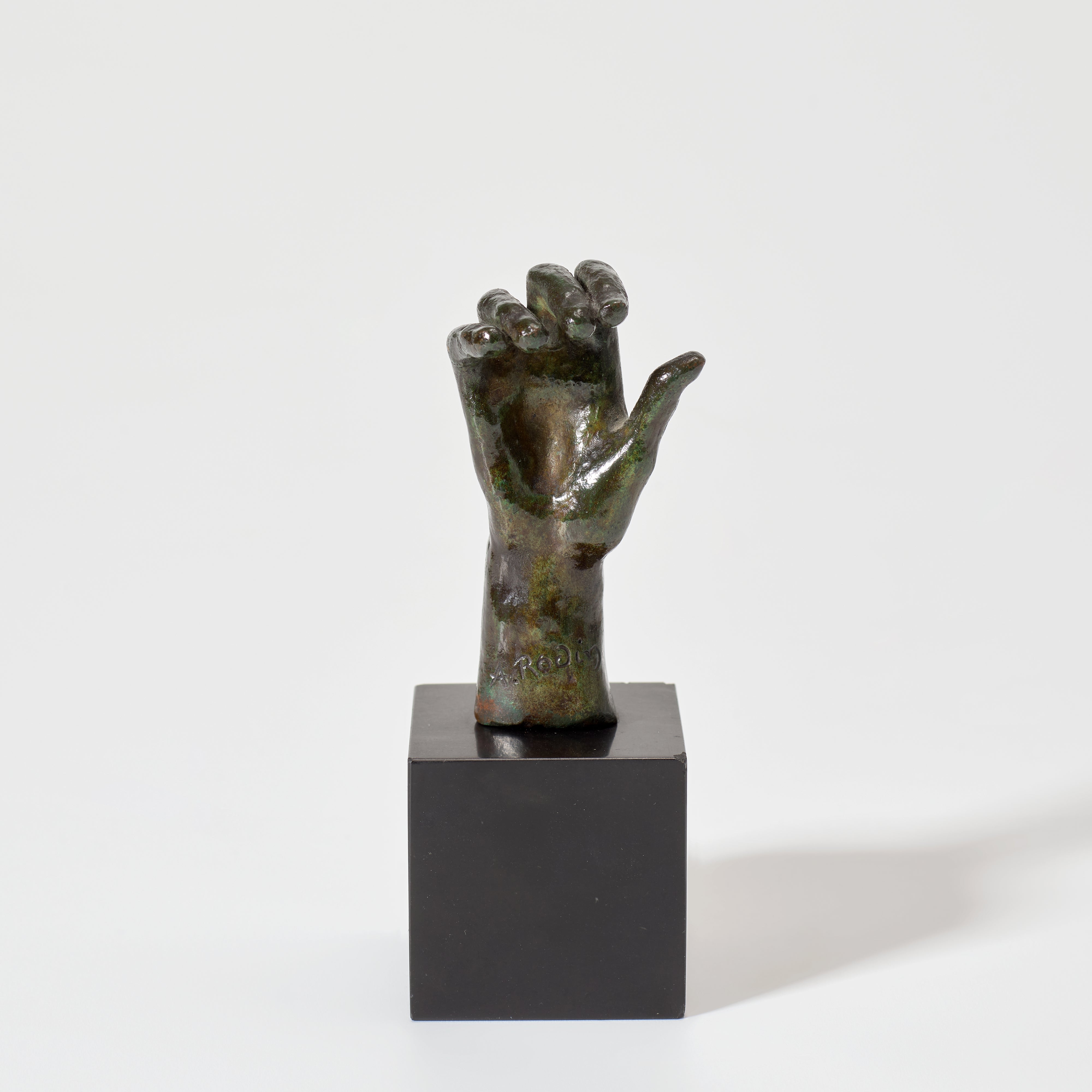
Antoine Louis Barye was carving his ferocious bronze animals in Paris during the 1830s and 1840s, bringing a Romantic intensity to natural history that academic painting could barely match. Albert Ernest Carrier Belleuse trained an entire generation, including a young Auguste Rodin, who would go on to rupture the academic order entirely. Rodin's 1880 commission for The Gates of Hell became a decades long obsession and the source material for some of the most recognized sculptures in existence. His surfaces breathed, his figures seemed caught mid thought, and the smooth certainty of Neoclassicism never quite recovered.
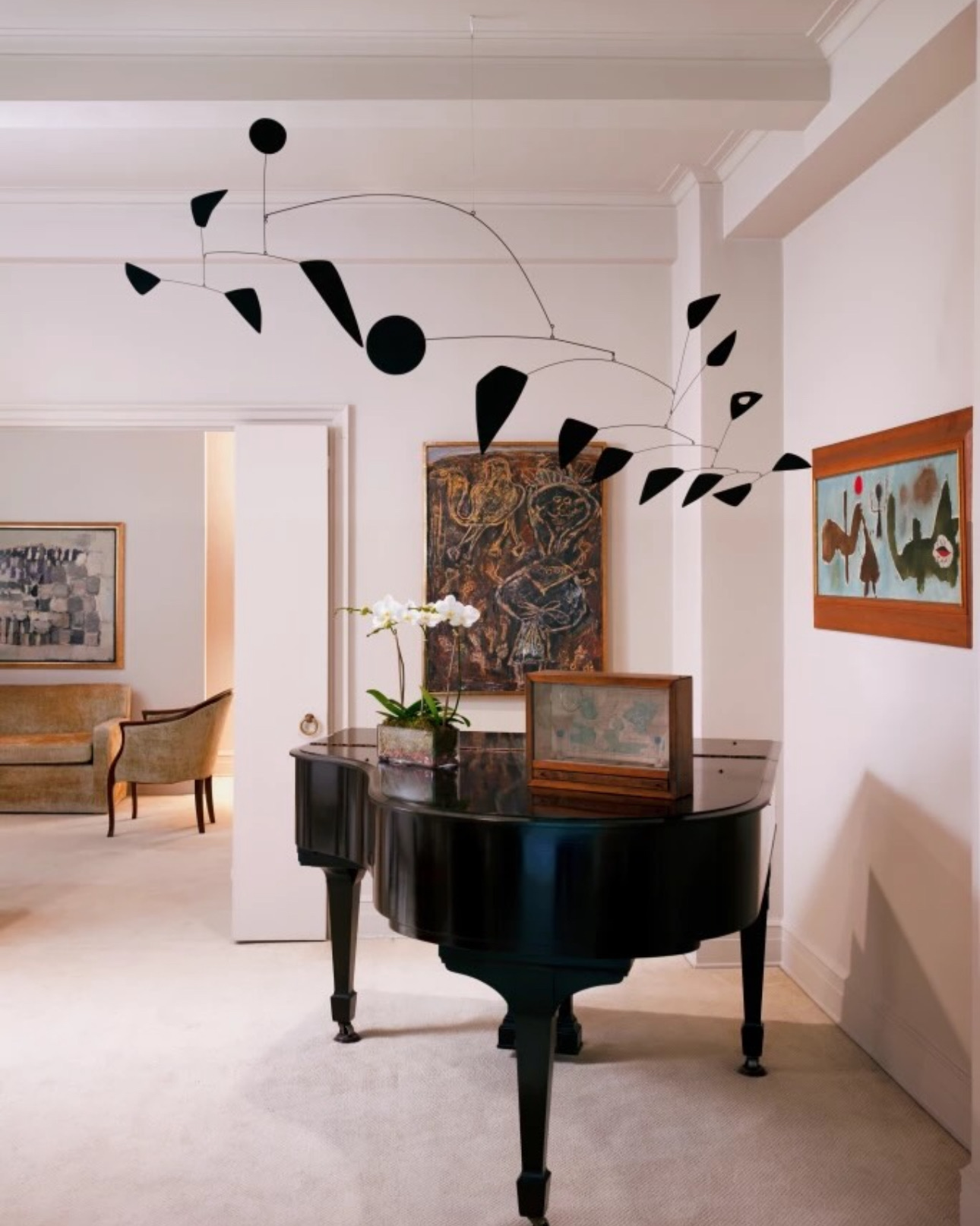
Alexander Calder
Sixteen Black with a Loop, 1959
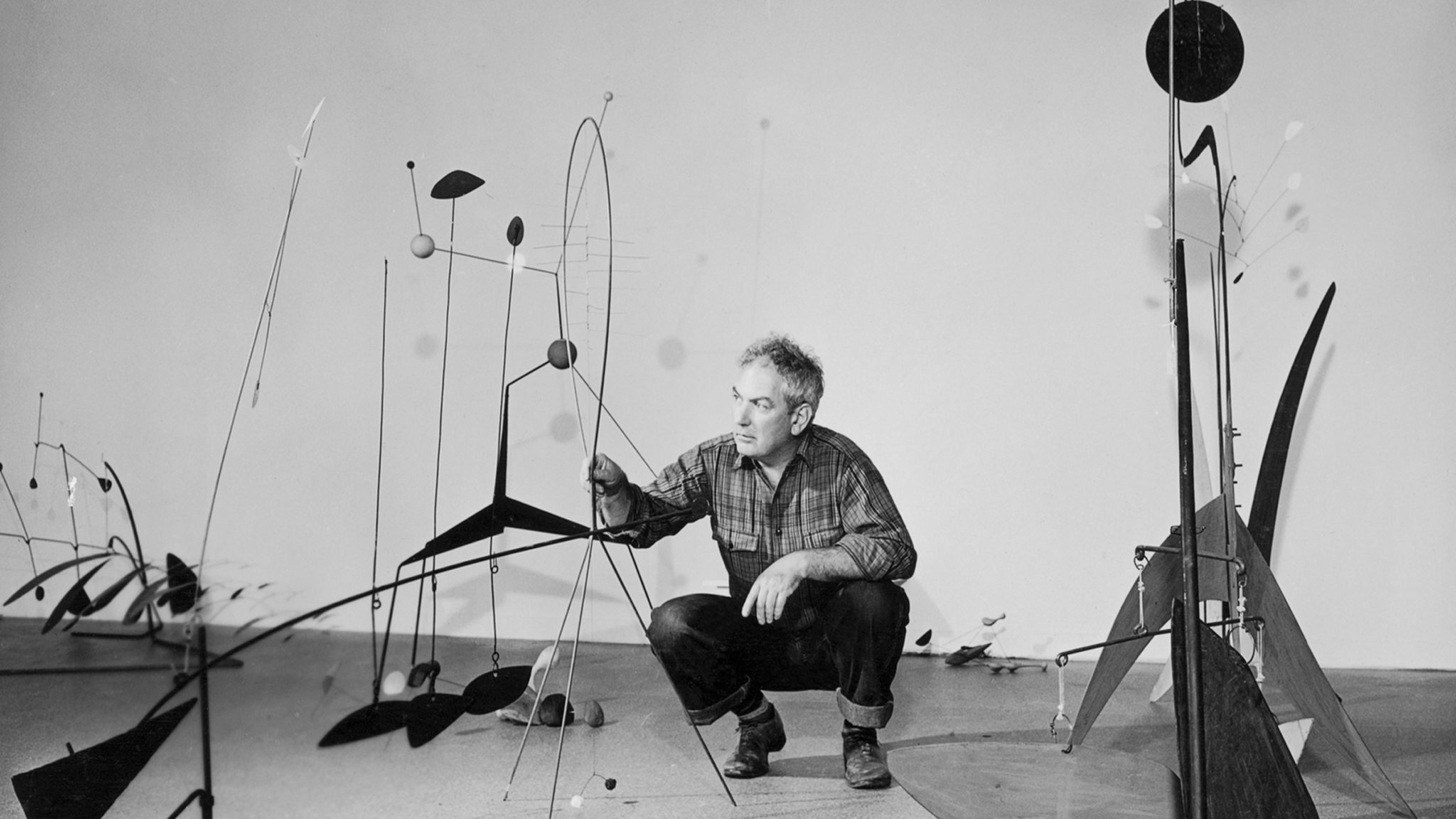
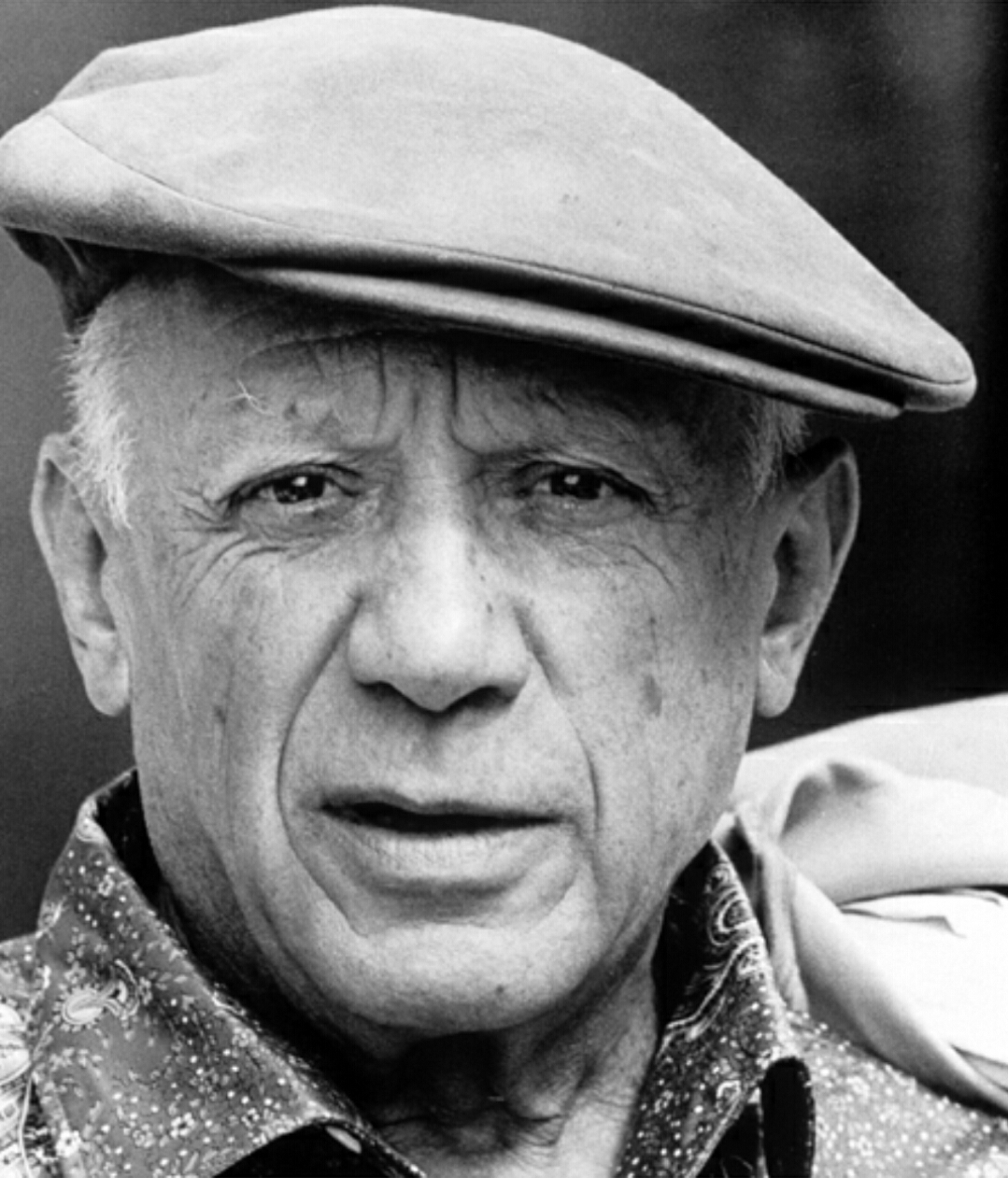
Jean Baptiste Carpeaux, working a decade before Rodin reached full maturity, brought comparable emotional turbulence to monumental public work, his figures twisting with a theatrical urgency that still reads as startlingly modern. By the early twentieth century sculpture was being dismantled and rebuilt from first principles. Pablo Picasso and Georges Braque translated Cubism's fractured picture plane into three dimensions, and Picasso's assembled sculptures from the 1910s onward opened the door to construction rather than carving or casting. Alexander Calder introduced movement itself as a sculptural material, and his mobiles from the 1930s onward made gravity a collaborator.
Henry Moore spent decades finding the monumental and the organic in the same bronzed form, placing figures in landscapes as if they had always belonged there. These artists did not merely evolve sculpture. They redefined what the medium was permitted to ask. The postwar decades brought another wave of reinvention.
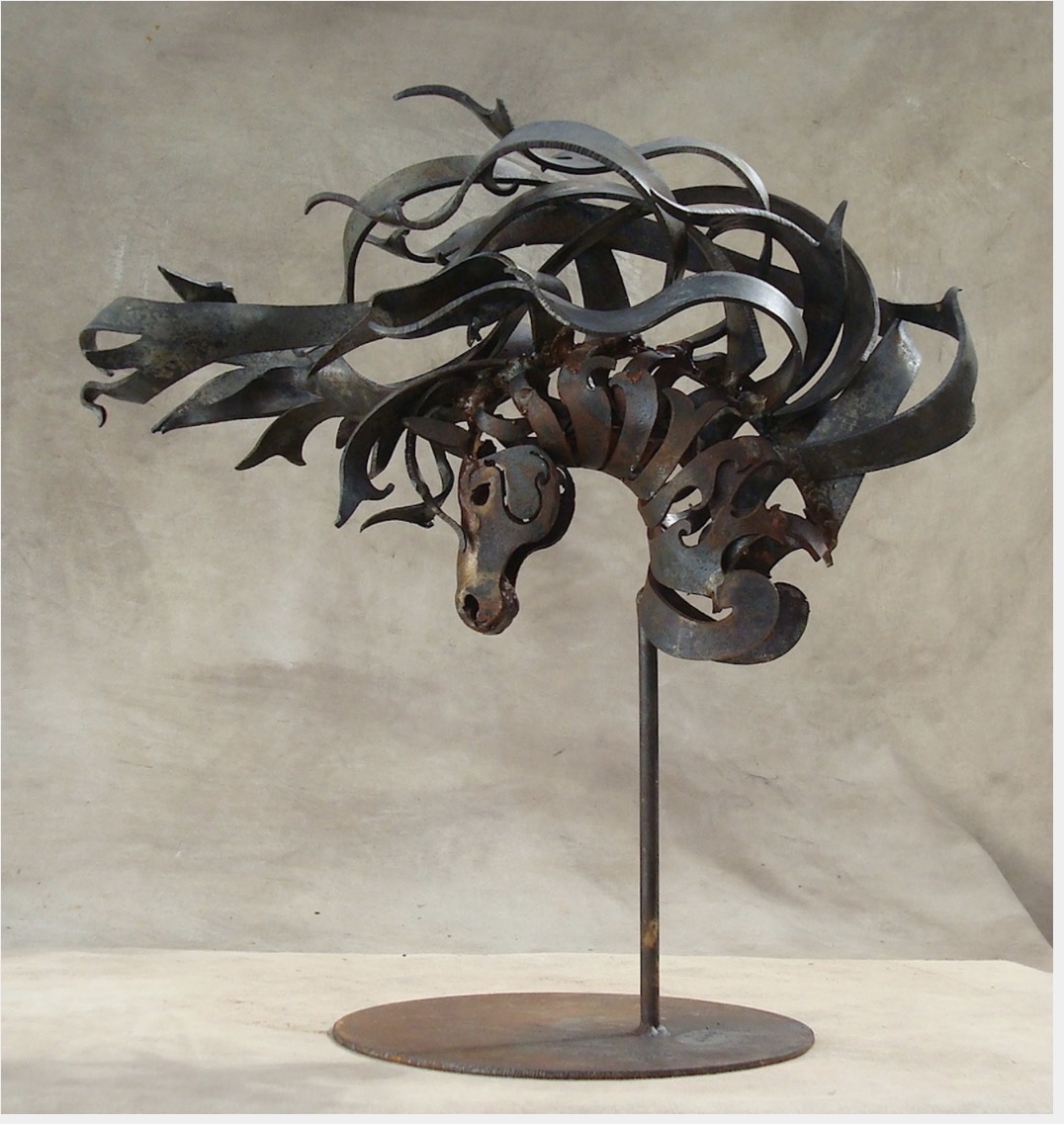
Doug Hays
Zephyr
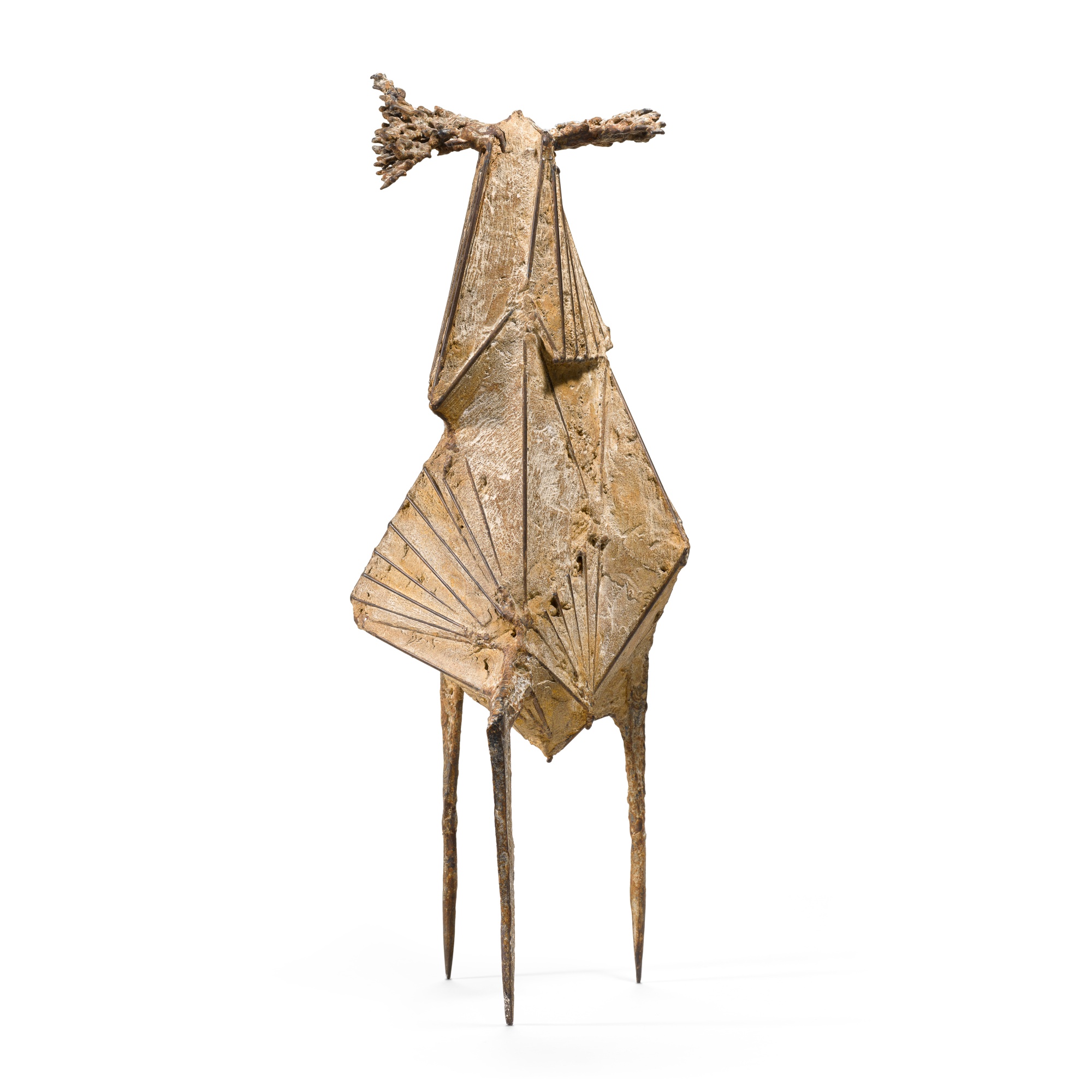
Louise Nevelson assembled monochromatic wooden environments that transformed found debris into something cathedral like. Alberto Giacometti's attenuated bronze figures, produced mostly in the late 1940s and early 1950s, seemed to express existential solitude with a directness that paint could not achieve. Lynn Chadwick gave angular welded forms a watchful, tense quality that read as distinctly Cold War. And then the 1960s arrived with Claes Oldenburg proposing that a giant clothespin or a soft typewriter was as valid a sculptural subject as any human torso.
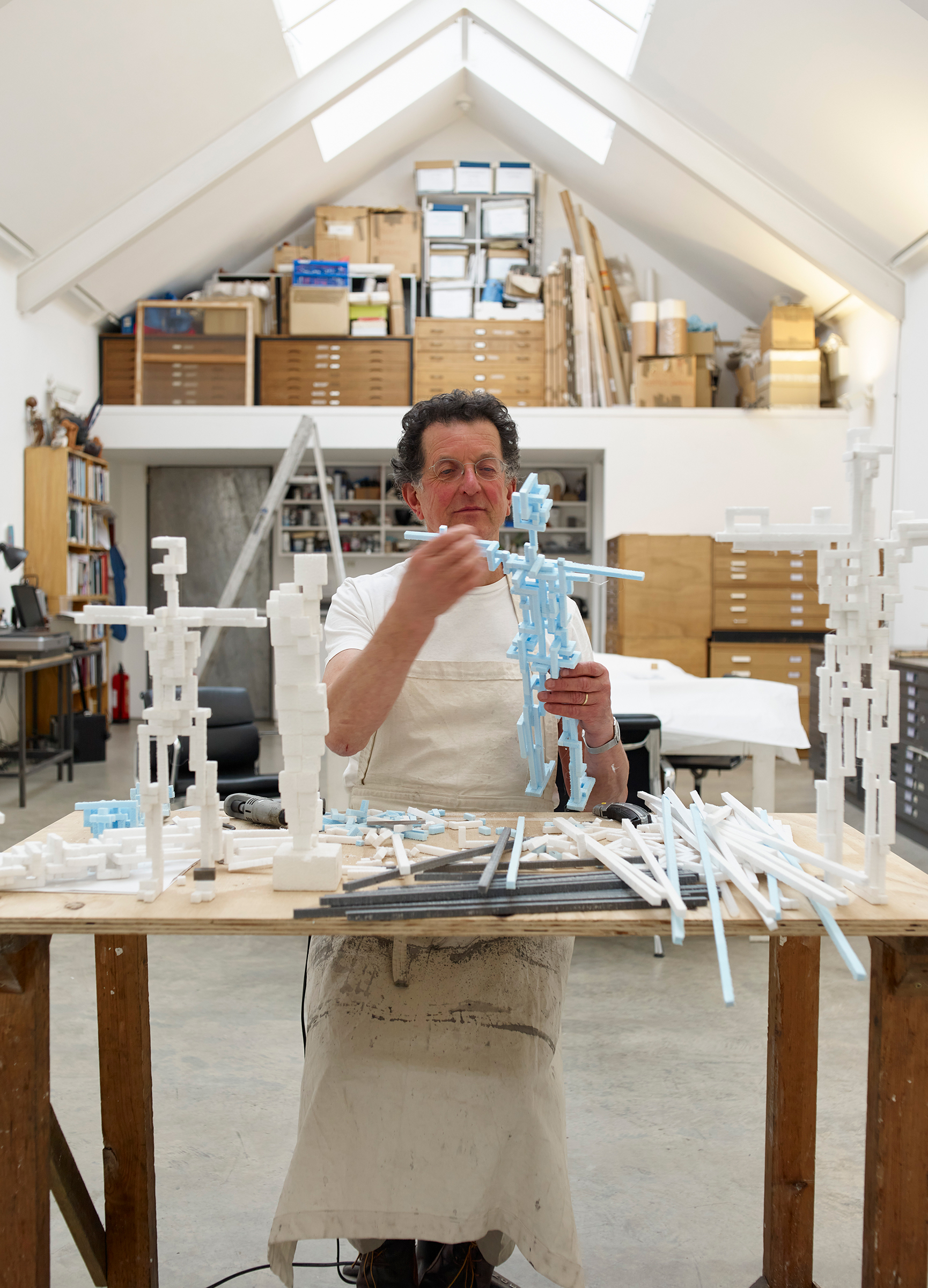
The question was no longer what sculpture could depict but what sculpture could be. The latter decades of the twentieth century expanded the field in every direction simultaneously. Anish Kapoor began exploring the phenomenology of void and surface in the 1980s, making objects that seemed to swallow light or deny their own materiality. Antony Gormley cast his own body repeatedly, deploying multiples of himself across fields, rooftops, and gallery floors in works that turned the sculptor's traditional subject into an almost conceptual gesture.
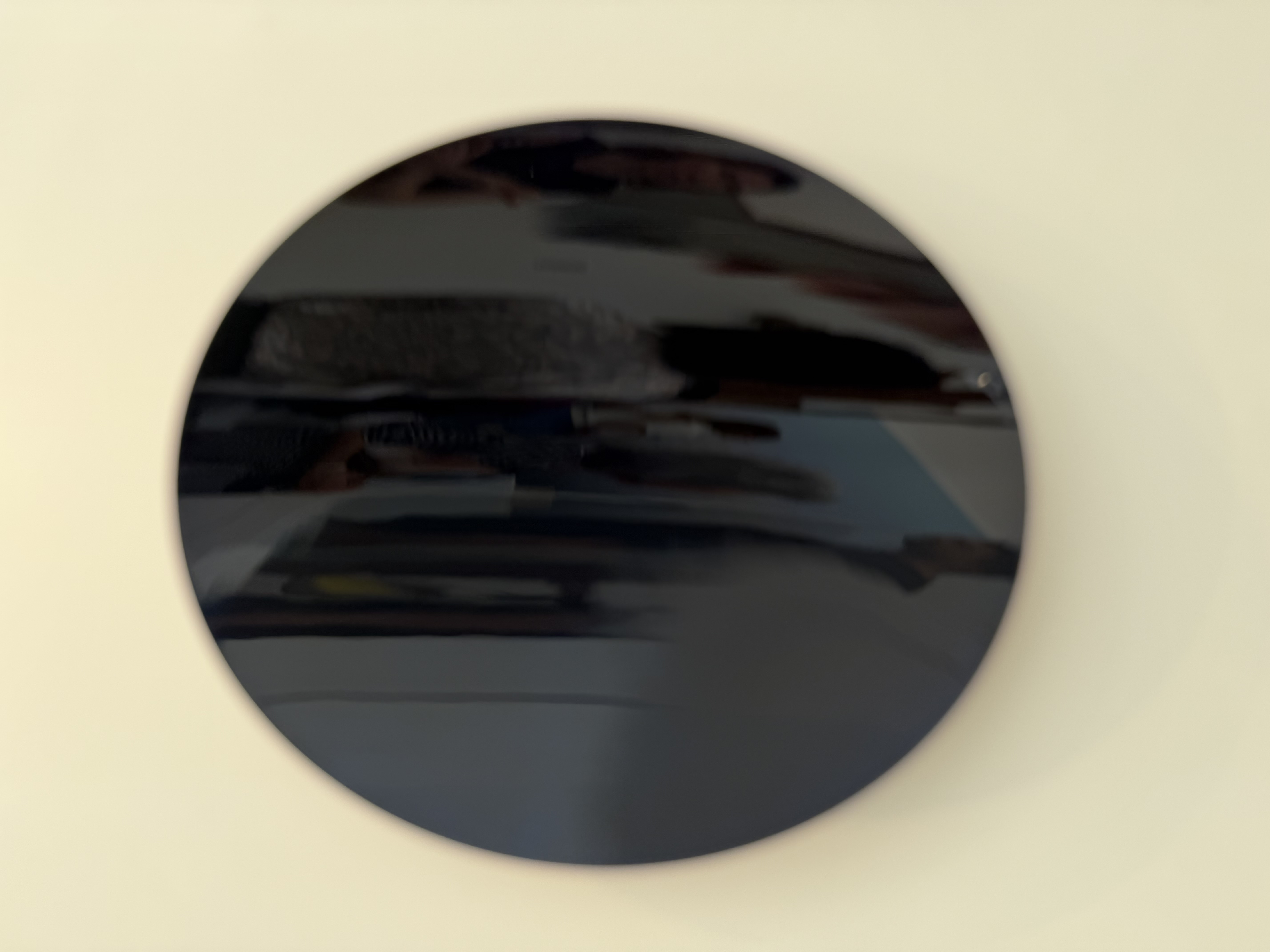
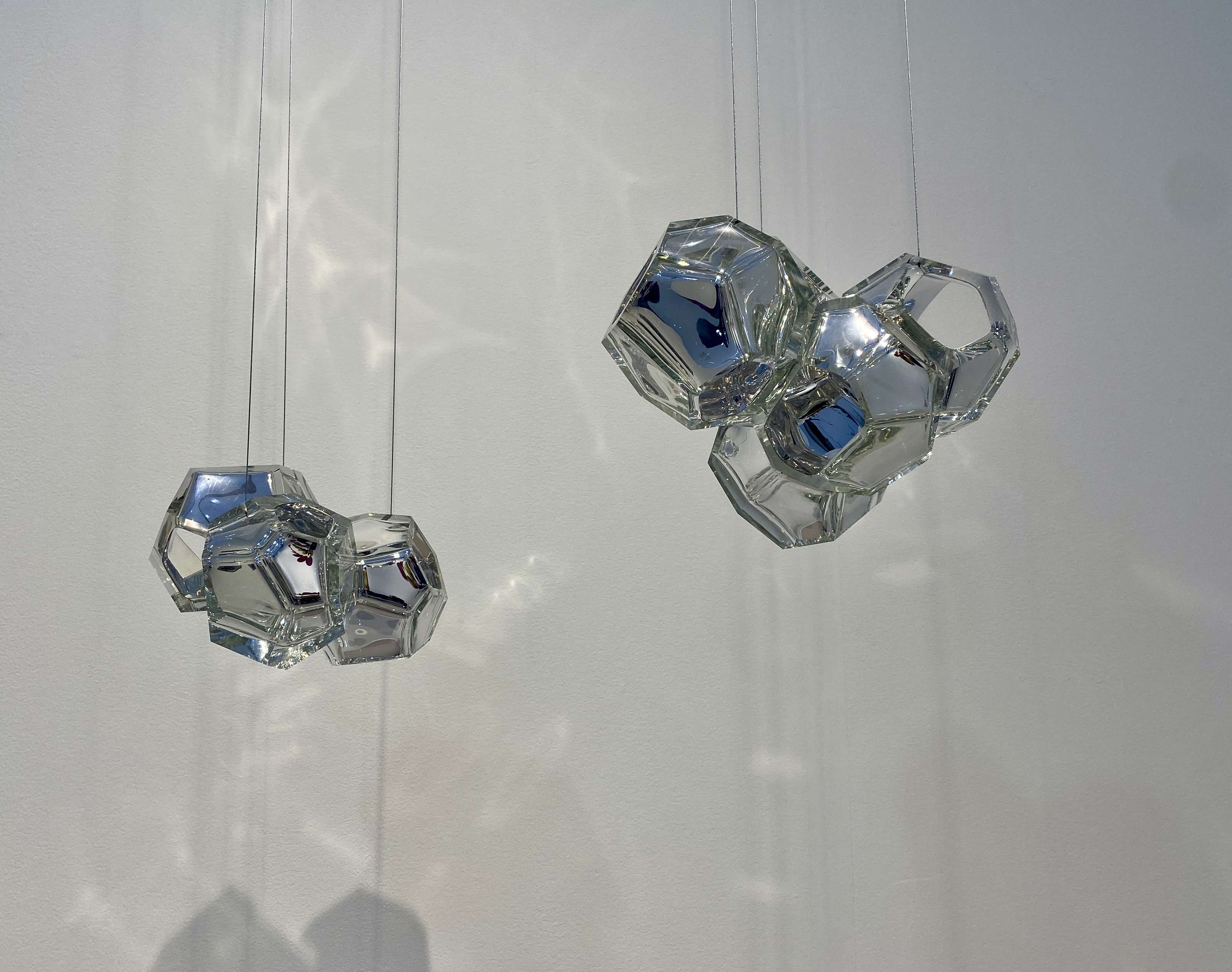
Anish Kapoor
Red mix 2 over Oriental Blue, 2020
Tony Cragg brought a scientist's curiosity to accumulated form, and Franz West made sculpture deliberately uncomfortable, creating Adaptives that invited handling and use rather than reverent distance. Ai Weiwei folded politics and craft history into objects that challenged the institutional assumptions of both. The contemporary landscape represented on The Collection shows just how wide the tent has become. Jeff Koons occupies one pole, his mirrored inflatables and monumental Balloon Dogs performing a seduction of surfaces that implicates the viewer in questions about desire, kitsch, and value simultaneously.
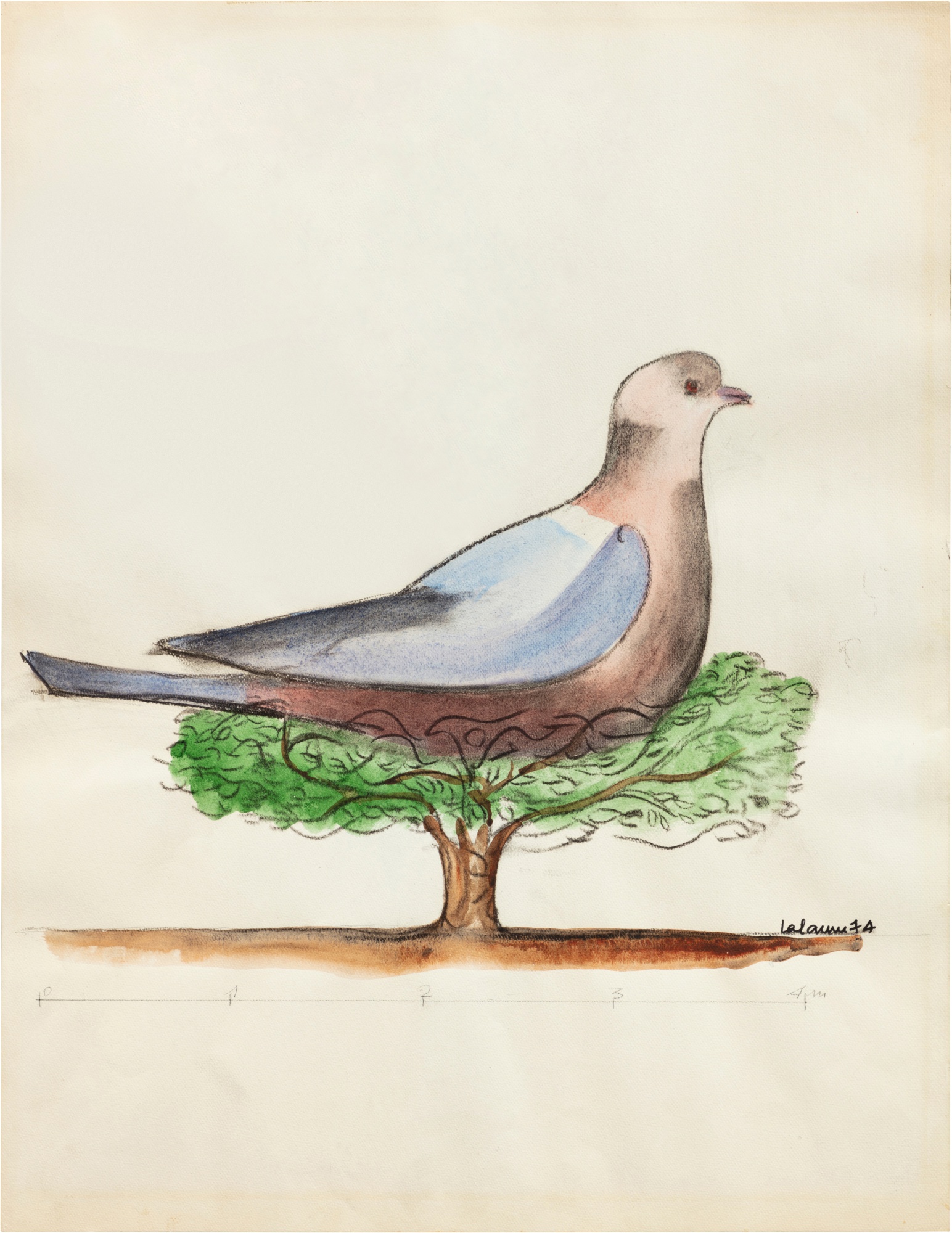
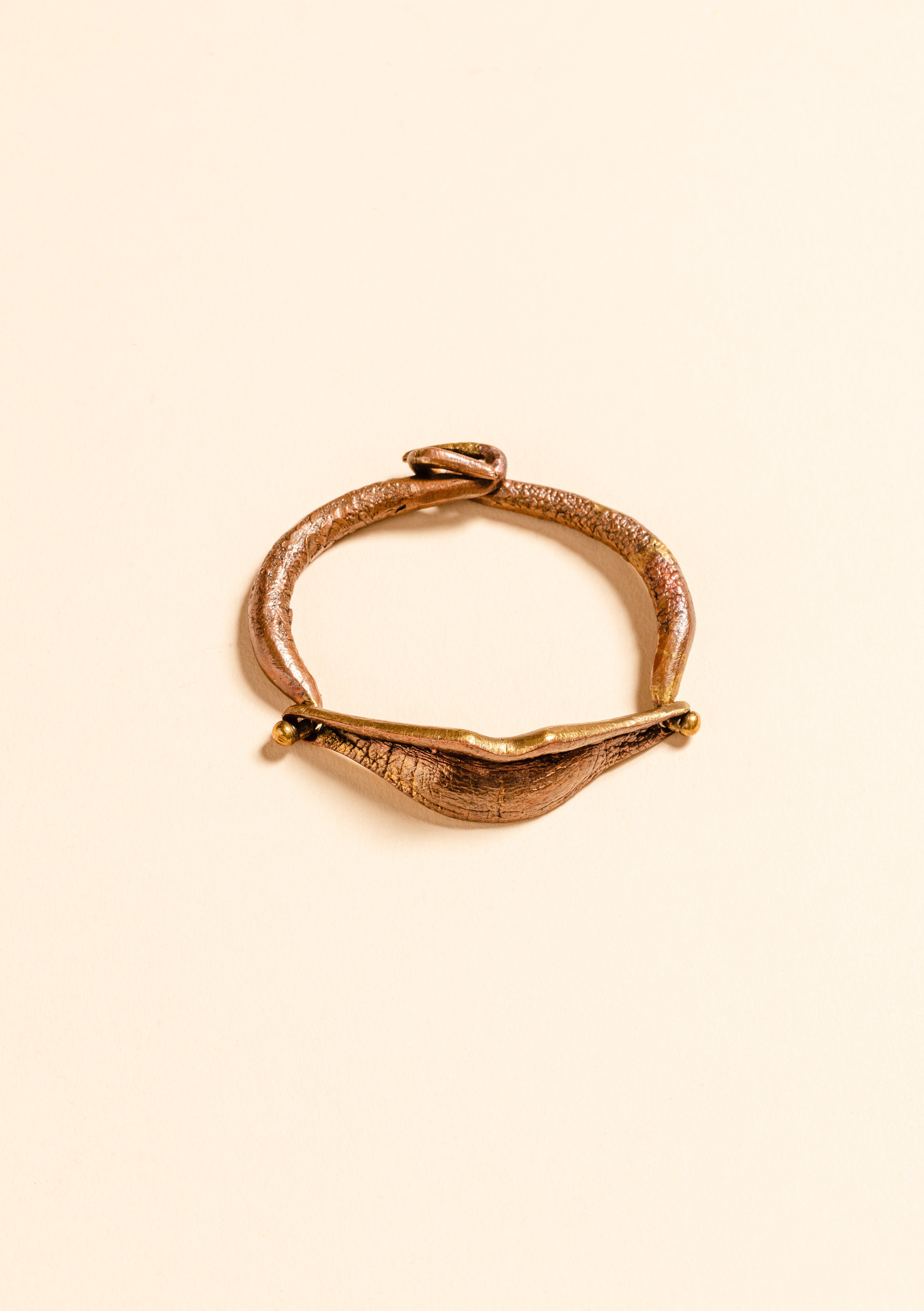
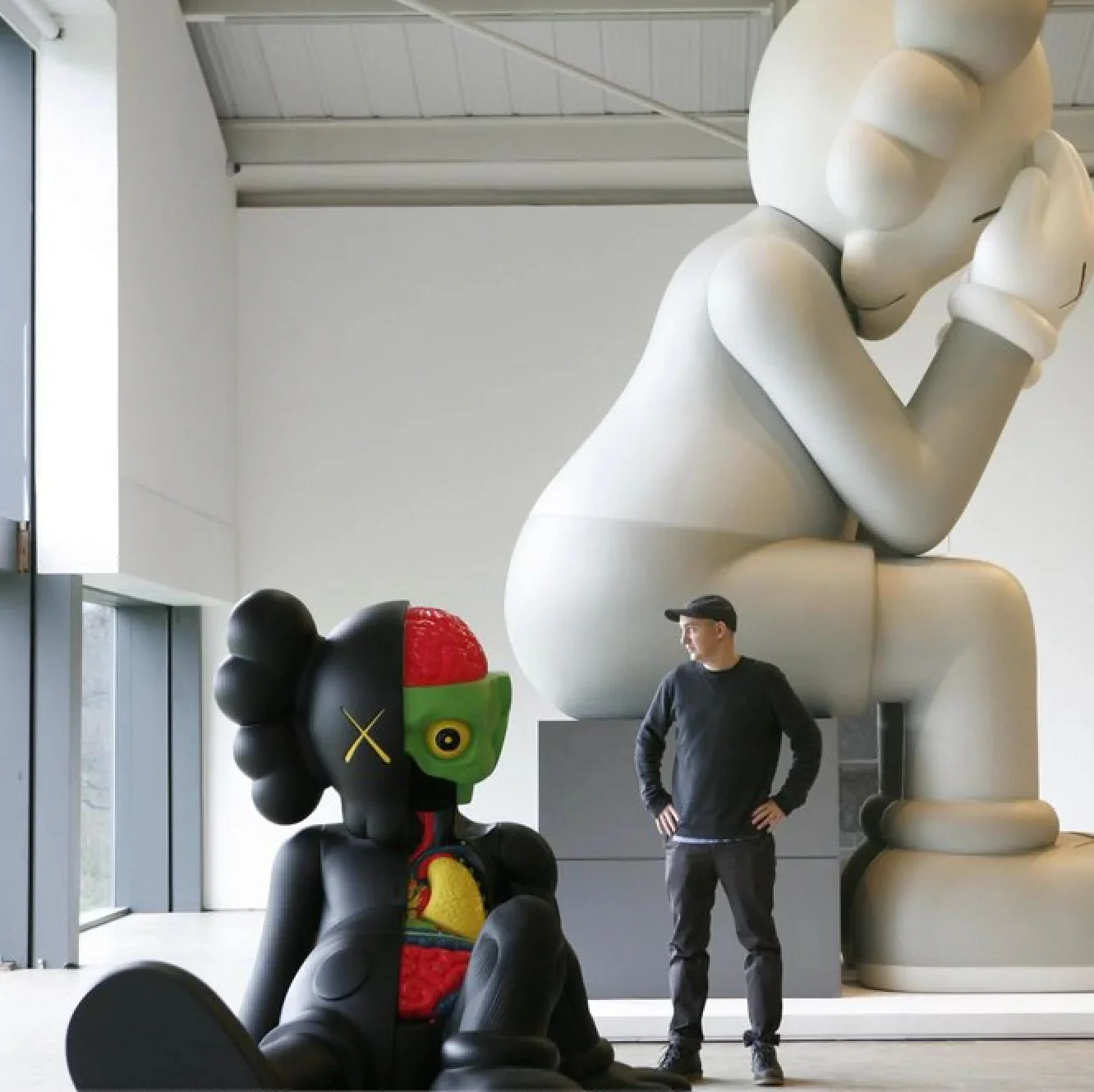
KAWS works the border between art history and popular culture with a fluency that has made him one of the most debated figures of the past two decades. Yayoi Kusama brings her obsessive dot patterns into three dimensional space, transforming sculpture into an immersive psychological environment. François Xavier Lalanne and Claude Lalanne, the artist couple who made their names in Paris from the 1960s onward, occupy a more intimate register, their animal forms sitting somewhere between surrealism, craft, and a deeply knowing wit. Ugo Rondinone and Sterling Ruby work with color and mass in ways that feel simultaneously ancient and aggressively present.
What connects a Barye bronze to an Oldenburg polyvinyl to a Gormley iron body is not material or method but intention. All sculpture is fundamentally about presence. It is about what it means to place a thing in the world and say: look at this. Consider its weight.
Walk around it. The medium's great advantage over every other art form is also its great demand. You cannot encounter sculpture entirely on your own terms. It has edges.
It has a back. It takes up room that you might otherwise occupy yourself. That resistance, that insistence on physical reality, is what sculpture has always known and what every generation of artists rediscovers with something that looks very much like relief.