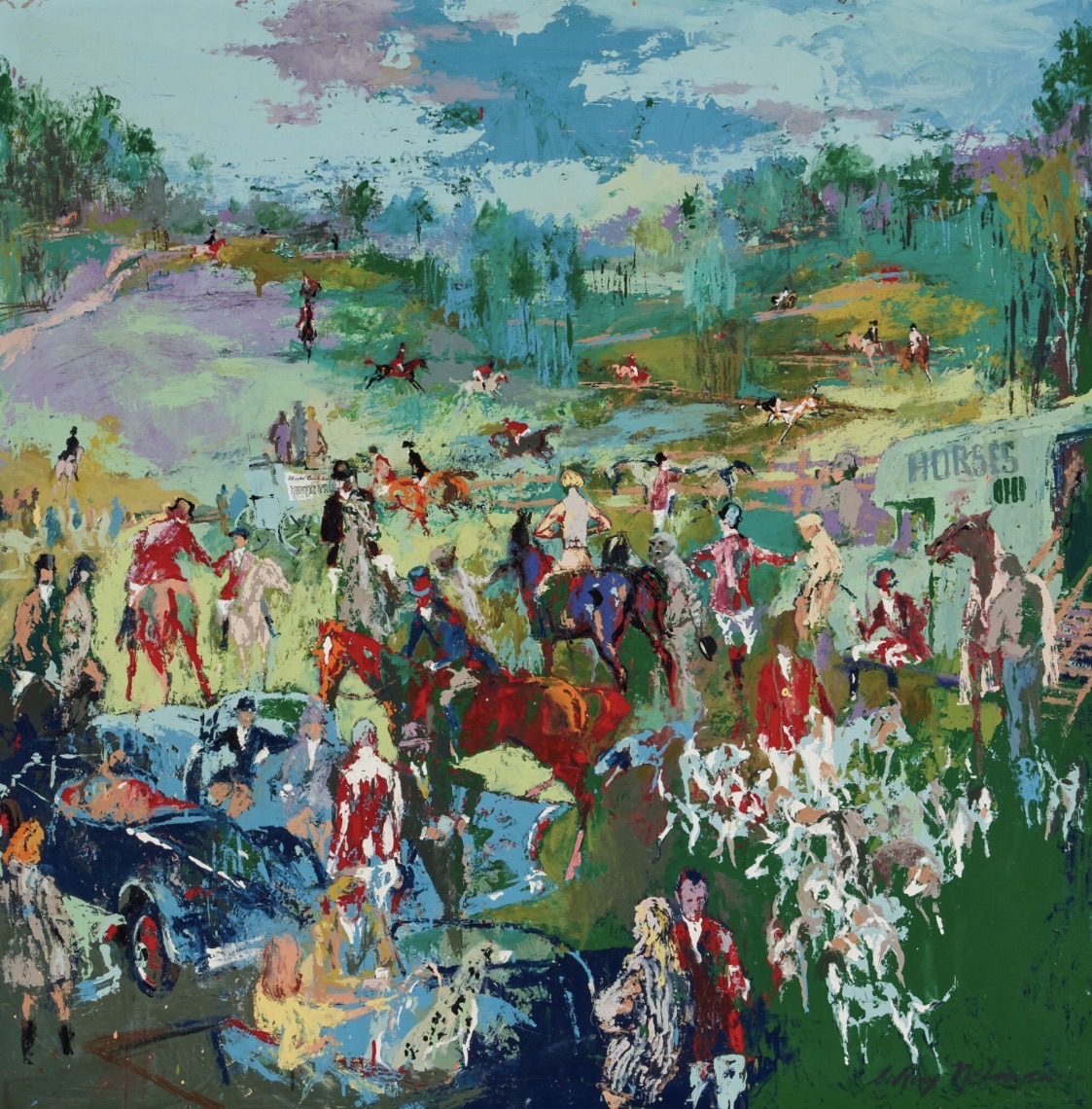
Surrealism
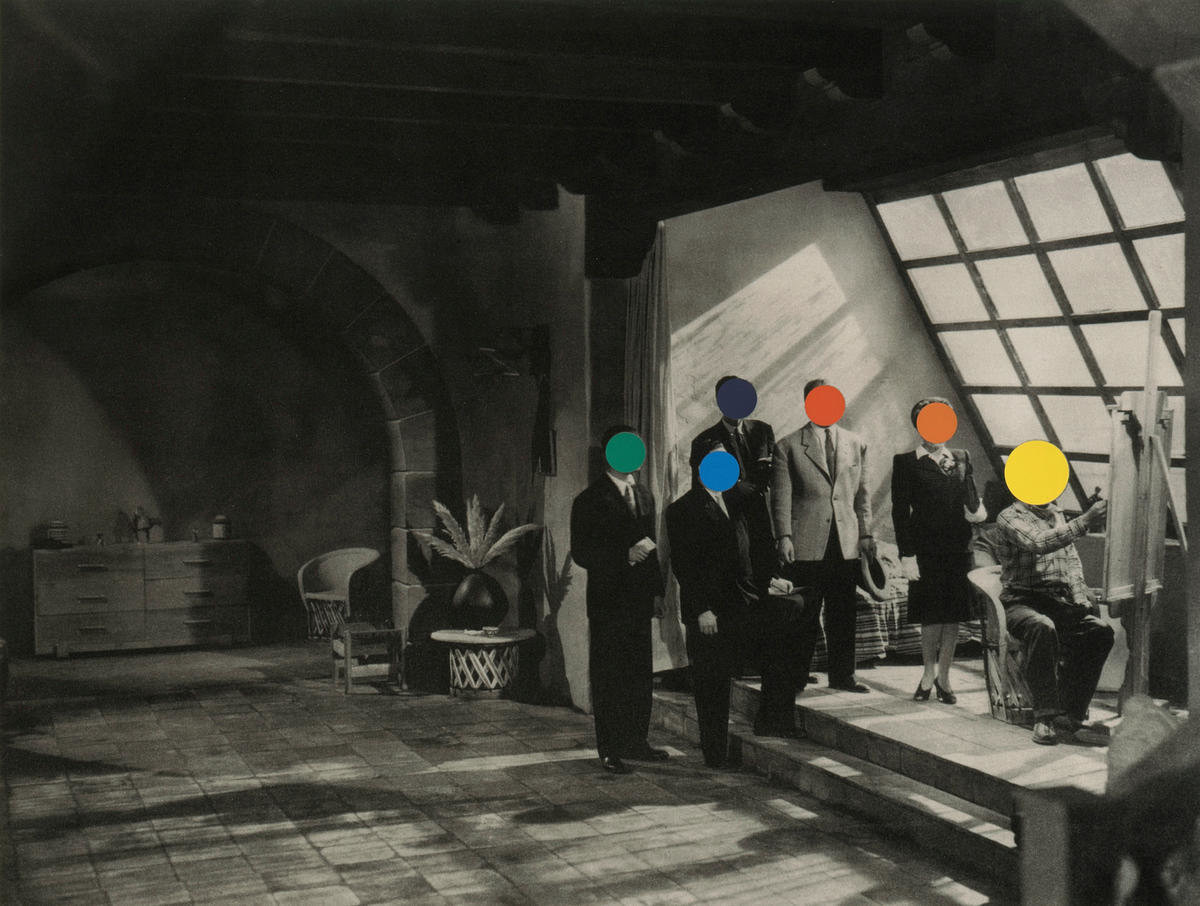
John Baldessari
Studio, 1988

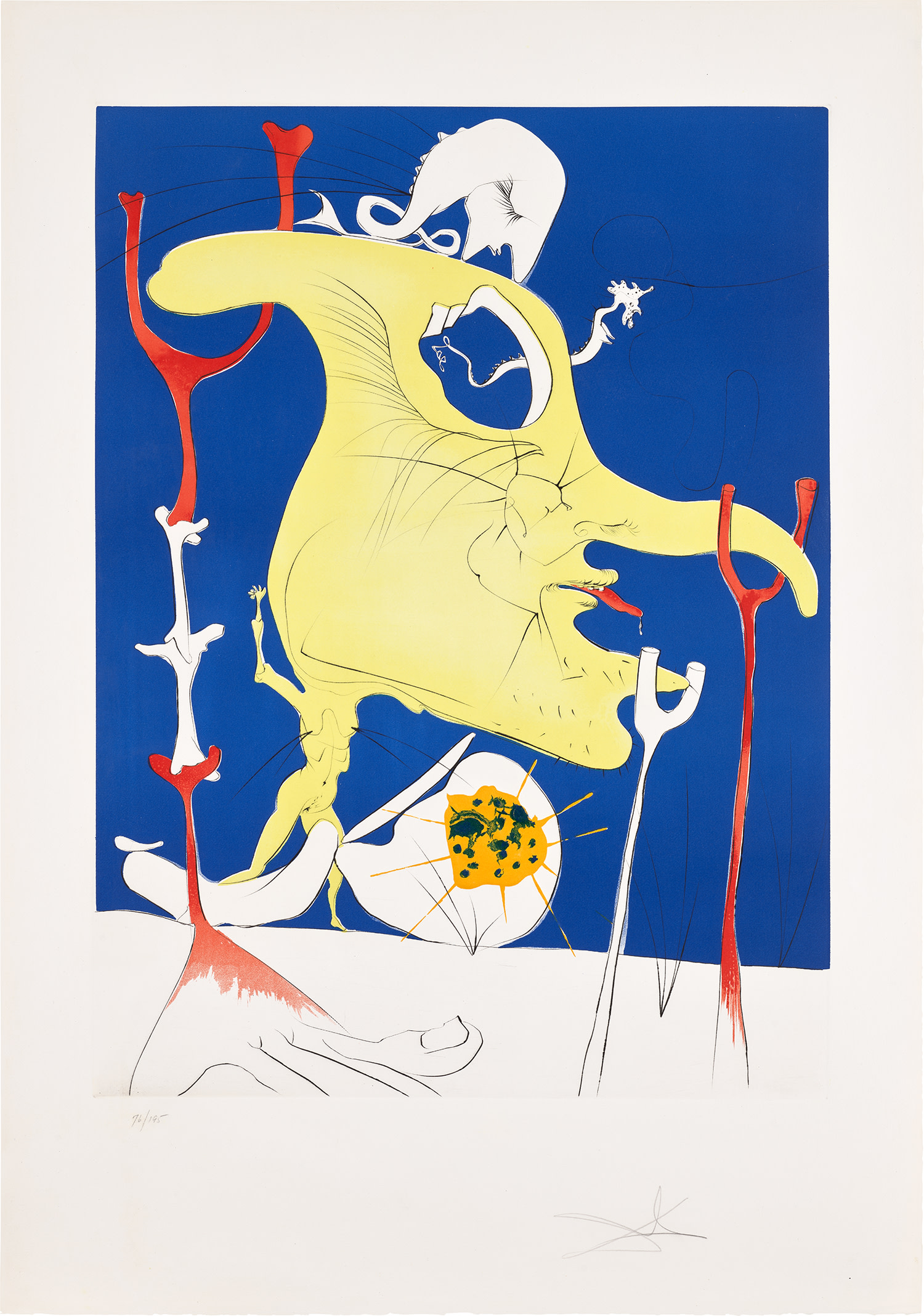
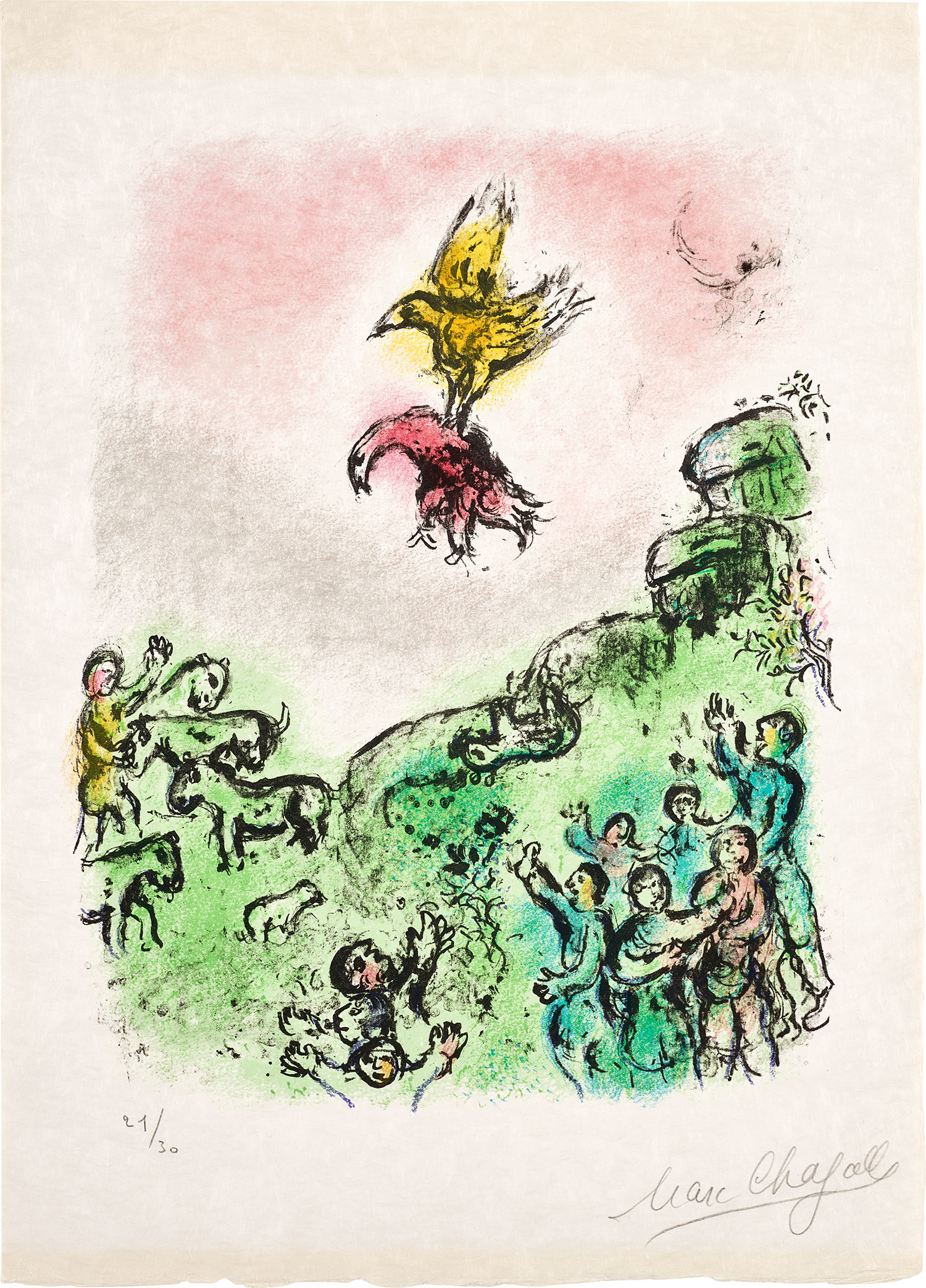



Dreams Still Sell: Surrealism's Unstoppable Market Moment
When Christie's brought a major Salvador Dalí painting to auction in recent years and watched it sail past estimate into eight figures, it confirmed something collectors already sensed: Surrealism is not a historical footnote. It is one of the most commercially and critically vital movements in the current market. The appetite for work that collapses the boundary between interior life and visible reality has only sharpened in a period when reality itself has felt increasingly unstable. There is something almost logical about that.
The movement's institutional presence has never been stronger. The Centre Pompidou's sustained commitment to Surrealist scholarship has produced some of the most rigorous survey exhibitions of the past decade, and MoMA's collection remains a touchstone for understanding how figures like Joan Miró and Max Ernst shaped the twentieth century's visual imagination. But the most revealing recent show may have been Tate Modern's 2022 exhibition dedicated to Surrealism Beyond Borders, which made a genuinely overdue argument: that Surrealism was never simply a Parisian affair conducted by European men. It traveled, transformed, and took root across Latin America, Asia, Africa, and the Caribbean in ways that produced entirely distinct bodies of work.
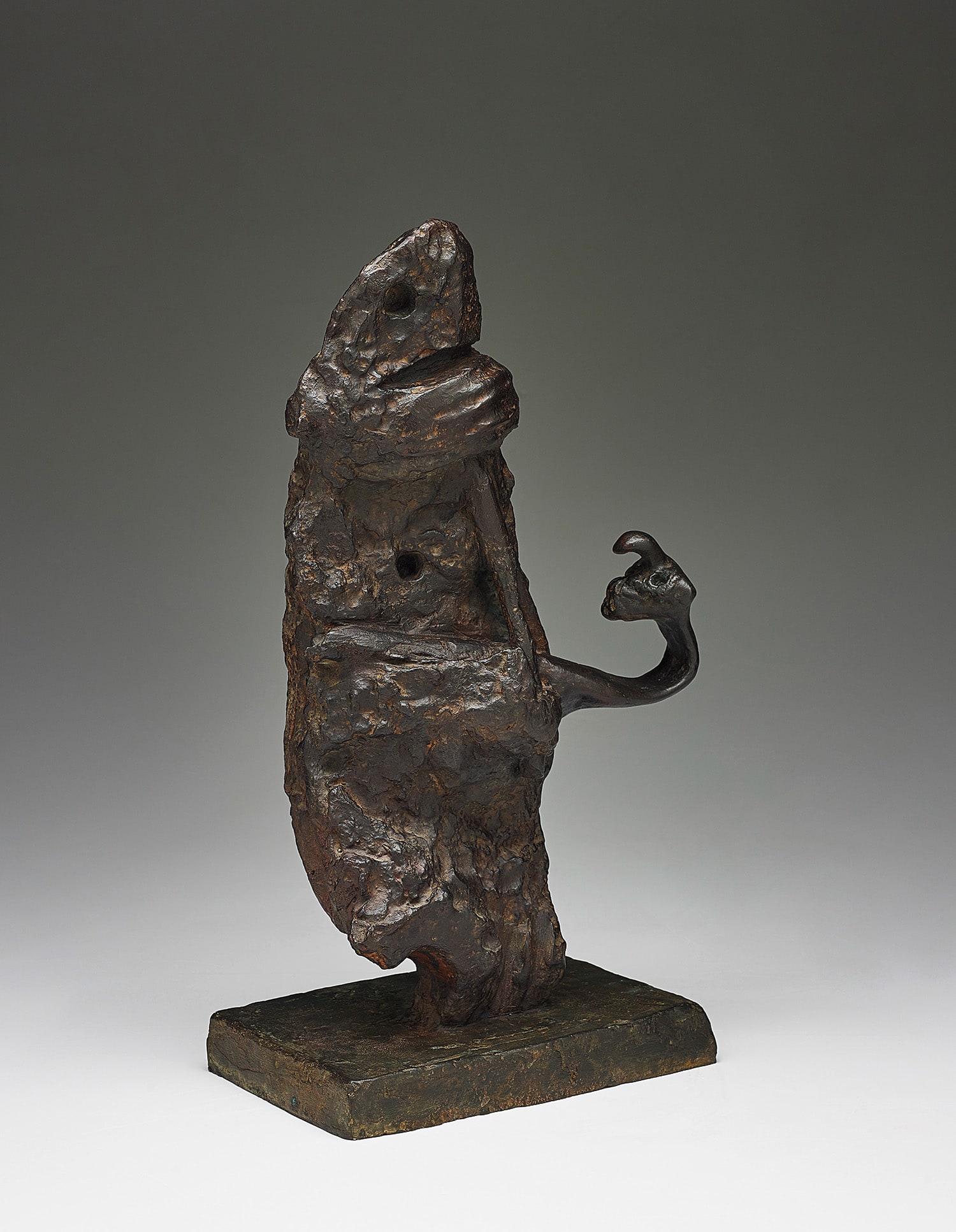
Joan Miró
Maternité, 1981
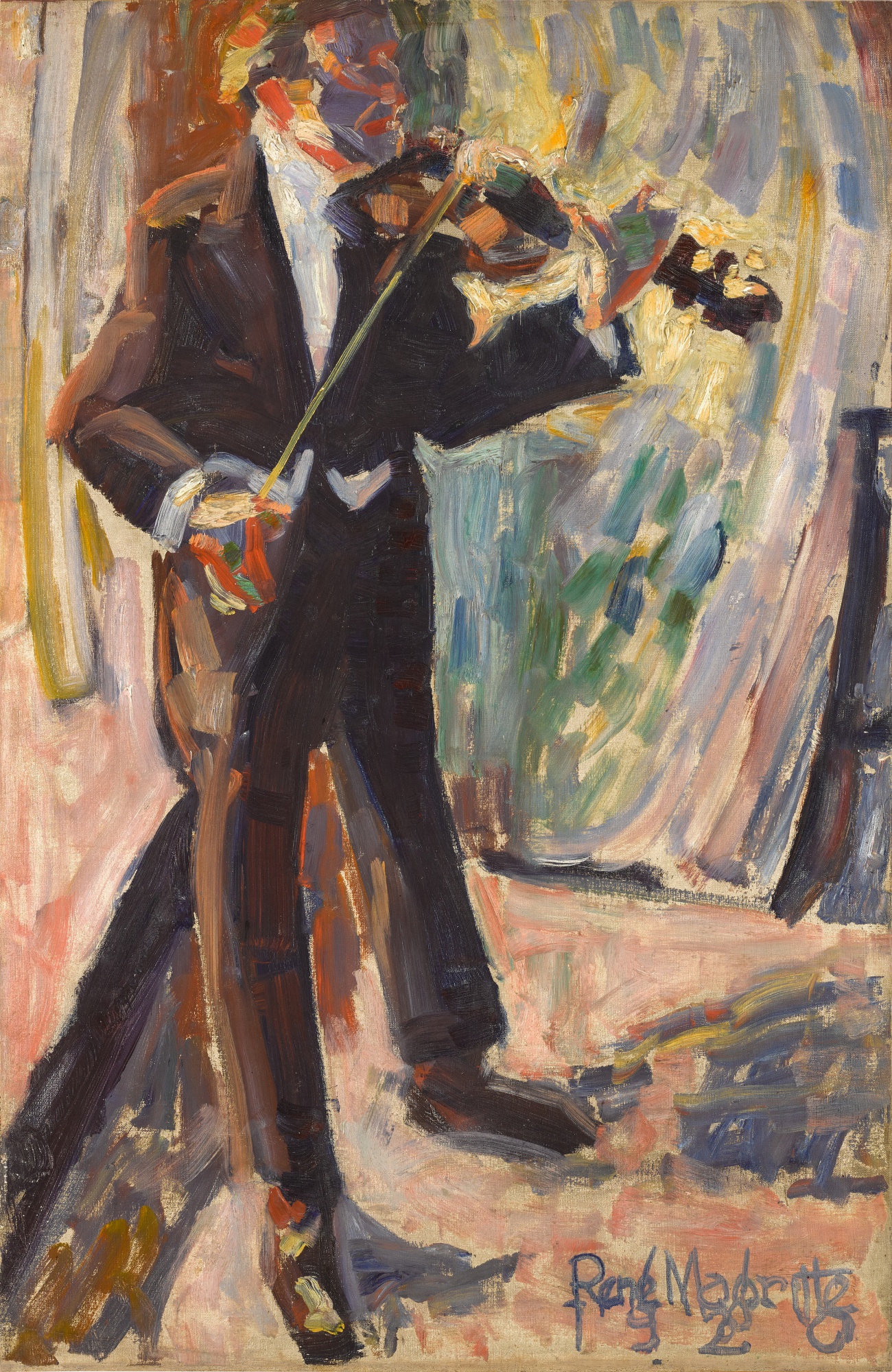
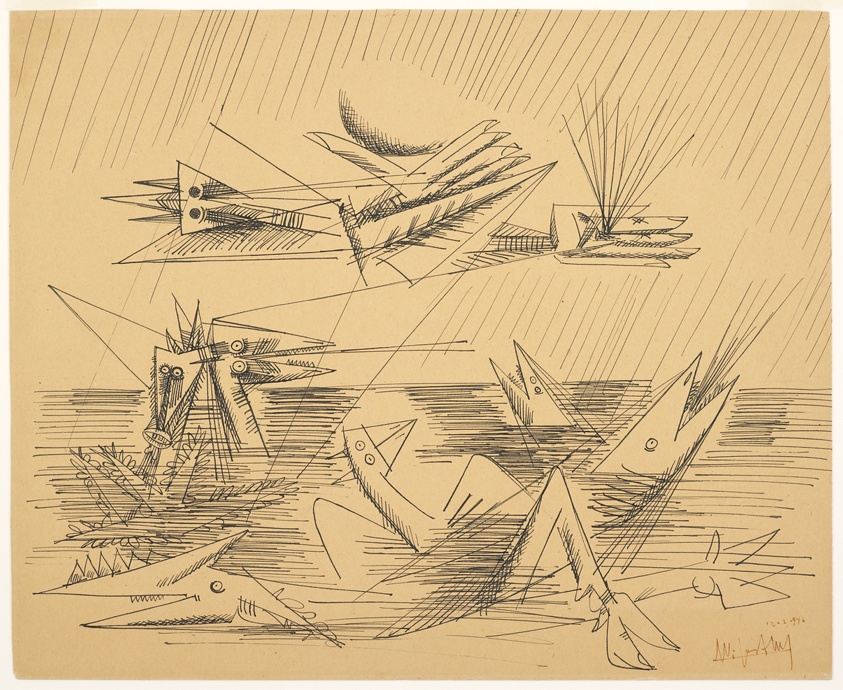
The show reframed artists like Wifredo Lam and Roberto Matta not as peripheral figures orbiting a Breton center but as primary voices who extended the movement's philosophical reach into new territories. At auction, the hierarchy is well established but worth examining closely. Dalí and Magritte consistently attract the broadest pool of international bidders, with works by René Magritte in particular demonstrating remarkable price stability across market cycles. His paintings operate almost like blue chip equities within the Surrealist category: deeply recognizable, globally legible, and trusted by collectors who may be entering the movement for the first time as well as by those building serious collections.
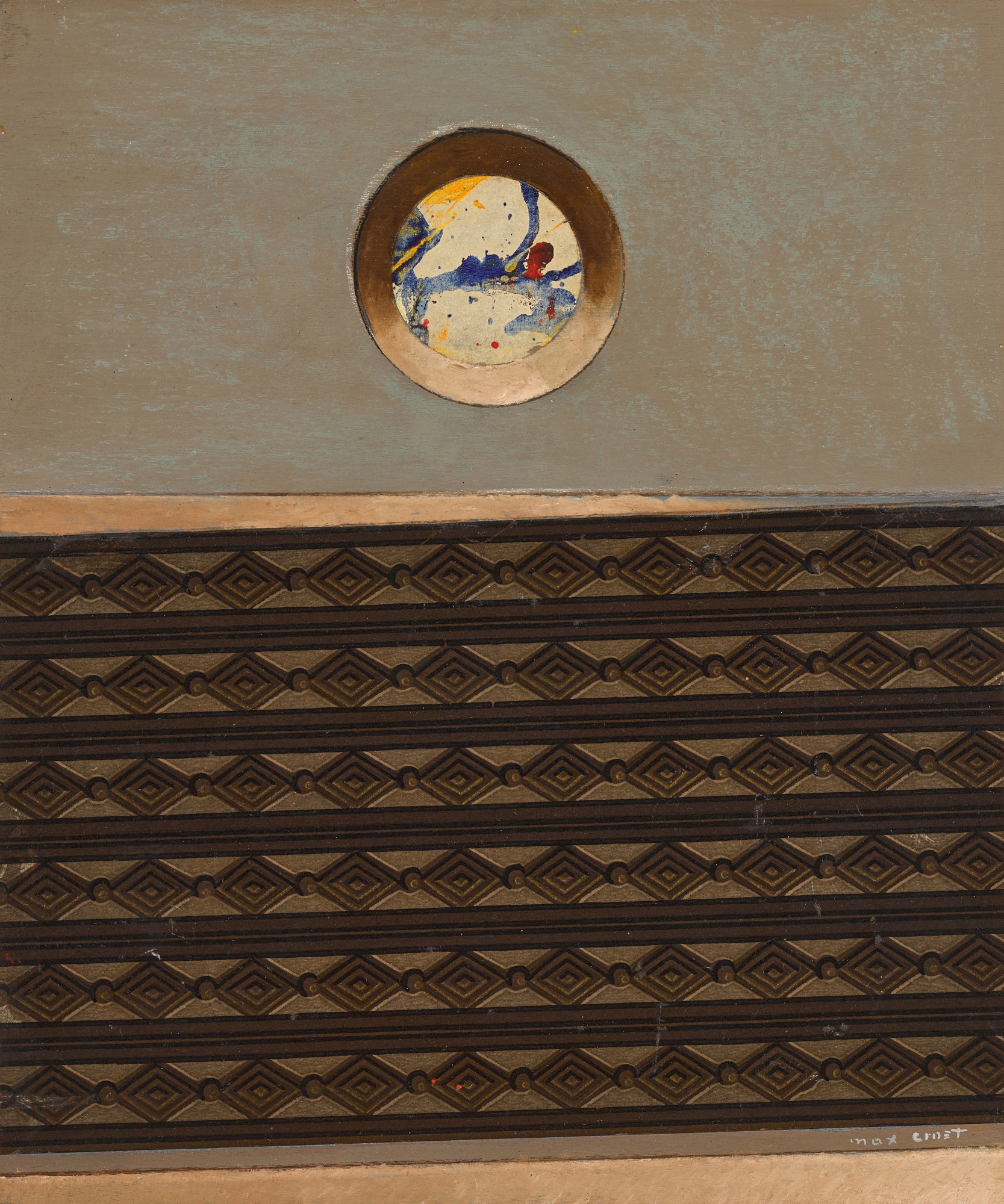
Miró occupies a slightly different position. His market is extraordinarily deep, supported by an enormous body of work ranging from intimate works on paper to large scale paintings, and his prices reflect a collector base that spans continents and generations. Works by Man Ray in photography and object form have also seen strong results, particularly as the market for Surrealist photography has matured and institutions have brought more serious curatorial attention to that medium. What is especially interesting is the renewed energy around figures who were long treated as secondary.

Man Ray
Lee Miller, Paris
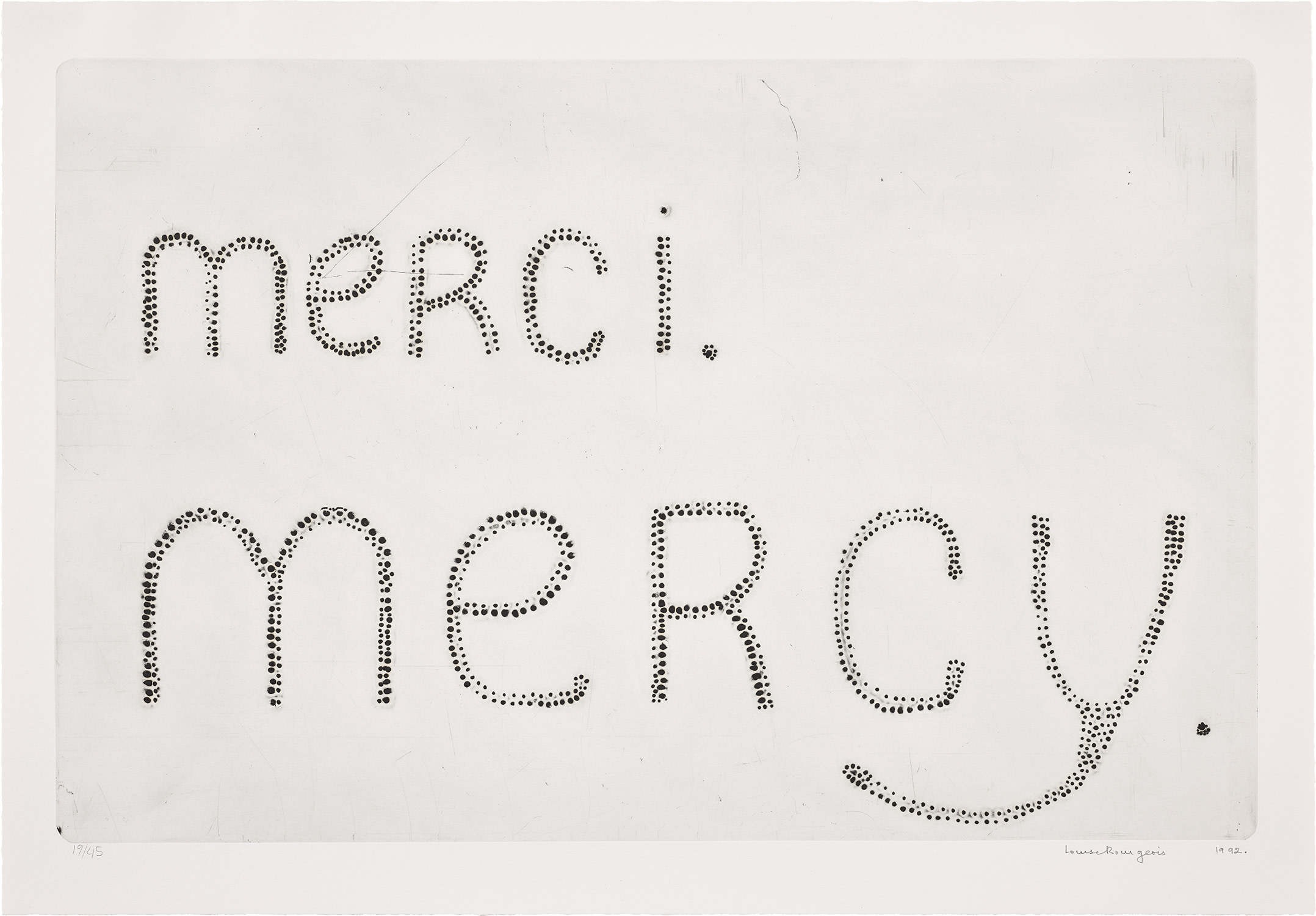
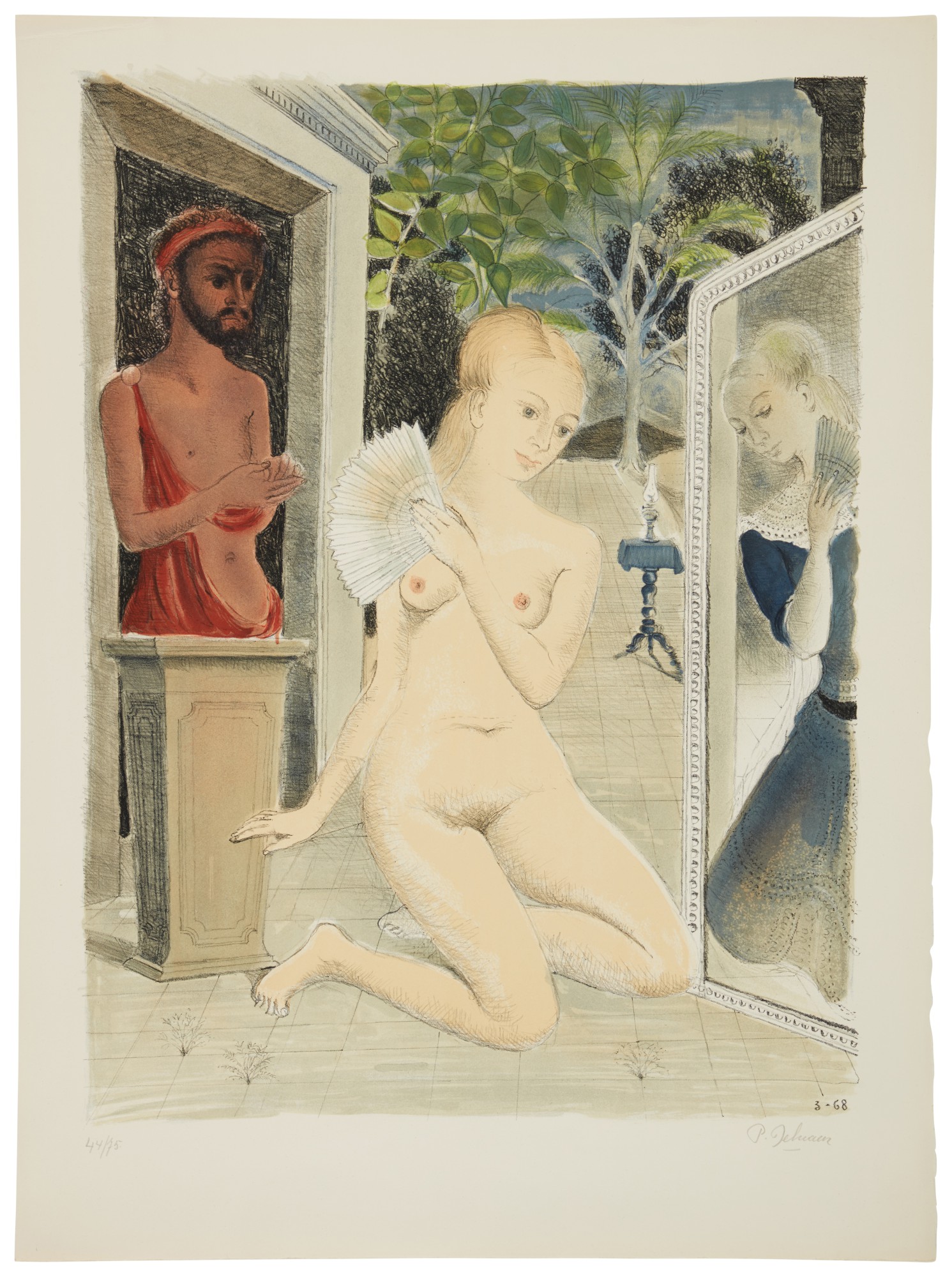
Leonora Carrington, whose prices were almost inexplicably modest for decades given the quality and originality of her work, has seen significant reappraisal. The same is true of Dorothea Tanning, Leonor Fini, and Meret Oppenheim, whose reputations have been actively rehabilitated by feminist art history and whose works now command prices that feel more proportionate to their historical importance. Institutions including the Art Institute of Chicago and the Reina Sofía in Madrid have been deliberate about collecting and exhibiting work by women Surrealists, and that institutional endorsement matters to the market. Paul Delvaux, the Belgian painter whose dreamlike architectures and silent figures occupy a distinctly melancholy register, has also attracted fresh attention from collectors who find his work sitting at a persuasive intersection of quality and relative value.
The critical conversation around Surrealism has shifted considerably in the past fifteen years. The old Bretonian framework, with its emphasis on automatic writing, the unconscious as a liberation mechanism, and the movement's founding texts, still provides essential context. But writers and curators are now far more interested in questions of gender, colonialism, and diaspora. Scholarly work by art historians including Patricia Allmer and Dawn Ades has been instrumental in broadening the canon, and publications like Papers of Surrealism have provided a platform for more granular reassessment.
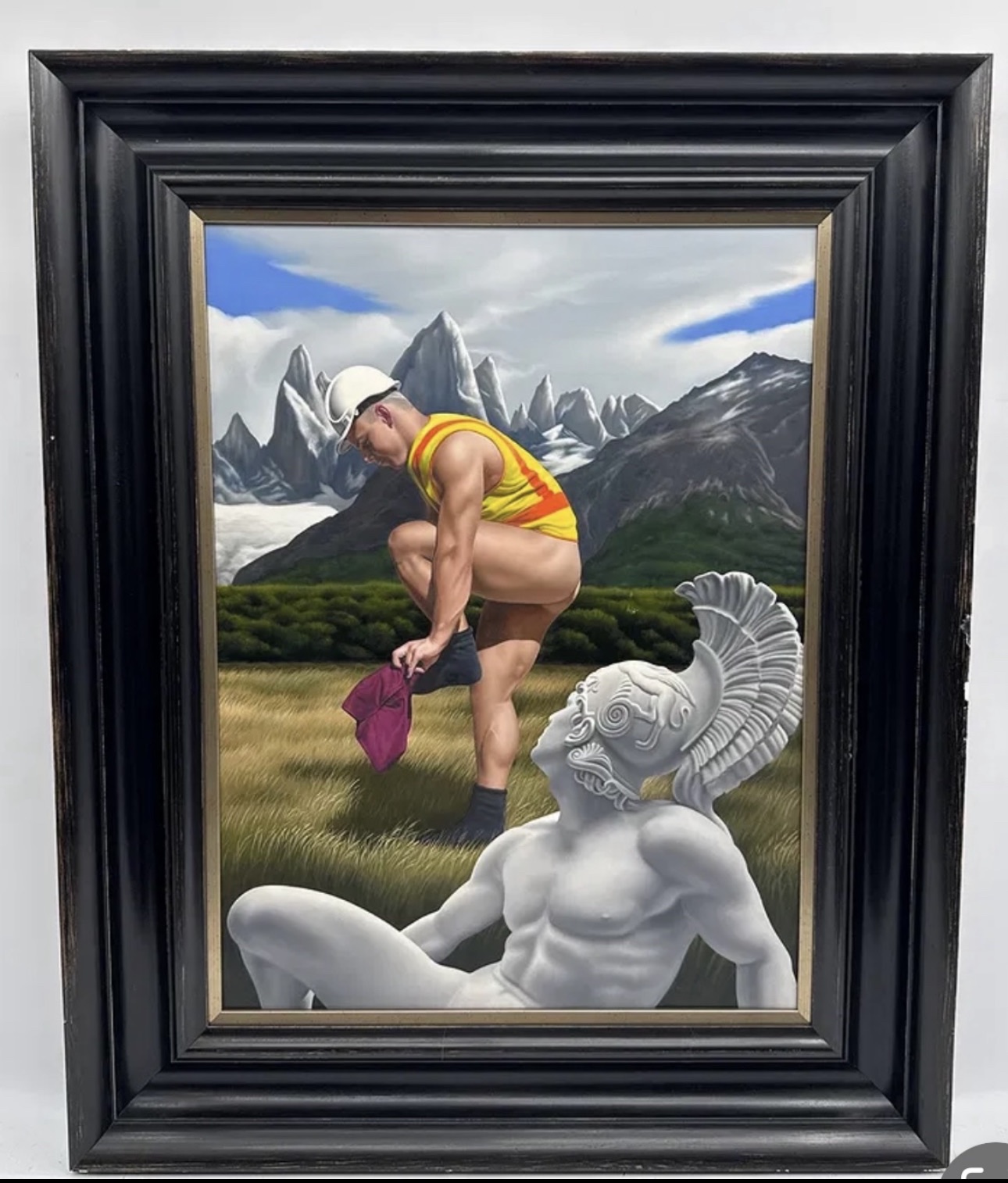
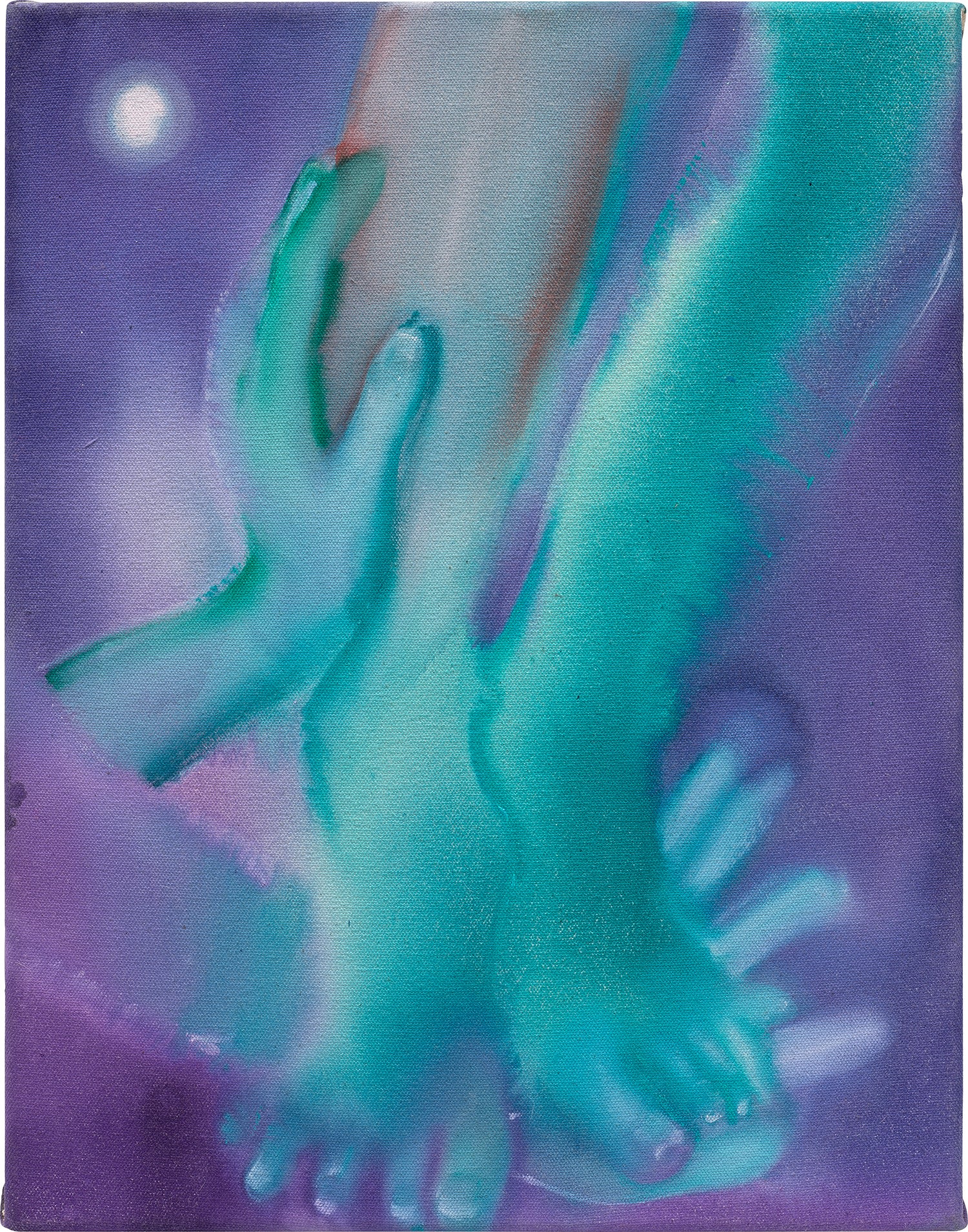
Ross Watson
The Gaze of Adonis
Curators at institutions from the Museo Reina Sofía to the Hammer Museum in Los Angeles have brought real intellectual rigor to the project of showing how the movement functioned differently in different cultural contexts. André Masson's relationship to non Western visual systems, or the way that Manuel Álvarez Bravo absorbed Surrealist ideas through the specific lens of Mexican photography and politics, are now subjects of serious scholarly and institutional interest. For collectors, one of the more intriguing areas involves the Surrealist object and its crossover into design. The Lalanne family occupies a fascinating position here.
François Xavier Lalanne and Claude Lalanne produced work that refuses clean categorization, sitting somewhere between sculpture, design, and the kind of playful metamorphosis that Surrealism placed at its philosophical core. Their market has been one of the more startling stories in recent years, with major auction results consistently exceeding expectations and a collector base that includes both contemporary art collectors and those drawn to the decorative arts. Joseph Cornell's boxes similarly occupy a productive ambiguity, feeling at once like intimate private worlds and like carefully constructed arguments about the nature of desire, memory, and obsession. His work remains among the most sought after in the movement.

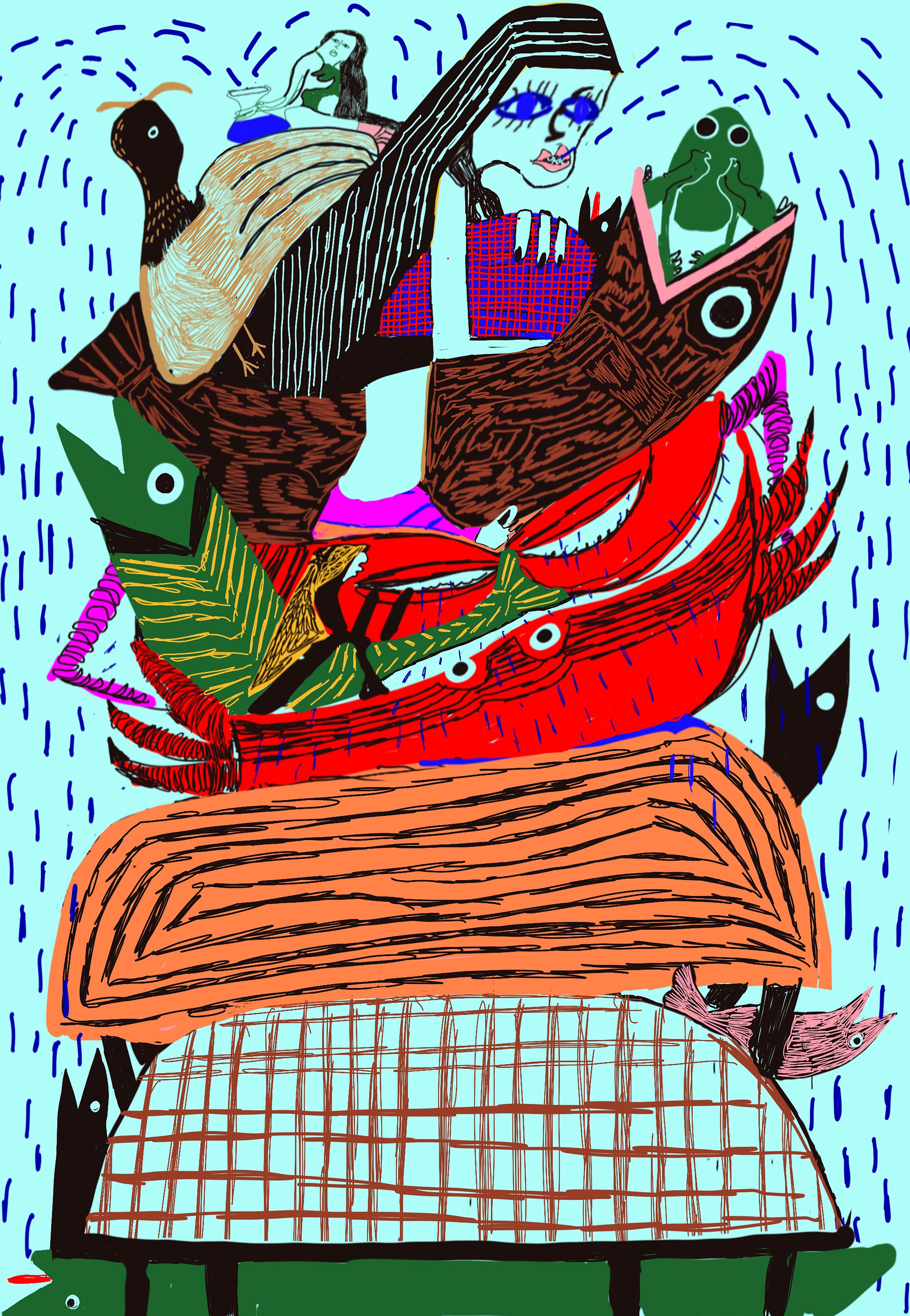
Anthony Goicolea
Untitled
The energy in the Surrealist market right now is pointing in several directions simultaneously. The continued rehabilitation of women artists represents perhaps the most significant ongoing revaluation, with prices still having room to grow relative to their male contemporaries. The Latin American Surrealists, including Matta and Lam, are receiving the kind of sustained curatorial attention that tends to precede major market movement. And there is a broader cultural moment at play: in a period saturated with digital imagery and AI generated visuals, work that emerged from genuine psychological rupture and radical reimagination of the visible world carries a kind of authenticity that collectors find increasingly valuable.
The works on The Collection across this movement reflect exactly that range, from the canonical and instantly recognizable to the surprising and undervalued. That is precisely where collecting becomes interesting.