Vibrant
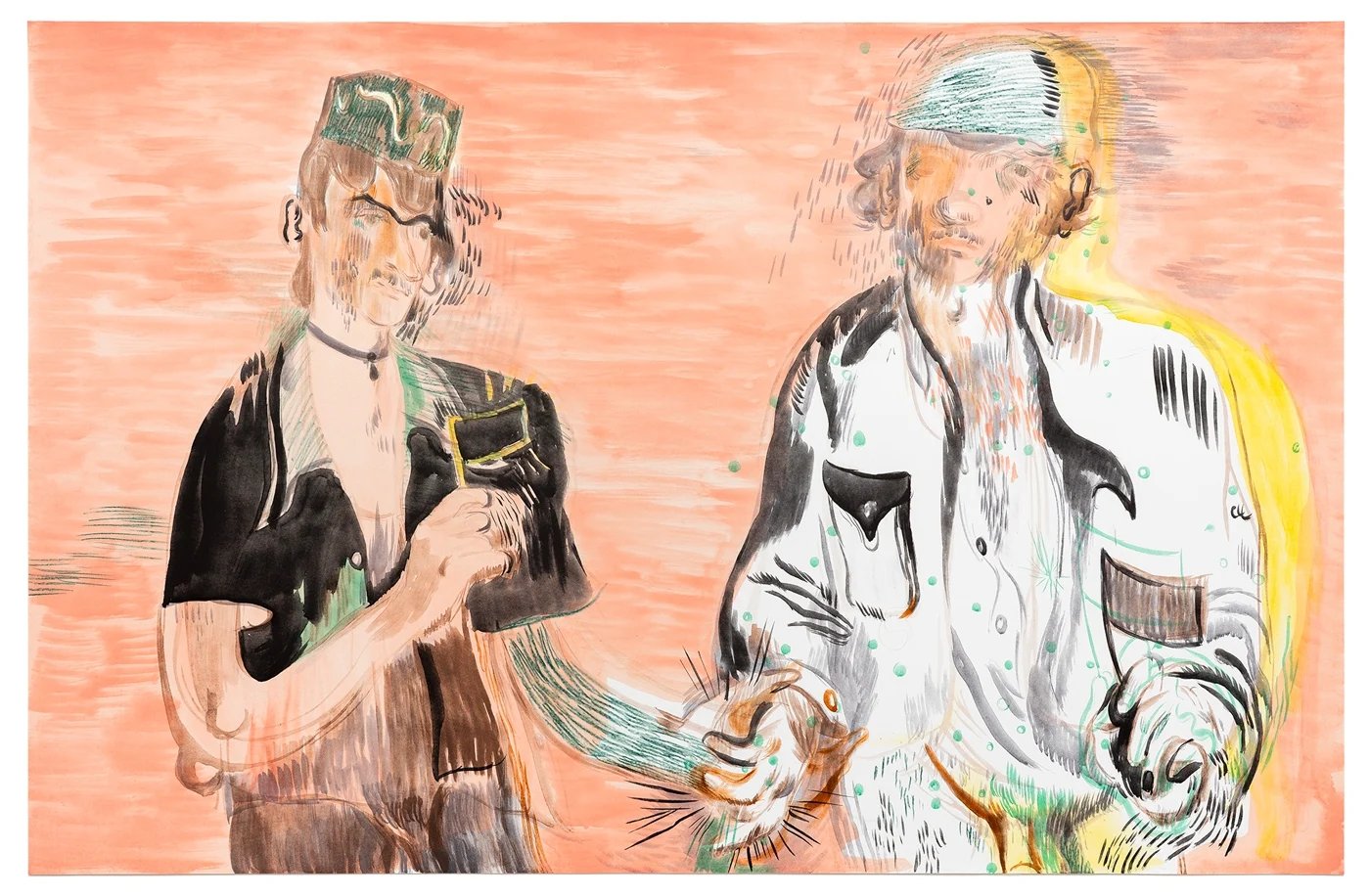
Salman Toor
Citizens with Flags, 2025


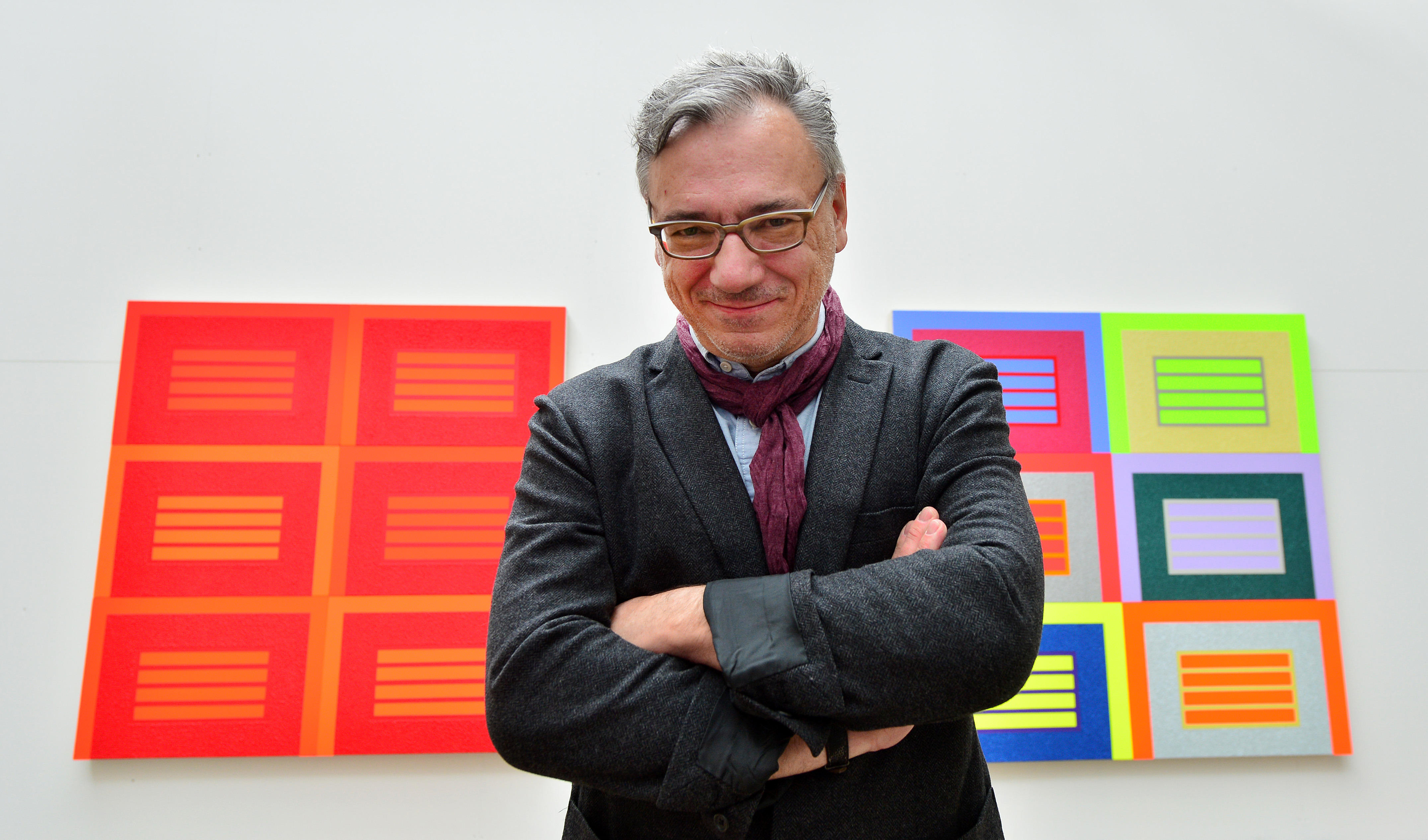
Color at Full Volume: The Vibrant Market
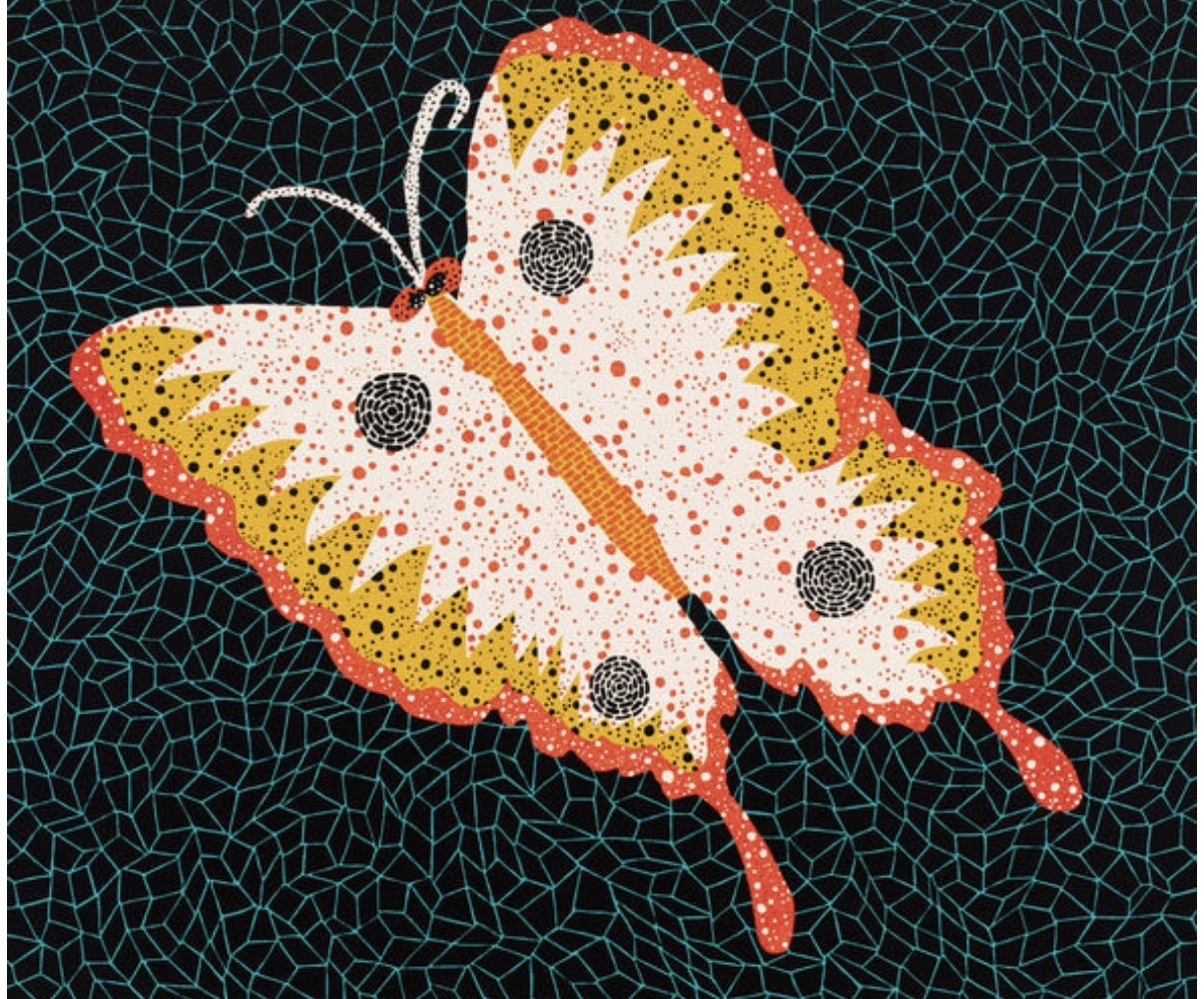
When Sotheby's brought a major Yayoi Kusama infinity net painting to auction in 2023 and watched it clear its estimate by a considerable margin, the room understood something that collectors have quietly known for years: work that commits fully to color, to optical intensity, to unabashed visual presence, is not a safe harbor for the timid buyer. It is where the real conviction lives. Kusama's dots and nets, Bridget Riley's undulating stripes, Victor Vasarely's geometric pulsations these are not decorative choices. They are philosophical positions about what paint can do to a nervous system, and the market has been rewarding that ambition with increasing seriousness.
The appetite for work in this register became impossible to ignore after the Tate Modern's 2019 Bridget Riley retrospective drew enormous crowds and reintroduced a generation of younger visitors to the vertiginous thrill of Op Art. Riley had long been respected in critical circles, but that show repositioned her as genuinely urgent, not merely canonical. It was the kind of institutional moment that reshapes secondary market behavior almost immediately, and the auction houses took note. Her prints and paintings began appearing with greater frequency and greater ambition in the major evening sales, drawing bidders who had previously overlooked her in favor of more fashionable names.
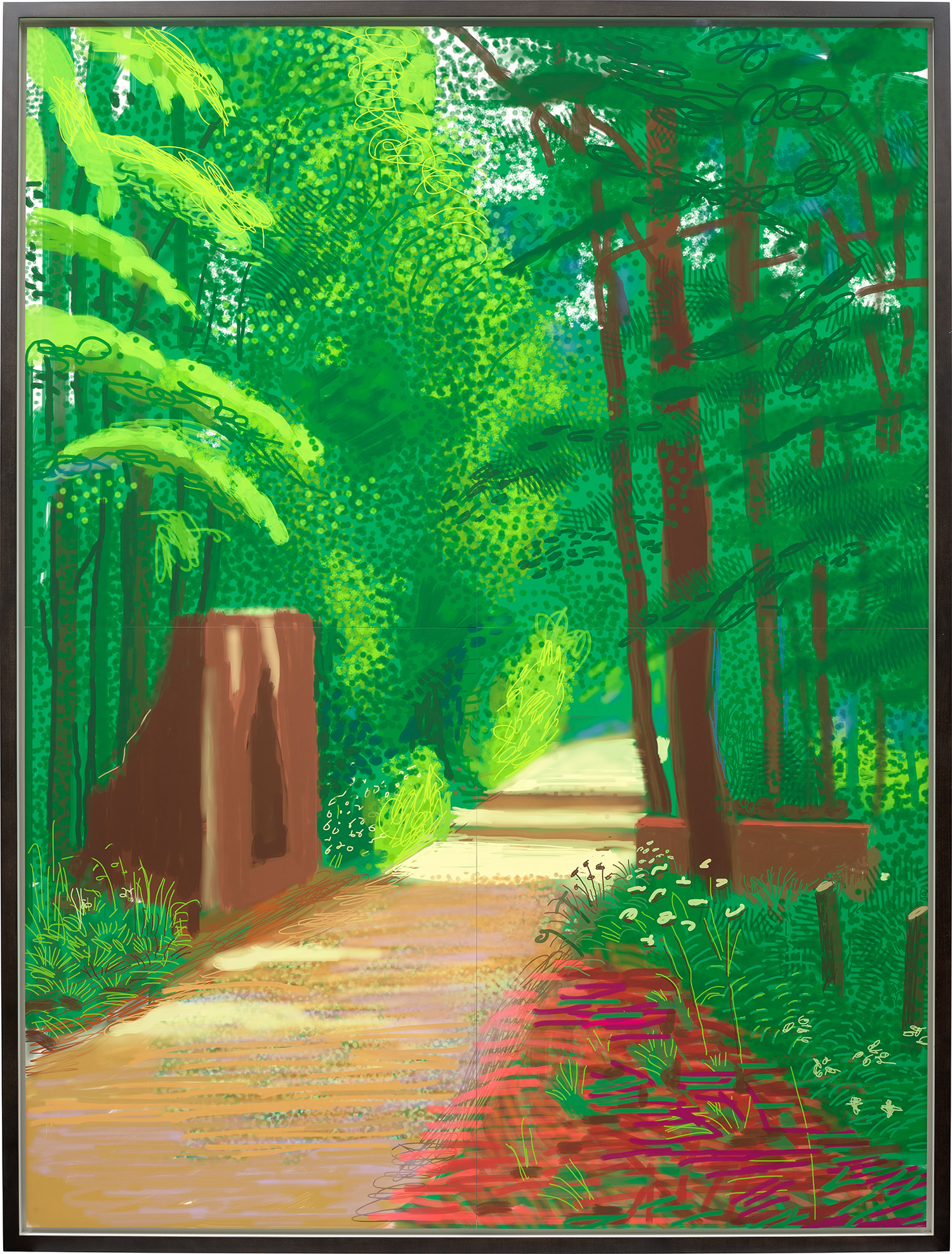
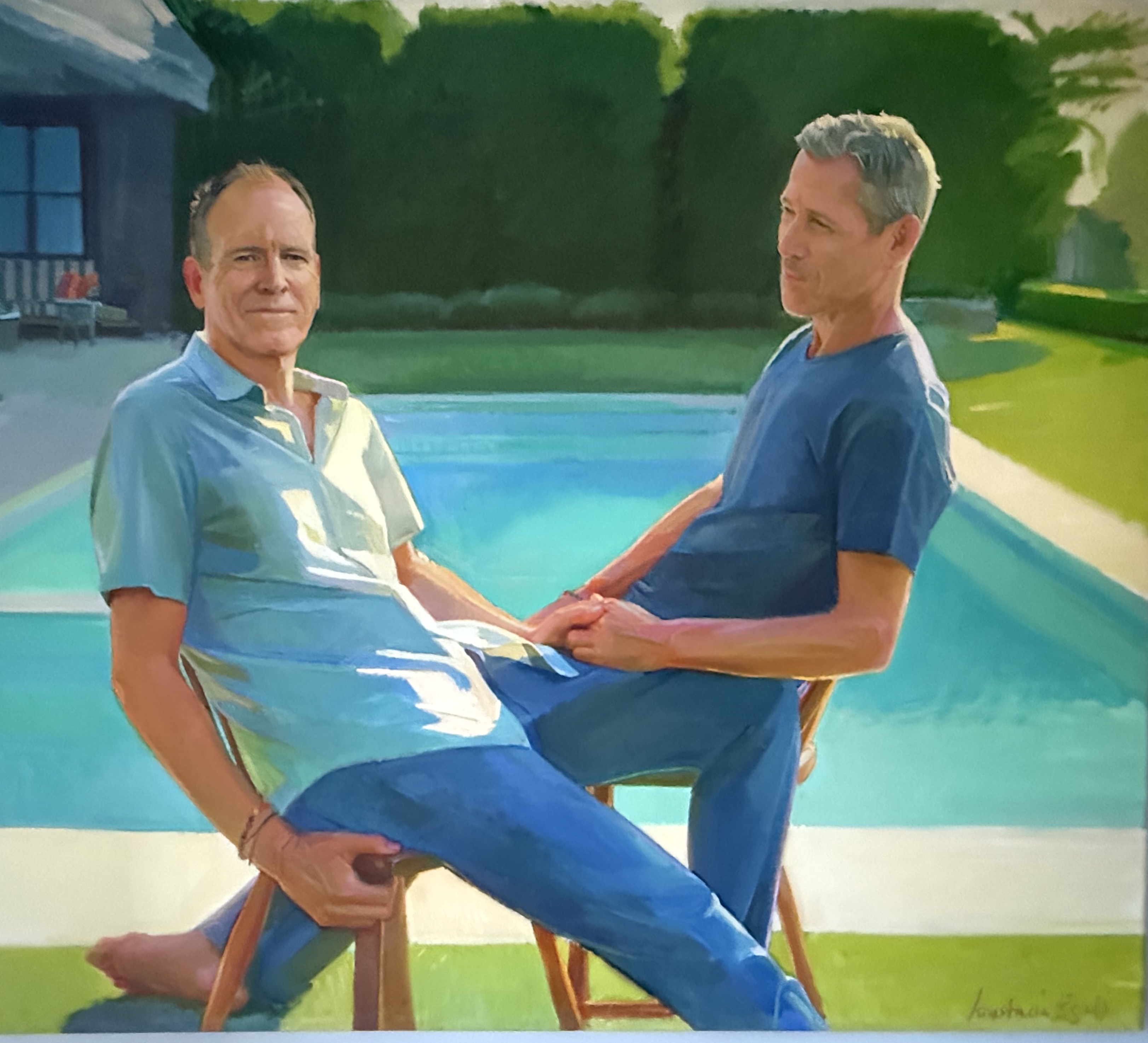
David Hockney
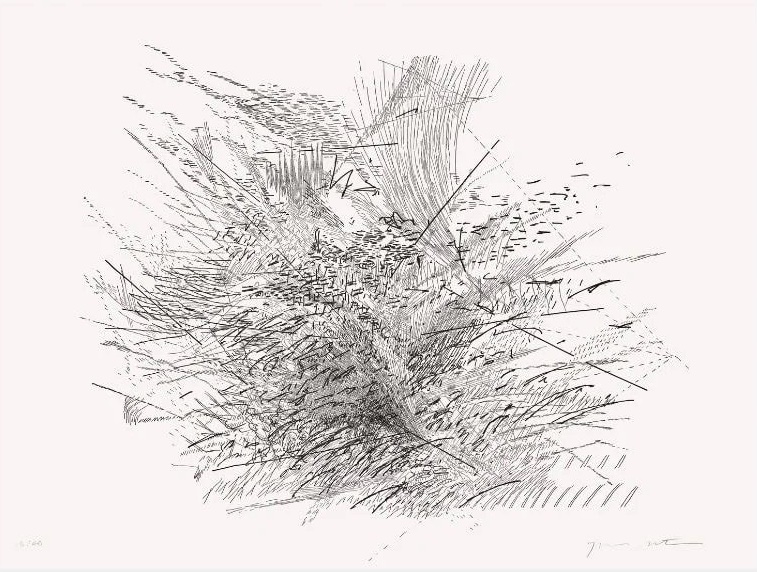
Untitled
Carlos Cruz Diez, the Venezuelan kinetic artist who died in 2019, has seen sustained institutional attention since his passing. His Chromosaturation environments, which he developed through the 1960s and refined across decades, have appeared in major group exhibitions focused on Latin American modernism and in dedicated retrospectives across Europe and South America. His work operates on a similar frequency to Vasarely and to Sonia Delaunay, whose textile and painting practice established many of the chromatic principles that later generations of artists would make louder and more confrontational. Delaunay's market has strengthened considerably as curators have worked to restore her to a position of primary authorship rather than treating her as an appendage to her husband Robert's simultanism.
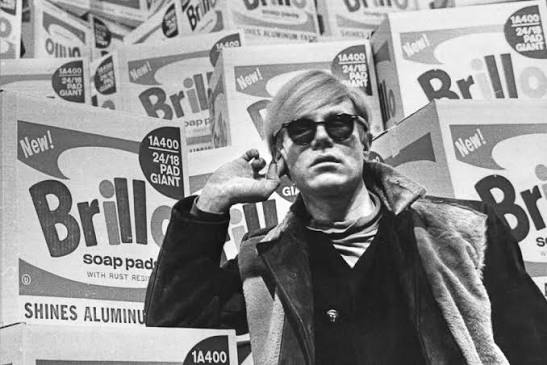
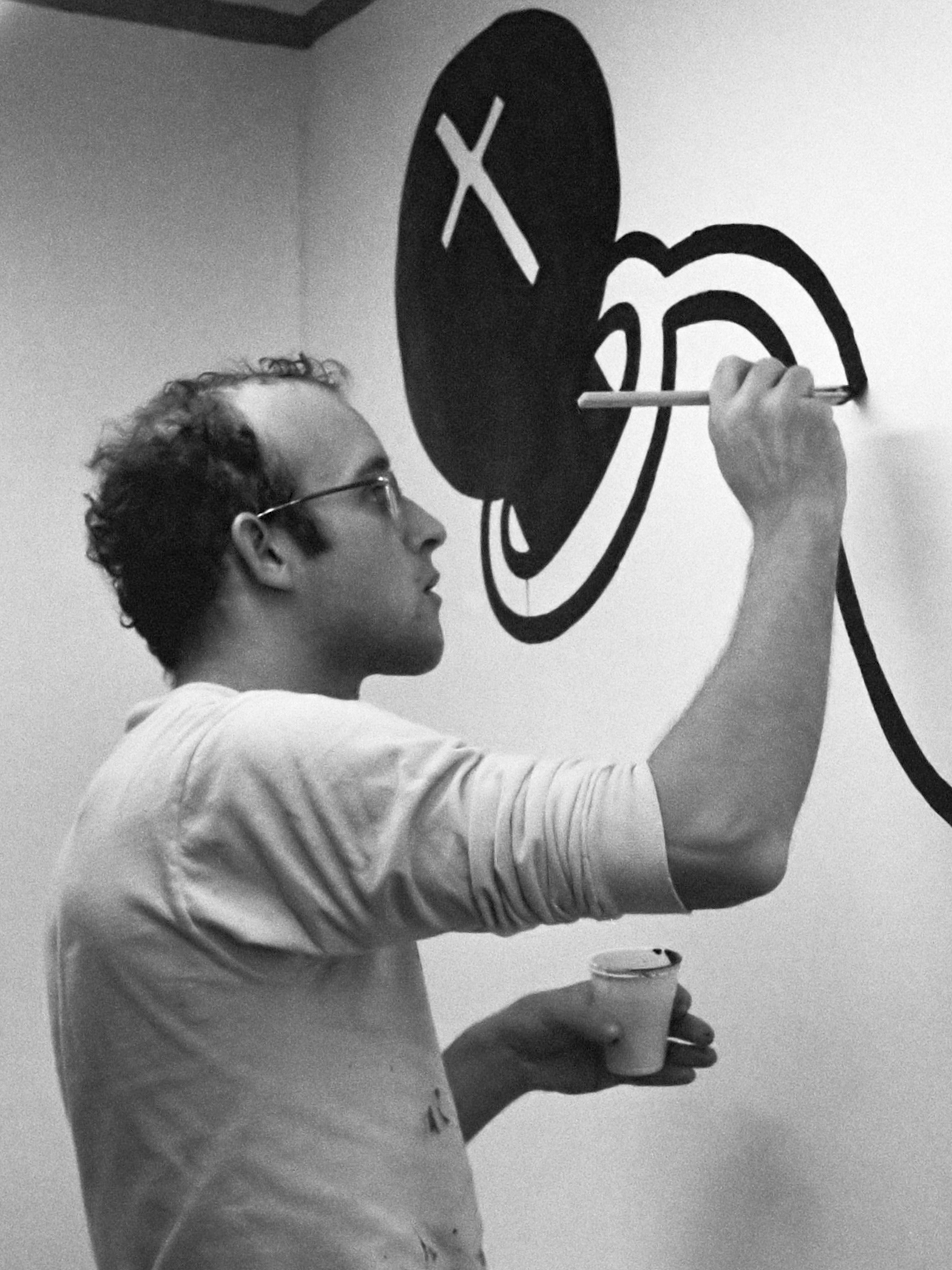
The Pop Art axis of the vibrant conversation commands the highest auction ceilings by some distance. Andy Warhol's flower paintings, his Marilyns, his electric chairs rendered in screaming synthetic color these remain among the most contested lots whenever they appear. Roy Lichtenstein's bold Ben Day dot canvases bring serious money at Christie's and Phillips, with major works consistently achieving eight figures. Keith Haring's work, particularly large scale paintings from his most productive years in the mid 1980s, has become a benchmark for collectors entering the market at serious price points.
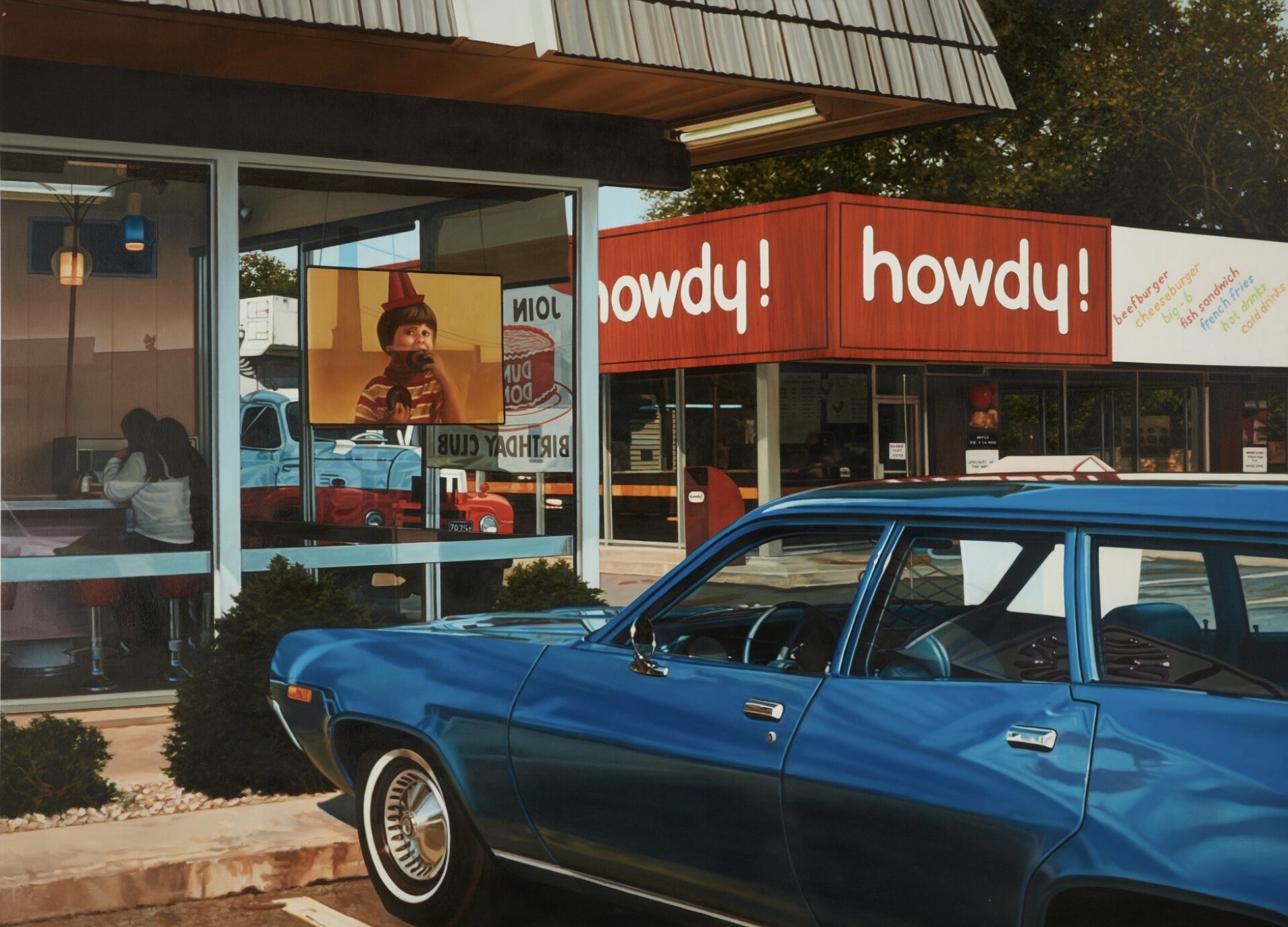
Tom Blackwell
Howdy Beef ‘n Burger, 1975
The graphic urgency of Haring, the flat planes and commercial confidence of Lichtenstein, the knowing appropriation of Warhol these share a fundamental belief that color at maximum saturation is not vulgarity but power. Takashi Murakami sits at an interesting junction in the current critical conversation. His market has been volatile, which makes the strong results more meaningful when they arrive. Murakami's flower motifs and his superflat aesthetic owe debts to both Japanese graphic traditions and to Western Pop, and the institutions that have committed to him most seriously the Broad in Los Angeles, the Fondation Louis Vuitton in Paris are making a considered argument about where the lineage of vibrant, image saturated art is headed in the twenty first century.
His presence alongside artists like Kenny Scharf and James Rosenquist on The Collection reflects a curatorial instinct that this lineage is worth tracing across generations and across cultural contexts. David Hockney's swimming pool paintings from the late 1960s and early 1970s remain perhaps the most beloved examples of vibrant painting in the Western canon that also command absolute critical respect. His record sale at Christie's in 2018, when Portrait of an Artist (Pool with Two Figures) achieved over 80 million dollars and became the most expensive work by a living artist sold at auction at that time, was a validation not just of Hockney but of a certain approach to color as emotional architecture. The work was not shy.
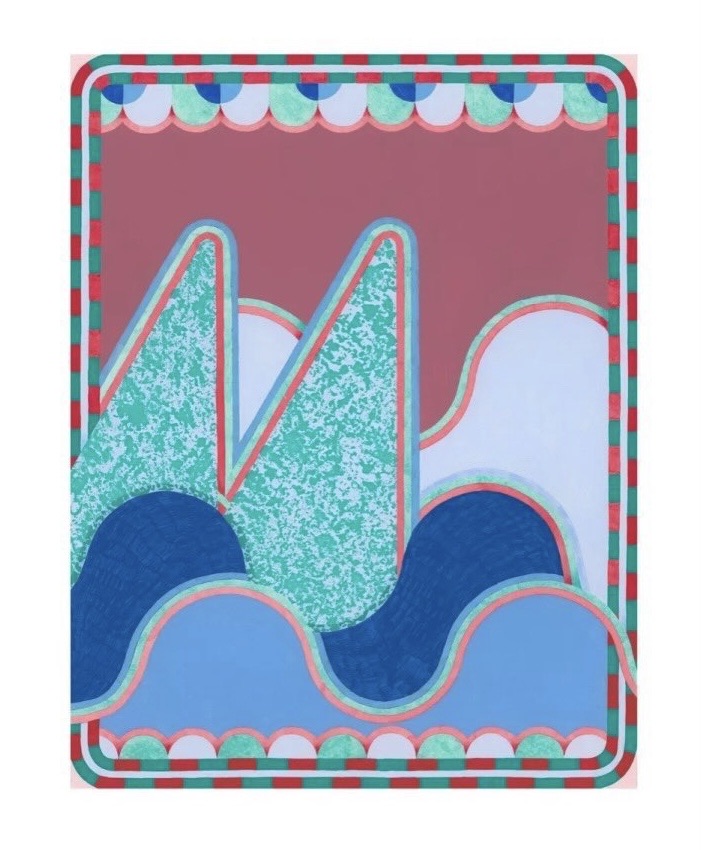
Mark Joshua Epstein
Untitled
It committed. And the market responded with a fervency that surprised even seasoned observers. The critical apparatus around this area has grown more sophisticated. Writers like Phaidon's stable of essayists and critics publishing in Frieze and Artforum have moved away from treating optical and chromatic intensity as a secondary concern to conceptual rigor.
There is a growing body of scholarship arguing that the perceptual stakes of Riley or Cruz Diez or Peter Halley are every bit as demanding as the intellectual stakes of the Minimalist or Conceptual movements that once overshadowed them. Halley's geometric abstractions, with their urgent fluorescent grounds and their coded critiques of social space, reward the kind of sustained looking that the art world now has more appetite for after decades of text heavy conceptualism. Beatriz Milhazes represents one of the more compelling directions in which the conversation is traveling. Her work, rooted in Brazilian Modernism and in the visual culture of Rio, brings a floral extravagance and a structural sophistication to the canvas that positions her as a genuine heir to both Matisse and Delaunay while sounding entirely like herself.
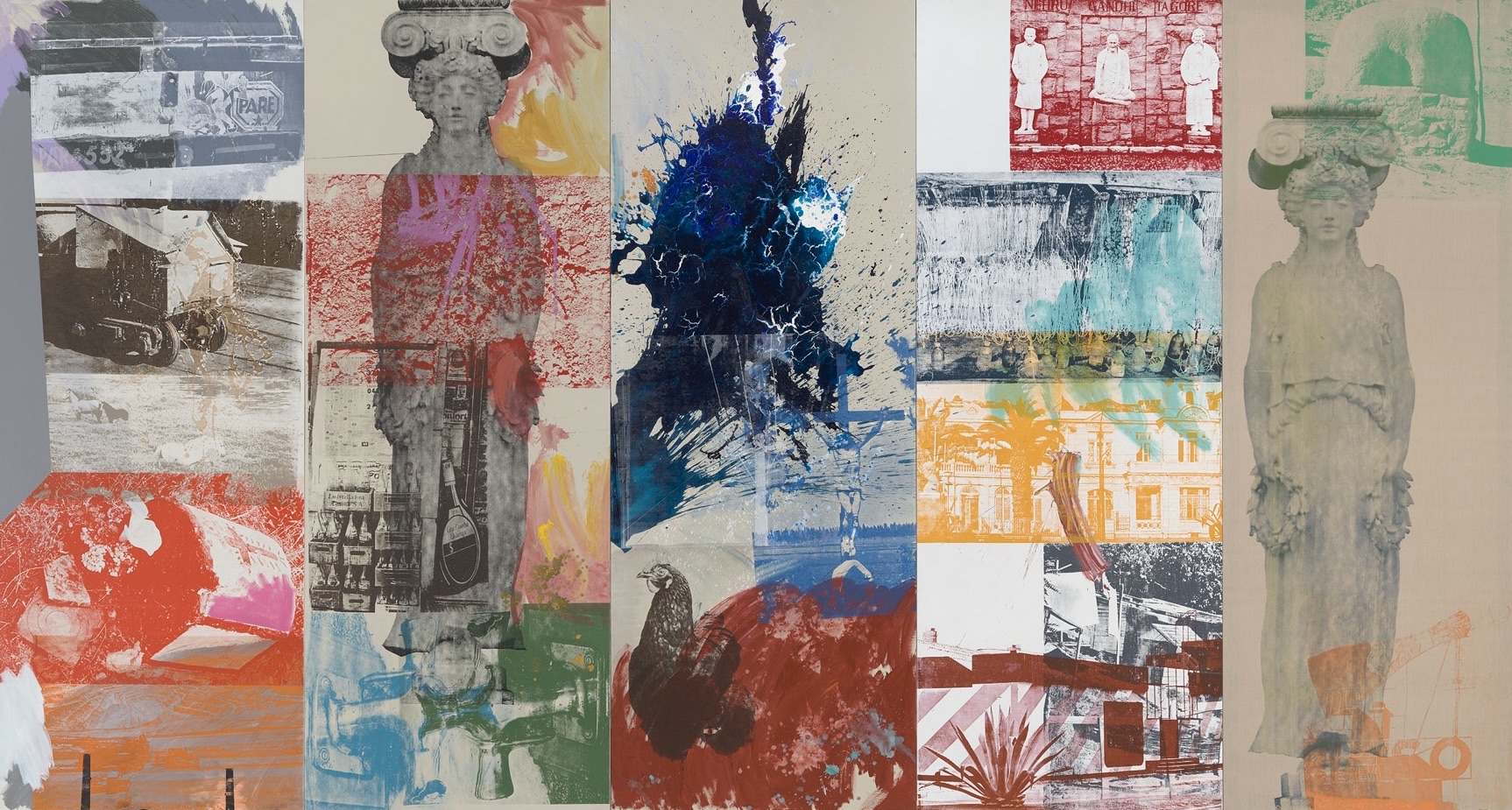
Robert Rauschenberg
Caryatid Cavalcade I / ROCI CHILE, 1985
Her presence in major international surveys has grown steadily, and collectors who came to her early are watching the market take notice with quiet satisfaction. The Fondation Cartier and the Guggenheim Bilbao have both given her serious platform, and that institutional endorsement tends to function as a reliable signal of where the serious money will move next. What feels alive right now is the growing collector willingness to spend seriously on work that refuses to apologize for its own pleasure. The cynicism that once made vibrant, joyful work slightly suspect in certain collecting circles has receded.
What feels settled is the canonical status of the major Pop and Op figures. What surprises may be coming involves the deepening market for artists like Walasse Ting, whose ink paintings carry an exuberant chromatic life that has been underappreciated in Western markets, and the continued reassessment of figures like Frank Stella, whose maximalist relief works from the 1970s and 1980s look increasingly prescient. The energy in this space is not quieting. It is, if anything, getting louder.