Minimalist
James Donovan
Untitled Spring 5, 2026
Less Is Everything: Minimalism Still Wins
There is a particular kind of confidence required to offer a viewer almost nothing and trust them to find everything. Minimalism, at its most rigorous and most generous, makes that demand. It strips away narrative, symbolism, and decoration until only the essential remains, and then it asks you to sit with that essential thing long enough to understand why it matters. Few movements in the history of art have been so frequently misunderstood, so easily dismissed, and so persistently influential.
The story of Minimalism as a formal movement is typically anchored in the early 1960s in New York, when a generation of artists began pushing back against the emotional intensity and painterly gesture of Abstract Expressionism. The dominant voices of the previous decade, de Kooning and Pollock among them, had made the artist's inner life the explicit subject of art. The minimalists were deeply skeptical of that approach. They wanted objects, not expressions.
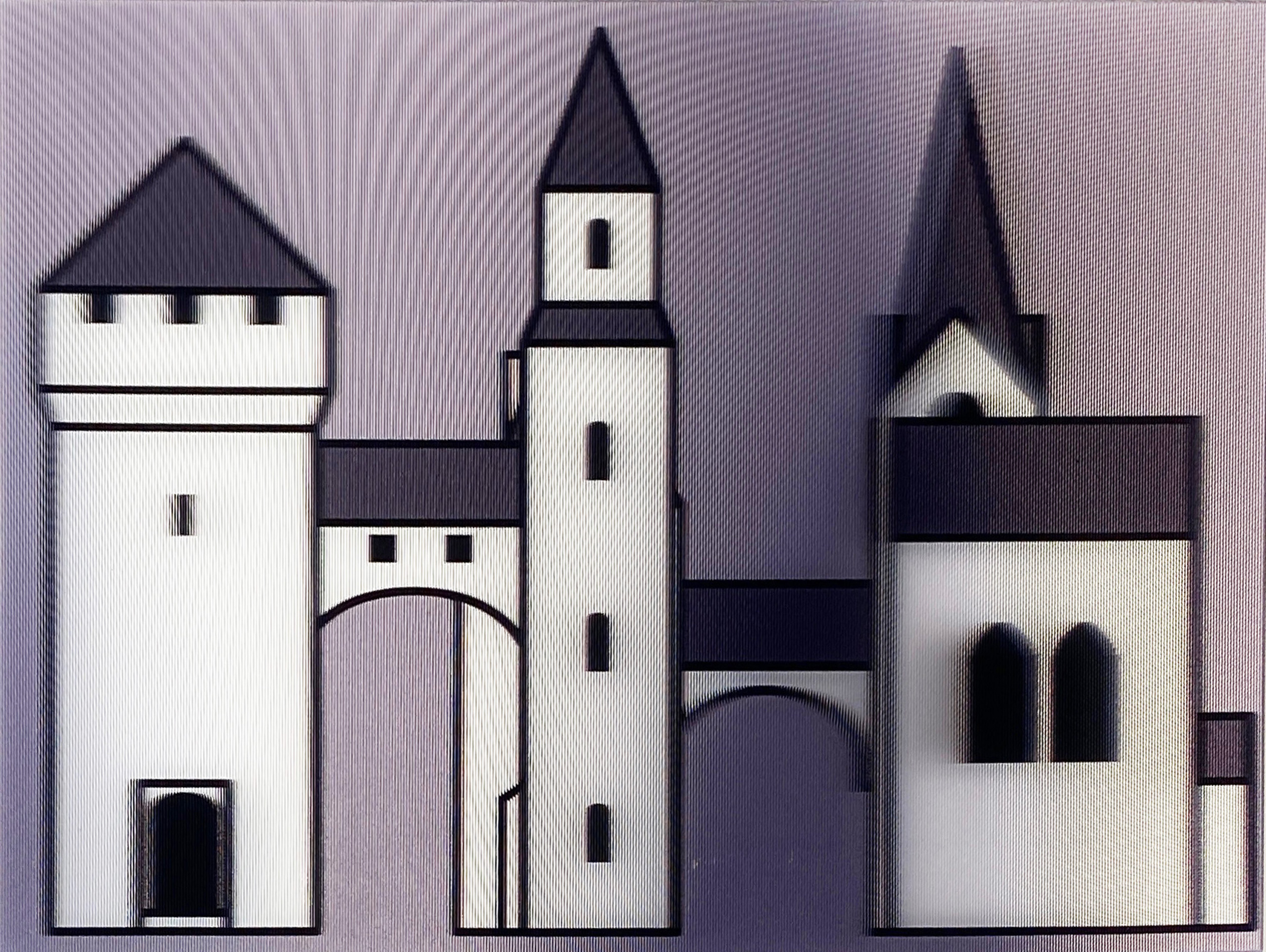
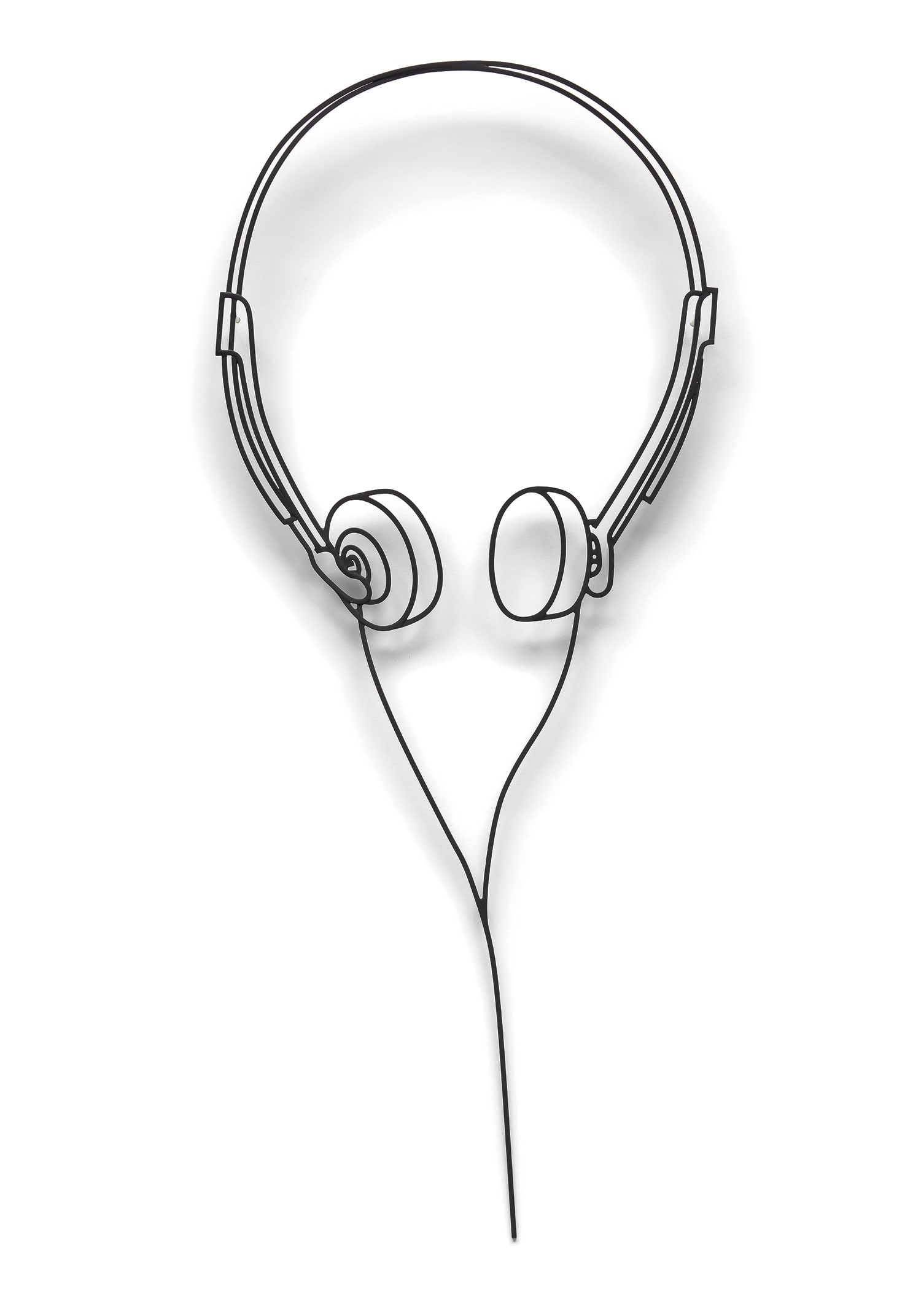
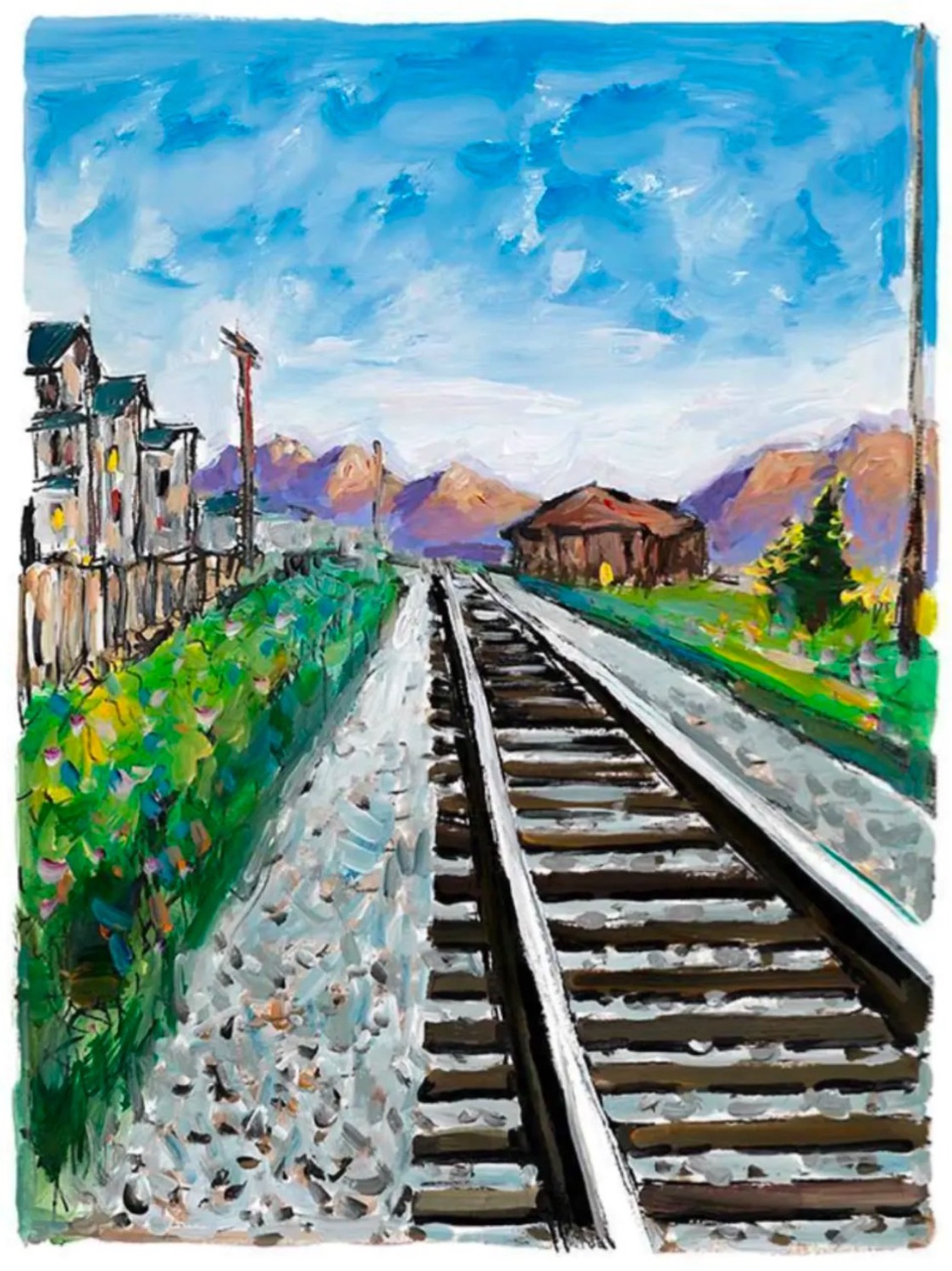
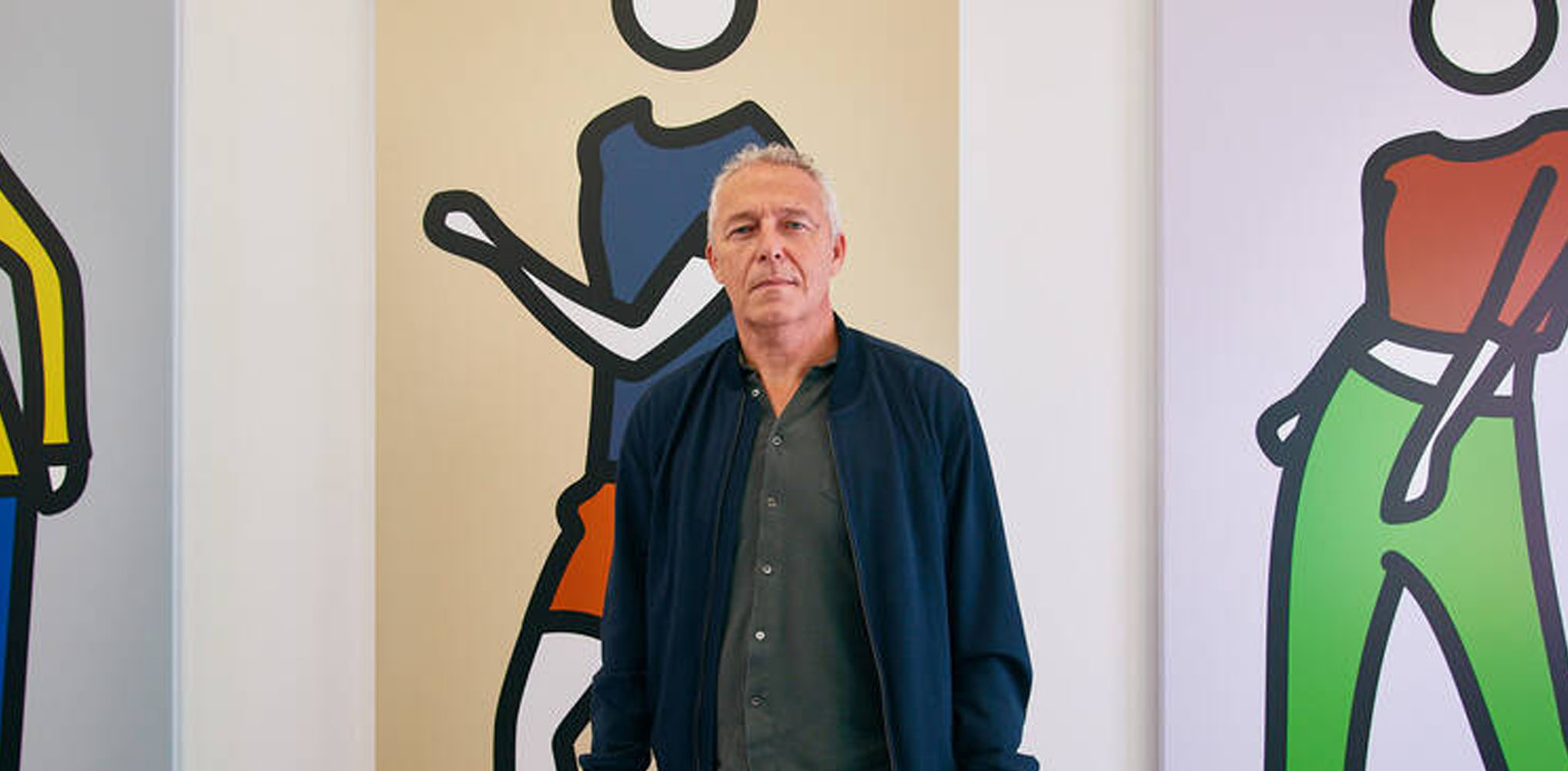
Julian Opie
Medieval Village #1, 2019
They wanted the work to exist in real space, with the viewer, rather than somewhere inside the artist's biography. The landmark moment often cited is the 1966 exhibition Primary Structures at the Jewish Museum in New York. Organized by Kynaston McShine, the show brought together artists including Donald Judd, Dan Flavin, Carl Andre, and Robert Morris, and it effectively announced Minimalism as a movement with a coherent set of concerns. Judd's stacked steel boxes, Flavin's fluorescent light arrangements, and Andre's floor level metal plates all shared a commitment to industrial materials, serial repetition, and the refusal of illusionistic space.
The work did not represent anything. It simply was. Sol LeWitt, whose work is well represented on The Collection, occupied a fascinating position within this moment. His structures and wall drawings introduced a conceptual dimension that complicated any purely formalist reading of Minimalism.
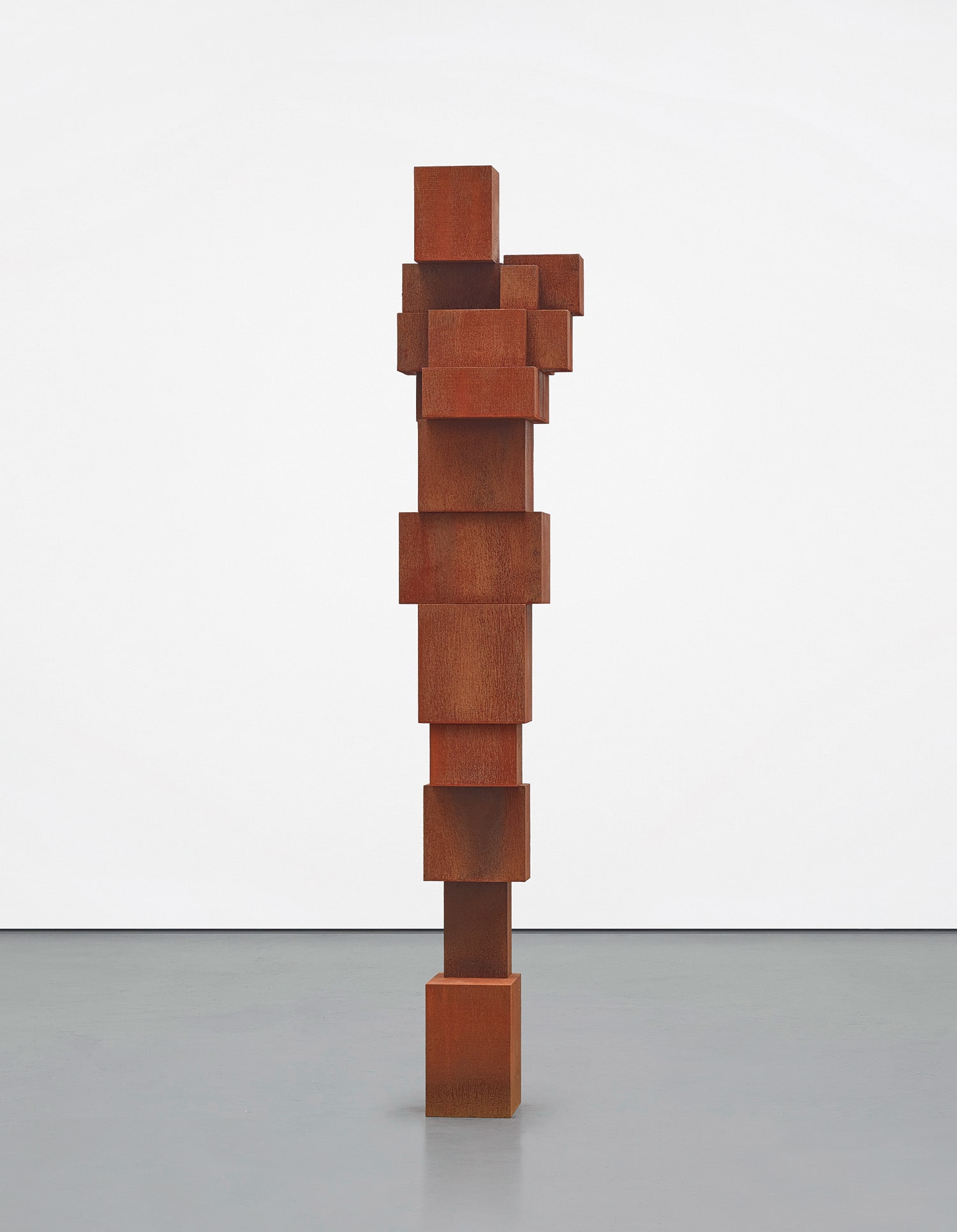
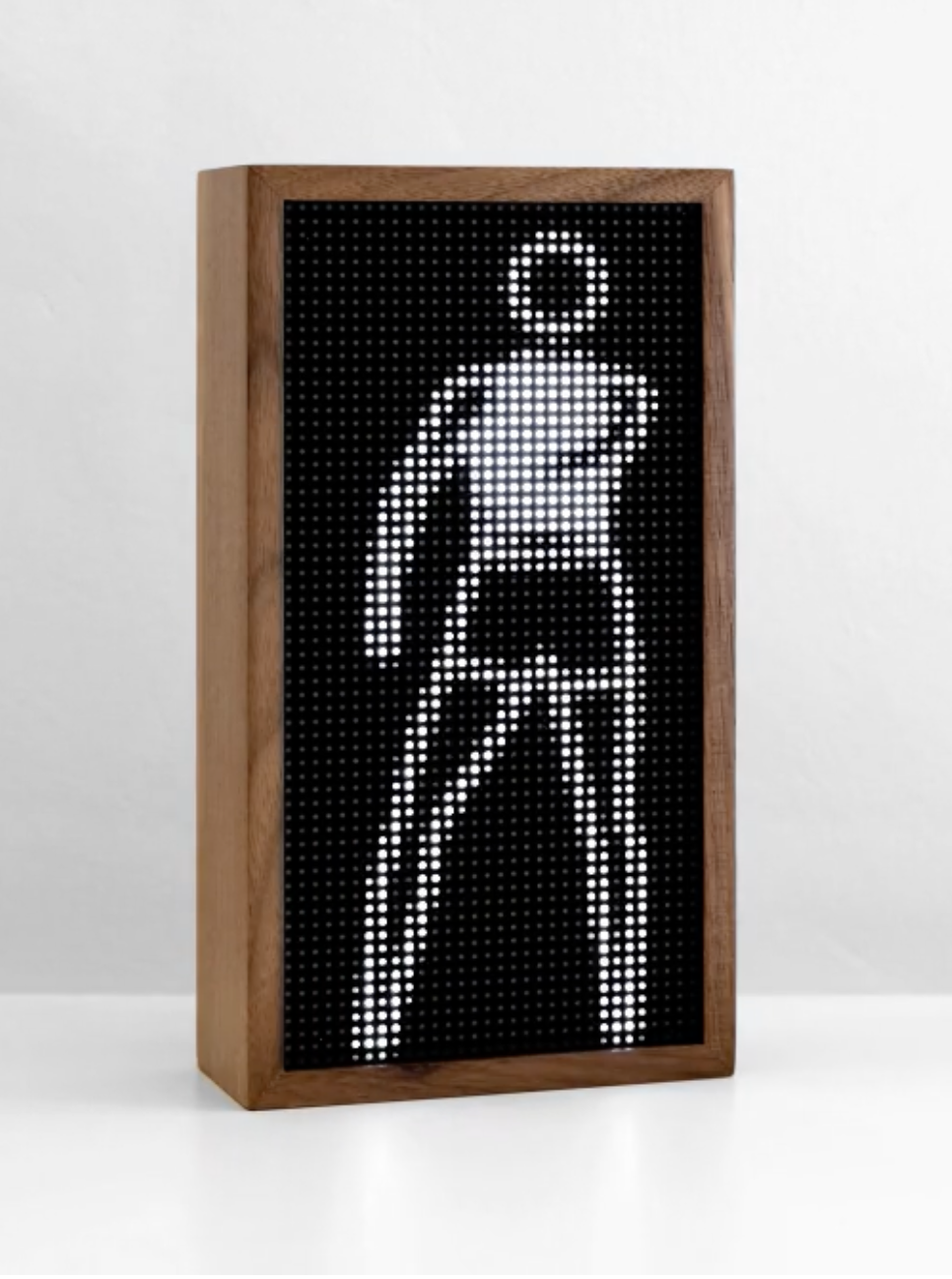
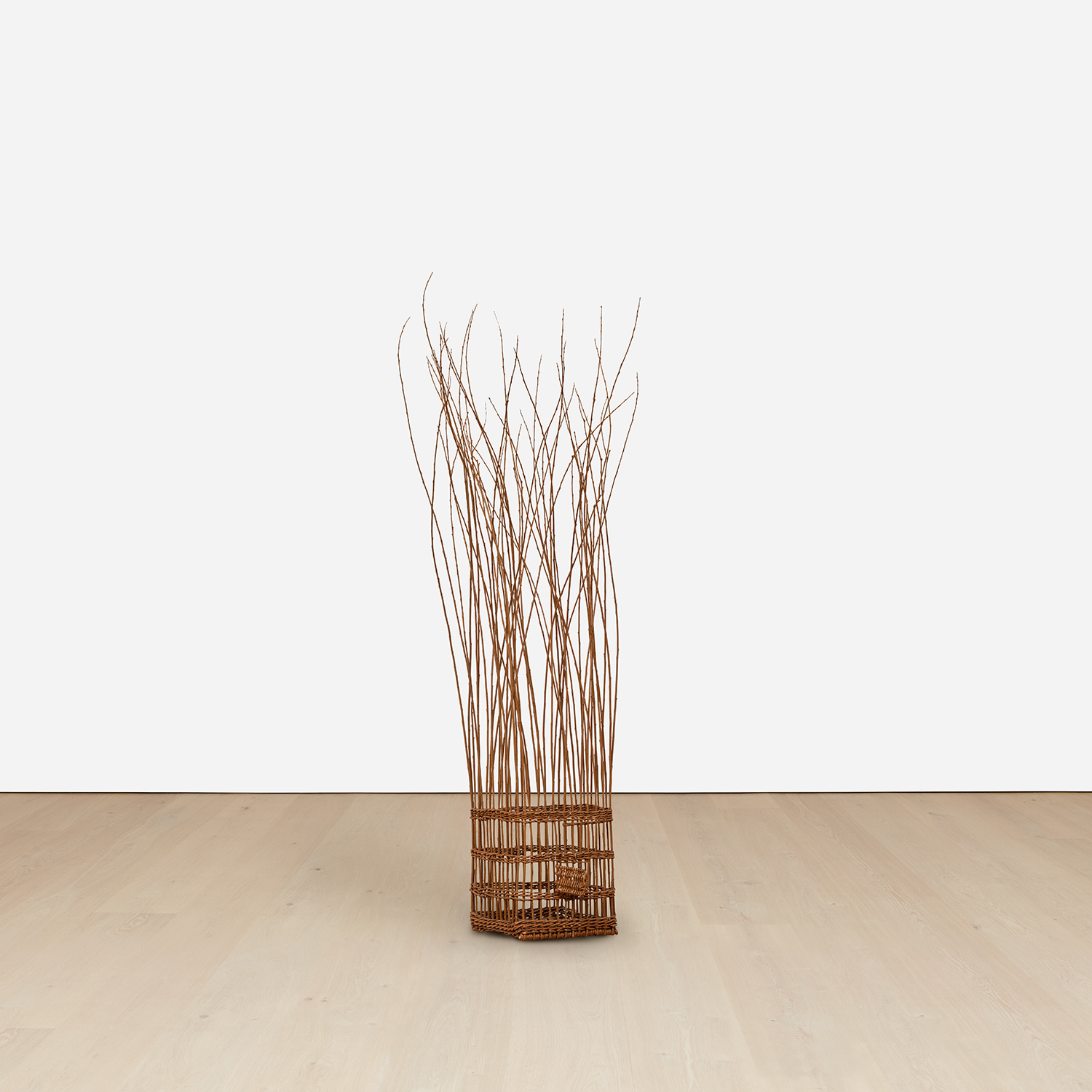
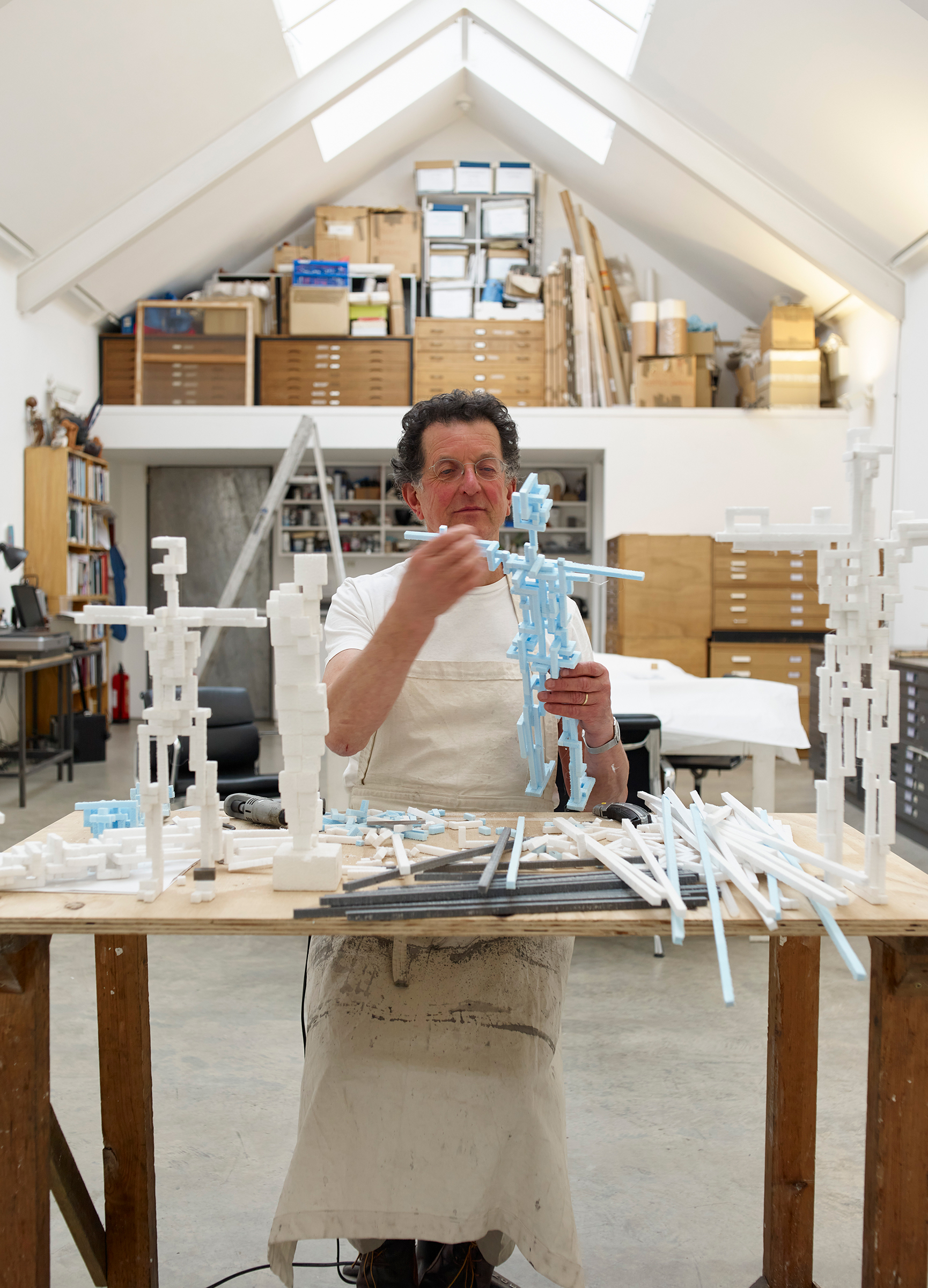
Antony Gormley
Vise, 2015
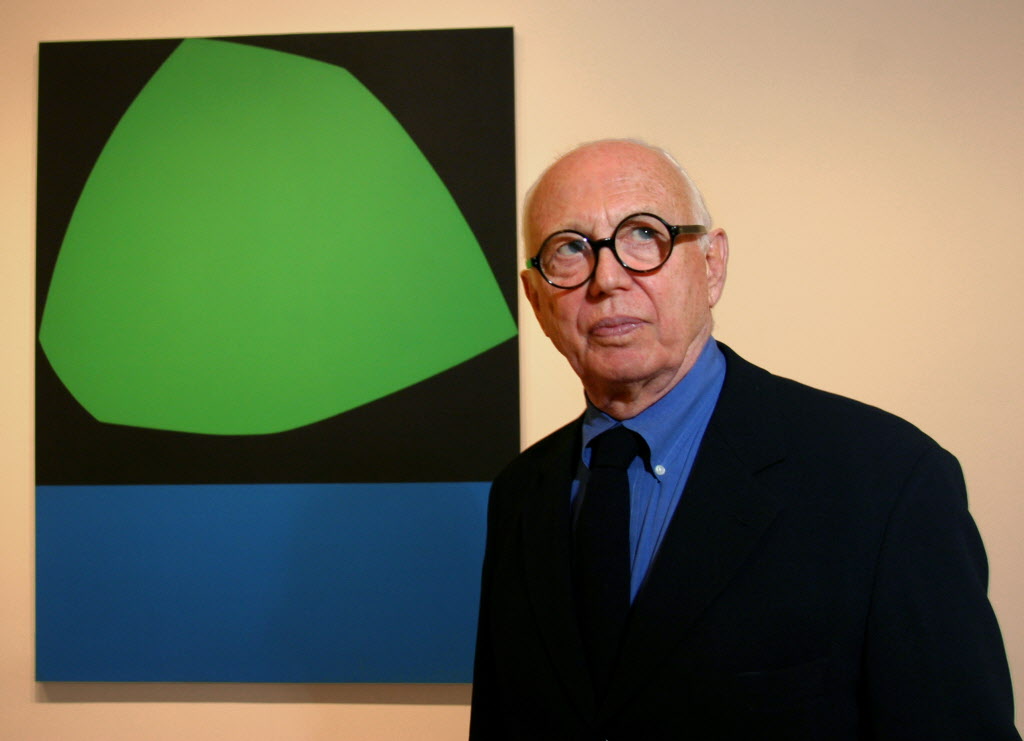
For LeWitt, the idea was the machine that made the art, and the execution could be handed off entirely to others. That insight opened a door that artists have been walking through ever since. Richard Serra, also represented here with characteristic depth, took a different path, using raw steel on an architectural scale to make work that is viscerally physical, even confrontational, insisting on weight, gravity, and time in ways that feel anything but cold. Ellsworth Kelly is perhaps the purist in this lineage, and the breadth of his work available on The Collection rewards sustained attention.
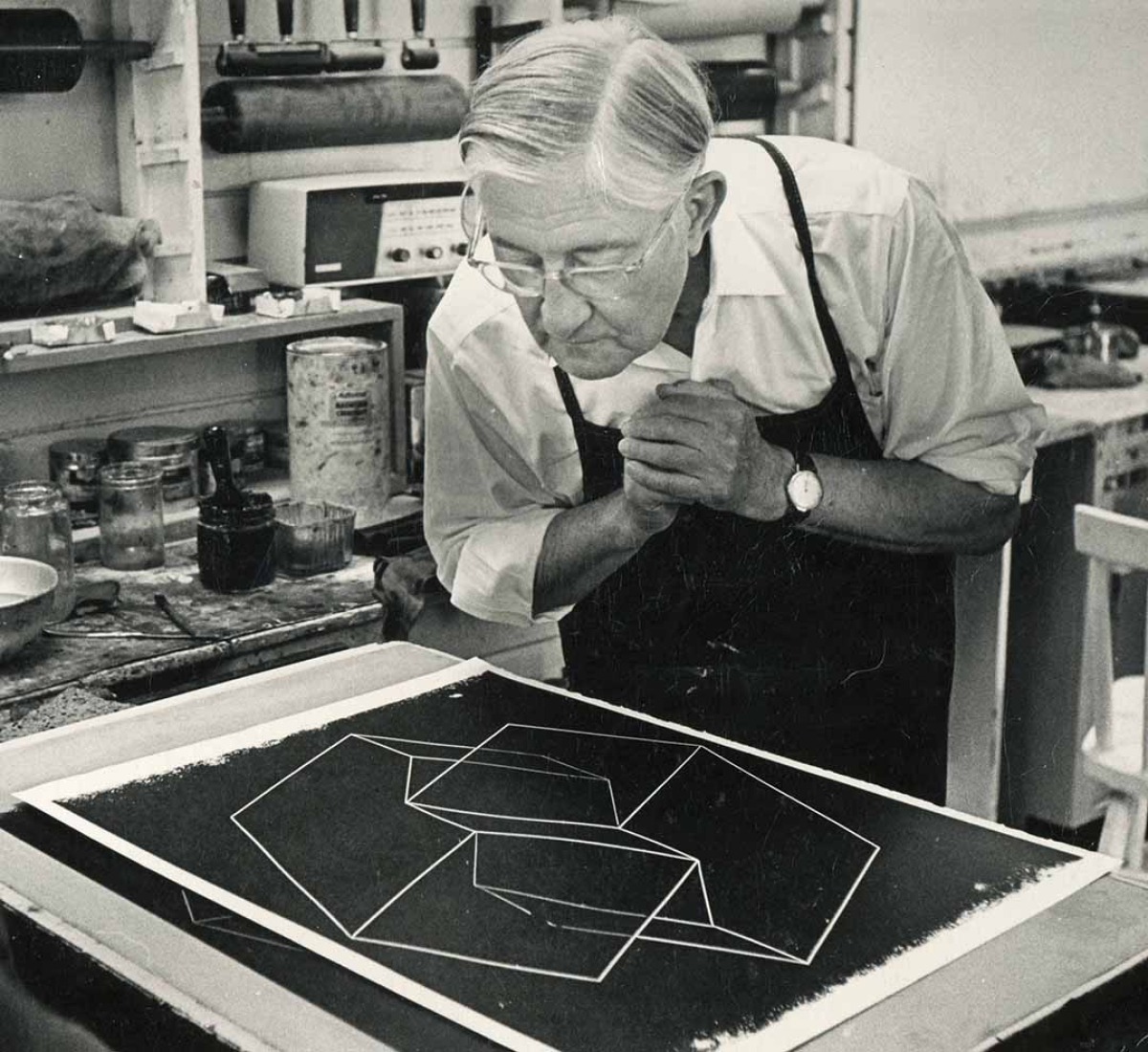
Kelly's shaped canvases and single color panels from the late 1950s onward were arrived at through a rigorous process of observation. He was not inventing abstract forms so much as isolating shapes he found in the world, the curve of a shadow, the edge of a window, the geometry of a doorway, then presenting them with absolute clarity. The work feels inevitable rather than arbitrary, which is the hallmark of the best reductive art. Josef Albers, whose Homage to the Square series consumed decades of his practice, similarly used constraint as a generative force, demonstrating through patient repetition how much drama can live inside the relationship between two colors.
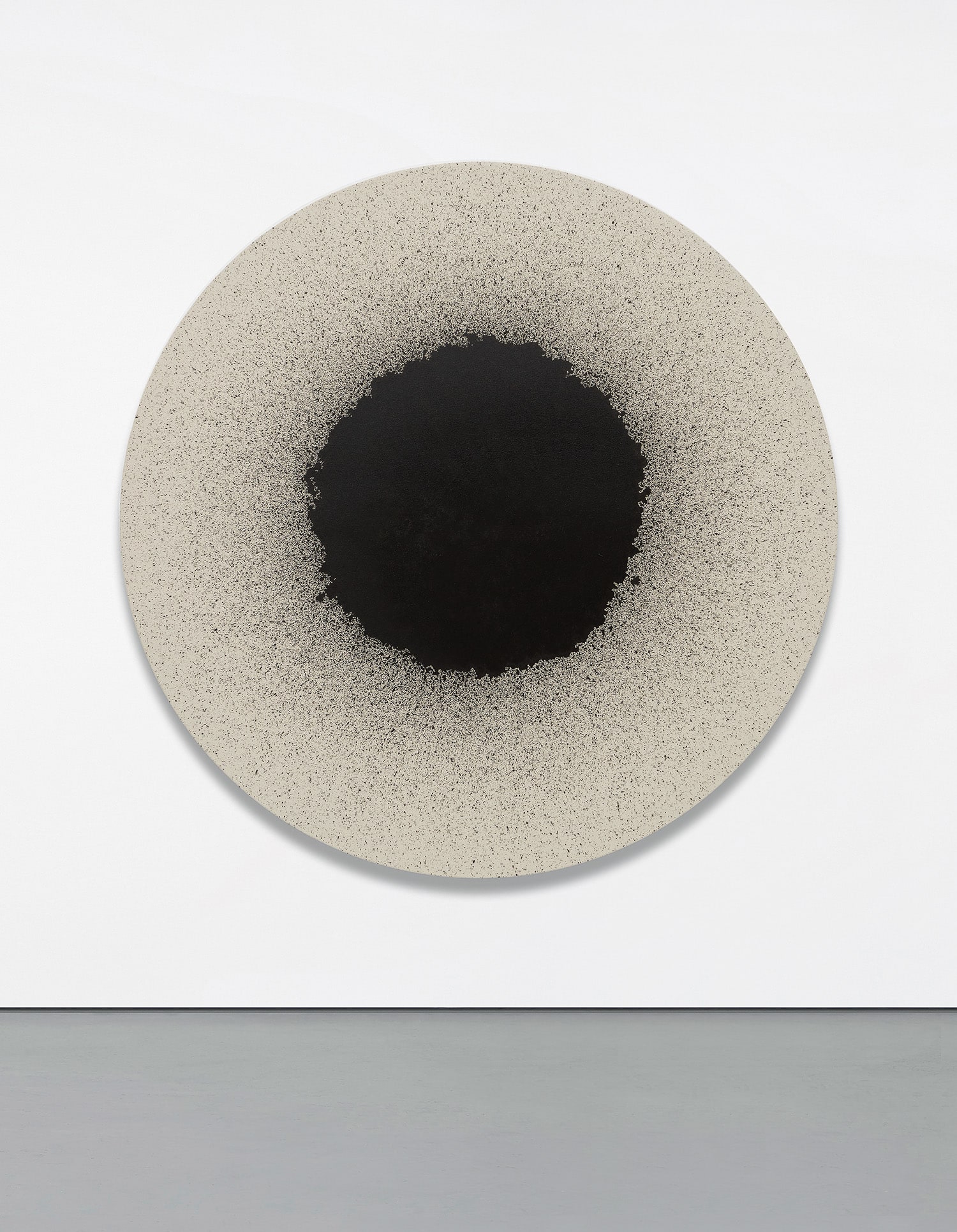
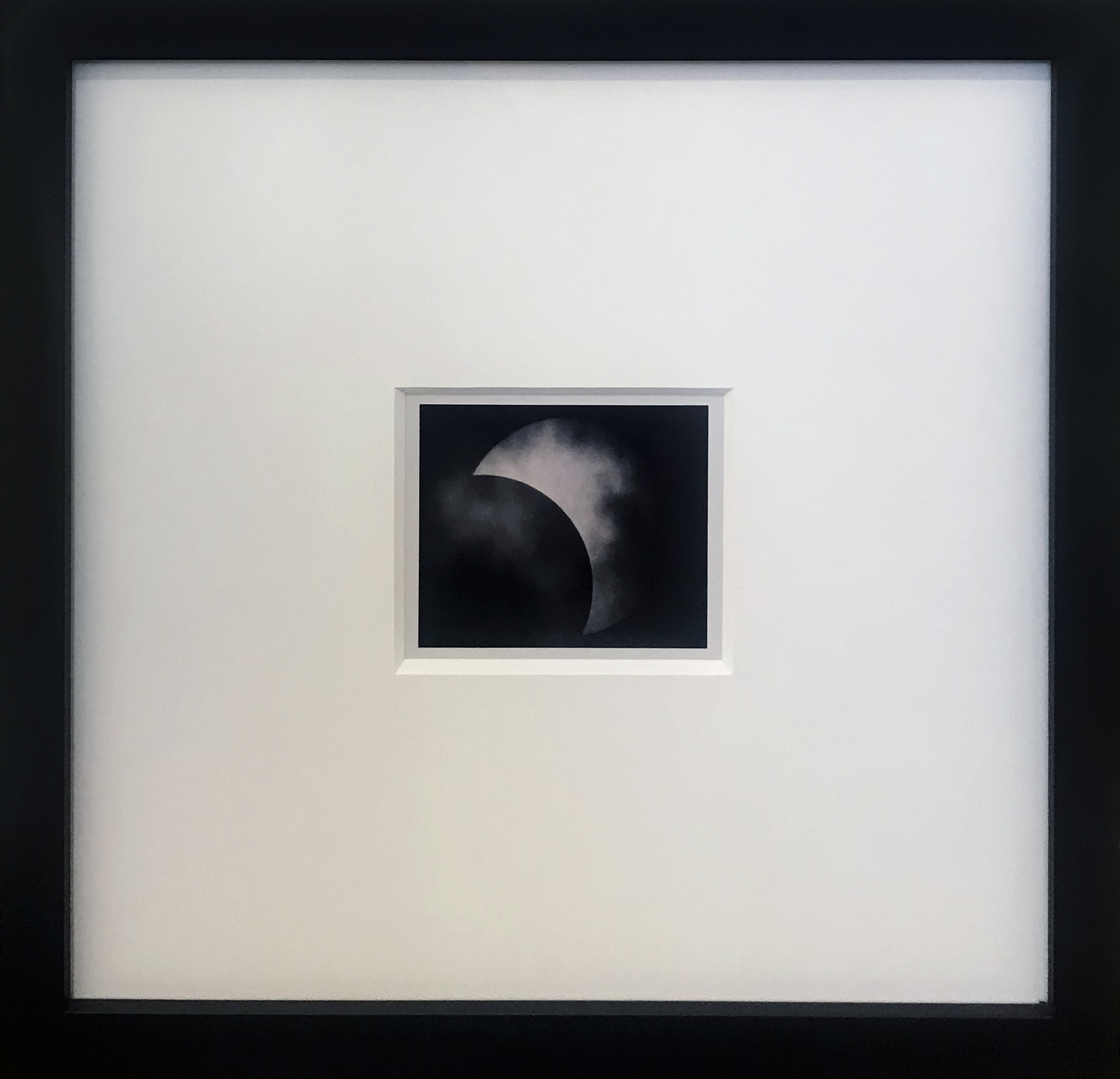
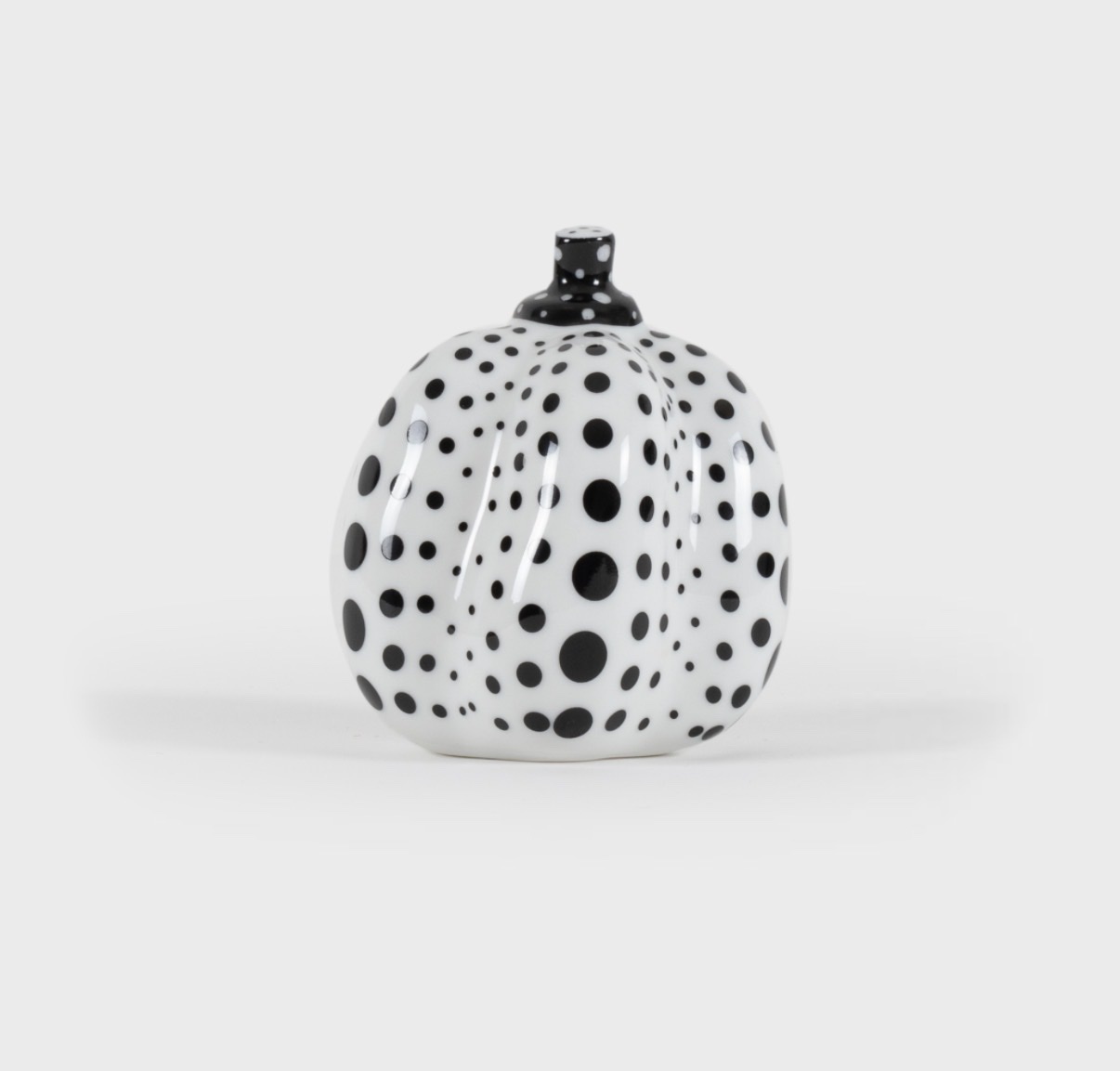
Latifa Echakhch
Tambour 77, 2012
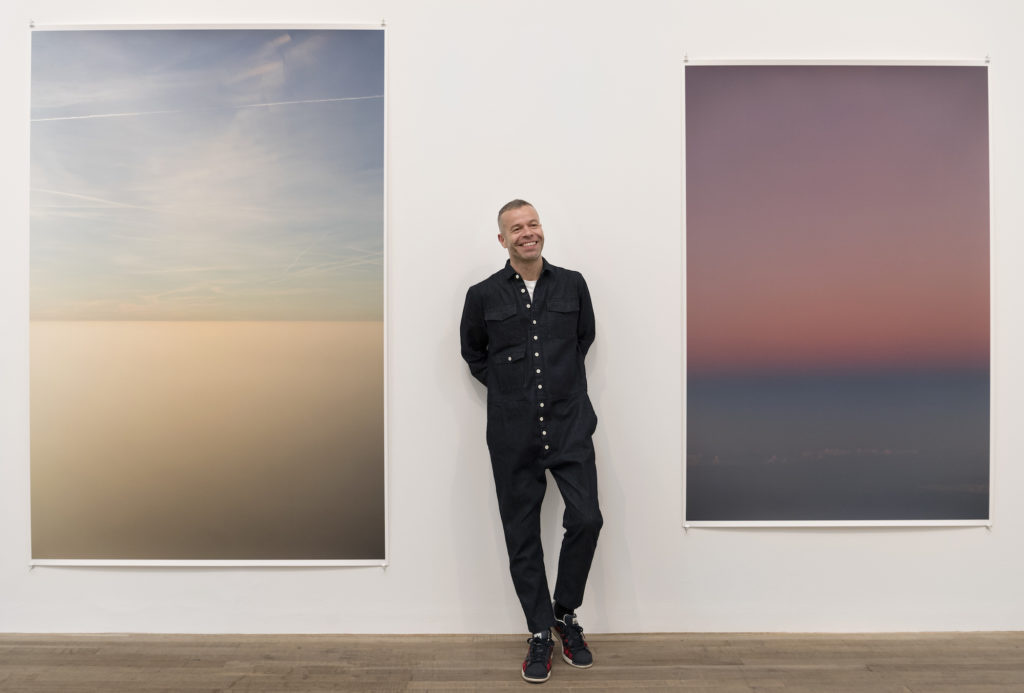
It is worth noting that Minimalism was never as neutral or as cold as its critics claimed. The experience of standing inside a Richard Serra installation is not intellectual in a detached way. It is bodily, even anxious. Hiroshi Sugimoto's long exposure seascape photographs, which appear with remarkable frequency on The Collection, carry an unmistakable emotional weight despite their radical reduction of subject matter to horizon, water, and sky.
Sugimoto himself has spoken of these images in relation to deep time and the limits of human perception. That is not a cold project. It is a metaphysical one, and it connects to the minimalist tradition's most serious ambitions. Sean Scully, whose work bridges painting's gestural history and its more reductive possibilities, brings warmth and even vulnerability to a stripped down formal vocabulary of bands and grids.
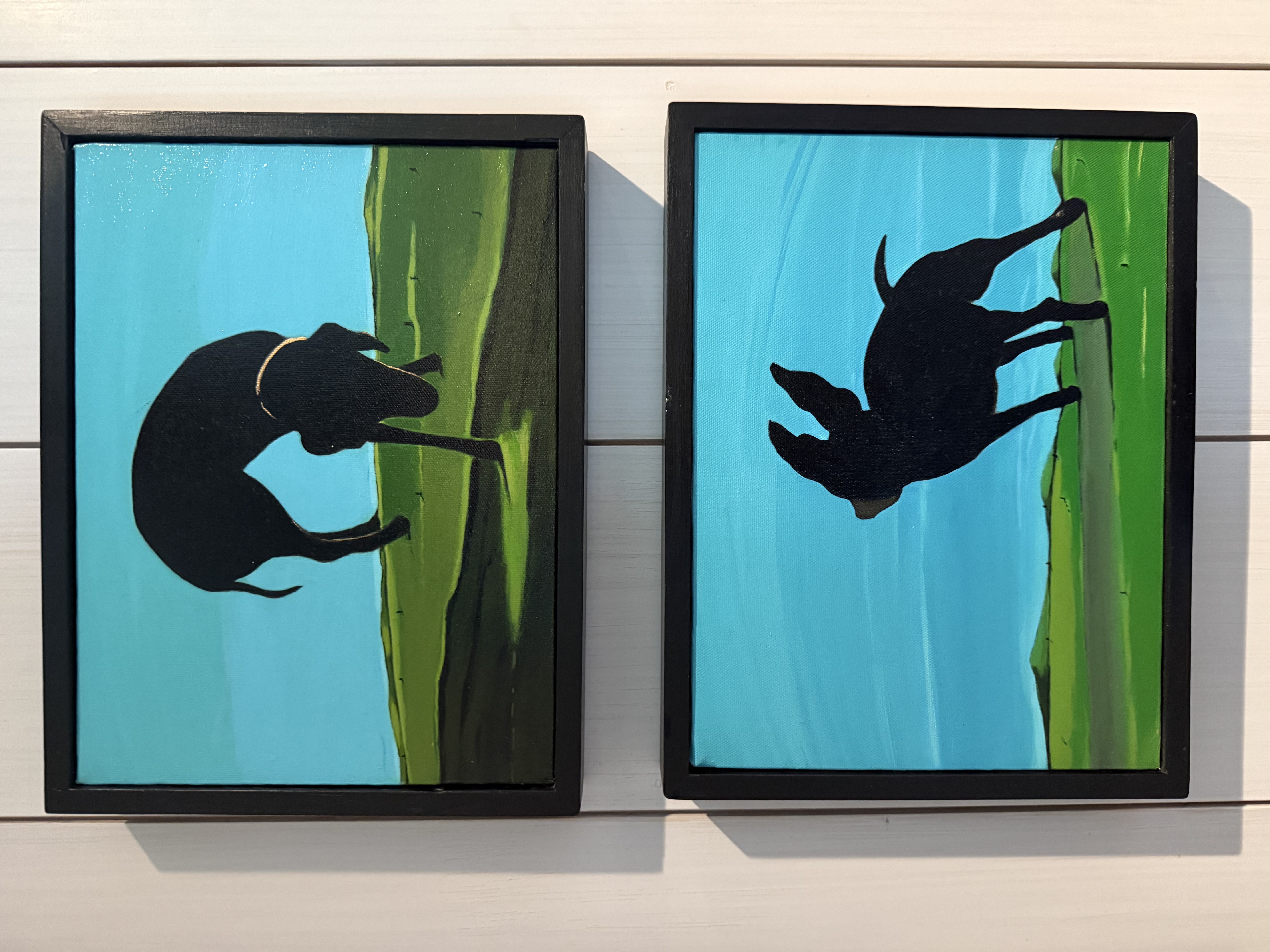
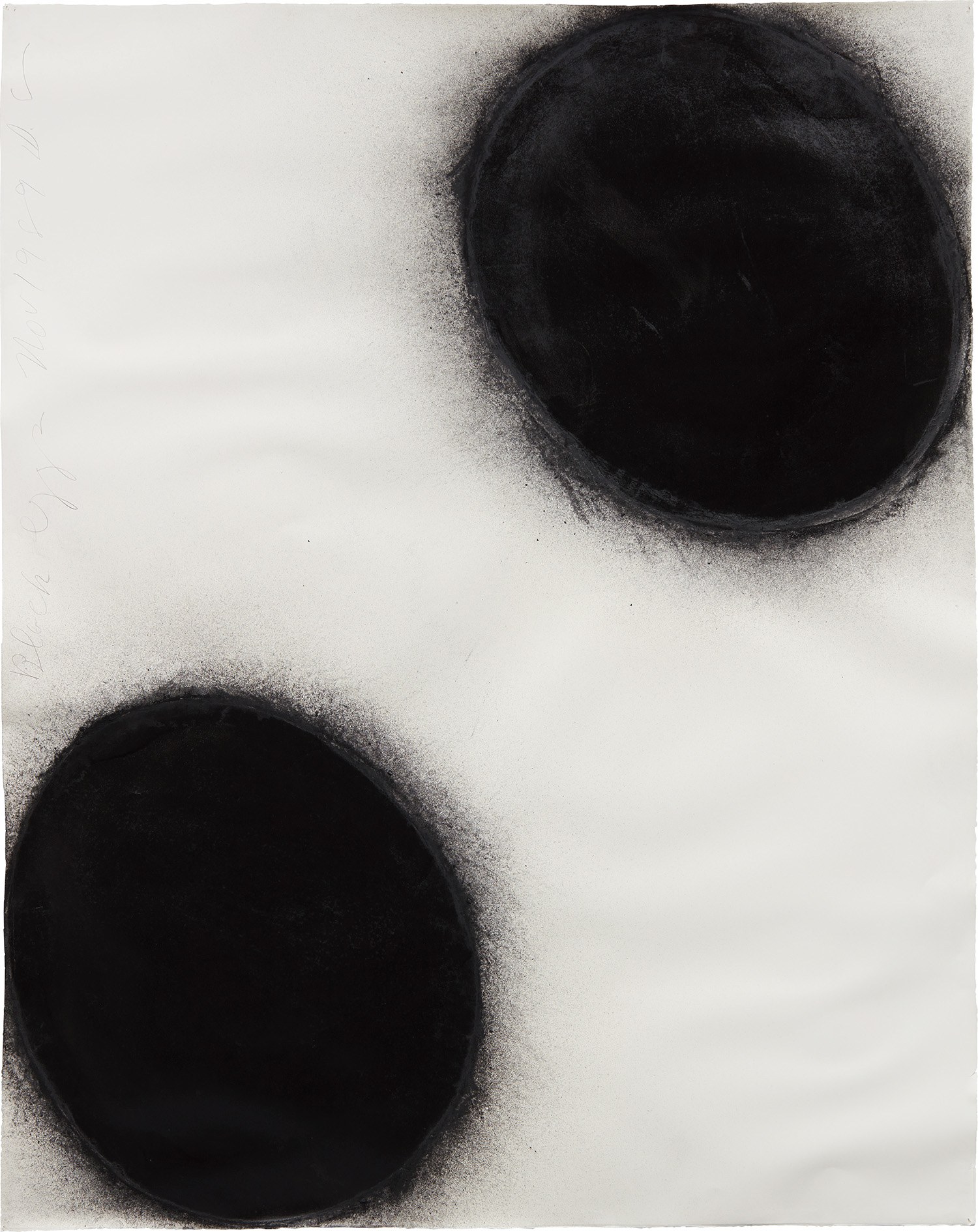
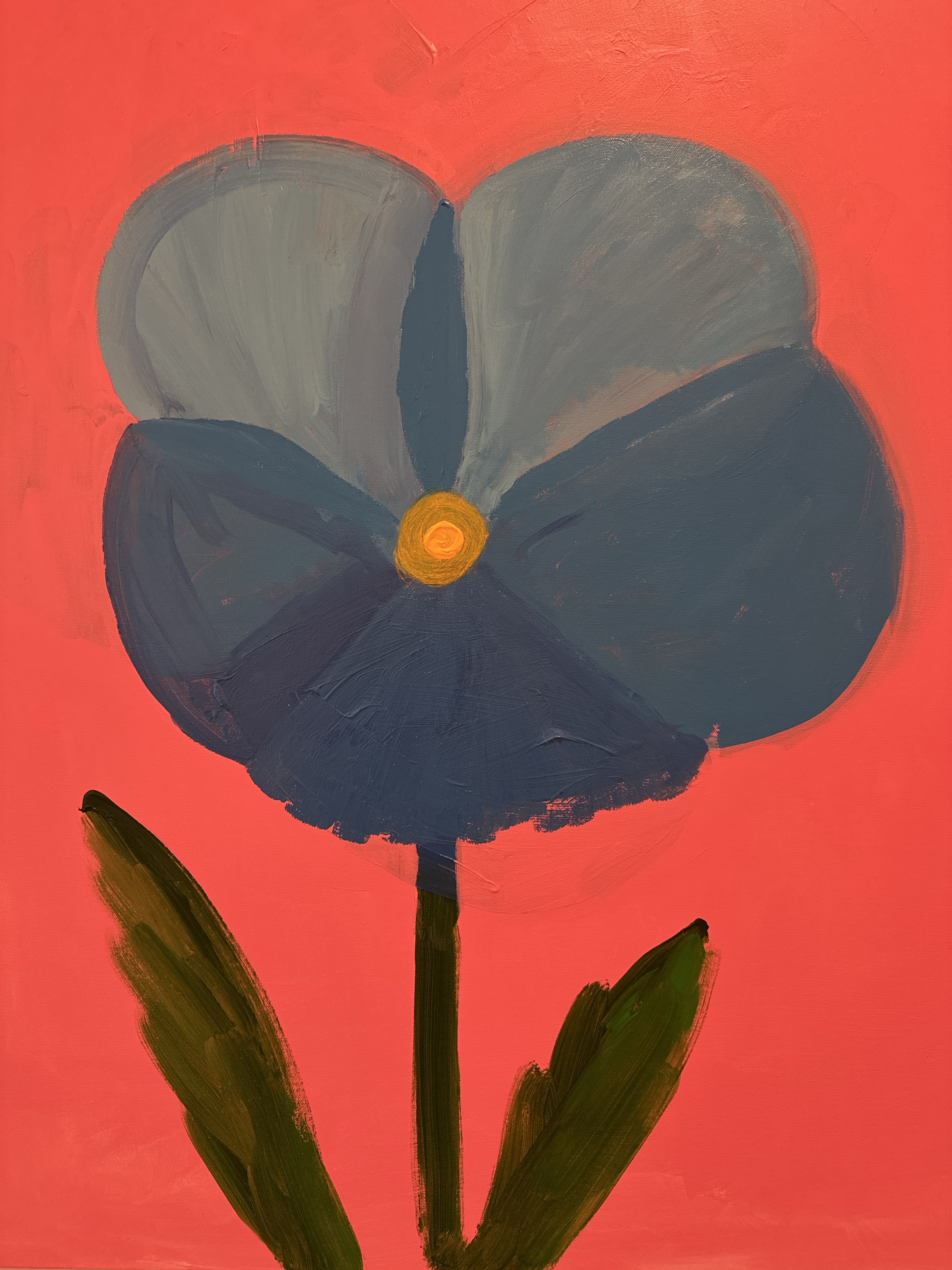
Marjorie Weiss
Joe's Black Dog, 1997
Pierre Soulages, the French painter who devoted his practice to the color black and its infinite variations in surface and light, arrived at a Minimalism that felt almost sacred. Brice Marden, also represented here, moved from austere encaustic monochromes in the late 1960s to a more lyrical line based practice, but his fundamental orientation toward reduction and material attention remained constant. These artists remind us that reductive does not mean impersonal. The influence of Minimalism on subsequent art is so pervasive it has become difficult to see clearly.
It reshaped architecture, design, fashion, and photography throughout the late twentieth century and continues to do so now. Artists as different as Tauba Auerbach, whose work plays with surface, dimension, and the physics of paper and fabric, and Ugo Rondinone, whose quieter installations often use stillness as a primary material, are legible partly because of what the minimalists cleared away. Even Julian Opie, whose bold graphic reduction of the human figure has become one of the most recognizable visual languages in contemporary art, draws on the minimalist conviction that simplification can intensify rather than diminish meaning. What endures about Minimalism is not the look of it, though that look has proved extraordinarily durable.
What endures is the underlying proposition: that attention is a form of value, that less can be a discipline rather than a deprivation, and that an artist who trusts the viewer enough to offer them space rather than explanation is paying them a genuine compliment. In a visual culture that often seems organized entirely around accumulation and immediacy, work that asks you to slow down and look again carries a kind of ethical weight. The minimalist tradition, in all its variety and internal argument, keeps making that case. And for those who spend time with it, the case keeps winning.