Modern
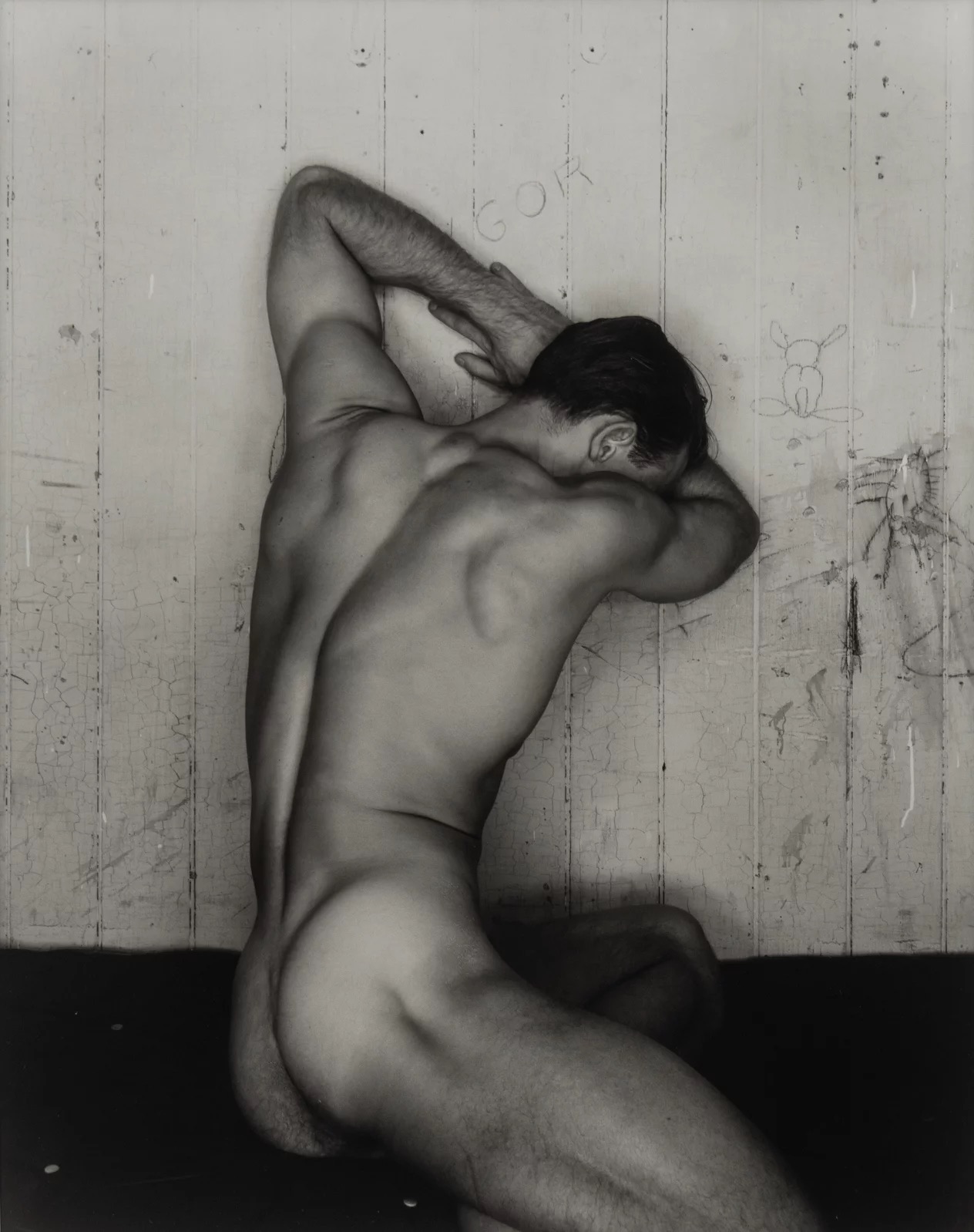
George Platt Lynes
Gordon Hanson, 1954

The Century That Refuses to Stand Still
There is a particular kind of collector who keeps returning to modern art not because it is fashionable or financially prudent, though it often proves to be both, but because living with it changes how you see. A Whistler nocturne on your wall does something to the way you experience dusk. A Redon pastel alters the quality of a quiet room. This is the essential draw of the modern movement as a collecting category: it sits at the precise moment in art history when artists began asking what a picture was actually for, and the answers they arrived at remain genuinely alive.
These works were made by people who understood that the world was accelerating, that old certainties were dissolving, and they responded not with anxiety but with invention. That energy is palpable in the objects themselves, decades and sometimes more than a century later.", "What separates a good modern work from a great one is a question worth sitting with carefully. The movement produced an enormous volume of material, and quality varies considerably even within the output of major figures.
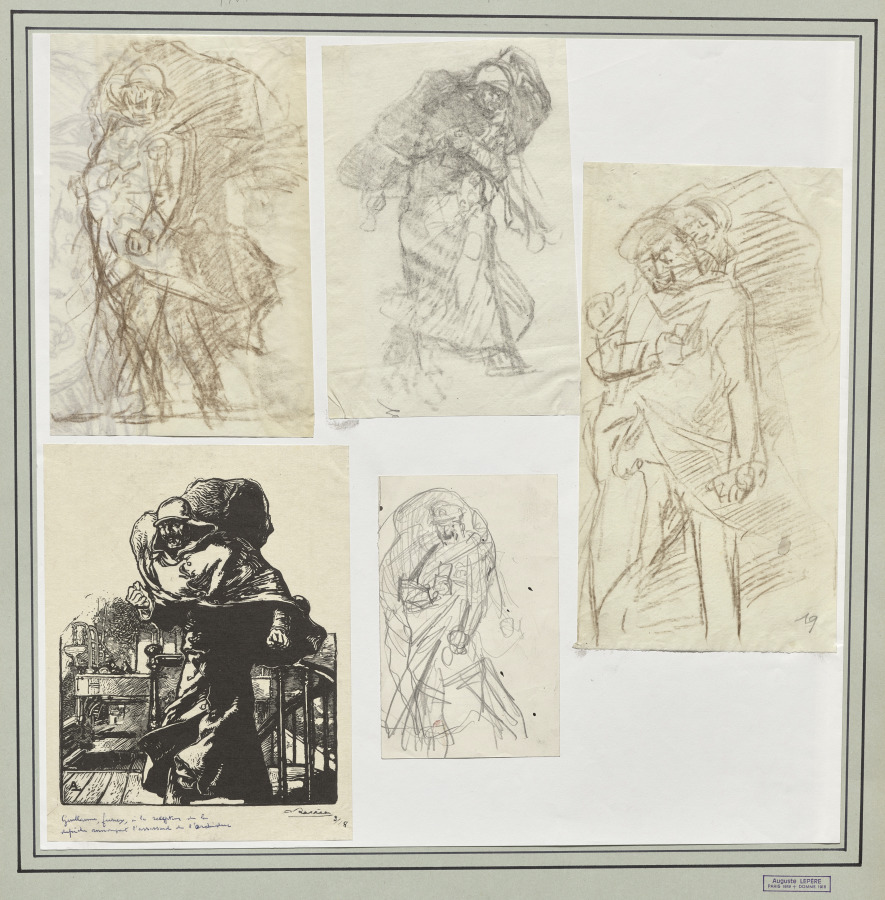
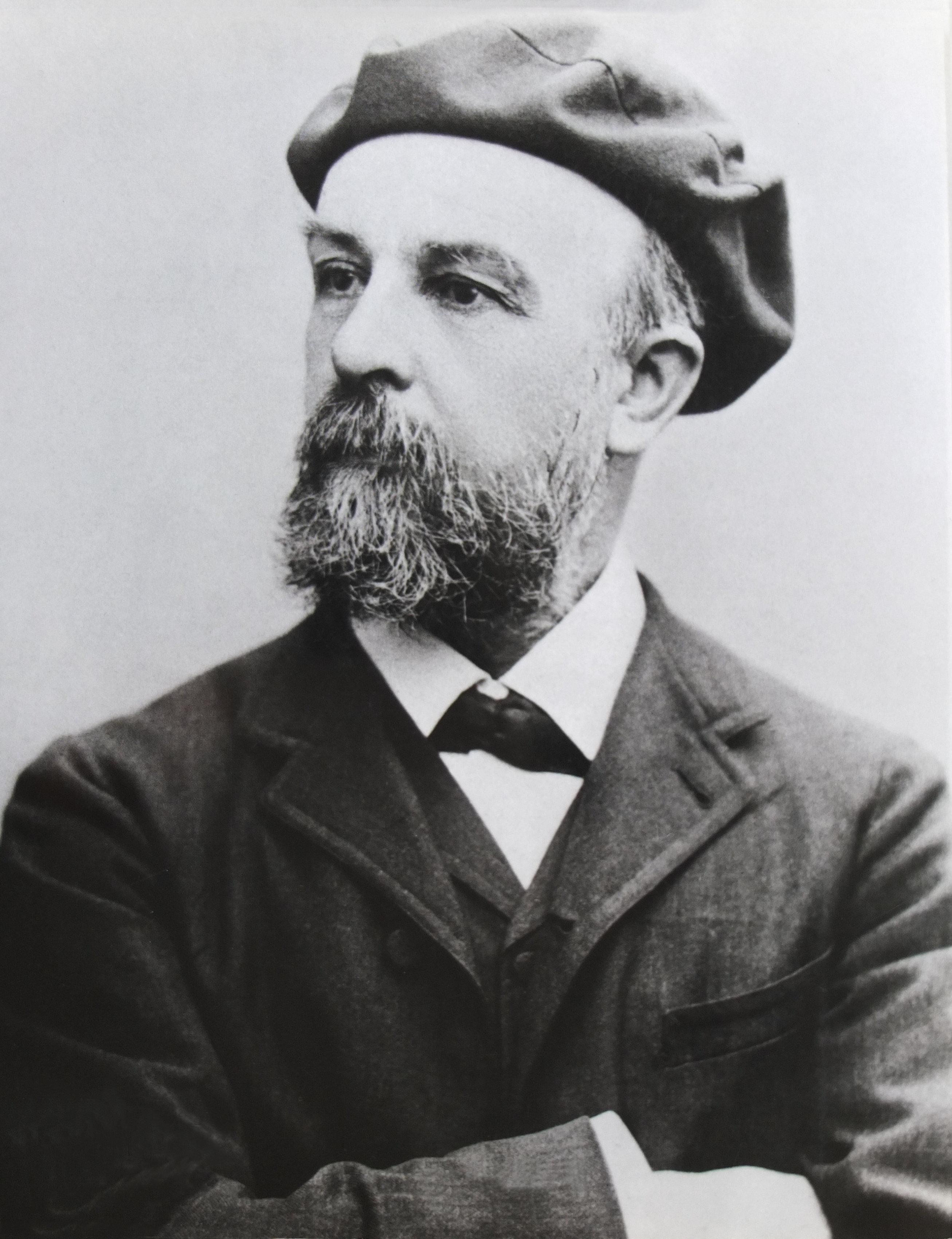
Auguste Louis Lepère
L'Empereur Guillaume, furierx..., 1914
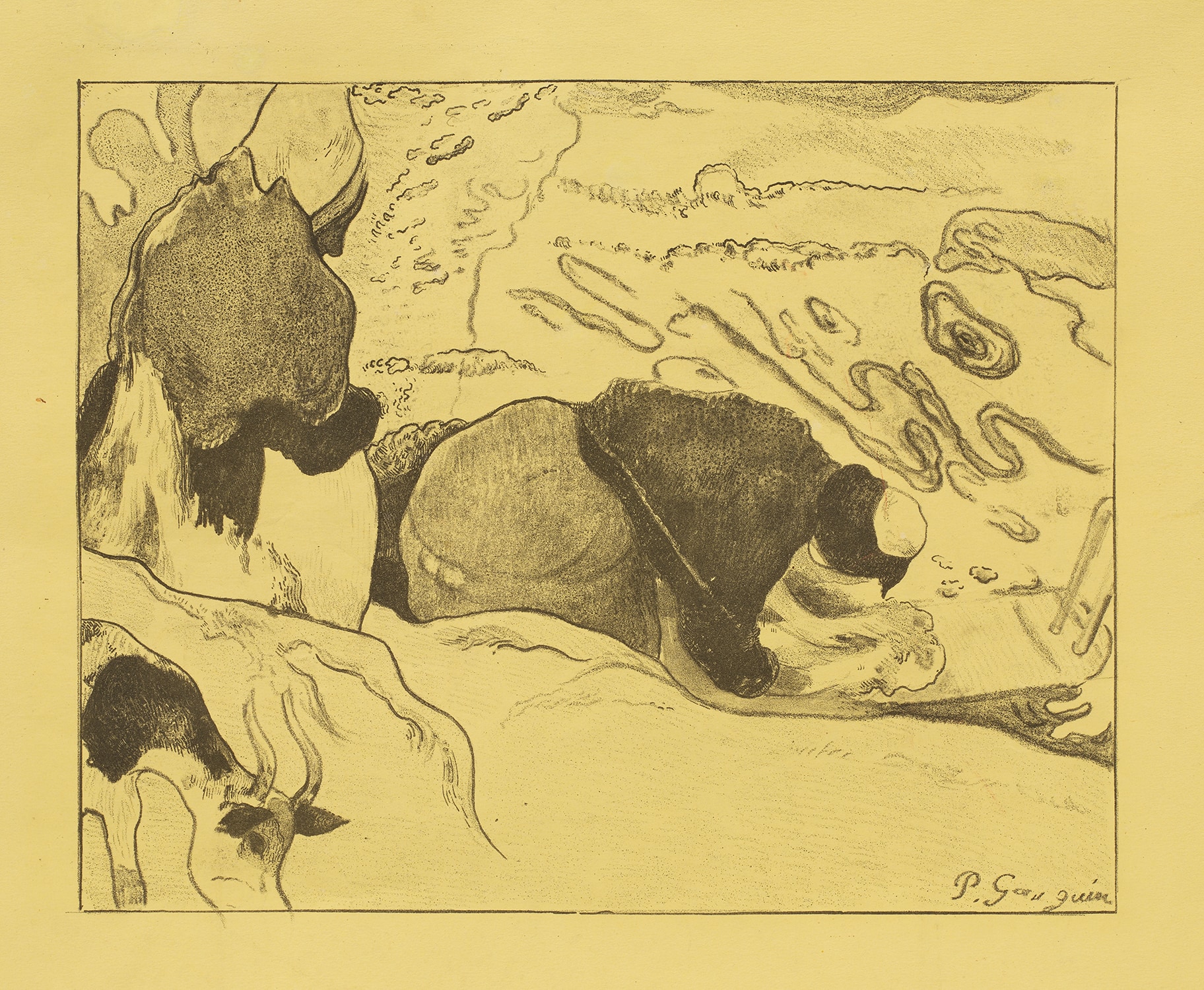
The best works are those where formal ambition and emotional directness coincide rather than compete. In a Manet, the tension between his flat handling of paint and his subjects drawn from contemporary Parisian life creates a productive discomfort that lesser works by followers never manage to replicate. In a Gauguin, the truly significant pieces are those where color is used not descriptively but structurally, where the composition feels inevitable rather than arranged. A collector should ask whether a work represents the artist thinking through a problem or simply executing a solution already reached elsewhere.
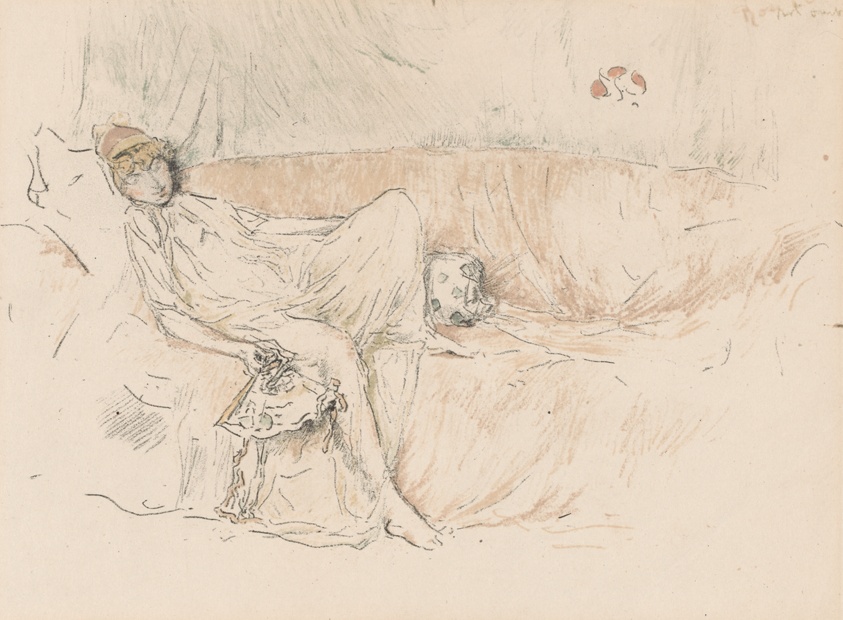
The former is almost always more interesting and more valuable over time.", "Among the artists well represented on The Collection, several deserve particular attention from a collecting perspective. Whistler remains one of the most undervalued major figures in the market relative to his art historical significance. His etchings in particular offer serious collectors an opportunity to engage with genuine mastery at prices that reflect his relative neglect in contemporary taste rather than his actual importance.
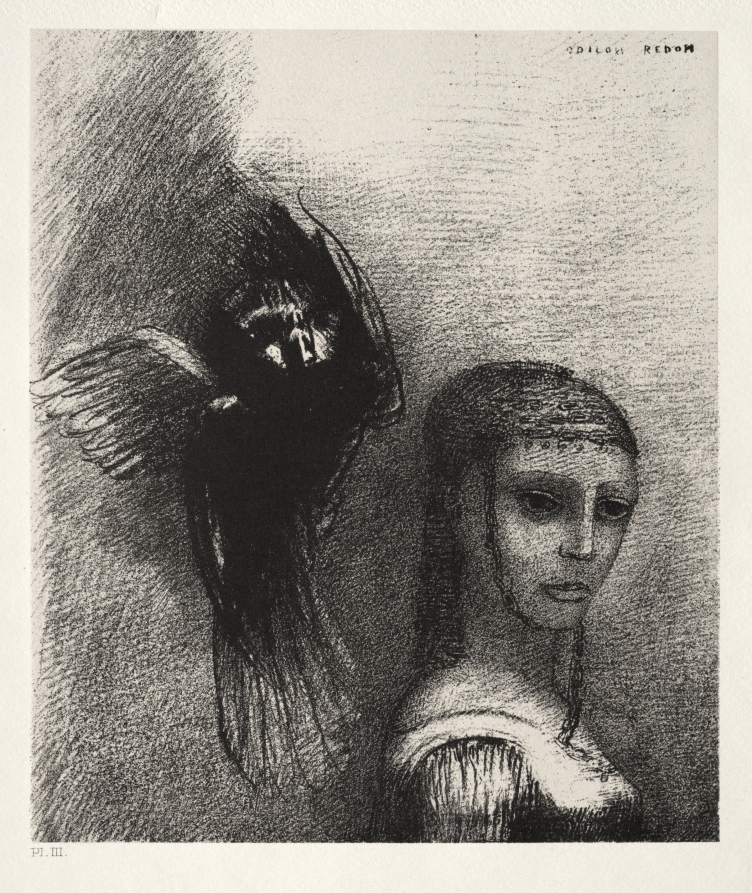
Odilon Redon
And a Large Bird, Descending from the Sky, Hurls Itself against the Topmost Point of Her Hair, 1888
Whistler essentially invented the idea of the artwork as atmosphere, an idea that every subsequent generation has had to reckon with. Similarly, Odilon Redon rewards close attention from collectors who want something that will deepen over time. His work is strange in a way that earns its strangeness, rooted in genuine botanical and scientific curiosity as much as symbolist fantasy, and the market for his prints and charcoals has historically been more accessible than his reputation warrants.", "Édouard Vuillard and Maurice Denis represent what might be called the thoughtful collector's corner of Post Impressionism.
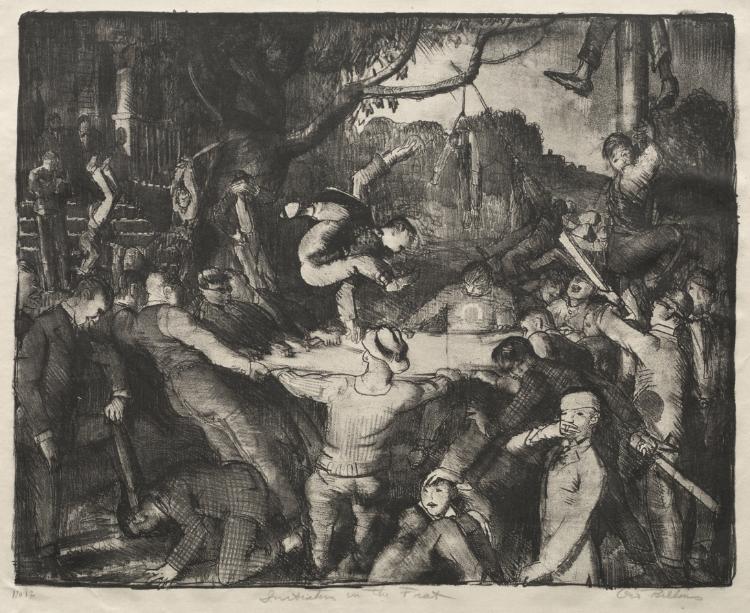
Both were associated with the Nabis group in the 1890s, a movement that took Gauguin's flat color and symbolic ambition and directed it toward intimate domestic subjects. Vuillard especially made interiors and figures that almost dissolve into pattern, and his works on paper remain remarkably available given the density of his influence on twentieth century painting. George Bellows offers a different kind of opportunity on the American side of modernism, a painter whose reputation has fluctuated with changing tastes in American realism but whose draftsmanship and sense of physical immediacy are genuinely exceptional. His lithographs in particular have strong institutional support and a collector base that tends to be loyal and knowledgeable.
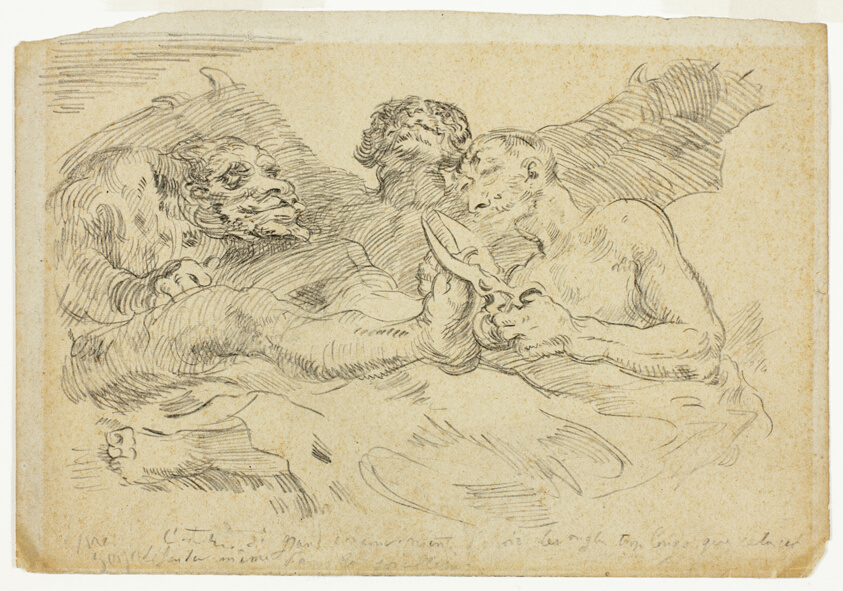
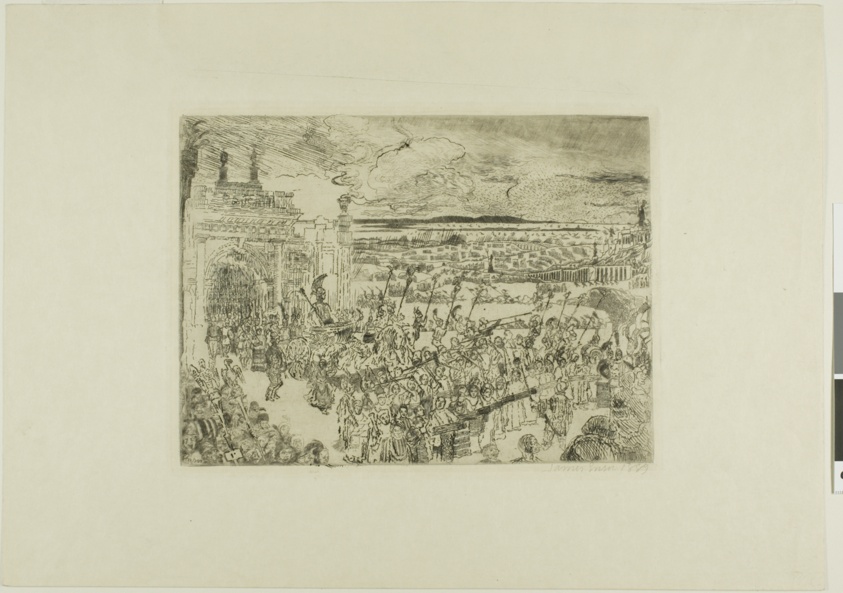
James Ensor
Los Caprichos: Se Repulen, 1880
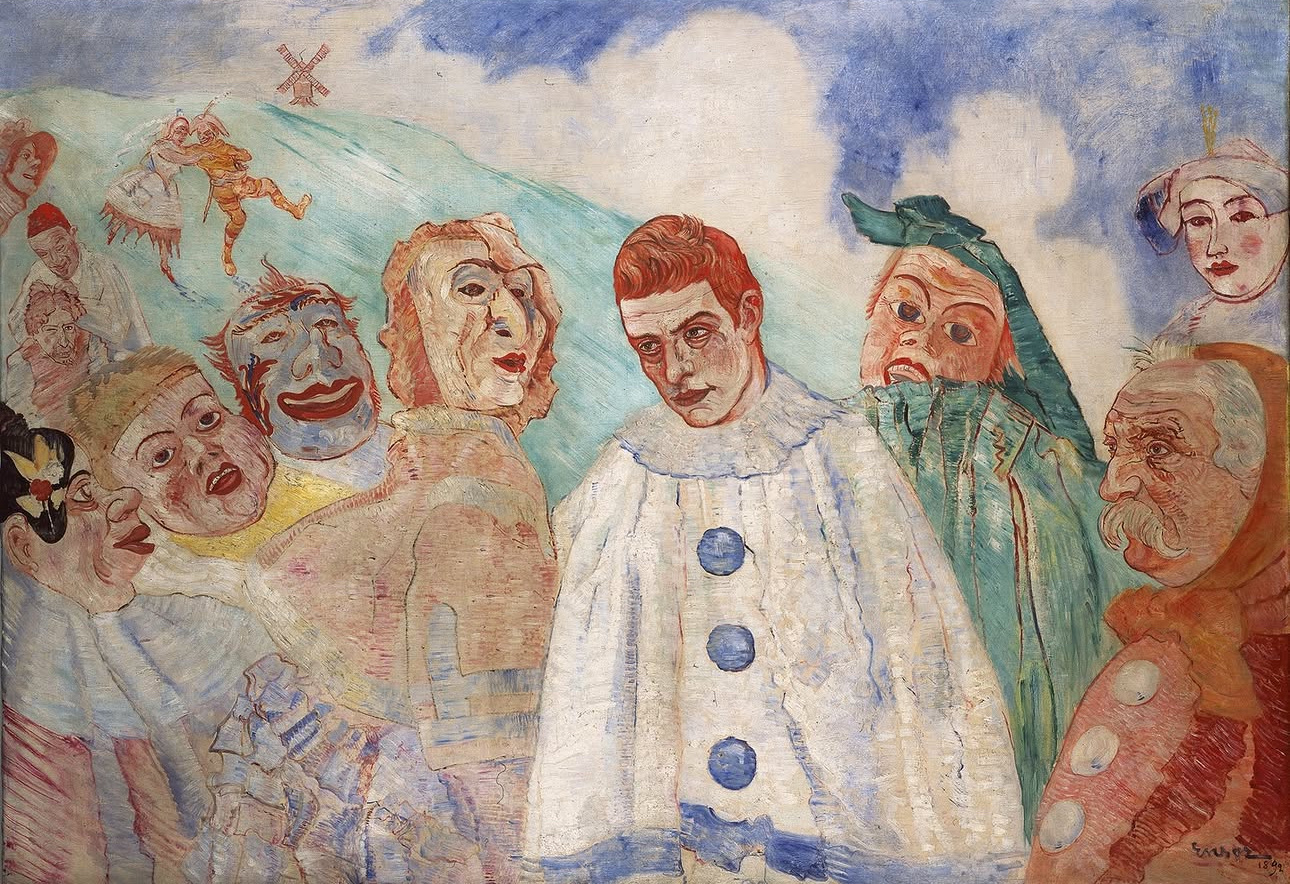
", "The secondary market for modern works is among the most closely studied in the art world, which is both its strength and its complication. Major works by Picasso, Matisse, and Monet set records with enough regularity that their auction performance is well documented, and this transparency is useful for establishing value across the category. The more interesting opportunities, however, tend to exist in the middle market, where artists like James Ensor or Camille Pissarro offer genuine quality without the competition that drives major name prices into ranges that make financial sense only at the very top. Ensor in particular is an artist whose market seems to perpetually underestimate him, a Belgian eccentric whose masked figures and grotesque carnivals influenced Expressionism deeply but who occupies a slightly awkward position between movements that has historically kept prices from reflecting his importance.
", "For collectors considering modern works, condition is a more nuanced question than it might initially appear. Works on paper, which dominate the prints and drawings market for many of the artists in this category, are sensitive to light and humidity in ways that canvas works are not. A Toulouse Lautrec lithograph in honest condition with some toning is generally preferable to one that has been aggressively cleaned or restored. Ask for full condition reports and provenance documentation as a matter of course, and do not be embarrassed to request information about any restoration work.
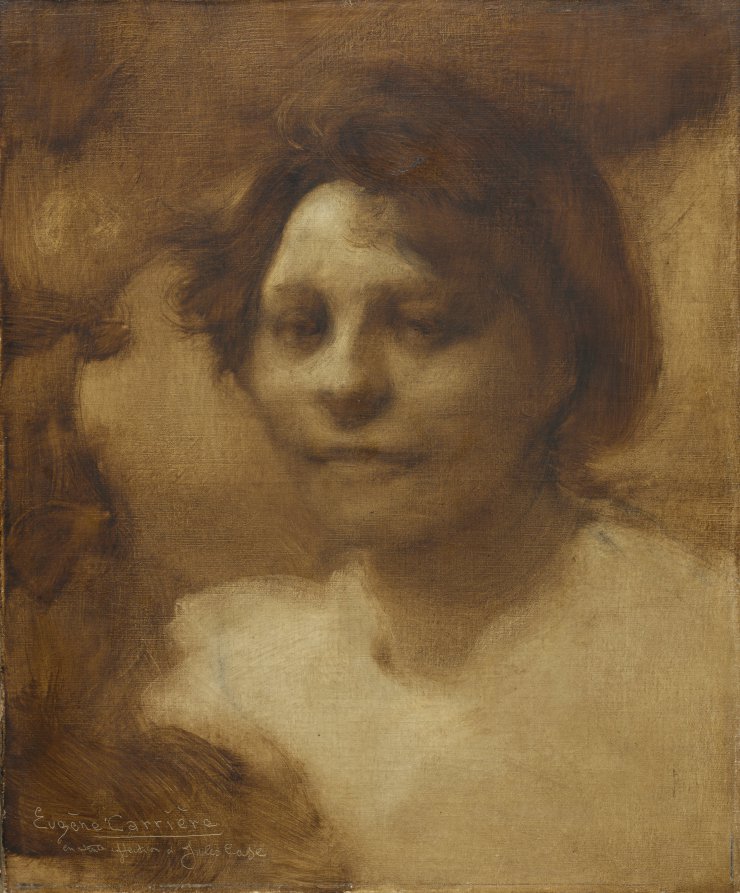
Eugène Carrière
Madame Case, 1900
For editions, the distinction between different states of a print can be significant both aesthetically and in market terms, and understanding where a particular impression sits within the printing history is essential knowledge before any purchase.", "Display deserves more consideration than collectors typically give it. Modern works were made in a wide range of light conditions and were intended for a variety of contexts, from the grand salon to the intimate cabinet. A Redon pastel benefits from being seen in soft, diffused light rather than under harsh directional spotlighting.
A bold Matisse drawing can handle more light and a more architectural setting. If you are working with a gallery on a modern acquisition, ask directly where in a domestic or collecting context they have seen the work shown well, and whether there are installation photographs from previous ownership. The best galleries will have thought about this. The ones who have not are often not the best place to be spending serious money on modern material.
", "Looking forward within the modern category, the most interesting opportunities may lie with artists who have been absorbed into the category without ever quite receiving their full critical due. Kamisaka Sekka, the Japanese designer and artist working in the Rinpa tradition in the early twentieth century, represents exactly the kind of figure whose modernity is increasingly recognized by serious collectors, particularly those with an interest in how modernism was not a purely European phenomenon but a set of formal problems that artists were solving independently across cultures. Within the western canon, Ivan Albright's intense and almost hallucinatory realism sits at a strange angle to mainstream modernism that has kept him from the institutional attention he deserves. His work is difficult to live with in the casual sense but deeply rewarding to those who give it the sustained attention it demands, which is perhaps the best possible recommendation for a serious collector.