
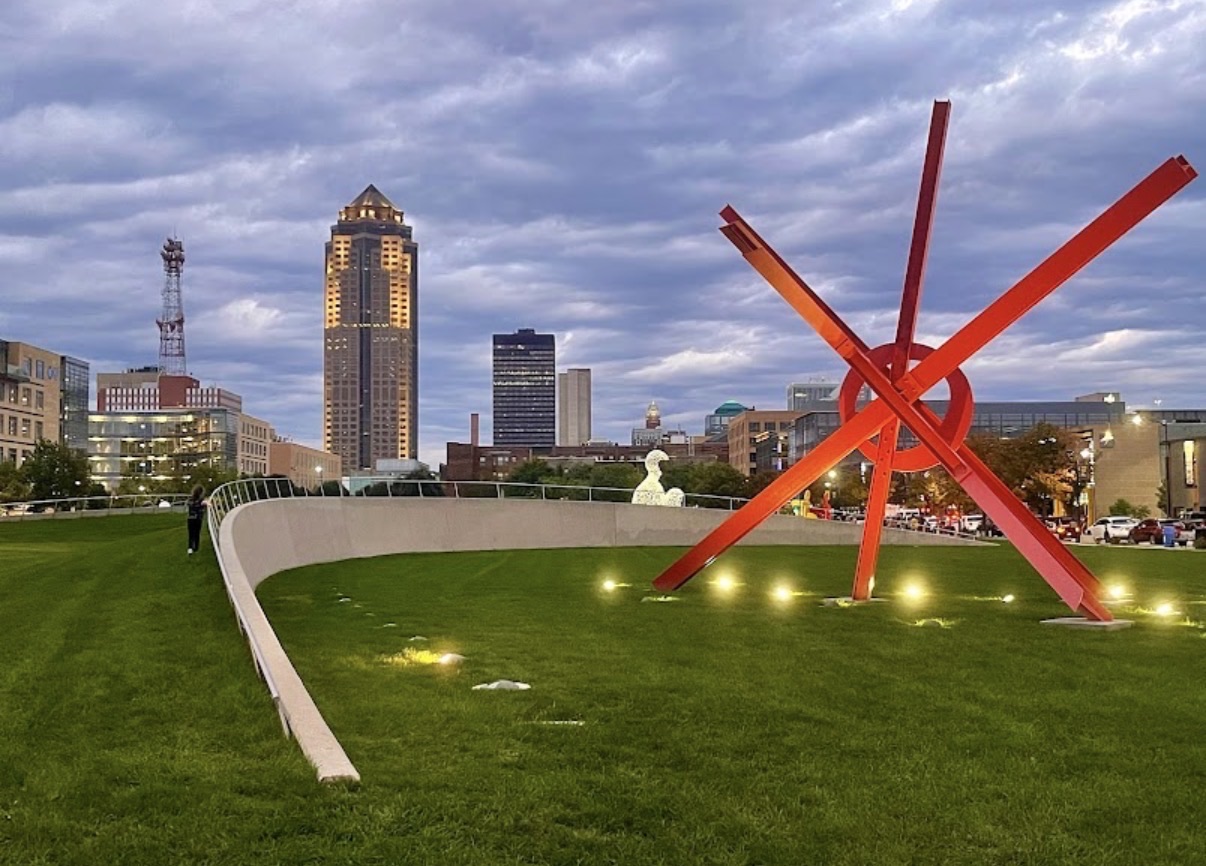
T-8
T8 is a bold, dynamic work that punctuates the urban street corner as traffic flows east along Locust Street. This monumental piece has consistently drawn critical acclaim, confronting audiences with a vivid orange-red color and mesmerizing even the casual passer-by with subtle energy and intricate proportion.The artist draws inspiration from many sources including mathematics, physics, music, poetry and astronomy. From one vantage point, the “T8” steel crossed I-beams and circular center visually suggests a sunburst, clock or wheel form. In anatomy, the term “T8” generally refers to a mixed spinal nerve, which carries motor, sensory, and autonomic signals between the spinal cord and the body. However, walking around “T8” produces constantly changing views, and moving under it creates yet another experience of the sculpture and its space. Historically, sculpture was an object to be looked at, usually on a pedestal, not something one viewed from underneath. “T8”, by contrast, offers a totally new visual and physiological experience.
- Medium
- Painted steel
- Spotted At
- Public Space · Pappajohn Sculpture Park
Notes
The Pappajohn Sculpture Park in downtown Des Moines is described as one of the most significant collections of outdoor sculpture in America, free and open 24/7. The collection was assembled over decades by John and Mary Pappajohn and includes works by Keith Haring, Yayoi Kusama, Louise Bourgeois, Robert Indiana, Ai Weiwei, Willem de Kooning, Jaume Plensa, Richard Serra, Anthony Caro, Deborah Butterfield, Yoshitomo Nara, Barry Flanagan, Judith Shea, William Tucker, and Gary Hume, among others. Collection value referenced as $40 million. Social media source: story_louise and atlasobscura on Instagram/Reels.
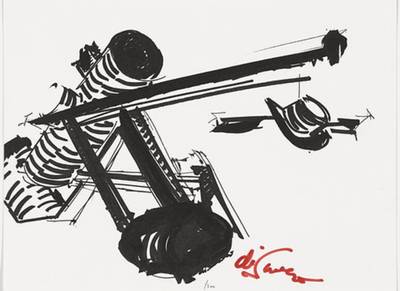
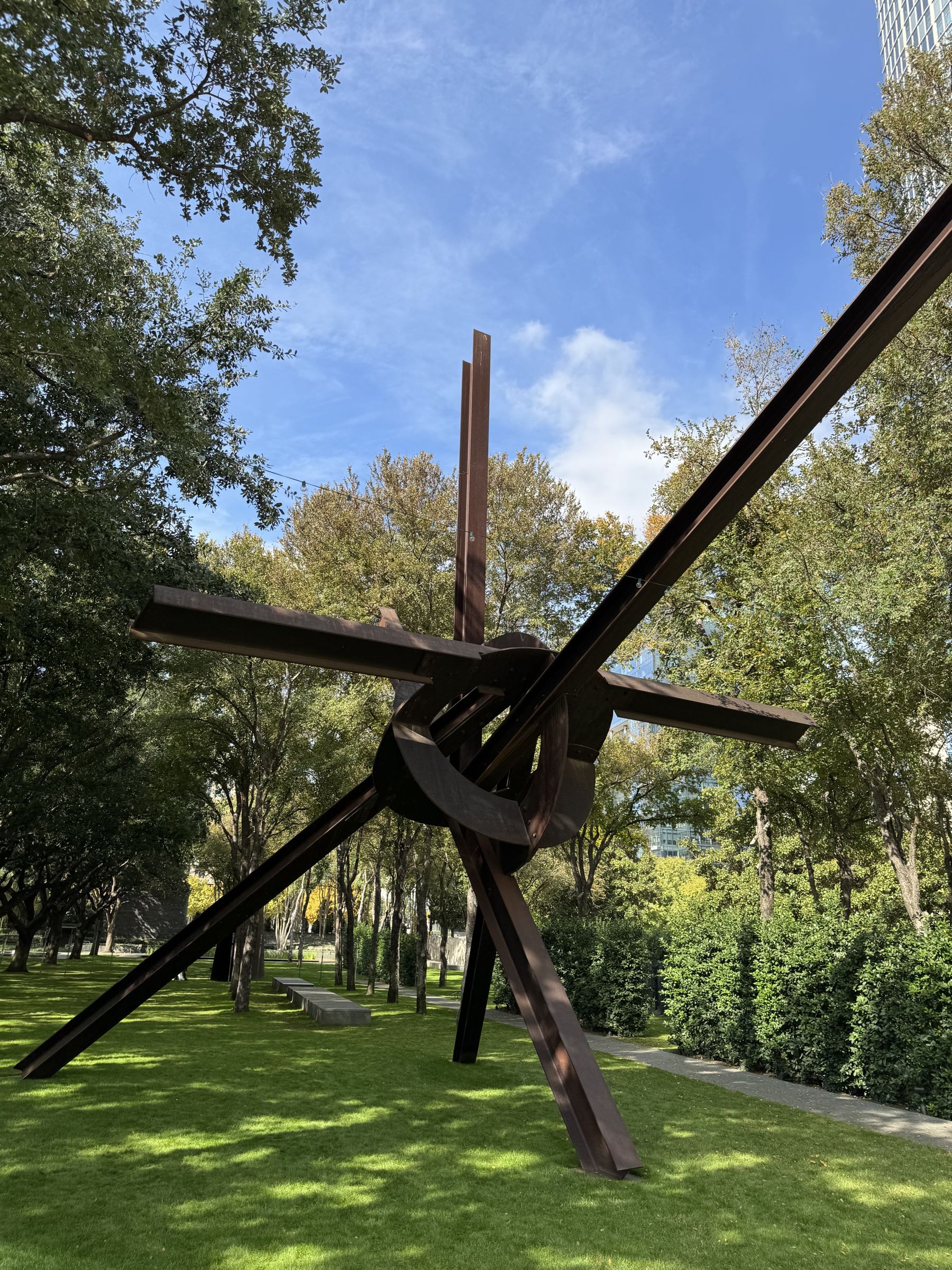
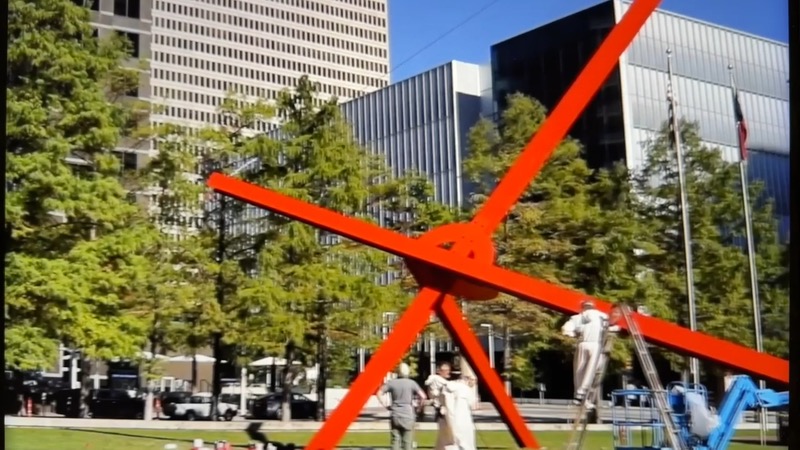
Collectors of Mark di Suvero
Artists in conversation
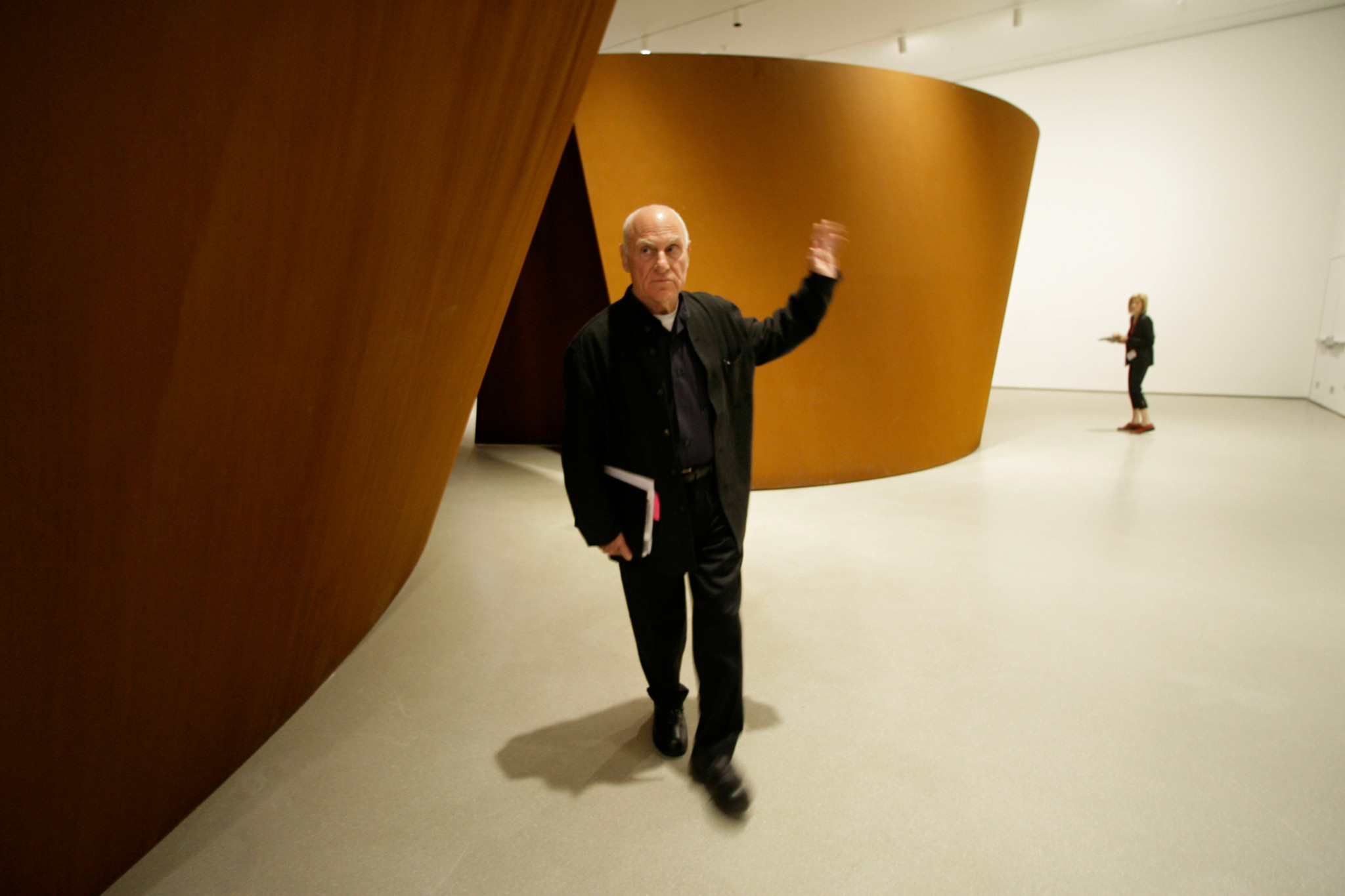
Richard Serra
American · b. 1938
Serra shares di Suvero's commitment to monumental industrial steel sculpture that engages space and gravity as primary forces, using raw rolled and weathered steel to create physically commanding abstract forms on an architectural scale.
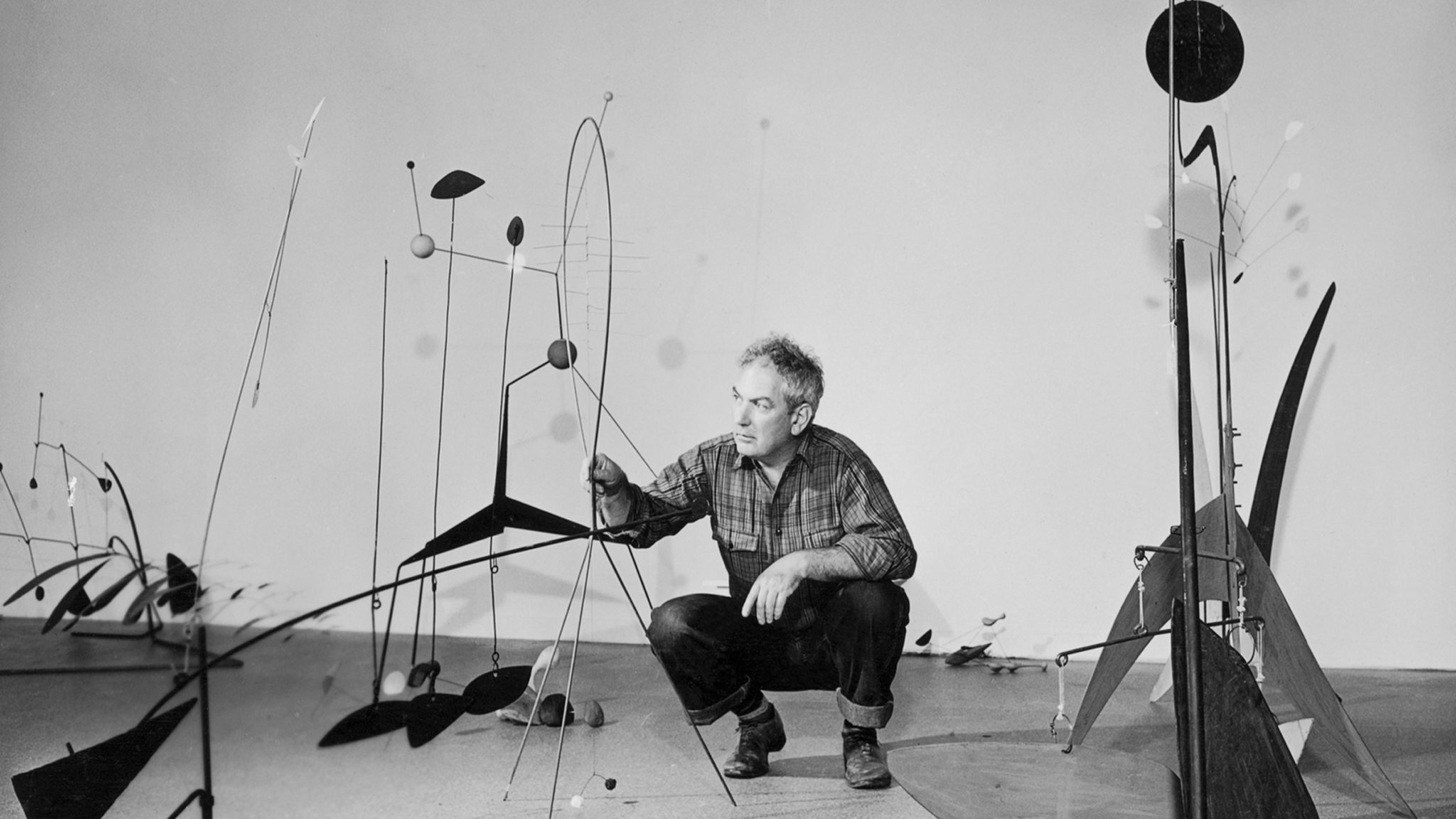
Alexander Calder
American · b. 1898
Calder pioneered large scale abstract metal sculpture that incorporates dynamic balance and movement, directly influencing di Suvero's use of suspended and pivoting steel elements that interact with wind and physical space.
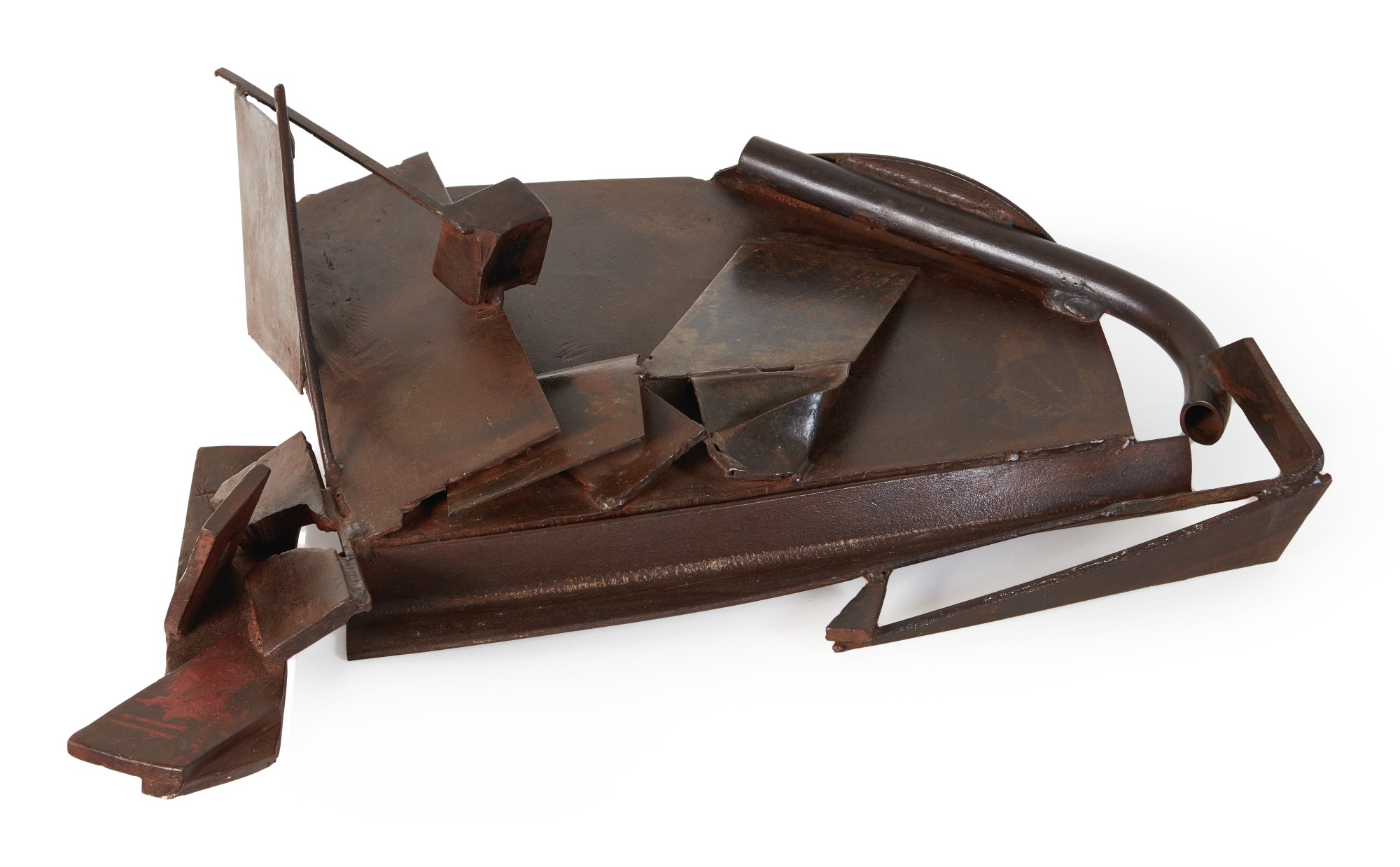
Anthony Caro
British · b. 1924
Caro similarly assembled welded industrial steel beams and found metal components into bold abstract compositions that reject the pedestal and engage the viewer at ground level, sharing di Suvero's gestural and structural language in fabricated steel abstraction.
Start the Discussion
Request access to join the discussion