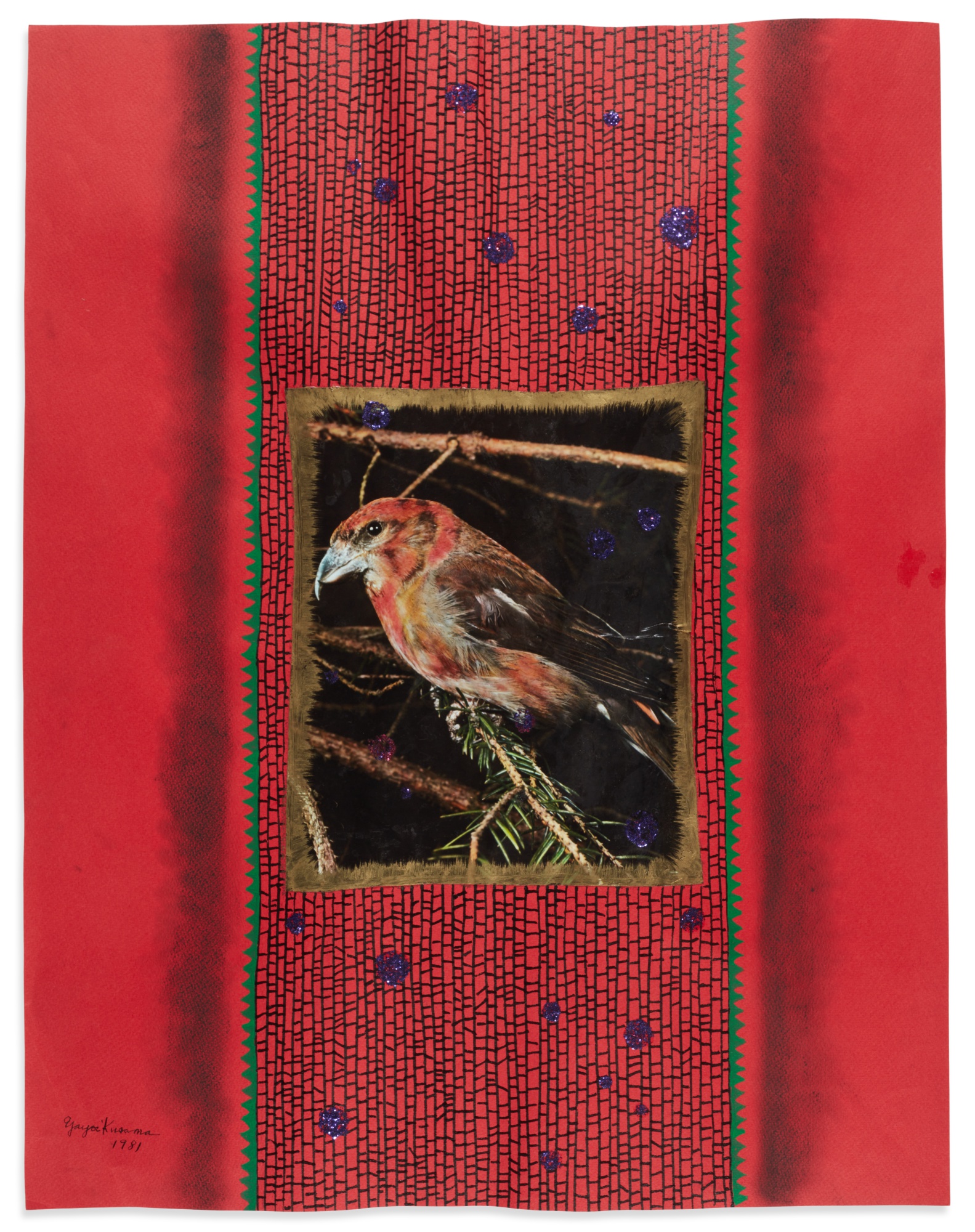
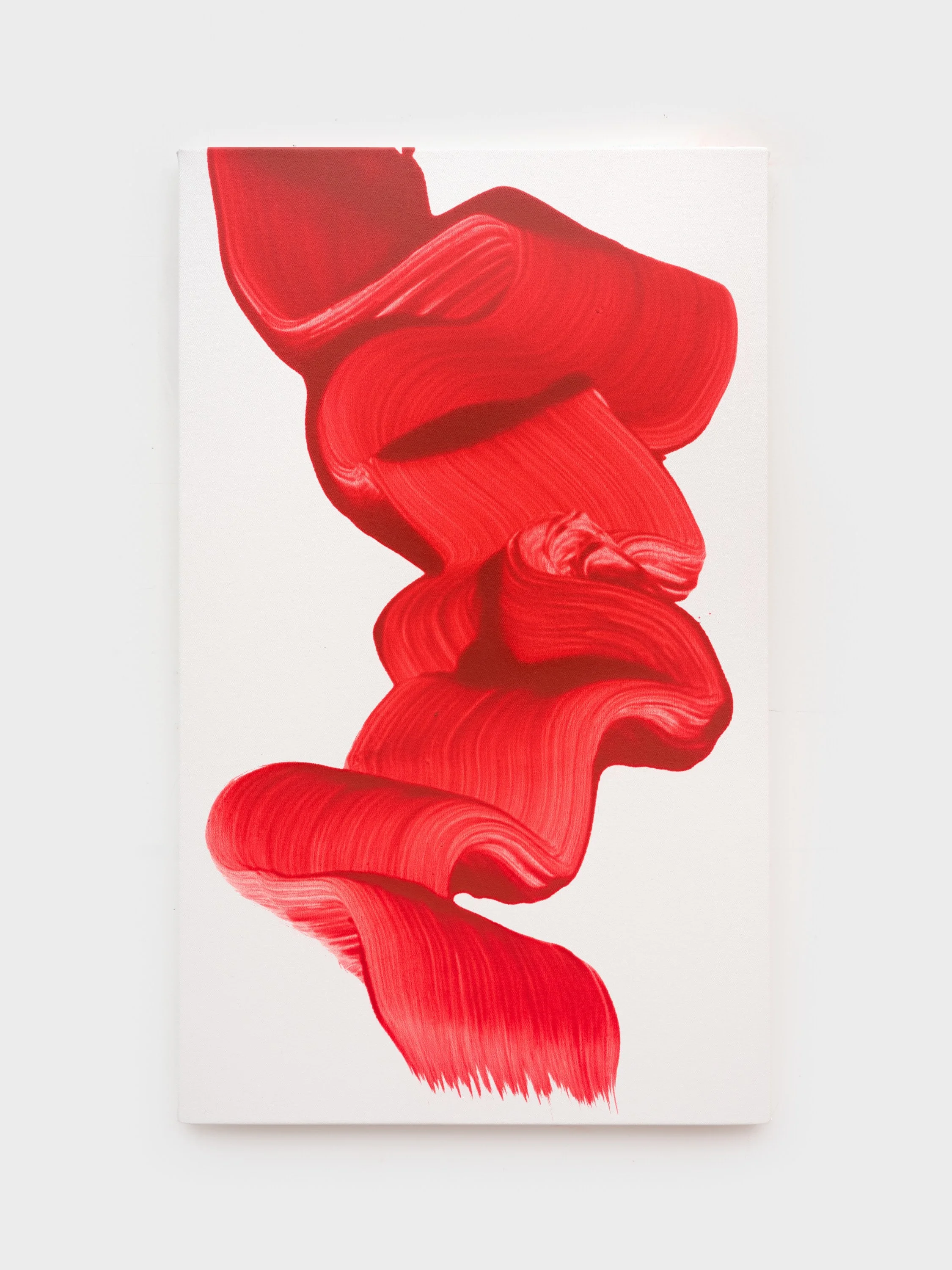
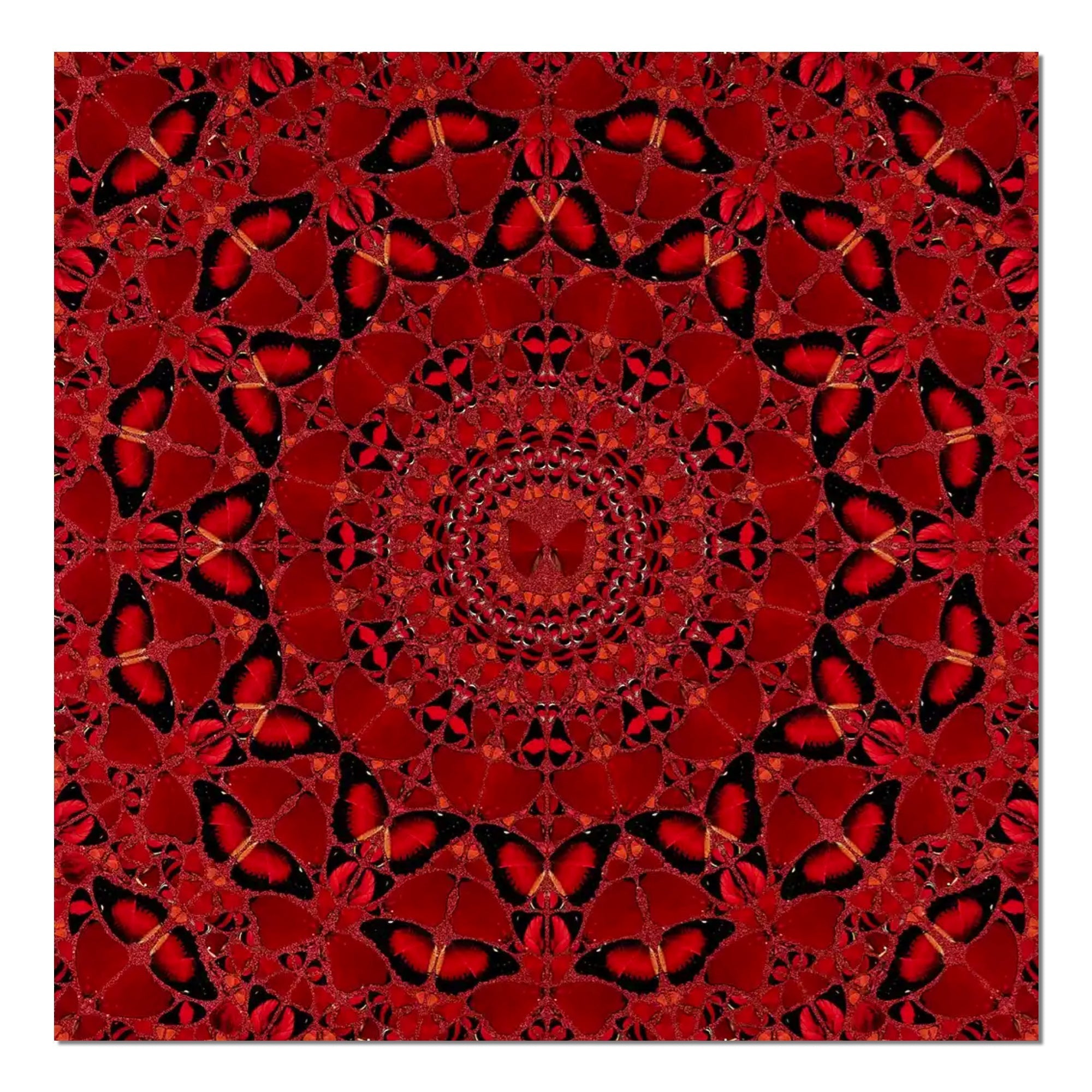
Red
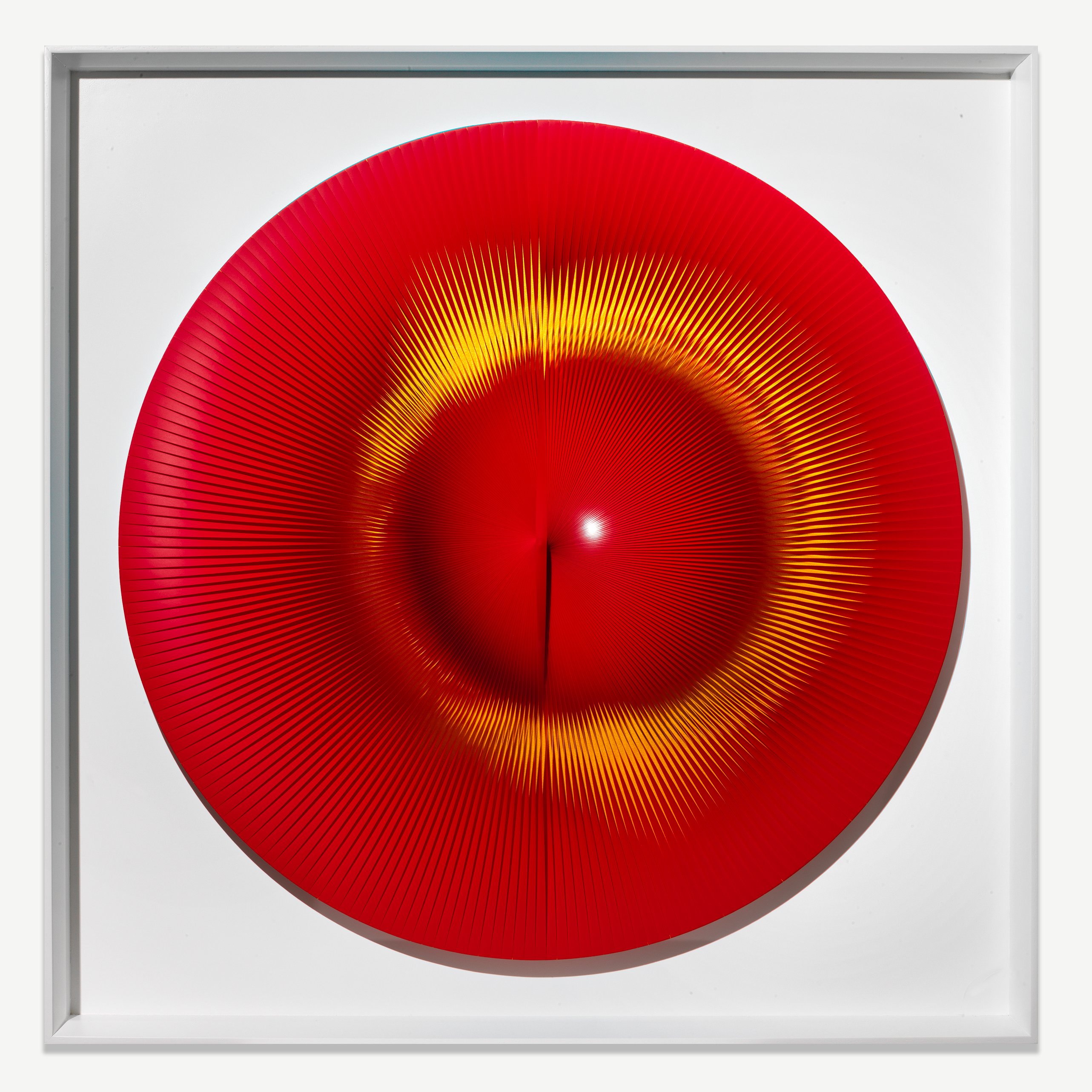
Alberto Biasi
Sorge e tramonta con te, 2021



```json
{ "headline": "The Machine Learns to Dream in Color", "body": "When Christie's offered its first dedicated AI art sale in late 2023, the room shifted in a way that felt less like a market correction and more like a cultural reckoning. Bidders who had spent decades developing connoisseurship around brushwork, provenance, and the traceable hand of a human artist found themselves weighing something categorically different: images born from algorithms, trained on the vast inheritance of art history, and yet arriving in the world without a single moment of lived experience behind them. The results were mixed, the conversation was not. AI art had entered the serious collecting conversation, and the question was no longer whether it belonged but how we were supposed to think about it.
", "The critical context matters here. AI as a category does not arrive in a vacuum. It inherits a long tradition of art made with and through technology, from the plotted drawings of Vera Molnár in the 1960s to the video installations that rattled museum trustees in the 1970s. What feels genuinely new is the generative dimension, the sense that the system is not merely executing instructions but producing outcomes that surprise even its operators.
![groana melendez — Passport Dominican Republic (Pasaporte Republica Dominica [Red])](https://rtwaymdozgnhgluydsys.supabase.co/storage/v1/object/public/artwork-images/aic/270584/130b9d29-2fd4-0483-c2ea-92f6e28524b1.jpg)
groana melendez
Passport Dominican Republic (Pasaporte Republica Dominica [Red]), 2015
That quality of productive unpredictability is something artists have always chased, and it gives serious collectors a legitimate foothold.", "The exhibitions that have mattered most in recent years share a curatorial instinct: refuse the easy spectacle and focus instead on friction. The Barbican's ongoing interest in computational creativity, most visibly through events like AI: More than Human in 2019, set an early institutional standard for taking these questions seriously rather than sensationally. The Museum of Modern Art in New York has been slower and more deliberate, which is itself a signal worth reading.
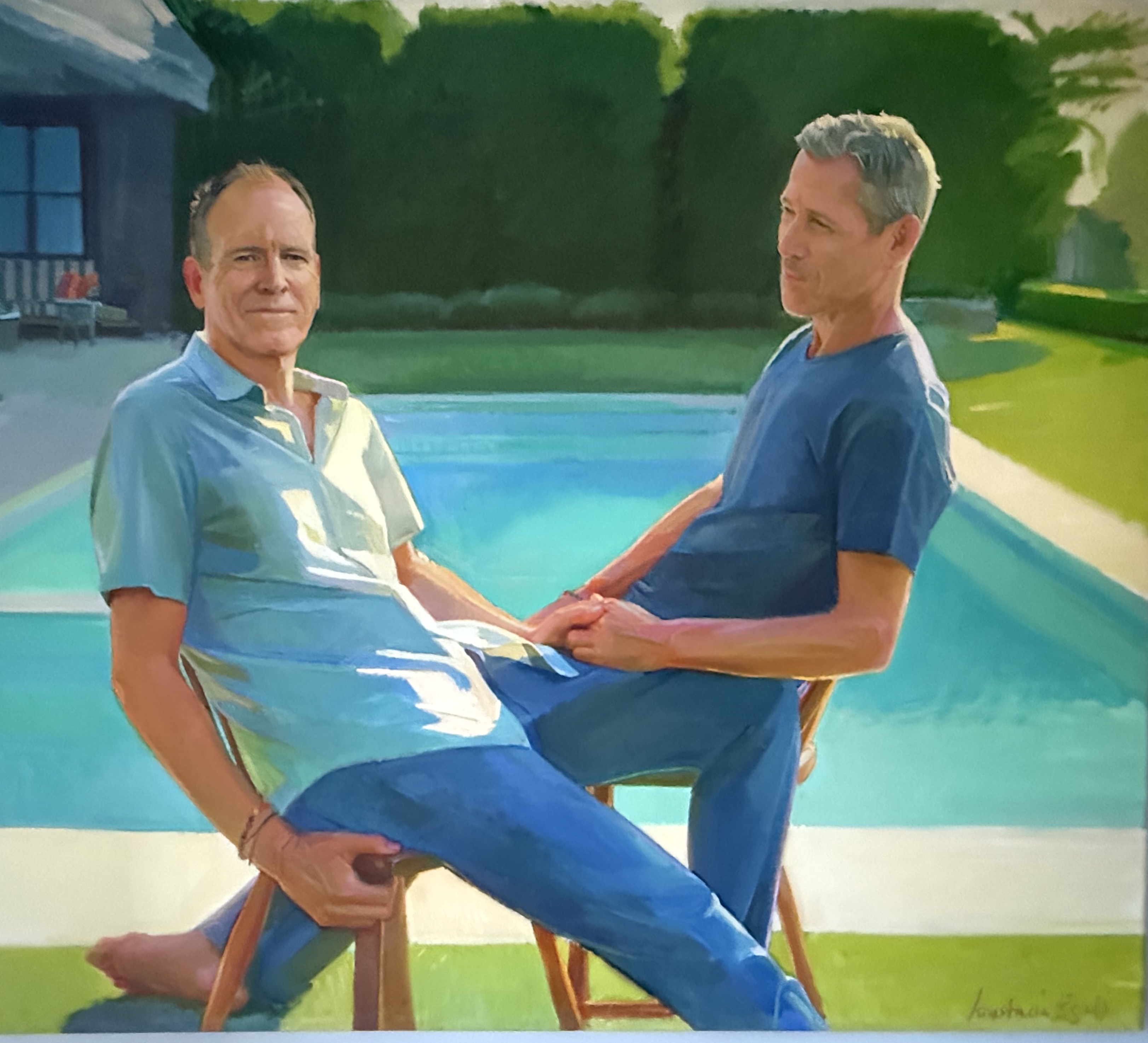
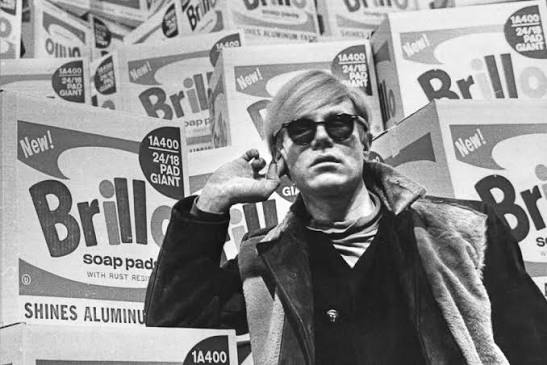
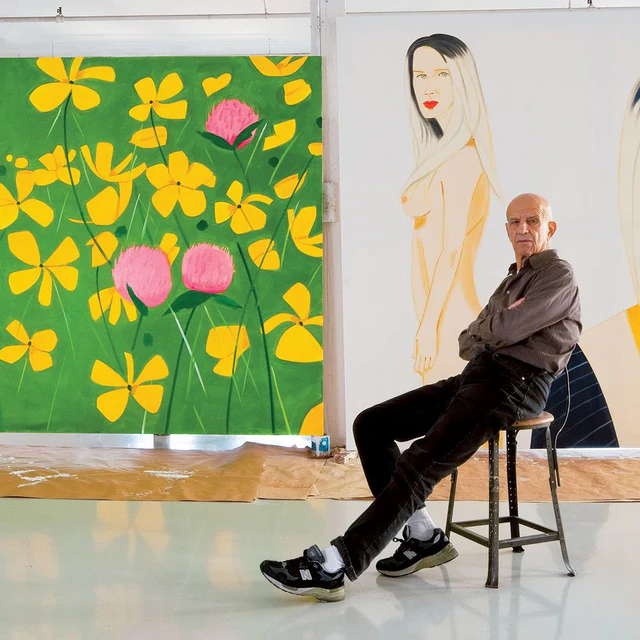
When MoMA moves, it tends to move with weight, and the institution's cautious engagement with digital and computational practice suggests it is watching rather than waiting.", "Among the artists on The Collection whose work rhymes most productively with this moment, a few names feel newly relevant. Andy Warhol, whose archive of screen prints and serial images feels almost algorithmic in its logic, anticipated something about mechanical reproduction and authorship that AI art now literalizes. Warhol at auction continues to perform with extraordinary consistency, and his works regularly achieve eight figure results at the major houses.

Andy Warhol
Pat Hearn, 1985
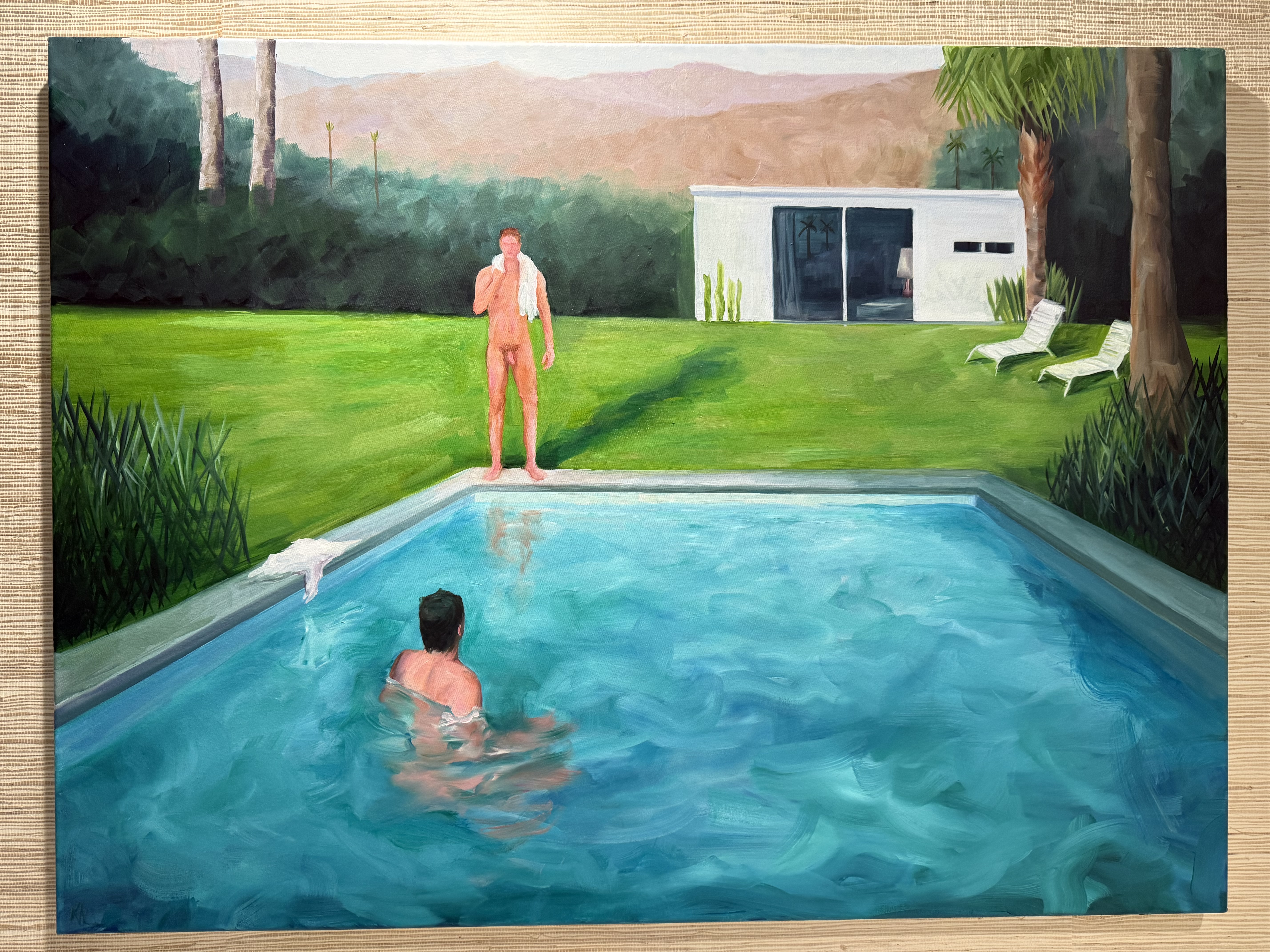
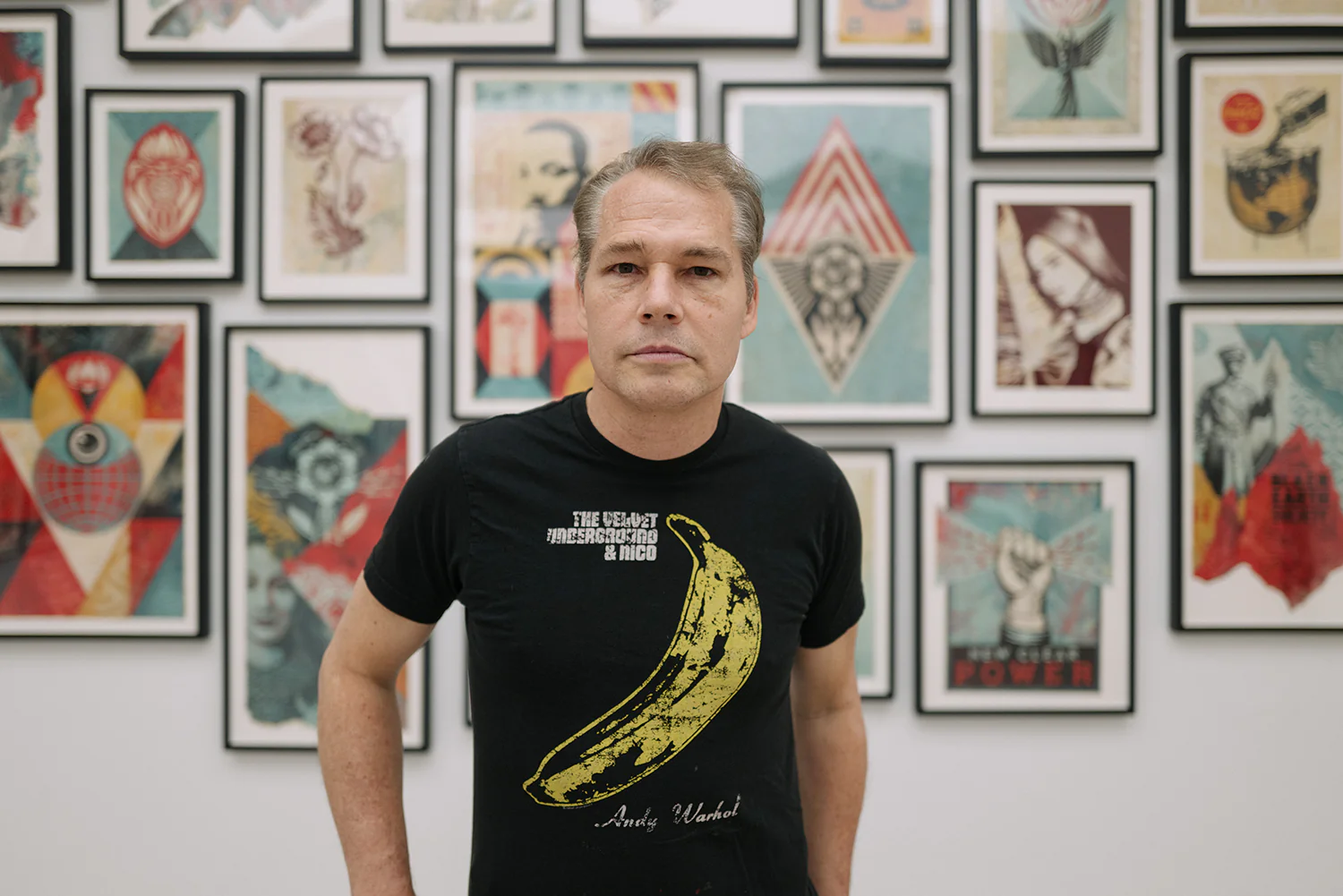
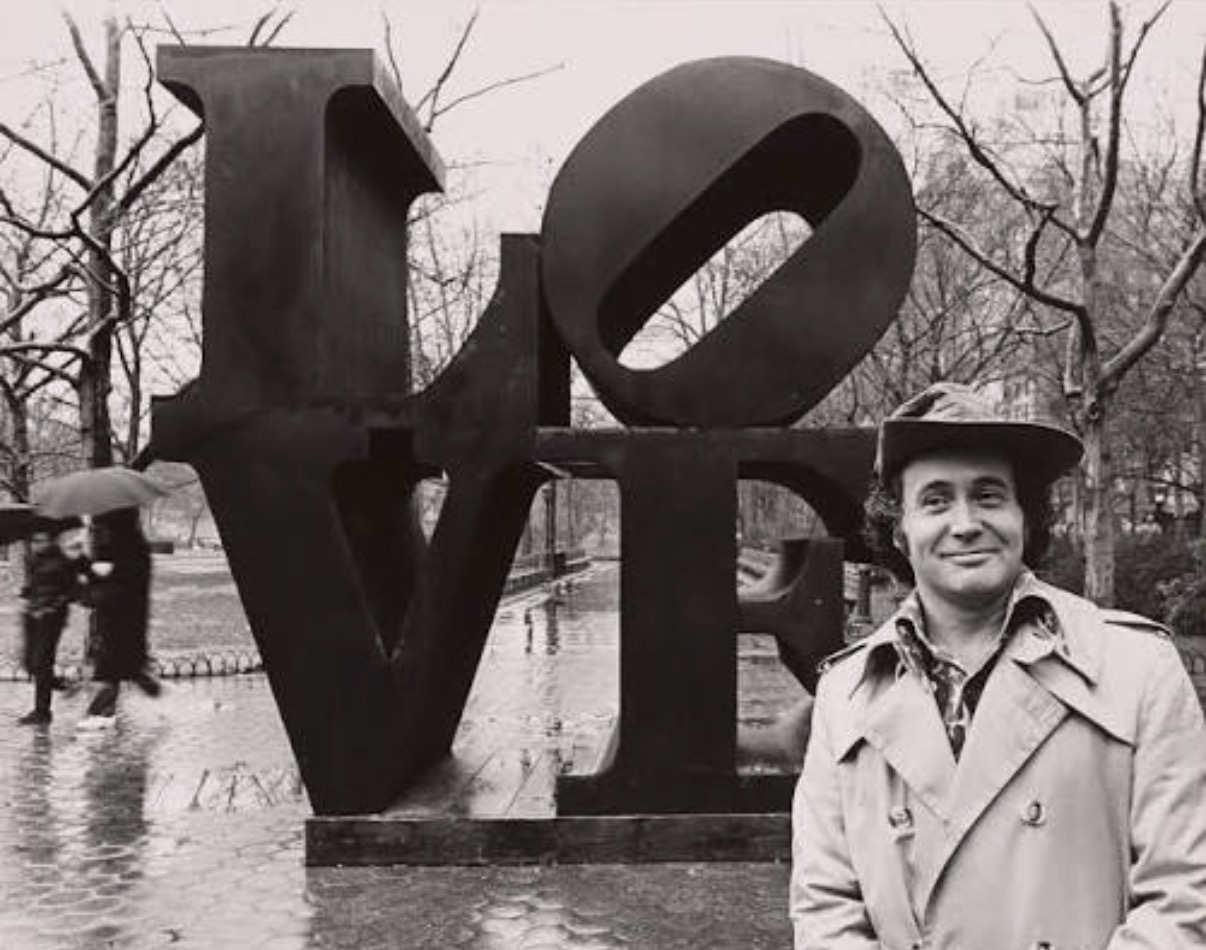
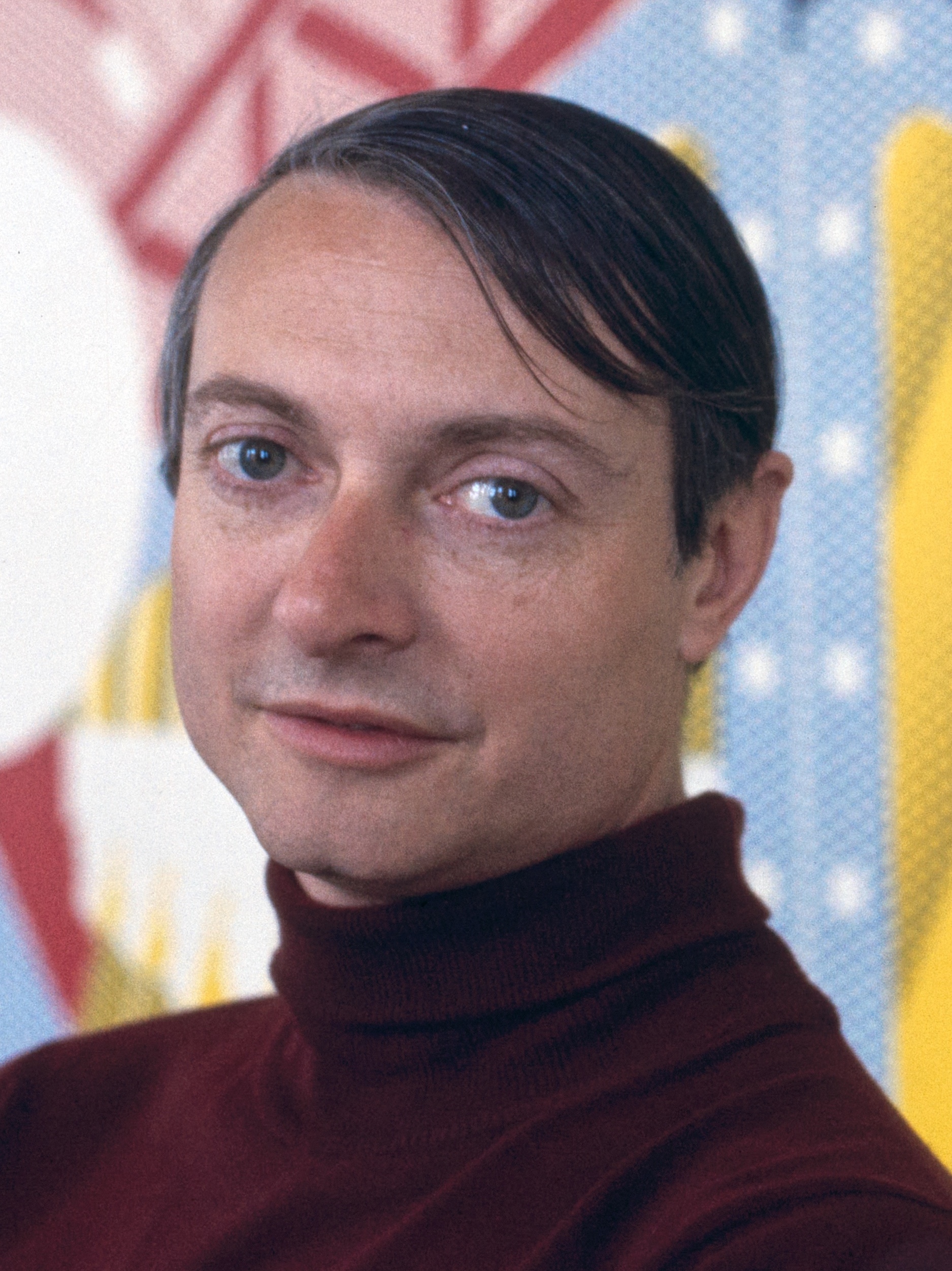
Robert Indiana, whose graphic clarity and typographic boldness translate effortlessly across reproduction, occupies a similar conceptual neighborhood. Shepard Fairey, whose practice has always lived at the intersection of mass media, appropriation, and visual systems, is collecting in a market that increasingly rewards artists who understood distribution as an aesthetic question.", "The auction data tells a layered story. Pure AI artworks remain volatile in the secondary market, which is exactly what you would expect from an emerging category finding its price discovery phase.
Beeple's 69 million dollar result at Christie's in March 2021 was a genuine market event, but it also functioned as an outlier that temporarily distorted expectations. More instructive are the mid range results, the works by artists using AI as one tool among many, which have shown steadier appreciation and stronger institutional interest. Collectors who came to this space through an existing engagement with post internet art or conceptual photography have tended to navigate it most fluently.", "Institutional collecting is where the real signals live.
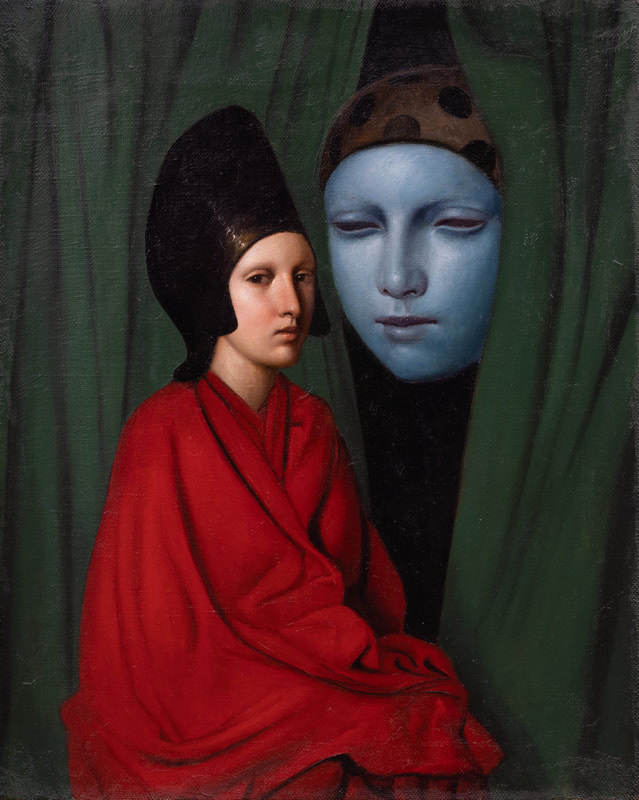
Alessandro Sicioldr
Custode, 2022
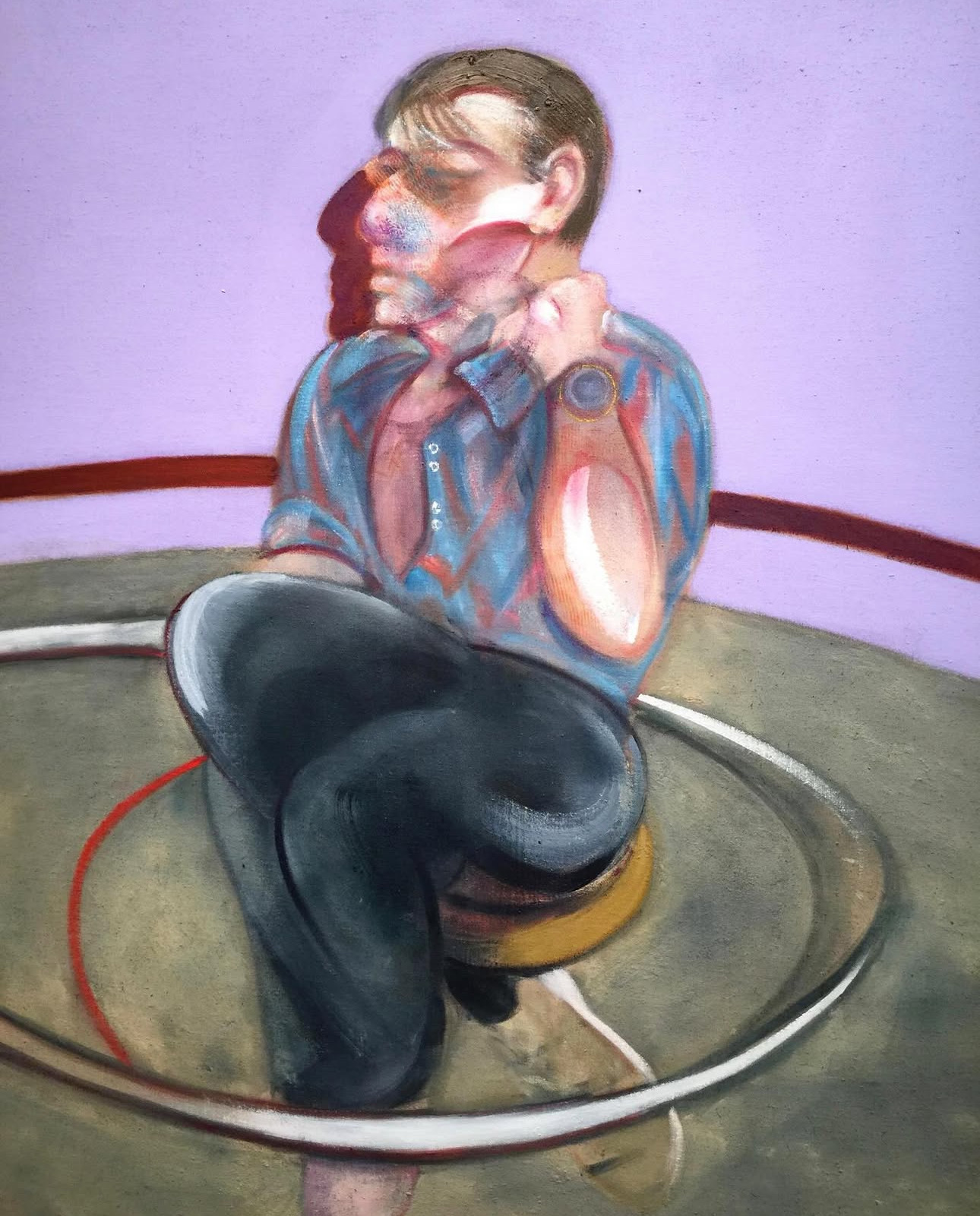
The Victoria and Albert Museum in London has been building actively in the digital and computational space, framing these acquisitions within a design and craft history that gives them interpretive depth. The Tate has followed with similar seriousness, and several German museums, particularly in Berlin and Frankfurt, have shown consistent curatorial interest in generative and algorithmic practice. When public institutions begin to collect, the effect on the primary market is almost always positive, not because they set prices but because they confer legitimacy and invite scholarship.", "The critical conversation is being shaped by a relatively small group of writers and curators who are willing to hold the complexity without resolving it prematurely.
Lev Manovich, whose book The Language of New Media remains a touchstone for thinking about computational aesthetics, has continued to write with precision about what it means for machines to produce images. Publications like Rhizome and Spike Art Magazine have maintained serious ongoing coverage, as has Frieze, which has devoted increasing editorial attention to the questions AI raises about authorship, labor, and the ethics of training data. That last question is not going away. The debate over consent and compensation for artists whose work fed the models that now generate images has become a genuinely urgent legal and ethical question, and its resolution will shape the category's credibility.

Ellsworth Kelly
Red Curve (for Joel)
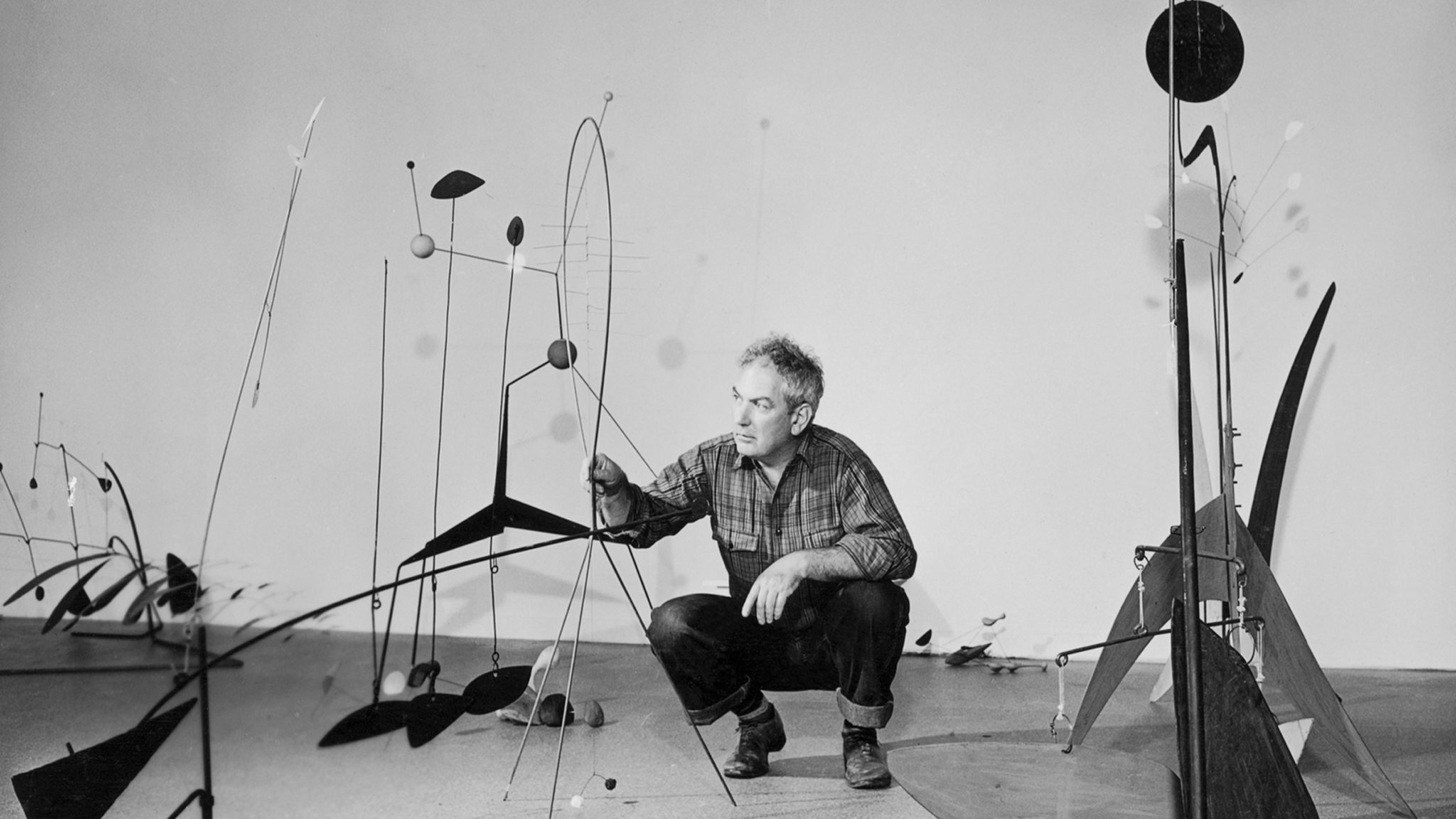
", "Artists like Ellsworth Kelly and Alexander Calder, both well represented on The Collection, matter in this context not as AI artists but as precursors who understood that visual logic and systematic thinking could produce work of genuine emotional force. The lineage from concrete art through systems art to algorithmic practice is real and traceable, and collectors who understand it have a meaningful interpretive advantage. Similarly, Louise Bourgeois and Tracey Emin, whose work is grounded in intensely personal experience, represent the pole that AI art must always contend with: the question of whether work that has no author in the traditional sense can carry the weight of genuine feeling.", "Where is the energy heading?
The most interesting work right now is coming from artists who use AI neither as a gimmick nor as an endpoint but as a material, something to push against, to corrupt, to combine with drawing or photography or performance. The collector who positions carefully in this middle ground, supporting artists with a clear conceptual framework and a developed critical reception, is likely to find that this is a category with serious runway. What feels settled is the novelty argument: AI art is no longer shocking. What feels alive is the harder question of what it means, and that is exactly the kind of question that sustains a market over decades rather than seasons.