Public Art
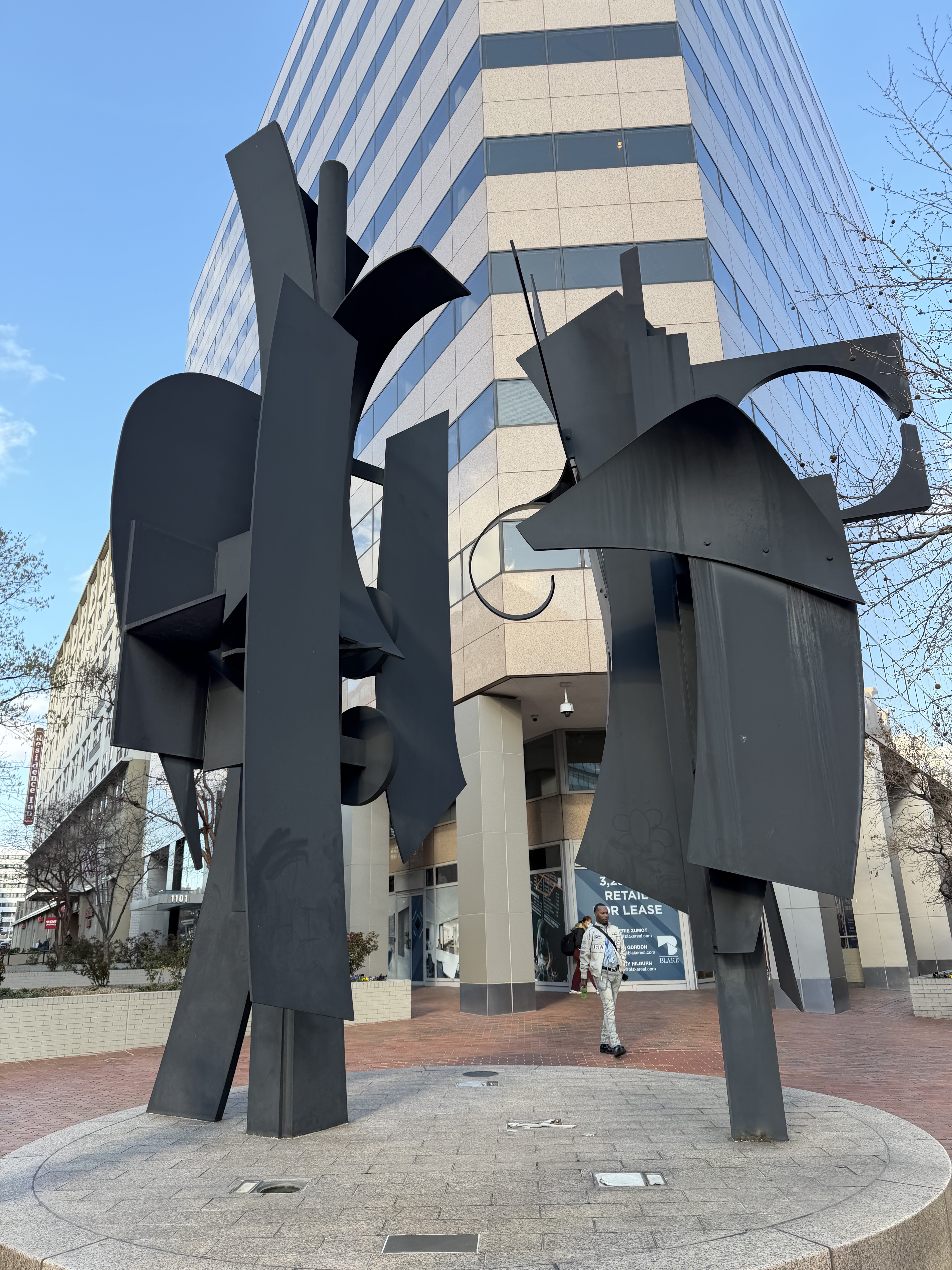
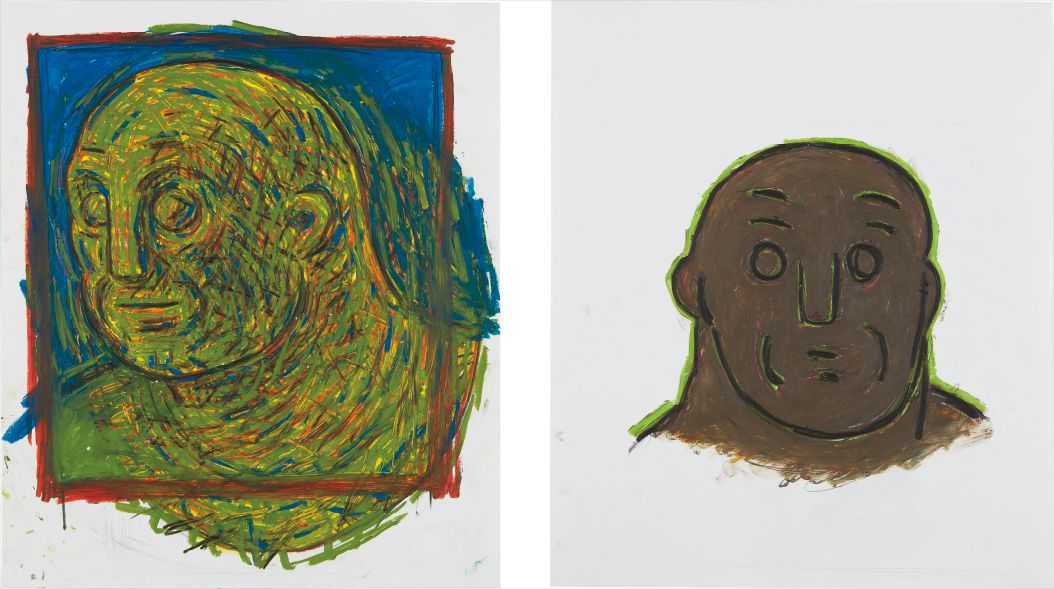
Louise Nevelson
Sky Landscape, 1983
Art That Refuses to Stay Inside
When Antony Gormley's CRITICAL MASS installation returned to public consciousness through a major survey at the Royal Academy in 2019, something shifted in how the art world talked about sculpture beyond the white cube. The show drew enormous crowds and generated the kind of sustained critical discussion that gallery shows rarely manage. It was a reminder that work conceived for open air, for civic space, for the uncontrolled encounter with a stranger on a Tuesday afternoon, carries a charge that no amount of careful lighting in a private viewing room can replicate. Public art is having a serious institutional moment, and the market is paying attention.
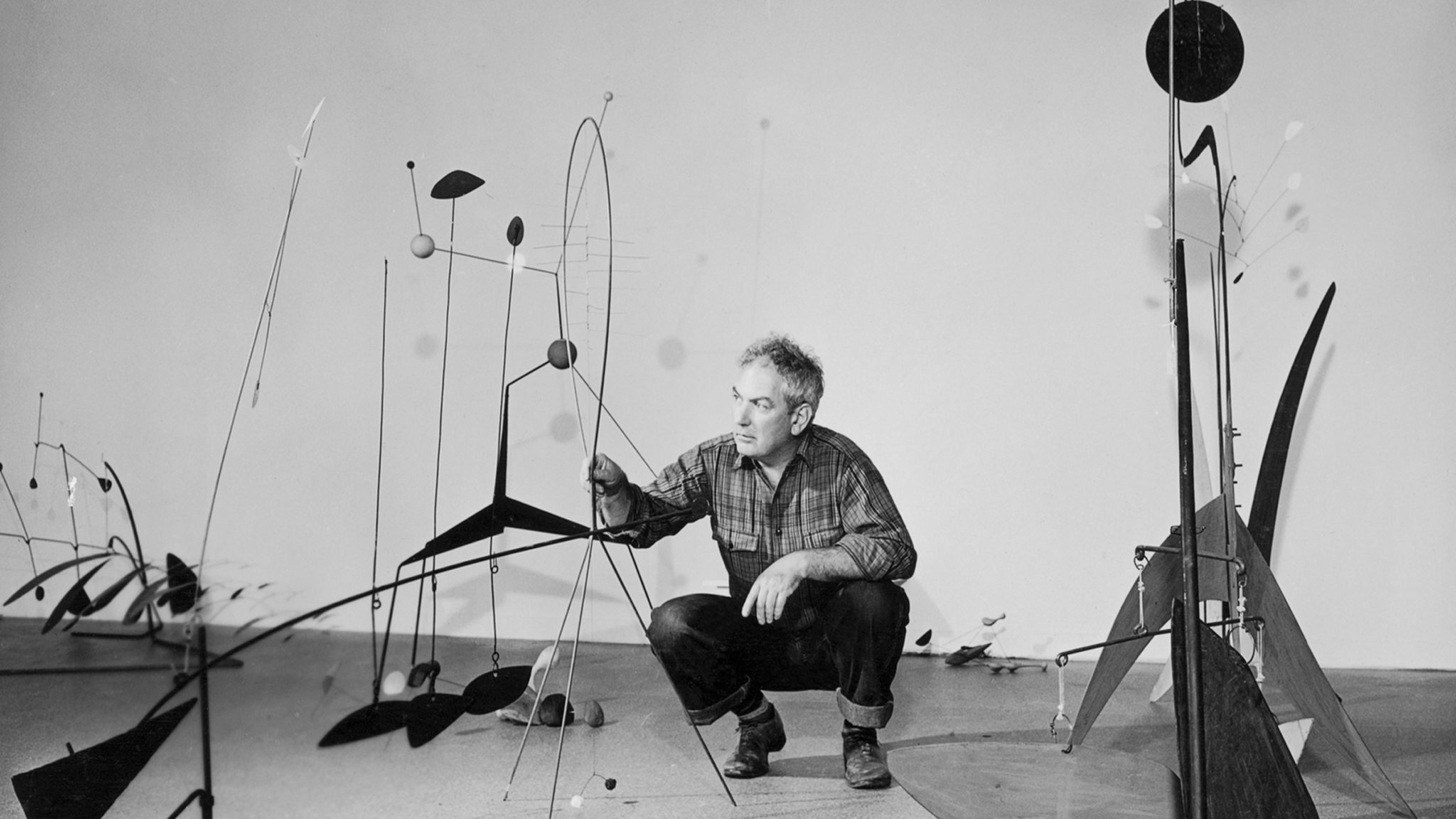
The appetite for artists who have shaped the urban landscape is reflected clearly in recent auction results. Claes Oldenburg, whose monumental sculptures transformed how we think about scale and irony in public space, has seen strong secondary market performance, with his works regularly achieving results well above estimate at Christie's and Sotheby's. Alexander Calder's mobiles and stabiles, many commissioned originally for plazas and corporate lobbies across America, continue to command extraordinary prices, with major works crossing the eight figure threshold in recent years. These results tell us something important: collectors understand that the edition works, the maquettes, the studies on paper, are entry points into a lineage of practice that has permanently changed how cities look and feel.
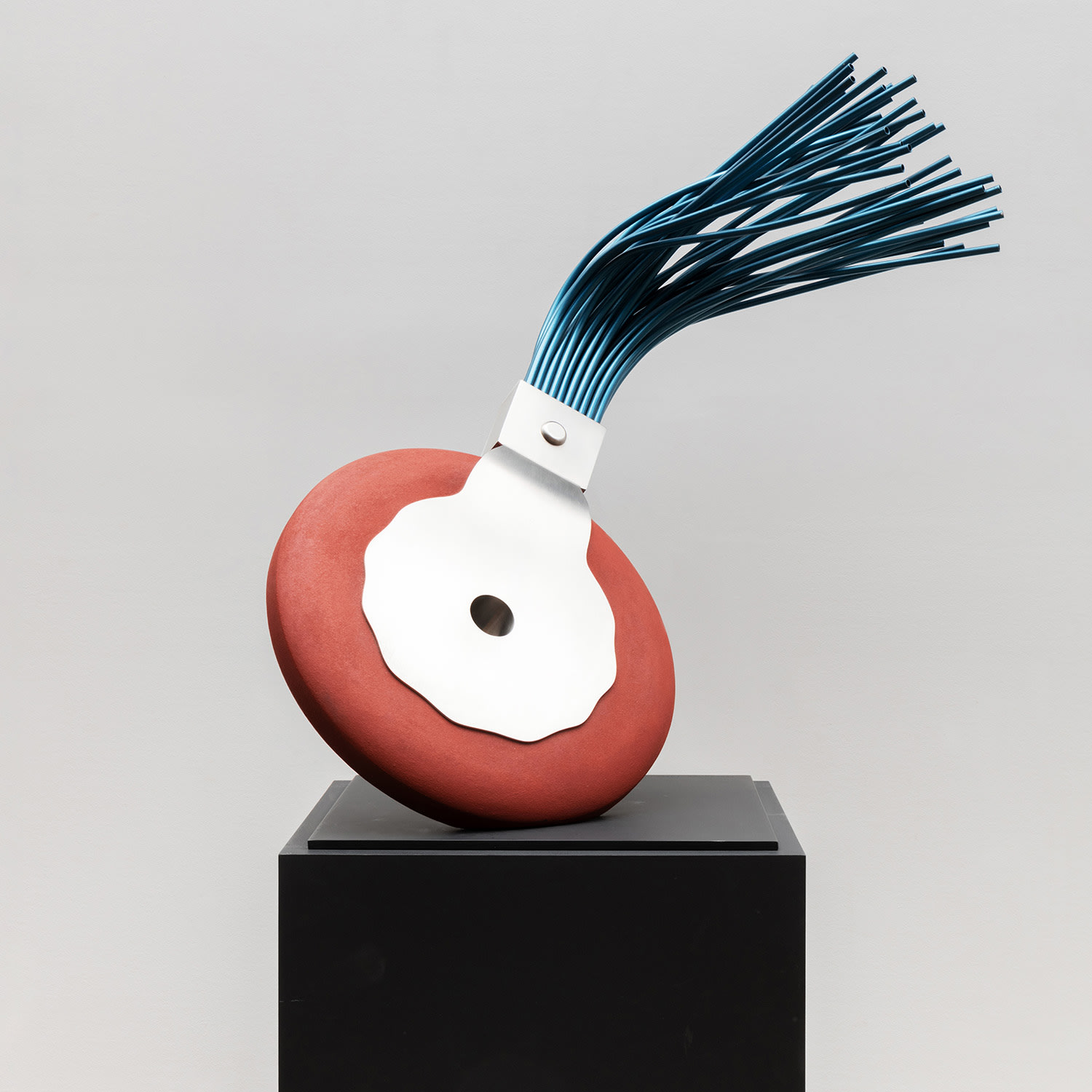
Claes Oldenburg
Typewriter Eraser, 1977
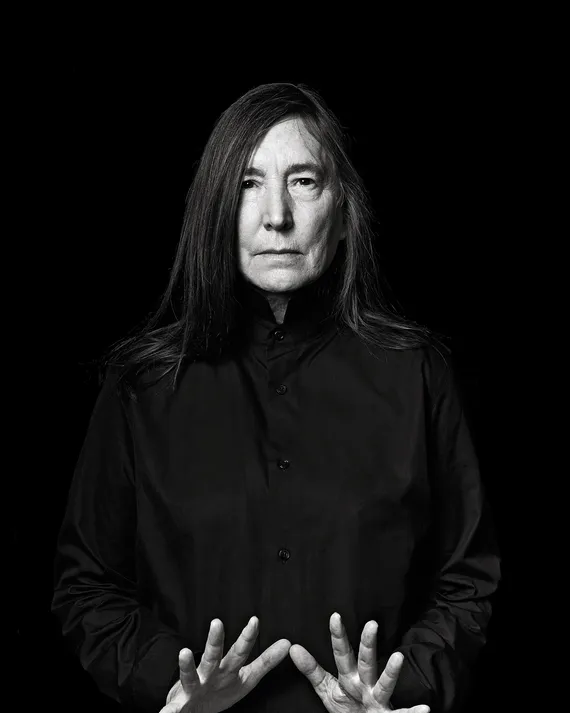
Jenny Holzer occupies a singular position in this conversation. Her text based work began appearing on the streets of New York in the late 1970s, wheat pasted and urgent, before evolving into the LED projections and granite benches that now appear in museum collections worldwide. The Guggenheim Bilbao and the Museum of Modern Art both hold significant examples of her practice, and her secondary market has grown considerably as a younger generation of collectors connects her work to contemporary conversations about language, power, and public address. She is well represented on The Collection, and her presence there reflects a broader curatorial instinct: that work which began in the street retains its intelligence and its politics regardless of where it eventually lives.
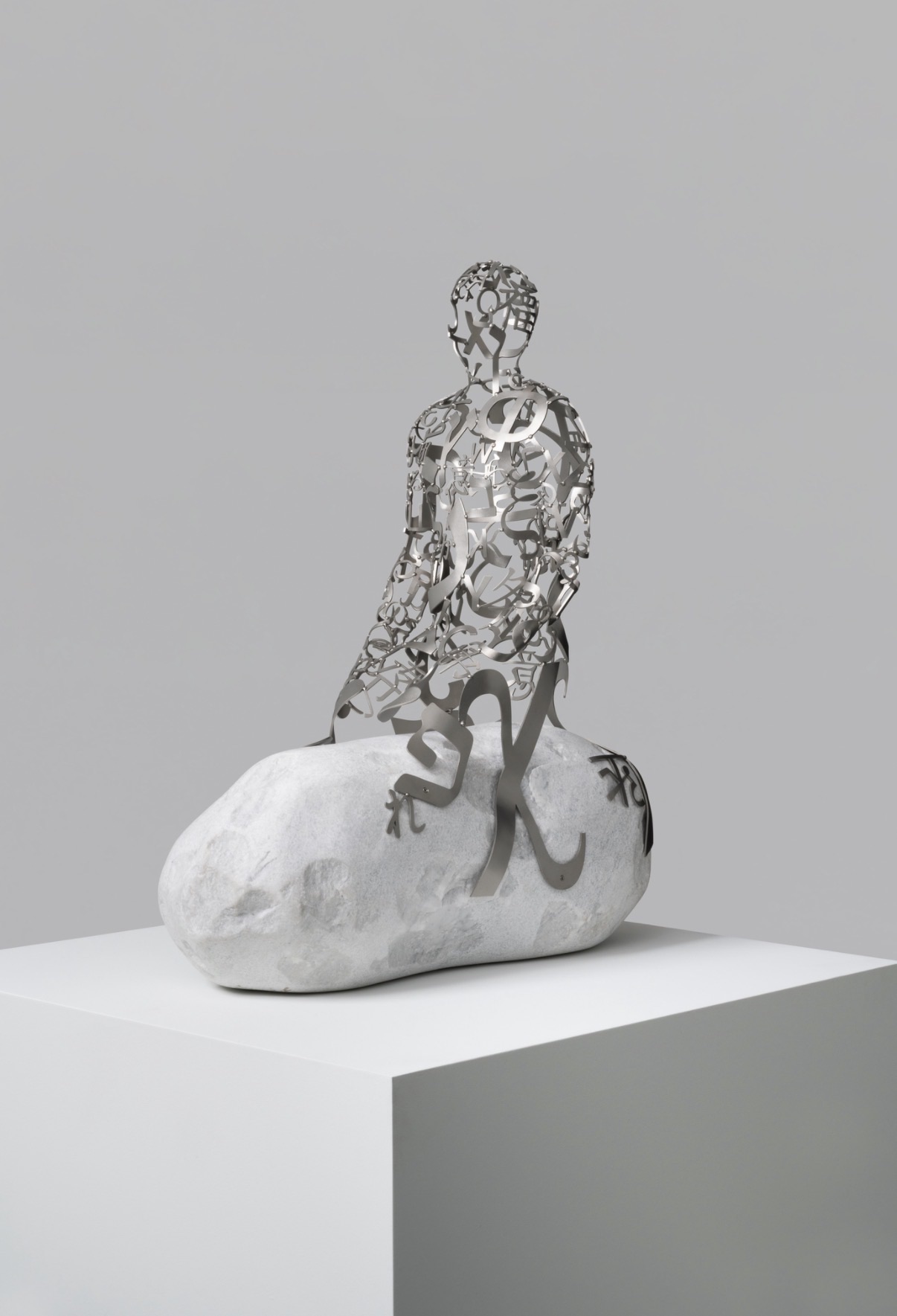
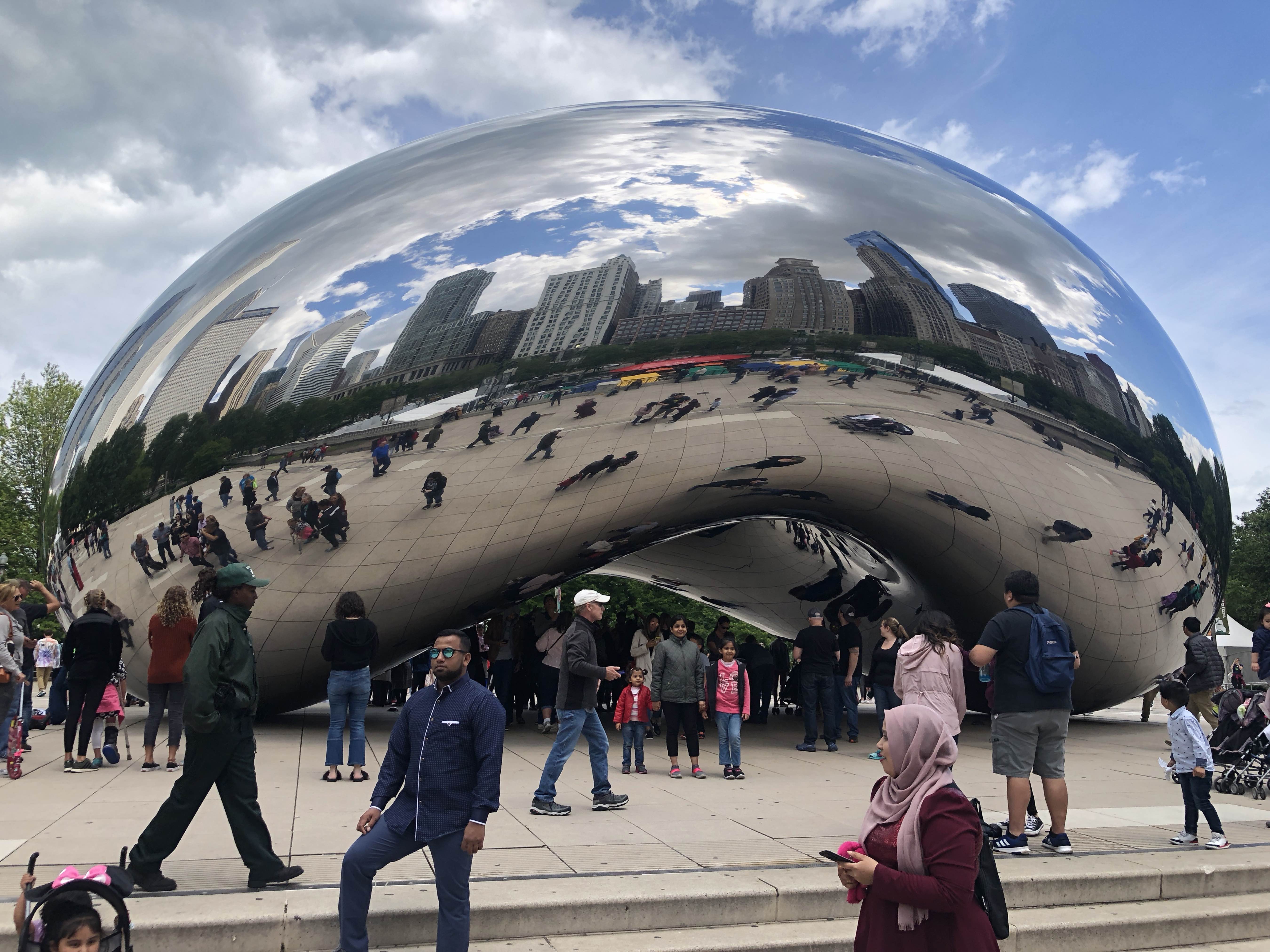
Jaume Plensa is perhaps the most compelling figure in contemporary public sculpture right now. His translucent resin heads and his landmark Crown Fountain in Chicago's Millennium Park have made him one of the most recognized sculptors working at civic scale anywhere in the world. The market for his studio works has climbed steadily, driven in part by institutional acquisitions across Europe and North America, and in part by a growing recognition that his meditations on the human face and the inner life occupy genuinely original territory. His works on The Collection represent the full range of his practice and offer collectors a rare chance to engage with an artist whose public commissions are simply not available through any private channel.
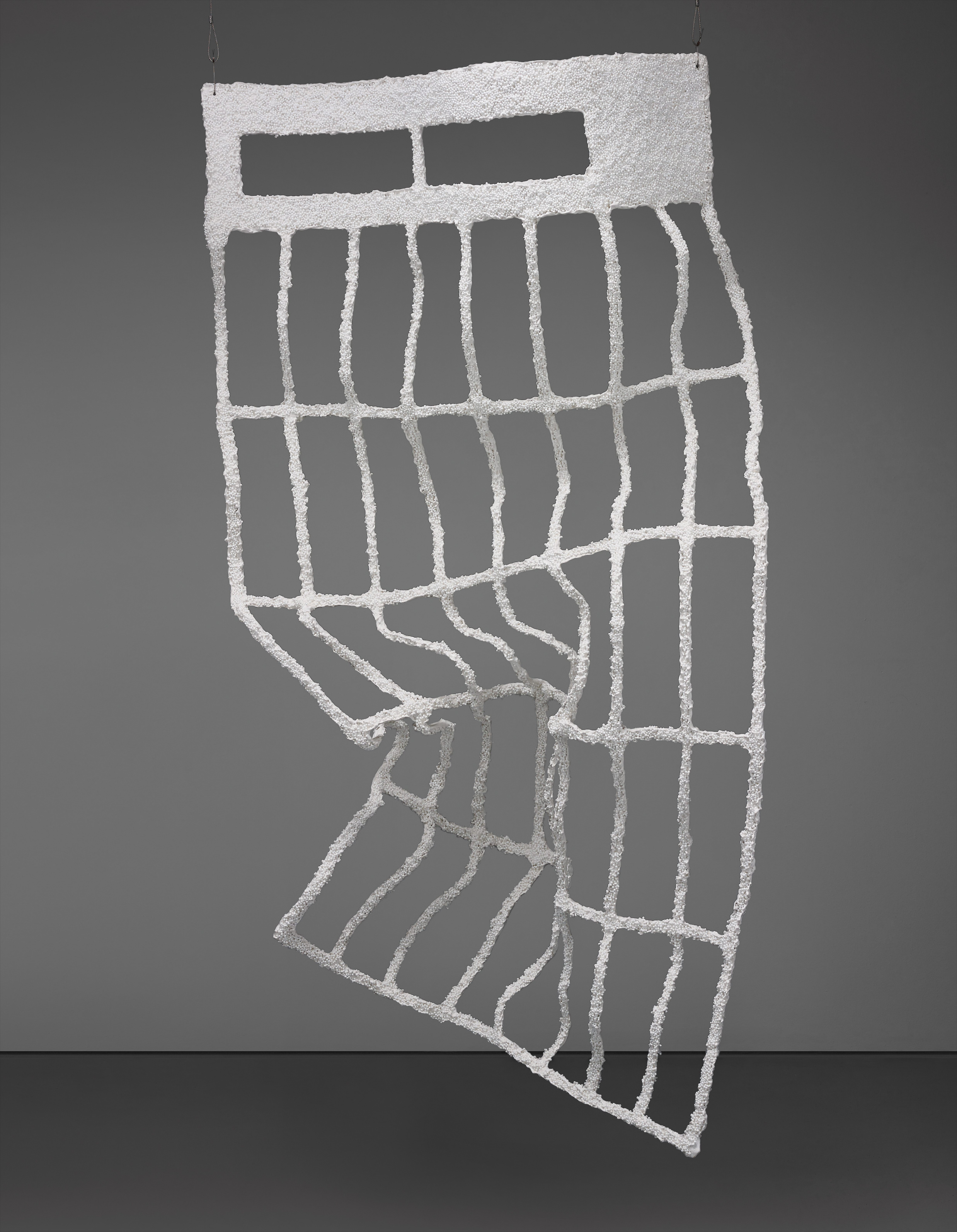
Jaume Plensa
Salt
Chris Dercon, during his tenure at the Tate Modern, made a point of expanding the museum's engagement with artists whose practices existed between architecture, performance, and public installation. That institutional impulse has only grown stronger. The High Line in New York has become one of the most watched commissioning bodies in the world, and its choices, including major installations by Ugo Rondinone and others, have directly influenced secondary market interest in those artists. When a museum or a major public body stakes its reputation on a living artist, collectors notice.
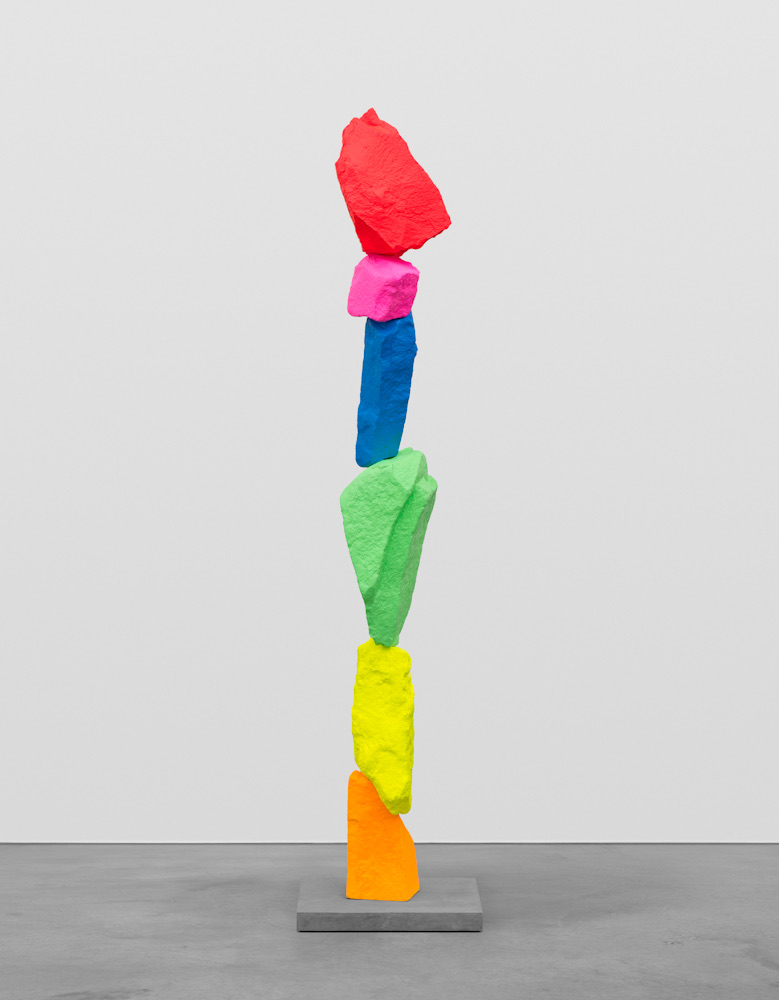
Rondinone's RAINBOW works and his large scale stone figures have benefited from exactly this kind of institutional confidence, and his market reflects it. The critical conversation around public art has matured considerably. Writing in Artforum and Frieze, curators like Nato Thompson, whose 2012 book Living as Form remains essential reading, have pushed back against the idea that public art is somehow a lesser category, a populist compromise. Thompson and others have argued persuasively that the conditions of public art, the uncontrolled audience, the weather, the politics of a specific site, are not obstacles to artistic seriousness but the very source of it.
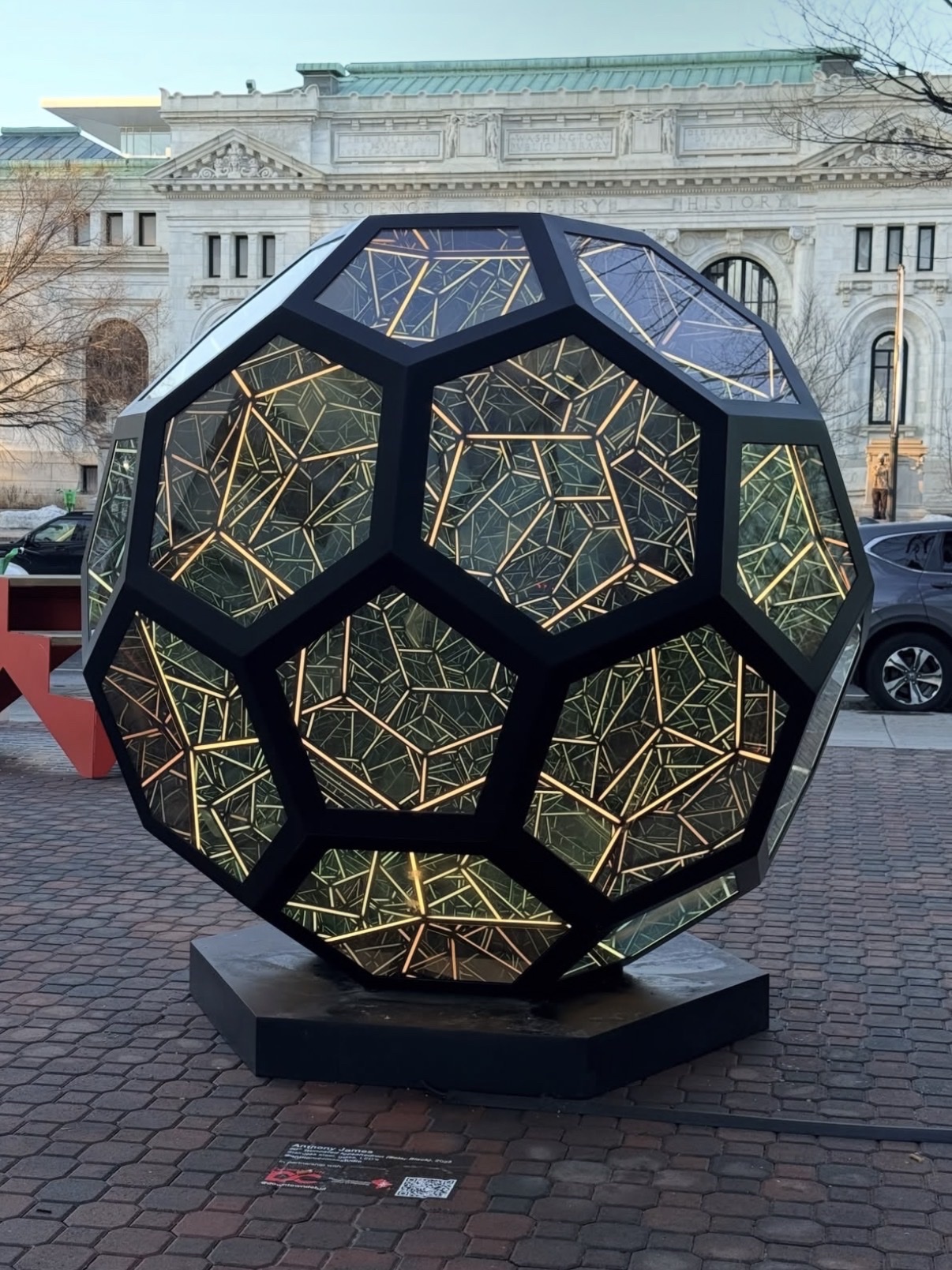
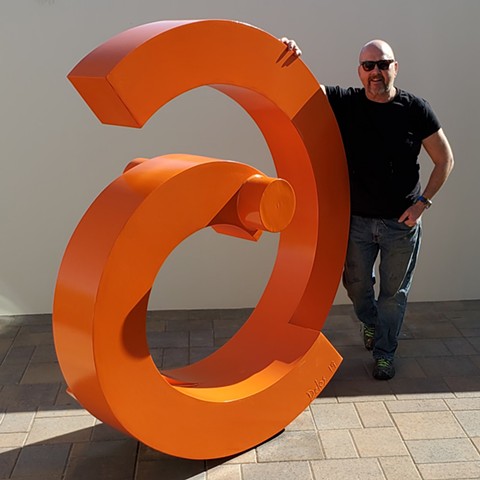
Anthony James
70" Dodecahedron, 2025
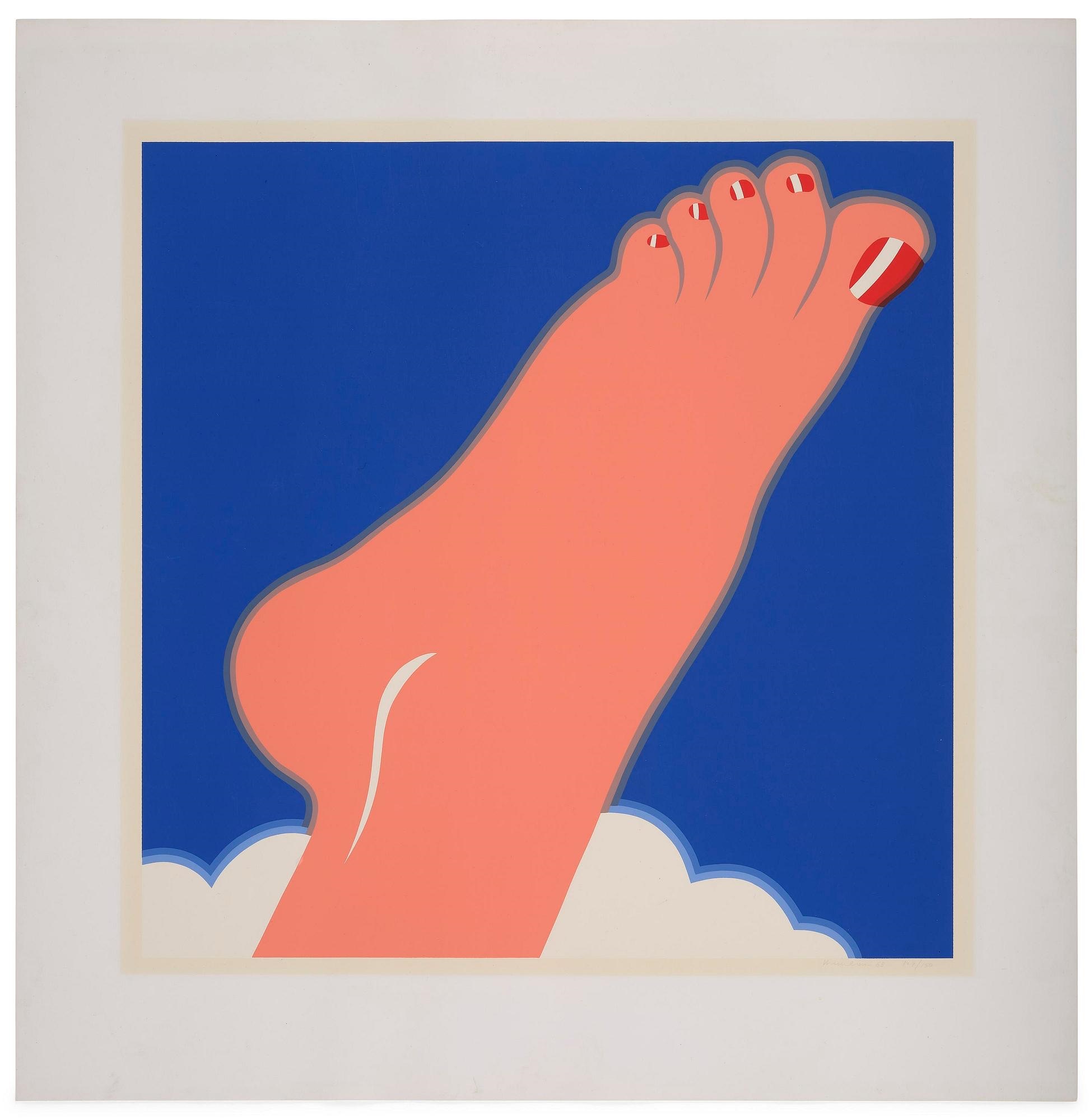
Tom Otterness, whose bronze figures populate plazas and subway stations across New York, and Keith Haring, whose work moved fluently between the street, the gallery, and the activist poster, are both understood differently through this critical lens. Their works on The Collection carry histories that stretch far beyond the studio. There is also a fascinating younger energy entering the space. Invader, the Paris based artist who has been tiling his pixelated mosaics onto building facades in cities across the world since the late 1990s, has become a genuine market phenomenon.
Works on paper and canvas by Invader now achieve strong results at auction, but what drives the interest is the accumulated weight of the street practice, the maps, the documentation, the game of finding and photographing the tiles. His presence on The Collection sits alongside artists like Joan Miró and Yayoi Kusama, which is precisely the kind of unexpected juxtaposition that reveals how fluidly the boundaries between street practice and art historical canon have dissolved. What feels settled is the idea that public art is a distinct and serious field worthy of sustained collector attention. What feels very much alive is the question of which artists from this generation will have the institutional staying power that Calder and Oldenburg now clearly possess.
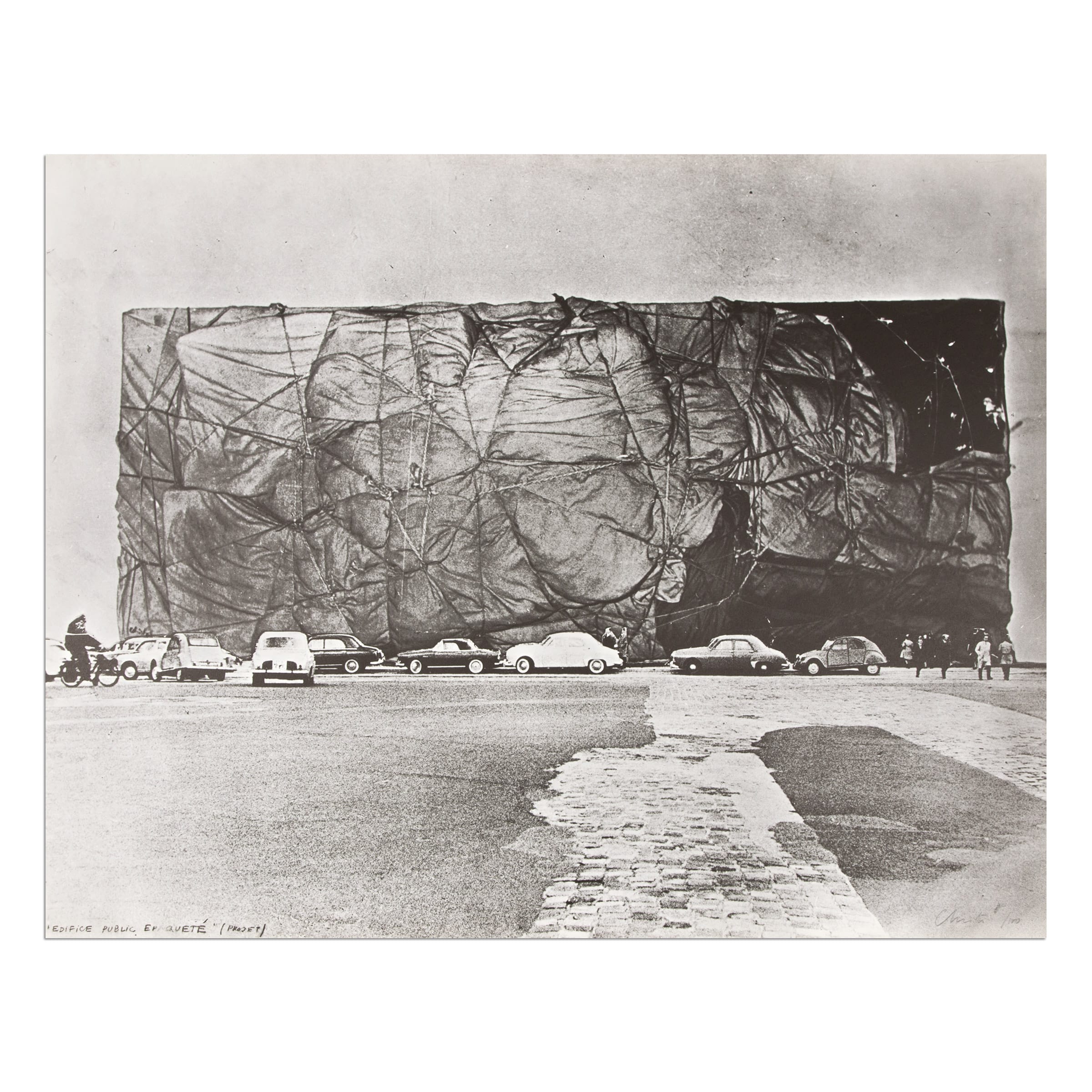
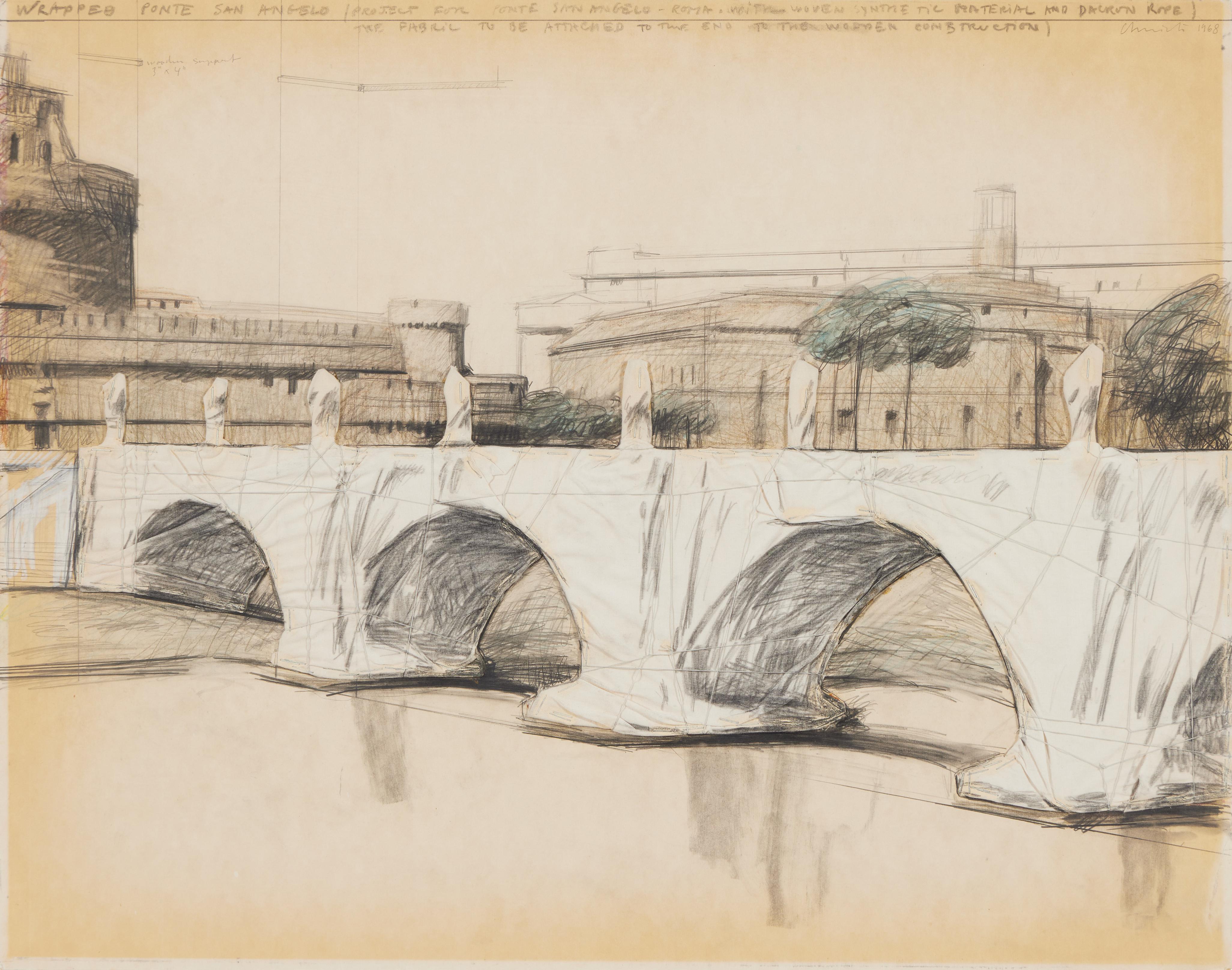
Christo
Edifice Public Epaqueté, Project (Monuments), 1968
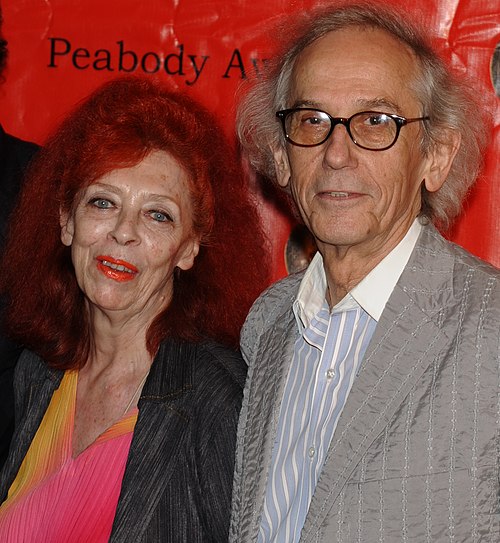
Christo and Jeanne Claude, whose wrapped Reichstag and Central Park Gates remain among the most written about art events of the last half century, established a model of public art as pure temporary gesture, documented and then gone. Beverly Pepper, whose site specific earthworks were embedded so deeply in their locations that they almost resist the collector market entirely, raises different questions about what it means to own work at all. These are the tensions that make this area so alive for anyone paying close attention right now.