Modernist
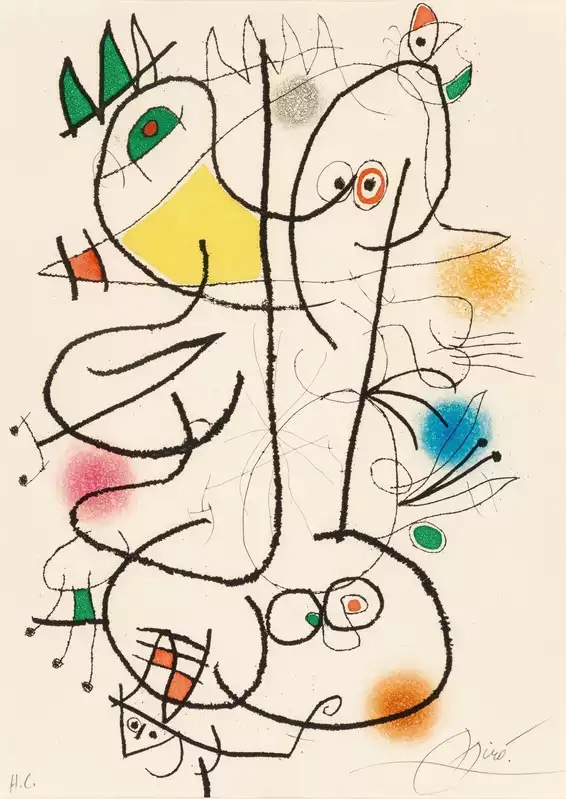
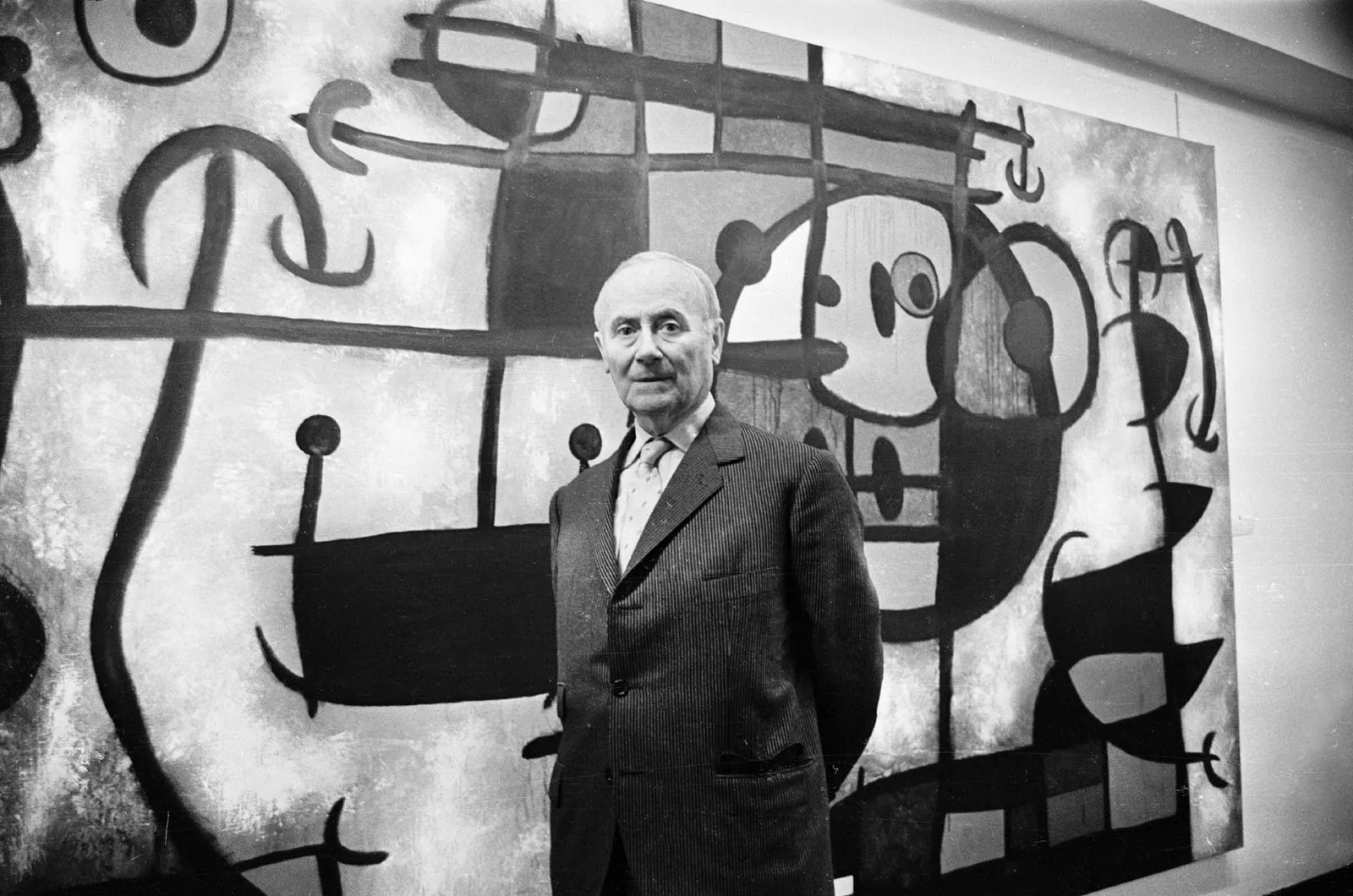
Joan Miró
Le Miroir de L'Homme par les Bêtes, 1972

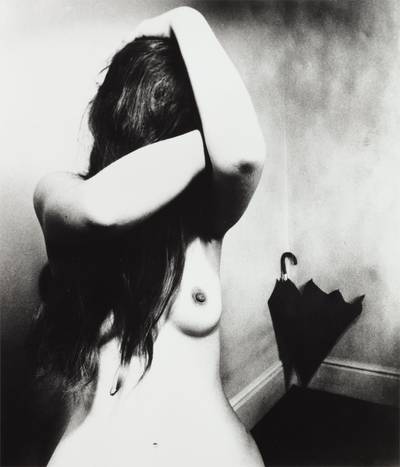

Modernism's Market Moment Is Far From Over
When a late Picasso painting sold at Christie's New York in 2023 for well above its estimate, the art world offered its familiar shrug of unsurprise. Picasso sells. He always sells. But what made that particular evening interesting was what surrounded it: works by Alexander Calder, Henri Matisse, and Joan Miró drawing sustained paddle competition from a new generation of buyers who had grown up treating Modernism not as history but as a living inheritance.
Something has shifted in how the market understands this period, and the shift feels less like a correction and more like a reckoning with how undervalued parts of it have quietly been. The past several years have seen a remarkable reanimation of institutional interest in classical Modernism, not as a closed chapter but as a set of ongoing questions. The Museum of Modern Art's ongoing rehang of its permanent collection, first undertaken seriously in 2019 with its expanded building, deliberately positioned canonical Modernists in dialogue with artists who had been historically excluded from that narrative. Seeing Picasso and Sonia Delaunay in proximity to each other forced a useful discomfort: why had Delaunay's contribution to abstraction and color theory been so long treated as peripheral when her influence on the visual language of the twentieth century was so clearly foundational?
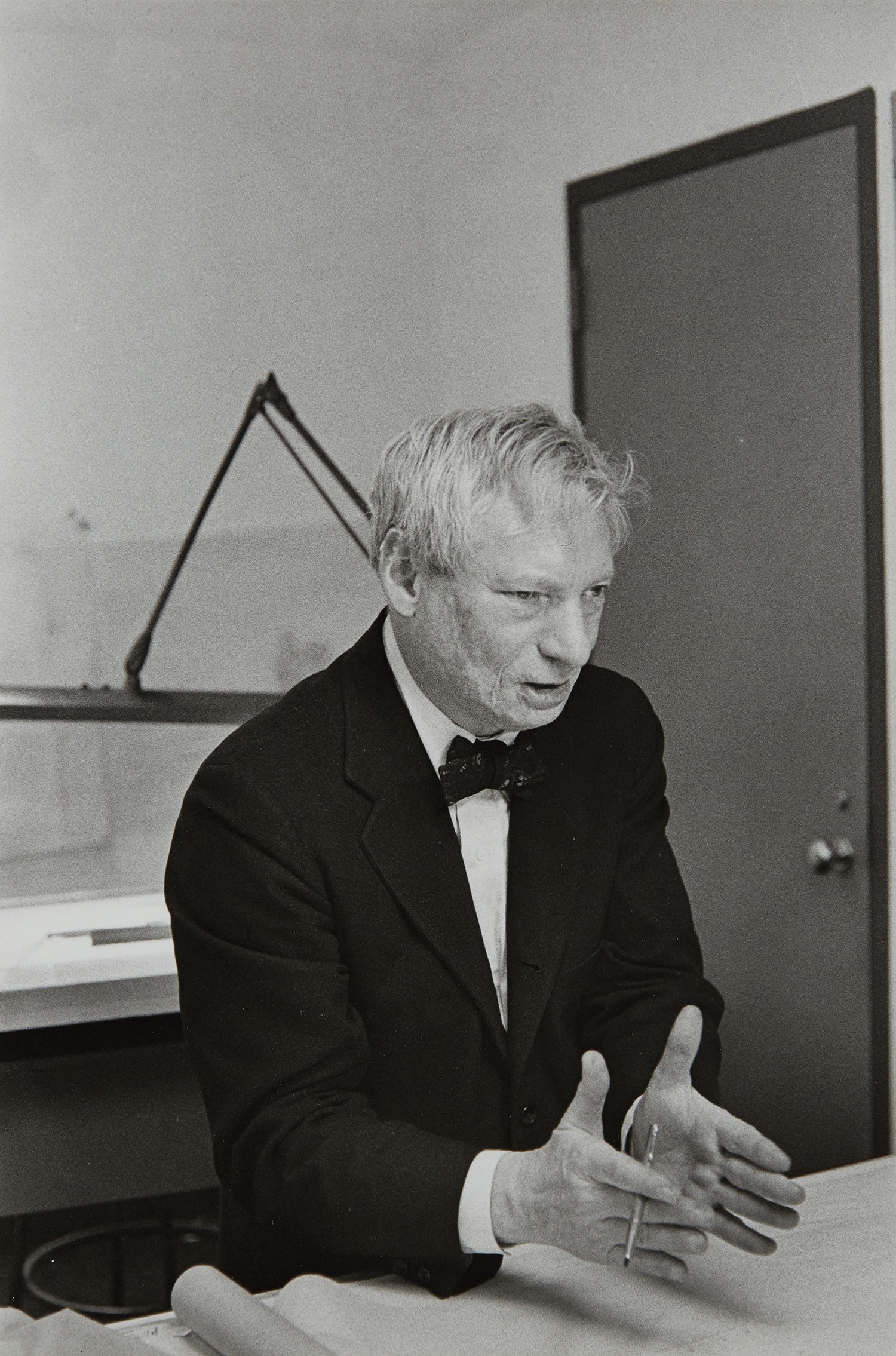
Henri Cartier-Bresson
Louis Kahn
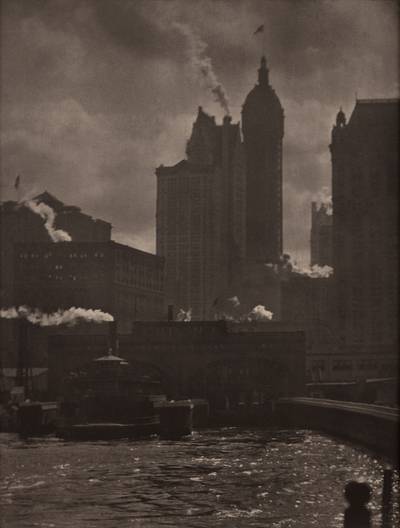
Institutions are finally asking that question out loud. The photography side of Modernism has found particular urgency in the exhibition space. The Art Institute of Chicago's sustained commitment to presenting photographers like Alfred Stieglitz, Edward Weston, and André Kertész not as documentarians but as artists working through the same formal problems as their painting contemporaries has genuinely changed critical vocabulary around this work. A Kertész image from the late 1920s is not merely a photograph of Paris; it is a study in geometry, light, and the reorganization of visual space.
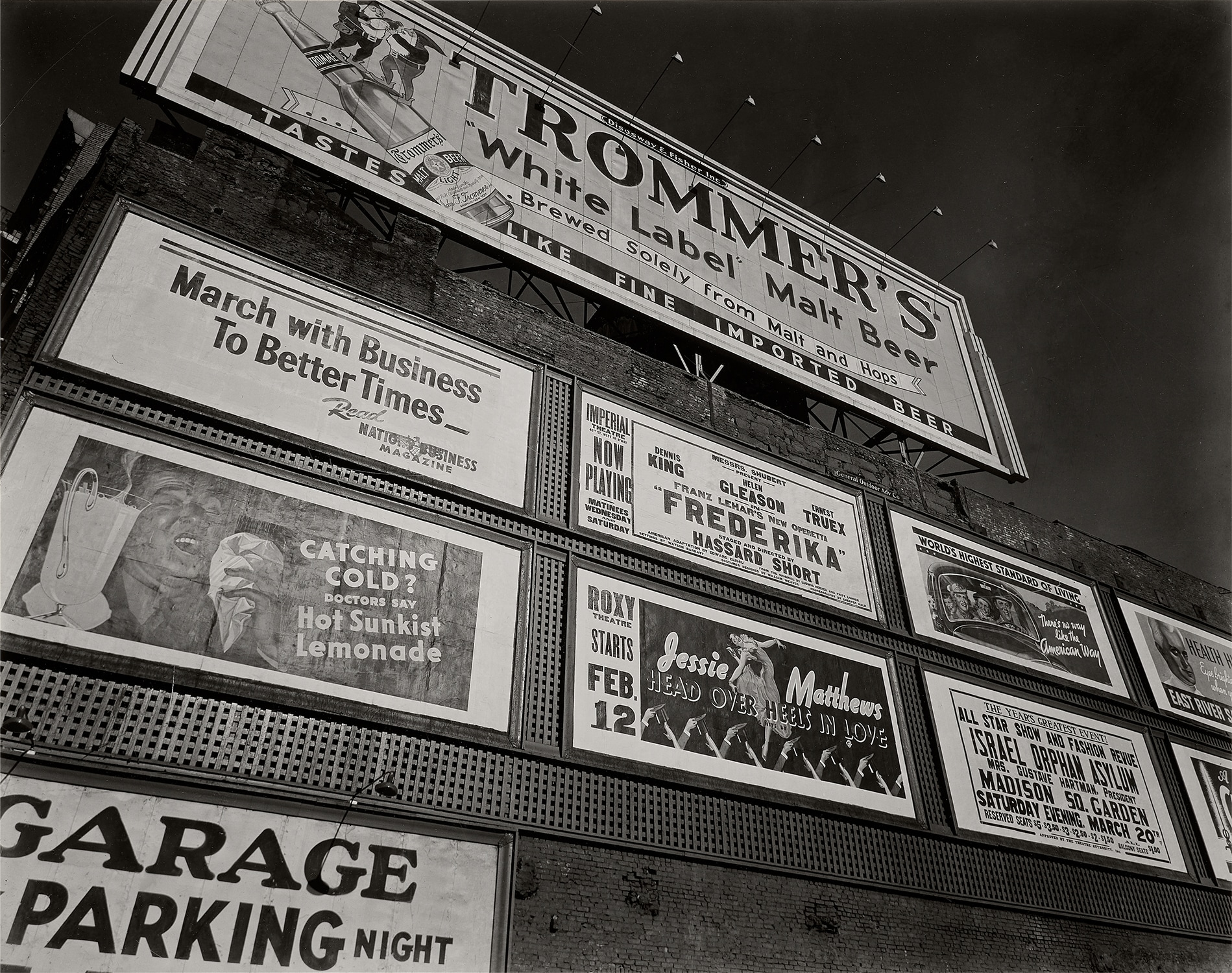
The same argument can be made for Berenice Abbott's Changing New York series or the architectural precision Harry Callahan brought to his street work in Chicago. These are Modernist objects, full stop. At auction, the stratification within Modernism tells its own story. Picasso's market remains in a category of its own, with blue chip works routinely appearing among the top lots of any major evening sale.
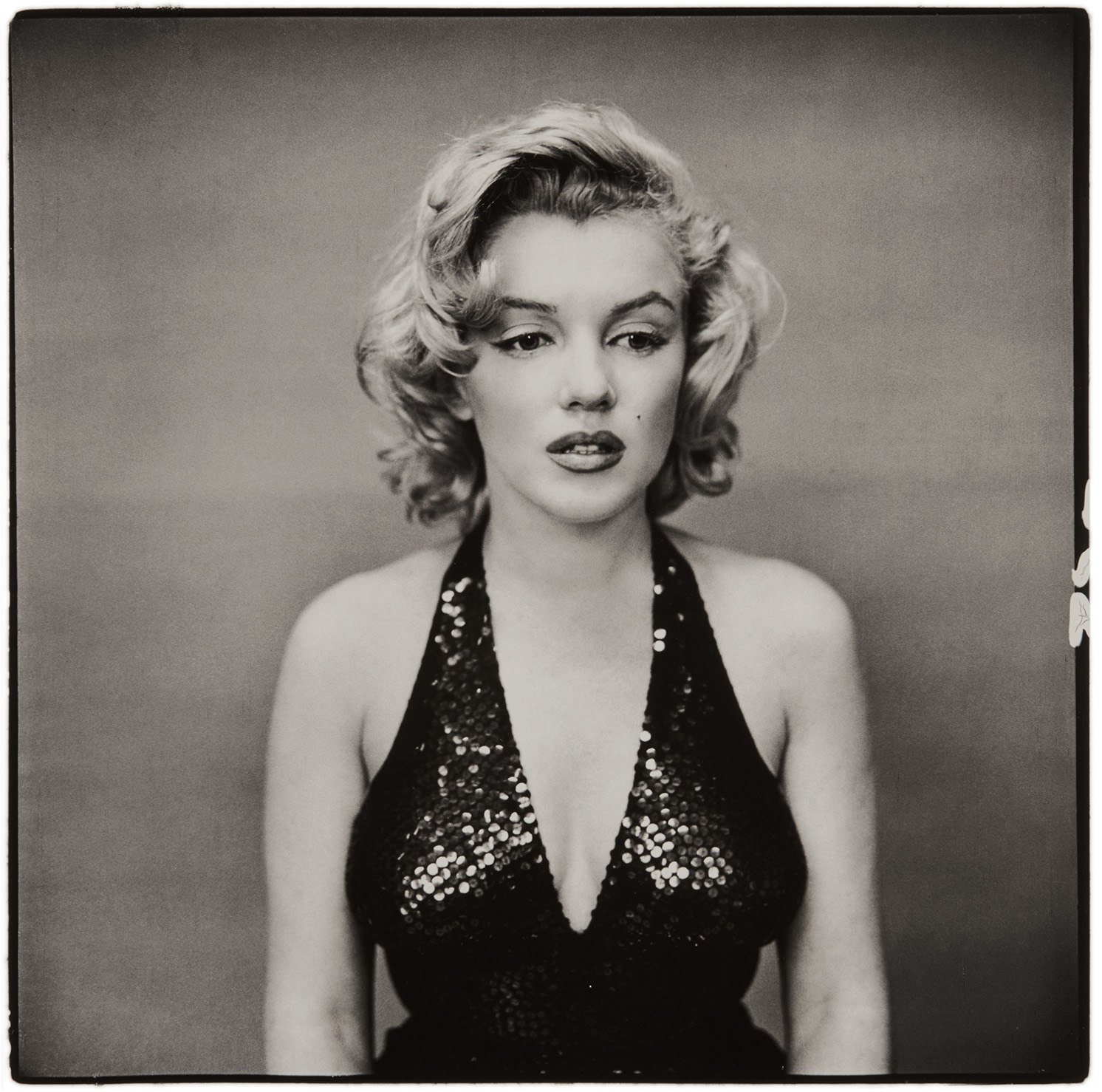
Richard Avedon
Marilyn Monroe, New York City, May 6
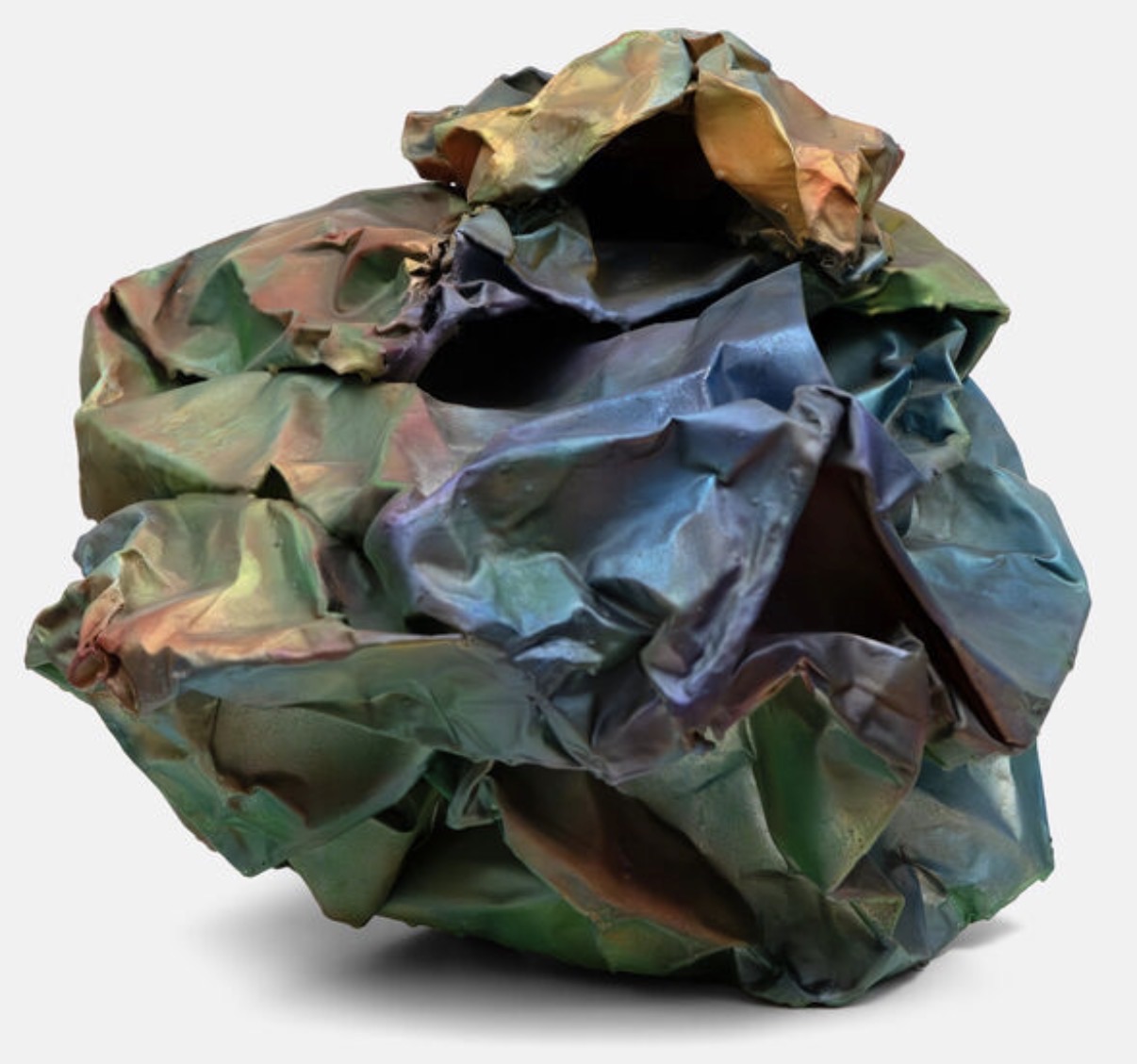
Henry Moore's large bronzes continue to perform strongly, particularly in London where his work carries a patrimonial weight. What is more interesting to watch is the steady appreciation in markets that were long considered secondary. John Chamberlain, whose crushed automobile sculptures were for decades treated as clever rather than great, has seen serious reappraisal, with significant works now appearing at major houses with pre sale estimates that would have seemed ambitious a decade ago. Robert Motherwell's large Elegy paintings, when they surface, attract serious attention.
The collectors who understood the depth of Abstract Expressionism's reach into Modernism proper are looking very well positioned right now. Design sits at an unexpectedly productive intersection with this conversation. The market for Jean Prouvé has become almost aggressively competitive, with collectors who came to him through architecture discovering that his furniture and structural objects hold their own conceptually alongside the paintings and sculptures of his contemporaries. Charlotte Perriand's place in this hierarchy has been similarly reconsidered, driven partly by major retrospectives at the Fondation Louis Vuitton and sustained scholarship that refused to treat her as a footnote to Le Corbusier's career.
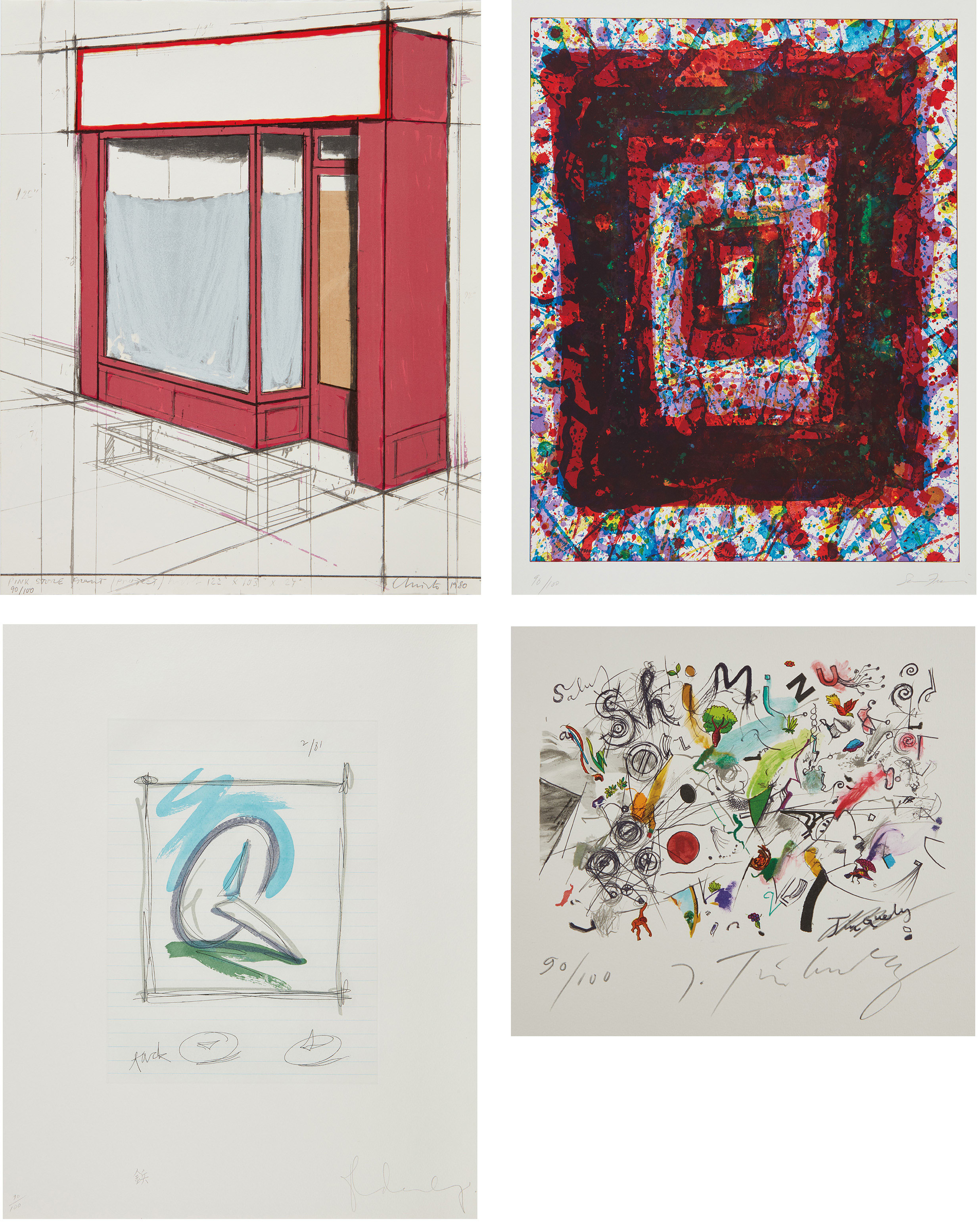
Various Artists
Marginalia: Hommage to Shimizu: four plates
Gio Ponti has emerged from the wings of mid century Italian design into something closer to star billing. The collector appetite for Modernism, it turns out, was never just about paintings on walls. The critical conversation shaping all of this is being led from several directions at once. T.
J. Clark's writing on Picasso, however contentious, forced a serious re engagement with what exactly the painter was doing in his late work. Rosalind Krauss's earlier theoretical frameworks around the grid and the optical unconscious remain touchstones for understanding figures like Aaron Siskind, whose abstract photographs feel newly urgent in a moment when abstraction itself is being collected with renewed appetite. Publication of long overdue monographs on figures like Ruth Bernhard and Lillian Bassman has made the case that fashion and commercial photography, when made by artists of genuine vision, belongs in the same conversation as work made under the banner of fine art.
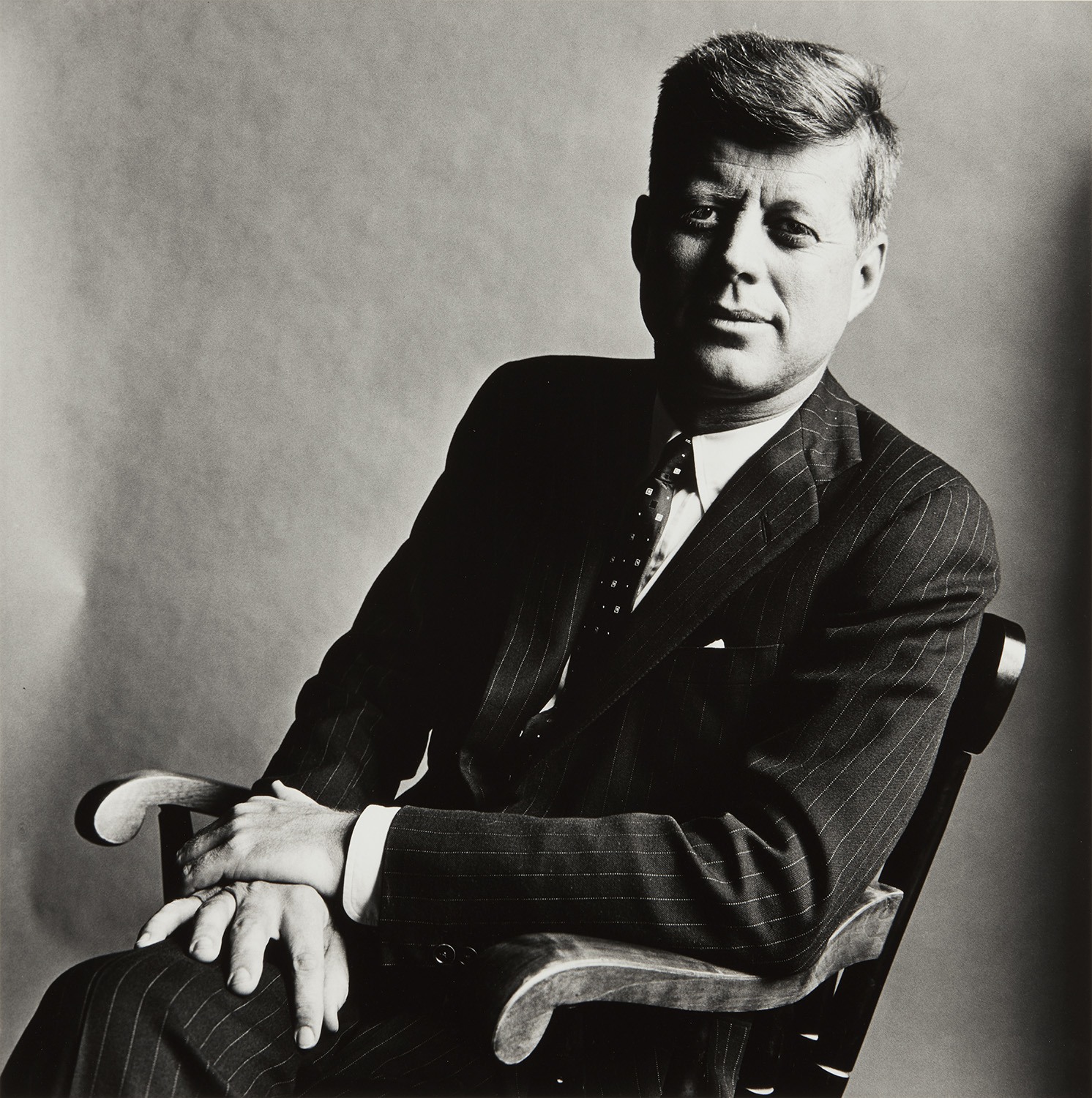
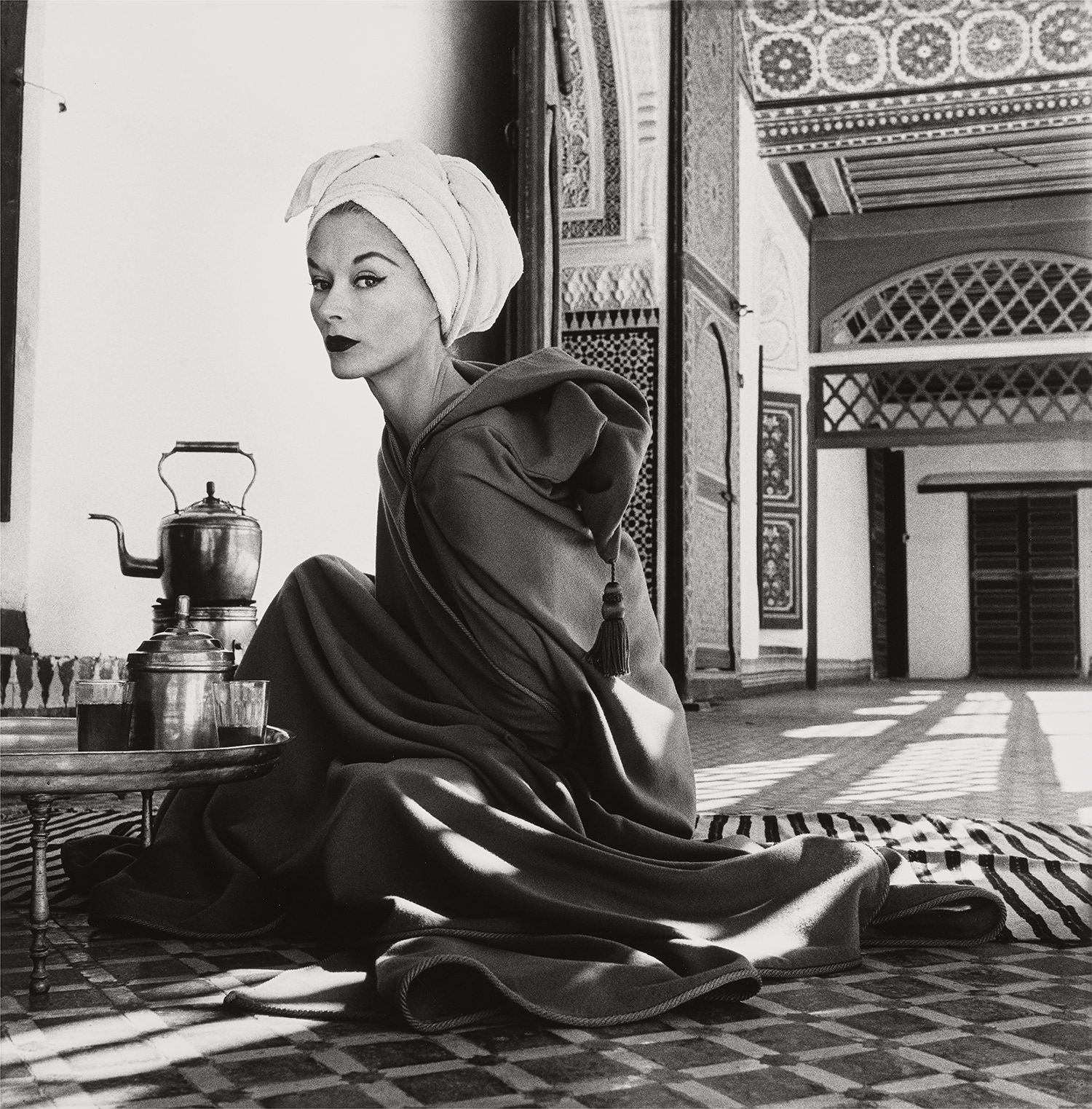
Irving Penn
John F. Kennedy, Washington, D.C., 1960
Frieze and Artforum have both run substantive features on this collapse of hierarchy, and the argument seems to be sticking. What feels alive right now in the Modernism market is the area around mid century photography, specifically the work of photographers who bridged documentary instinct and formal experimentation. Bill Brandt's dark room manipulations, Irving Penn's still life and portrait work, Richard Avedon's late portraits of anonymous Americans: these bodies of work have not yet reached prices commensurate with their art historical importance, and sophisticated collectors are paying attention to that gap. Helmut Newton remains contested, which is itself a sign of market energy.
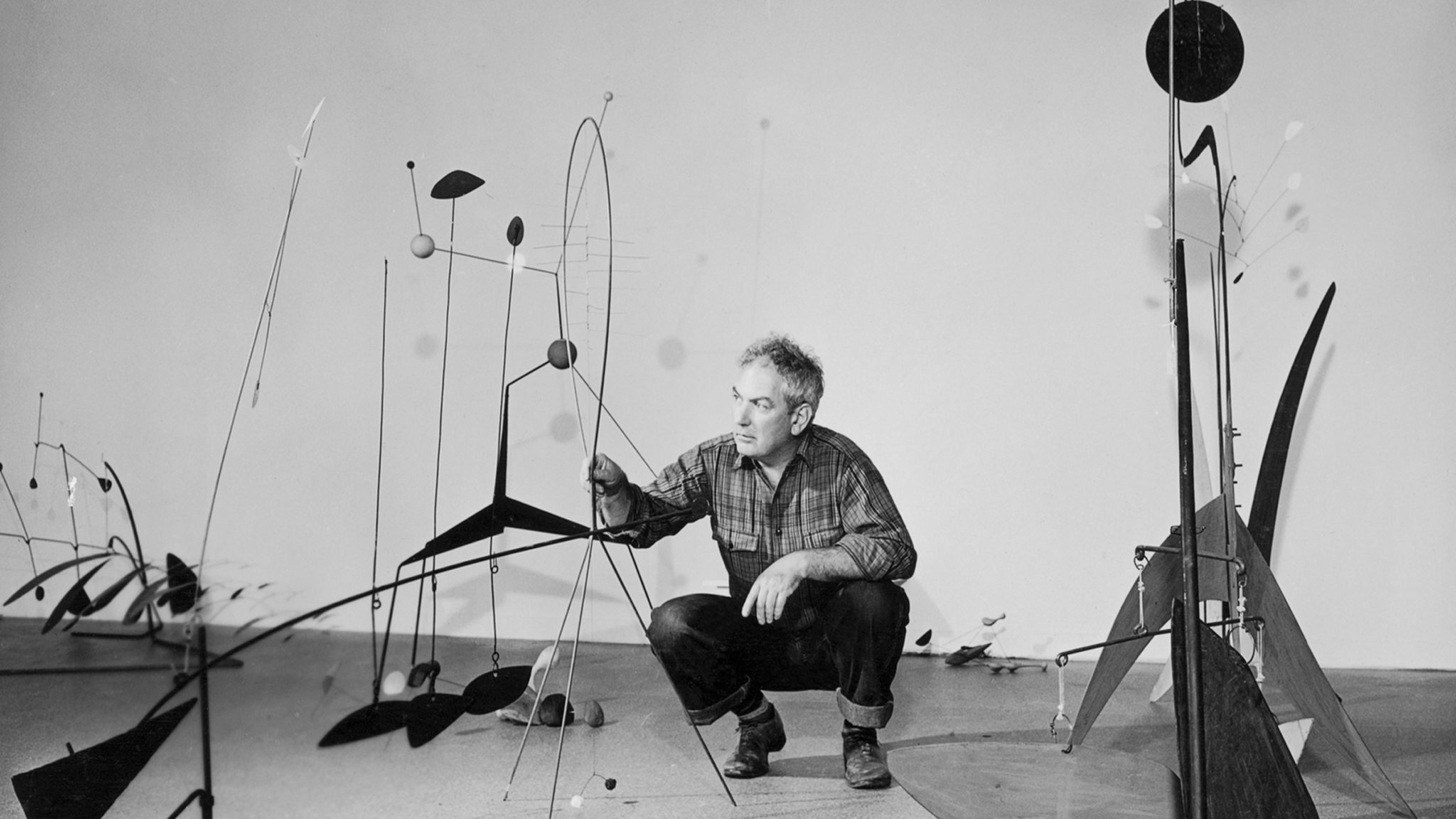
Contested artists generate conversation, and conversation generates competition. What feels settled, pleasantly so, is the consensus around Calder's mobiles and stabiles as among the most significant sculptural contributions of the twentieth century. The waiting lists for estate works through the Calder Foundation speak for themselves. What surprises are coming is harder to say, but the sustained collector interest in Sonia Delaunay, Ben Nicholson, and Marc Chagall as serious market presences rather than supporting cast suggests that the canon is being redrawn not by critics alone but by buyers.
That is a different kind of authority, and it tends to hold. For collectors building a position in Modernism now, the works available through The Collection represent something genuinely rare: depth across media, periods, and national traditions, from the European avant garde to American abstraction to the great photographers of the twentieth century. The argument for Modernism has never really needed making. What has changed is that the market is finally making it with the full range of the period in view, not just its most familiar monuments.
That broader vision is where the most interesting collecting is happening, and it shows no sign of narrowing.