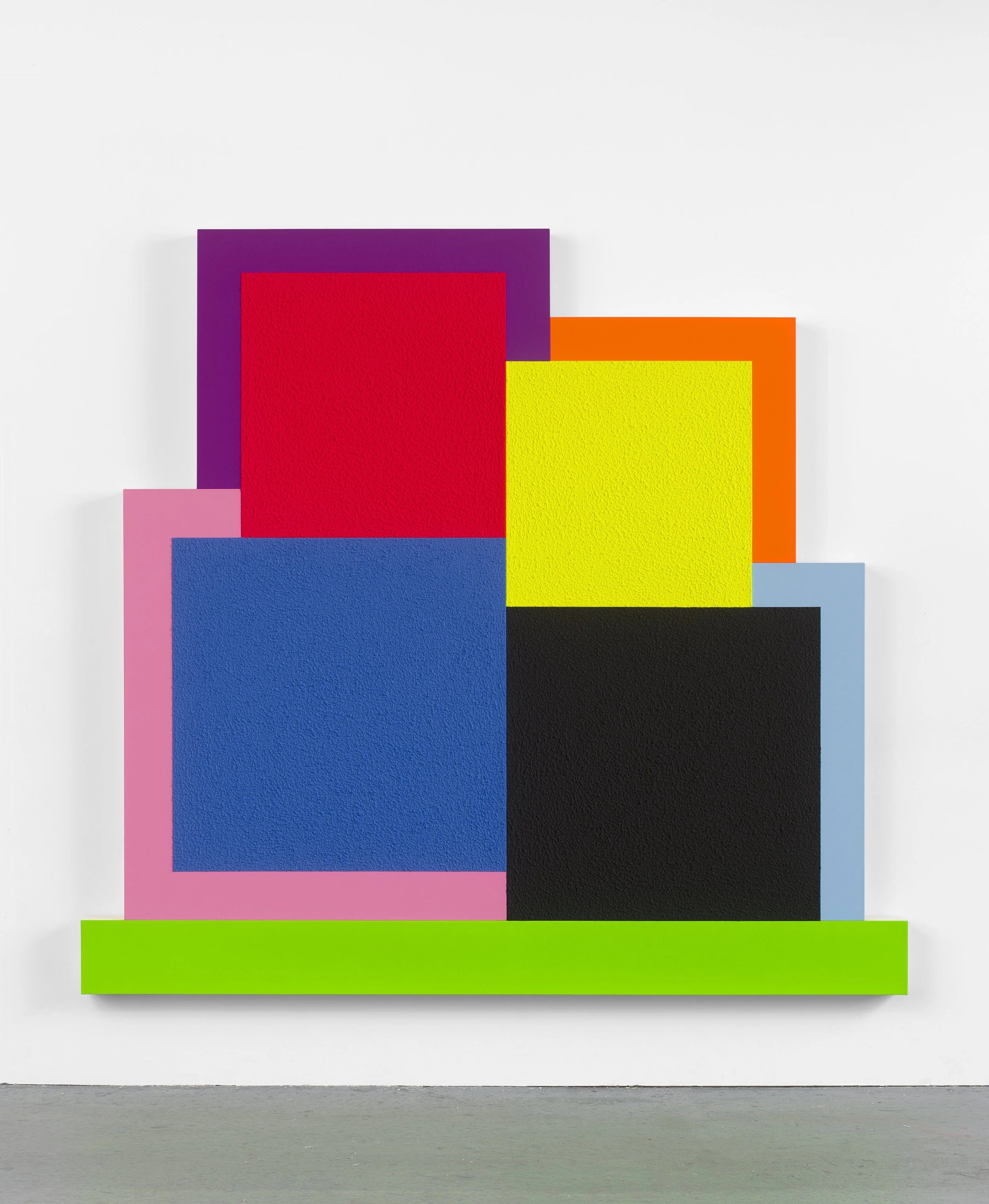
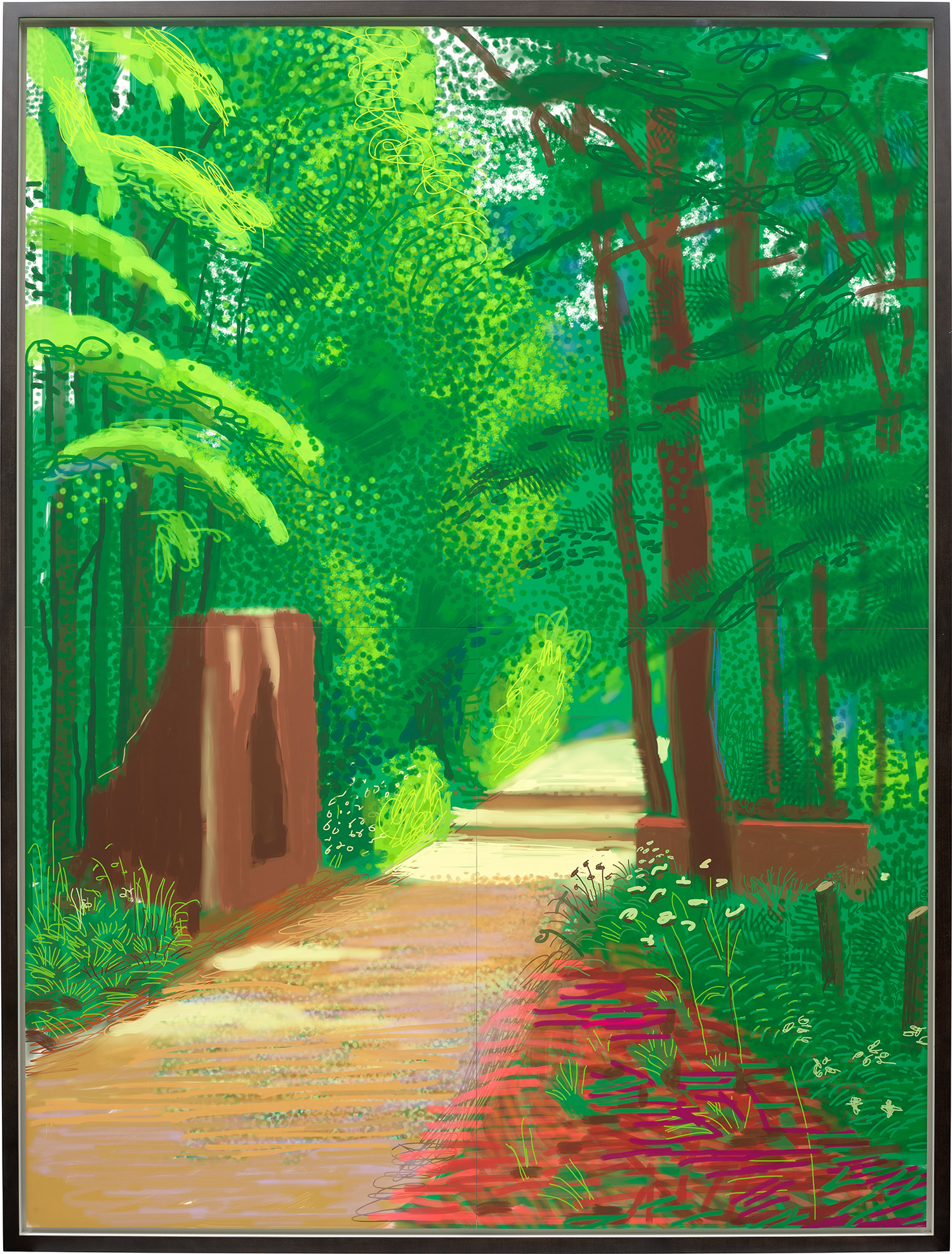
Minimalism
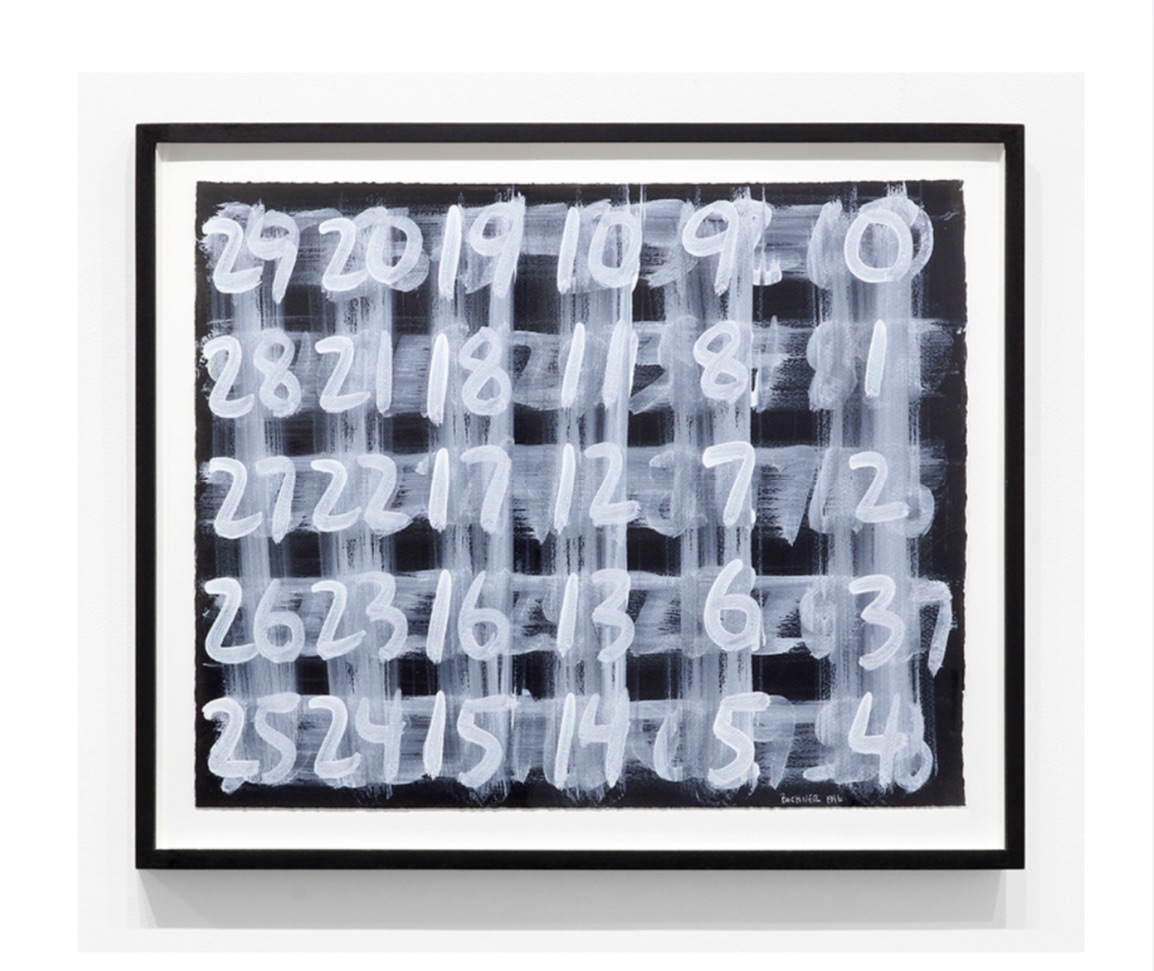
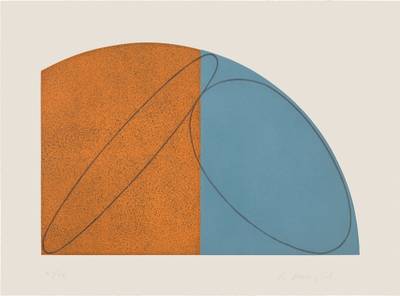
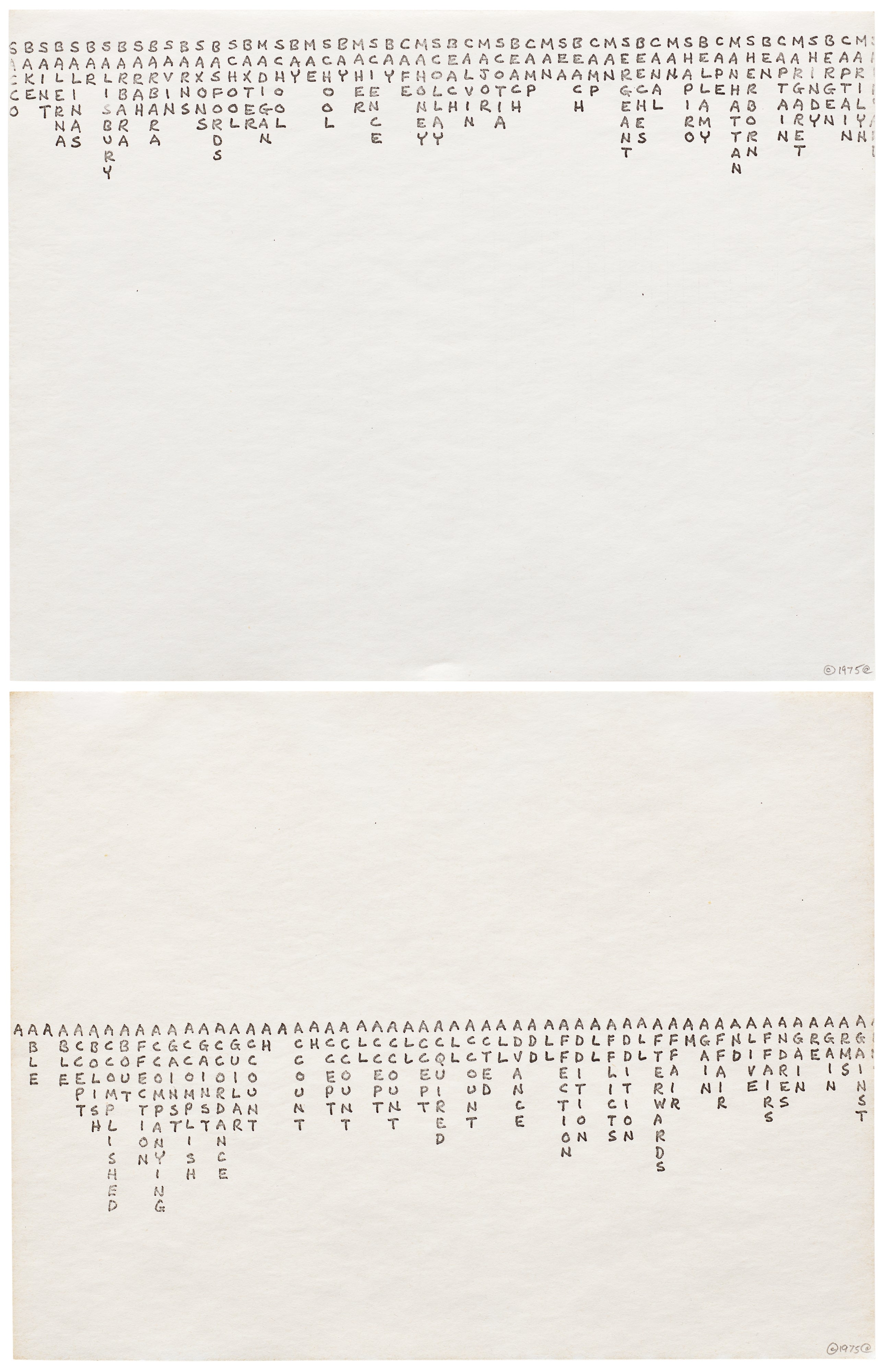
Mel Bochner
Untitled, 1996








Less Is More, Until It Sells For Millions
There is a particular kind of collector who walks into a room and feels their shoulders drop. The walls hold almost nothing. What is there demands everything. This is what living with Minimalism does to a person, and it is precisely why serious collectors keep returning to it.
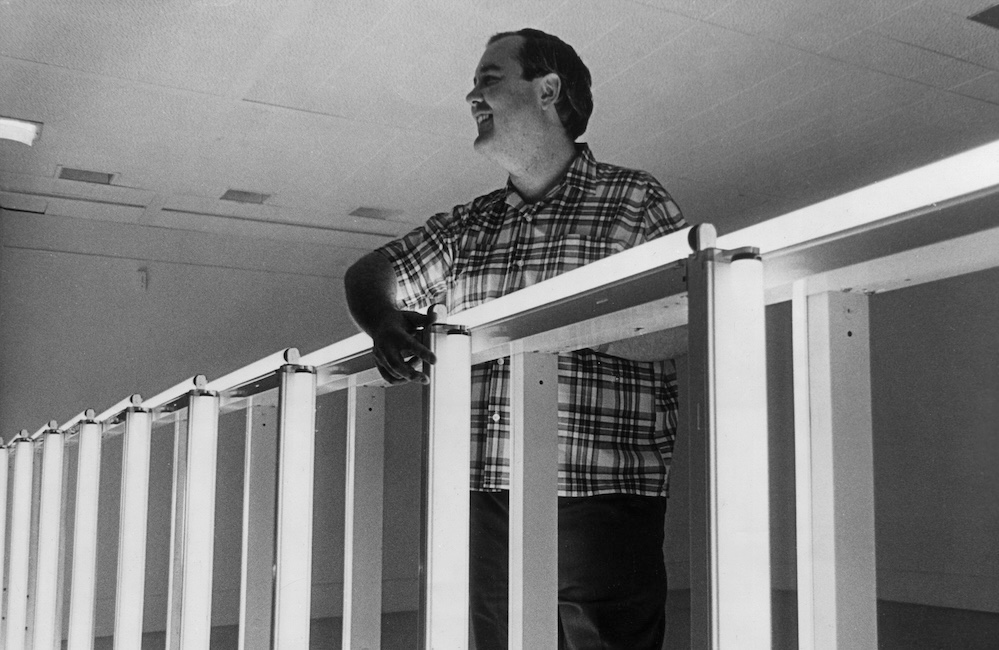
The movement rewards attention in a way that most art cannot, revealing itself slowly, across seasons and changing light, growing more rather than less interesting the longer it stays on your wall. The appeal is partly philosophical and partly physical. Minimalist works create a quality of presence that is difficult to articulate but immediately felt. A Donald Judd stack, a Dan Flavin fluorescent arrangement, an Agnes Martin canvas of finely penciled horizontal lines: these are not objects that compete with your life but ones that somehow clarify it.
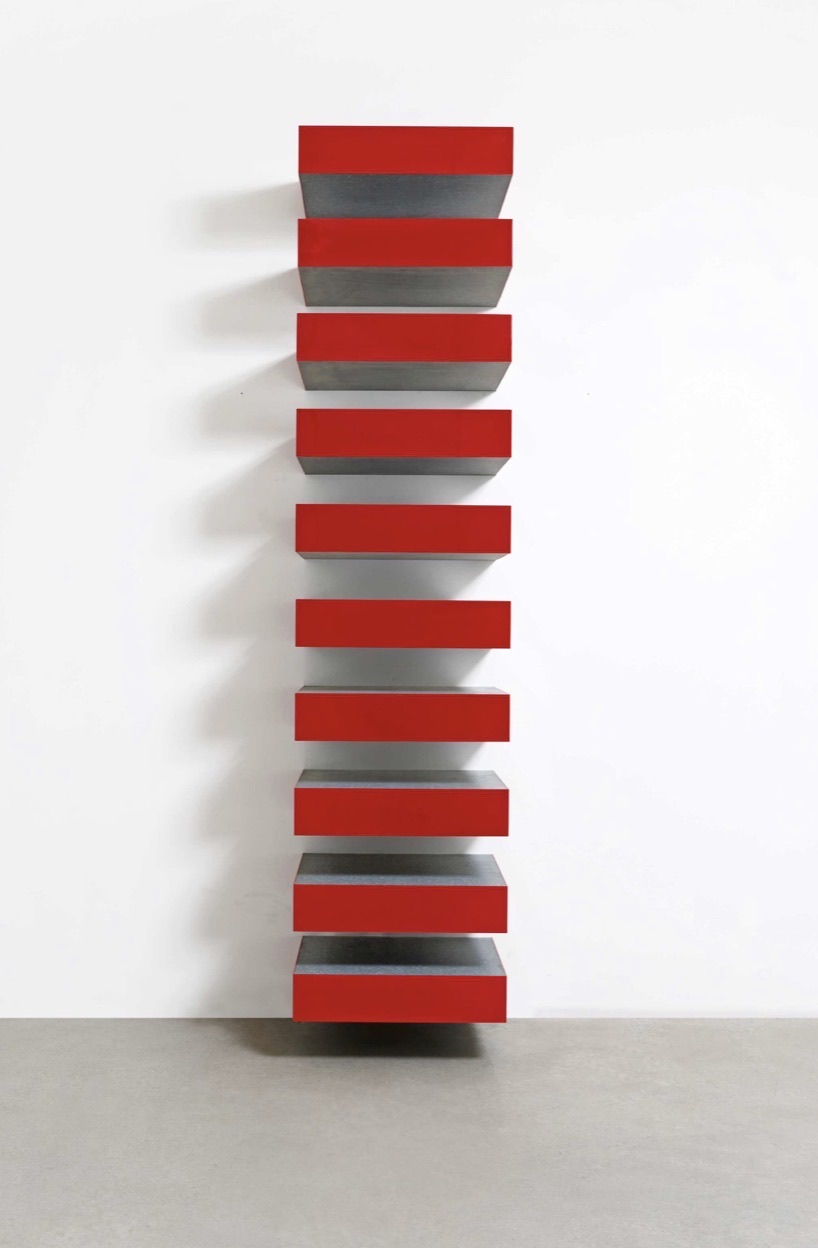
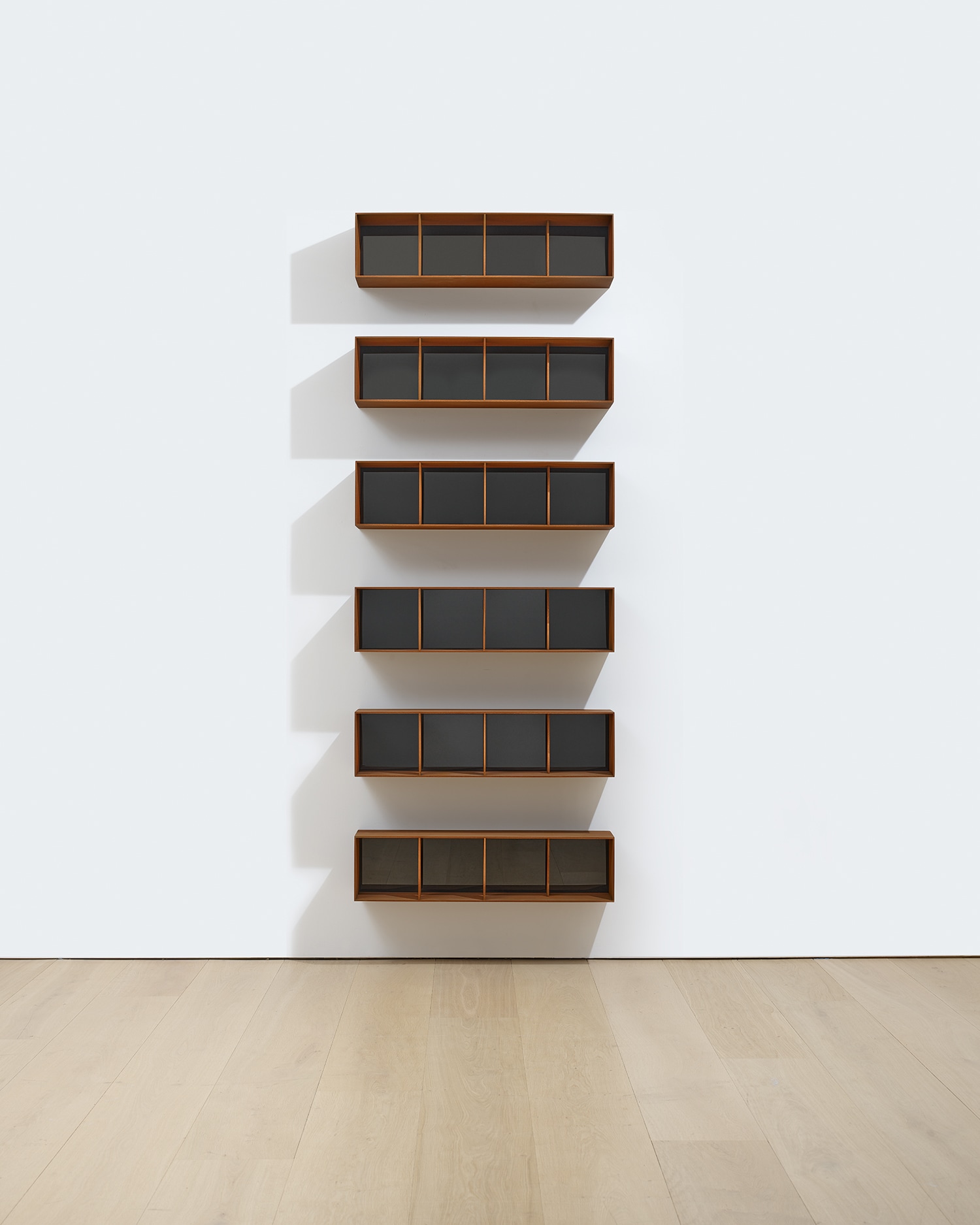
Donald Judd
Untitled (Stack), 1967
Collectors who have lived with this kind of work for years describe it in almost meditative terms. The decision to acquire something this rigorous and this quiet is itself a statement about what you value. What separates a good Minimalist work from a great one is often a matter of conviction. The best examples in this category have a kind of inevitability to them, as if no other formal decision could have been correct.
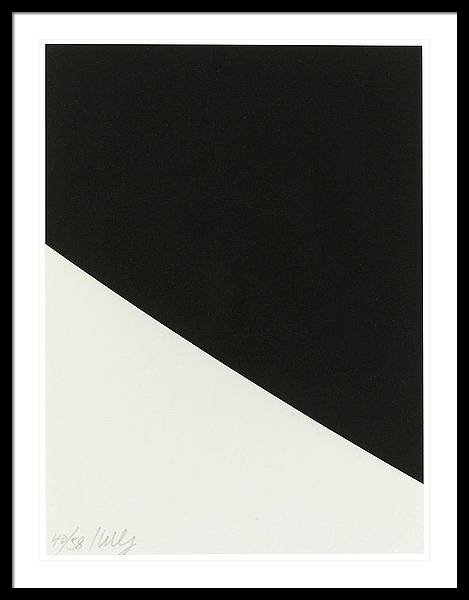
When looking at a work by Ellsworth Kelly, whose precise color fields and shaped canvases remain among the most coveted works on The Collection, the relationship between form and edge feels absolute. A weaker work in this tradition hedges, softens, or compromises. The greatest examples do none of these things. Collectors should also pay attention to materiality and scale.
Ellsworth Kelly
Red Curve (Black State), 1999
Works by Richard Serra, for instance, derive enormous power from the physical properties of steel and from the experience of being in proximity to mass. Seeing something in a photograph tells you almost nothing. Among the artists most worth understanding deeply, Ellsworth Kelly and Donald Judd represent the twin poles of the market's confidence in this movement. Kelly's works on paper from the 1960s and 1970s have become increasingly rare in private hands, and his shaped canvases command serious institutional attention.
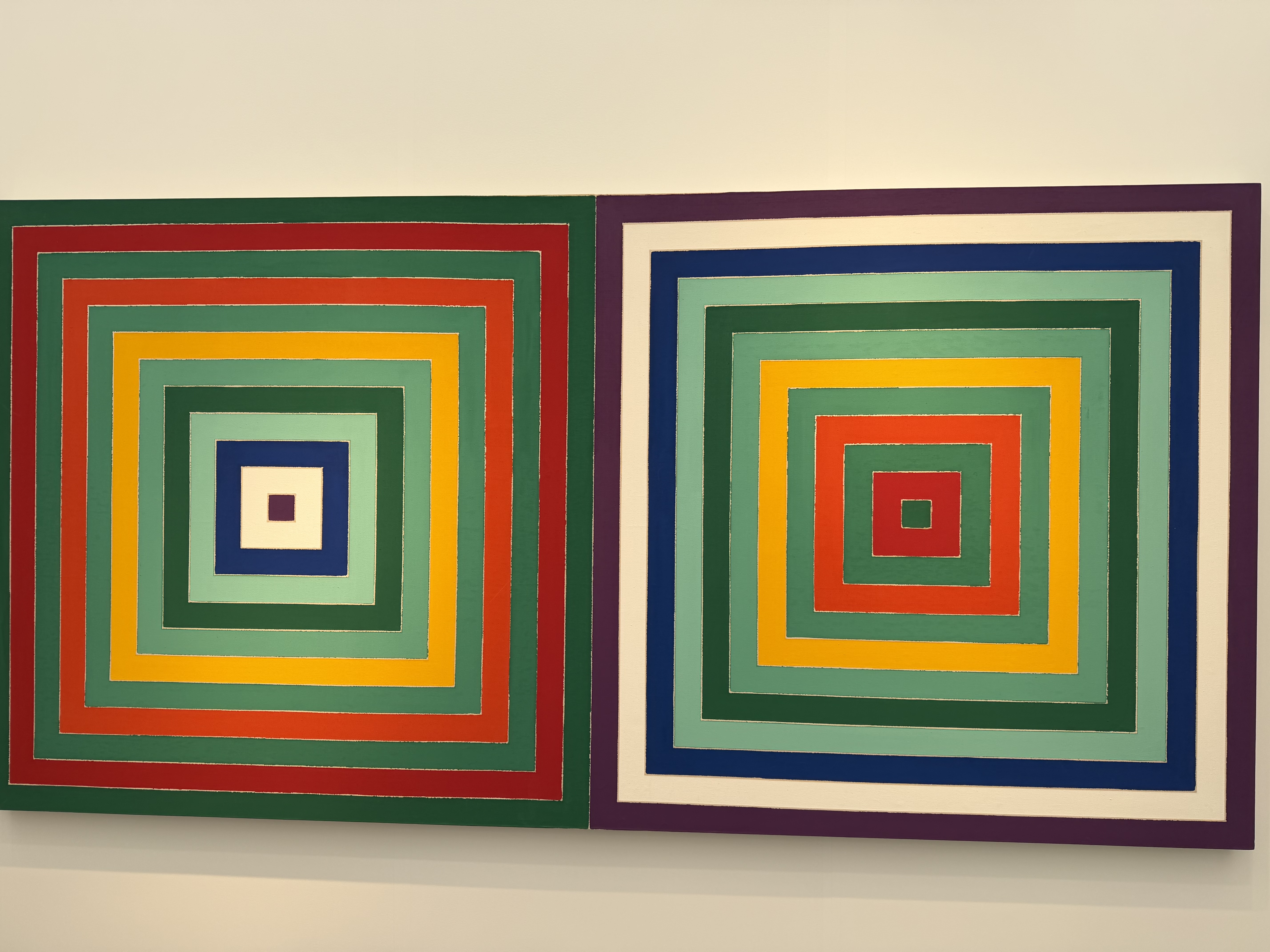
Judd's plywood and metal works remain benchmark pieces for any collection of this period, and demand consistently outpaces supply at auction. Sol LeWitt occupies a fascinating position: his wall drawings, realized by assistants following written instructions, raise enduring questions about authorship and uniqueness that the market has largely resolved in favor of documented provenance and the artist's estate certification. Frank Stella's early Black Paintings and Protractor series represent some of the most rigorous thinking in postwar American art and remain strong performers whenever they come to market. For collectors interested in finding value beyond the canonical figures, several artists represent genuine opportunities.
Frank Stella
Scramble: Green Double/ Left N, Right 8, 1977
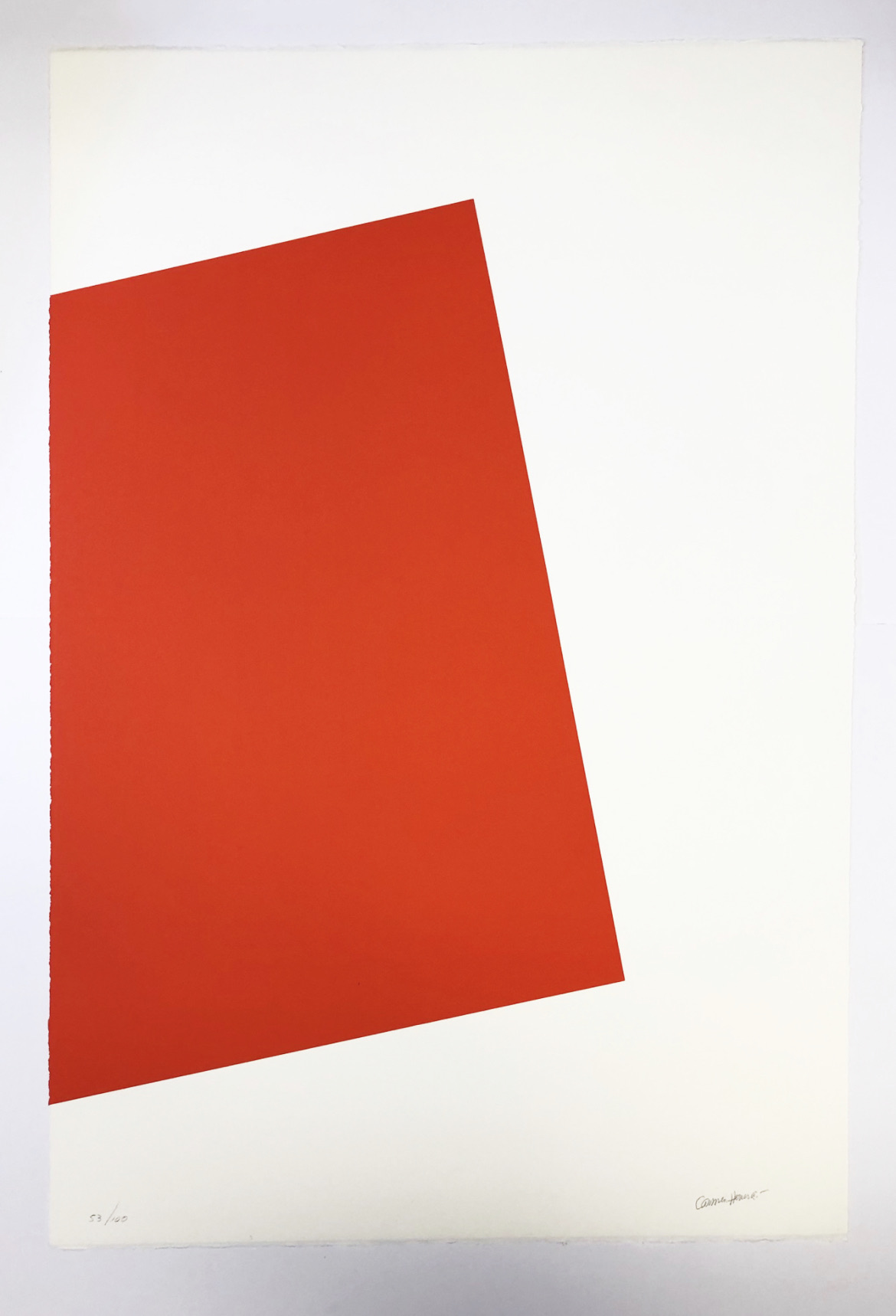
Carmen Herrera, whose hard edge abstractions were largely ignored by the commercial market until she was in her nineties, has seen significant reappraisal and her works are still underpriced relative to her male contemporaries. Lee Ufan, whose practice bridges Minimalism and the Japanese Mono Ha movement, has a growing international following and remains more accessible than his institutional standing might suggest. Imi Knoebel and Robert Mangold are two further cases where the secondary market has not fully caught up with critical recognition. Both artists made work of genuine importance and both are represented thoughtfully on The Collection.
Fred Sandback, whose yarn installations create impossible volumes from almost nothing, is a particular favorite among collectors who think carefully about space and perception. At auction, canonical Minimalism performs with remarkable consistency. Major works by Judd, Serra, and Kelly have set records at every major house, and the category has proven resilient across economic cycles in ways that more speculative contemporary movements have not. Flavin's fluorescent light works present interesting market dynamics because the tubes themselves are consumable and the works require ongoing maintenance, but this has not dampened collector enthusiasm.
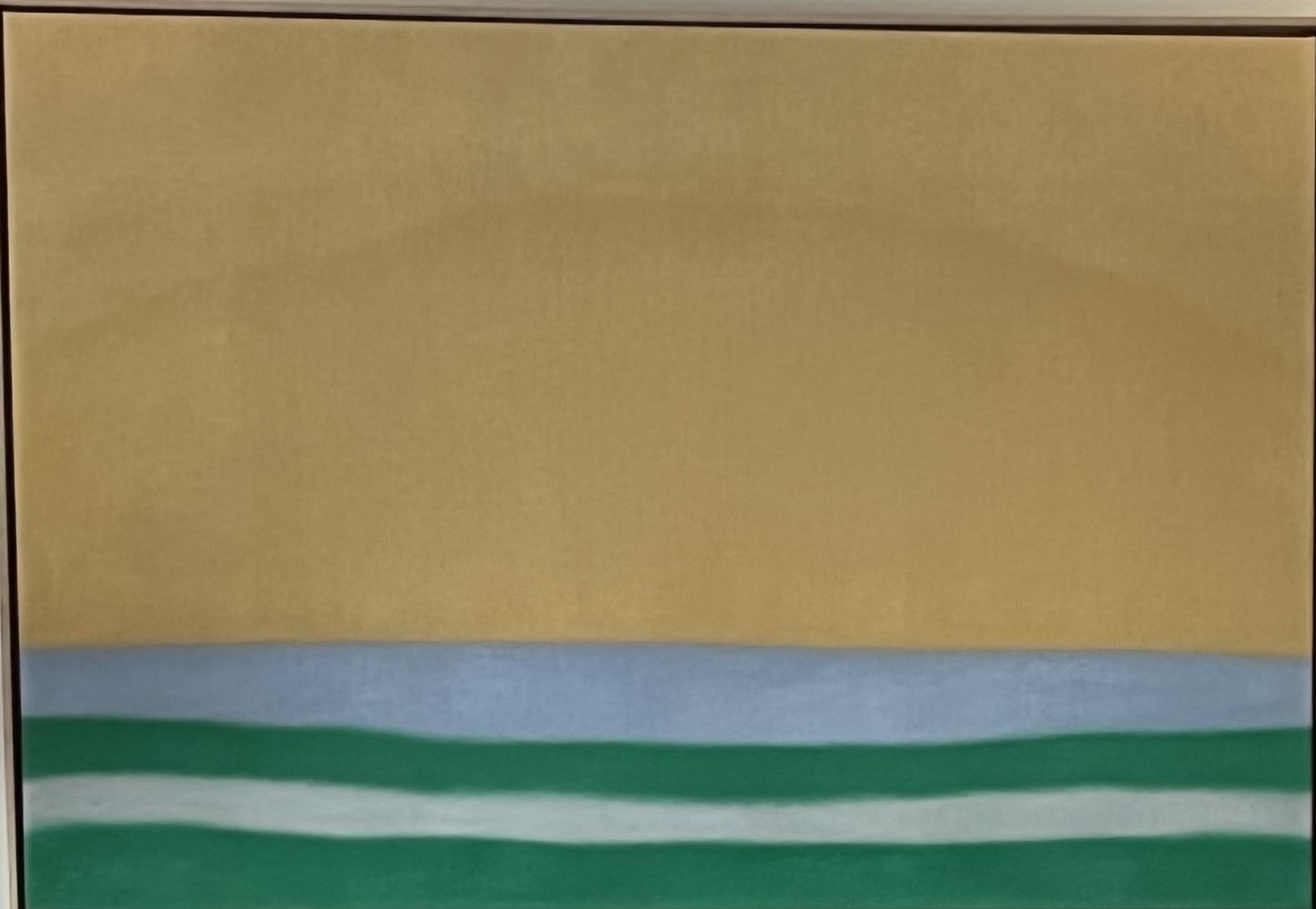
Carmen Herrera
Untitled (NWR), 2017
The market for Agnes Martin has deepened considerably since her death in 2004, with her grid and line paintings from the 1960s through the 1980s seeing sustained institutional and private demand. Sean Scully's striped paintings occupy a more personal and emotionally inflected corner of this world, and his market reflects a broad international base of collectors who find the warmth in his geometry that stricter Minimalism withholds. Practical considerations matter enormously in this category, more than in almost any other. Condition is paramount.
Works that depend on precise surfaces, whether Judd's anodized aluminum, Robert Ryman's white paintings, or Kelly's flat color fields, are acutely vulnerable to scratches, abrasion, and improper handling. Always ask for a full condition report and, where possible, request a specialist conservator's assessment before purchasing. For editions and multiples, which are common in this category given the movement's interest in seriality and production, the distinction between an authorized edition and a later realization matters enormously. Ask galleries directly: is this work unique, or part of an edition, and if so what is the edition size and how many have been sold.
For LeWitt's certificates and instructions, ask to see the full documentation and confirm estate or foundation endorsement. Display requires its own thinking. These works need room to breathe and they need light that is consistent and considered. A Kelly color panel installed in a dark corridor is not a Kelly in any meaningful sense.
Minimalist works reward spaces that share their values: clean, uncluttered, thoughtfully proportioned. This does not mean you need a white cube at home, but it does mean the work will tell you where it wants to go if you listen. The collectors who live most successfully with this kind of art tend to describe a relationship that is ongoing and evolving rather than static. The wall is never finished.
The work keeps asking questions. That, in the end, is precisely the point.