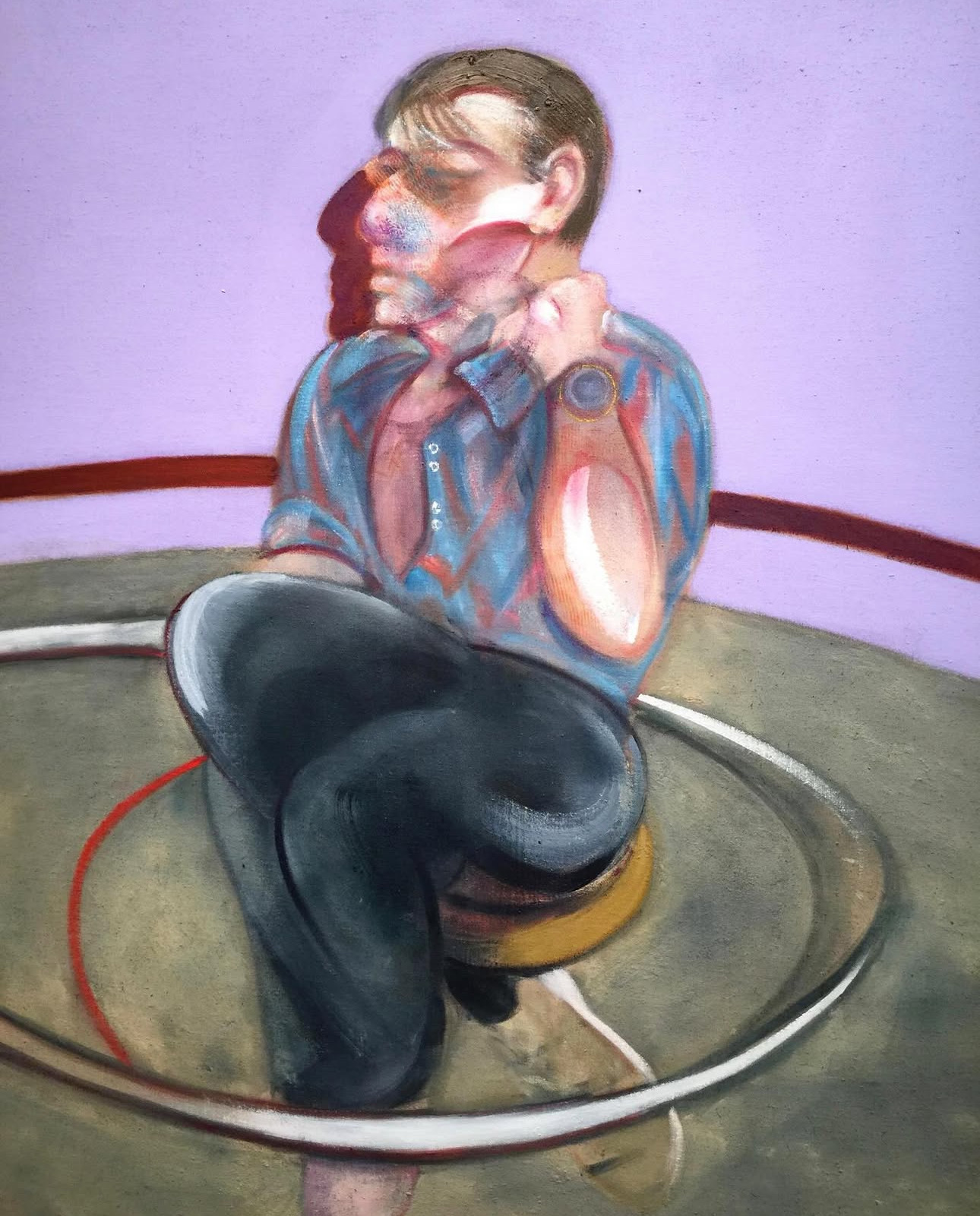
Bold Color
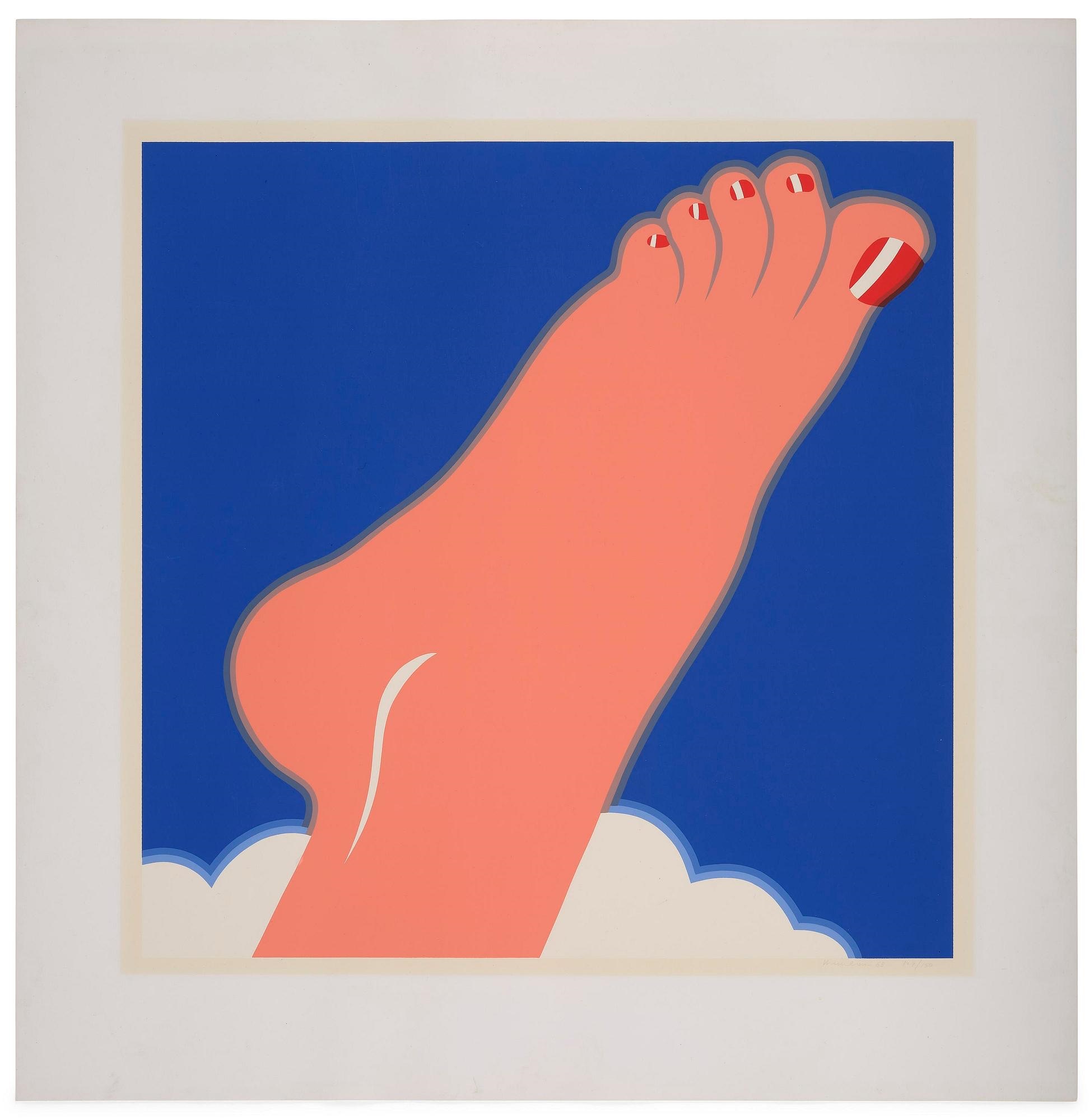
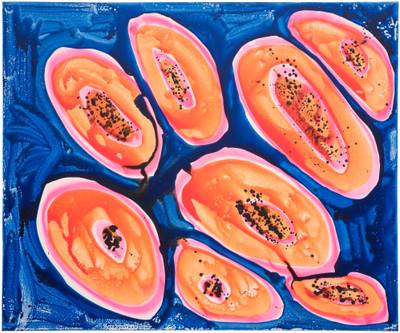
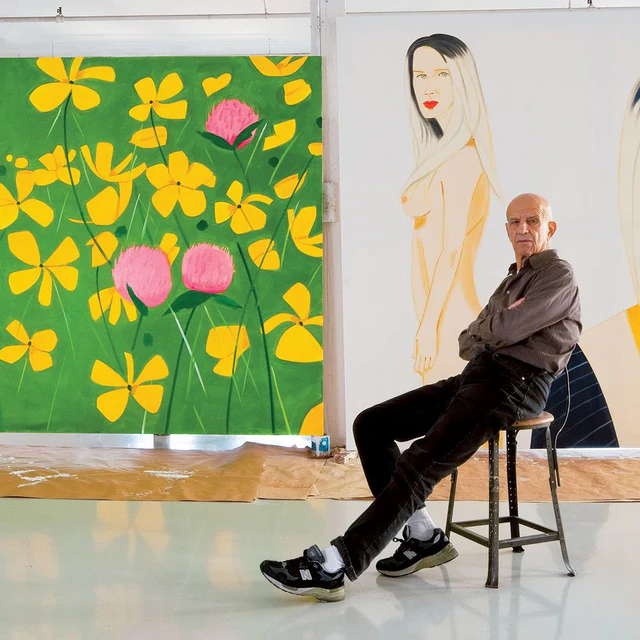
Tom Wesselmann
Untitled

Color Is Having Its Loudest Moment Yet
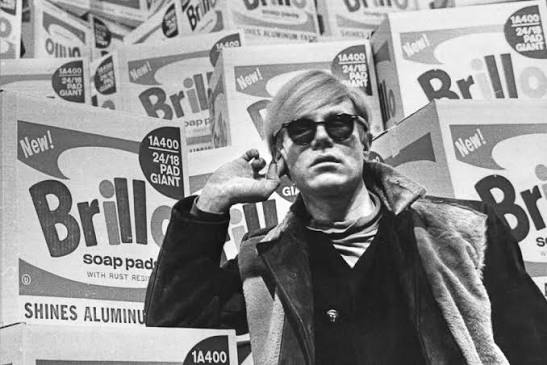
When Andy Warhol's 'Shot Sage Blue Marilyn' sold at Christie's New York in May 2022 for $195 million, the art world paused. Not simply because of the staggering number, but because of what it confirmed: that flat, unapologetic, saturated color carries a kind of cultural authority that no amount of critical ambivalence can diminish. The work is, at its core, a study in bold chromatic decision making. Warhol's choice of that particular sage blue against the warm flesh tones of Marilyn Monroe's face was not decorative.
It was declarative. That sale reframed the conversation around color as a primary vehicle of meaning, and the market has been responding accordingly ever since. The appetite for work built around bold color has been growing steadily across galleries and auction rooms for the better part of a decade, but something shifted around 2019 and 2020. Partly this was a reaction to years of market dominance by darker, more conceptually austere painting.
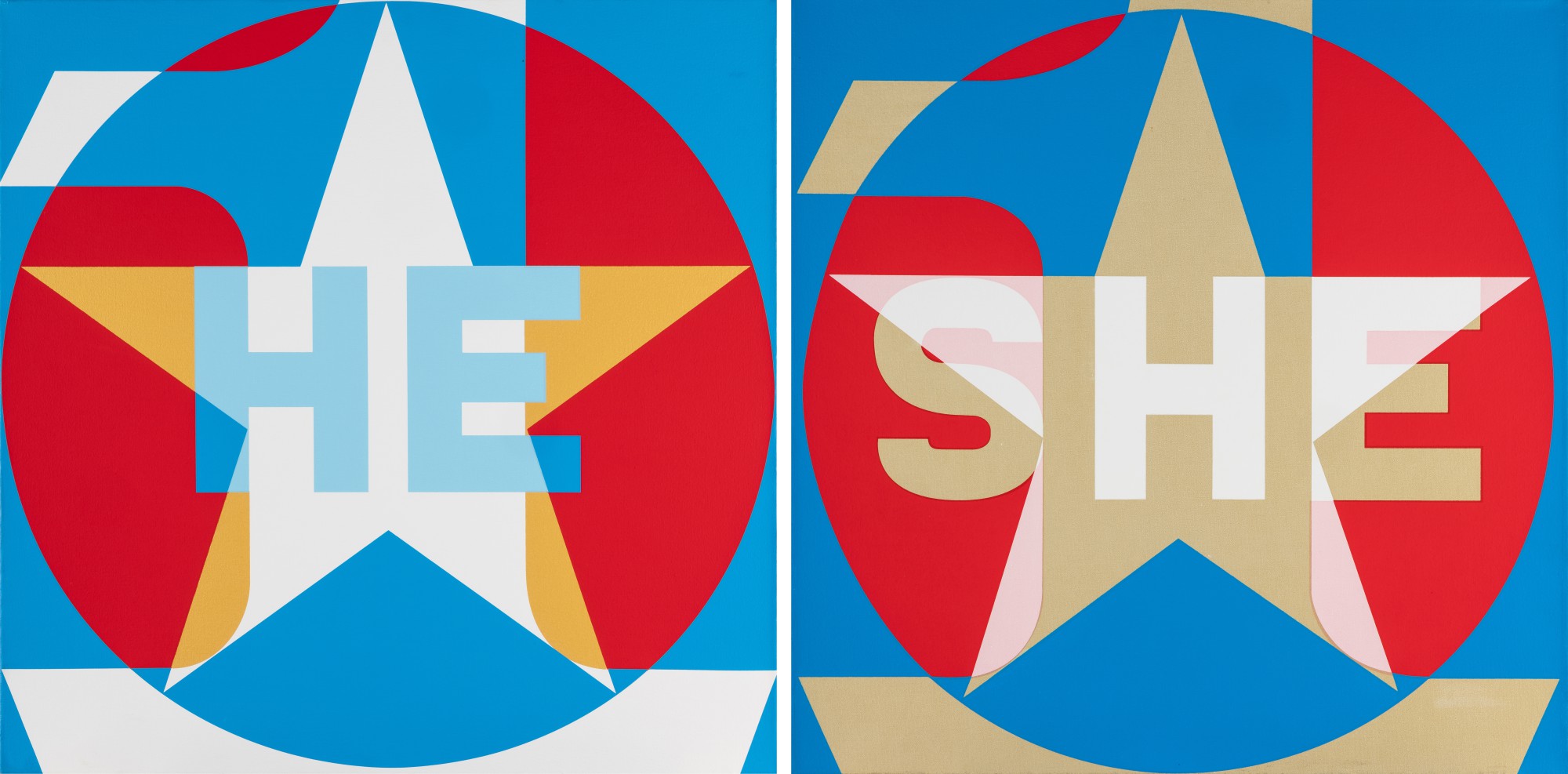
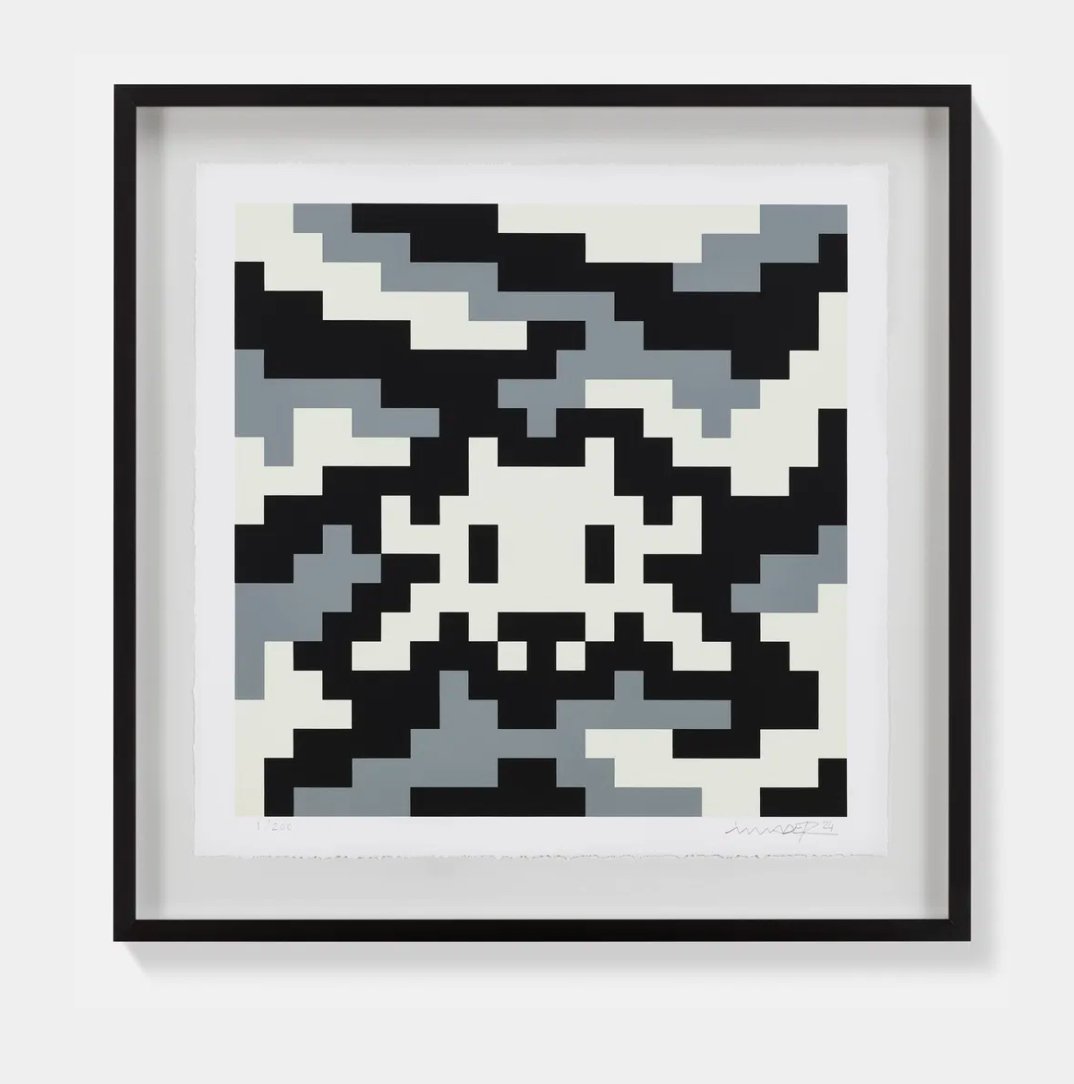
Robert Indiana
He She
Partly it reflected a broader cultural yearning, the kind that surfaces when the world feels uncertain and people reach instinctively toward vitality. Institutions noticed. The Matisse retrospective at the Centre Pompidou in 2020 drew record attendance before lockdowns interrupted it, and when it reopened, visitors came back with a different kind of attention. They were not just looking at art history.
They were looking for permission to believe in color again. Henri Matisse remains the gravitational center of this conversation, the figure against whom every subsequent generation of bold colorists is measured. But the more interesting critical work happening now is the excavation of figures who sat slightly outside the canonical narrative. Irma Stern, the South African painter who traveled through East Africa and brought back a chromatic vocabulary that combined European expressionism with something rawer and more direct, is finally receiving the institutional attention she deserved decades ago.
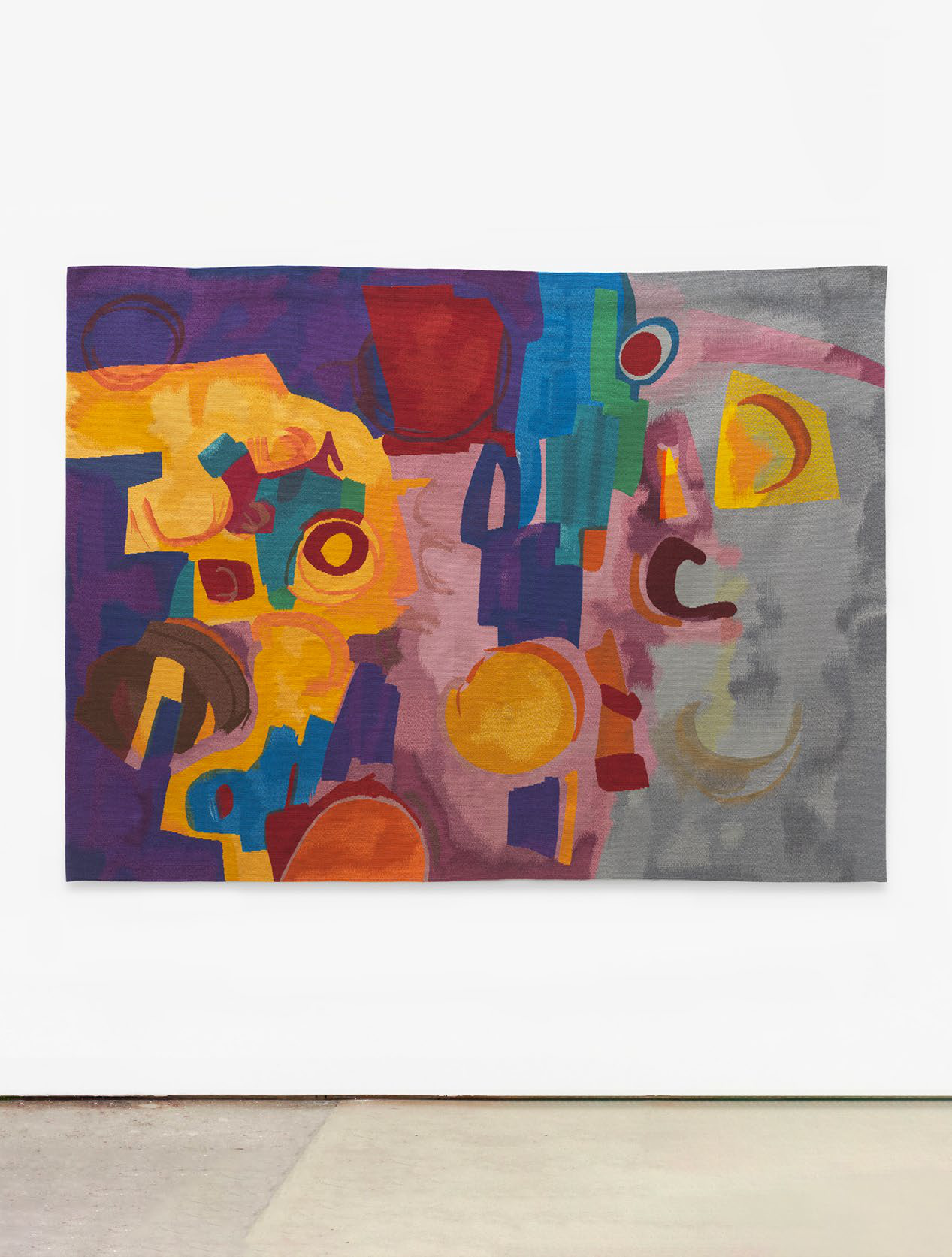
Etel Adnan
Défilé nocturne, 2017
Her work has performed strongly at Strauss and Co auctions in recent years, and younger curators in London and New York are beginning to write about her with the seriousness previously reserved for her European male contemporaries. André Derain, whose Fauvist period produced some of the most radiant color painting of the early twentieth century, is similarly being reconsidered, his reputation no longer overshadowed by the political complications of his later career. The Fauvists occupy one historical anchor point for this category, and their influence on subsequent generations shows up in unexpected places. Maurice de Vlaminck, who once claimed he never visited the Louvre and wanted no part of the museum world, made paintings of such chromatic intensity that they continue to feel confrontational more than a century later.
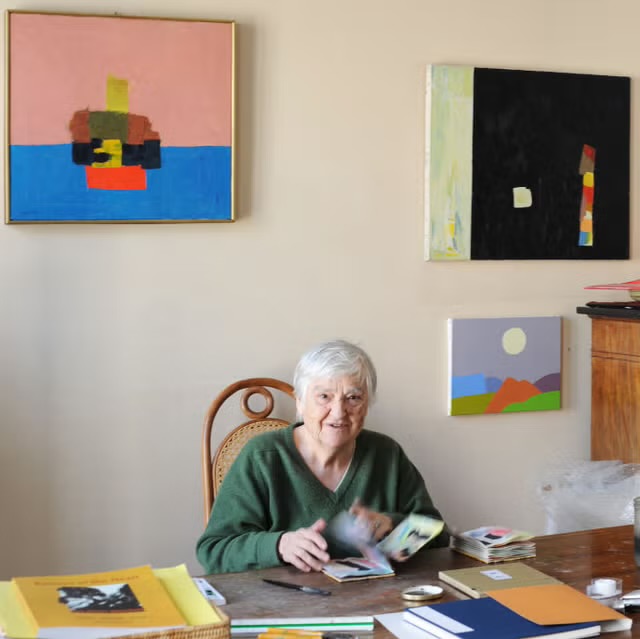
Franz Marc, approaching color from an entirely different angle through German Expressionism, used it as a spiritual and emotional code rather than a perceptual one. What connects these artists across geographic and philosophical distance is a shared conviction that color is not illustration or decoration but argument. That conviction runs like a current through the works well represented on The Collection, from the pop flatness of Roy Lichtenstein to the meditative fields of Etel Adnan. Adnan deserves particular attention in any current discussion of bold color.
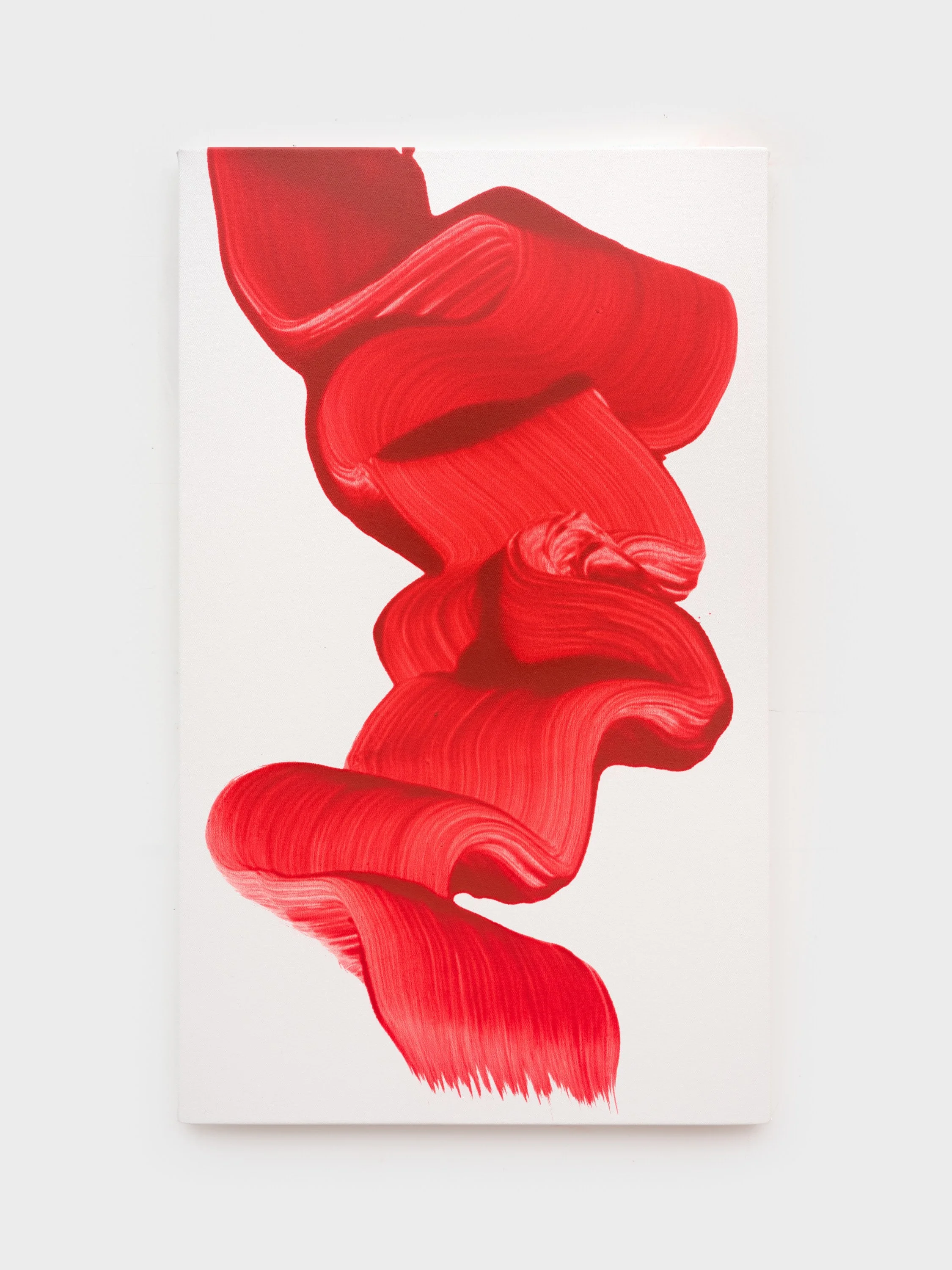
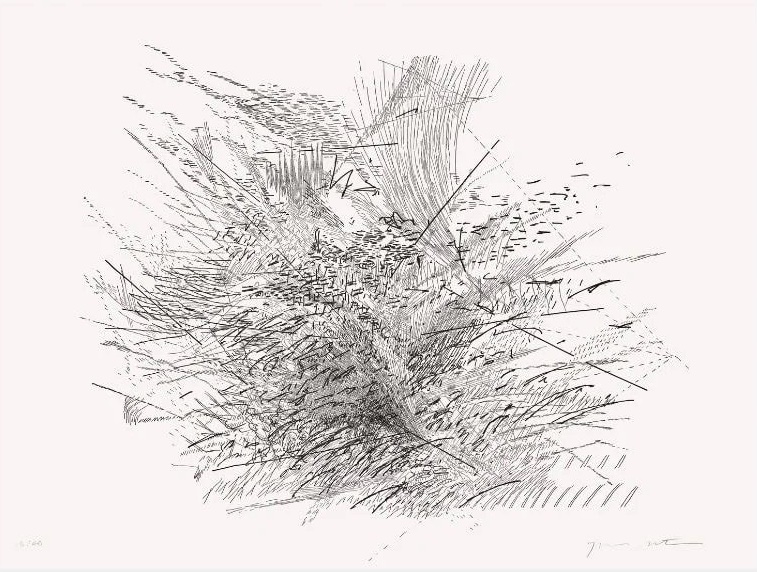
Jamie Nares
It Is Now, 2025
Born in Beirut in 1925 and working until her death in 2021, she came to visual art relatively late after a long career as a poet and writer. Her leporellos, those small accordion folded books filled with bands of saturated color and spare poetic text, became some of the most sought after works in her market. The Serpentine Gallery in London gave her a major retrospective in 2021, and the critical response was striking in its consistency. Reviewers who might have been expected to focus on her literary biography instead spent most of their column inches on color, on the way her intense blues and reds and yellows operated as emotional facts rather than representations.
Her work on The Collection sits within a tradition of bold chromatic painting while also standing completely apart from it. The pop lineage remains commercially dominant in this space. Works by Robert Indiana, whose iconic imagery collapsed language and color into a single graphic gesture, continue to perform at auction well above estimate when strong examples appear. Tom Wesselmann's Great American Nude series, with its flat planes of domestic color and erotic charge, has attracted serious institutional attention in recent years.
Tom Wesselmann
Untitled
Katherine Bernhardt brings this pop energy into the present with a looseness and humor that the market has embraced enthusiastically. Her large scale paintings, dense with repeated motifs and blazing color, have moved through Venus Over Manhattan and other galleries with the kind of momentum that signals genuine collector conviction rather than speculative heat. Curators and critics shaping this conversation include Jarrett Gregory at the New Museum, whose programming has consistently made space for artists using color as a primary structural element, and Katy Siegel, whose writing on American painting of the postwar period remains essential reading. The journal October has engaged more seriously with color theory in recent years, bridging the gap between academic discourse and gallery practice.
Corita Kent, whose silkscreens from the 1960s fused social urgency with radiant color fields, has become something of a touchstone figure in this critical conversation, her work feeling newly relevant to younger artists navigating the relationship between political content and visual pleasure. What feels most alive right now is the intersection of bold color with figuration. Otis Kwame Kye Quaicoe, who paints Black subjects in deep, luminous tones, is among the artists generating serious critical and market attention. Walasse Ting, whose exuberant paintings blended East Asian brushwork with Western pop sensibility, feels ripe for broader reappraisal.
The energy is moving toward artists who use color not as a formal exercise but as a way of locating bodies, communities, and histories in the world. The settled territory is the canonical European modernism, still valuable, still beautiful, but no longer where the discoveries are made. The surprises are coming from artists working outside the established centers, bringing chromatic boldness to stories that galleries are only beginning to know how to tell.