Living Artist
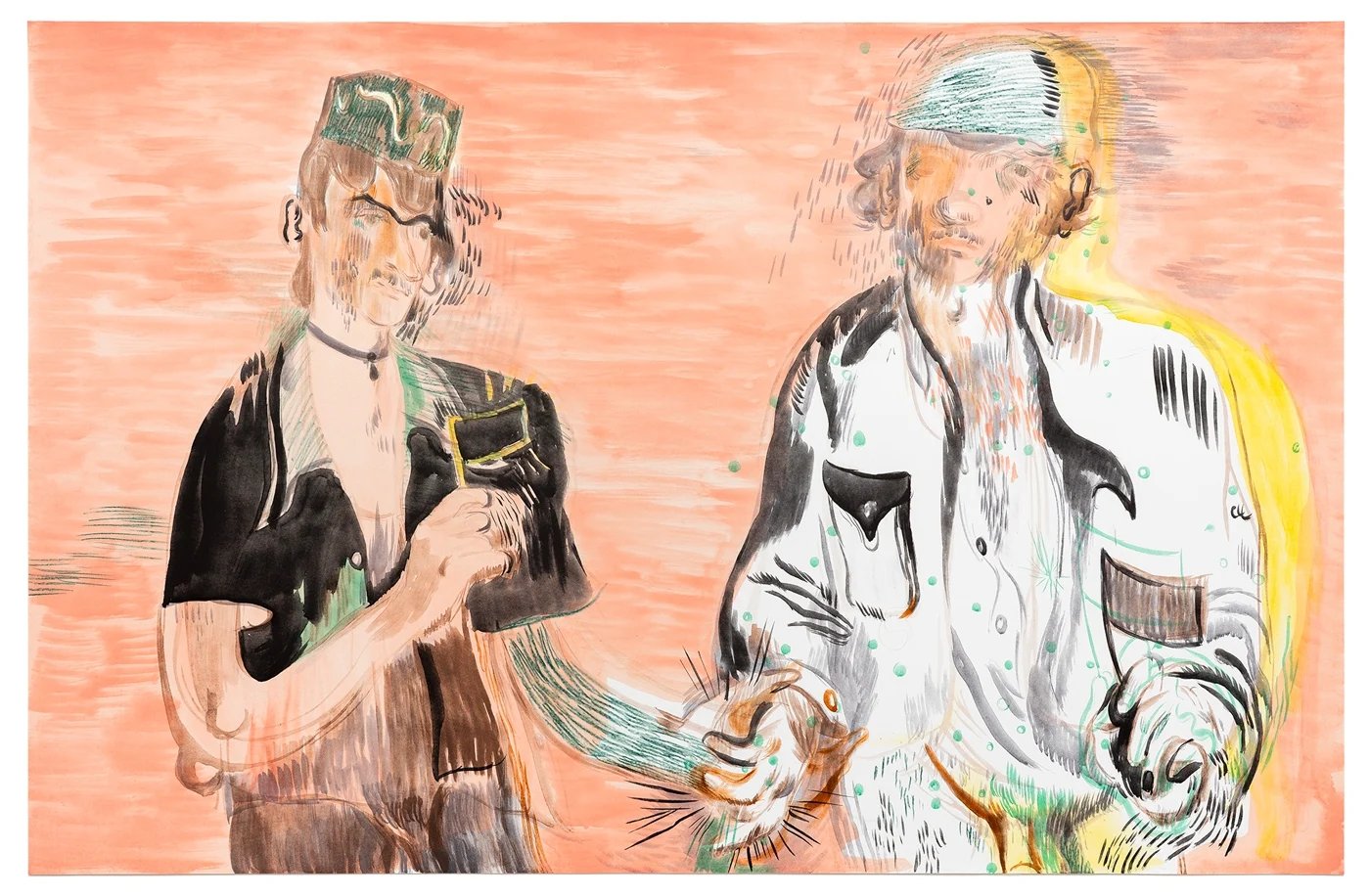
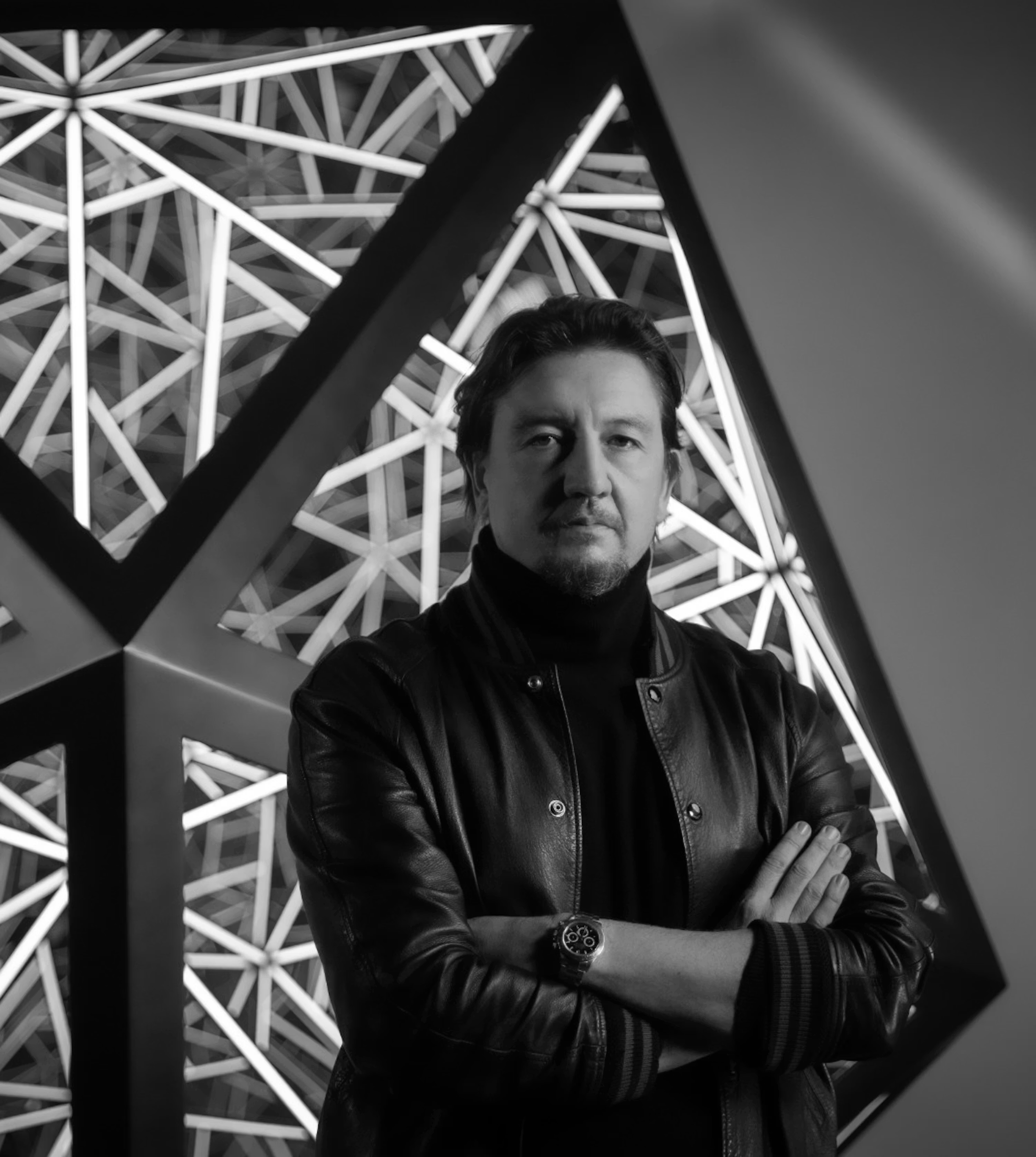
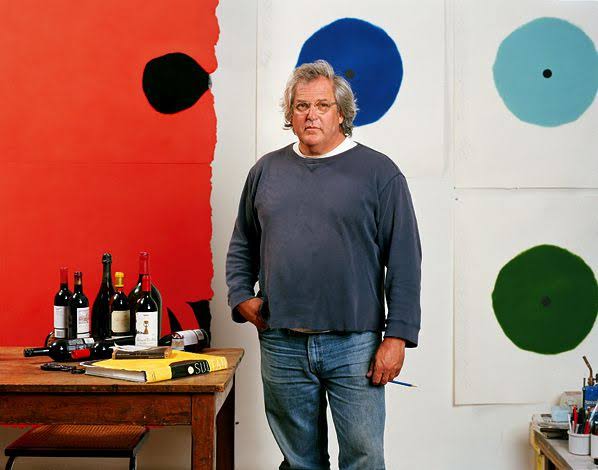
Doron Langberg
Untitled

The Thrill of Buying Art While the Artist Is Still Breathing
There is something irreducibly alive about collecting work made by living artists. You are not acquiring a piece of history so much as placing a bet on it, entering into a kind of unspoken conversation with someone who is still thinking, still working, still capable of surprising you. Collectors who focus here describe a particular electricity that comes with it, the sense that the story is not finished, that the work on their wall connects them to an ongoing practice rather than a closed chapter. It is a fundamentally different relationship to art than buying a Monet, and for many serious collectors, it is the more compelling one.
What draws people in is also what makes the category demanding. Living artist markets are volatile in ways that the established historical market is not. Reputations build quickly and can cool just as fast. The collector who bought Damien Hirst in the early 1990s, before the spot paintings had become ubiquitous and before the 2008 Sotheby's sale that flooded the market, was operating in a very different risk environment than someone buying today.
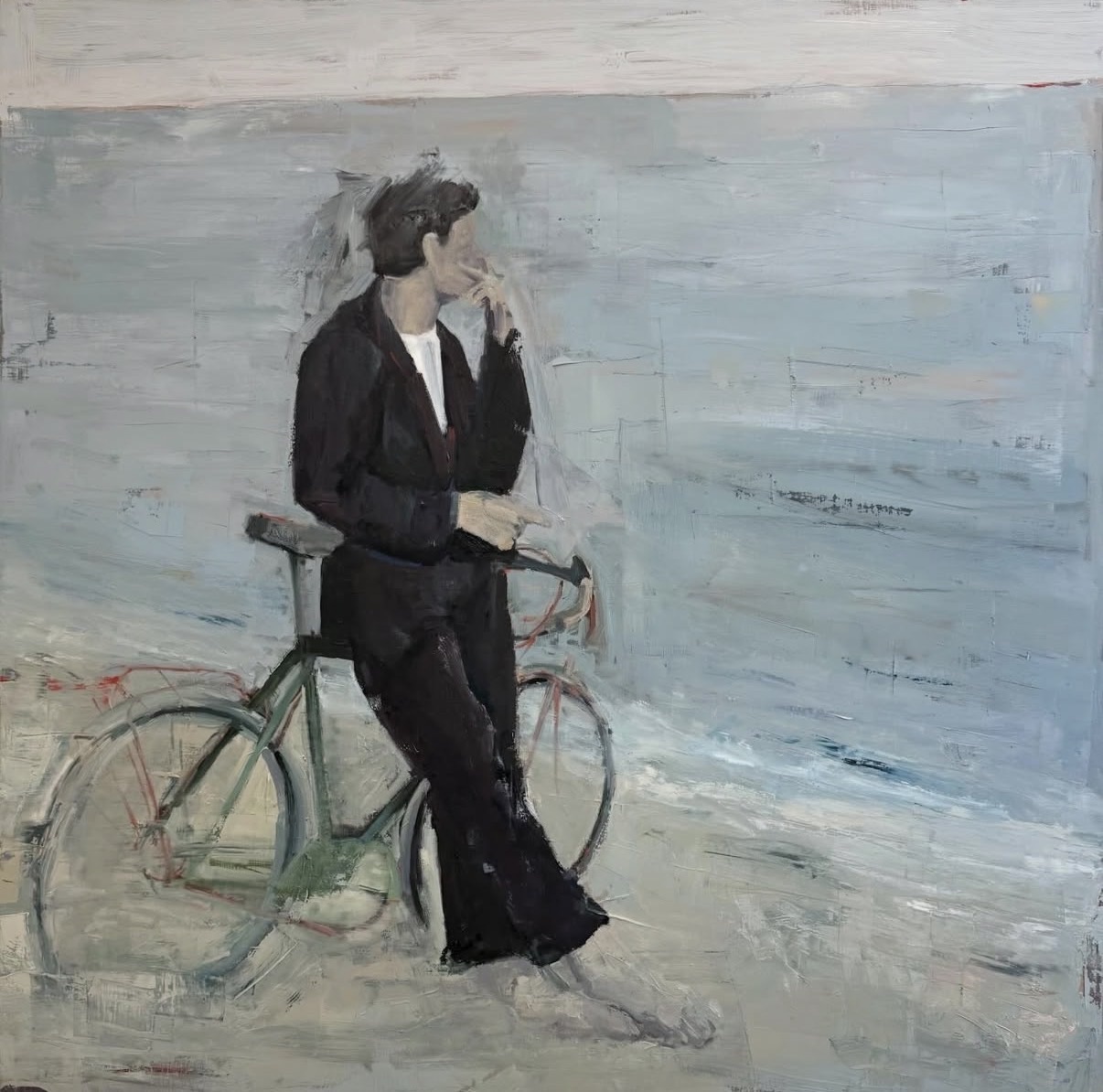
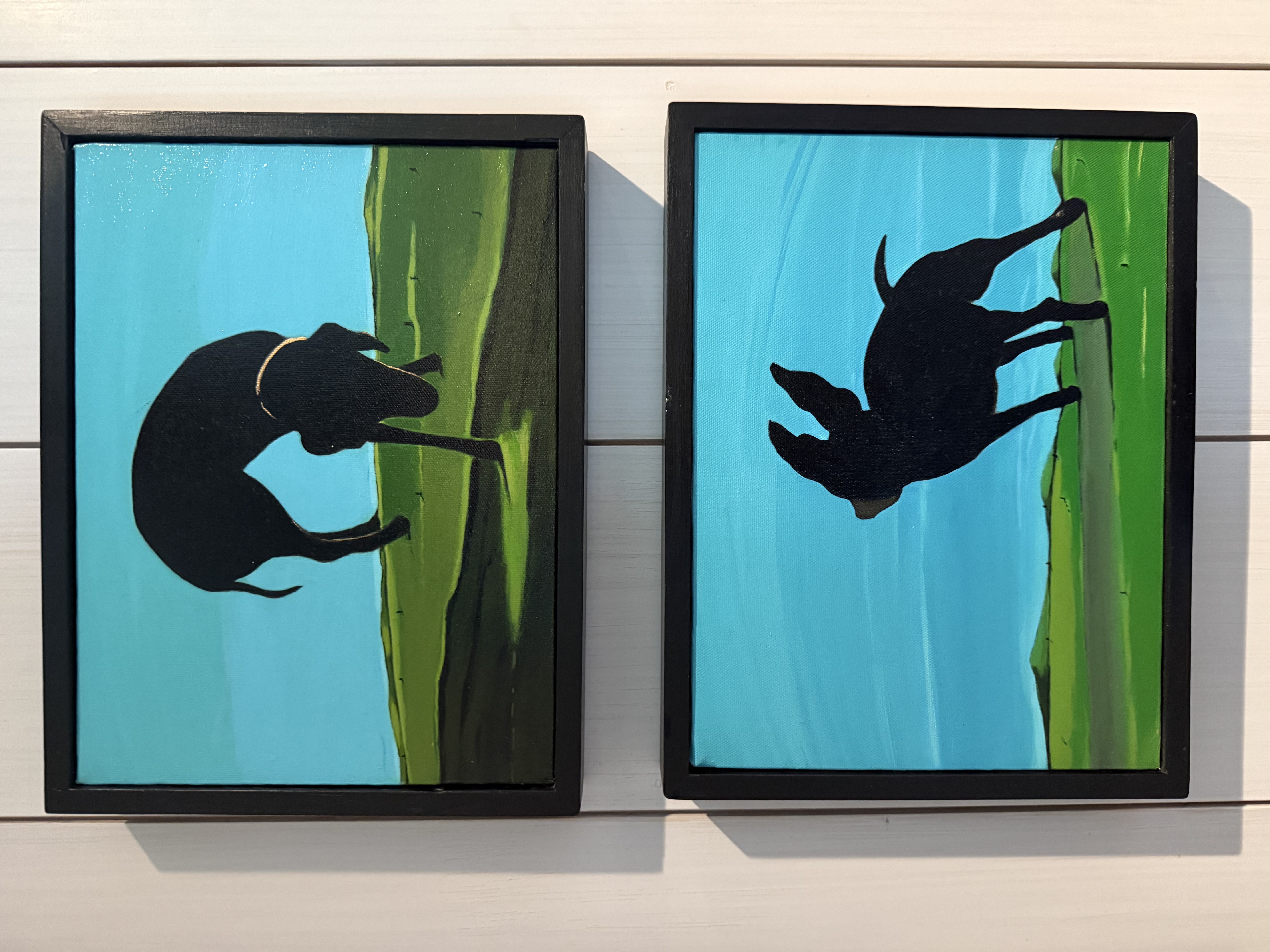
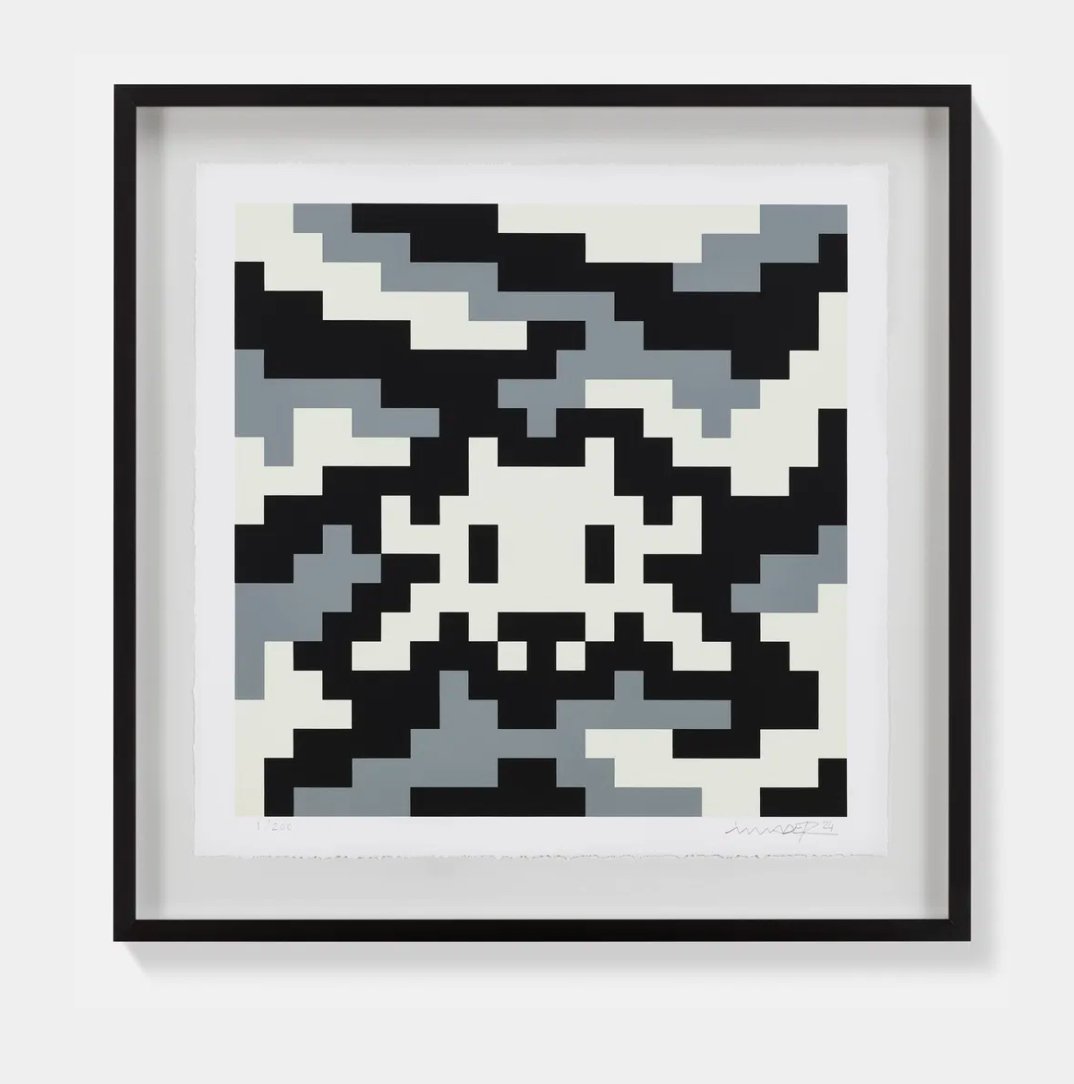
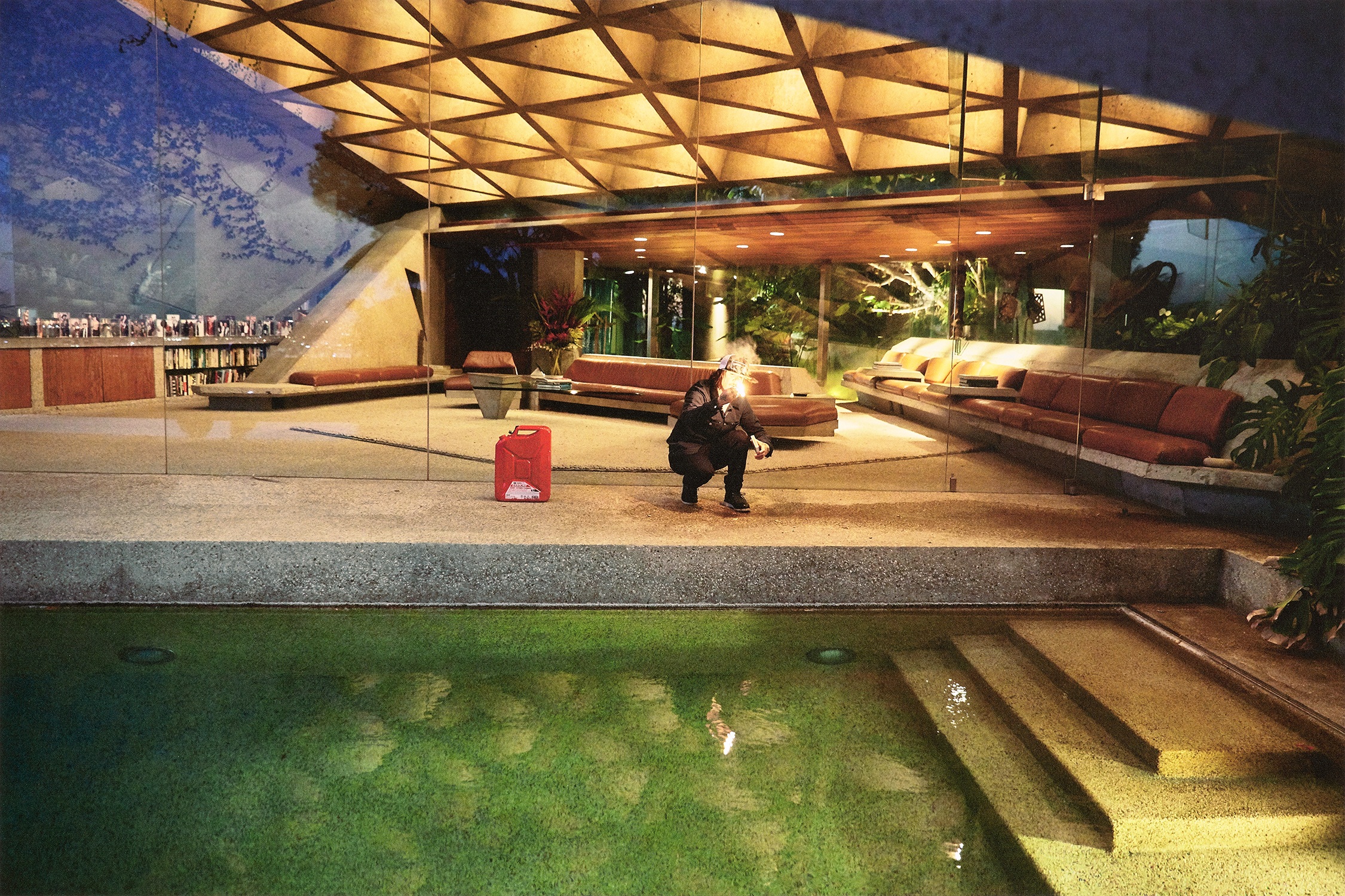
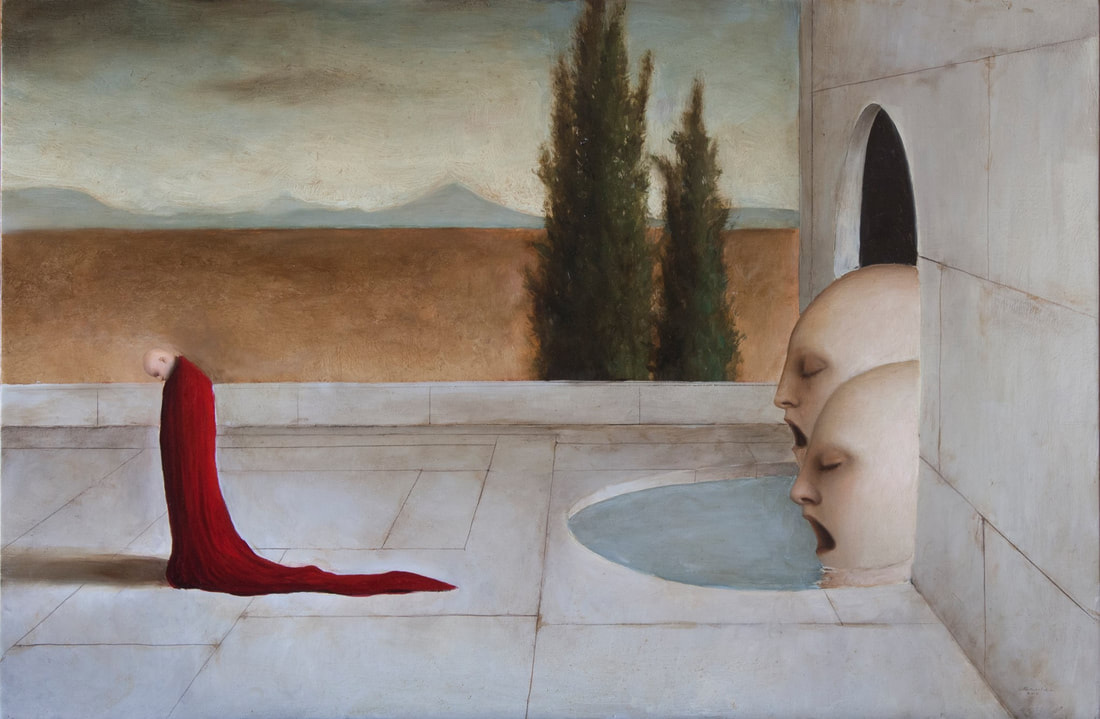
Patrick Vrem
Ride by the Water
Understanding where an artist sits in their career arc, whether they are ascending, plateauing, or quietly being reassessed, is one of the core skills of collecting in this space, and it is a skill that takes time and genuine looking to develop. The difference between a good work and a great one, within any living artist's output, often comes down to specificity and ambition. A great work is not simply the most expensive or the most recognizable. It is the one that feels necessary within the artist's language, the work where you sense the artist was pushing rather than consolidating.
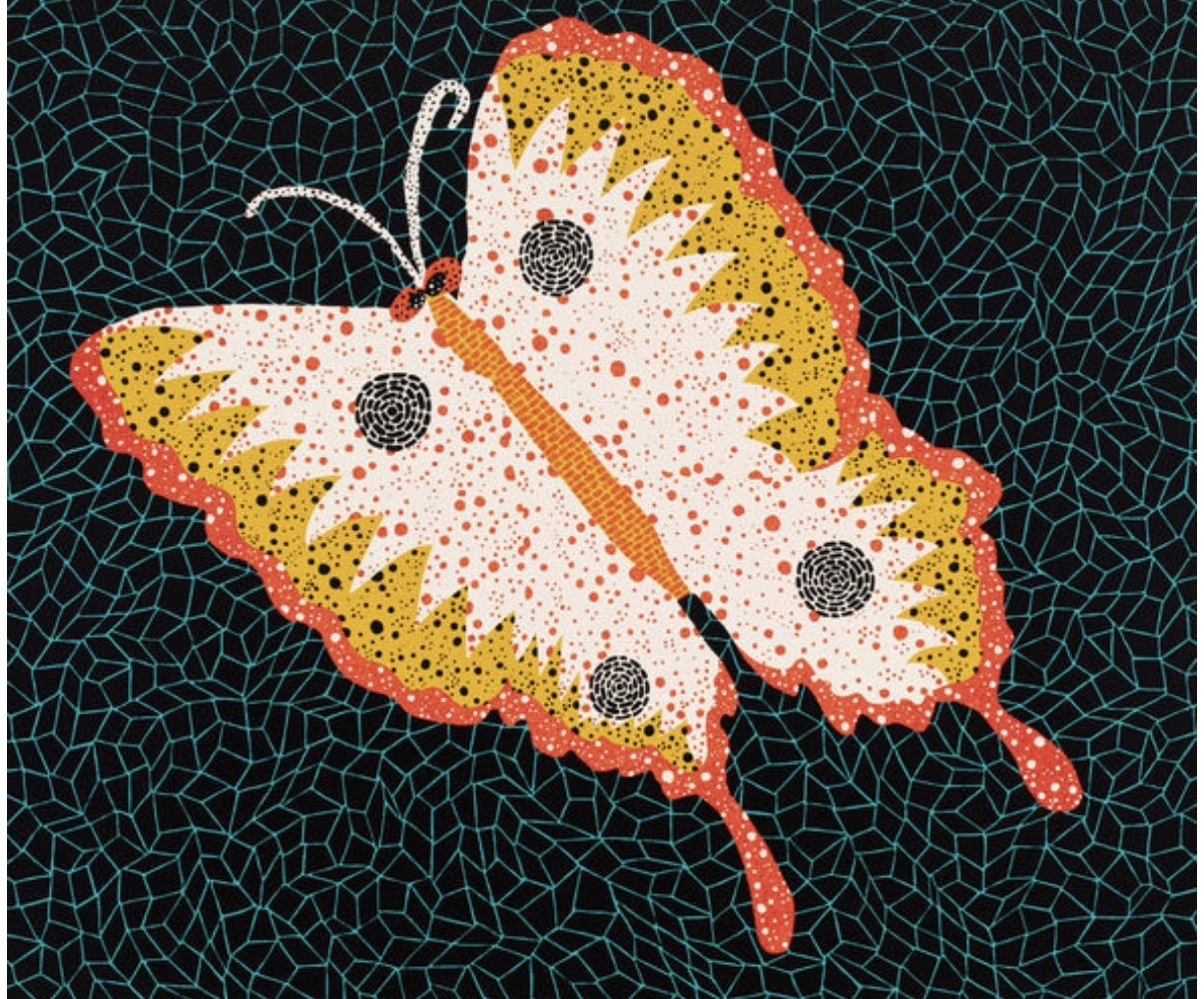
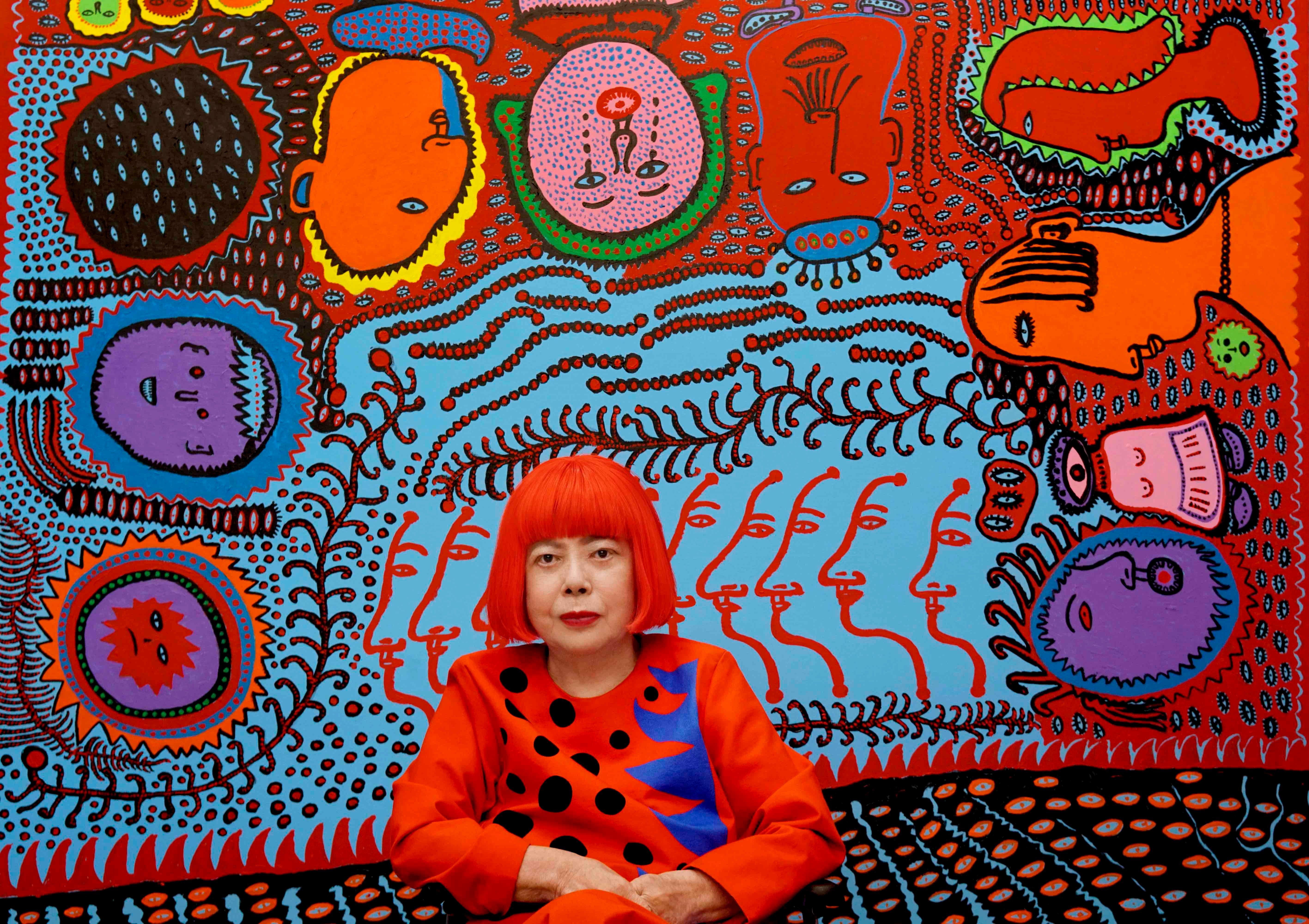
With Yayoi Kusama, for instance, the most sought after works are not simply those featuring her signature dots but those where the obsessive repetition feels genuinely unnerving rather than decorative, where the psychological pressure behind the mark is palpable. Similarly, with Gerhard Richter, a squeegee abstraction from a period of genuine formal experimentation carries a different weight than a more resolved, almost decorative later piece. Collectors should learn to read an artist's bibliography and exhibition history not just for prestige but for context, understanding which bodies of work represented breakthroughs and which were consolidations. For collectors thinking about long term value, certain names on The Collection represent particularly strong anchors.
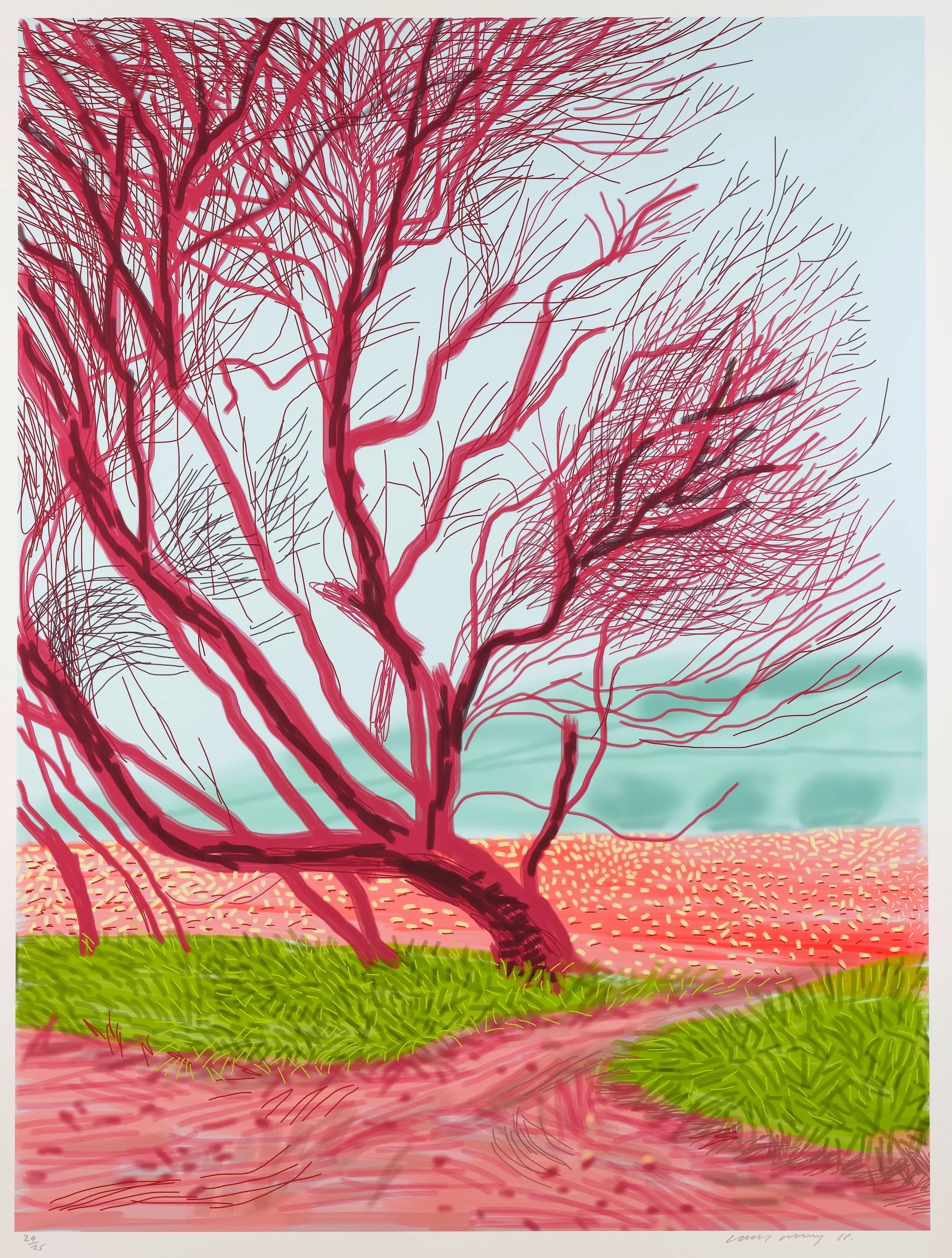
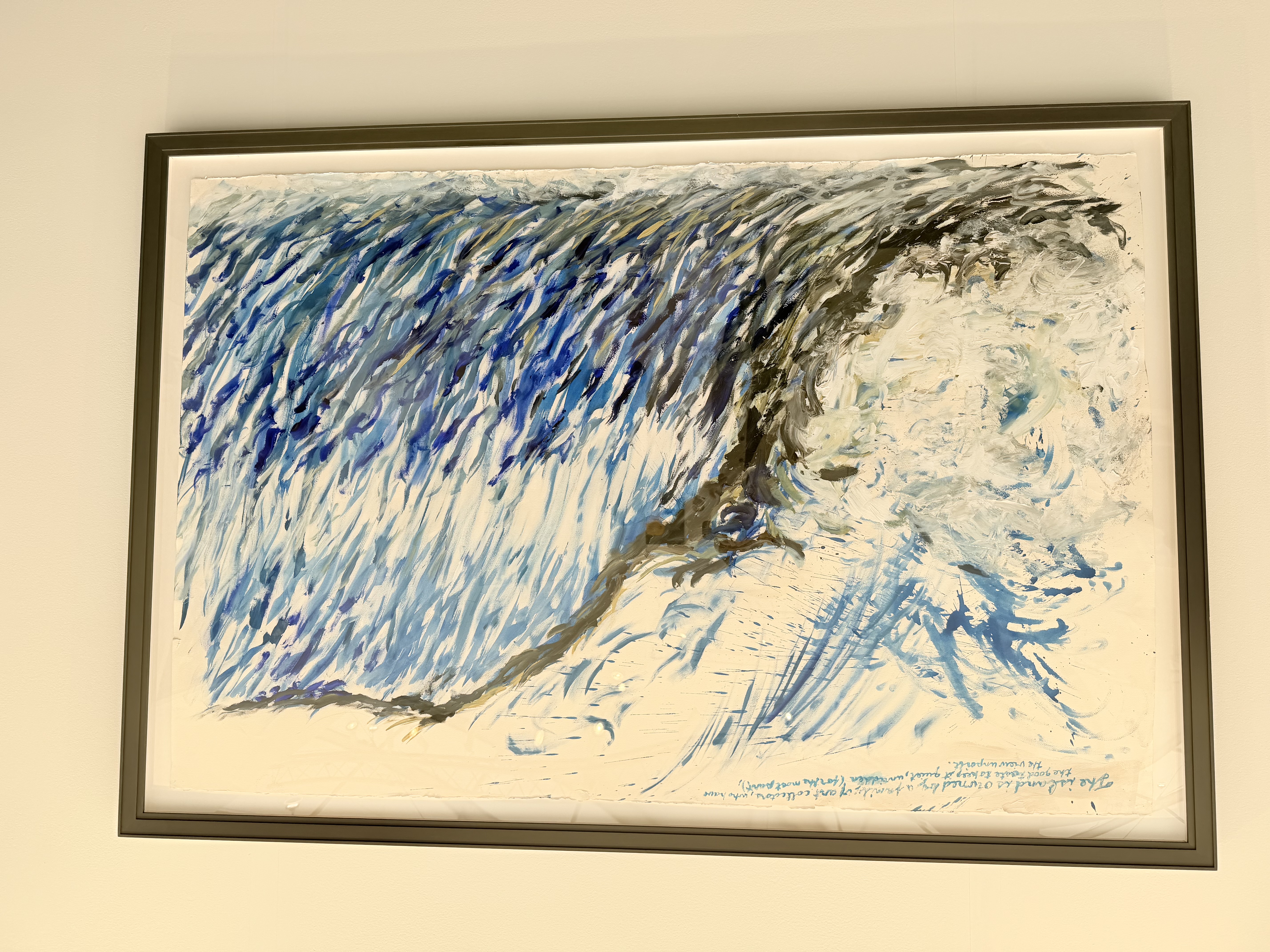
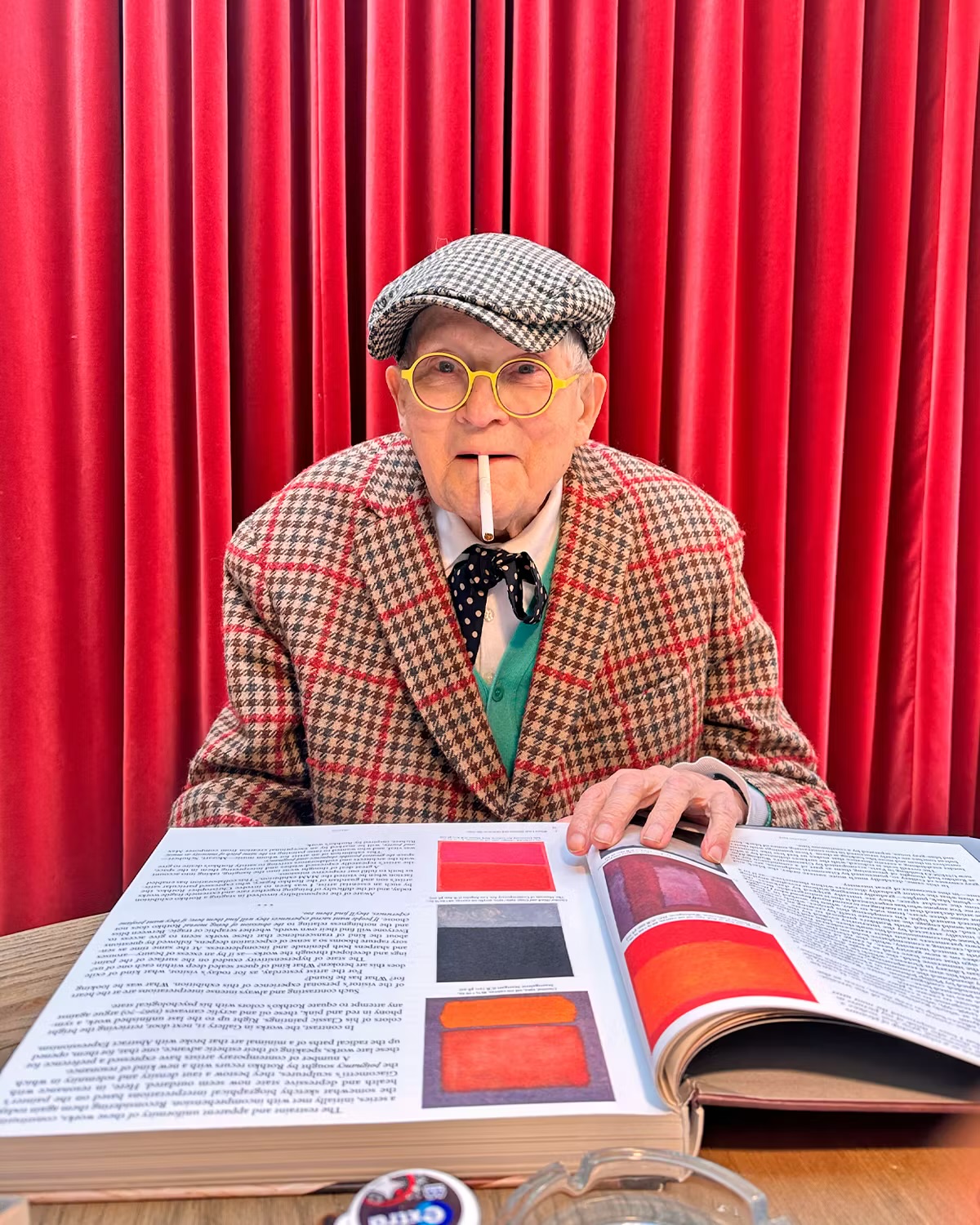
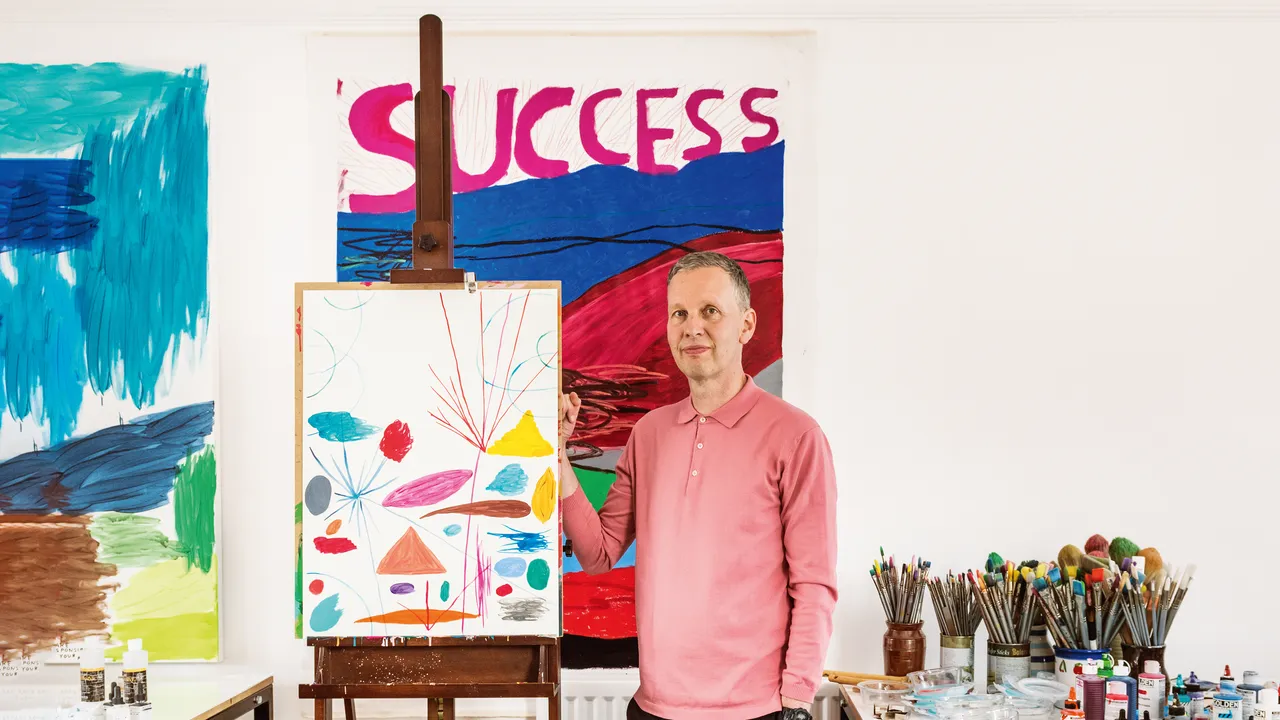
David Hockney
The Arrival of Spring in Woldgate, East Yorkshire in 2011, 2011
David Hockney remains one of the most important living artists working in any medium, and his market has proven remarkably resilient across decades, with institutional support from museums including the Tate and the Centre Pompidou reinforcing his canonical status. Wolfgang Tillmans operates in a space where photography's relationship to fine art is still being actively negotiated, and his influence on younger generations of image makers is enormous in ways that have not yet fully translated into market recognition at the upper levels. Antony Gormley and Anish Kapoor both work in sculptural traditions with deep roots and significant institutional presences, making their works reliable holdings in serious collections. Ed Ruscha, whose career spans painting, photography, and printmaking and who had a landmark retrospective at the Museum of Modern Art in 2023, represents one of the clearest cases of an artist whose market value still has room to grow relative to his art historical importance.
The more interesting conversation for active collectors right now concerns artists whose reputations are still forming. Salman Toor, the Pakistani American painter whose intimate figurative canvases have attracted serious critical attention and whose work entered museum collections at a pace that suggests genuine institutional confidence, is worth watching closely. Henry Taylor, whose painting draws from a tradition of vernacular American portraiture with a directness that feels genuinely original, has a market that has moved quickly but whose work still rewards patient looking. Alessandro Sicioldr, the Italian painter who works in a mode of meticulous, psychologically dense figuration, occupies a more singular position in the contemporary landscape, and singularity in painting tends to age well.
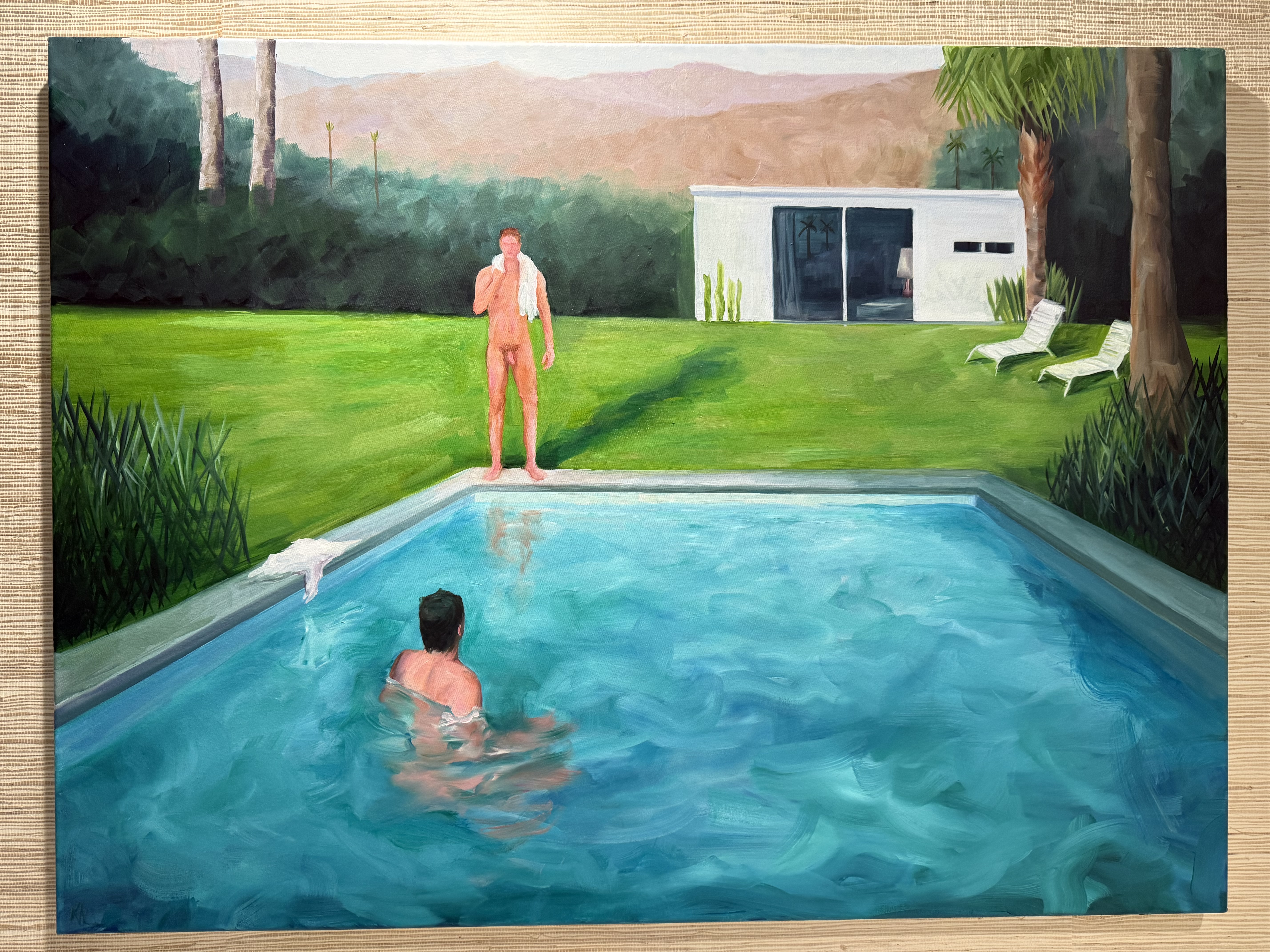
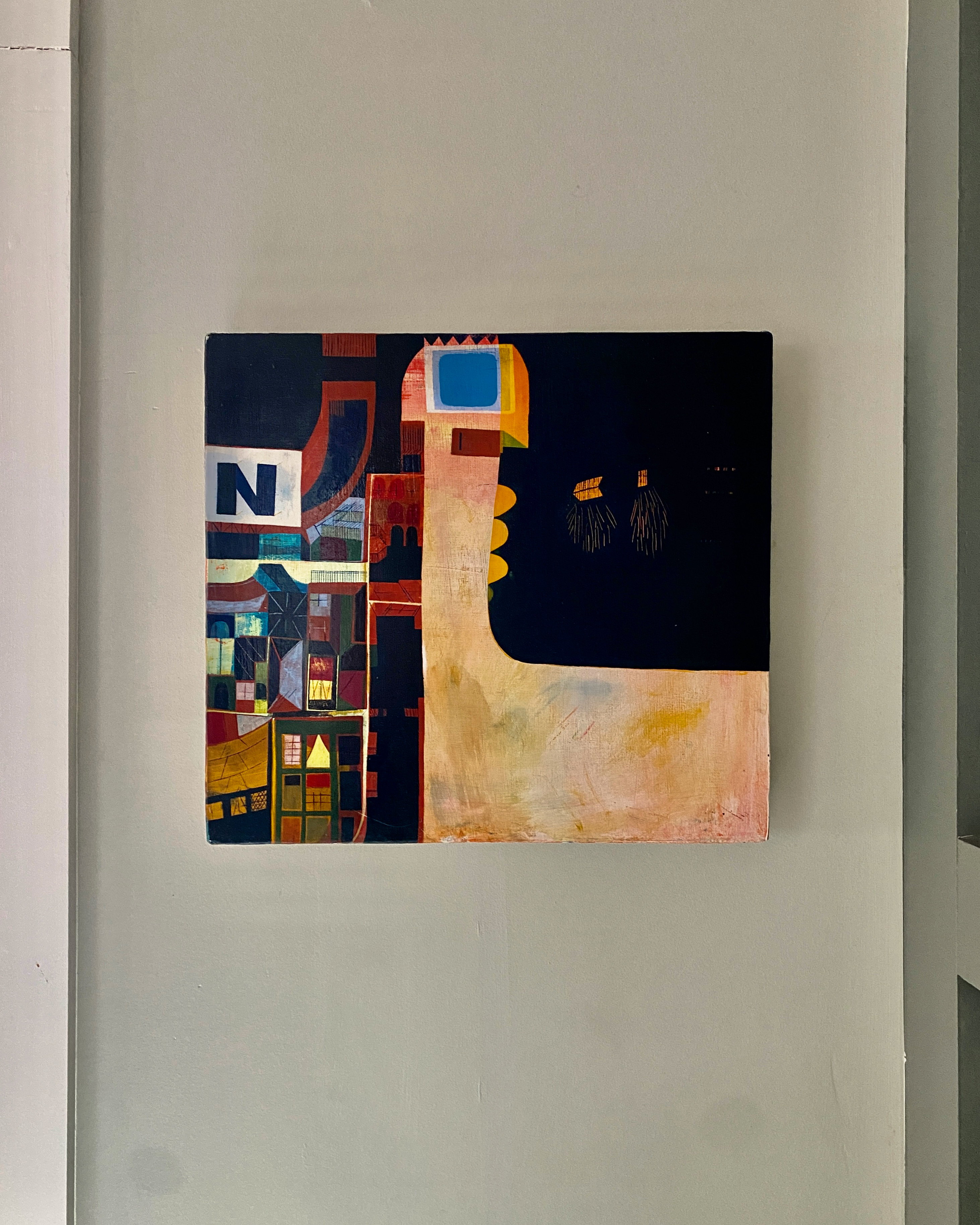
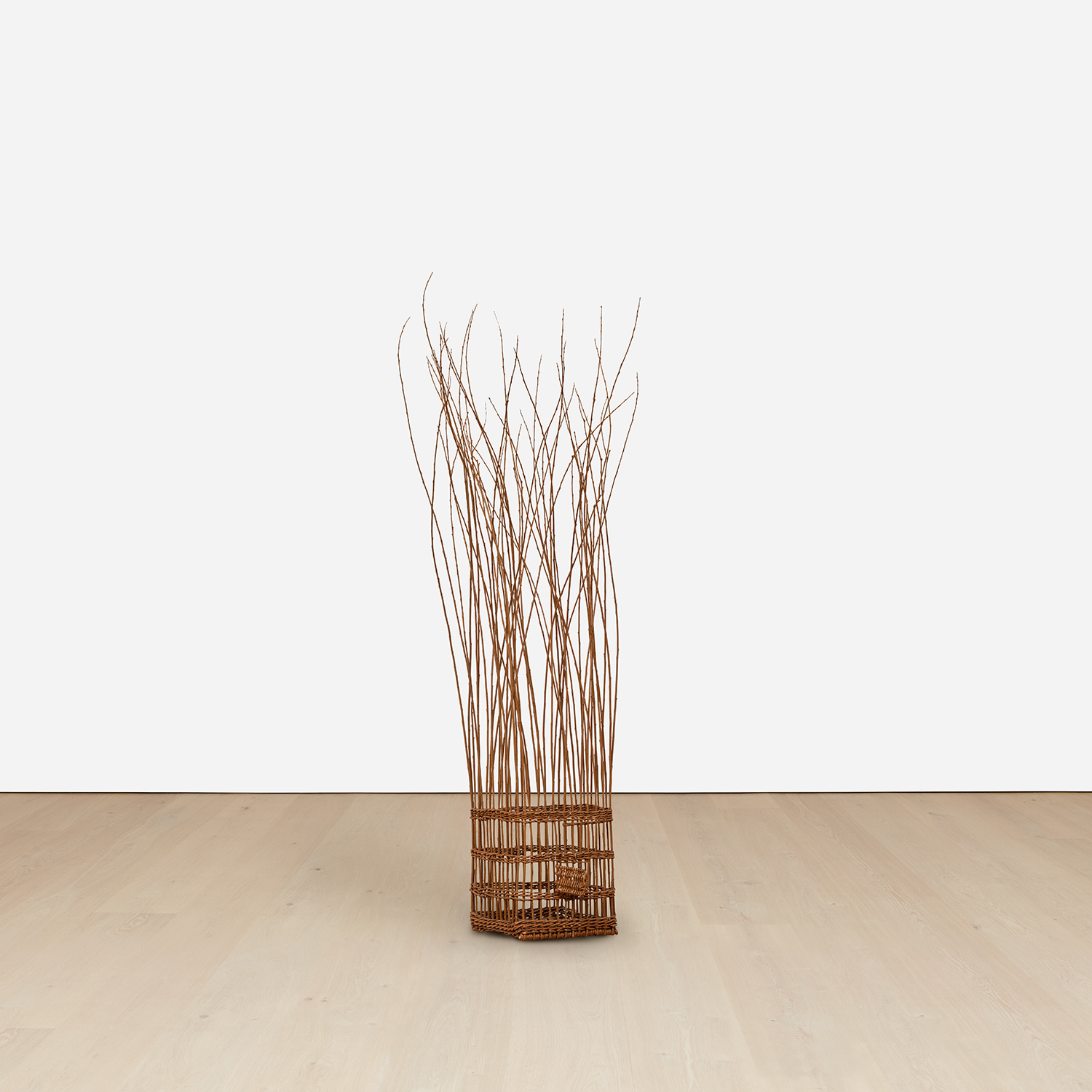
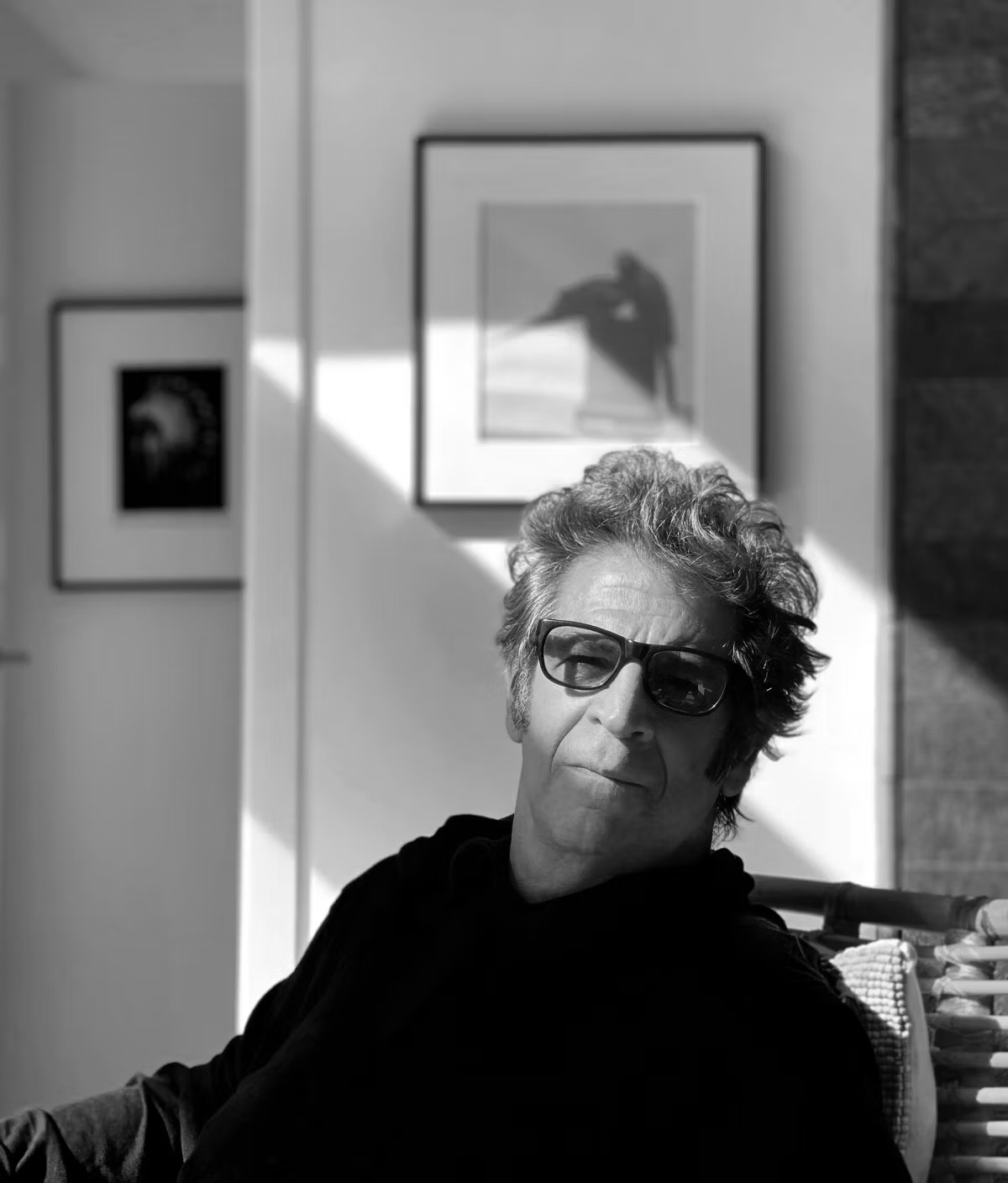
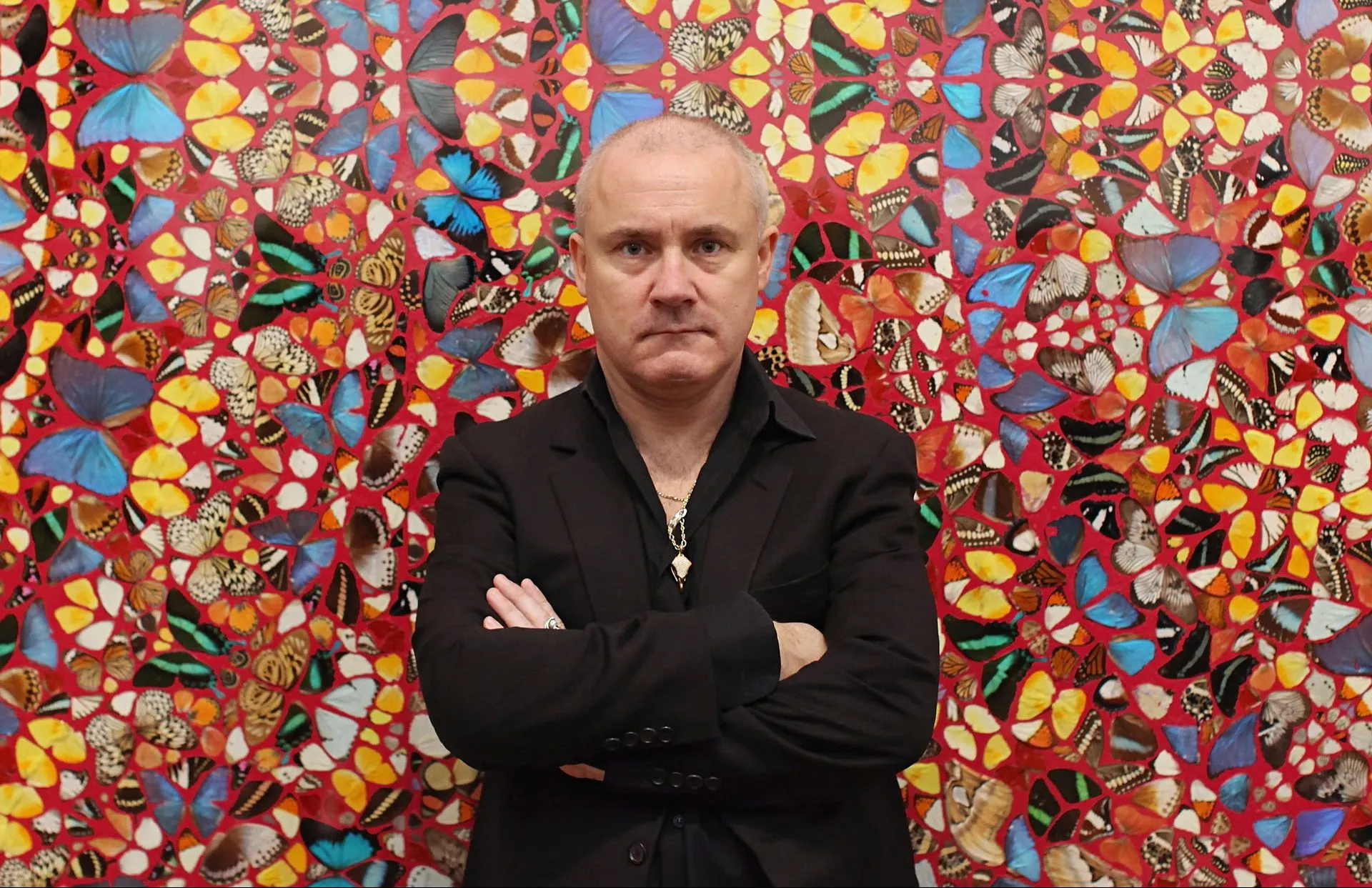
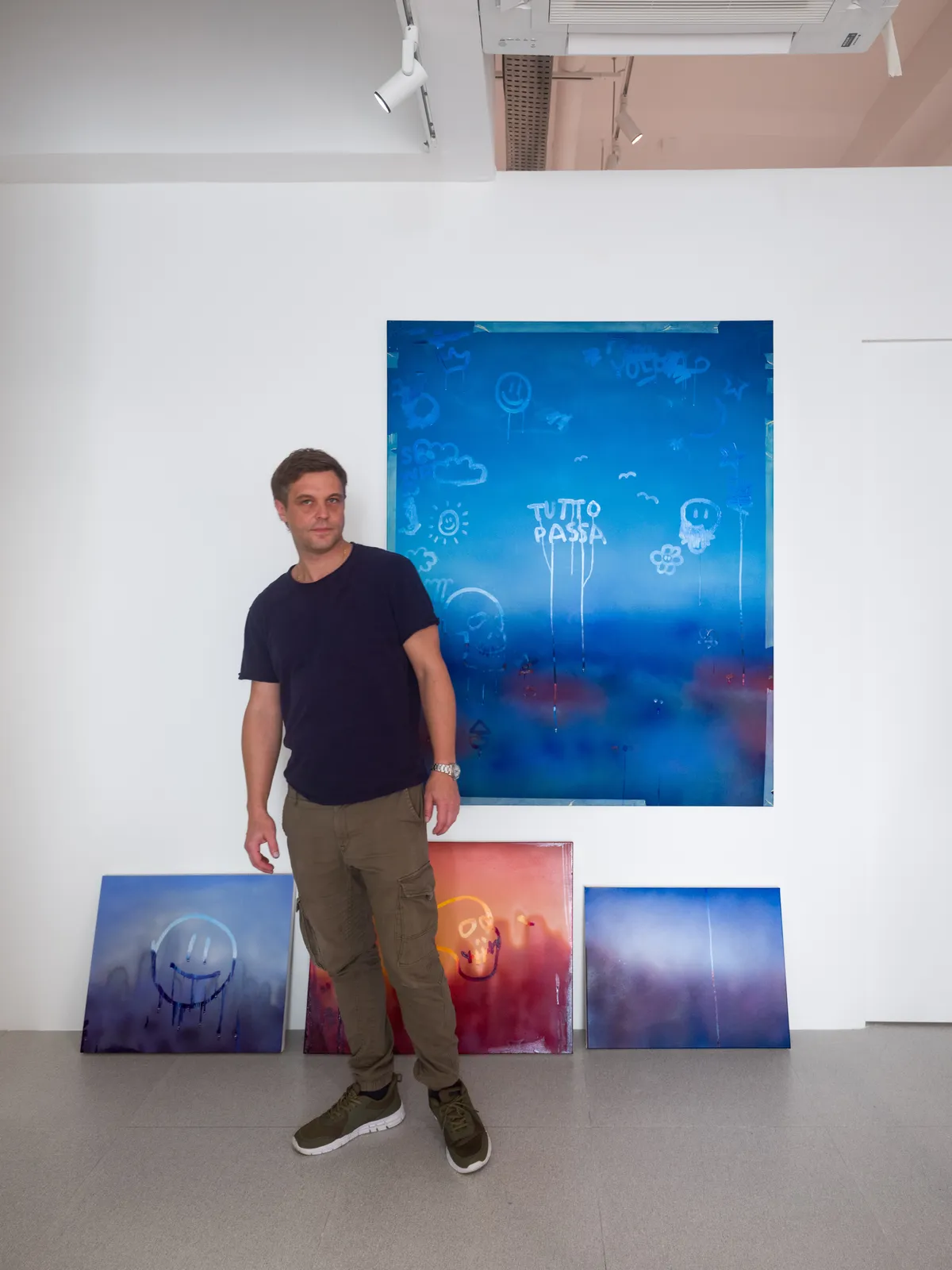
Kory Alexander
Unspoken Beginning, 2025
Kory Alexander is another name whose trajectory is worth following, as serious collectors and curators have been paying attention in ways that the broader market has not yet fully caught up with. At auction, living artist works behave differently than those by artists no longer working. The presence of a living artist can be a stabilizing force, since galleries remain invested in managing the market and the artist can authenticate works and control supply through ongoing production. It can also be a complicating factor, since a major new body of work or a poor critical reception can shift values rapidly.
Works by artists like Robert Longo or Rudolf Stingel, whose markets have at various points moved dramatically in both directions, illustrate how quickly the secondary market can reprice when critical consensus shifts. The smart collector pays attention to where gallery representation sits, whether an artist's primary dealer is actively placing works in important collections and museums, since that activity upstream has enormous downstream effects on secondary market performance. Practically speaking, condition is everything with works by living artists, because unlike historical work there is no established conservation canon to fall back on and the artist's own materials choices may create unexpected challenges over time. Ask galleries directly about materials, whether works are on canvas or panel, whether pigments are archival, and how editions are structured and verified.
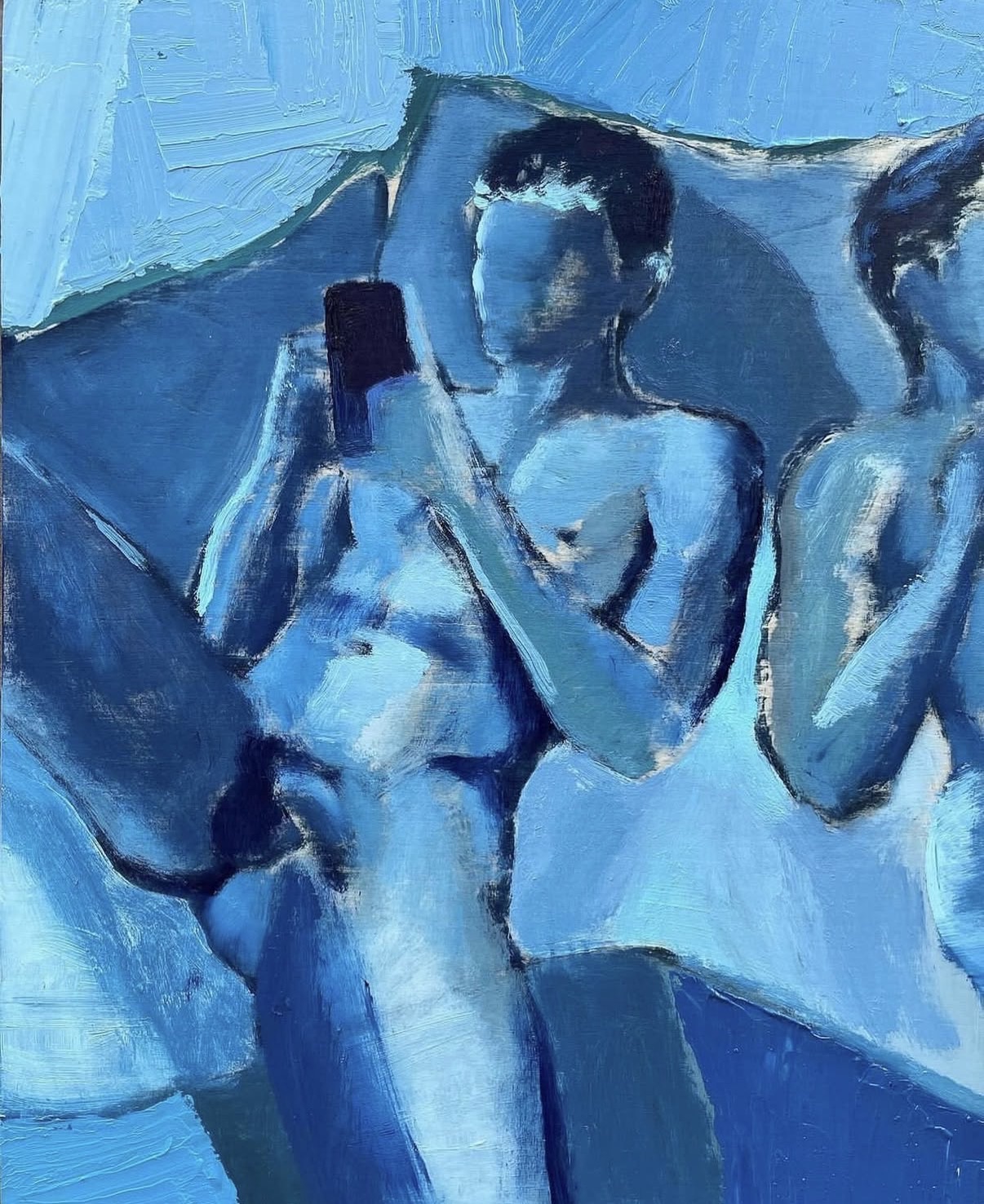
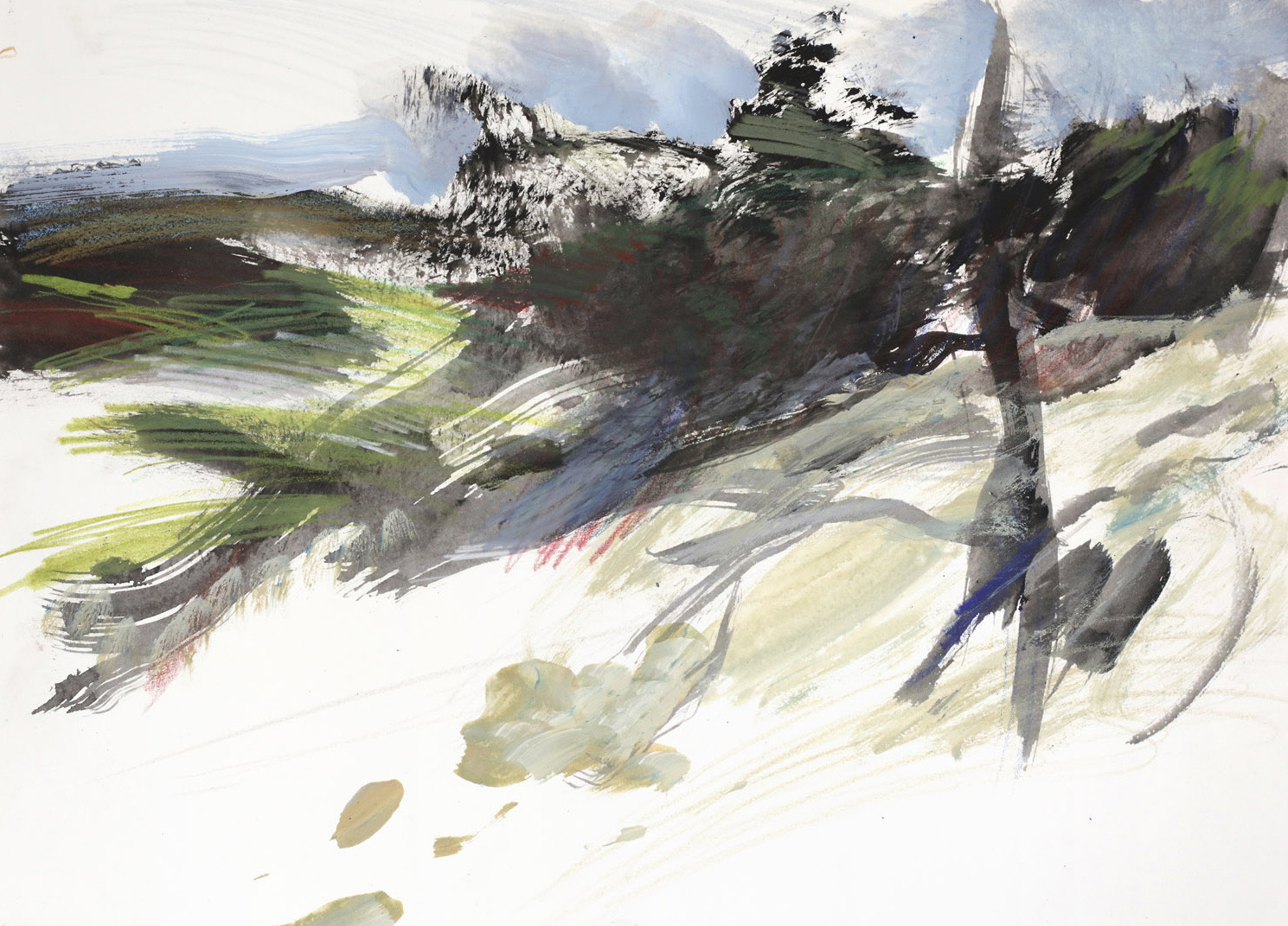
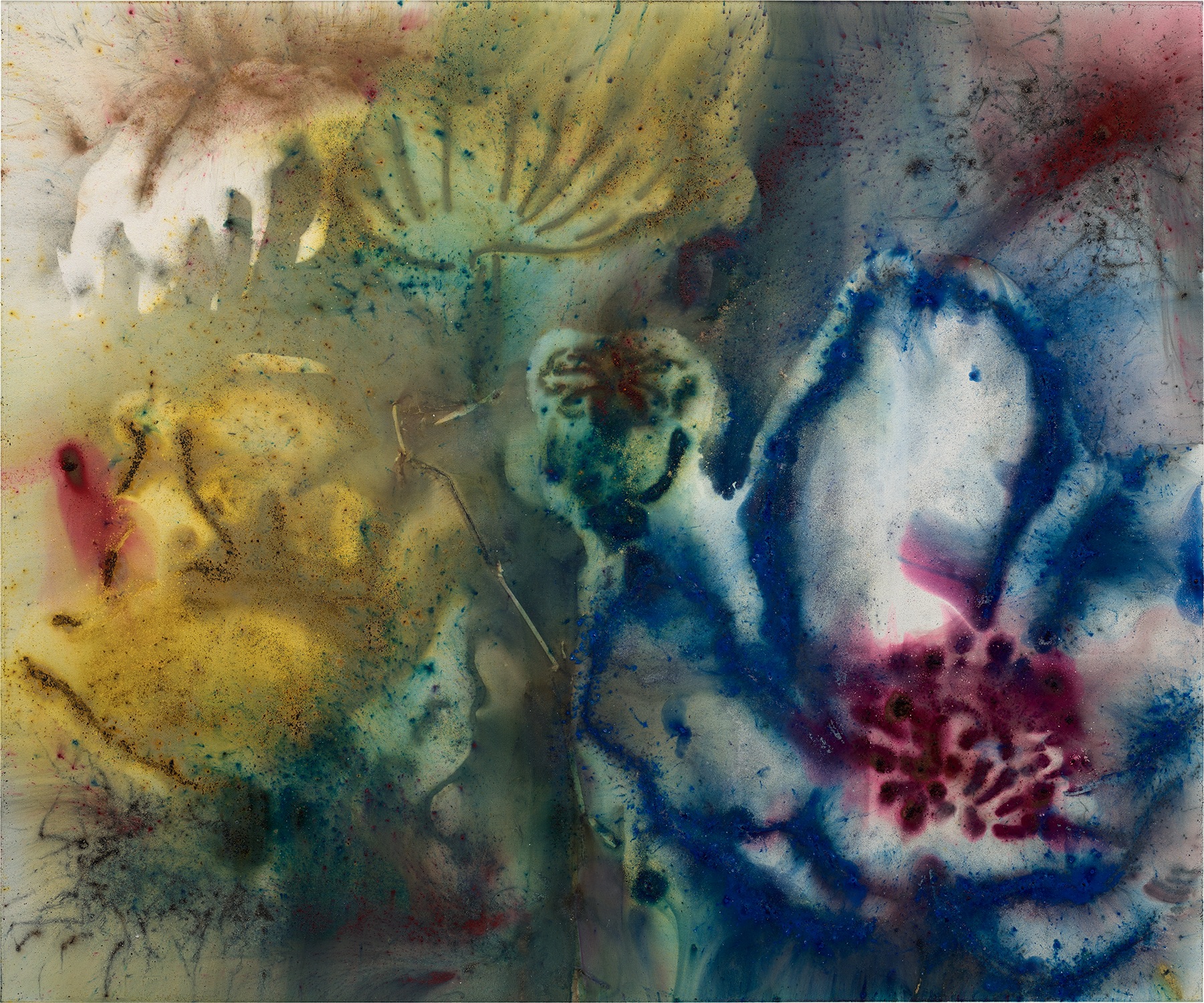
Jonathan Kent Adams
Untitled
On the question of editions versus unique works, the general principle holds that unique works carry stronger long term value, but a low edition print by a major artist can outperform a unique work by a lesser one, so the logic is always relative. Do not hesitate to ask a gallery for exhibition history, provenance, and any available condition reports, reputable galleries expect these questions and the ones that resist them are telling you something important. Most of all, buy what genuinely engages you, because with living artists you are entering a relationship that will evolve, and the works you live with should be ones you want to keep having that conversation with.