Steel
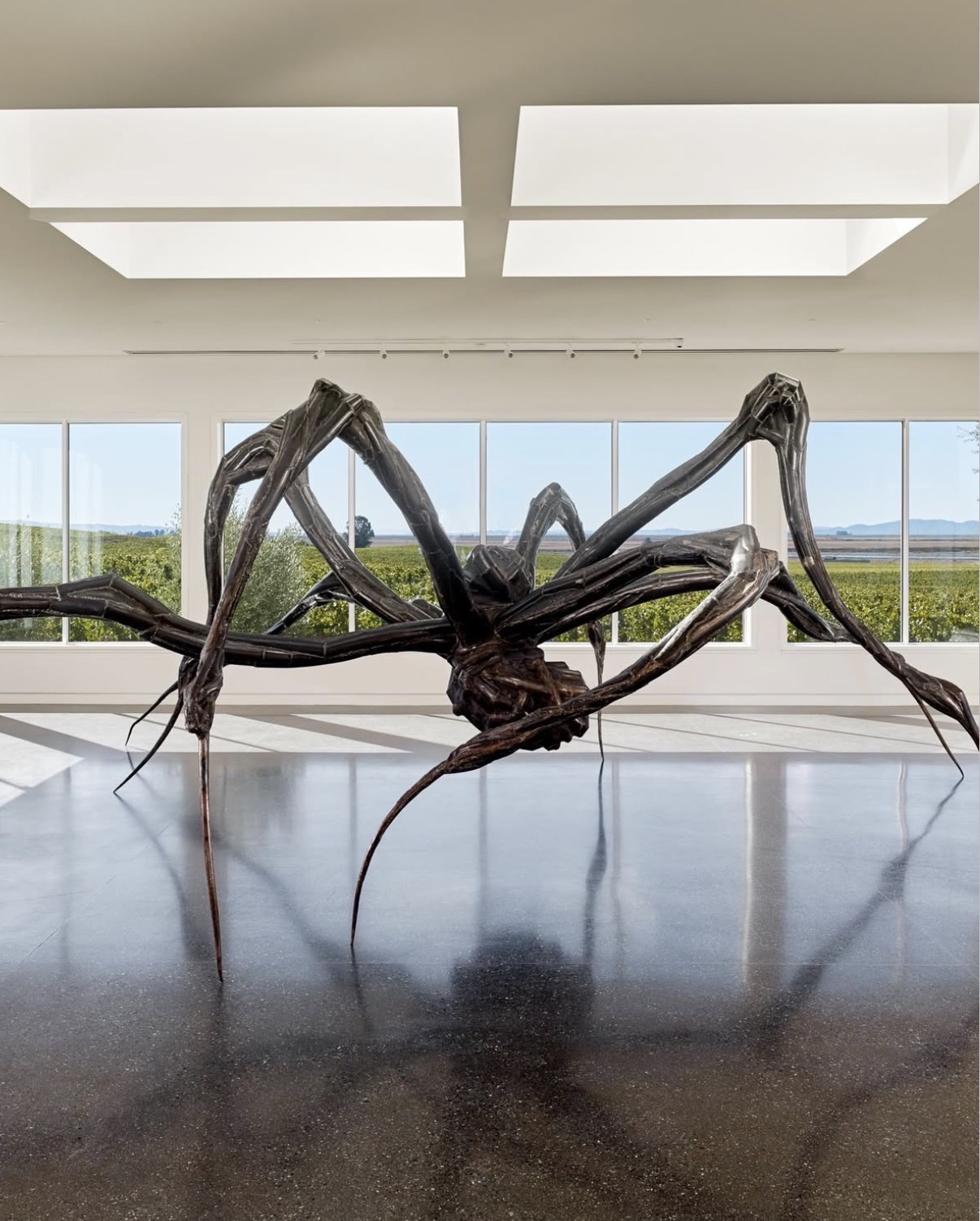
Louise Bourgeois
Crouching Spider, 2003
Steel Never Sleeps: Why Collectors Keep Coming Back
There is something almost primal about living with steel. It does not ask permission to occupy a room. It reflects light in ways that change by the hour, shifts from cold blue at dawn to warm amber by evening, and carries a physical weight that you feel even before you touch it. Collectors who are drawn to steel sculptures and steel based works often describe an intimacy that surprises them, a material that seems industrial from a distance but reveals extraordinary tenderness up close.
That tension, between the raw and the refined, between brutality and grace, is precisely what makes this category so compelling to live with over a long period of time. What separates a good steel work from a great one is often a question of conviction. The best works make you believe that no other material could have carried the idea. When John Chamberlain crushed and welded automobile bodies into abstract forms in the early 1960s, he was not simply repurposing scrap.
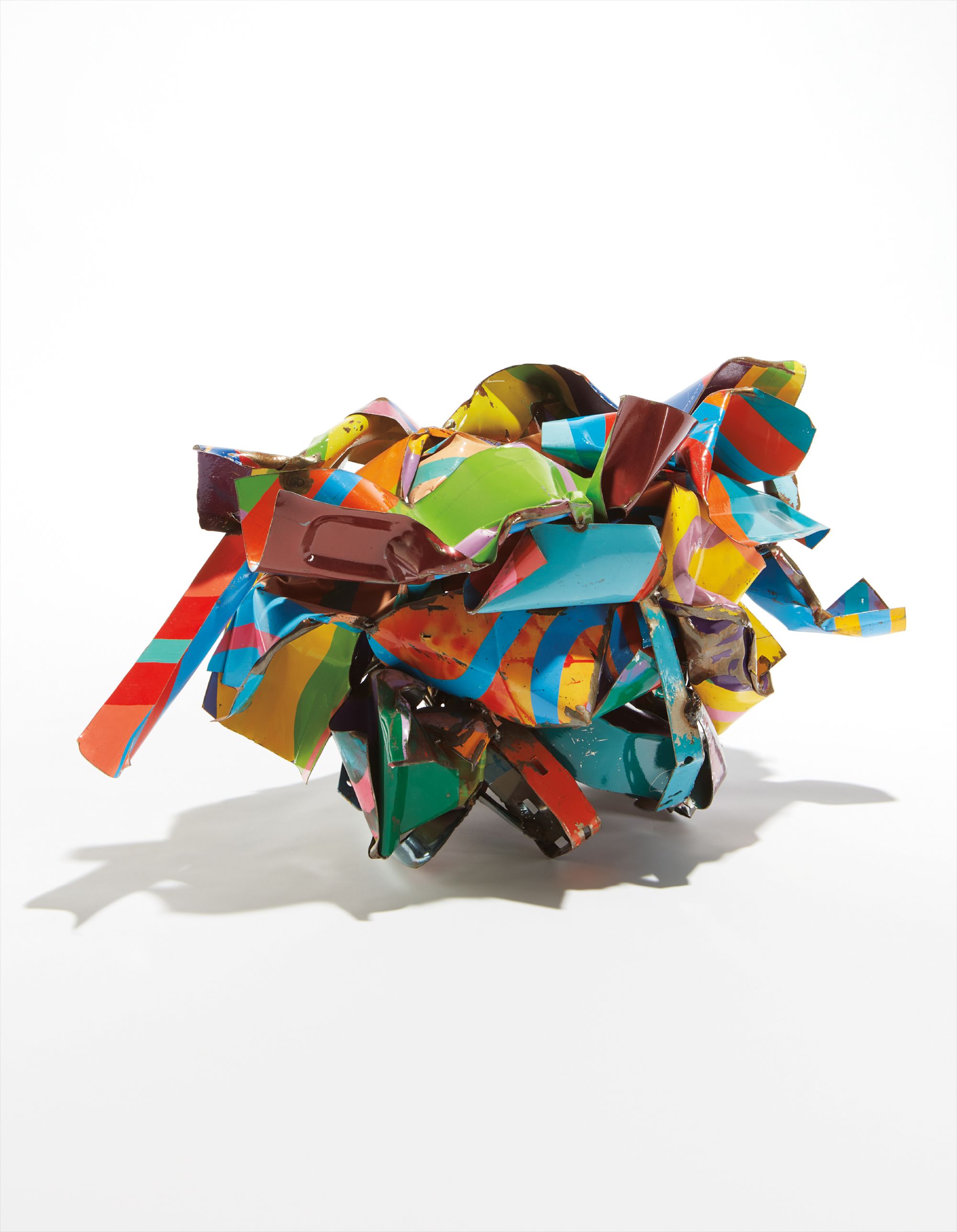
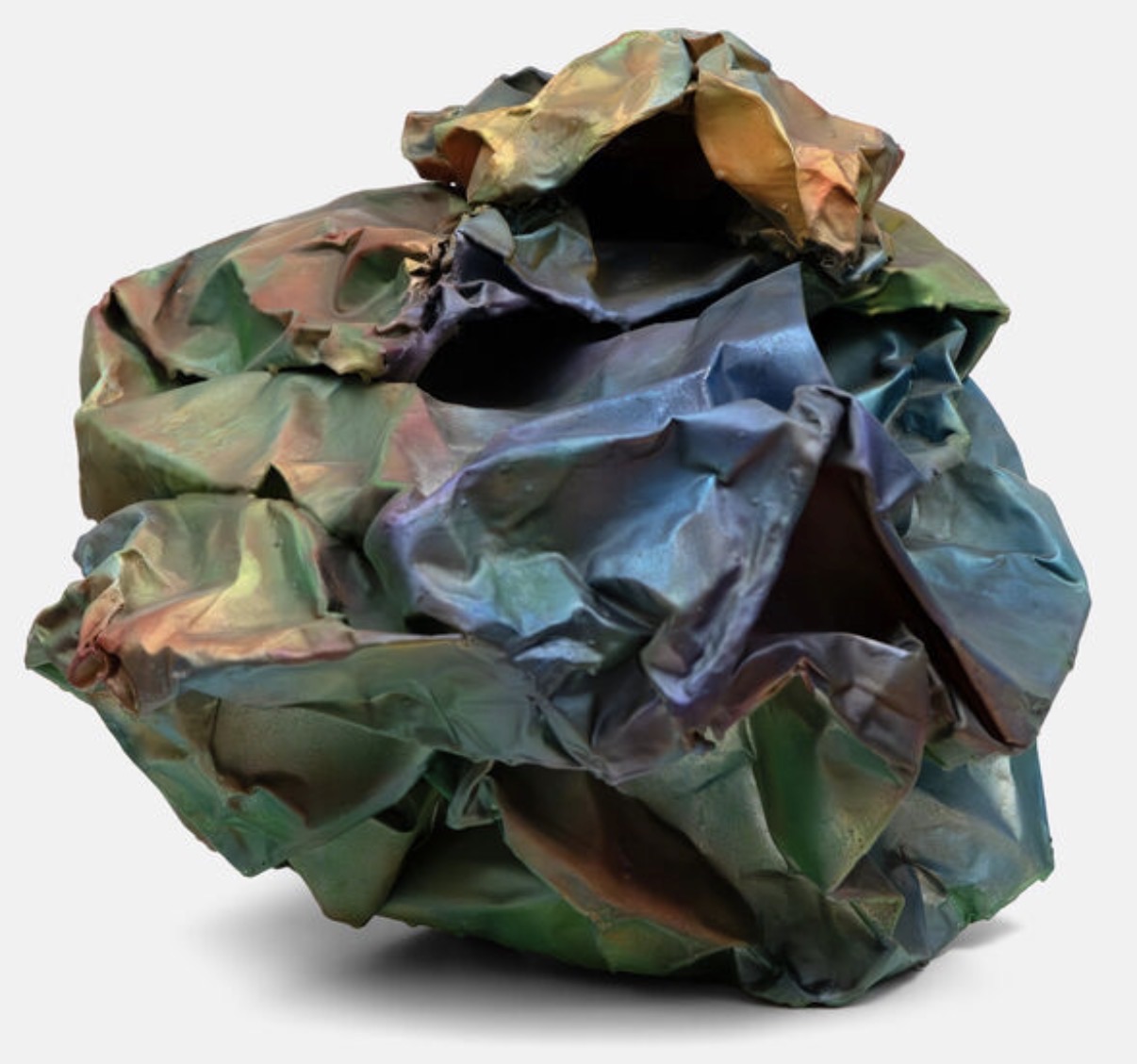
John Chamberlain
Softenedbysnow, 2007
He was arguing that the detritus of American consumer culture contained genuine lyric potential, and the compression of those painted metal surfaces proved his point with a kind of furious elegance. A great steel work has that same sense of necessity. The artist has not chosen steel because it is available or impressive but because the material is the argument. Collectors should ask themselves whether the work would survive translation into another medium.
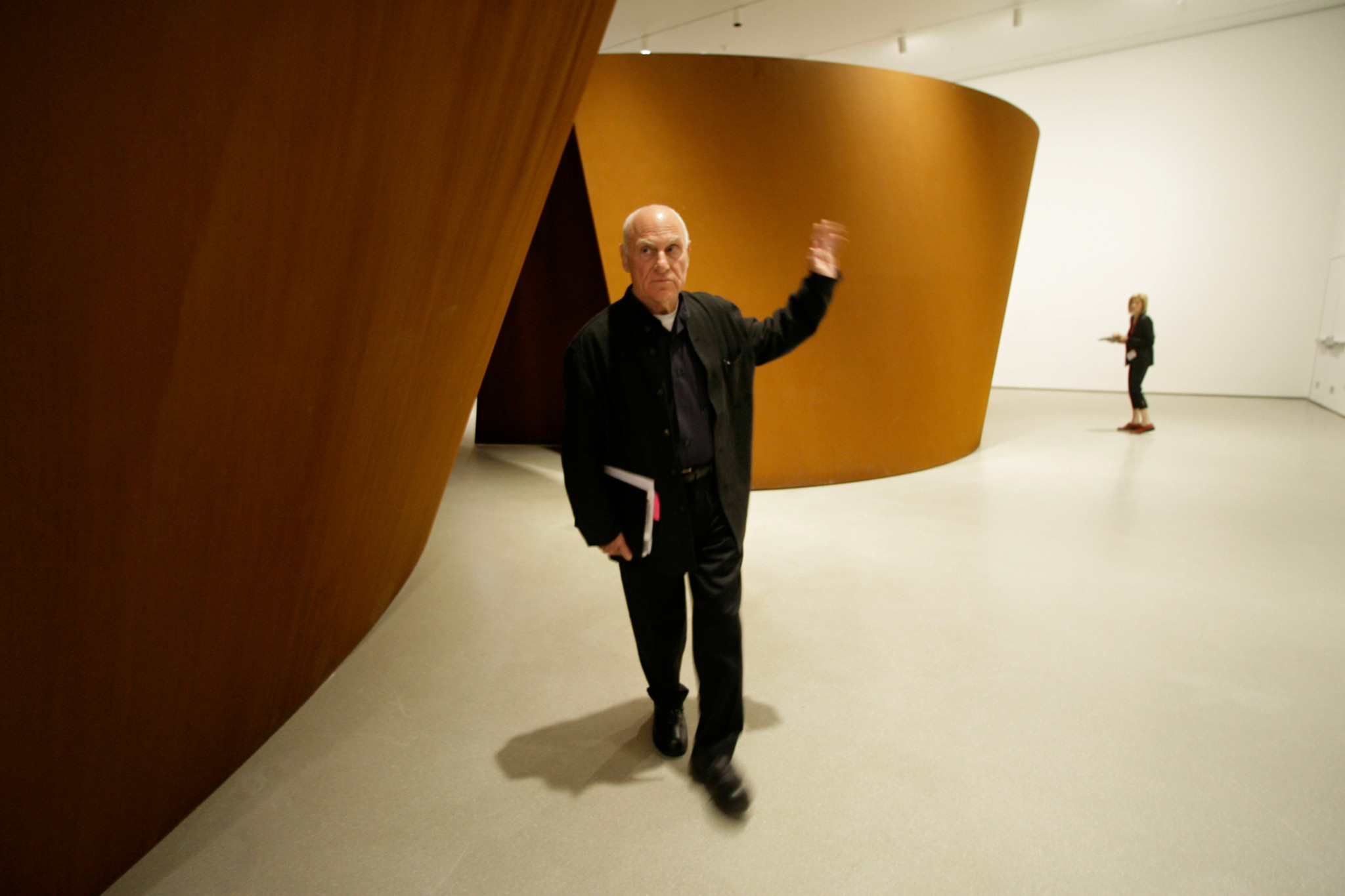
If the answer is no, you are probably looking at something worth pursuing seriously. Quality in this category also announces itself through fabrication and surface. The way a weld is handled, whether it is left visible as part of the composition or smoothed into near invisibility, tells you a great deal about an artist's intentions. Richard Serra's massive weathering steel works reward this kind of looking.
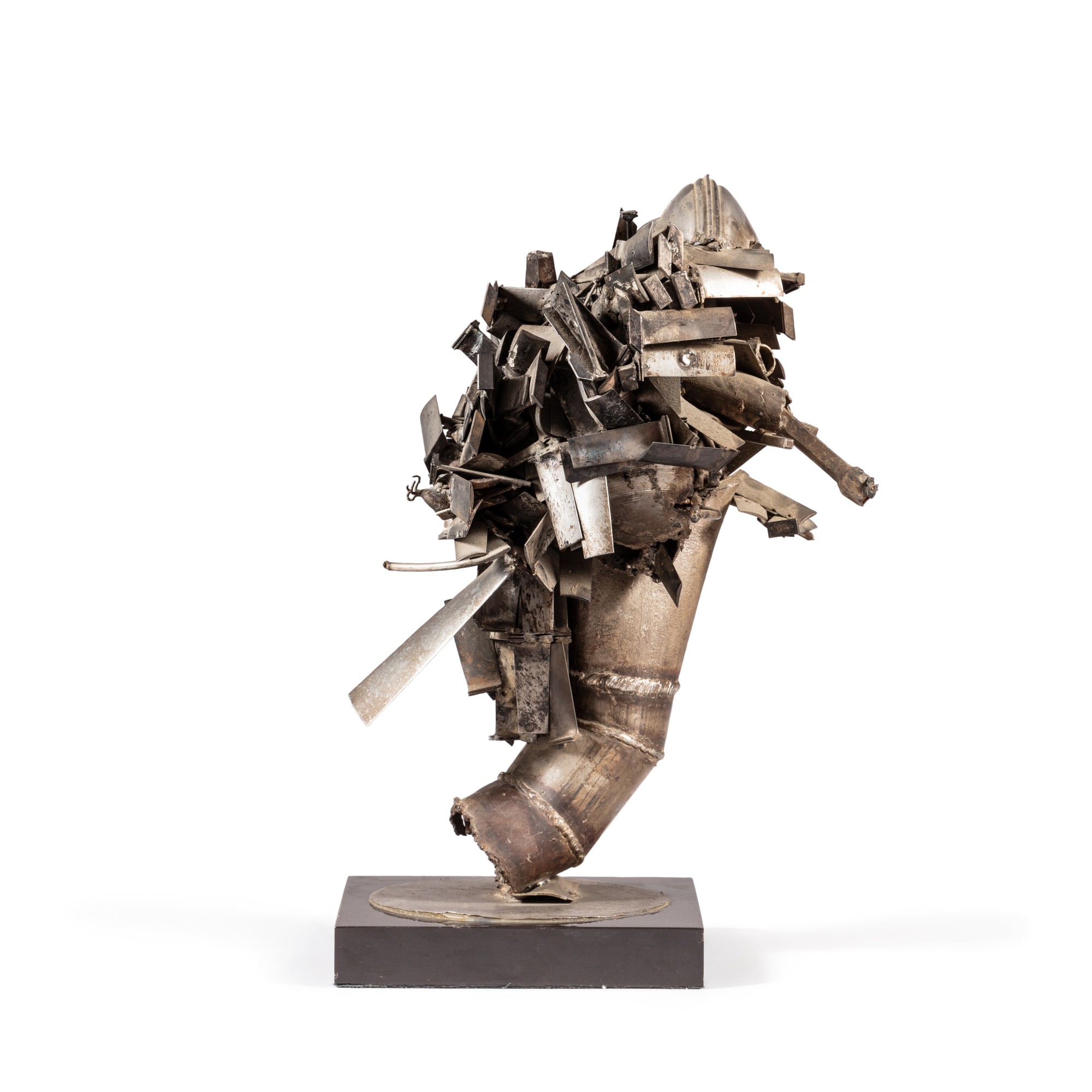
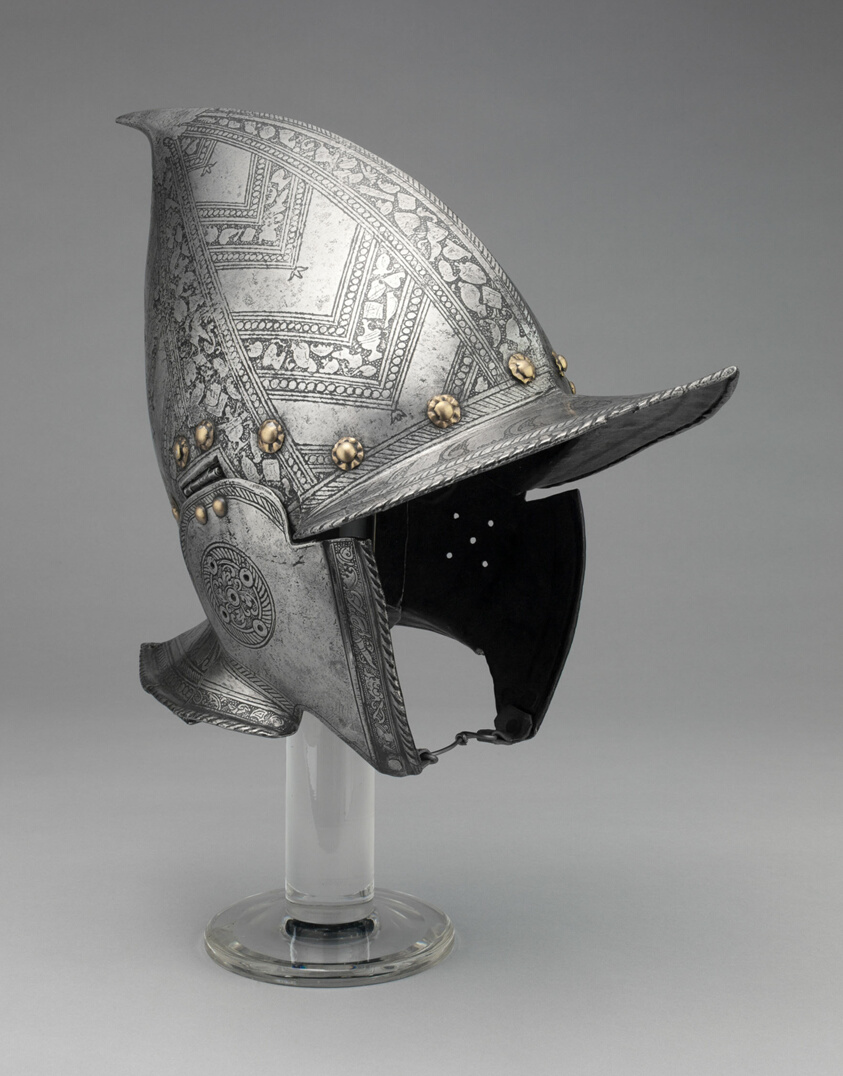
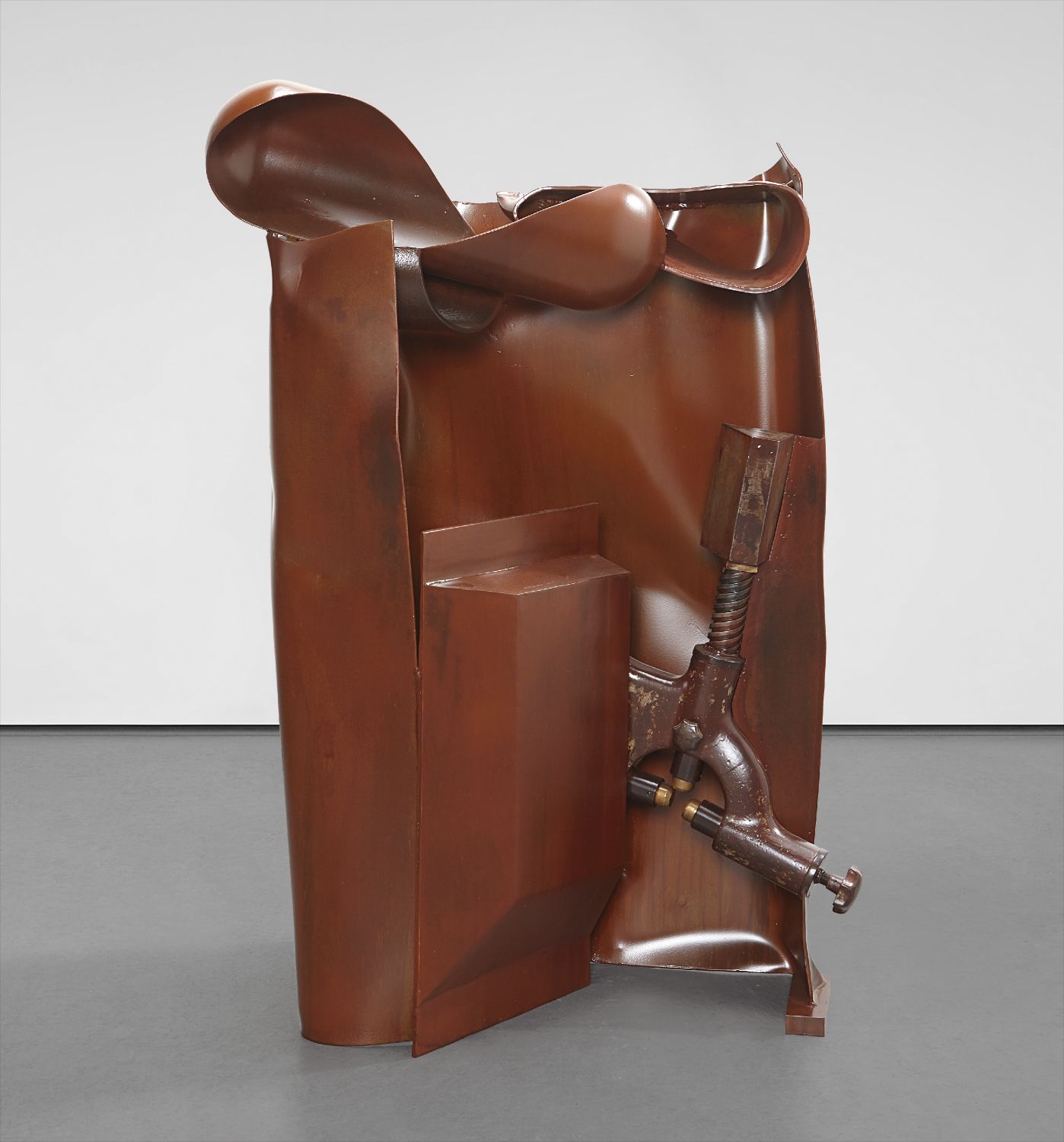
César
Sans titre, 1965
The oxidized surface of Cor Ten steel is not a patina applied after the fact but a deliberate embrace of time and atmosphere, a surface that is still technically in process when you acquire the work. David Smith's approach was entirely different, favoring polished and painted finishes that treated the steel almost as a painter treats canvas. Both approaches are valid. What matters is whether the surface decision is integrated into the larger logic of the piece.
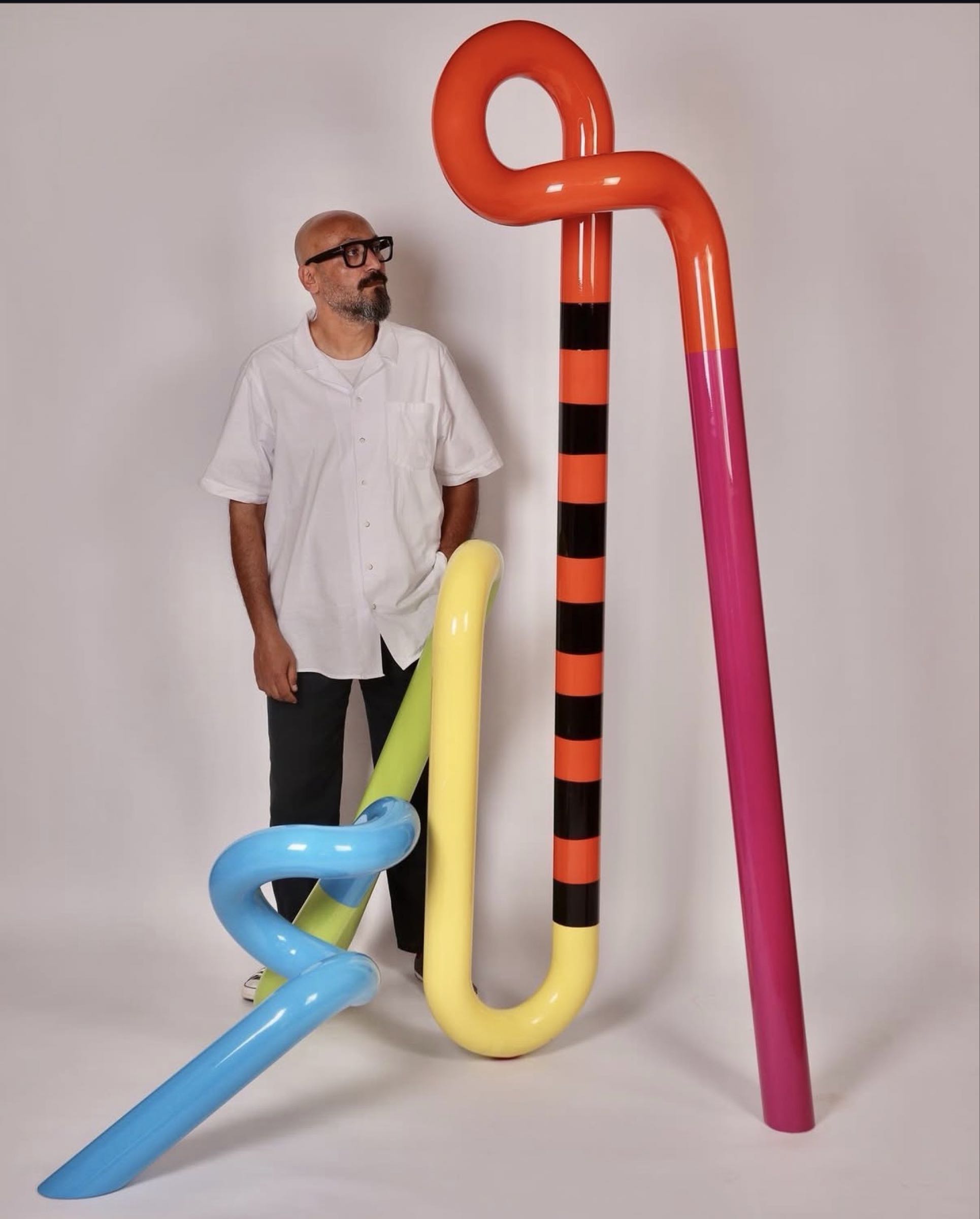
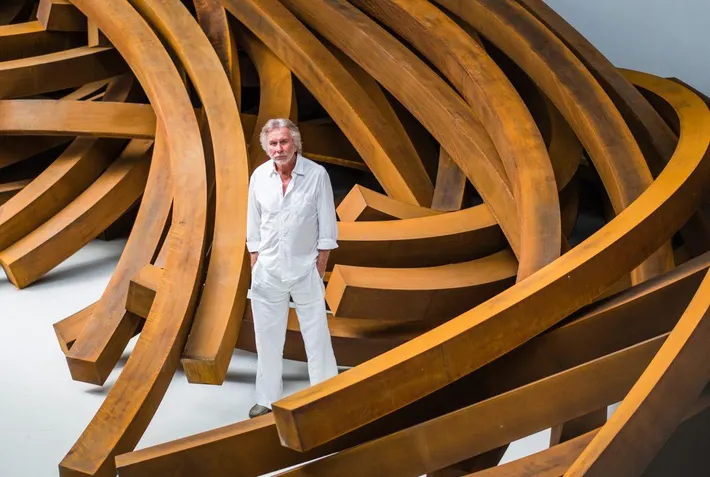
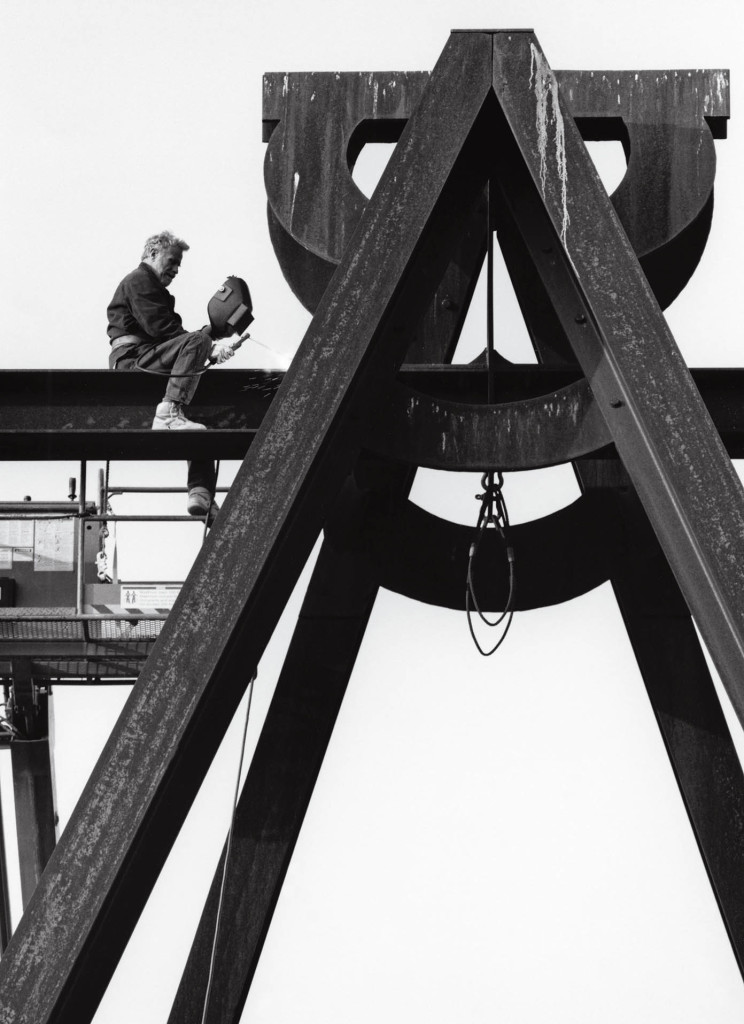
In terms of which artists represent the strongest value on the market right now, the conversation begins with those who established the formal vocabulary of welded and fabricated steel sculpture in the postwar period. David Smith's work, produced across his career at Bolton Landing through the mid 1960s, continues to attract serious institutional and private competition at auction. Sir Anthony Caro, who worked with painted steel assembled into horizontal, groundless compositions from the early 1960s onward, occupies a similarly canonical position, and works by Caro that have been exhibited internationally tend to carry meaningful premiums. Bernar Venet, whose steel arc and line sculptures have been the subject of major retrospectives in Europe and the United States, represents a case where the secondary market has grown significantly in the past decade as institutional recognition has caught up with the work's ambition.
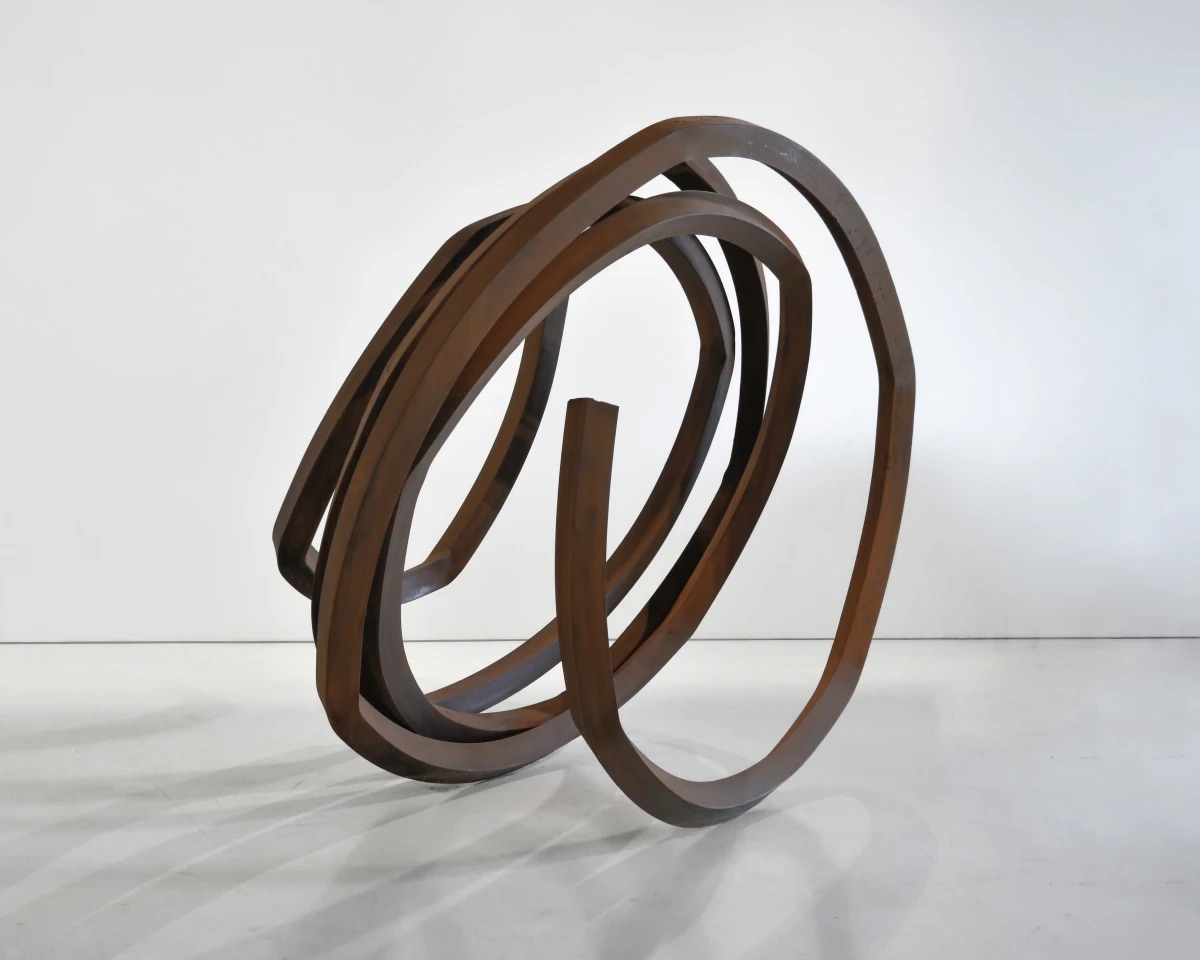
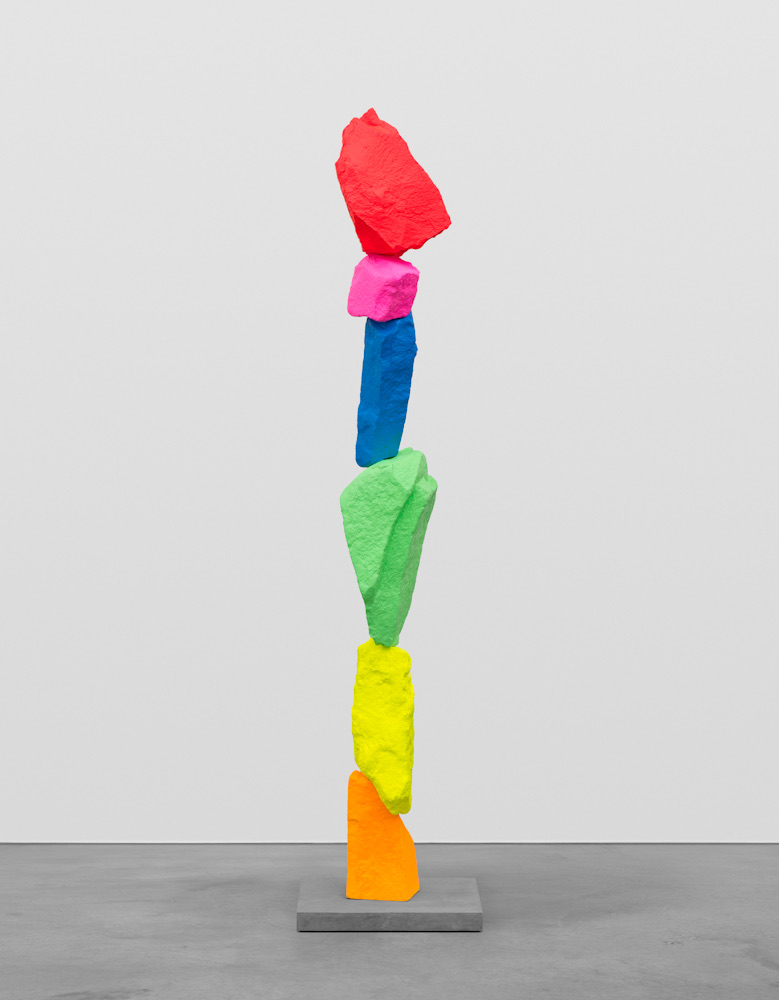
Bernar Venet
Indeterminate Line, 2022
For collectors thinking about value across a longer horizon, these are artists whose positions feel consolidated rather than speculative. Jean Prouvé presents a different but equally compelling opportunity. His work sits at the intersection of design history and sculpture, and collectors who have been willing to engage with that ambiguity have been rewarded. Prouvé's steel furniture and architectural elements are now treated by the market as objects of genuine cultural significance rather than simply functional design, and major auction houses have reflected this in their estimates.
The same logic applies to Charlotte Perriand, whose collaborations with Prouvé produced works that are deeply sought by collectors who understand the postwar French avant garde. These are names that appear with real frequency on The Collection, and for good reason. For collectors interested in emerging or underrecognized positions, the opportunities are genuine. Oscar Tuazon works at the boundary between sculpture, architecture, and political gesture, using raw steel and industrial materials to construct environments that challenge institutional space.
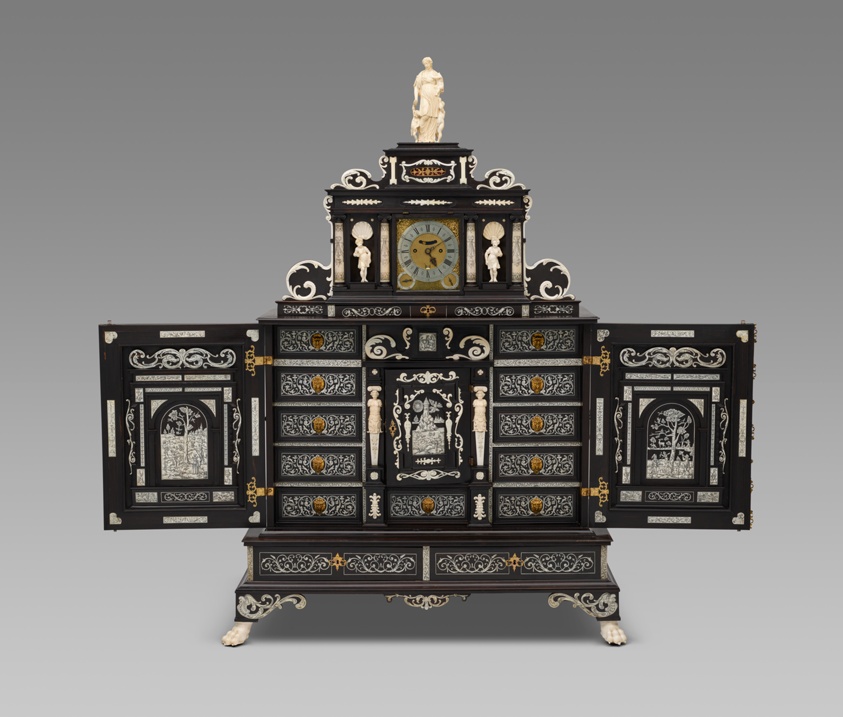
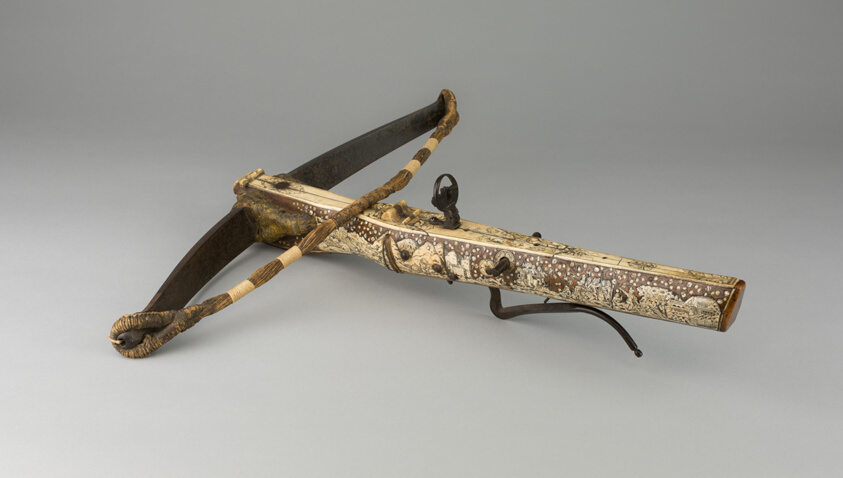
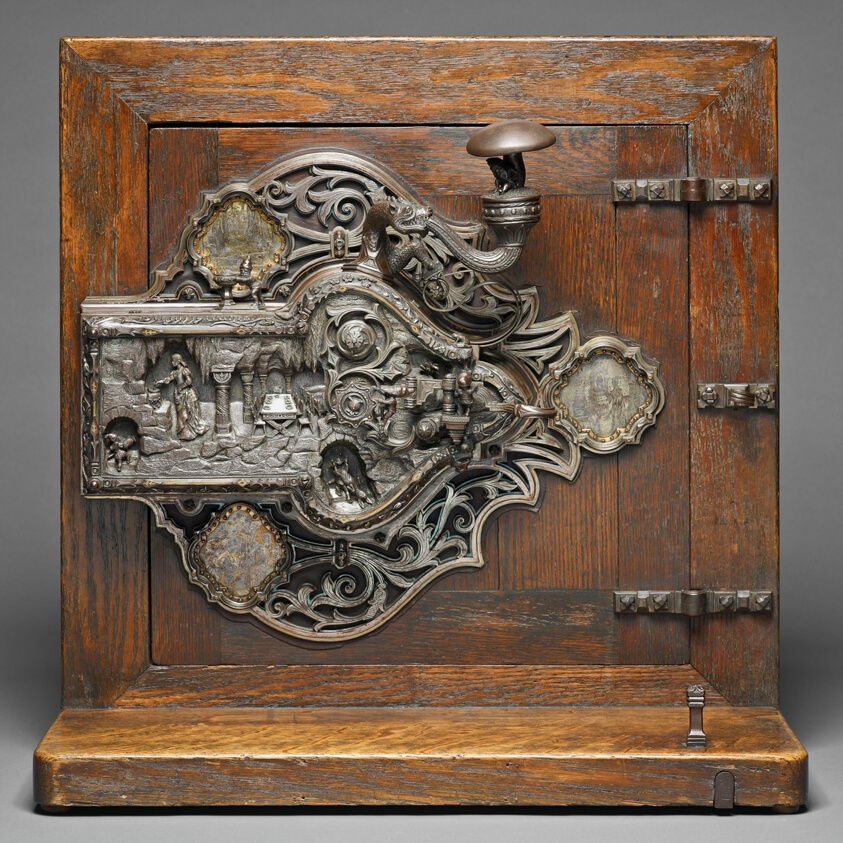
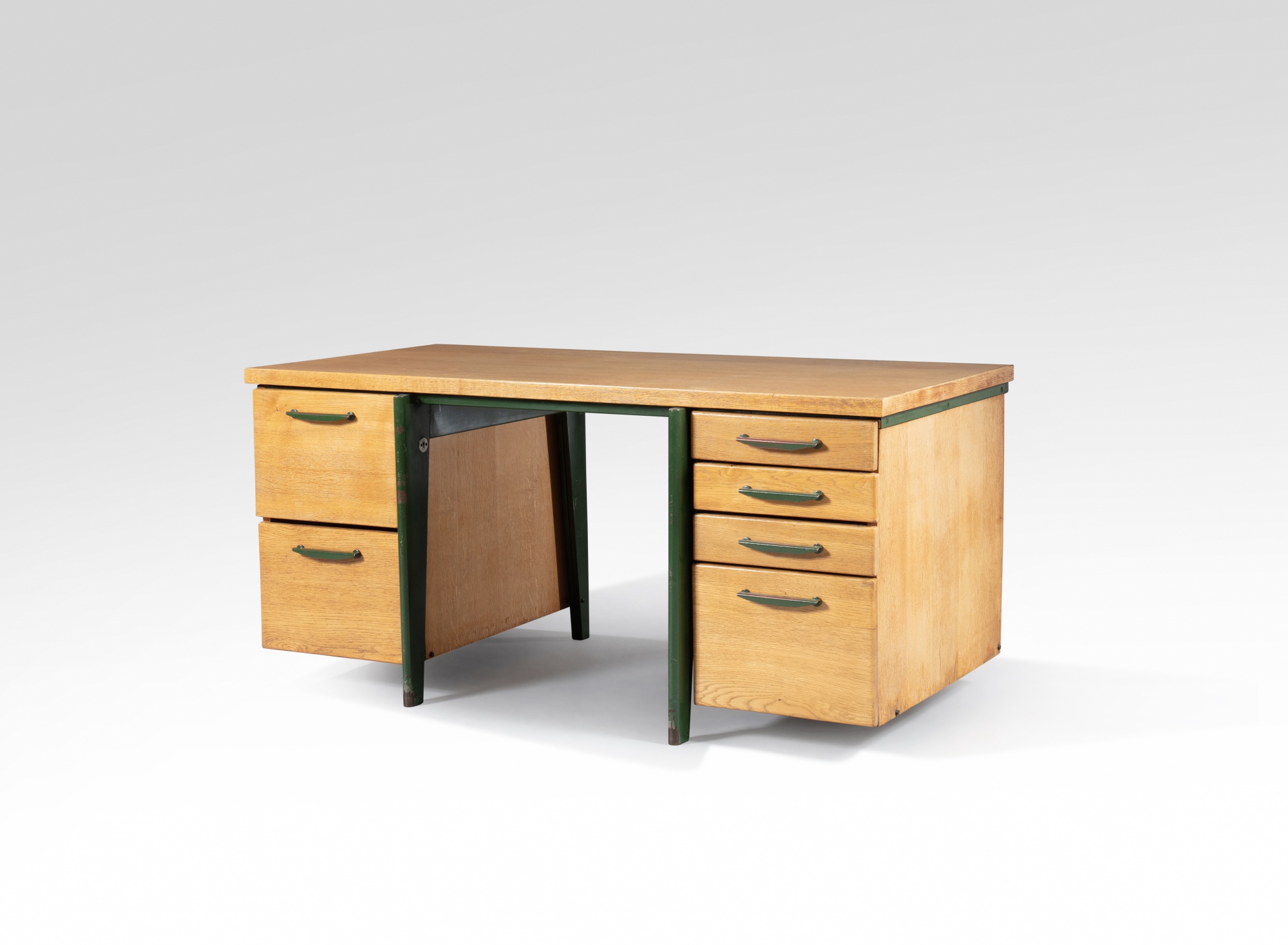
Unknown Artist
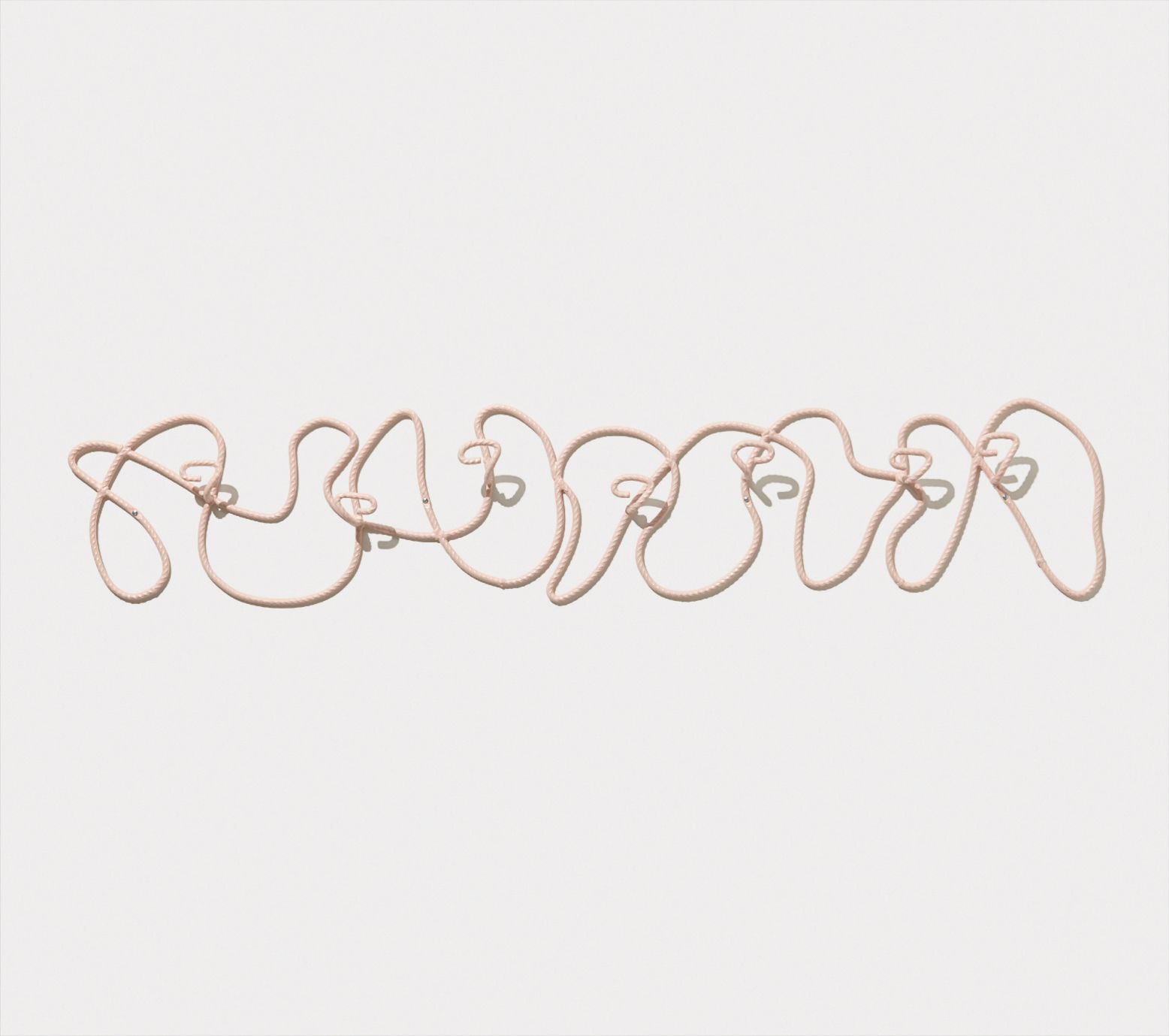
Cabinet, 1640
His work has been shown at major biennials and kunsthalles but remains accessible relative to his peers. Chakaia Booker, whose intricate works incorporate rubber alongside steel and metal elements, represents another case where critical recognition and market positioning have not yet fully aligned. Buying ahead of that alignment is one of the pleasures and disciplines of serious collecting. At auction, steel works present some specific dynamics that collectors should understand.
Monumental scale drives excitement and headline prices, but it also limits the universe of buyers who can accommodate and install the work, which can create volatility. Medium sized and smaller format works by the same artists often offer better value per quality of conception. Condition is also more complex than it first appears. Steel corrodes, and a work that has been stored poorly or displayed outdoors without proper maintenance can present conservation challenges that are both expensive and, in some cases, irreversible.
Before acquiring any steel work, especially one that has been in storage or has passed through multiple hands, commission a condition report from a conservator who specializes in metal sculpture. Ask the gallery or seller to provide documentation of any previous restoration or stabilization work. For unique works versus editioned pieces, the usual hierarchy applies with some nuance. Many sculptors working in steel produce unique works, and these command the strongest market interest.
However, some artists have produced authorized editions with foundry documentation, and these can offer meaningful entry points into a body of work. When speaking with a gallery, ask specifically about the edition size, the foundry involved, and whether the artist supervised the production. Ask also about the certificate of authenticity and whether the work is catalogued in any forthcoming or existing catalogue raisonné. For artists like Bernar Venet or Anthony Caro, scholarly documentation is well developed.
For younger artists, you are relying more heavily on gallery provenance and the relationship of trust that serious collecting always depends upon in the end.