Realism
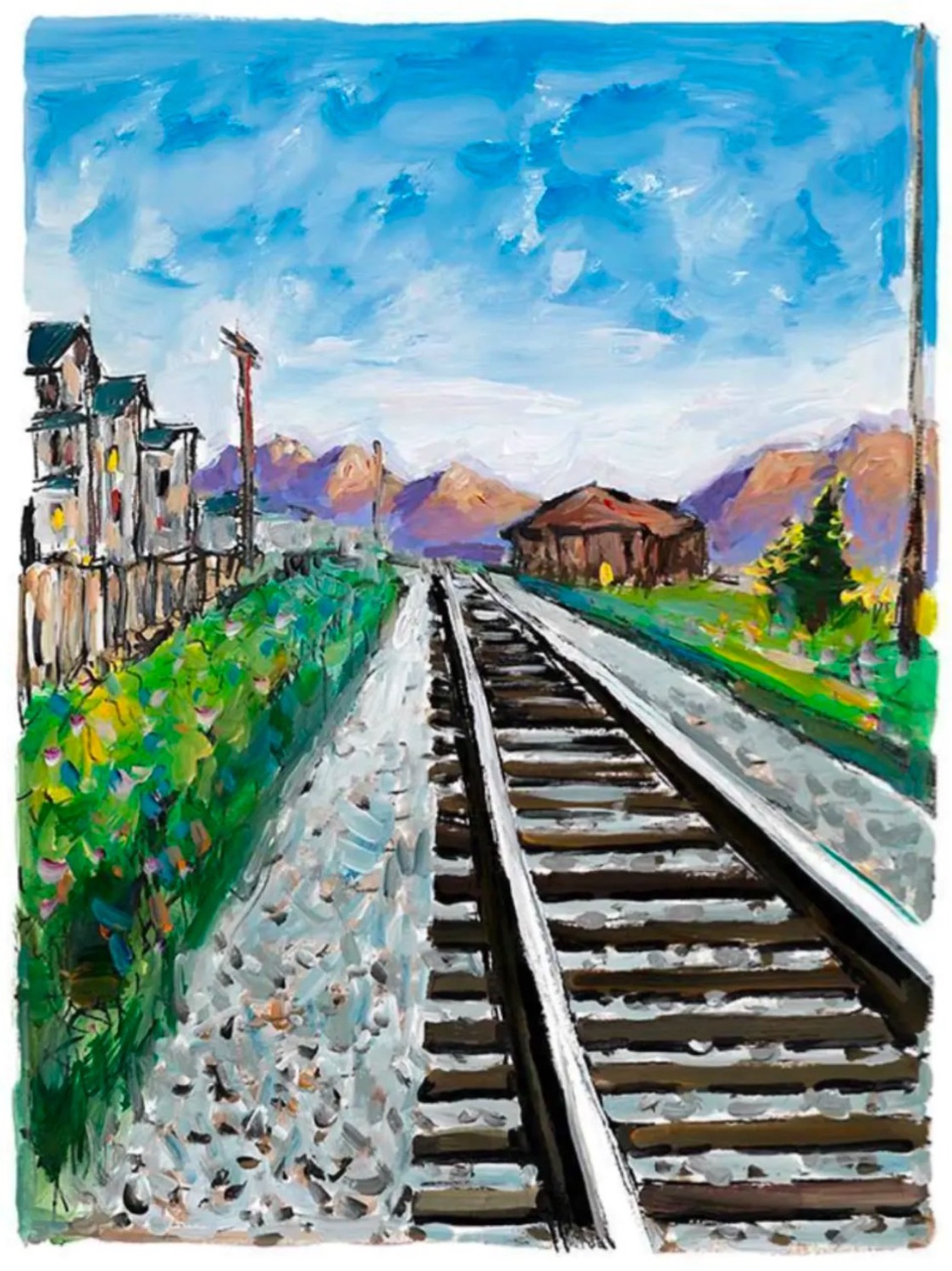
Bob Dylan
Train Tracks 2018 (blue), 2018
Realism: The Art of Refusing to Look Away
There is a particular kind of courage in painting the world as it actually is. Not as myth or allegory, not as divine narrative or aristocratic fantasy, but as the grinding, luminous, often uncomfortable truth of lived experience. Realism, as both a movement and a sensibility, emerged in the mid nineteenth century as a deliberate act of defiance against the elevated subjects and theatrical poses that had dominated Western art for centuries. It asked a deceptively simple question: what if painting were about us, about now, about this?
The movement crystallized in France around 1848, a year of revolution across Europe, and the timing was no accident. Gustave Courbet, the self described realist who essentially named the movement himself, mounted a private exhibition in a wooden shed outside the 1855 Exposition Universelle in Paris and called it the Pavillon du Réalisme. The gesture was as much political manifesto as artistic statement. His monumental canvases depicted peasants, laborers, and provincial funerals with the scale and gravity previously reserved for history painting and religious subjects.
Meghann Stephenson
Mistaken For Strangers, 2025
Courbet's work on The Collection gives a sense of that stubborn insistence on material weight and social honesty that made him so galvanizing and so controversial in equal measure. Courbet did not emerge from nowhere. The Barbizon painters had been working in the forests of Fontainebleau since the 1830s, developing a direct engagement with the natural landscape that prefigured realist principles. Jean François Millet, whose work appears throughout The Collection, brought a profound seriousness to images of rural labor, elevating the peasant figure to something approaching the monumental without ever sentimentalizing the hardship underneath.
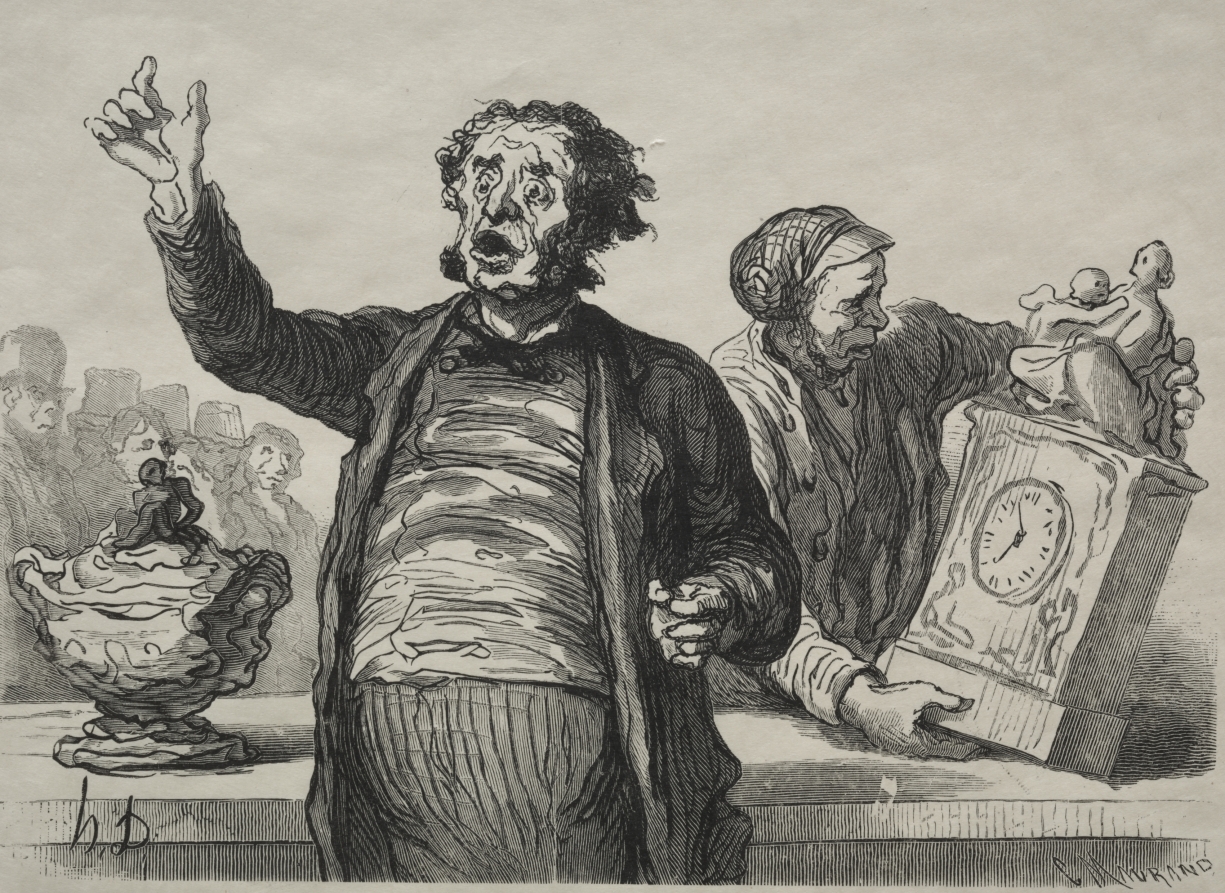
Charles Émile Jacque worked alongside Millet in Barbizon, sharing that rootedness in the agricultural rhythms of rural France. What united these artists was a refusal to idealize, to smooth away the mud and exhaustion and particularity of actual human life. In Paris, the energy was sharper and more urban. Honoré Daumier spent decades producing lithographs that cut to the bone of French political and social life, his images of lawyers, theater crowds, and street scenes carrying a satirical wit that masked serious moral purpose.
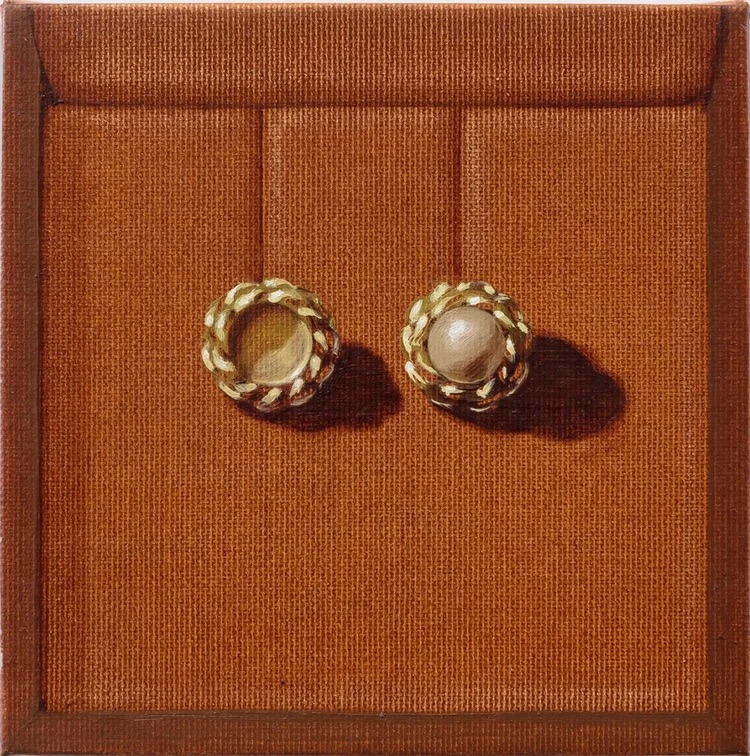
Anna Weyant
Untitled, 2021
Édouard Manet, often positioned awkwardly between Realism and the nascent Impressionism he helped inspire, brought a cool, painterly directness to modern Parisian life that scandalized critics and captivated younger artists. His refusal of conventional pictorial illusionism, the flattened space, the bold tonal contrasts, was in its own way a realist act: acknowledging the picture surface as a picture surface rather than a window pretending to be invisible. Henri Fantin Latour occupied adjacent territory, his group portraits and still lifes combining meticulous observation with quiet psychological intensity. The movement crossed the Channel and the Atlantic with remarkable ease, adapting itself to different social landscapes.
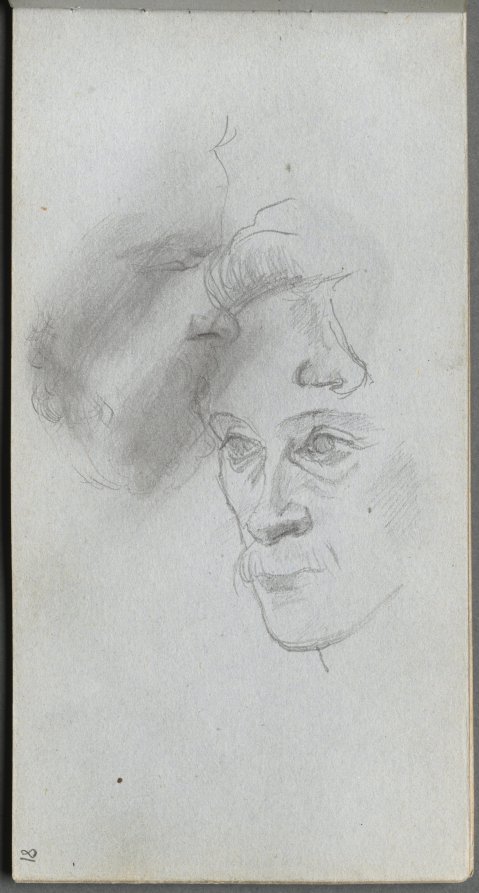
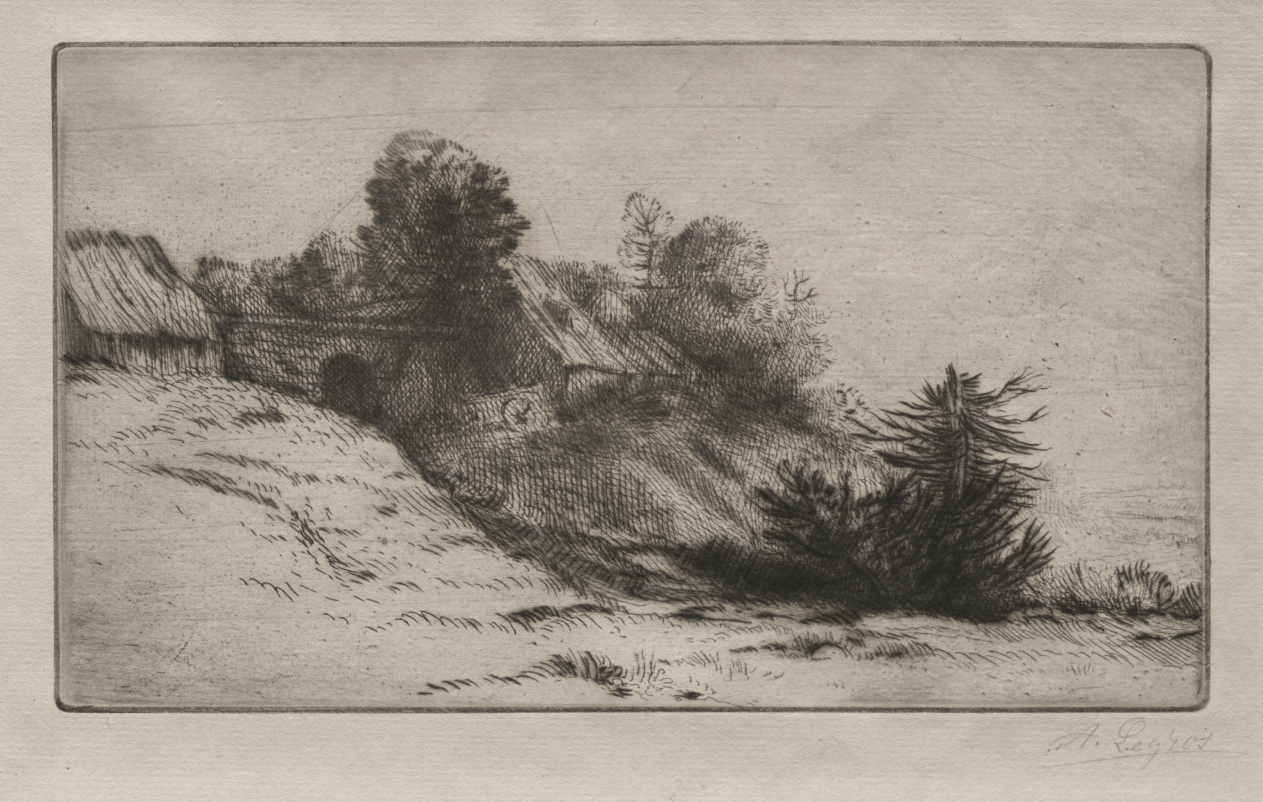
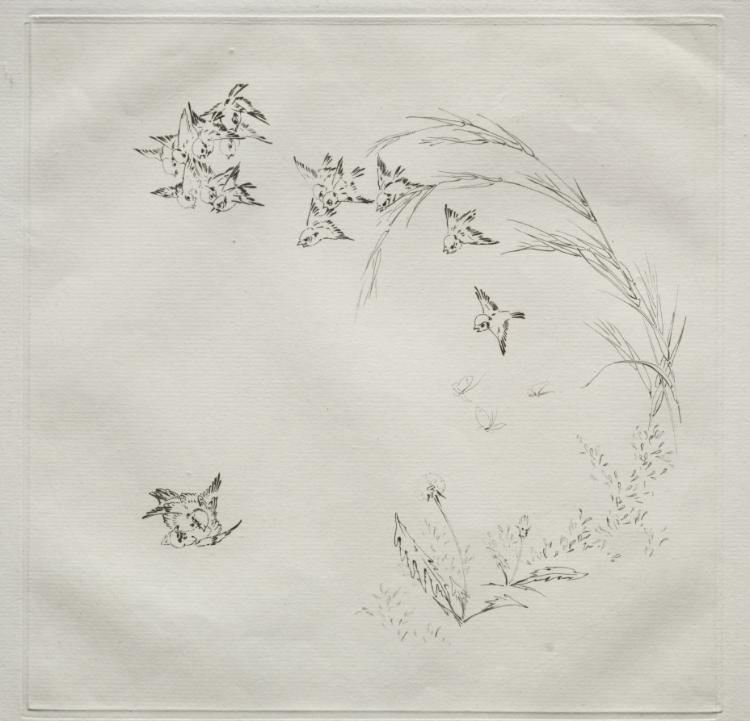
In Britain, Alphonse Legros, who settled in London and eventually led the Slade School of Fine Art, brought a Franco realist sensibility that influenced generations of British artists. Francis Seymour Haden and James McNeill Whistler, whose friendship eventually curdled into legendary animosity, were central figures in the etching revival of the 1860s and 1870s, a medium that suited realist observation beautifully. The intimacy of the etched line, its ability to capture a figure seen quickly, a street corner at dusk, a working harbor, made printmaking a natural home for realist impulses. Félix Bracquemond, Auguste Brouet, Charles Méryon, and Auguste Louis Lepère all worked in this tradition with tremendous sophistication, and their prints on The Collection reward slow, close looking.
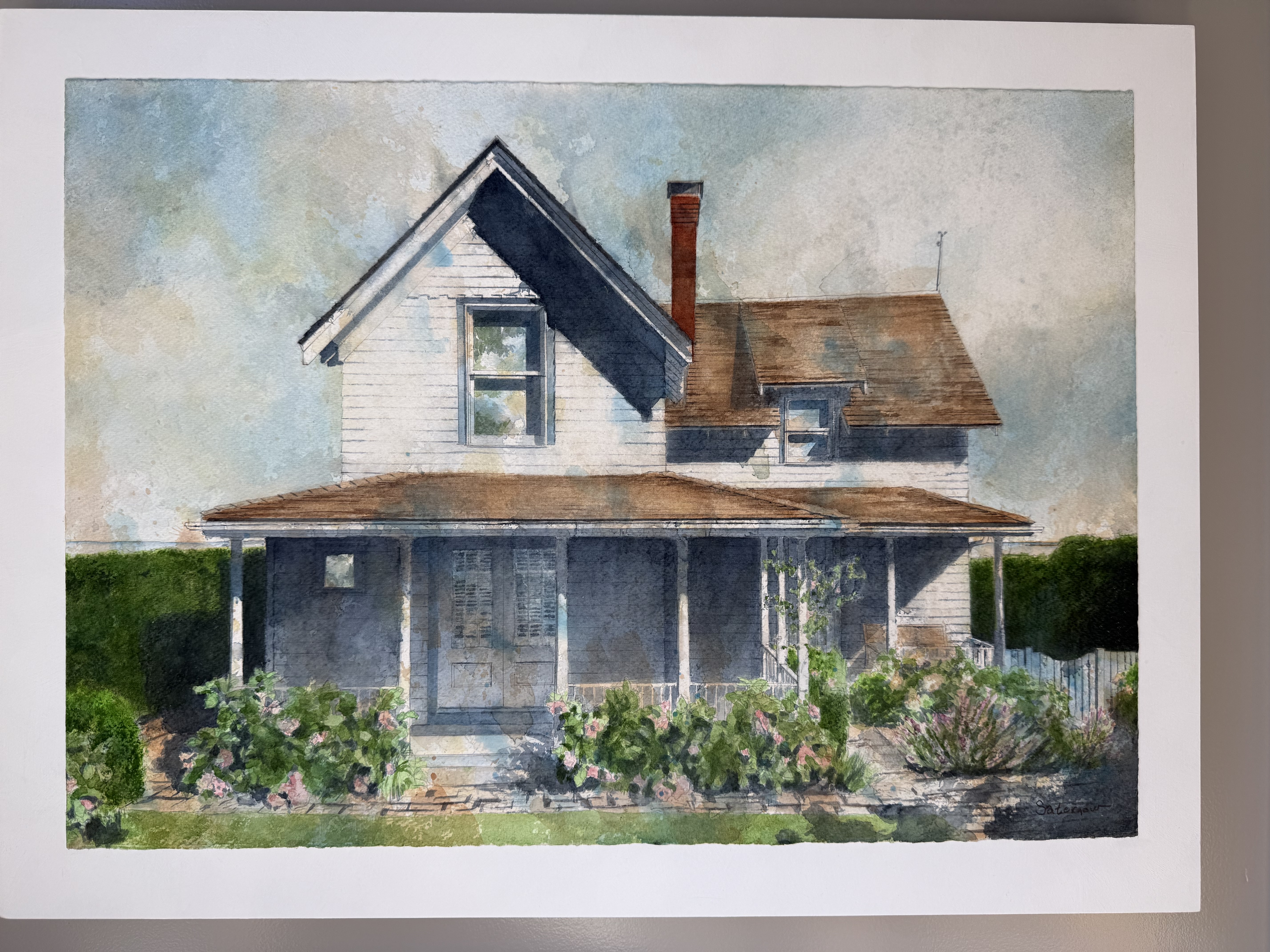
Tim Sharenow
479 COMMERCIAL ST.
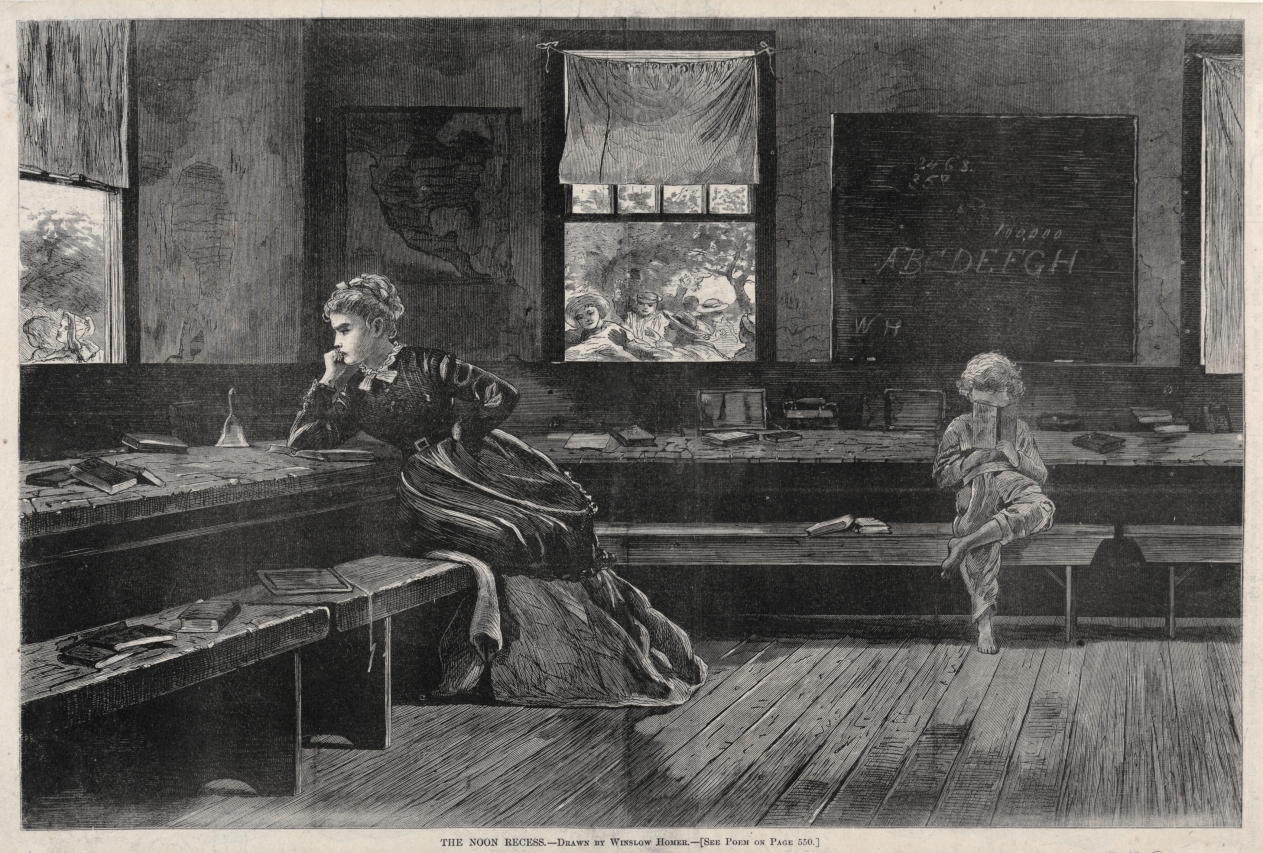
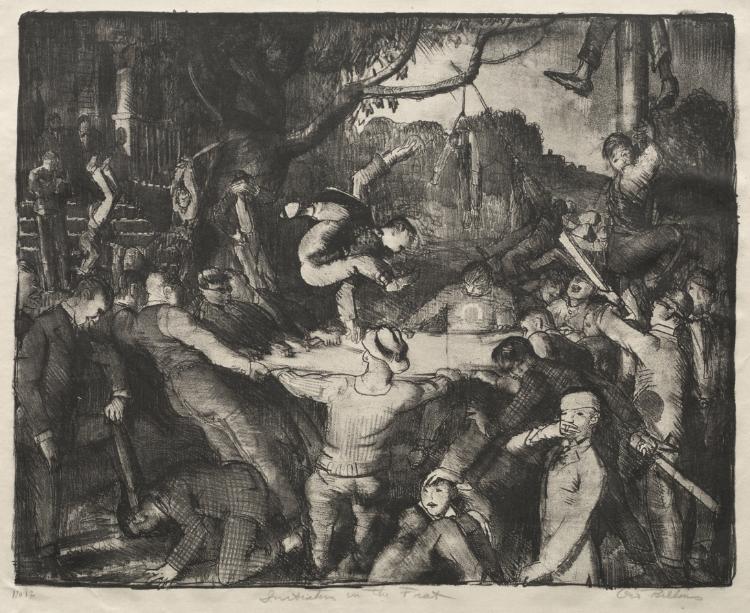
In America, Realism found some of its most powerful and enduring voices. Winslow Homer, represented on The Collection more extensively than any other artist in this tradition, began his career as an illustrator covering the Civil War before developing a painterly language of startling directness. His images of the sea, of hunters and fishermen, of figures caught in elemental struggle with nature, have a physical urgency that still feels raw and present. George Bellows channeled a similar energy into the urban and sporting life of early twentieth century New York, his boxing scenes pulsing with kinetic force.
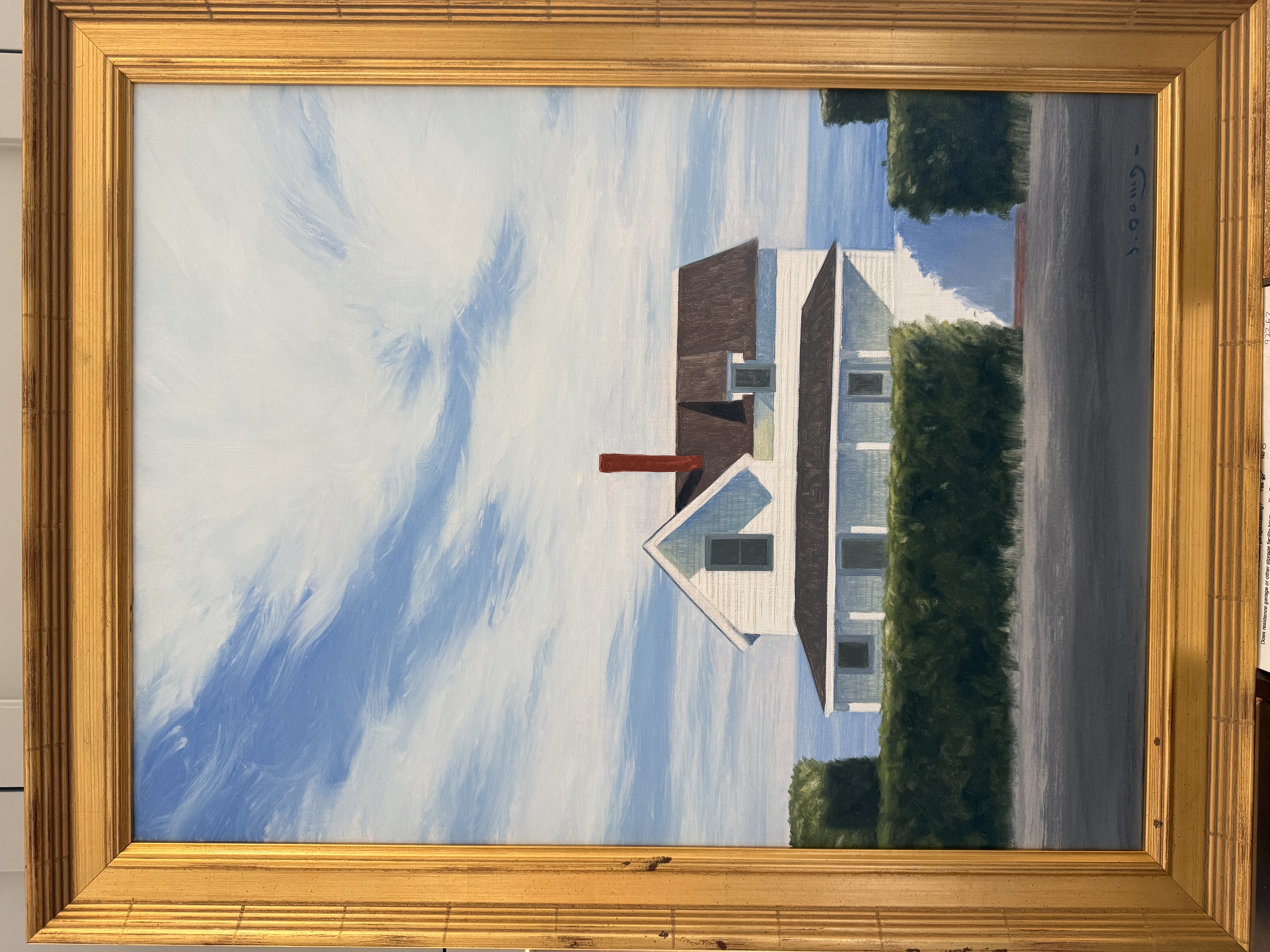
Edward Hopper refined the tradition toward something more introspective and melancholy, his luminous, silent canvases turning observation into a meditation on solitude and the strangeness of everyday American space. What distinguishes realist technique, across its many national variants, is above all a commitment to looking rather than inventing. The realist painter trains perception rather than imagination, spending long hours before the model or the landscape, building up knowledge of how light actually falls and how bodies actually occupy space. Anders Zorn developed a bravura shorthand in both oil and etching that could suggest flesh and atmosphere with extraordinary efficiency.
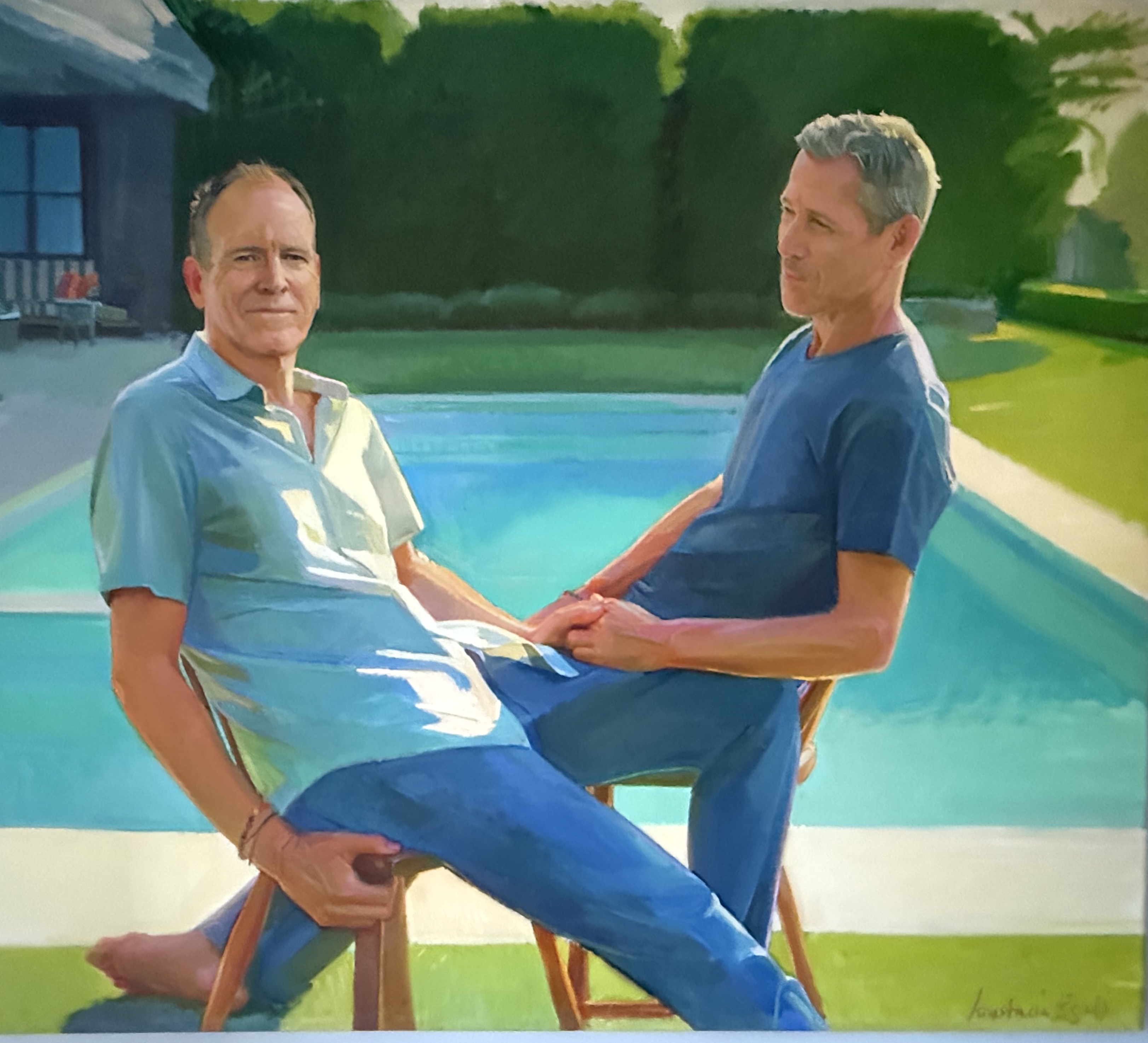
Anastasia Egeli
Jon and Harvey, 2021
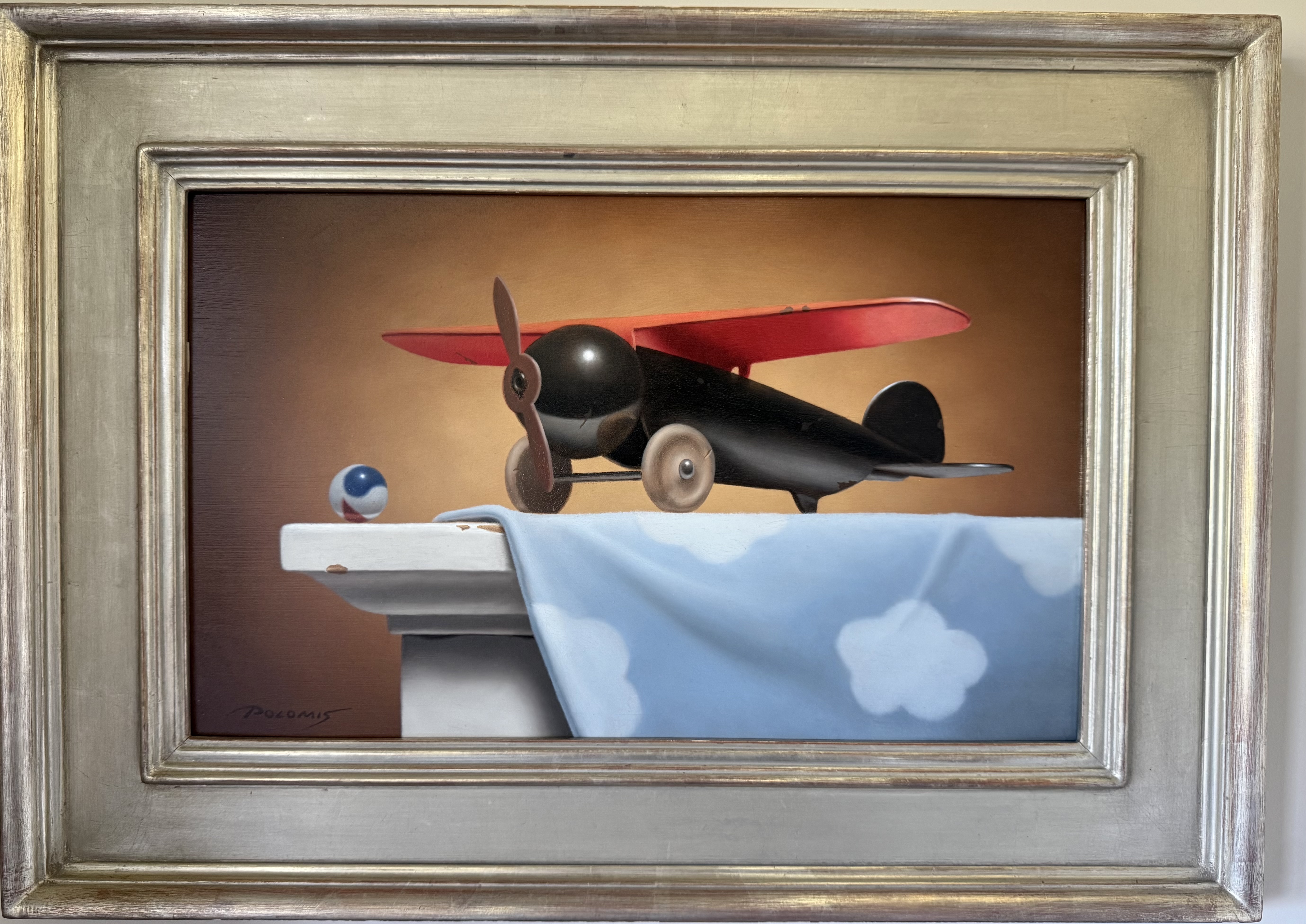
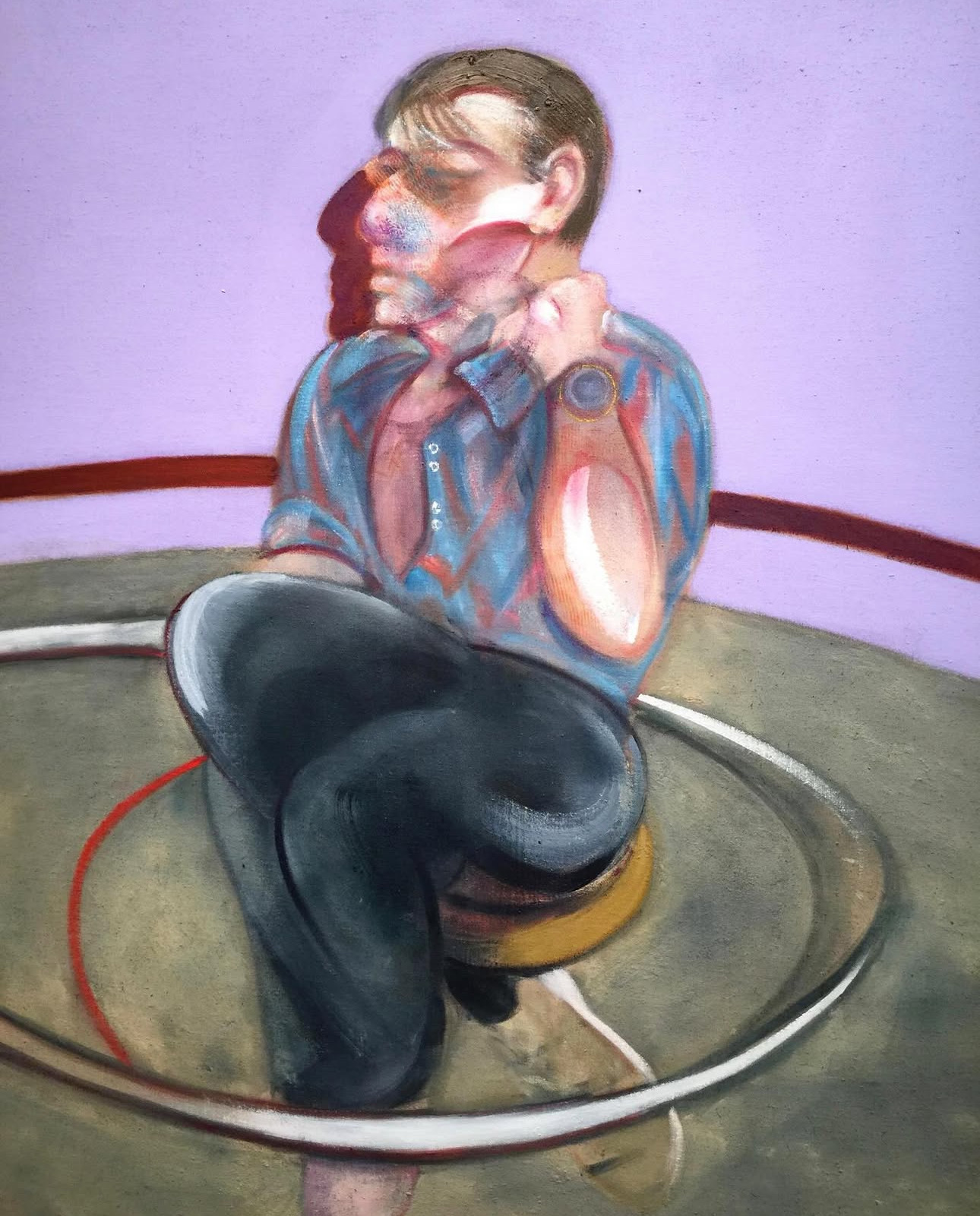
Philip Pearlstein, working from the late 1960s onward, stripped away all sentiment from the nude, painting figures with an almost clinical thoroughness that acknowledged the body purely as a set of formal problems. Lucian Freud, perhaps the defining figurative painter of the late twentieth century, took this excavating approach even further, his accumulated paint surfaces becoming a kind of three dimensional truth about weight and vulnerability and time. The question of what counts as Realism has never really been settled, which is part of what keeps it alive. Wayne Thiebaud brought a pop inflected clarity to his painted diner counters and cake displays, finding something both celebratory and slightly vertiginous in the American landscape of abundance.
Jonas Wood compresses domestic interiors and sports scenes into flattened, pattern saturated images that are in serious dialogue with realist observation even as they play openly with pictorial convention. Marc Quinn has probed the boundaries of representation through sculpture and lens based work in ways that carry the old realist questions about the body, its mortality and its politics, into genuinely uncomfortable new territory. Realism persists because the impulse behind it persists: the desire to look steadily at the actual world without flinching, to honor the specific weight of a face or a street or a moment in time. It is not a narrow historical category but a recurring commitment, renewed by each generation that decides that truth, even difficult truth, is worth the trouble of seeing clearly.
The works gathered on The Collection under this heading trace that commitment across nearly two centuries, and they hold together in the way that all serious looking tends to hold together, with shared purpose across very different hands.