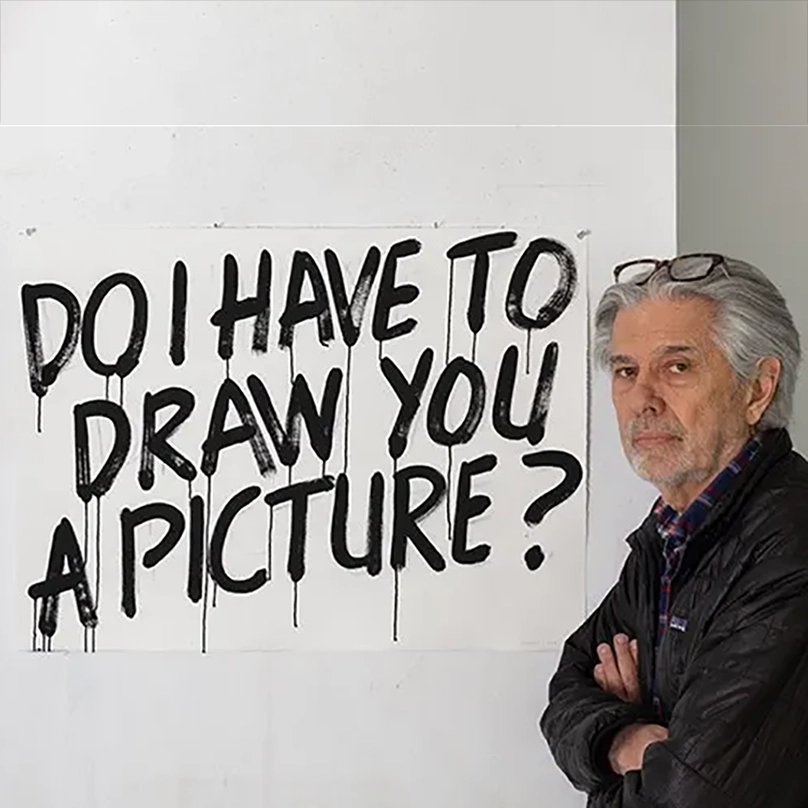
Mel Bochner
65
Works
11
Followers
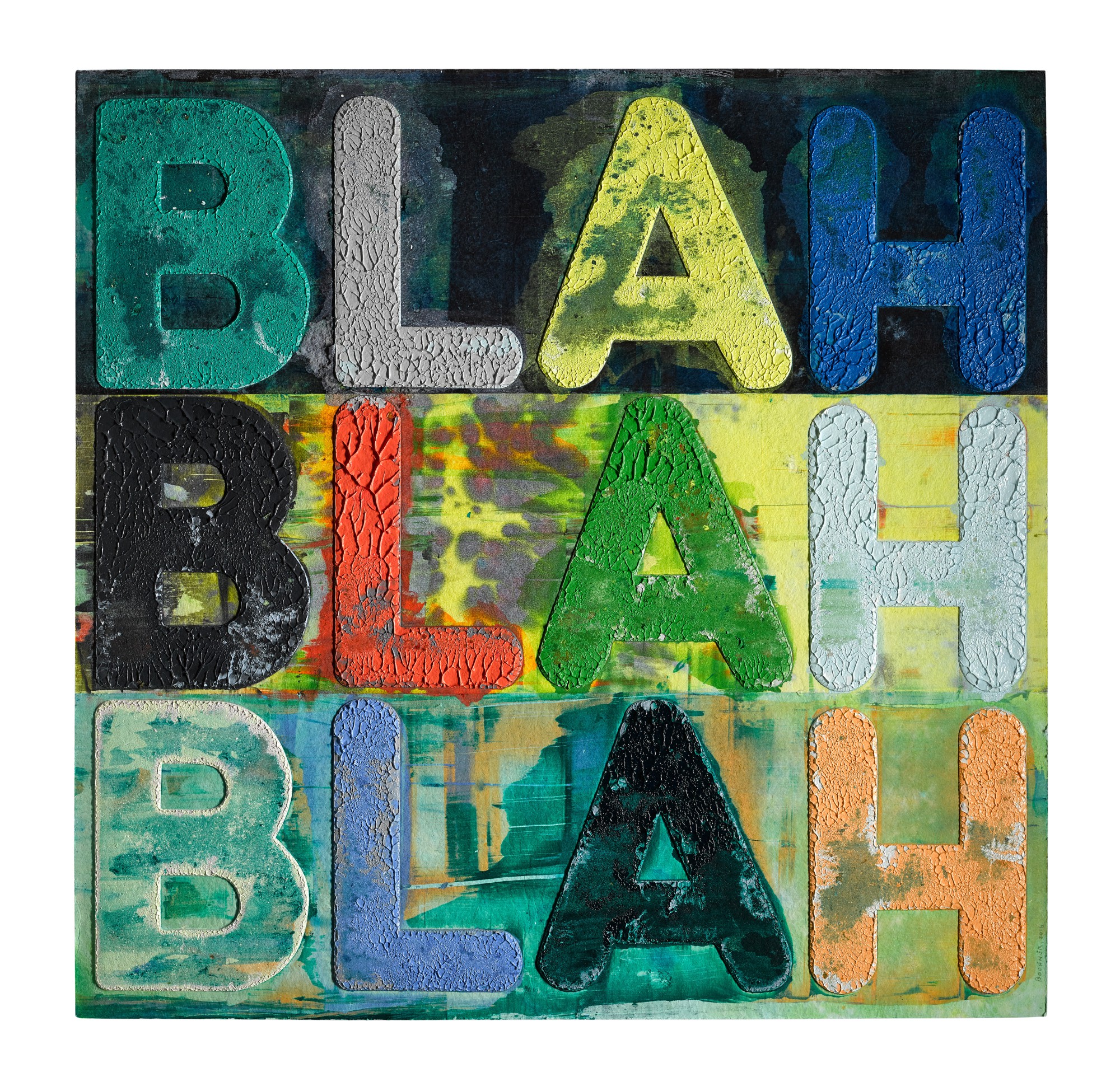
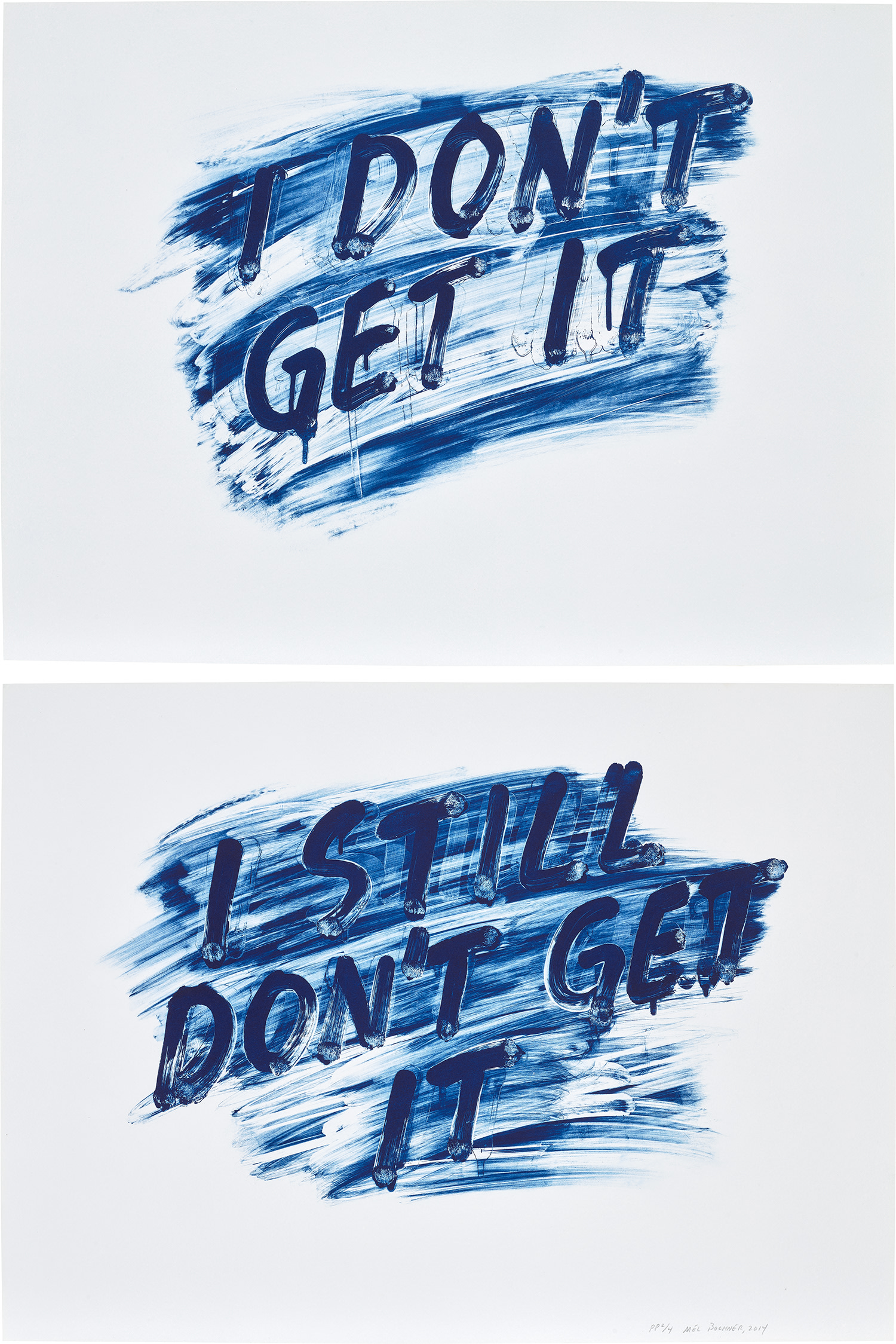

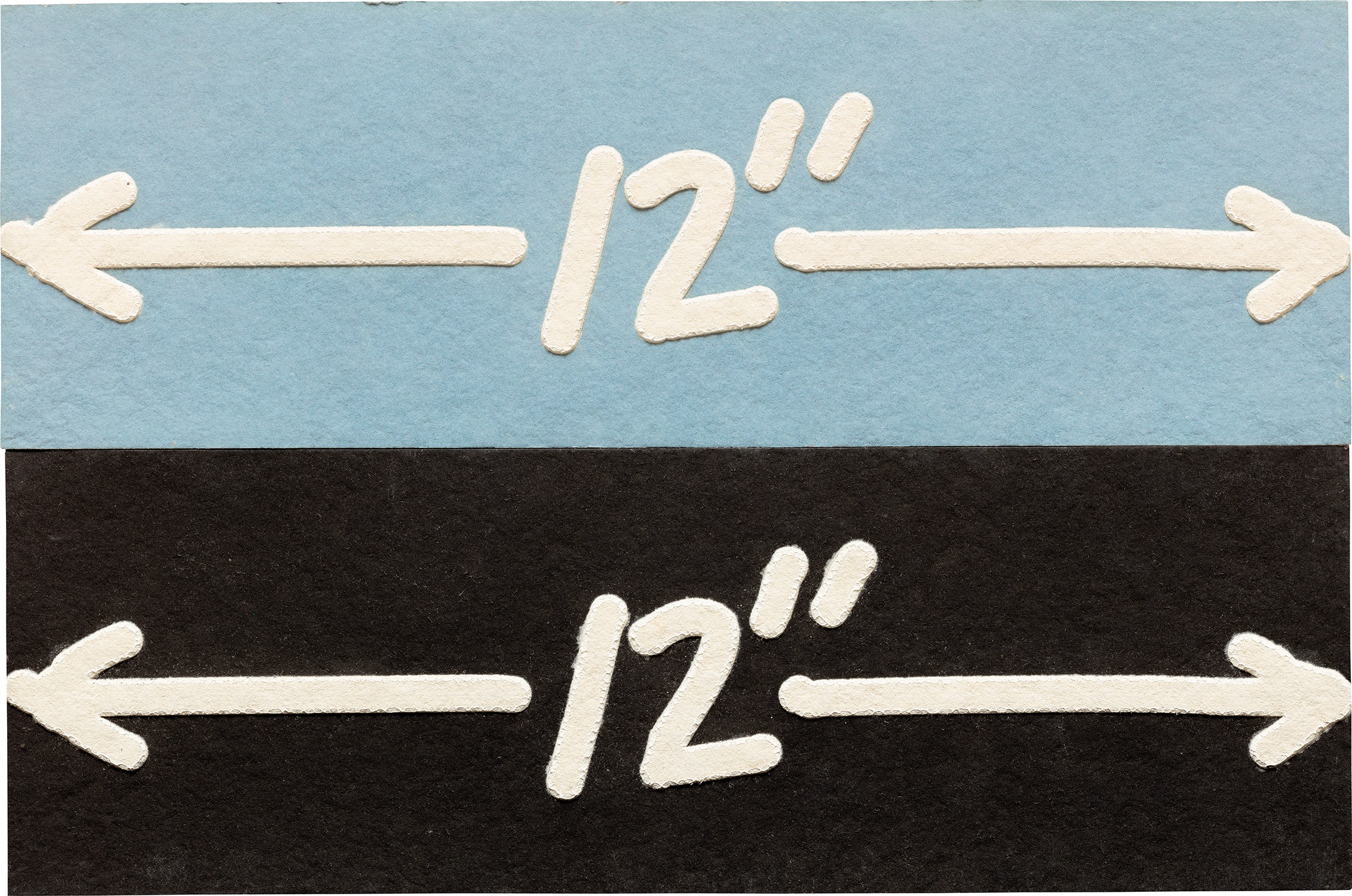
Collectors




Artists in conversation

Lawrence Weiner
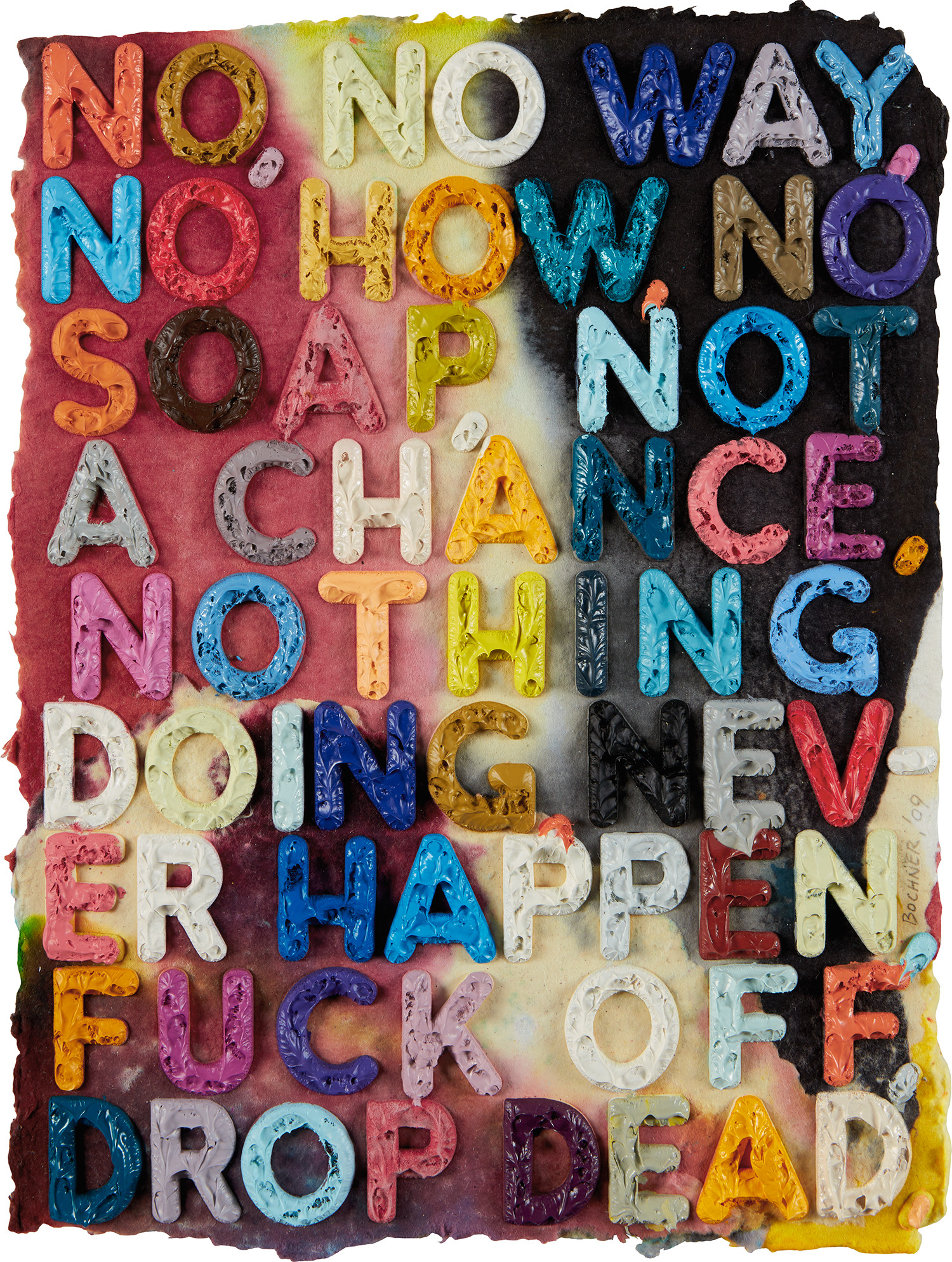
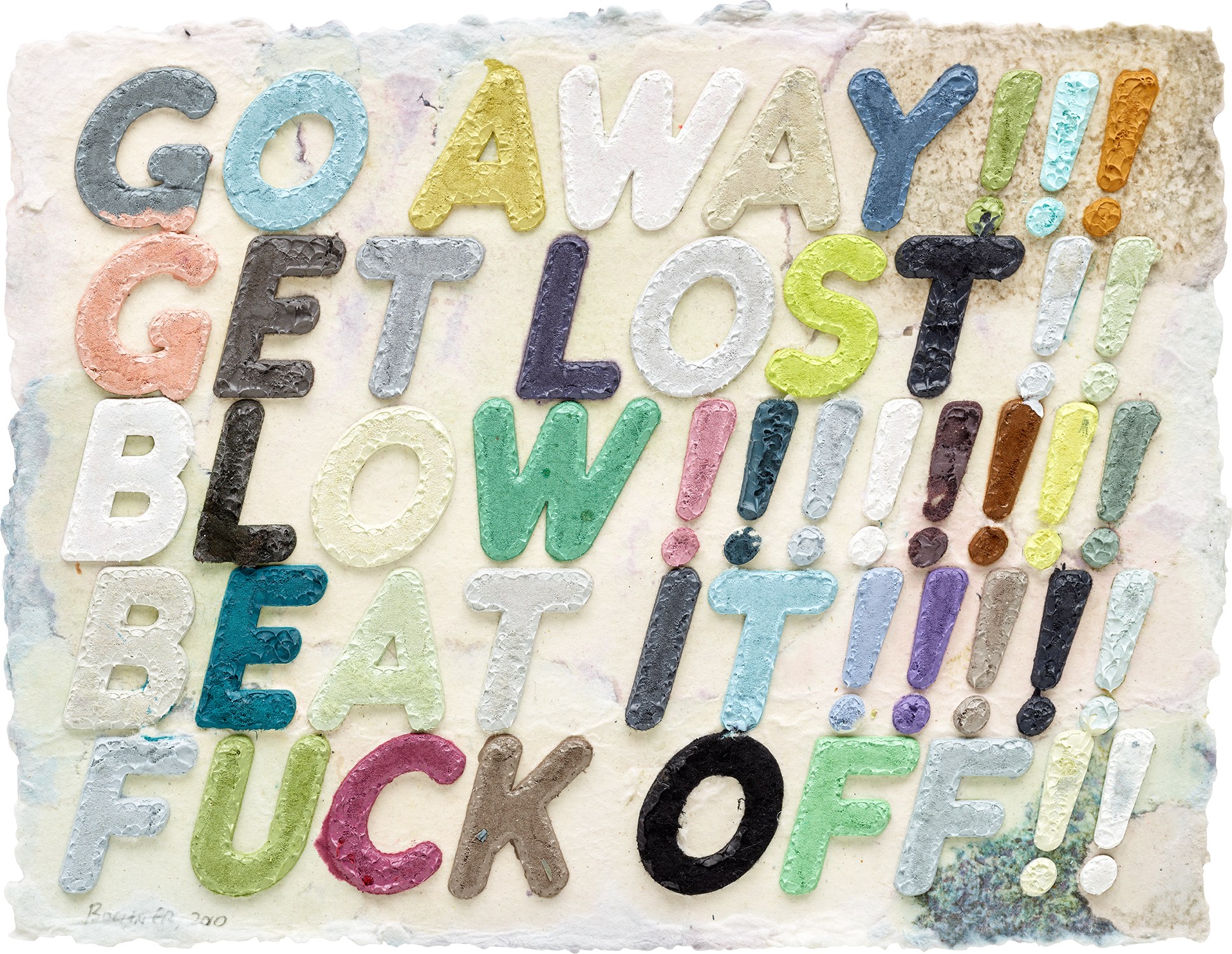
Weiner shared Bochner's deep commitment to language as the primary medium of art, producing text based works that interrogated the relationship between words, meaning, and physical space. Both artists were central figures in New York conceptual art of the 1960s and 1970s.
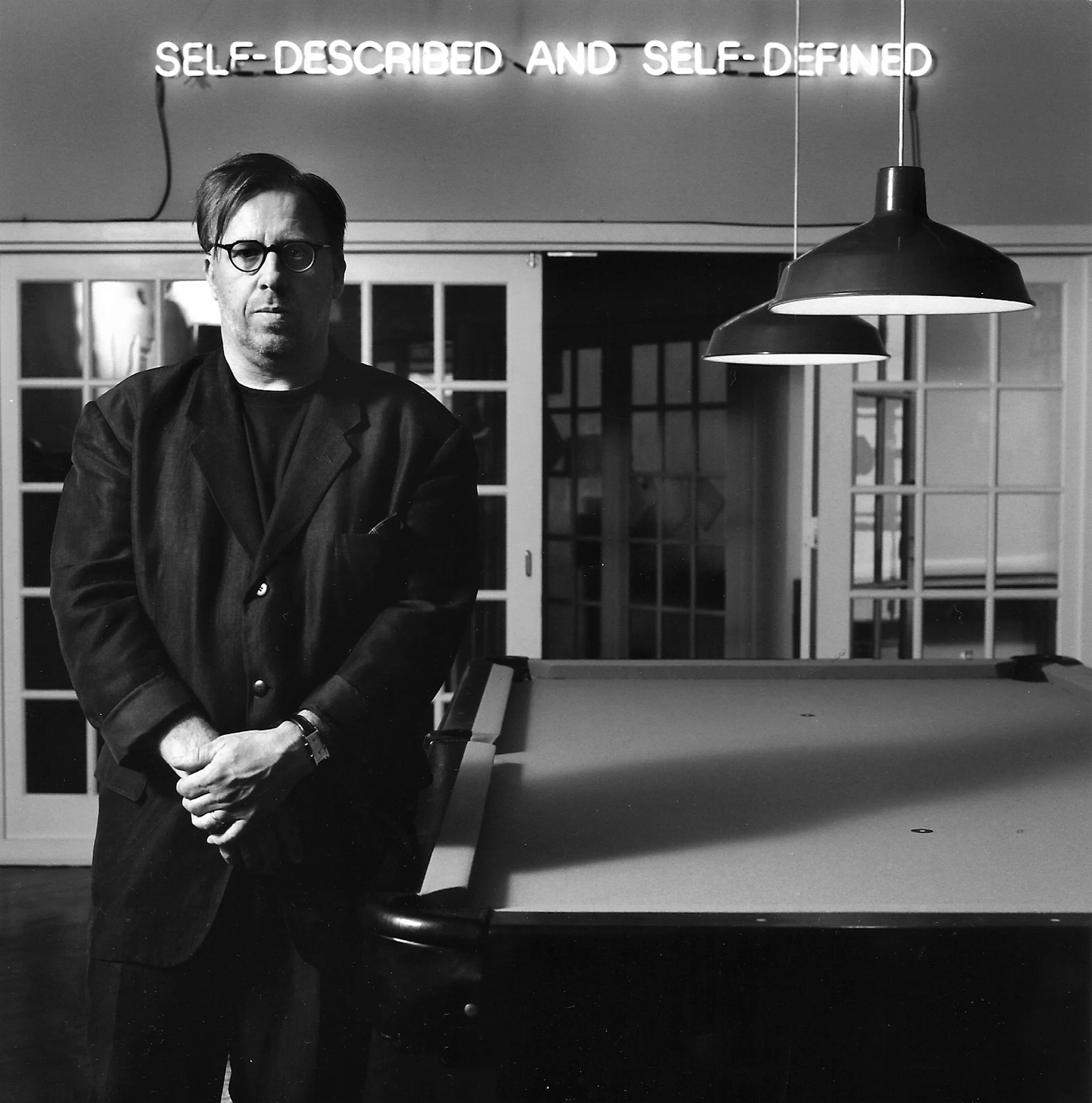
Joseph Kosuth
Kosuth's analytic conceptual practice, which foregrounds definitions, language, and systems of meaning, closely parallels Bochner's interrogation of measurement, notation, and linguistic structure. Both artists used text and diagrammatic forms to question the philosophical foundations of representation.

On Kawara
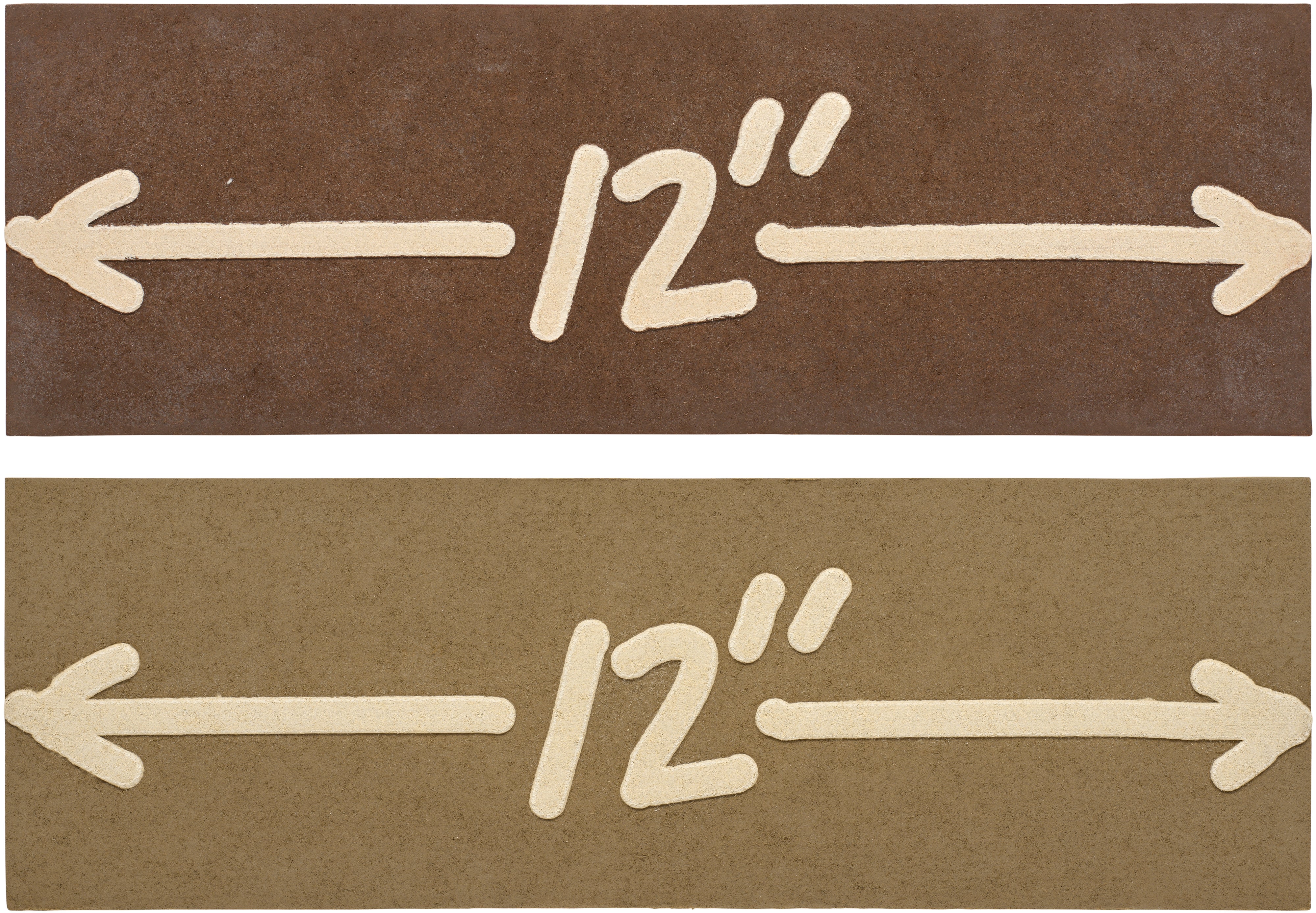
Kawara's systematic use of language, numbers, and dates as conceptual subjects resonates strongly with Bochner's early works involving measurement and numerical systems. Both artists used seriality and rigorous conceptual structures to explore time, perception, and the limits of representation.
Artists who inspired them
Ludwig Wittgenstein
Wittgenstein's philosophy of language and his investigations into the limits of what can be said profoundly shaped Bochner's text based practice and his interest in the boundaries between language and visual meaning. Bochner has repeatedly cited Wittgenstein as a foundational intellectual influence on his conceptual framework.
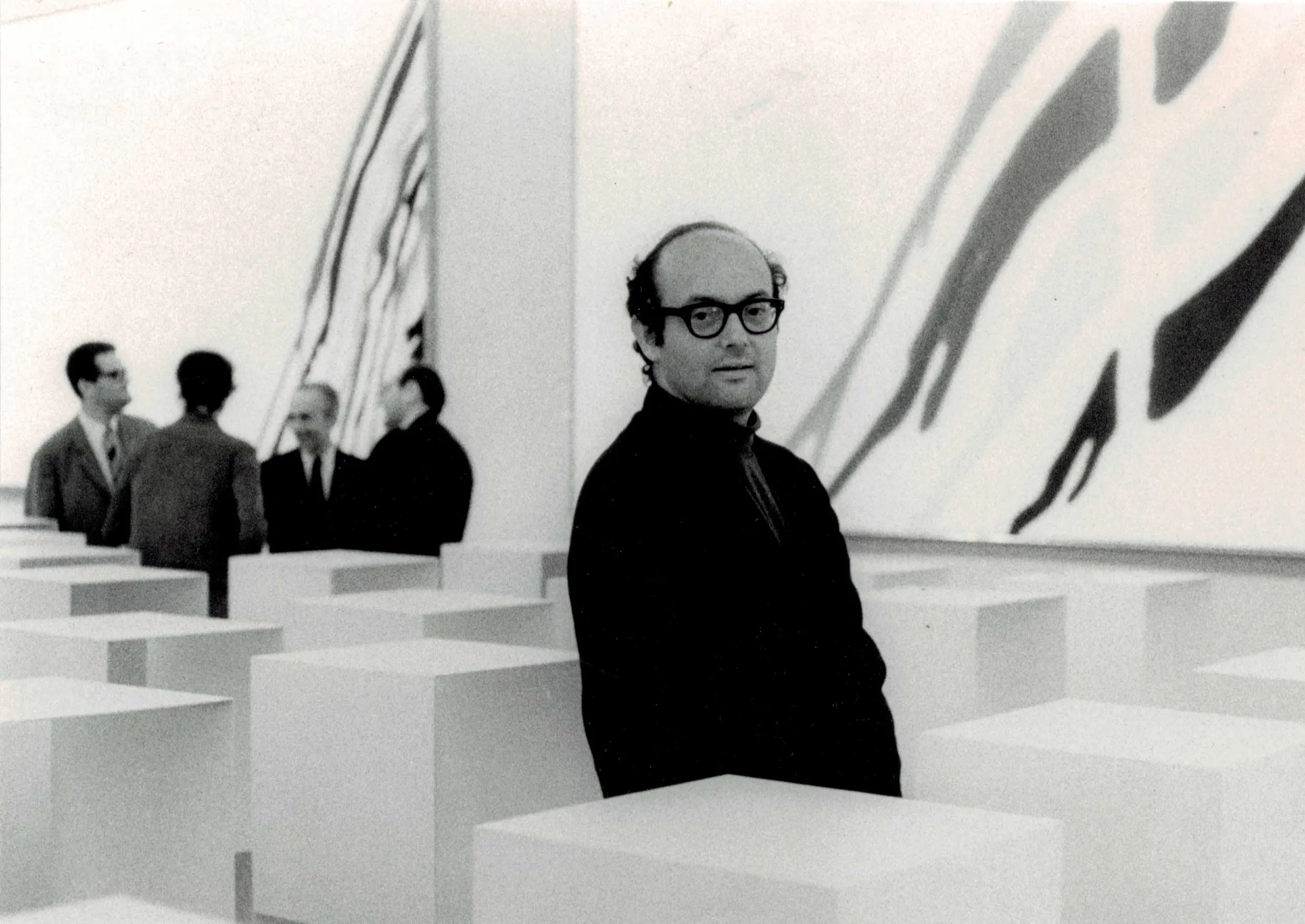
Sol LeWitt
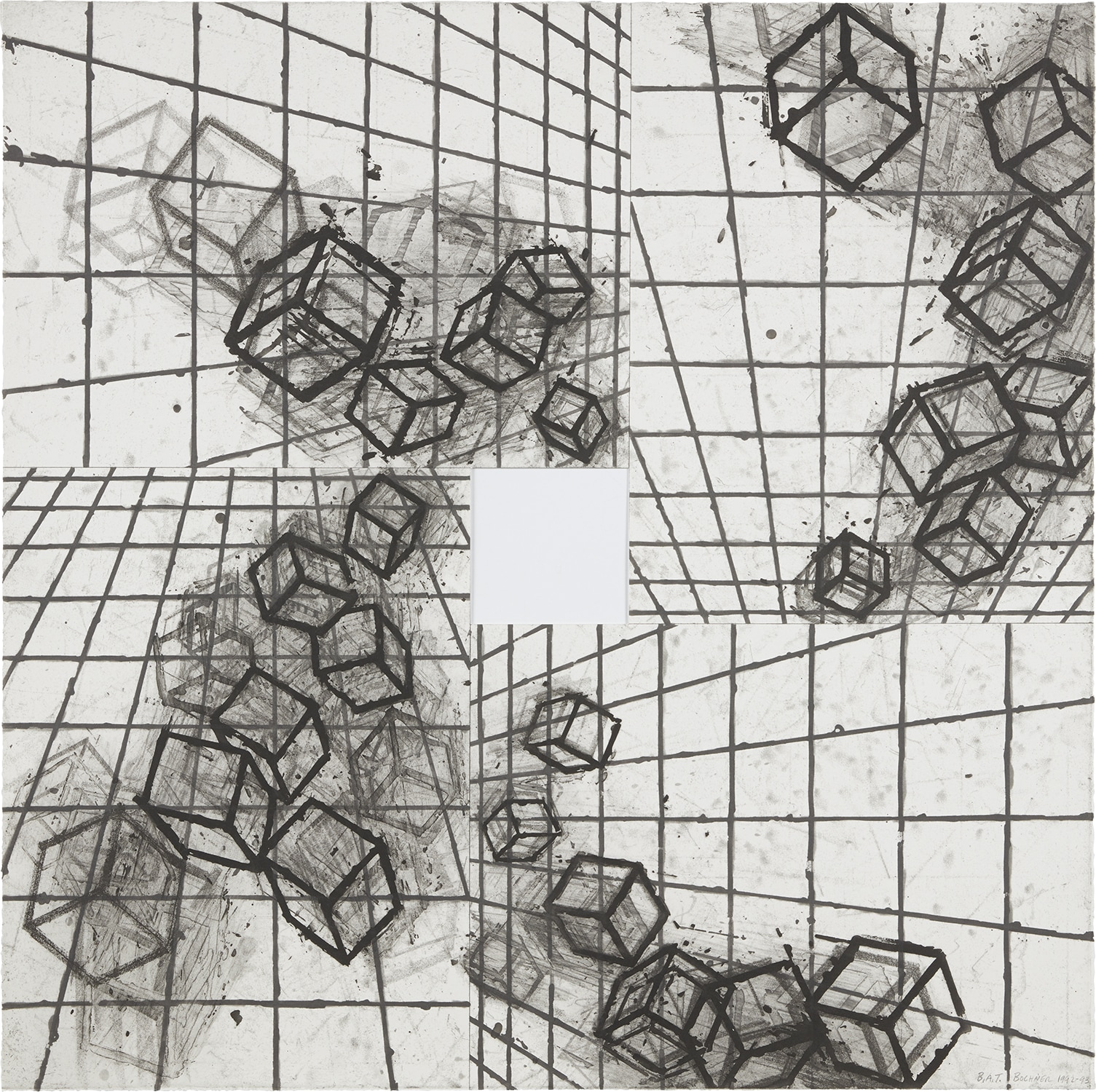
LeWitt's development of systematic and rule based art making provided a crucial model for Bochner's early conceptual investigations into structure, series, and visual logic. The two artists were close peers whose mutual dialogue helped define the parameters of American conceptual and minimal art.
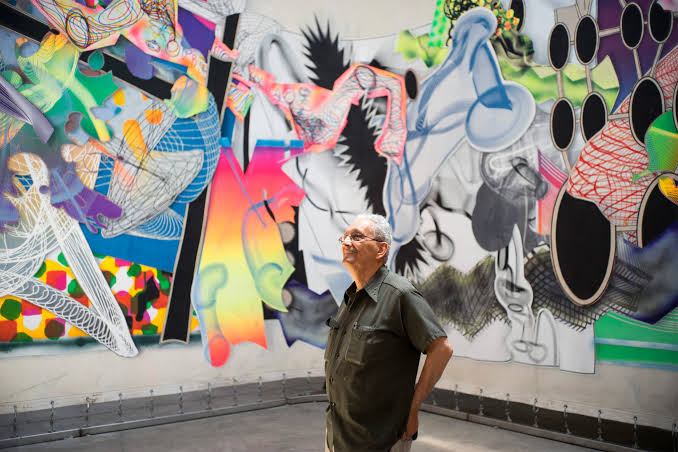
Frank Stella
Stella's rigorous interrogation of pictorial structure and the literal properties of painting offered an important precedent for Bochner's systematic approach to visual organization and abstraction. His insistence on the painting as an object rather than an illusion fed directly into Bochner's conceptual reevaluation of art's material and linguistic conditions.
Artists they inspired
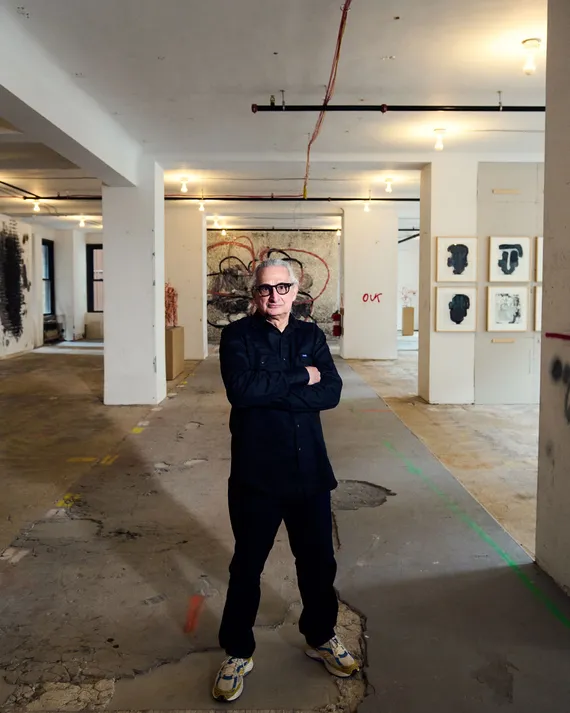
Christopher Wool
Wool's large scale text based paintings, which treat language as a bold graphic and conceptual element, reflect the precedent Bochner established for integrating words and meaning into the visual field of painting. Bochner's innovative use of thesaurus language and color fields is widely recognized as an antecedent to Wool's text driven aesthetic.
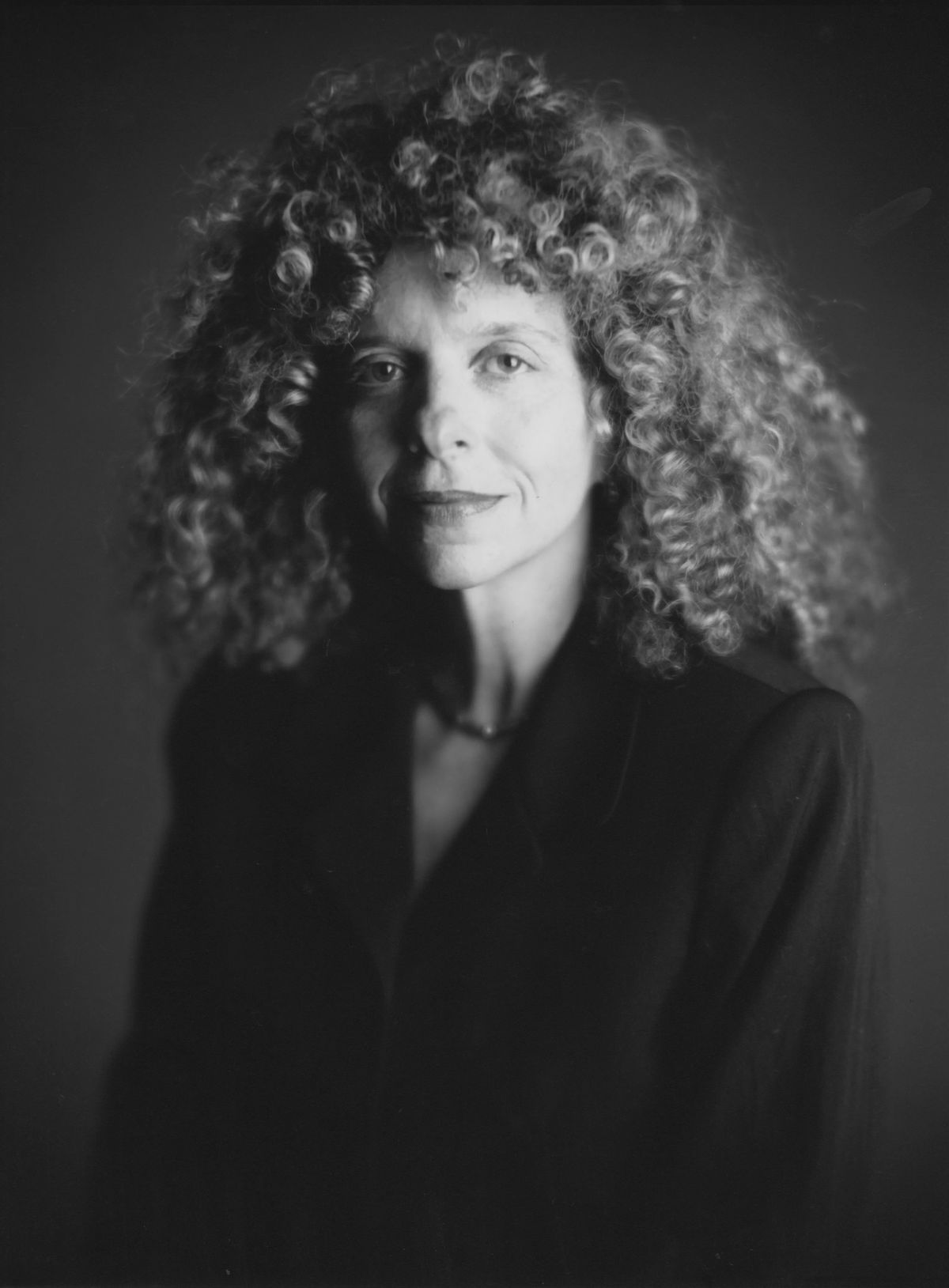
Barbara Kruger
Kruger's practice of fusing text and image to interrogate systems of power and meaning builds on the conceptual groundwork that Bochner helped establish for treating language as a primary visual and critical tool. Bochner's early demonstrations that words could function as both subject and material in art opened pathways that Kruger's generation extended into political and cultural critique.