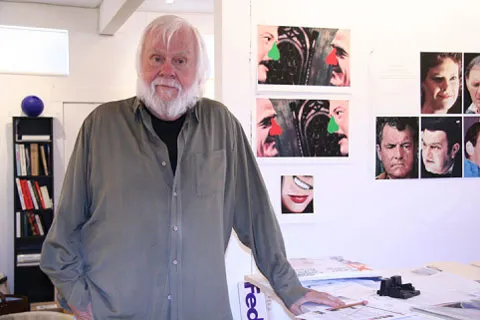
John Baldessari
14
Followers
Artist Spotlight
John Baldessari: The Art of Seeing Everything
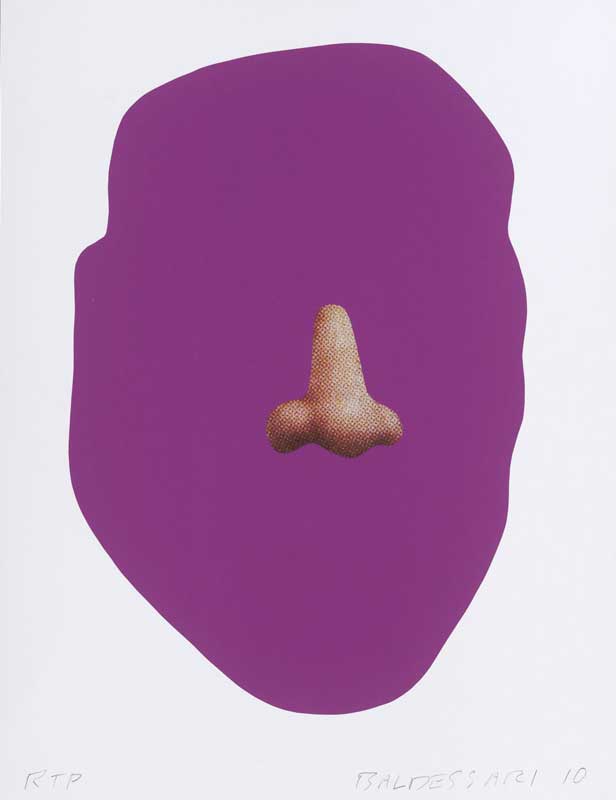
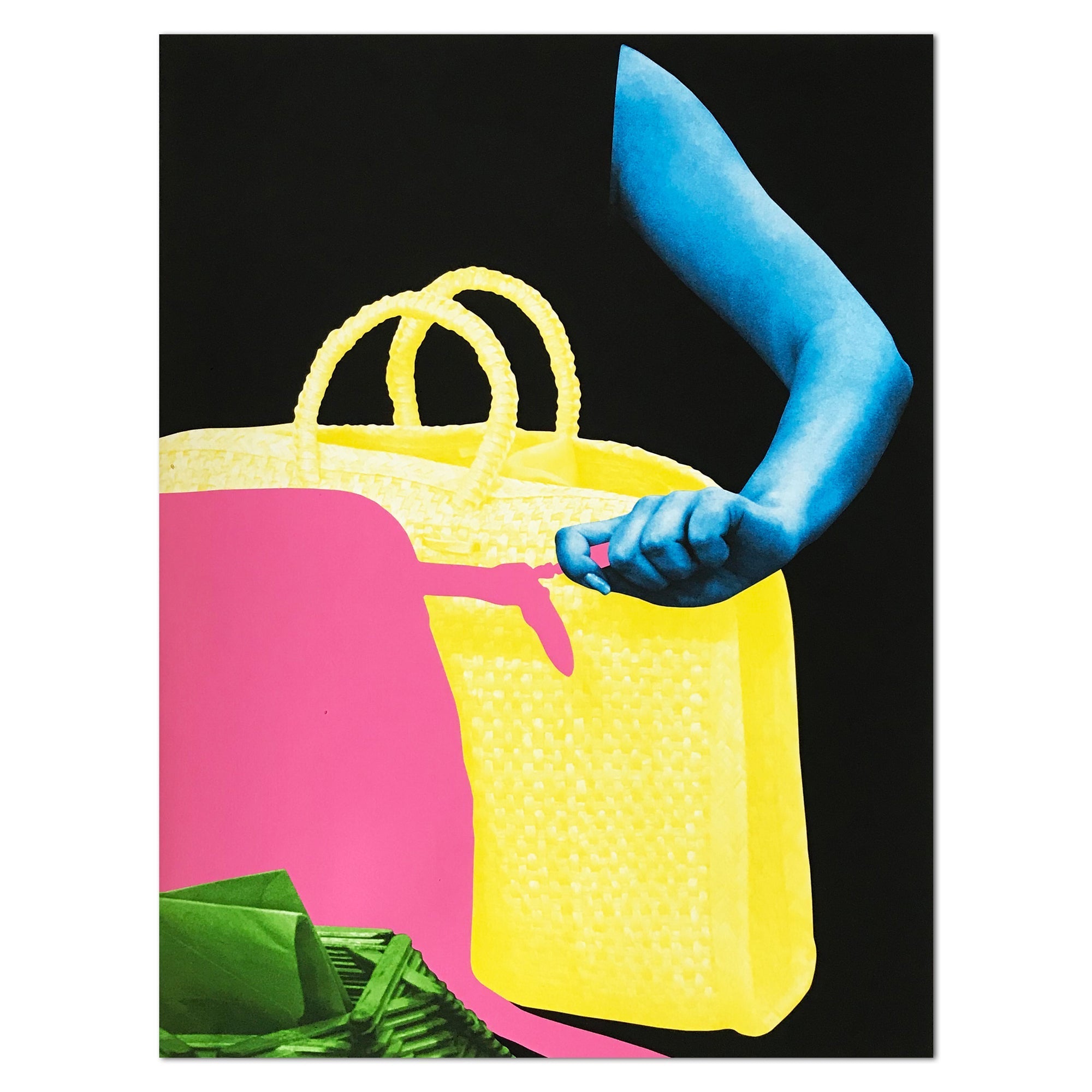
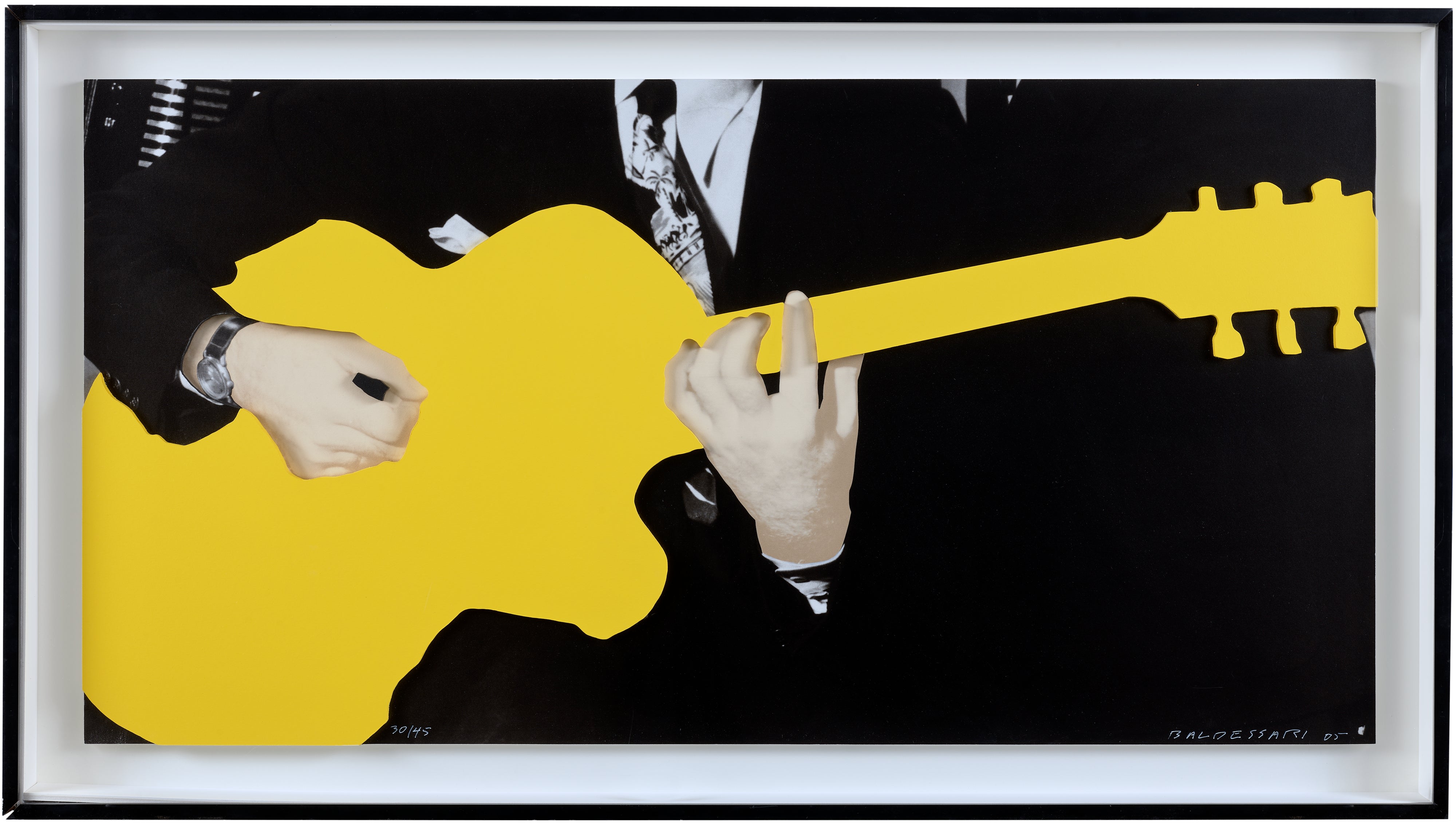
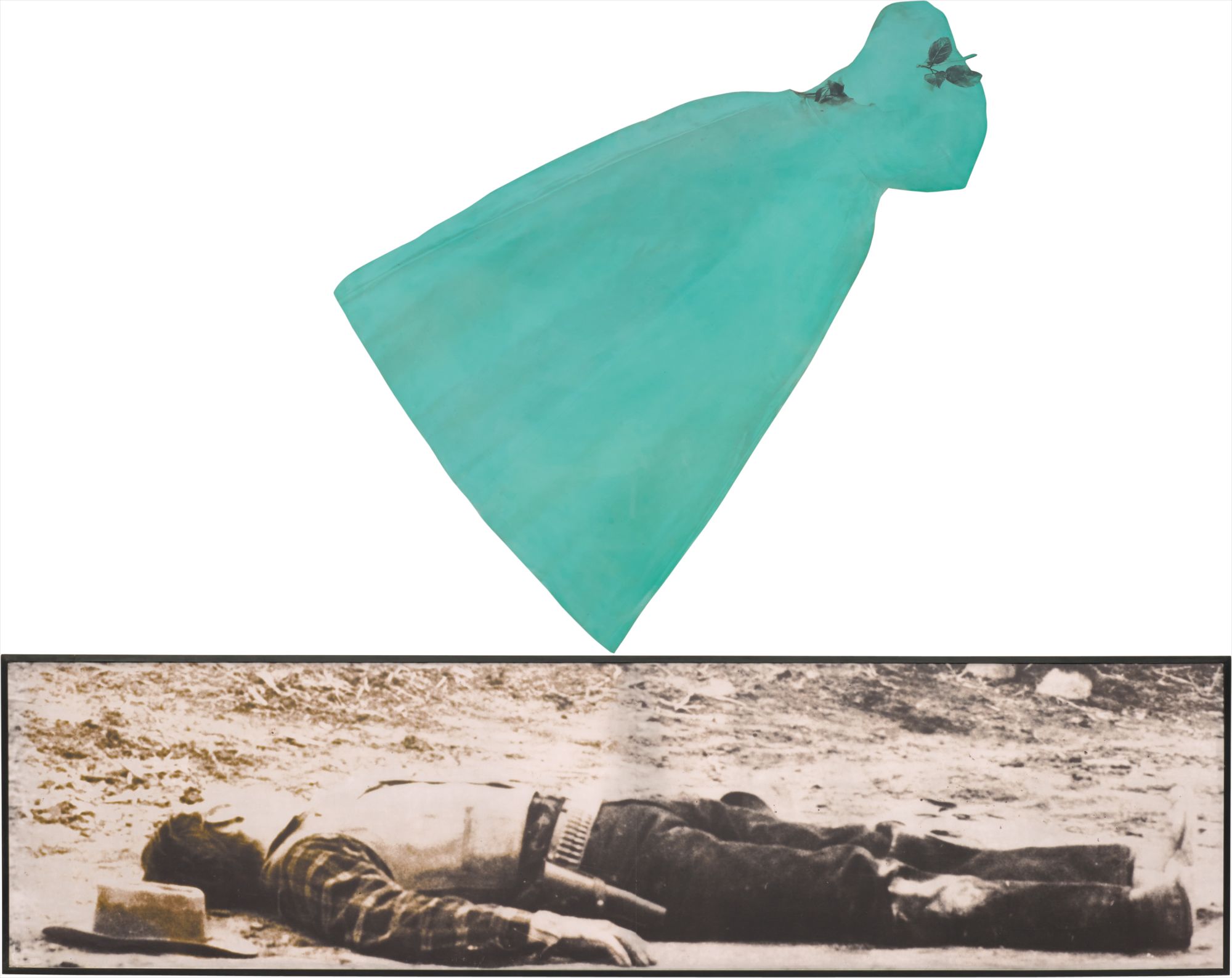
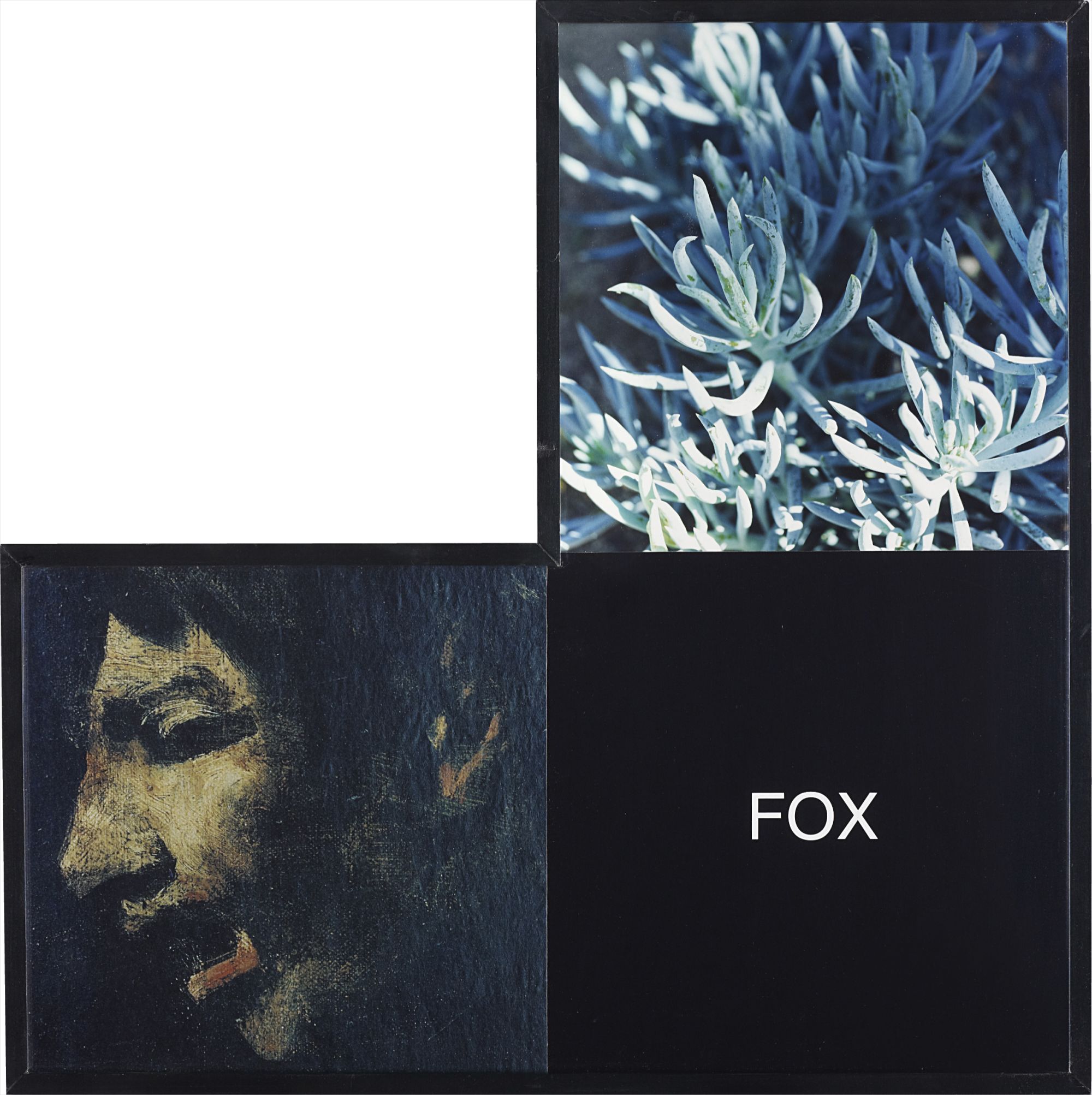
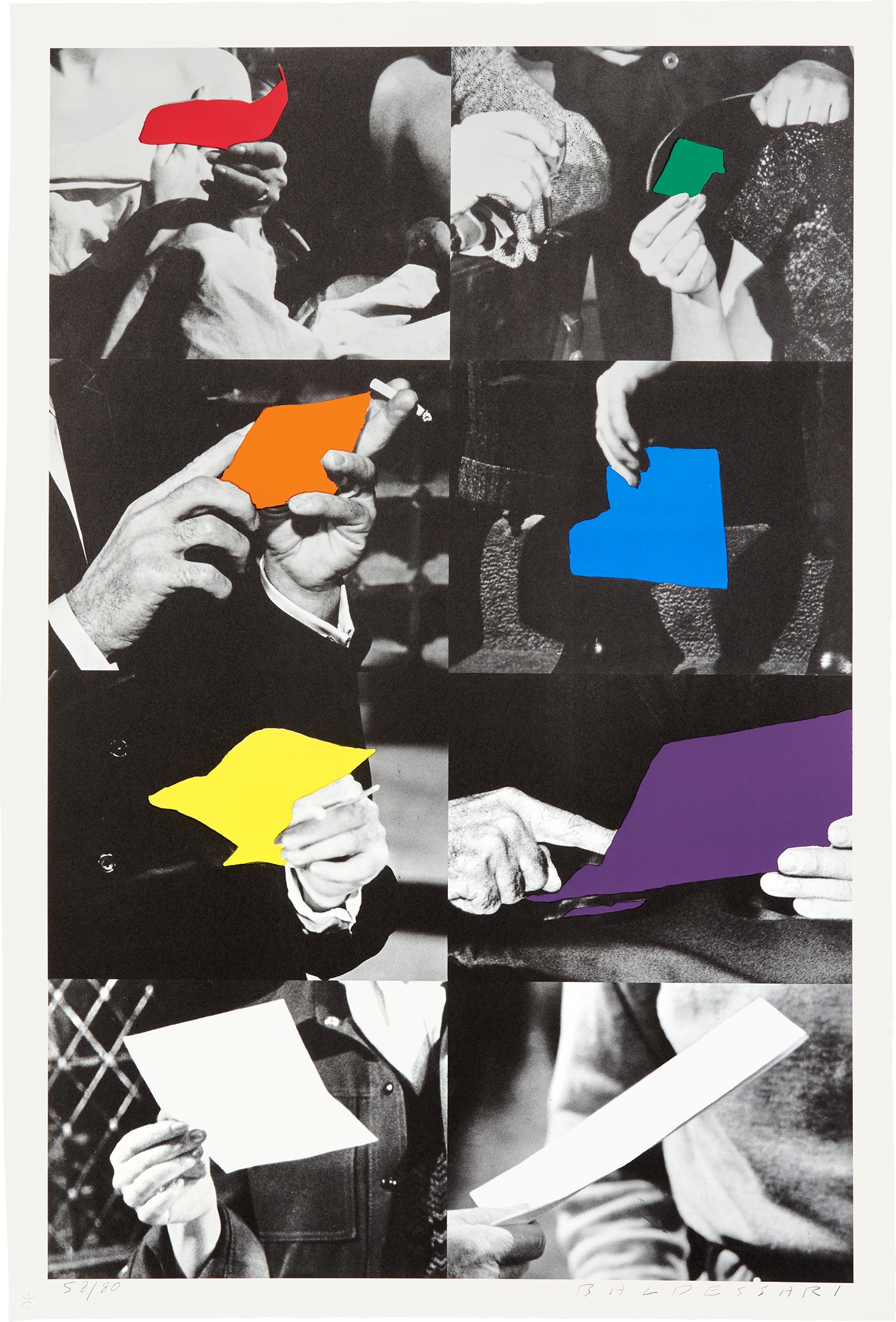
In the years since John Baldessari's passing in January 2020, the art world has continued to reckon with just how thoroughly he rewired our understanding of what images, words, and ideas can do together. Major retrospectives at institutions including the Tate Modern in London and the Museum of Contemporary Art in Los Angeles had already cemented his canonical status during his lifetime, but the ongoing auction activity surrounding his prints and mixed media works tells a vivid story of a market that shows no sign of cooling. His estate remains active, his influence radiates through… Continue reading




Also spotted by

Artists in conversation
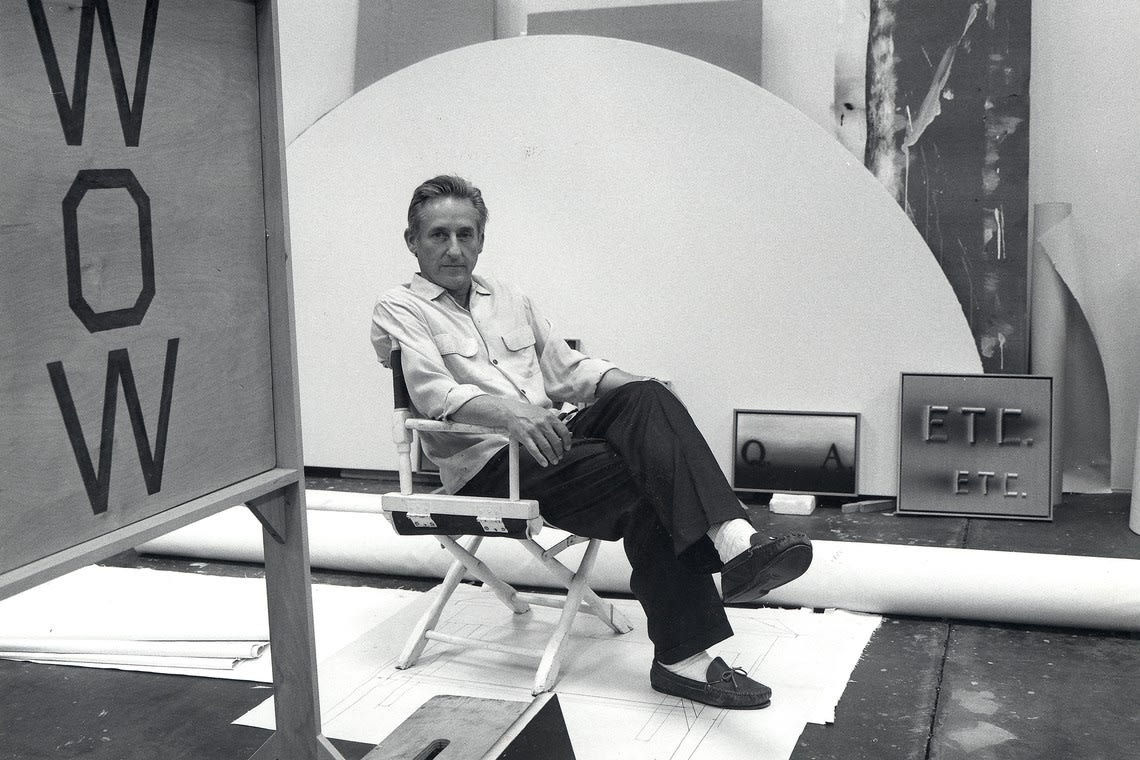
Ed Ruscha
Ruscha similarly combines text and image in conceptually driven works that interrogate language, photography, and popular culture with a dry wit closely aligned with Baldessari's approach.
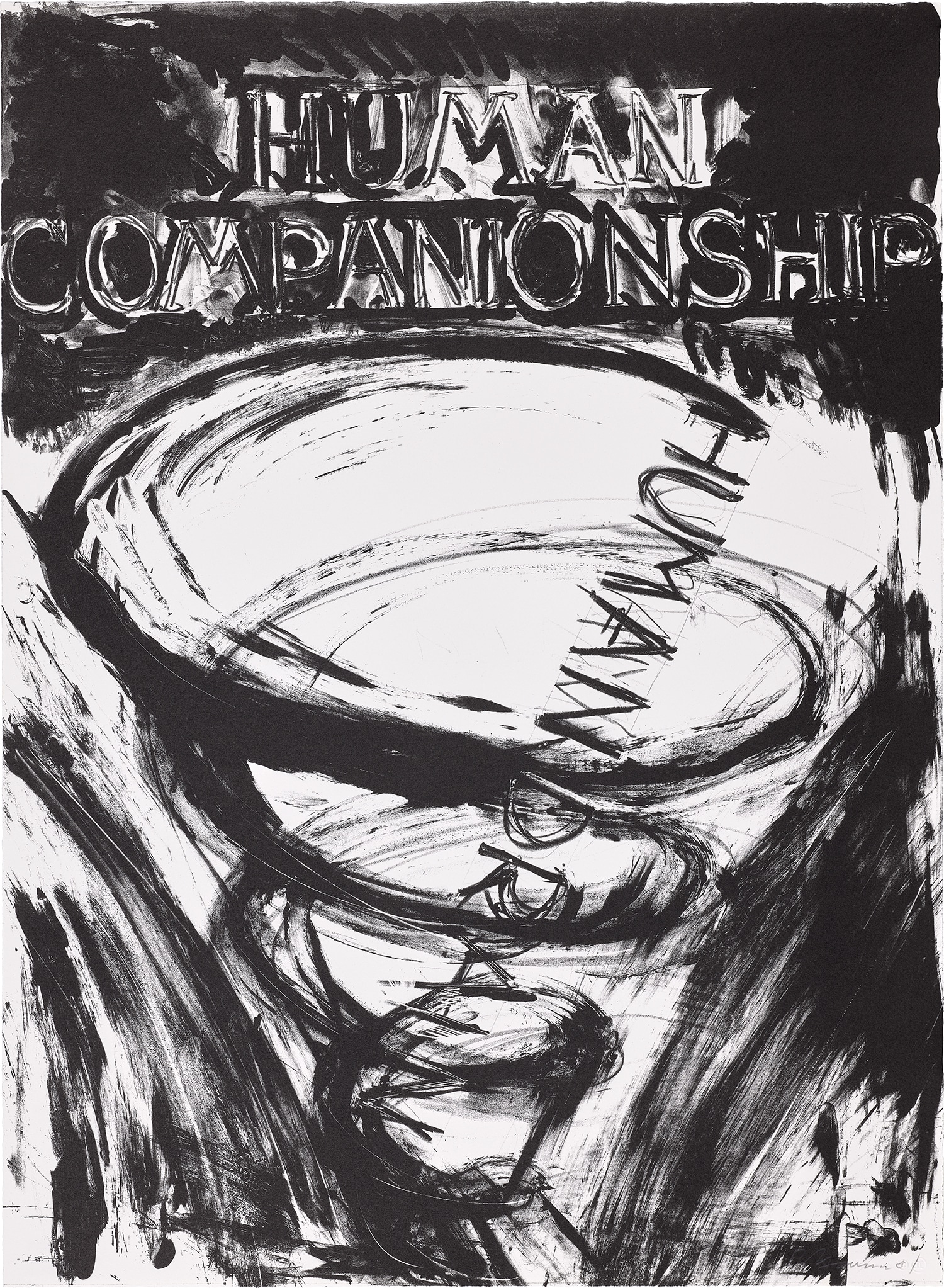
Bruce Nauman
Nauman shares Baldessari's interest in using the body, language, and photography as conceptual tools to question the boundaries of artistic practice and communication.

Martha Rosler
Rosler employs photomontage and found imagery alongside text in a conceptual mode that critically examines media and representation in ways that parallel Baldessari's strategies.
Artists who inspired them
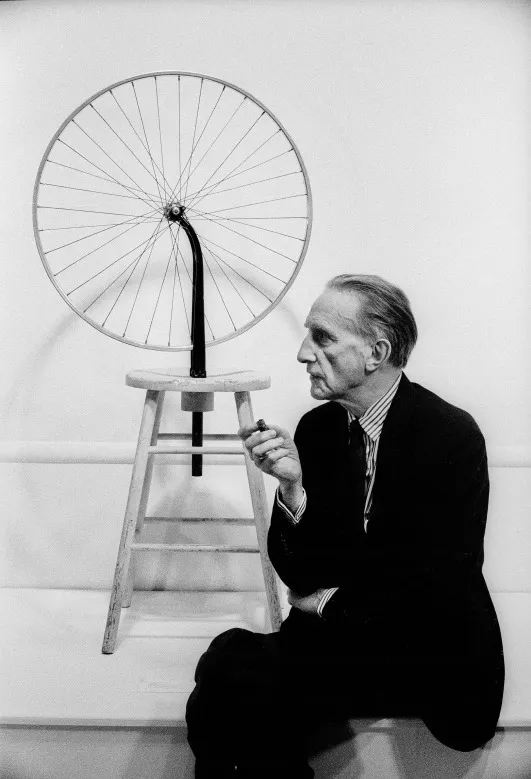
Marcel Duchamp
Duchamp's readymades and radical questioning of what constitutes art provided a foundational conceptual framework that directly informed Baldessari's rejection of traditional painting and his embrace of idea over craft.
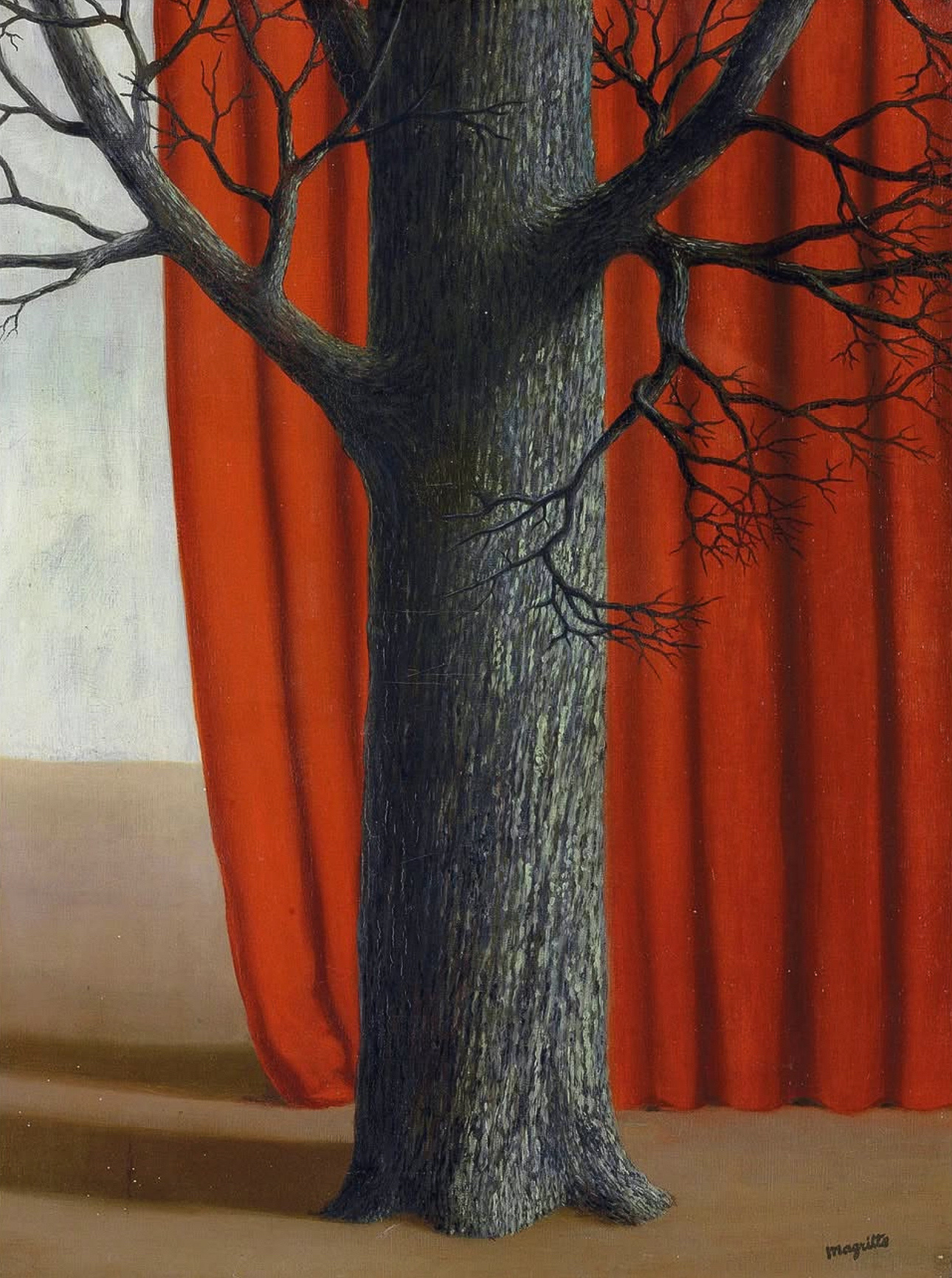
René Magritte
Magritte's playful yet philosophical investigations into the relationship between images and words were a direct inspiration for Baldessari's text and image works that probe the instability of meaning.
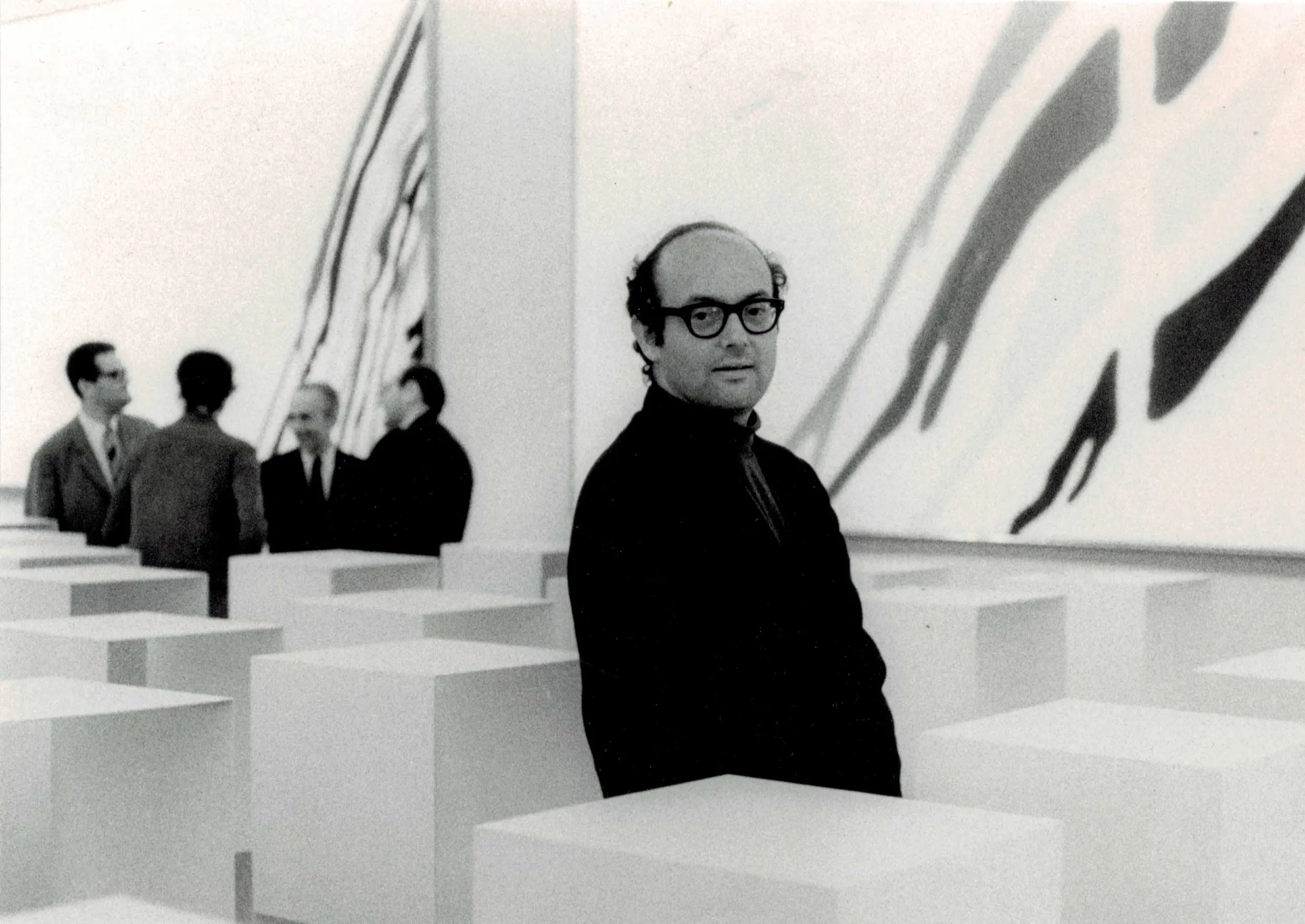
Sol LeWitt
LeWitt's insistence that the idea itself is the artwork and his systematic conceptual structures helped shape Baldessari's own commitment to concept over conventional aesthetics.
Artists they inspired
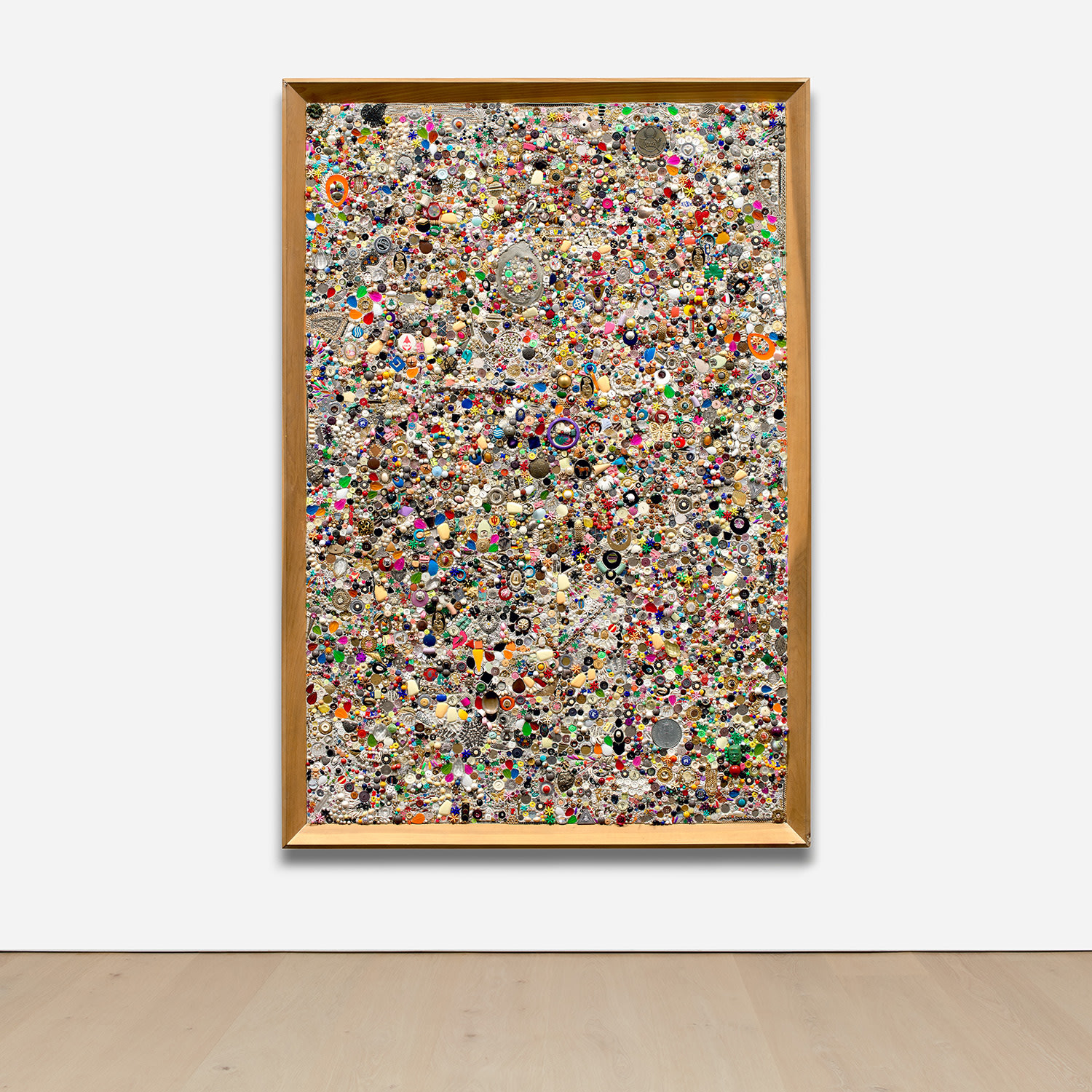
Mike Kelley
Kelley studied under Baldessari at CalArts and absorbed his mentor's strategies of using popular culture, appropriation, and subversive humor to challenge high art conventions.

David Salle
Salle was taught by Baldessari at CalArts and developed his signature layered appropriation of disparate imagery in direct response to Baldessari's conceptual treatment of pictures and meaning.
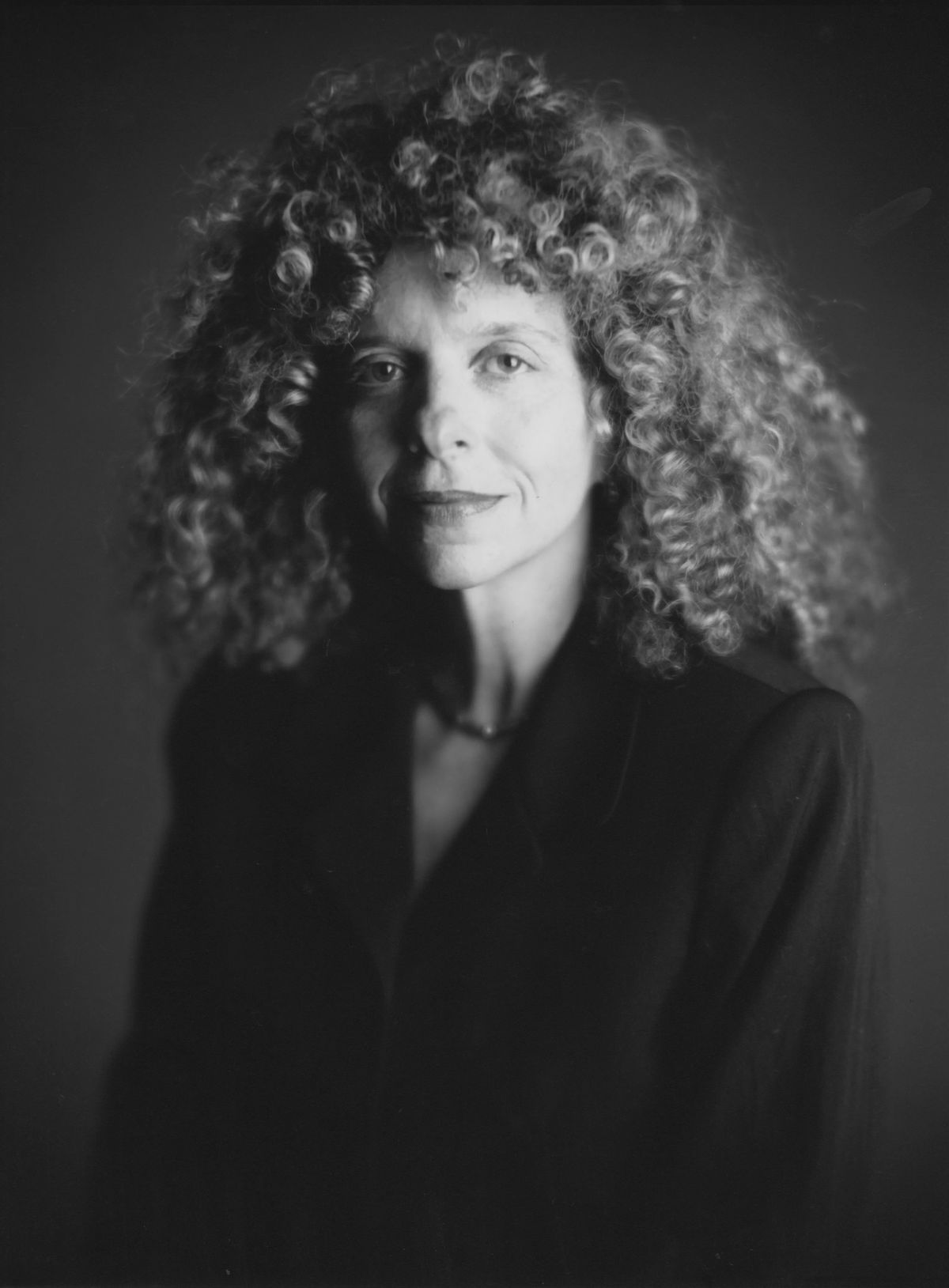
Barbara Kruger
Kruger's bold integration of text over photographic imagery to disrupt conventional meaning carries a clear conceptual lineage from Baldessari's pioneering text and image works.