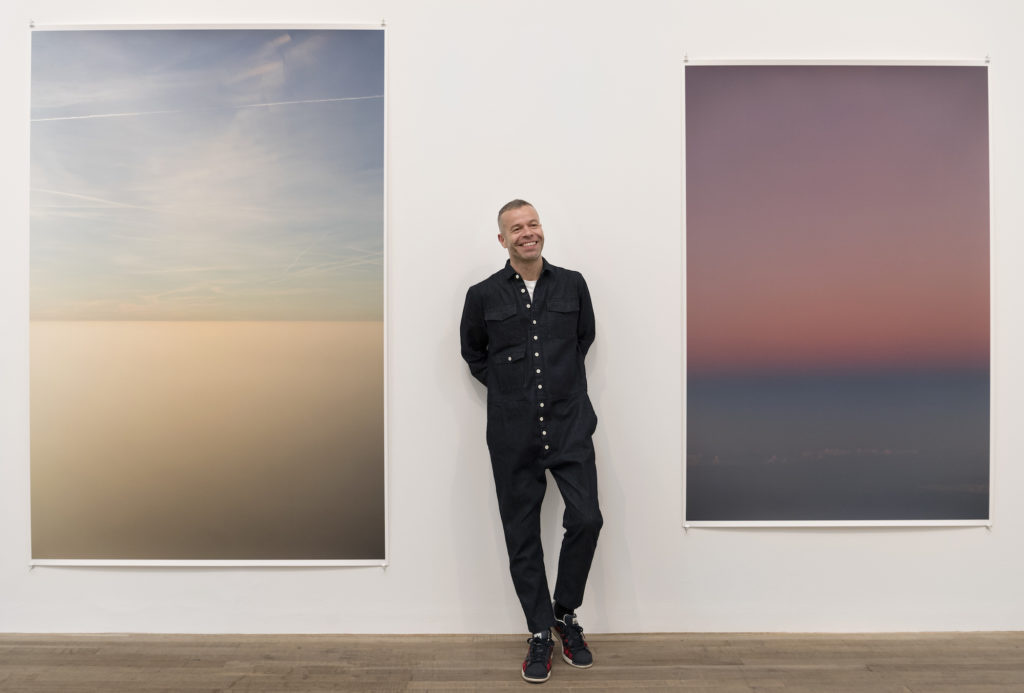
Wolfgang Tillmans
192
Works
22
Followers

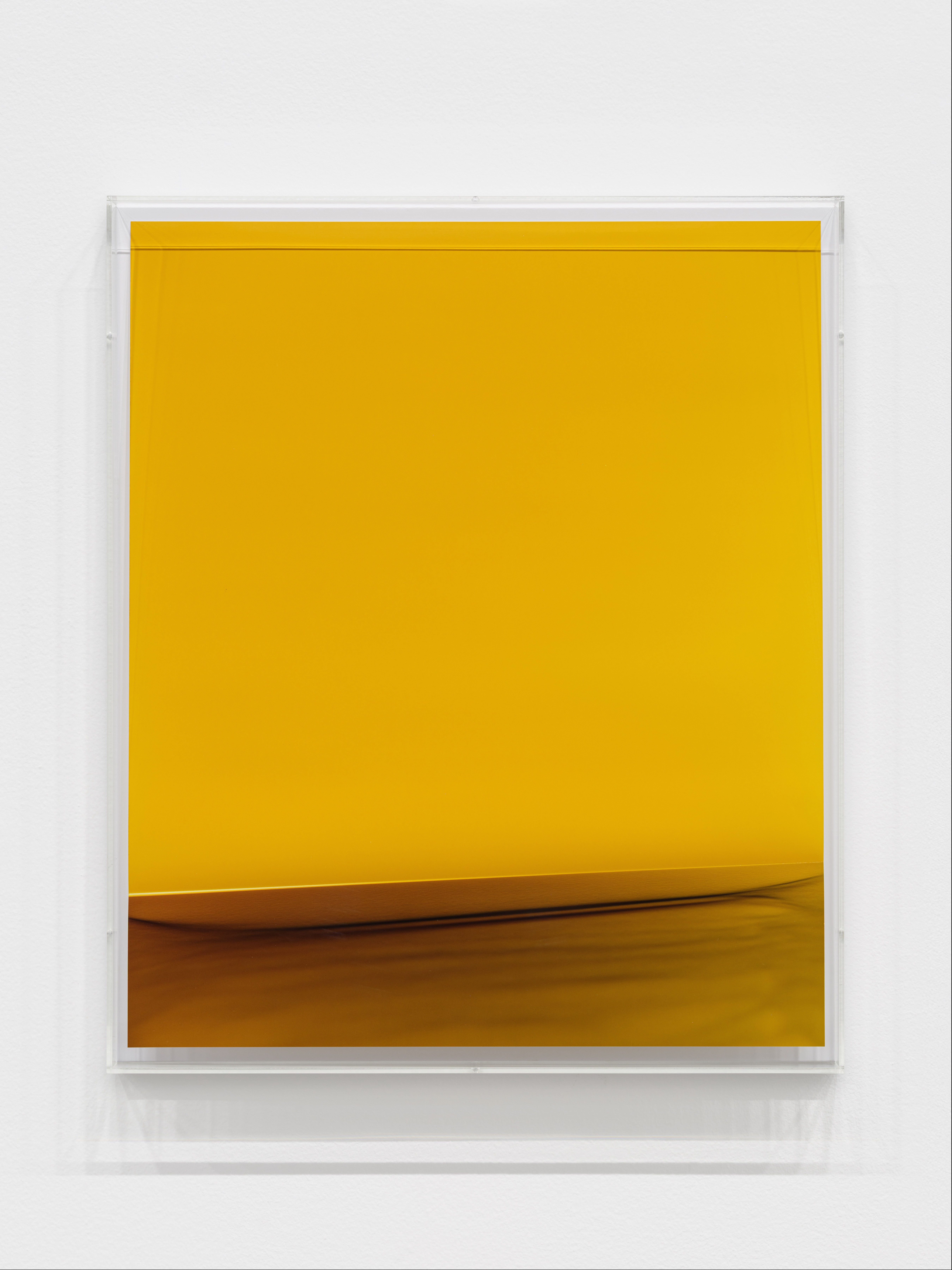
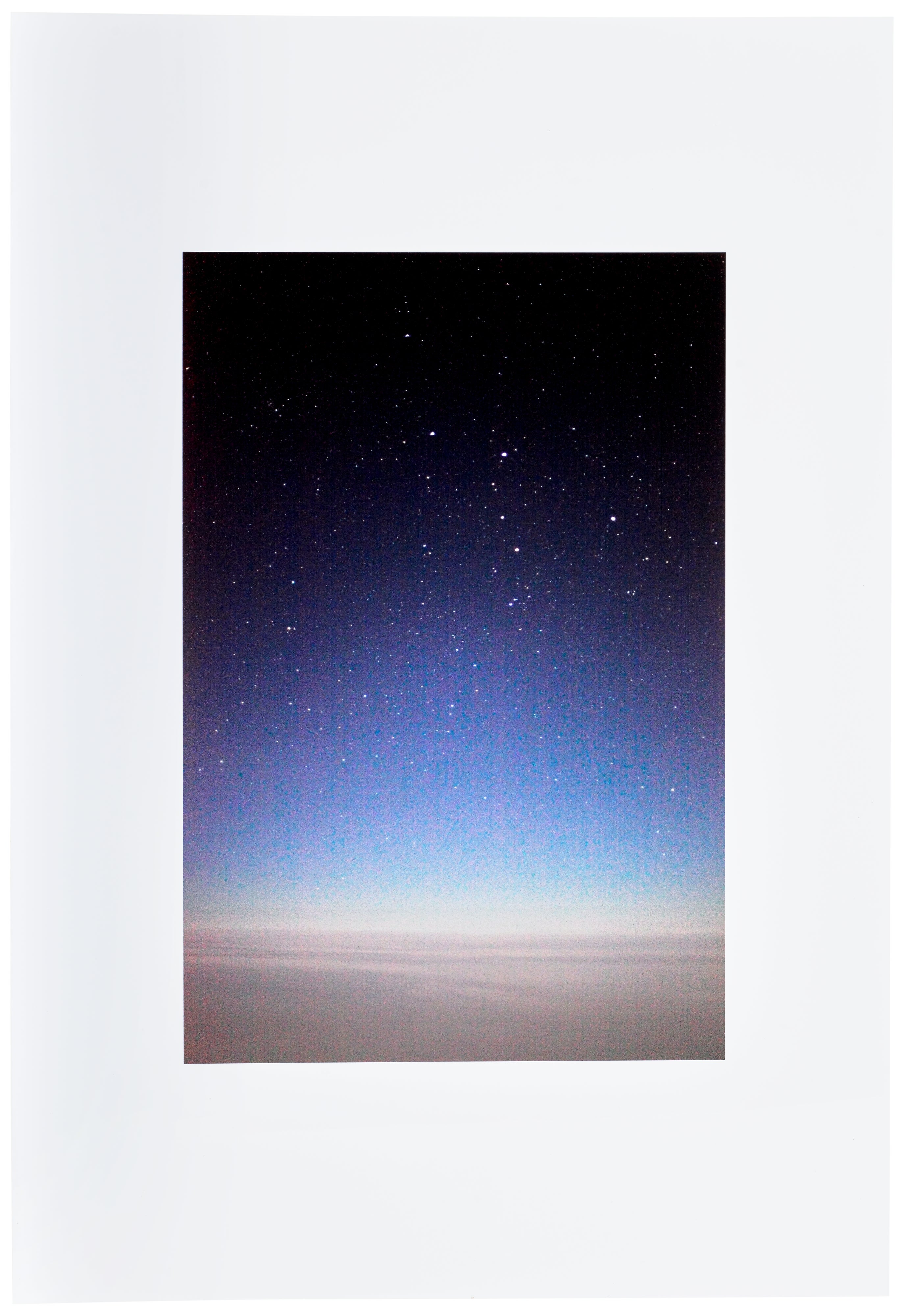

Also spotted by

Artists in conversation
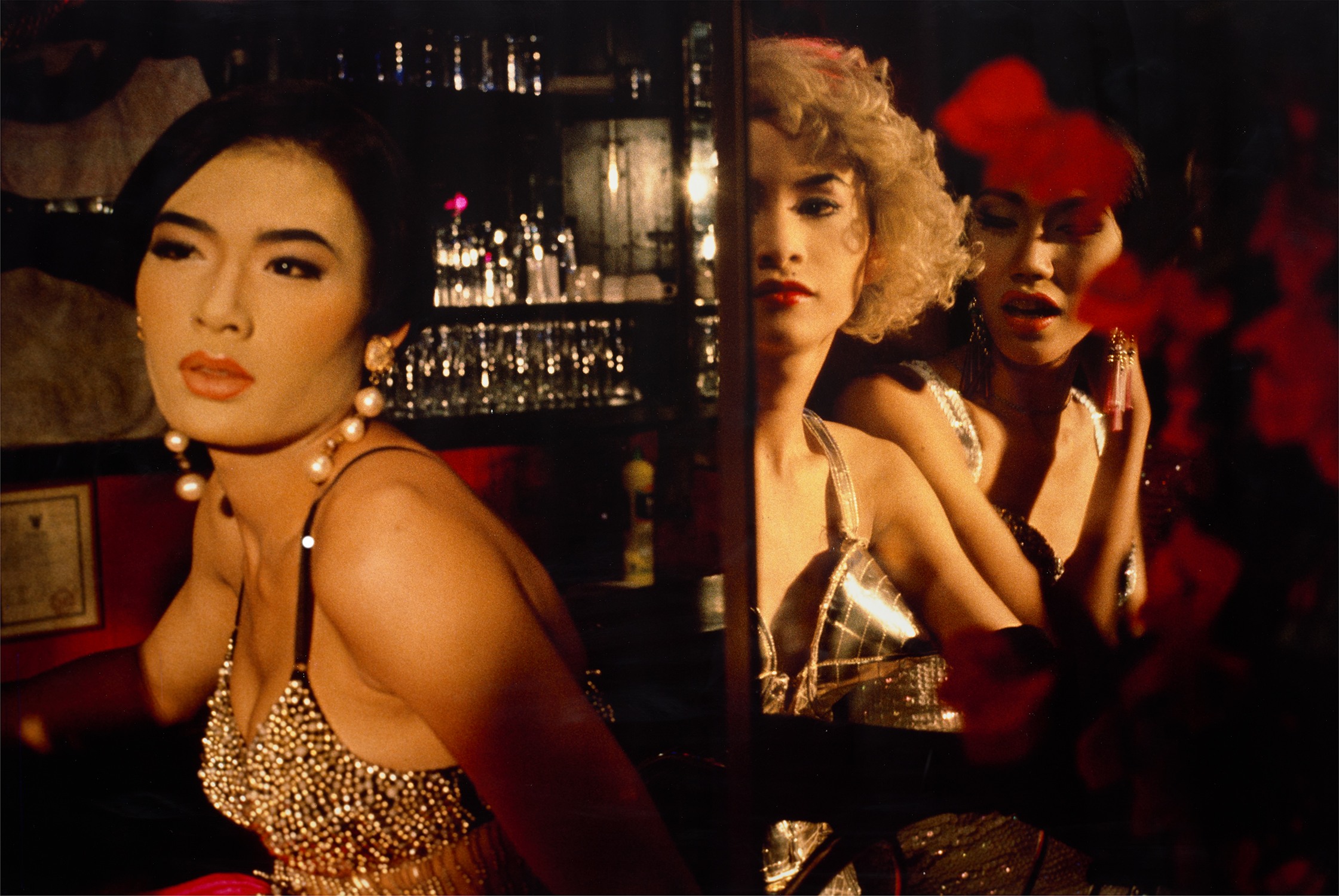
Nan Goldin
Goldin shares Tillmans's commitment to intimate, diaristic photography of subcultural and queer communities, treating personal relationships and vulnerability as central artistic subjects. Both artists use photography to document lived experience with an immediacy that blurs documentary and fine art practice.
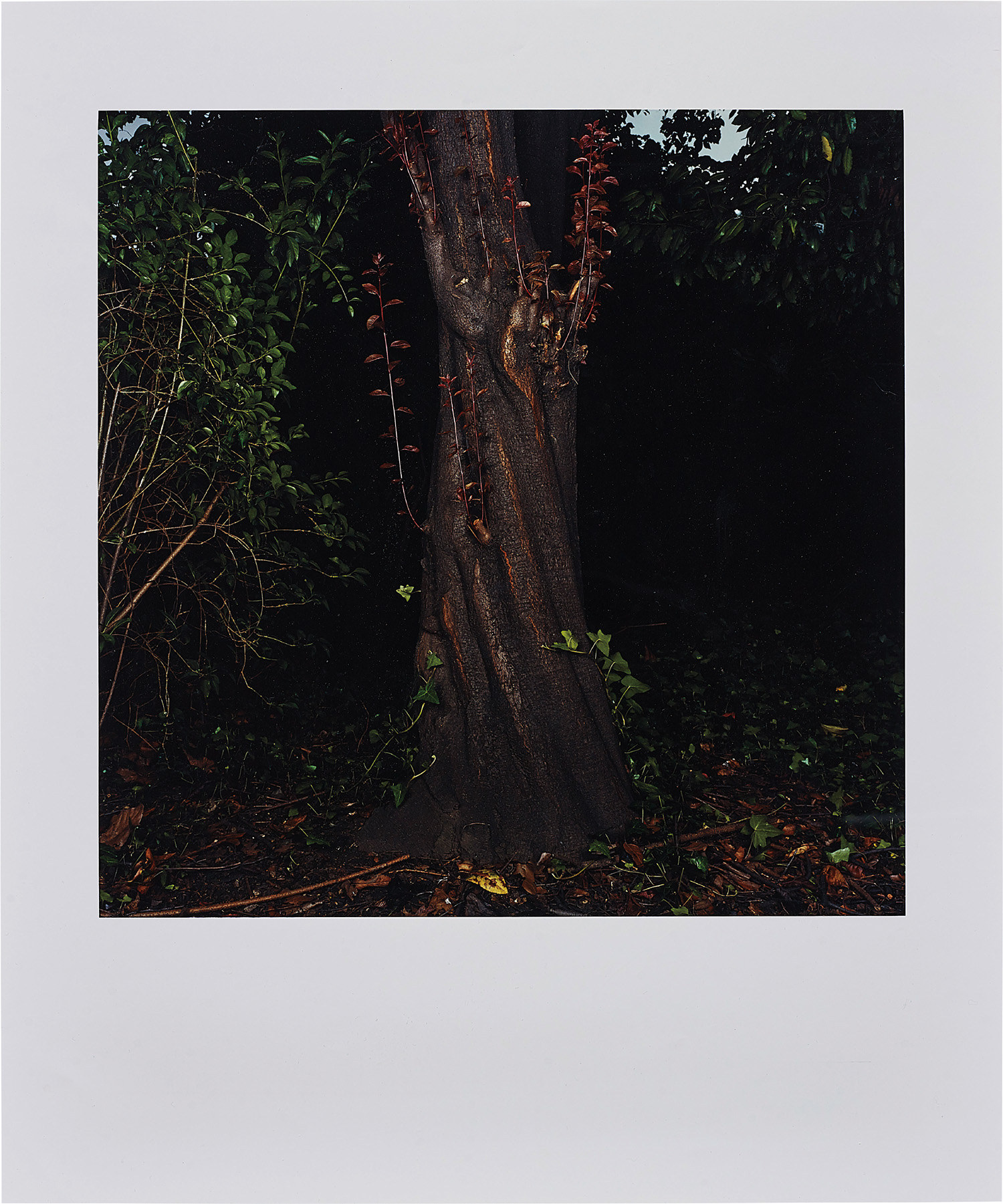
Juergen Teller
Teller operates at the same intersection of fashion, celebrity portraiture, and raw unpolished aesthetics that Tillmans navigated, with a similarly anti-glamour approach to photographic production. Collectors drawn to Tillmans's candid visual language and youth culture focus would find Teller's work closely resonant.
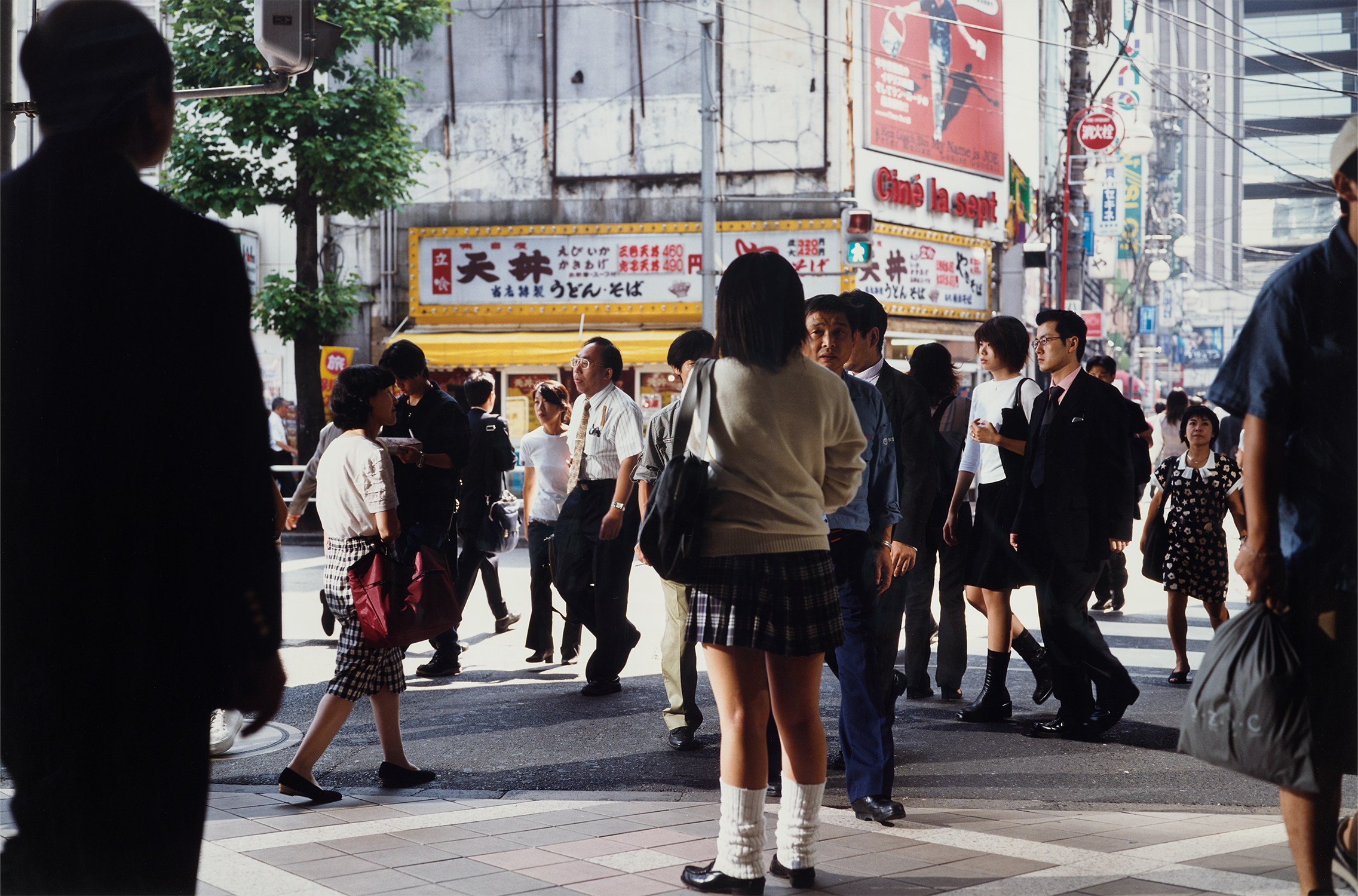
Taryn Simon
Simon shares Tillmans's investment in the conceptual and material dimensions of photography as a medium, staging complex installations that interrogate how images carry meaning and institutional power. Both artists treat exhibition design as inseparable from the photographic work itself.
Artists who inspired them
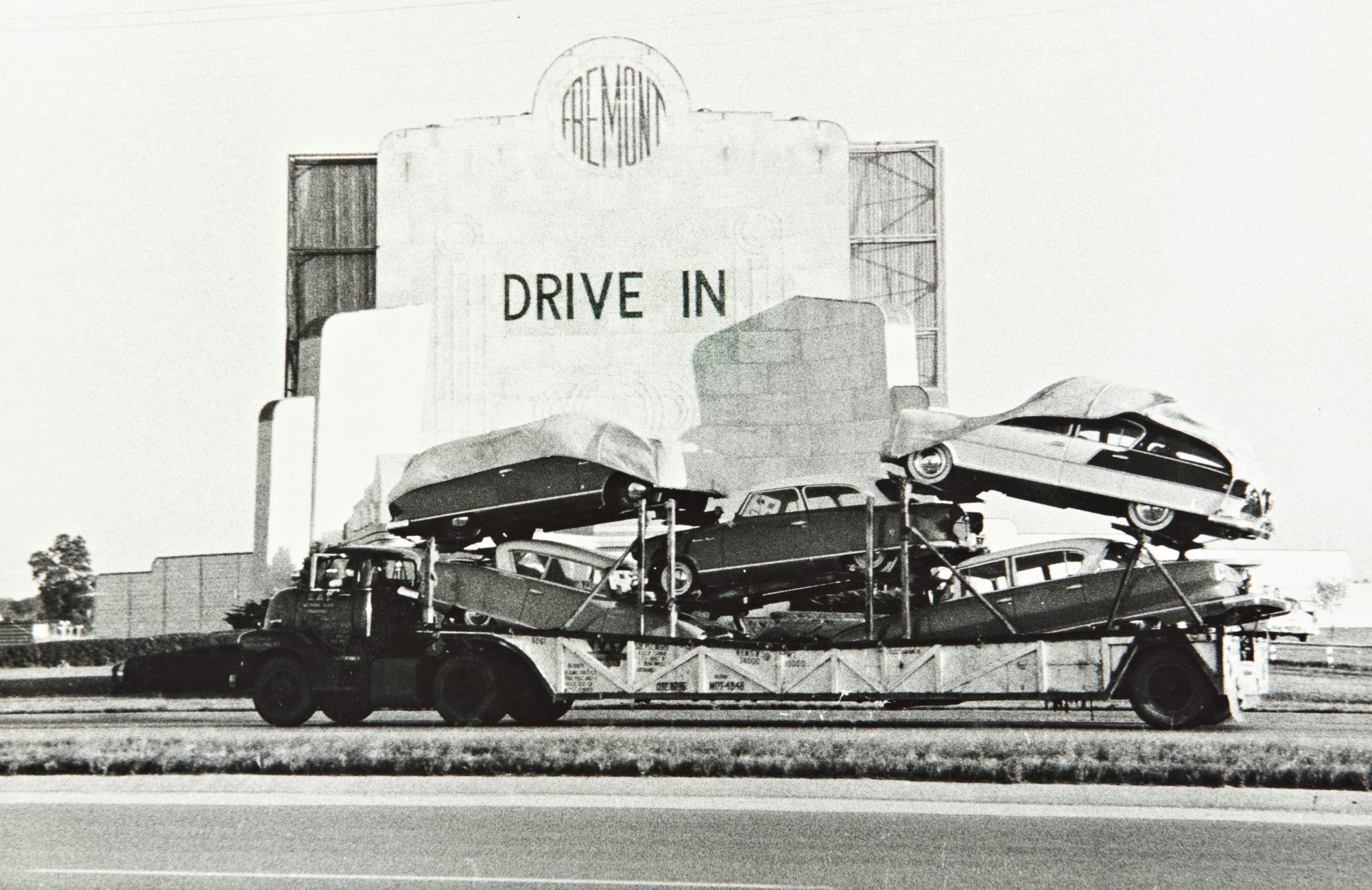
Robert Frank
Frank's groundbreaking use of the snapshot aesthetic and his willingness to embrace the accidental and imperfect as expressive tools directly informed Tillmans's approach to everyday subject matter and non-hierarchical image making. Tillmans has cited Frank as a foundational figure in liberating photography from formal perfectionism.
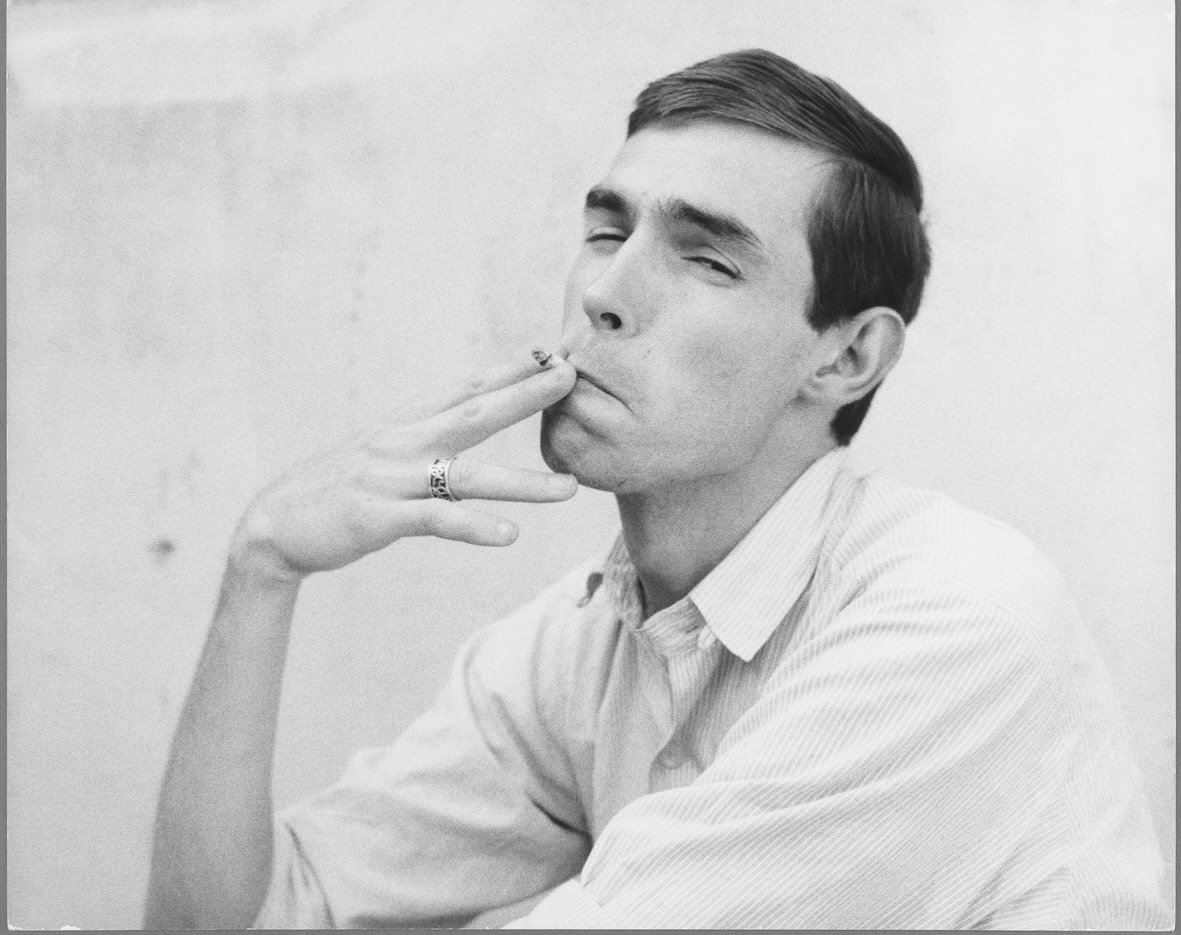
Peter Hujar
Hujar's deeply intimate black and white portraits of queer artists and performers in New York provided a precedent for Tillmans's own tender and politically charged depictions of community and bodies. Hujar demonstrated that photography of subcultural life could carry profound artistic and historical weight.
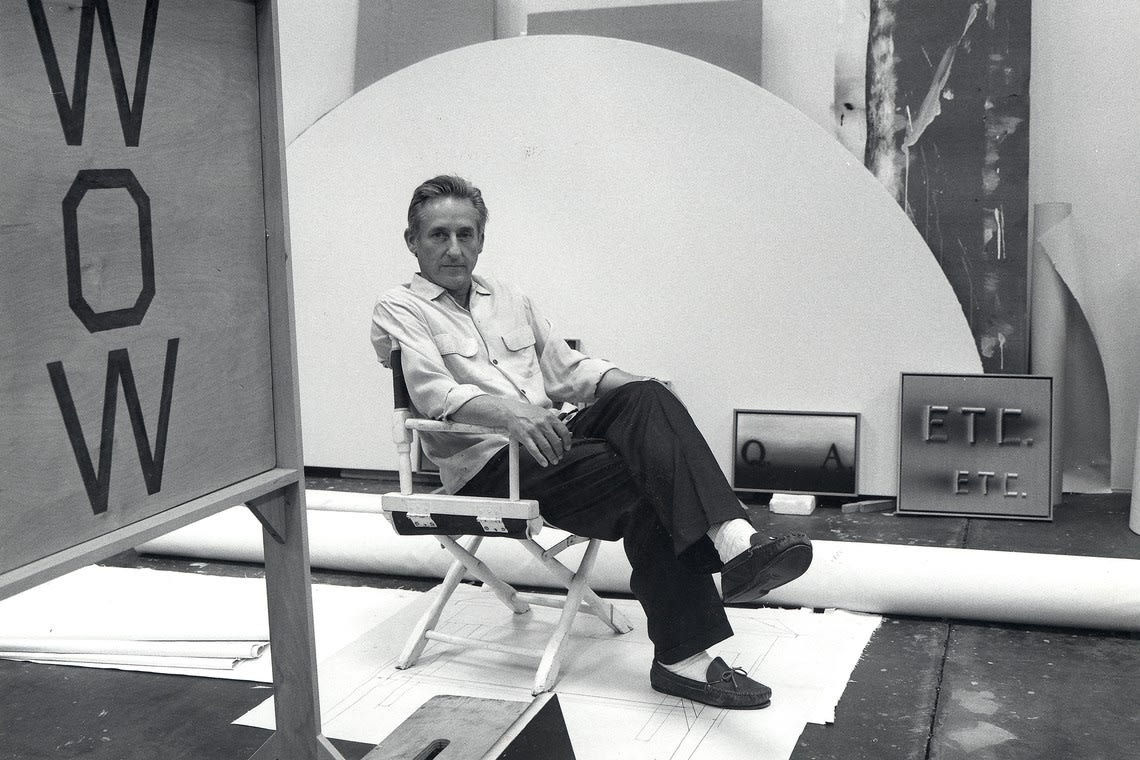
Ed Ruscha
Ruscha's deadpan photographic books and his conceptual approach to the ordinary and mundane shaped Tillmans's interest in seriality and the vernacular as legitimate fine art territory. Tillmans's use of photobooks as a distinct artistic format reflects a debt to Ruscha's innovations in that form.
Artists they inspired

Roe Ethridge
Ethridge absorbed Tillmans's strategy of mixing commercial, vernacular, and fine art photographic modes within a single body of work, refusing rigid distinctions between assignment and autonomous practice. His installation approach and blending of still life, portraiture, and found imagery closely parallels Tillmans's expanded photographic field.
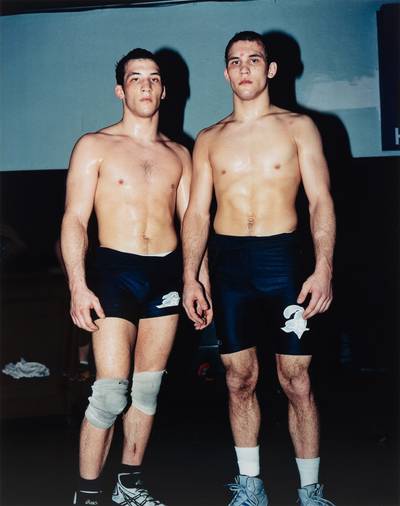
Collier Schorr
Schorr's photography of youth, masculinity, and queer identity engages the same intimate and politically aware visual territory that Tillmans pioneered, and her installation driven presentation of images reflects his influence on how photographers arrange work spatially. Her blending of documentary tenderness with conceptual framing is deeply indebted to Tillmans's example.