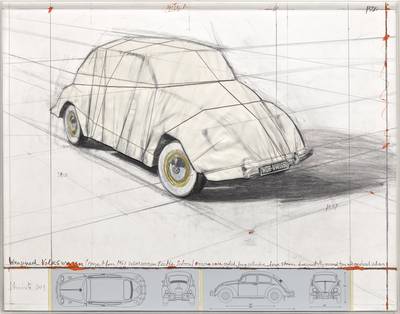
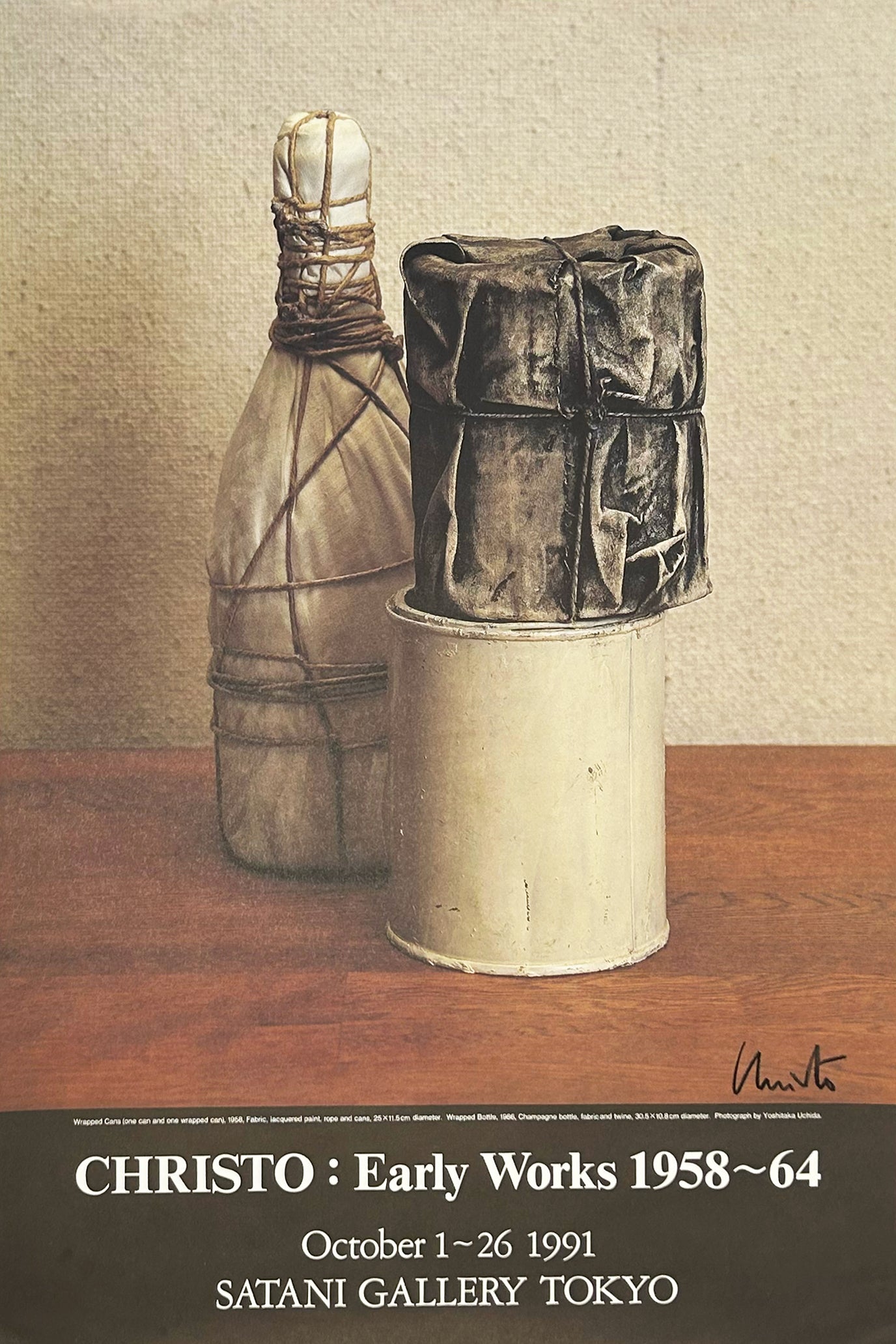
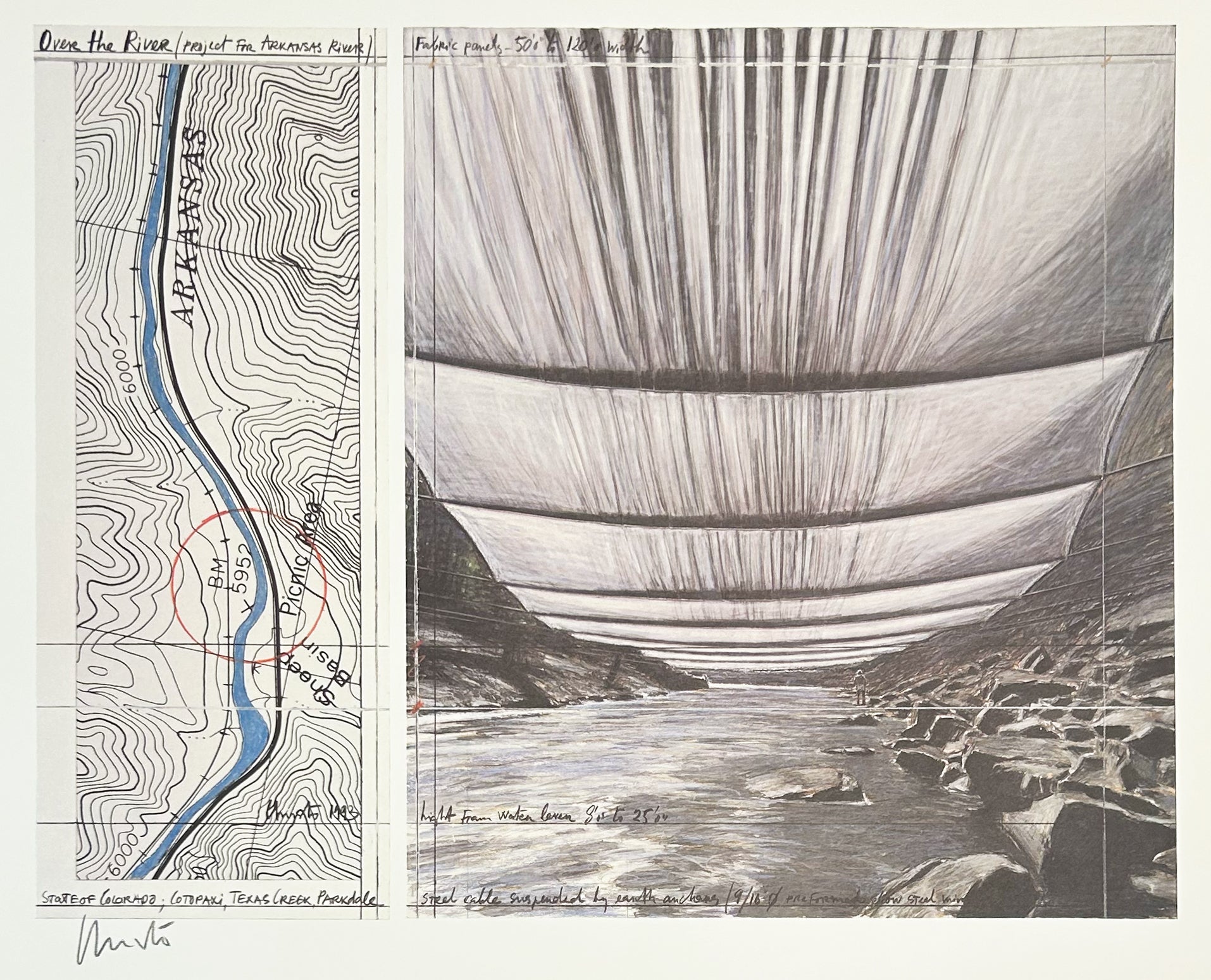
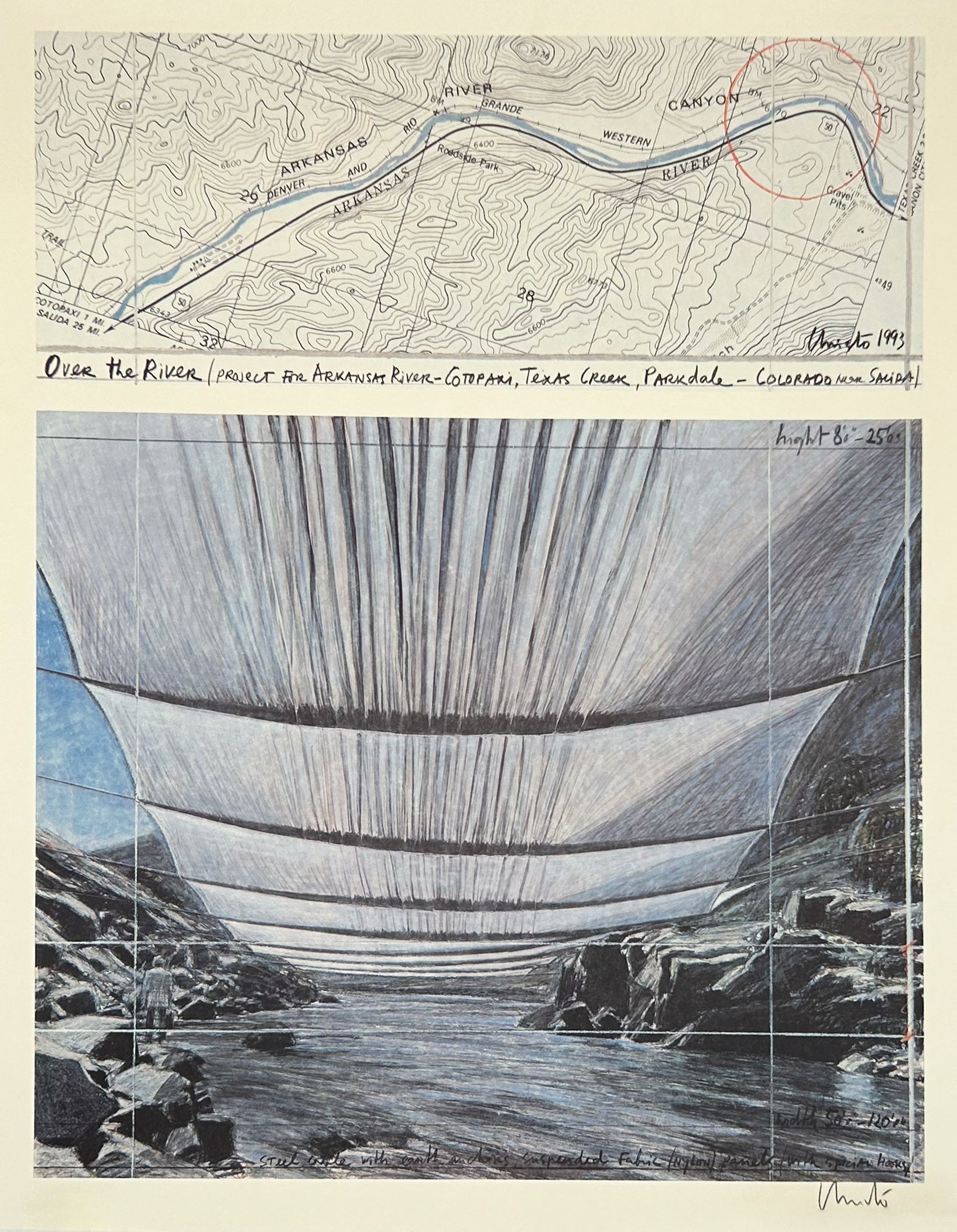
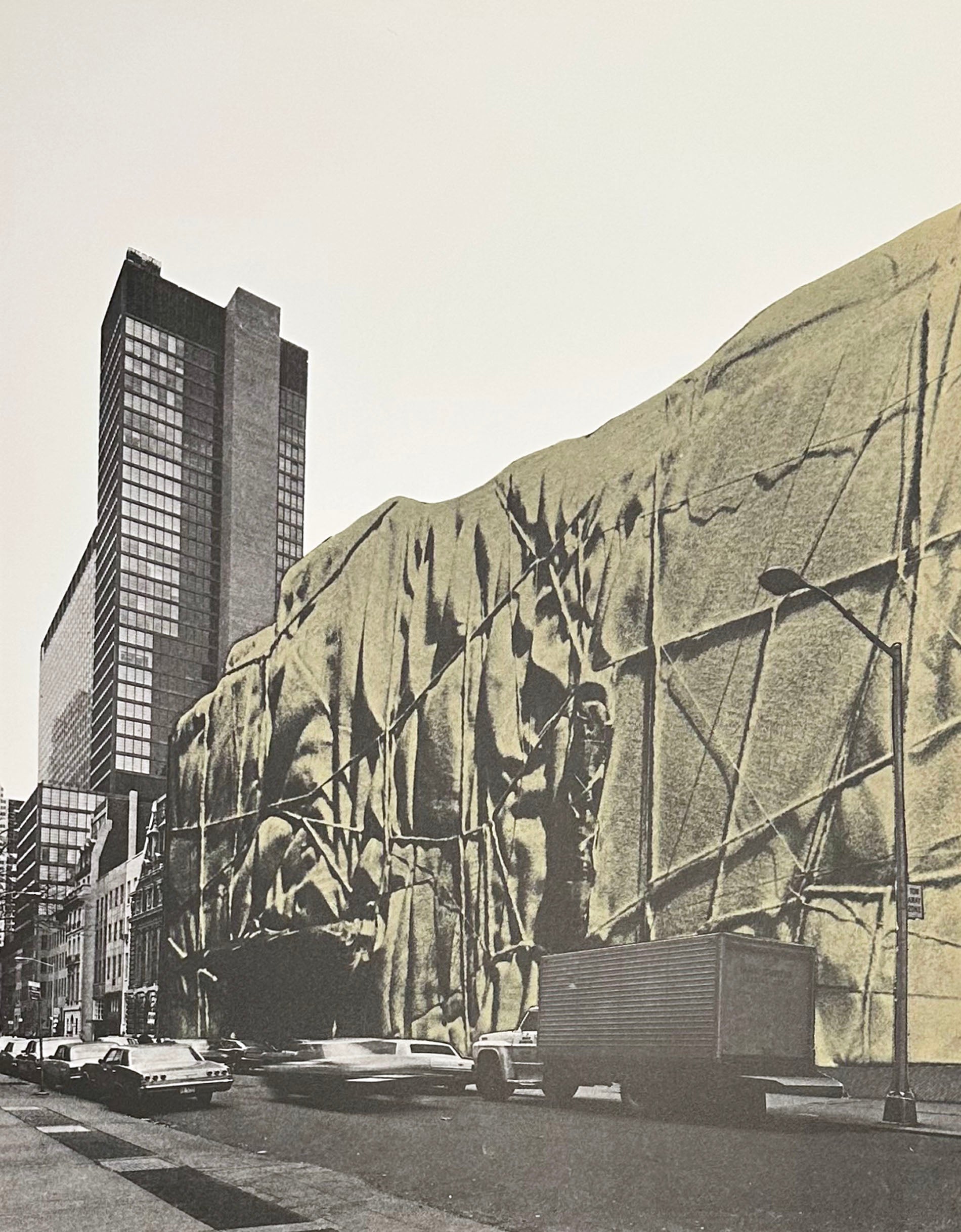
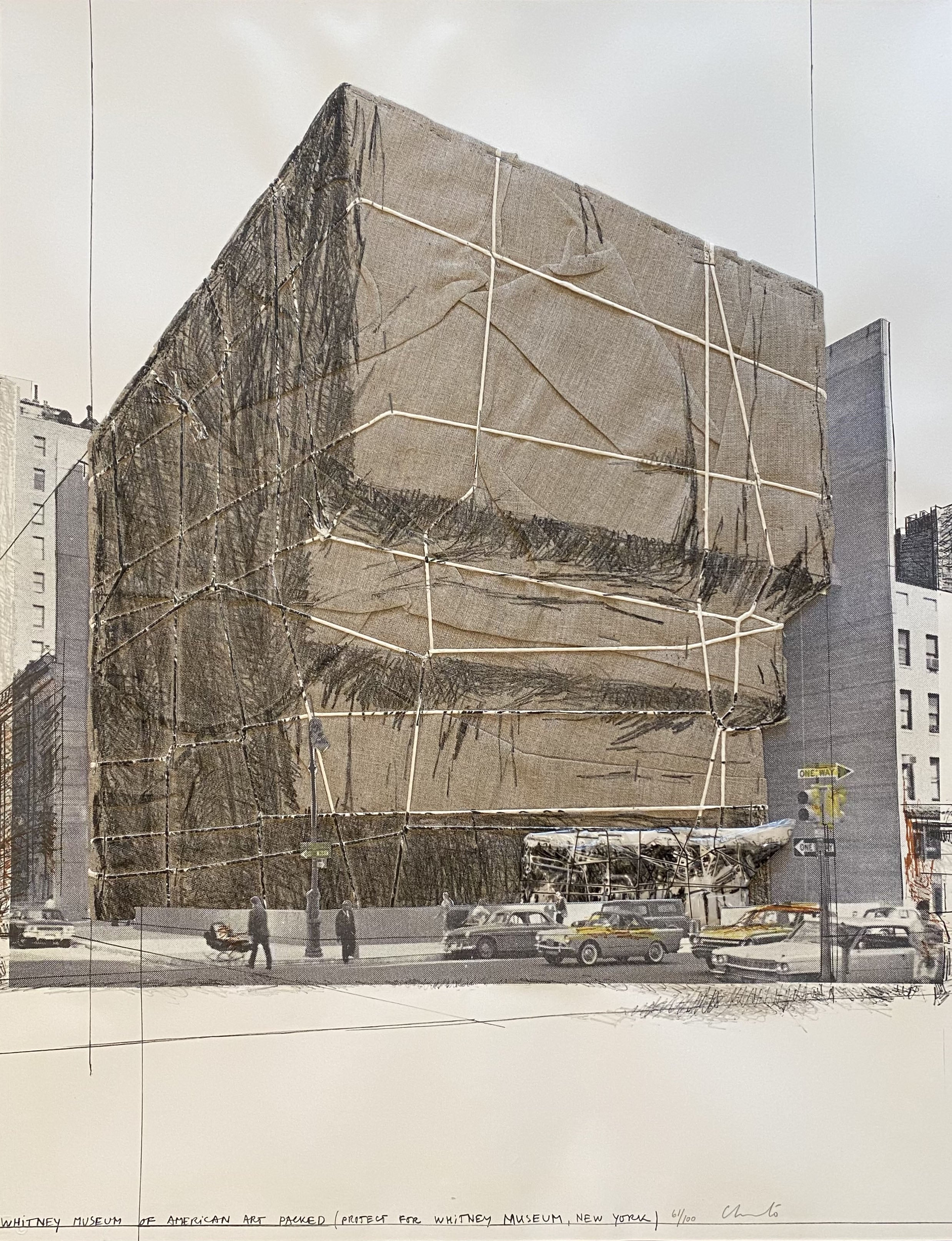
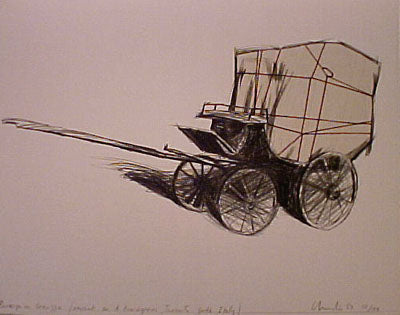
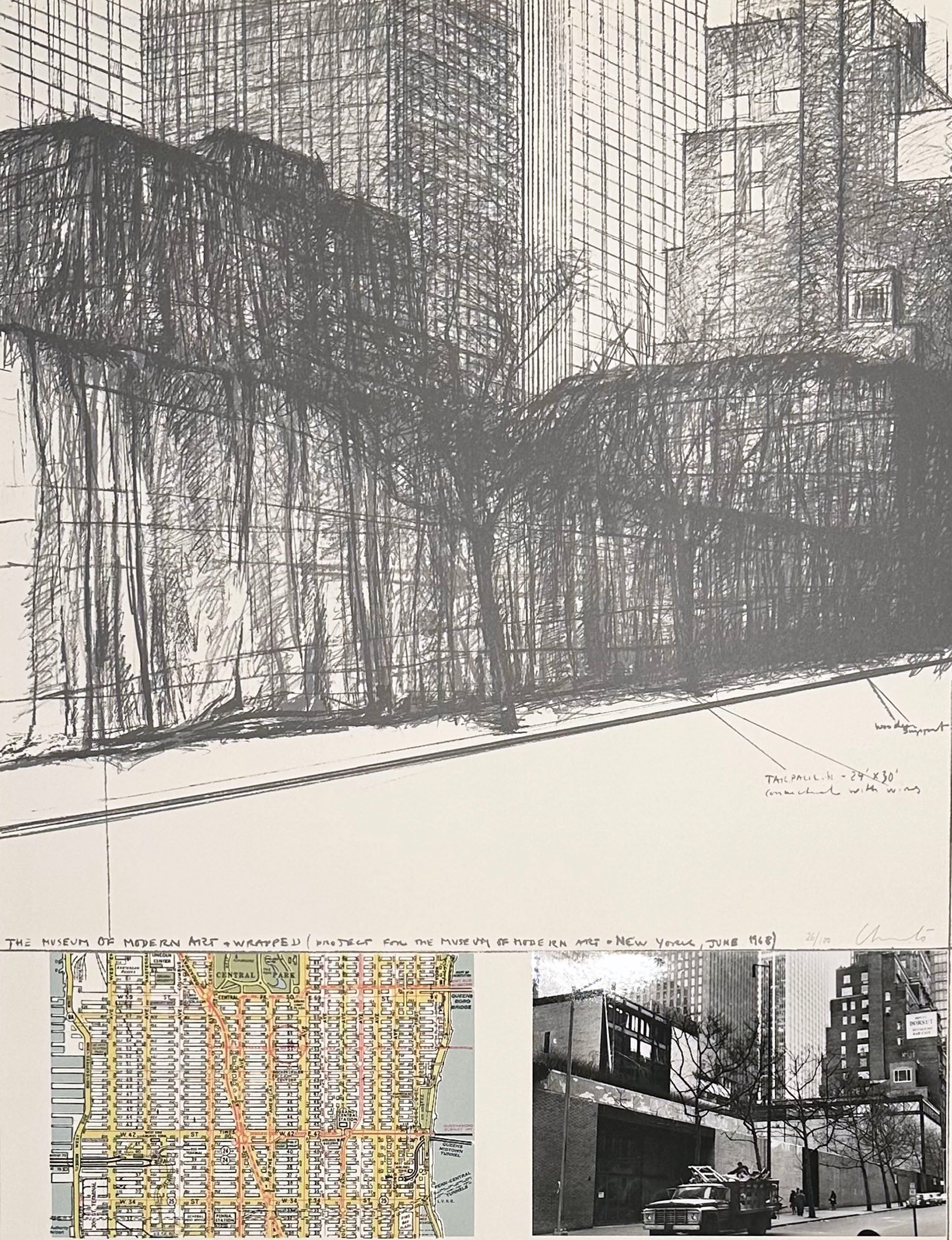
In the summer of 1995, five million people made a pilgrimage to Berlin to witness something that should not have been possible. The Reichstag, one of the most symbolically loaded buildings in all of European history, had been wrapped entirely in silvery polypropylene fabric, its folds catching the light and breathing gently in the wind. Christo and Jeanne Claude had spent more than two decades lobbying, negotiating, and fighting for permission to realize this vision. For two weeks, the building disappeared and, in disappearing, became more fully itself than it had ever been before. Christo Vladimirov Javacheff was born in 1935 in Gabrovo, Bulgaria, into a family of considerable cultural ambition. His father ran a chemicals and textiles factory, and his mother served as secretary general of the Academy of Fine Arts in Sofia, an upbringing that placed art and industry in close proximity from the very beginning. He studied at the Sofia Academy of Fine Arts before his life took the kind of turn that would define not just his biography but his entire artistic sensibility. In 1957, he escaped from communist Bulgaria, first to Prague, then Vienna, then Geneva, arriving eventually in Paris in 1958. That act of crossing, of moving through borders and barriers toward something freer and more open, would echo through every project he ever made. It was in Paris that Christo met Jeanne Claude Denat de Guillebon, born on the same day as Christo, June 13, 1935. Their collaboration would become one of the most creatively fertile and genuinely equal partnerships in the history of modern art. Together they began wrapping objects in the early 1960s, an act that was simultaneously Dadaist in spirit and deeply original in its implications. By concealing something, they argued, you intensify attention toward it. You make the familiar strange, and the strange irresistible. Their early wrapped works, modest in scale but radical in concept, attracted the attention of the New Realist movement in Paris, placing Christo in the company of artists such as Yves Klein and Jean Tinguely, though his practice would ultimately exceed any single movement or label. The projects grew in ambition over the following decades in ways that remain almost difficult to fully absorb. Valley Curtain, installed across Rifle Gap in Colorado in 1972, suspended an enormous curtain of orange fabric between two mountains. Running Fence, a work realized in 1976 across Sonoma and Marin Counties in California, traced 24 and a half miles of white nylon fabric through the landscape before disappearing into the Pacific Ocean. Surrounded Islands, completed in 1983 in Biscayne Bay, Miami, saw eleven islands ringed in floating pink fabric. Each of these projects required years of planning, extensive environmental studies, and the consent of hundreds of landowners and government bodies. The process was never incidental to the work. It was the work. Christo financed every project entirely through the sale of preparatory drawings, collages, and scale models, accepting no corporate sponsorship and no public funding. This insistence on complete artistic and financial independence was not mere stubbornness. It was a philosophical position about the freedom that art requires in order to remain art. It is precisely these preparatory works that constitute the primary collecting opportunity for Christo today, and they are far more than documentation. The drawings and collages Christo produced in advance of each project are finished, resolved works of extraordinary beauty in their own right. Works such as The Gates, Project for Central Park, N. Y.C., rendered in enamel, photograph, map, wax crayon, graphite, and tape, or the Wrapped Reichstag collages incorporating fabric samples, charcoal, and photographs by longtime collaborator Wolfgang Volz, demonstrate a visual intelligence that is both precise and lyrical. The mixed media approach, layering topographic maps and fabric swatches alongside pencil renderings, creates objects that are part architectural proposal, part poem, and part testament to an unrepeatable creative vision. The store front series from the mid 1960s, including works such as Store Front in Mandarin Yellow from 1965, reveals an earlier, more intimate register of Christo's thinking, using drafting vellum, wax crayon, and enamel to propose the transformation of urban commercial space into something mysterious and charged. At auction, Christo's preparatory works have performed consistently well, reflecting sustained international collector interest. Major works on paper and collage related to landmark projects such as Wrapped Reichstag and The Gates have achieved significant results at Christie's, Sotheby's, and Phillips over the past decade, with collectors drawn both to their aesthetic quality and to the irreplaceable historical record they carry. The Gates itself, installed in Central Park in February 2005, attracted an estimated four million visitors over sixteen days and generated enormous cultural attention that reinforced the value of the works associated with it. Collectors who acquire a Christo collage or preparatory drawing are acquiring a window into a process that was as much about human persuasion and collective will as it was about fabric and steel. The works carry that history with them. Christo's position in art history is genuinely singular, though useful conversations can be held with artists who share certain concerns. The land art movement, represented by figures such as Robert Smithson and Michael Heizer, similarly sought to work at the scale of landscape and to challenge the boundaries of what a gallery or museum could contain. Gordon Matta Clark's interventions into architecture, cutting and opening buildings to reveal their hidden structures, shares something of Christo's interest in making the built environment suddenly strange and newly visible. In terms of European conceptualism, comparisons with the Fluxus artists and with figures such as Joseph Beuys, who also believed in art as a transformative social and political act, offer productive context. But none of these comparisons quite accounts for the combination of romance, spectacle, institutional tenacity, and sheer physical scale that defines Christo's practice at its fullest. Christo died in New York on May 31, 2020, at the age of 84. Jeanne Claude had predeceased him in 2009. Yet the work did not stop with his death. L'Arc de Triomphe, Wrapped, a project the pair had first conceived in 1962, was realized posthumously in Paris in September and October of 2021, the monument shimmering in silvery blue fabric above the Place de l'Etoile. The sight was breathtaking and, for those who knew Christo's long battle to see his visions realized, deeply moving. It was a reminder that what Christo built across six decades was not merely a body of works but an entirely original way of thinking about public space, collective experience, and the capacity of beauty to make people stop, look, and reconsider the world they inhabit. The preparatory works that survive him are not relics. They are living propositions, as urgent and open as the day they were made.