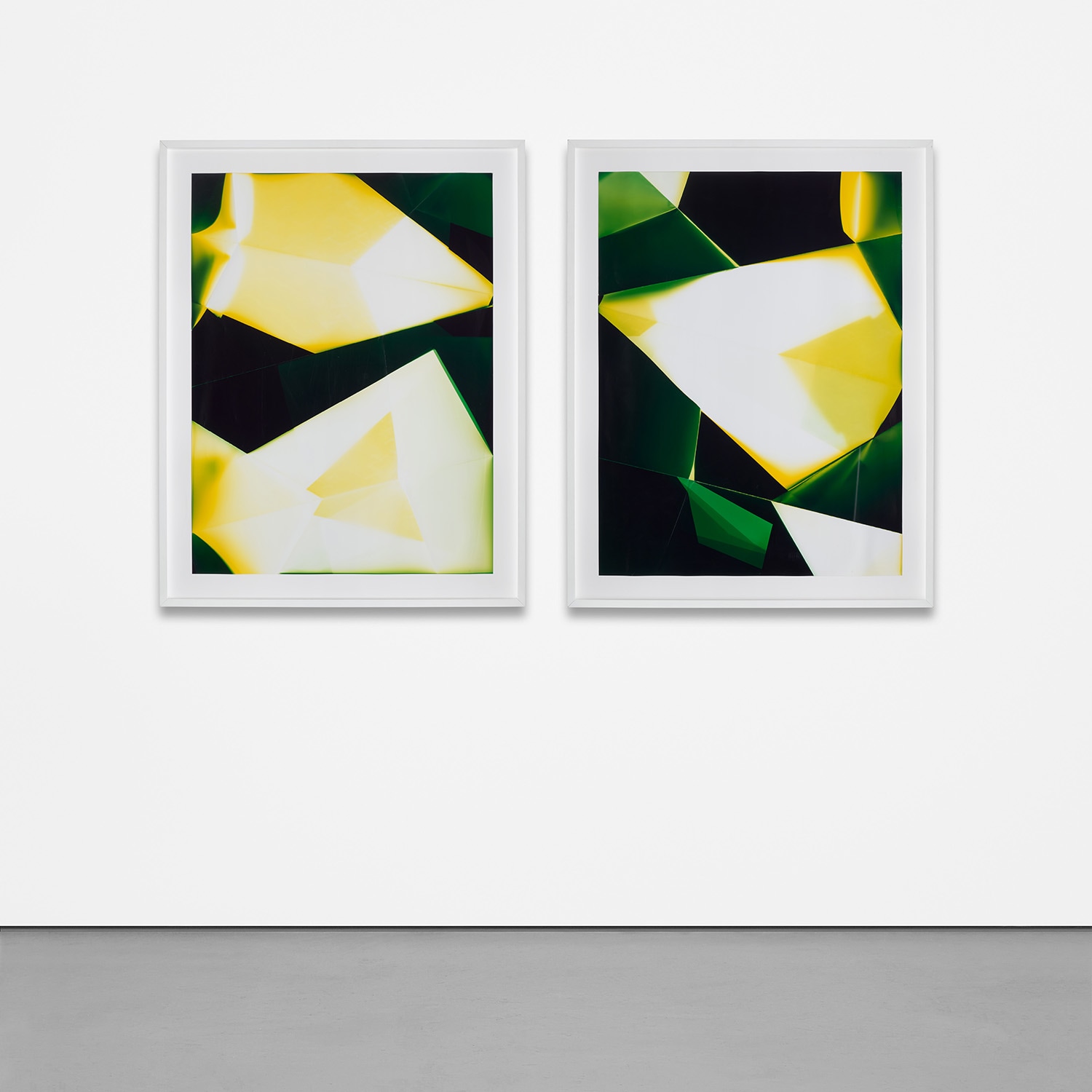
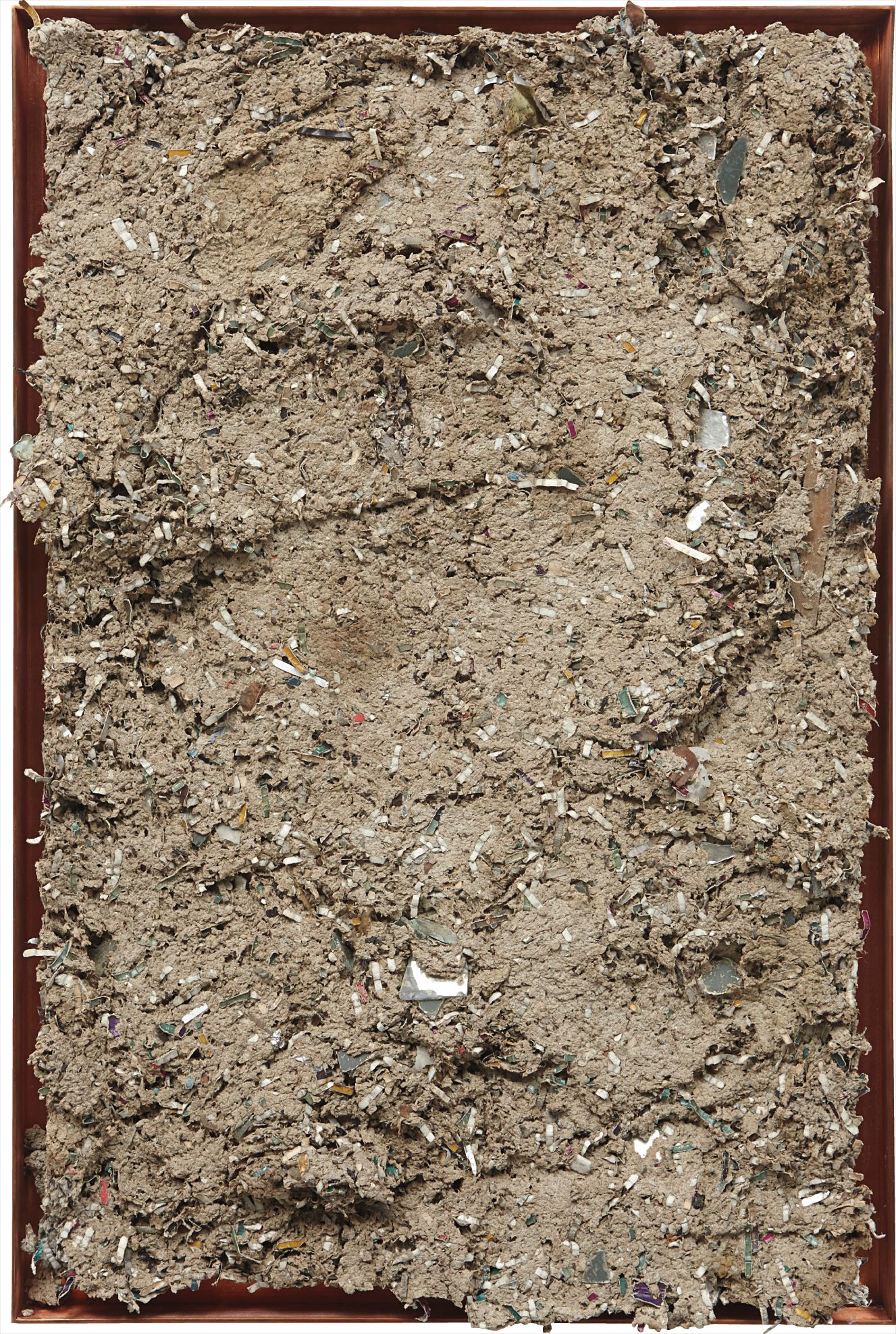
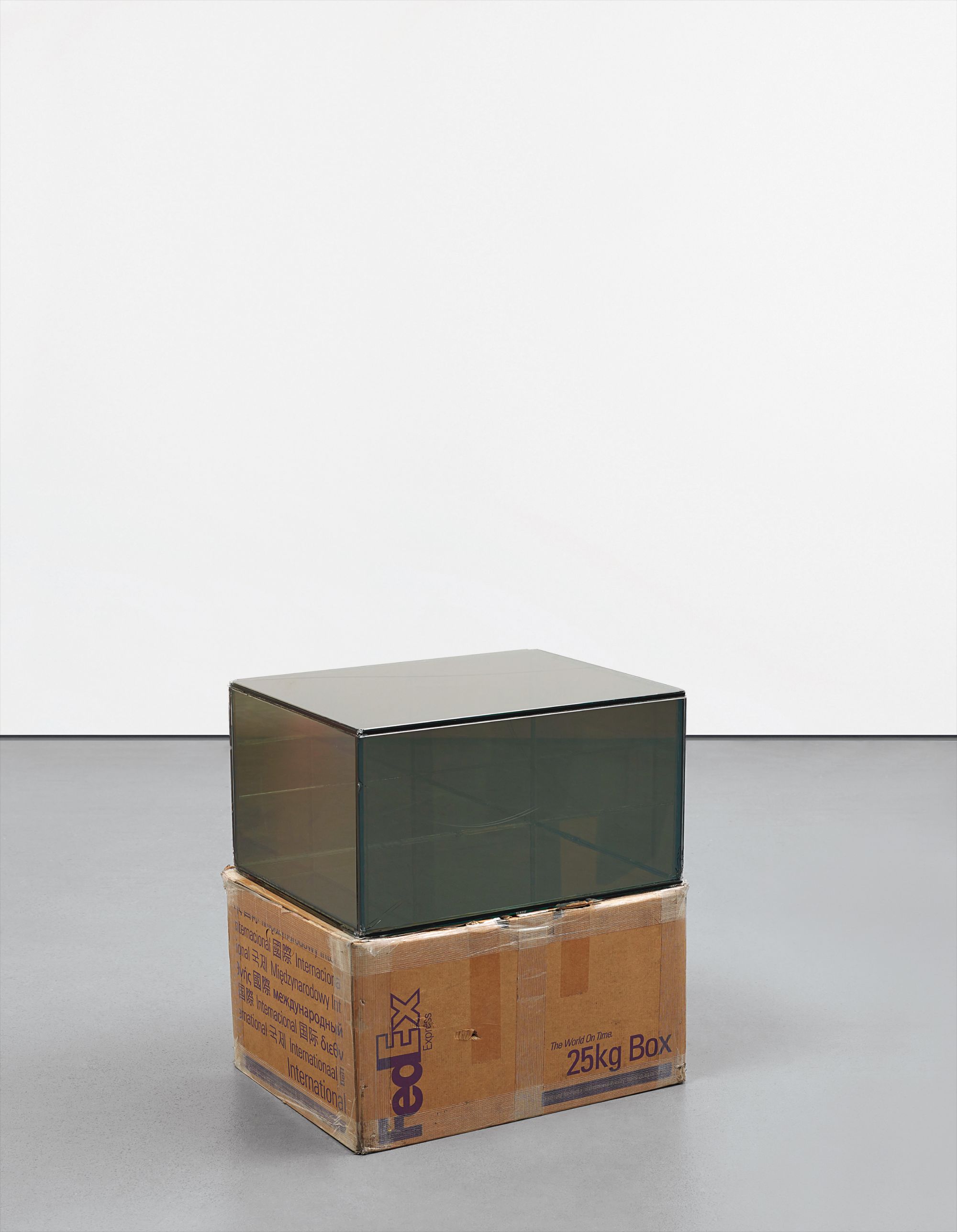
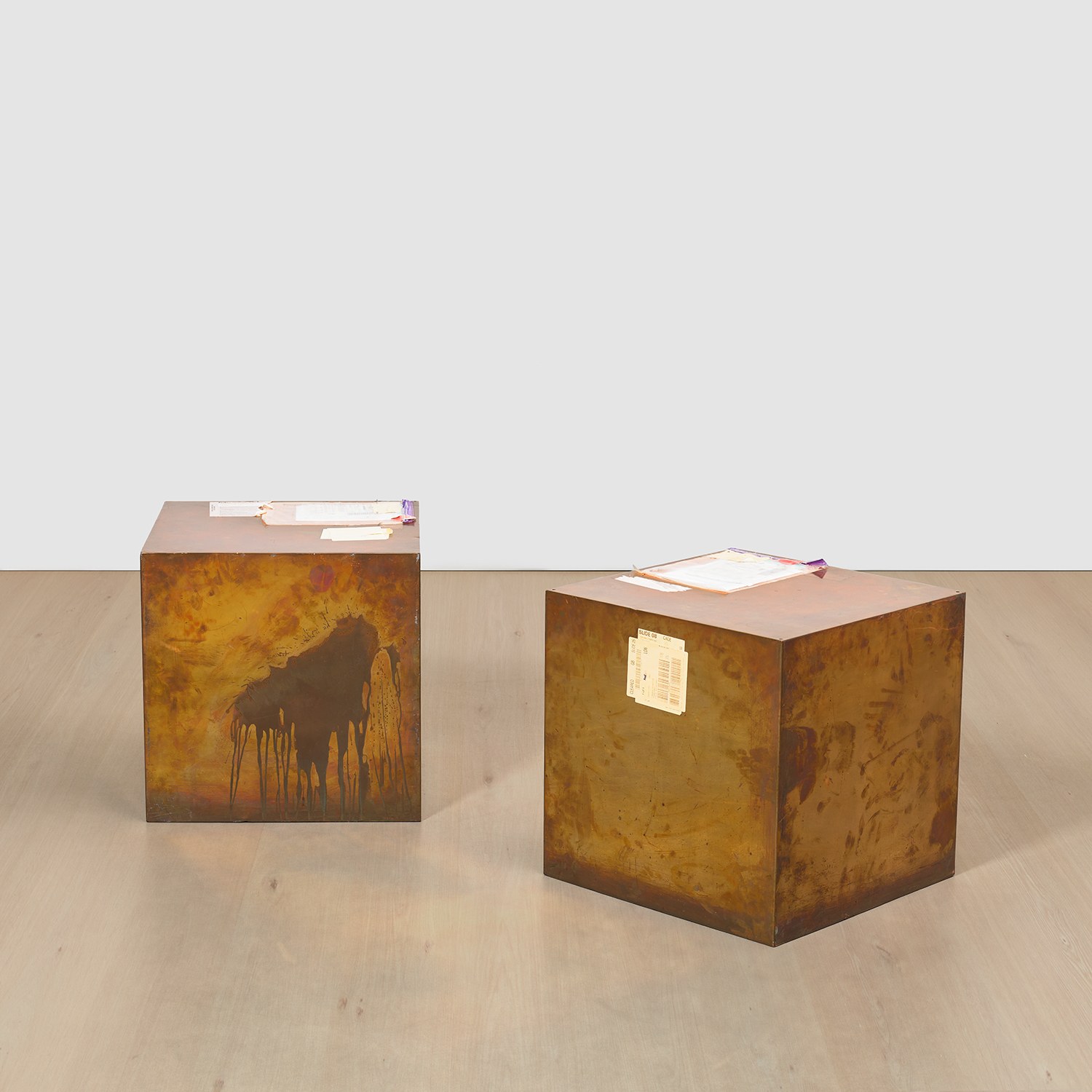
When Walead Beshty's work arrived at the Hammer Museum in Los Angeles for a major survey, something remarkable had already happened before a single visitor walked through the door. The glass sculptures had traveled by courier, absorbing the jolts and pressures of commercial freight logistics, their surfaces cracked and fractured in transit. The damage was not incidental. It was the point. Few artists working today have so thoroughly reimagined what a finished artwork can be, or so elegantly turned the invisible infrastructure of the art world into the very substance of their practice. Born in 1976, Beshty grew up in an environment deeply attentive to ideas and language. He studied at the Skowhegan School of Painting and Sculpture and went on to complete his MFA at Yale University, where the conceptual rigors of the program sharpened a sensibility already inclined toward systems thinking. The intellectual culture of late twentieth century American art, with its inheritance of institutional critique from artists like Hans Haacke and Michael Asher, provided fertile ground. Beshty absorbed these influences without simply repeating them, developing instead a practice attuned to the specific textures of contemporary capitalism and the art market's own mechanics. His artistic development moved through photography and sculpture simultaneously, and his work resists easy categorization. In his photograms, Beshty exposes photographic paper directly to light, color, and the physical forces of his own manipulation, producing large scale abstractions that record the conditions of their own making. Works such as the Black Curl series from 2012 and the Four Magnet, Three Color Curl works begun around 2009 carry their own production histories in their surfaces. Each piece is meticulously titled with the date, location, film stock, and emulsion number, turning the label into a kind of certificate of lived experience. The photograph, in Beshty's hands, is not a picture of something else. It is a document of itself. The FedEx sculptures represent perhaps his most celebrated and conceptually audacious body of work. Beshty constructs glass boxes precisely calibrated to the interior dimensions of standard FedEx shipping containers, then sends them through the commercial freight network without additional protective packing. What arrives at the gallery is cracked, chipped, and fractured, every mark a consequence of the global logistics system that connects artists, dealers, collectors, and institutions. Works such as the FedEx Large Box piece that traveled from Los Angeles to New York and then onward to Saltsjöbaden and London in 2007 carry within them the literal history of their journey. The sculptures are also a pointed commentary on the way art objects accrue value and meaning through the networks that surround them, and they implicate everyone who handles and insures and transports art in the meaning making process. There is humor here too, and a genuine delight in the absurdity of the situation. Beshty's practice extends into what he calls relational documents, works that explore how images and objects are reproduced, circulated, and transformed as they pass through institutional and commercial channels. His publication Selected Works, covering the period from 2009 to 2011, functions simultaneously as artist's book, exhibition catalog, and conceptual artwork in its own right. His copper works, including pieces that travel across domestic and international routes and arrive bearing the marks of their passage, extend the FedEx logic into different materials and different registers of value. Copper carries its own economic associations, fluctuating with commodity markets, and Beshty is always alert to these resonances. For collectors, Beshty's work offers something genuinely rare: objects whose beauty is inseparable from their ideas, and whose ideas remain intellectually alive no matter how many times you encounter them. The photogram diptychs, such as the 2 Sided Mirrored Pair works and the Three Sided Picture series, reward close and sustained attention. Each unique print exists as a one of a kind record of specific conditions in a specific place on a specific date, lending the works an almost diaristic intimacy that contrasts productively with their abstract visual character. The FedEx sculptures, meanwhile, are among the most discussed and written about works to emerge from the American conceptual tradition of the past two decades, and their presence in a collection signals a sophisticated understanding of how contemporary art operates at the intersection of aesthetics, logistics, and critique. Institutions holding Beshty's work include the Museum of Contemporary Art in Los Angeles and the Hammer Museum, and his pieces have appeared in significant group exhibitions at major venues across Europe and North America. Within art history, Beshty occupies a position that connects the institutional critique of the 1970s and 1980s with the concerns of a generation of artists who came of age during the globalization of the art market. His work shares intellectual territory with artists such as Christopher Williams, whose rigorous attention to photographic convention and production similarly turns process into content, and with the legacy of John Baldessari, whose long shadow over Los Angeles conceptualism is impossible to ignore. But Beshty's sensibility is distinctly his own, shaped by the specific conditions of early twenty first century art distribution and the peculiar economics of the contemporary art world. What makes Beshty matter today, beyond the quality and originality of individual works, is the clarity and persistence of his vision. In an art world increasingly attentive to questions of labor, value, and the hidden systems that structure cultural production, his practice has been quietly ahead of the conversation for years. The FedEx sculptures make the normally invisible conditions of art transport suddenly, undeniably visible. The photograms insist on the materiality of a medium often treated as purely transparent. Together, these bodies of work constitute a sustained and generous inquiry into what art is made of, and who and what is involved in making it. For collectors who want work that continues to give intellectually and aesthetically over time, Walead Beshty represents exactly that kind of rare, rewarding commitment.
![Make-Ready 1: Uncut Signature [Walead Beshty: Selected Correspondences 2001-2010, Bologna: Damiani Editore, 2010, Grafiche Damiani, Bologna, Italy, July 4-6, 2010], 90° Bend, 30° Diagonal/ 150° Antidiagonal Bisection](https://rtwaymdozgnhgluydsys.supabase.co/storage/v1/object/public/artwork-images/auction-lots/UK010321-132021-lot1774342664037.jpg)