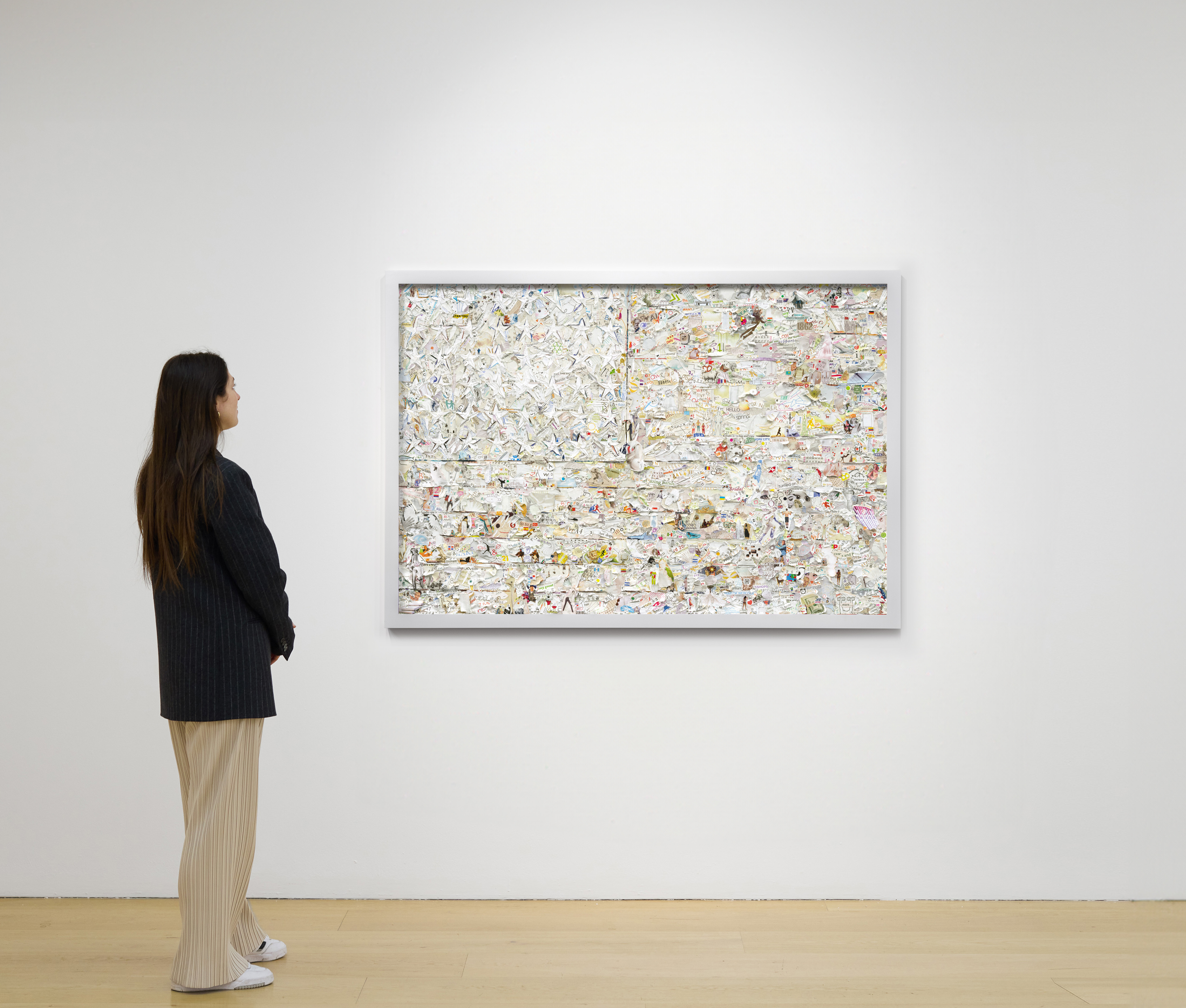
Vik Muniz
12
Followers
Artist Spotlight
Vik Muniz Transforms the Ordinary Into Wonder
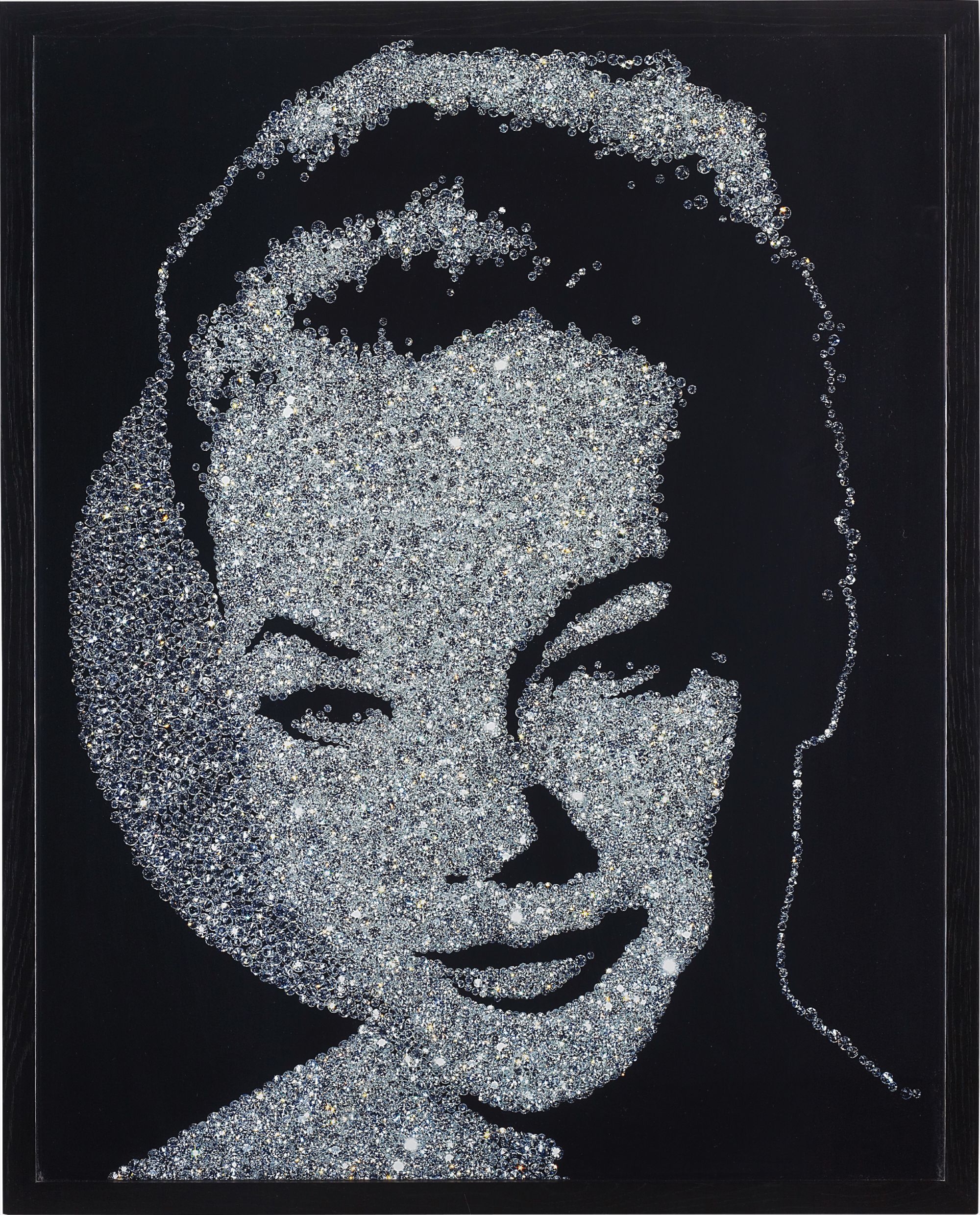
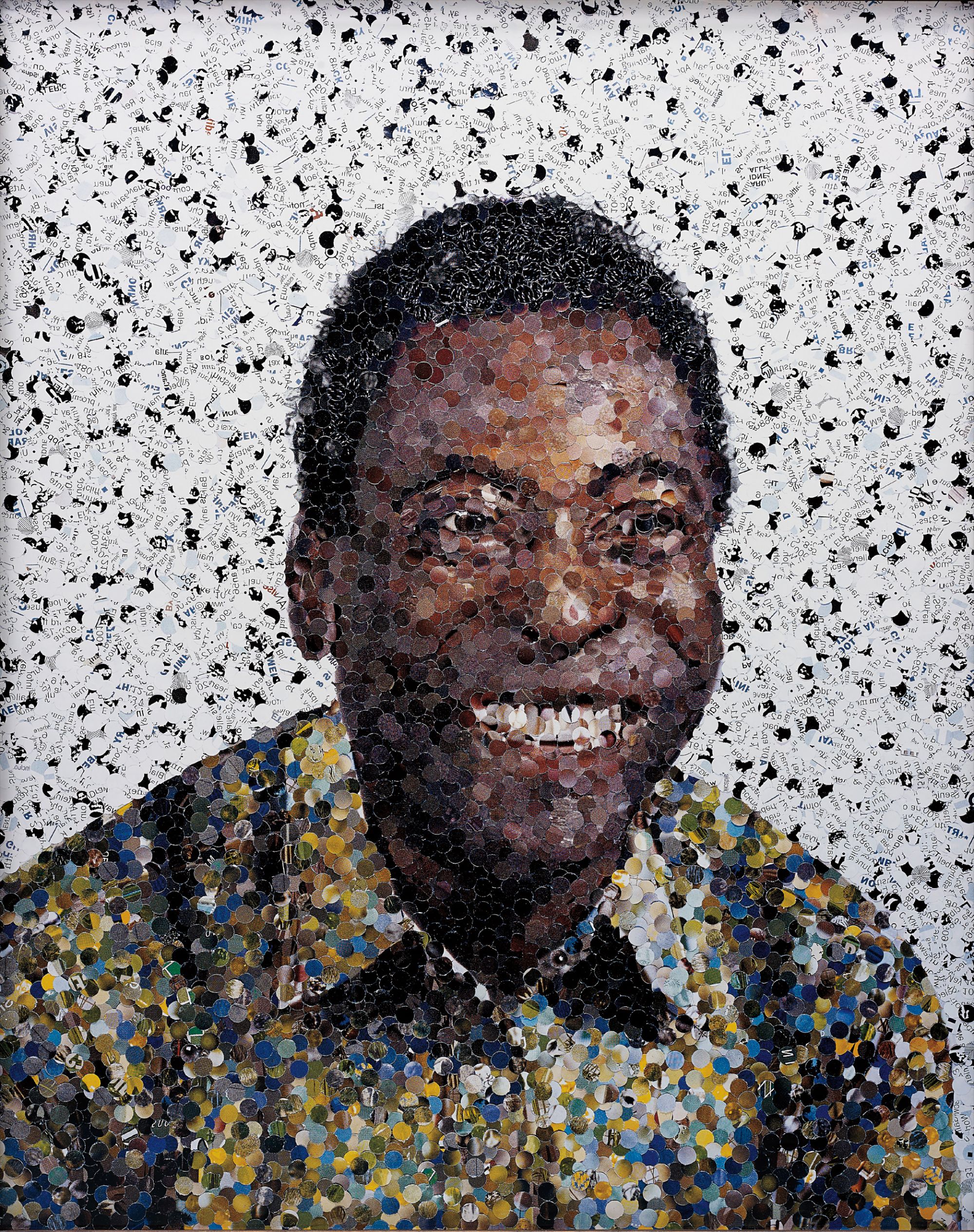
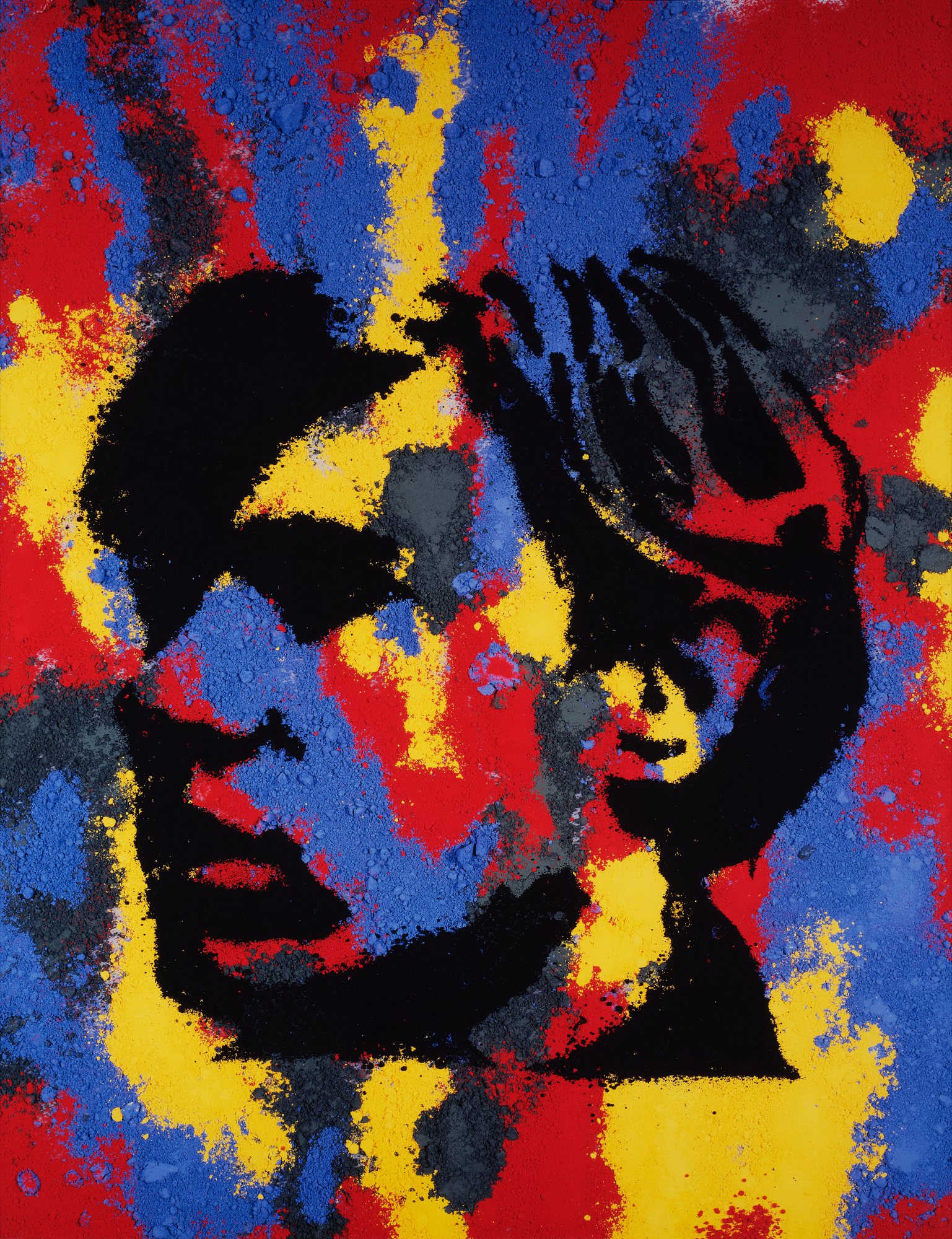
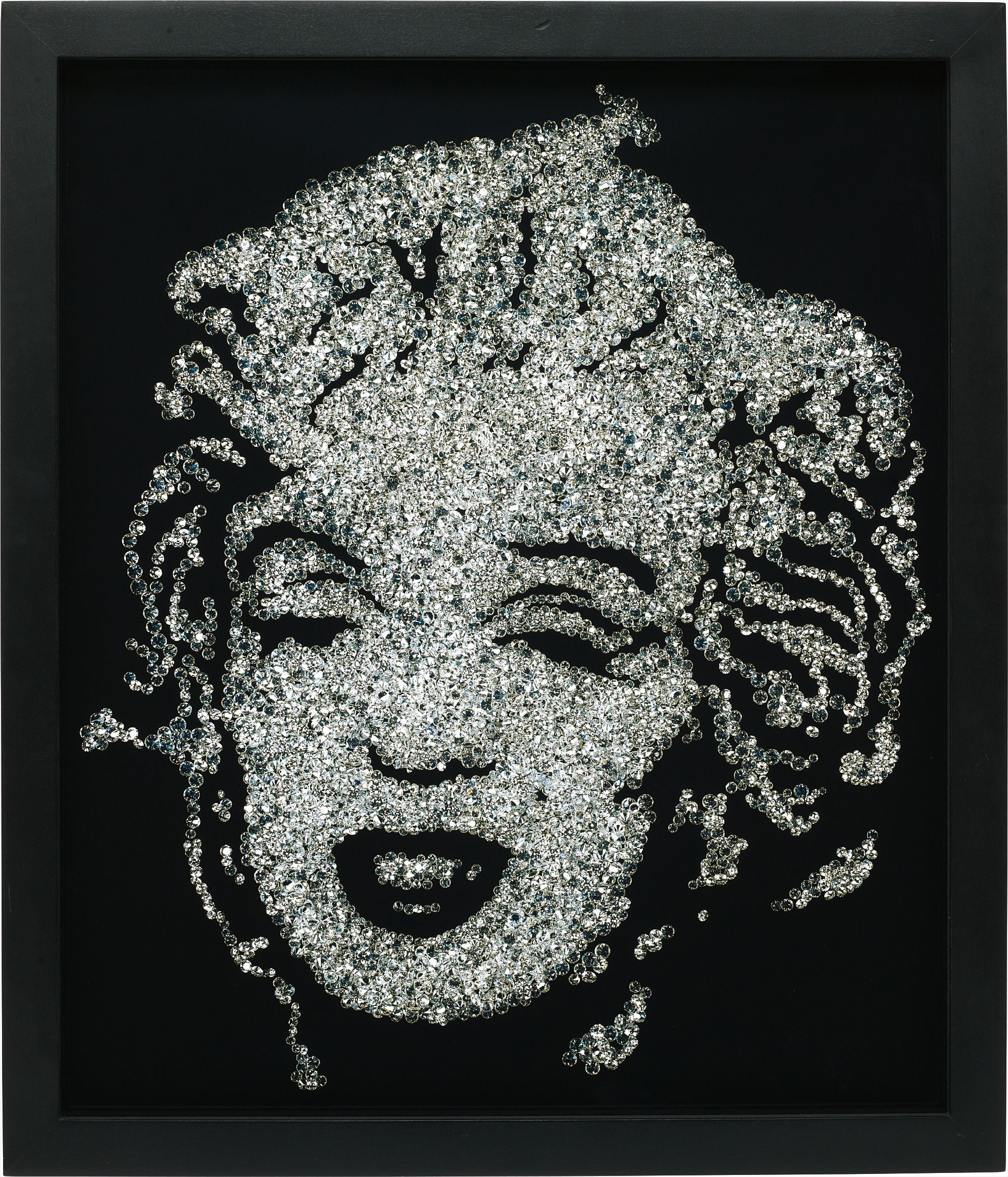
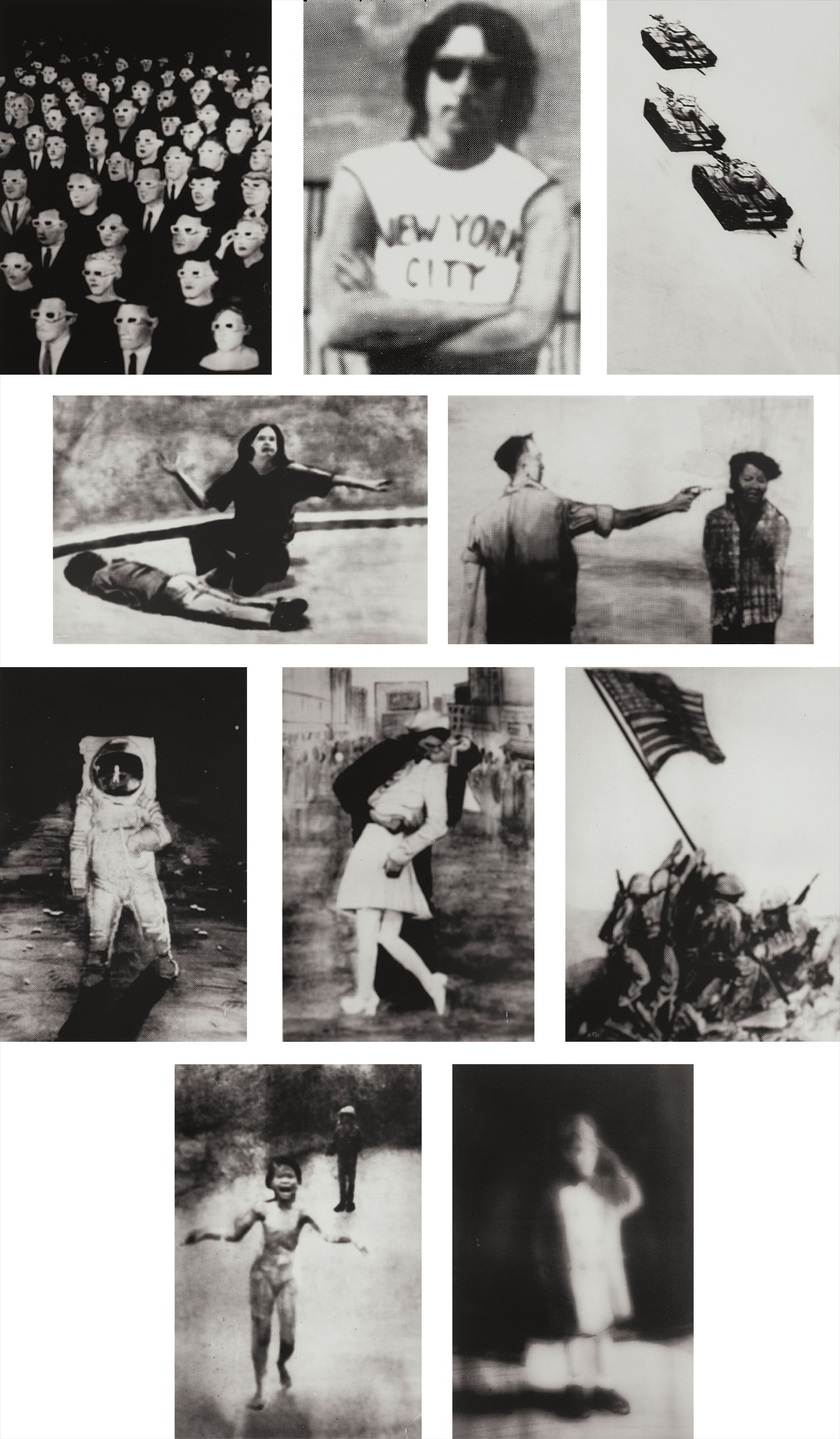
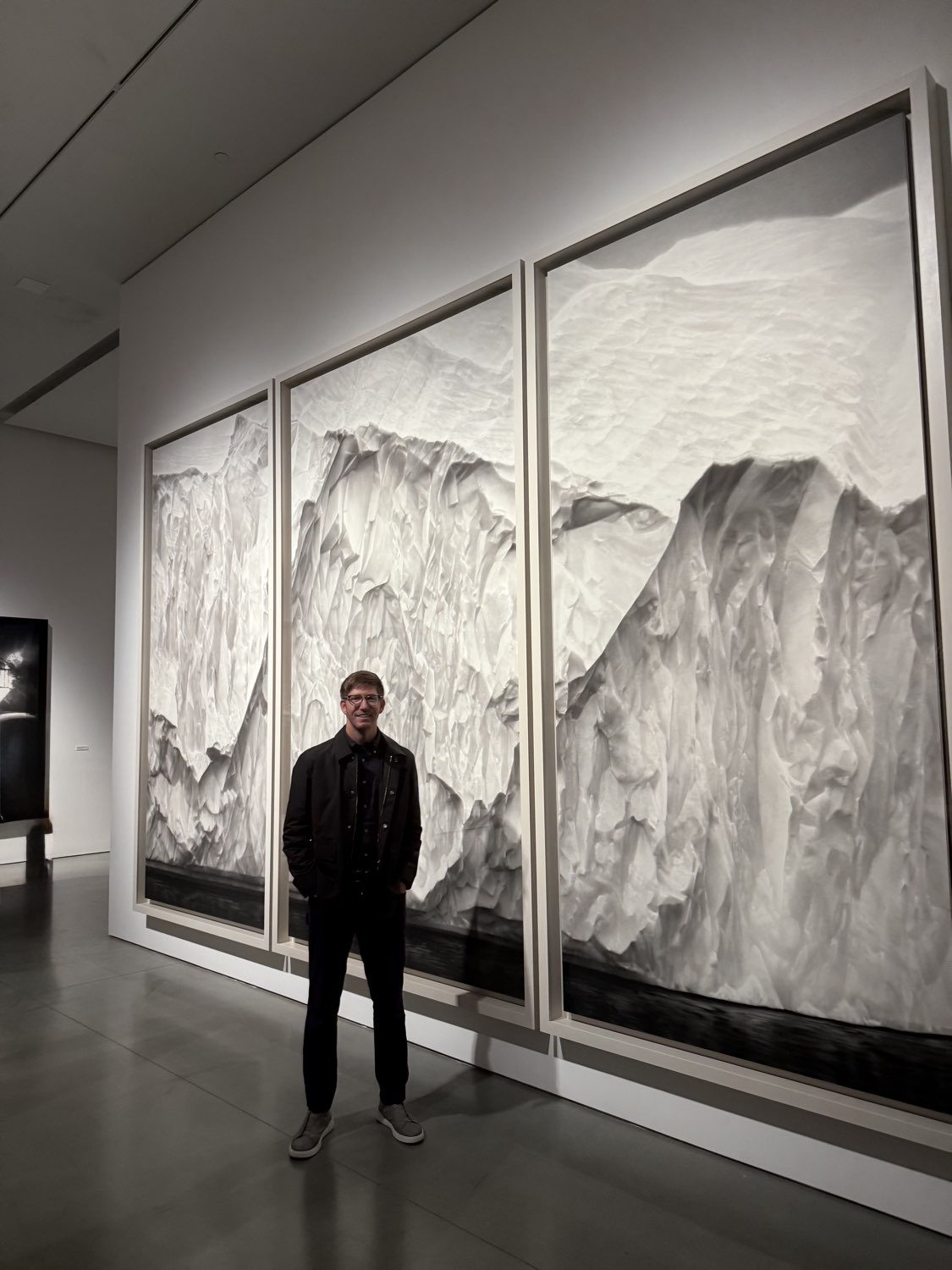
Few artists working today have captured the world's imagination quite like Vik Muniz, whose retrospective at the Institute of Contemporary Art Miami drew record attendance and reminded a new generation why his work feels as urgent and alive as ever. His photographs have traveled from the Museum of Modern Art in New York to the Grand Palais in Paris, accumulating institutional endorsements that would satisfy any blue chip career. Yet what makes Muniz singular is not the prestige but the persistent, almost mischievous delight he takes in undermining our assumptions about what images are, how… Continue reading
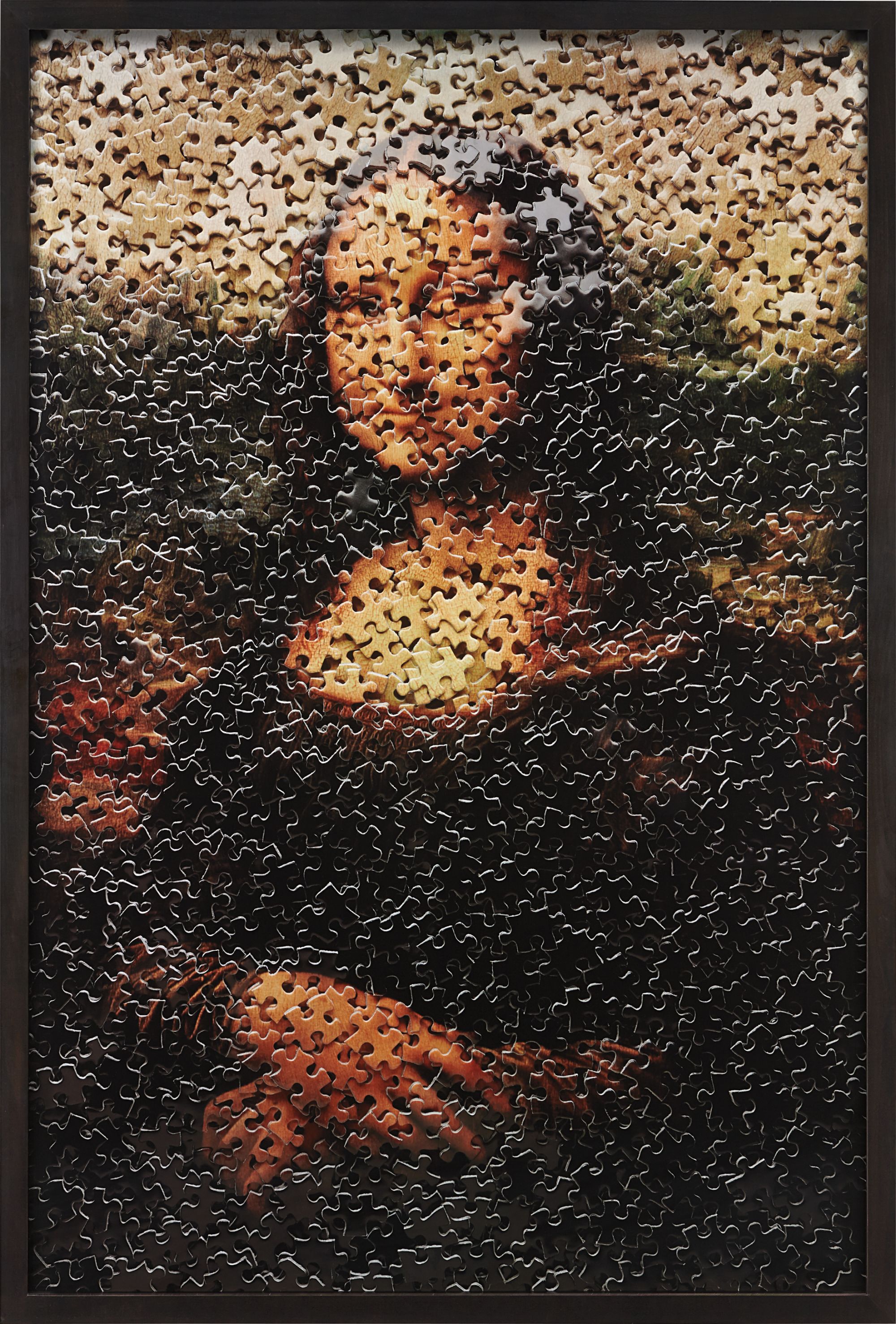
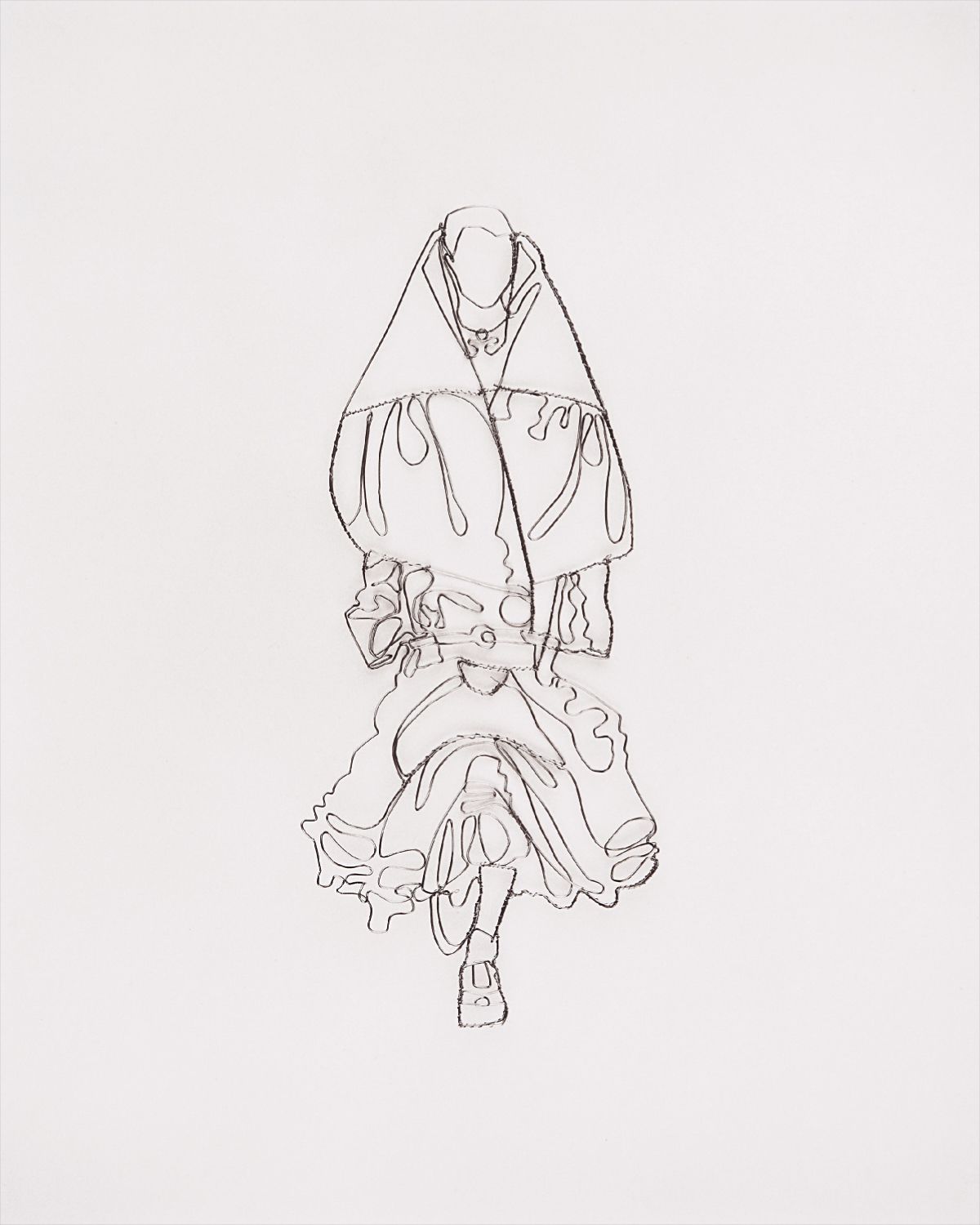
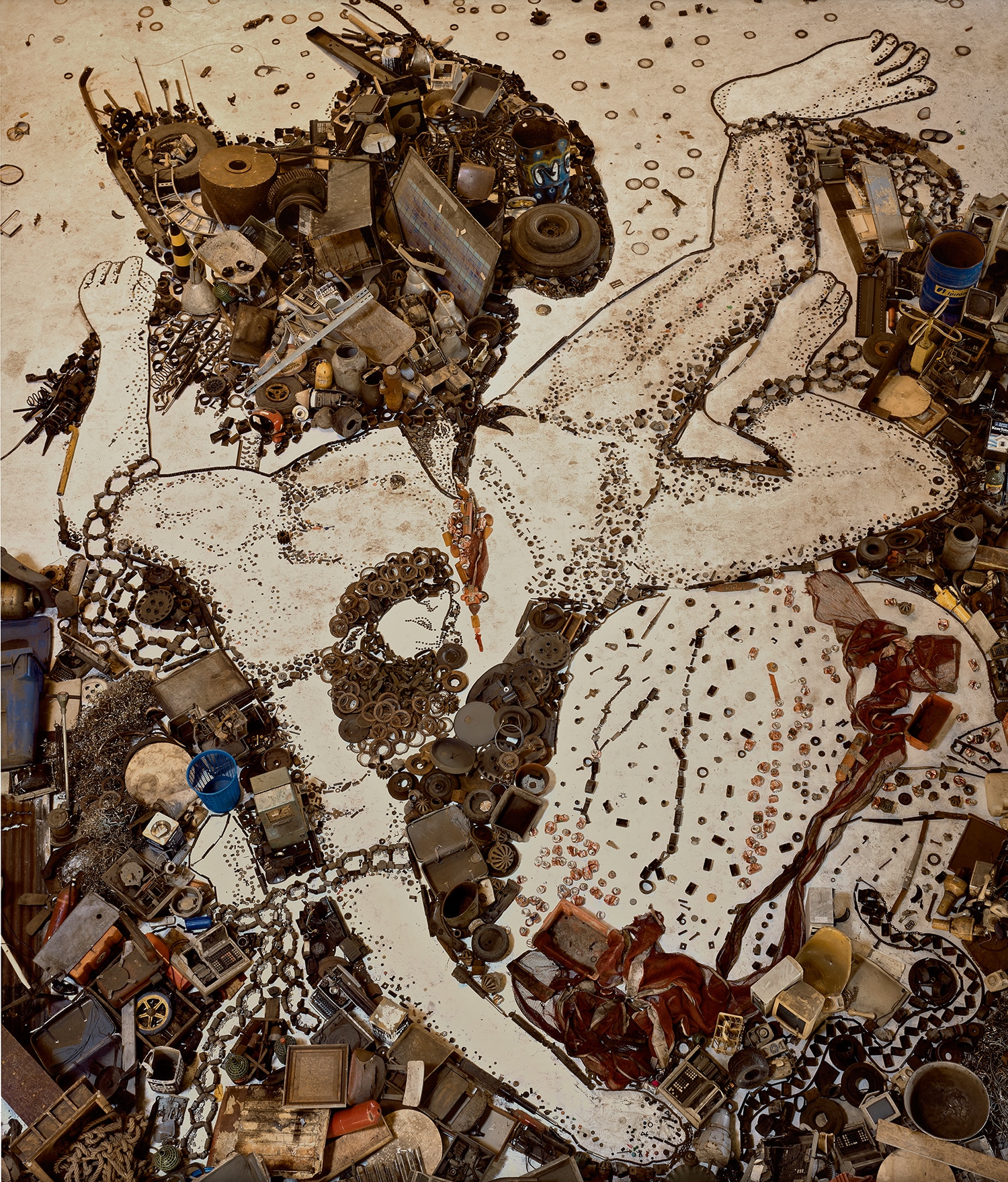
Collectors
Artists in conversation
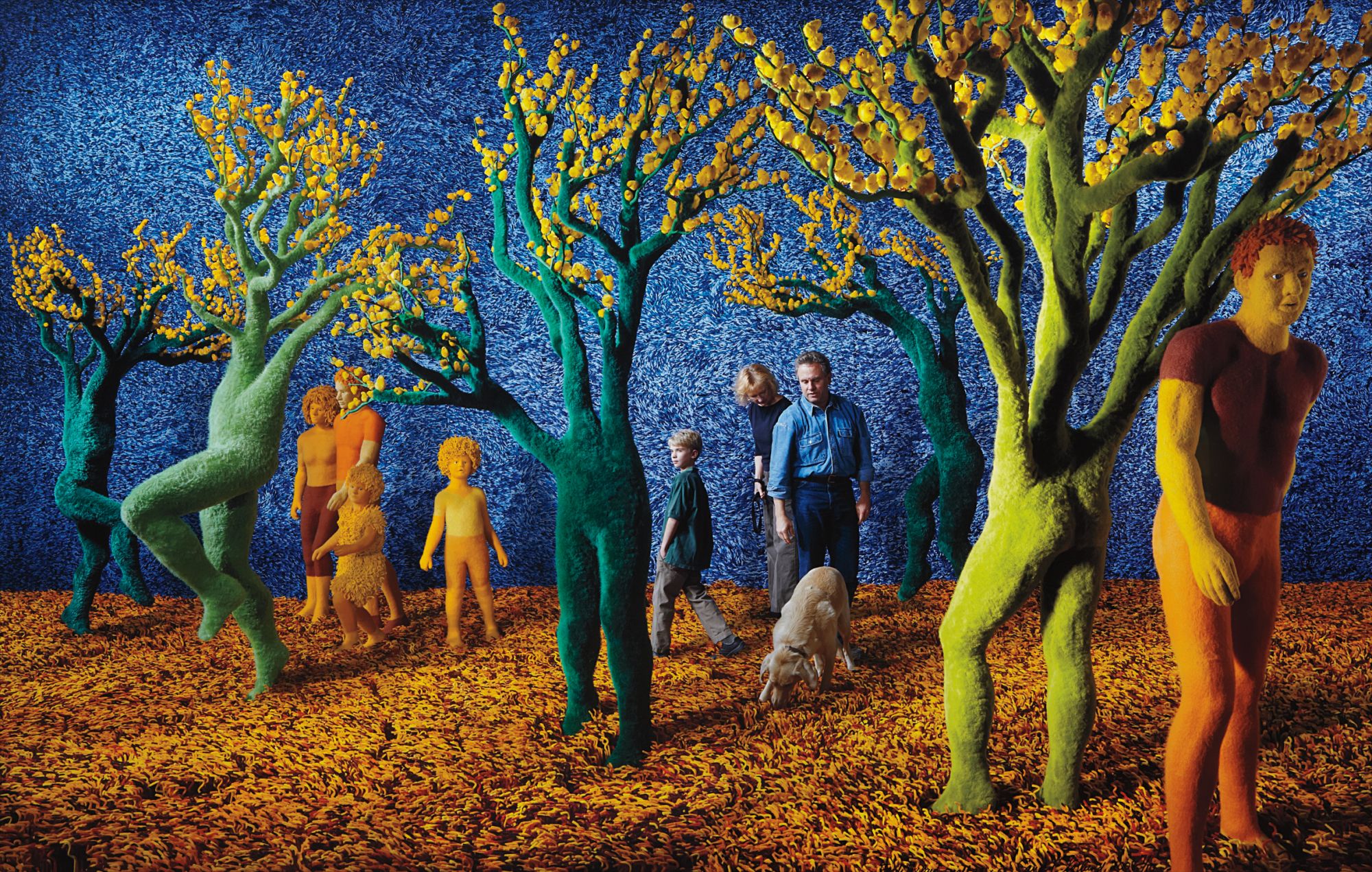
Sandy Skoglund
Skoglund constructs elaborate staged environments and photographs them, using unconventional materials to blur the boundary between sculpture and image in ways that resonate strongly with Muniz's photographic tableaux. Both artists invite viewers to question the nature of representation and the layers of illusion embedded in a single photograph.
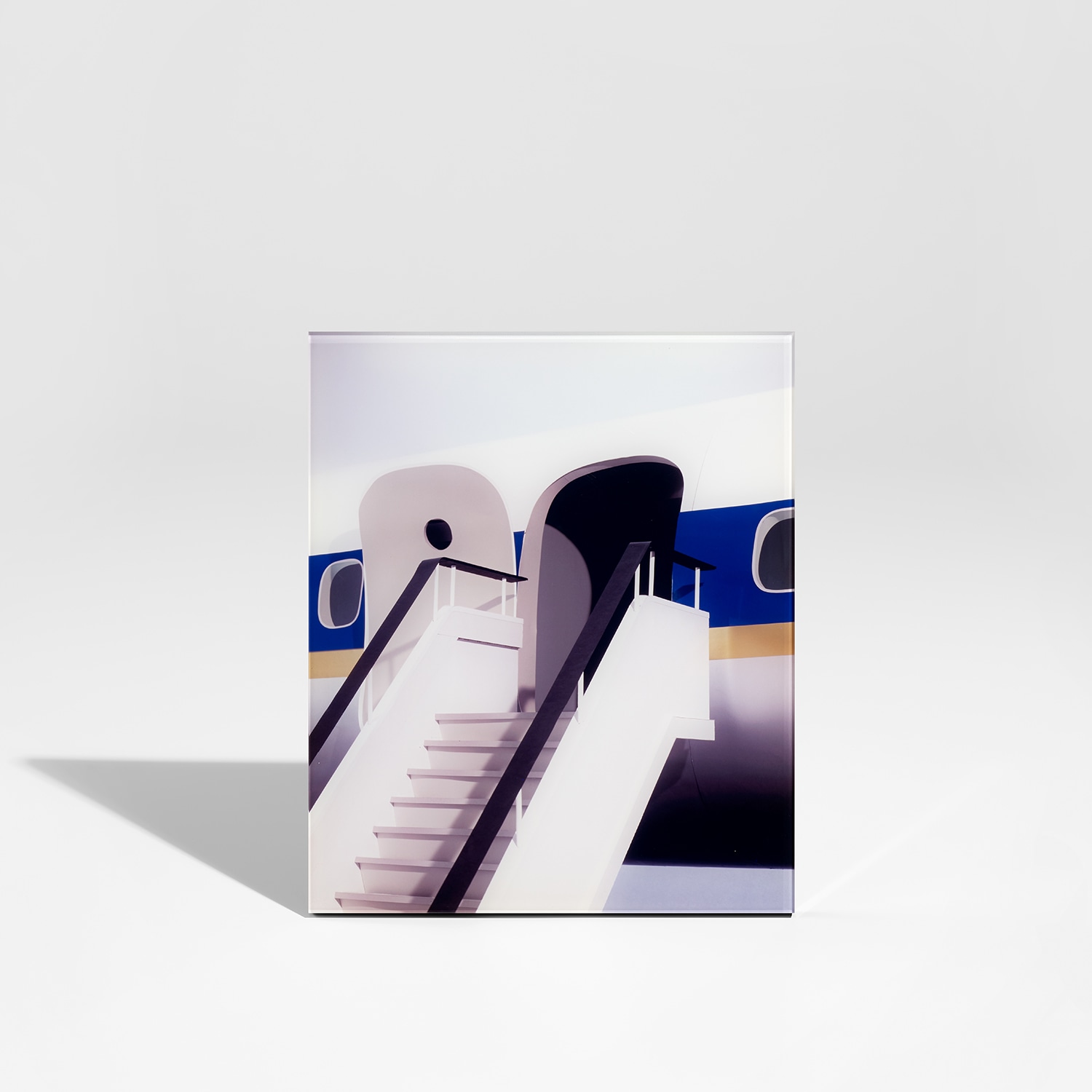
Thomas Demand
Demand meticulously constructs life sized paper and cardboard replicas of real spaces and then photographs them, producing images that interrogate authenticity and the relationship between reality and its reproduction. Like Muniz, his practice foregrounds the constructed nature of images and challenges the viewer's perceptual assumptions.
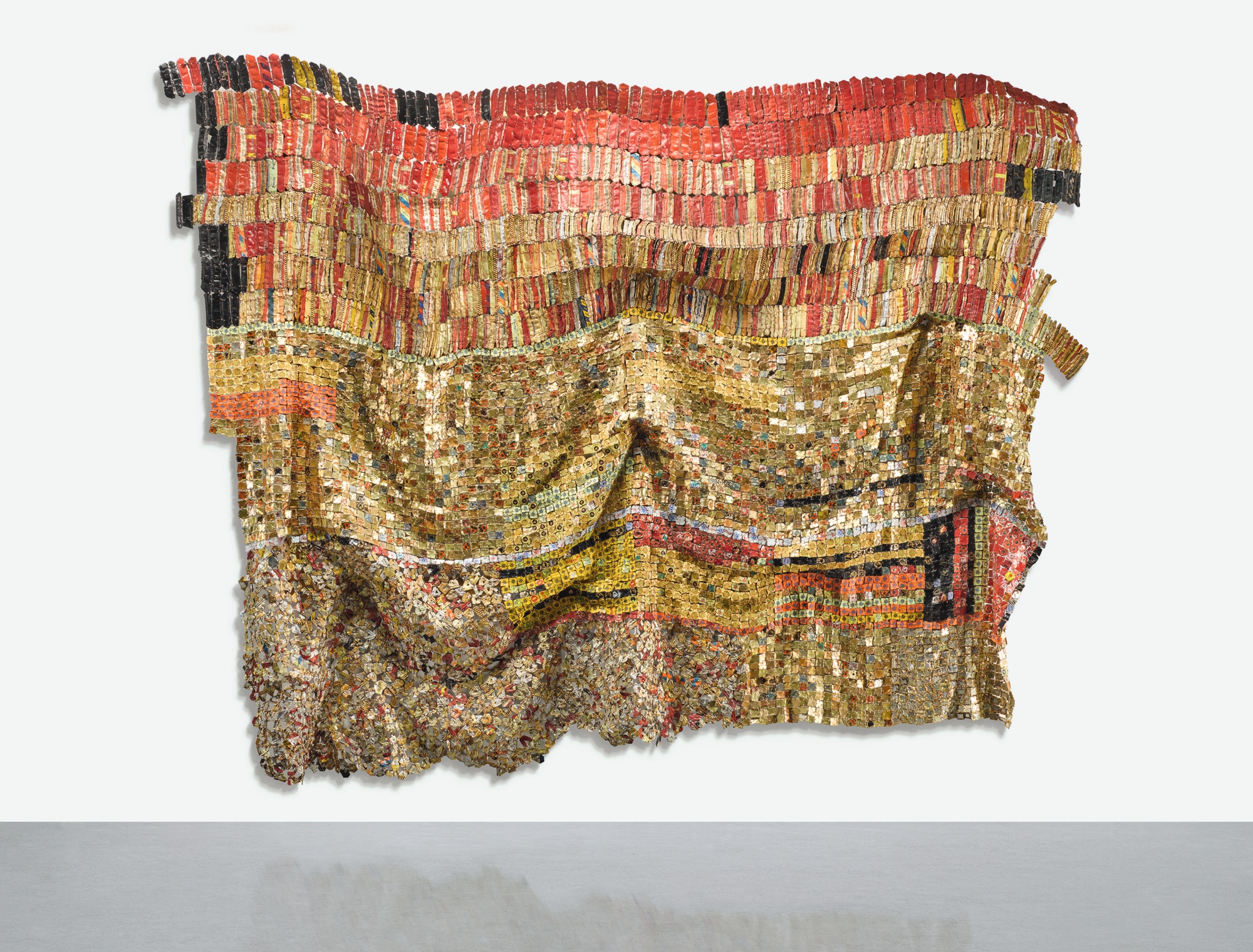
El Anatsui
El Anatsui transforms discarded and commonplace materials such as bottle caps and aluminum scraps into monumental works of striking visual beauty, paralleling Muniz's practice of elevating waste and everyday substances into high art. Both artists use materiality itself as a conceptual engine to address themes of consumption, value, and transformation.
Artists who inspired them
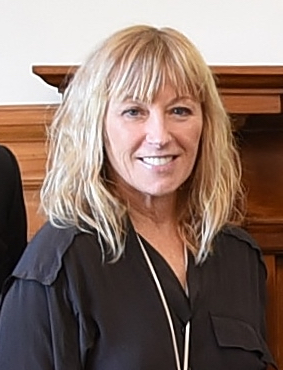
Cindy Sherman
Sherman's conceptual photography, which interrogates representation, identity, and the constructed nature of images, provided a foundational framework for Muniz's own investigations into how photographs deceive and persuade the viewer. Muniz has cited her work as central to understanding photography as a medium of artifice rather than truth.
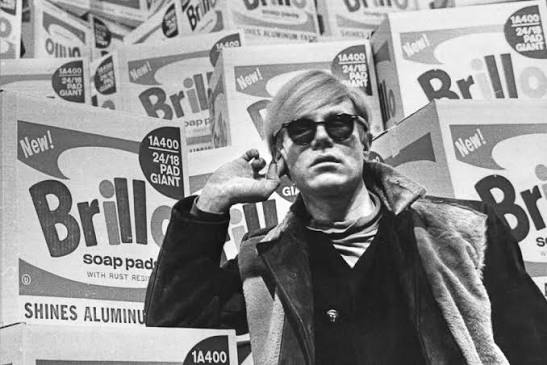
Andy Warhol
Warhol's fascination with mass media imagery, the reproducibility of images, and the collapse of boundaries between high art and popular culture directly informs Muniz's practice of remaking iconic images in unexpected materials. Muniz frequently engages with Warholian source imagery and shares his interest in how repetition and context transform meaning.
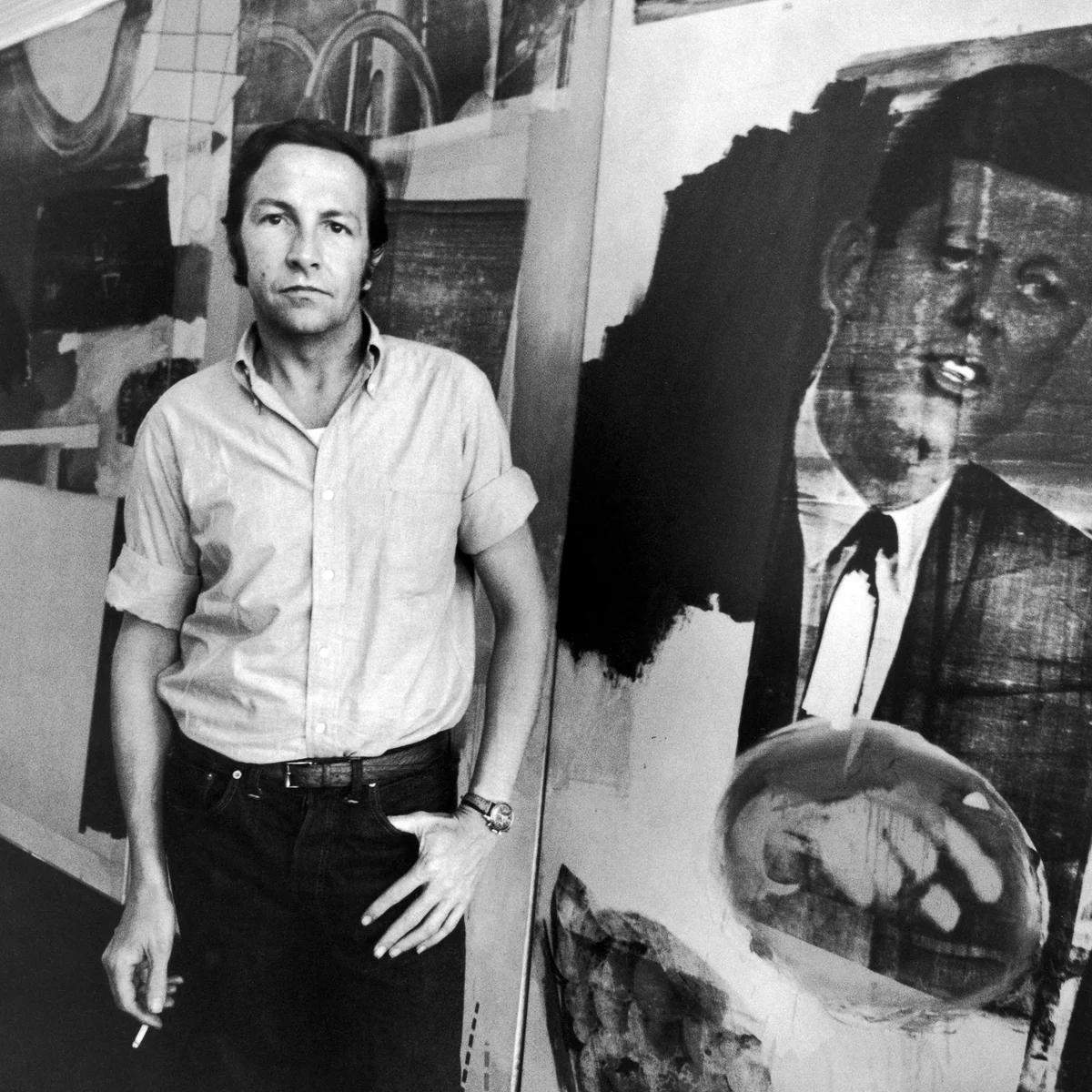
Robert Rauschenberg
Rauschenberg's combine paintings and his use of found materials and everyday detritus to construct layered visual experiences were a key precedent for Muniz's material based image making. His conviction that art could be made from anything in the world helped pave the way for Muniz's use of garbage, sugar, and other humble substances as artistic media.