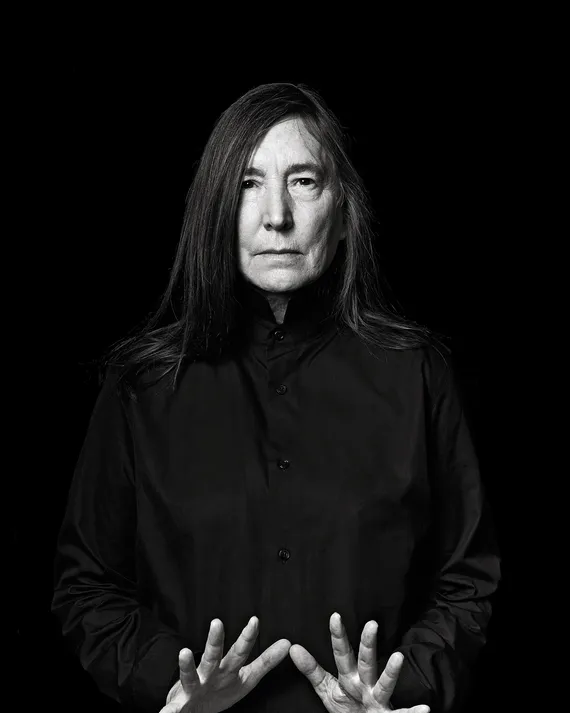
Jenny Holzer
76
Works
Artist Spotlight
Jenny Holzer: Words That Change the World
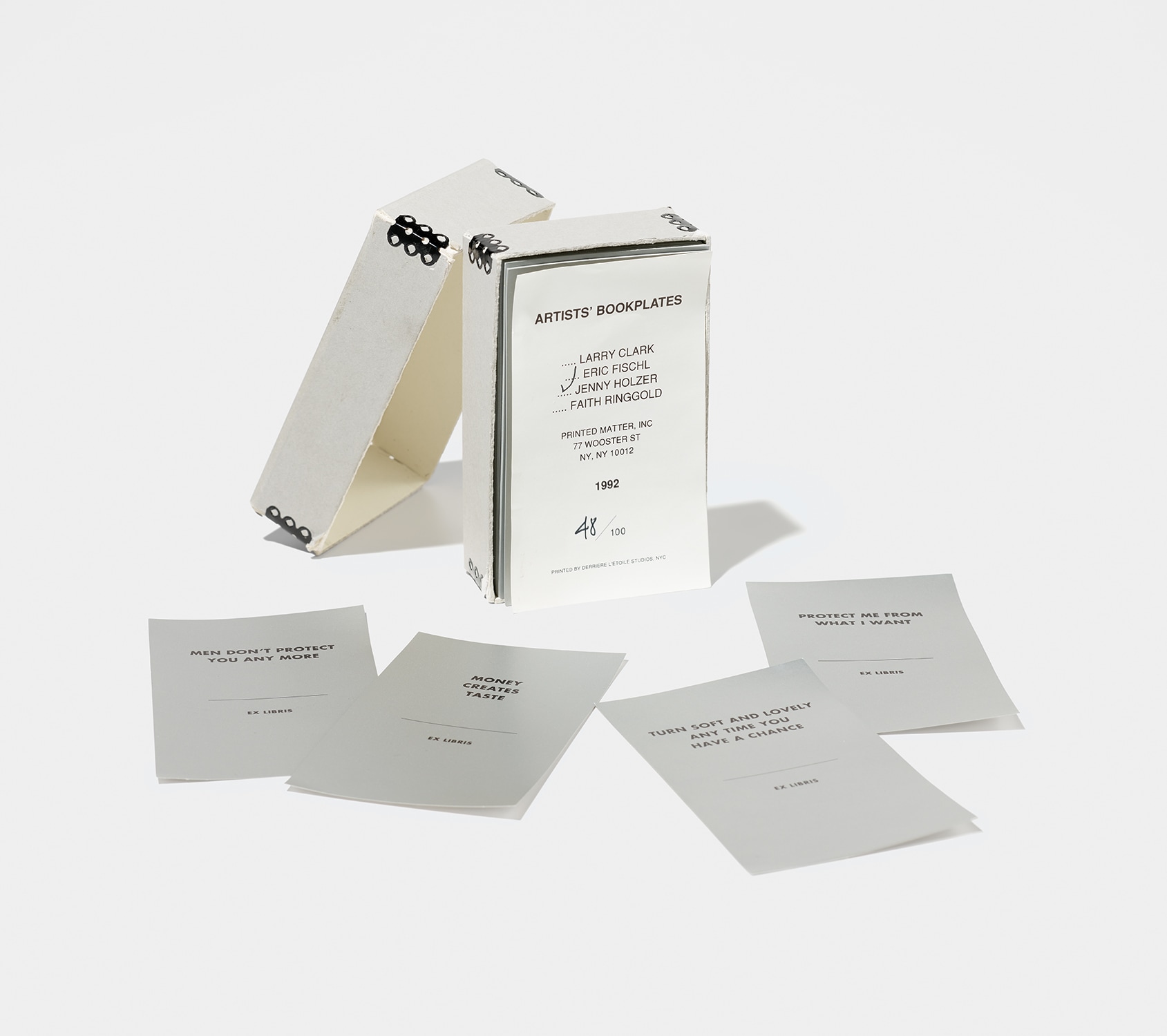
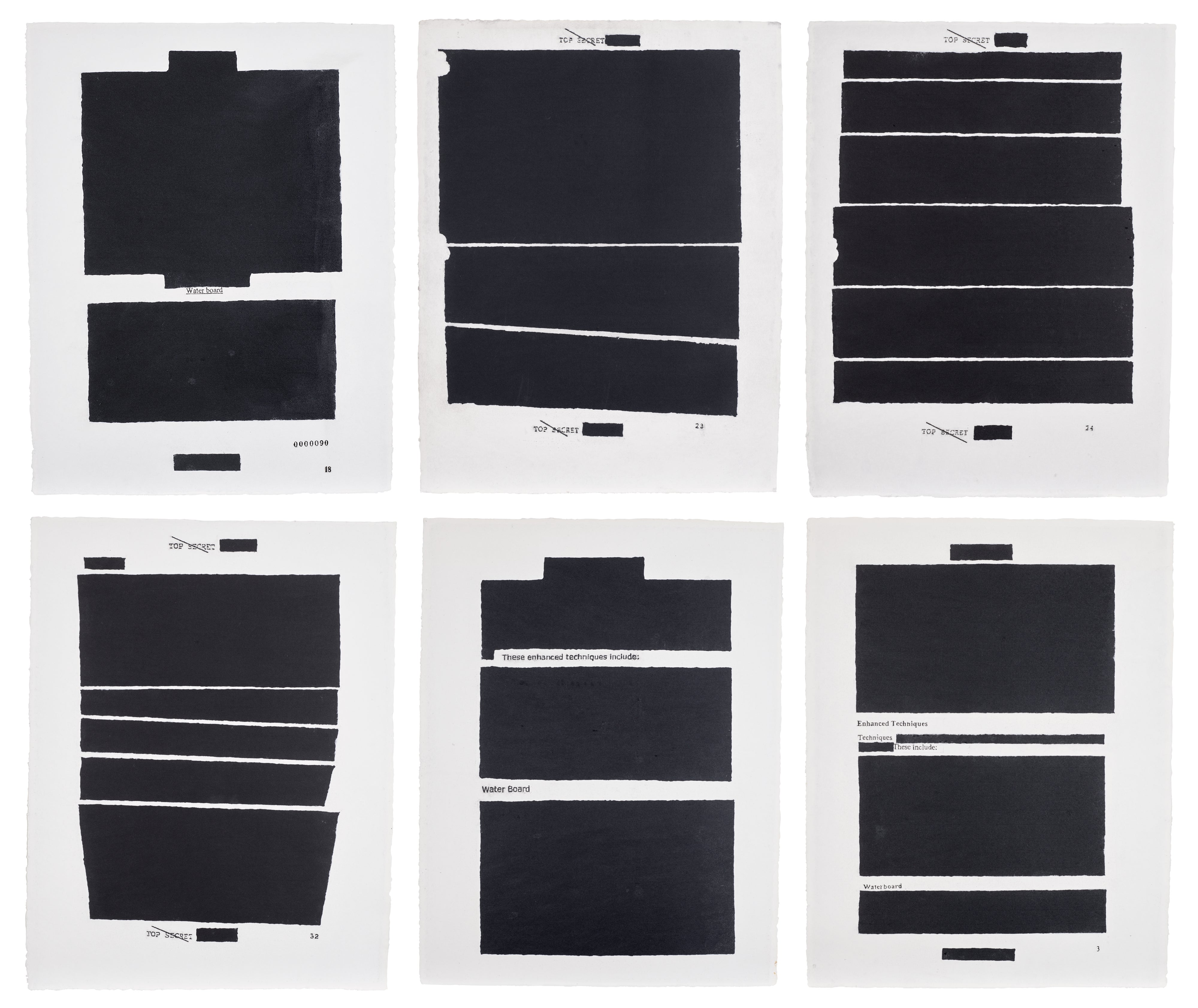
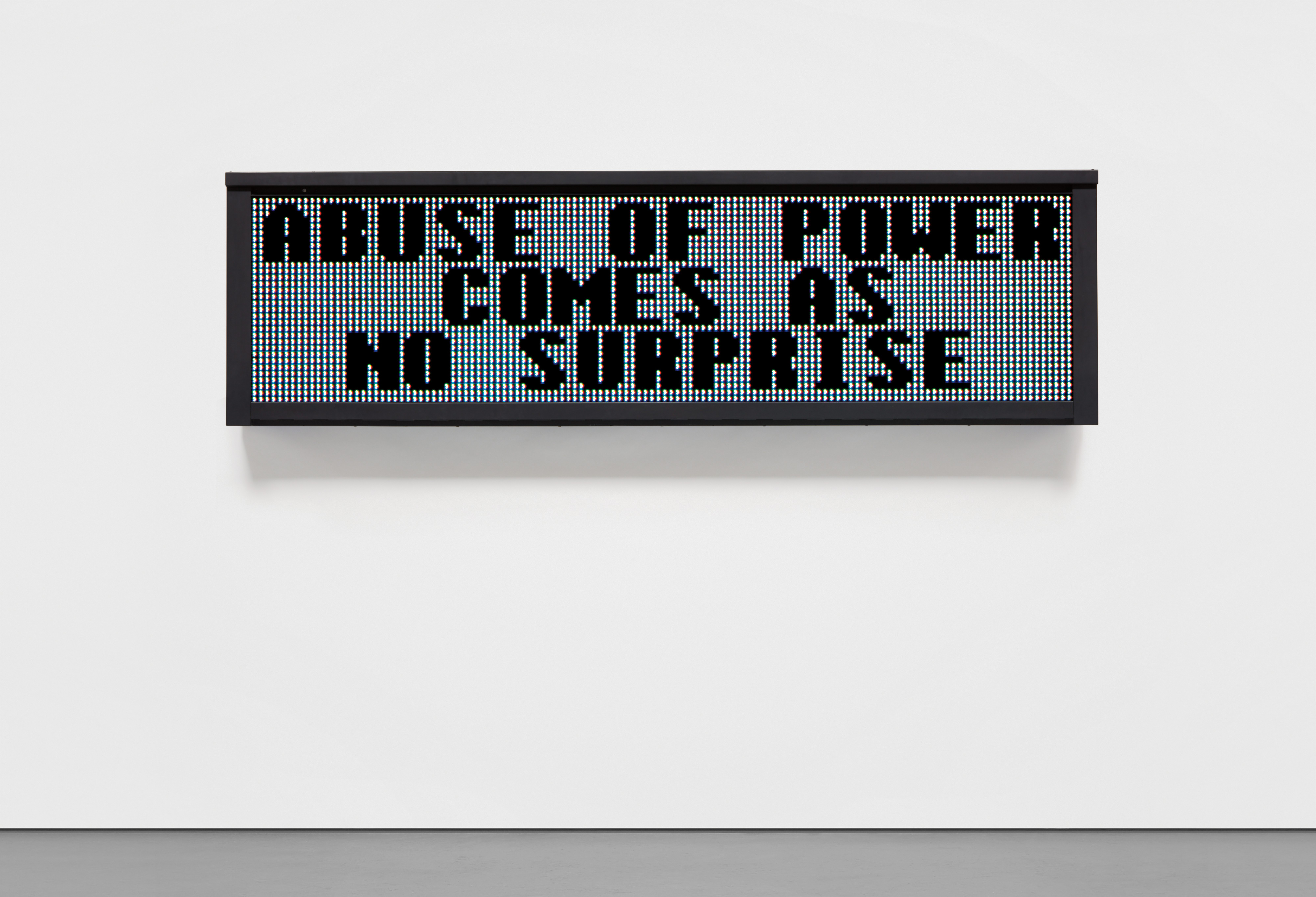
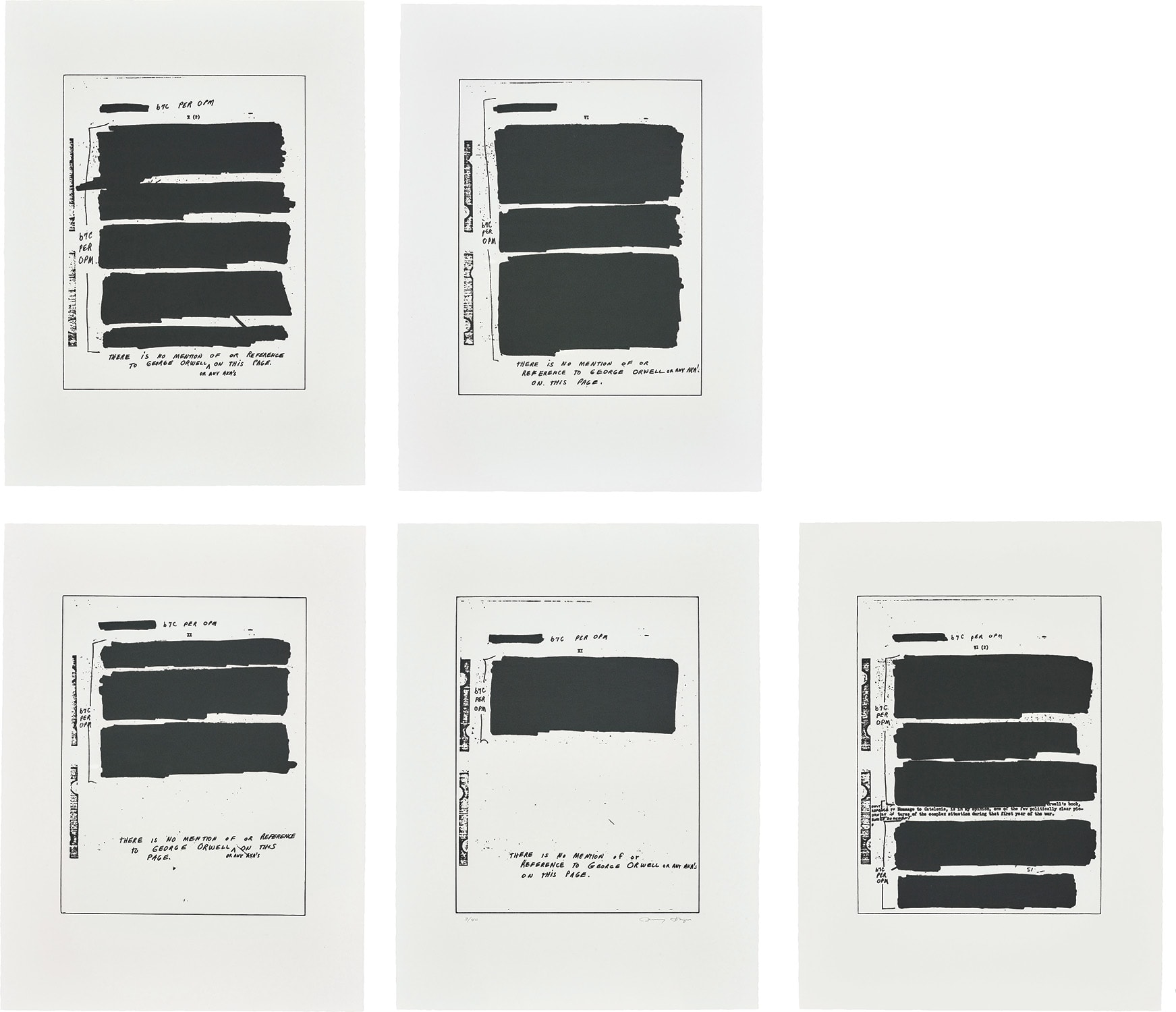
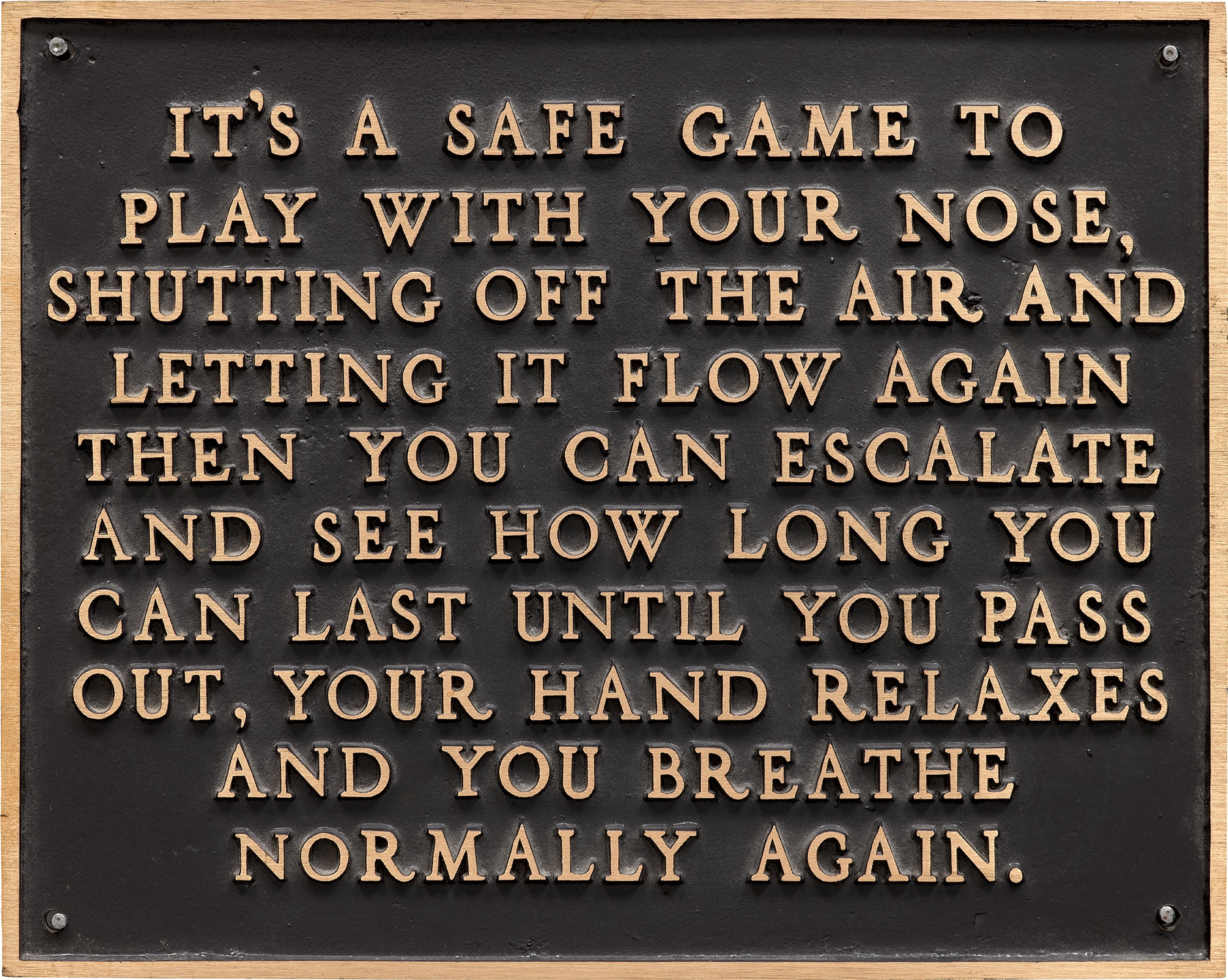
In the spring of 2023, the Guggenheim Bilbao mounted a sweeping survey of Jenny Holzer's five decades of practice, filling the Frank Gehry building's spiraling atrium with cascading LED text that pulsed and scrolled like a living nervous system. Visitors stood in silence, necks craned, reading words that felt simultaneously urgent and ancient, personal and political, intimate and vast. It was a reminder, if one were needed, that Holzer remains among the most consequential artists working today, a figure whose chosen medium, language itself, has only grown more charged and more necessary as… Continue reading



Collectors
Also spotted by
Artists in conversation
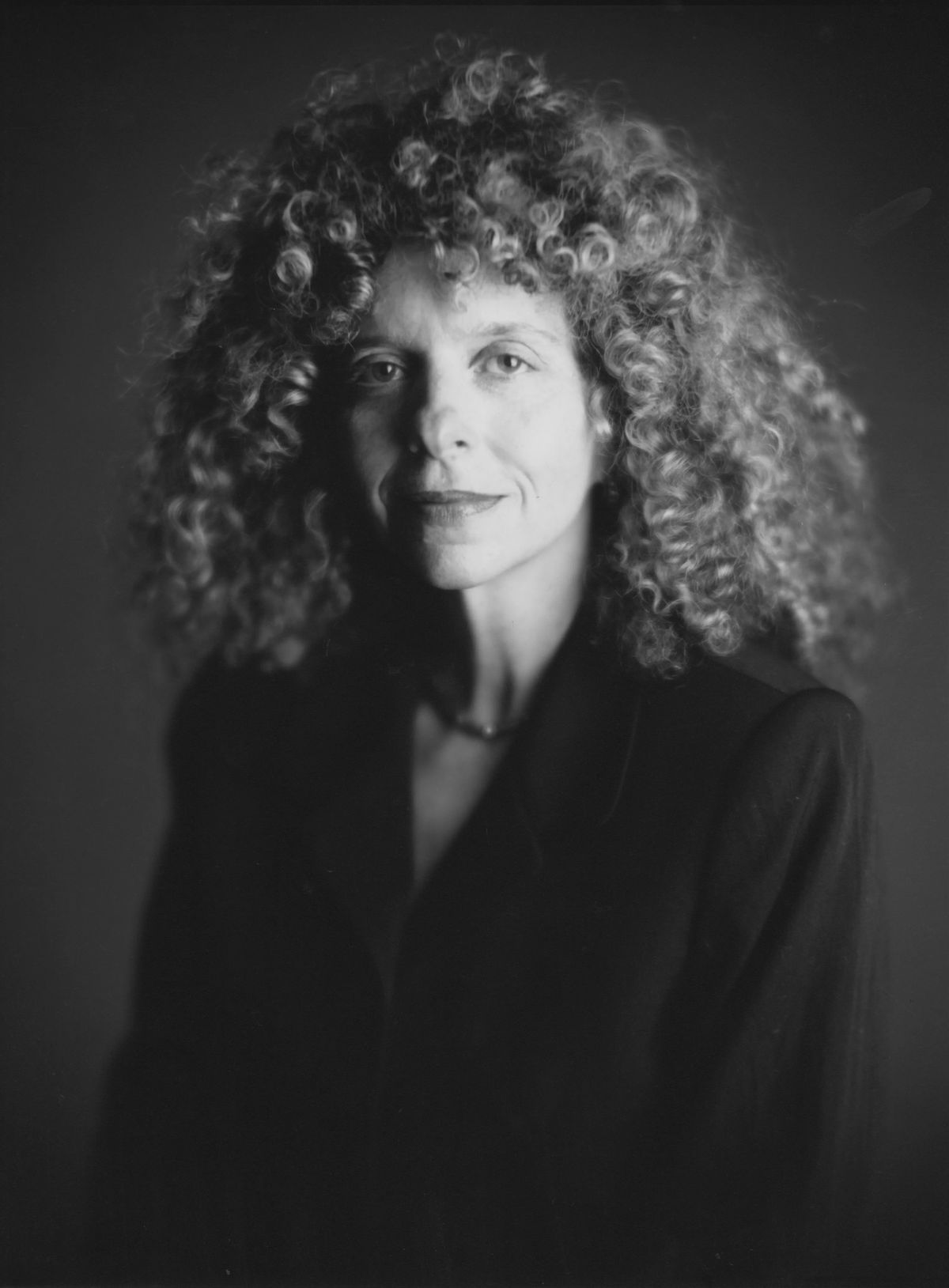
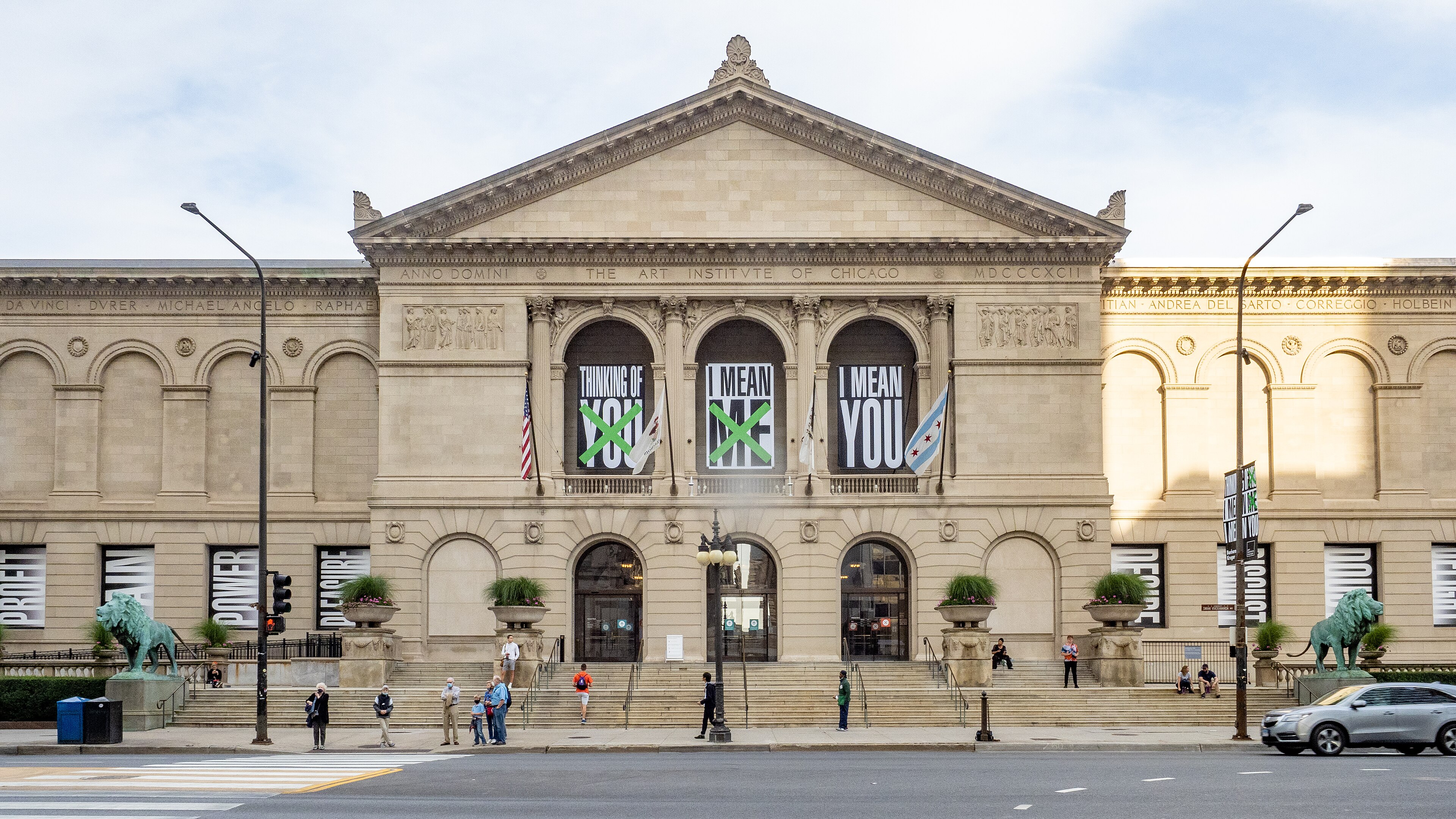
Barbara Kruger
Kruger similarly appropriates bold text overlaid on images to deliver sharp political and social commentary, making language itself the primary aesthetic vehicle. Both artists use public and institutional spaces to confront viewers with provocative statements about power, identity, and consumerism.
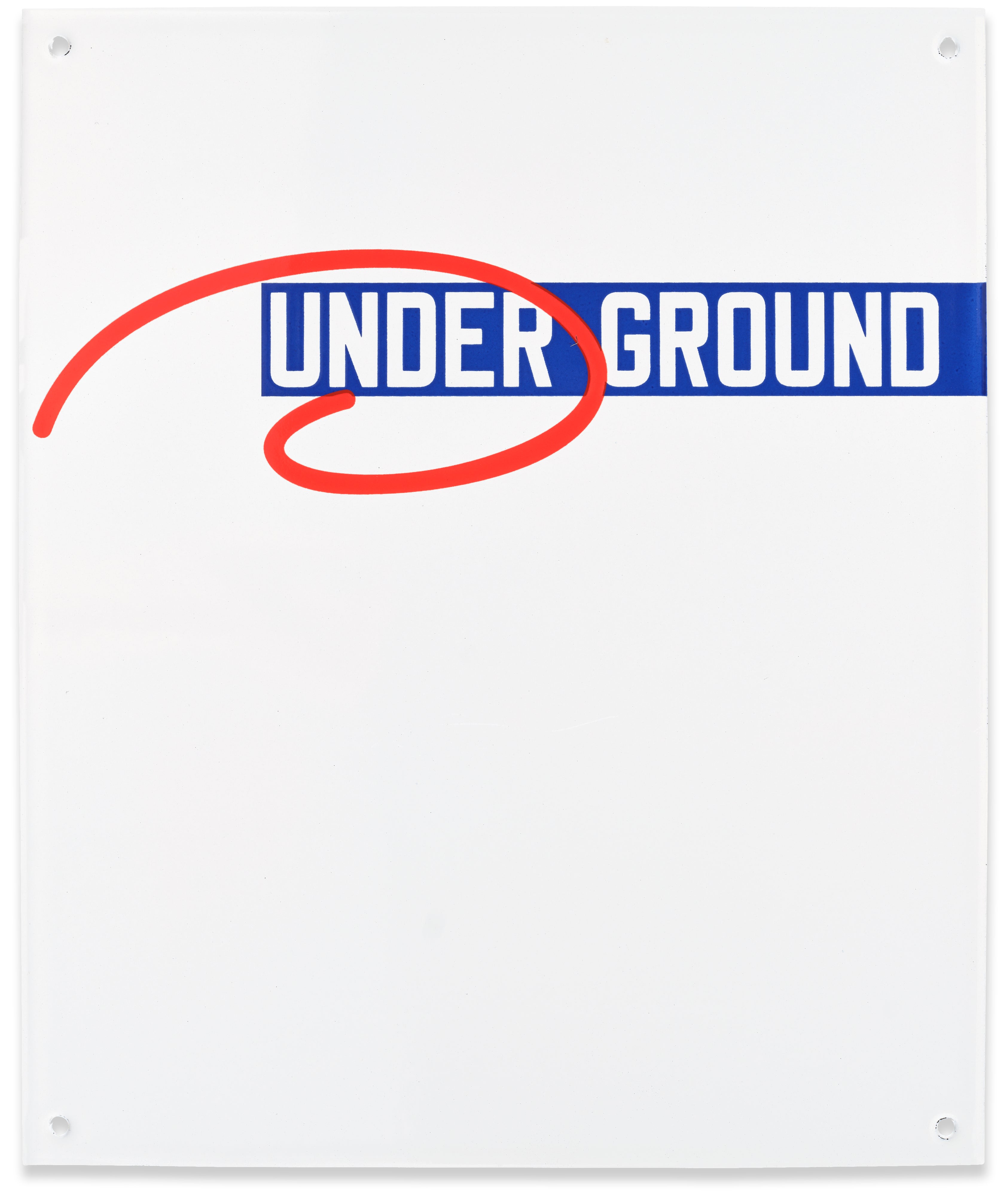
Lawrence Weiner
Weiner shared Holzer's conviction that language alone constitutes a complete artwork, presenting declarative text statements in public and gallery contexts with minimal visual ornamentation. His conceptual use of words as objects in space parallels Holzer's fundamental approach to text as sculptural and communicative form.
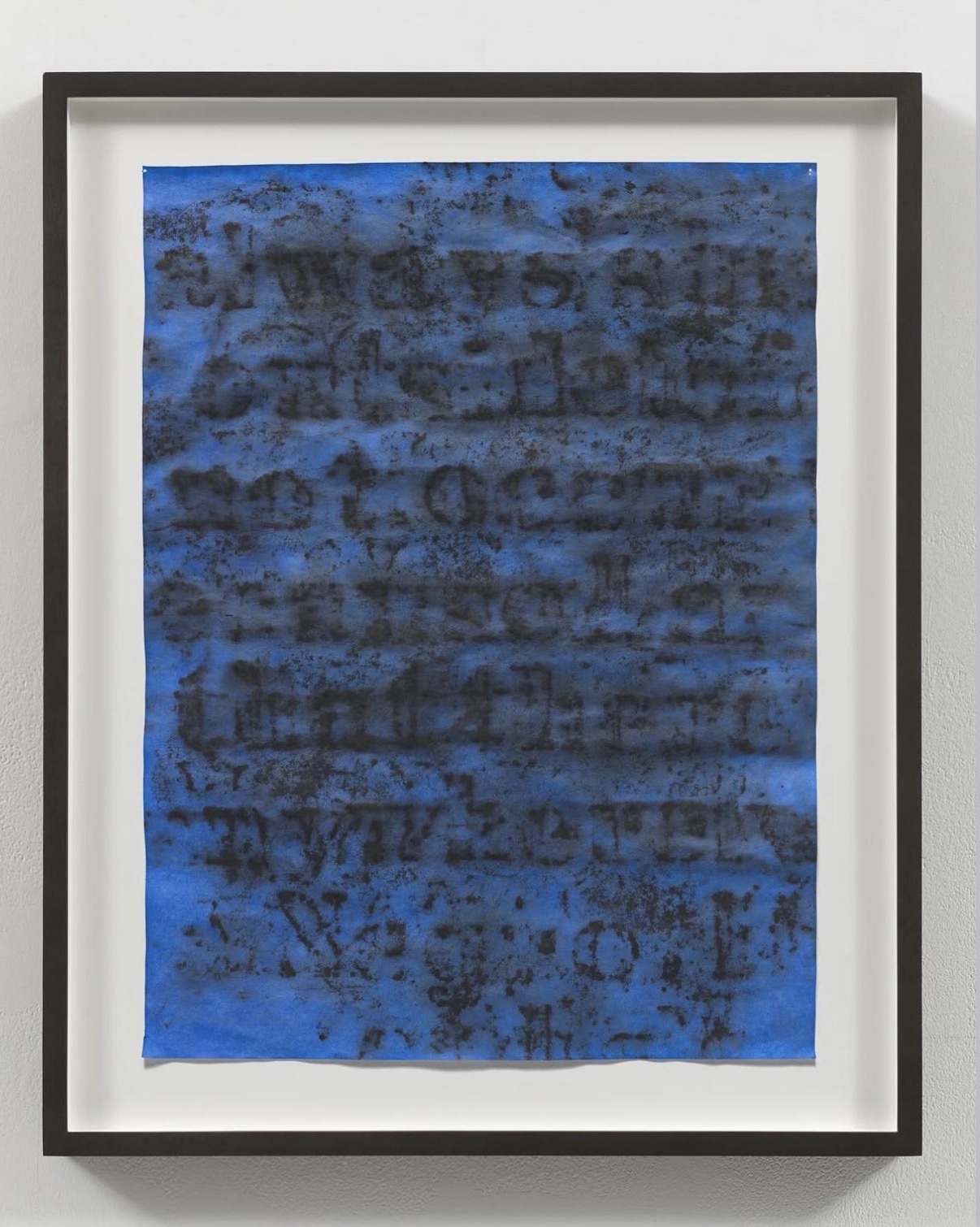
Glenn Ligon
Ligon uses repeated and distorted text drawn from literature and personal testimony to interrogate race, identity, and social power, much as Holzer uses aphoristic language to provoke critical reflection. Both artists treat the materiality of text as inseparable from its political meaning.
Artists who inspired them
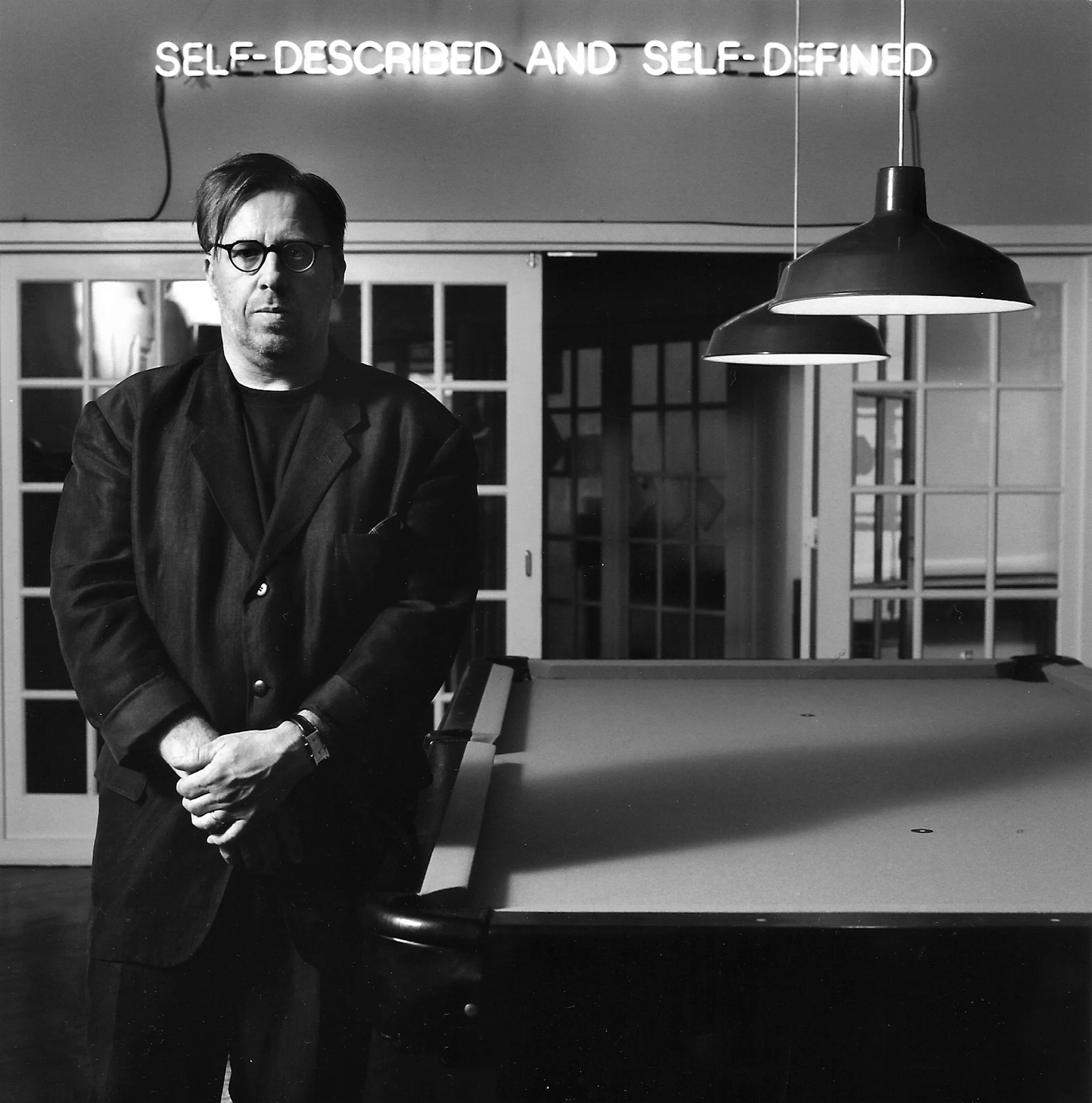
Joseph Kosuth
Kosuth's foundational Conceptual Art practice treated language and definition as the substance of art itself, establishing a precedent that Holzer built upon by bringing text based conceptualism into public and politically charged contexts. His insistence that ideas rather than objects are the artwork directly shaped her approach.
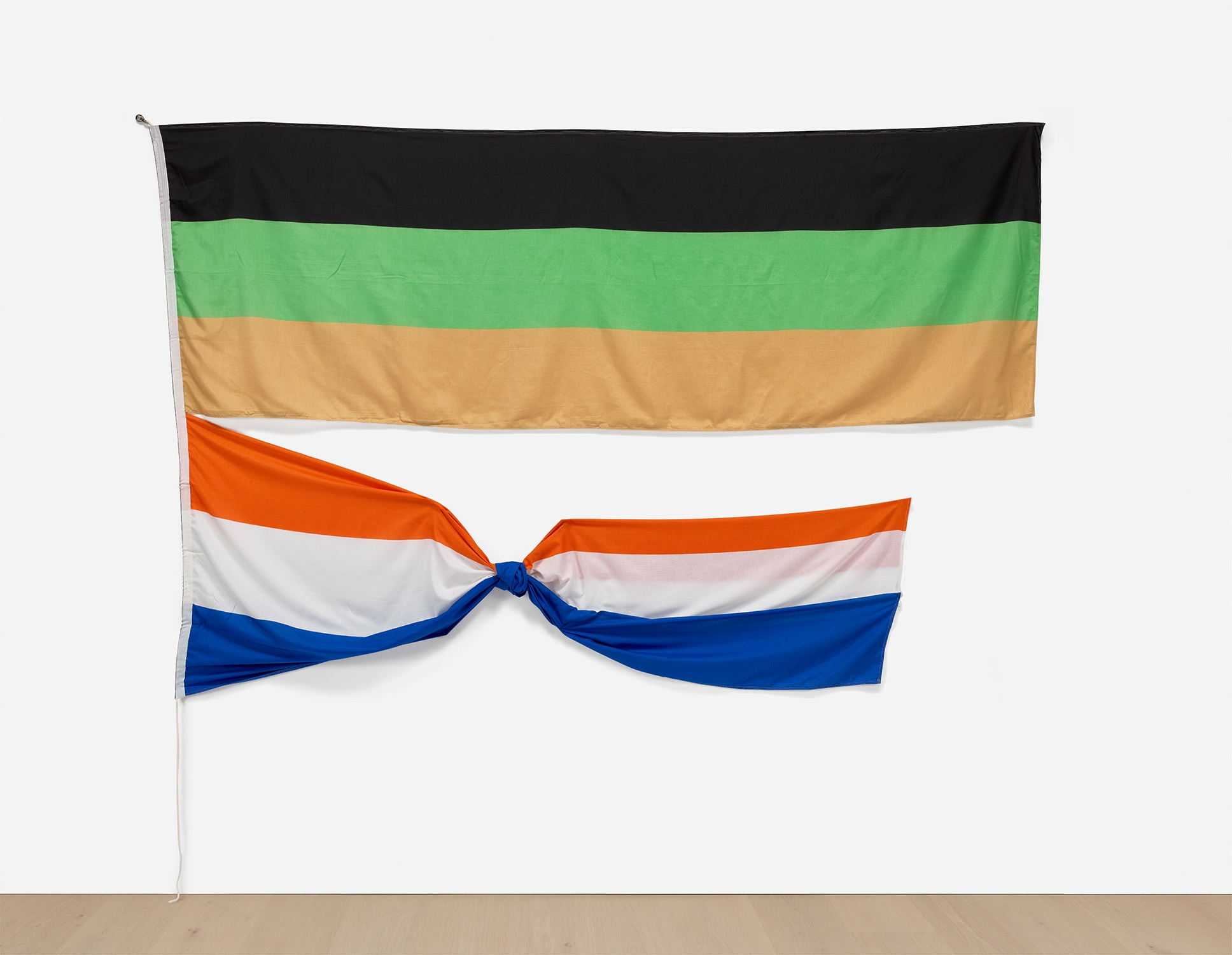
Hans Haacke
Haacke demonstrated how institutional critique and politically confrontational text could function as rigorous contemporary art, providing Holzer with a model for engaging directly with power structures through aesthetic means. His willingness to make uncomfortable statements within the art world emboldened her own practice.
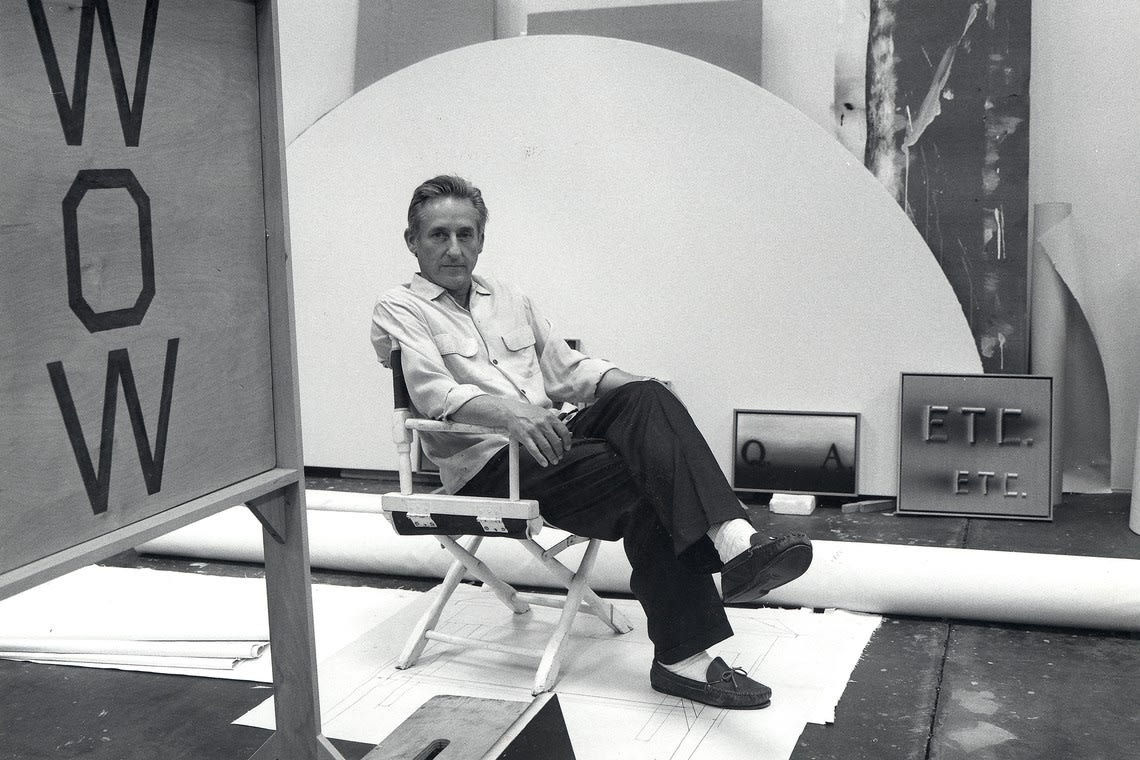
Ed Ruscha
Ruscha elevated vernacular American language and commercial signage into fine art, demonstrating how words could carry visual and emotional weight independent of illustration. His treatment of text as image gave Holzer an important precedent for her own exploration of language as a primary aesthetic medium.
Artists they inspired
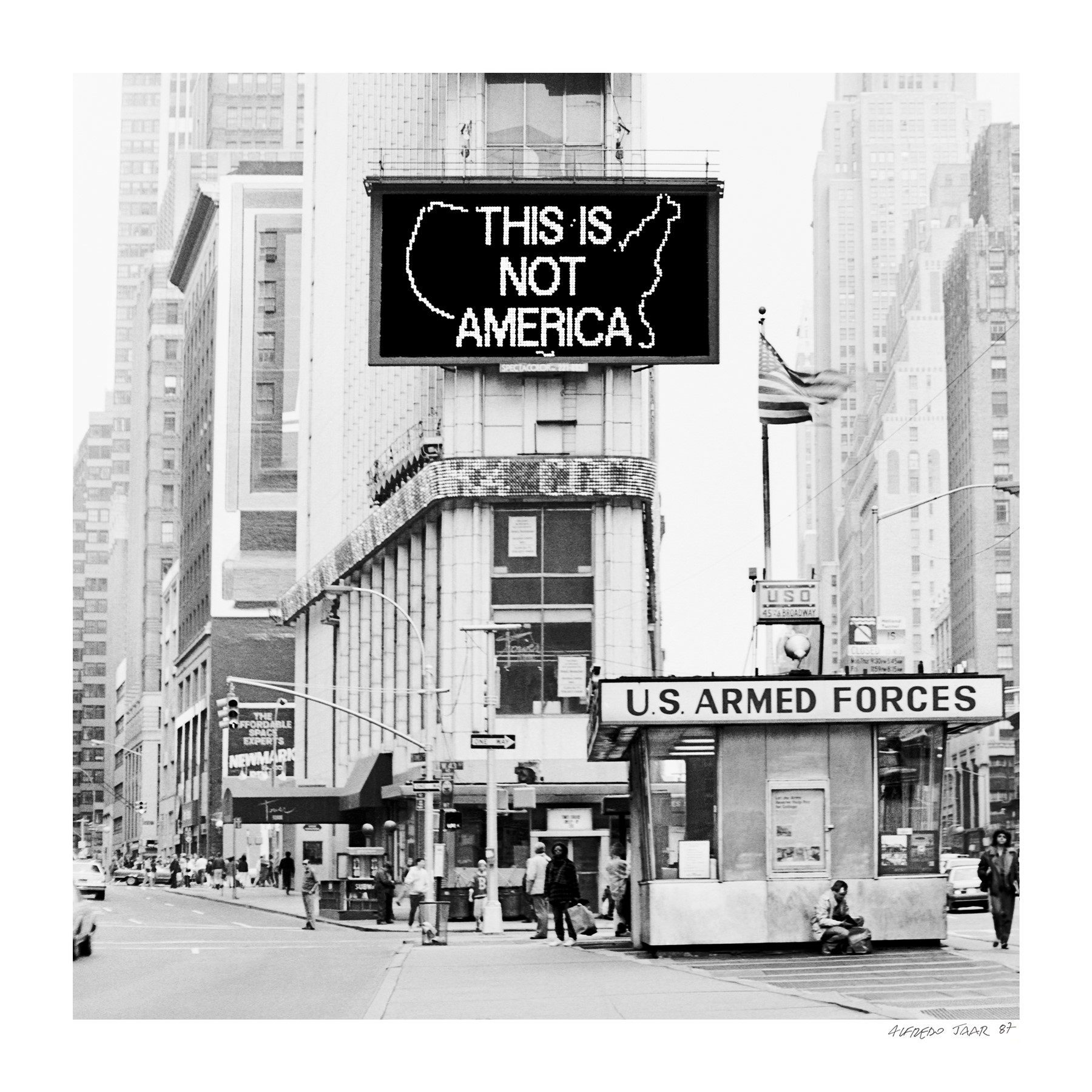
Alfredo Jaar
Jaar's large scale light installations combining text and image to address political trauma and human rights violations reflect a clear debt to Holzer's pioneering use of LED displays and illuminated language as vehicles for urgent social messaging. He shares her commitment to deploying spectacle in the service of ethical witness.
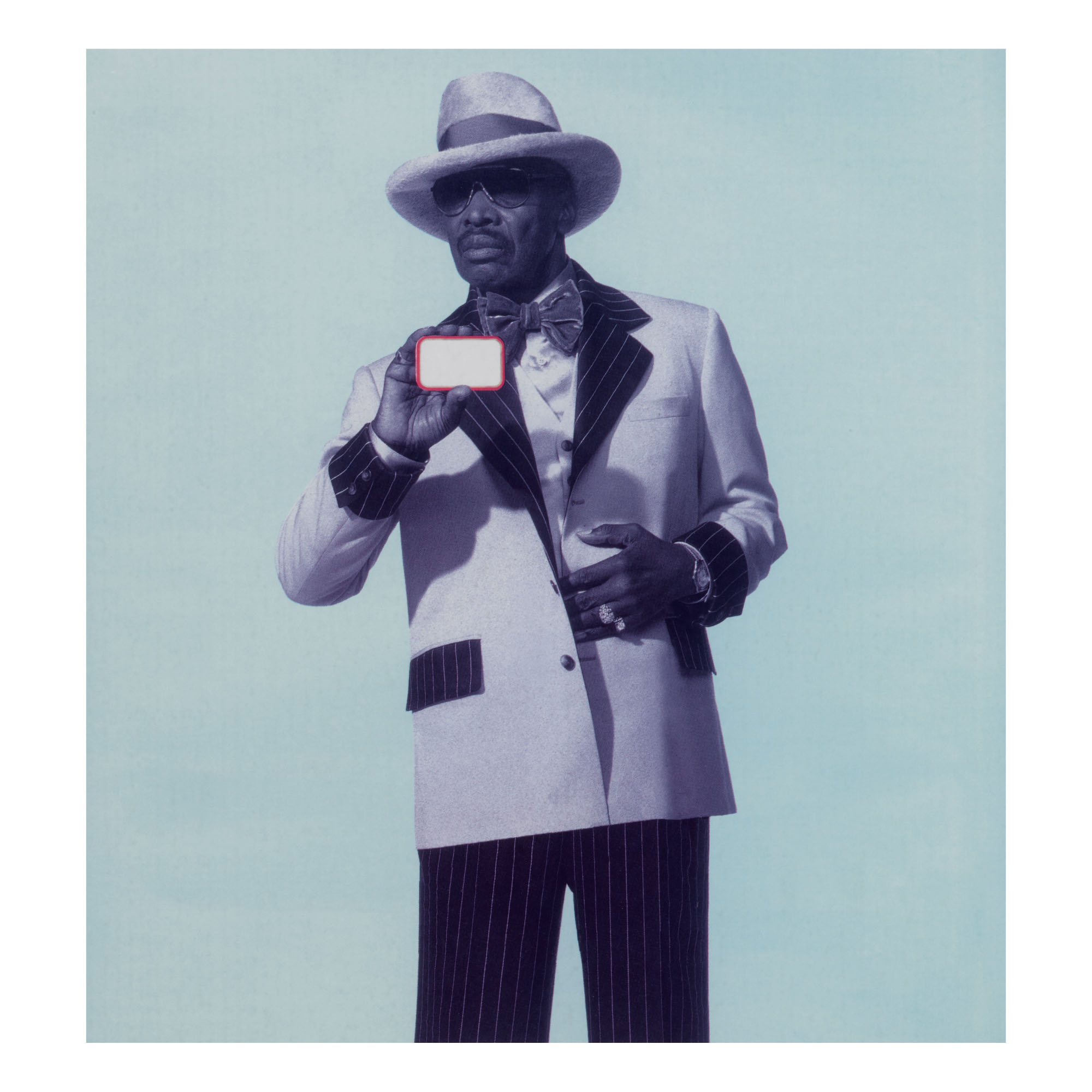
Hank Willis Thomas
Thomas appropriates advertising language and public signage formats to expose racial and commercial ideologies, a strategy that draws directly on Holzer's model of repurposing mass communication media to subvert dominant narratives. His text based works in public space continue the critical tradition she established.