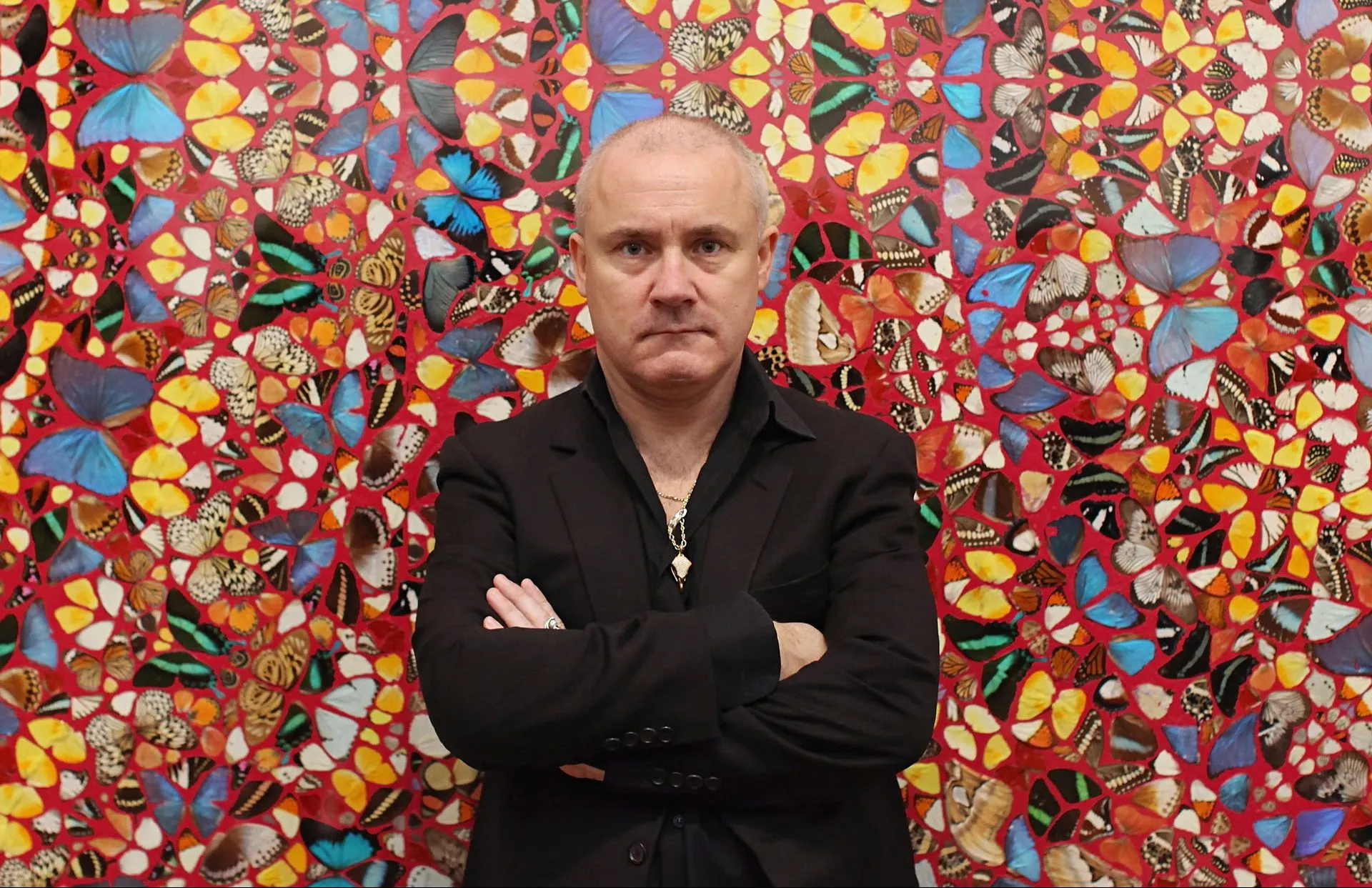
Damien Hirst
708
Works
22
Followers

Also spotted by

Artists in conversation
Jeff Koons
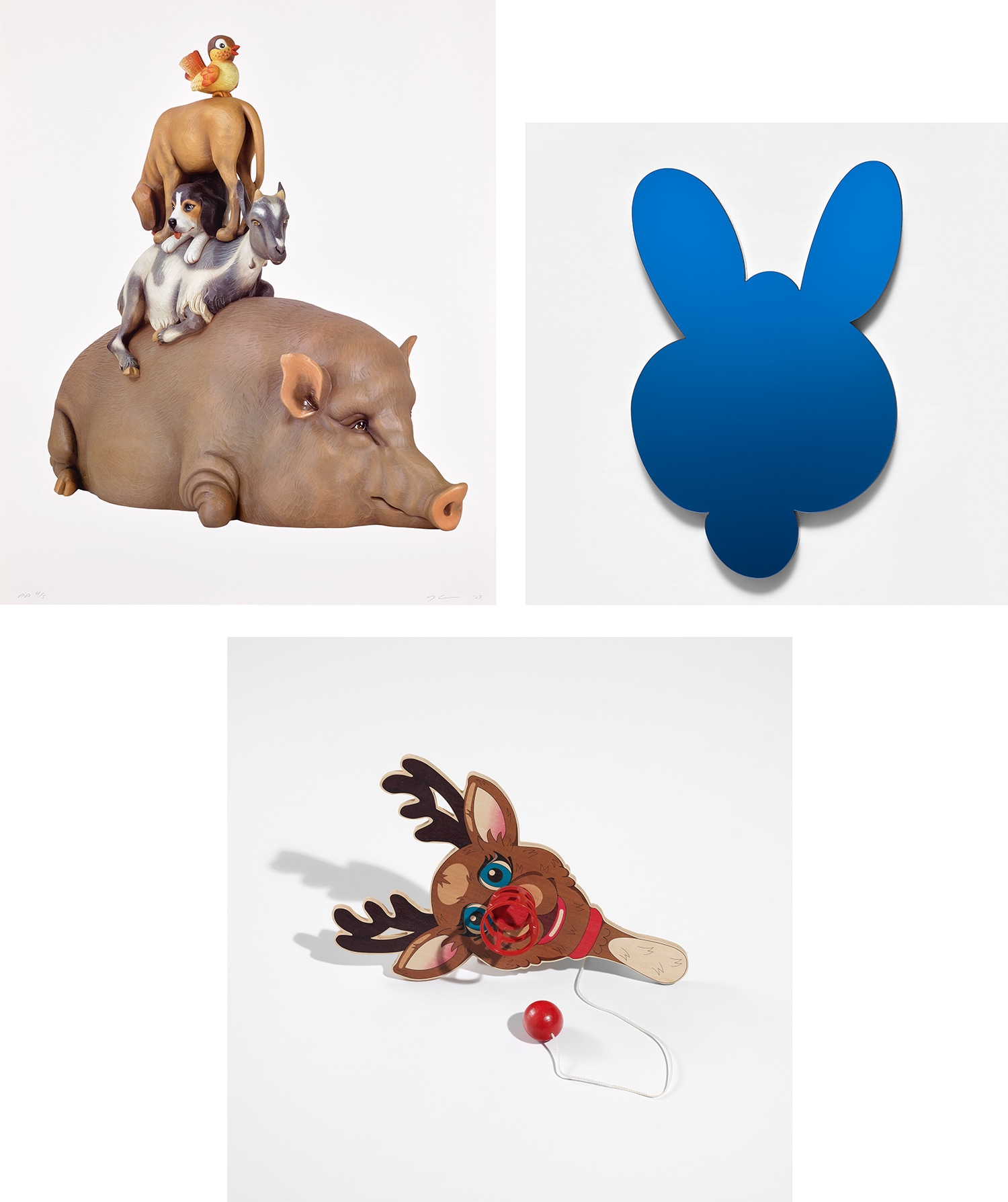
Both artists provocatively blend high concept with commercial spectacle, using manufactured objects and bold visual excess to interrogate consumer culture, desire, and mortality. Their work shares an unapologetic embrace of controversy and market value as artistic statements.
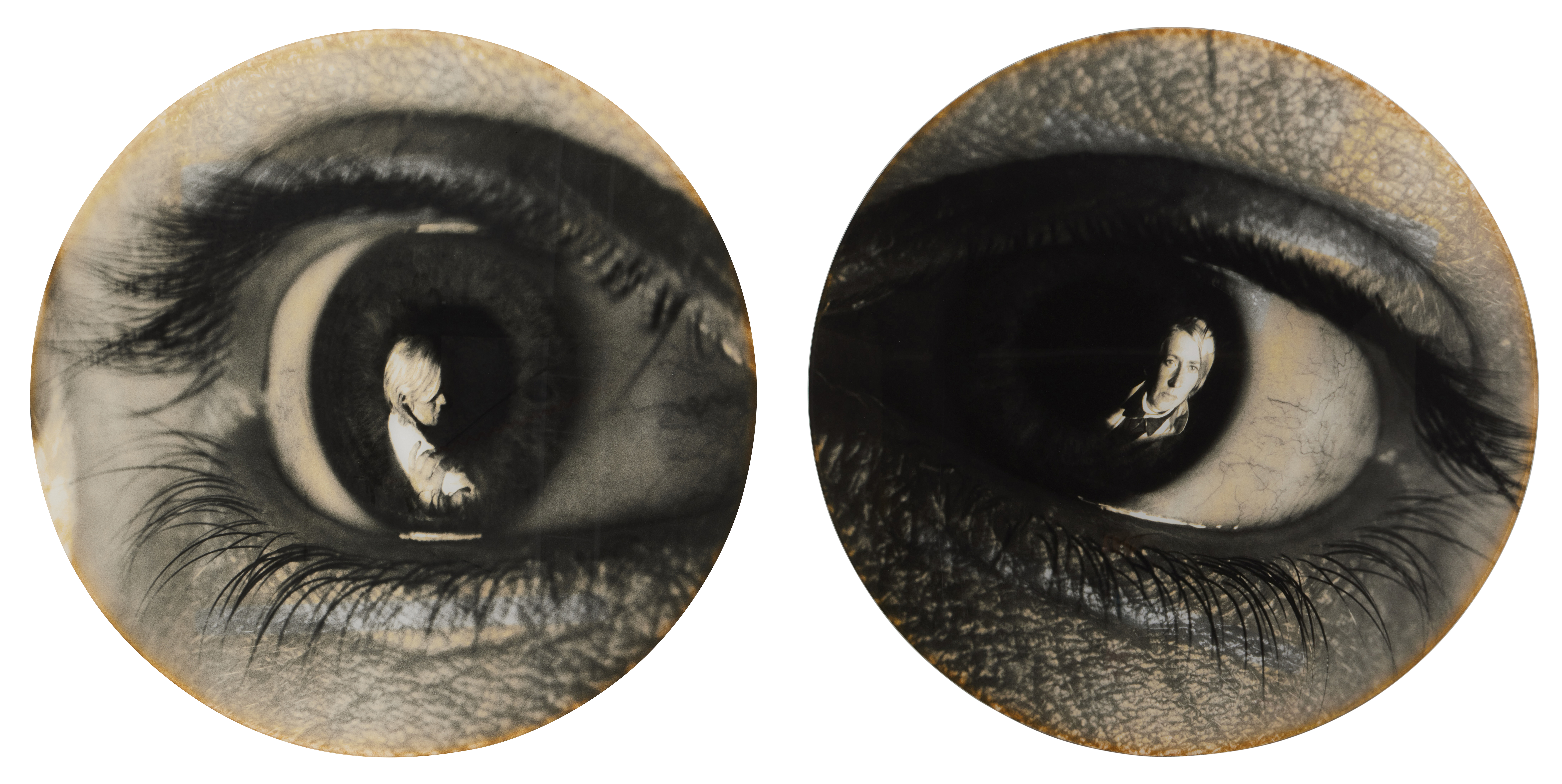
Maurizio Cattelan
Like Hirst, Cattelan uses taxidermied animals, dark humor, and confrontational conceptual gestures to explore death, religion, and institutional power. Both artists work on a grand theatrical scale that courts public shock and critical debate.
Koons Chapman
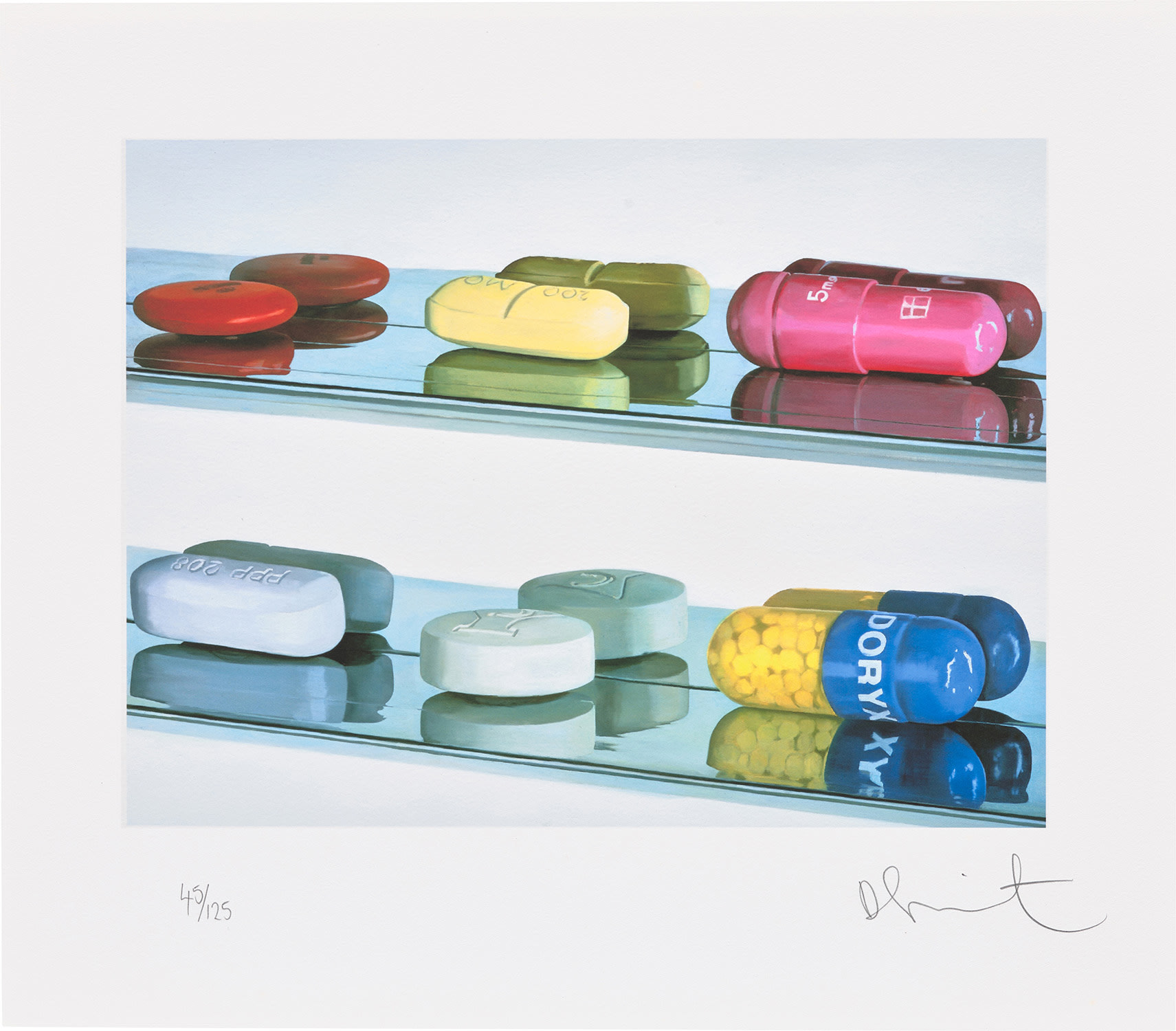
Jake Chapman alongside his brother Dinos Chapman emerged from the same YBA milieu as Hirst and similarly deploys visceral imagery, mortality, and pharmaceutical or biological references to provoke audiences and question moral boundaries in contemporary art.
Artists who inspired them
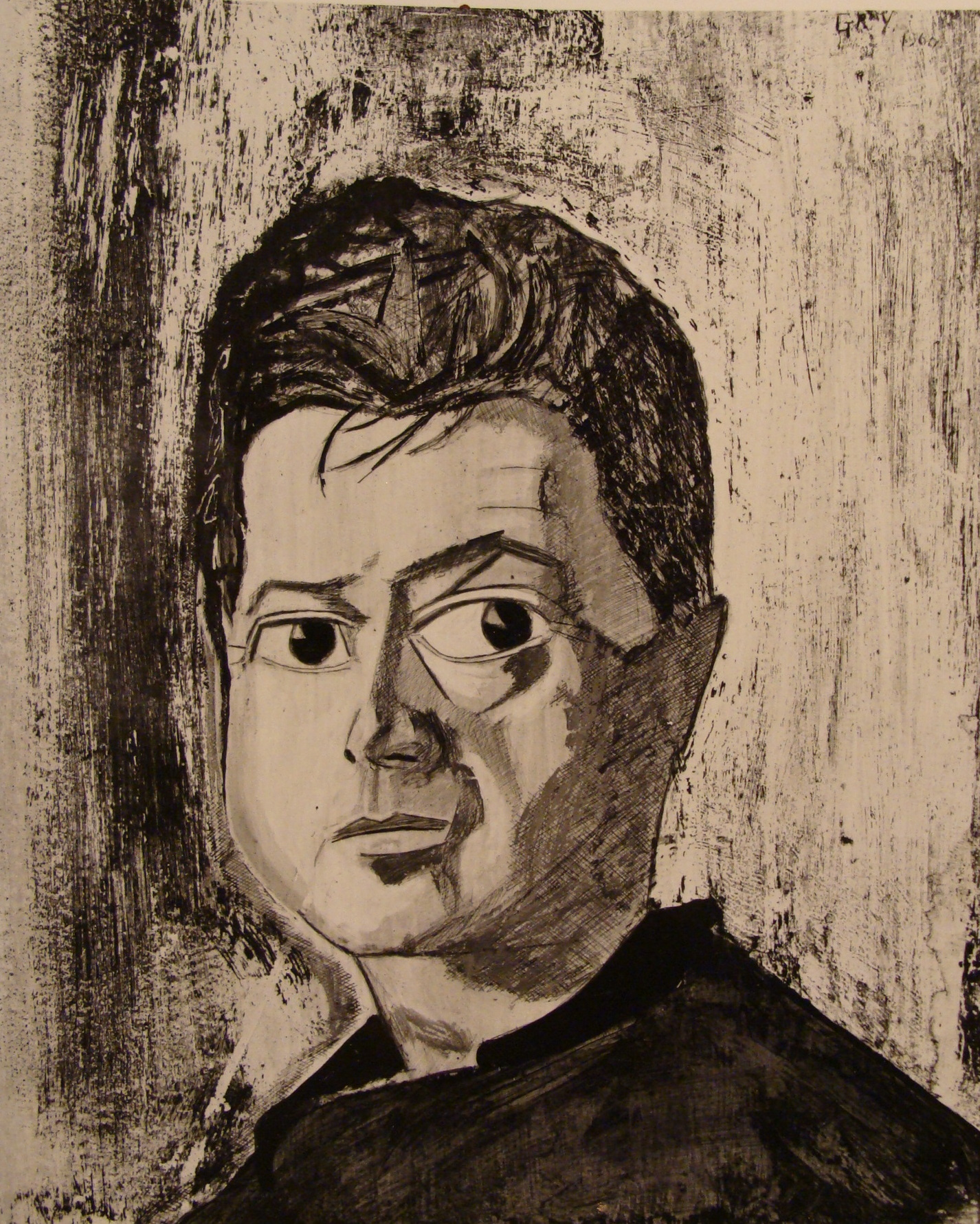
Francis Bacon
Bacon's raw confrontation with the fragility and vulnerability of the human body profoundly shaped Hirst's preoccupation with flesh, death, and existential dread. Hirst has cited Bacon as a direct inspiration and the two share a visceral British sensibility around mortality.
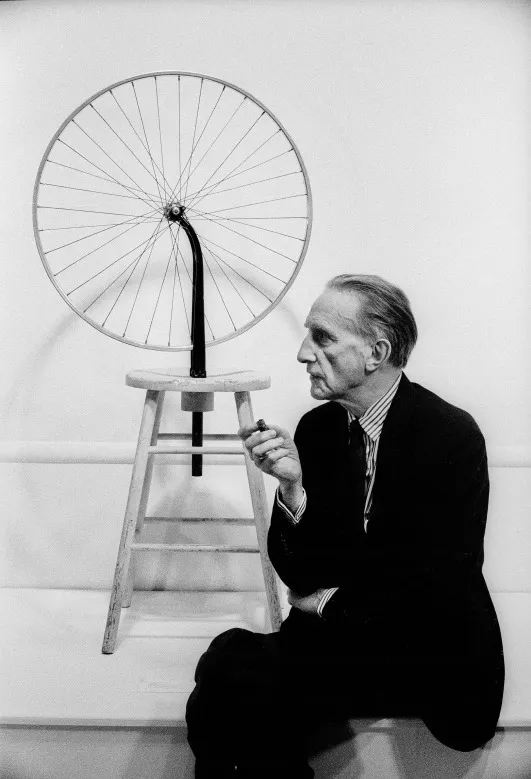
Marcel Duchamp
Duchamp's readymade practice established the conceptual foundation that allows Hirst to present preserved sharks and medicine cabinets as legitimate artworks. The idea that selection and framing transform ordinary objects into art is central to Hirst's entire methodology.
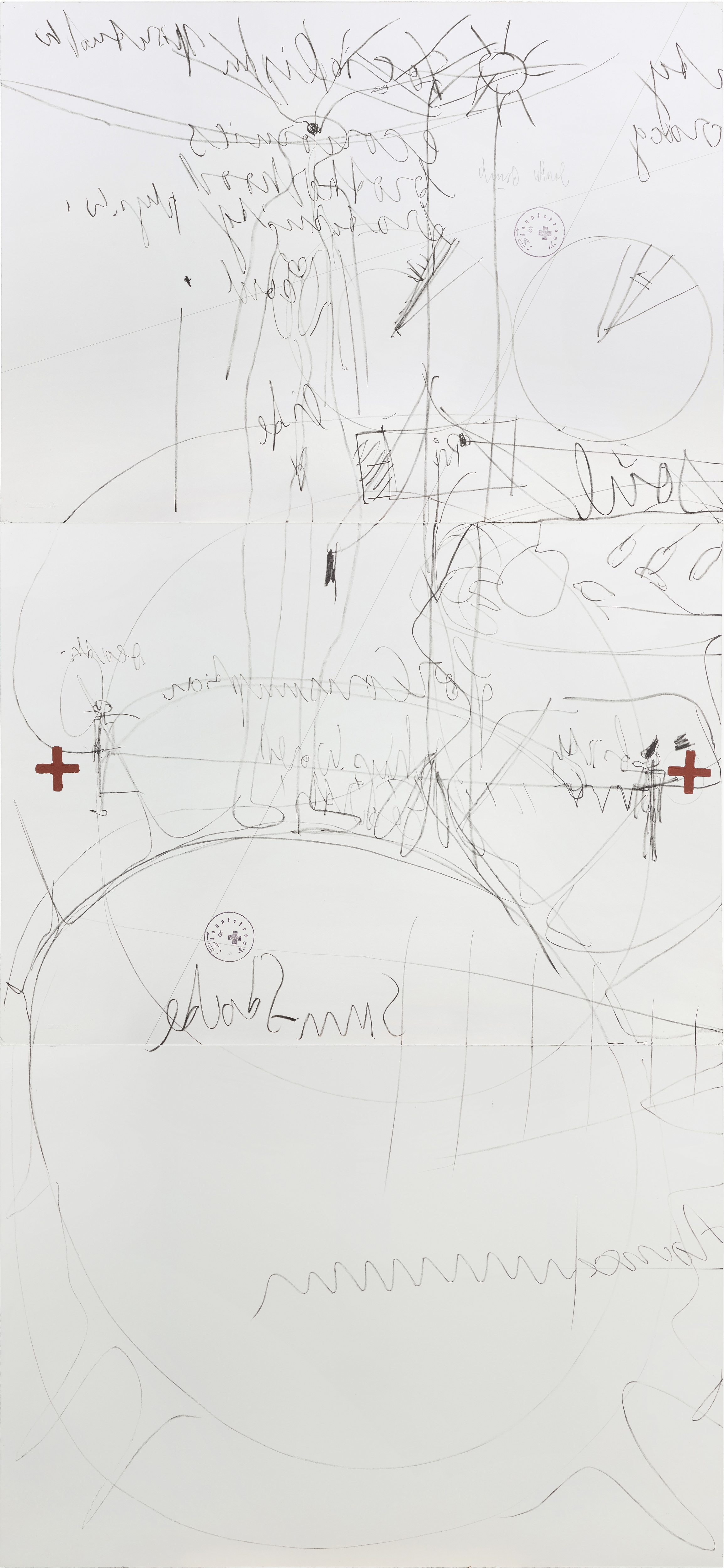
Joseph Beuys
Beuys pioneered the use of unconventional materials including animal matter and organic substances in conceptual art, creating a precedent for Hirst's use of livestock and natural specimens. Beuys also established the model of the artist as provocateur and public mythmaker.
Artists they inspired
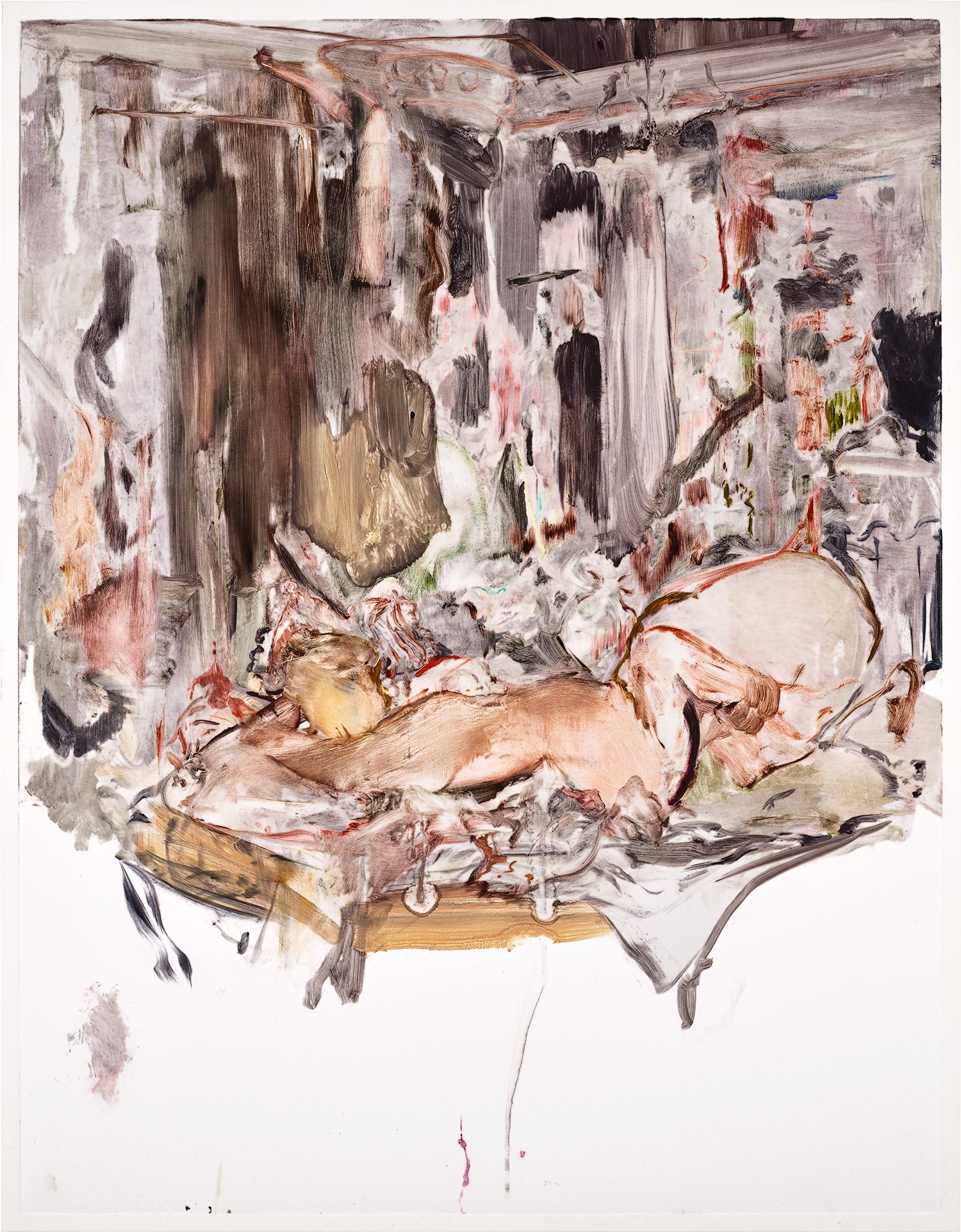
Cecily Brown
Brown emerged directly from the YBA generation that Hirst helped define and her willingness to engage with bodily and visceral subject matter reflects the permission that Hirst and his circle granted to raw confrontational content in British contemporary art.
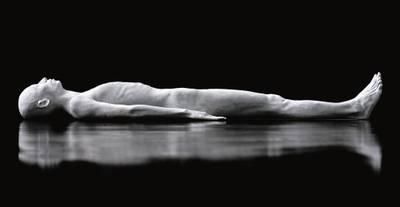
Terence Koh
Koh's use of death imagery, animal forms, and large scale installation work that fetishizes biological and spiritual themes closely mirrors the conceptual territory that Hirst mapped out in the 1990s. His practice draws heavily on the YBA template of spectacle combined with existential content.
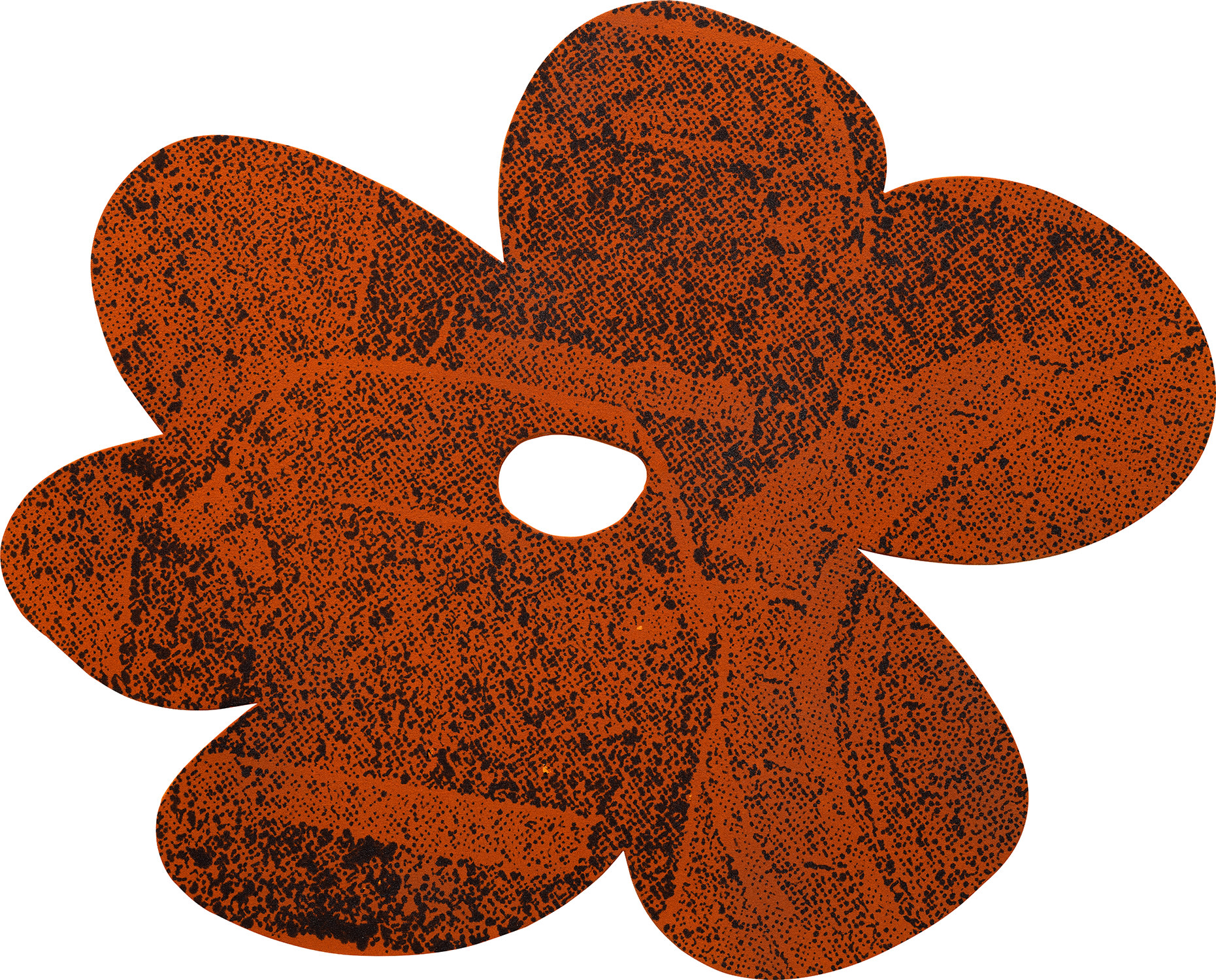
Nate Lowman
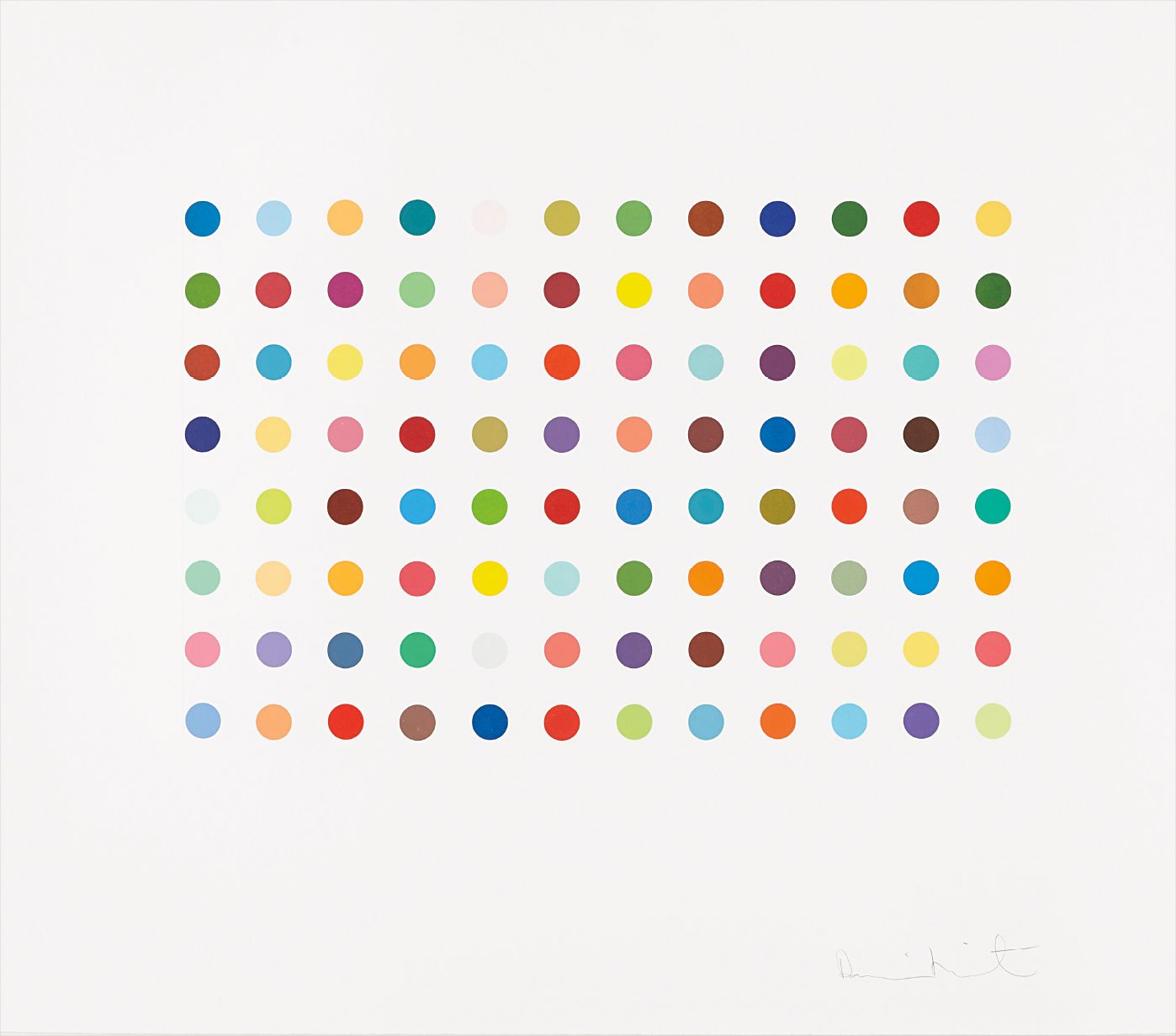
Lowman's dot and spot paintings directly engage with and respond to Hirst's iconic spot series, using repetitive pattern making as a conceptual and formal language. His work openly references Hirst's commercial and aesthetic legacy in American contemporary art circles.