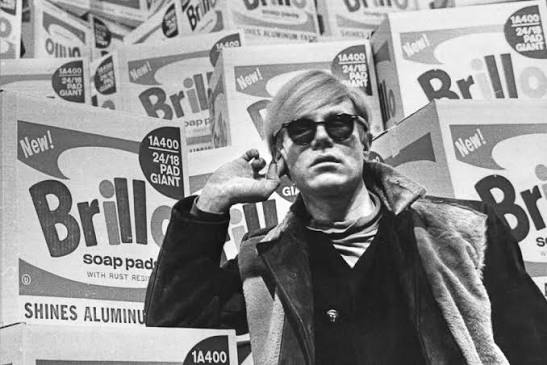
Andy Warhol
1,408
Works
41
Followers
Artist Spotlight
Andy Warhol, The Artist Who Saw Everything
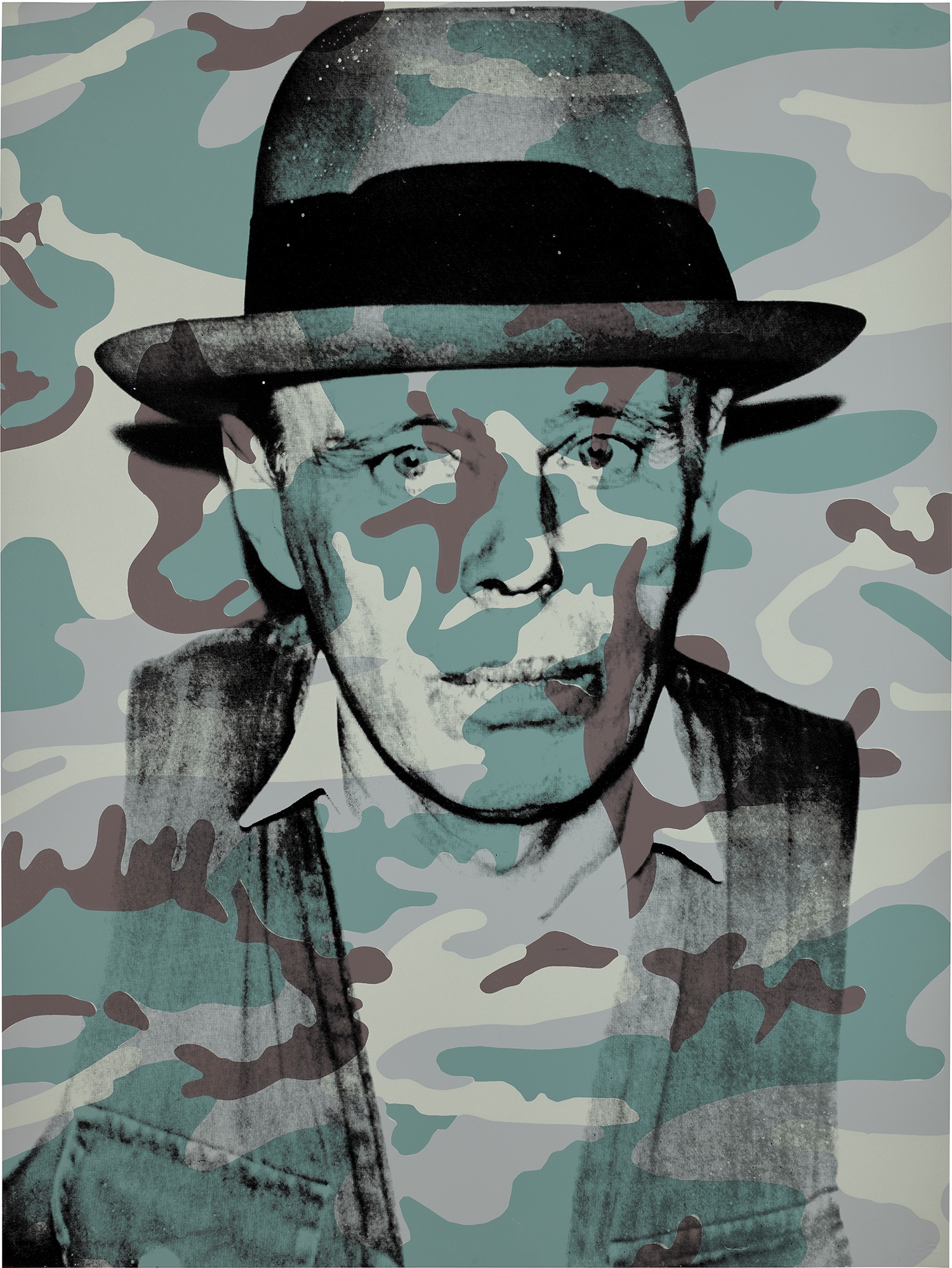
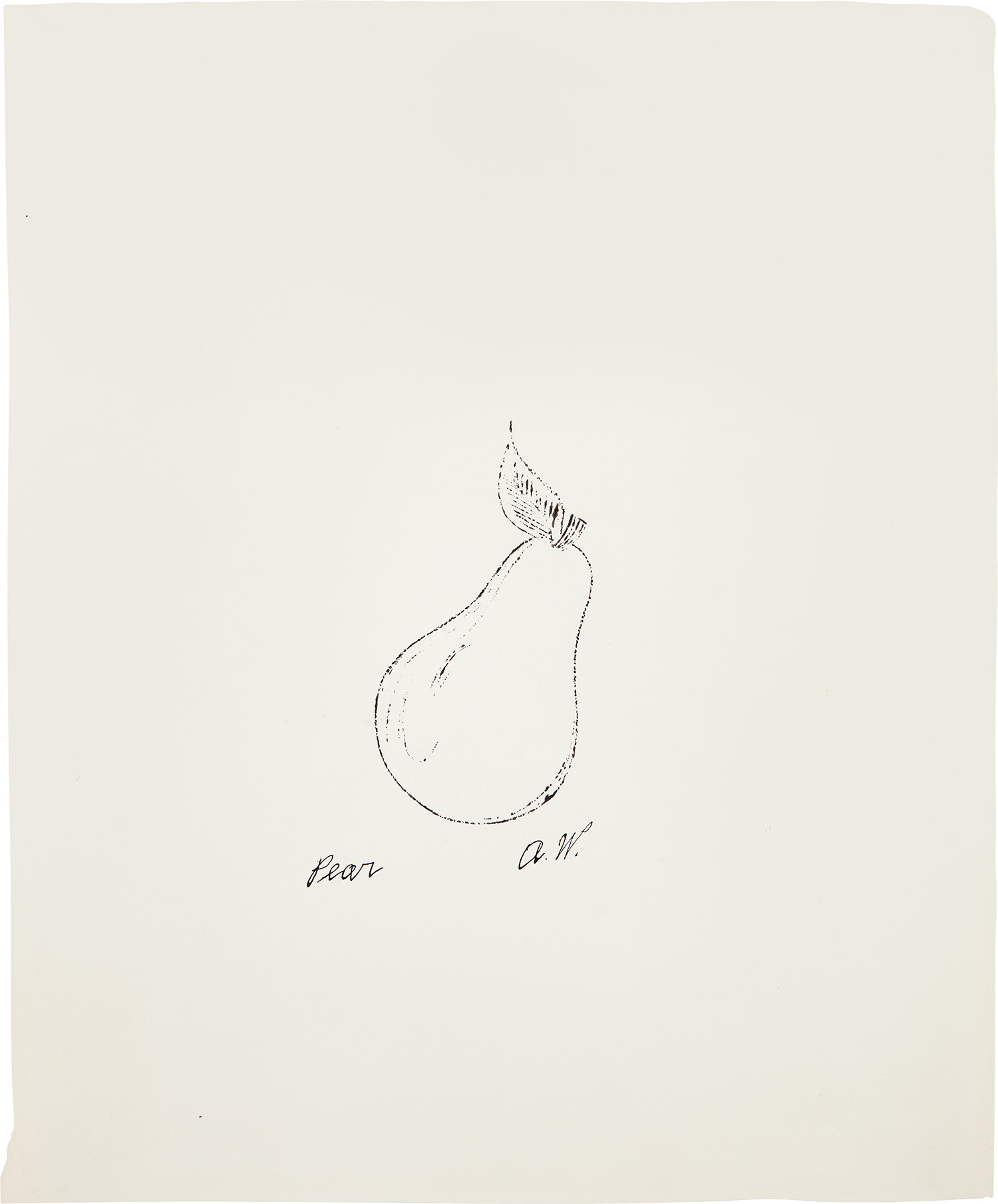
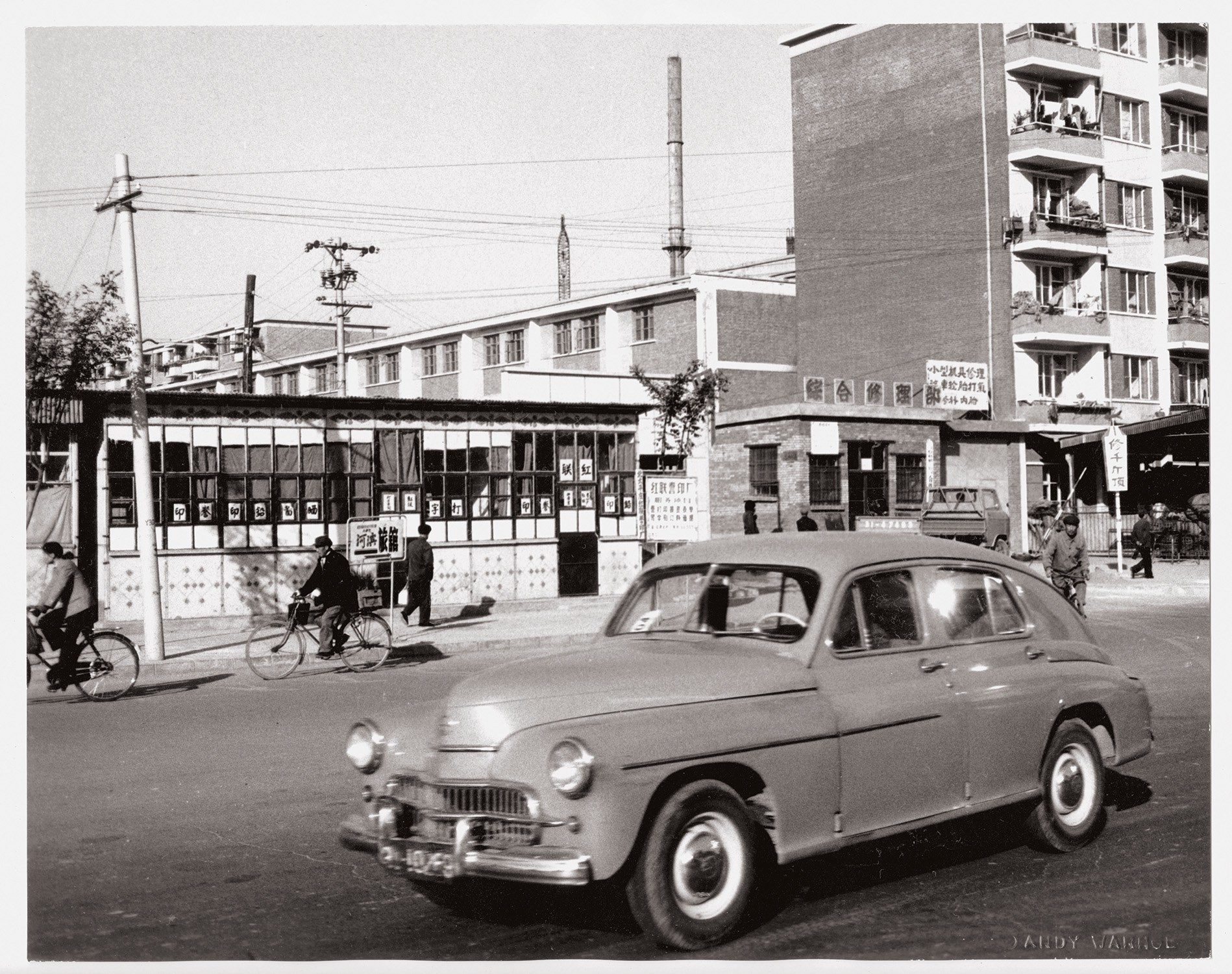
There is a particular kind of magic that happens when a Warhol enters a room. It happened at Christie's New York in 2022 when his 1964 canvas Shot Sage Blue Marilyn sold for 195 million dollars, becoming the most expensive work by an American artist ever sold at auction. It happened again in 2024 as institutions from the Whitney Museum of American Art to the Andy Warhol Museum in Pittsburgh continued to draw vast and devoted audiences to their permanent collections and rotating exhibitions. Decades after his death, Andy Warhol remains not merely relevant but urgently, electrically present, a… Continue reading





Artists in conversation
Roy Lichtenstein
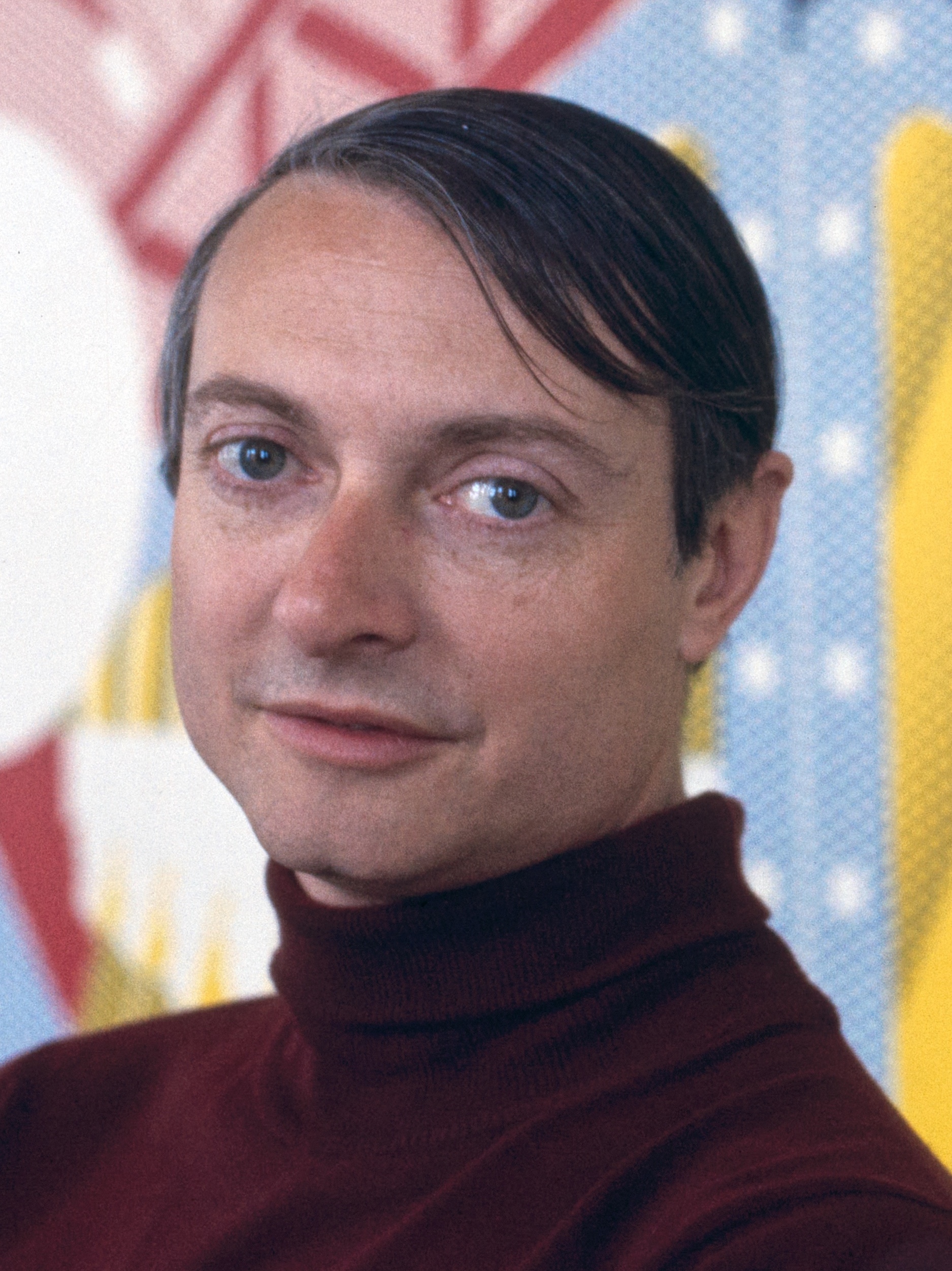
Lichtenstein shared Warhol's commitment to Pop Art by transforming mass media imagery and consumer culture into high art. Both artists elevated commercial and popular sources through bold graphic techniques that questioned the boundary between fine art and everyday imagery.
Richard Hamilton
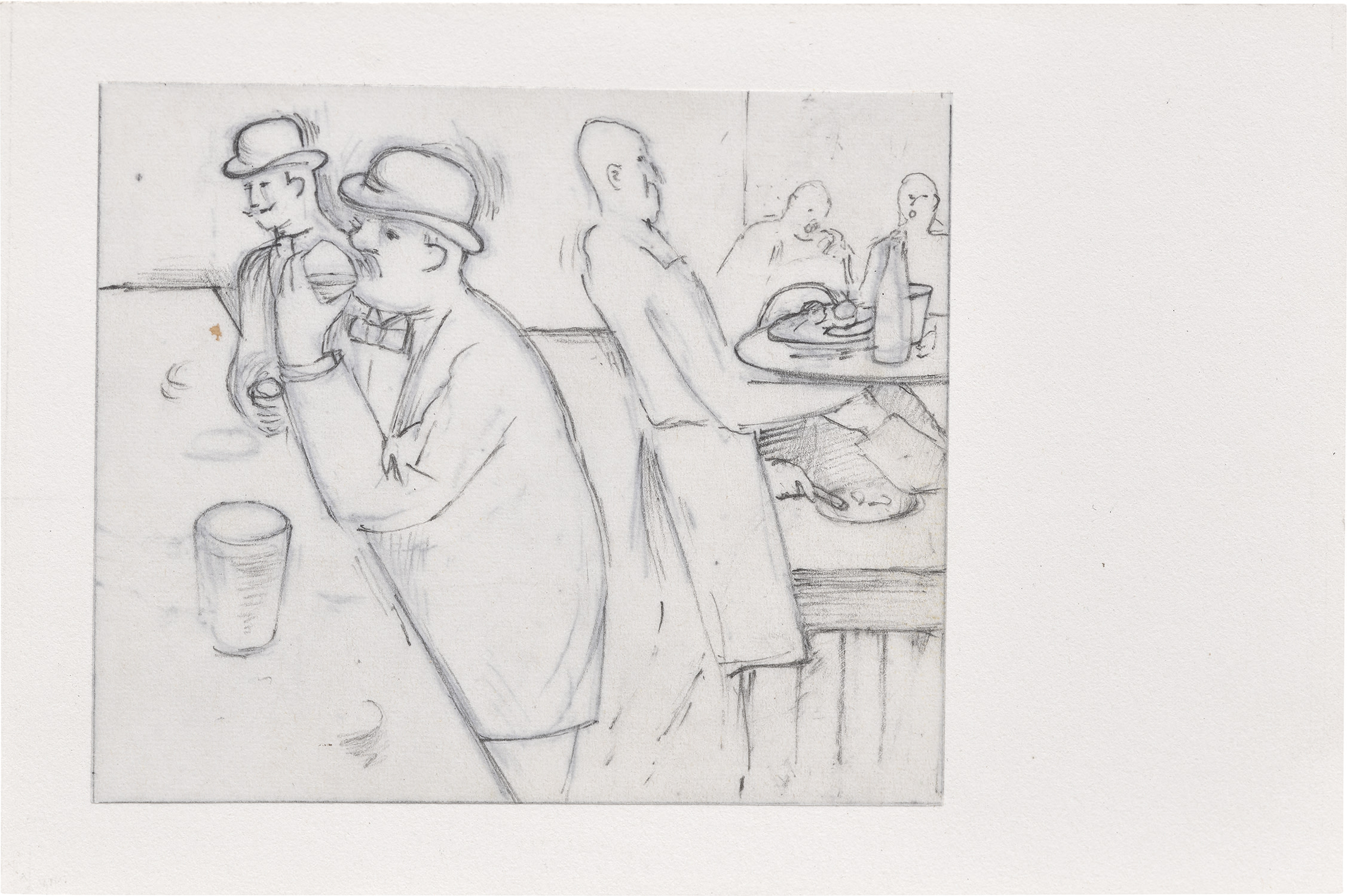
Hamilton pioneered the use of consumer advertising and celebrity imagery as artistic subject matter in ways that directly parallel Warhol's preoccupations. His collage work incorporating mass media products and glossy commercial aesthetics makes him an essential discovery for any Warhol collector.
Takashi Murakami
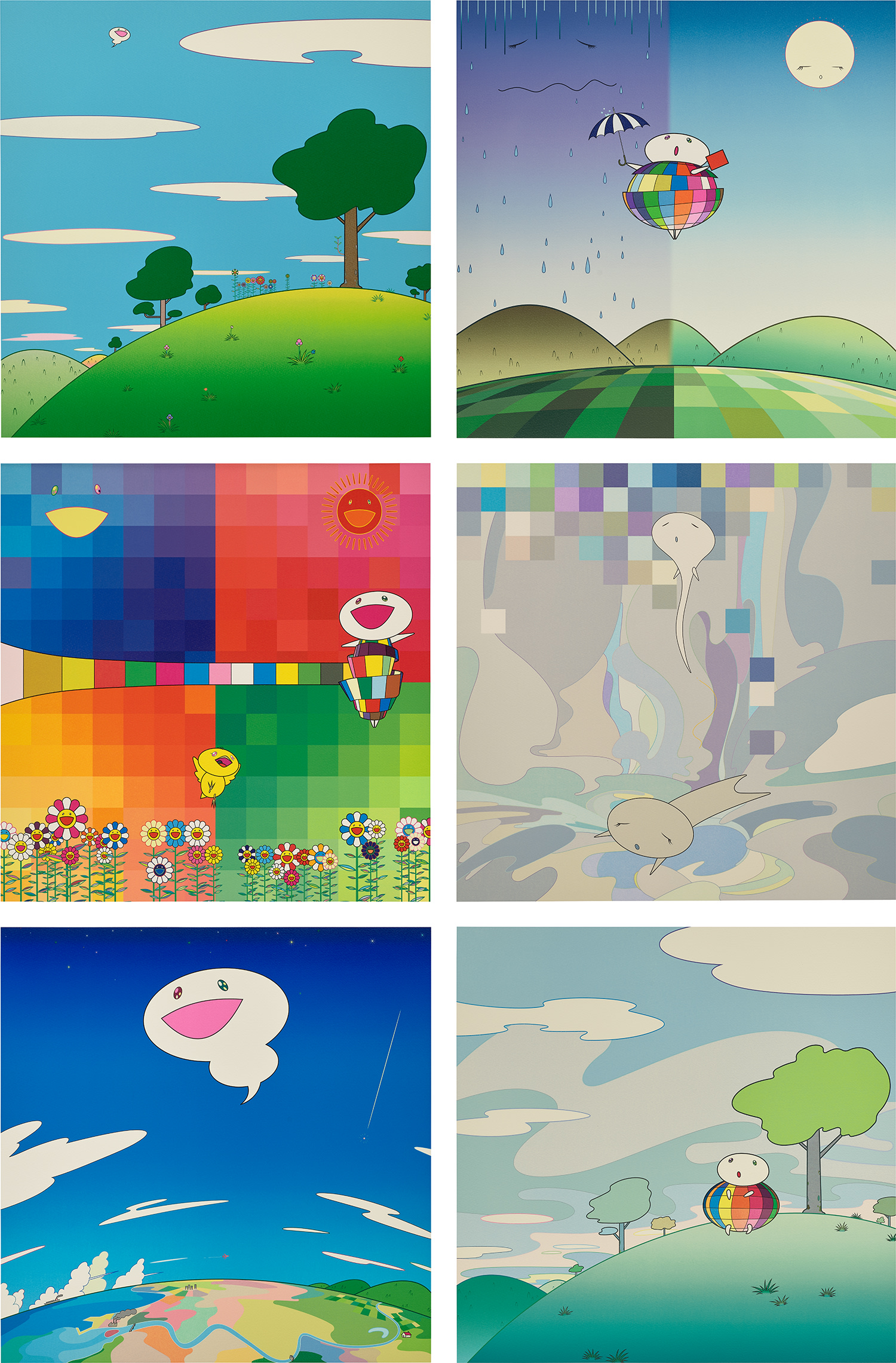
Murakami mirrors Warhol's practice of blending fine art with commercial production, celebrity culture, and serialized imagery through his Superflat movement. Like Warhol he operates studios that function as factories and collaborates with luxury brands, deliberately dissolving the line between art and commerce.
Artists who inspired them
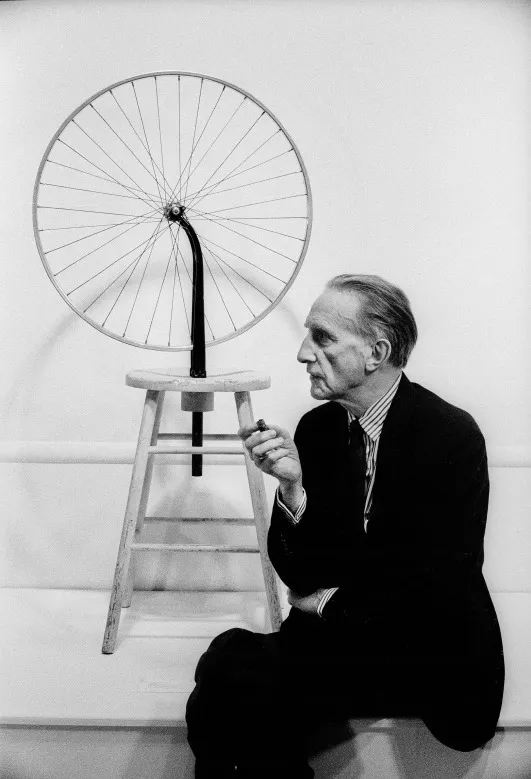
Marcel Duchamp
Duchamp's readymades established the foundational concept that ordinary commercial objects could be elevated into art by framing and context, a principle Warhol absorbed deeply into his soup cans and Brillo boxes. Duchamp's radical questioning of authorship and artistic labor also prefigured Warhol's Factory model of collective production.
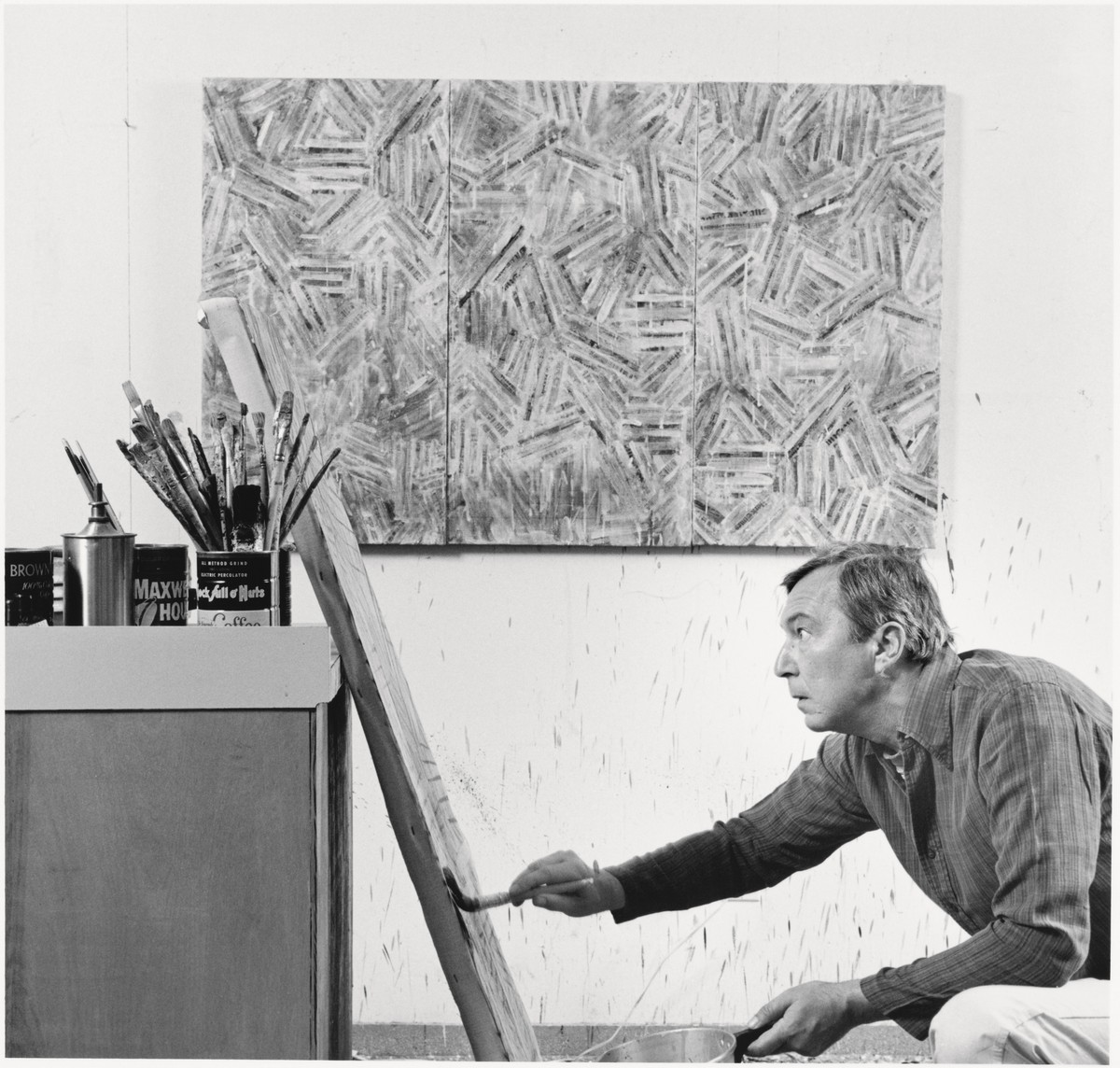
Jasper Johns
Johns's use of familiar flat symbols such as flags and targets as direct artistic subject matter provided a crucial bridge toward Warhol's own embrace of iconic everyday imagery. His deadpan treatment of recognizable American objects helped legitimize the artistic approach Warhol would later radicalize through mass reproduction.

Ben-Day
Artists they inspired
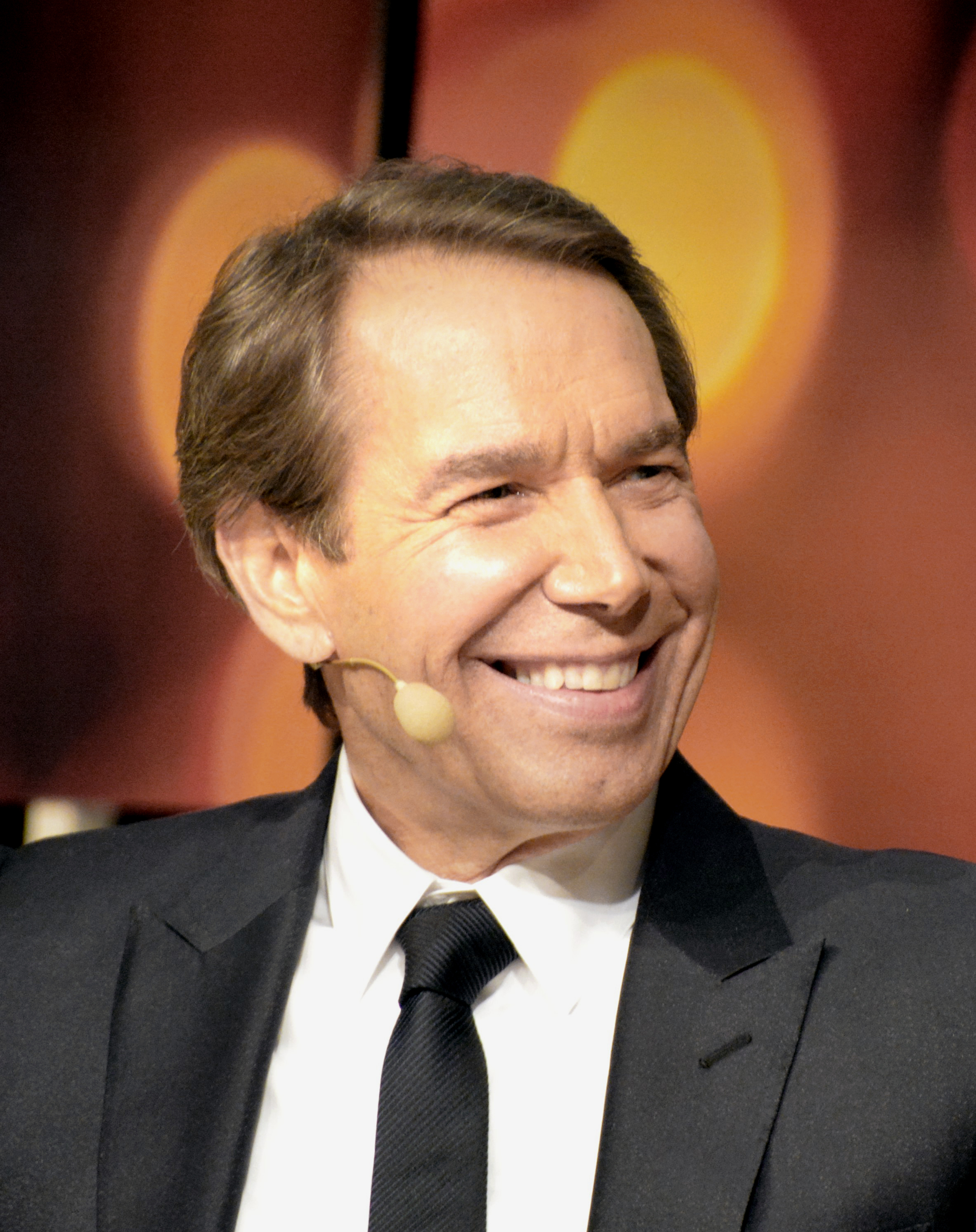
Jeff Koons
Koons adopted Warhol's strategy of embracing kitsch consumer objects and celebrity culture as legitimate artistic subjects while deliberately provoking debates about taste and commercialism. His use of factory style production methods and his cultivation of a celebrity artist persona are direct extensions of the Warhol model.
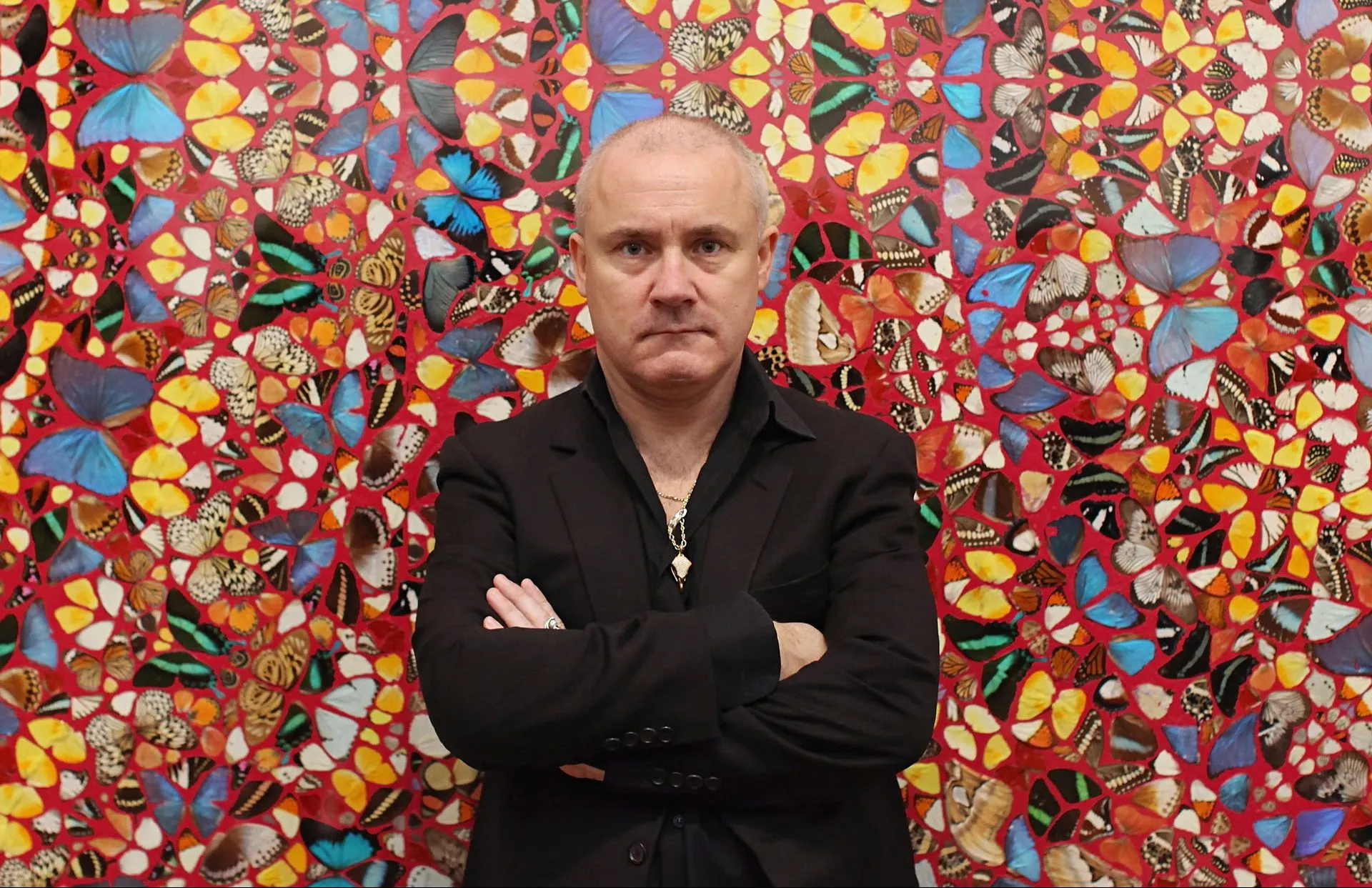
Damien Hirst
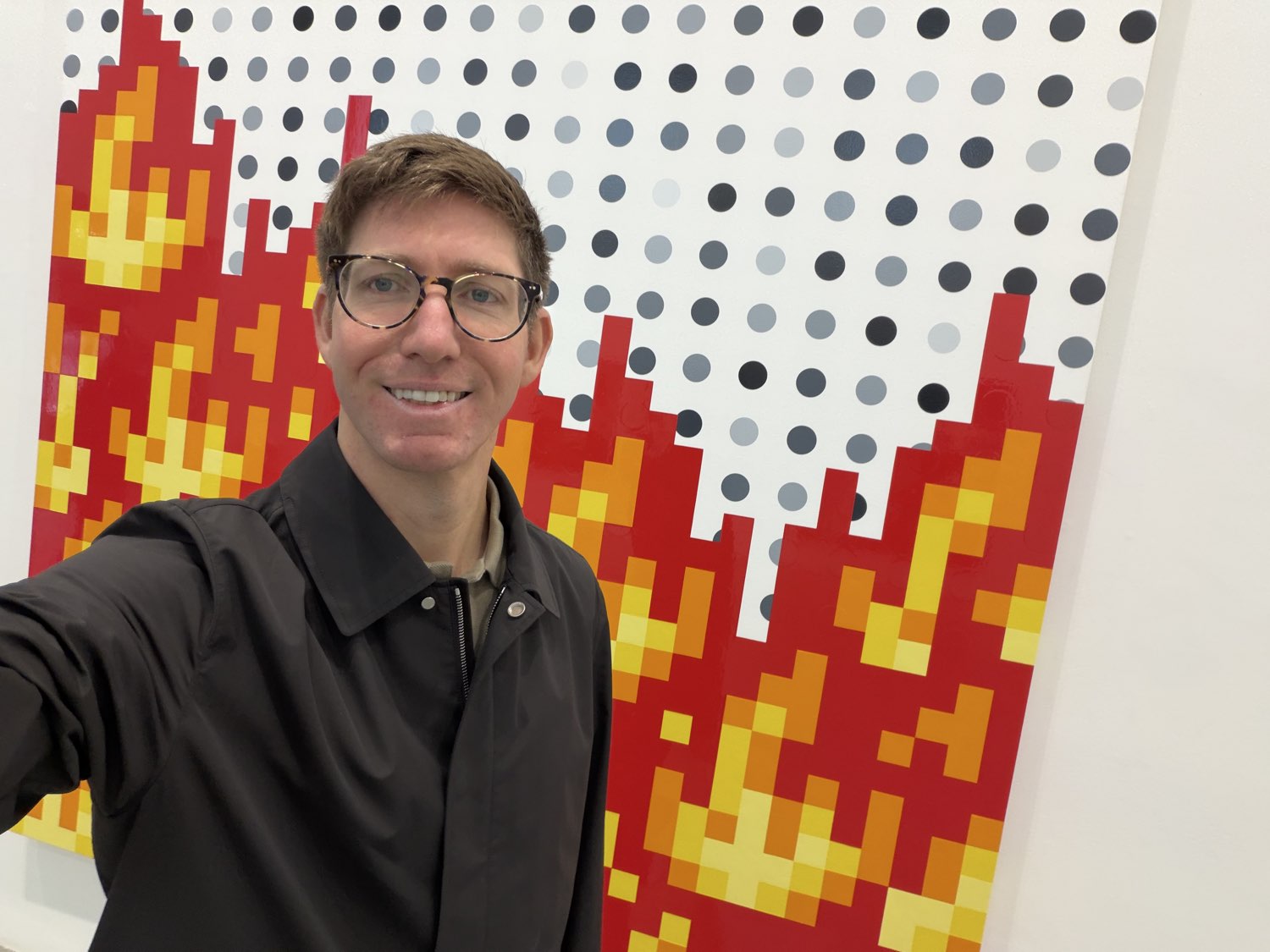
Hirst borrowed Warhol's methods of serial repetition, studio factory production, and the deliberate fusion of art with commerce and celebrity branding. His spot paintings in particular echo Warhol's serialized silkscreen grids in their systematic repetition and calculated relationship to mass market appeal.
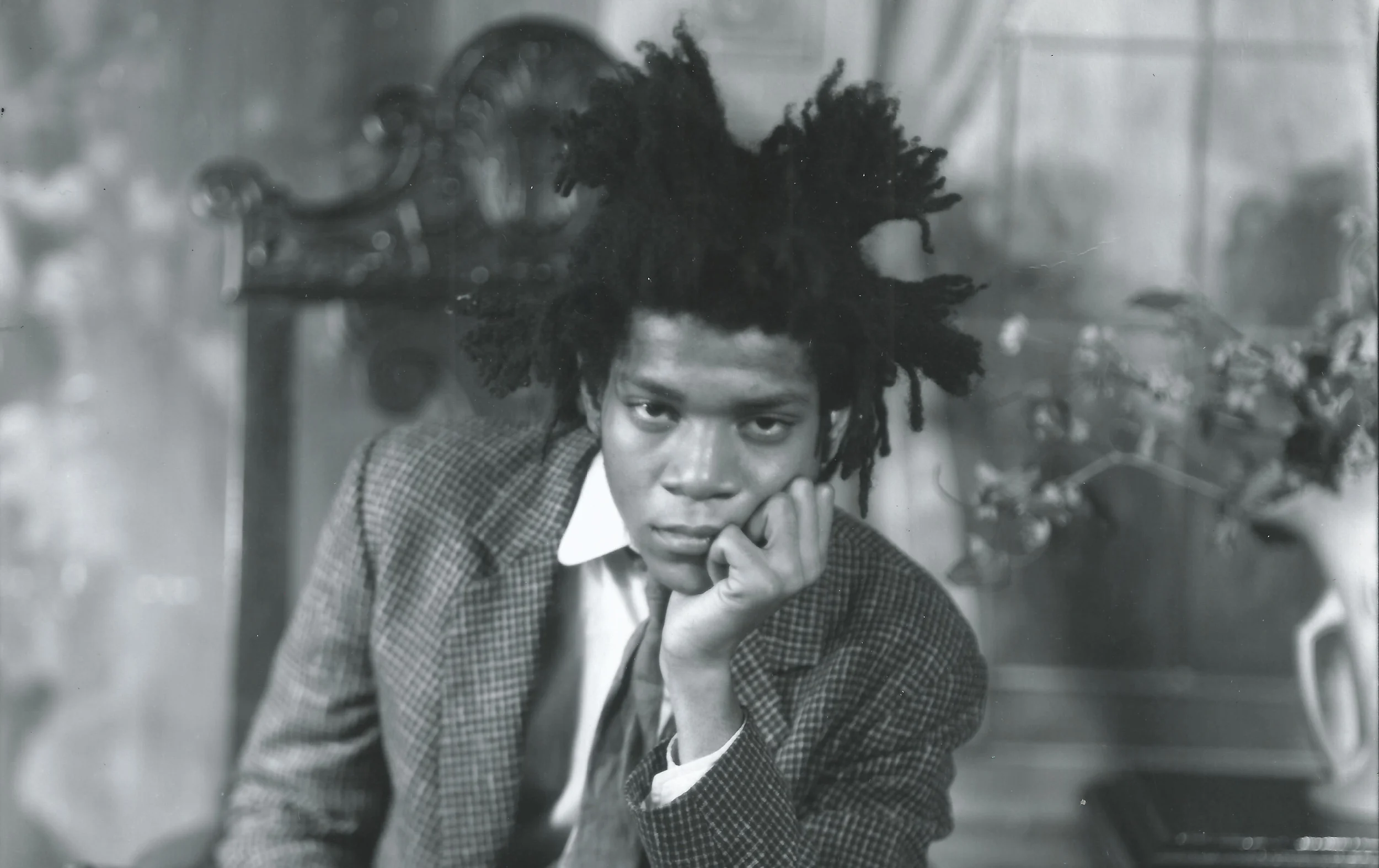
Jean-Michel Basquiat
Basquiat collaborated directly with Warhol and absorbed his understanding of how celebrity imagery, mass culture references, and branding function within fine art contexts. Warhol's mentorship and his model of the artist as cultural provocateur and media personality profoundly shaped Basquiat's own public practice.