Untitled
1961
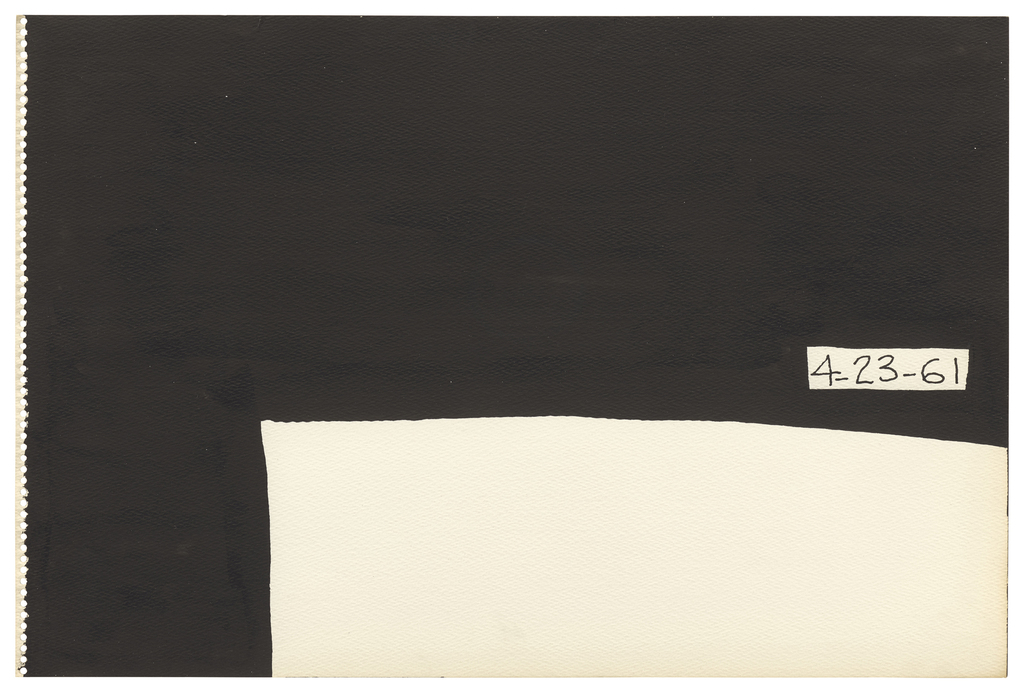
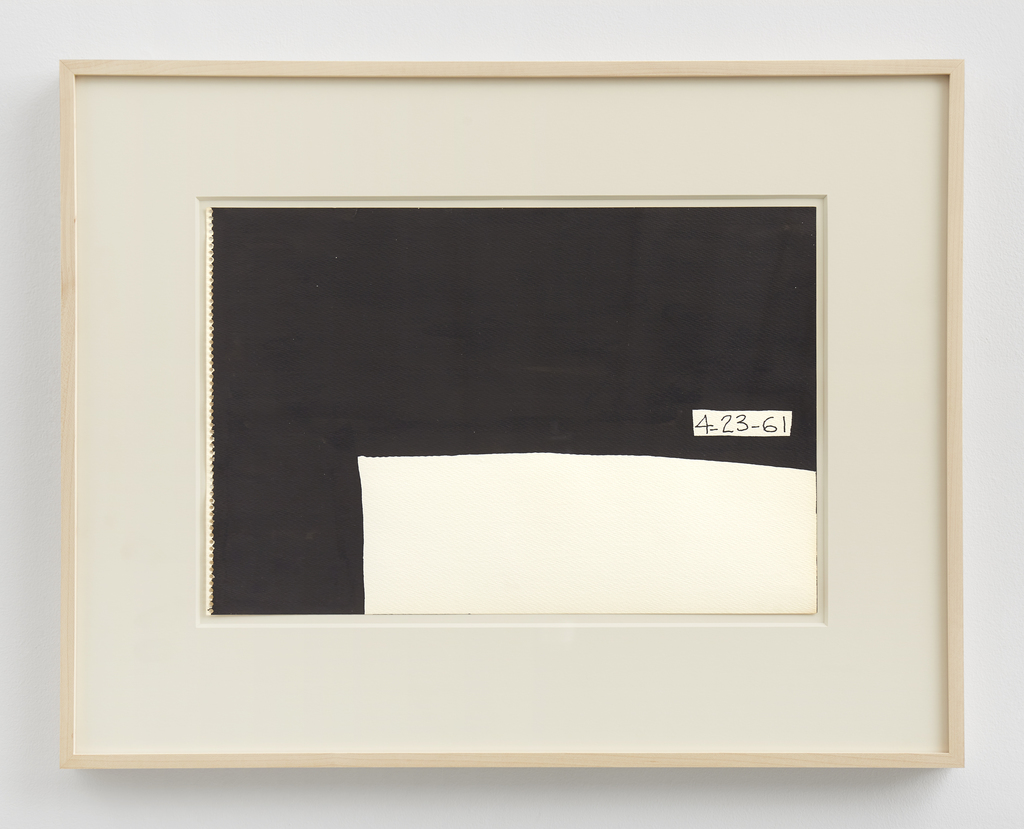
Rendered in ink on paper in 1961, this untitled work on paper offers an intimate window into Tony Smith's geometric imagination at a pivotal moment in his development as a sculptor and theorist of form. The composition channels the same rigorous spatial thinking that would define his monumental three-dimensional work, here distilled into a compact and commanding sheet measuring just under thirty by forty-five centimeters. Bold, deliberate marks negotiate the picture plane with a confidence that feels architectural in its precision, as though Smith is working through structural ideas in real time, testing the relationship between line, volume, and void. Smith occupies a singular position in postwar American art, bridging the organic humanism of his early friendship with figures like Mark Rothko and Barnett Newman and the cool, mathematical logic of Minimalism. Works on paper from this period are comparatively scarce and are sought by collectors precisely because they reveal a mind at work, unmediated by fabrication or industrial process. The signed sheet arrives framed and in the care of Matthew Marks Gallery, a provenance that speaks to the work's standing within the artist's legacy. For the serious collector, this drawing represents both a deeply personal artifact and a document of one of the twentieth century's most consequential formal inquiries.
- Medium
- Ink on paper
- Overall
- Signed
- Yes
- Location
- Matthew Marks Gallery, New York, NY
For Sale — $25000
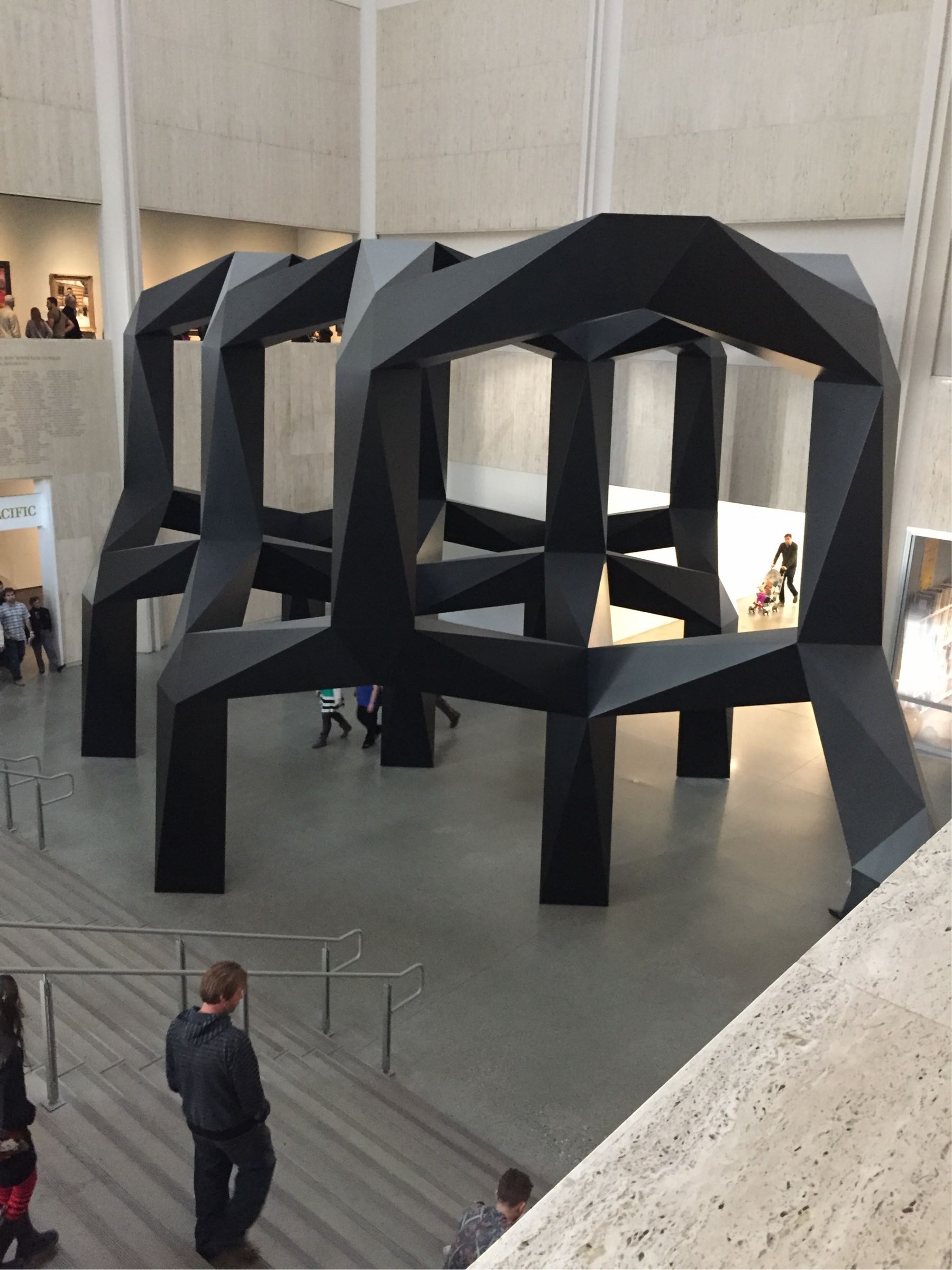
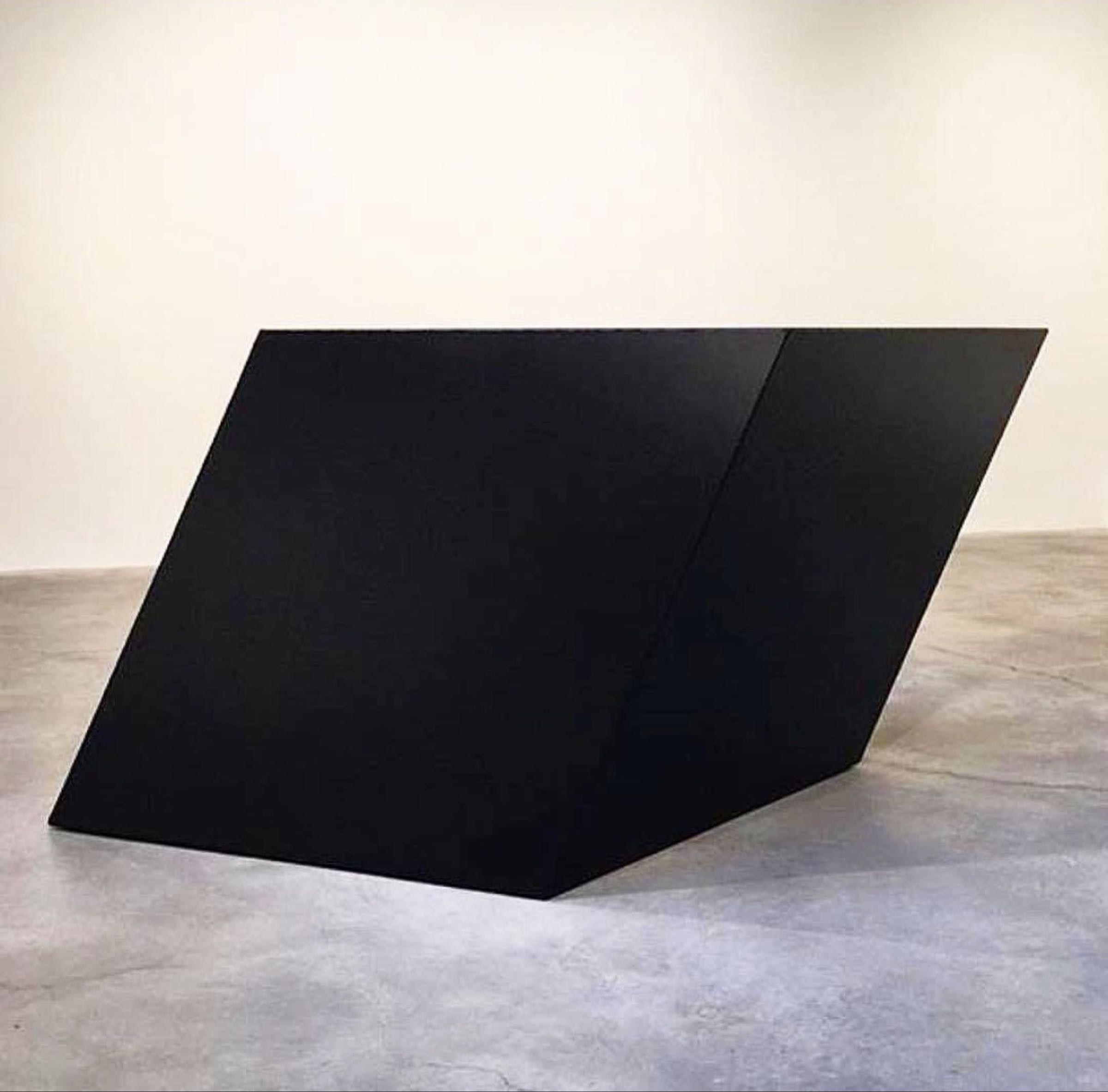
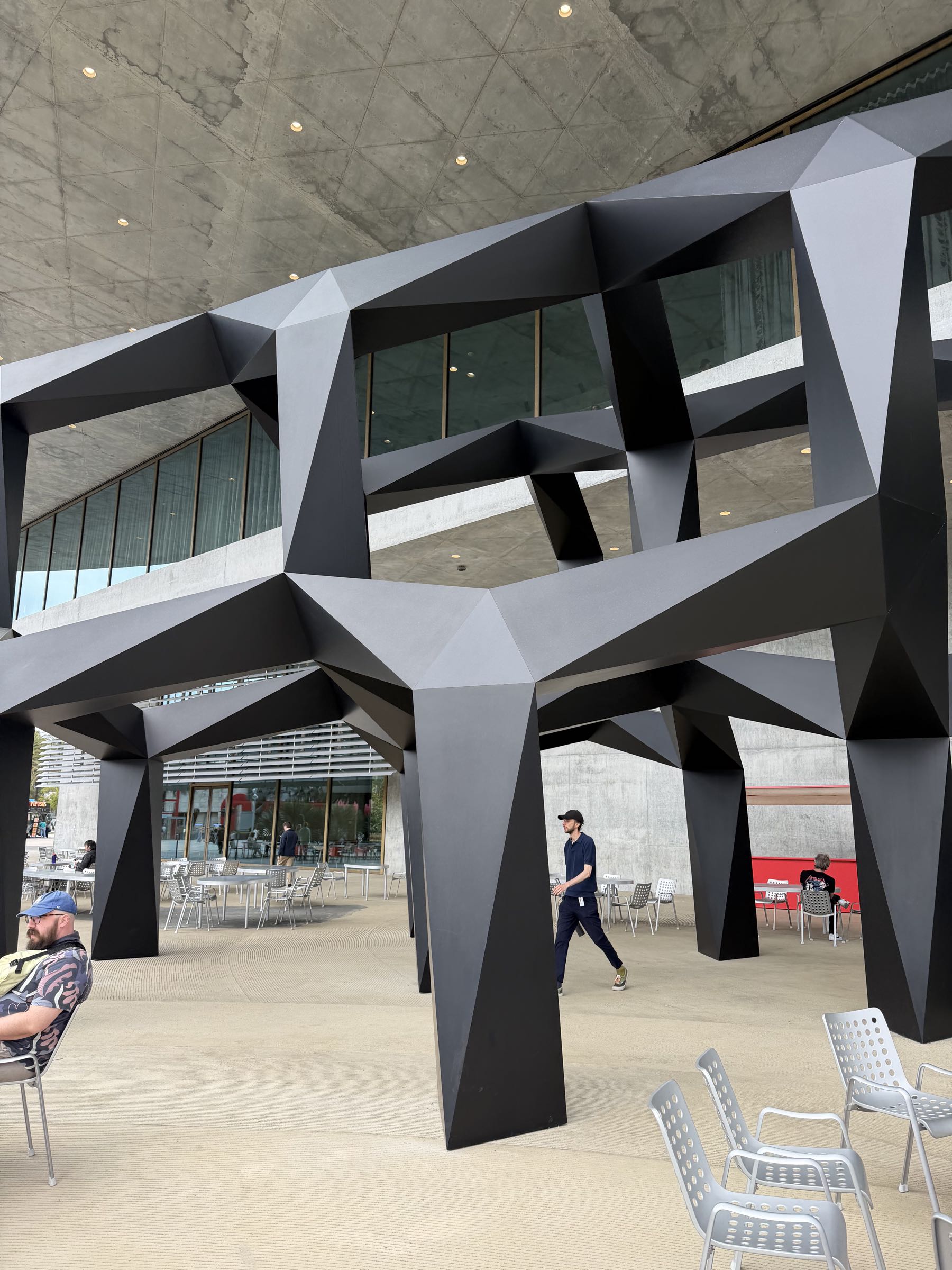
Spotted works by Tony Smith
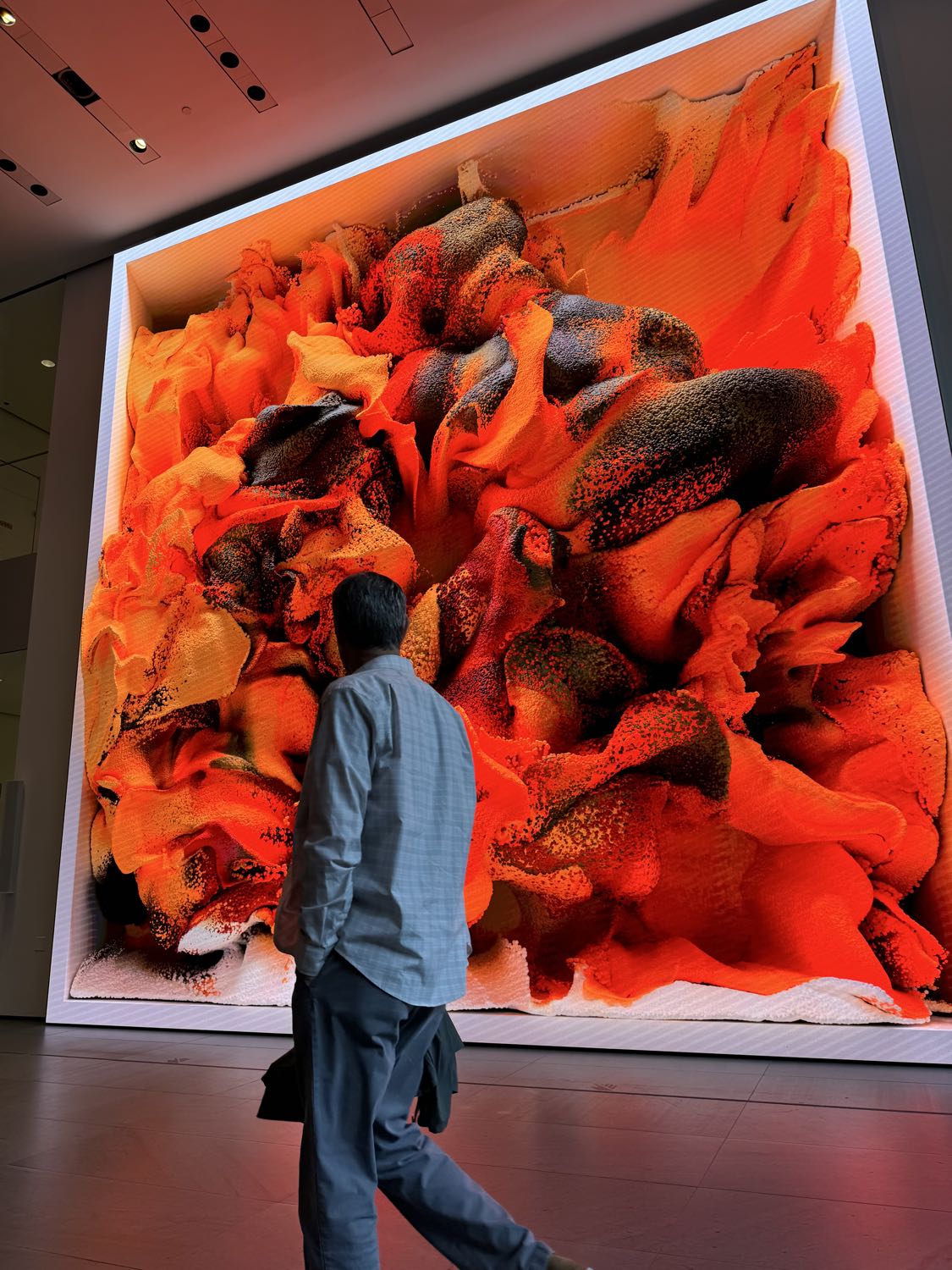
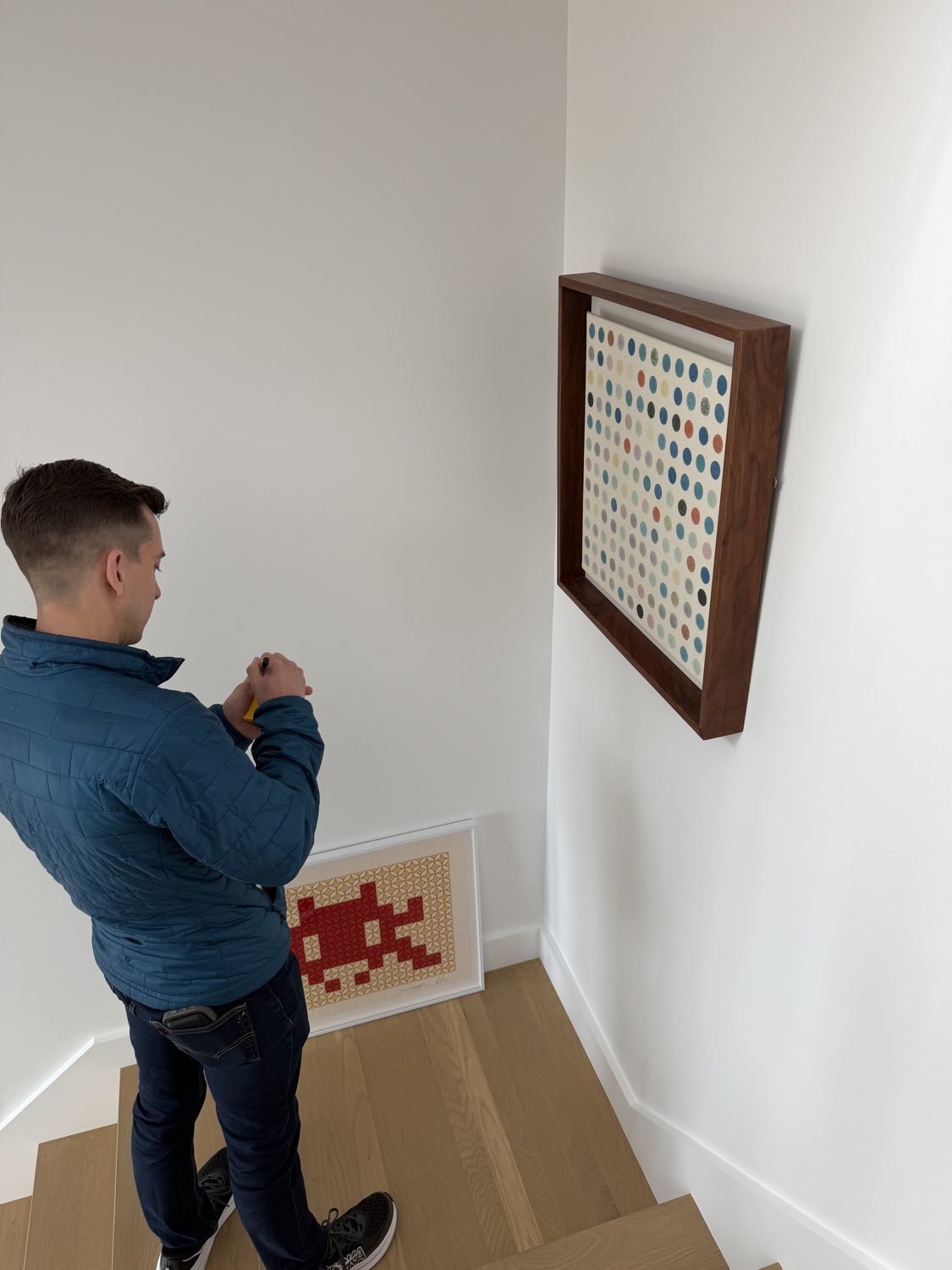

Artists in conversation

Donald Judd
American · b. 1928
Judd created large scale geometric steel and metal structures with strict angular forms and minimalist sensibility that closely mirror Smith's monumental abstract sculptures. Both artists shared a commitment to industrial materials, precise geometric abstraction, and the relationship between form and surrounding space.
Ronald Bladen
American · b. 1918
Bladen produced monumental angular steel sculptures in black and dark tones that are among the closest parallels to Smith's work in terms of scale, geometry, and commanding physical presence. His large painted steel forms share the same architectural abstraction and imposing minimalist vocabulary found in Smith's iconic pieces.
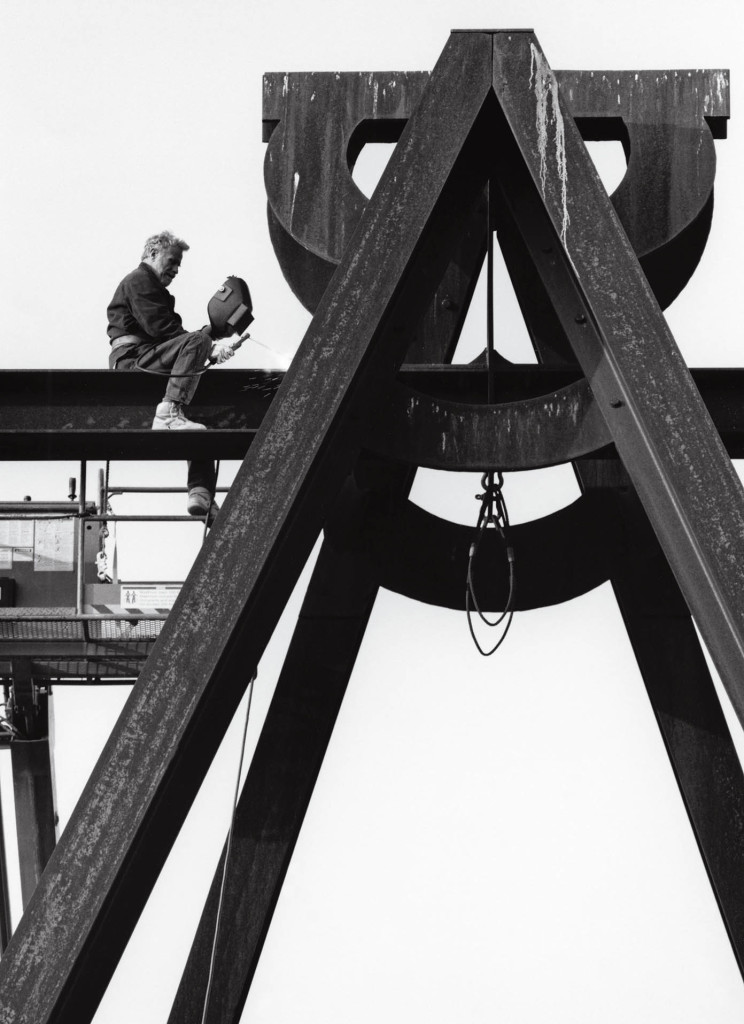
Mark di Suvero
American · b. 1933
Di Suvero creates large scale public steel sculptures with bold angular structures that engage space in ways directly comparable to Smith's geometric monumental works. Both artists transformed industrial steel into commanding abstract forms intended for outdoor public environments.
Start the Discussion
Request access to join the discussion