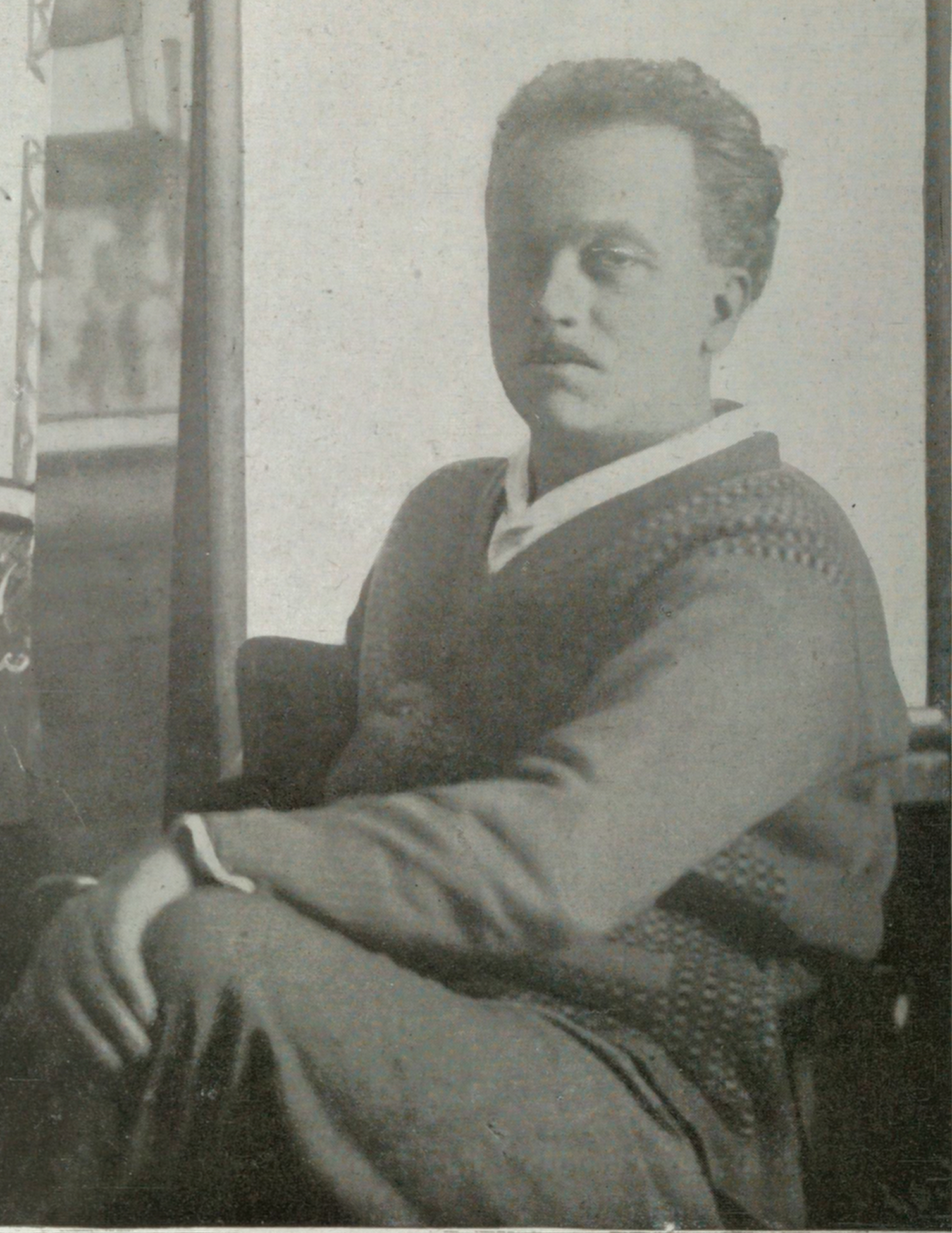
Architectural
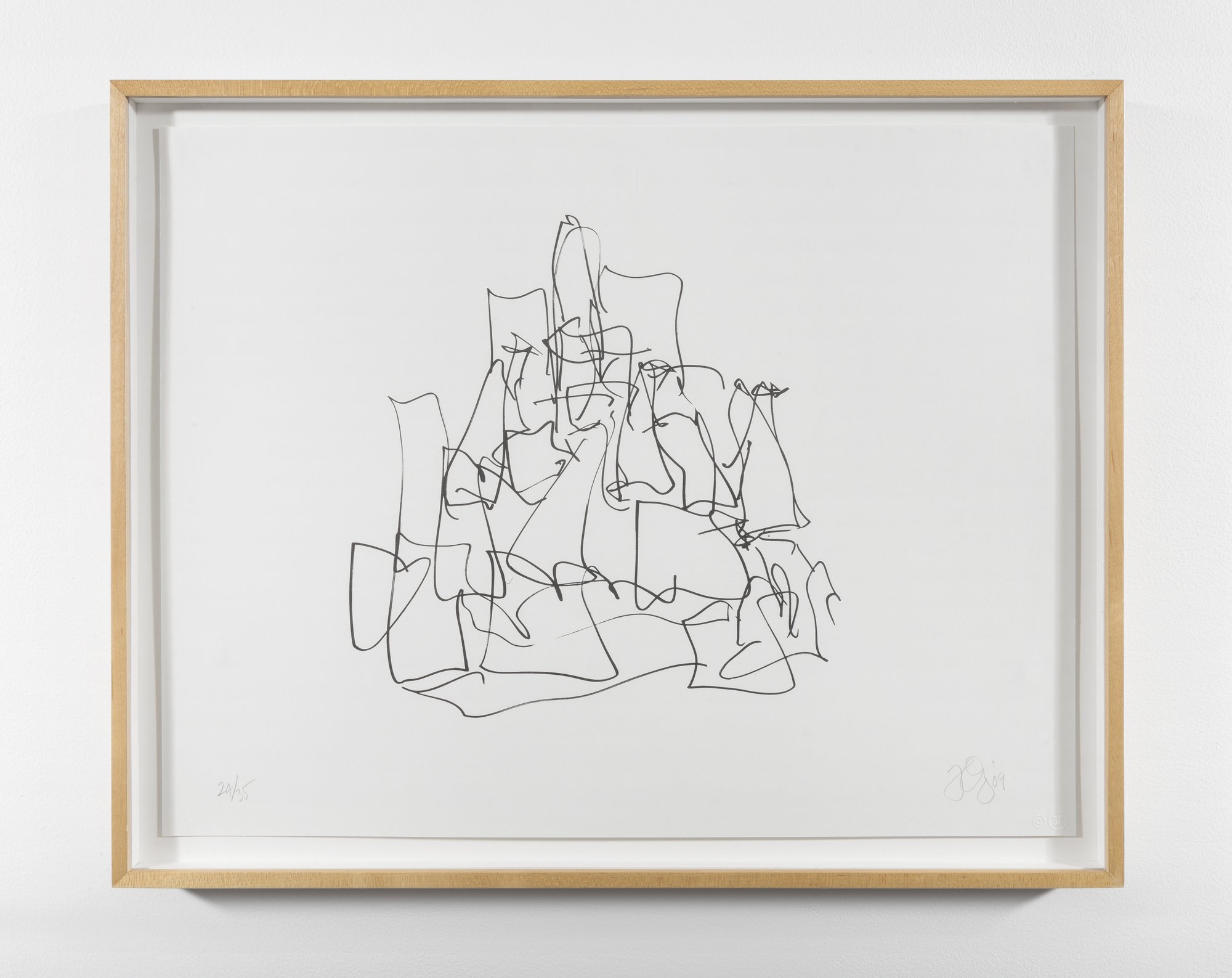
Frank Gehry
Study 3, 2009
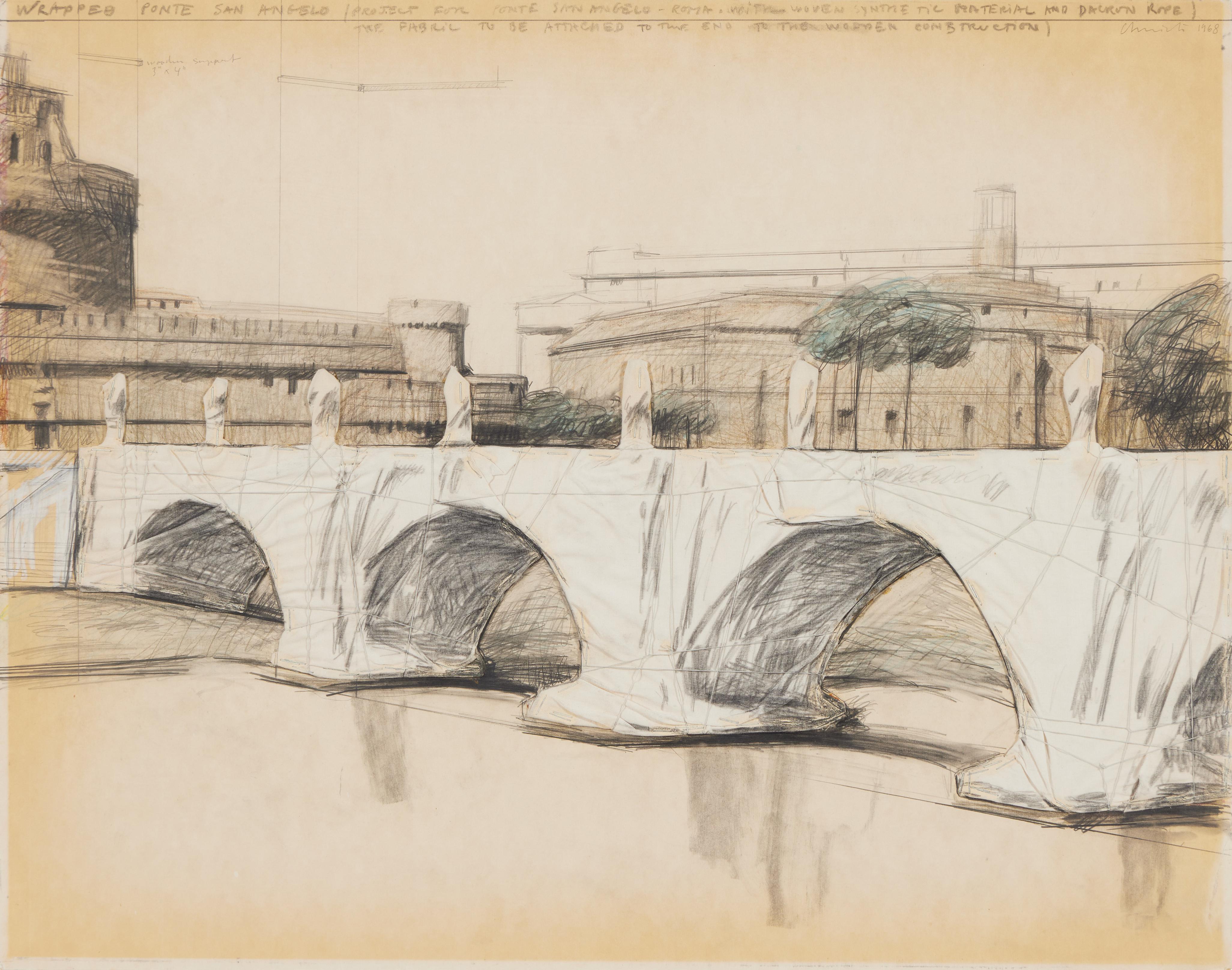
The Architecture of Desire: Collecting Space Itself
There is something particular that happens when you live with architectural art. It is not like living with a portrait or a landscape. The image pulls you into a structural logic, a sense of mass and void, of light falling across stone or steel or glass in ways that make you feel the weight of human ambition. Collectors who gravitate toward this category often describe a similar experience: they find themselves spending more time with these works than they anticipated, returning to them the way you return to a building you admire, noticing something different depending on the hour or the season or your own mood.
What makes this category so enduring as a collecting area is precisely that tension between the fixed and the felt. Architecture is the most public of the arts, yet the best works made in response to it manage to find something private inside that public experience. The great photographs of Eugène Atget, working in Paris at the turn of the twentieth century, captured the city's courtyards and storefronts as though they were inhabited by ghosts. His images feel melancholy and intimate simultaneously.
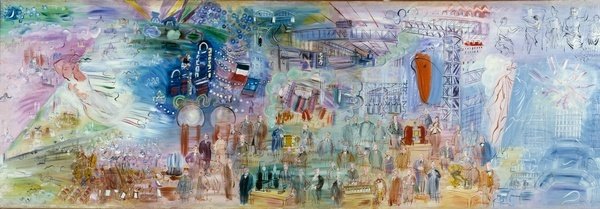
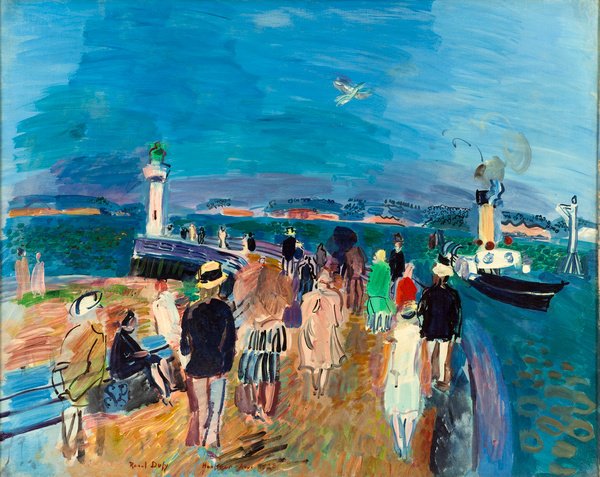
Raoul Dufy
La Fée Electricité, 1937
When you hang one, you are not displaying a document of Paris. You are living with a particular quality of attention to the world, and that quality is rare. For collectors evaluating works in this area, the distinction between good and great usually comes down to point of view. A competent architectural image records.
A great one interprets. Consider what separates a straightforward photograph of a Gothic cathedral from Frederick H. Evans's platinum prints of the same subject matter, made in the 1890s and early 1900s. Evans understood that he was not photographing stone.
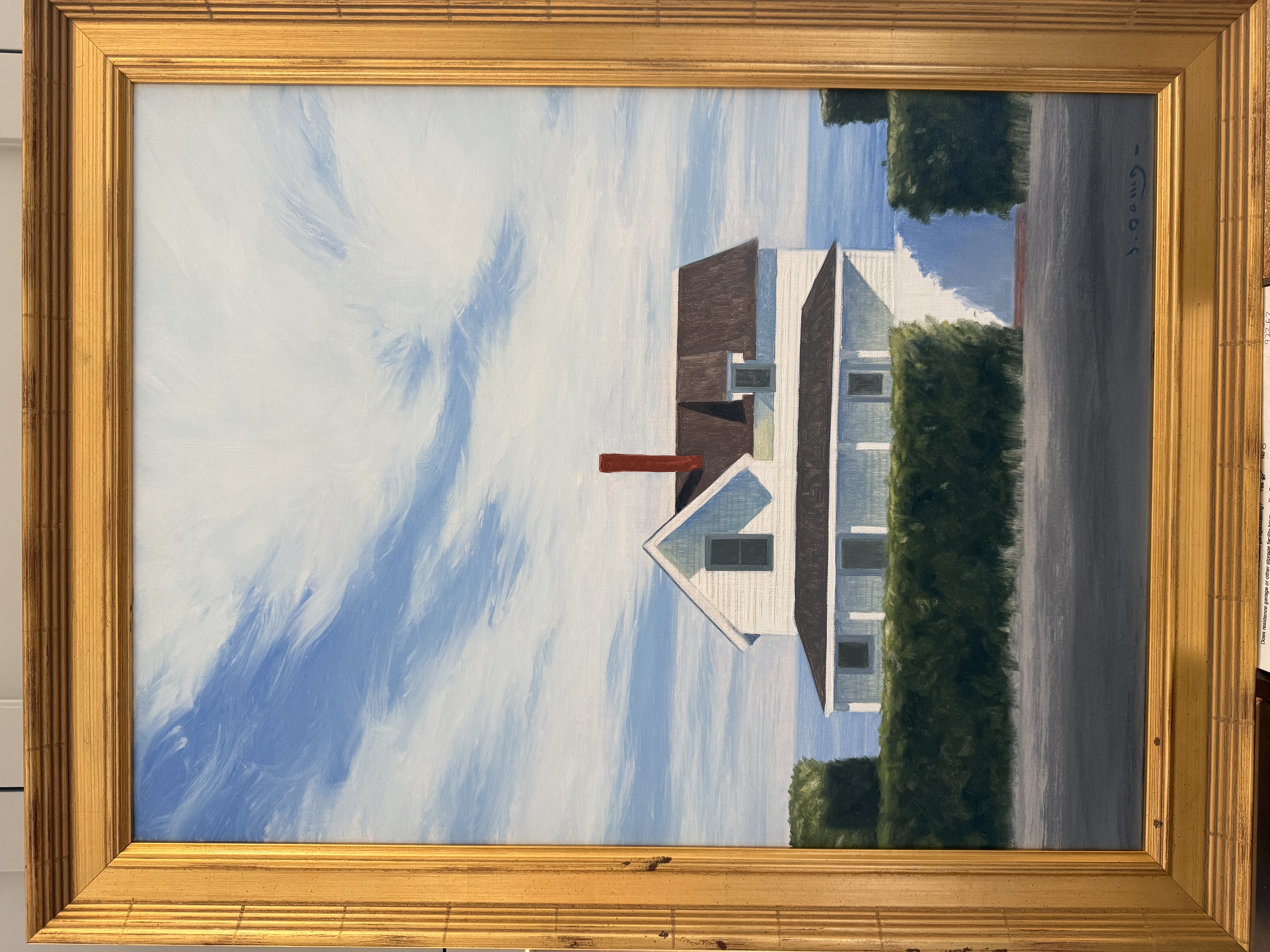
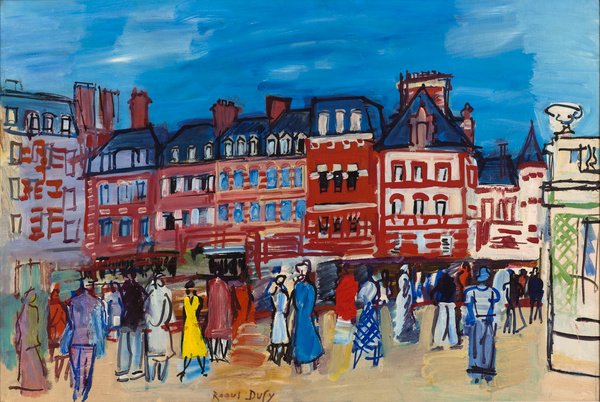
John Dowd
On the Bay
He was photographing light as it moved through stone, and the emotional register of that distinction is everything. When assessing a work, ask yourself whether the artist had something to say about the space beyond simply its appearance. The strongest works in this category carry an argument. In terms of artists representing genuine long term value on The Collection, the range is genuinely impressive.
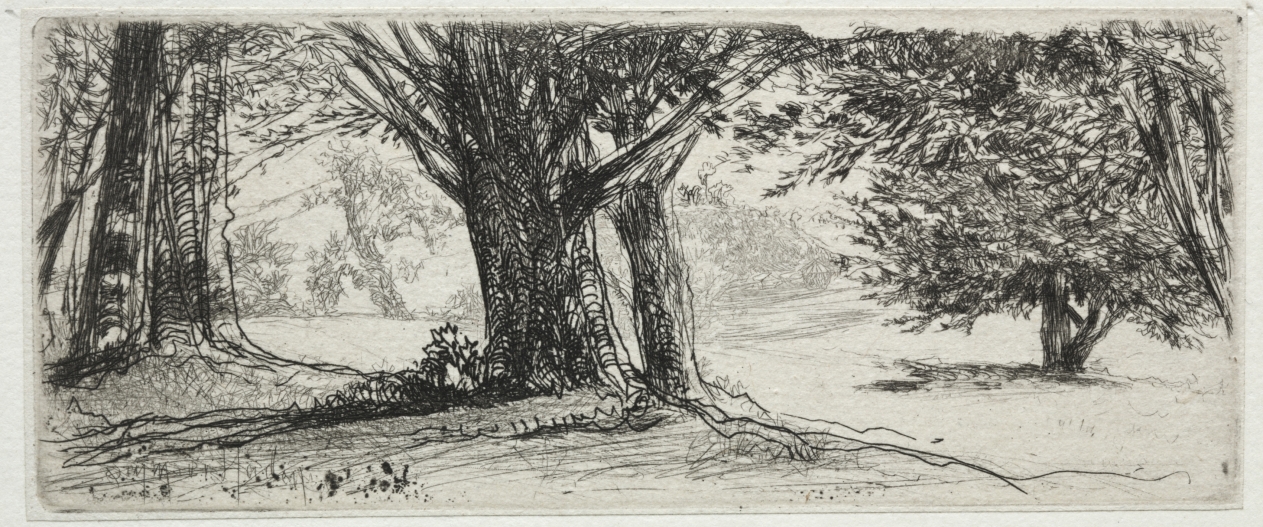
Charles Méryon's etchings of mid nineteenth century Paris remain among the most psychologically charged urban images ever made, and they have held collector interest for well over a century because they operate on multiple levels at once, as topography, as social commentary, and as something close to anxiety made visible. James McNeill Whistler worked in etching with a similar intelligence, particularly in his Venice series, where he dissolved architectural solidity into atmosphere in ways that still feel startling. Francis Seymour Haden, Whistler's brother in law and a significant printmaker in his own right, offers an interesting entry point for collectors who want to work adjacent to the Whistler market without the premium that Whistler's name inevitably commands. The photographers on The Collection represent another compelling area for serious consideration.
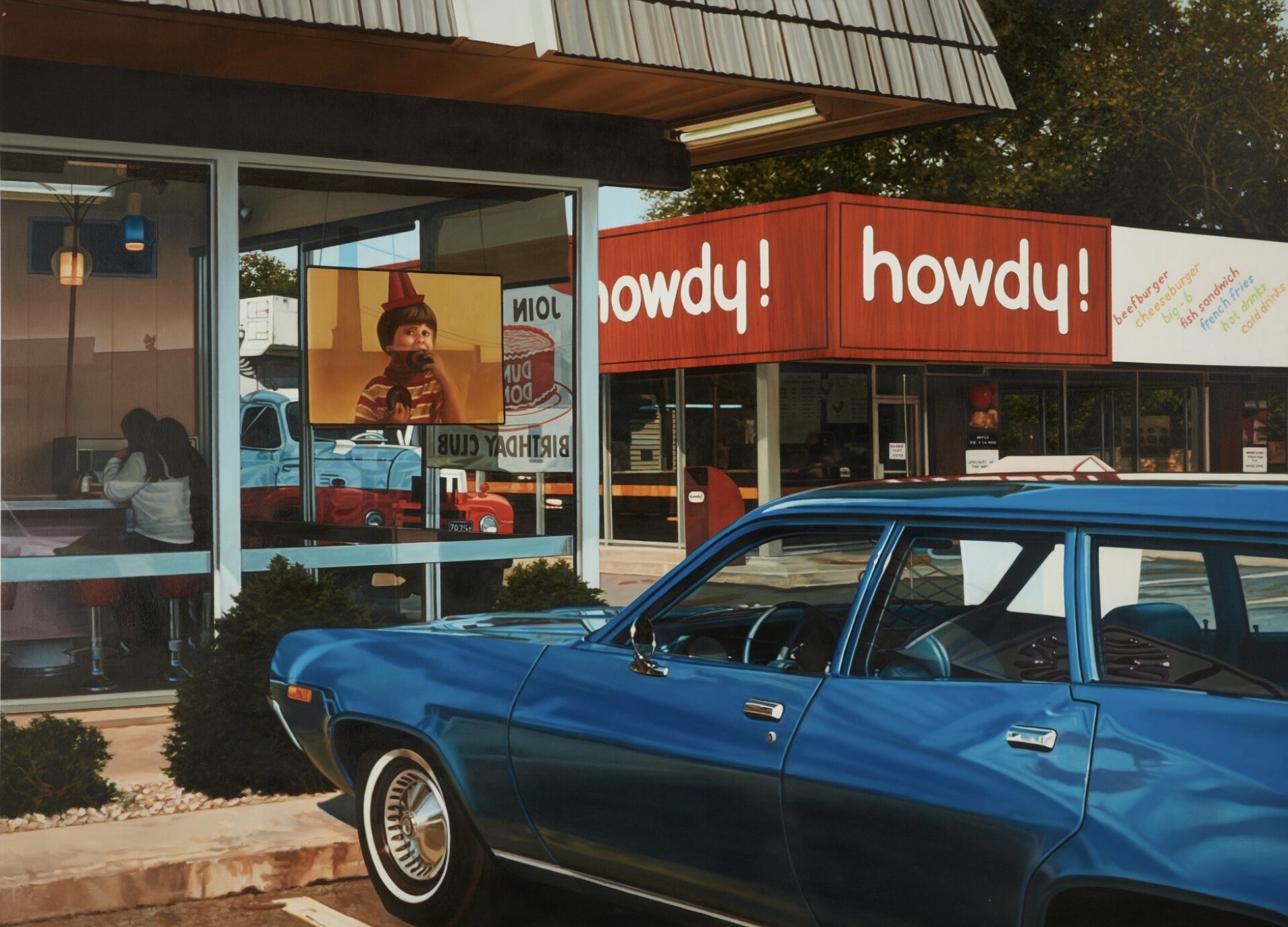
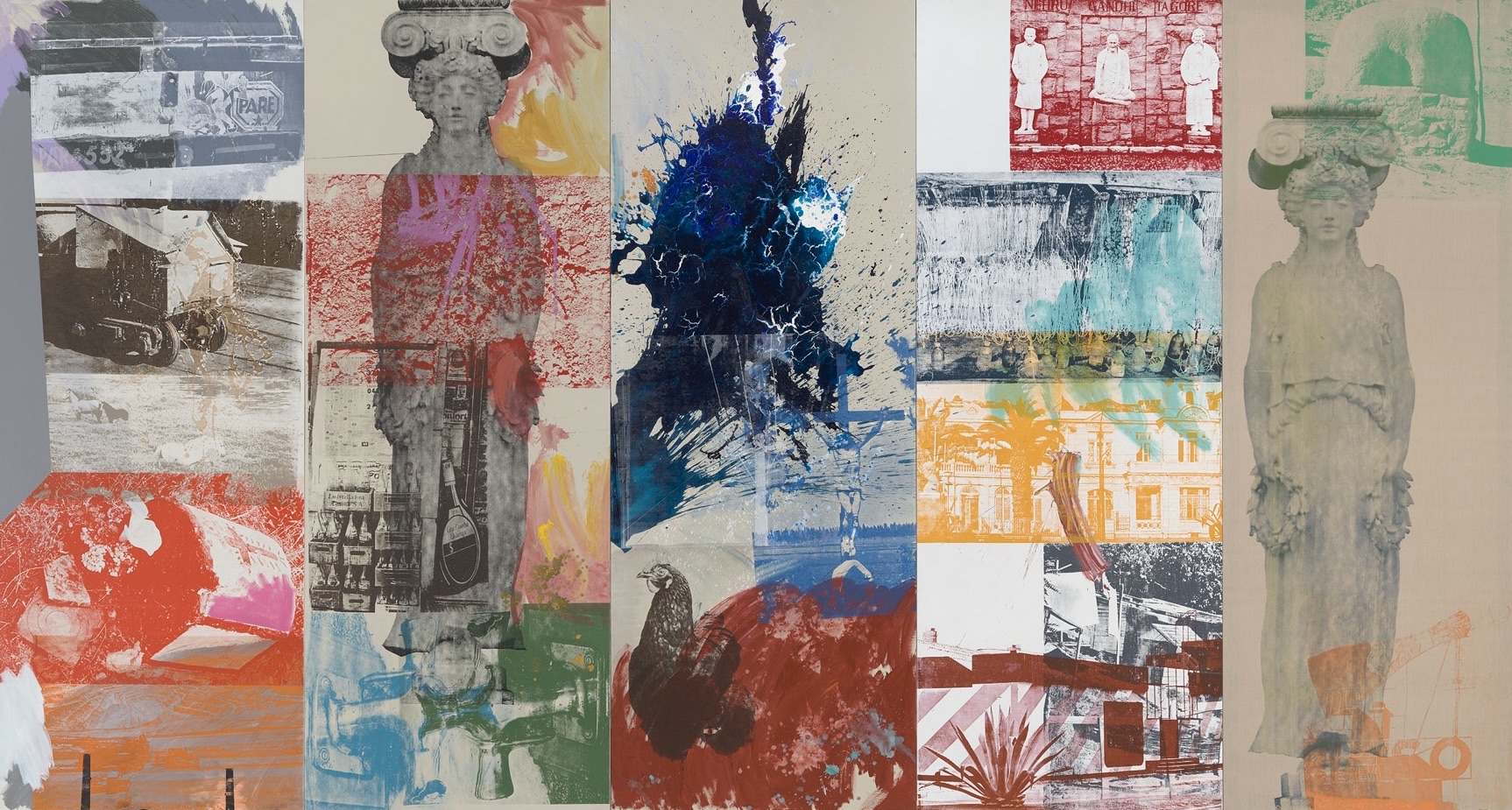
Tom Blackwell
Howdy Beef ‘n Burger, 1975
Berenice Abbott's New York photographs from the 1930s, made as part of her Changing New York project, document a city in transformation with a precision that has only grown more affecting with time. Hiroshi Sugimoto approaches architectural subjects from the opposite direction, using long exposures and an almost meditative stillness to strip buildings of their context and render them as pure form. His photographs of modernist architecture have performed exceptionally well at auction over the past decade, and works available through platforms like The Collection tend to offer more measured entry points than the major auction houses. Andreas Gursky, whose large format images of interior spaces carry a deliberately vertiginous quality, represents the higher end of the contemporary photographic market, and his works have consistently commanded significant prices at Christie's and Sotheby's.
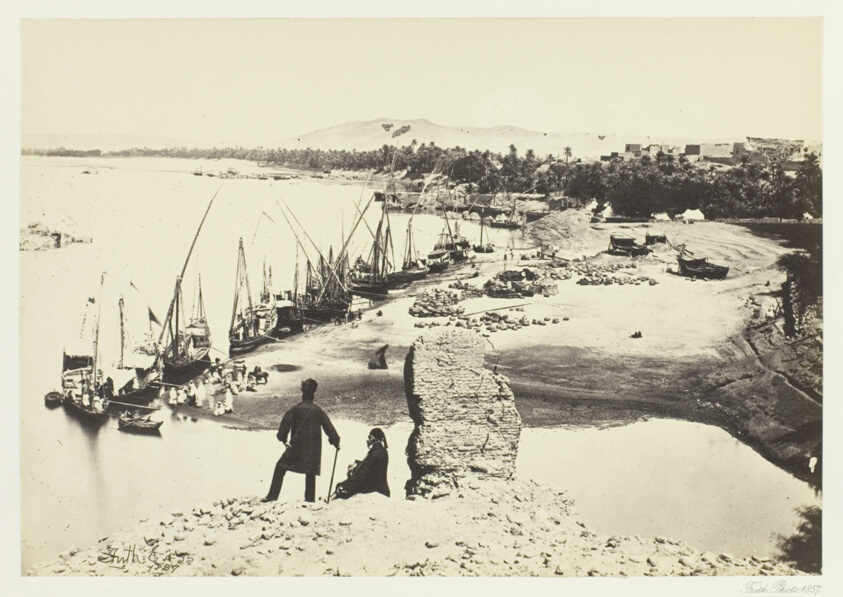
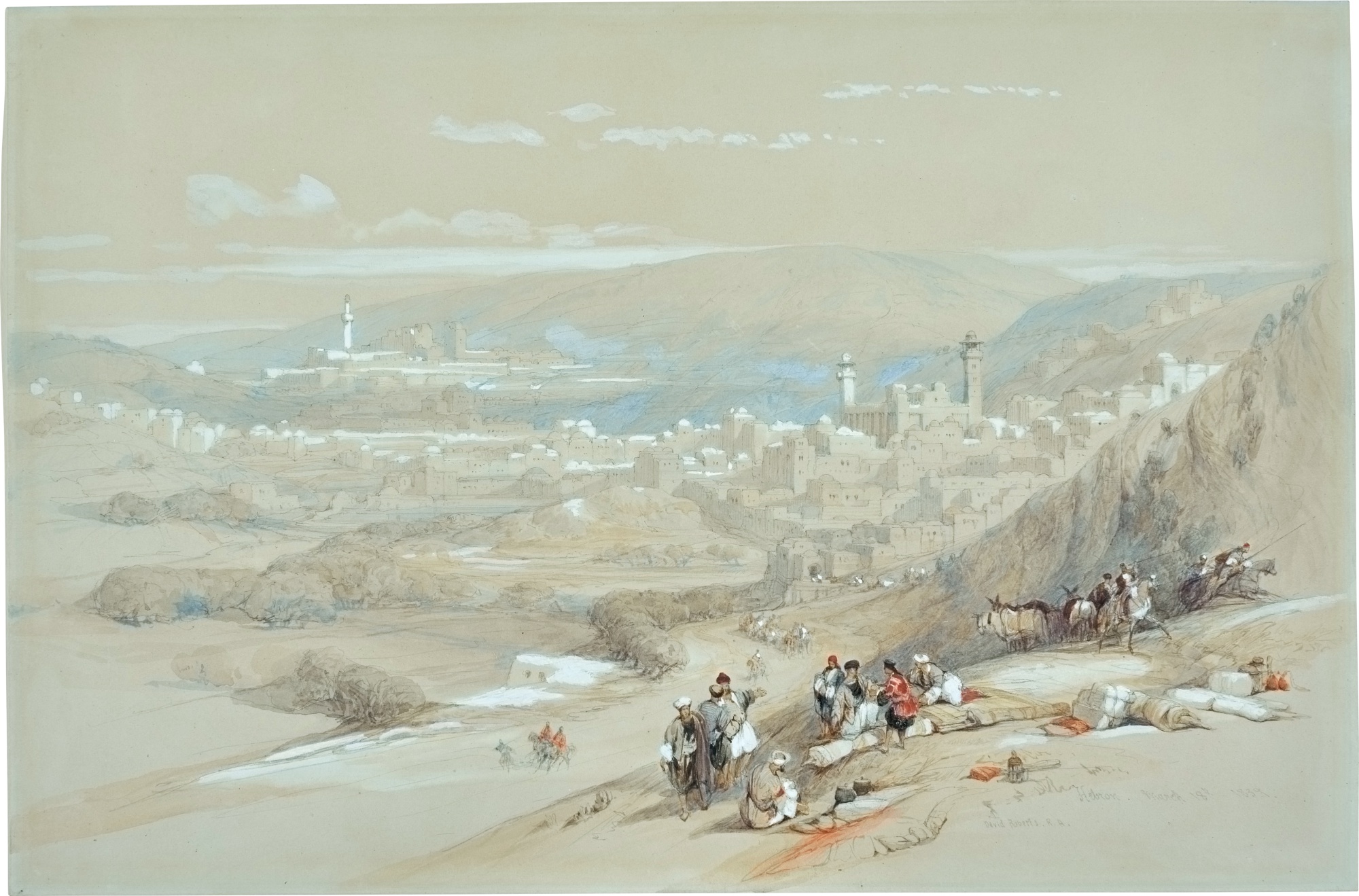
For collectors with an eye for emerging or underrecognized value, the nineteenth century exploratory photographers deserve closer attention than they typically receive. Francis Frith, who documented Egypt and the Near East in the 1850s, and Felice Beato, who made extraordinary images of Japan and India around the same period, produced works that sit at the intersection of architectural documentation and something far more complicated: a Western gaze attempting to comprehend structures built according to entirely different logics of space and meaning. The market for these works has been relatively quiet compared to their aesthetic and historical significance, which for a thoughtful collector represents an opportunity rather than a concern. At auction, architectural prints and photographs tend to perform most strongly when condition is exceptional and provenance is clear.
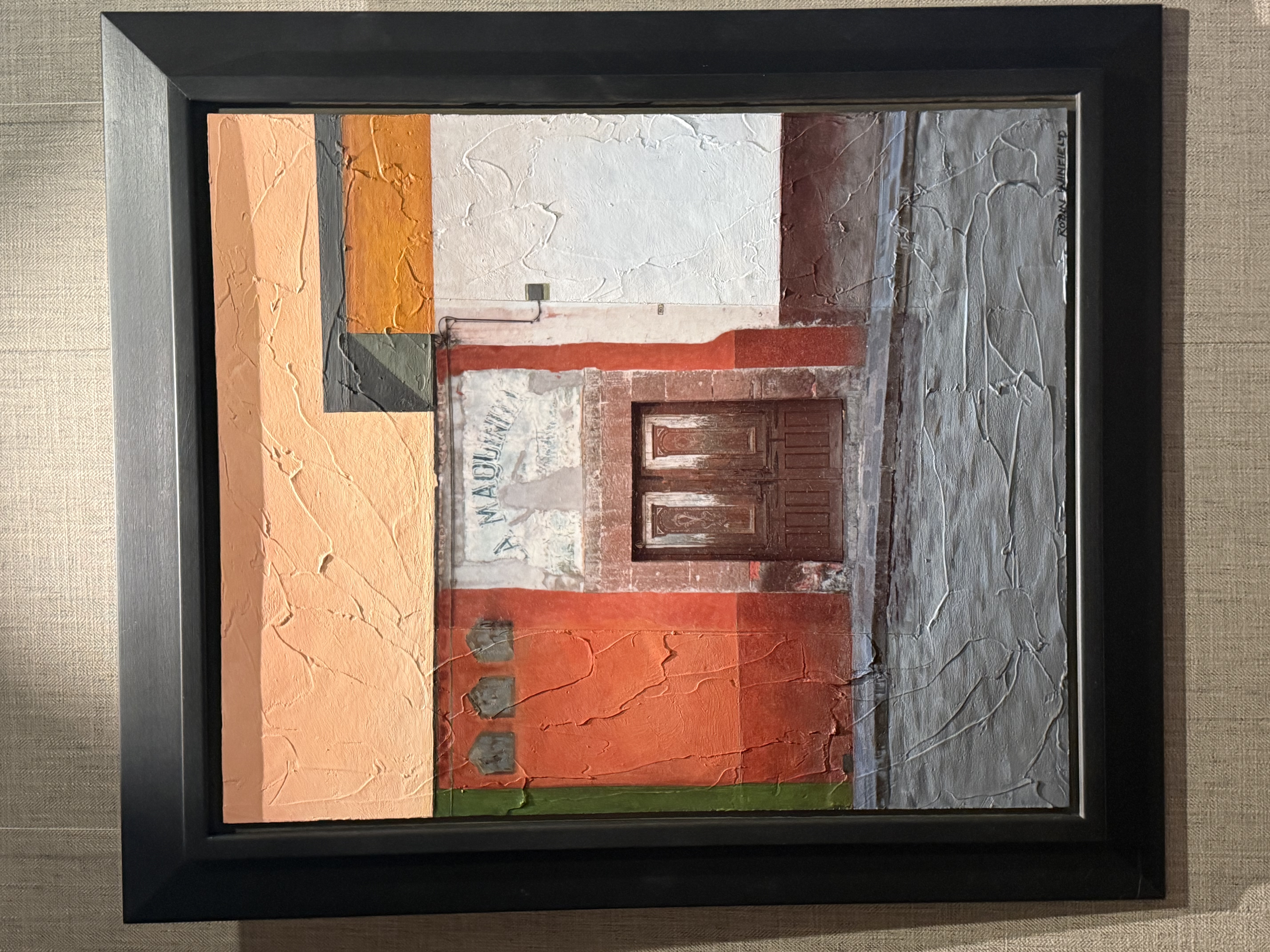
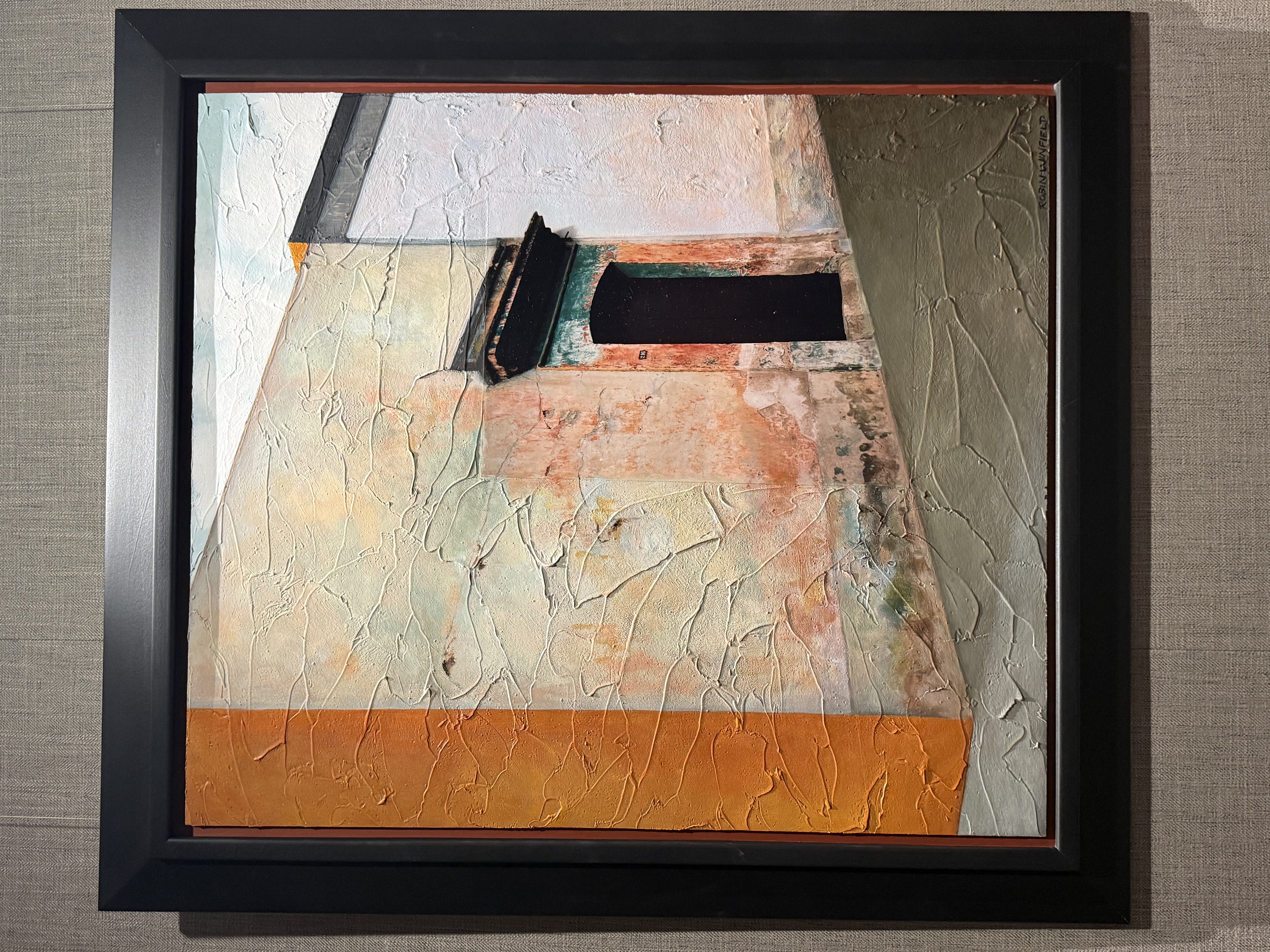
Robin Winfield
La Maquenita, Mexico
Paper works are particularly vulnerable to light damage and humidity, and even slight foxing or toning can meaningfully affect value. If you are considering a work on paper, ask the seller about storage history and request a condition report from a conservator before committing. For photographs, the distinction between a period print and a later reproduction is fundamental and should always be confirmed in writing. With editions, understand the total edition size and where in the edition the work sits.
Earlier prints from the same negative or plate are generally preferable, though with some artists the difference is minimal and others it is substantial. When acquiring through a gallery or platform, there are several questions worth asking directly. Has the work been exhibited and if so where? Does it come with any institutional provenance?
For prints, is this from the artist's estate or an authorized publisher? For photographs, what paper and process were used and does that align with the stated date? These are not skeptical questions. They are the questions that protect your investment and deepen your understanding of what you are actually acquiring.
A dealer who welcomes them is a dealer worth working with. The collecting of architectural art rewards patience and curiosity in equal measure. It is a category that spans centuries and media, from Méryon's etchings to Sol LeWitt's drawings that treat space itself as a conceptual proposition, from Atget's quiet Paris mornings to Gursky's overwhelming contemporary interiors. What unites the best works is not subject matter but intention: the sense that the artist looked at a built thing and found inside it something worth saying about how we inhabit the world.
That is, ultimately, what you are collecting. Not buildings. The experience of being inside them, and the vision it takes to make that experience visible to someone else.