Ink
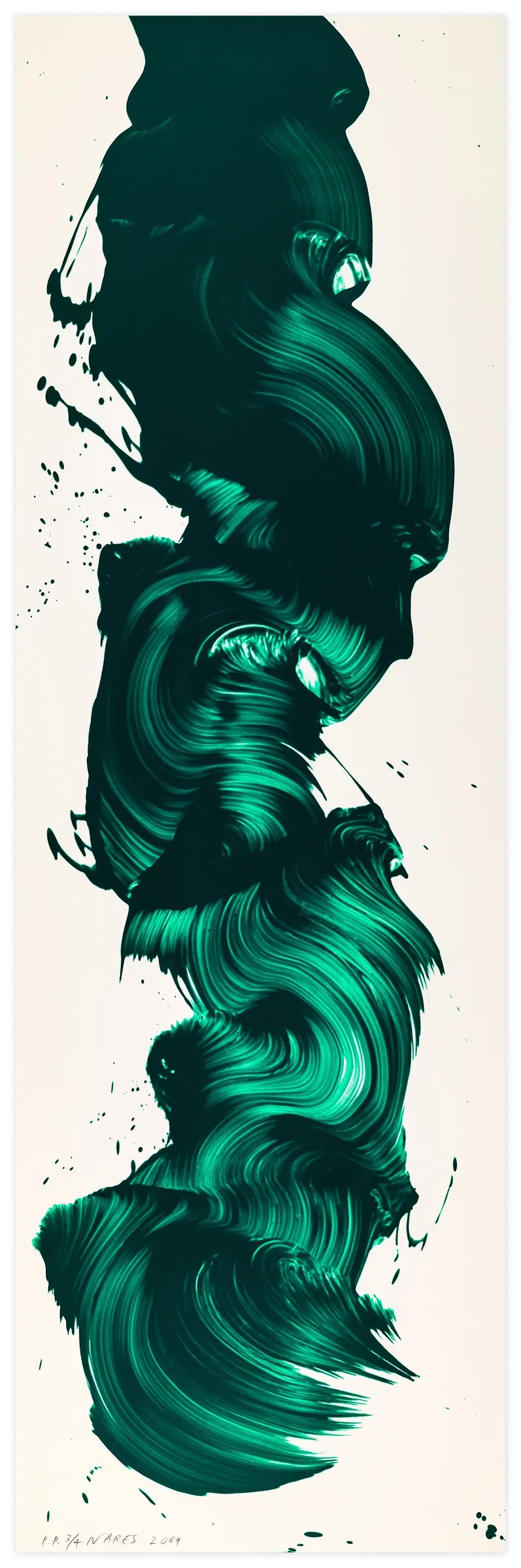
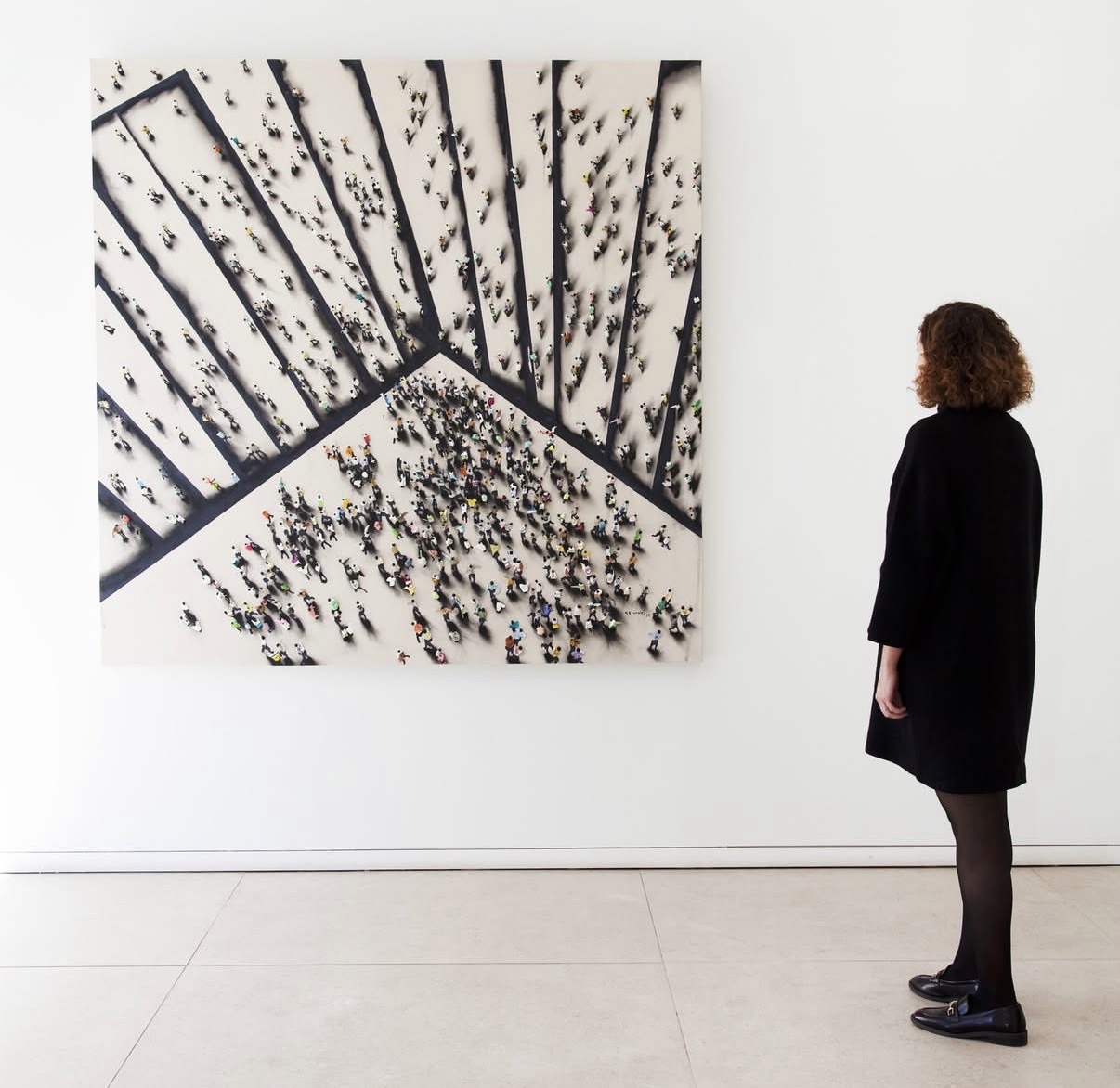
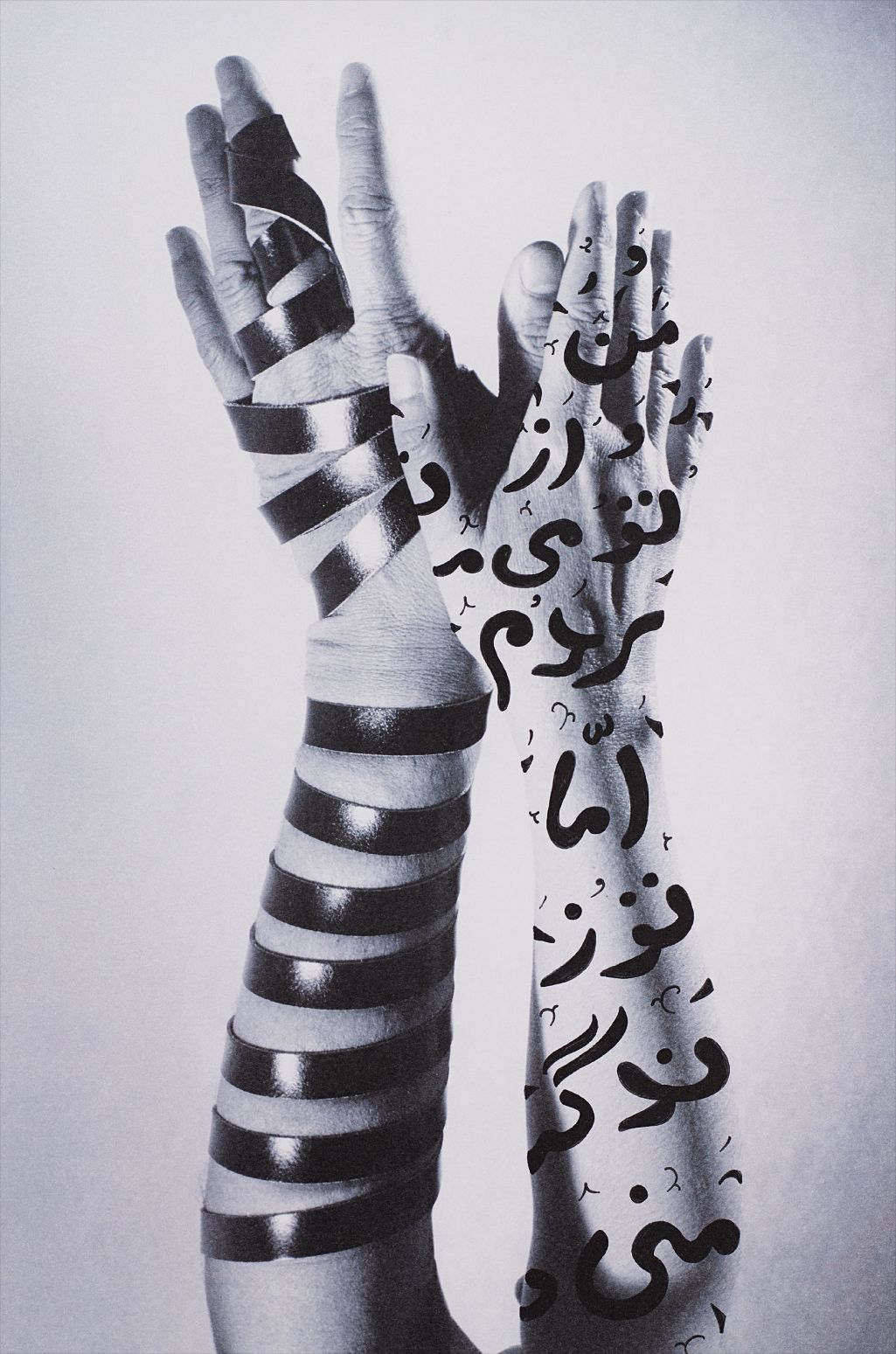
Jamie Nares
Stop, 2009
Ink: The Medium That Never Lies
There is something ruthlessly honest about ink. Unlike oil paint, which can be scraped back, layered over, or reworked across weeks, ink demands a kind of commitment the moment it meets paper. A line drawn in ink is a decision made visible. It is this quality, the permanent record of thought in motion, that has made ink one of the most revealing mediums in the history of art, and one of the most enduring.
The story of ink as an artistic medium stretches back more than four thousand years. In ancient China and Egypt, carbon black suspensions were used to write and draw on papyrus and silk, with Chinese ink culture developing sophisticated hierarchies of tone and texture that would influence artistic practice well into the twentieth century. In Europe, the iron gall inks favored by Renaissance masters such as Leonardo da Vinci and Rembrandt van Rijn carried their own particular warmth, a brownish sepia that has only deepened with age, giving those drawings a quality of time made visible. By the seventeenth century, ink had established itself not merely as a tool for preparatory sketching but as a finished medium worthy of serious artistic ambition in its own right.
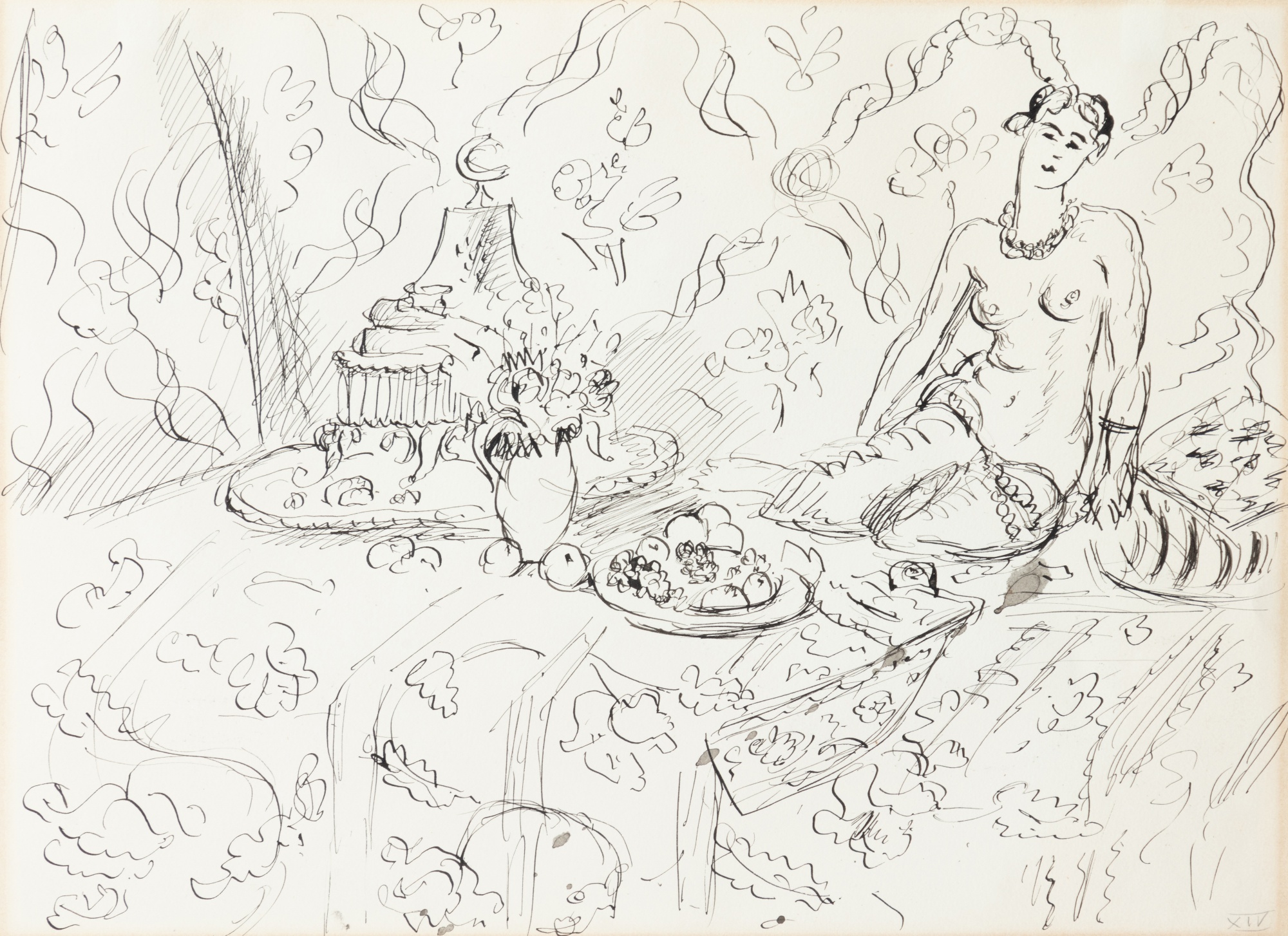
Henri Matisse
Odalisque sur fond ornemental, 1925
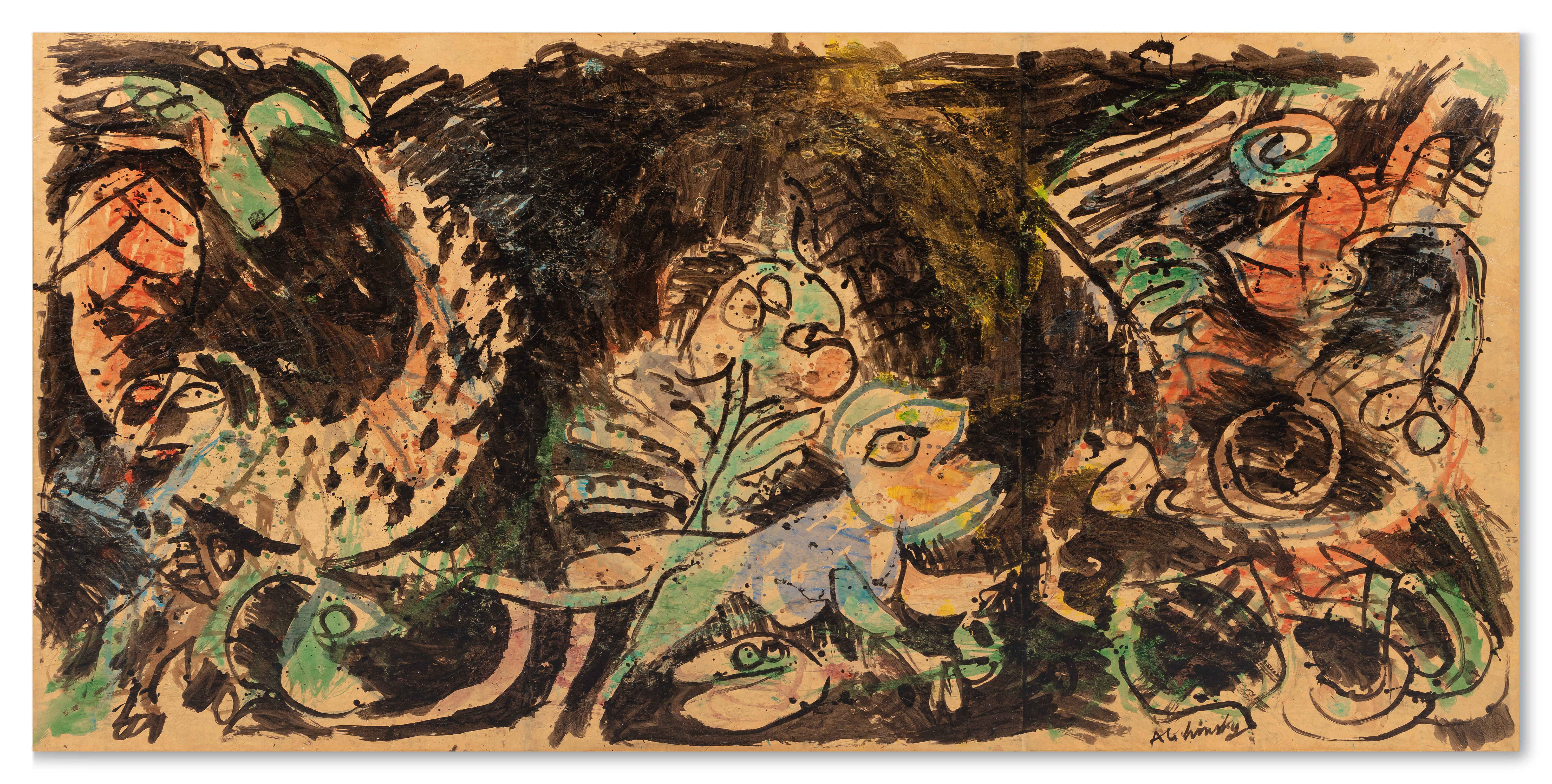
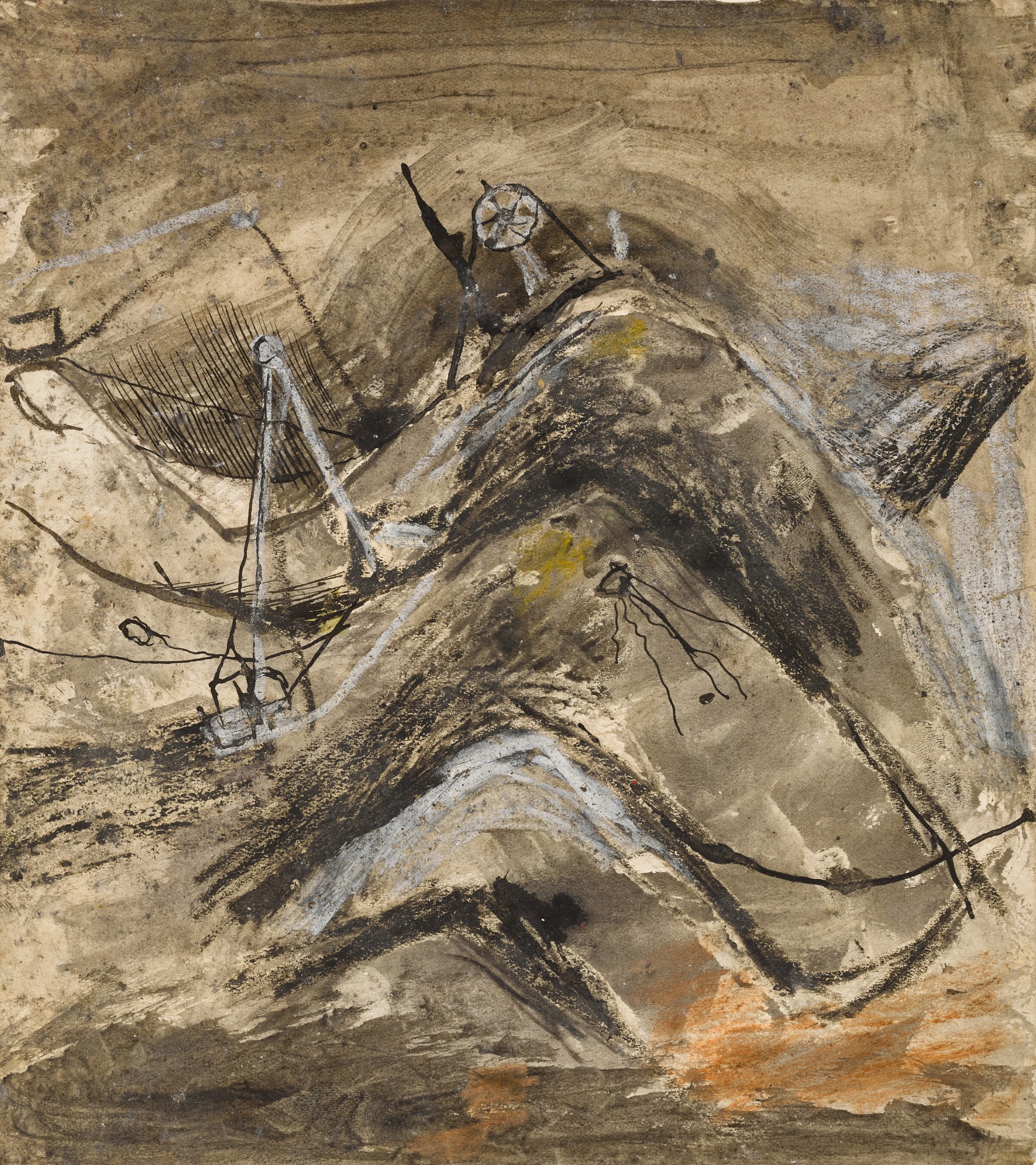
The twentieth century brought ink into entirely new territory. The Surrealists recognized its usefulness for automatism, the practice of drawing without conscious direction, allowing the subconscious to guide the hand. Jean Dubuffet, whose works appear on The Collection, was particularly interested in the raw, unmediated mark. His drawings of the 1940s and 1950s embrace the scratchy, urgent quality of ink on rough paper, treating the medium not as a vehicle for refinement but as evidence of a mind working in real time.
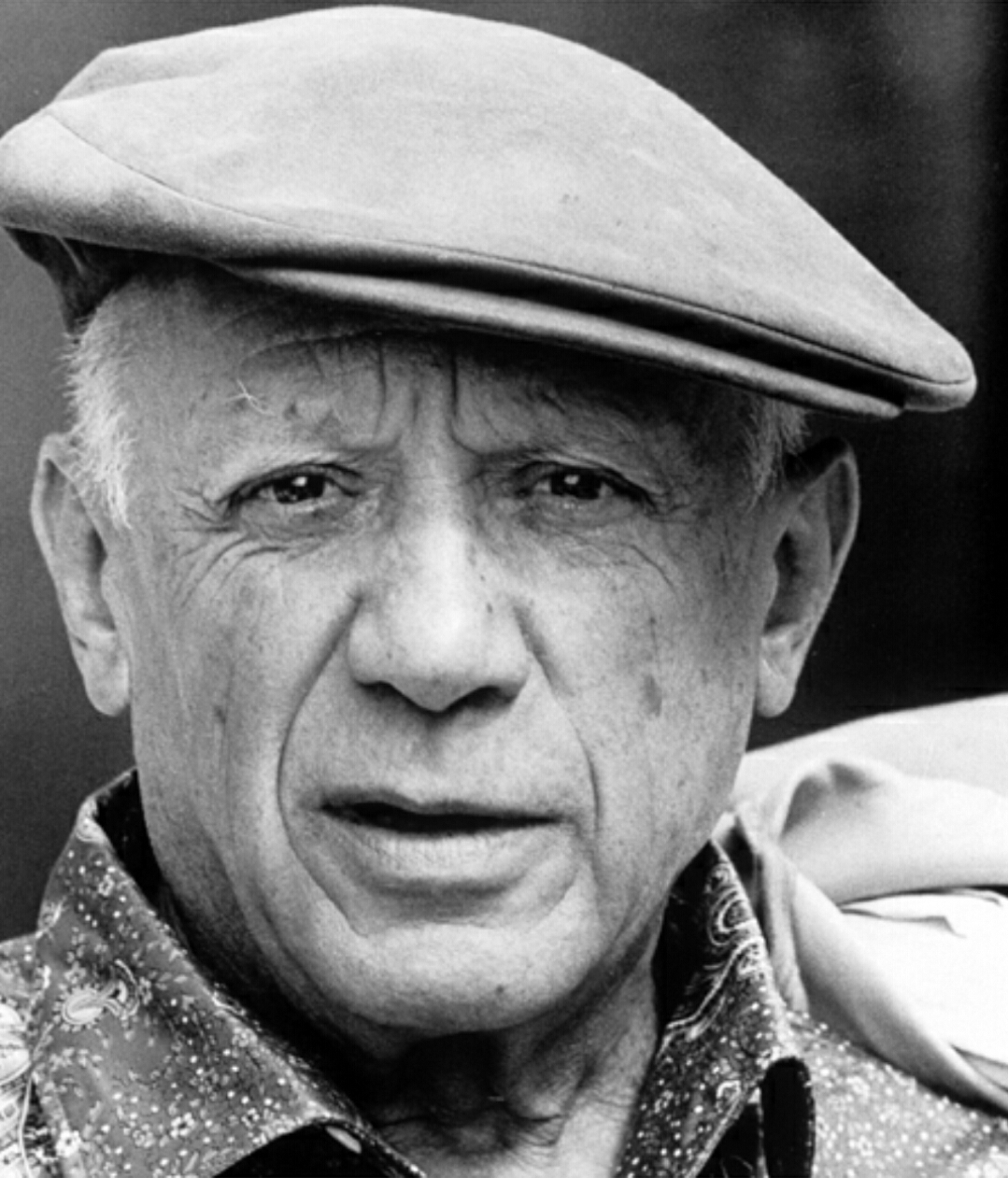
Pablo Picasso, likewise well represented here, used ink throughout his life with the casual mastery of someone who had long since stopped distinguishing between a sketch and a finished work. His ink drawings of the late 1960s, made when he was in his eighties, have an almost improvisational velocity that feels electric. Few artists understood the cultural weight of ink as clearly as Shirin Neshat. Her large format photographs overlaid with Farsi calligraphic text written in ink directly onto the image surface collapse the distance between writing and image, between the personal and the political.
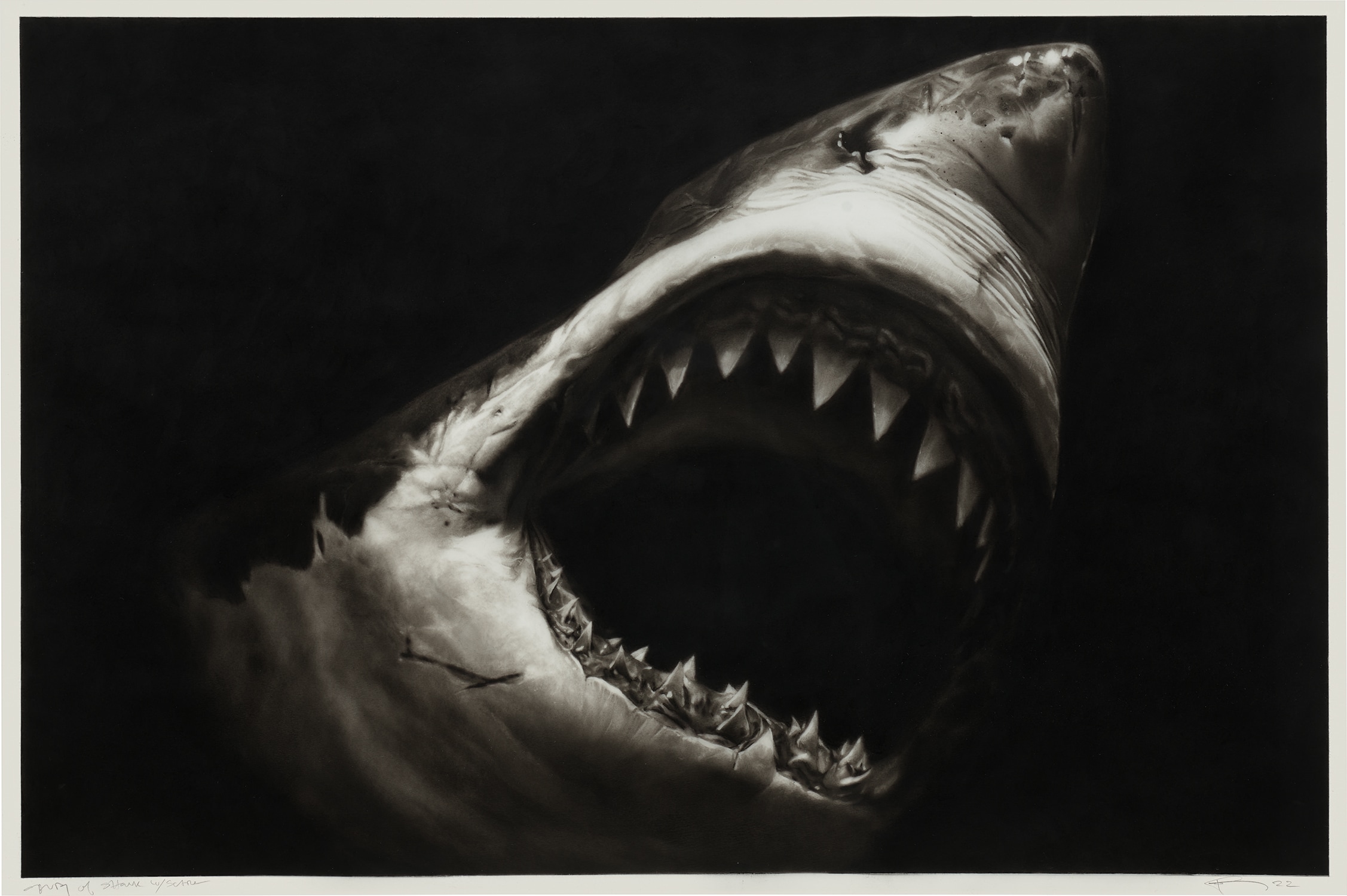
Robert Longo
Study of Shark with Scar, 2022
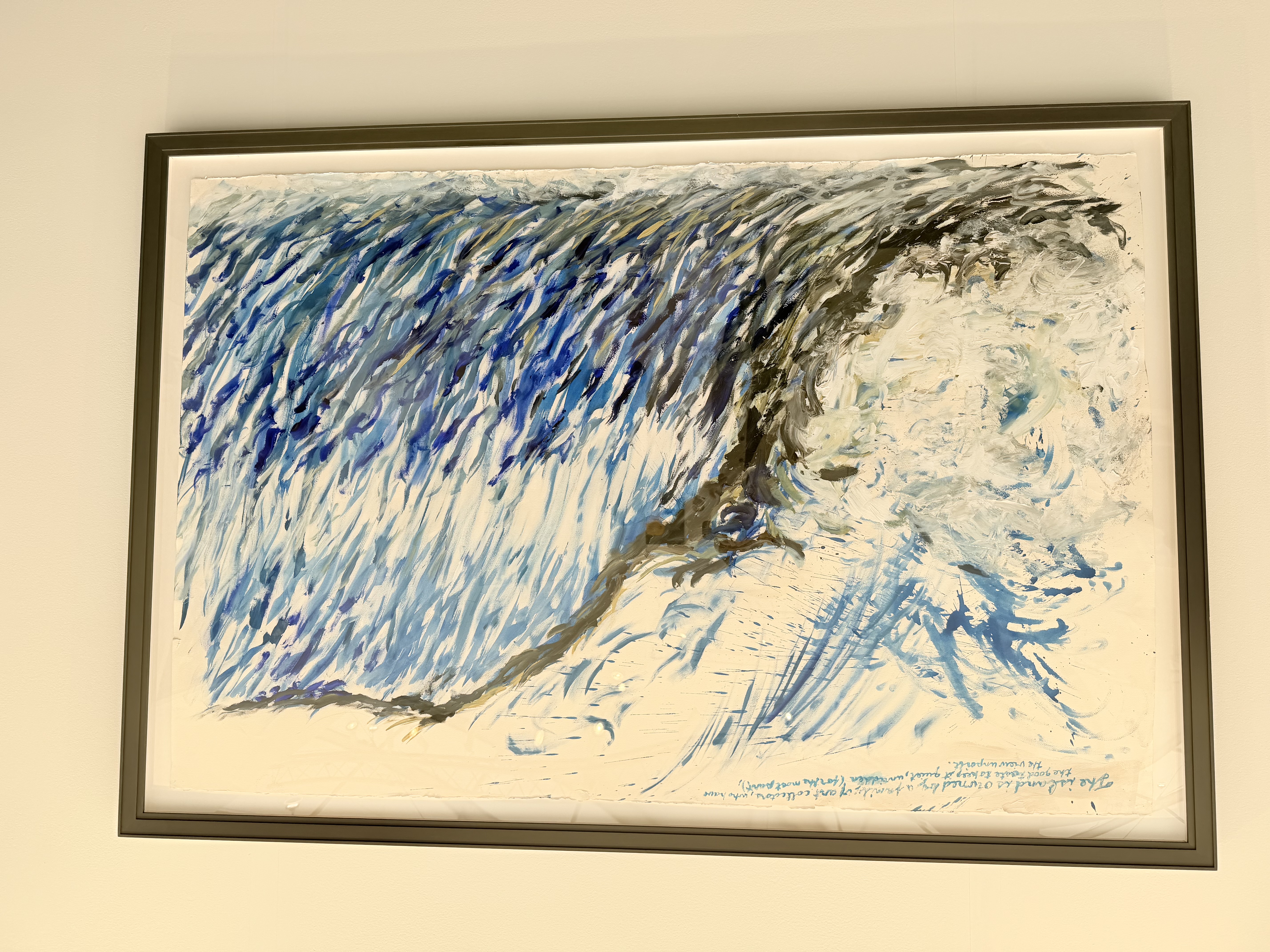
The works, which emerged in the 1990s and brought her international attention including the Golden Lion at the Venice Biennale in 1999, use ink as a kind of second skin, a layer of meaning applied directly to the body. Also thinking in terms of text and mark, Raymond Pettibon, whose drawings are part of The Collection, built an entire visual language from the combination of ink illustration and handwritten prose. His black and white works on paper feel descended from comic books and political cartoons while simultaneously belonging to a serious tradition of American mark making. Robert Longo, whose presence on The Collection is substantial, works on an entirely different scale.
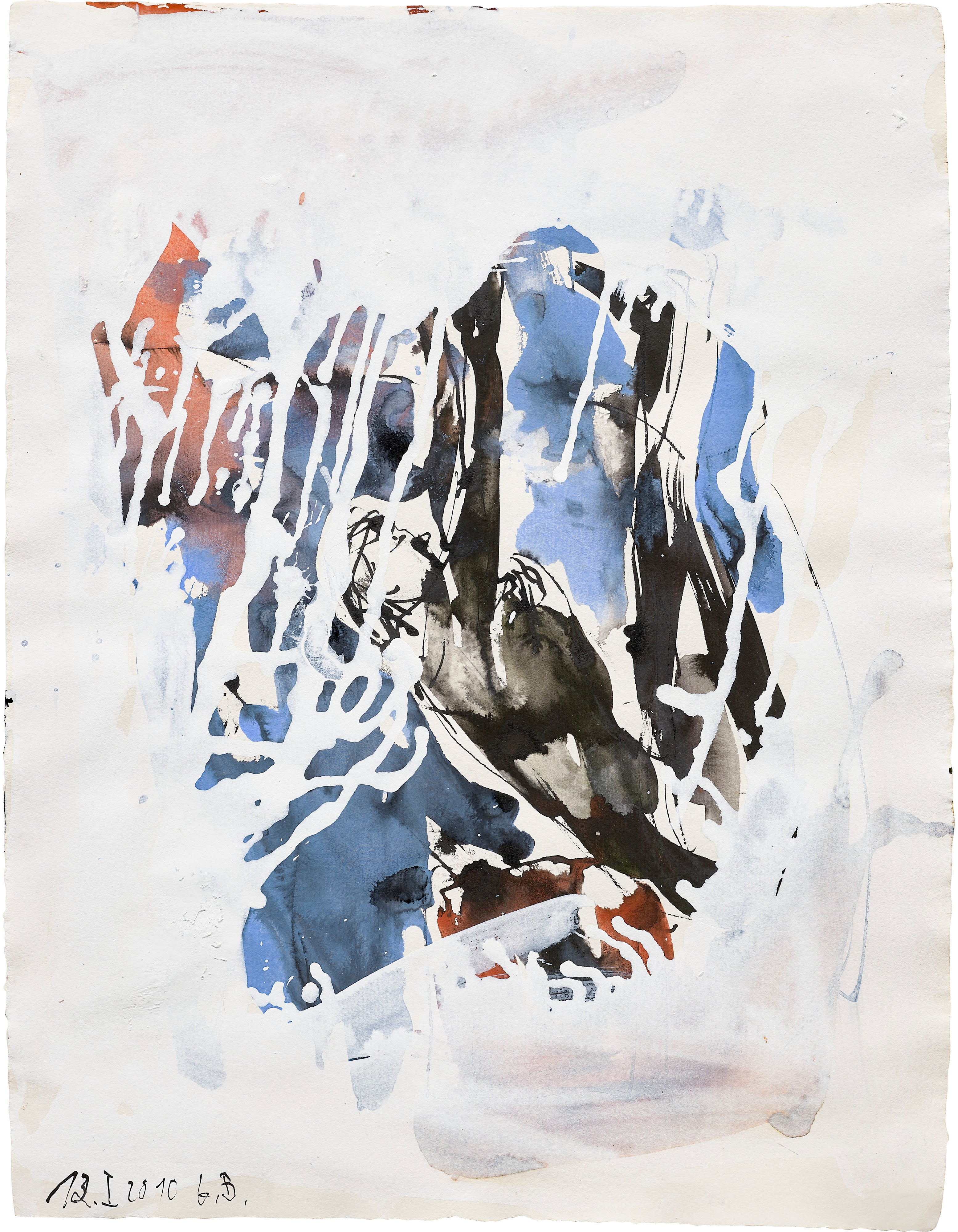
His monumental charcoal and graphite drawings push the logic of the drawn mark to an almost photographic extreme, yet the decision making remains visible in each pass of the hand. Georg Baselitz brings an opposite energy entirely. His ink drawings are raw and deliberately rough, part of a broader Neo Expressionist project that valued urgency over finish. Both artists, despite working in very different registers, are engaged in the same fundamental question that ink forces upon every artist who picks it up: how much do you show of how the image was made.
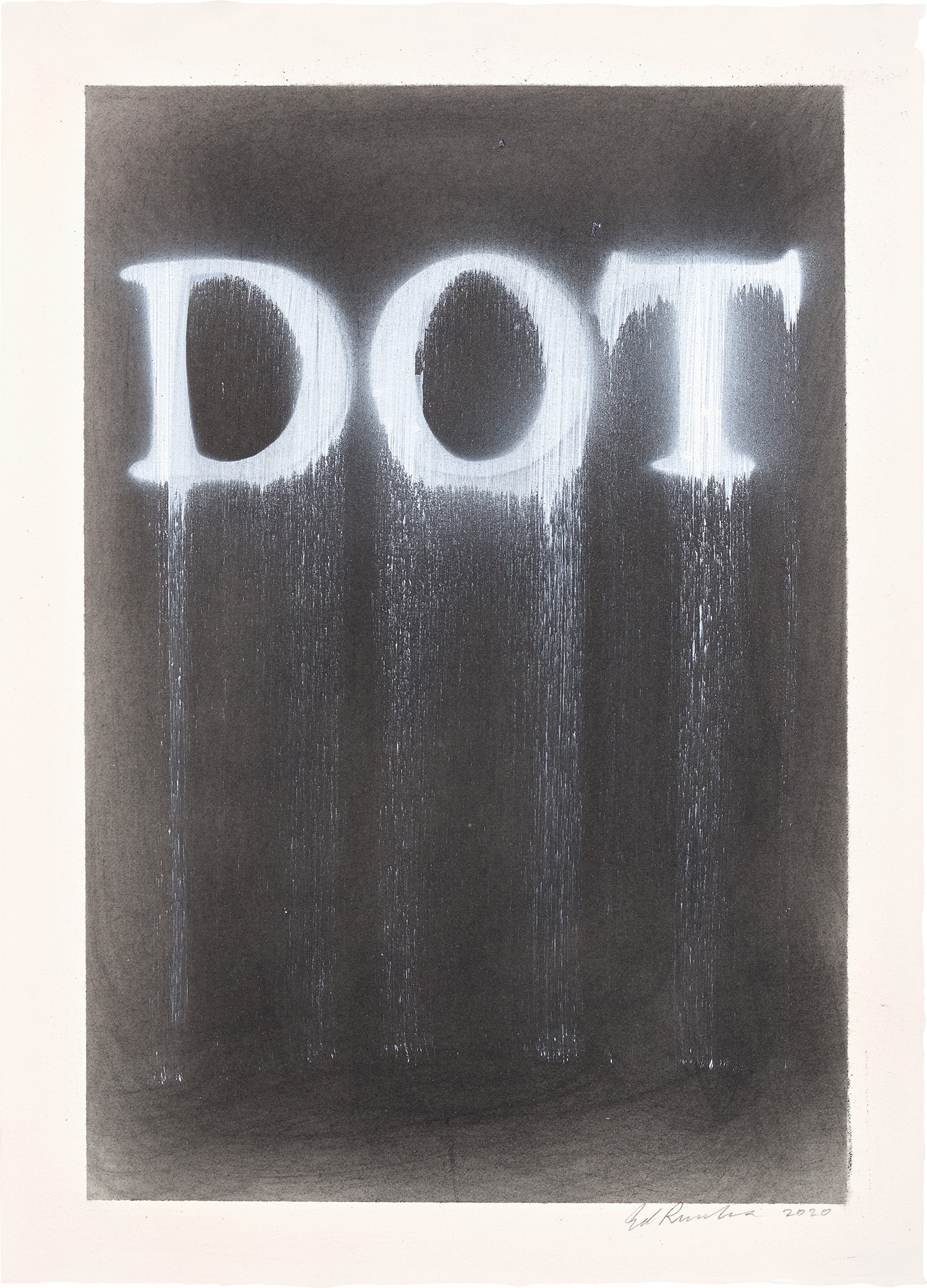
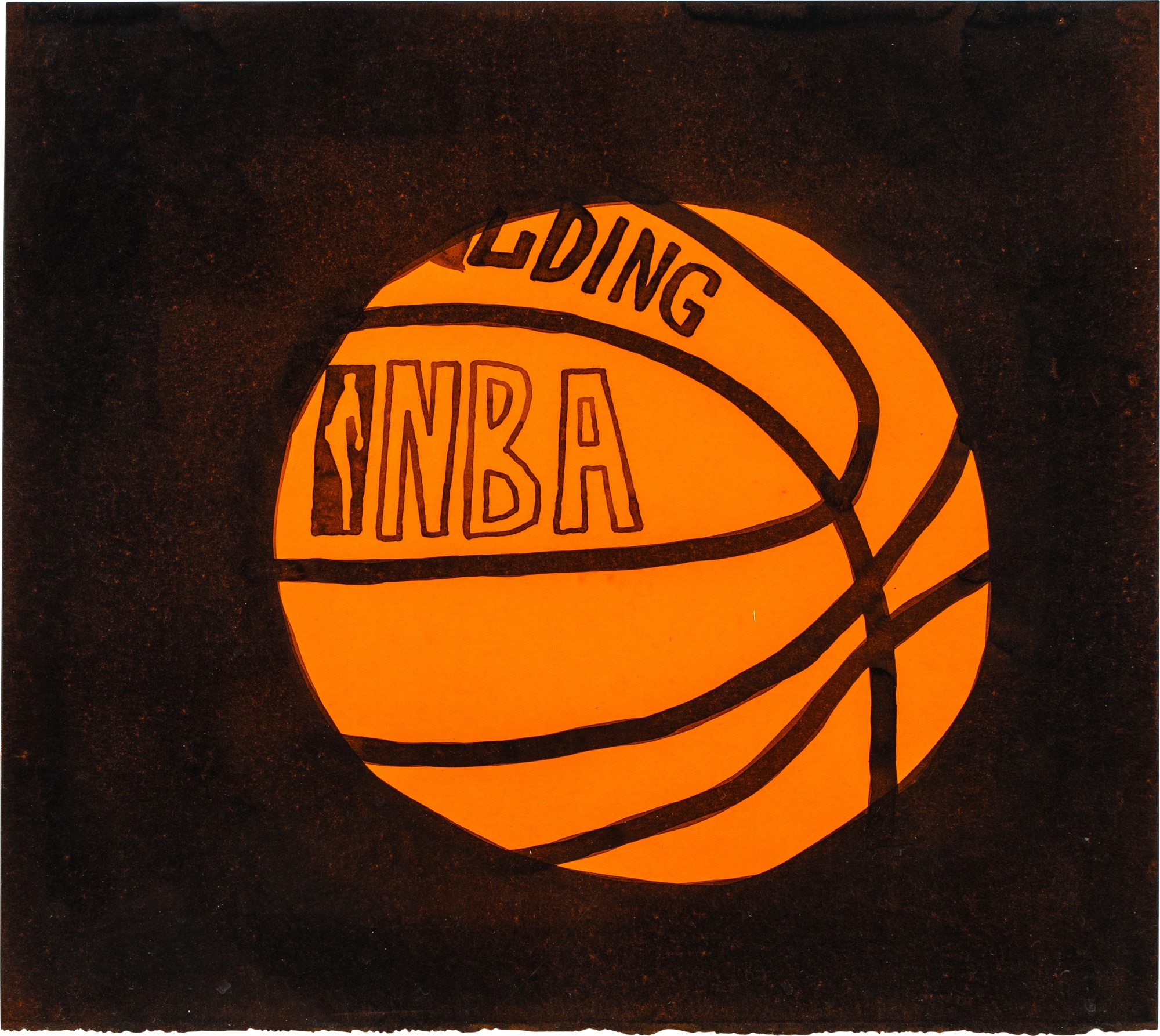
Ed Ruscha
Dot (#4), 2020
In Asia, the ink tradition never lost its centrality. Chu Teh Chun, the Chinese French painter represented on The Collection, began his training in the tradition of Chinese ink painting before moving to Paris and encountering Abstract Expressionism. His mature works fuse these two inheritances, carrying the breathed quality of Chinese brushwork into an entirely Western abstract vocabulary. The results feel inevitable in retrospect, as though the two traditions had been waiting to meet.
Foujita, the Japanese artist who worked in Paris during the 1920s and whose works also appear here, brought a precise and delicate ink line to his paintings that set him apart from his Montparnasse contemporaries, earning him comparisons to the great ukiyo e masters. The relationship between ink and identity is one that contemporary artists continue to explore with great seriousness. Keith Haring built an entire visual language from the drawn line, using thick black ink contours to create figures that were simultaneously hieroglyphic and entirely of their urban moment. Yayoi Kusama's obsessive dot and net patterns, many of which began as ink drawings, are as much about the psychological act of mark making as about the visual result.
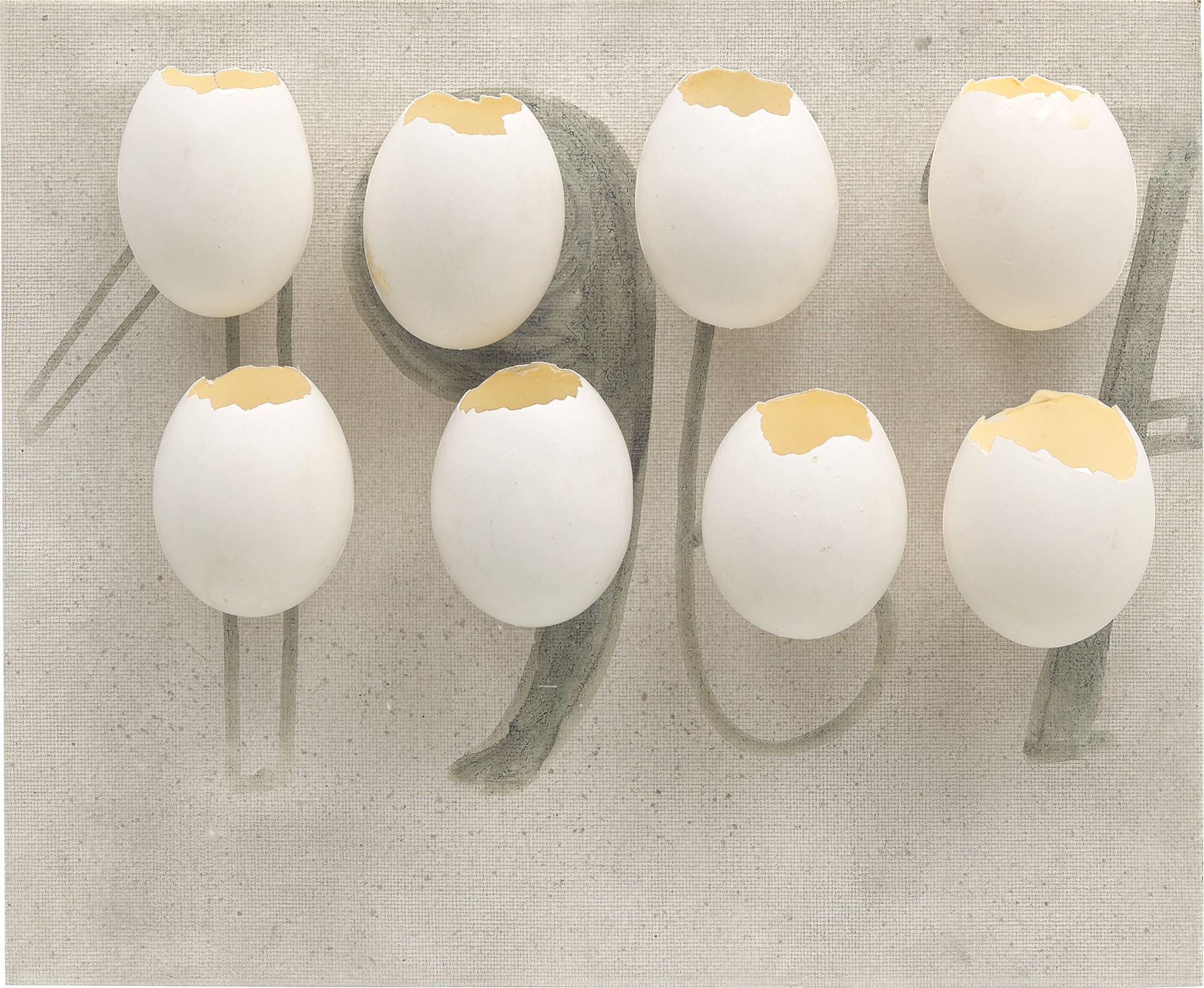
Marcel Broodthaers
Bonne Année 1967, 1966
For both artists, ink was not simply a medium of record but a medium of self, a way of externalizing an interior world that had nowhere else to go. What makes ink such a compelling subject for collectors is precisely what makes it difficult to reproduce well. The subtle shifts of tone as ink dries at different rates, the slight bleed into paper grain, the ghost of the artist's pressure on the nib or brush: these are qualities that exist only in the presence of the actual work. Digital screens flatten ink drawings more than almost any other medium, which means that collecting ink works carries a particular reward.
You are in possession of something that cannot be fully transmitted at a distance. In an era when so much of our experience of art happens through a screen, that irreducibility feels increasingly valuable. The works on The Collection reflect ink's extraordinary range, from the lyrical to the confrontational, from the intimate to the monumental. What connects them is the directness that defines the medium itself.
Ink does not flatter. It records. And in that record, made in a fraction of a second by an artist's hand, lies something that oil and bronze and photography rarely deliver with such economy: the feeling of having been present in a room with a mind at work.