Works On Paper
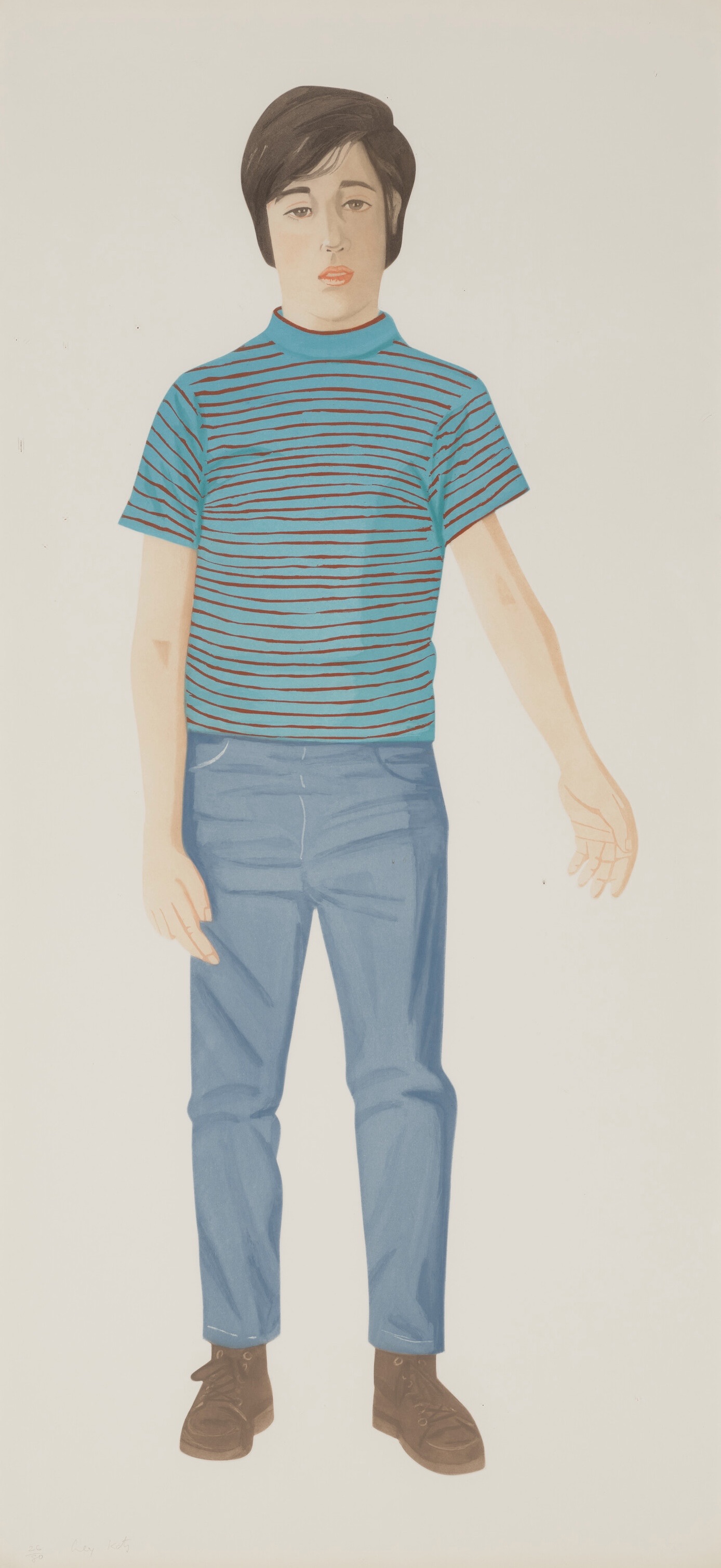
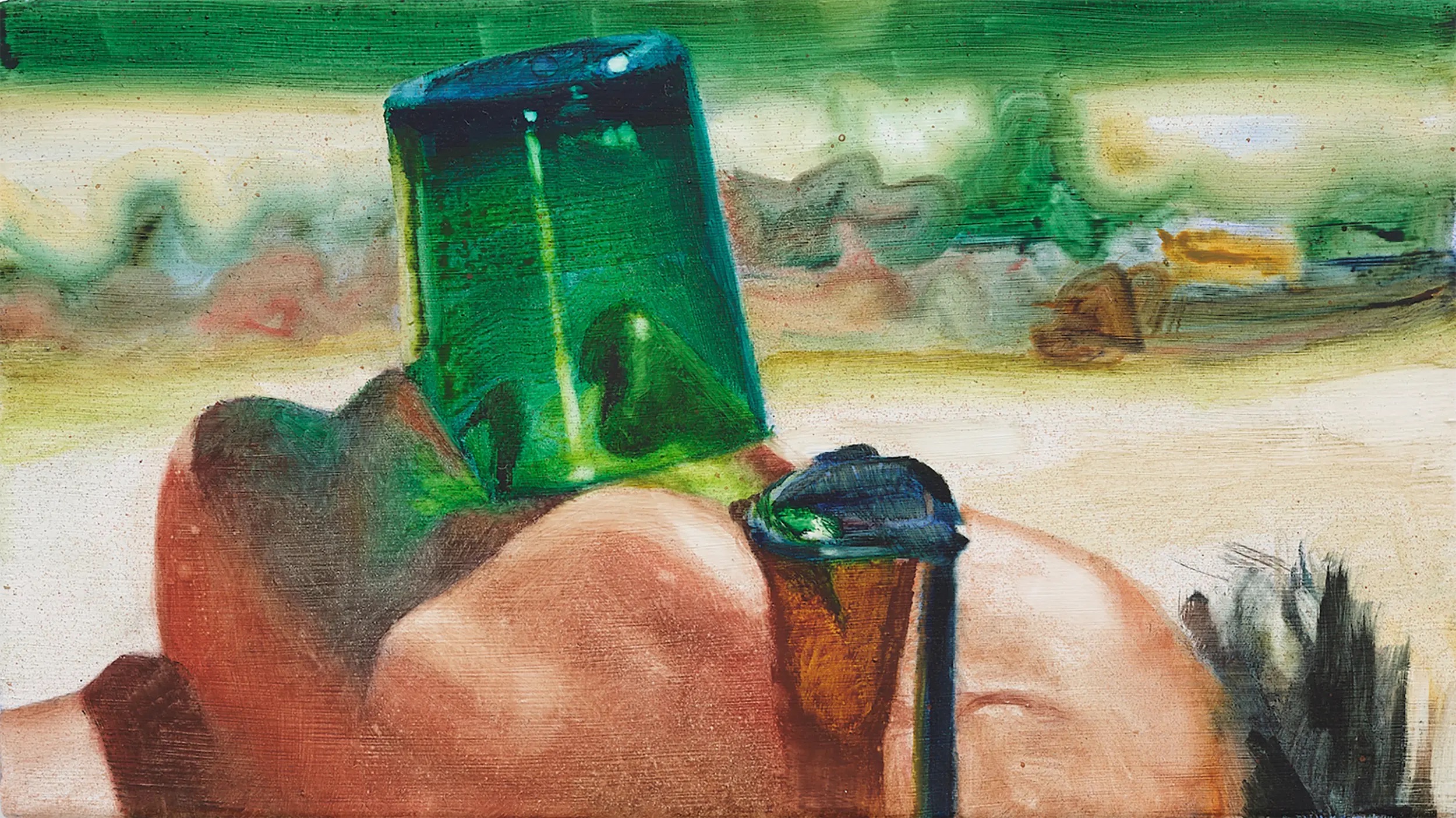
Alex Katz
The Striped Shirt, 1980


The Secret Life of Works on Paper
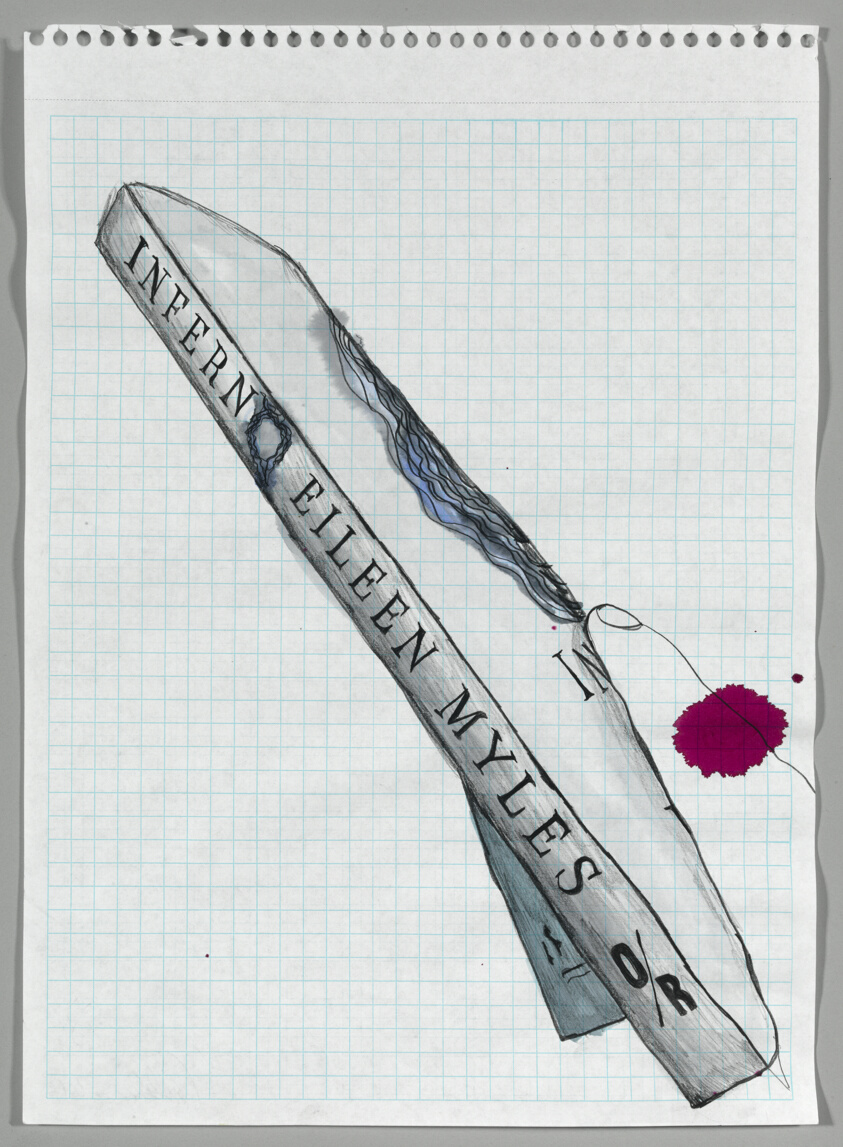
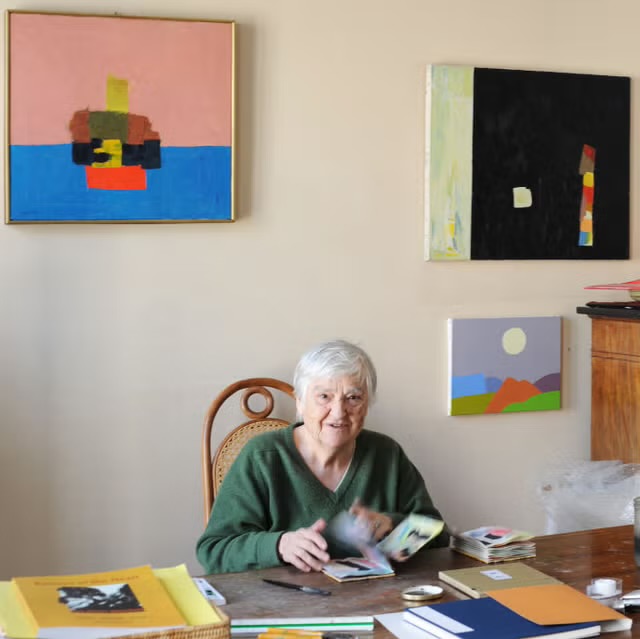
There is something disarmingly intimate about a work on paper. It lands differently than a canvas. You sense the hand more directly, the thinking less filtered, the moment of making compressed into something you can hold close. Collectors who fall for works on paper often describe a kind of revelation: they realize they are not just acquiring art but gaining access to an artist's inner process, the place where ideas arrive before the world gets involved.
That quality of directness is difficult to manufacture and impossible to fake, which is precisely why the category rewards serious attention. Living with works on paper also demands a different kind of engagement. A drawing or watercolor hung in a domestic space does not compete for the room the way a large oil painting might. It asks you to come closer.
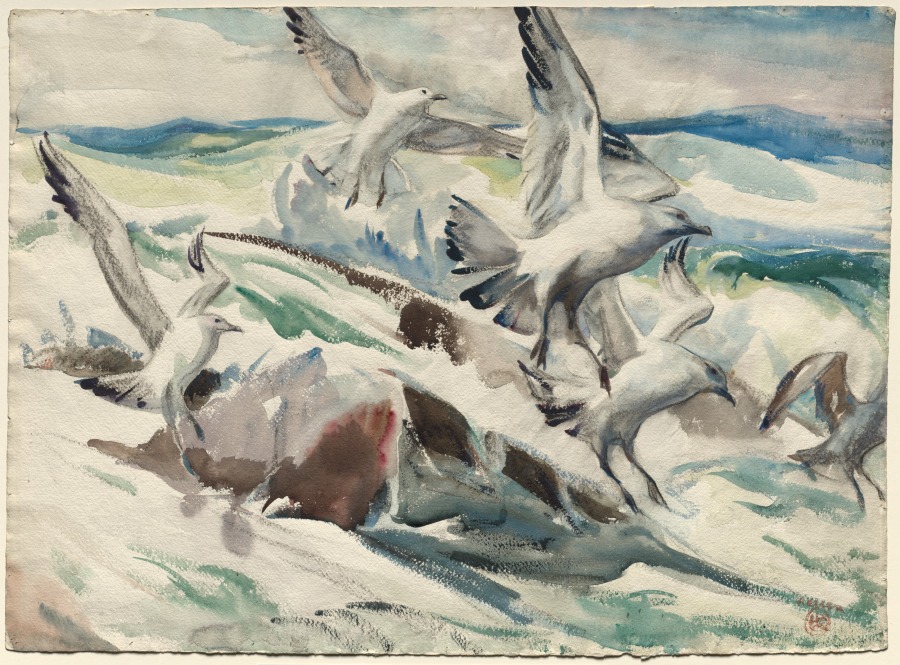
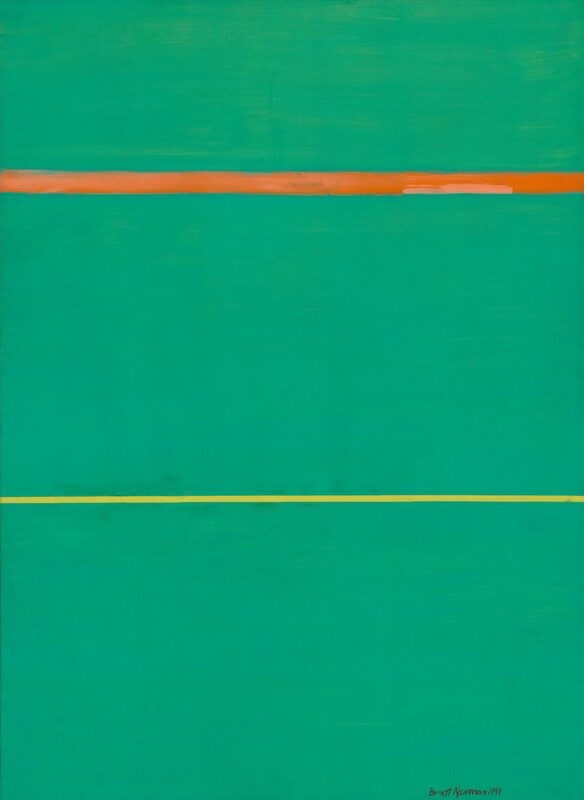
Henry Keller
Gulls Feeding, 1927
Whistler understood this better than almost anyone, and his etchings and pastels from the 1870s and 1880s remain some of the most quietly powerful things you can bring into a home. There is an argument to be made that intimacy at scale is its own form of ambition, and collectors who have discovered this tend to become devoted and discerning in equal measure. What separates a good work on paper from a great one is rarely about size or surface complexity. It is about conviction.
In a drawing, hesitation shows. Conversely, a line drawn with certainty carries a charge that follows you around the room. Look for works where the medium and the intention feel perfectly matched, where the artist chose paper not as a fallback but as the right surface for that particular thought. Odilon Redon's pastels are instructive here: the powdery luminosity of the medium was not incidental to his imagery but inseparable from it.
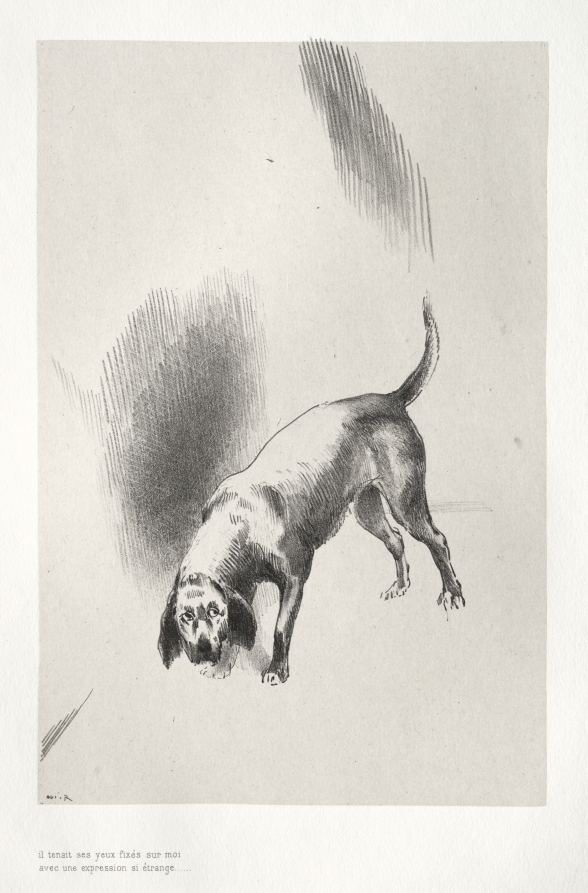
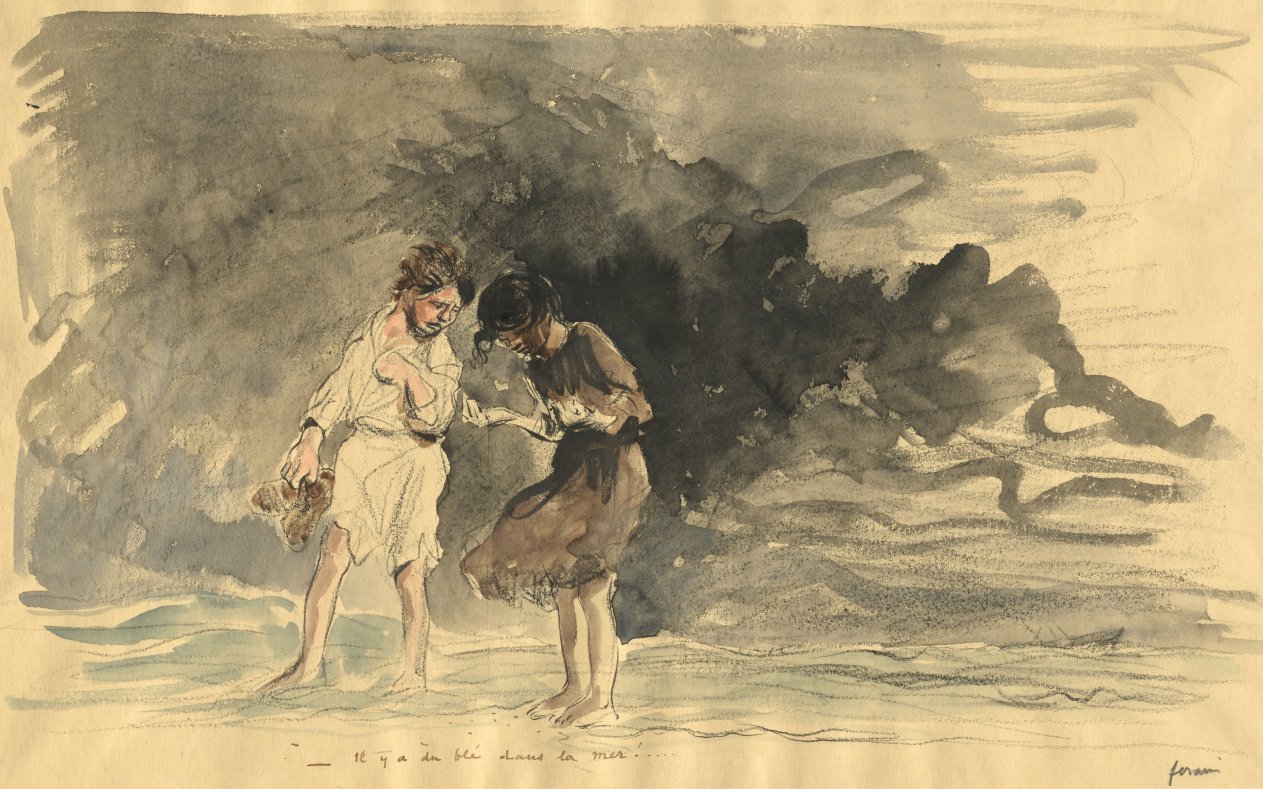
Odilon Redon
He Fixed His Eyes on Me with an Expression That Was So Strange, 1896
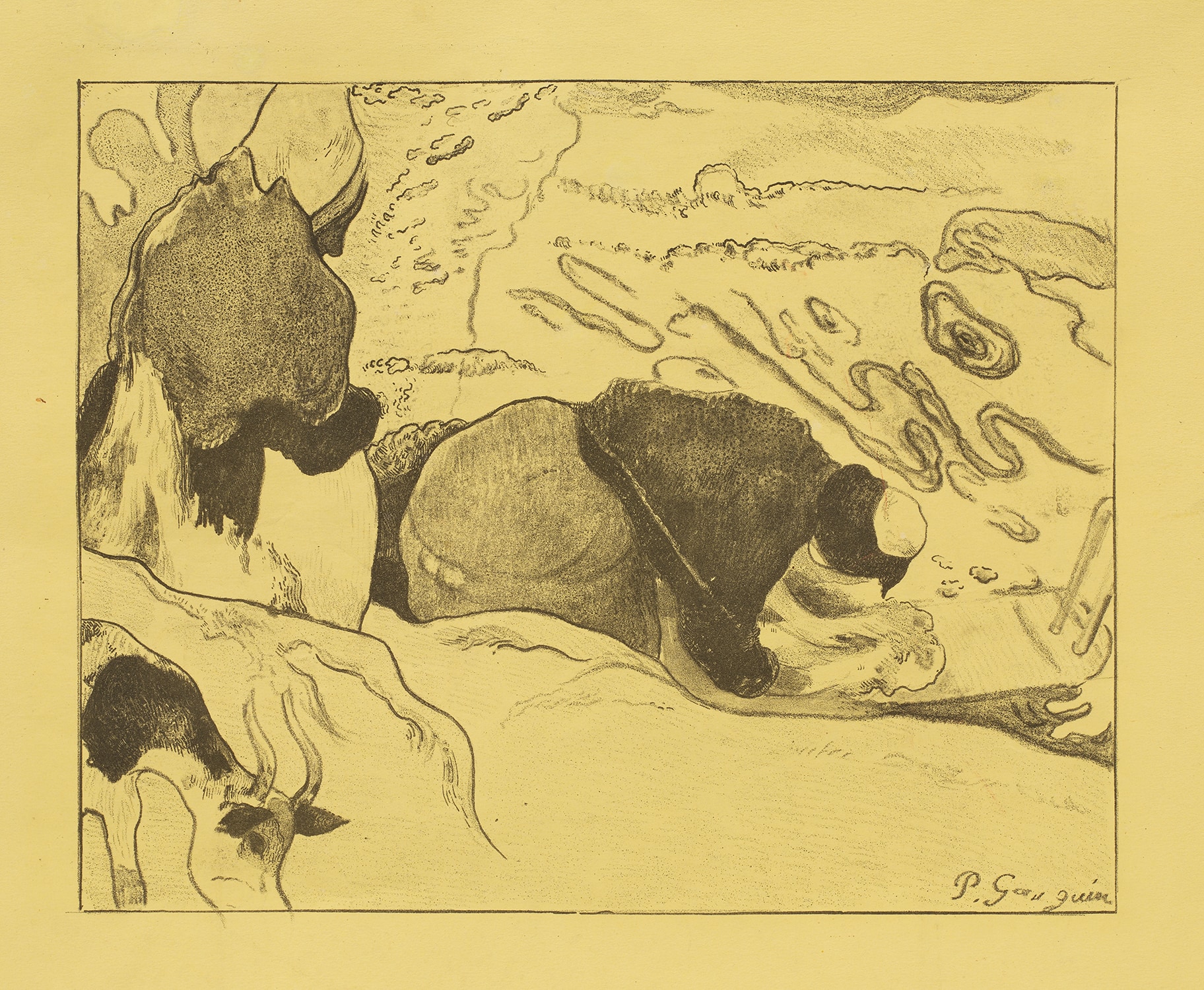
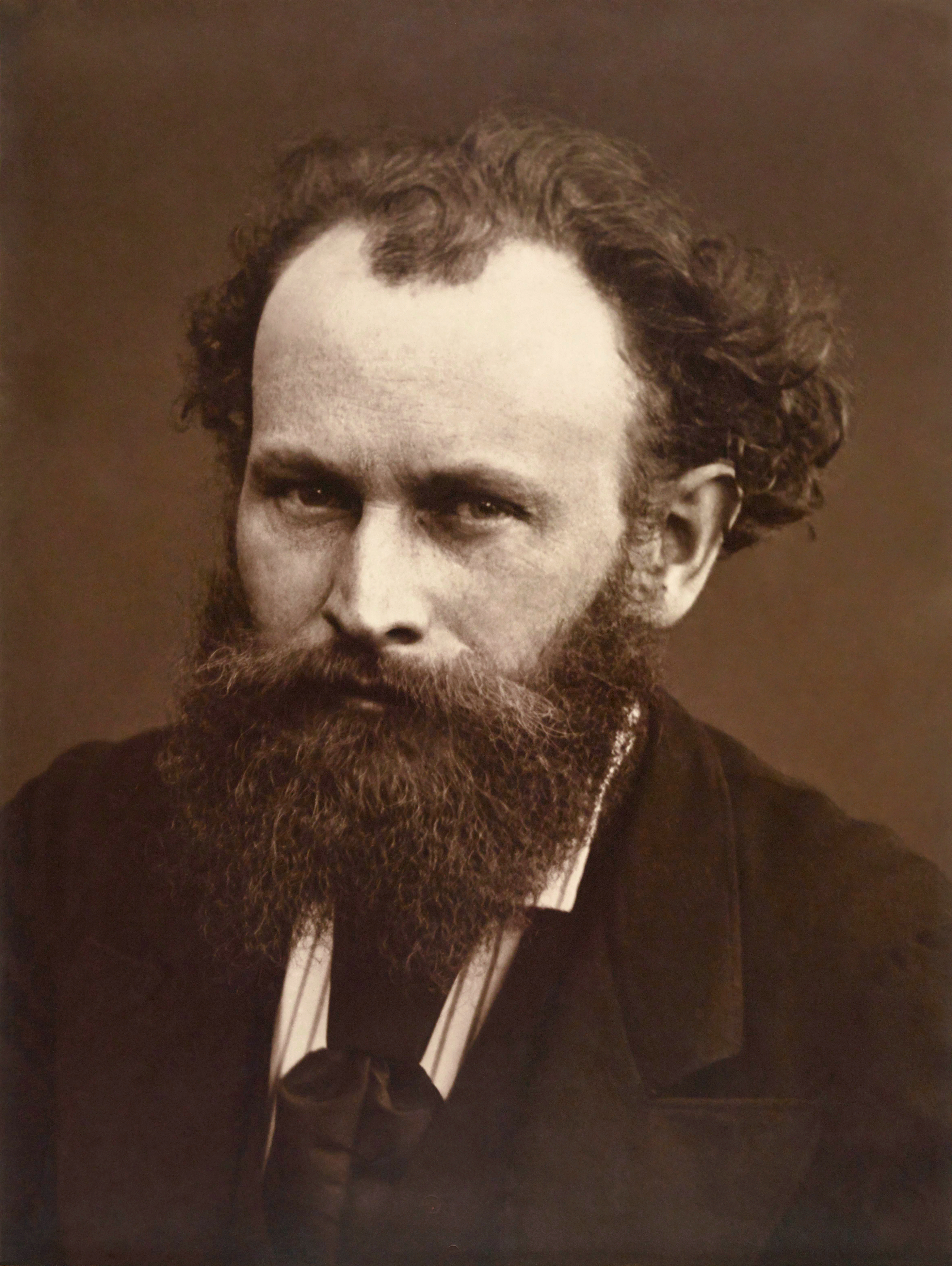
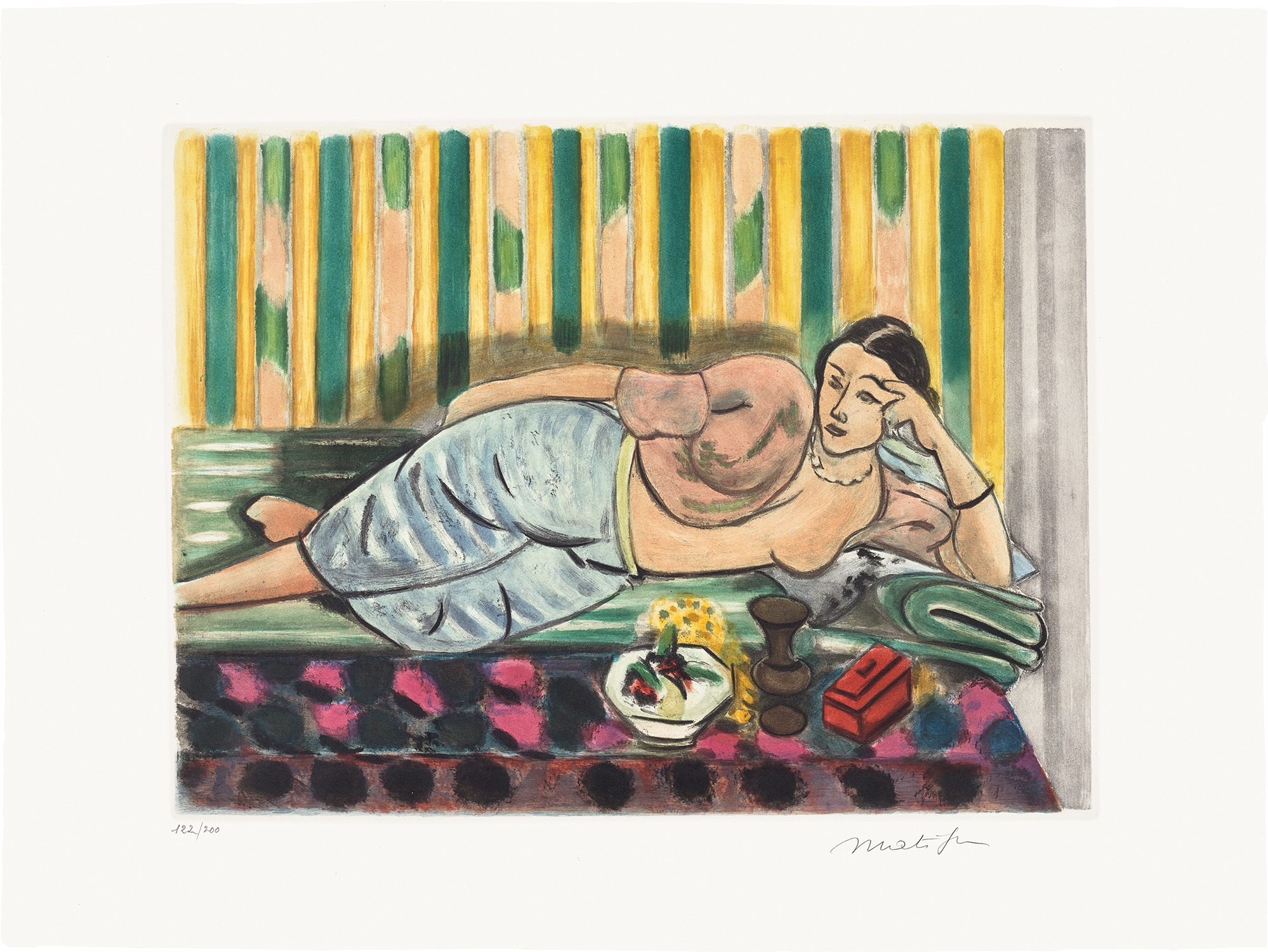
The dreamlike atmosphere depended on pastel in the same way Gauguin's woodblock transfers and monotypes depended on the grain and resistance of paper to achieve their raw mythological weight. For collectors building a collection with both intellectual coherence and long term value, certain artists within this category present genuinely compelling propositions. Manet's prints and drawings have appreciated steadily over decades precisely because they are scarce and because the connection to his painted work is legible and documentable. Works by Henri Matisse on paper, whether cut, drawn, or printed, carry canonical status while still occasionally appearing at accessible price points relative to his paintings.
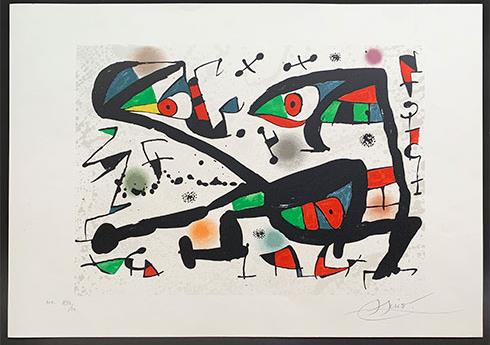
Joan Miró worked prolifically on paper throughout his career and his works in this medium offer an entry point into one of the twentieth century's most joyful and rigorous imaginations. What unites these artists on any serious collecting platform is that paper was not a minor preoccupation but a sustained practice with its own internal logic. The question of emerging or underrecognized figures in this space is genuinely exciting right now. Cauleen Smith, whose work spans film, installation, and drawing, has produced works on paper that operate as both autonomous objects and extensions of her broader inquiry into Black cosmologies and speculative futures.
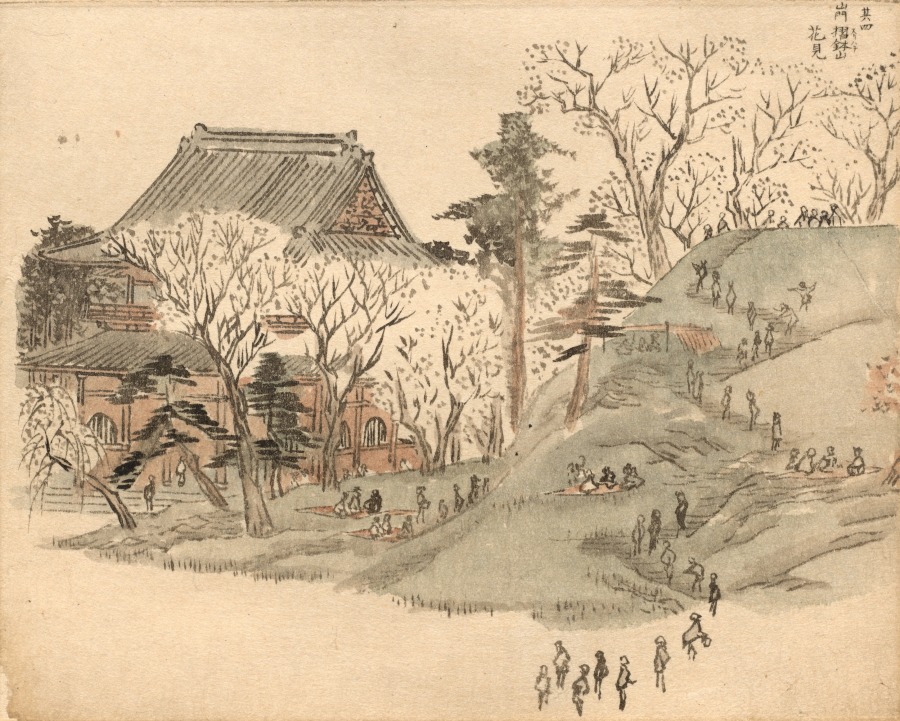
Utagawa Hiroshige
Cherry Blossom Viewing at the Temple on Mt. Suribachi after a Design in Volume 5 of Picture Book of the Souvenirs of Edo (Ehon Edo miyage), 1850
Her drawings carry the same intellectual density as her moving image work but offer collectors something more concentrated and more portable. Raymond Pettibon, long associated with punk subculture and the Los Angeles underground, has built an enormous body of ink on paper work that straddles the boundary between image and text in ways that feel more urgent now than ever. Both artists are well represented on The Collection and worth serious consideration at current market positions. At auction, works on paper by canonical figures have shown consistent resilience even in volatile markets.
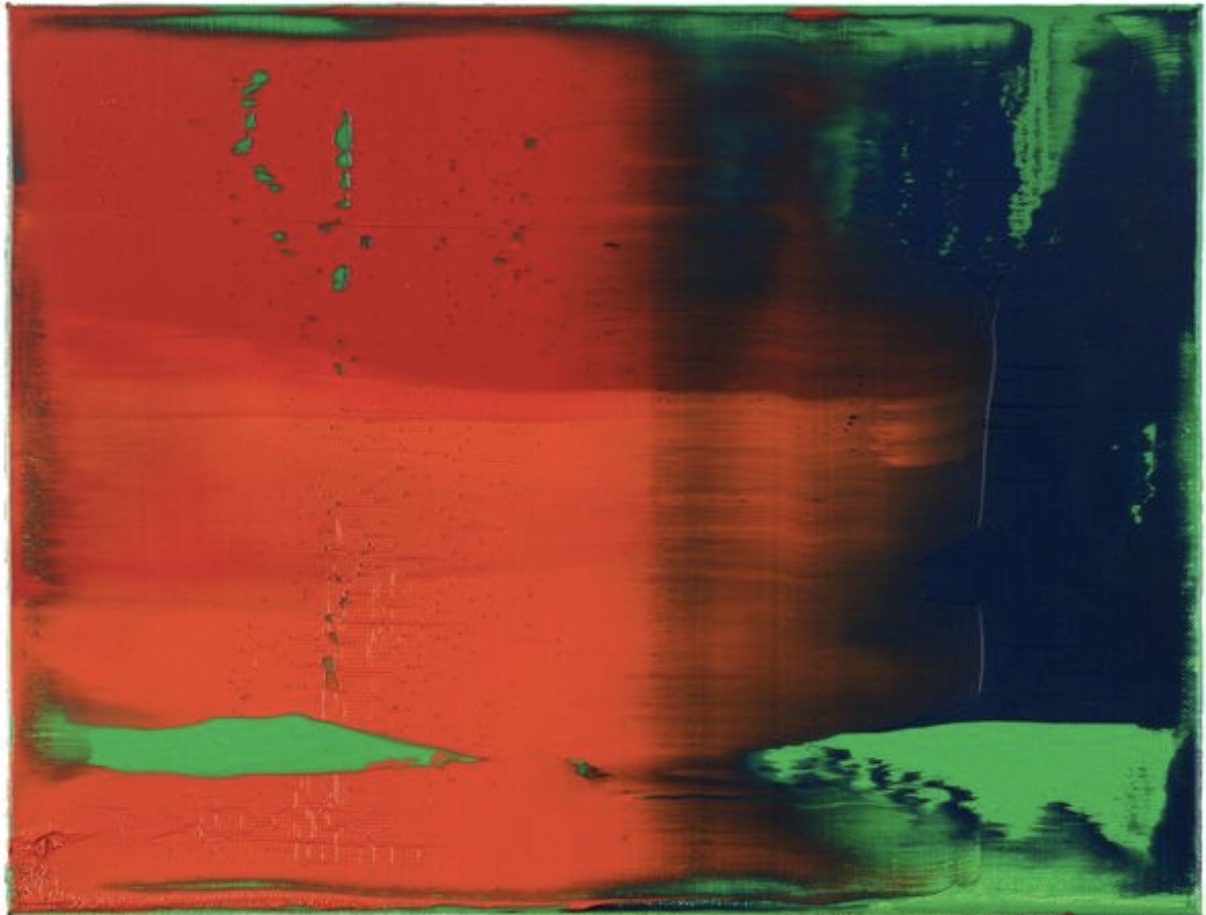
The reasons are structural: supply is finite, scholarly interest is deep, and institutional acquisition programs in this area have become increasingly sophisticated. Gerhard Richter's works on paper, including his photo based drawings and abstract studies, have tracked his painted work upward with some lag, which historically has created windows for collectors paying attention. Cy Twombly's drawings and prints have become reference points for an entire generation of artists and gallerists, and secondary market results reflect that status consistently. The key insight for collectors is that paper works by major artists often trade at significant discounts to canvas, not because of lesser quality but because the market has historically prioritized medium in ways that increasingly look like convention rather than connoisseurship.
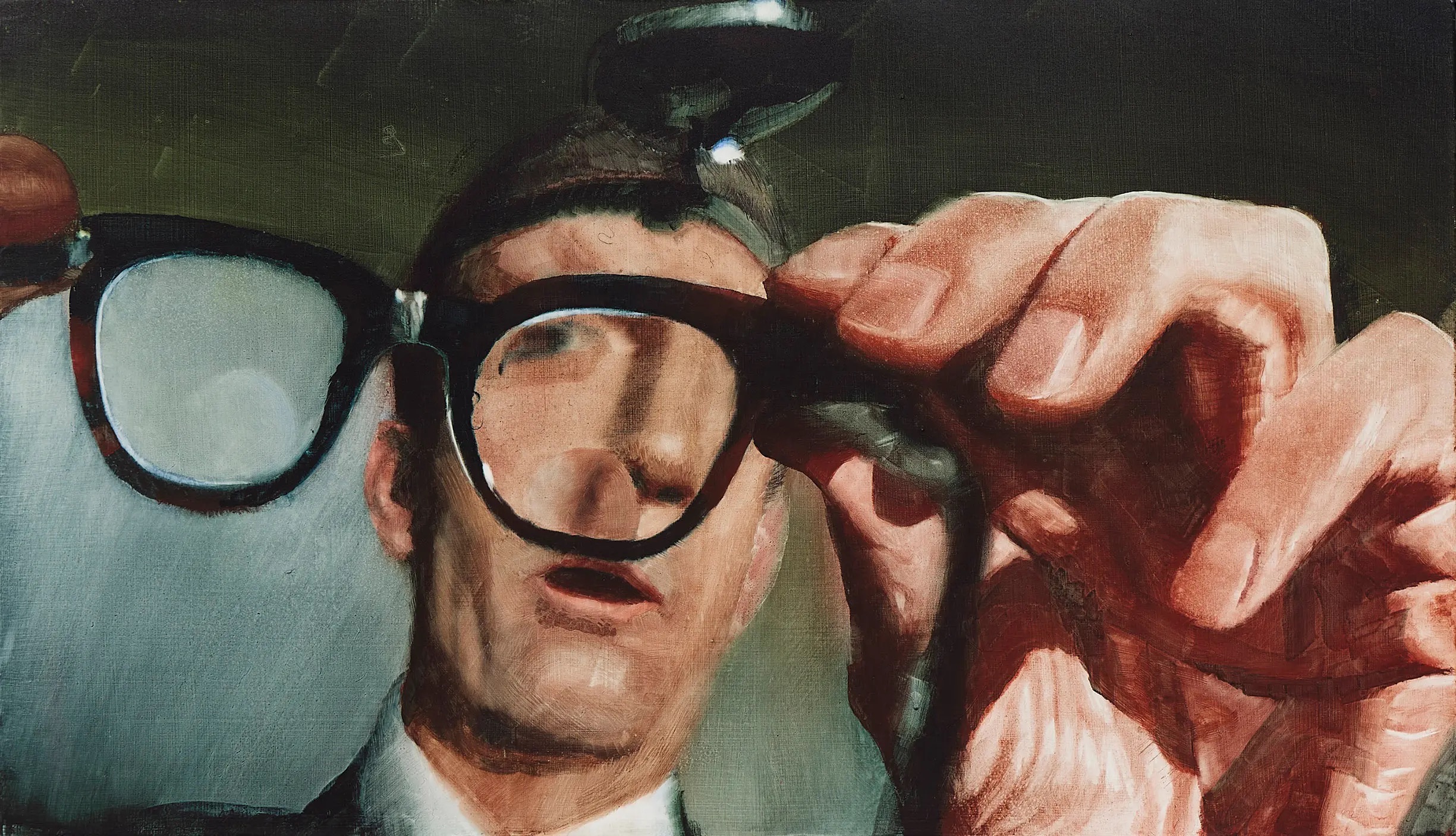
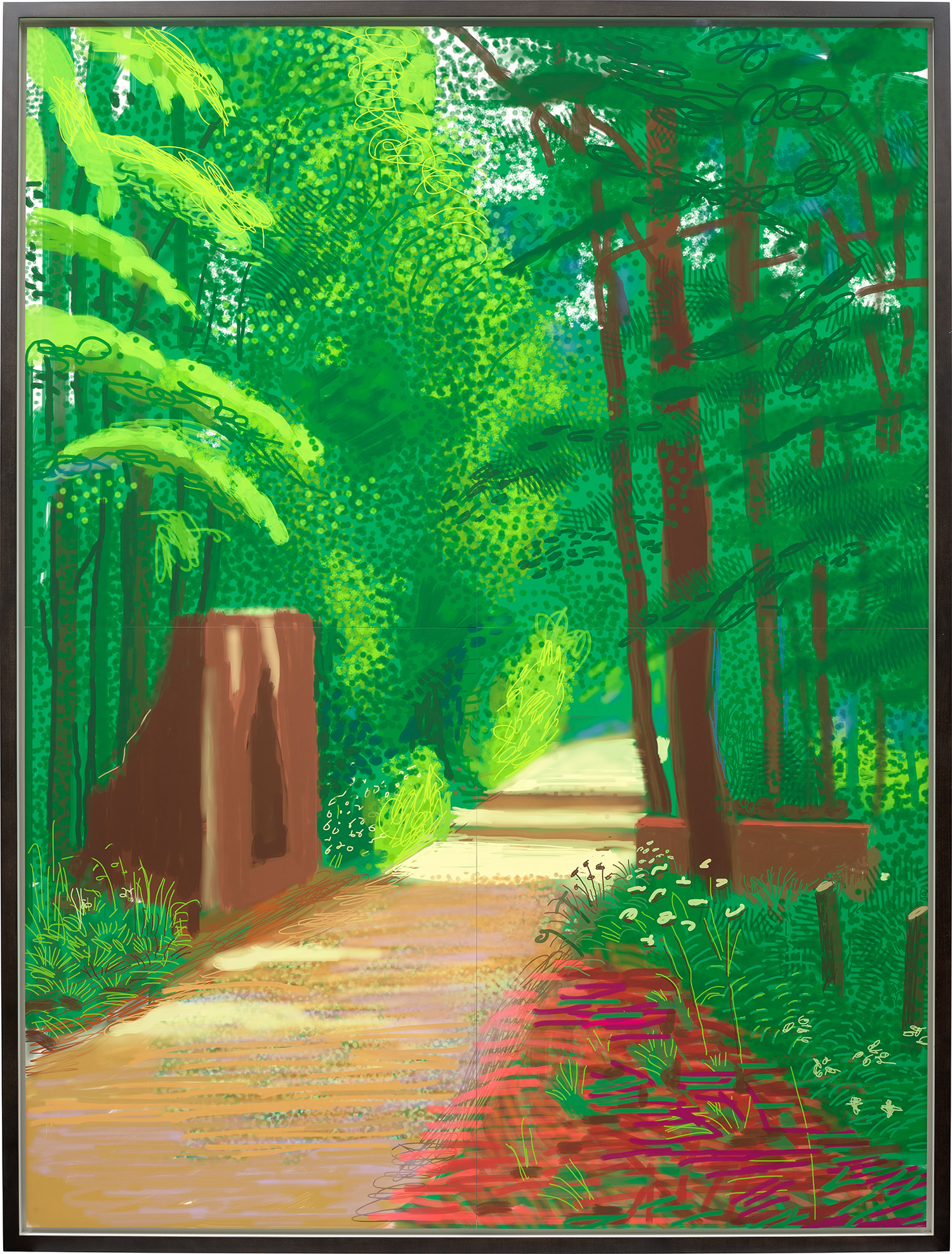
Joseph Yaeger
Sanctimony as a pastime!, 2022
Practically speaking, condition in this category is everything and the standards are unforgiving. Paper is sensitive to light, humidity, and fluctuations in temperature in ways that canvas simply is not. When considering a purchase, ask the gallery or seller directly about provenance, storage history, and whether the work has been examined by a conservator. Request a condition report and read it carefully.
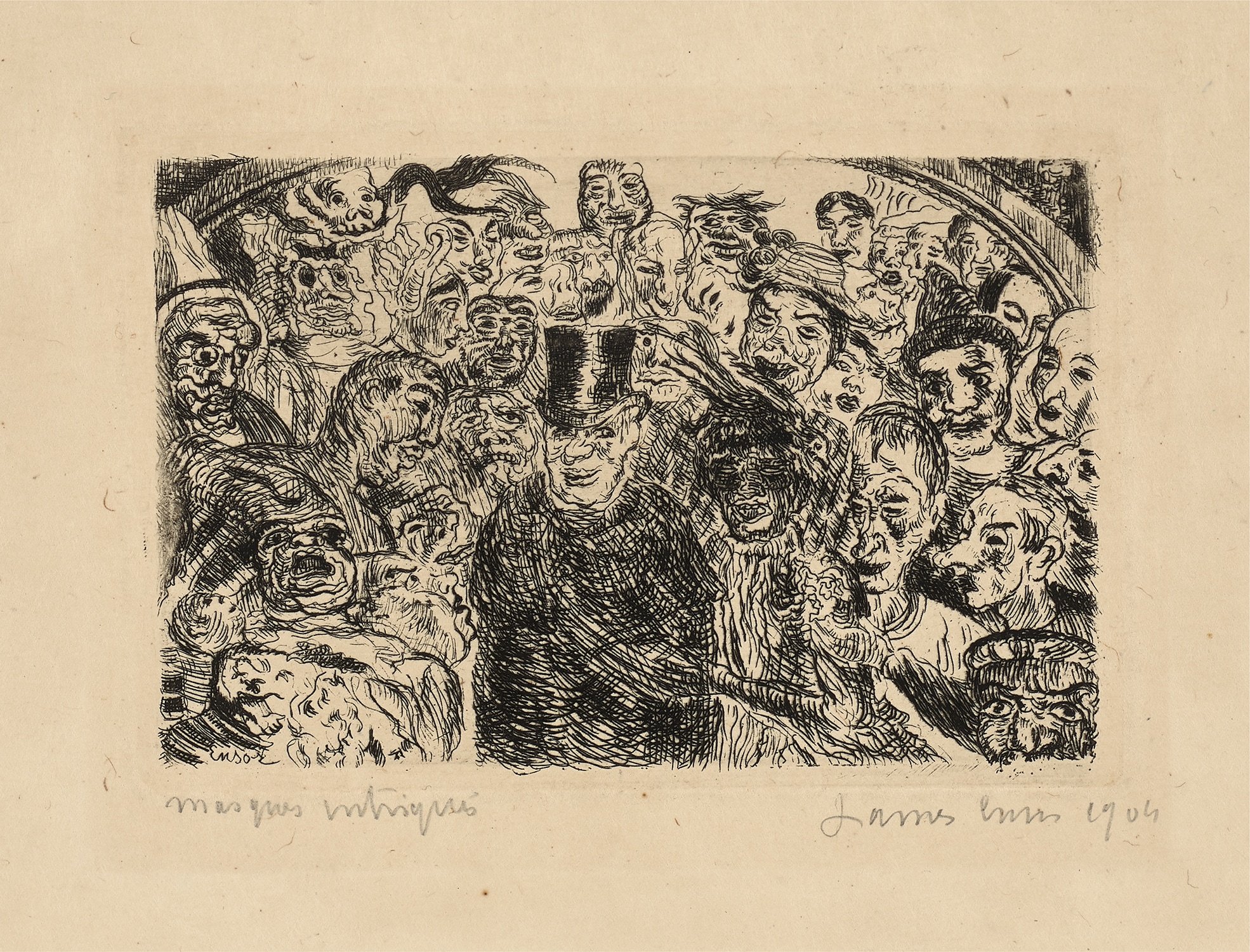
Foxing, acid burn, and light bleaching are all real concerns, and while minor issues need not be disqualifying, they must be priced accordingly and disclosed fully. For display, UV filtering glazing is not optional; it is the minimum standard. The question of editions versus unique works is one that separates novice collectors from experienced ones, and the answer is nuanced. A strong impression of a Whistler etching, printed during his lifetime and with demonstrable provenance, is a fundamentally different object from a posthumous reproduction, and the market reflects this precisely.
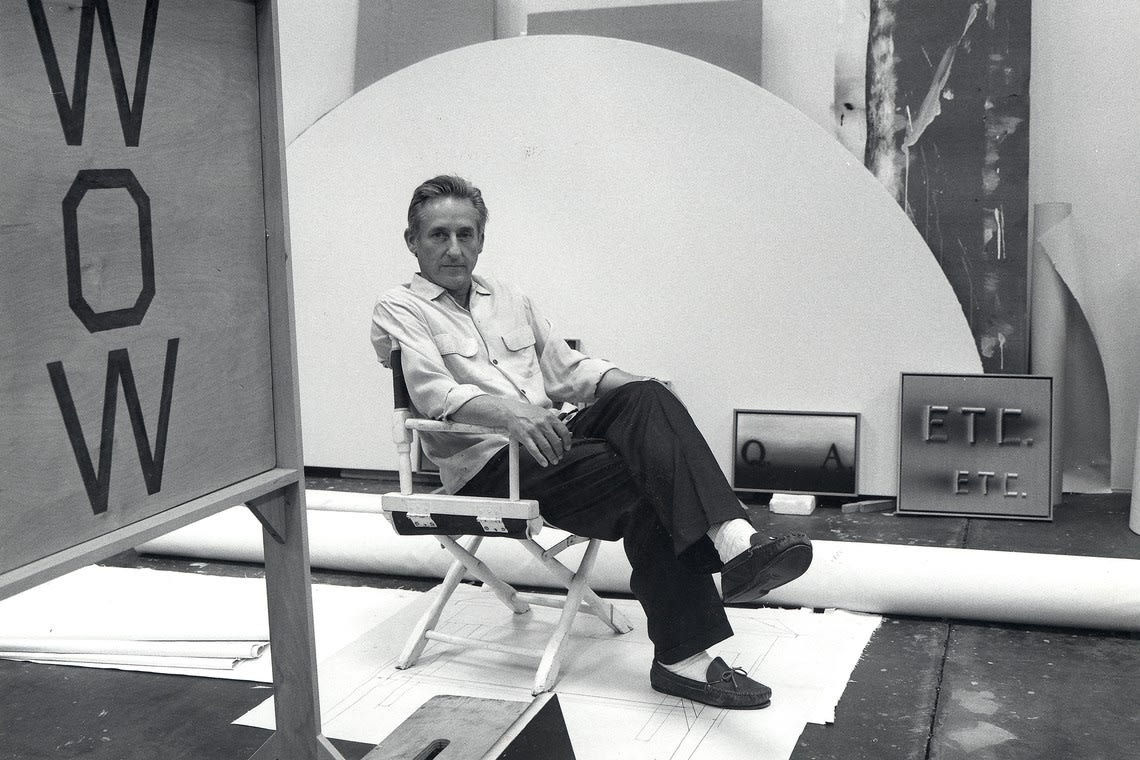
With artists like Sol LeWitt, whose works on paper often involve certification and instruction based production, edition size and authentication documentation become central to value. Ed Ruscha's prints, among the most collected works on paper of the postwar period, reward careful attention to edition numbering, paper type, and whether the work was printed under the artist's direct supervision. Ask the gallery what documentation exists and whether the work is included in any catalogue raisonné. These are not intimidating questions; they are the right ones, and any serious dealer will welcome them.