Post-War
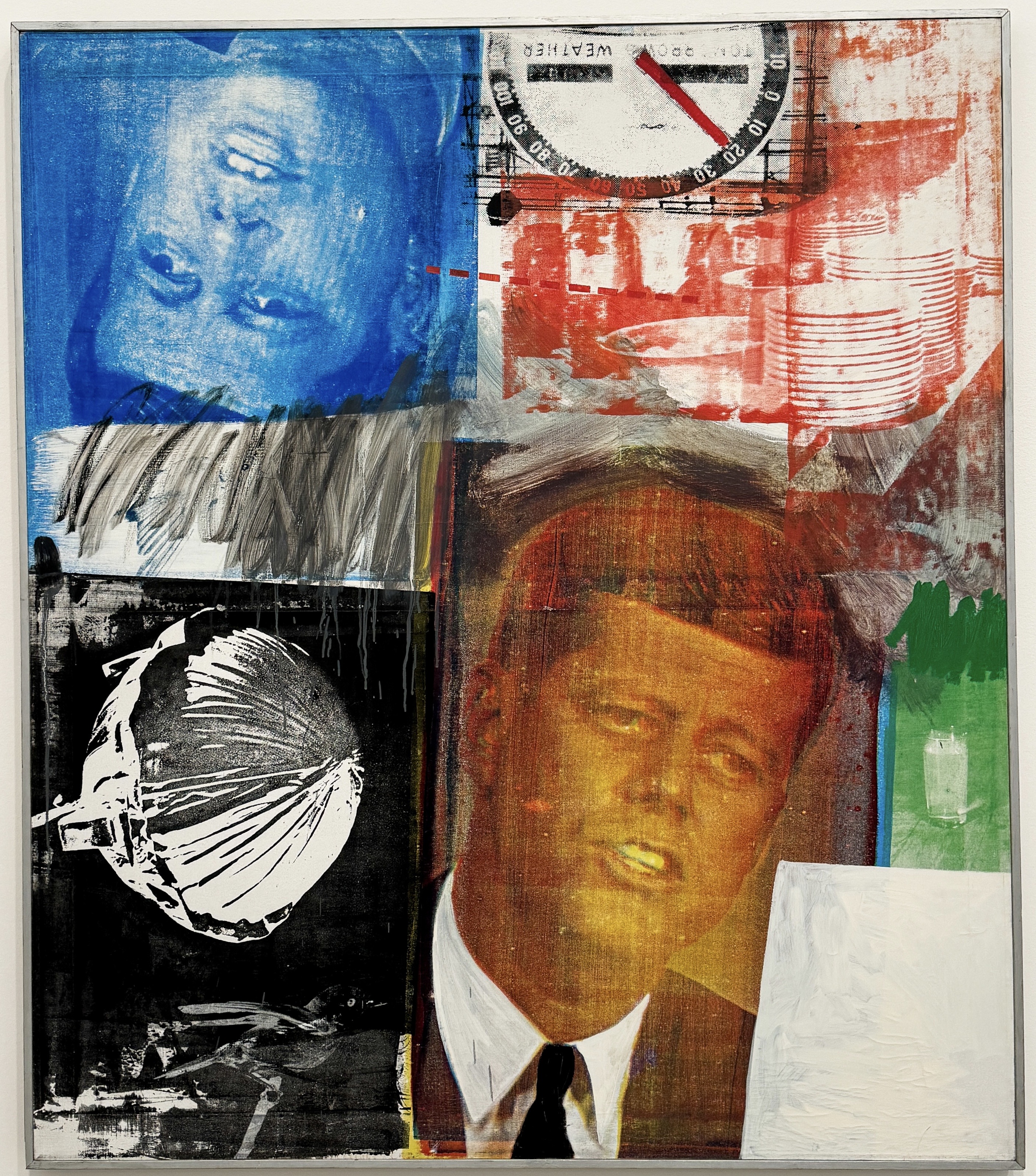
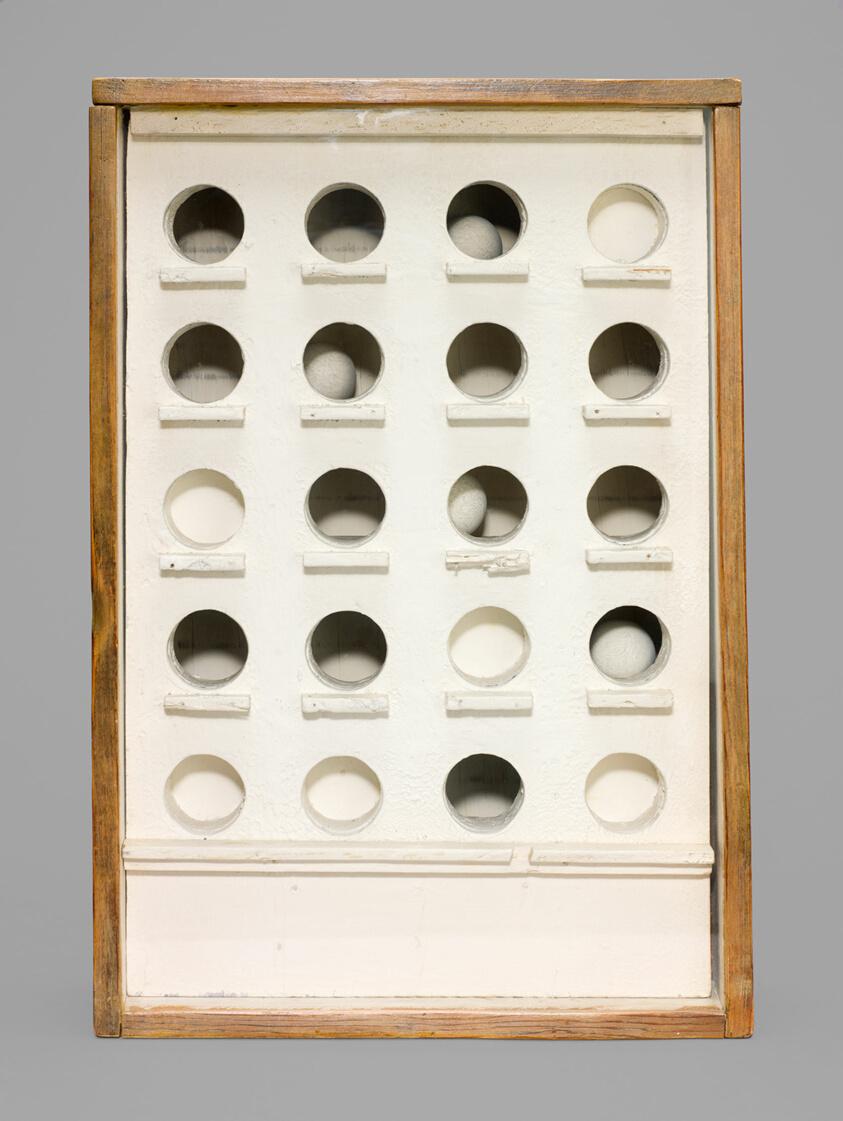
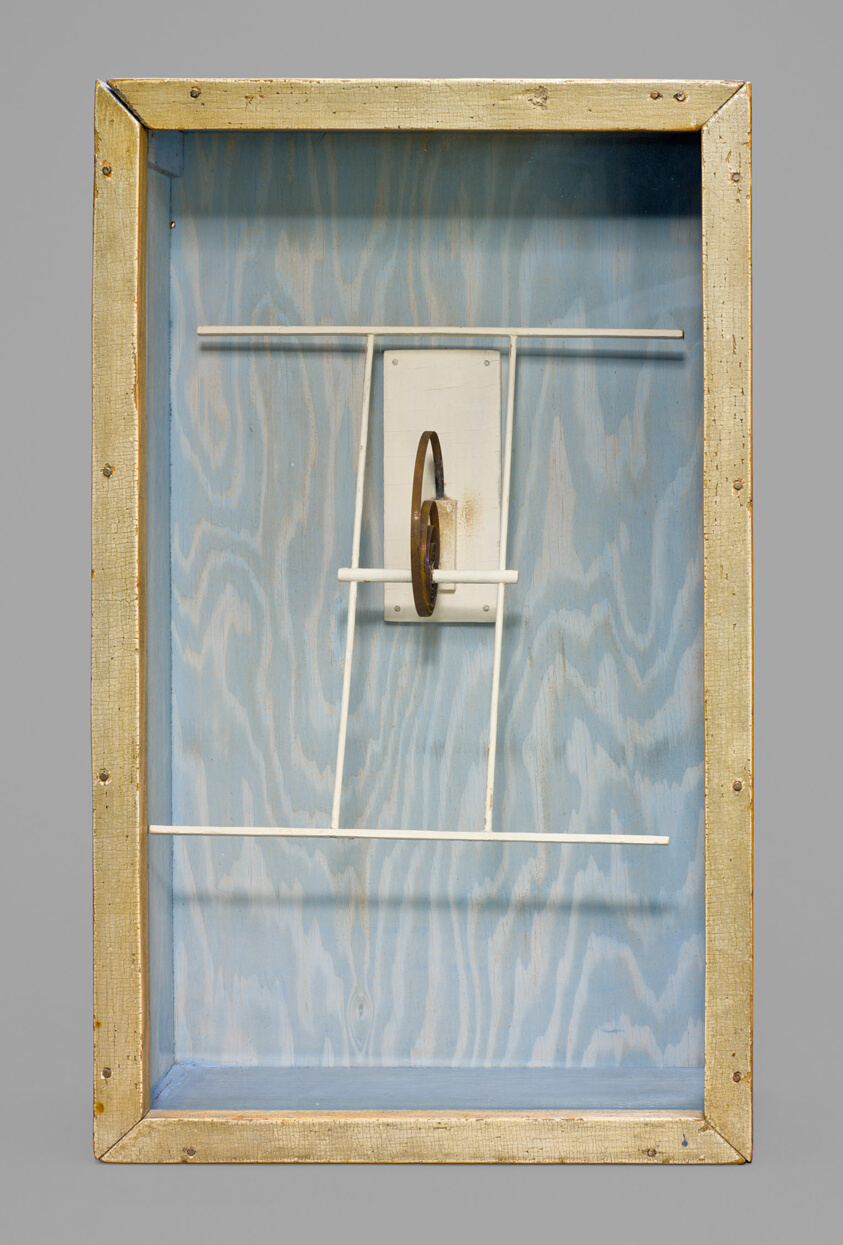
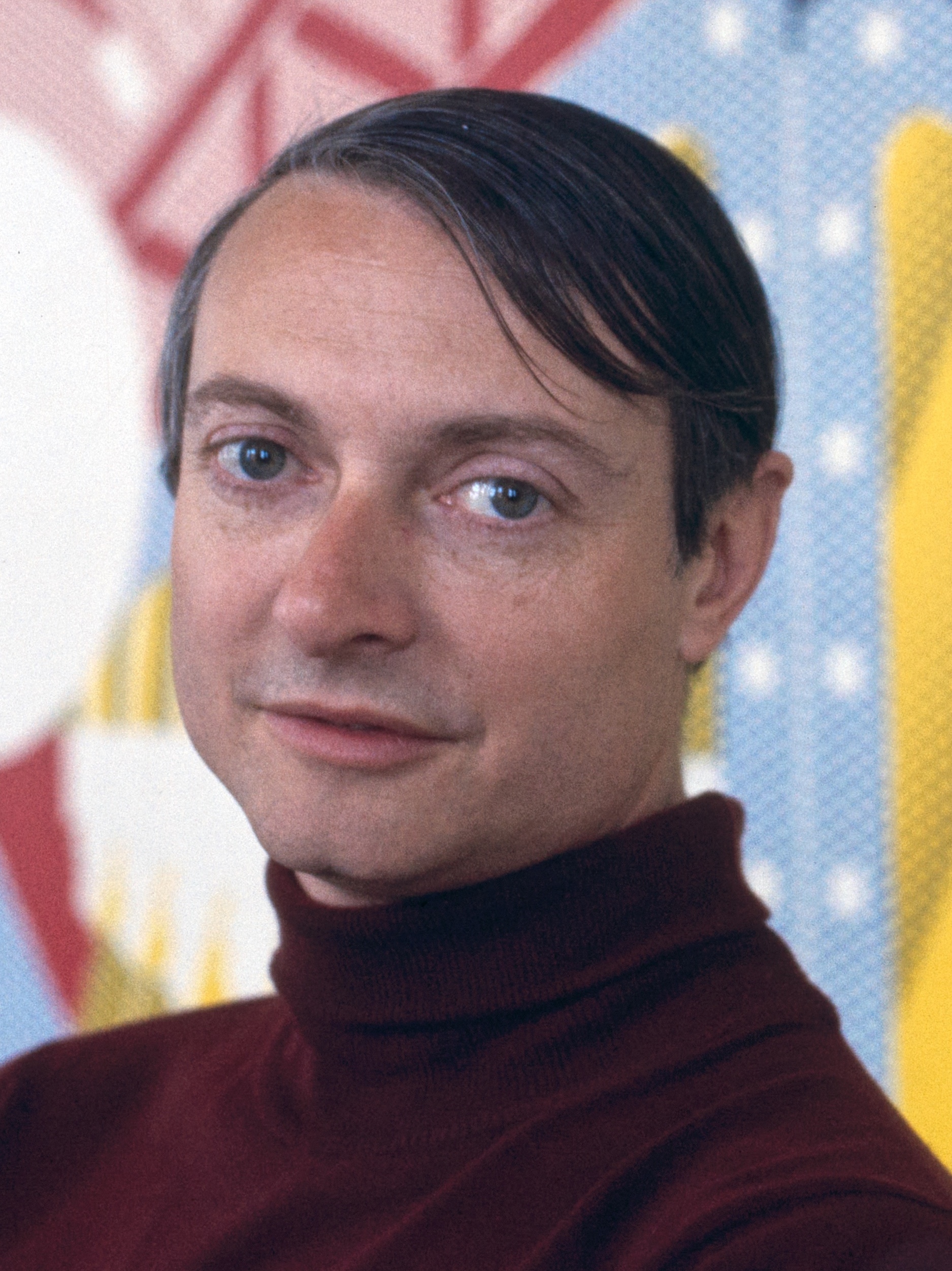
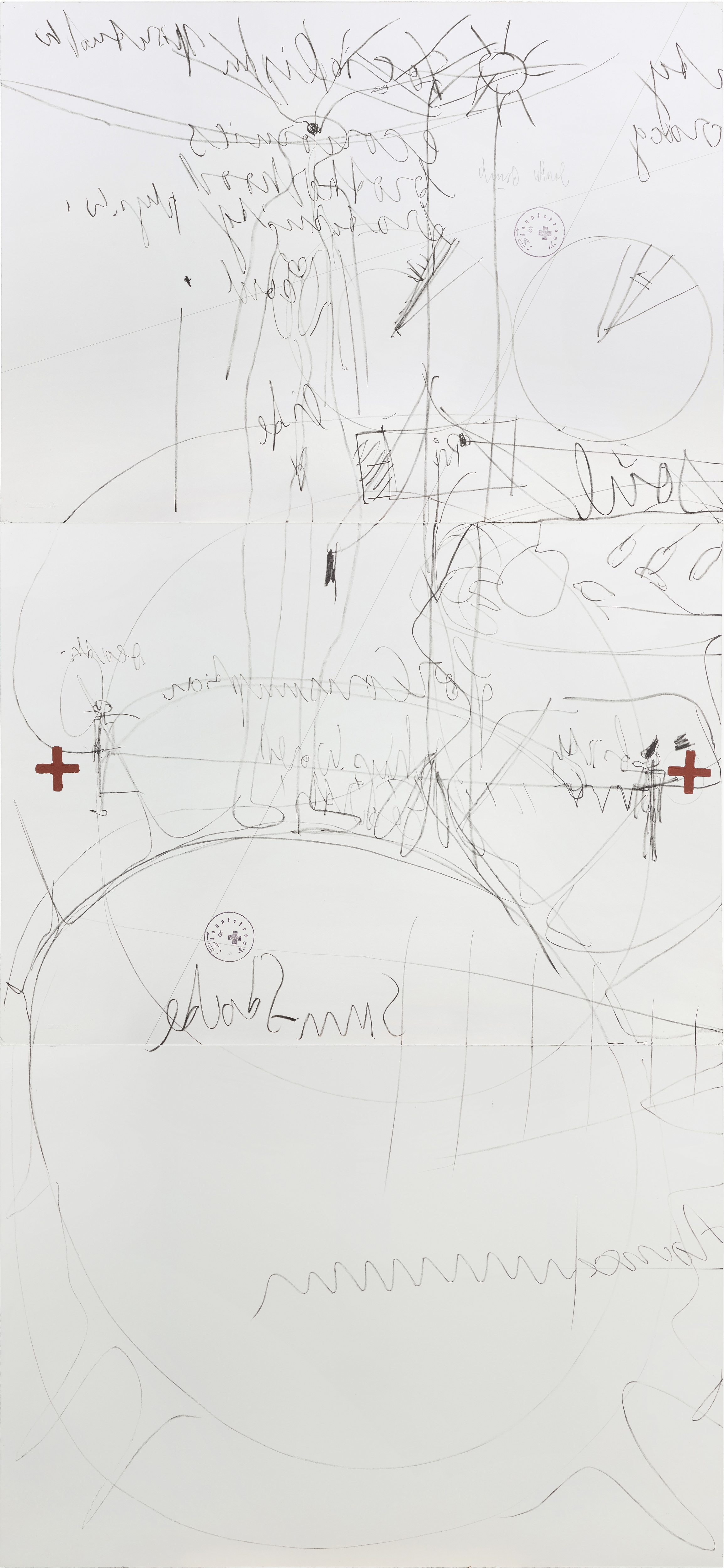
Robert Rauschenberg
Untitled, 1963
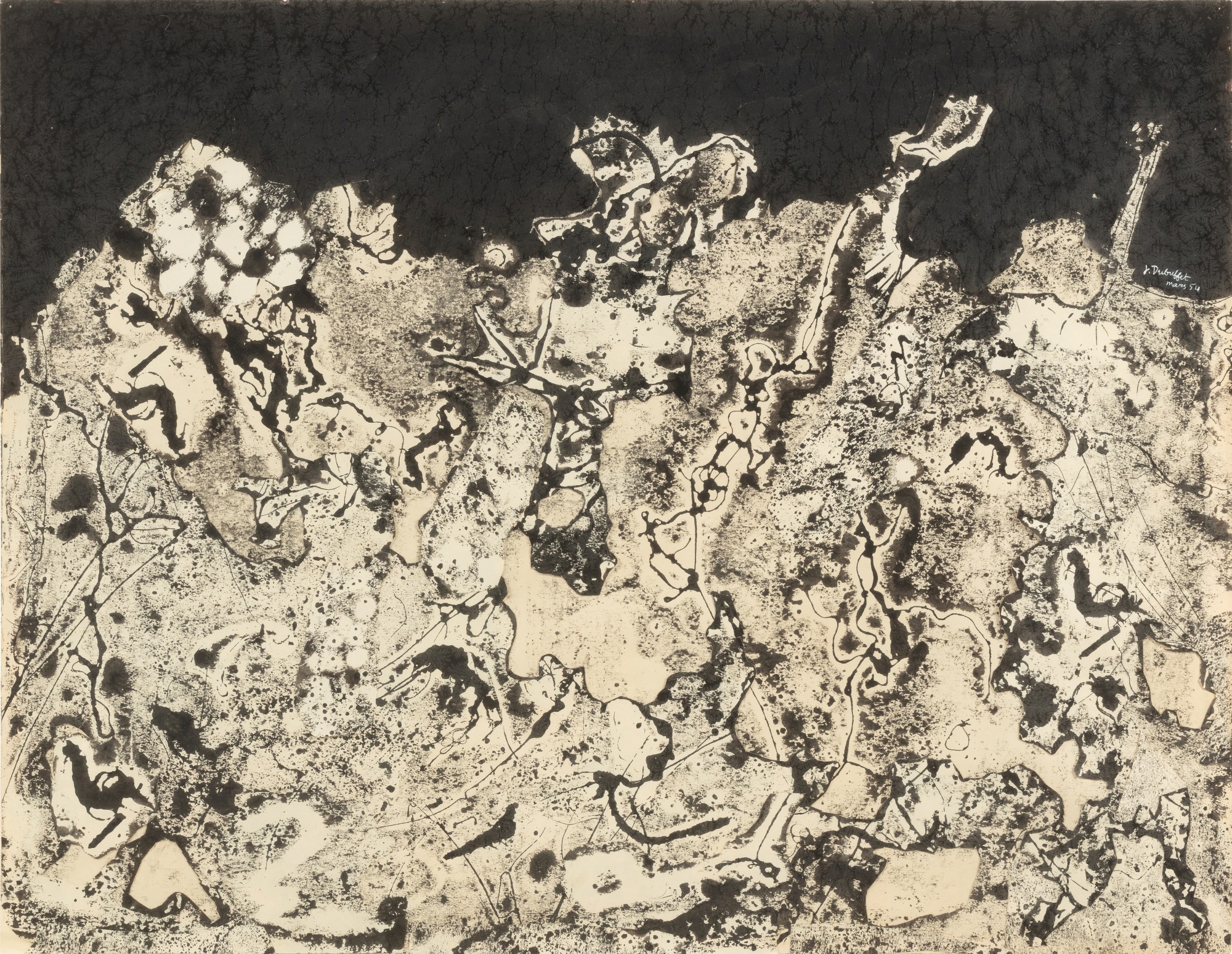
The Ruins That Remade the Art World
There is a before and an after. The devastation of World War II did not simply pause the history of art and then resume it. It broke something open, and what grew from that rupture was among the most consequential periods in the entire arc of Western culture. The Post War era, roughly spanning from 1945 through the early 1970s, produced a reorientation so total that nearly every serious artistic conversation we have today still traces a line back to it.
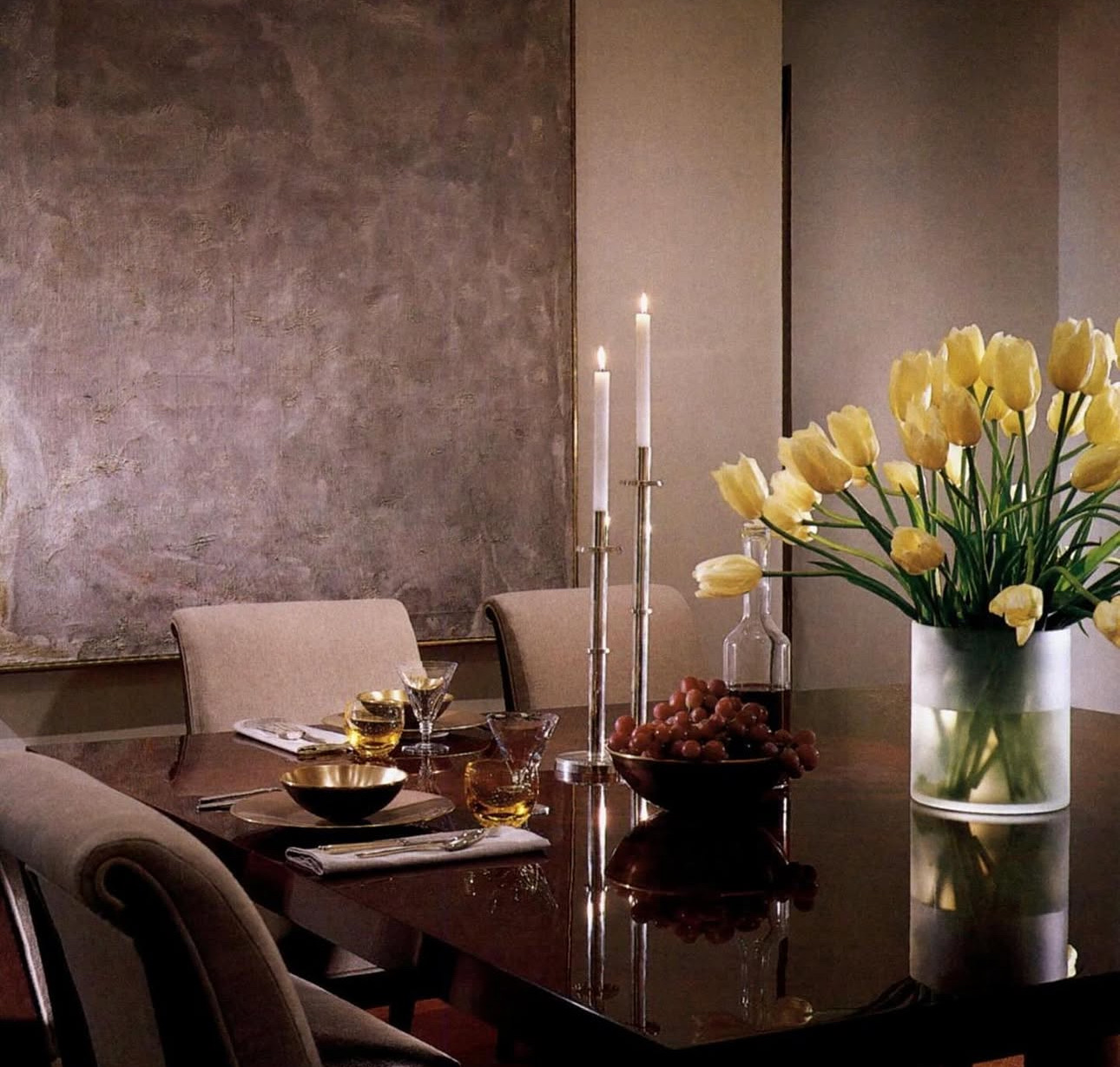
To collect from this period is to hold a piece of the moment when art stopped decorating civilization and started interrogating it. The immediate aftermath of the war found artists on both sides of the Atlantic grappling with a fundamental question: what could painting even mean now? In New York, the Abstract Expressionists answered with scale, gesture, and an almost violent commitment to the act of making. The movement coalesced publicly around the landmark 1951 exhibition at the Museum of Modern Art, which announced to the world that the center of gravity in contemporary art had shifted from Paris to New York.
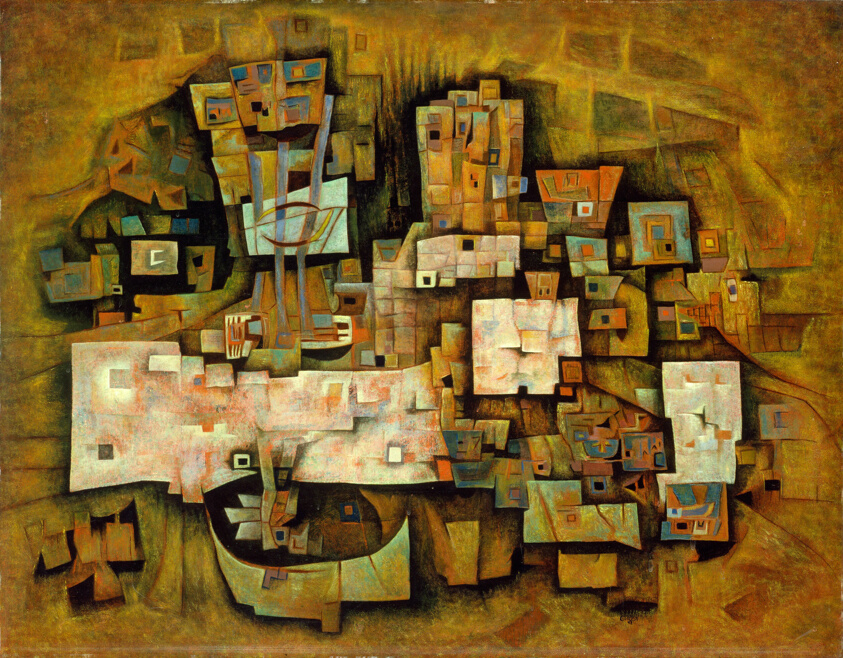
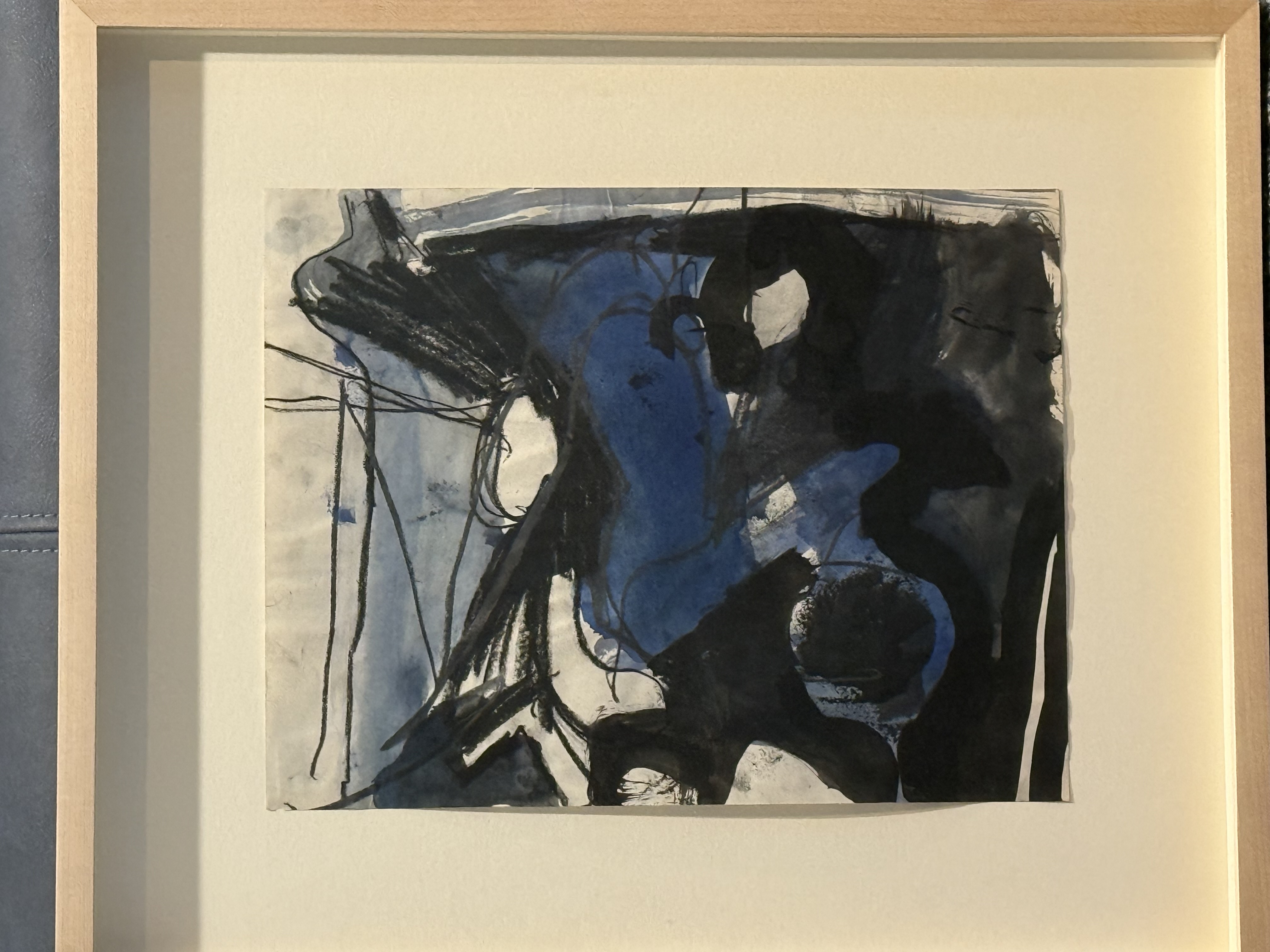
Gunther Gerzso
La Ciudad Perdida (The Lost City), 1948
Willem de Kooning, whose Women series caused a near scandal when it appeared in 1953, embodied the movement's paradox perfectly: destruction and desire folded into a single painted surface. Robert Motherwell approached abstraction as an elegiac practice, encoding grief and history into sweeping forms, his long running Elegy to the Spanish Republic series a sustained meditation on violence and loss. Paris, meanwhile, was working through its own reckoning. Art Informel and Tachisme emerged as European counterparts to Abstract Expressionism, driven by artists who had lived the catastrophe directly.
Georges Mathieu staged theatrical public performances of painting in the early 1950s, executing large canvases with ferocious speed as a kind of existential theater. Hans Hartung, having survived the Foreign Legion and serious injury, developed a graphic calligraphic language that seemed to vibrate with nervous energy. Pierre Soulages pushed further into the dialectic of light and darkness, working with black paint in ways that paradoxically produced luminosity, a project he would deepen for decades. Zao Wou Ki brought a third continent into dialogue, synthesizing Chinese brushwork with the lyrical freedoms of the Parisian school into canvases of tremendous atmospheric depth.
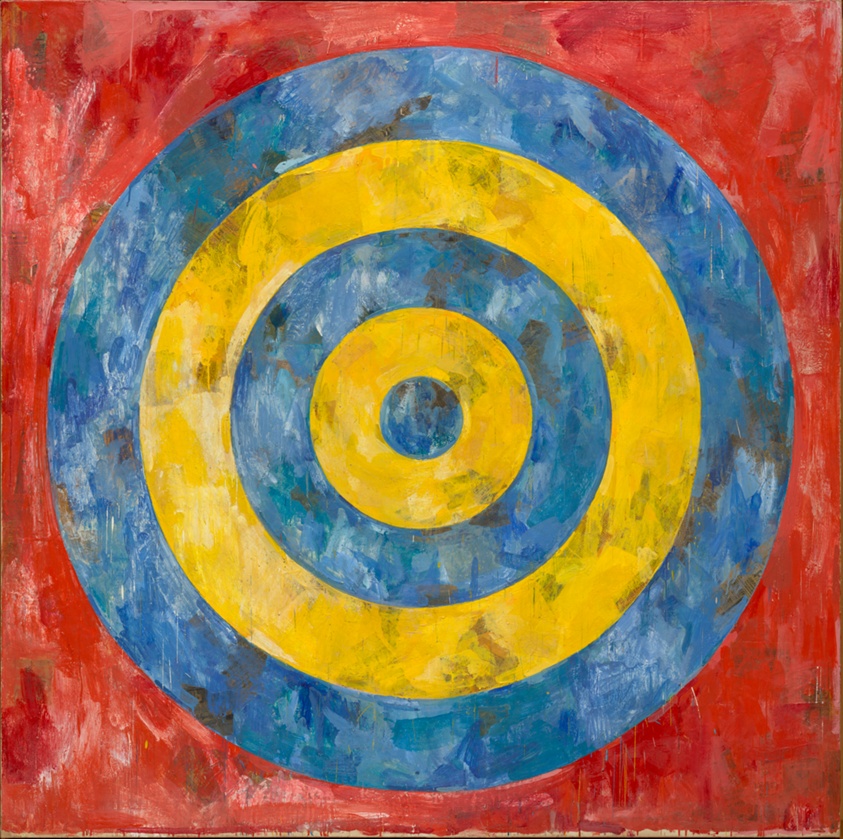
Jasper Johns
Target, 1961
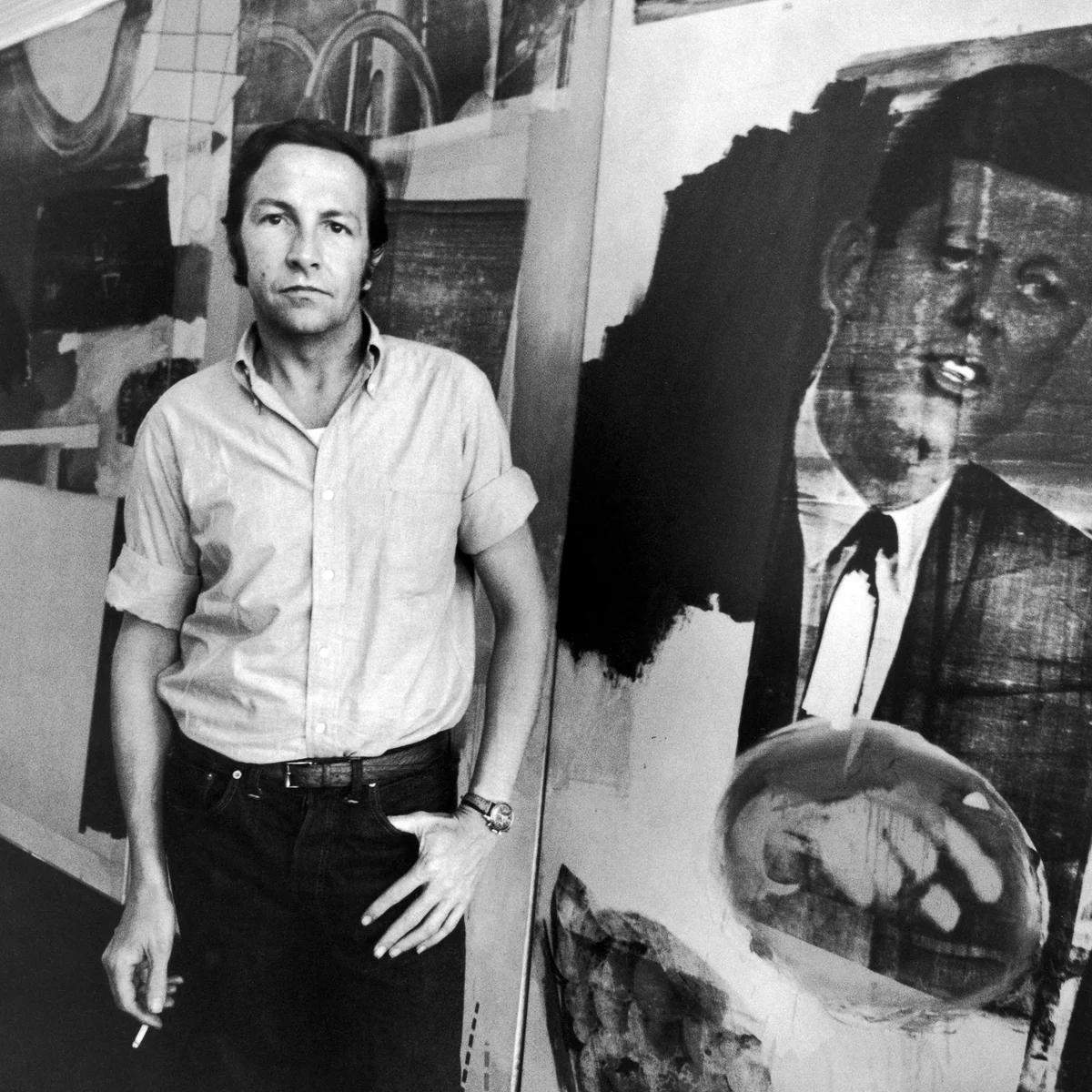
The late 1950s brought a generation that refused the solemnity of the first wave. Robert Rauschenberg and Jasper Johns each looked at the high seriousness of Abstract Expressionism with a certain affectionate irreverence. Rauschenberg's Combines physically incorporated the stuff of daily life into art, tearing down the membrane between the painted surface and the world outside the studio. Johns made targets and flags and numbers, objects so culturally loaded they forced viewers to ask whether they were looking at a painting or a thing.
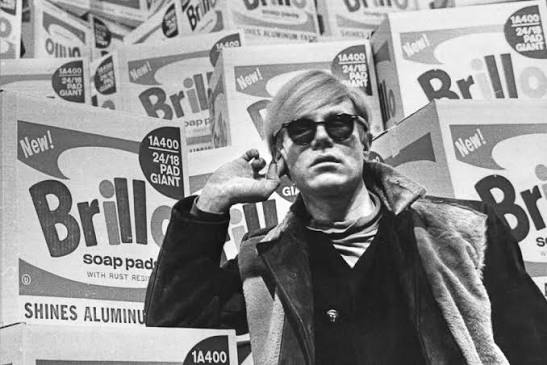
Sam Francis carried the chromatic exuberance of the New York school toward something more open and joyful, working in soaked pools of color that filled large canvases with a sense of pure radiant expansion. Helen Frankenthaler had already changed the course of painting in 1952 with Mountains and Sea, a canvas poured rather than brushed, staining the unprimed cotton in a move that would redefine how color and support could relate to one another. Then came Pop, and the Post War period found its most visible and commercially legible chapter. Andy Warhol's Factory was less a studio than a cultural processing plant, transforming celebrities, consumer goods, and disaster imagery into silkscreened multiples with a deadpan efficiency that was itself a form of criticism.
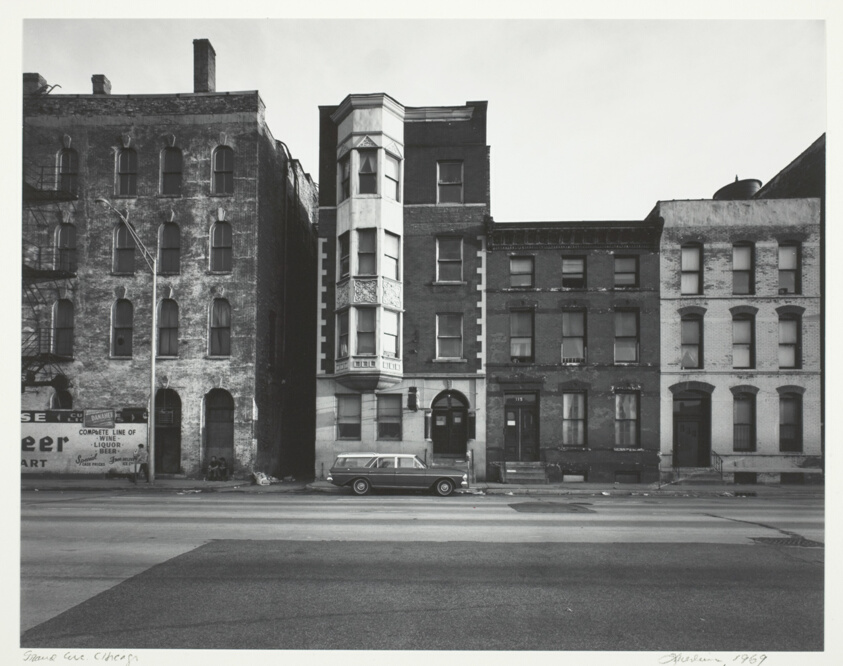
José Lopez
Grand Avenue, Chicago, 1969
Roy Lichtenstein pulled the visual grammar of comic strips into monumental painted form, asking serious questions about originality, reproduction, and taste through images that looked aggressively unserious. James Rosenquist, working at billboard scale, collaged the iconography of postwar American abundance into disorienting juxtapositions that felt simultaneously seductive and suffocating. The movement was not celebratory, whatever it may have looked like on the surface. It was a diagnosis.
In Europe, figures like Joseph Beuys were conducting a different kind of inquiry entirely. Beuys, whose entire practice was shaped by his harrowing experience as a Luftwaffe pilot and the mythology he constructed around it, made social sculpture out of felt, fat, and performance. Jean Dubuffet had already spent years championing Art Brut, the raw expression of outsiders and the institutionalized, as a rebuke to academic refinement. Francis Bacon, working in London in near isolation from the dominant trends, painted screaming popes and contorted figures that seemed to visualize the existential dread of the age with a directness that still unsettles.
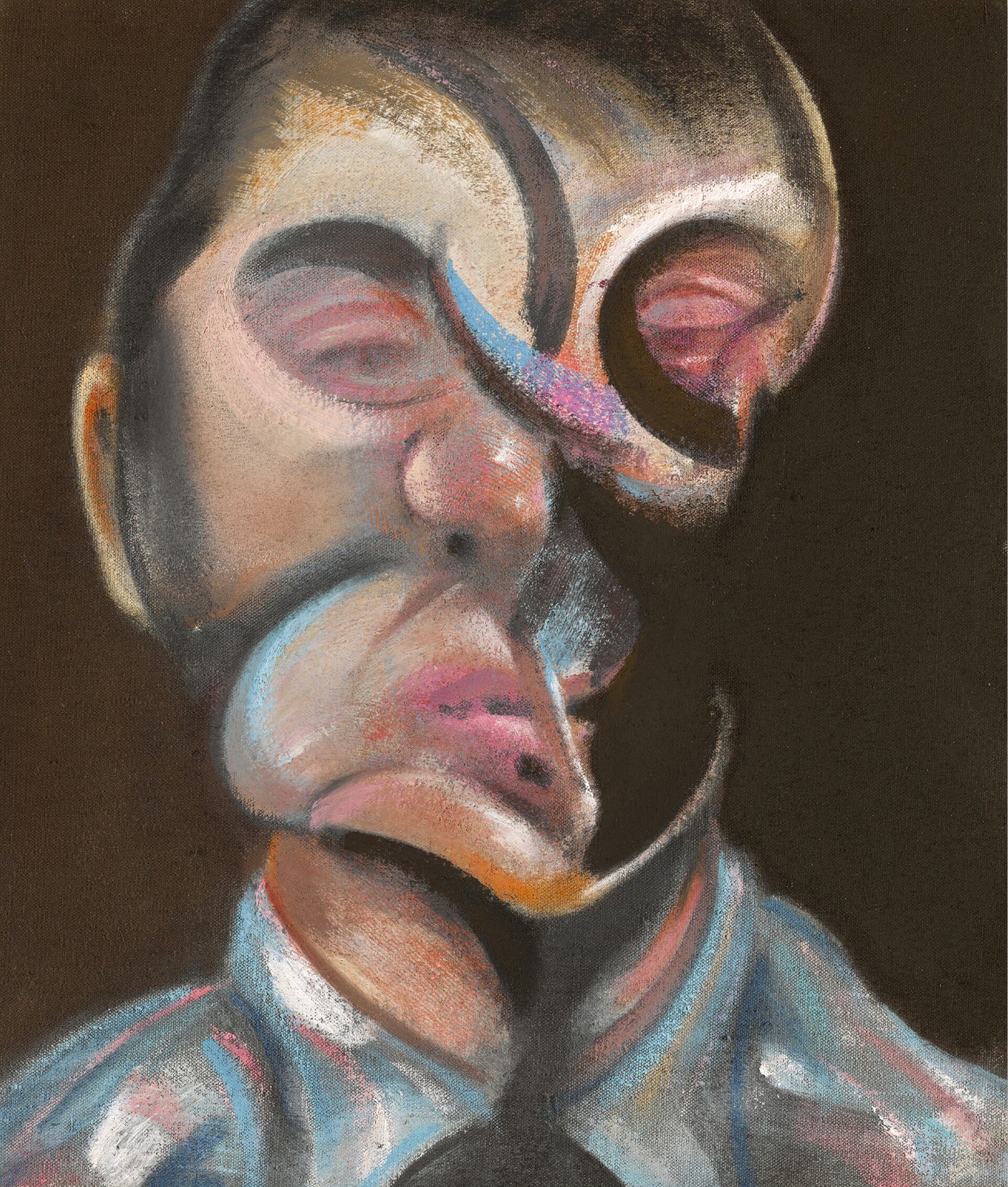
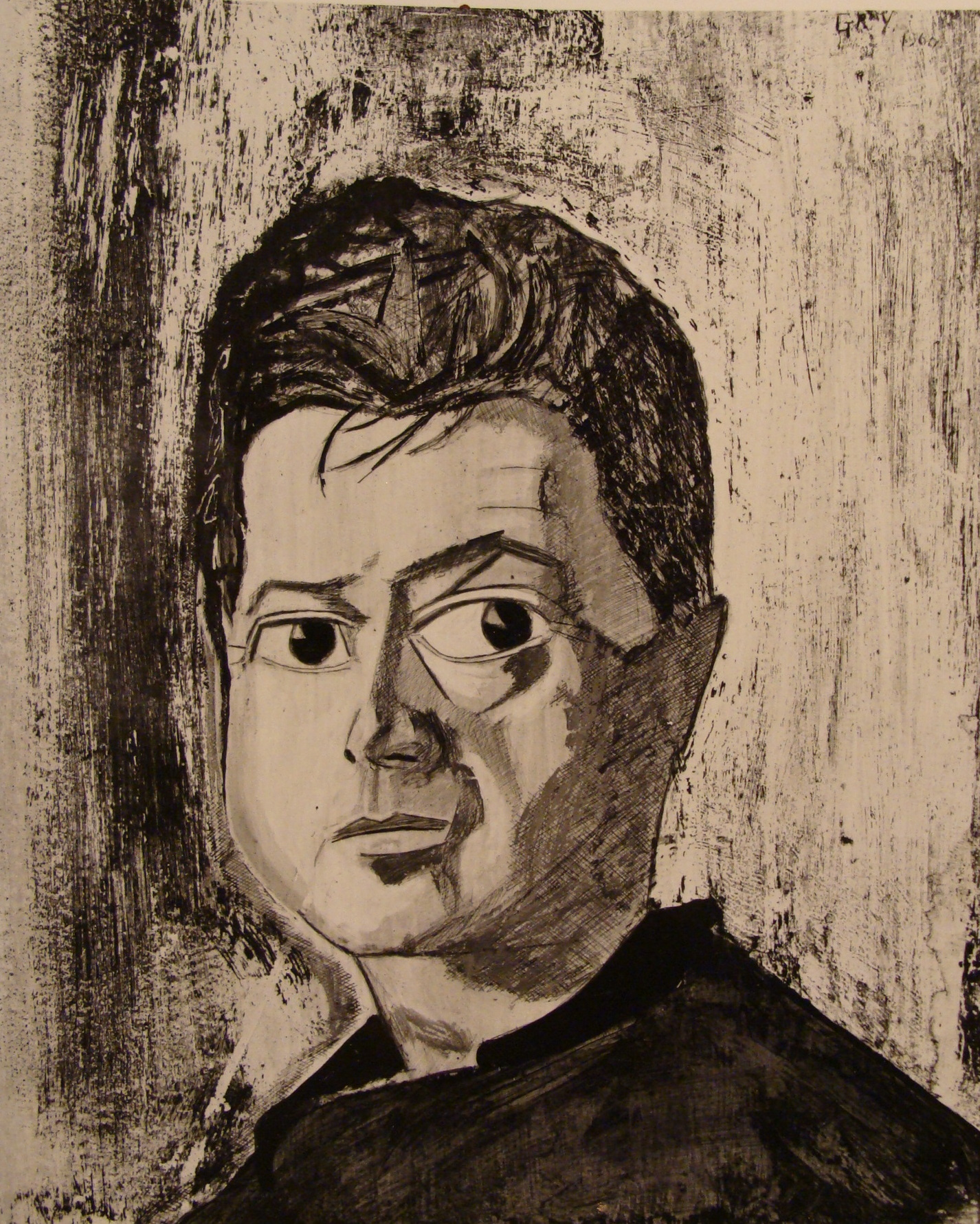
Francis Bacon
Self-Portrait, 1972
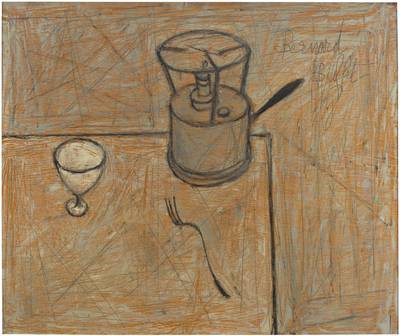
Bernard Buffet became a strange and somewhat ambiguous figure in France, his spiky figuration celebrated and then critically dismissed, his career a mirror held up to the postwar public appetite for legible suffering. The legacy of this period is not merely historical. Gerhard Richter, who came of age in this era and has spent the rest of his career in dialogue with its tensions between abstraction and representation, photography and painting, remains one of the most studied artists alive. The conceptual strategies pioneered by Jasper Johns and Robert Rauschenberg are direct ancestors of how most artists working today think about images and objects.
Keith Haring and Jean Michel Basquiat, who arrived in the early 1980s, are incomprehensible without understanding the expanded field of mark making and cultural address that Post War art opened up. Ellsworth Kelly's rigorous reduction of form and color to their essential relationships is a direct inheritance from that moment of clearing away. What Post War art ultimately accomplished was the permanent expansion of what art is allowed to be. It absorbed catastrophe and came back with canvases the size of walls, sculptures made of fat, paintings that looked like advertisements, and performances that lasted for days.
The Collection brings together works from across this extraordinary span, from the gestural luminosity of Sam Francis to the cool irony of Warhol, from Soulages's profound darkness to Calder's weightless kinetic joy. To move through these works is to understand, viscerally, that art is not separate from history. It is how history becomes something you can stand in front of and feel.