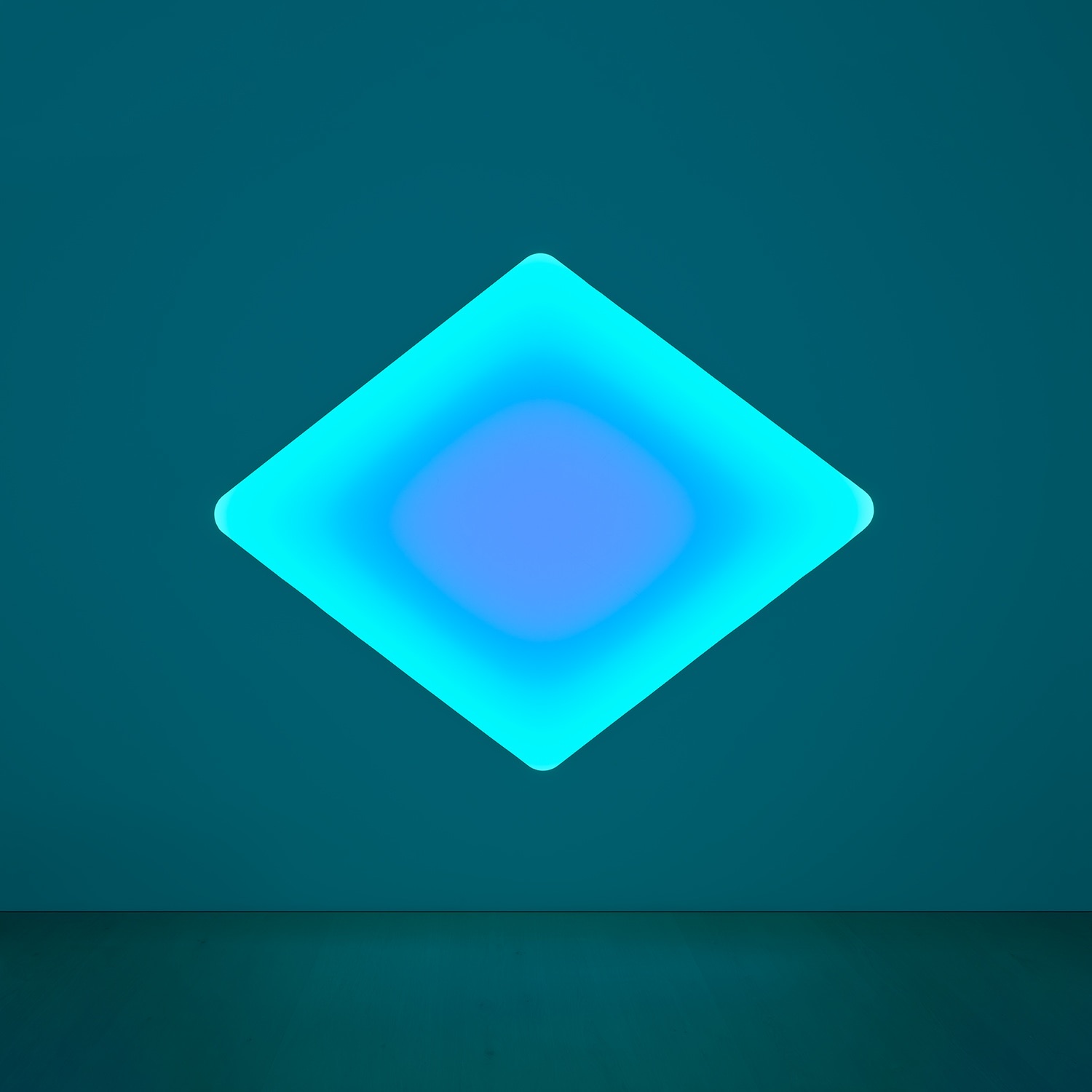
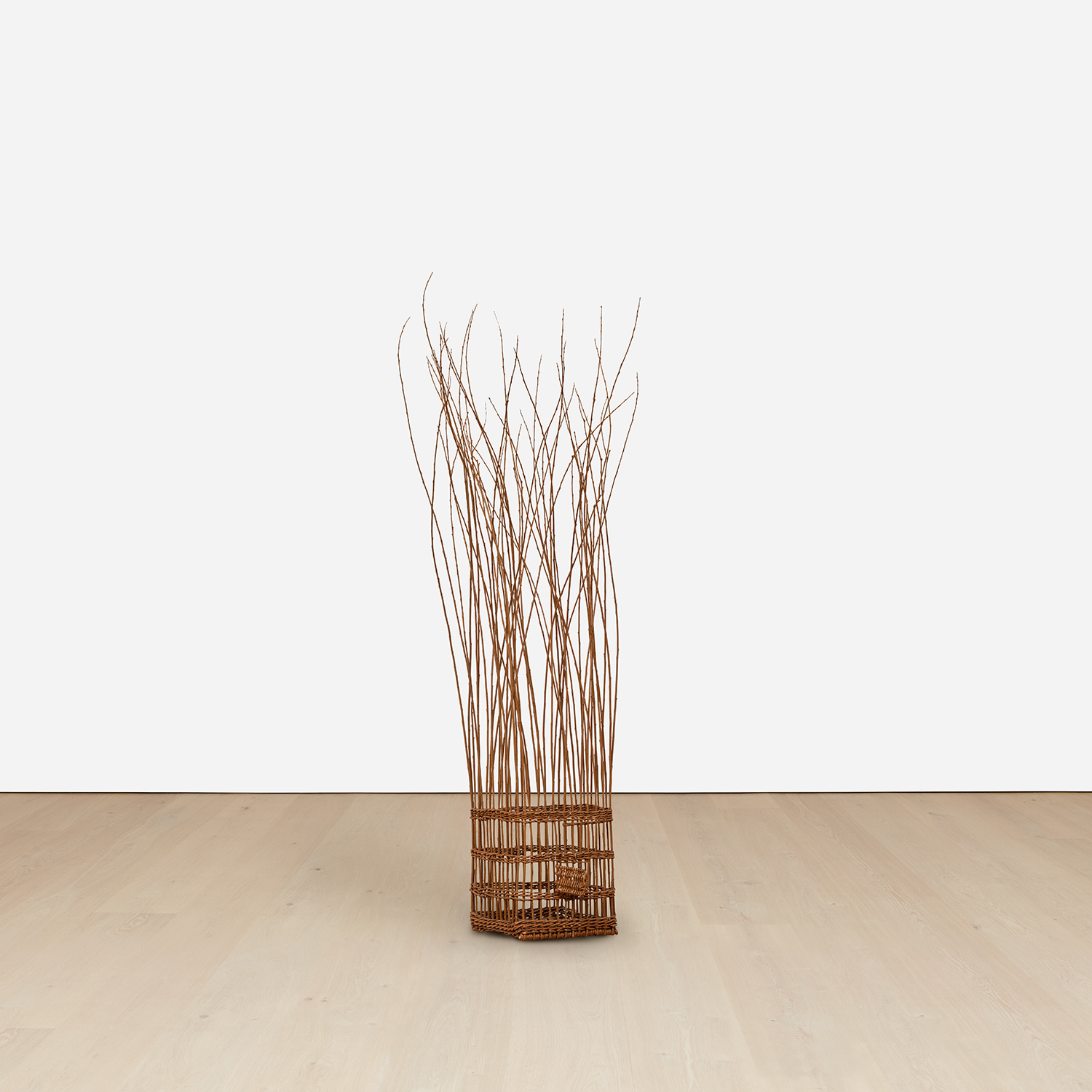
Geometric Abstraction
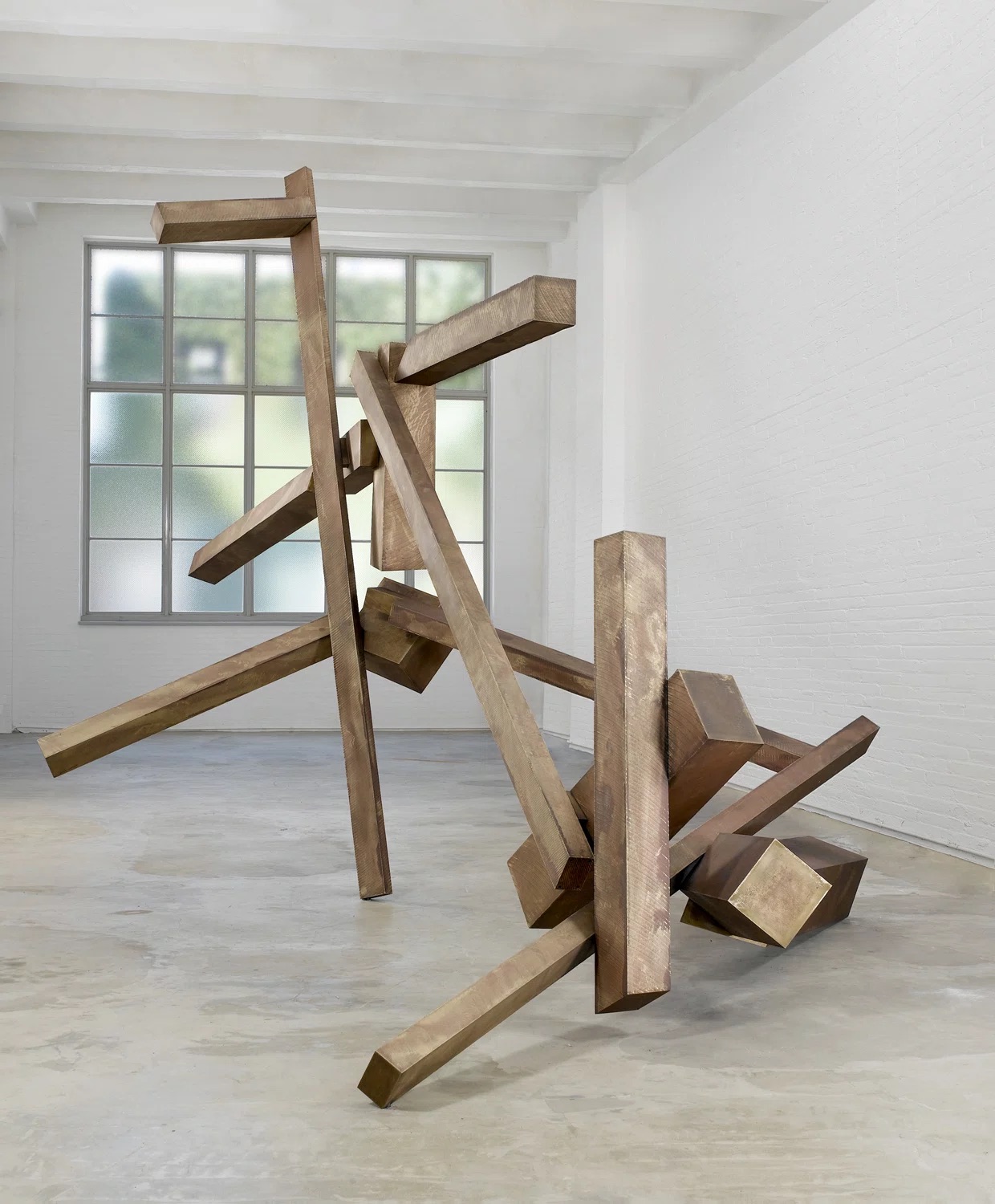
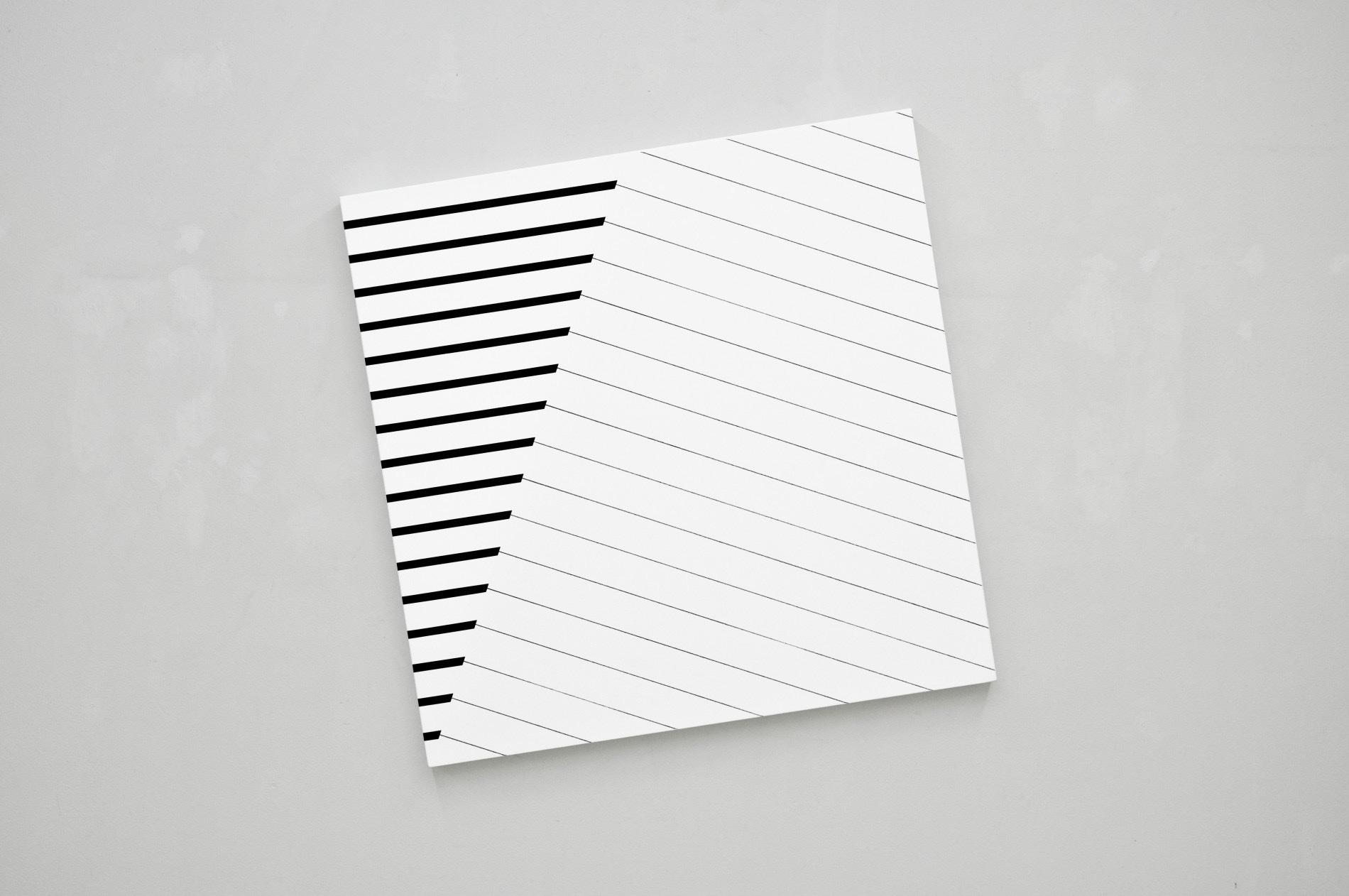
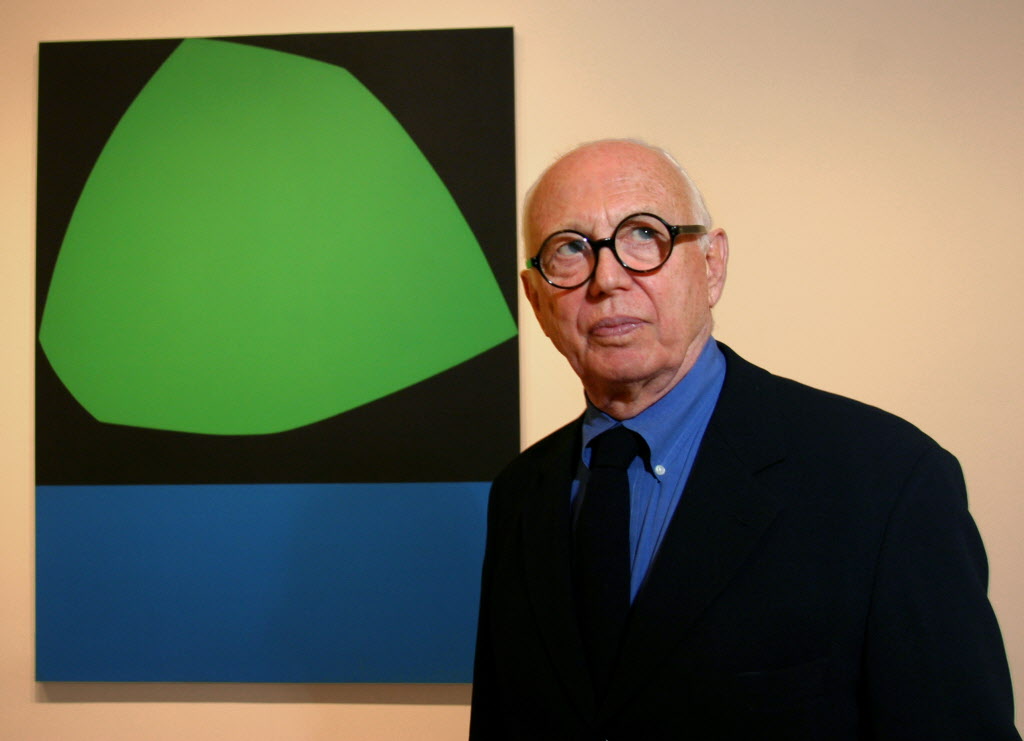
Joel Shapiro
Untitled

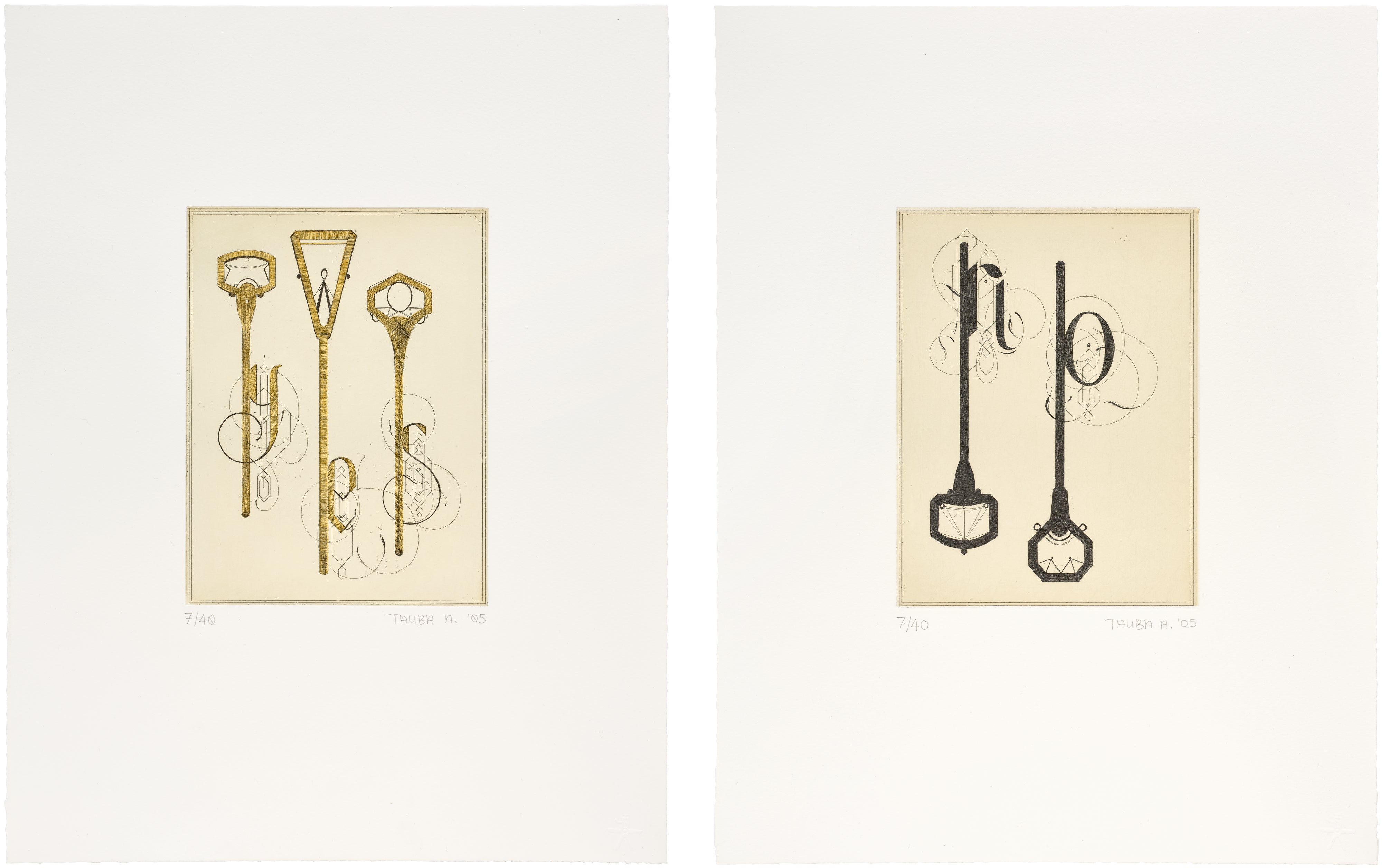
Order, Tension, Feeling: Geometry's Endless Return
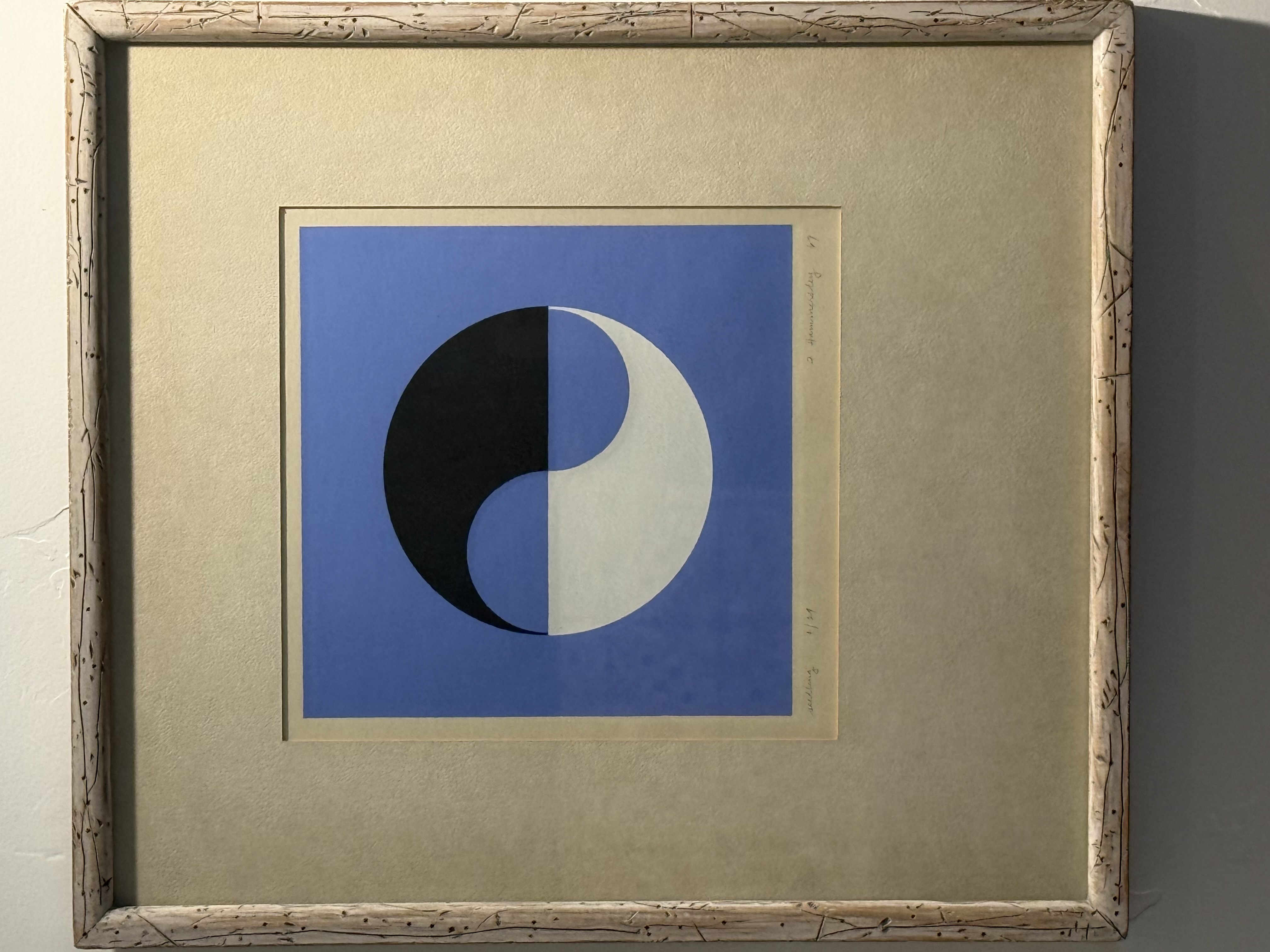
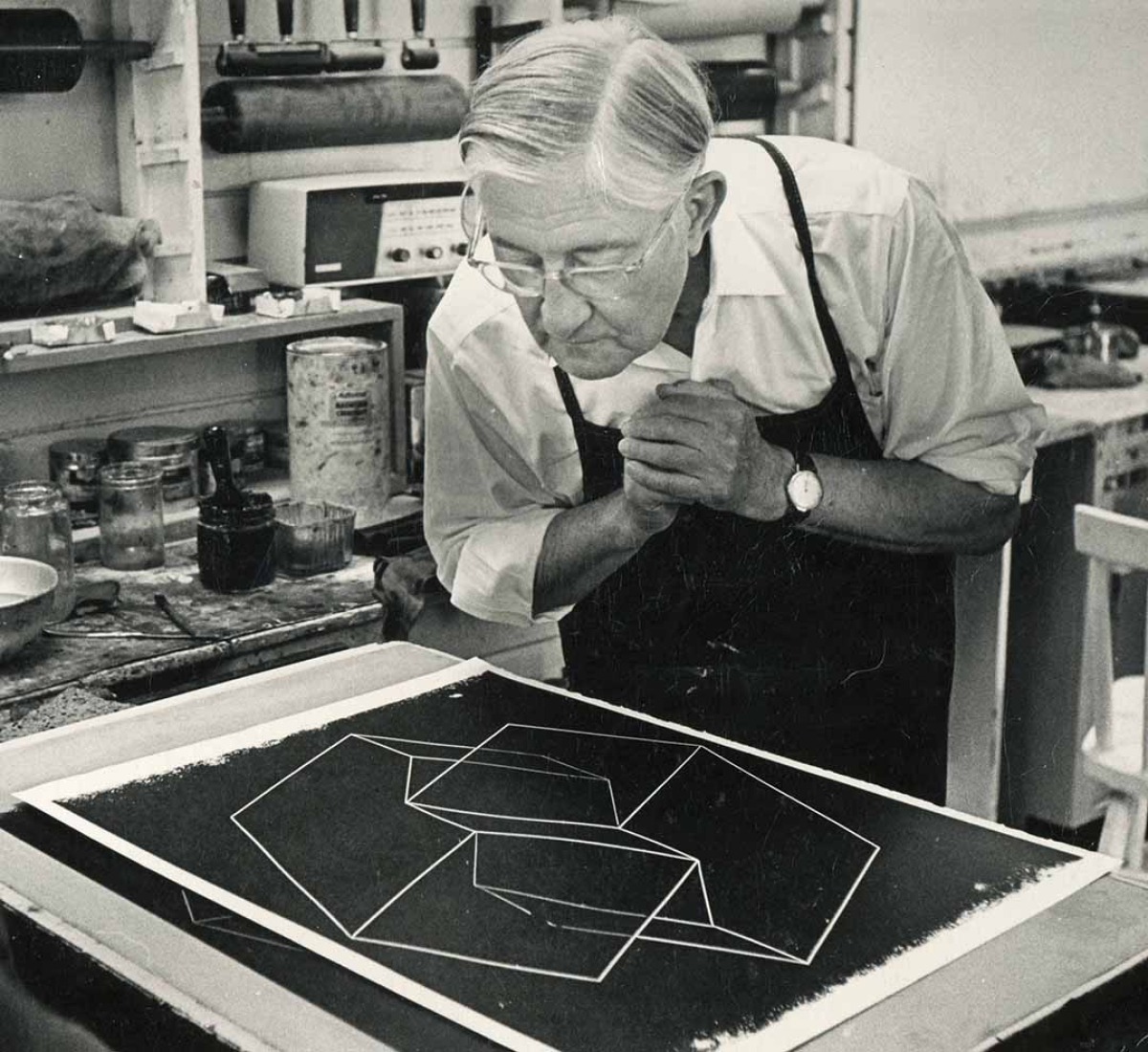
There is a persistent myth that geometric abstraction is cold. That squares, circles, and grids are the province of the intellect alone, stripped of the messy humanity that makes art worth caring about. Spend an hour with Josef Albers's Homage to the Square series, watching colors advance and retreat against one another with the intensity of a conversation you cannot quite hear, and that myth collapses entirely. Geometry, it turns out, is one of the most emotionally direct languages painting has ever found.
The roots of this tradition reach back to the second decade of the twentieth century, when artists on multiple continents arrived almost simultaneously at the conviction that pure form could carry meaning without the crutch of representation. Kazimir Malevich showed his Black Square at the Last Futurist Exhibition of Paintings in Petrograd in 1915, an act of near religious severity that announced a new visual order. Around the same time, Piet Mondrian was developing his Neo Plastic theory in the Netherlands, reducing the visible world to horizontal and vertical lines and the three primary colors. These were not decorative choices.
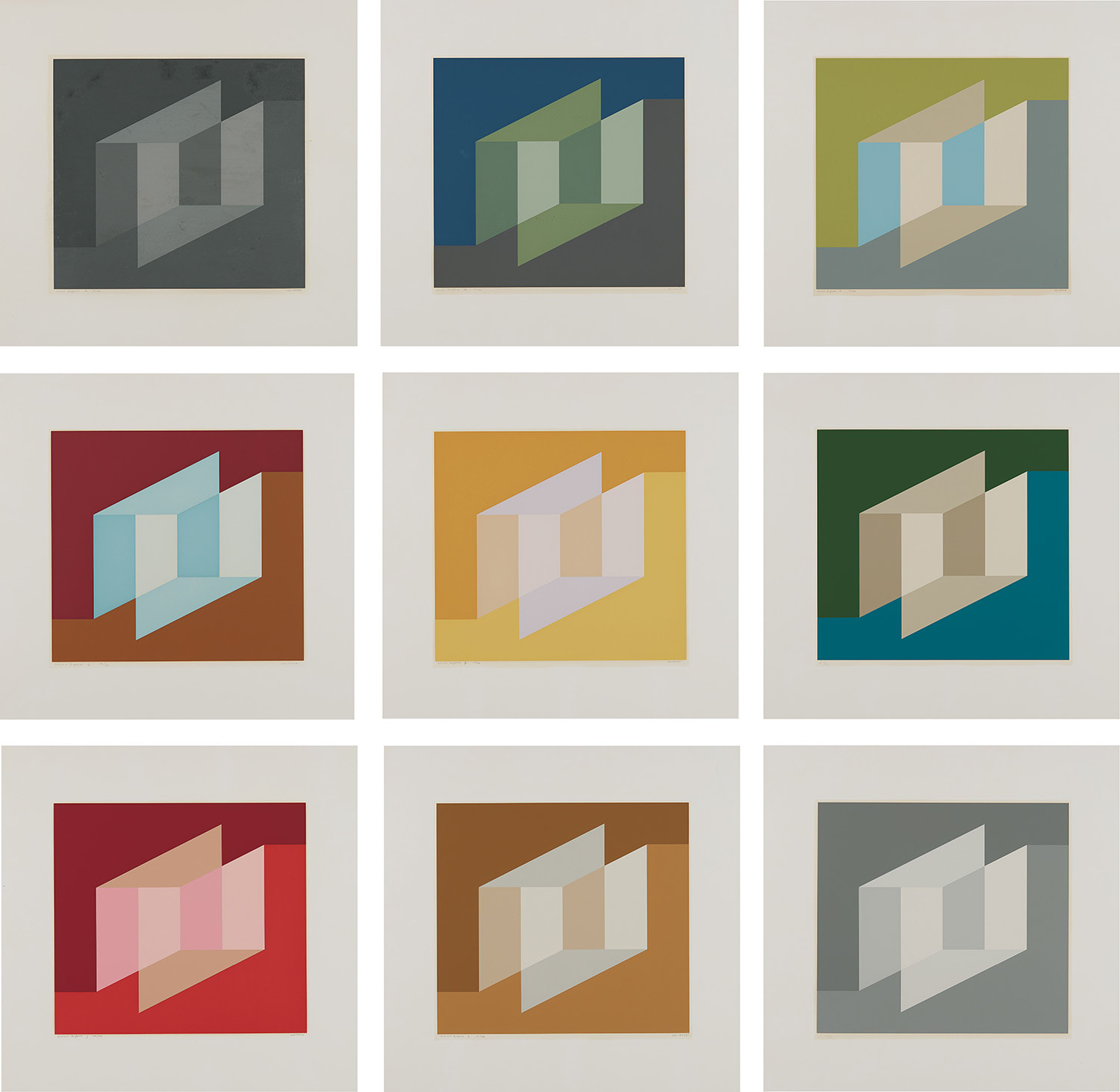
Josef Albers
Never Before: nine plates
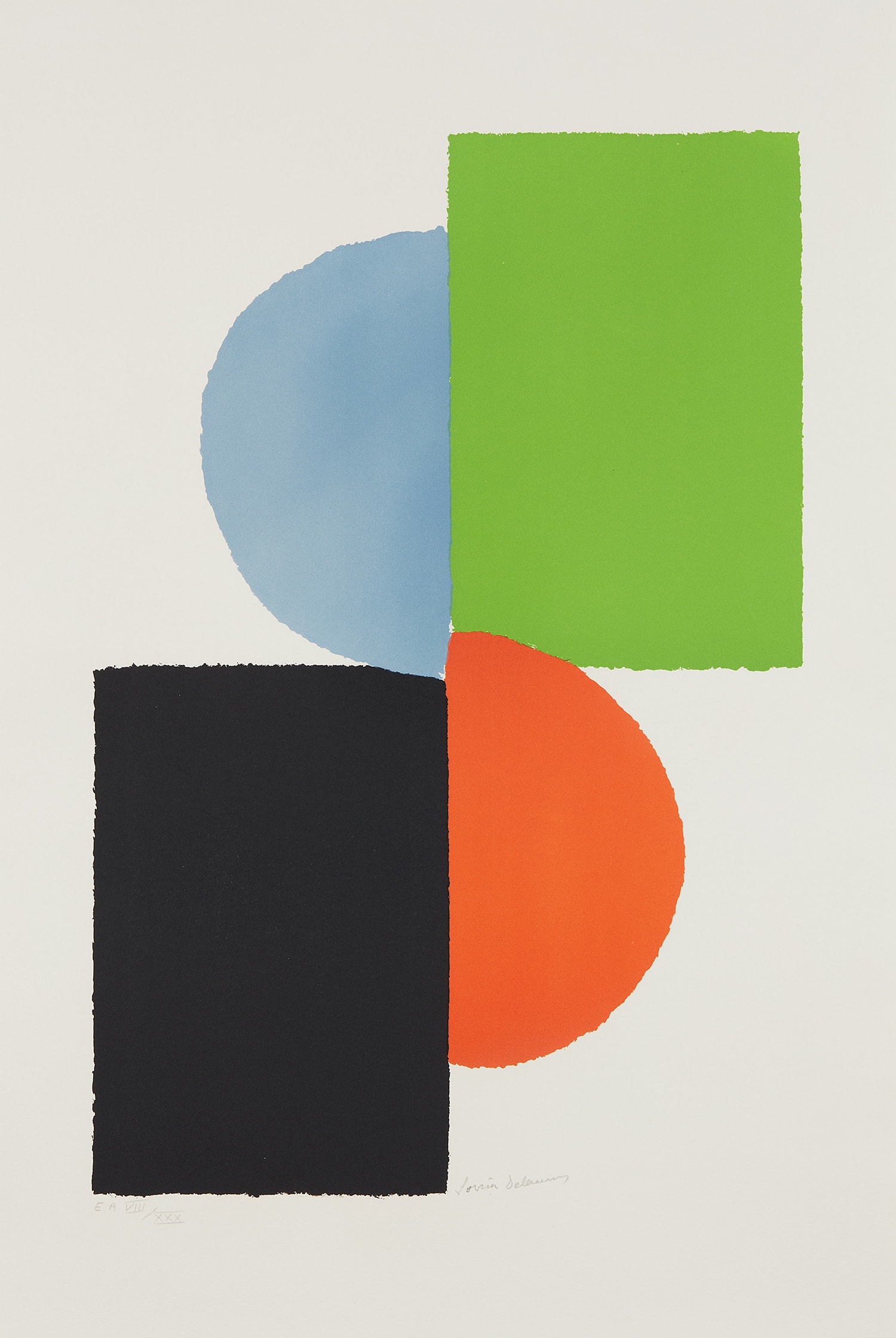
They were philosophical positions, arguments about the nature of reality and the capacity of art to reach something universal. Sonia Delaunay brought a different warmth to the conversation, her Simultanism drawing on color theory to create works that vibrated with rhythm and movement, influencing fashion and design as much as fine art. The Bauhaus, founded in Weimar in 1919, institutionalized a certain strand of geometric thinking, and it was there that Josef Albers developed the rigorous pedagogy around color interaction that would shape several generations of artists. When Albers eventually arrived at Black Mountain College and later Yale, he carried these ideas into American art education at precisely the moment American abstraction was finding its confidence.
His influence radiates outward in ways that are almost impossible to fully map. By the 1960s, geometric abstraction had fractured into a constellation of related but distinct movements. Minimalism, Op Art, Hard Edge painting, Concrete Art, and Kinetic Art all shared a commitment to clarity of form but pursued very different ends. Frank Stella's early black paintings, shown at the Museum of Modern Art in 1959 when he was just twenty three years old, declared that a painting need not refer to anything beyond its own material facts.
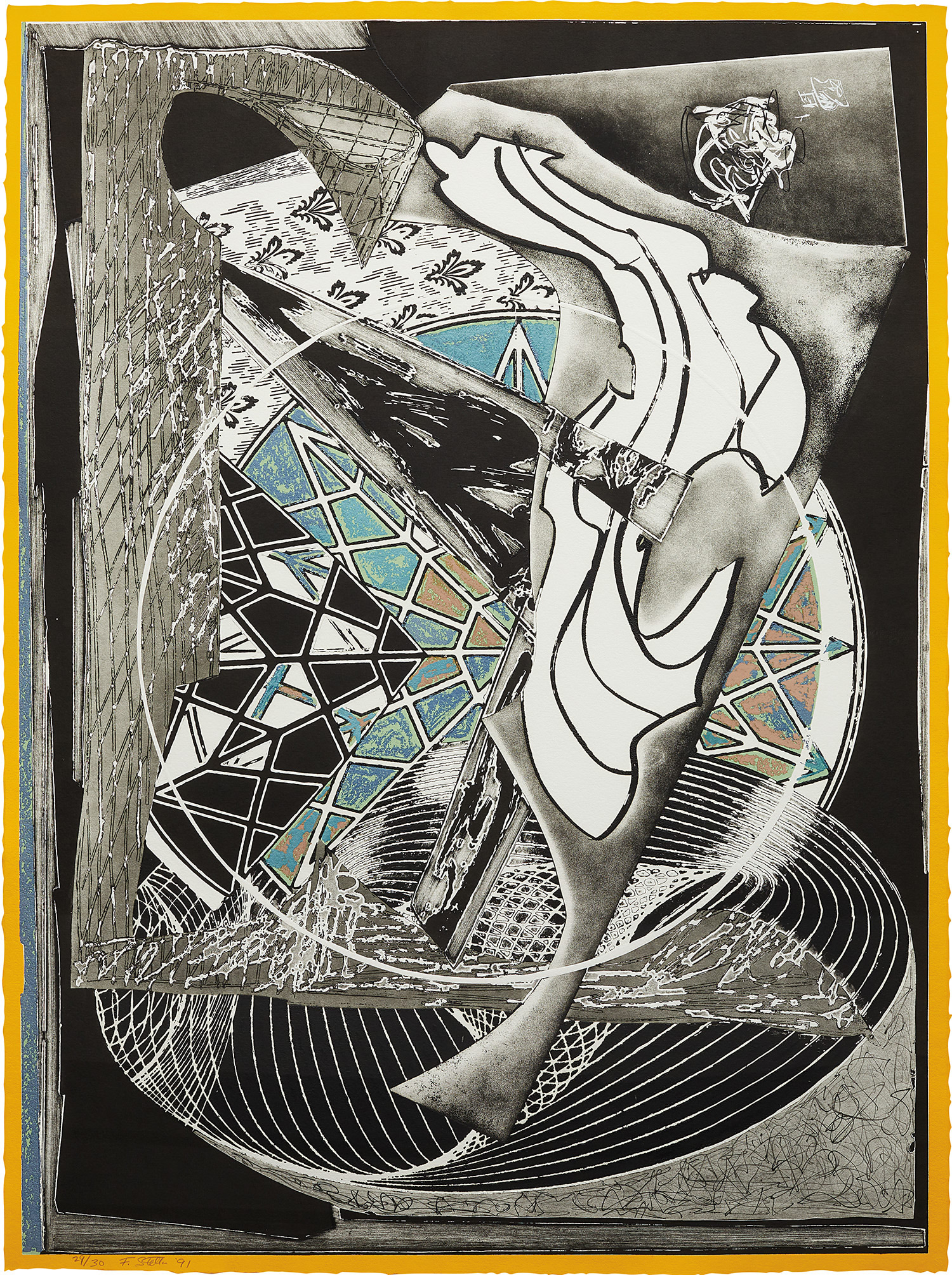
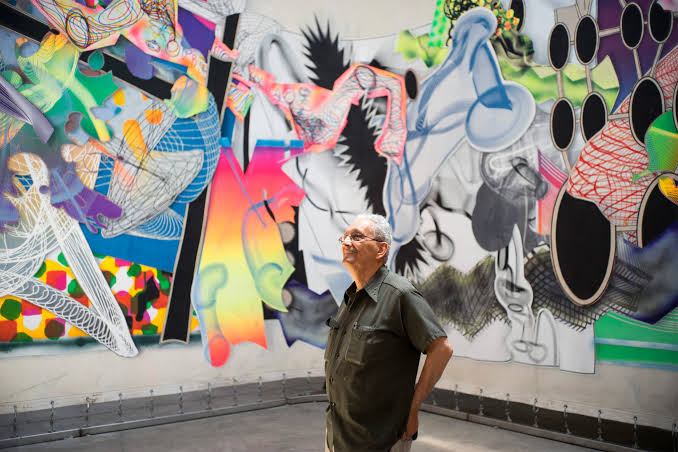
Frank Stella
Jonah Historically Regarded, from Moby Dick Engravings
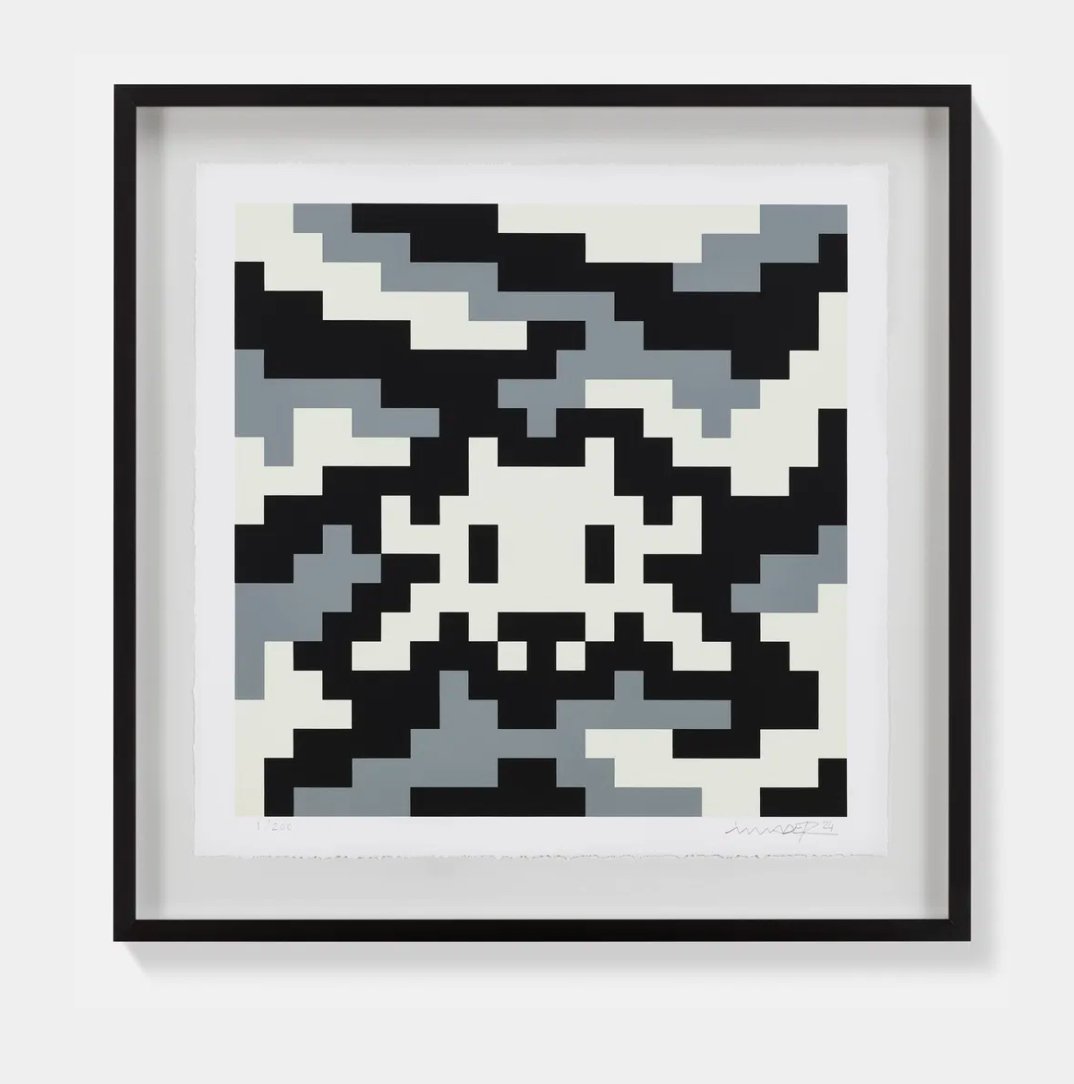
Bridget Riley, working in London through the same decade, pushed optical sensation to its limits, making the eye feel genuinely unstable in front of perfectly controlled geometric arrangements. Victor Vasarely in Paris was constructing visual illusions of depth and movement from flat planes of color, laying much of the conceptual groundwork for what would later be called Op Art. The Minimalist generation expanded the conversation beyond the canvas entirely. Sol LeWitt proposed that the idea behind a work was itself the work, and his wall drawings, executed according to written instructions that could be carried out by others, turned geometry into a kind of score.
The works on The Collection include a substantial range from LeWitt, and they reward close attention precisely because the logic of each piece is so transparently available, yet the visual result so consistently surprising. Ellsworth Kelly was doing something quite different but equally radical, finding shapes in the world around him and translating them into fields of pure color that hover between object and image. Kenneth Noland explored the emotional temperature of concentric circles and chevrons with a directness that can feel deceptively simple until you stand before one of them. Not everyone in this tradition was working toward austerity.
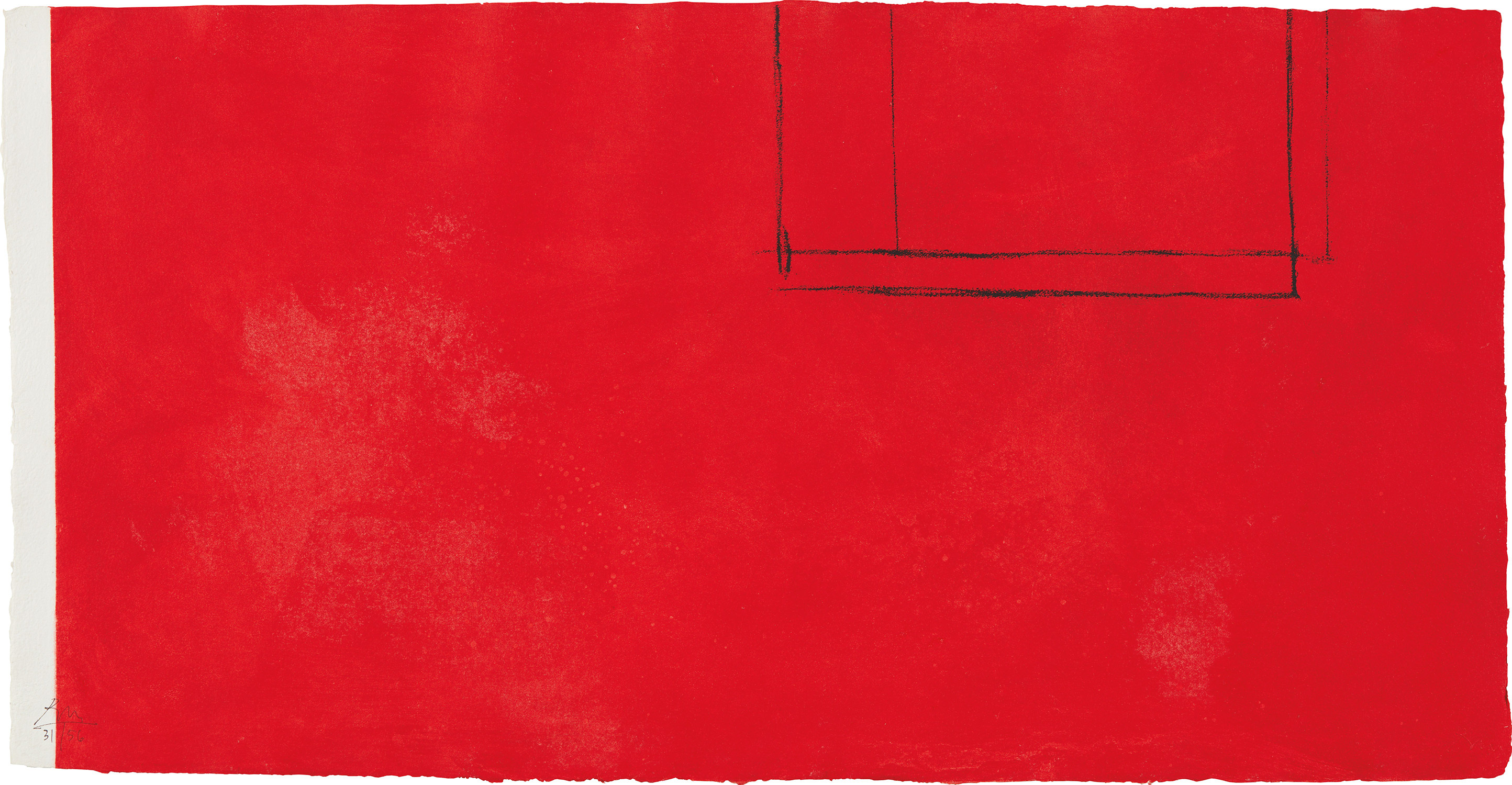
Robert Motherwell
Red Open with White Line
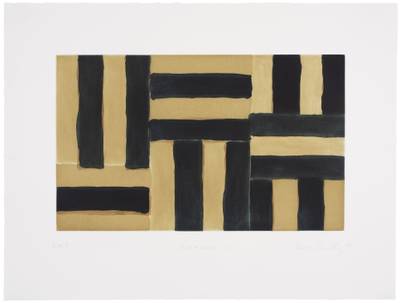
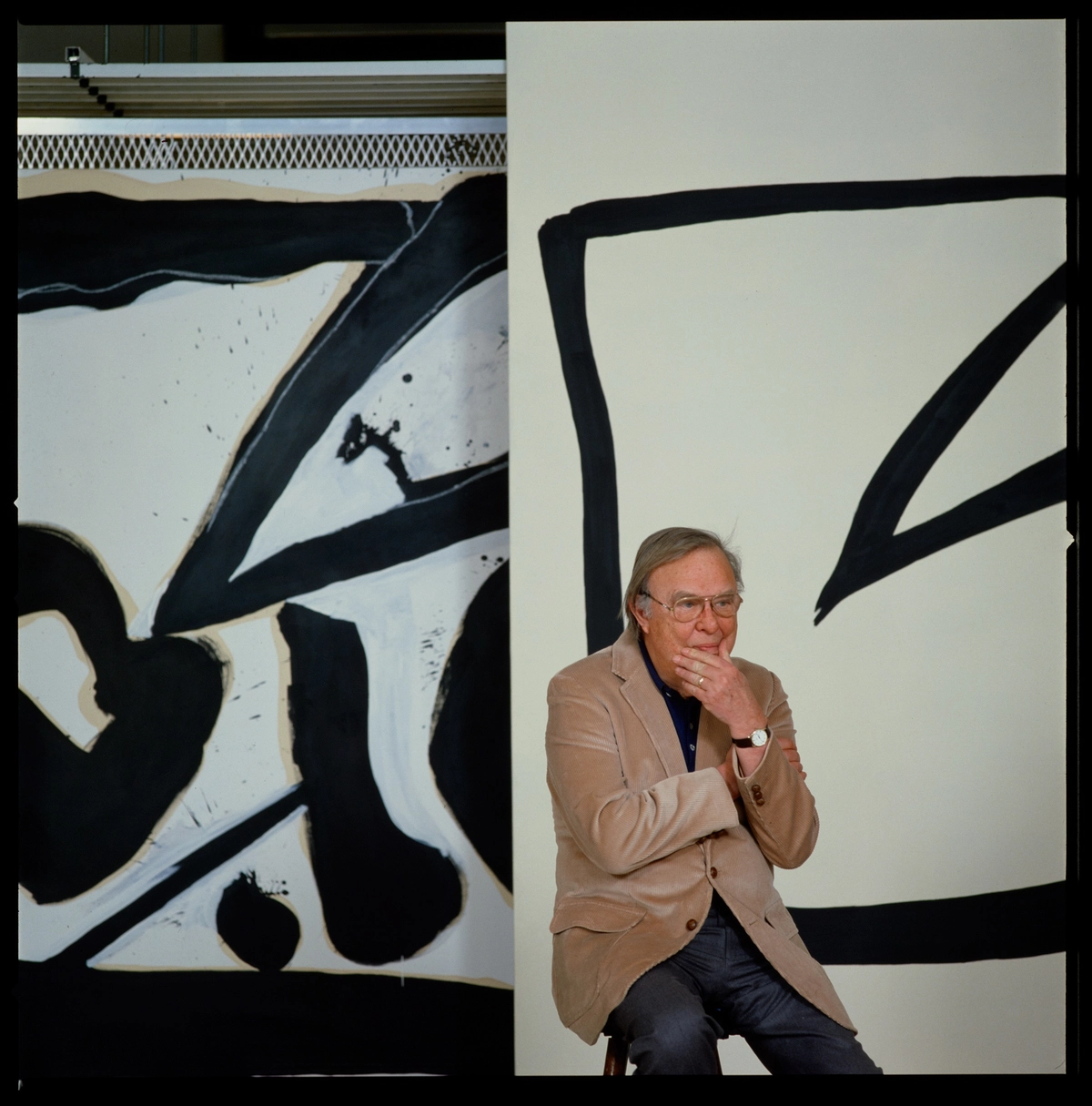
Sean Scully has spent decades proving that the stripe, one of painting's most elemental gestures, can hold tremendous feeling. His panels carry the weight of landscape, of light over water, of grief and consolation, all through the measured interaction of bands of color. Robert Motherwell, better known for the Elegy to the Spanish Republic series, was equally committed to the expressive potential of geometric form, and his work sits at the fascinating intersection of Abstract Expressionism and something more architecturally resolved. Imi Knoebel, a student of Joseph Beuys who ultimately turned toward radical simplicity, has made some of the most quietly insistent geometric paintings of the past fifty years.
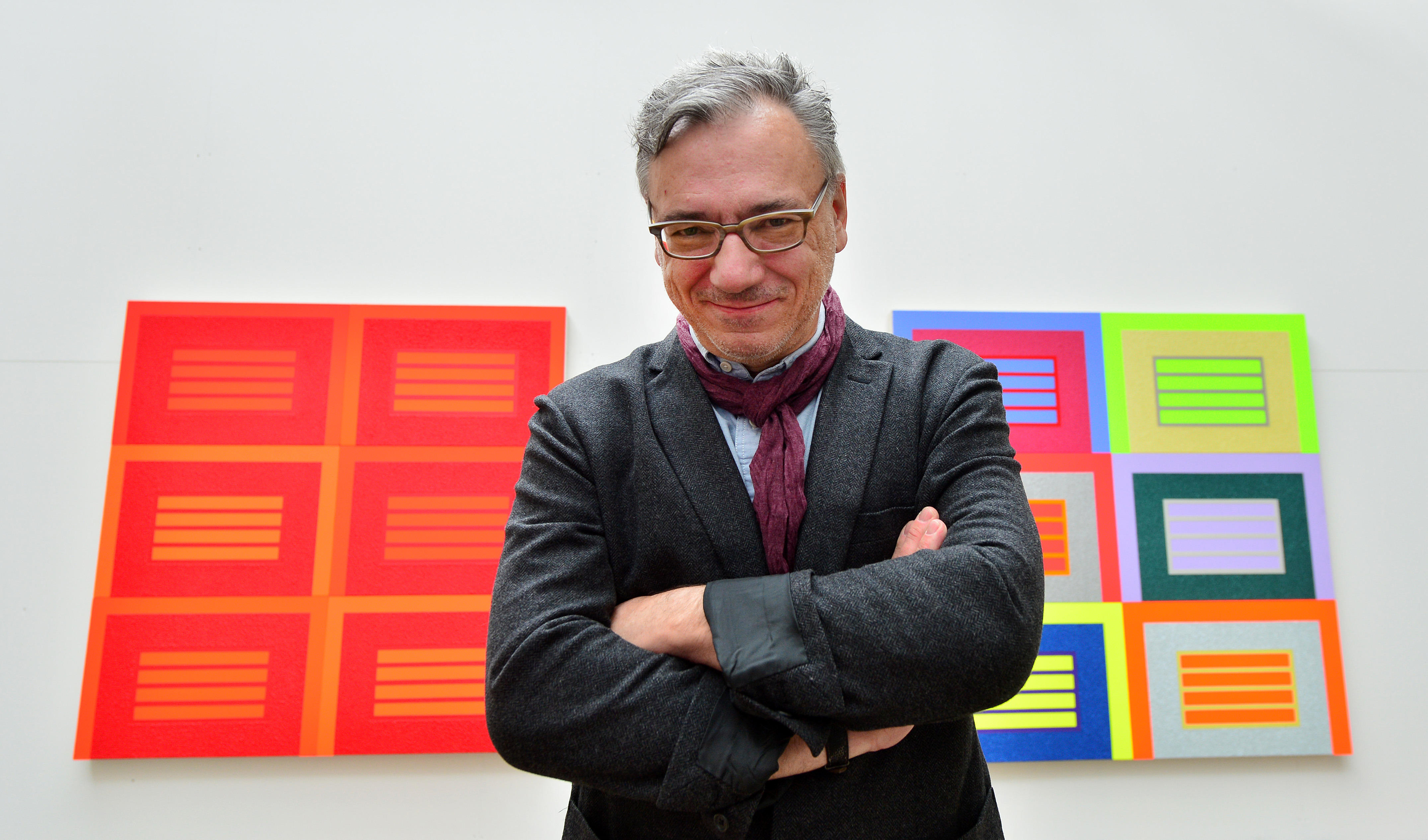
The postmodern moment brought a critical intelligence to the tradition. Peter Halley, emerging in the 1980s, repurposed the geometry of Minimalism as cultural analysis, his cells and conduits reading as diagrams of social control and urban infrastructure. Sarah Morris turned the corporate grid of the modern city into paintings of spectacular visual intensity, finding a kind of beauty in the systems of power that structure contemporary life. Tauba Auerbach has brought a more recent and restlessly curious sensibility to questions of dimension, folding, and the surfaces of perception, making geometric abstraction feel genuinely open ended rather than historically settled.
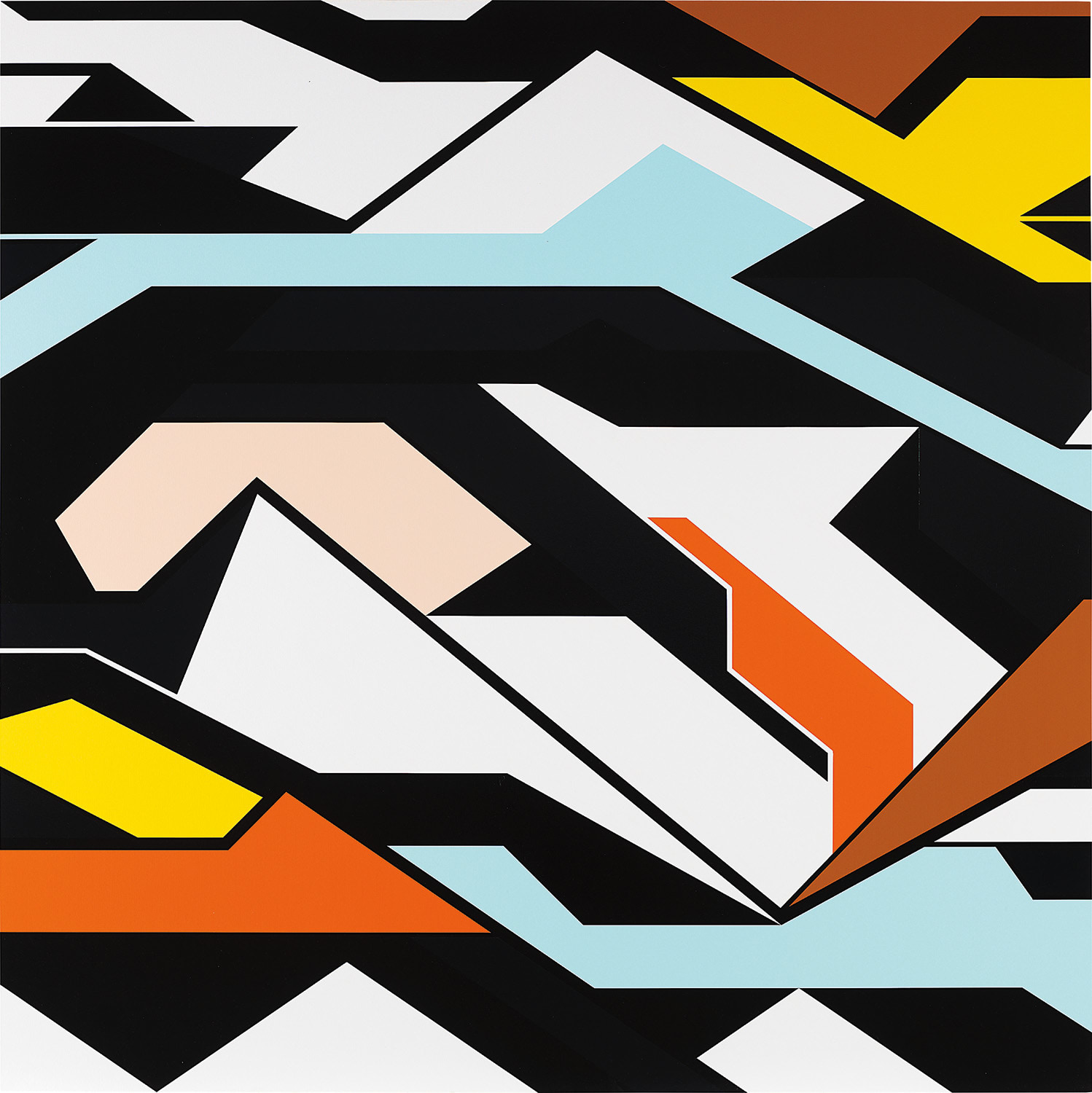
Sarah Morris
Vertical Power Station, 2016
What connects all of these artists across a century of work is a shared belief that abstraction is not a retreat from the world but a means of engaging it at a deeper frequency. The geometry is never merely geometry. In Albers it is epistemology. In Riley it is physiology.
In LeWitt it is philosophy. In Scully it is autobiography. The Collection holds an exceptionally rich range of work across this tradition, from foundational figures to artists still actively expanding what geometric abstraction can do. For the serious collector, this is not a closed chapter in art history but an ongoing and genuinely exciting argument, one that each new generation of artists enters on its own terms and refuses to leave resolved.