Small Format
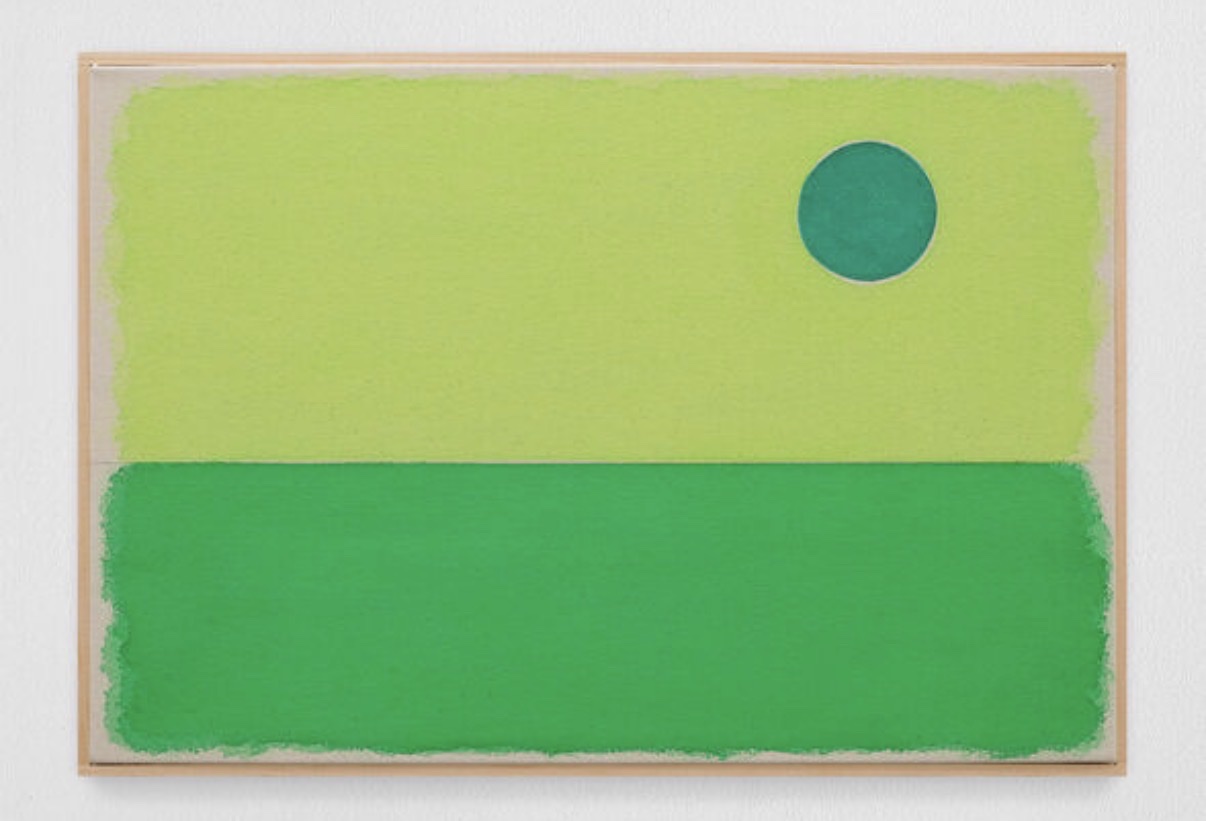
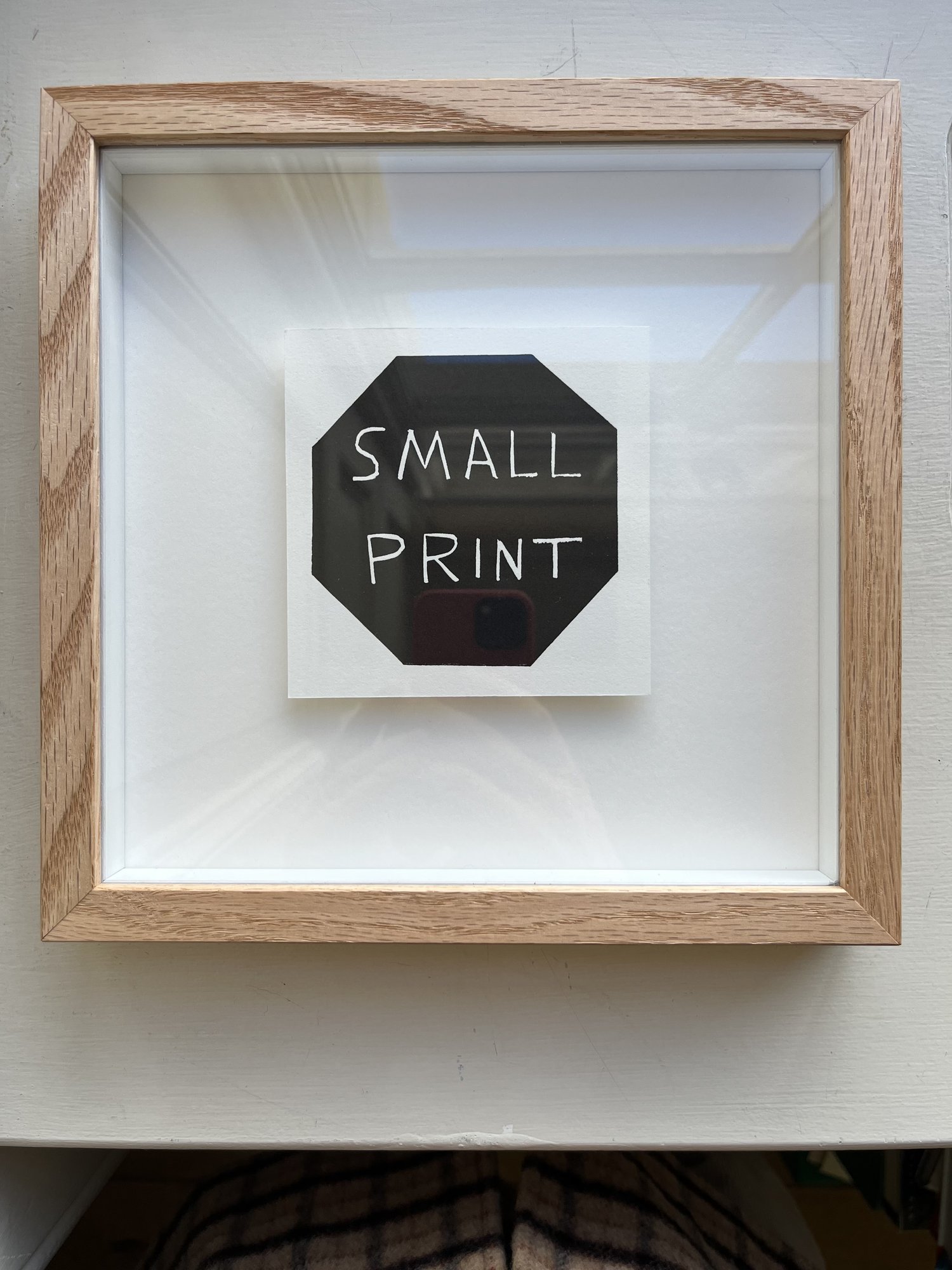
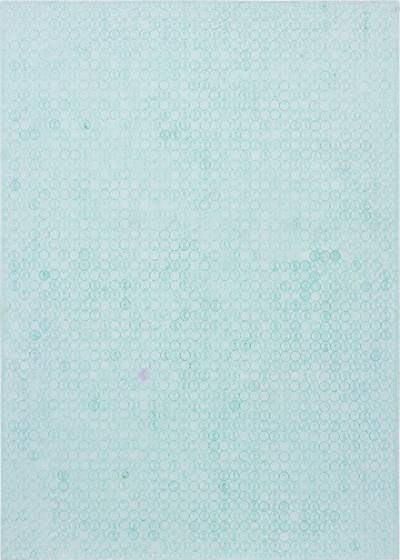
Ugo Rondinone
einundzwanzigstermaizweitausenddreiundzwanzig, 2023

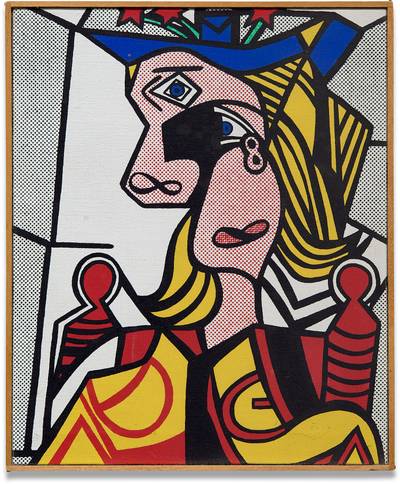





The Big Argument for Going Small
There is something almost conspiratorial about the small format. You lean in. The world outside the frame recedes. Collectors who have lived with intimate works for any length of time will tell you the same thing: a six inch painting demands more of your attention than a wall sized canvas ever could, because it refuses to meet you halfway.
You have to go to it. That quality, the way a small work pulls you across a room and holds you there, is perhaps the most underrated force in collecting. The pleasures of scale are also deeply practical. Small format works fit into real lives in ways that monumental pieces simply cannot.
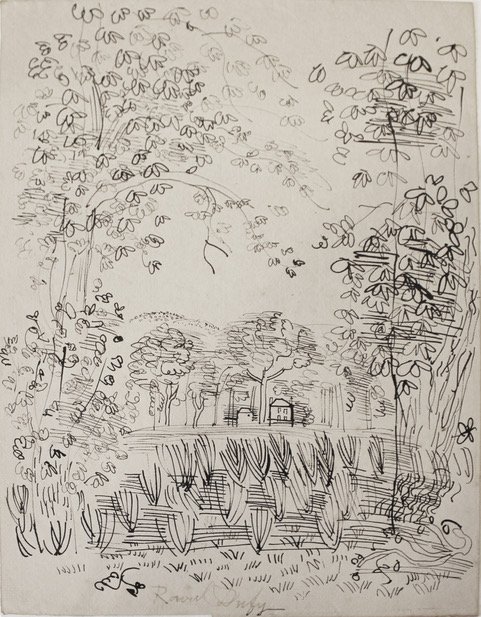
Raoul Dufy
Landscape, 1930
They travel well, hang in unexpected corners, survive apartment moves and changing tastes with a kind of resilience. But the collectors who gravitate toward this territory are rarely motivated by convenience alone. What they have recognized is that compression can be a form of intensity, and that some of the most charged and complex ideas in contemporary and historical art have found their most convincing expression in a space you could cover with both hands. The question of what separates a good small work from a truly great one is worth sitting with carefully before spending any serious money.
Scale should feel like a choice, not a limitation. The best small format works carry an internal logic that makes you feel the artist could not have made them any other way. Density matters enormously, which is not the same thing as busyness. A work by Paul Klee, even at its most modest dimensions, contains entire cosmologies.
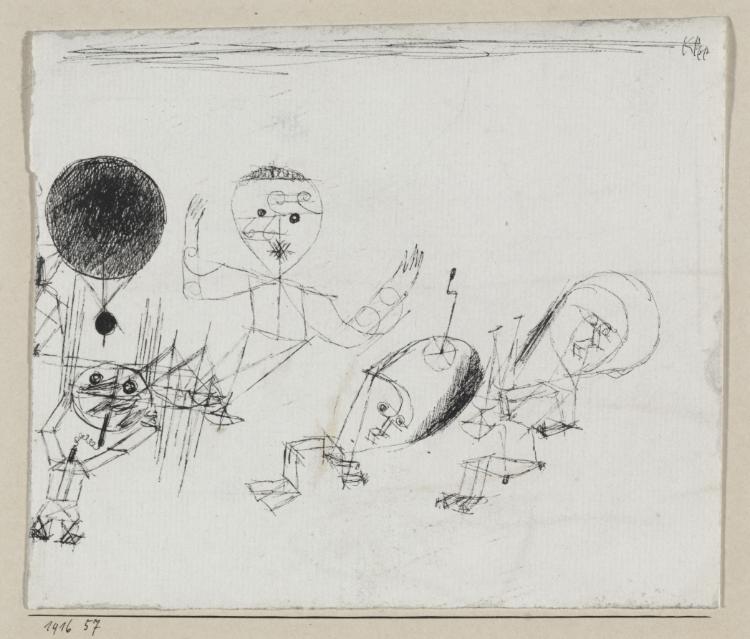
Paul Klee
With the Dot, 1916
The surface rewards time. Conversely, a small work that reads merely as a study or a sketch, even a technically accomplished one, will always feel provisional, and the secondary market tends to punish that feeling eventually. Condition takes on amplified significance at small scale. A scratch, a small tear, or foxing on paper that might disappear into a large composition becomes immediately visible when the entire pictorial space is the size of a paperback book.
When examining works in this category, bring a loupe and take your time with the edges and corners. For works on paper, ask specifically about framing history. Acid from old backings can migrate slowly and destructively over decades, and many small format works have passed through several frames over their lifetime. Ask the gallery whether the work has been examined by a conservator recently, and whether any restoration has been carried out.
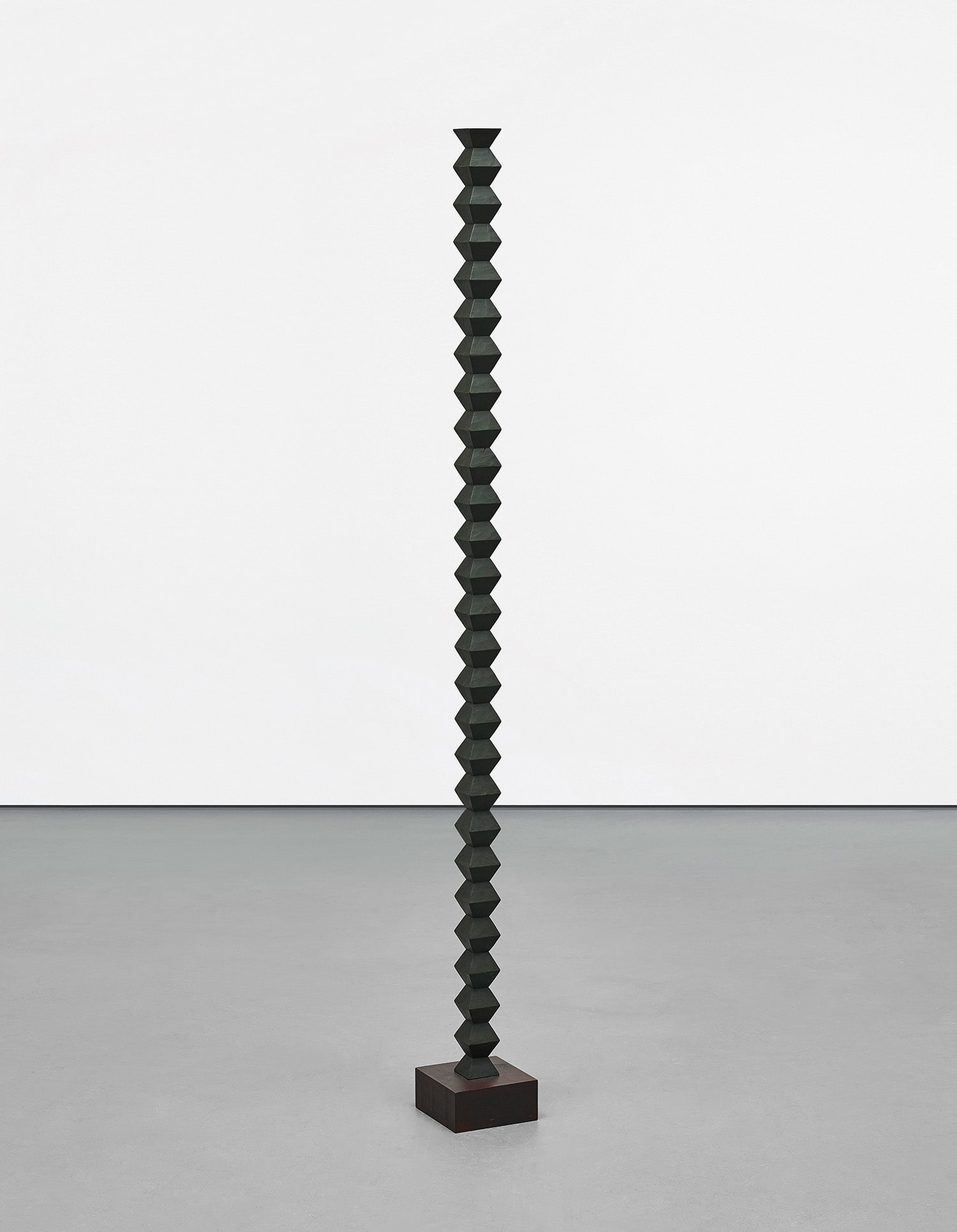
Richard Pettibone
Constantin Brancusi Endless Column, 1992
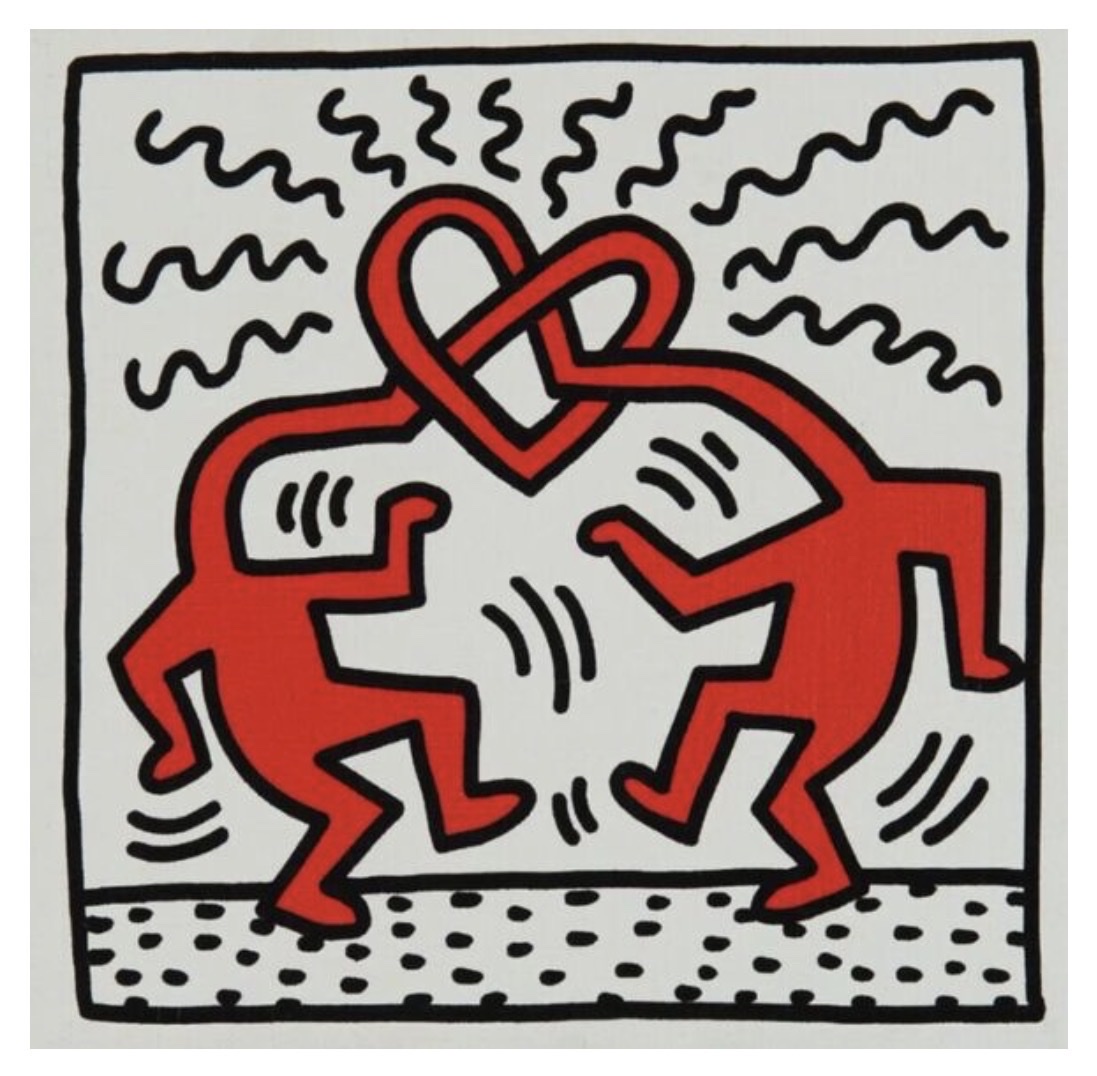
In terms of specific artists, the case for Richard Pettibone is as strong as ever. His practice of meticulously repainting canonical works at miniature scale sits at the intersection of appropriation, formalism, and a genuine reverence for painting history that is increasingly well understood by the market. His works have held value steadily and attracted serious institutional attention. Etel Adnan, whose small leporellos and paintings were celebrated long before her late career recognition, represents a different kind of opportunity.
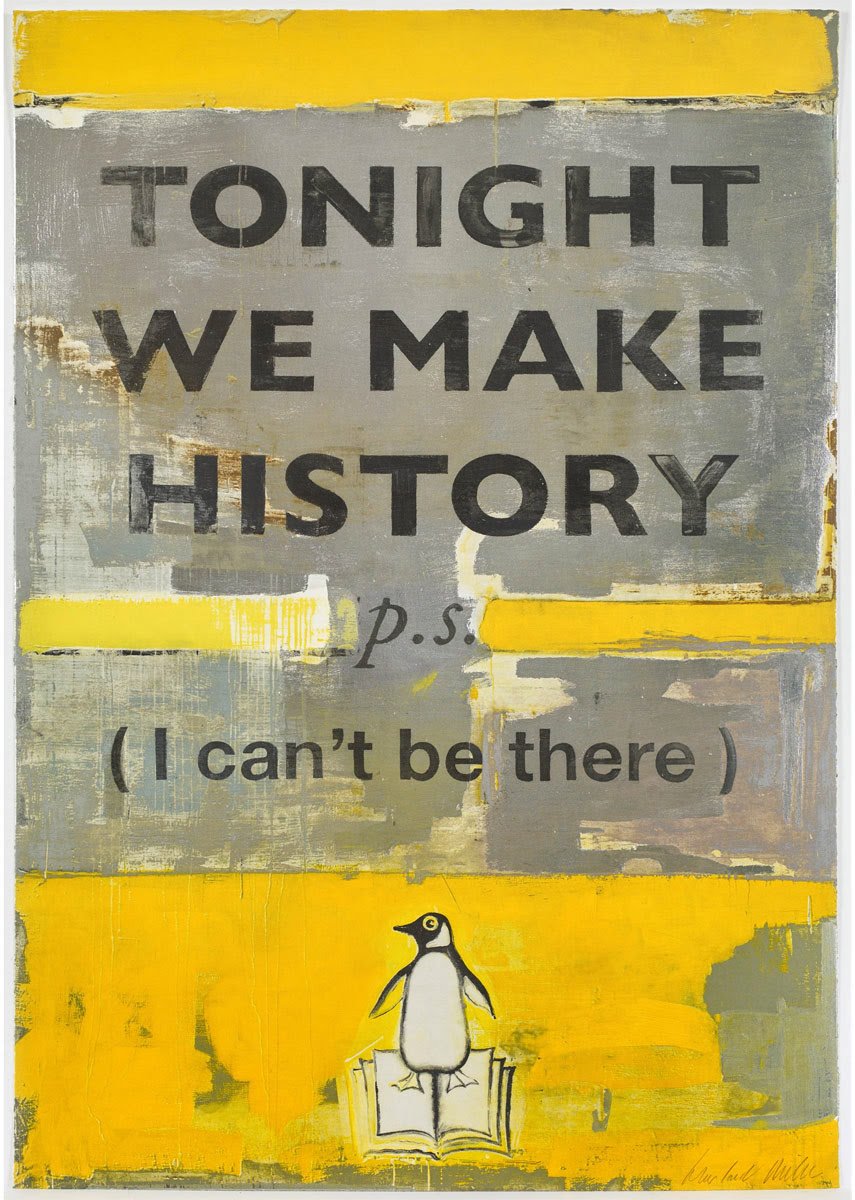
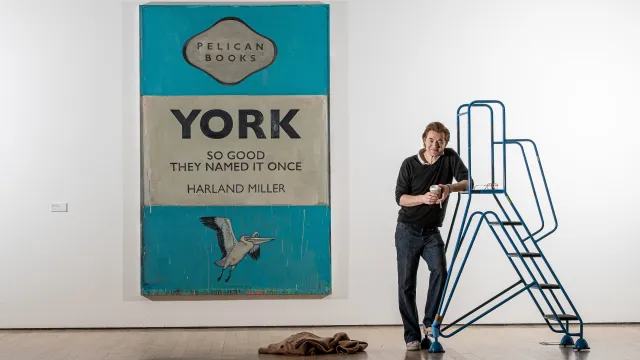
The poetic and philosophical weight she packed into tiny accordion books is remarkable, and with growing retrospective attention following her death in 2021, the secondary market for her work continues to find its footing at higher price points than many collectors anticipated just a few years ago. Ugo Rondinone has produced small format works throughout his career that function as concentrated expressions of the larger concerns in his practice. His intimate pieces rarely come to market and tend to move quickly when they do. Harland Miller, whose text based paintings work at every scale, has a particular quality at smaller dimensions where the relationship between word and painted surface feels more compressed and therefore more electric.
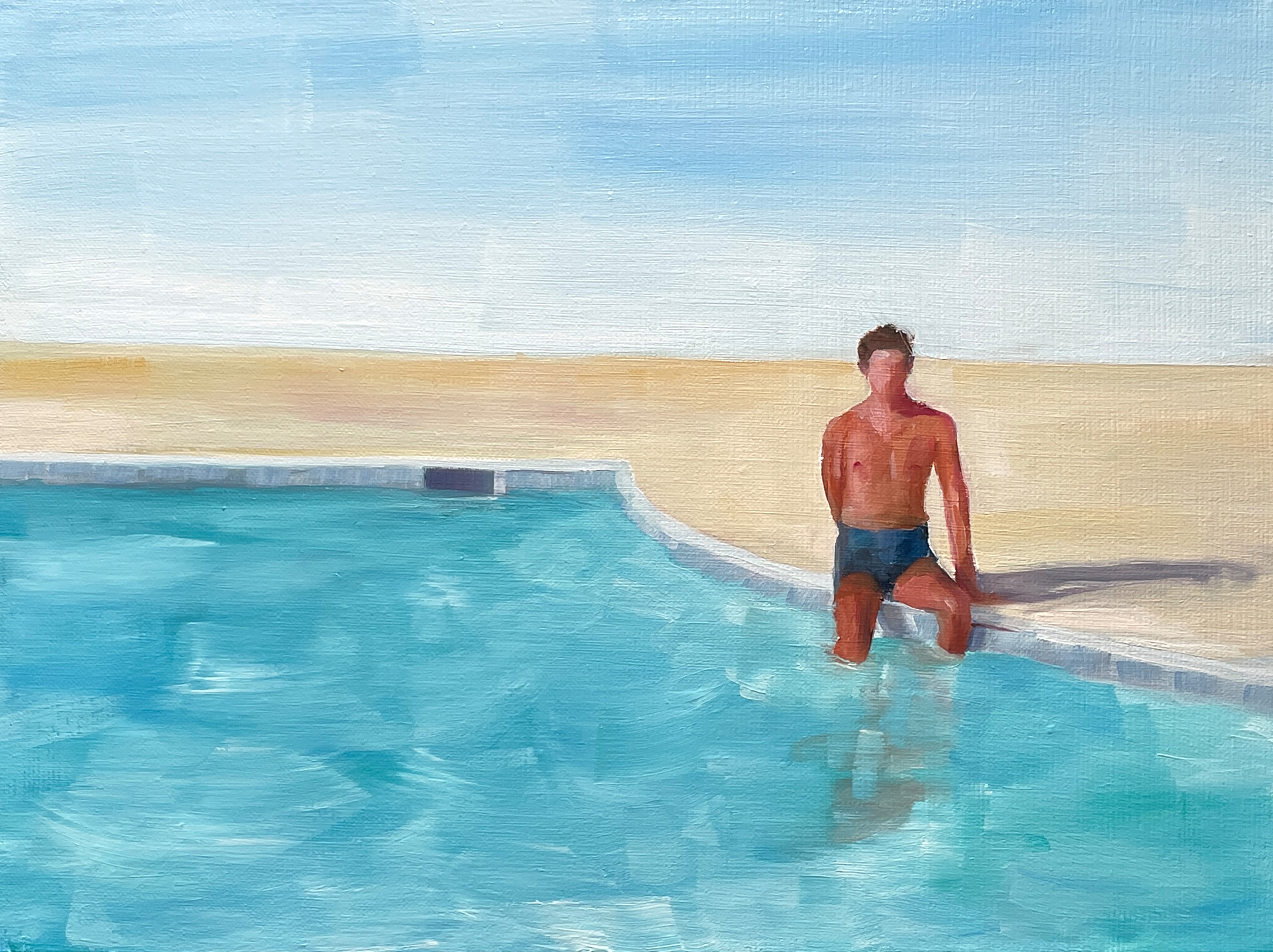
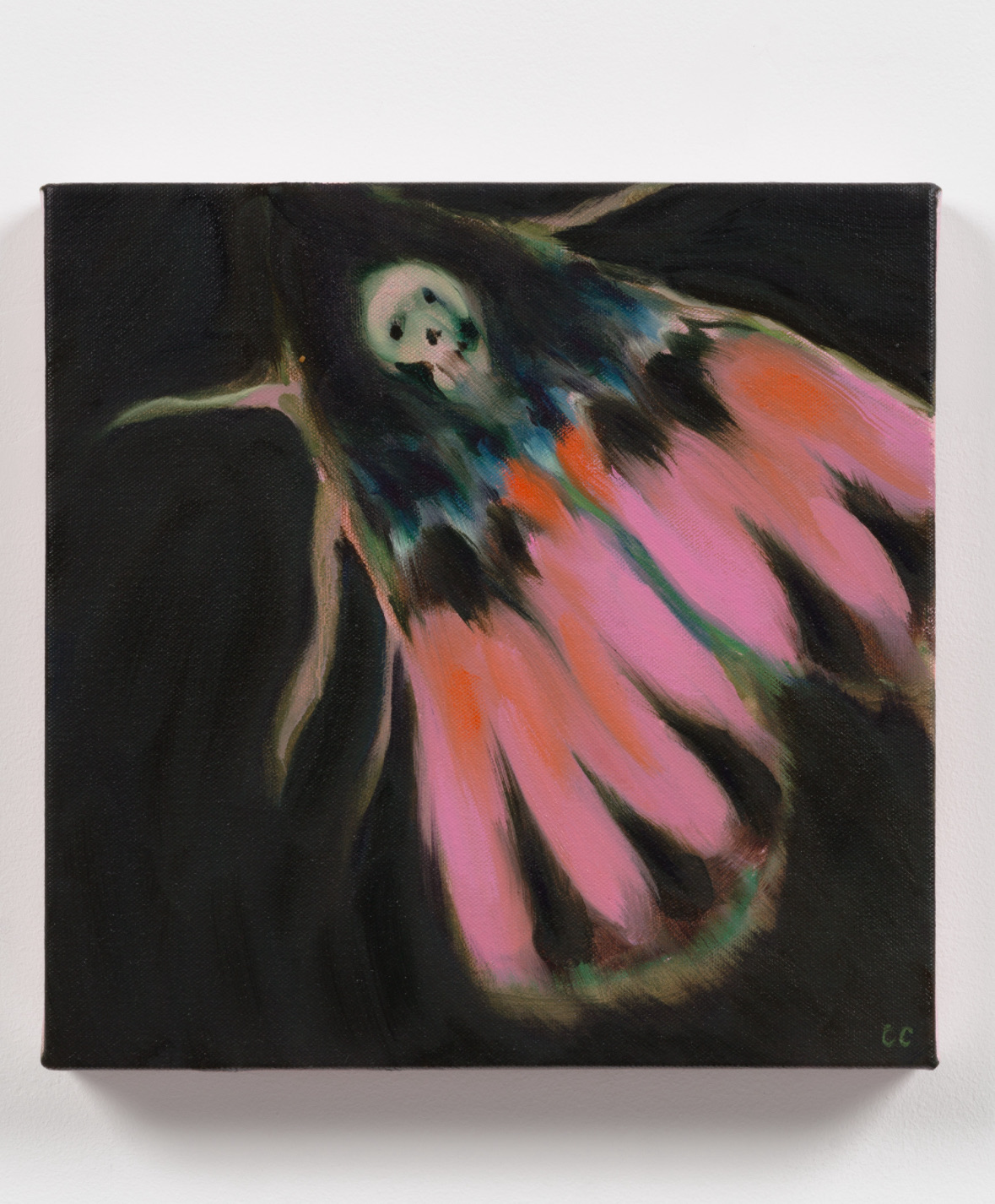
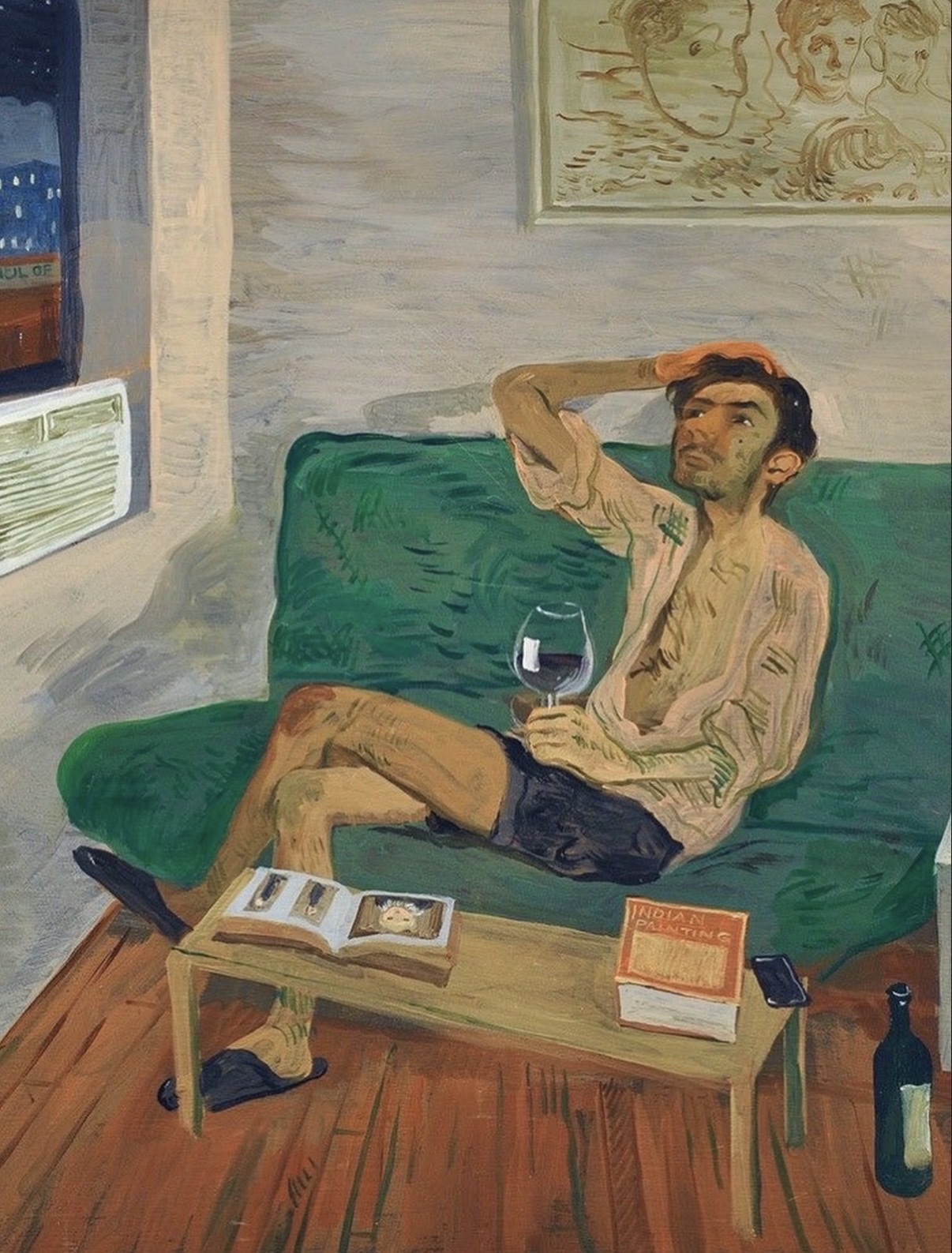
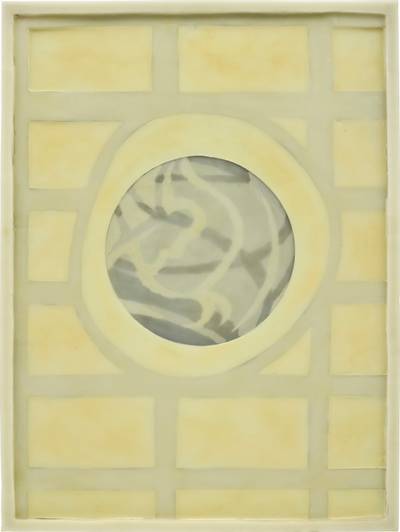
Kory Alexander
Where I Live, 2023
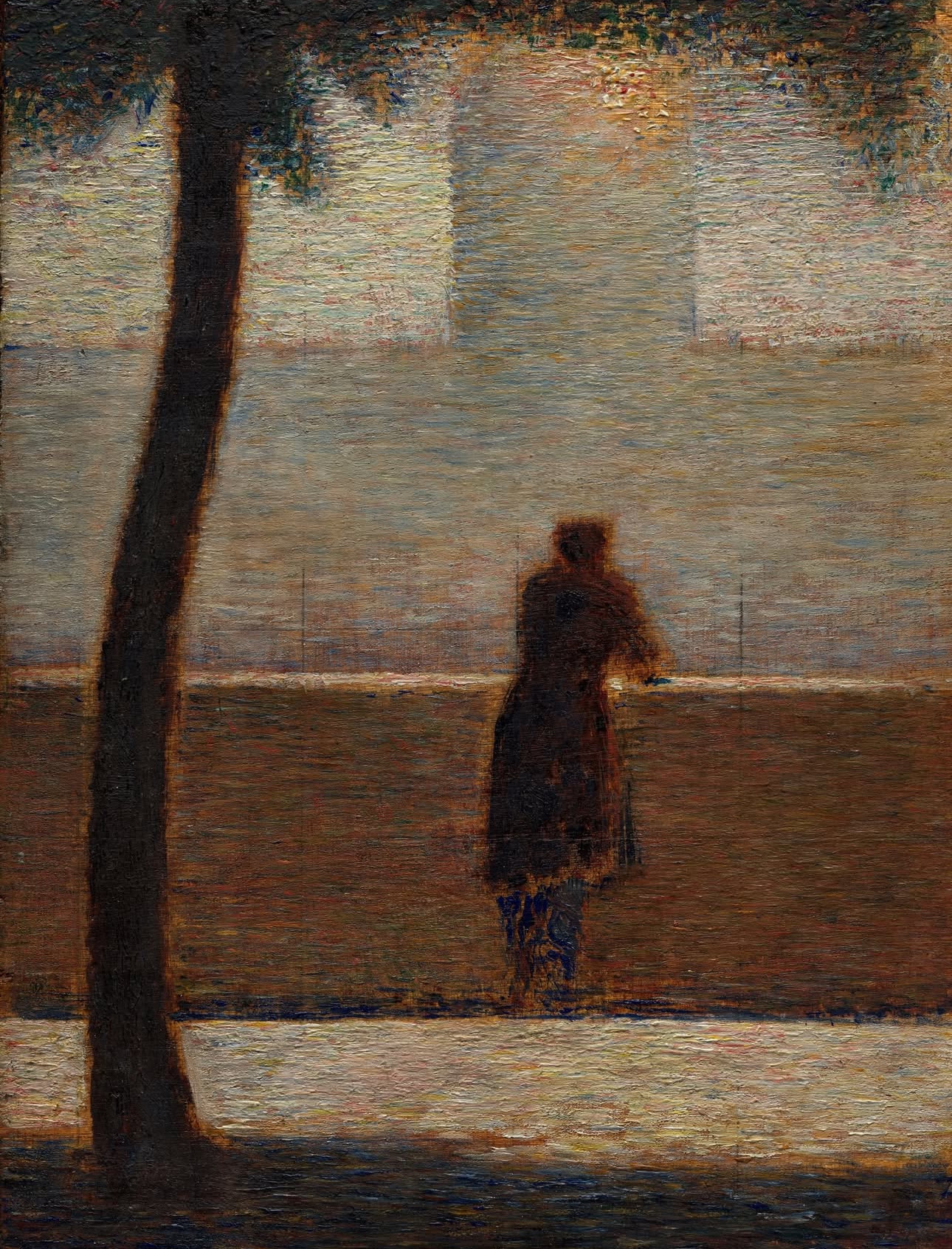
His works consistently perform well at auction, driven by a broad collector base that spans fine art and literary culture. Georges Seurat and Rembrandt van Rijn appear in the collection here as reminders that the appetite for small format masterworks has deep roots, and that panel paintings and intimate etchings by historical artists can still represent genuine value relative to their larger counterparts, particularly when provenance is clean and condition is strong. For collectors watching emerging and underrecognized names, Nick Darmstaedter and Kory Alexander both reward close attention. Darmstaedter works with a kind of knowing irreverence that reads as casual but is actually quite precise, and his small works have an energy that translates particularly well at intimate scale.
Alexander brings a different sensibility, quieter and more formally considered, and the works feel genuinely rare in the best sense. Neither artist is overexposed, which in the current market is itself a form of value. James Siena and Thomas Nozkowski, both associated with a strain of rigorous independent abstraction that has never chased trends, have built reputations that rest almost entirely on the quality of individual works, and their small paintings tend to be the place where that quality is most purely expressed. At auction, small format works occupy an interesting position.
They tend to enter at more accessible price points, which broadens the pool of potential bidders, but the ceiling for truly exceptional examples has risen considerably over the past decade. Works by known names in good condition with solid provenance histories have seen consistent appreciation. The practical advice here is to pay close attention to estimate ranges. A work estimated conservatively may reflect the house's caution about a category rather than genuine uncertainty about the artist, and those are often the lots where the most interesting buying happens.
Finally, when approaching a gallery about small format works, ask directly about the edition structure if the work is a print or multiple. Ask whether the work was made as an independent piece or as part of a series, since standalone works tend to perform better than dispersed series over time. Ask about exhibition history. A small work that has been shown in a serious institutional context carries a different kind of record than one that has moved quietly through private hands.
These details accumulate into a picture of how a work has been regarded and cared for, and in a category where scale already asks so much of your attention, that picture is worth everything.