Artist Spotlight
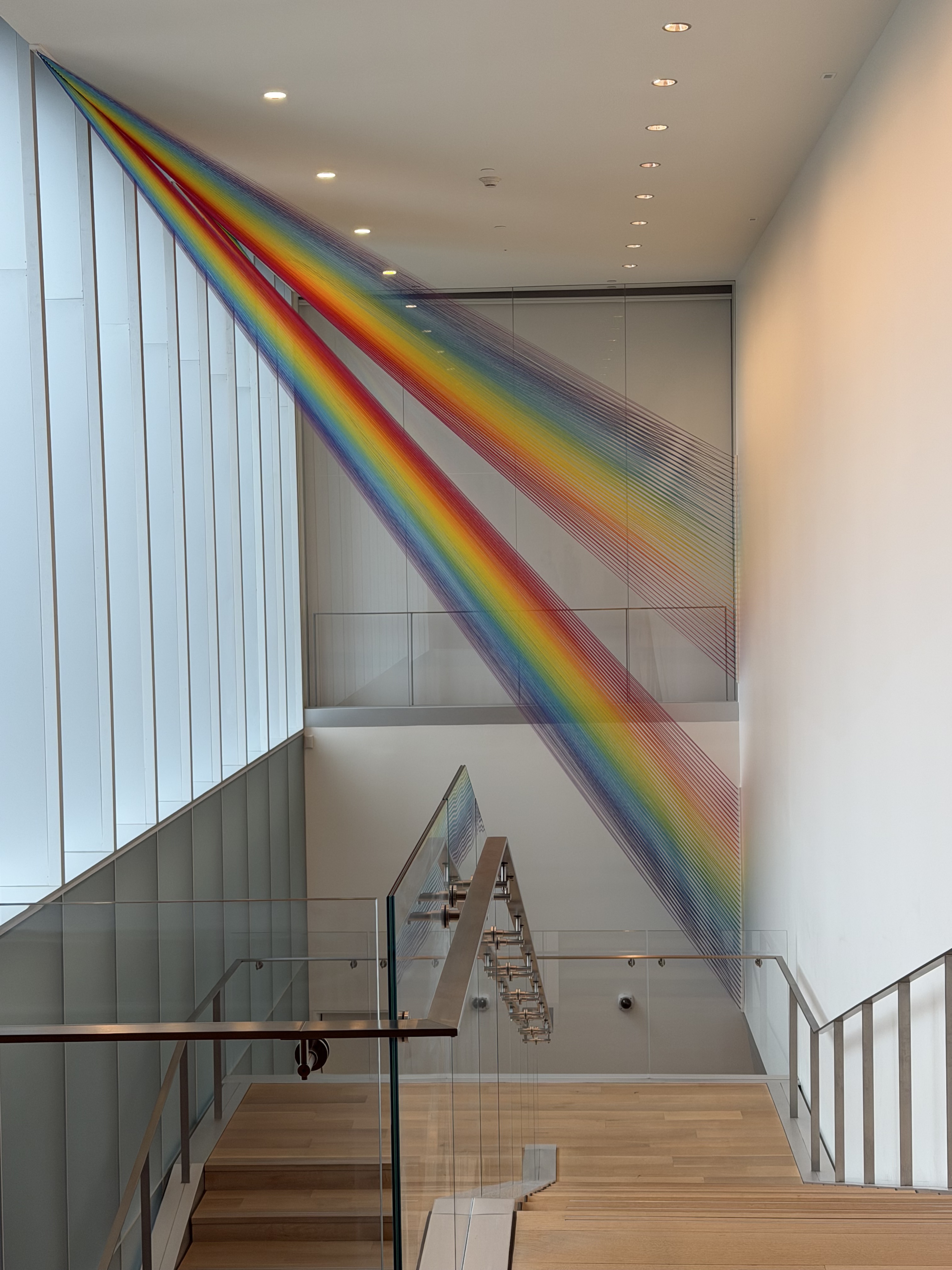
Gabriel Dawe Weaves Light Into Living Architecture
When the Smithsonian's Renwick Gallery in Washington, D.C. invited Gabriel Dawe to contribute to its landmark WONDER exhibition in 2015, the Dallas based artist installed Plexus A1, a breathtaking gradient cascade of nearly one million feet of thread that seemed to dissolve solid architecture into pure atmosphere. Visitors stood beneath it the way one stands beneath a summer sky at dusk, neck tilted upward, momentarily uncertain whether they were looking at something made by human hands or conjured by the natural world. That installation traveled through the cultural conversation for years… Continue reading
Spotted by
Artists in conversation
Olafur Eliasson
Eliasson creates large scale immersive installations that manipulate light, color, and perception within architectural spaces, offering collectors a similar experience of color as a physical and emotional environment. Both artists treat light and spectrum as primary sculptural materials.
Ann Hamilton
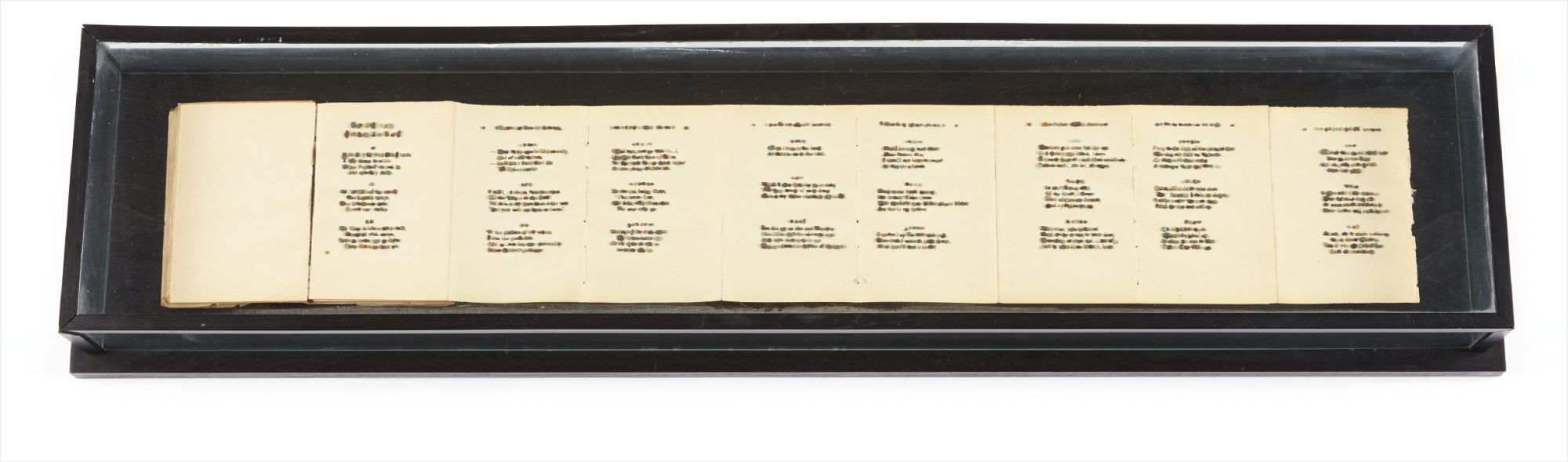
Hamilton produces monumental site specific installations that incorporate textile and thread based materials to transform architectural interiors into immersive sensory environments. Her interest in the tactile and material history of cloth parallels Dawe's textile driven practice.
Carlos Cruz-Diez
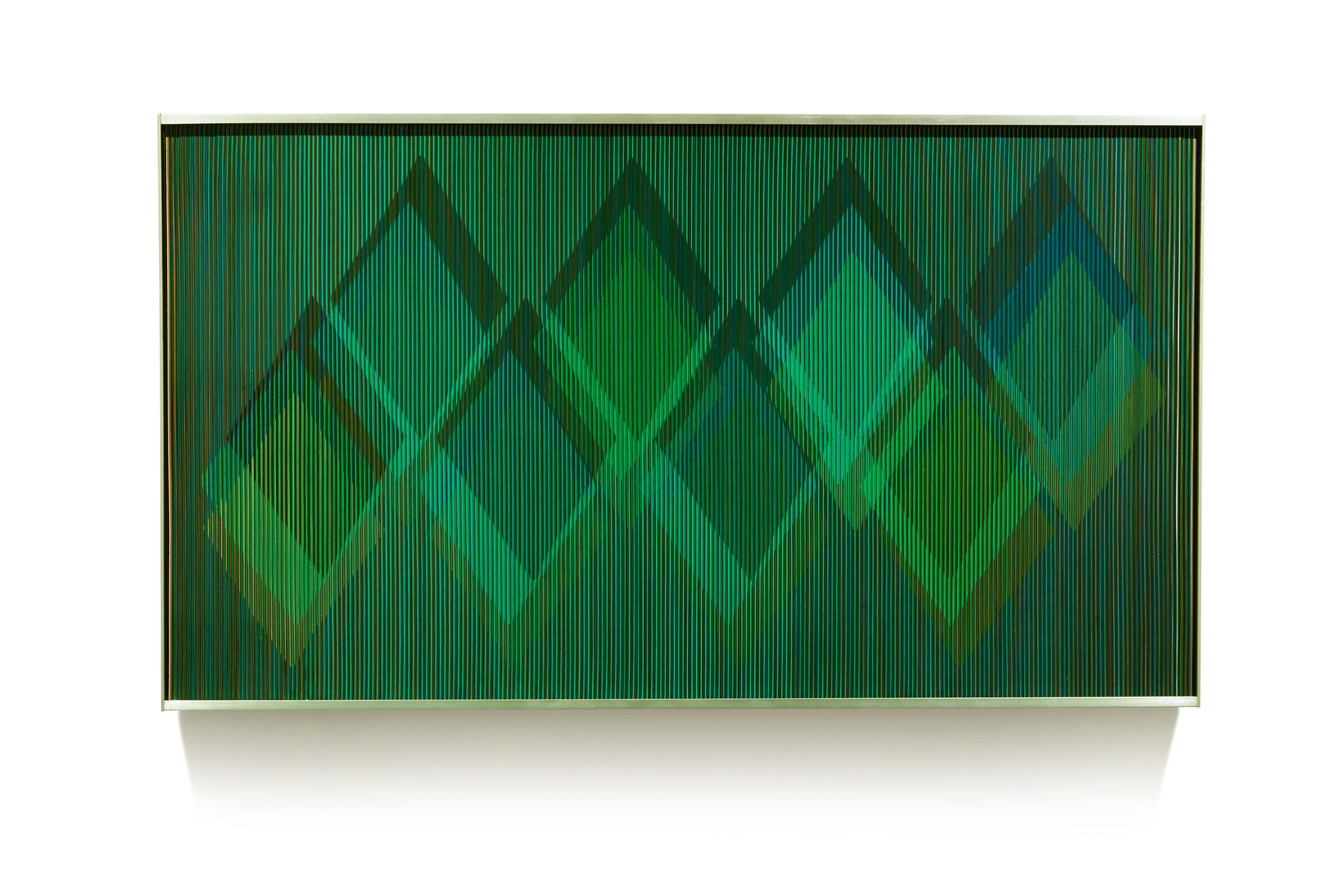
Cruz Diez devoted his career to exploring chromatic phenomena, color in space, and optical perception through large scale immersive environments, sharing Dawe's deep investment in how color behaves as pure visual experience. Both work within a Latin American Op Art lineage that treats color as the primary subject.
Artists who inspired them
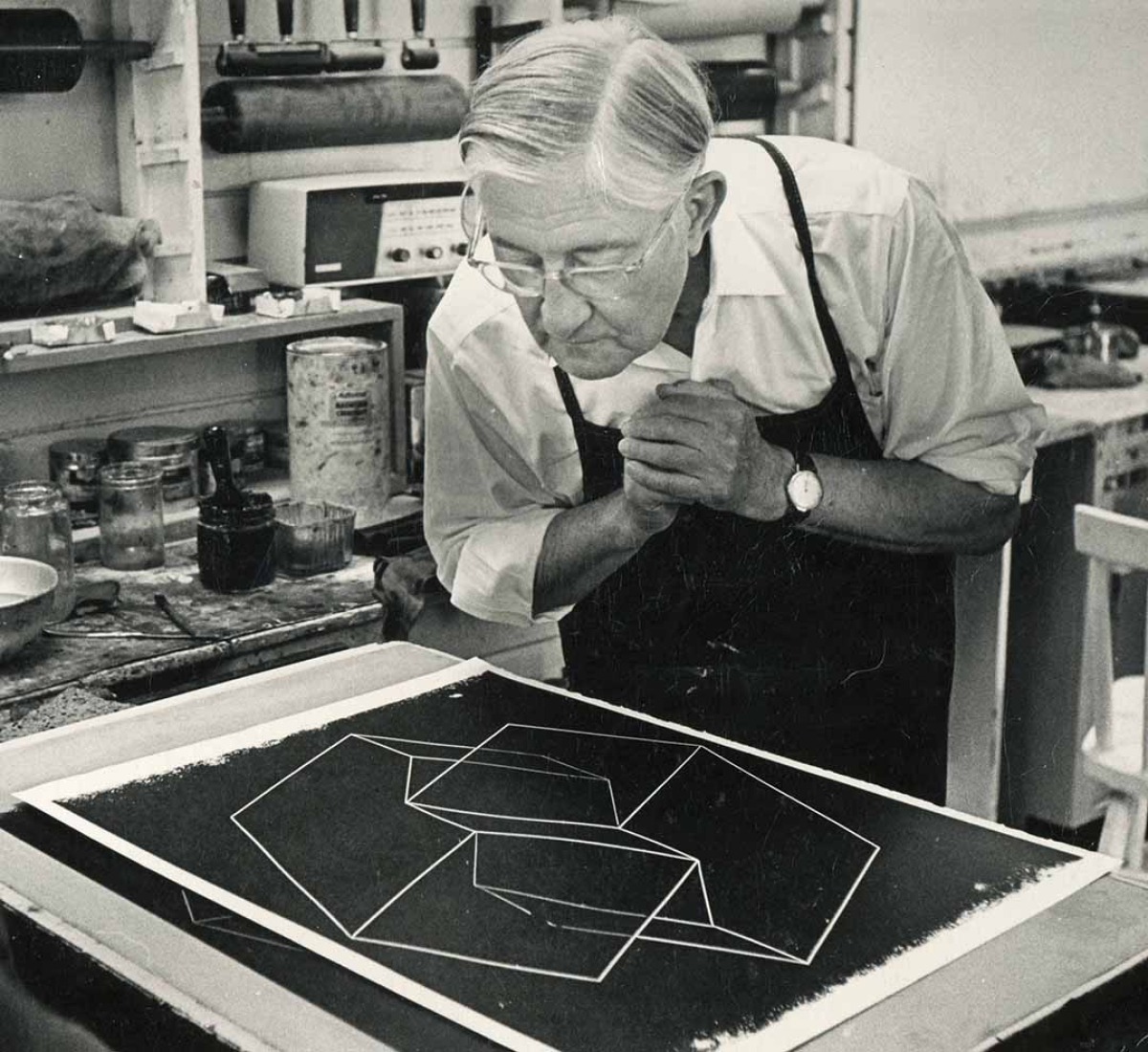
Josef Albers
Albers' systematic investigations into color interaction and the relativity of hue provided a foundational theoretical framework that Dawe translates into three dimensional gradient thread works. Dawe has cited Albers' ideas about how colors transform one another as central to his practice.
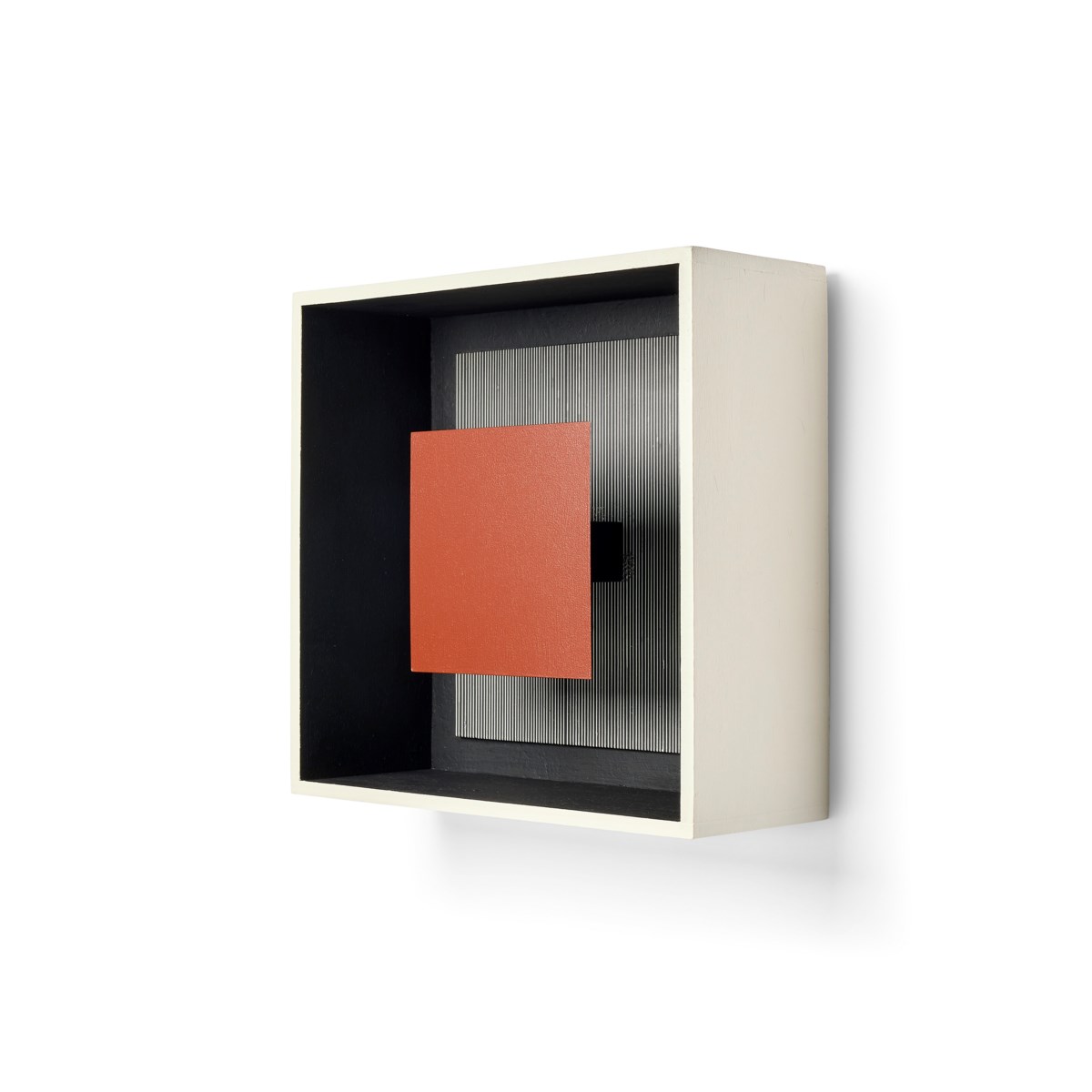
Jesús Rafael Soto
Soto's kinetic and penetrable installations using suspended linear elements that create optical vibration and immersive spatial experiences directly prefigure Dawe's thread installations. His Latin American Op Art legacy gave Dawe a regional and conceptual precedent for using repeated line to generate luminous perceptual fields.
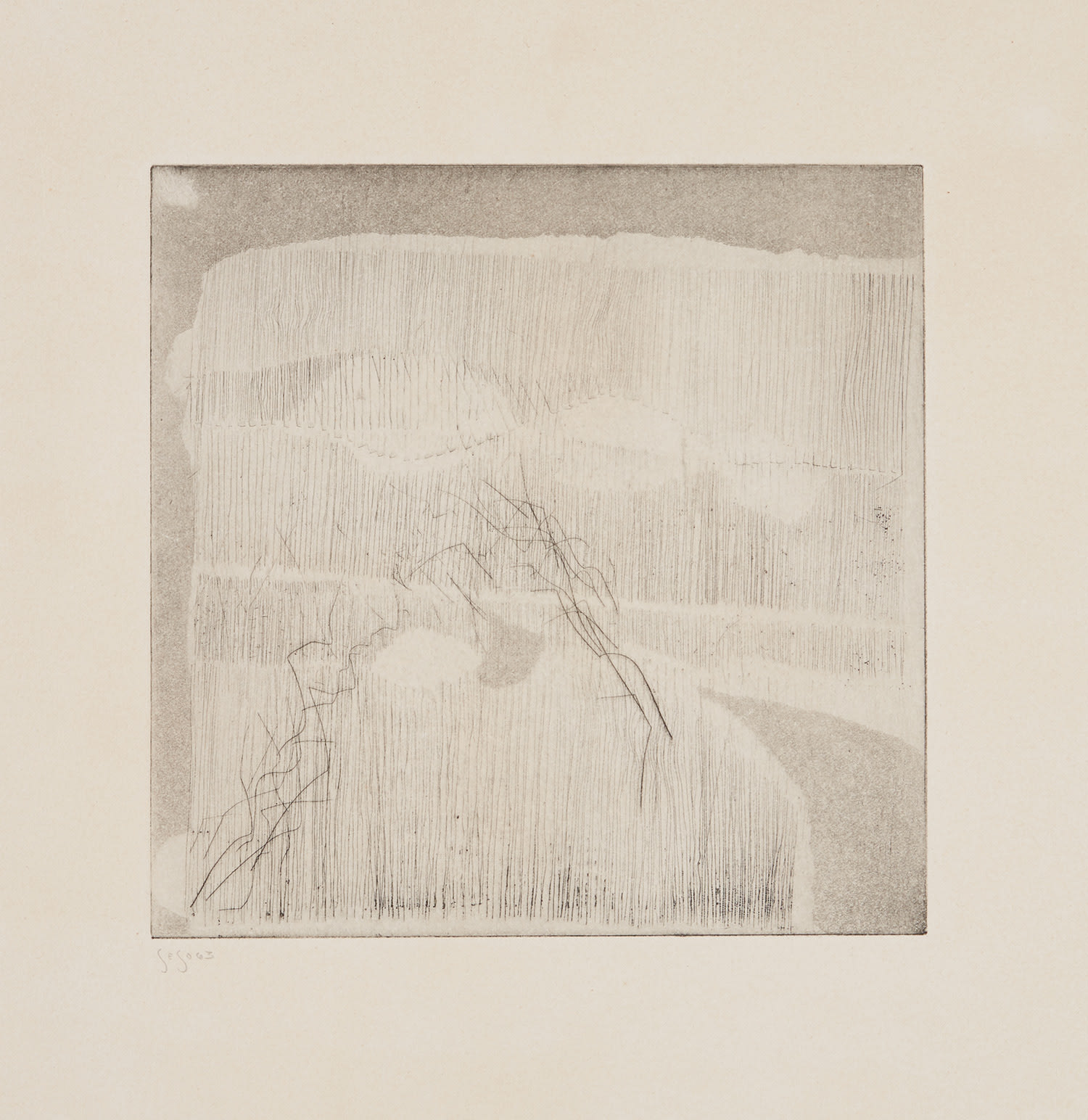
Gego
Gego's Reticulárea works used networks of suspended line and thread filling architectural space to create delicate immersive mesh environments, offering Dawe a model for translating Latin American textile sensibility into large scale spatial installation. Her exploration of line as both structure and drawing in three dimensions resonates throughout Dawe's practice.