Carlos Cruz-Diez
Artist Spotlight
Carlos Cruz-Diez Made Color Come Alive
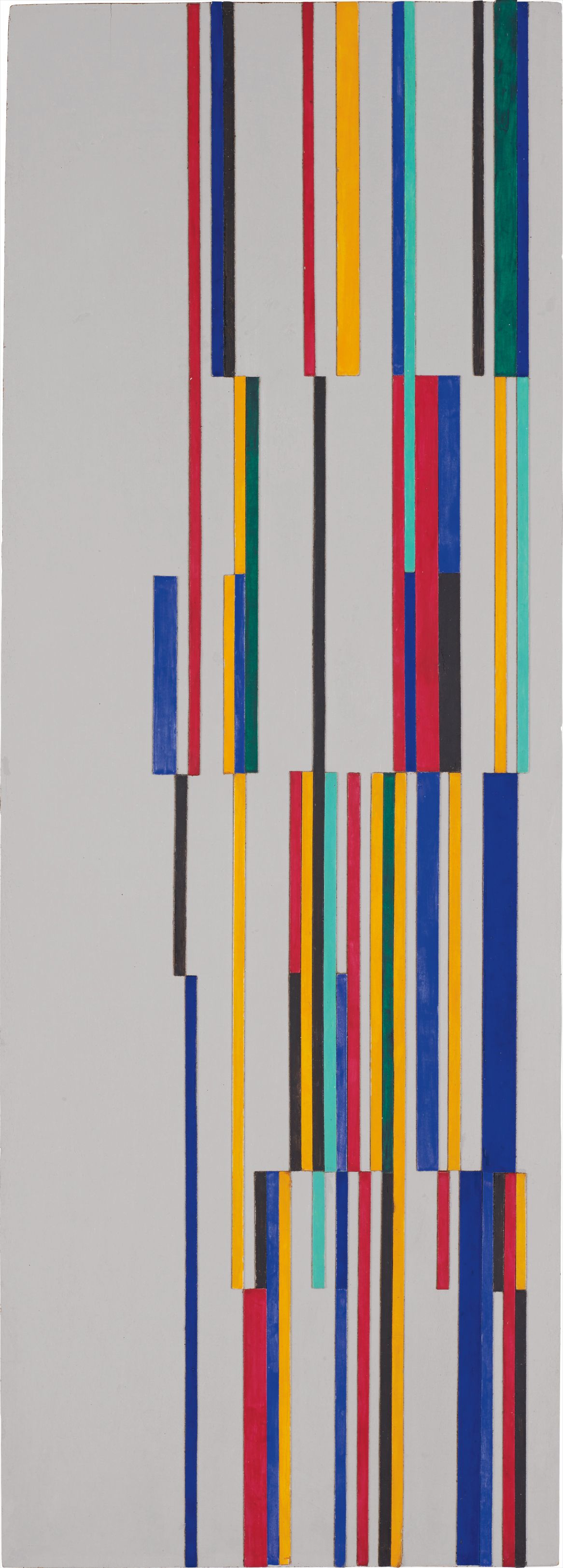
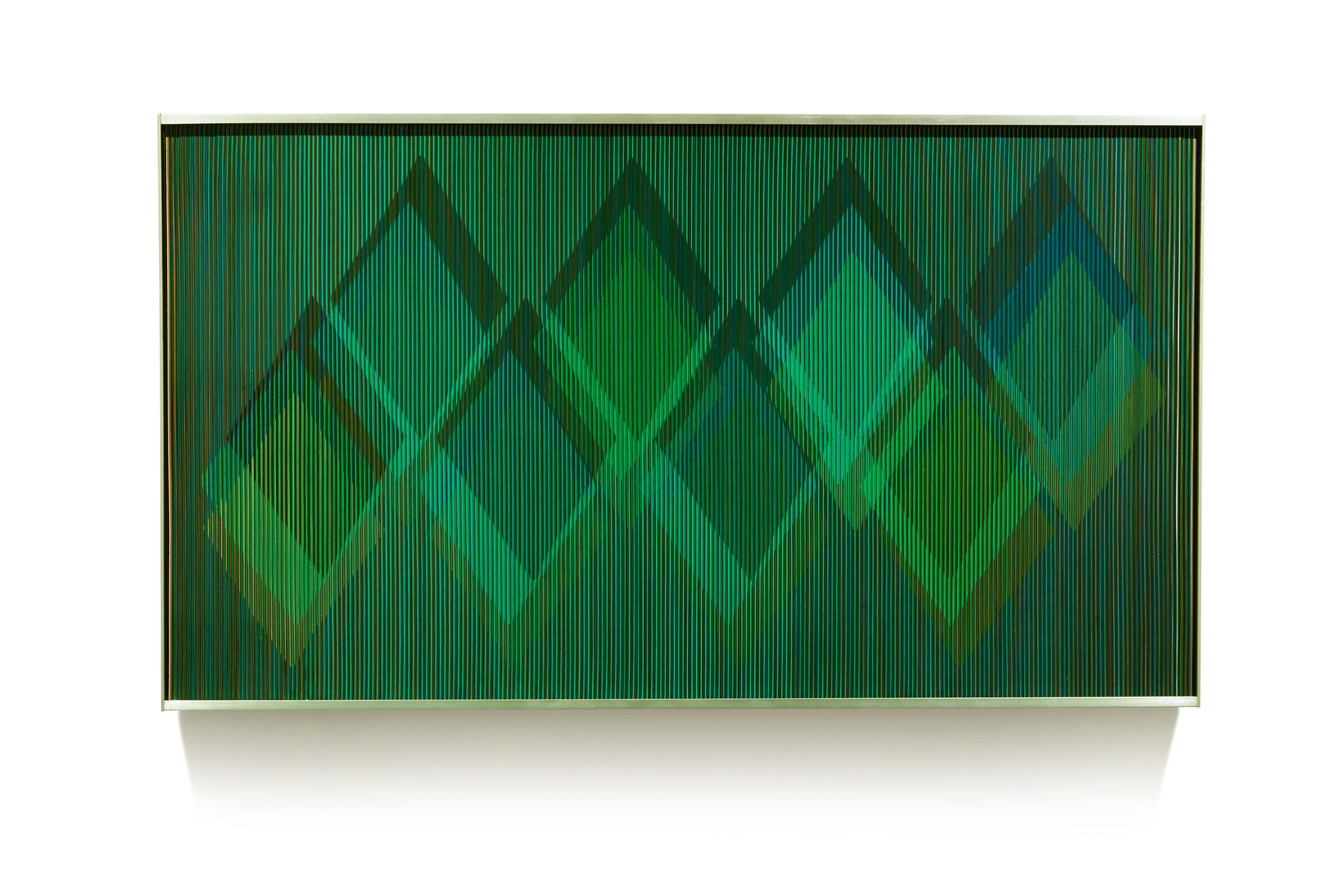
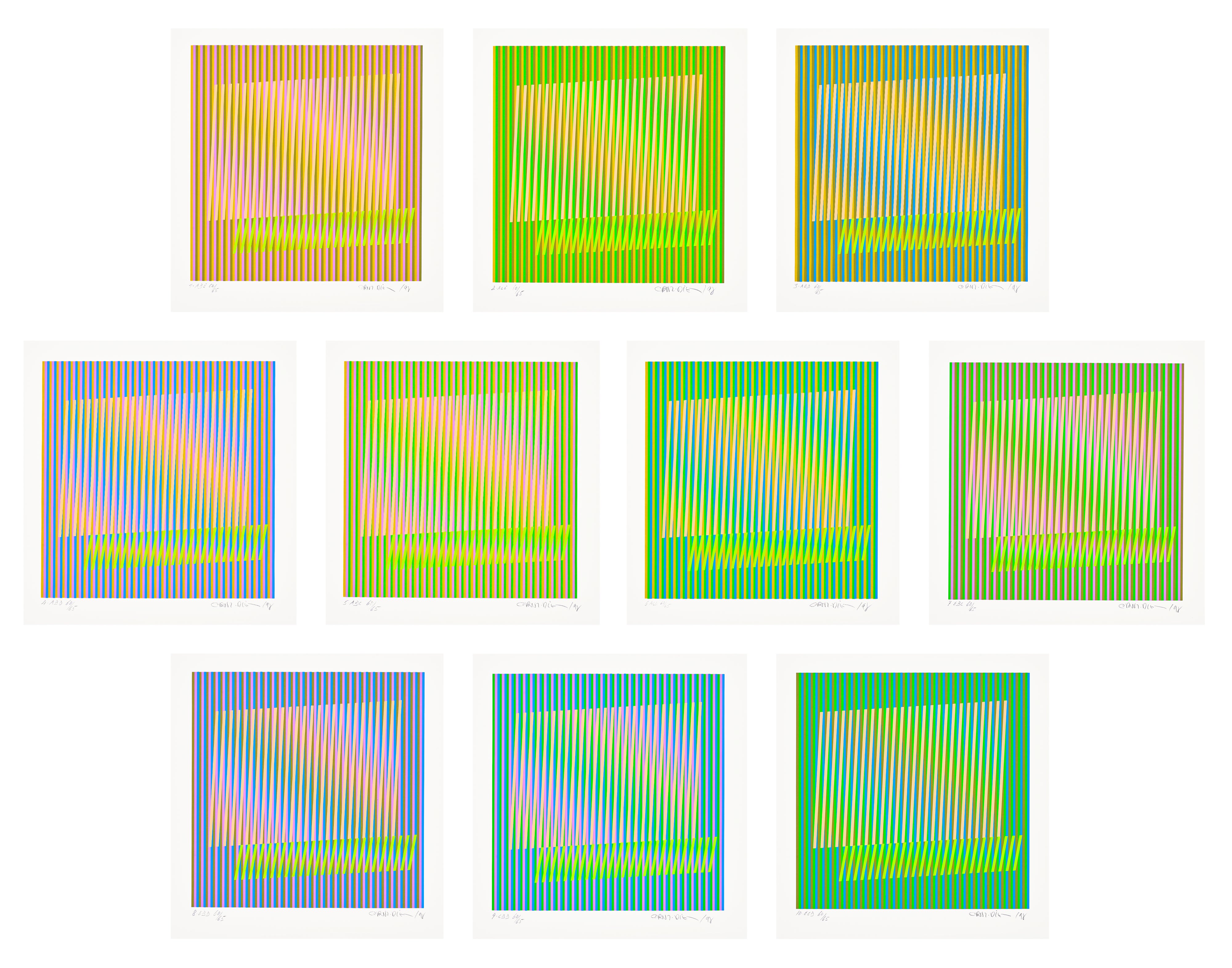
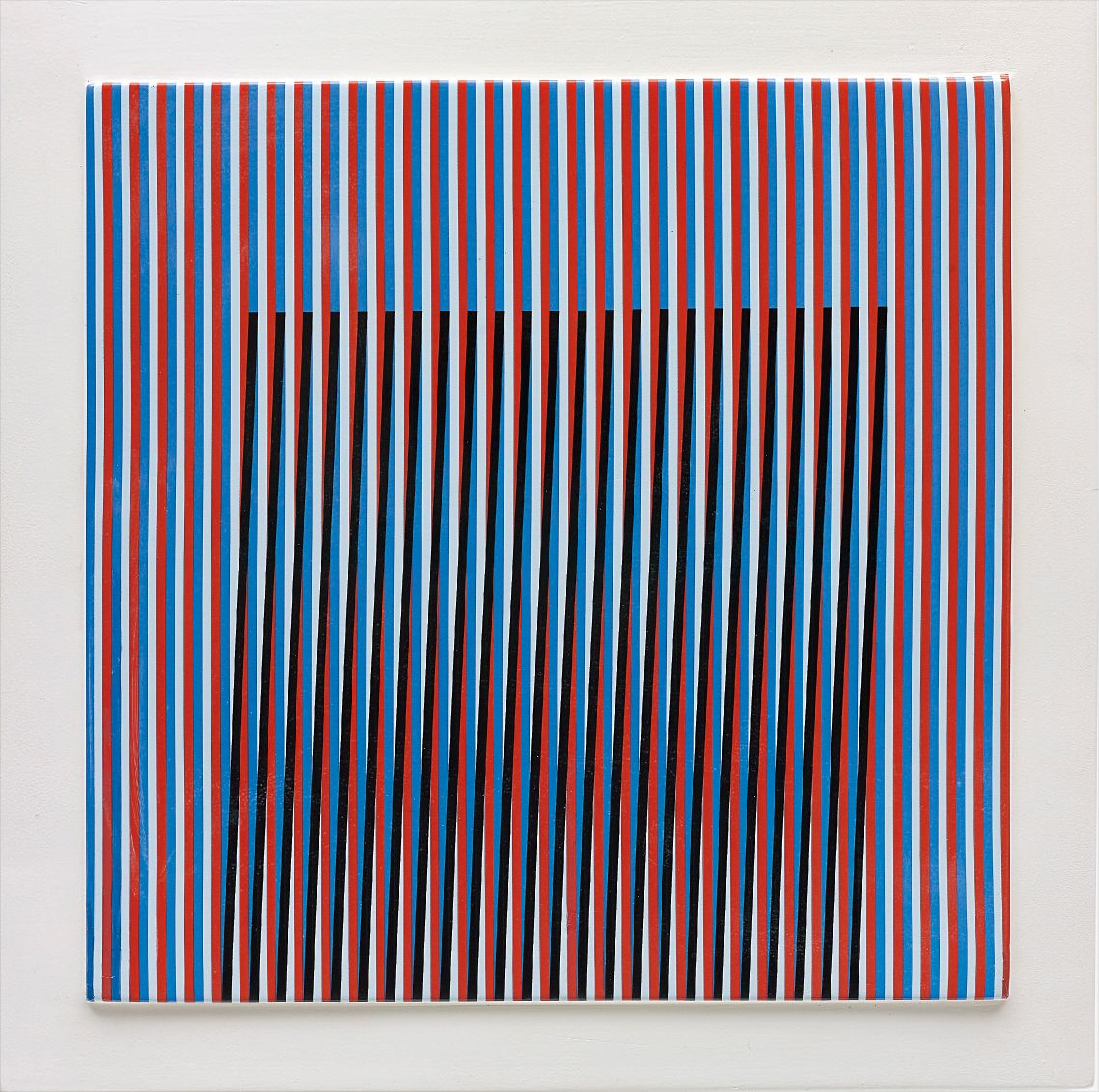
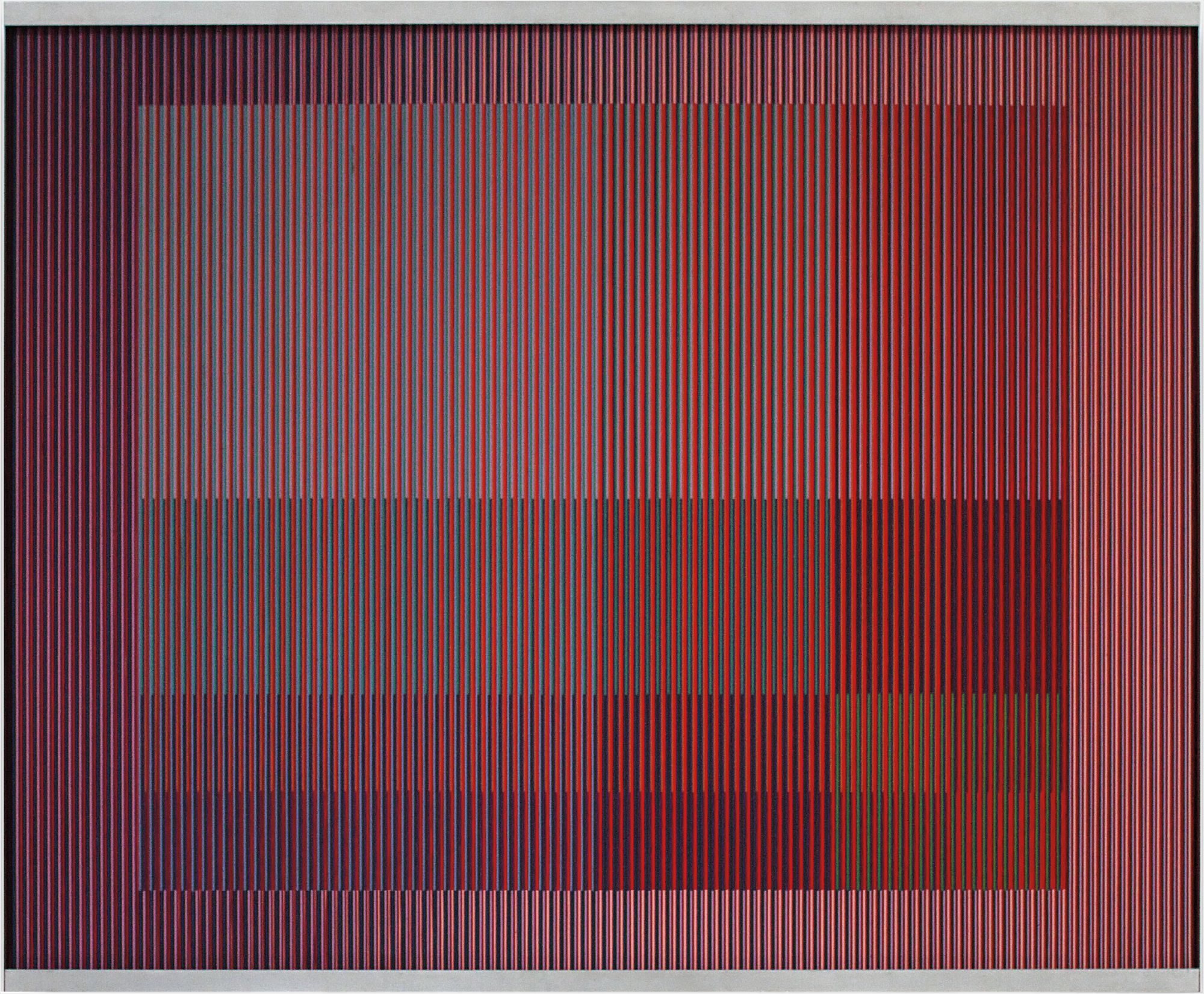
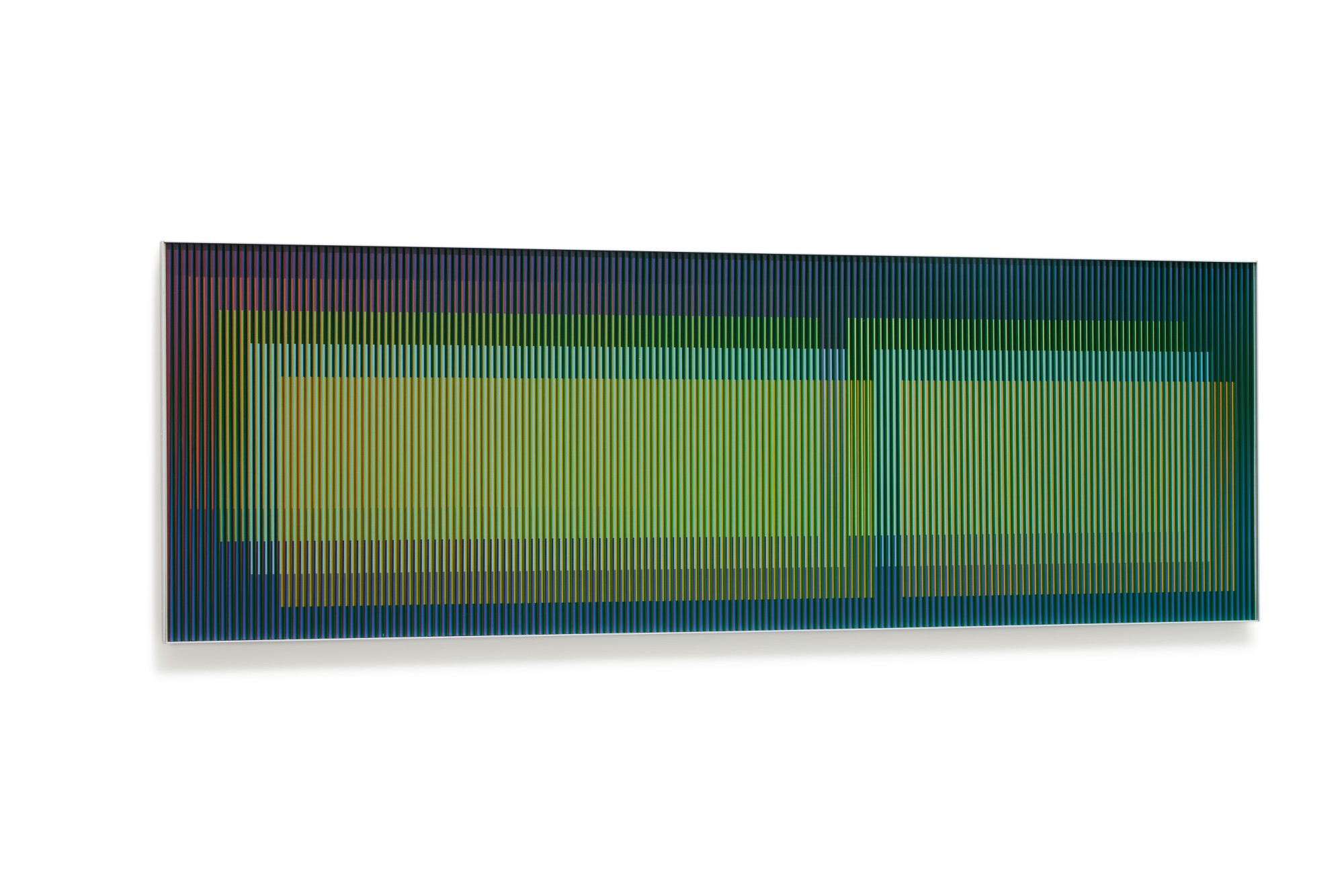
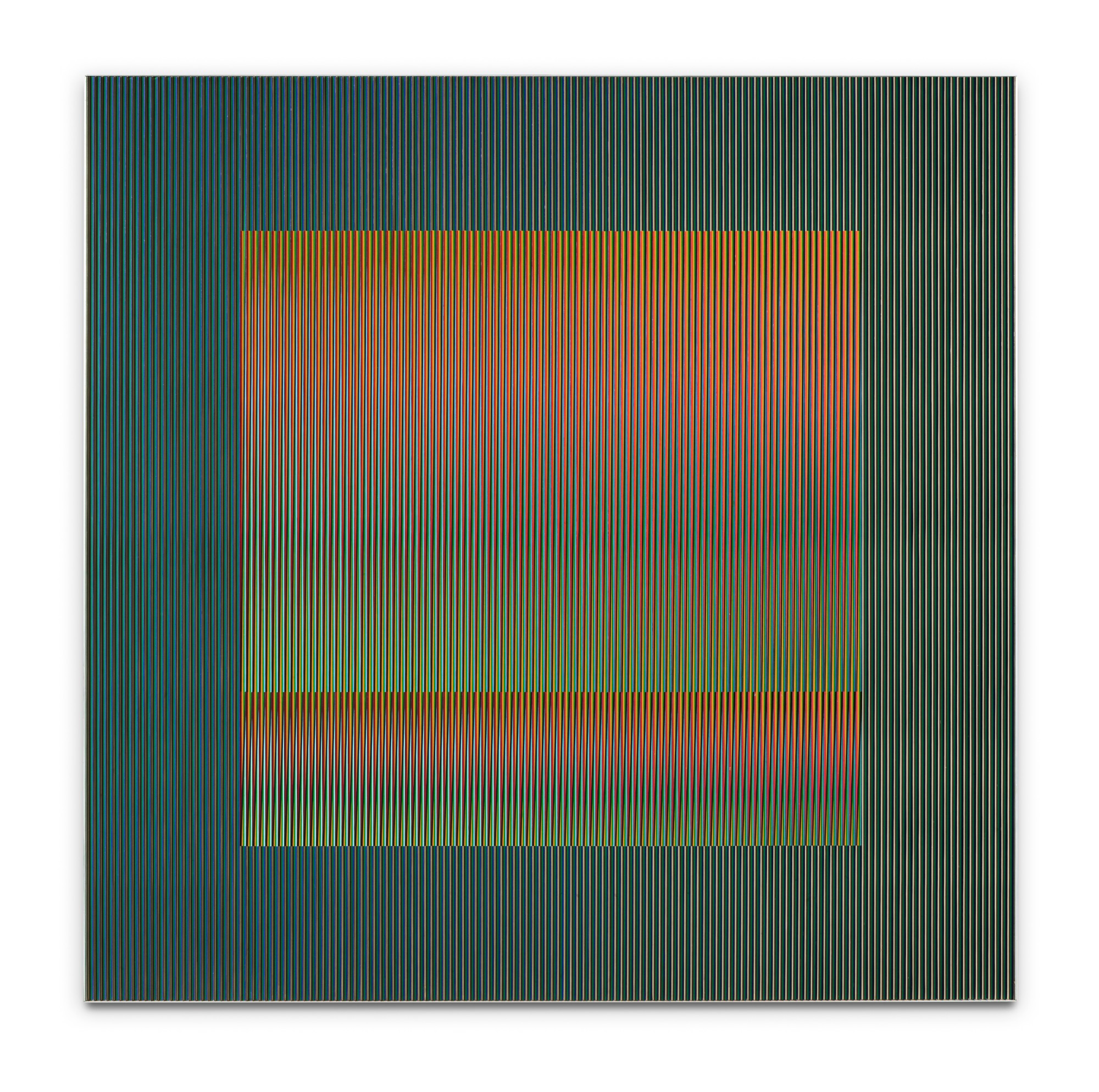
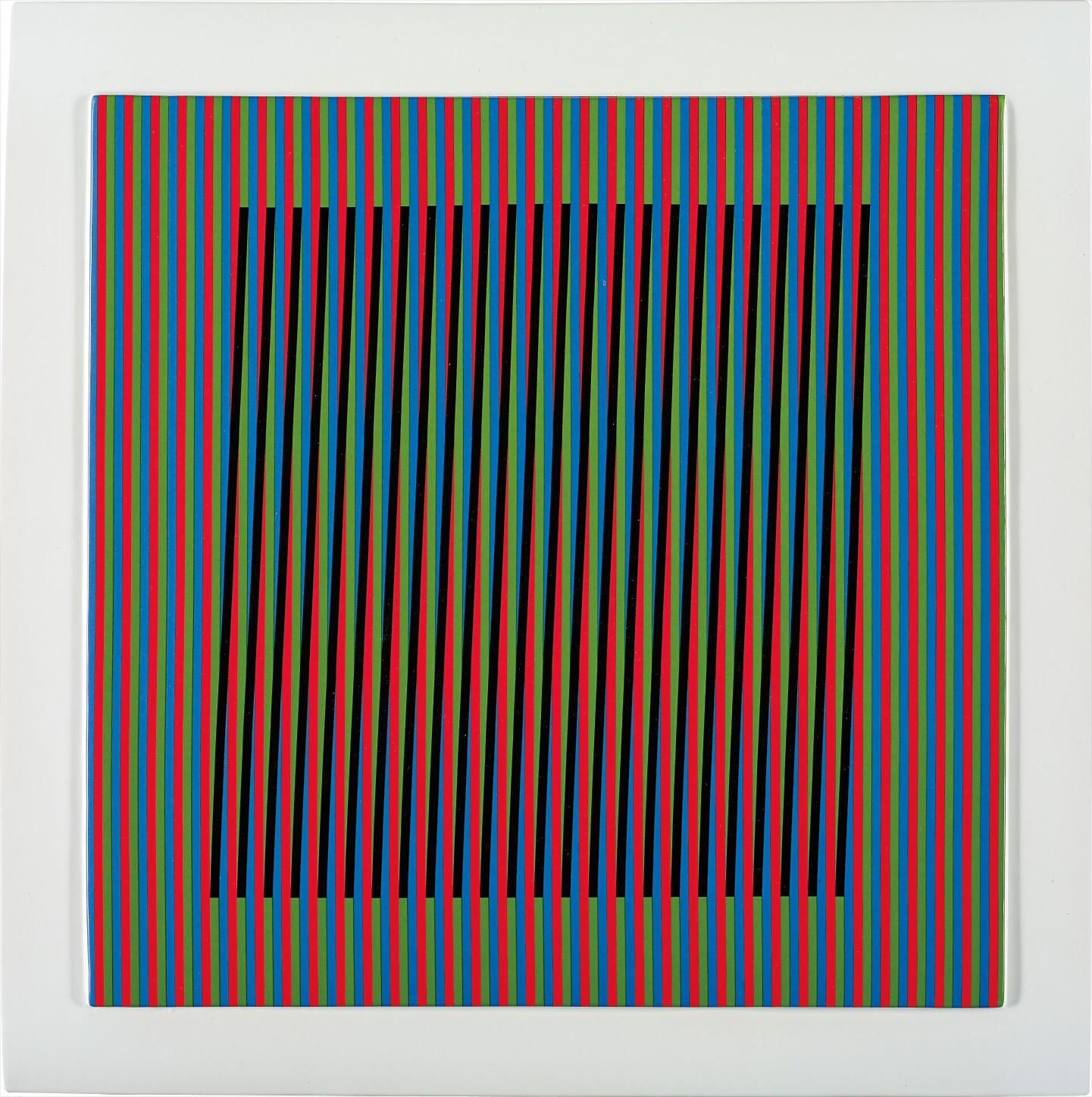
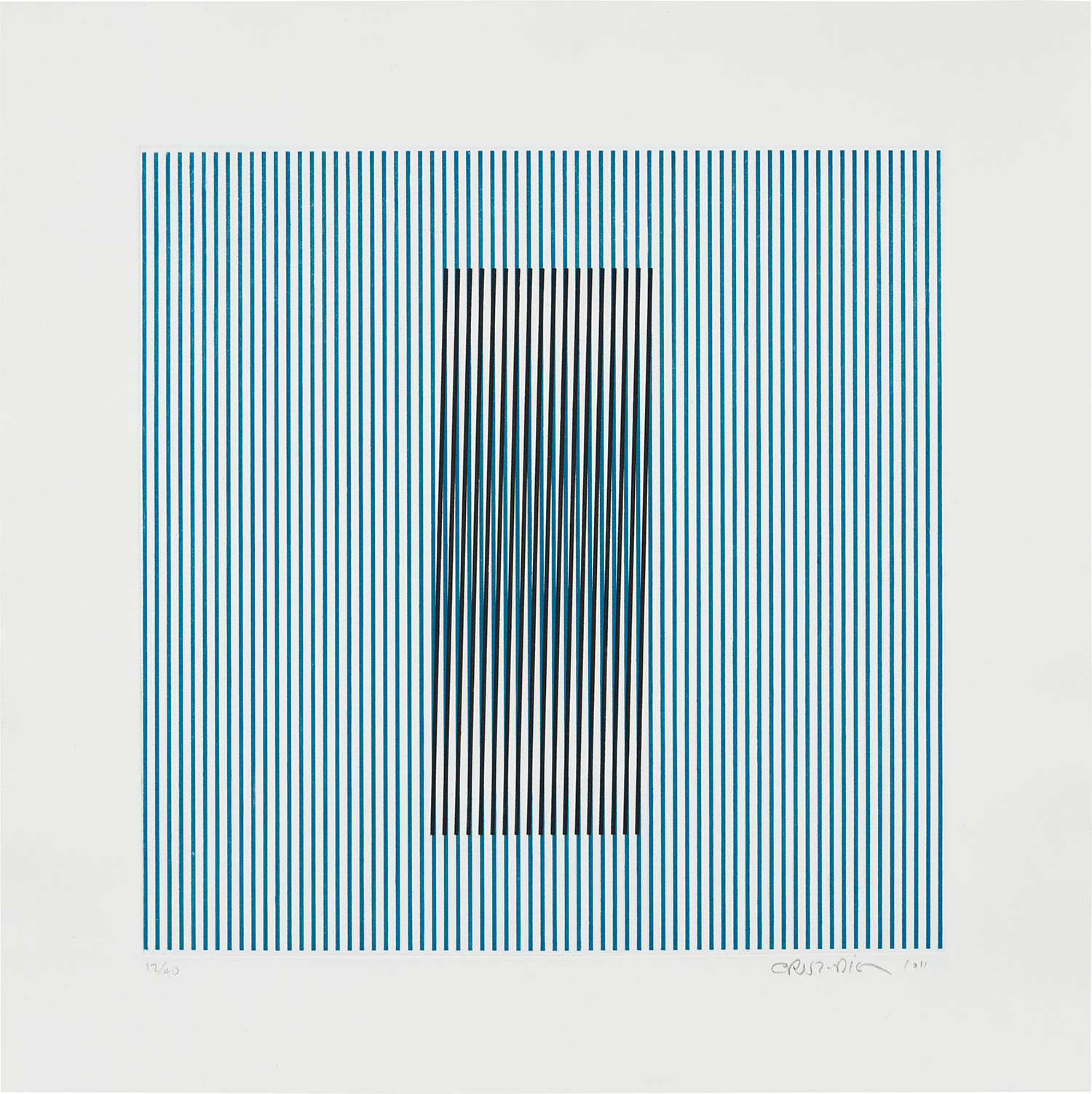
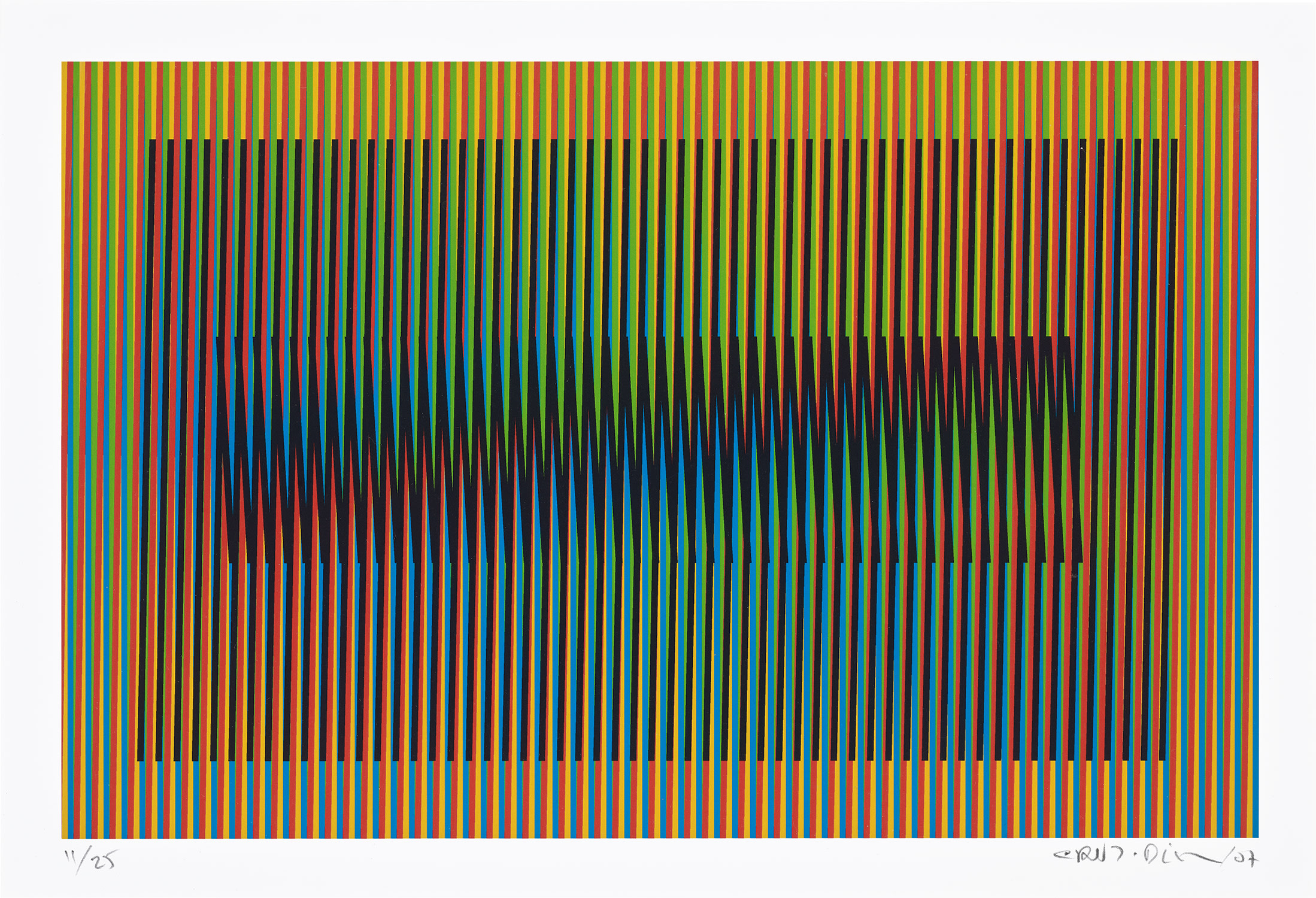
Stand in front of a Carlos Cruz Diez Physichromie and something unexpected happens. The color changes. Not because the light in the room has shifted, not because your eyes are tired, but because you moved, because you are alive and present in front of the work, and the work is responding to you in kind. This quality, so immediate and so physical, explains why major institutions from MoMA to Tate Modern to the Centre Pompidou have returned to his practice again and again, and why his 2019 retrospective at the Musée d'Art moderne de la Ville de Paris felt less like a farewell to a great career… Continue reading
Artists in conversation
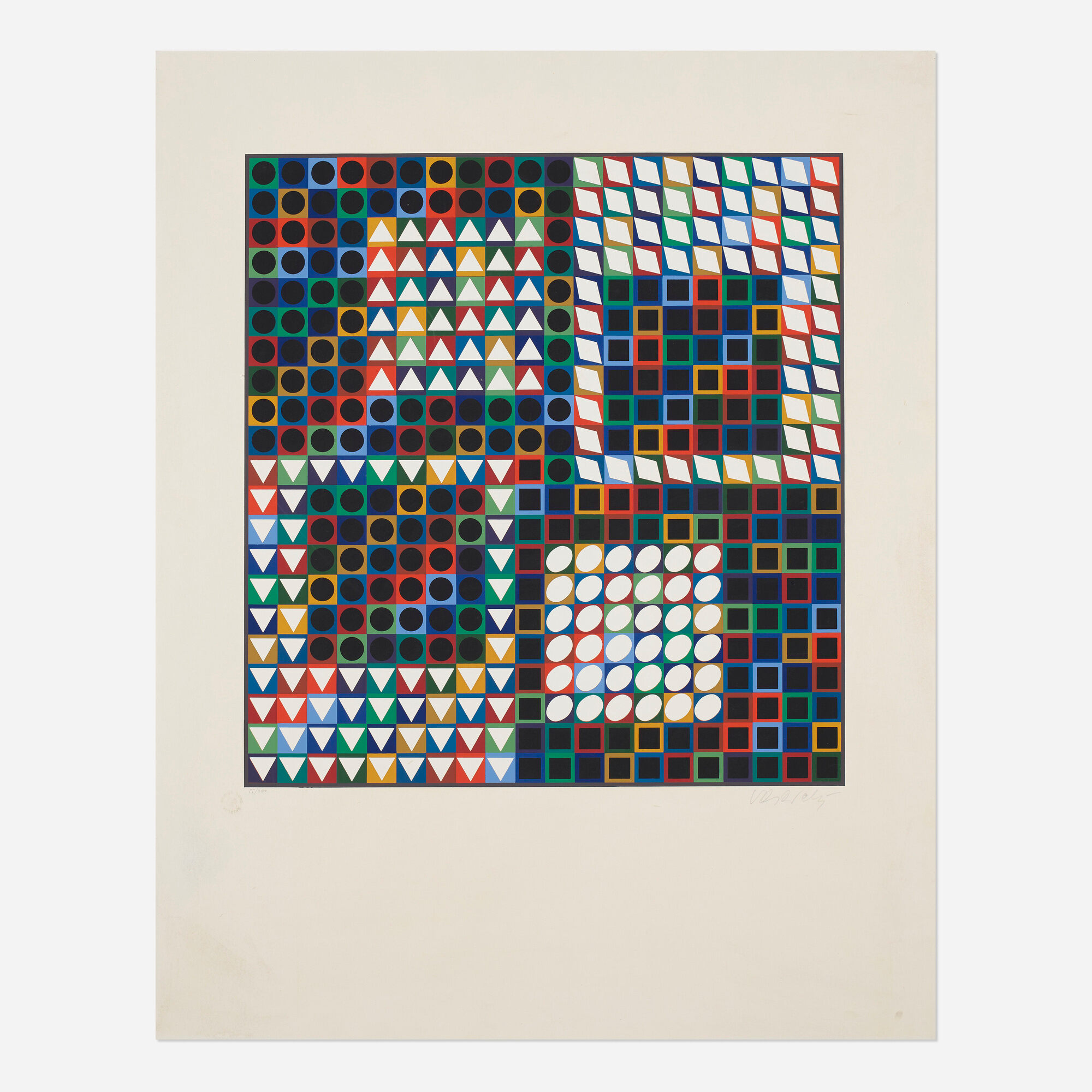
Victor Vasarely
Vasarely pioneered Op Art through geometric abstraction and optical illusion, exploring how color and form interact to create perceptual movement in ways that closely parallel Cruz-Diez's investigations into color as an autonomous visual phenomenon.
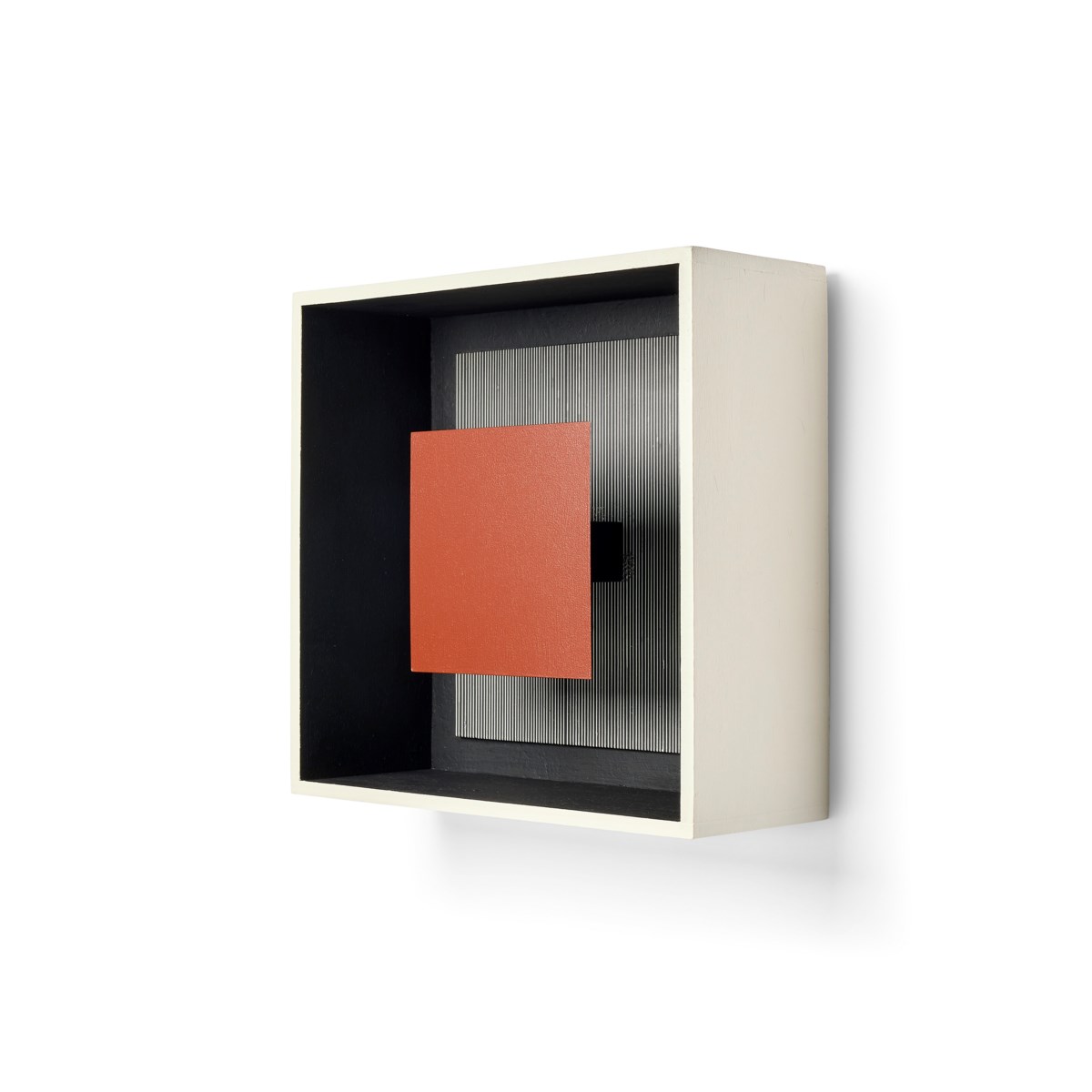
Jesús Rafael Soto
A fellow Venezuelan kinetic artist, Soto created immersive participatory environments and relief constructions that dematerialize form through optical vibration, sharing Cruz-Diez's commitment to viewer interaction and the perceptual dynamics of color and movement.
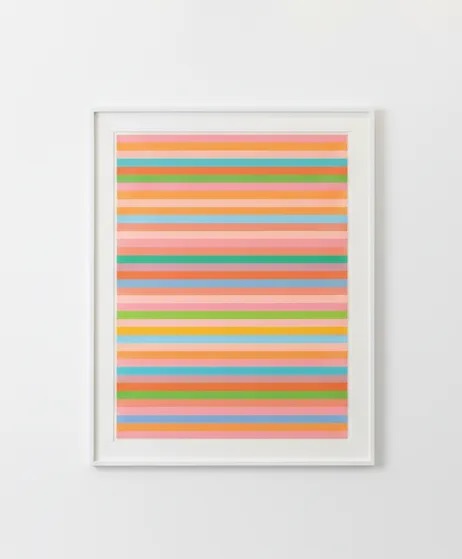
Bridget Riley
Riley's systematic exploration of optical effects through geometric pattern and carefully modulated color sequences produces perceptual instability that aligns directly with Cruz-Diez's research into how color behaves as an independent and transformative visual reality.
Artists who inspired them
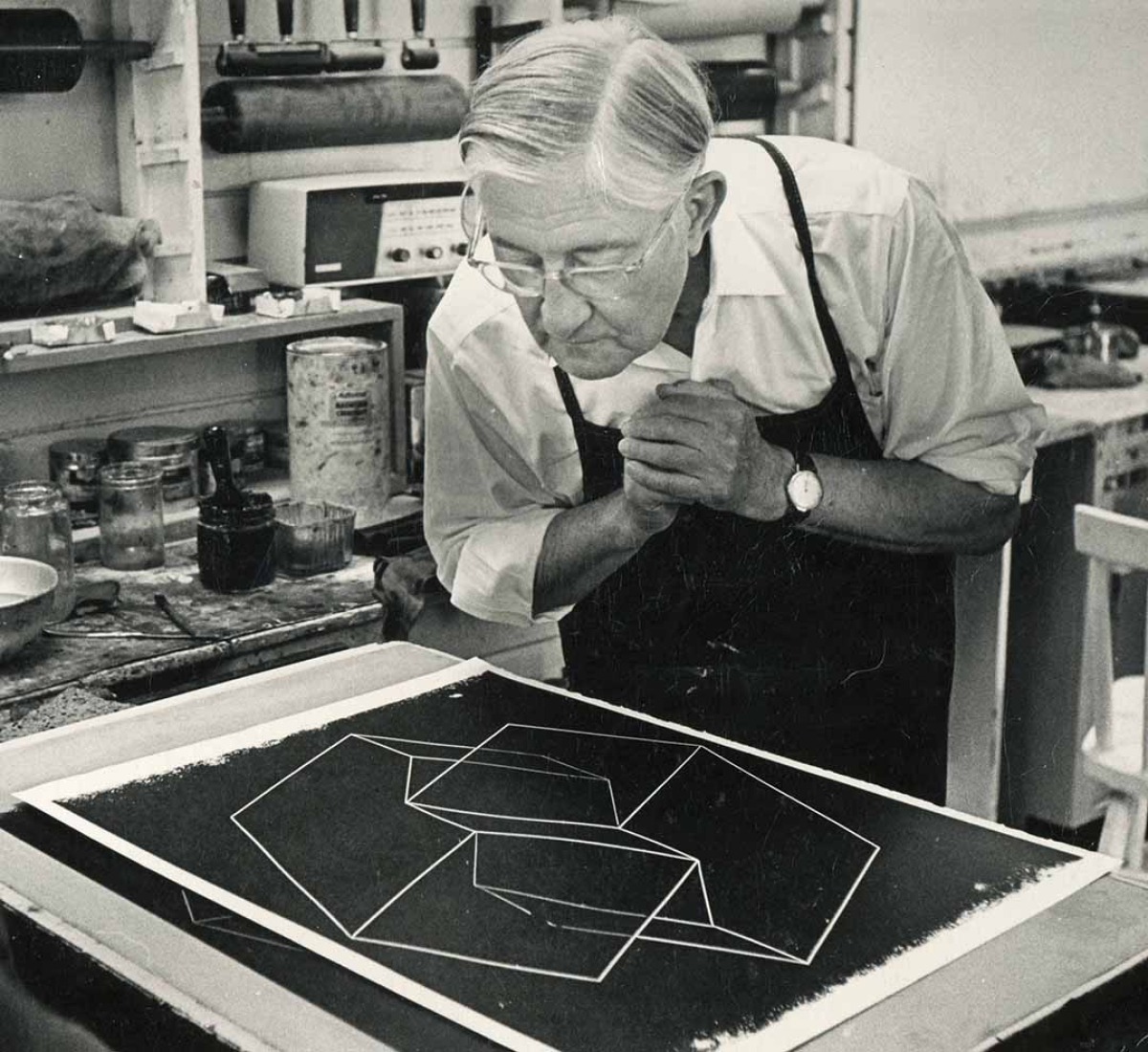
Josef Albers
Albers's foundational research into the interaction of colors and their perceptual relativity, most fully expressed in his Homage to the Square series, provided a critical theoretical and visual framework for Cruz-Diez's own systematic investigations into chromatic autonomy.
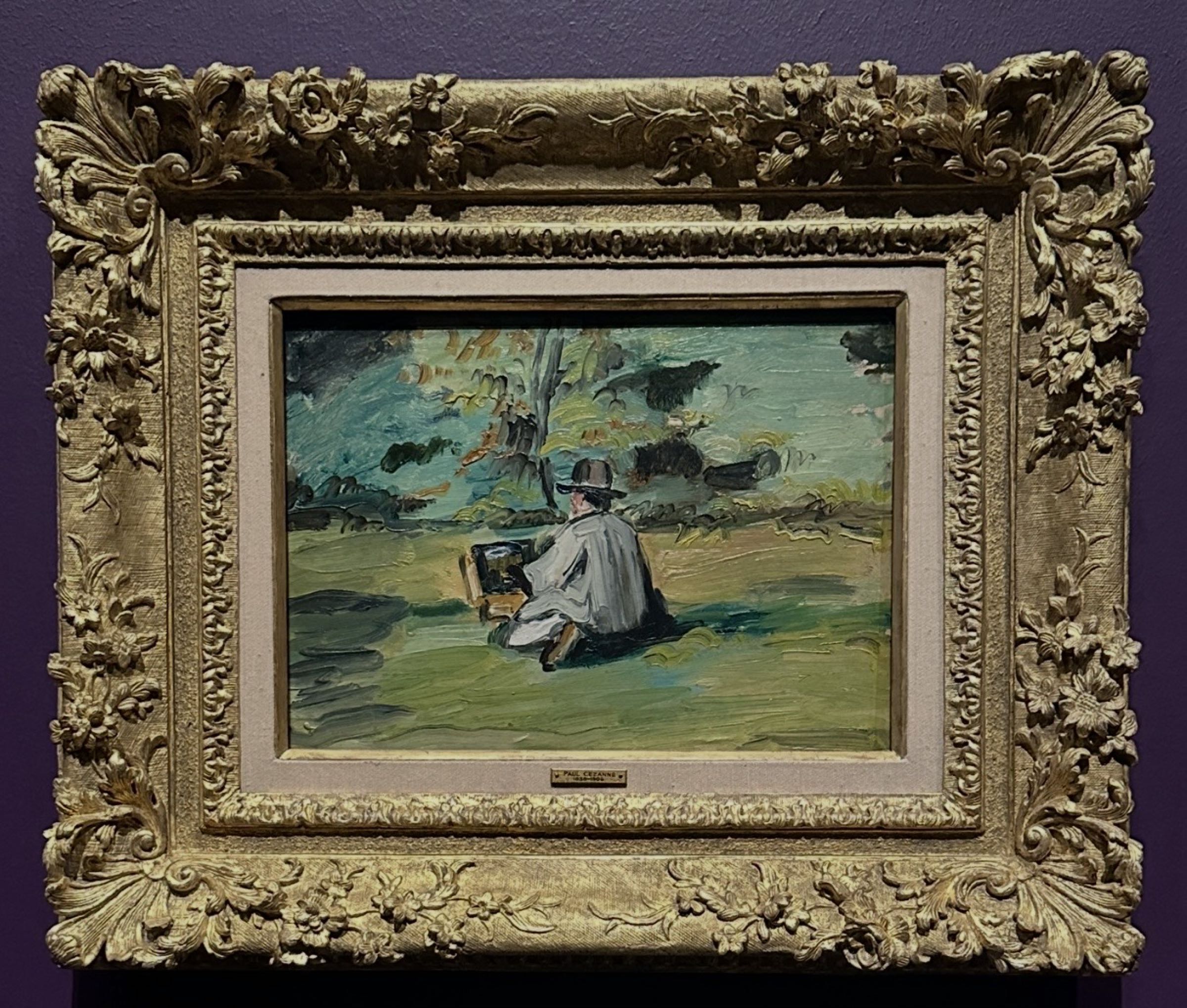
Paul Cézanne
Cruz-Diez cited Cézanne's treatment of color as a structural and spatial force independent of descriptive function as an early inspiration that pushed him toward understanding color as a self-sufficient reality rather than a property of objects.
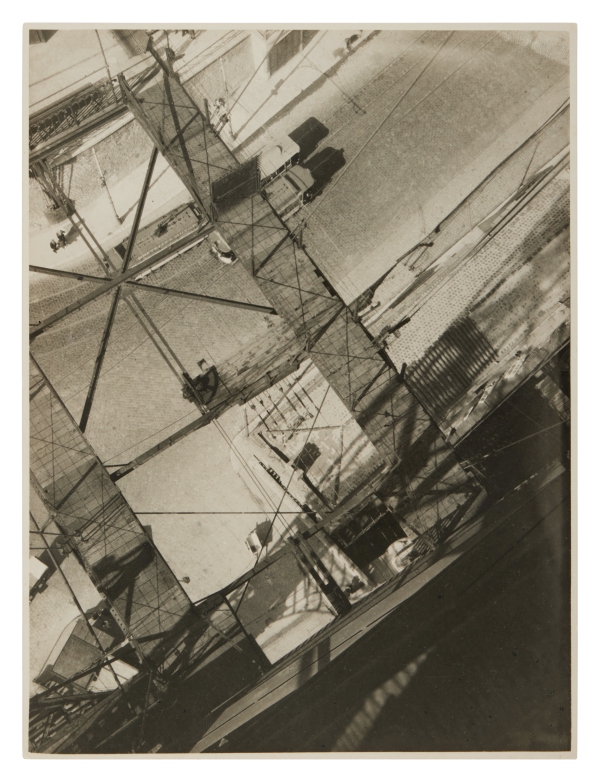
László Moholy-Nagy
Moholy-Nagy's Bauhaus experiments with light, transparency, and kinetic construction informed Cruz-Diez's development of works that use layered materials and environmental light to generate constantly shifting chromatic experiences for the viewer.