Immersive
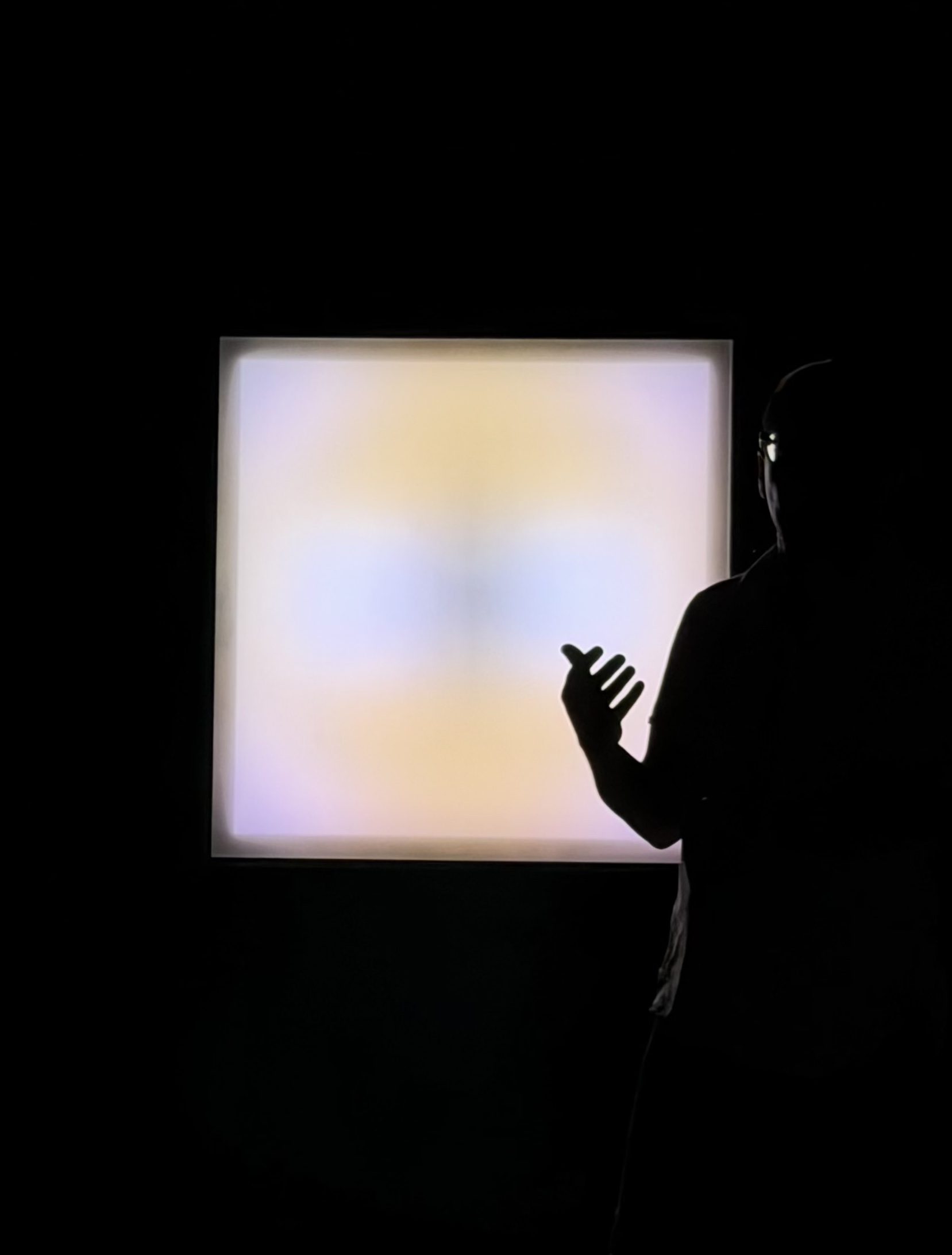
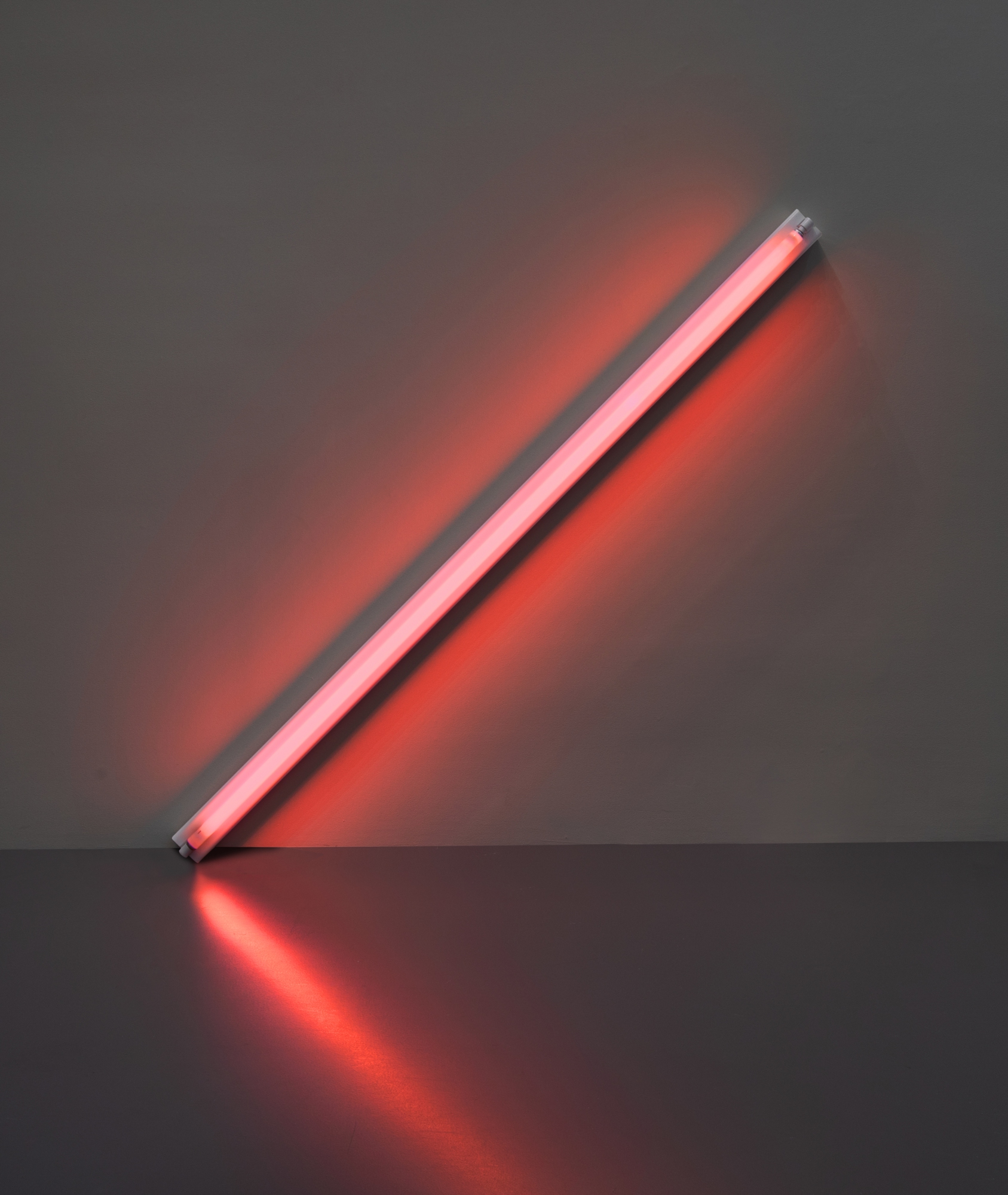
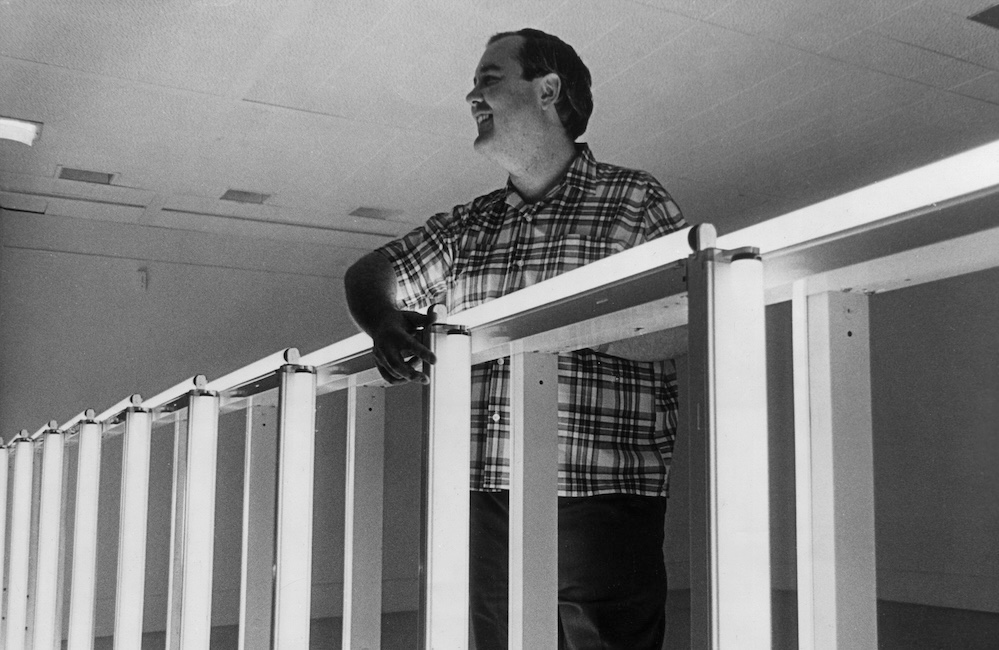
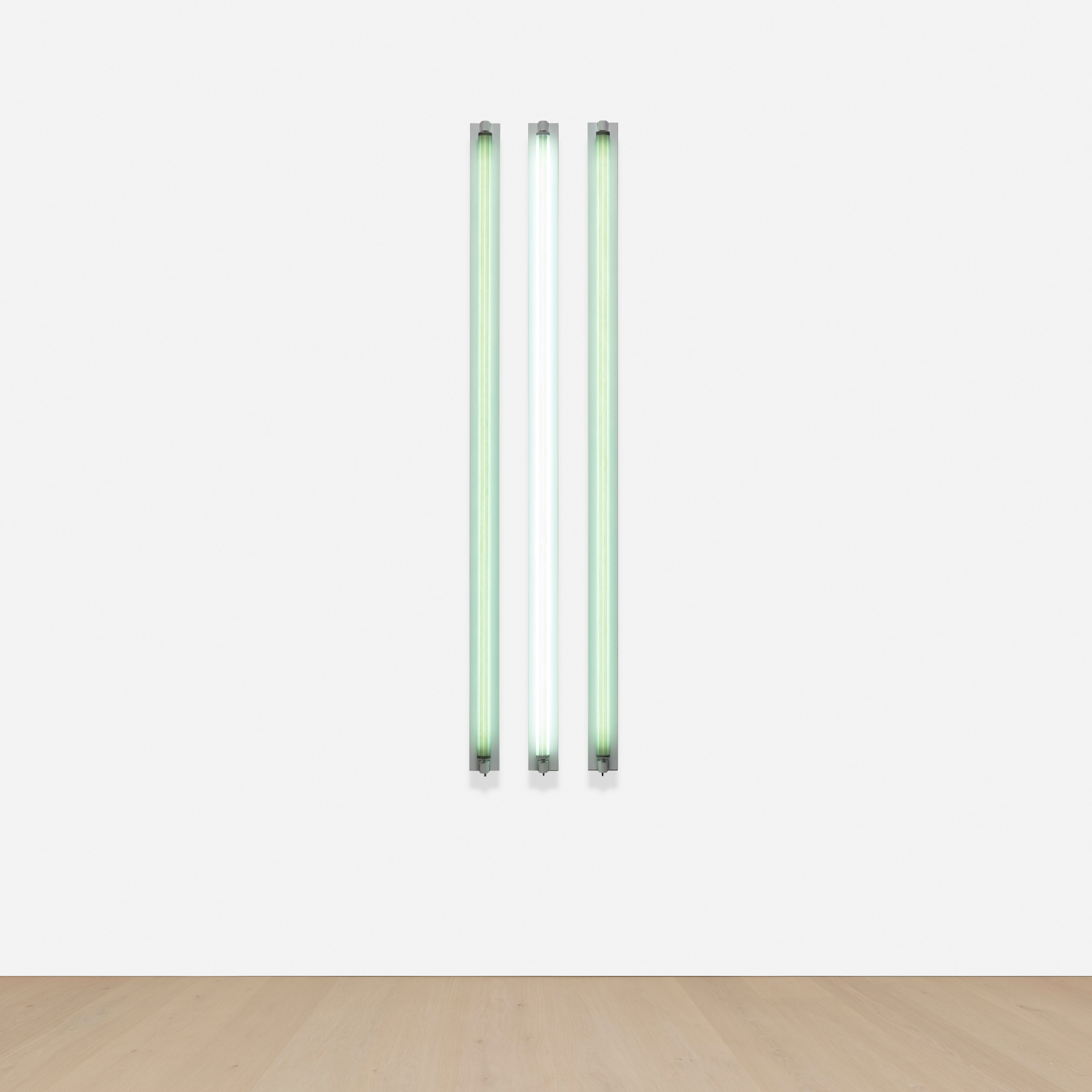
Phillip K. Smith III
Untitled








Step Inside: The Art That Consumes You
There is a particular kind of collector who, having stood inside a Yayoi Kusama Infinity Room or lingered beneath a James Turrell skyspace at dusk, finds that something fundamental has shifted. These are people who have experienced art not as object but as atmosphere, not as image but as environment, and who return home to their conventional walls with a new and slightly unsettling hunger. Immersive art collects its own collectors. The experience reaches past aesthetic appreciation into something more physiological, more insistent, and the desire to own it, to host it, to live alongside it, becomes its own compelling logic.
What draws serious collectors to this category is precisely what makes it difficult to explain at dinner parties. Immersive works do not hang quietly. They do not wait politely for your attention. Light installations by James Turrell or the luminous, color saturated spaces of Olafur Eliasson ask something of you the moment you enter the room.
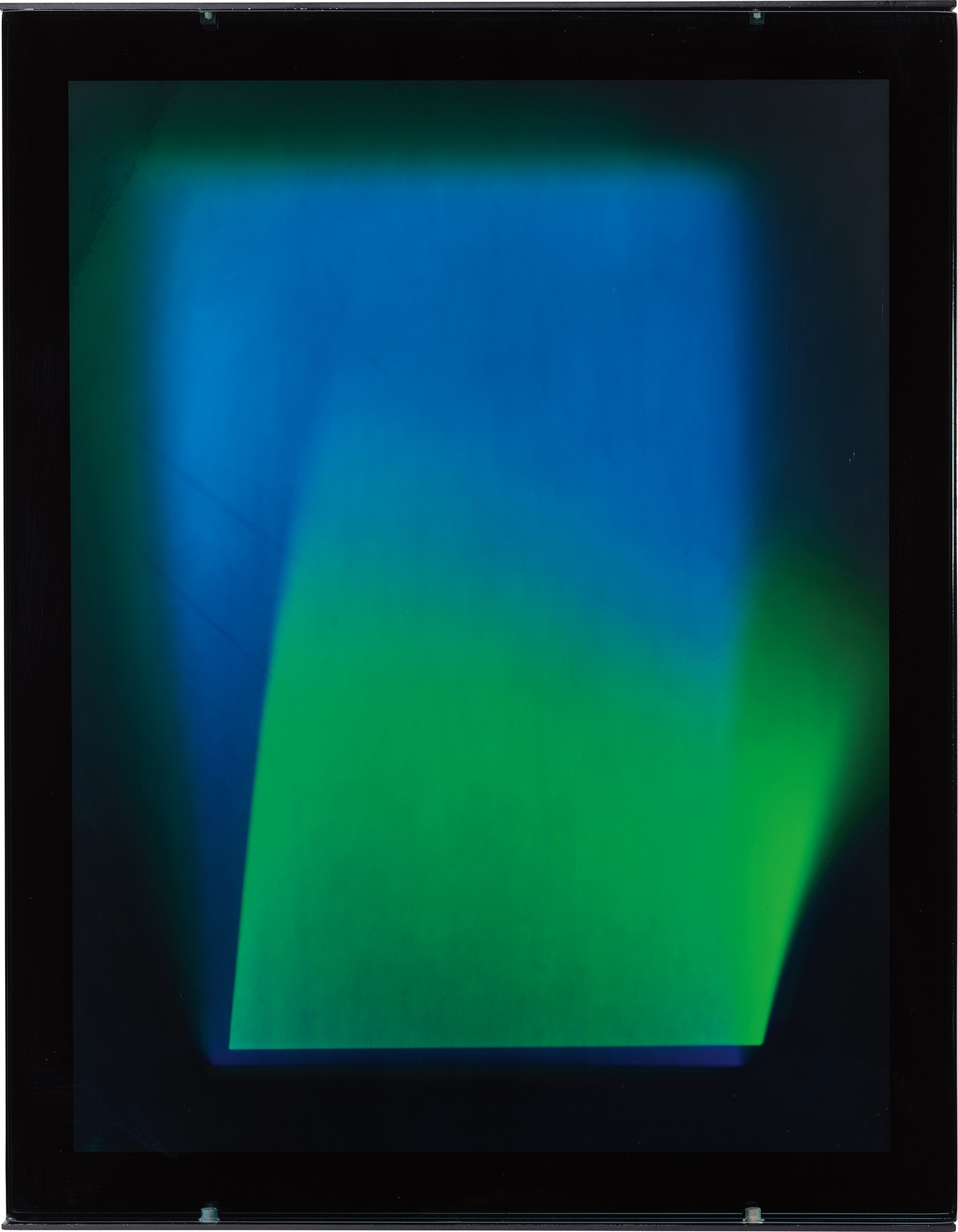
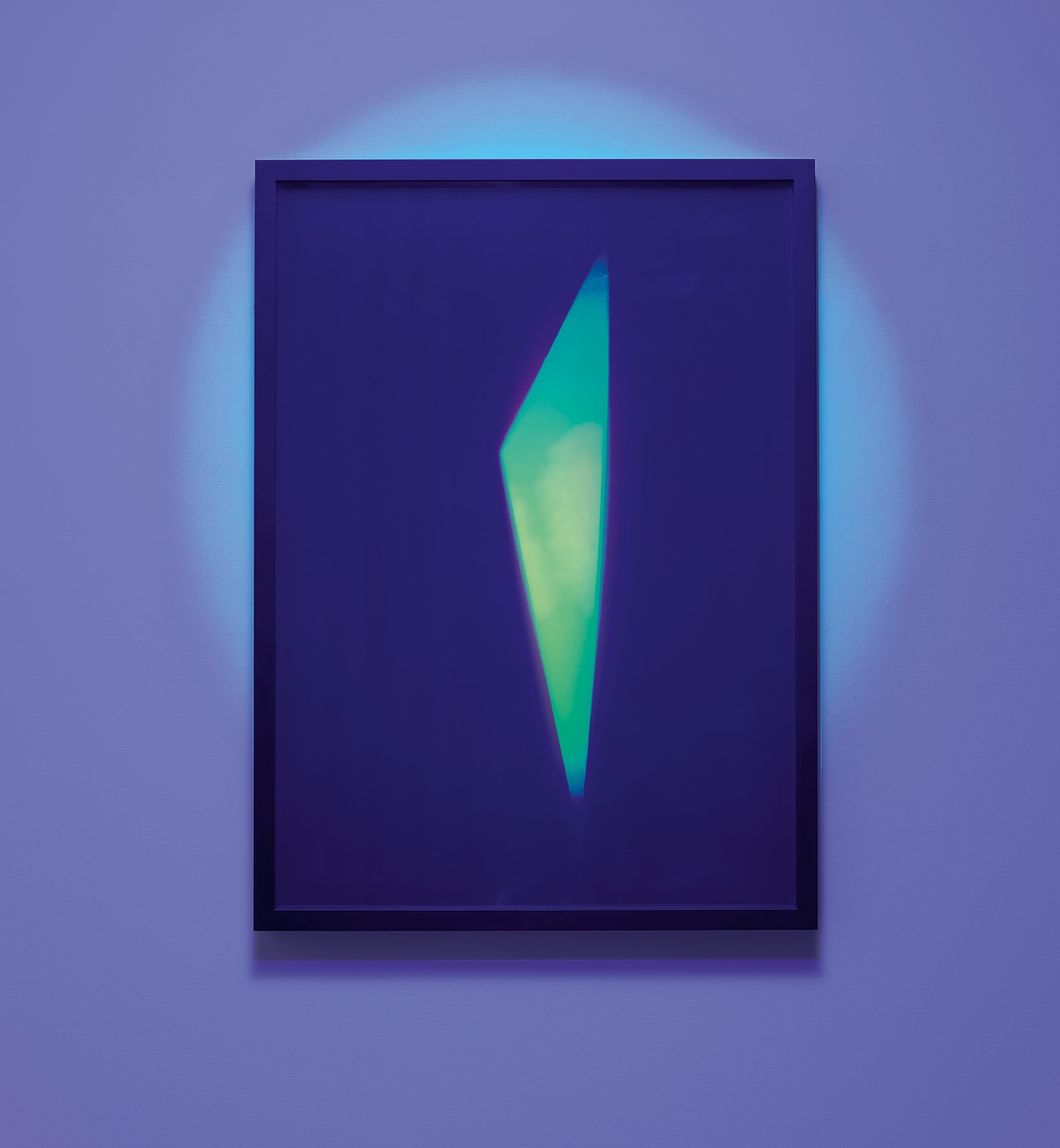
James Turrell
Hologram (IV 01), 2002
They alter your perception of space, of your own body within that space, and of time itself. Collectors who respond to this are often those who have grown restless with the purely retinal, who want their homes or their institutional spaces to function as sites of genuine encounter rather than refined display. So what separates a good immersive work from a great one? The question is worth sitting with carefully before any acquisition.
The strongest works in this field operate on multiple registers simultaneously. They have conceptual depth that sustains repeated experience, so that the tenth encounter yields something the first could not have offered. Turrell's work, rooted in the Perceptual Cell series and the decades long Roden Crater project, rewards exactly this kind of sustained attention. Great immersive works also have what you might call spatial intelligence, a precise understanding of how light, sound, air, or material will behave inside a given volume, and that intelligence is usually evident in how rigorously the artist controls the installation parameters.
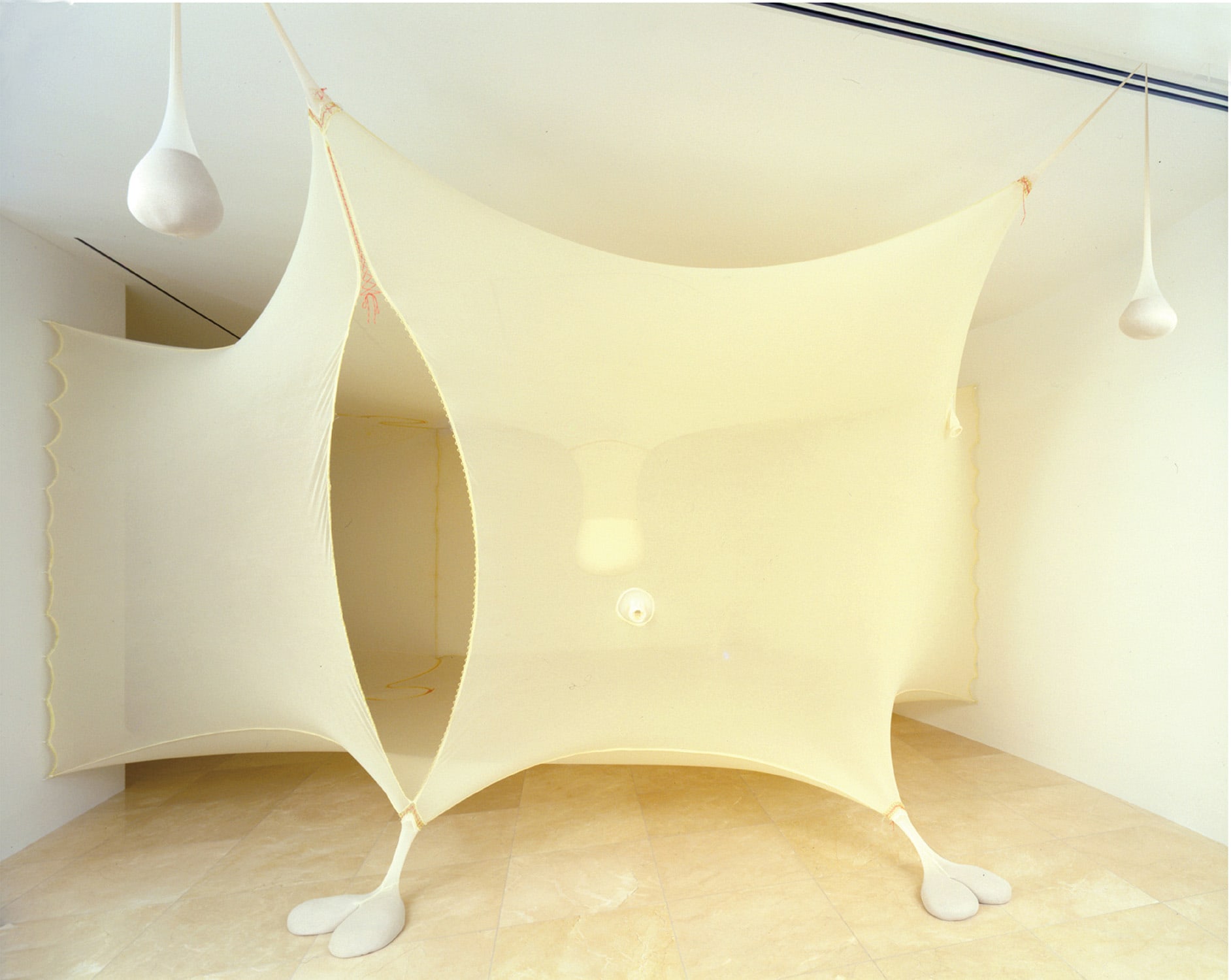
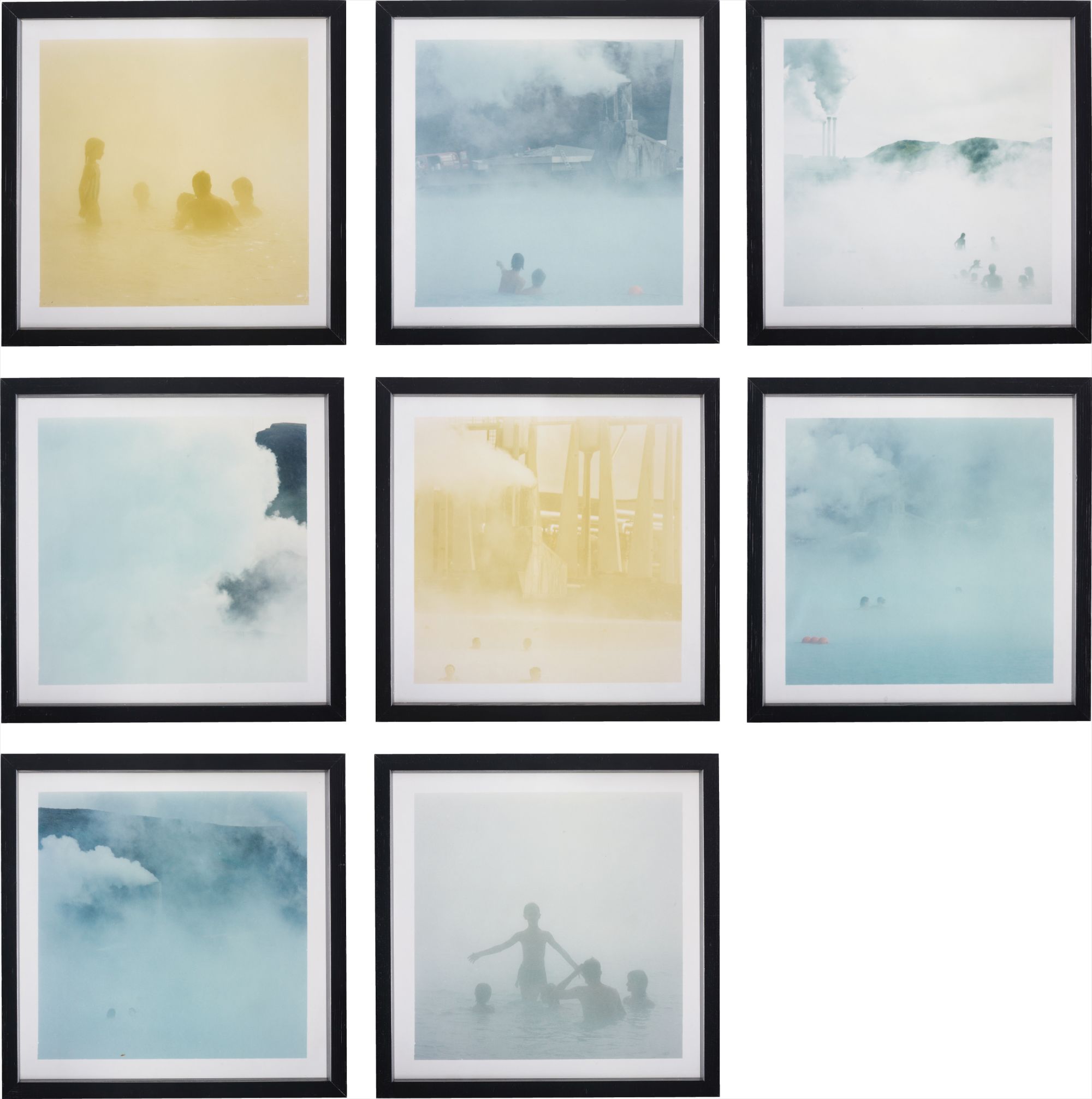
Ernesto Neto
Anatomia Do Aconchego - Casa Nave, 1998
If an artist is cavalier about the conditions of display, that is a signal worth heeding. Within the current market, certain artists represent particularly compelling value propositions. Kusama's Infinity Mirror Rooms sit at the apex of the category in terms of cultural visibility and institutional demand, and while her paintings and works on paper move through auction with reliable frequency, the environments themselves rarely come to market and command extraordinary prices when they do. Ernesto Neto's biomorphic fabric environments, sprawling organic structures that visitors move through and touch, occupy a different but equally serious register.
His work is institutionally beloved and genuinely difficult to acquire privately, which creates meaningful scarcity. Refik Anadol represents a compelling argument for the digital and data driven end of the spectrum, where machine learning and architectural projection intersect in ways that feel genuinely new rather than merely technologically novelty. His museum commissions have built serious institutional credibility at a relatively rapid pace, and his secondary market is still developing in ways that favor attentive early collectors. For collectors with an eye toward emerging and underrecognized practitioners, the field is more interesting than it has been in years.
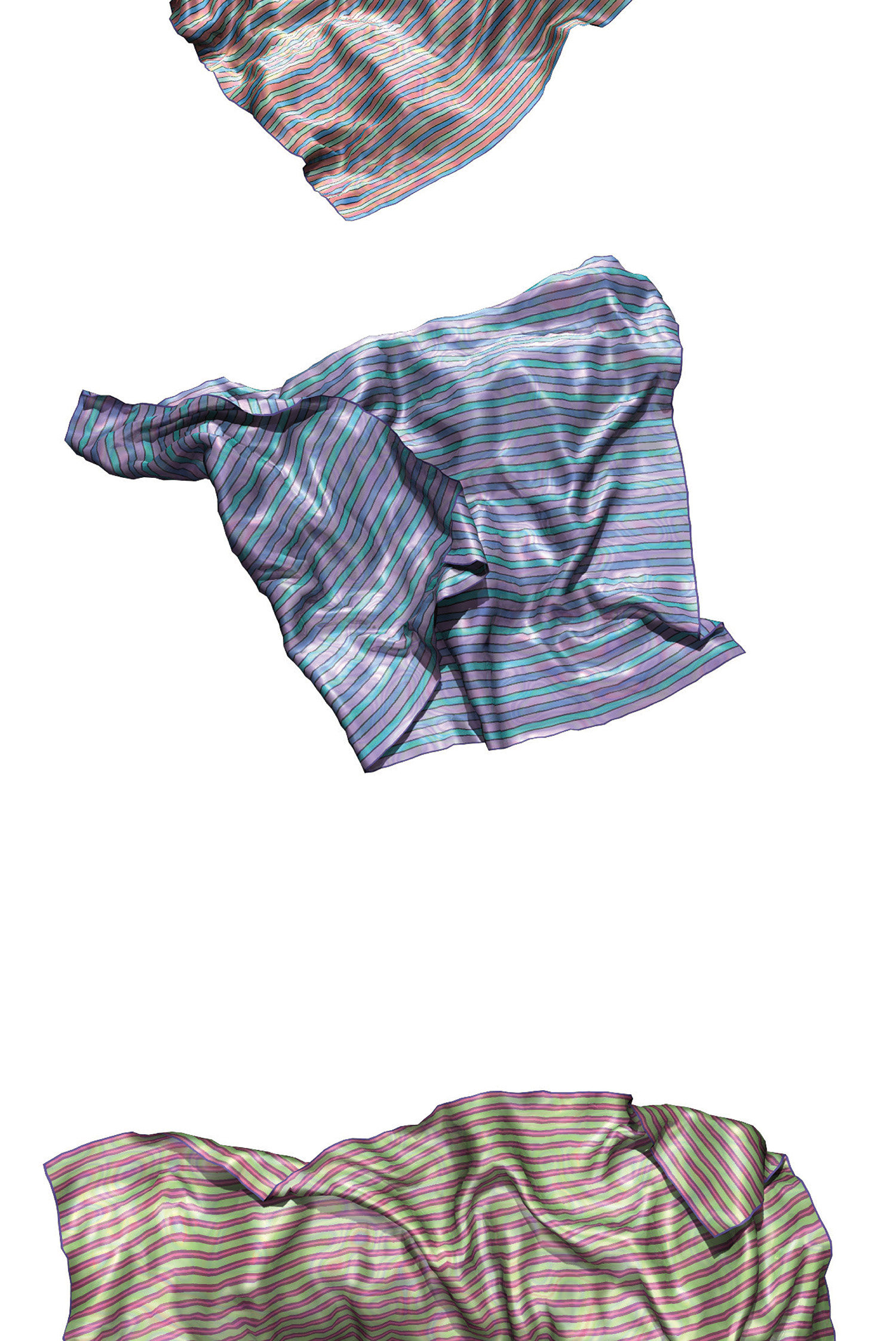
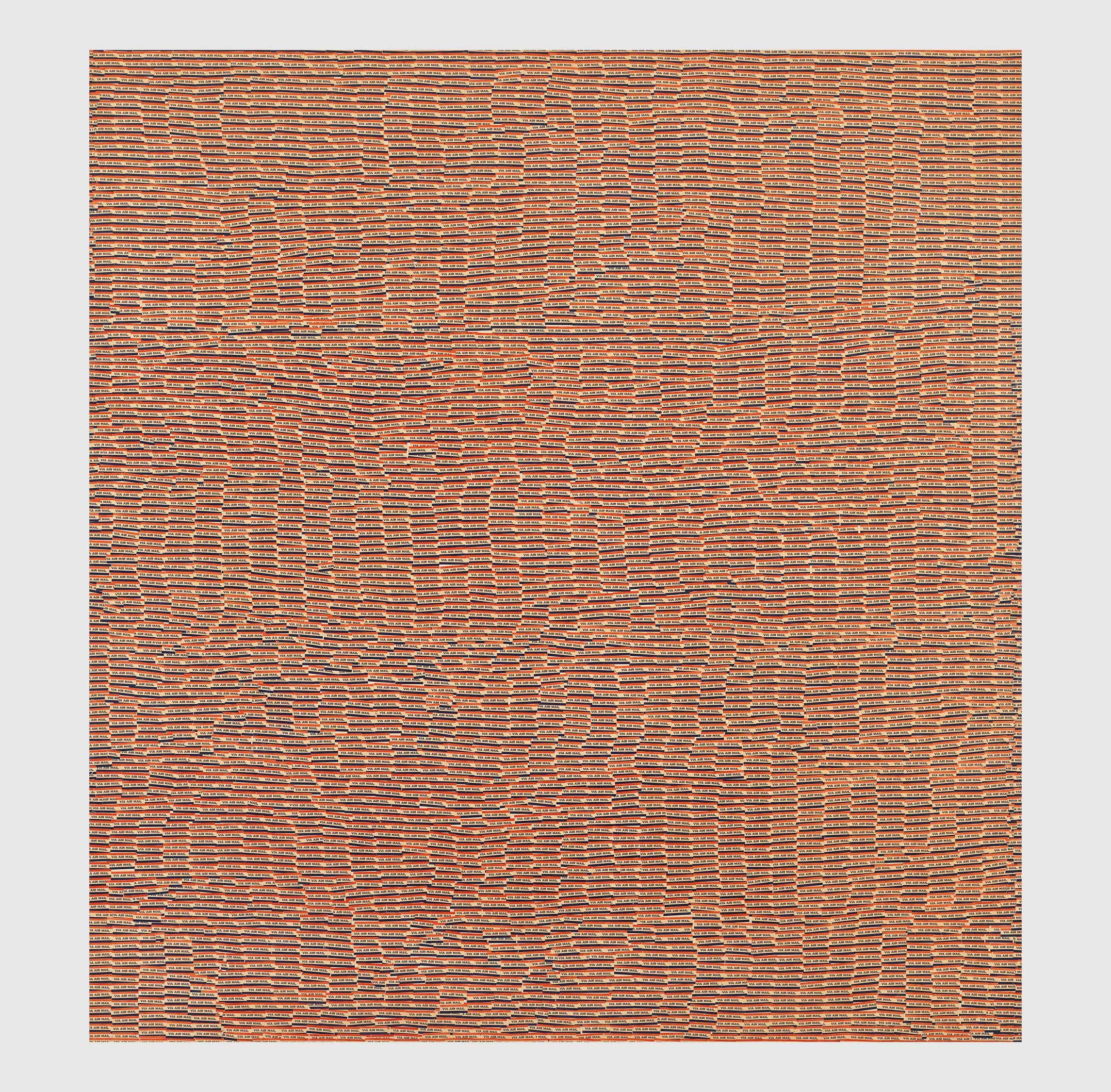
Jennifer Steinkamp
Formation C
Jennifer Steinkamp has been making sophisticated, large scale digital video installations since the 1990s and remains significantly undervalued relative to her peers and her exhibition record. Her work animates architecture with looping botanical and organic forms that have a meditative quality entirely distinct from the spectacle driven immersive experiences now common in commercial venues. Jen Lewin, whose interactive light sculptures invite collective participation, sits at a fascinating intersection of technology, public engagement, and intimate experience. Gabriel Dawe's site specific thread installations, vast gradients of colored string that seem to dissolve solid space into pure color field, are among the most quietly extraordinary works being made in this territory right now, and his market has not yet caught up with his ambition.
At auction, immersive and installation based works present particular challenges that collectors should understand before entering the secondary market. Works by Turrell and Eliasson have shown consistent strength at the major houses, but the prices realized often reflect the specific configuration being sold and whether full installation support and artist approval for reinstallation are part of the transaction. This last point is critical. Many artists working in this category retain a degree of control over how and where their work can be shown, and a certificate of authenticity that comes without reinstallation rights or artist approval is worth considerably less than one that includes them.
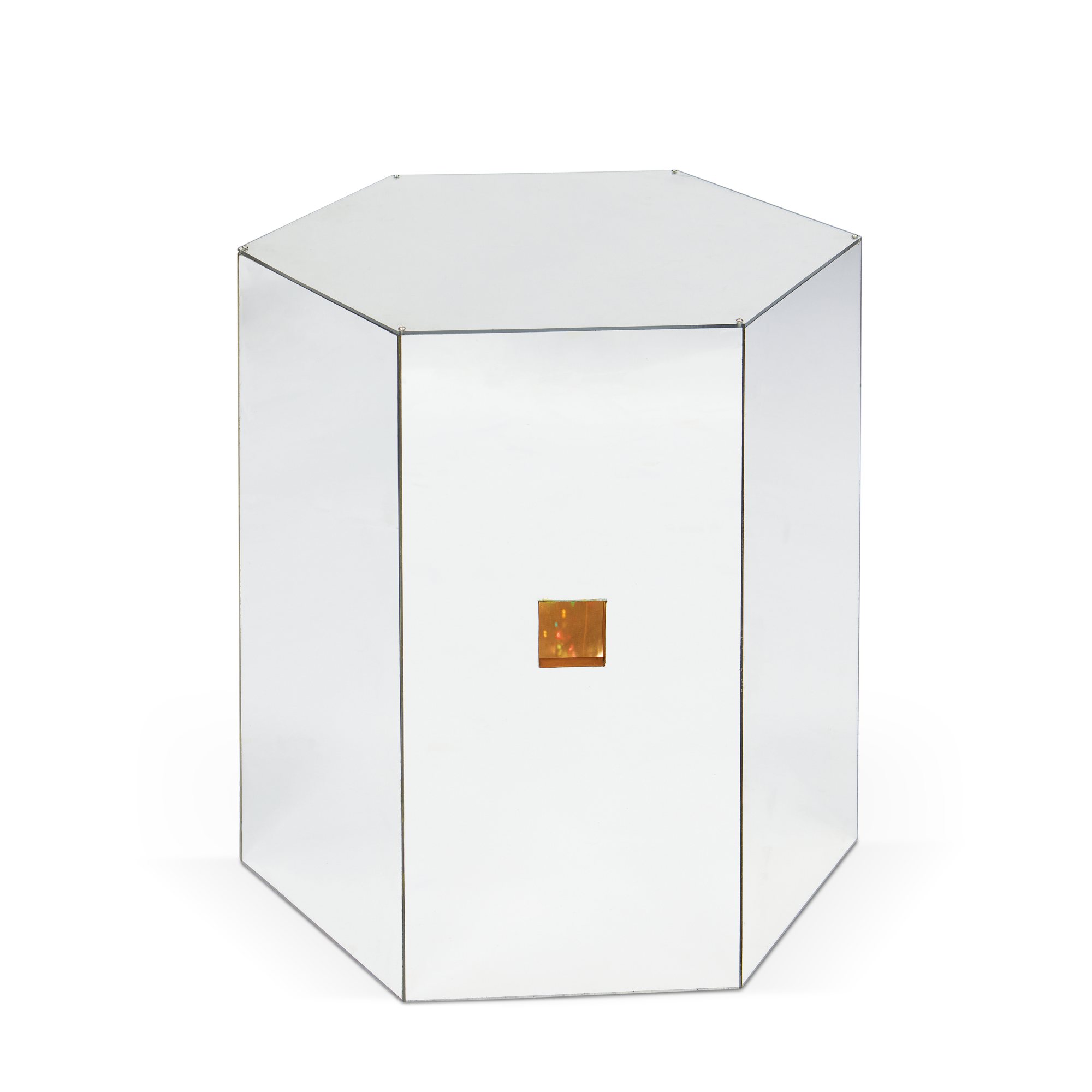
Yayoi Kusama
Infinity Mirror Room 無限鏡屋, 1993
Kusama's studio and the Yayoi Kusama Museum in Tokyo maintain meticulous records, and provenance clarity matters enormously in her market. Practical considerations for anyone collecting in this space deserve more candor than they usually receive. Condition in immersive work is not simply about surface or material integrity. It encompasses technological obsolescence, replacement component availability, and the institutional knowledge required to reinstall complex works accurately.
Before acquiring any light based or digital installation, ask the gallery or seller for complete technical documentation, a list of all components including proprietary equipment, and clarity on what happens when those components are discontinued. Editions versus unique works is another conversation worth having explicitly. Some artists offer their environments as unique configurations, others produce limited editions with distinct specifications. Neither is inherently superior, but the edition structure affects both pricing logic and long term liquidity.
Ask who else holds editions from the same series and what their collecting context is. The best gallerists in this space will answer that question without hesitation. Ultimately, collecting immersive art asks you to think of the work not as an asset that sits on a wall but as a living relationship between object, space, and viewer that you are responsible for sustaining. That stewardship is more demanding than conventional collecting, and it is also more rewarding.
The collectors who have built meaningful holdings in this category tend to speak about their works with an intimacy usually reserved for places rather than things. They do not say I own a Turrell. They say I live with light in a way I could not have imagined before.