Latin American Artist
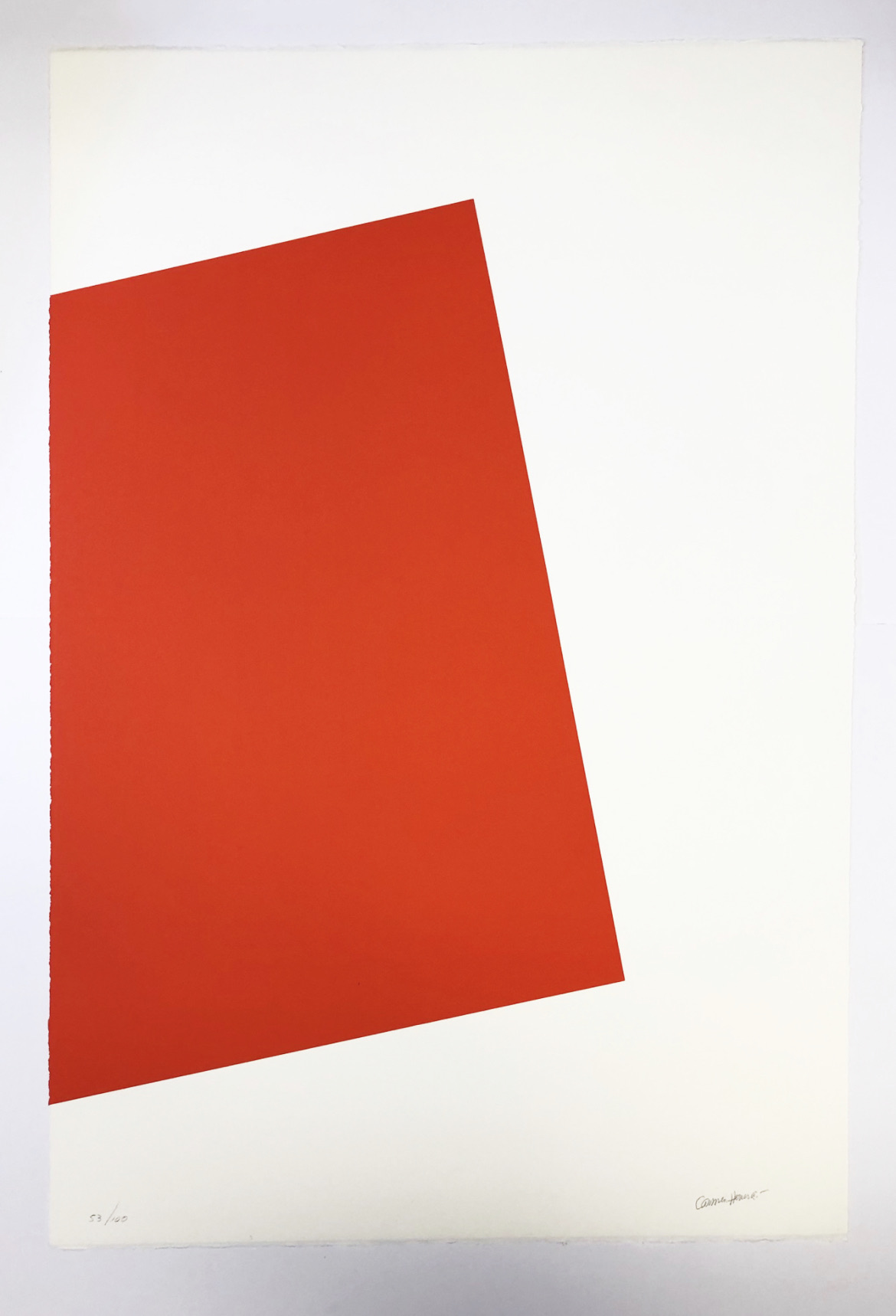
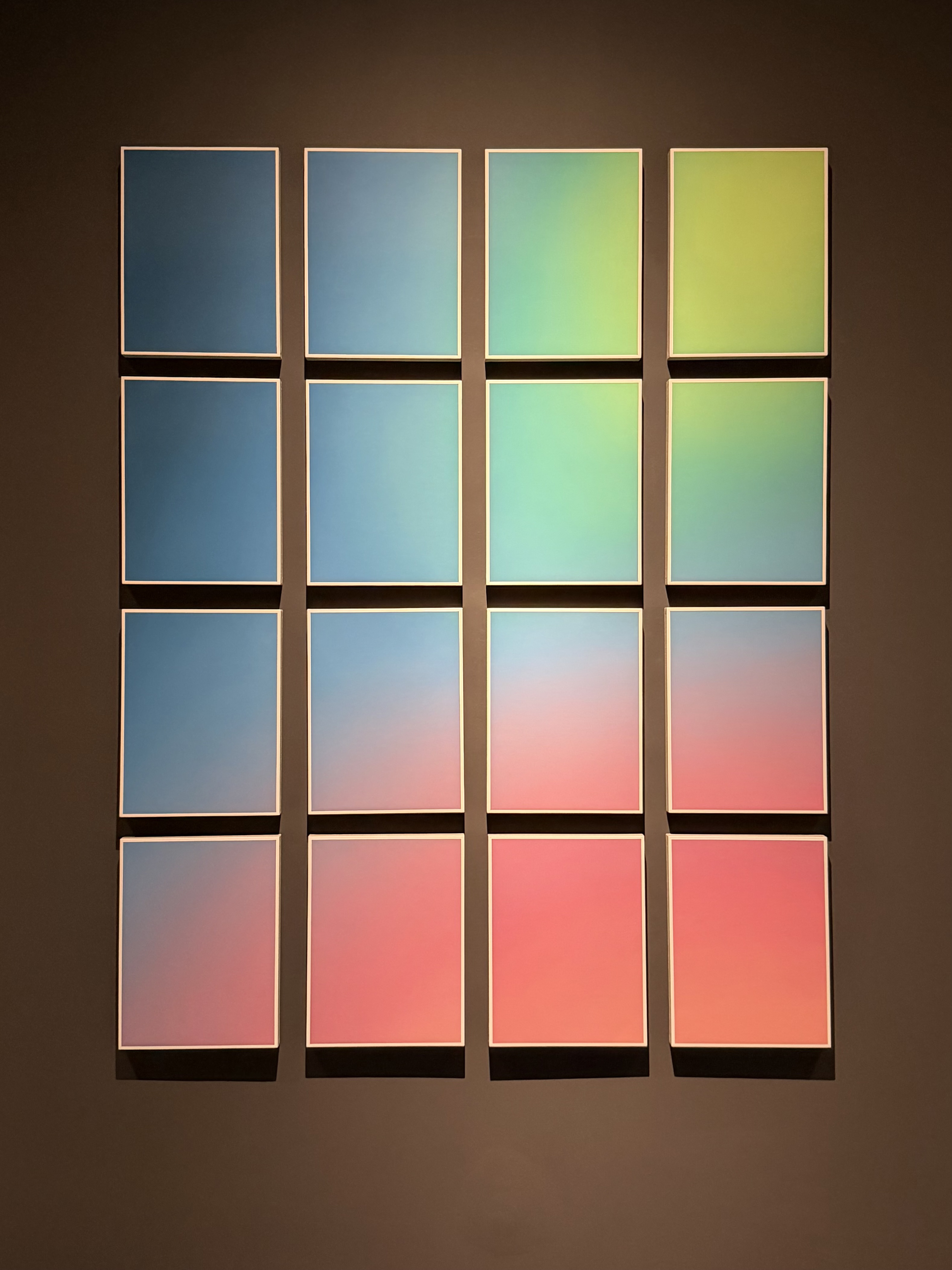
Carmen Herrera
Untitled (NWR), 2017


The Hemisphere That Rewired Modern Art
There is a persistent myth that modern art was invented in Europe and exported everywhere else. Latin America dismantles that story entirely. From the muralists of 1920s Mexico to the Concrete and Constructivist movements that electrified São Paulo and Buenos Aires in the 1940s and 1950s, artists across the region were not followers of a Western avant garde but active participants in shaping what contemporary art could be, working through questions of identity, politics, and form that Europe had barely begun to ask. The story often begins with the Mexican muralist movement, which emerged in the early 1920s under the patronage of Minister of Education José Vasconcelos.
Diego Rivera, José Clemente Orozco, and David Alfaro Siqueiros painted on a monumental scale, reclaiming public walls as sites of historical memory and political argument. But the conversation was never only Mexican, and it was never only about muralism. In Brazil, Tarsila do Amaral was synthesizing Cubism, Fauvism, and indigenous Brazilian imagery into something wholly original, and her 1928 painting Abaporu became the visual touchstone for the Anthropophagist movement, a radical cultural philosophy that proposed devouring outside influences and transforming them into something new and local. That idea, playful and fierce in equal measure, became a kind of operating system for Latin American cultural production for decades to come.
Carmen Herrera
Untitled (NWR), 2017
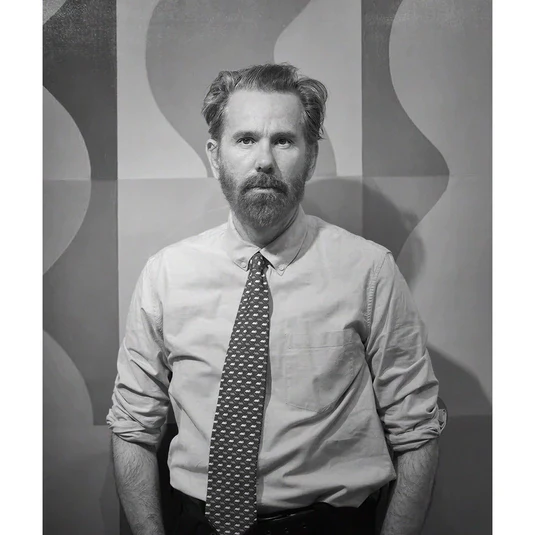
By midcentury, the region's engagement with abstraction had taken on a distinctive character. The Grupo Madí in Argentina, founded in 1946, and the Neoconcrete movement in Brazil, which coalesced around 1959 with figures like Lygia Clark and Hélio Oiticica, pushed geometric abstraction beyond decoration and into phenomenology, inviting the viewer's body into the work itself. Carmen Herrera, the Cuban born artist who spent decades working in New York in relative obscurity before being recognized in her nineties, was painting rigorously reduced geometric canvases in this same period, her work anticipating Minimalism with an economy of means that still feels radical. Her presence on The Collection is a reminder of how long the art world took to catch up with what she already knew.
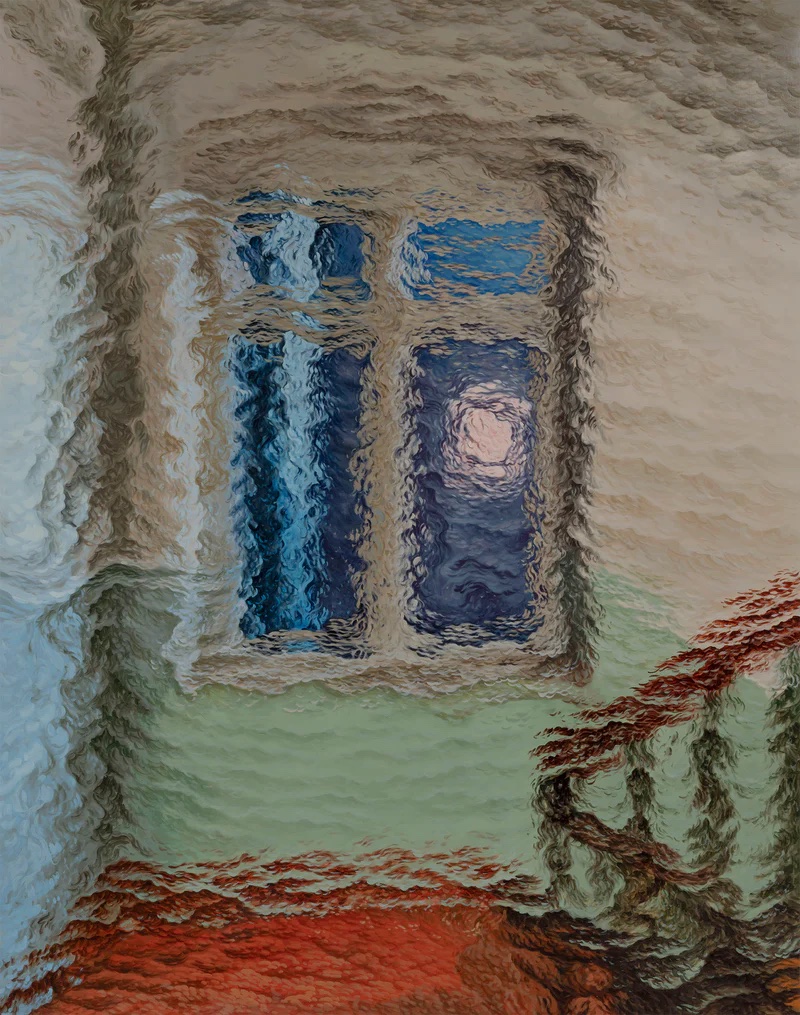
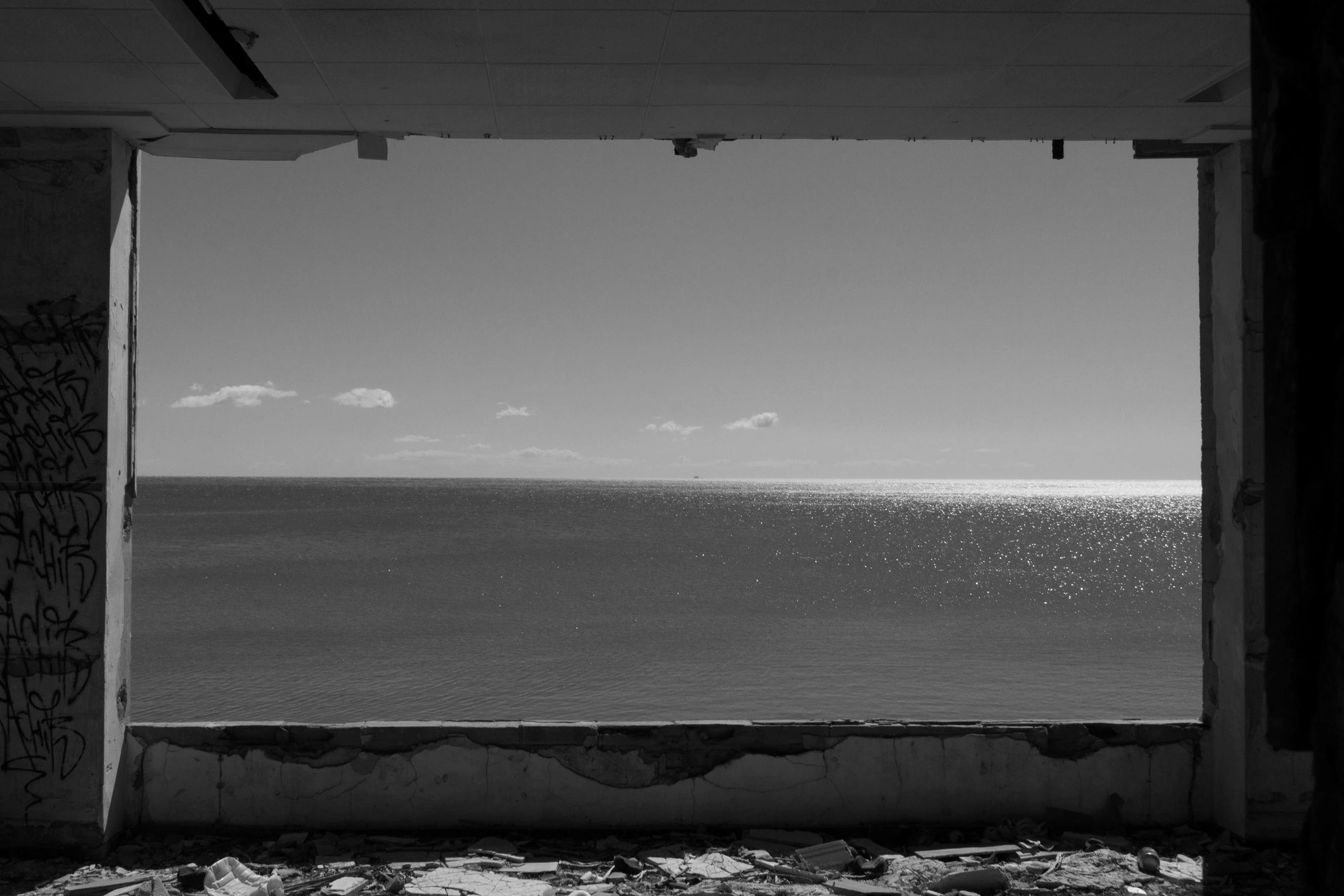
The question of identity, both personal and collective, runs through Latin American art like a current that never shuts off. It is there in the work of María Blanchard, the Spanish born artist of partial Cuban descent whose early twentieth century Cubist paintings carry an emotional weight that sets them apart from her Parisian peers. It animates the photography of Abelardo Morell, whose camera obscura images transform interior spaces into theaters of light and memory. It pulses through the politically charged installations of Iván Argote, a Colombian artist based in Paris whose work addresses power, language, and belonging with a wit that disarms before it provokes.
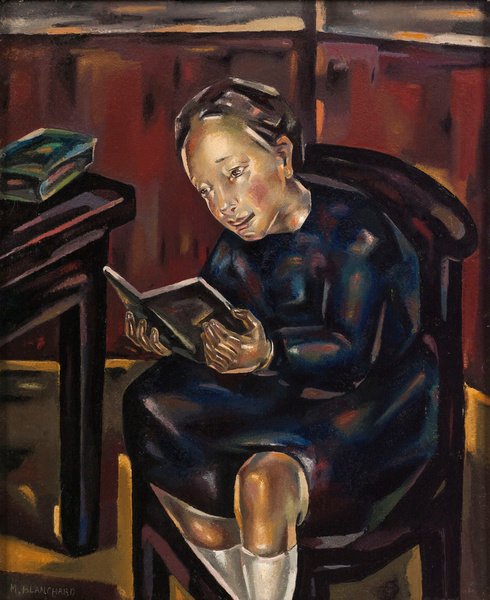
María Blanchard
Petite fille lisant, 1929
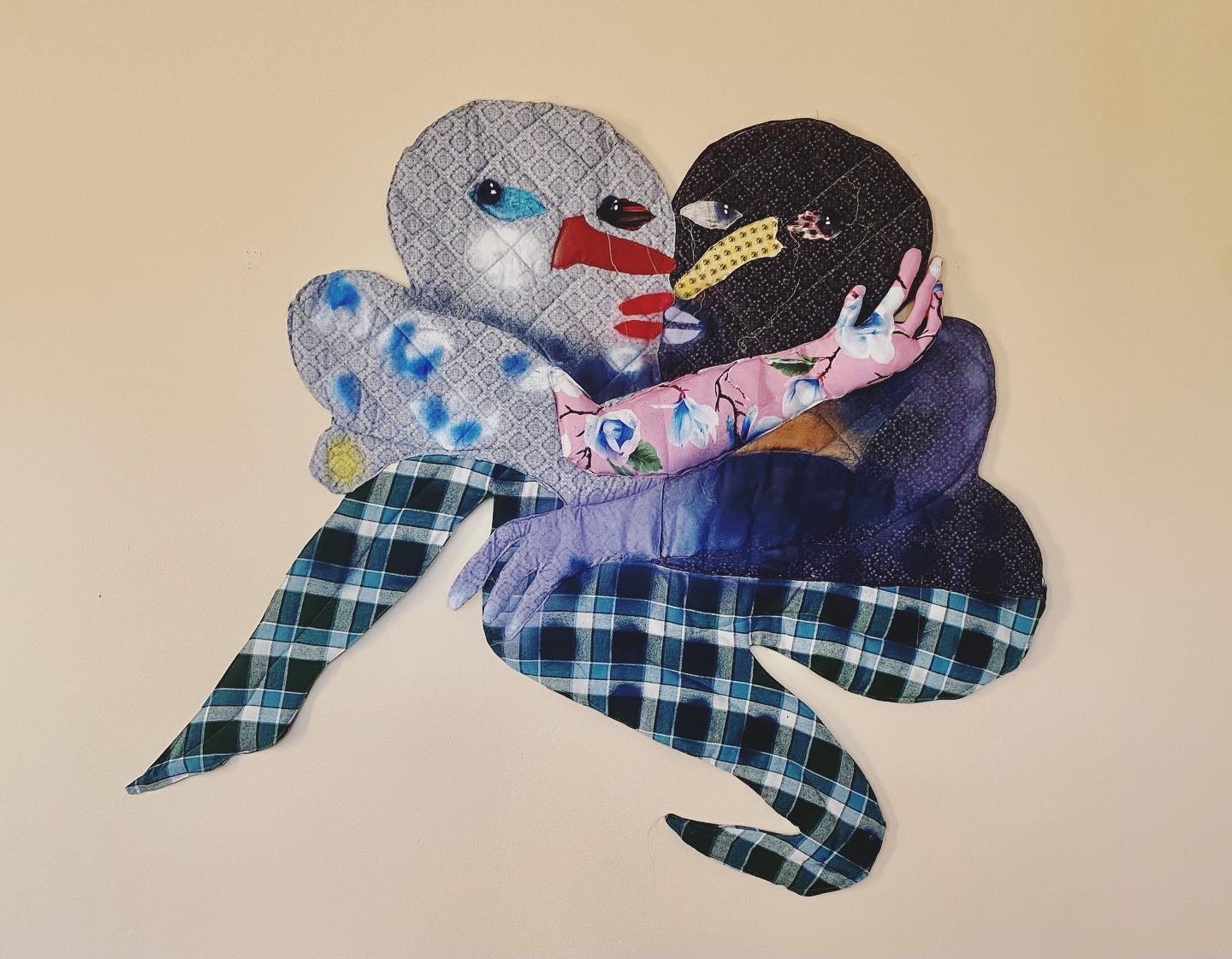
And it shapes the layered, textile inflected paintings of María Berrío, whose figures seem to drift between worlds, suspended in a space that feels both mythic and urgently contemporary. Materials and process have always been central to how Latin American artists make meaning. Bosco Sodi works with raw clay and natural pigments, allowing the cracking and drying process to dictate the final surface of his paintings, embracing chance and impermanence in a way that feels deeply connected to the land. Gabriel Dawe creates immersive thread installations that dissolve architectural space into pure chromatic experience, his gradients recalling both the optical experiments of the Venezuelan Kinetic artist Carlos Cruz Diez and the color field ambitions of painters like Rothko, while remaining entirely his own.
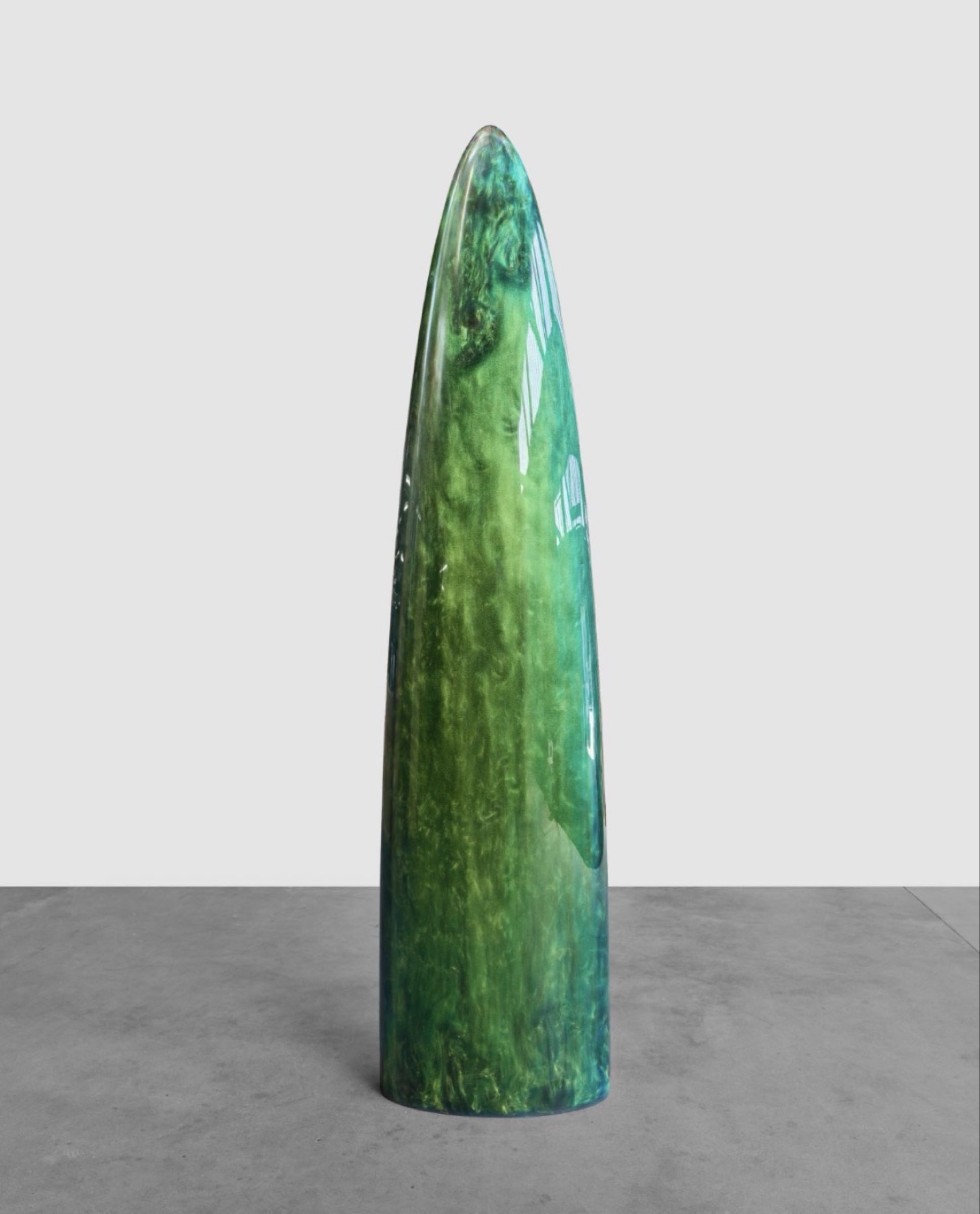
Gisela Colón, who works with acrylic and resin to create luminous biomorphic forms, is engaged in a similar conversation between abstraction and materiality, between the futuristic and the elemental. The reach of Latin American art into popular consciousness has also come through artists who work across registers, collapsing the boundary between high art and vernacular culture. Vik Muniz has spent a career making images out of unexpected materials, from chocolate syrup to garbage collected with recycling workers in Rio de Janeiro, photographs of photographs that question how we attribute value to objects and images alike. Romero Britto brought a bold, pattern driven visual language rooted in Pop and Cubism to audiences far outside gallery walls.
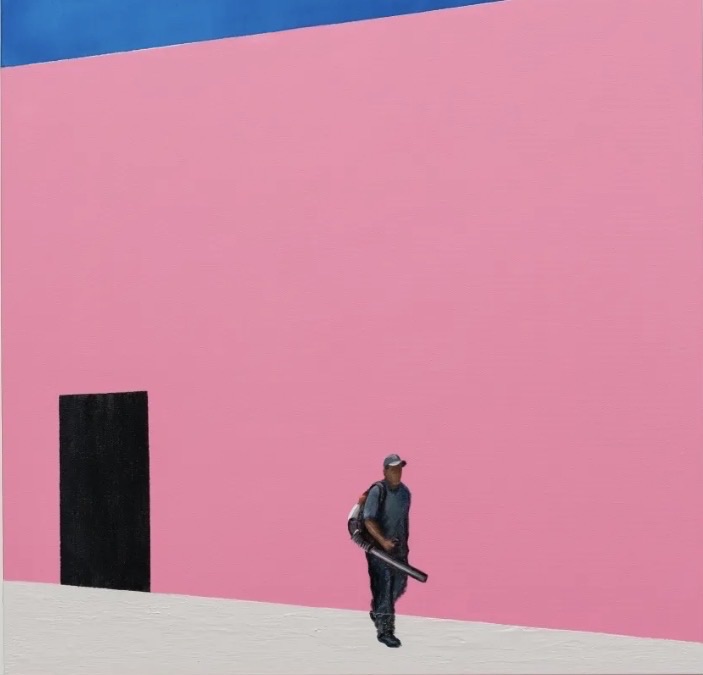
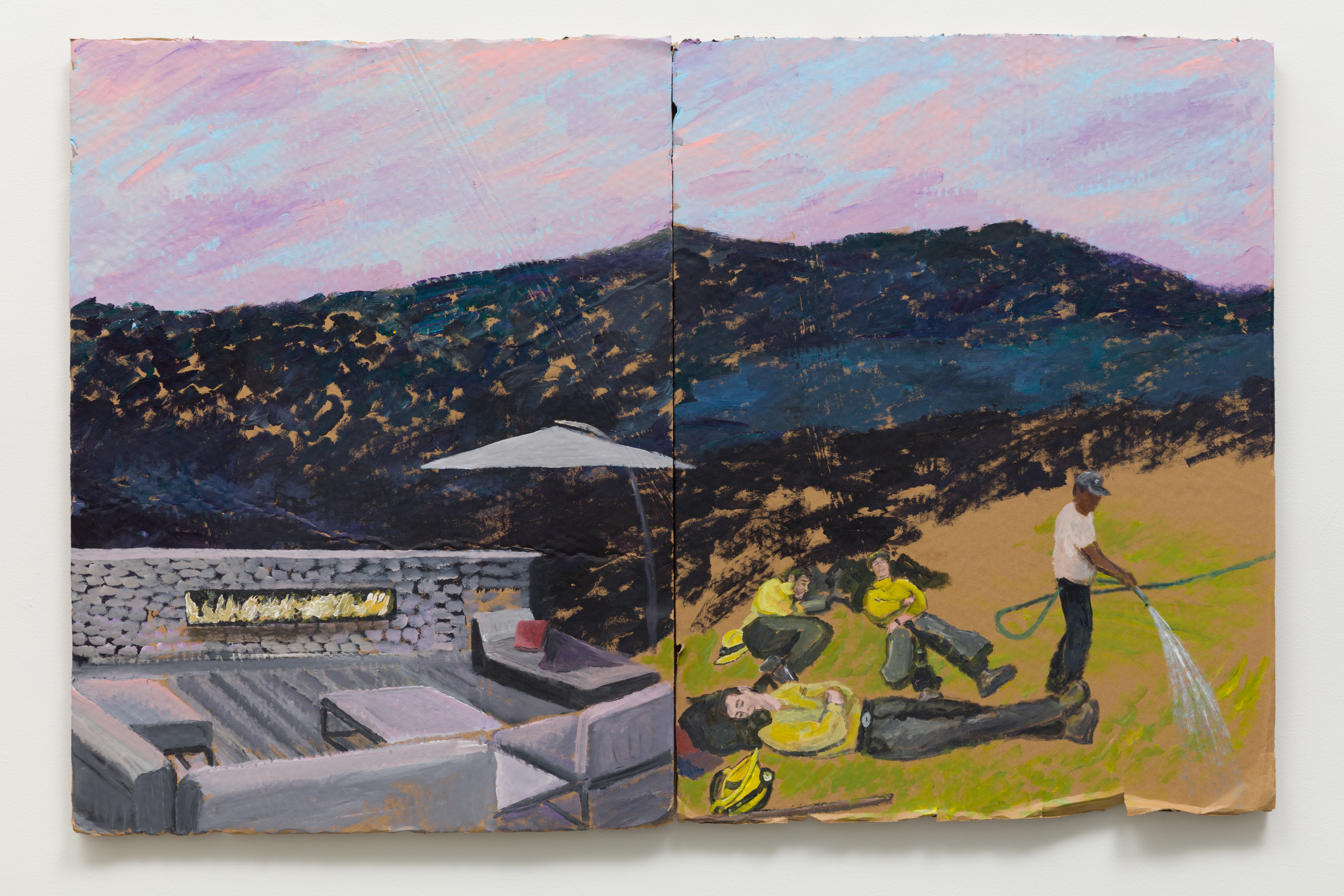
Ramiro Gomez
Paul Smith Store, Los Angeles, 2016
Ramiro Gomez, whose works appear across The Collection in meaningful number, uses imagery drawn from domestic labor and the invisible workers of Los Angeles to make visible what the art world and the broader culture would prefer not to see. Enrique Martinez Celaya occupies a different register entirely, his paintings and sculptures saturated with literary and philosophical reference, drawing on Rilke and Kierkegaard while remaining viscerally emotional. Liliana Porter, born in Argentina and long based in New York, works with appropriated figures and staged tableaux that investigate narrative, power, and the absurdity of everyday objects. Firelei Báez brings an Afro Caribbean perspective to large scale figurative painting, her work weaving together historical archives, mythology, and the ongoing reckoning with colonial violence.
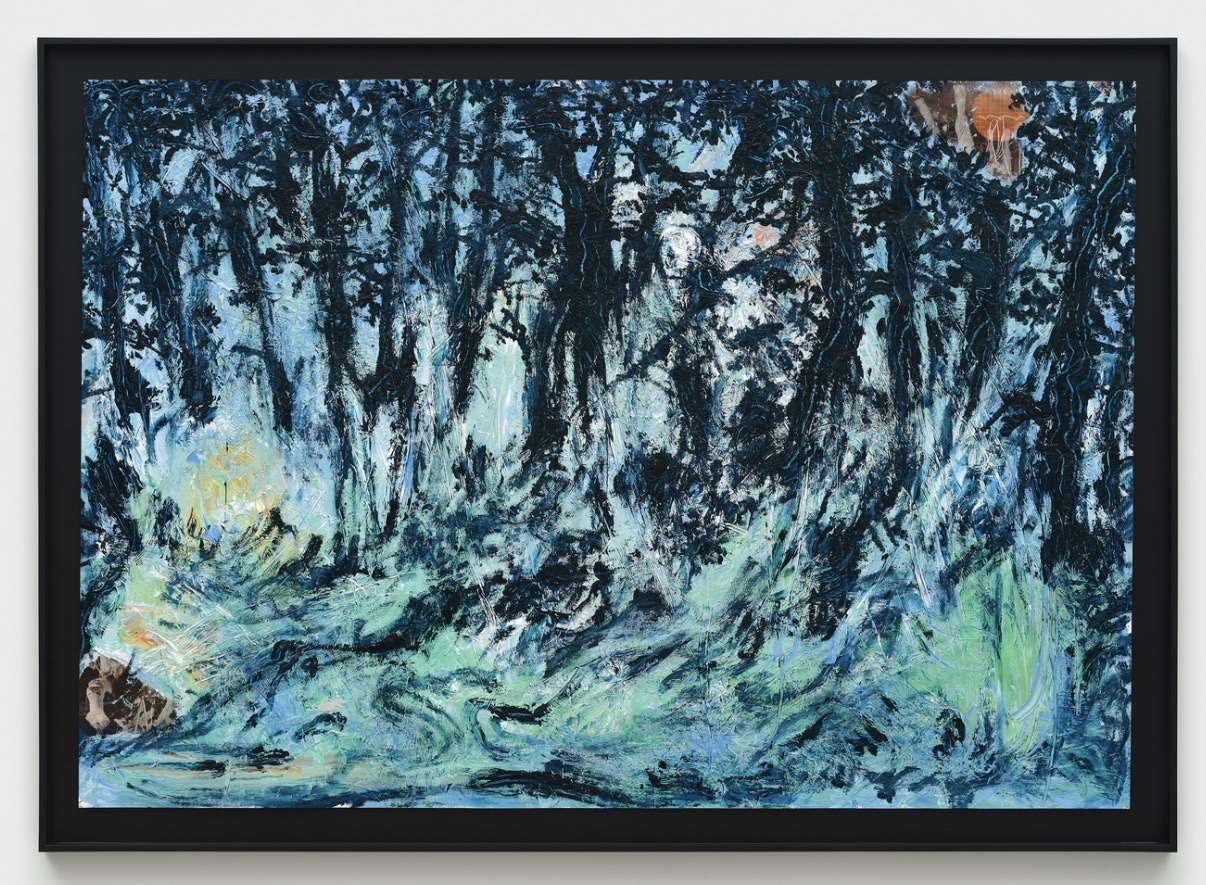
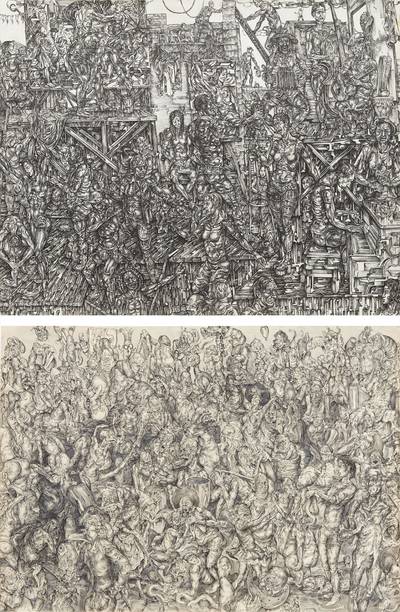
Together, these artists resist any single definition of what Latin American art is or should be, which is precisely the point. What unites this extraordinarily diverse group is not geography alone but a shared orientation toward the question of how art can carry history without being crushed by it. The works gathered on The Collection under this category represent something of that breadth, from the conceptual cool of Alejandro Cardenas to the surrealist warmth of Julio Larraz, from the community embedded practice of Familia Ayala to the intimate graphic worlds of Matías Sánchez. Each represents a specific vision, a specific set of questions, but all of them are part of a conversation that spans a century and a continent, a conversation that is nowhere near finished.
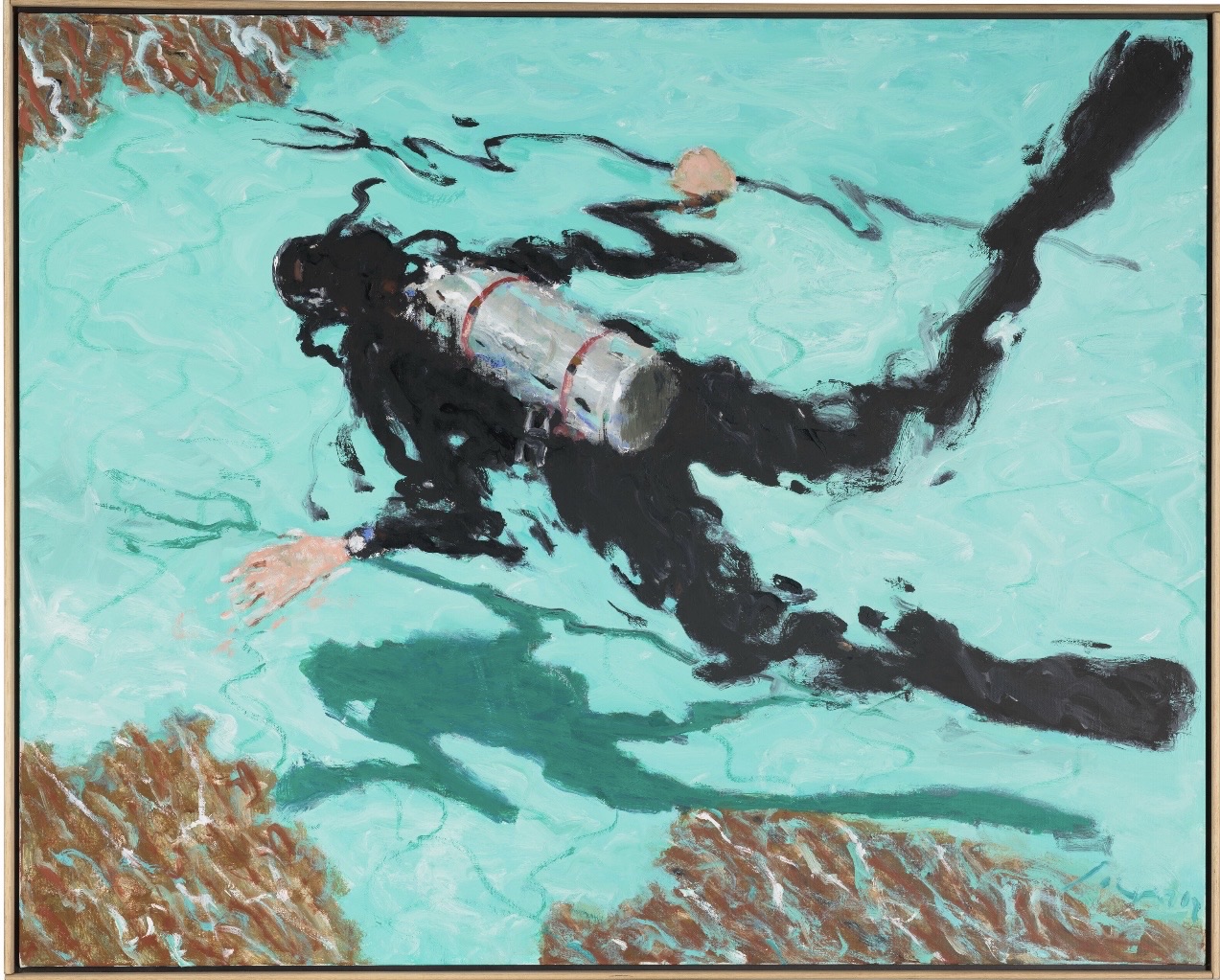
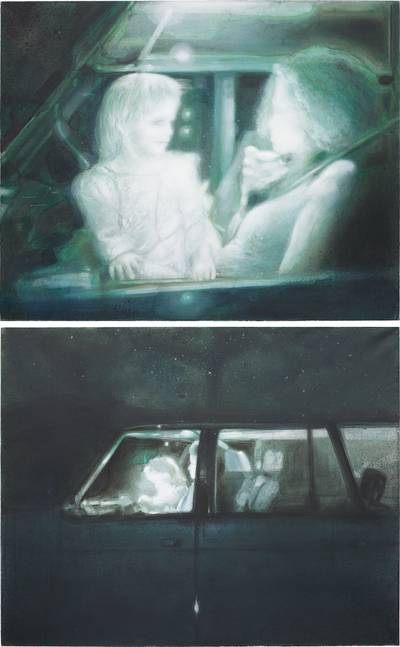
Julio Larraz
The Shadow of the Hunter, 2013
For collectors paying attention, that is not a footnote to art history. It is one of its central chapters.