Textile
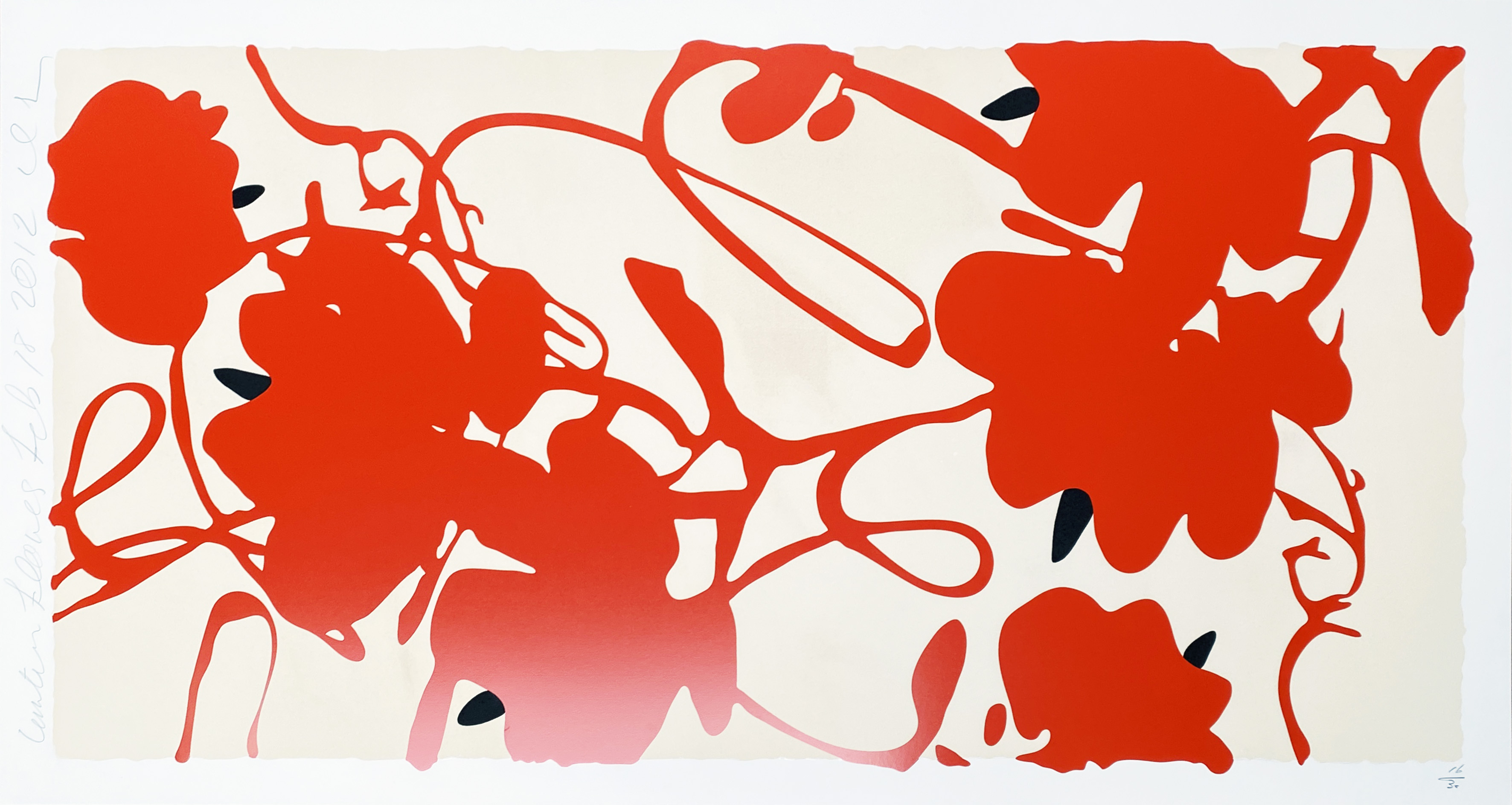
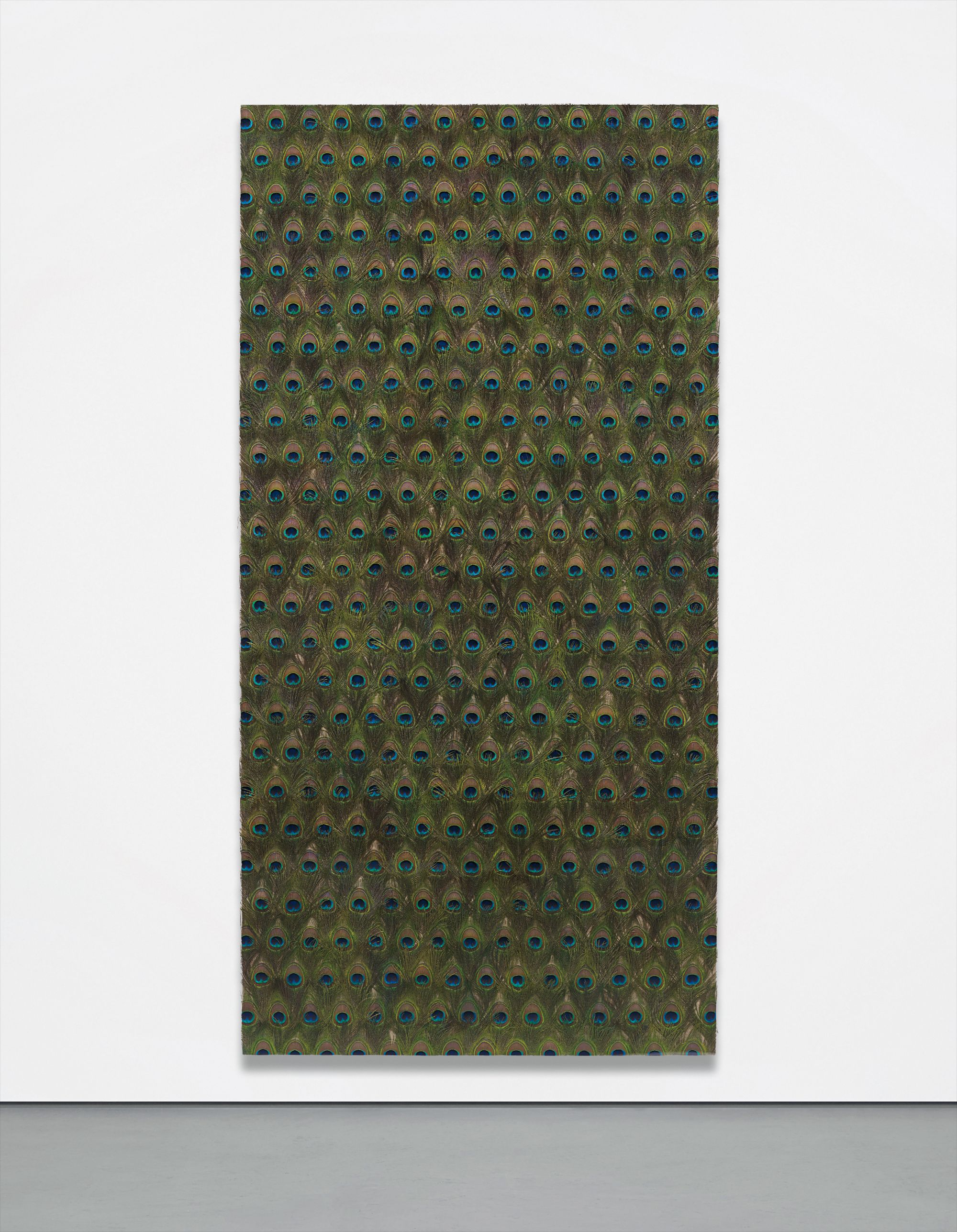
Donald Sultan
Lantern Flower, 2012

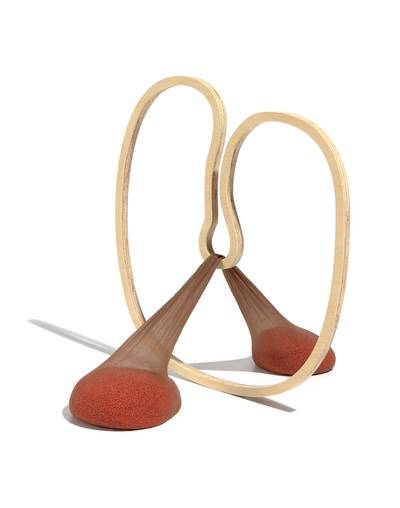
Thread, Power, and the Art of Feeling
There is something almost defiant about the act of weaving. Long dismissed as craft, as women's work, as the domestic and therefore minor register of human creativity, textile has spent the last century staging one of art history's most compelling reversals. What once kept it out of museums now keeps collectors, curators, and critics utterly transfixed. The story of how thread became one of the most charged materials in contemporary art is also, inevitably, a story about power, labor, and whose hands have always been doing the making.
The roots run deep. Textiles predate painting by millennia. The Paracas burial mantles of ancient Peru, the silk tapestries of Tang dynasty China, the Kente cloth of the Ashanti people, the Flemish tapestries that hung in the courts of European monarchs: all of these were prestige objects, repositories of cultural memory, and vehicles for storytelling. The historical works represented on The Collection gesture toward this long lineage, reminding us that the separation of fine art and textile is a relatively recent and essentially ideological invention.
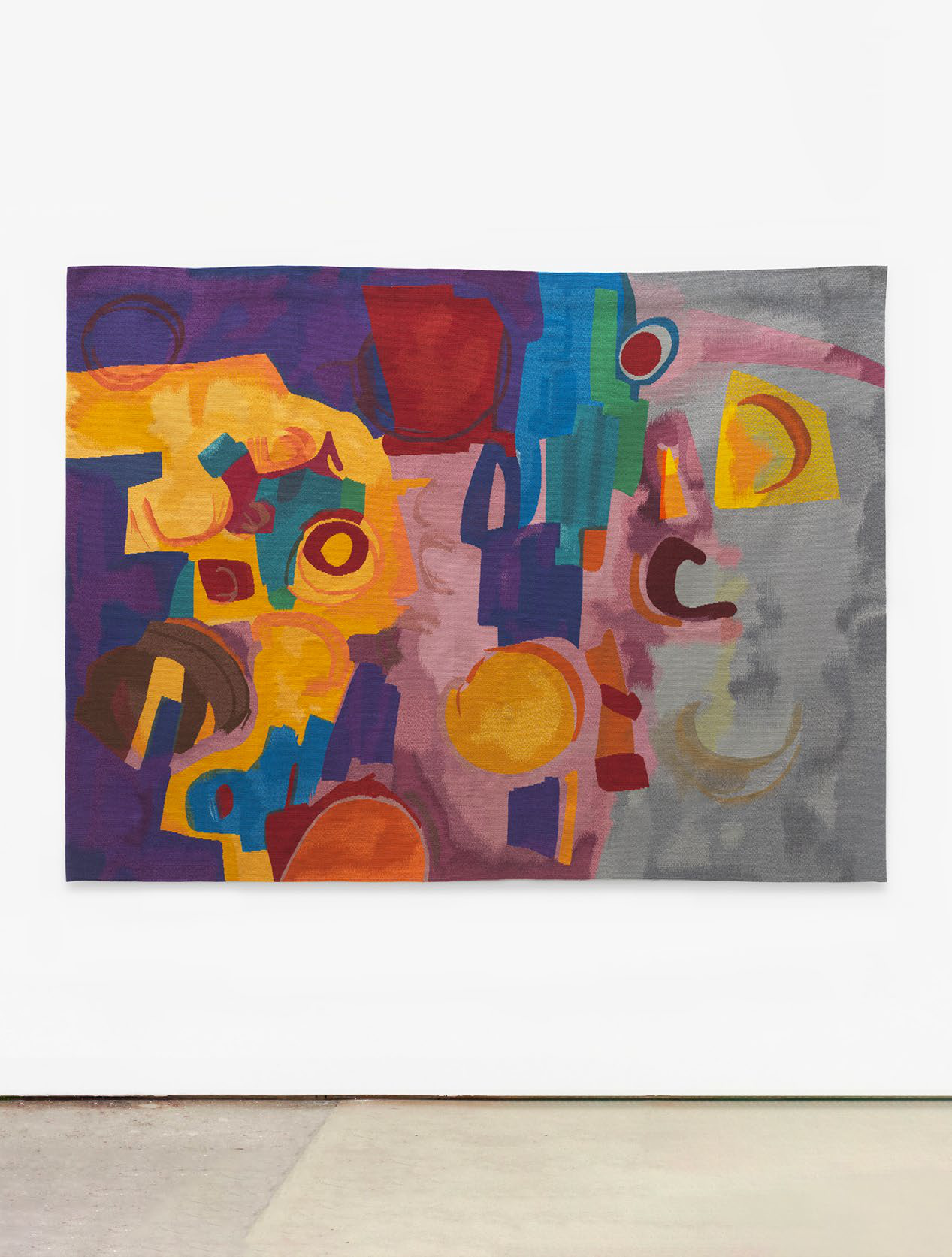
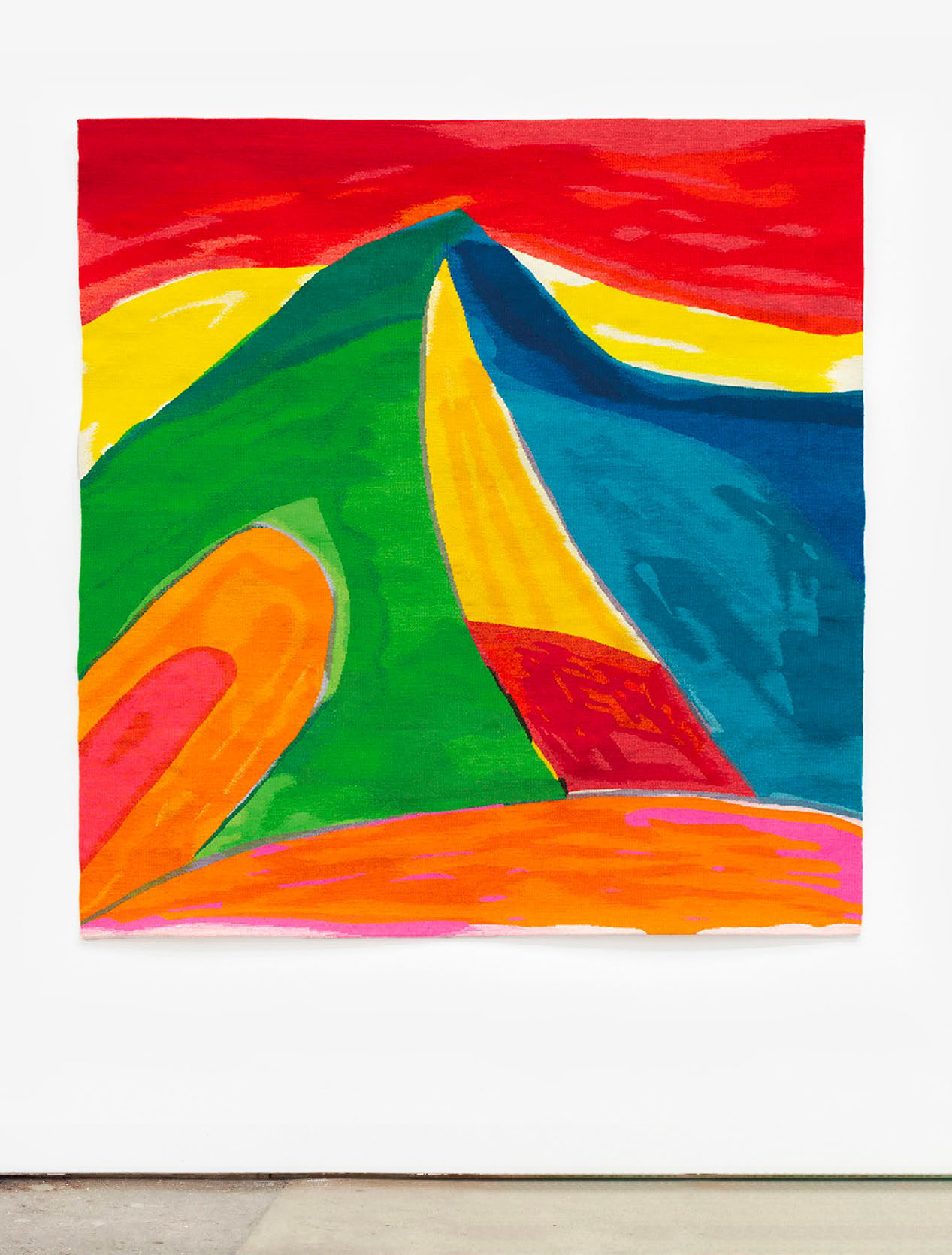
Etel Adnan
Défilé nocturne, 2017
It was the Renaissance academies, with their hierarchies of medium and subject, that pushed fiber out of the frame. The Bauhaus would begin to push it back. At Dessau in the 1920s, the Bauhaus weaving workshop became one of the most intellectually serious spaces in the entire school, even as its students, most of them women, struggled to be taken seriously within it. Anni Albers, who joined in 1922, would go on to become the defining figure in the rehabilitation of textile as a fine art practice.
Her 1949 solo exhibition at the Museum of Modern Art in New York was a landmark moment, the first MoMA show dedicated to a textile artist. Albers argued that weaving had its own pictorial logic, its own spatial thinking, and its own material intelligence. She made the theoretical case. The artists who followed would make the emotional and political one.
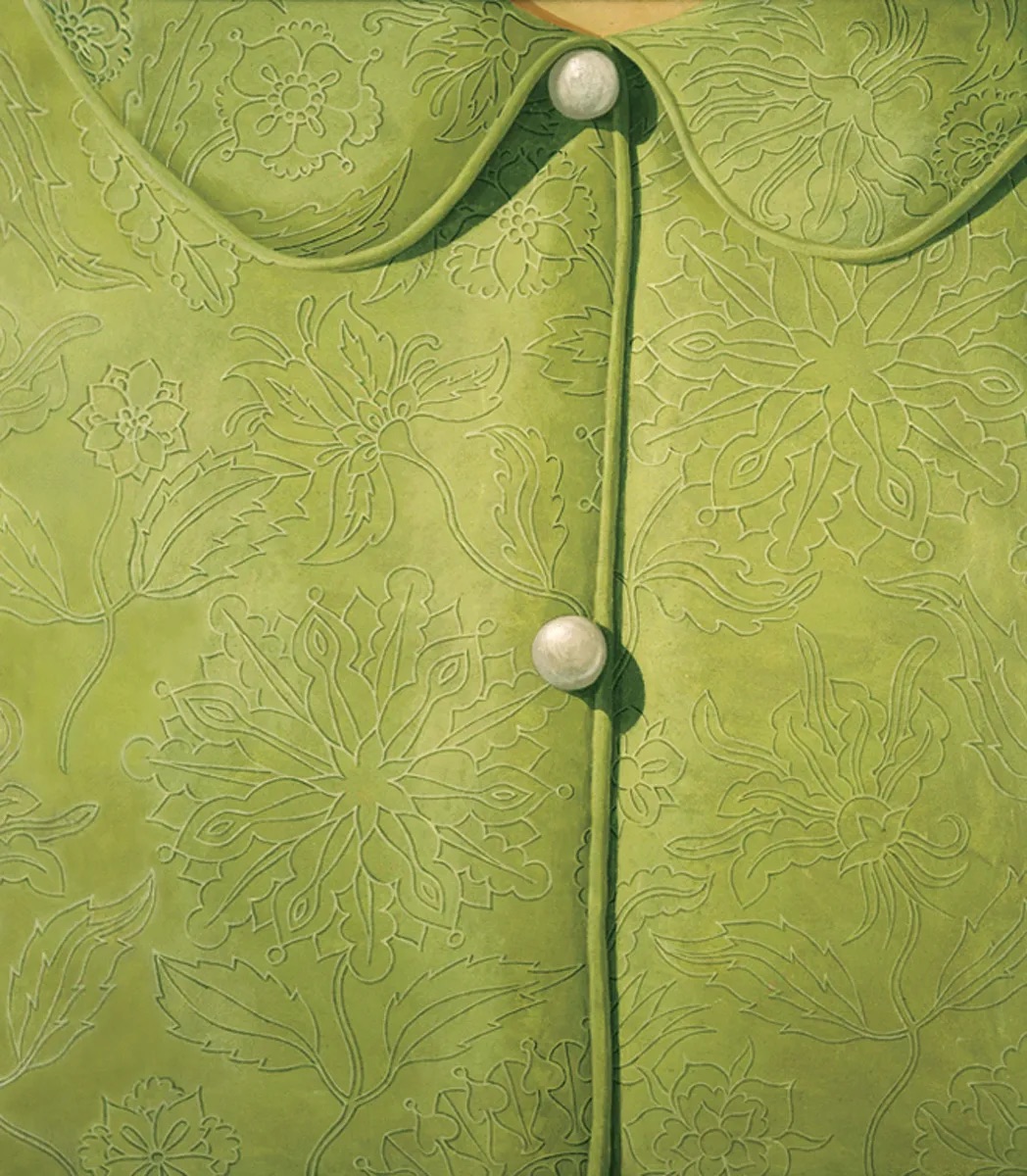
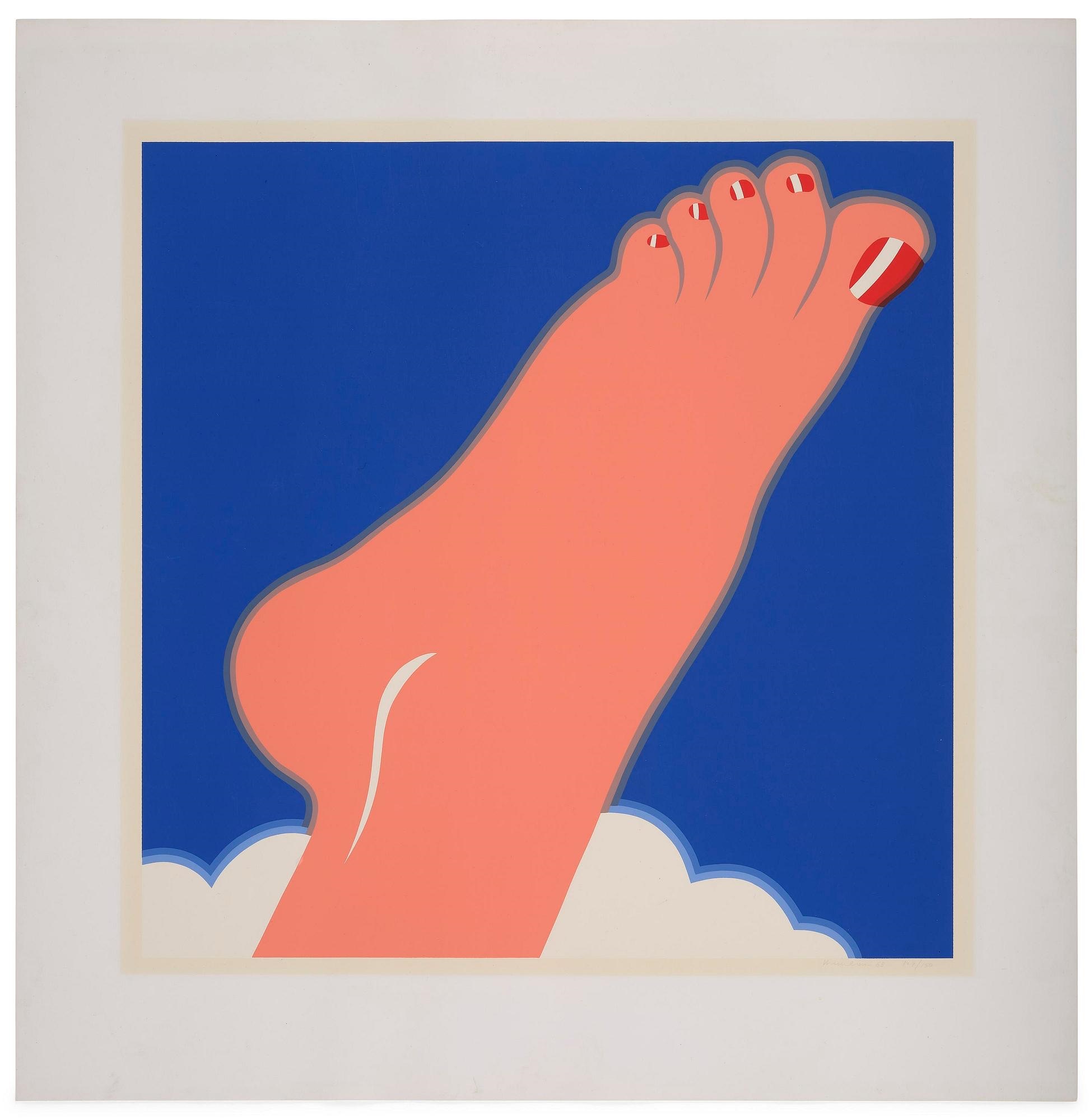
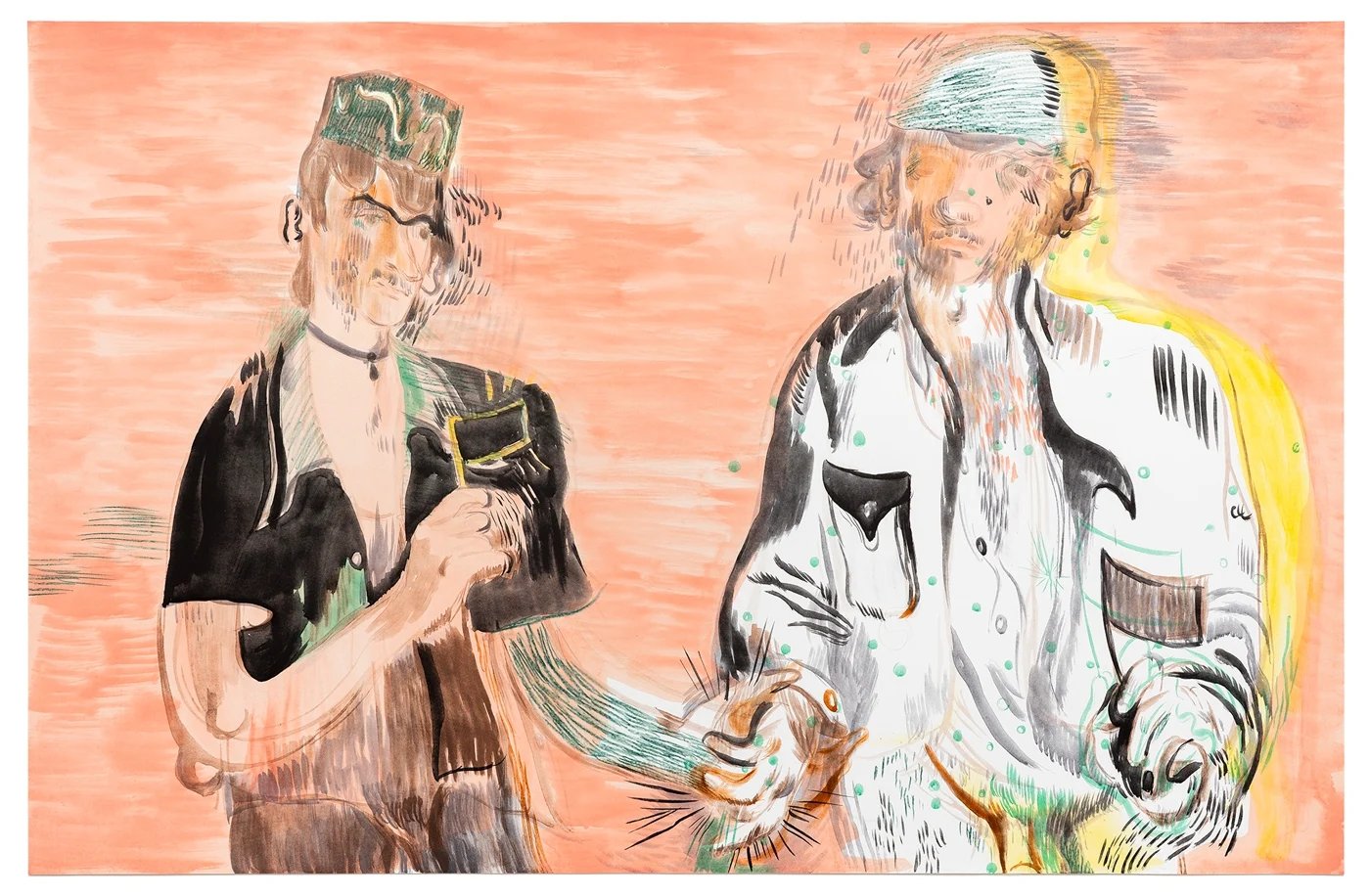
Domenico Gnoli
Chemisette Verte, 1967
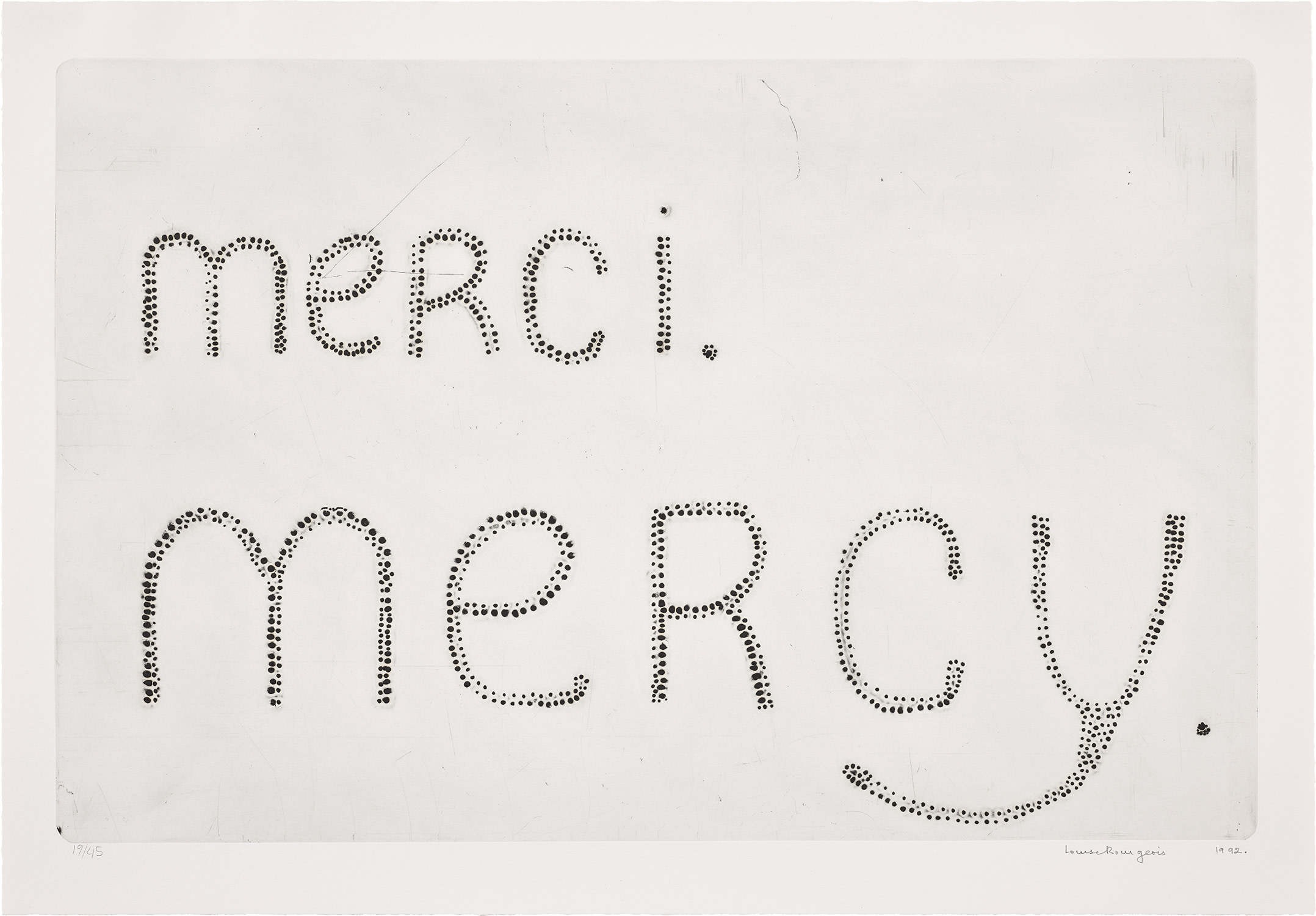
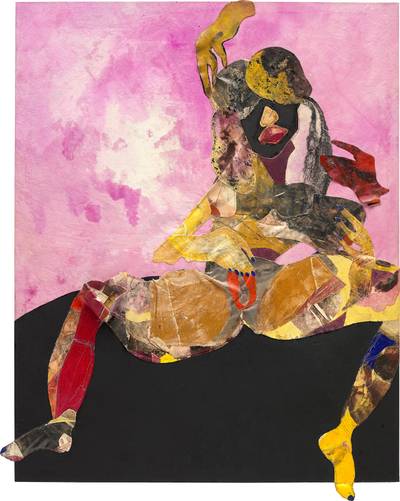
By the 1960s and 1970s, fiber was everywhere. The 1969 exhibition "Wall Hangings" at MoMA gathered artists including Magdalena Abakanowicz and Sheila Hicks, presenting large scale woven forms as sculpture rather than decoration. Around the same time, Louise Bourgeois was developing her extraordinary relationship with fabric, sewing, and the psychological charge of soft materials. For Bourgeois, cloth was never neutral.
It held the body, it held memory, it held grief. Her Cells, her spider works, her fabric sculptures made from salvaged clothing: all of them transformed the intimate and the domestic into something vast and haunted. The works by Bourgeois held on The Collection sit within this tradition of textile as psychological territory, places where the personal becomes genuinely monumental. The political dimensions of textile deepened considerably through the work of artists engaging with colonialism, identity, and the global circulation of labor.
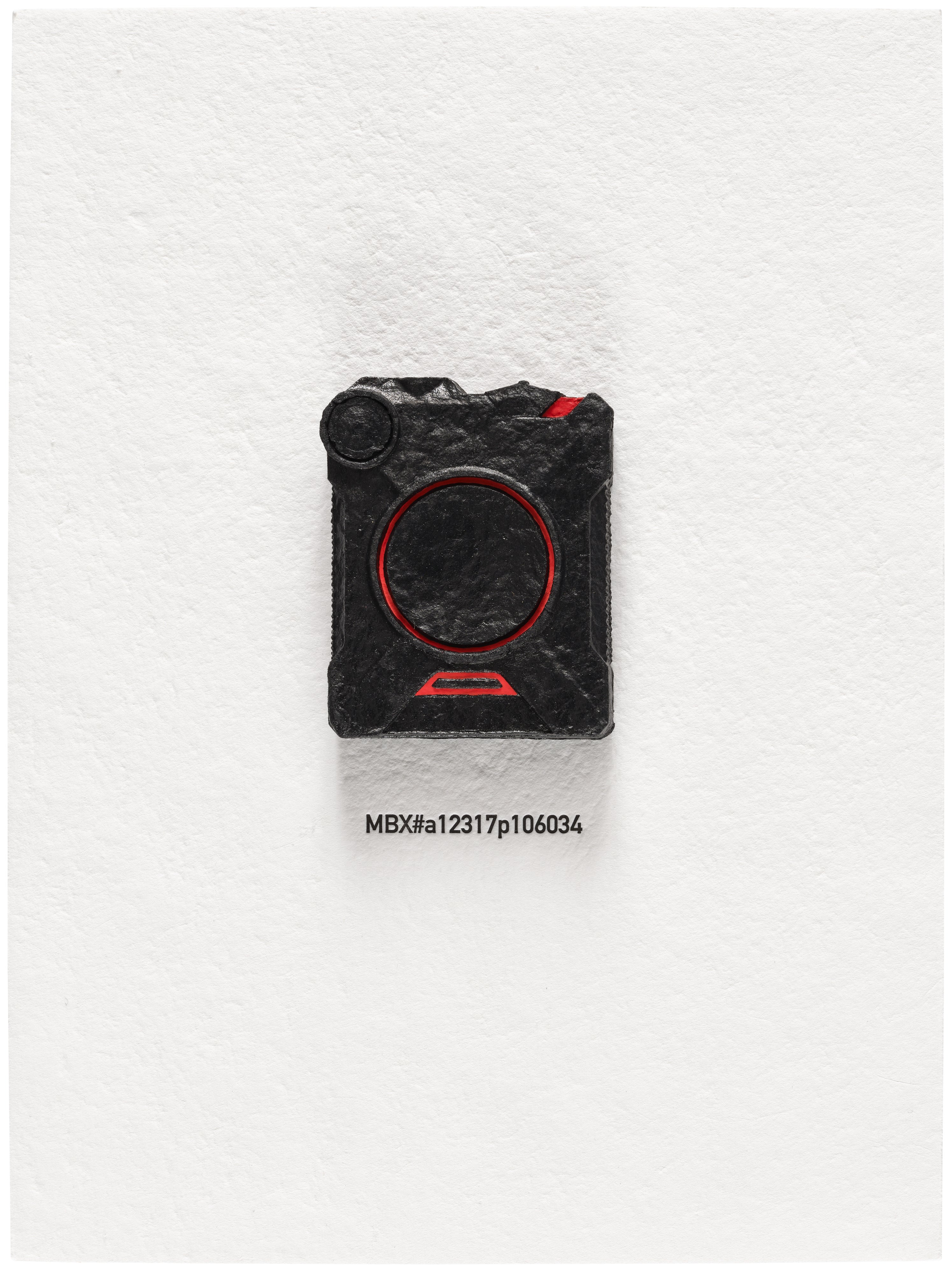
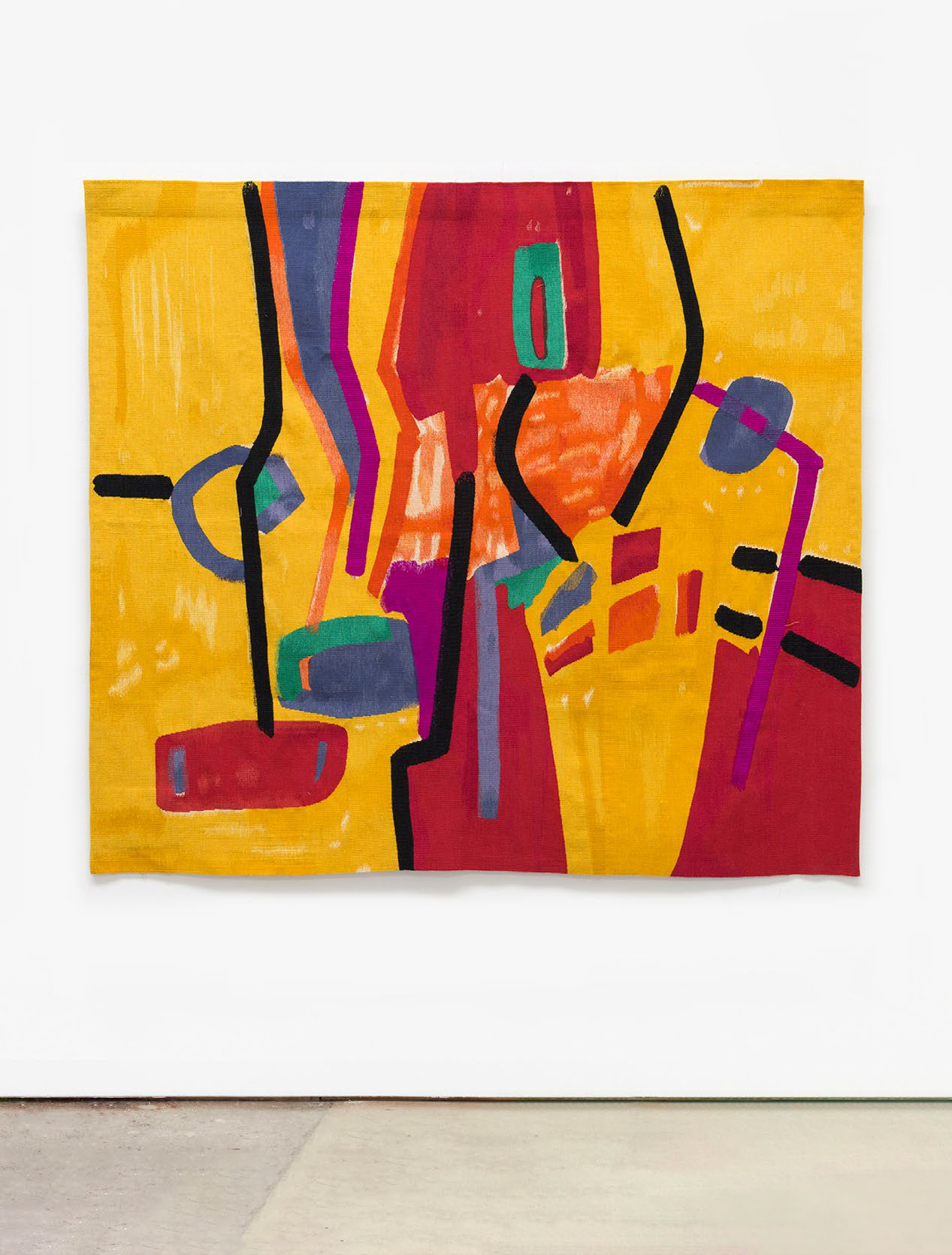
Mark Bradford
Life Size
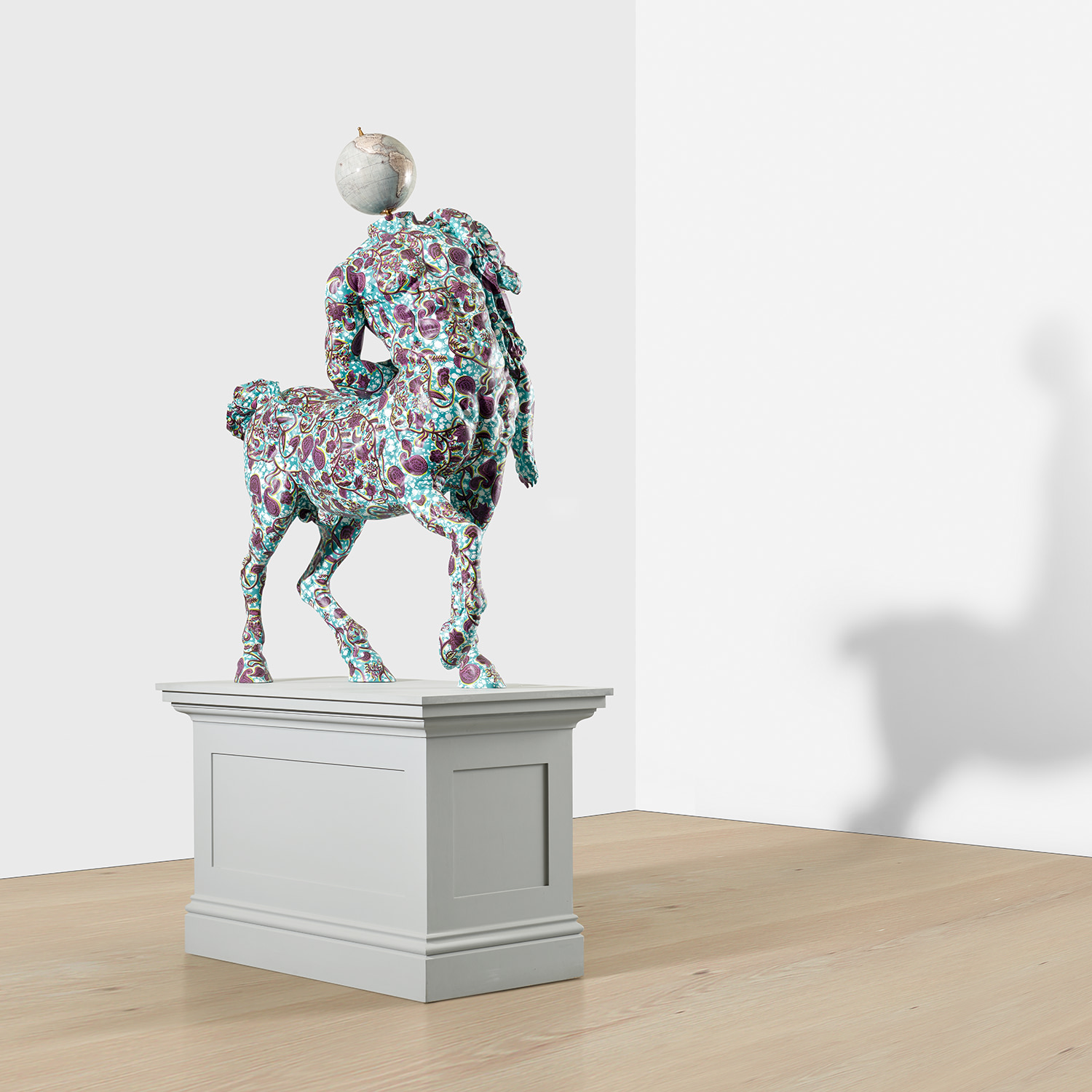
Alighiero Boetti's embroidered world maps, produced from the early 1970s onward through collaborations with Afghan needleworkers, are among the most layered objects in postwar art: simultaneously cartographic, collaborative, and quietly subversive about the nature of authorship. Yinka Shonibare CBE RA has made Dutch wax printed fabric one of the most recognizable and potent visual languages in contemporary art, using textiles whose African associations mask a history of European industrial manufacture to interrogate empire, identity, and the myths that dress them. His works on The Collection continue this rich, layered inquiry into what we inherit when we dress ourselves in history. Ibrahim Mahama takes a different but equally urgent approach.
His installations using jute sacks, the kind used to transport cocoa and other goods across Ghana, wrap institutional buildings and gallery walls in the residue of global trade and colonial economics. The material itself is the argument. Ernesto Neto, working with translucent synthetic fabrics stretched into immersive hanging environments, takes yet another path, one that is phenomenological and bodily rather than explicitly historical, inviting viewers into spaces that feel like skin, like membrane, like the inside of something alive. Both artists, well represented on The Collection, demonstrate how textile can operate simultaneously as object, as environment, and as proposition.
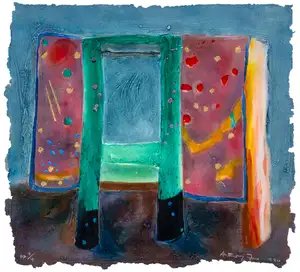
Anthony Fry
Indian Bed
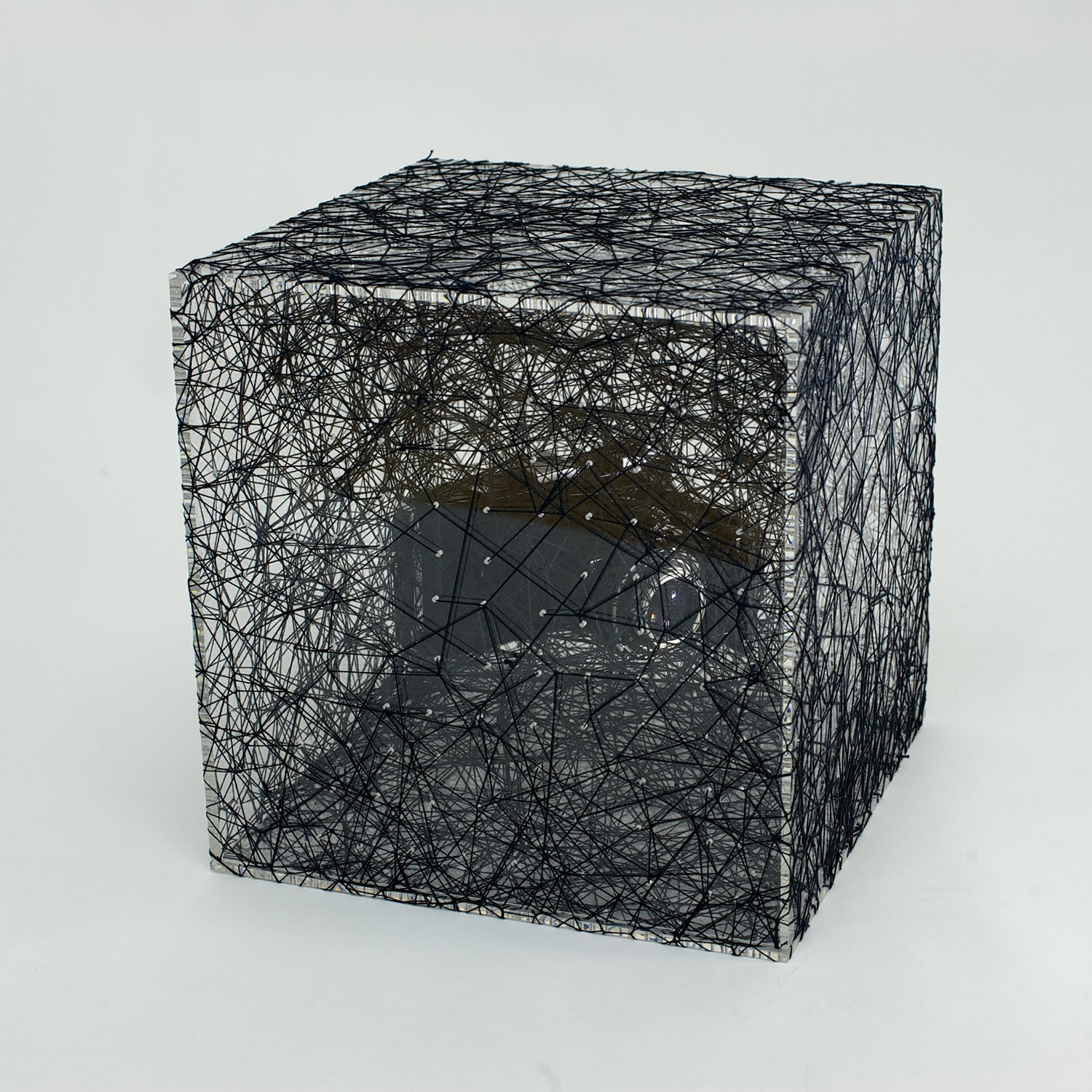
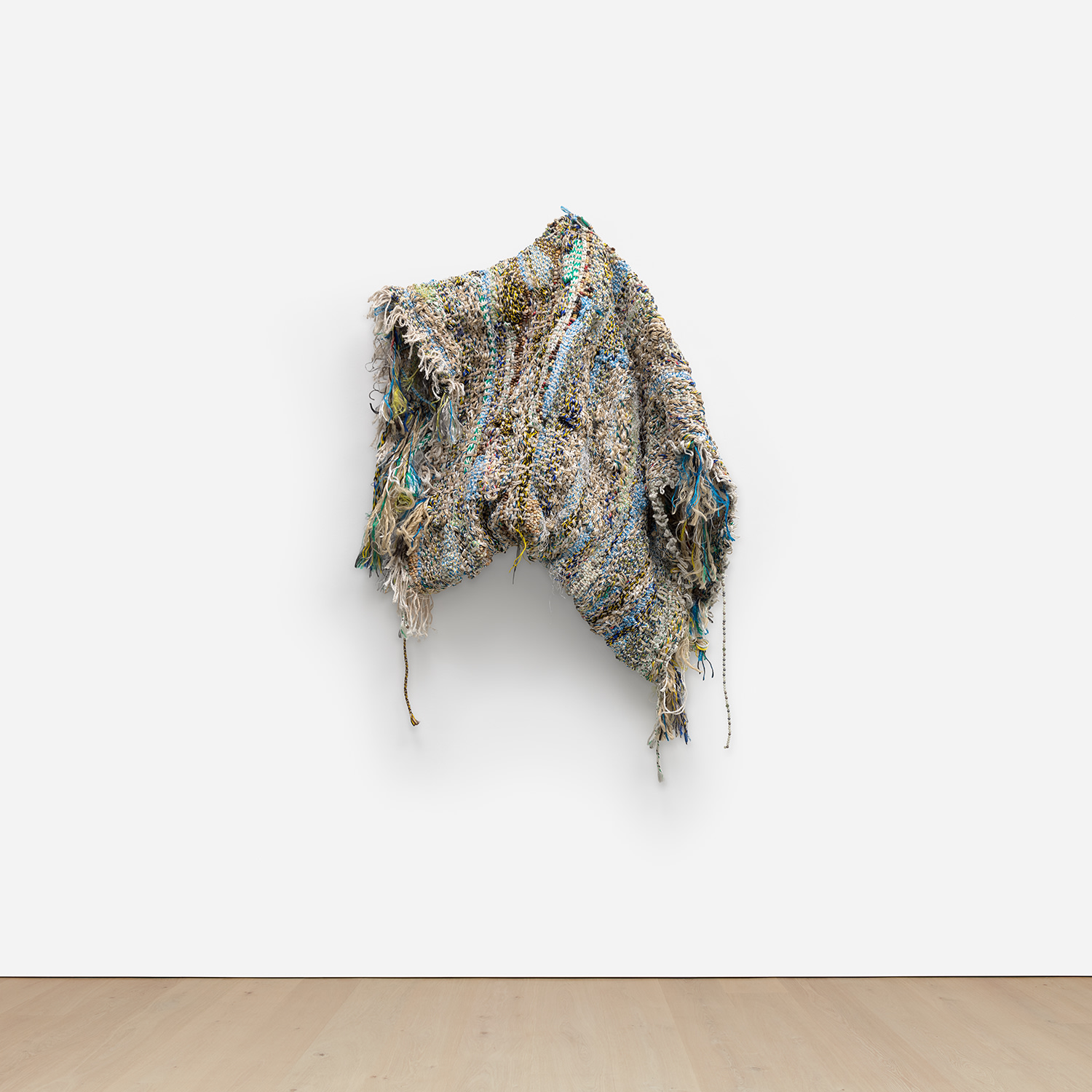
Chiharu Shiota's installations made from thousands of meters of thread enveloping objects and spaces in dense webs of red or black yarn have become some of the most immediately recognizable large scale works in international contemporary art, including her unforgettable contribution to the 2015 Venice Biennale Japanese Pavilion, where red thread connected keys hanging in mid air to two charred pianos. Igshaan Adams, working in Cape Town, weaves together rope, beads, and chain in works that map personal genealogy, queer identity, and the layered histories of South Africa's colored communities. Tschabalala Self brings an exuberantly physical energy to fabric collage and textile based painting, building bodies from printed cloth and canvas in ways that celebrate Black female form with a directness that feels both historical and entirely of the present moment. The conceptual range within contemporary textile practice is genuinely remarkable.
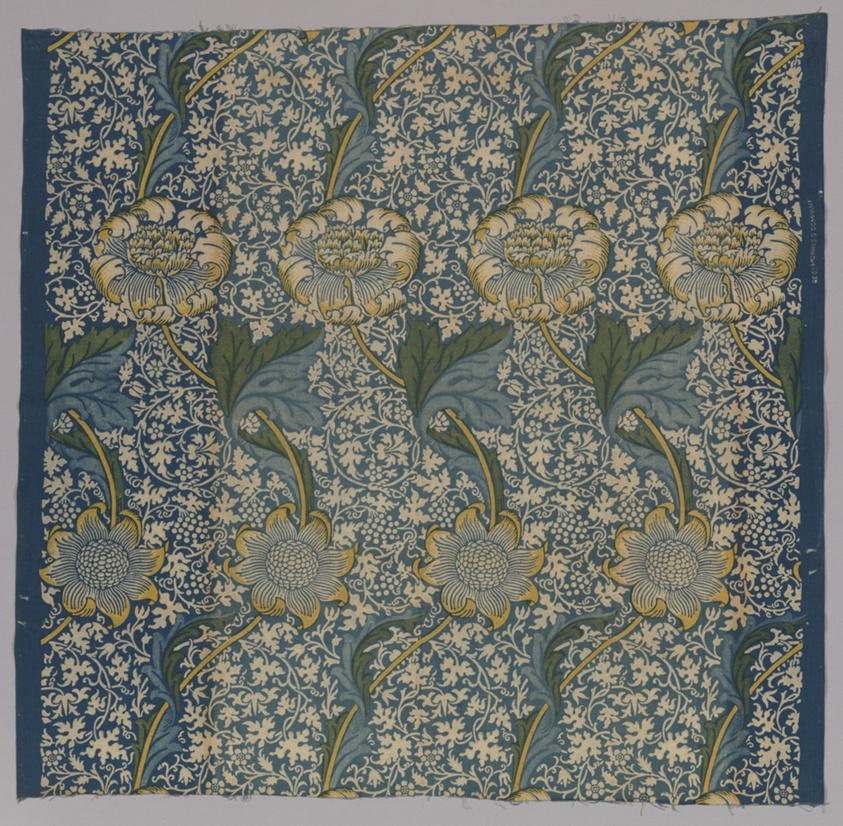
William Morris, represented on The Collection, offers a foundational point of reference: his insistence in the nineteenth century that beauty and utility need not be separated, that the decorative arts deserved the same seriousness as fine art, echoes through the work of every artist working in fiber today. Artists like Brent Wadden and Sergej Jensen work with woven and stitched surfaces in ways that put textile in direct conversation with painting's own questions about mark, ground, and materiality. Sam Falls, who uses natural processes to expose and alter surfaces, brings time and environment into the fabric itself. Olga de Amaral, the Colombian artist whose gold and silver leaf works transform fiber into something shimmering and architectural, has been quietly one of the most extraordinary practitioners in the field for decades.
What textile ultimately offers that few other mediums can match is an intimacy with time. Every woven surface is a record of accumulated gestures, of hands moving back and forth, of decisions made at the scale of a single thread. That intimacy is not a limitation. It is, increasingly, understood as the whole point.