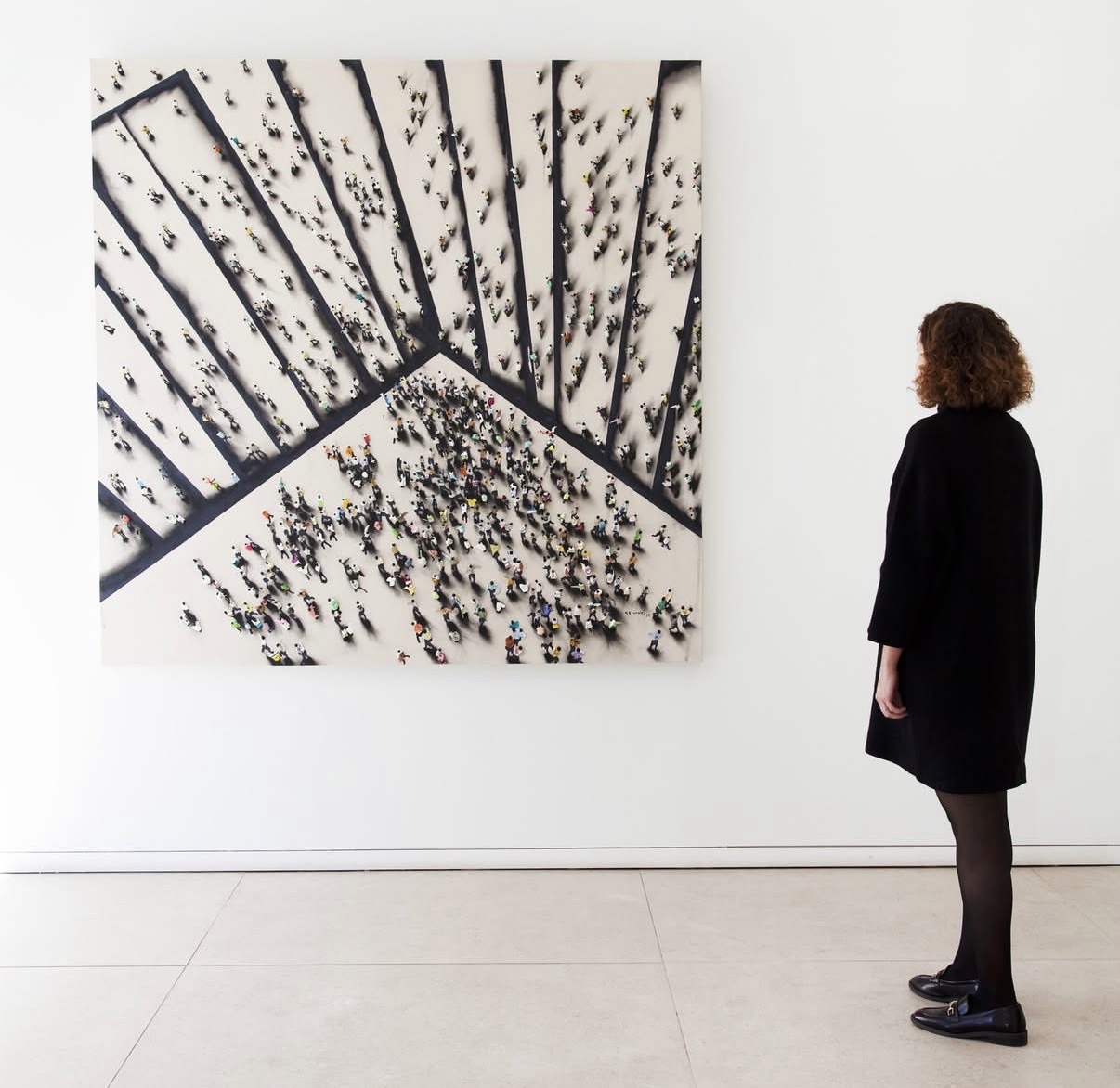
Unique
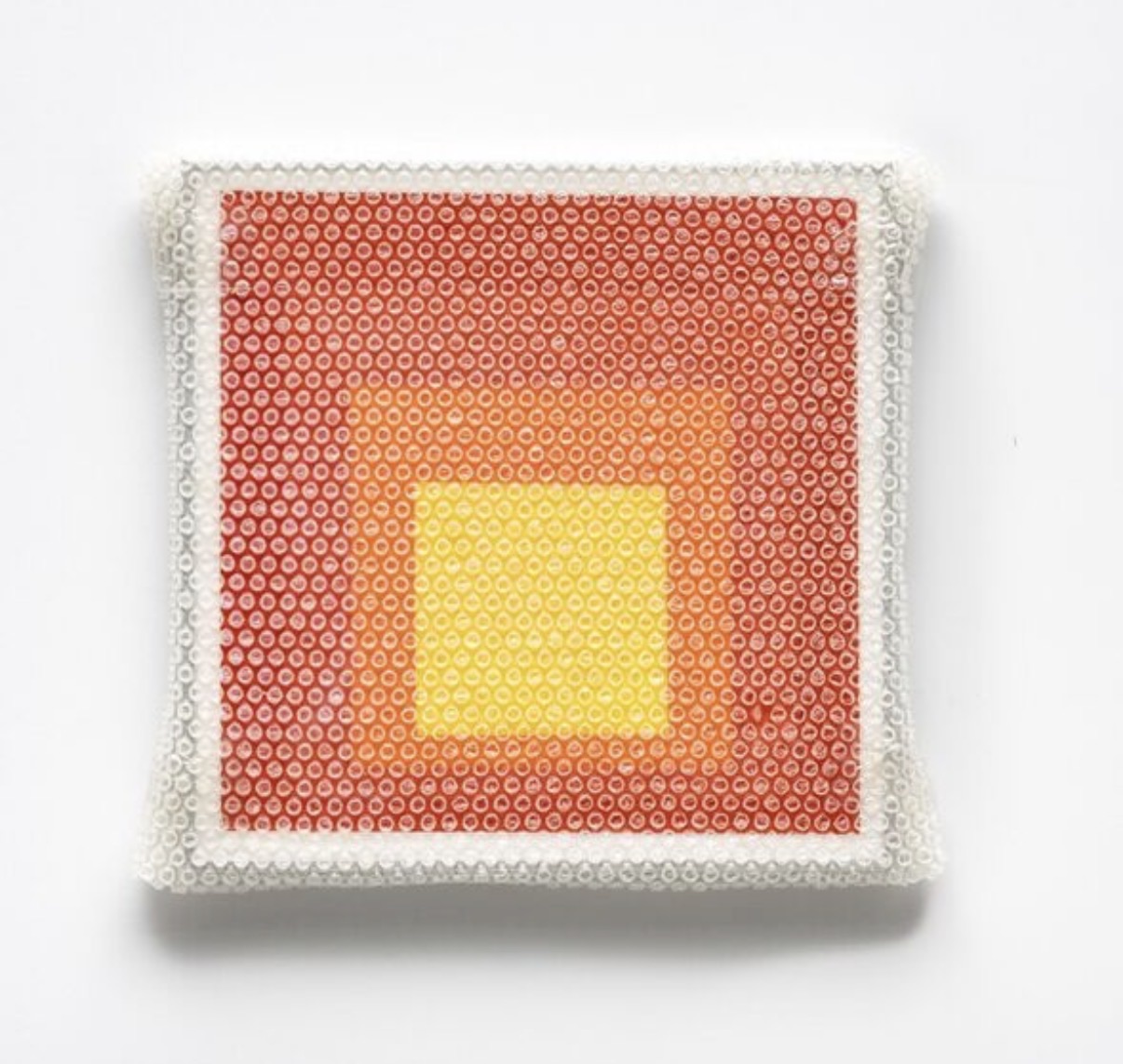
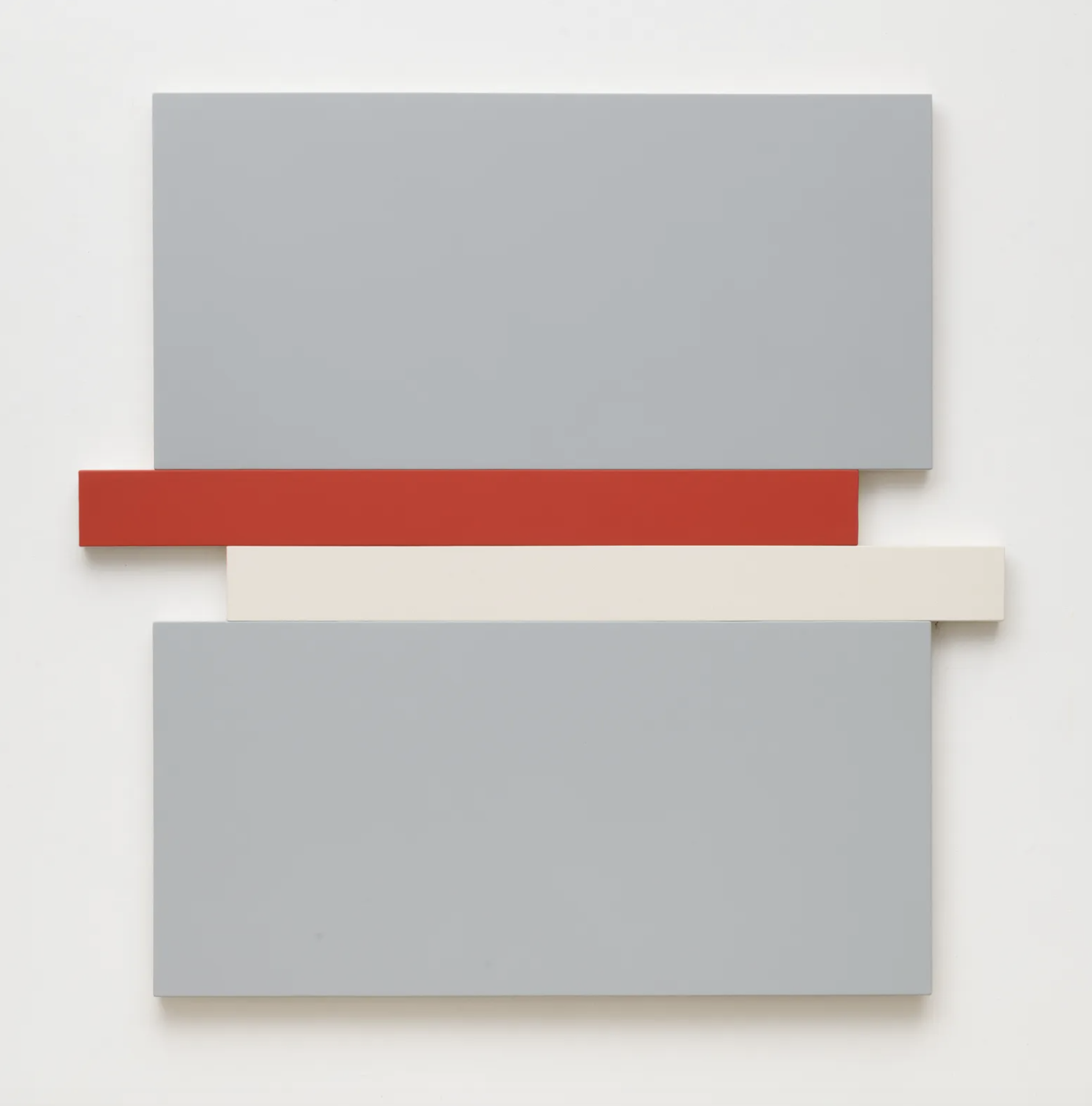
Tammi Campbell
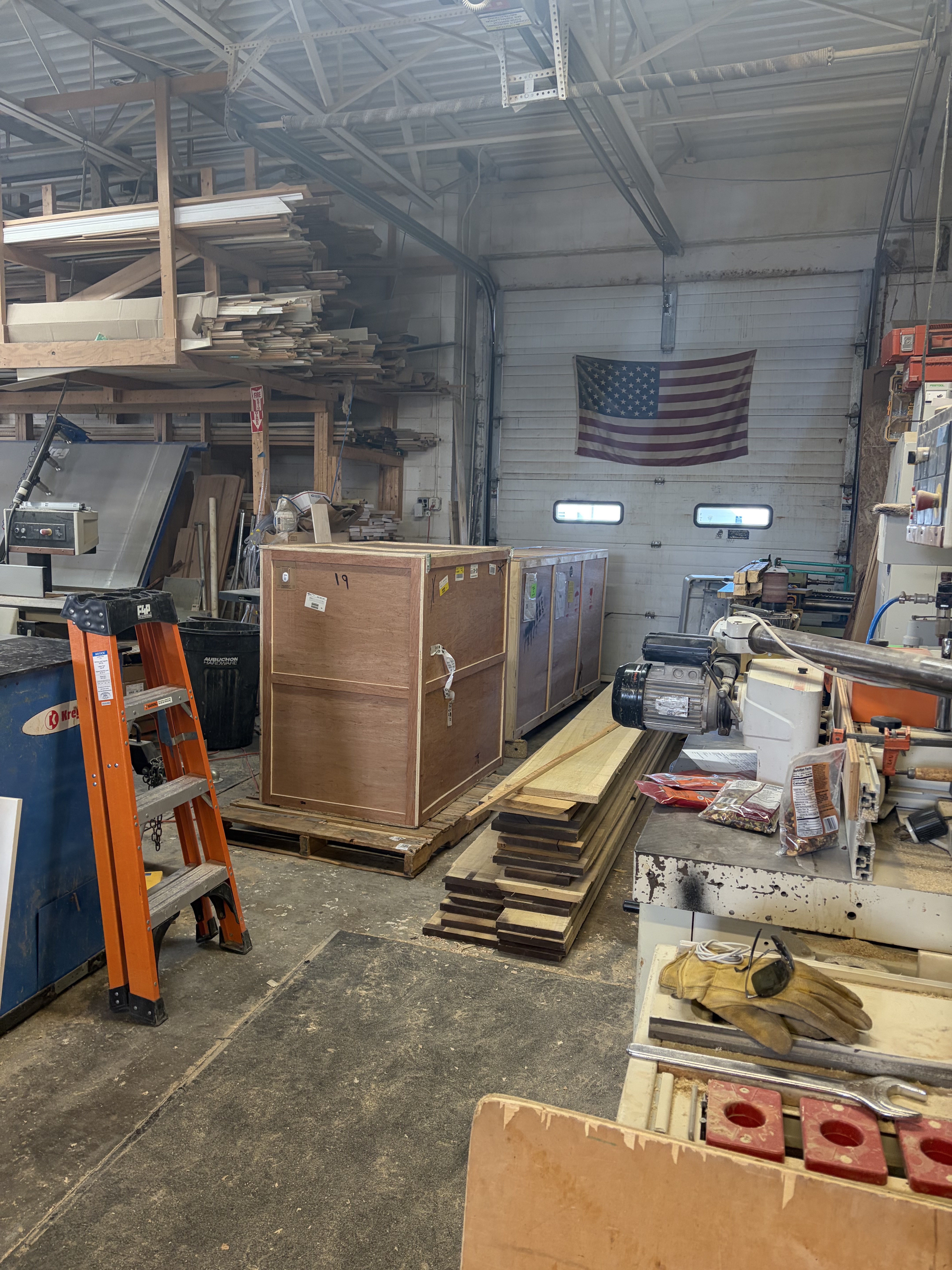
Homage to the Square, Wrapped with Bubblewrap and Tape, 2024
One of a Kind: The Obsession With Unique
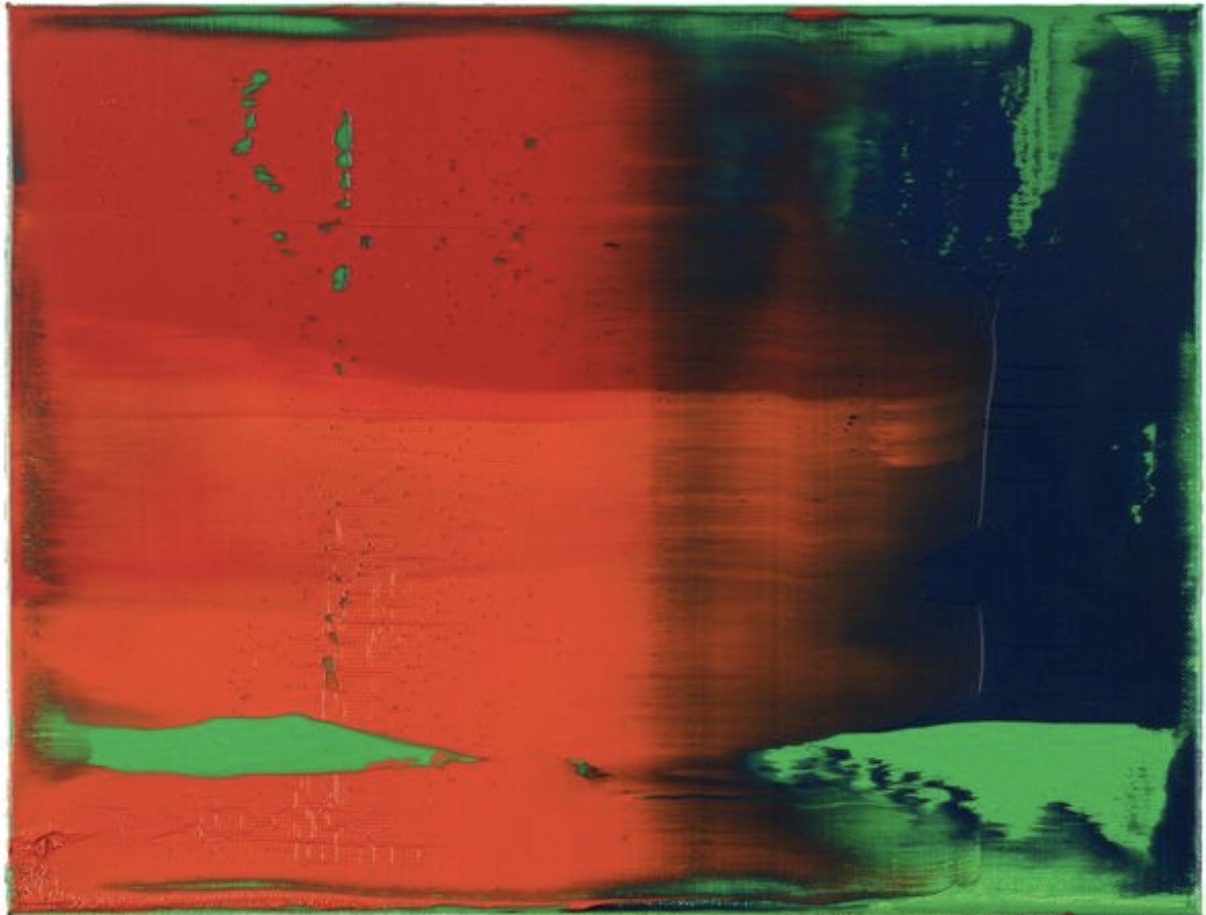
When a single Gerhard Richter abstract painting sold at Christie's London for over 46 million pounds in 2015, the room went quiet in that particular way auction rooms do when a record feels inevitable in retrospect. What made that moment legible was not simply the price but the understanding, shared by everyone present, that no other object on earth could occupy that exact position in the history of painting. The concept of uniqueness had found its market clearing price. That silence was its own critical statement.
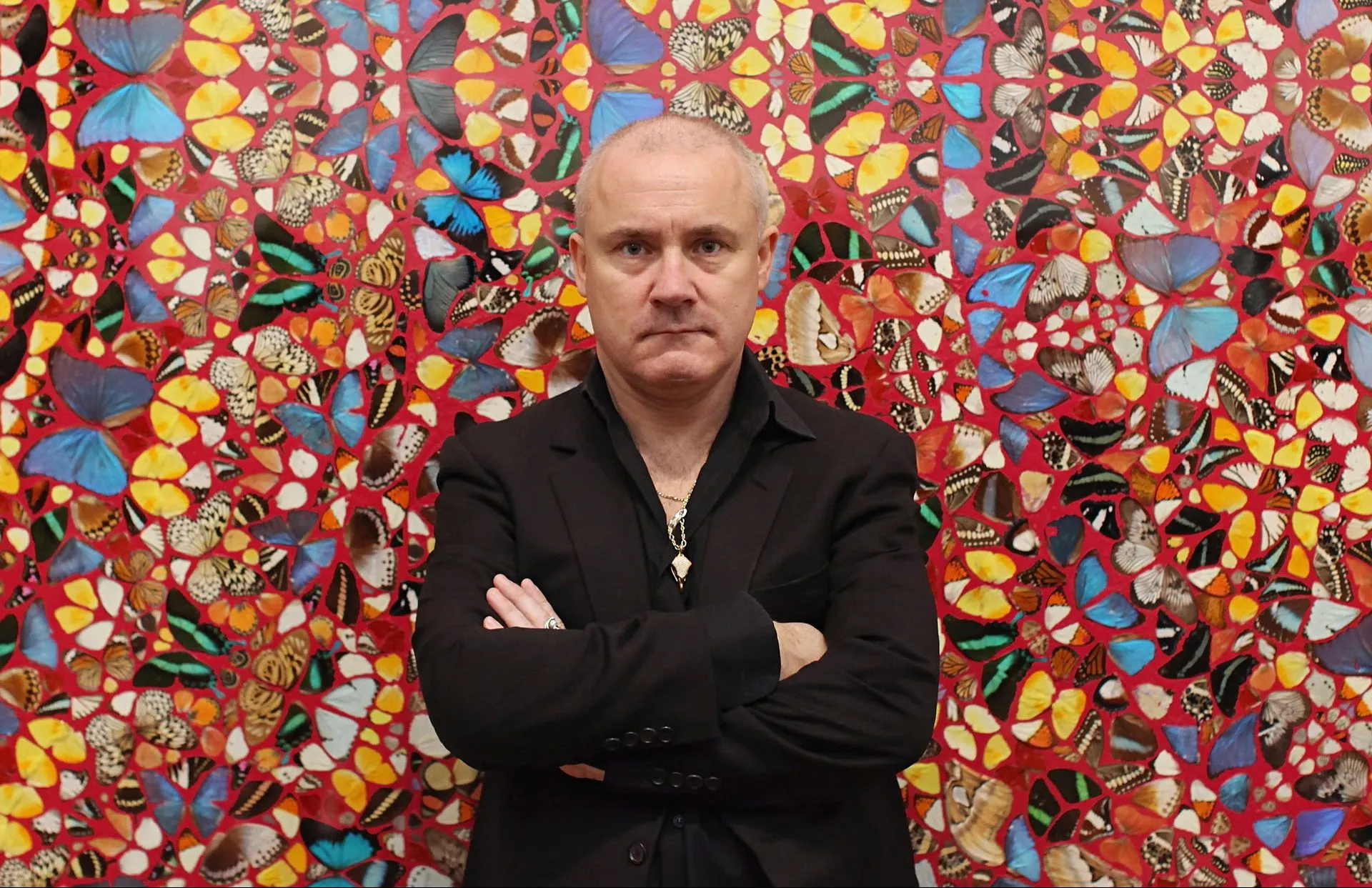
The art world has always traded on rarity, but the conversation around what it means for a work to be truly unique has intensified considerably over the past decade. The rise of editions, multiples, prints, and now digital tokens has made the singular object feel almost polemical in its insistence on being irreplaceable. When Damien Hirst spent years producing the Treasures from the Wreck of the Unbelievable, a sprawling body of work shown at Palazzo Grassi and Punta della Dogana in Venice in 2017, the project was in many ways a meditation on authenticity and fabrication, on what we mean when we say something exists only once. The show polarized critics but filled the canals with conversation, and that conversation has not really stopped.
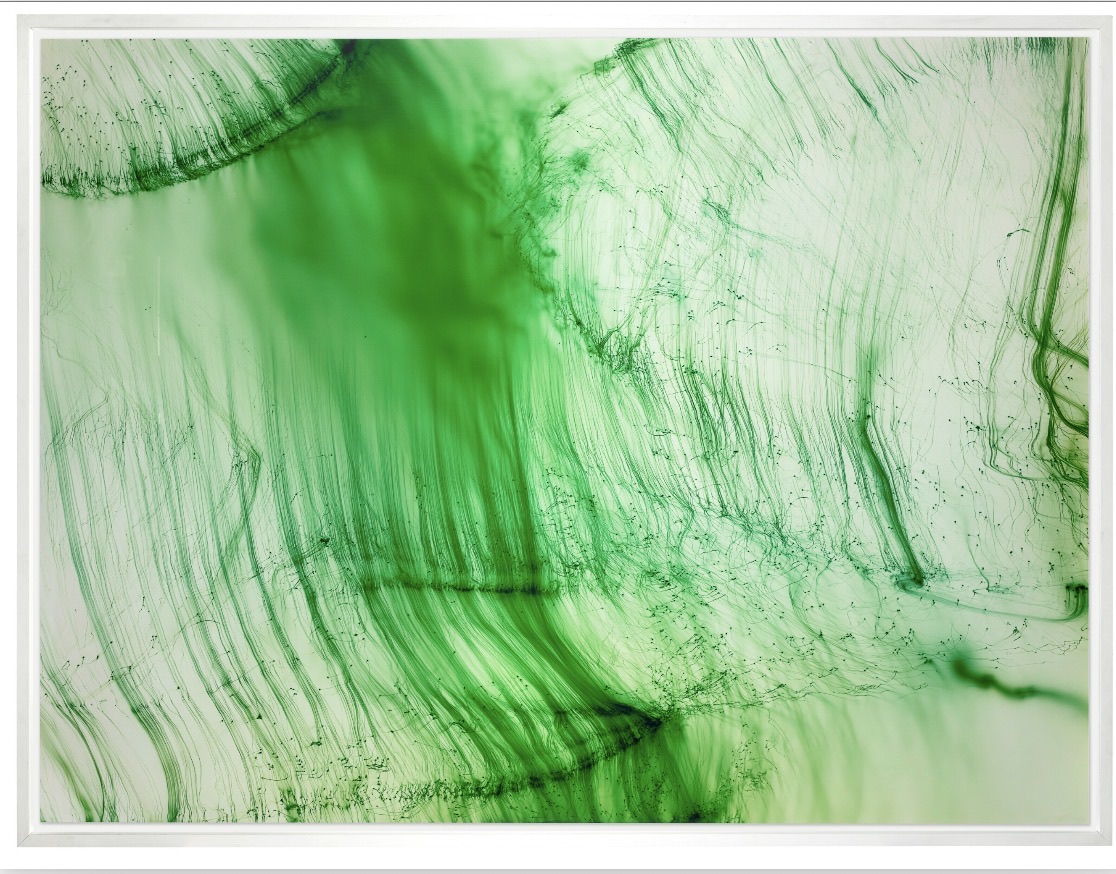
Wolfgang Tillmans
Freischwimmer 39, 2004
Museums have been quietly reorganizing their acquisition strategies around this question. The Broad in Los Angeles, which holds one of the most significant collections of post war and contemporary art assembled by private hands, has consistently prioritized works that resist easy reproducibility, even when acquiring artists known for serial production. The Museum of Modern Art's 2019 rehang drew renewed attention to how institutional framing can transform a work's perceived singularity, surrounding a painting with context until it seems to exist in a category entirely its own. Tate Modern's acquisition of works by artists like Wolfgang Tillmans, who is represented on The Collection, signals something important: even photography, long dismissed as inherently multiple, is being reconsidered through the lens of the unique when the artist's hand and intent are sufficiently present in the object.
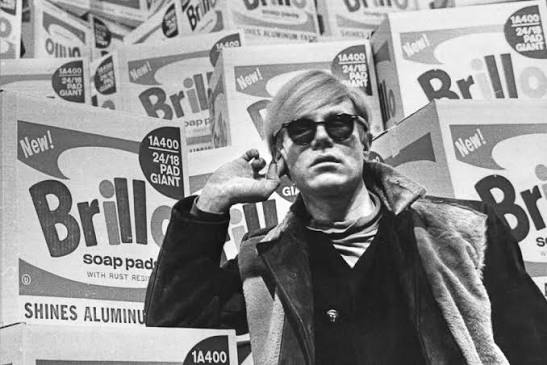
At auction, the appetite for works that can genuinely claim one of a kind status has driven some of the most remarkable results of recent seasons. Andy Warhol, whose practice was built on seriality and repetition, achieved his highest prices precisely when the works in question felt anomalous within his own output, the unique silkscreen, the single surviving canvas from a destroyed series, the object that escaped the edition. Warhol is exceptionally well represented on The Collection, and the range of his work there reflects exactly this tension between the multiple and the singular. Similarly, Pablo Picasso's market has long been defined not just by quality but by the understanding that certain periods of his work produced objects so specific to a moment in his biography that they function as irreplaceable documents.
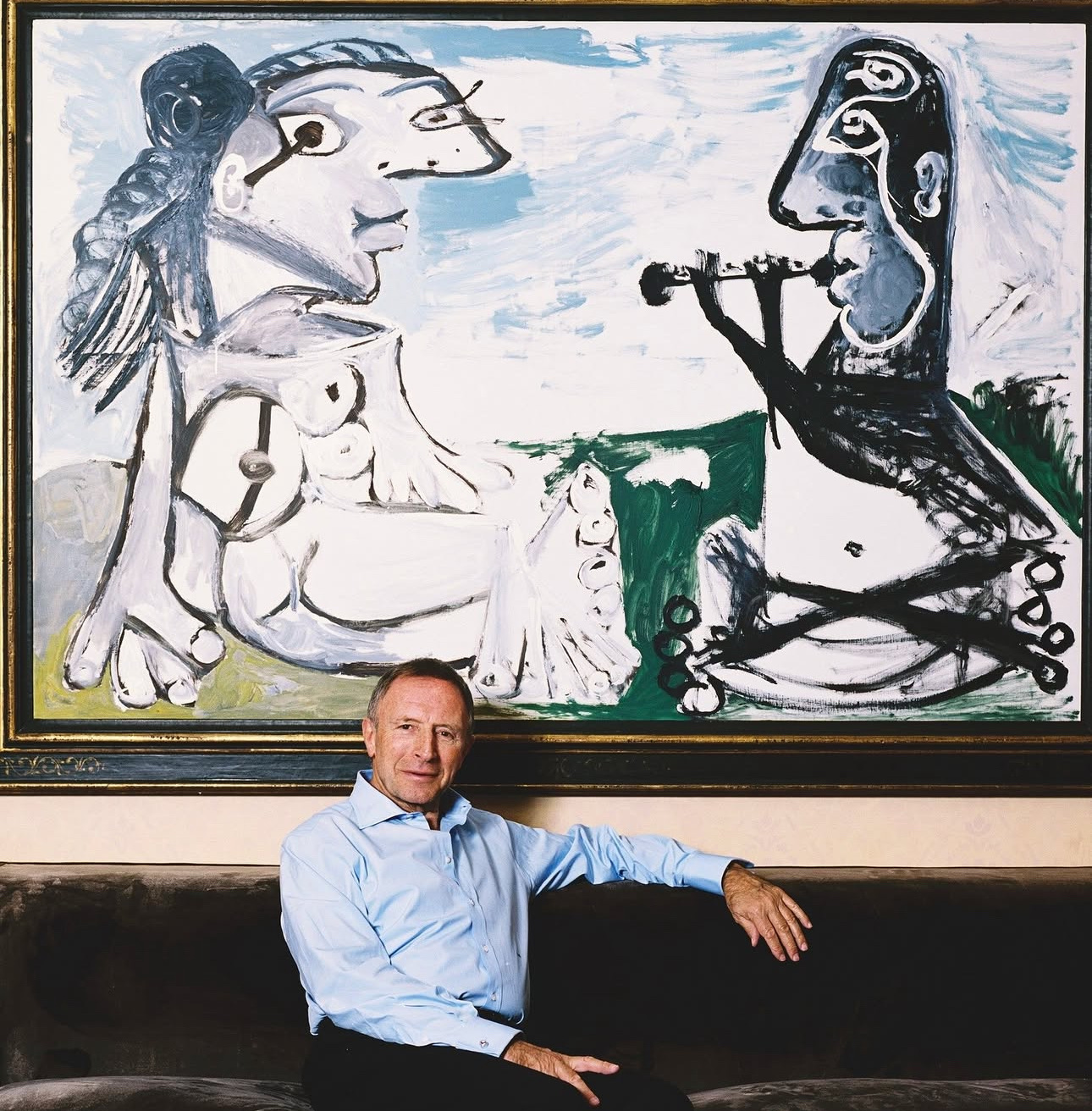
Pablo Picasso
L’Aubade, 1967
Two Picassos on The Collection carry that weight quietly but unmistakably. The critical writing that has shaped this conversation most forcefully comes from unexpected directions. Rosalind Krauss's foundational essay on the originality of the avant garde, published in October in 1981, remains the theoretical backbone of any serious discussion of uniqueness in art. More recently, critics writing in Artforum and Frieze have engaged with artists like Anish Kapoor, whose sculpture often creates experiences that cannot be adequately documented or reproduced, the work existing fully only in the presence of the viewer's body.
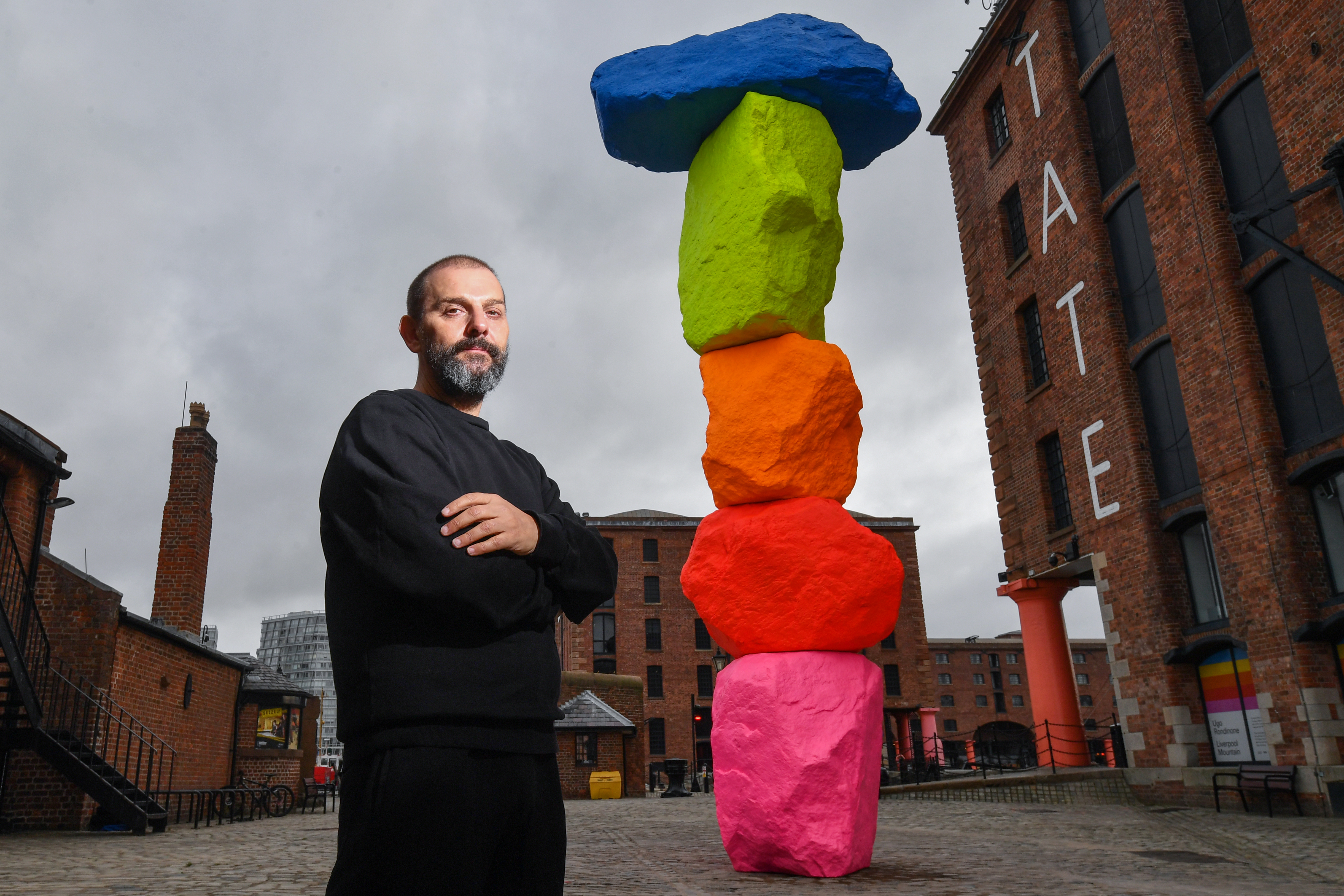
Kapoor's two works on The Collection sit comfortably within that tradition of objects that refuse to be fully known through a screen. Meanwhile, scholars around Ugo Rondinone have argued persuasively that his practice, which involves material and emotional states that shift across installations, produces objects whose uniqueness is partly temporal, existing differently at different moments in their lives. What feels most alive right now is the intersection of this conversation with artists working in photography and material process. Matthew Brandt, represented on The Collection, has developed techniques involving chemical processes tied to the specific landscapes he photographs, meaning that the print and its subject share a literal material relationship that cannot be replicated.
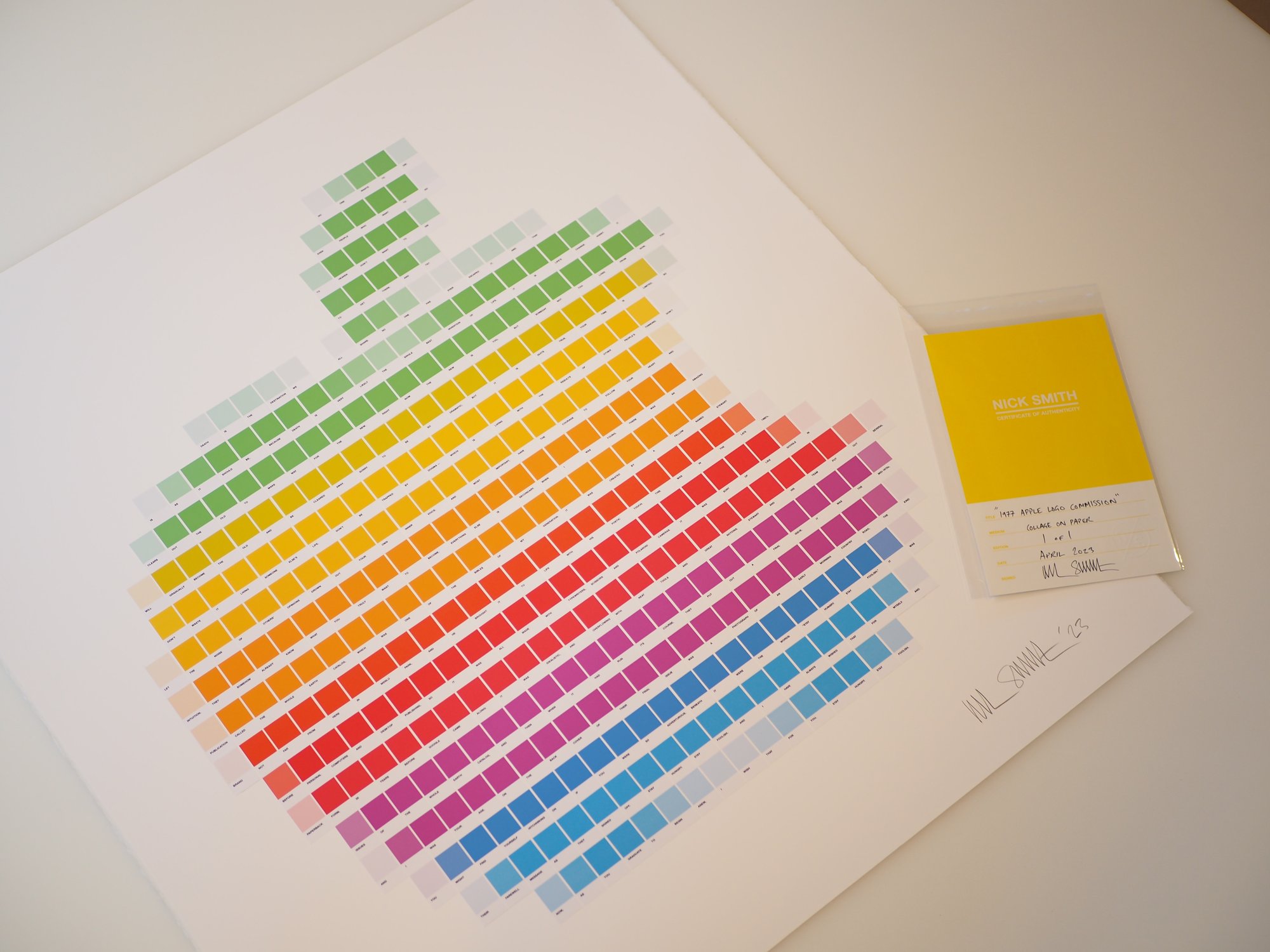
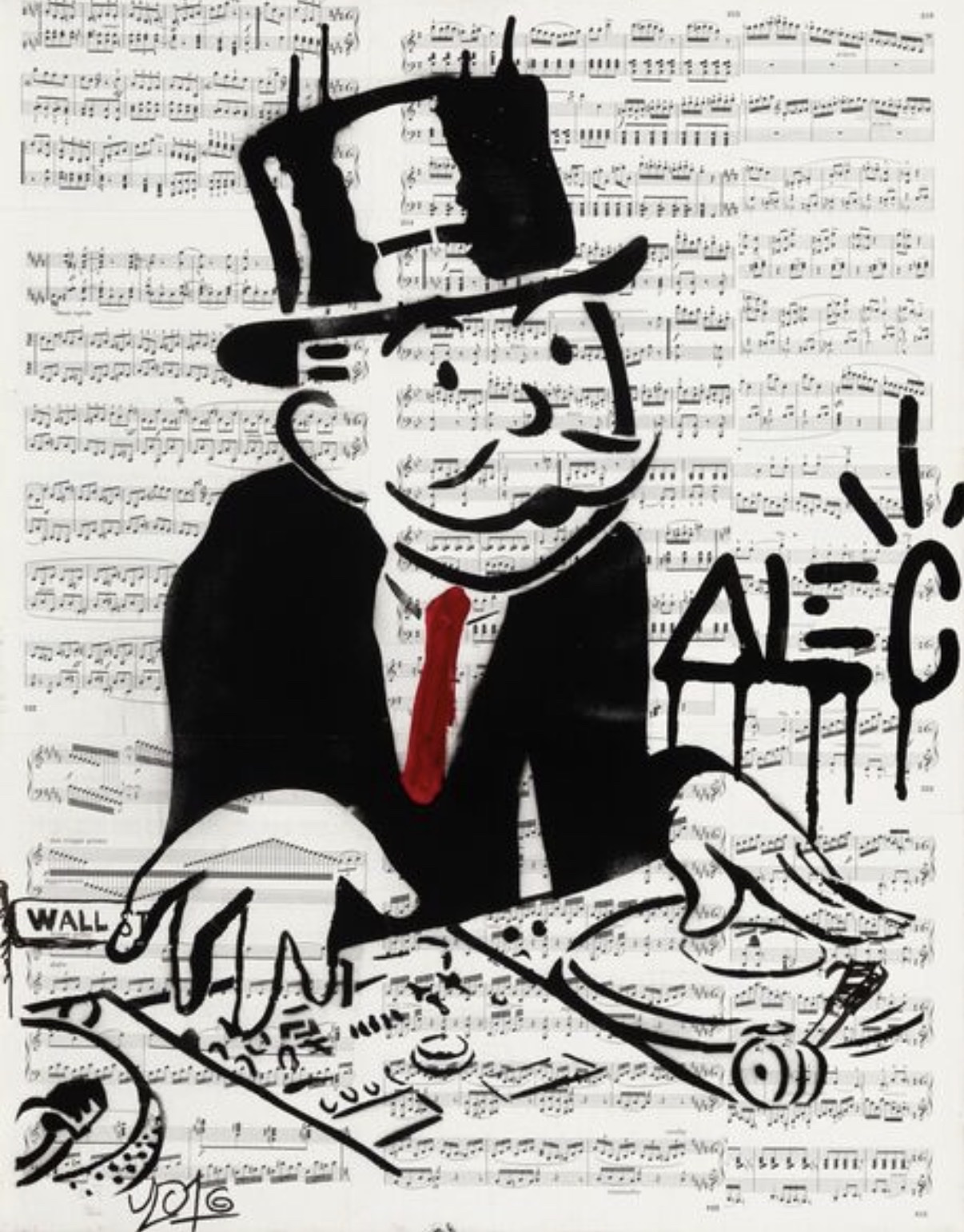
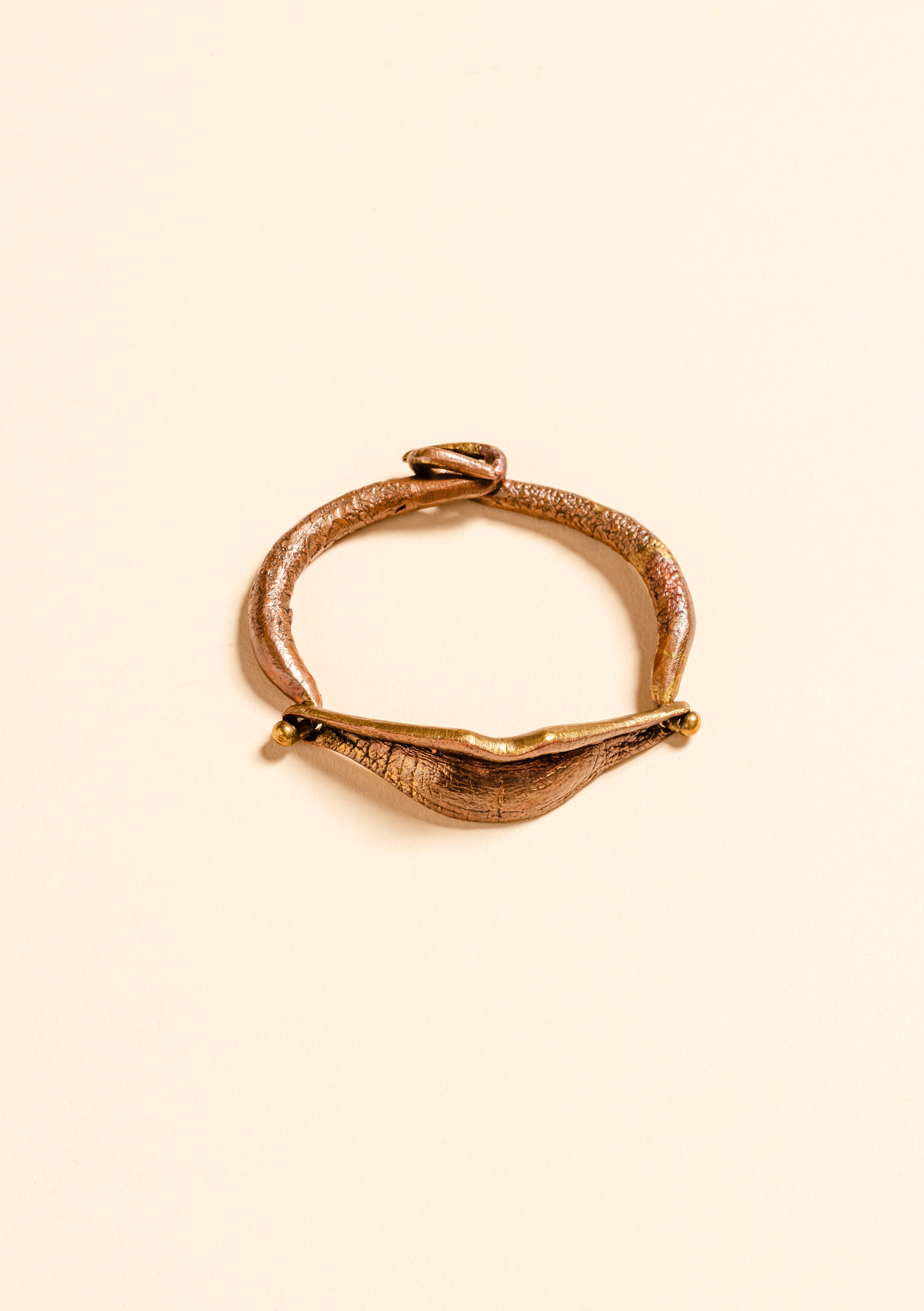
Nick Smith
Apple 1977 Logo Commission, 2023
Mary Corse, also present here, works with glass microspheres embedded in paint that respond to light conditions in ways that make every viewing of her canvases a distinct perceptual event. These are not gimmicks but genuine explorations of what it means for an experience to be unrepeatable. The market has noticed: Corse's prices have risen steadily as collectors and institutions have come to understand that her work cannot be approximated by documentation. There is also a quieter energy gathering around artists whose uniqueness is less about process and more about position, about being the only person who could have made a particular thing at a particular moment in culture.
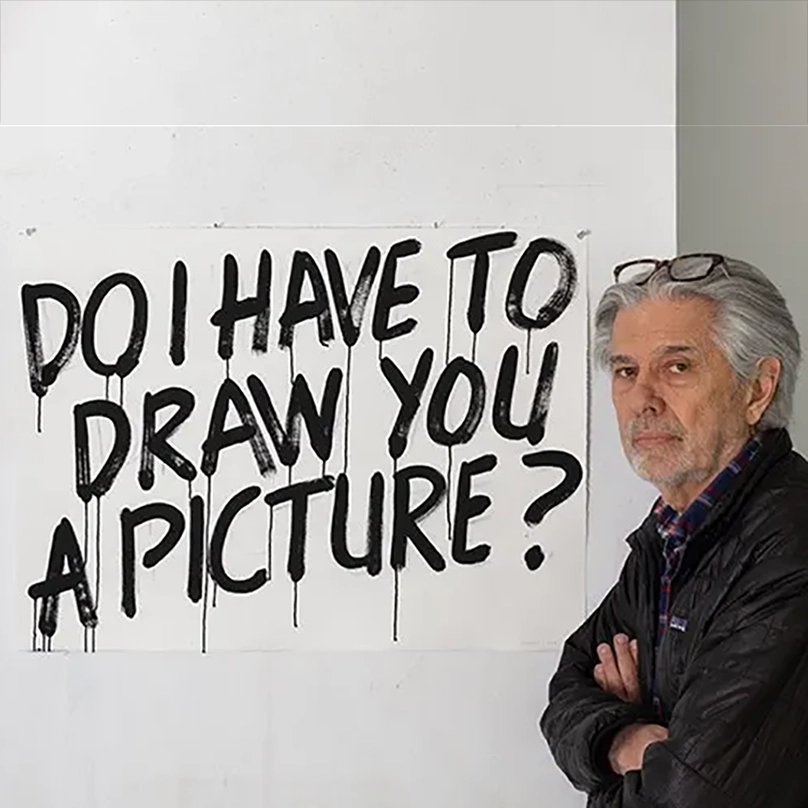
Mel Bochner's word paintings occupy this territory with precision. So does the work of Louise Nevelson, whose large scale assemblages feel more singular now than they did during her lifetime, because the cultural conditions that produced them are genuinely unrepeatable. Claude Lalanne's work, seven pieces of which are on The Collection, operates at the boundary between art and design in a way that has always been unique to her vision, and the market has reflected this with consistent strength at auction. Where the surprises are coming is harder to say with confidence, but the evidence suggests that collectors and institutions are increasingly interested in uniqueness as an ethical as well as an aesthetic category.
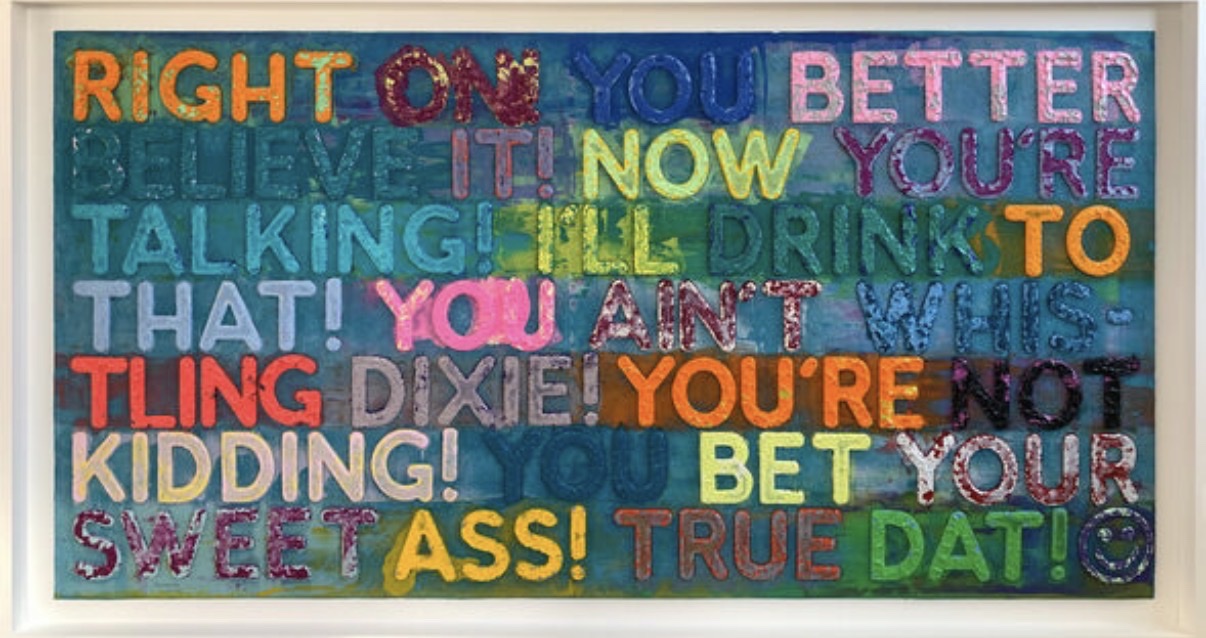
Mel Bochner
Right On, 2023
In a world of infinite reproducibility, the choice to make something that can only exist once feels like a position, even a commitment. The artists on The Collection who are pursuing that commitment most rigorously, whether through material experimentation, conceptual precision, or the sheer force of a singular biography, are the ones whose work will continue to generate the most serious attention. The market follows, as it always eventually does, but the more interesting story is the one being told in studios and exhibition spaces, where the question of what it means to make something irreplaceable remains beautifully, productively open.