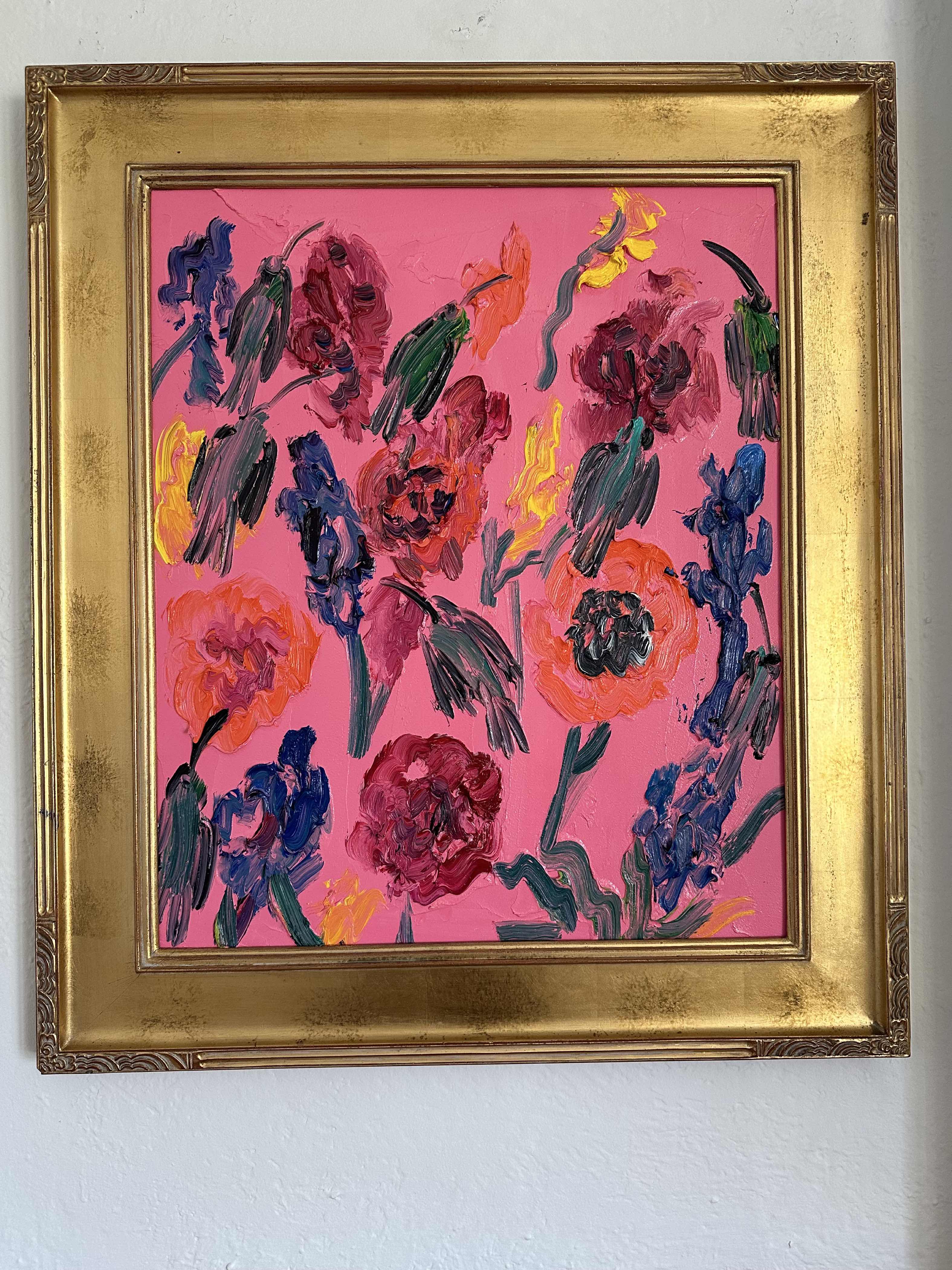
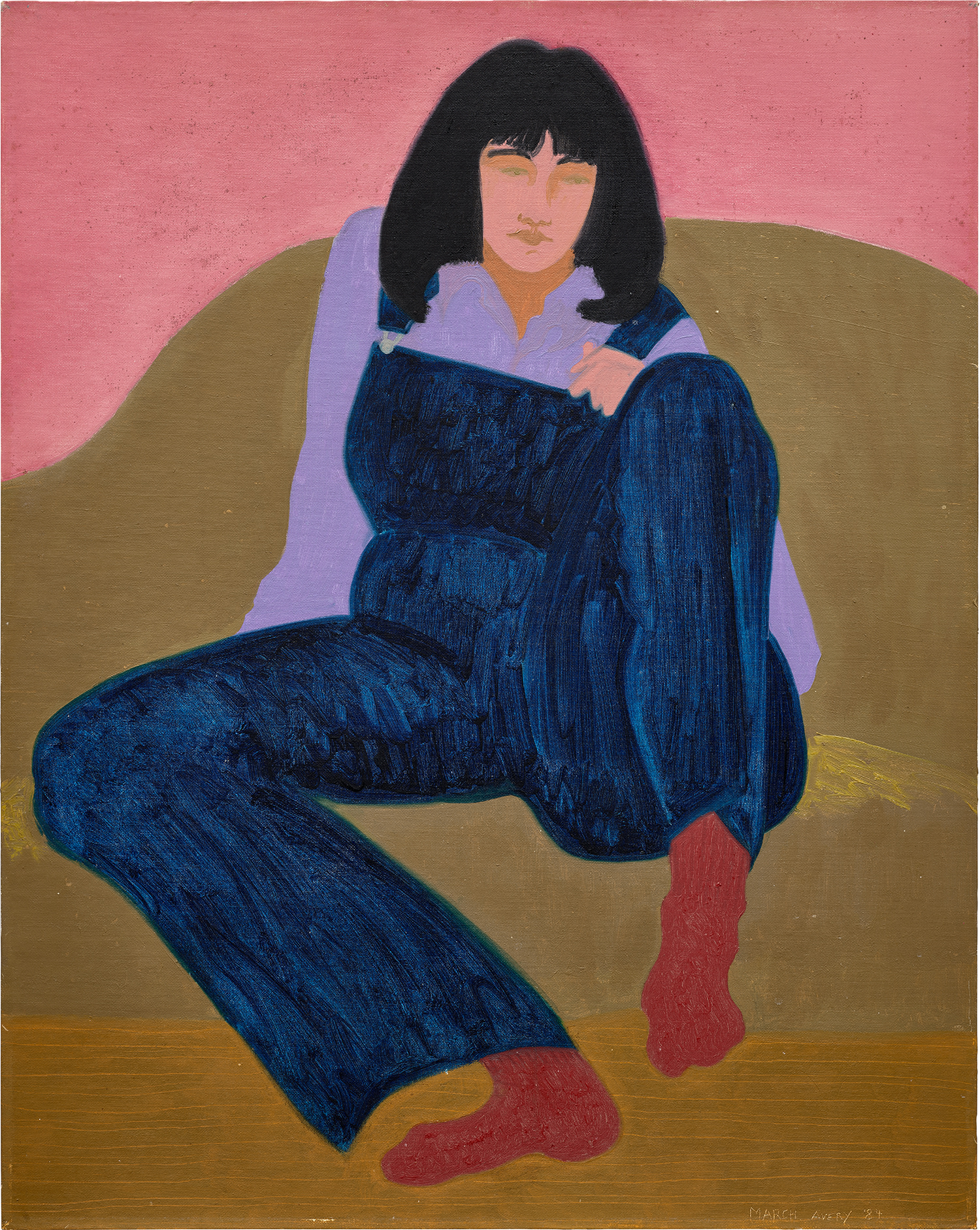
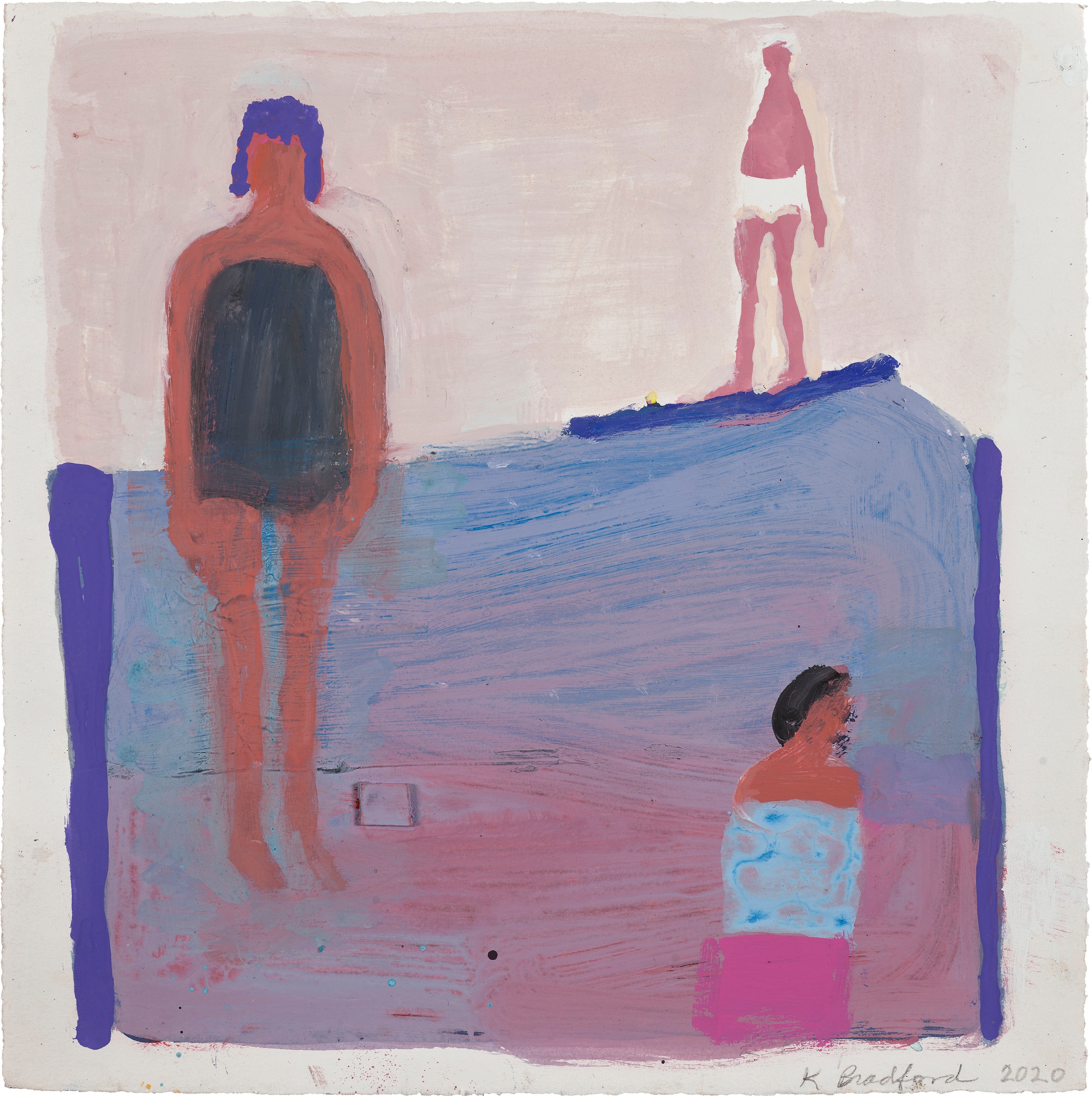
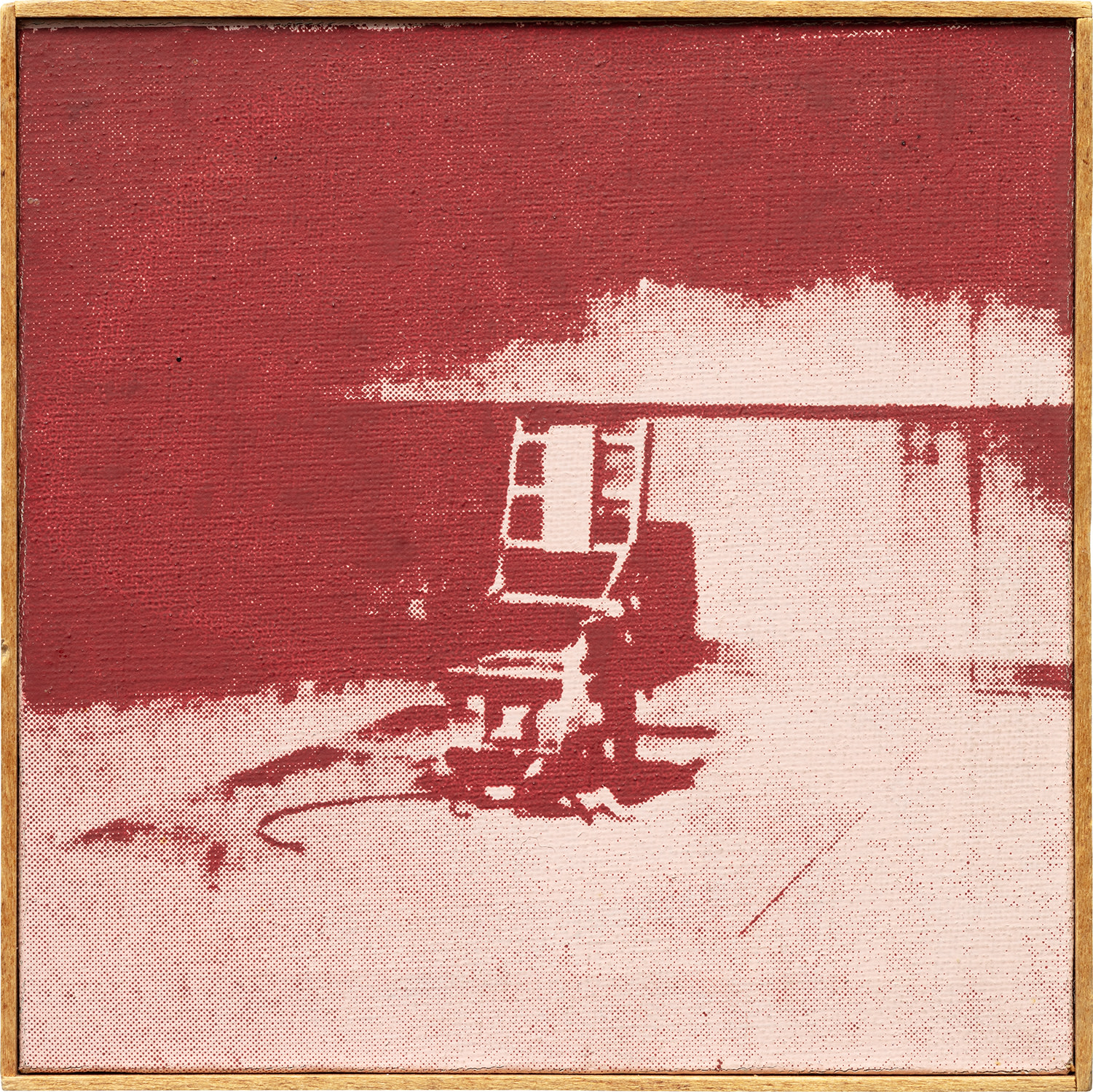
Purple
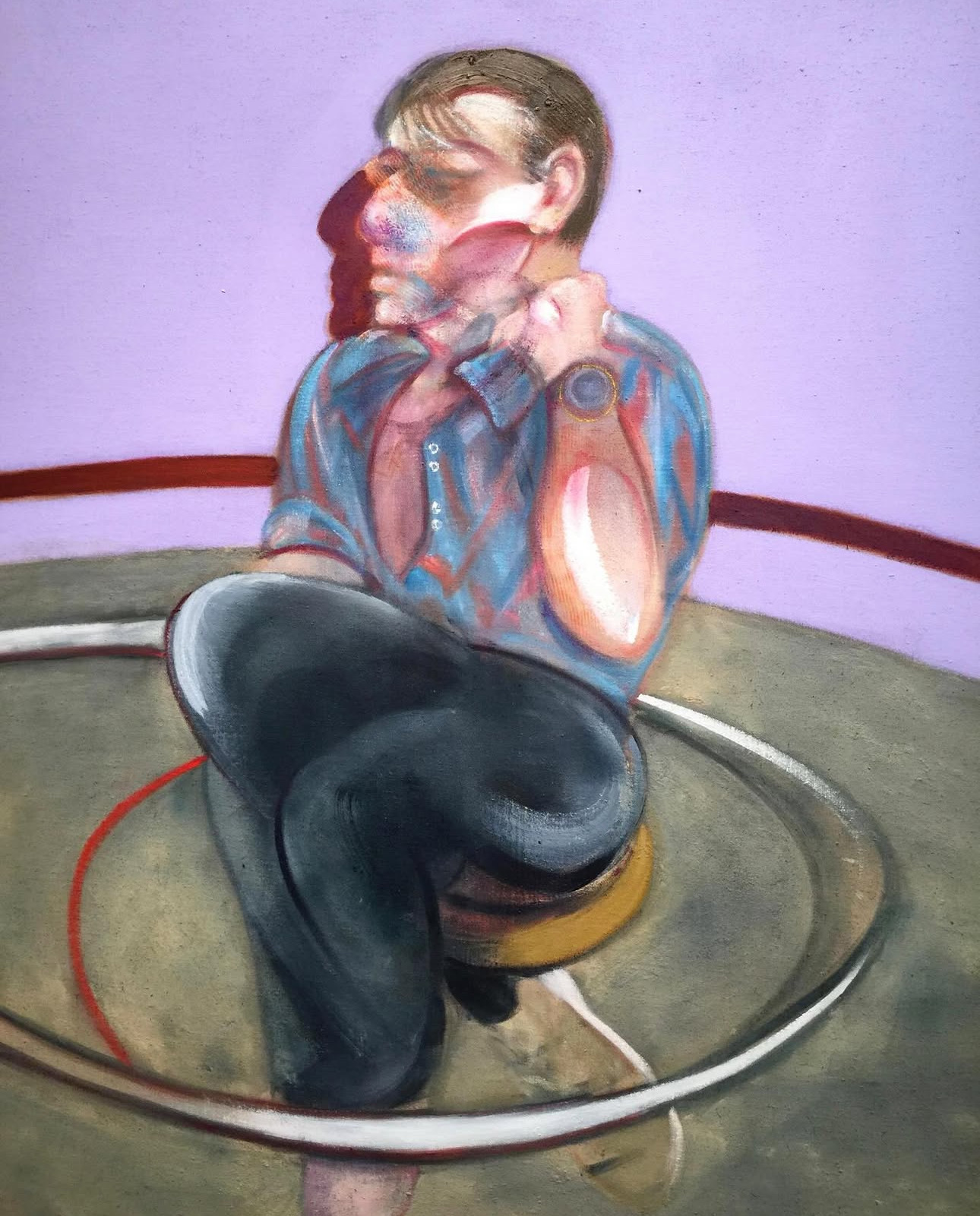
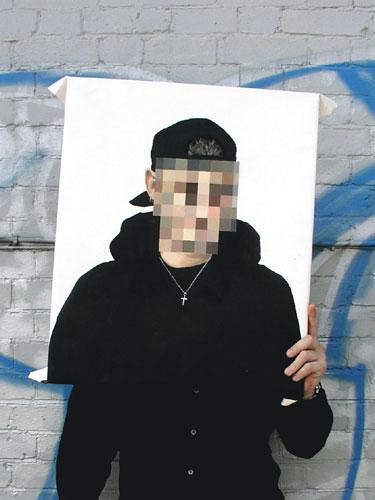
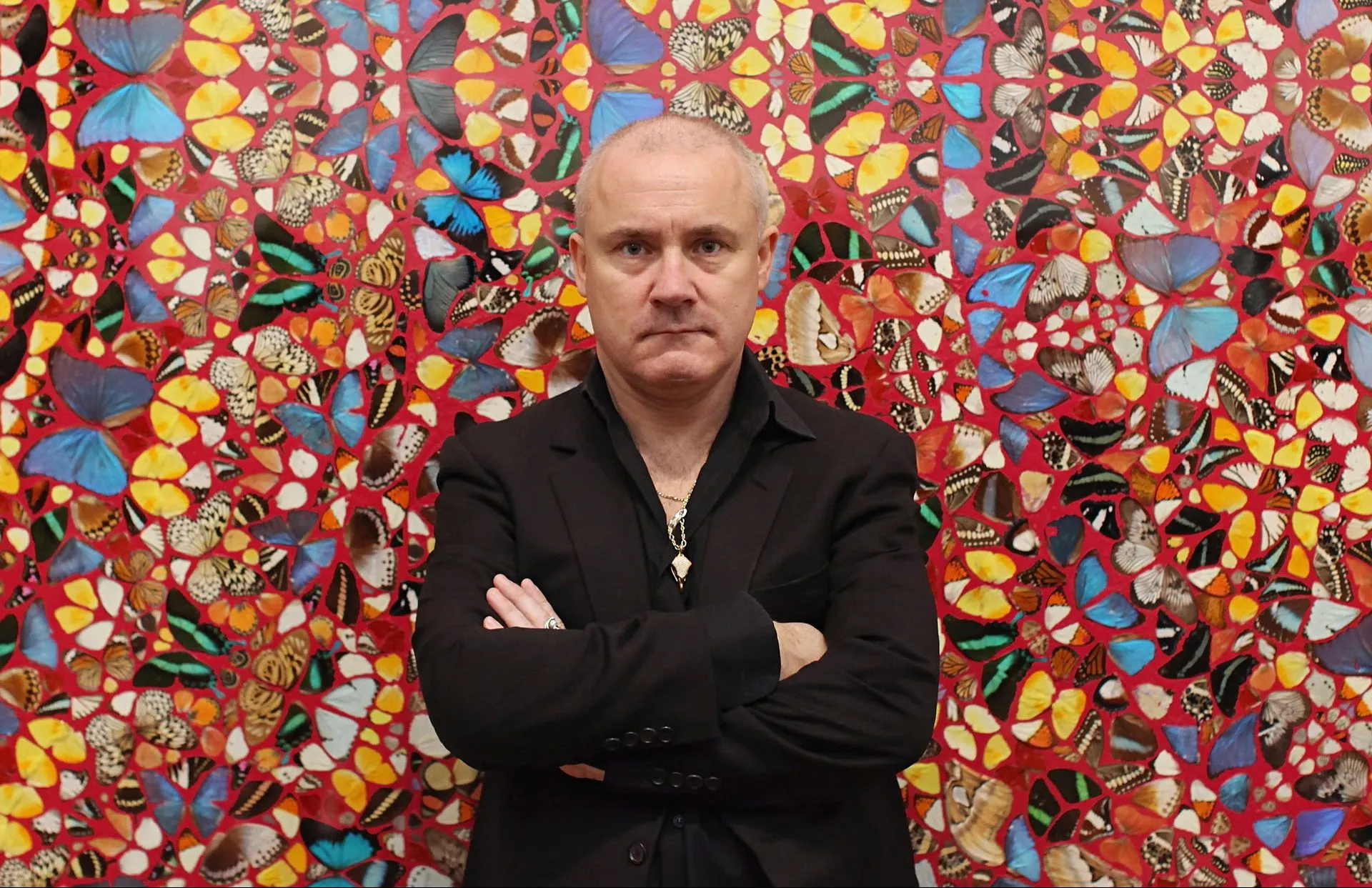
Francis Bacon
Self Portrait, 1978

The Color That Gets Under Your Skin
There is something almost irrational about the pull of purple in art. Collectors who own a work dominated by this color often describe it in physical terms, as though the pigment has a presence that other hues lack. It is not merely visual. Purple occupies a strange psychological register, simultaneously warm and cool, ancient and synthetic, spiritual and carnal.
Living with a work that carries purple well means living with something genuinely unpredictable. The color behaves differently in morning light than it does at dusk, and experienced collectors know that this mutability is precisely the point. What separates a good purple work from a great one is rarely about the shade itself and almost always about conviction. Purple is a color that punishes timidity.
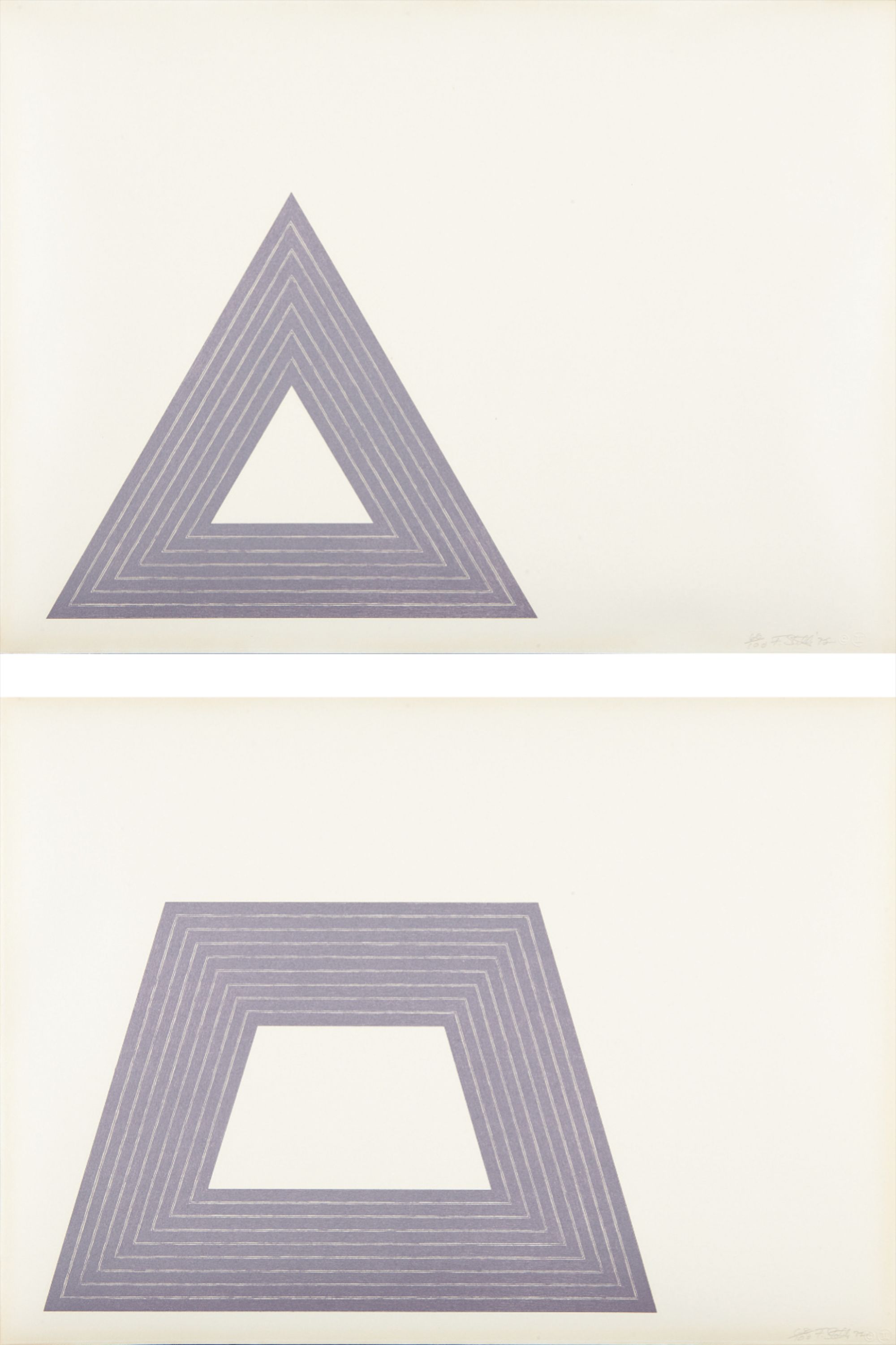
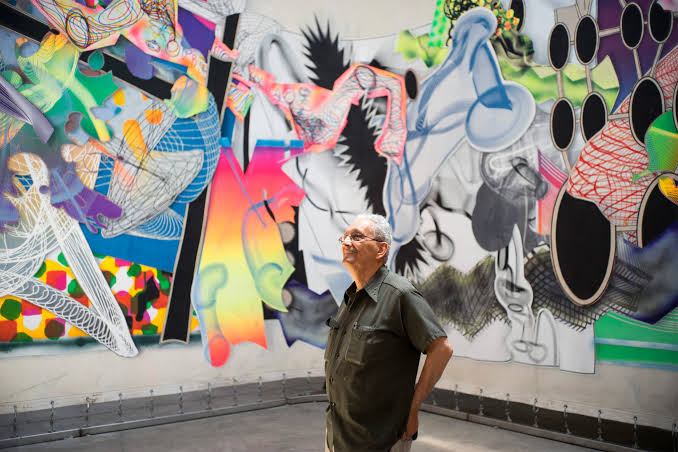
Frank Stella
Ileana Sonnabend; and Leo Castelli, from Purple series
When an artist deploys it tentatively, hedging toward lavender or pulling back toward blue, the result reads as uncertain. The works that endure are the ones where the artist has committed fully, where the purple is load bearing, where it does structural and emotional work that no other color could accomplish. Patrick Heron understood this instinctively. His chromatic investigations treated color as a primary subject rather than a supporting character, and the purples in his work are never decorative.
They argue. The Junyao narcissus bowl represented on The Collection offers a useful historical counterpoint. Junyao glazes from the Song dynasty achieved their purple and blue colorations through copper oxide fired in reduction atmospheres, a process that was only partially controllable. The results were understood as collaborative, part craft and part chance.
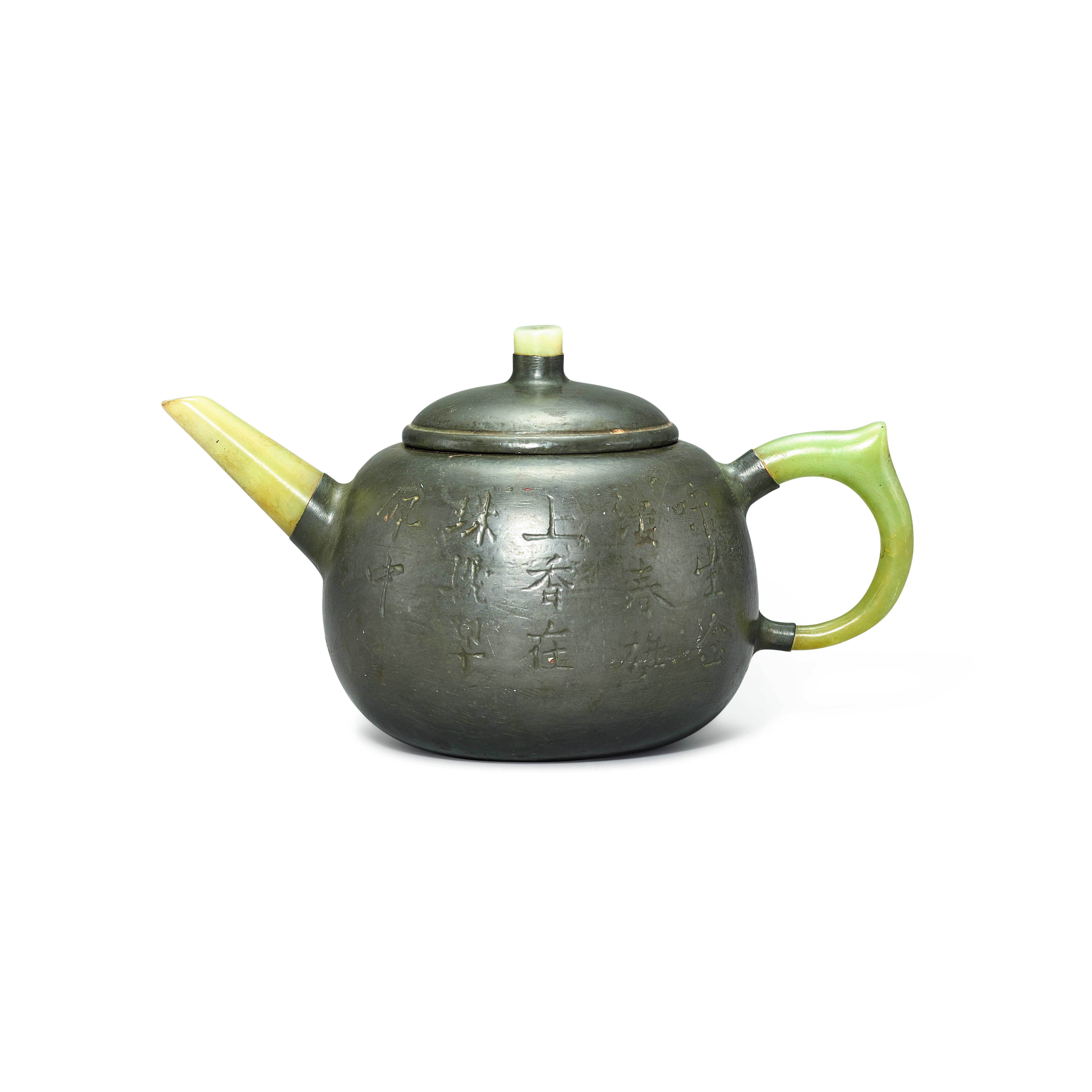
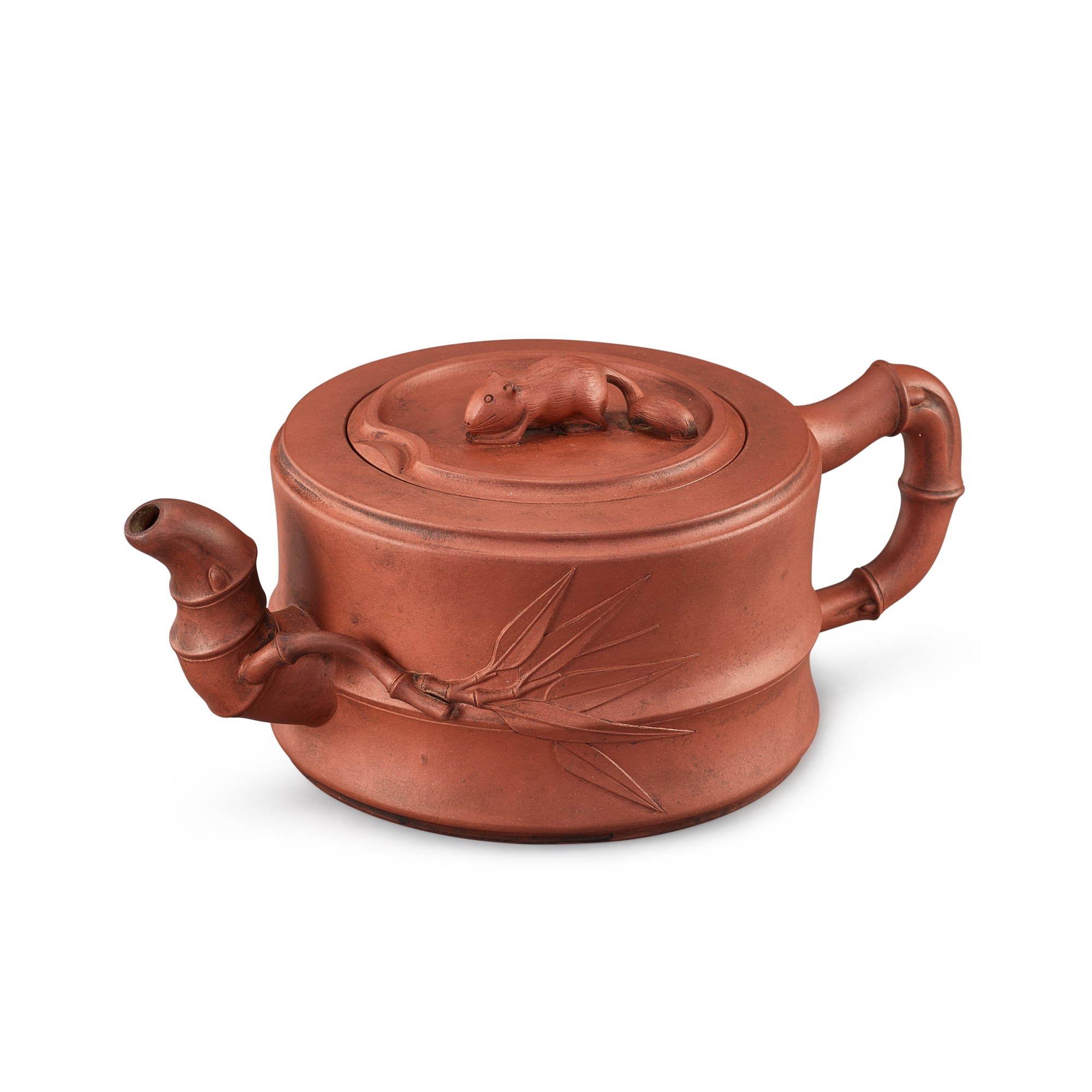
A Yixing teapot, Wang Nanlin mark,
A Yixing teapot, Wang Nanlin mark, Qing dynasty 清 宜興紫砂嵌玉詩文壺 《王楠林》款
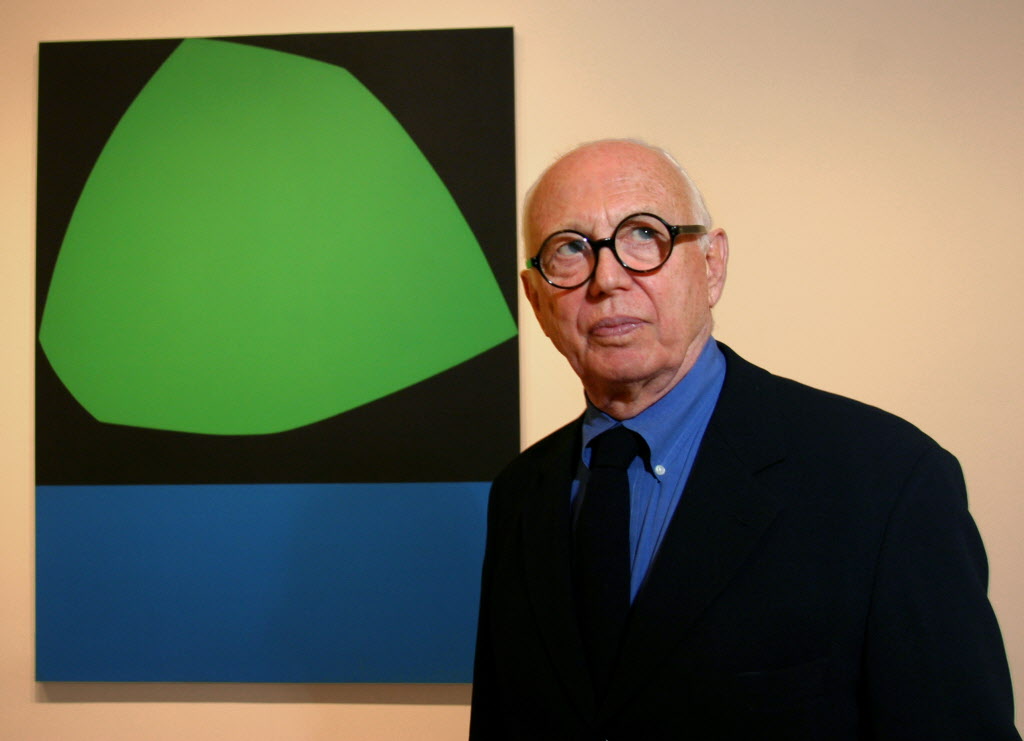
What collectors covet in these objects is exactly that quality of willful unpredictability, a purple that arrived through process rather than intention. The distinction matters because it speaks to how we value contingency in art. The finest Junyao pieces have a depth of surface that rewards sustained looking in a way that more calculated works often cannot match. For collectors focused on postwar and contemporary work, Ellsworth Kelly remains one of the most defensible long positions in the market.
His color panels achieve something philosophically rigorous, isolating hue as the sole subject of attention and asking whether that is enough. It is. The secondary market for Kelly has shown consistent strength precisely because the work ages without irony. What was radical in the 1960s remains visually potent now, and that durability translates directly into auction performance.
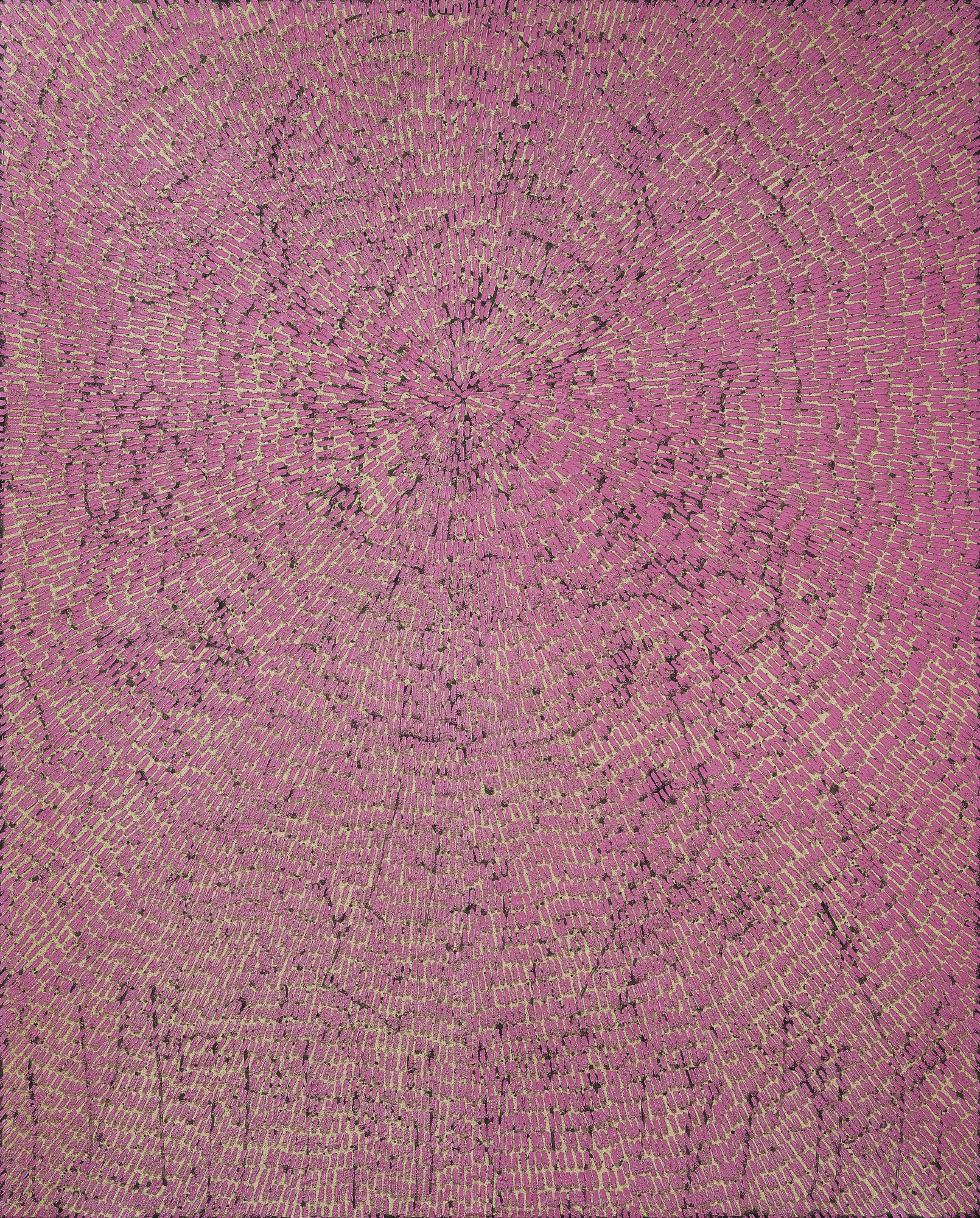
Jennifer Guidi
Our Hearts In Balance (Painted Universe Mandala SF #3F, Pearly Purple, Natural Ground) 我們平衡的心 (彩繪宇宙曼陀羅SF #3F, 珠光紫, 自然調基底), 2018
Similarly, Kazuo Shiraga, whose presence on The Collection is a reminder of how undervalued the Gutai group was for decades in the Western market, offers a different kind of conviction. His paintings are not about color in the analytical sense Kelly would recognize, but the physicality of his process generates surfaces of extraordinary chromatic richness, and the purples that emerge from his layered pigments carry an intensity that is inseparable from the labor that produced them. Among younger or less canonized figures, Jennifer Guidi deserves serious attention from collectors tracking this space. Her use of sand and acrylic produces surfaces that scatter light in ways that shift the perceived temperature of color throughout the day.
Her purples read as almost geological, patient and deep. Danielle Orchard is another name worth watching. Her figurative work operates through a compressed and sometimes hallucinatory palette, and her command of purple as a shadow color, as a way of modeling form without recourse to conventional shading, suggests a painter working at a genuinely sophisticated level. Both artists are still in a period of market formation, which means acquisition opportunities remain available at prices that will likely look conservative within five to ten years.
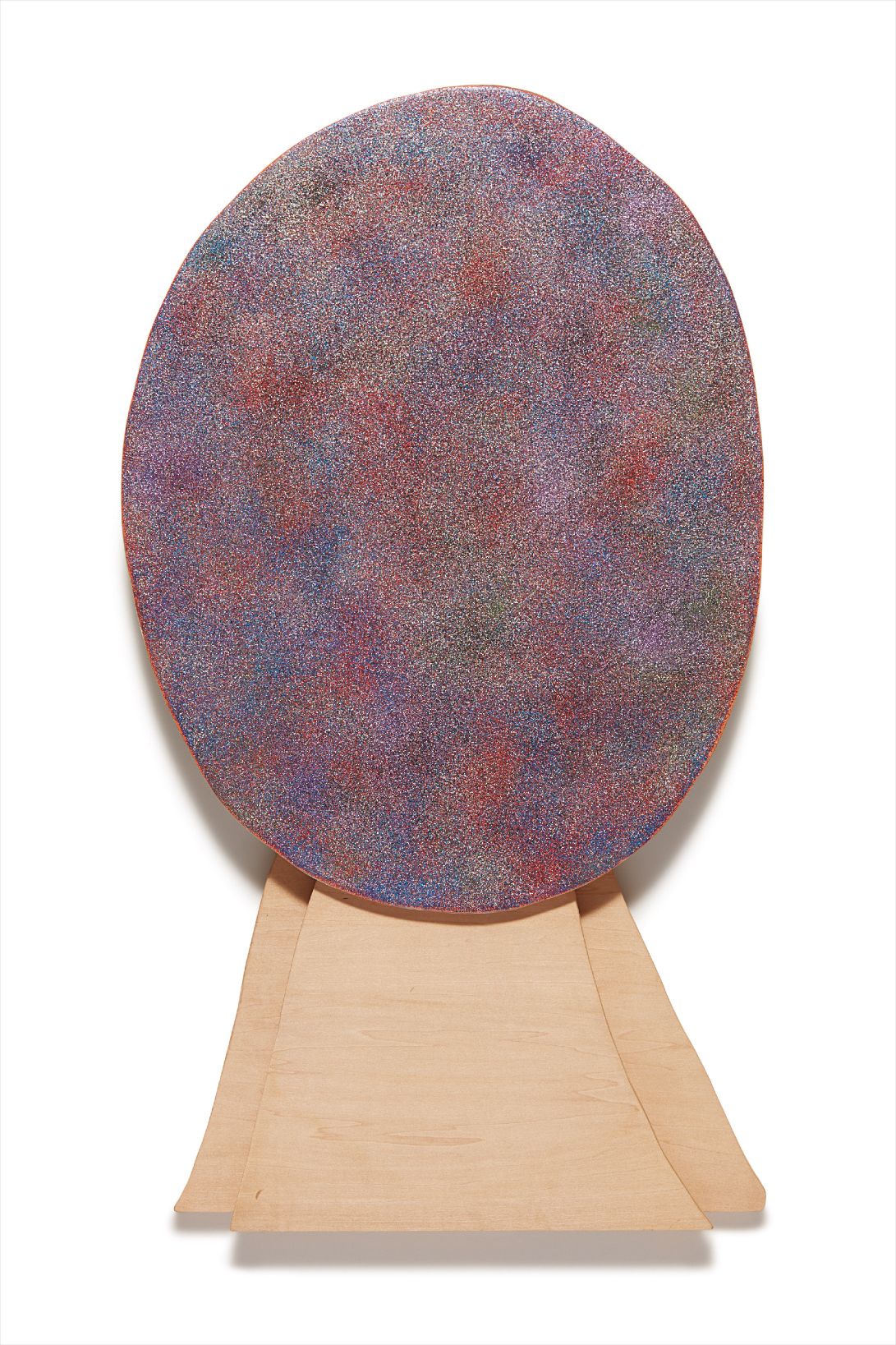
Hiroshi Sugito
the purple tree, 2006
Auction performance for purple dominant works is a genuinely complicated subject because the color has historically been considered a liability by conservative buyers. The received wisdom, which held that purple was difficult to place in domestic interiors, suppressed prices for decades and created opportunities for contrarian collectors who were willing to trust their own eye over market consensus. That conventional wisdom has been eroding steadily. The broader acceptance of bold color in contemporary interiors, combined with a generational shift in what collecting households look like, has meant that works once considered challenging have found deeply motivated buyers.
Gerhard Richter's market needs no defense, but it is worth noting that his more chromatically adventurous works, those that allow darker and more complex color relationships, have tracked well against his better known gray monochromes. Practically speaking, collectors considering purple works should be attentive to condition in ways that are specific to this color. Certain historical purples were achieved using pigments that are inherently fugitive, particularly those derived from organic sources. Ultraviolet exposure is the primary enemy, and any work with significant purple passages should be assessed for light fastness before acquisition.
Ask the gallery directly whether the work has been tested, and if the answer is uncertain, treat that as information. For contemporary works on canvas or board, this is less often a concern since most painters working today have access to lightfast synthetic pigments, but for works on paper and for historical objects, the question is non negotiable. Editions introduce a separate set of considerations. Banksy, whose work appears on The Collection, produces prints in significant editions, and while the market for these works has been robust, the edition number and the authentication status are the variables that determine value at resale.
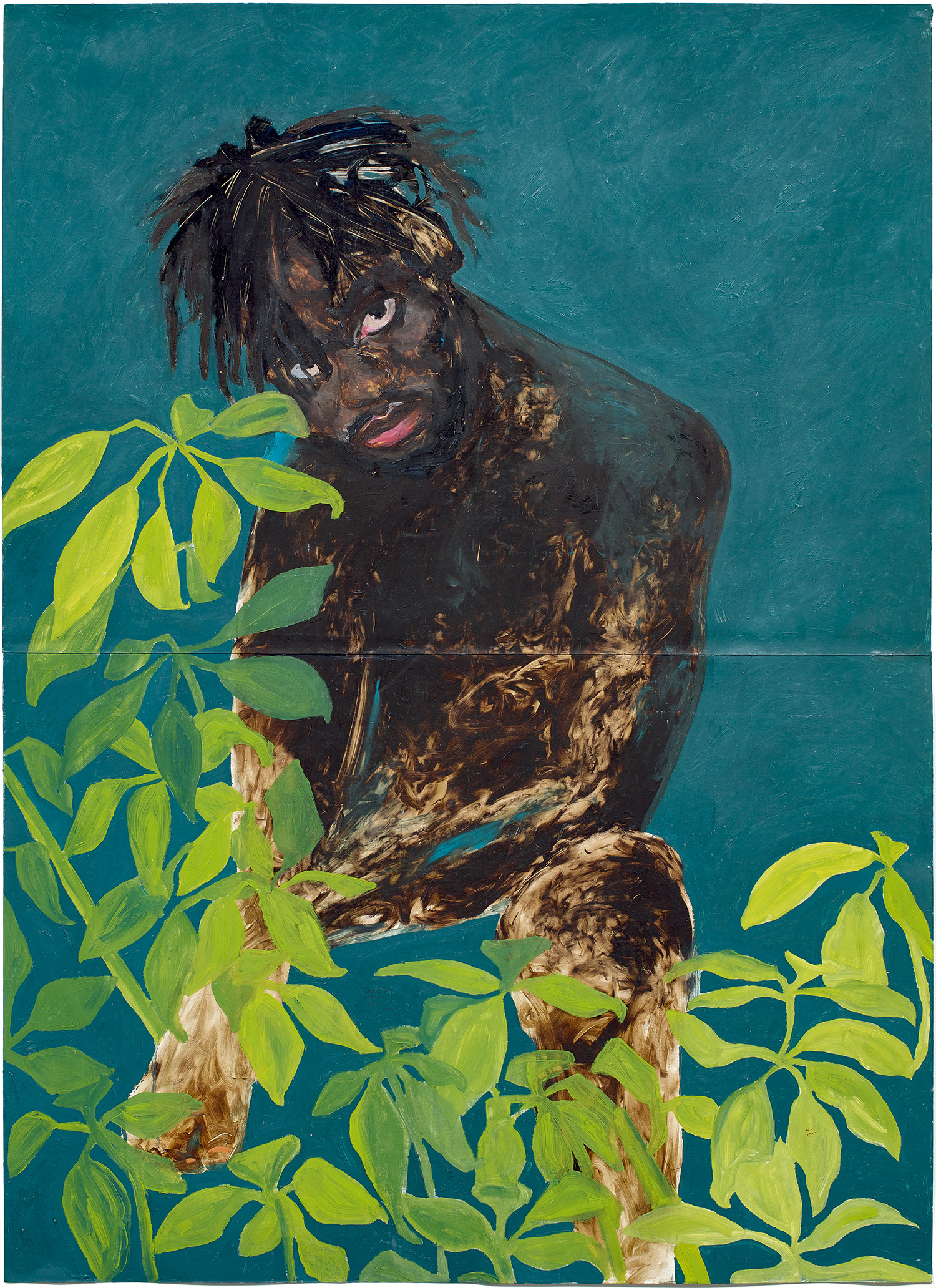
A lower numbered print from a smaller edition in documented excellent condition will always outperform an otherwise identical piece with unclear provenance. For unique works, the conversation shifts entirely toward the relationship between the work and a specific artist's development. Amoako Boafo's paintings command attention partly because they are genuinely singular objects made through a distinctive process, and no edition can replicate what that singularity means in the room. When speaking with a gallery about any purple work, the most useful question is also the simplest: where has this piece been, and what has it been near.
Provenance and exhibition history tell you how the work has been valued by others, and while that should never be the last word, it is always a useful beginning.