Political
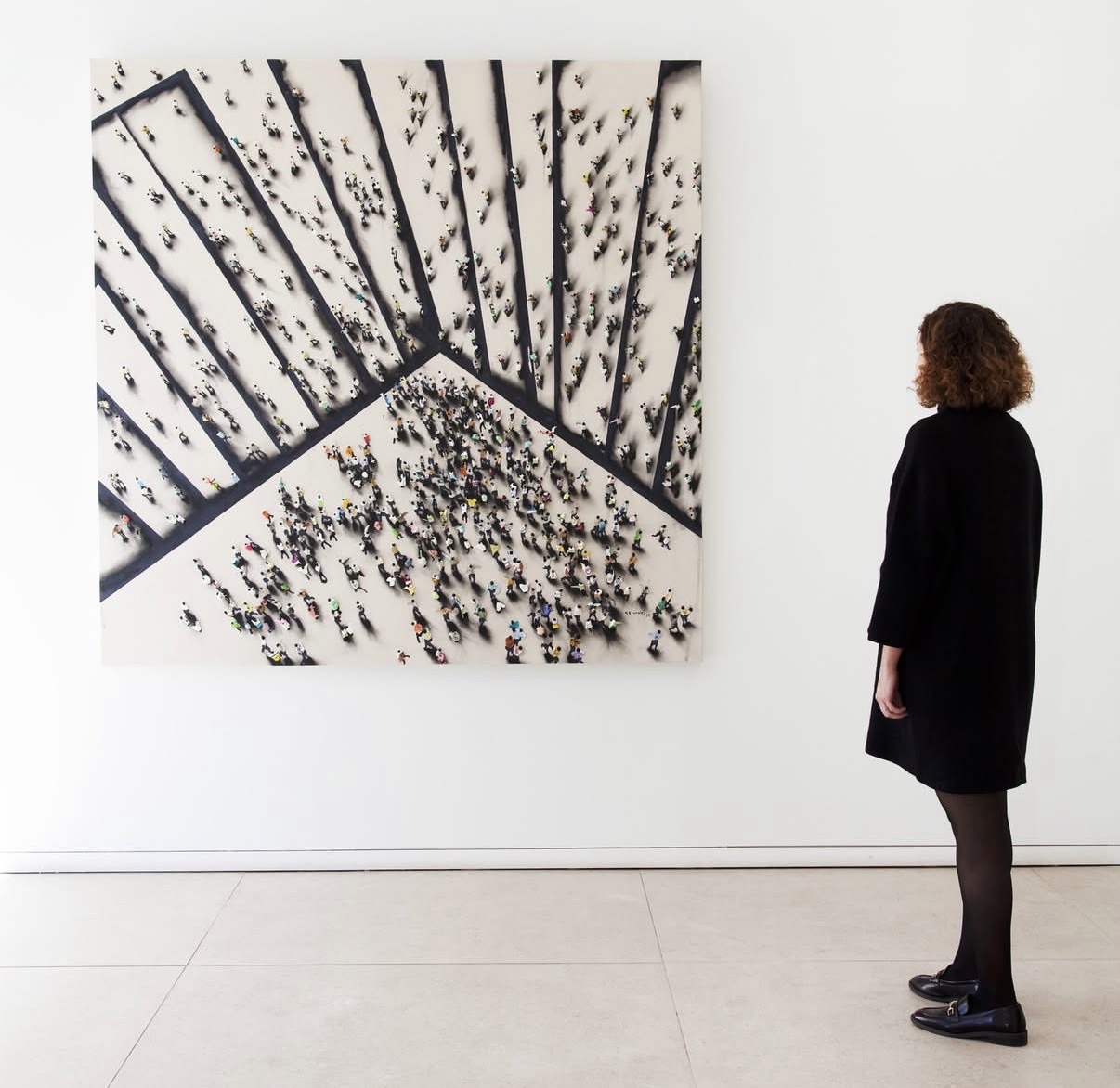
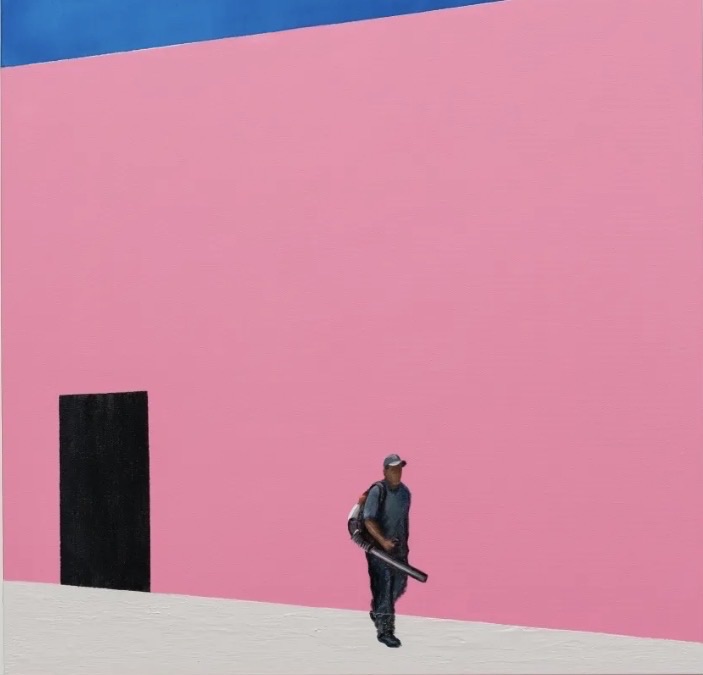
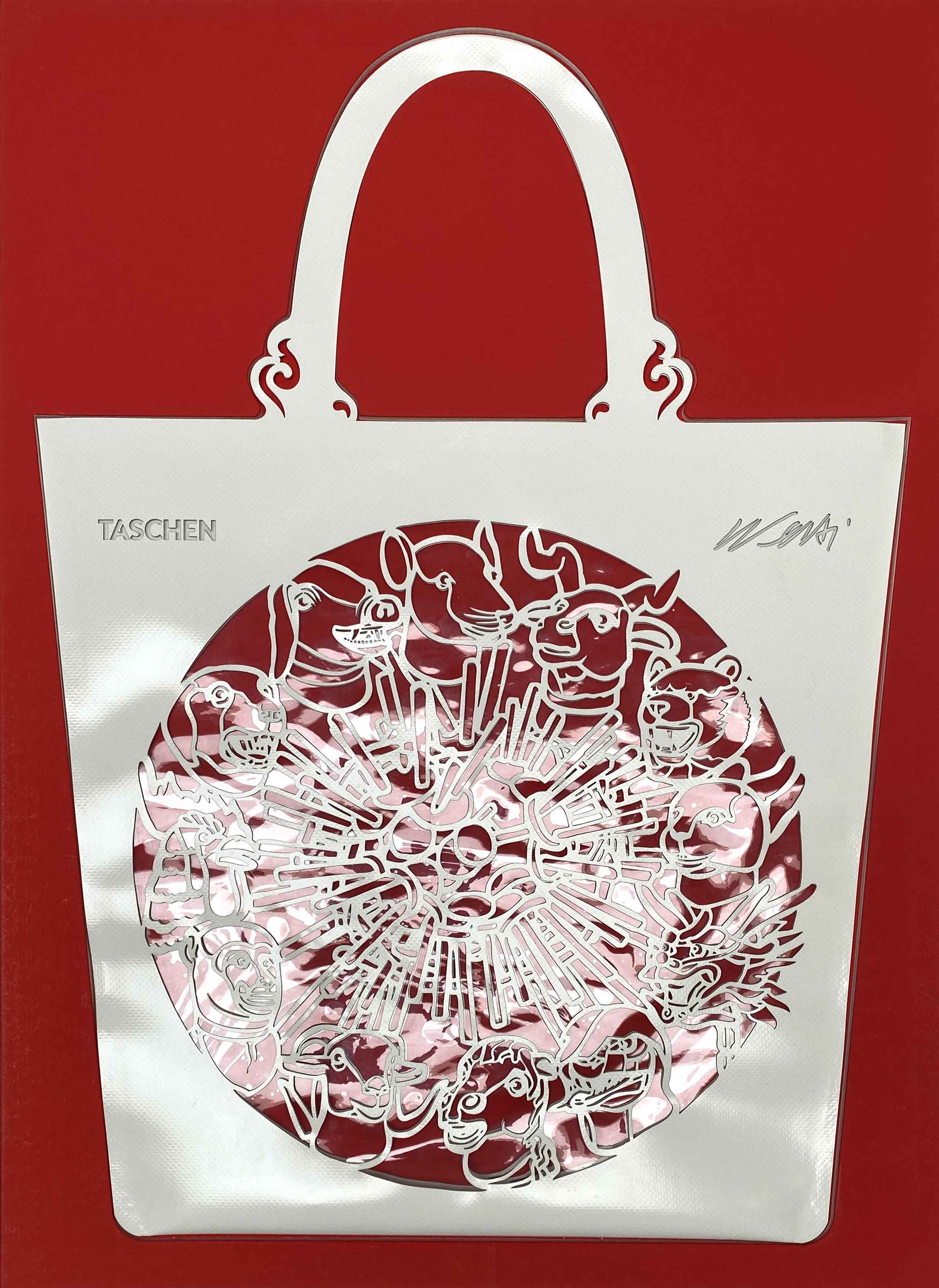
Juan Genovés
Tosco, 2019

Art Has Always Known Power Is Fragile
There is a particular charge that runs through political art, something that has nothing to do with aesthetics in the conventional sense and everything to do with urgency. When an image carries the weight of injustice, grief, or resistance, it operates differently than a still life or a landscape. It makes demands on the viewer. It refuses to let you simply stand there and admire the brushwork.
Political art, at its most powerful, is an argument made visible, and the history of that argument stretches back much further than most collectors realize. Long before the term had any currency, artists were embedding dissent into their work. Francisco Goya's "Disasters of War" series, produced between roughly 1810 and 1820, set an early standard for what politically engaged art could look like: unflinching, formally rigorous, and morally devastating. Jacques Louis David weaponized neoclassicism in service of revolutionary France.
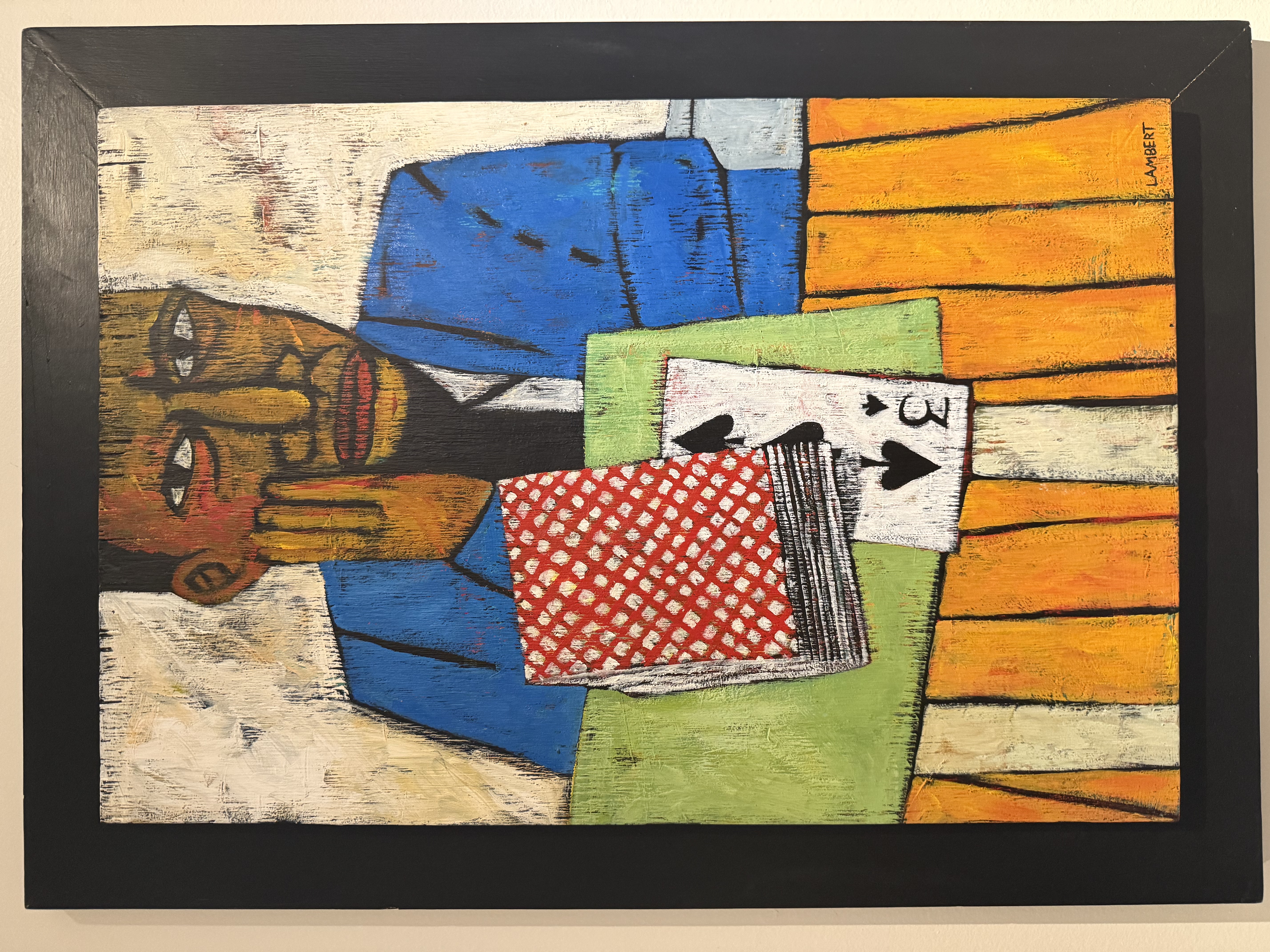
David Lambert
Cards
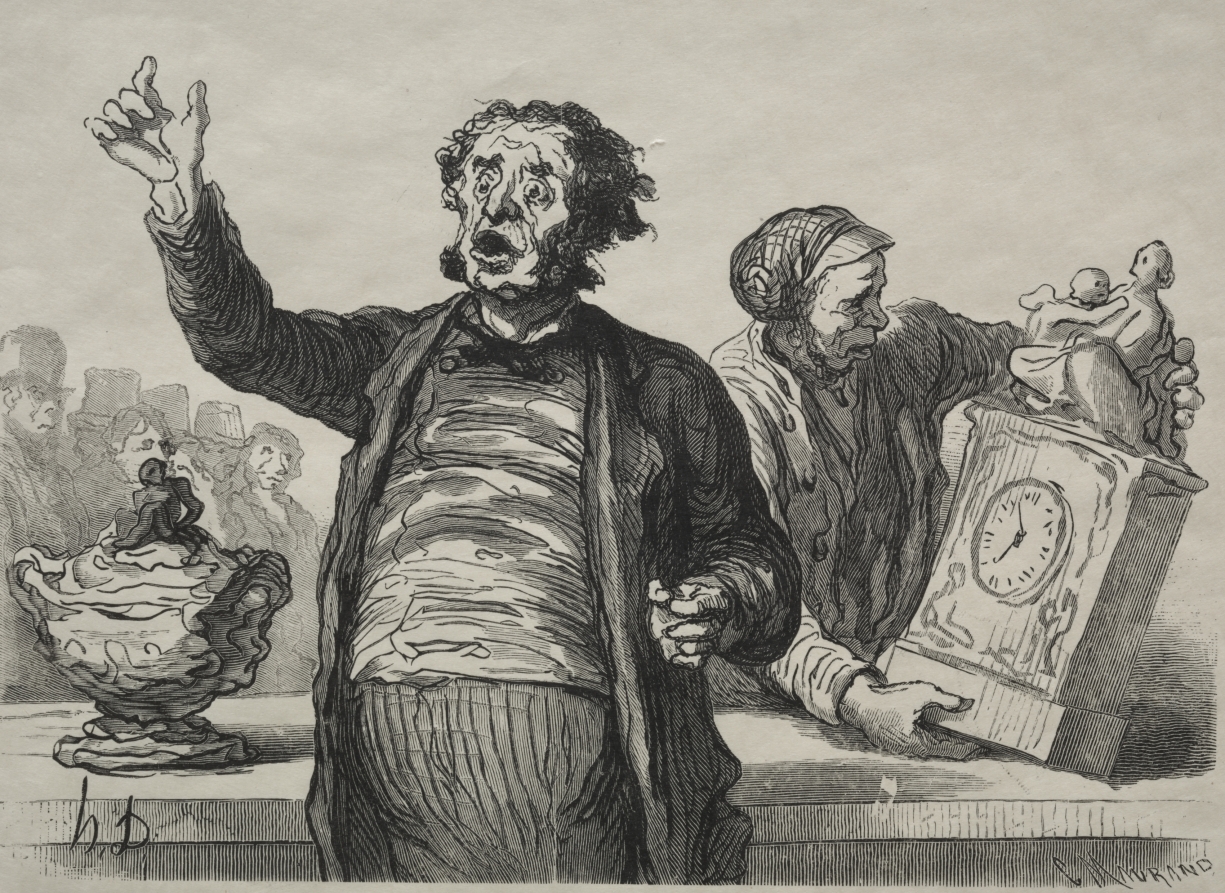
But perhaps the most sustained tradition of popular political imagery came from the printmakers and caricaturists of the nineteenth century, who understood that reproducibility was itself a form of power. Honoré Daumier, whose work appears across The Collection, spent decades skewering the bourgeoisie and the French monarchy in lithographs that circulated widely, reaching audiences that galleries never could. His targets were the powerful, and his medium was designed for the street. The twentieth century transformed what political art could mean and how far it could travel.
Pablo Picasso's "Guernica," completed in 1937 in response to the Nazi bombing of a Basque town, became one of the most recognizable anti war images ever made, and it established a precedent: that a major artist could respond to a political atrocity in real time and with full force. The postwar decades brought new urgency and new frameworks. Joseph Beuys, who has a significant presence on The Collection, approached political engagement as something almost ritualistic, insisting that creativity was a form of social capital and that every human being was an artist. His 1972 "Office for Direct Democracy" at documenta 5 turned political participation itself into a live artwork, blurring the line between art practice and civic action in ways that still feel radical.
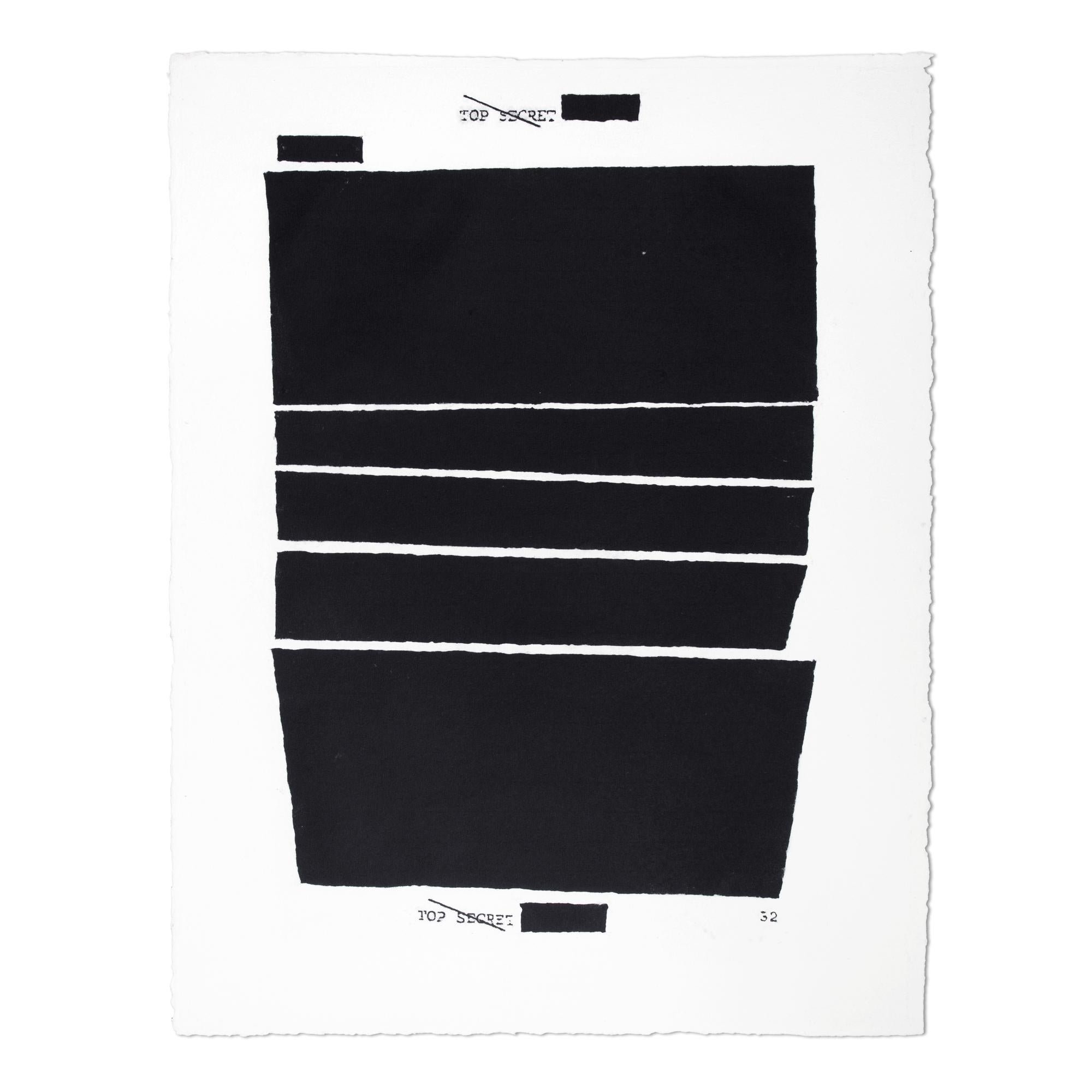
Jenny Holzer
Top Secret 23 (from Water Boarding), 2012
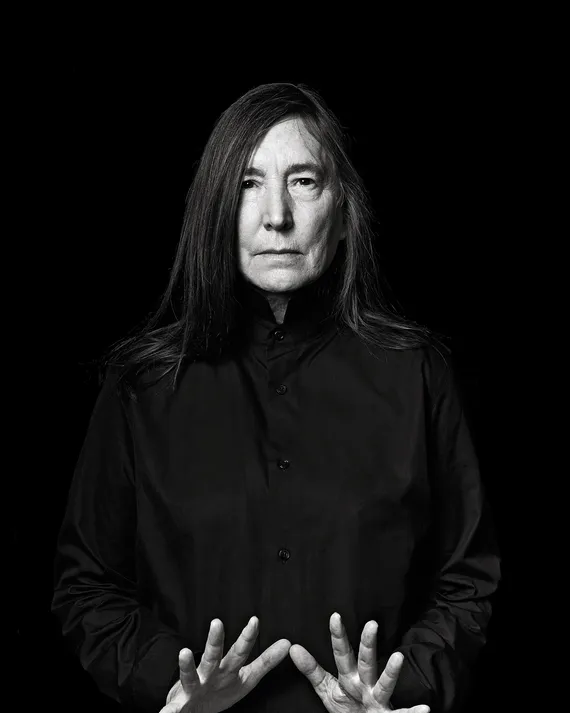
By the 1970s and 1980s, the terrain had shifted again. Artists working in the wake of the civil rights movement, the Vietnam War, and the emergence of feminist consciousness began questioning not just power in the abstract but the specific structures of representation. Barbara Kruger, whose work is well represented on The Collection, built a practice around the grammar of advertising, appropriating its visual authority to expose the politics of gender and consumerism. Jenny Holzer worked in a similarly public register, projecting truisms and inflammatory statements onto buildings and monuments, turning civic infrastructure into a site of confrontation.
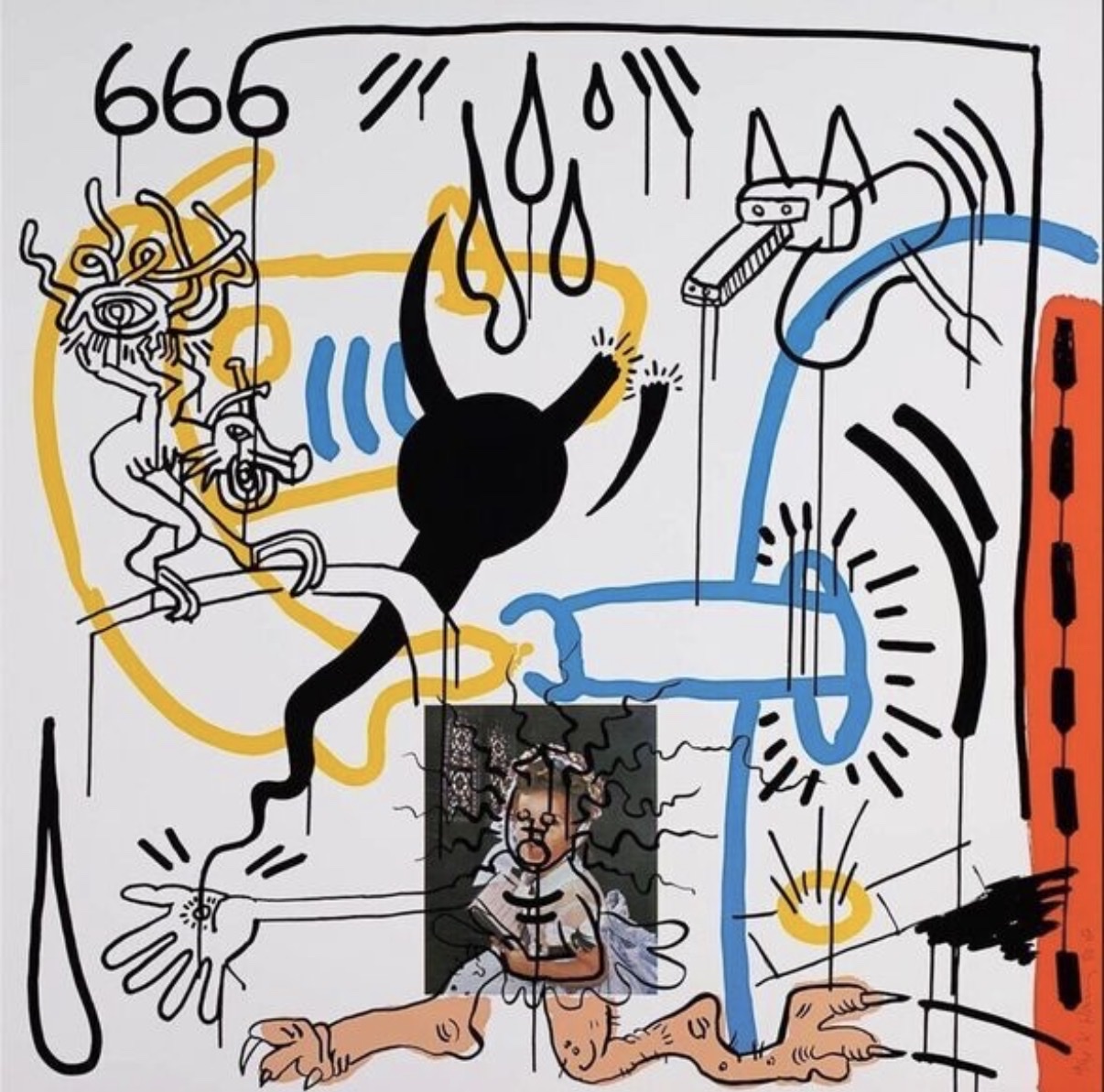
Both artists understood something essential: that political power is partly a question of whose voice fills public space. The 1980s and 1990s saw political art engage with identity, race, and the AIDS crisis with a directness that the art world had not previously accommodated. Keith Haring's imagery moved fluidly between the gallery and the street, carrying messages about queer life and solidarity that were radical in their visibility. David Wojnarowicz made work from personal crisis and collective emergency, channeling rage and grief into objects that still feel raw.
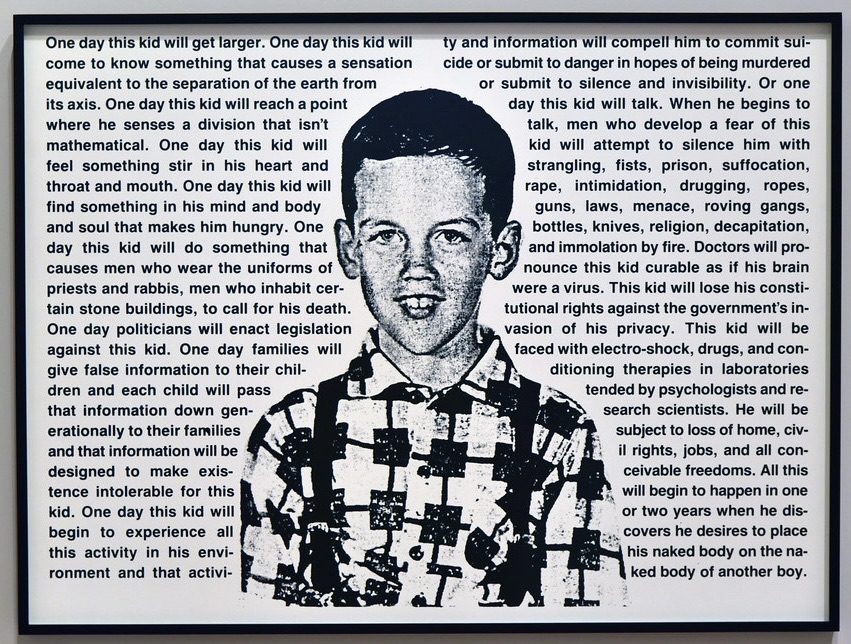
David Wojnarowicz
Untitled (One Day This Kid...), 1990
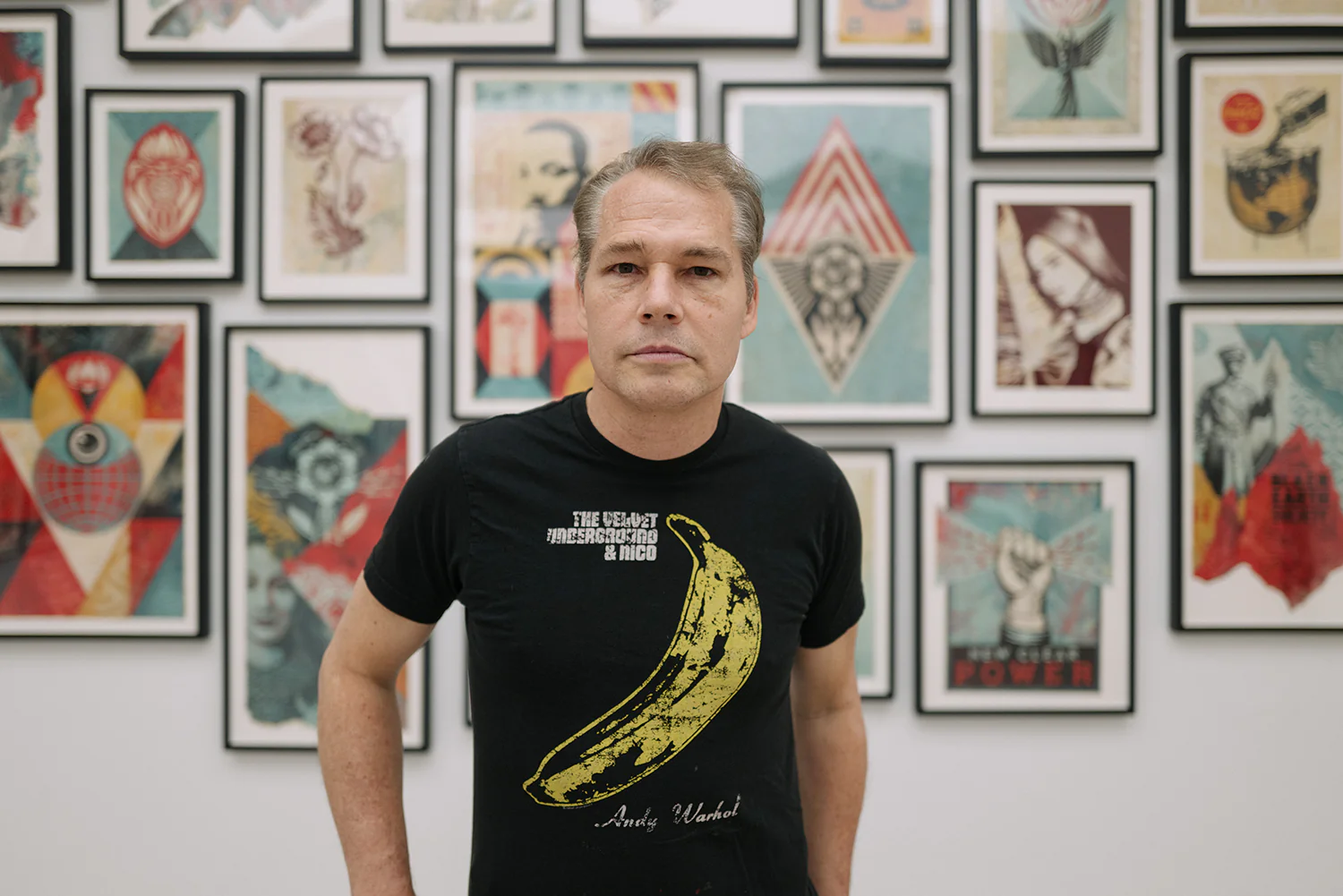
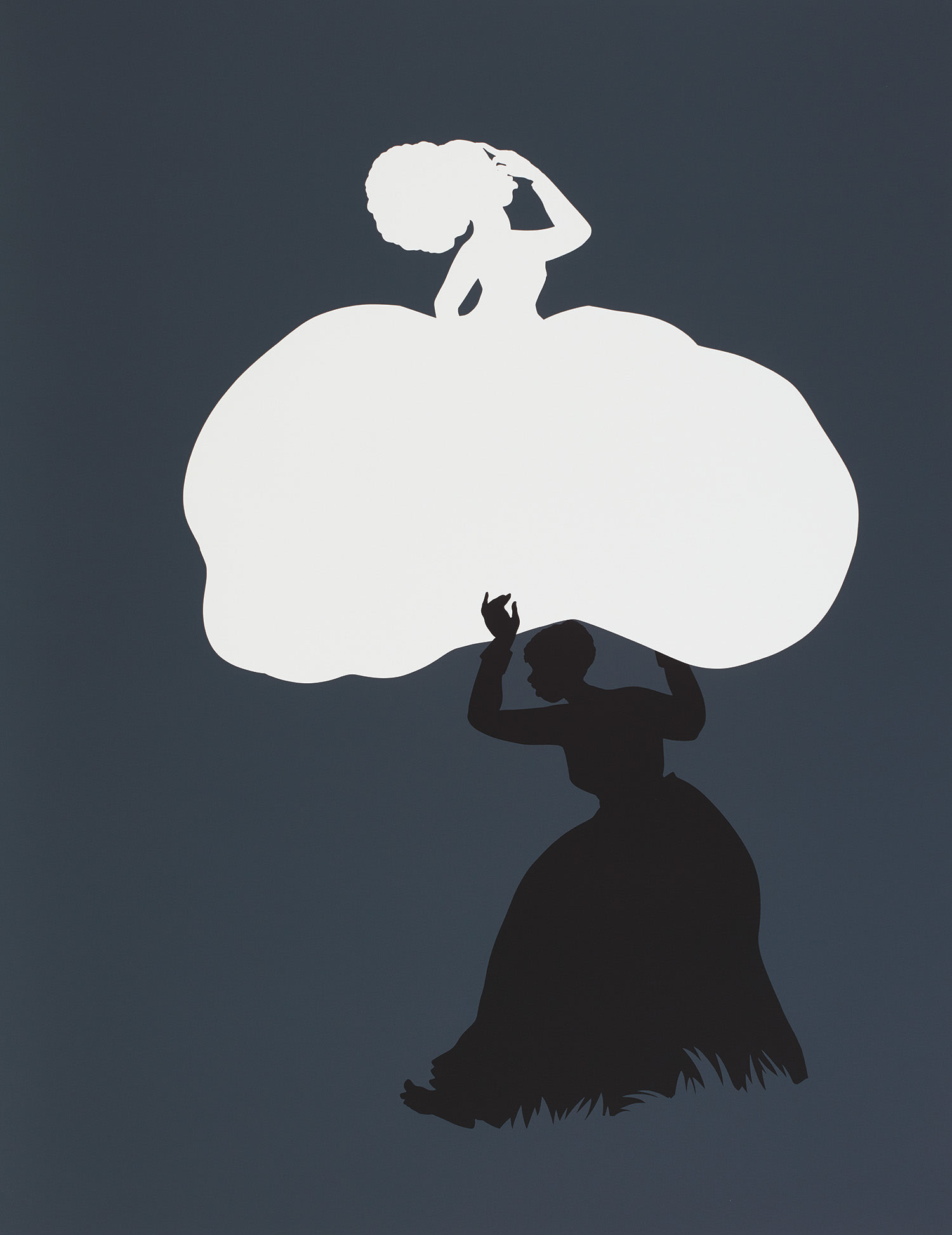
Kara Walker, whose presence on The Collection spans a remarkable range of work, emerged in the mid 1990s with her silhouette installations, images that reexamined American history with a clarity so sharp it drew controversy almost immediately. Her work does not allow comfortable distance. It insists that you reckon with what you are looking at. Shepard Fairey, whose output on The Collection is extensive, brought political imagery into the twenty first century through a visual language borrowed from propaganda and street culture simultaneously.
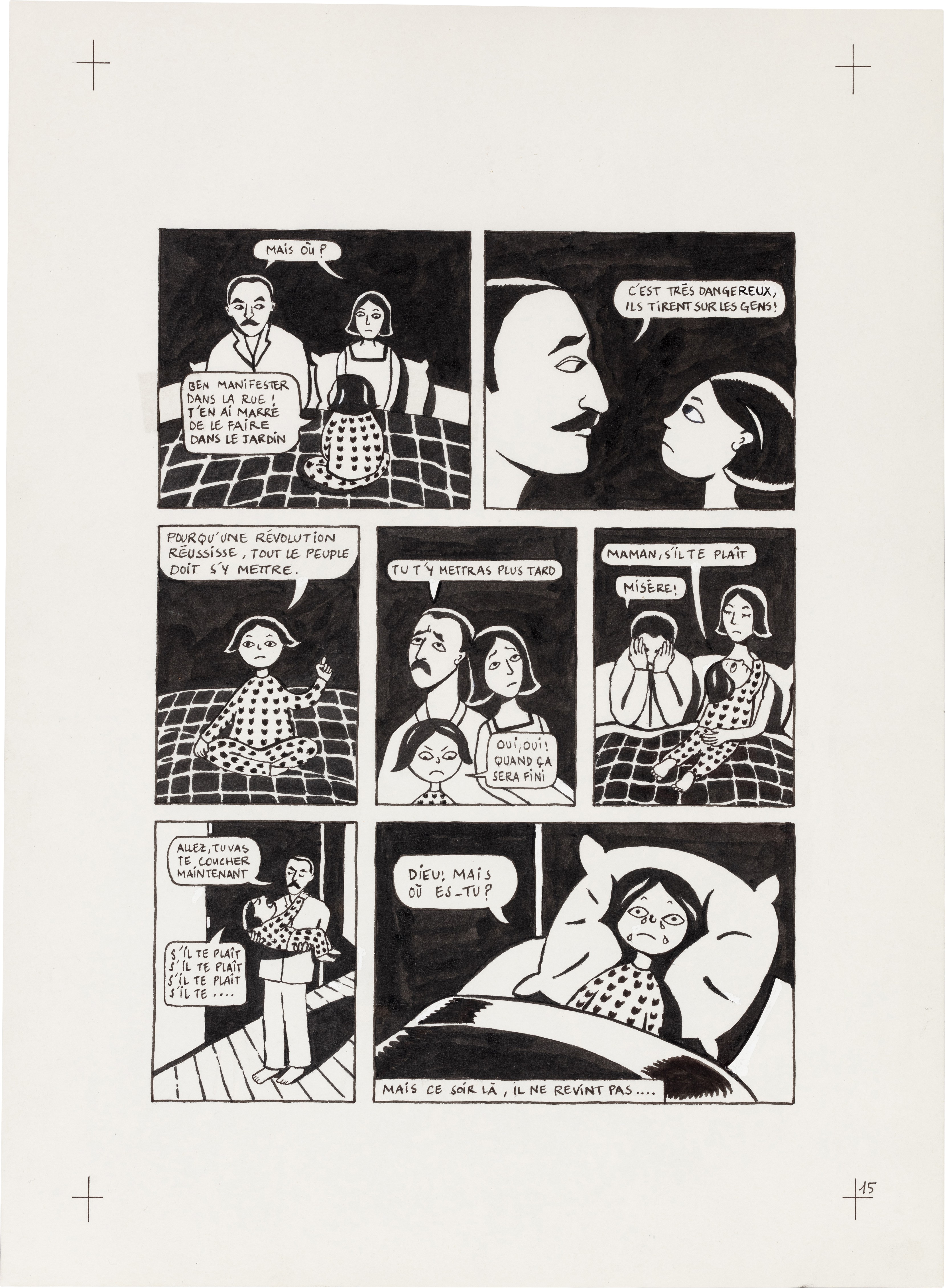
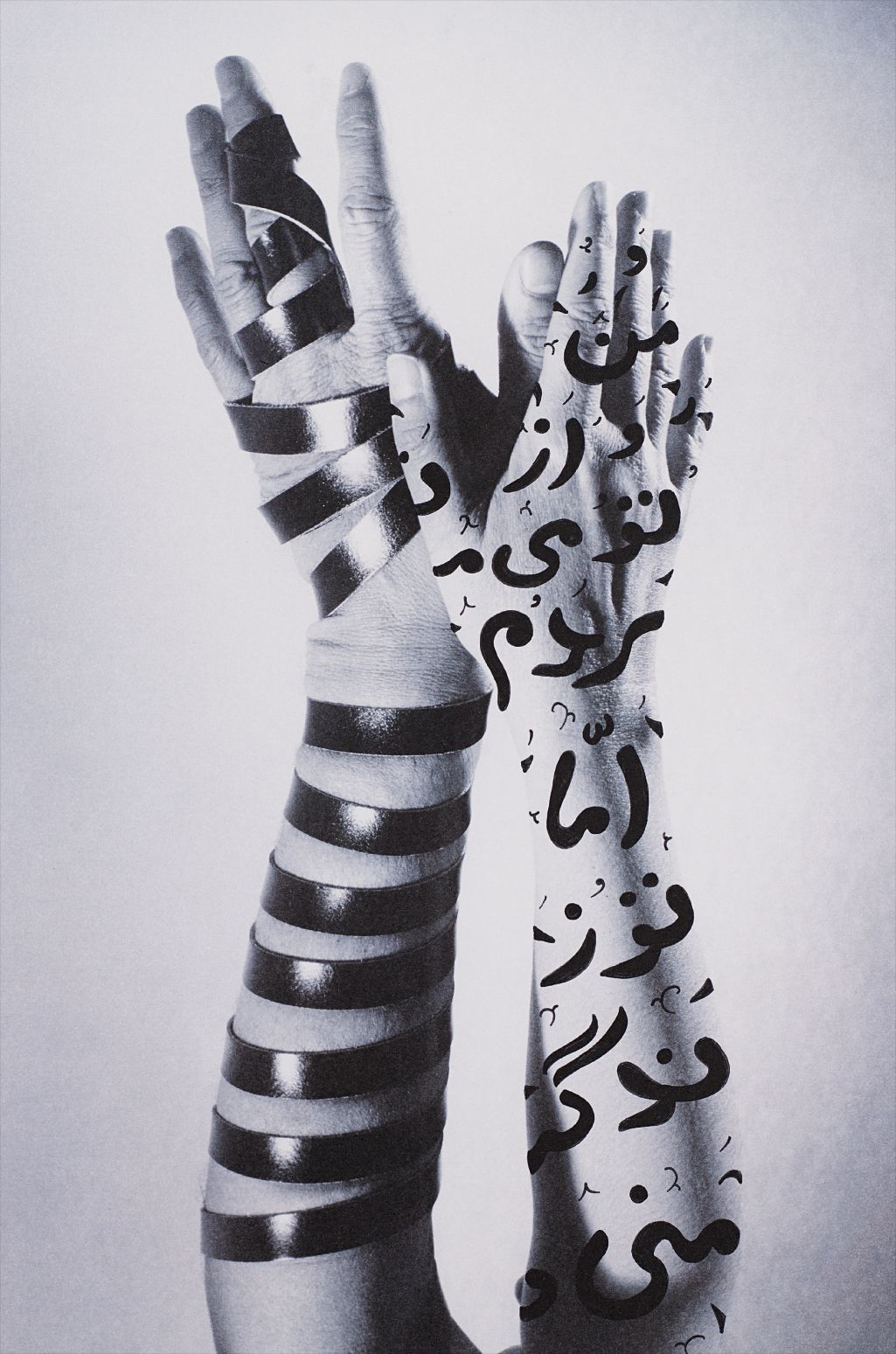
His 2008 "Hope" poster for Barack Obama's campaign became one of the most reproduced political images in American history, raising genuine questions about the relationship between activism, art, and electoral politics. Around the same time, Banksy was doing something structurally similar from a very different position, using anonymity and unsanctioned public placement to make images that circulated globally and resisted easy commodification, even as the art market eventually found ways to absorb them anyway. Marjane Satrapi's graphic memoir work, and Shirin Neshat's photography and film, brought the politics of gender and national identity in Iran to international audiences, demonstrating that political art could be intimate and autobiographical as well as confrontational. Ai Weiwei represents perhaps the most visible example in contemporary practice of an artist whose life and work have become inseparable from political consequence.
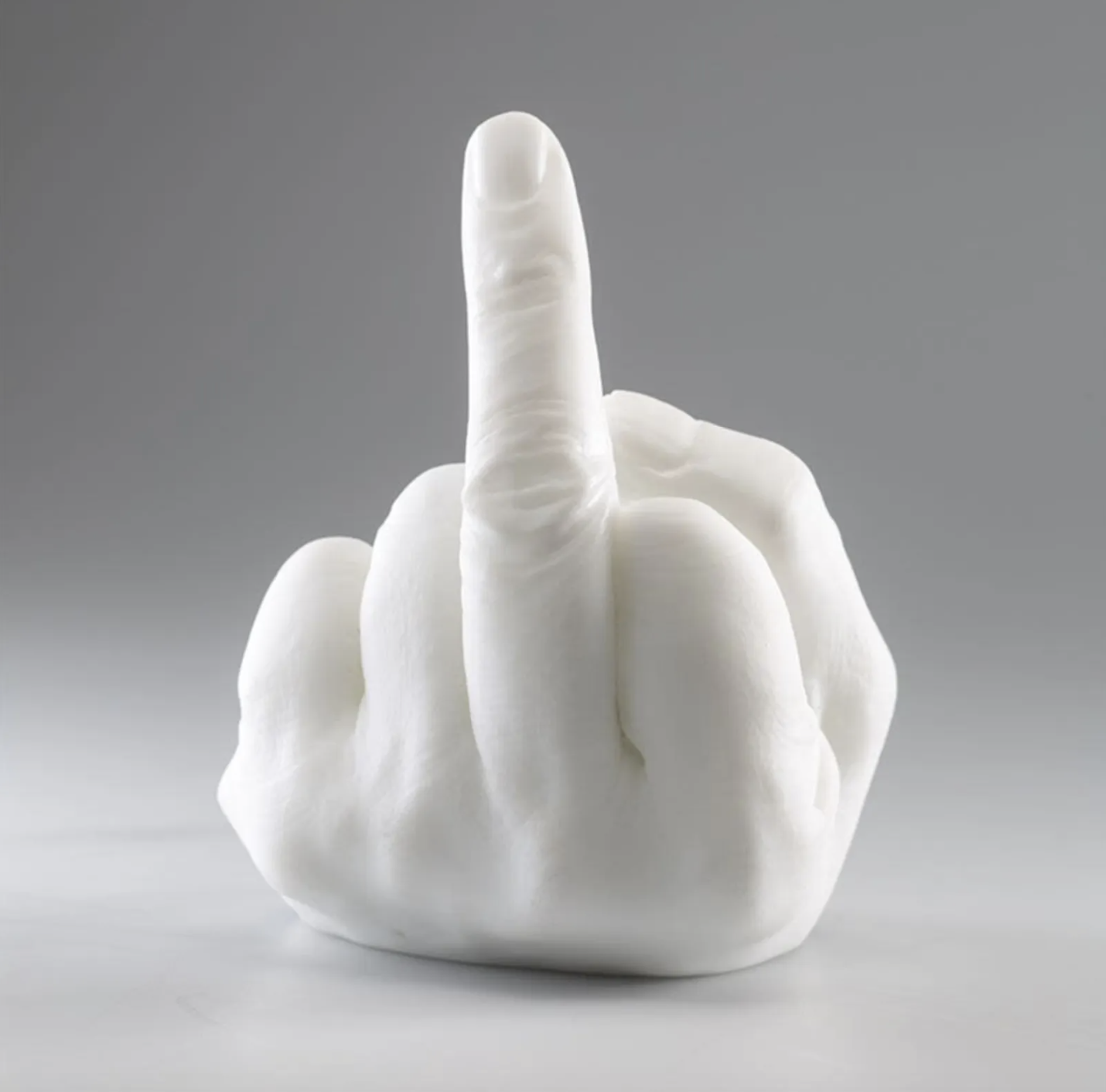
Ai Weiwei
Study of Perspective in Glass (Opaline White)
His detention by Chinese authorities in 2011 did not silence him; it amplified the reach of his work. Hank Willis Thomas approaches the politics of race and belonging through the visual language of advertising and sports culture, finding the ideology embedded in images that present themselves as neutral. Glenn Ligon's text based paintings return again and again to the language of race in America, making you feel the weight of words you thought you understood. These artists, and others across The Collection including William Kentridge and Cildo Meireles, share a conviction that art is not separate from the world but constitutive of it, that images help determine what we can see and therefore what we can know.
What makes political art endure is precisely what makes it difficult. It is rooted in specific circumstances, particular injustices, named atrocities, and yet the best of it transcends those circumstances to say something that persists. Daumier's lithographs still read as satire. Guernica still reads as horror.
The works on The Collection in this category range across centuries and continents, but they share a common insistence on engagement, on the refusal to look away. For collectors, that refusal carries a responsibility of its own: to understand what you are living with, and to take seriously the argument the work is still making.