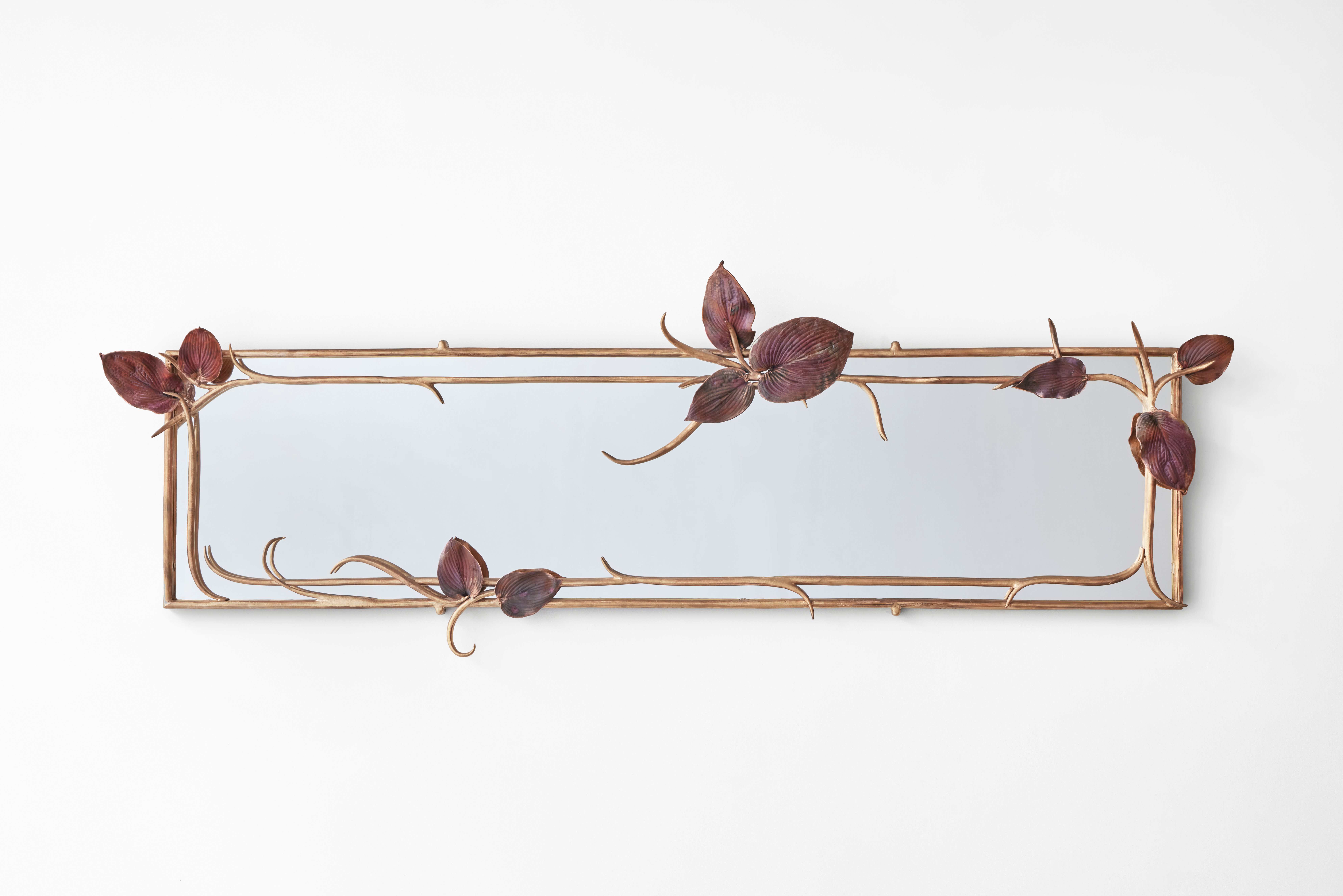
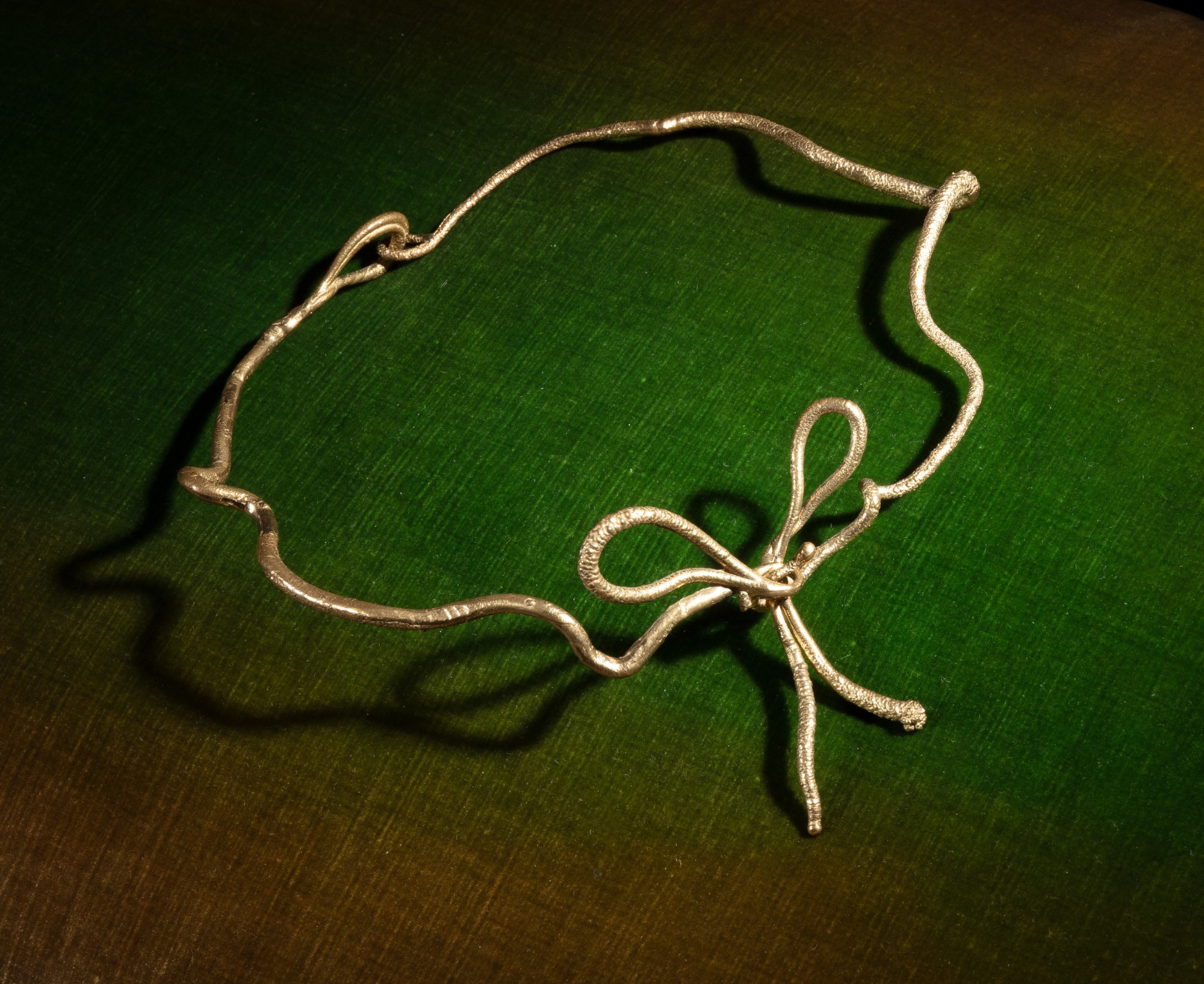
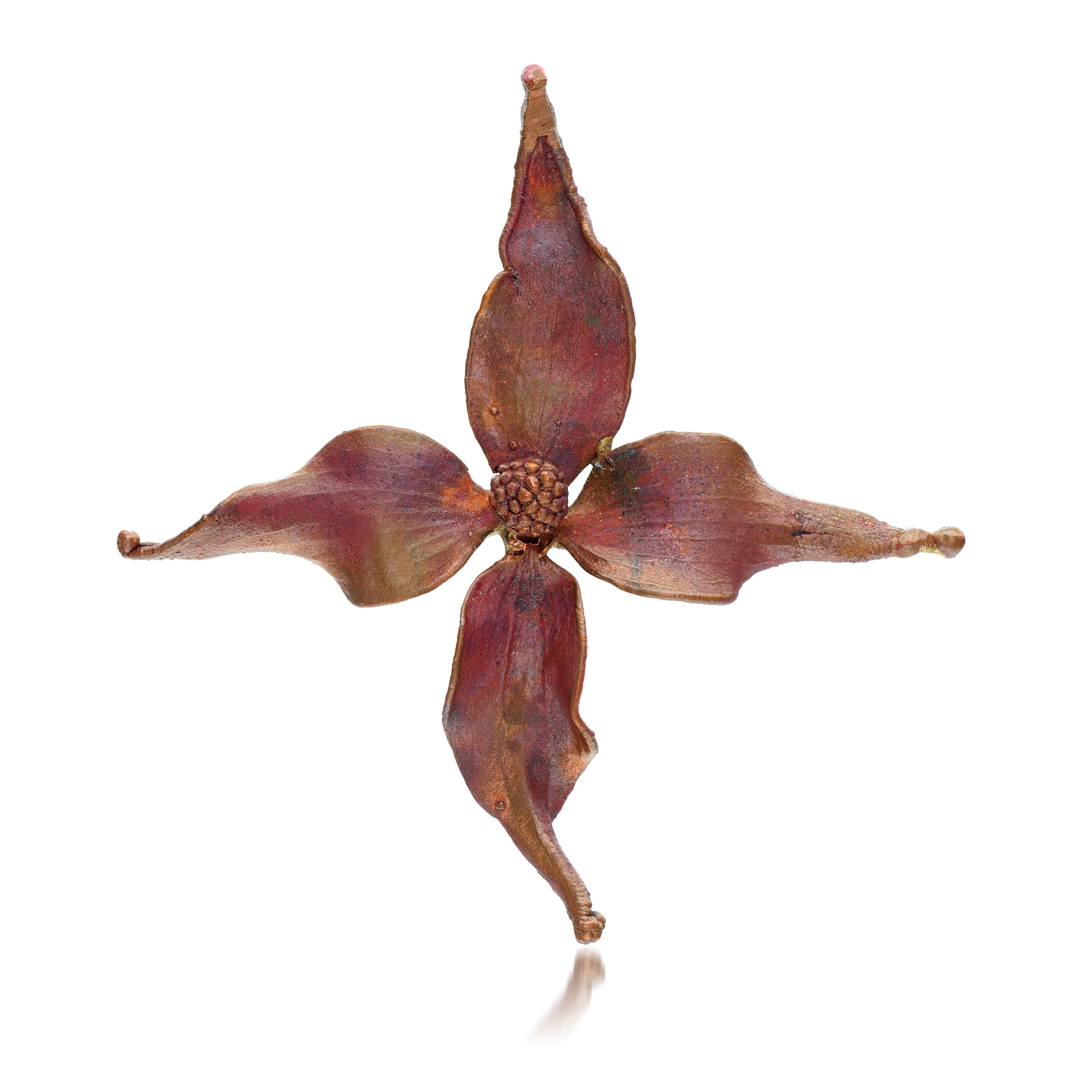
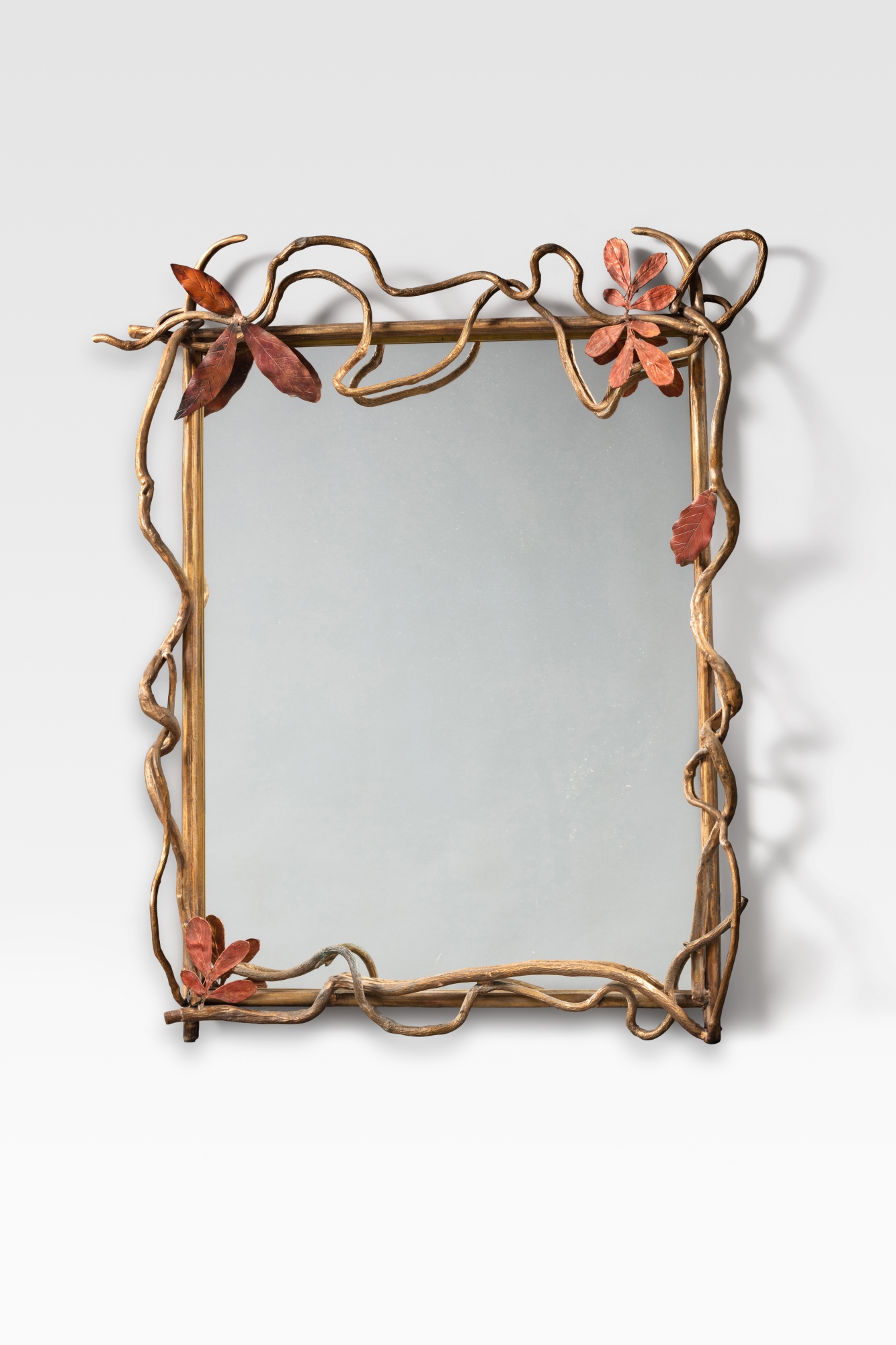
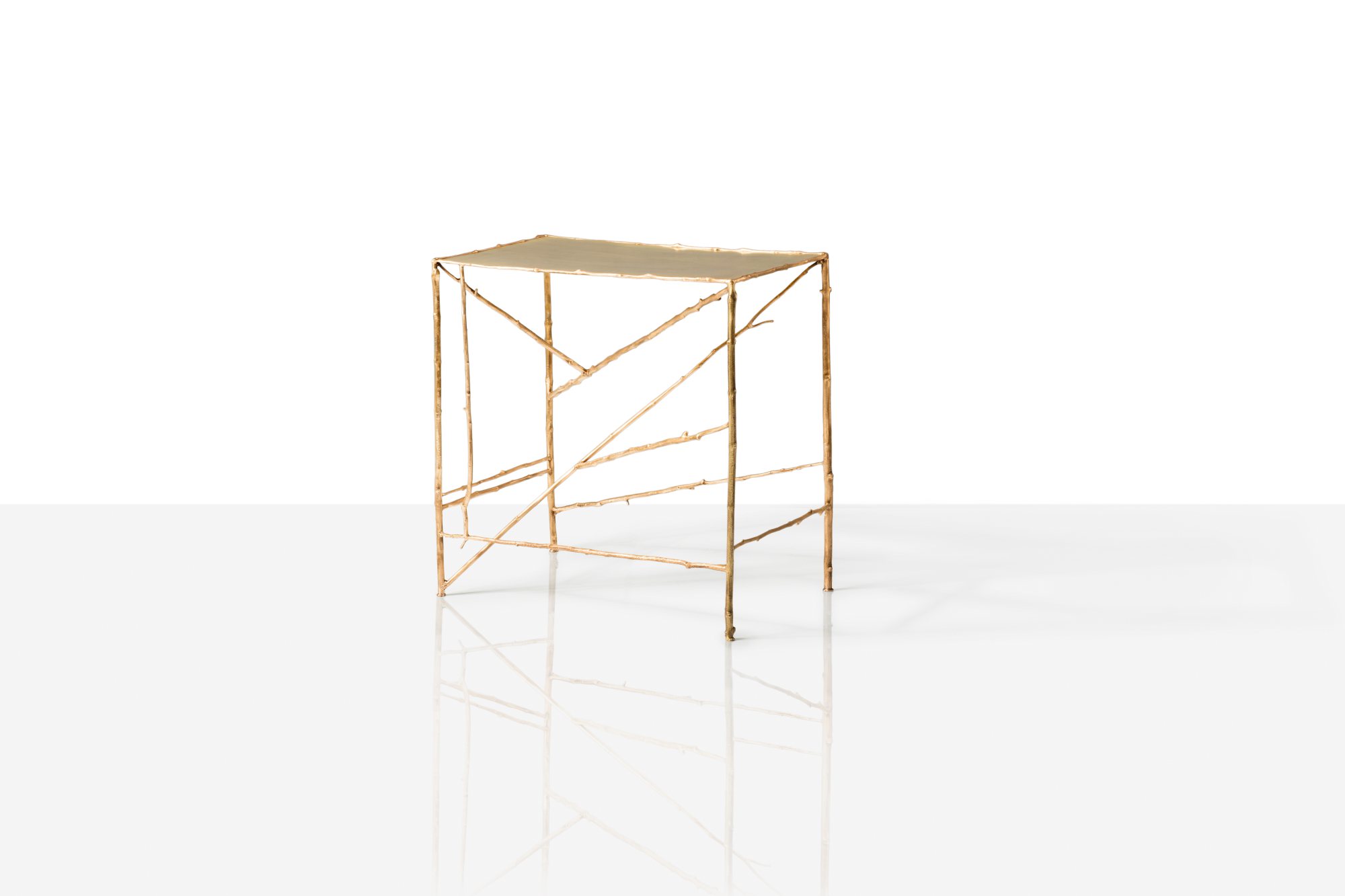
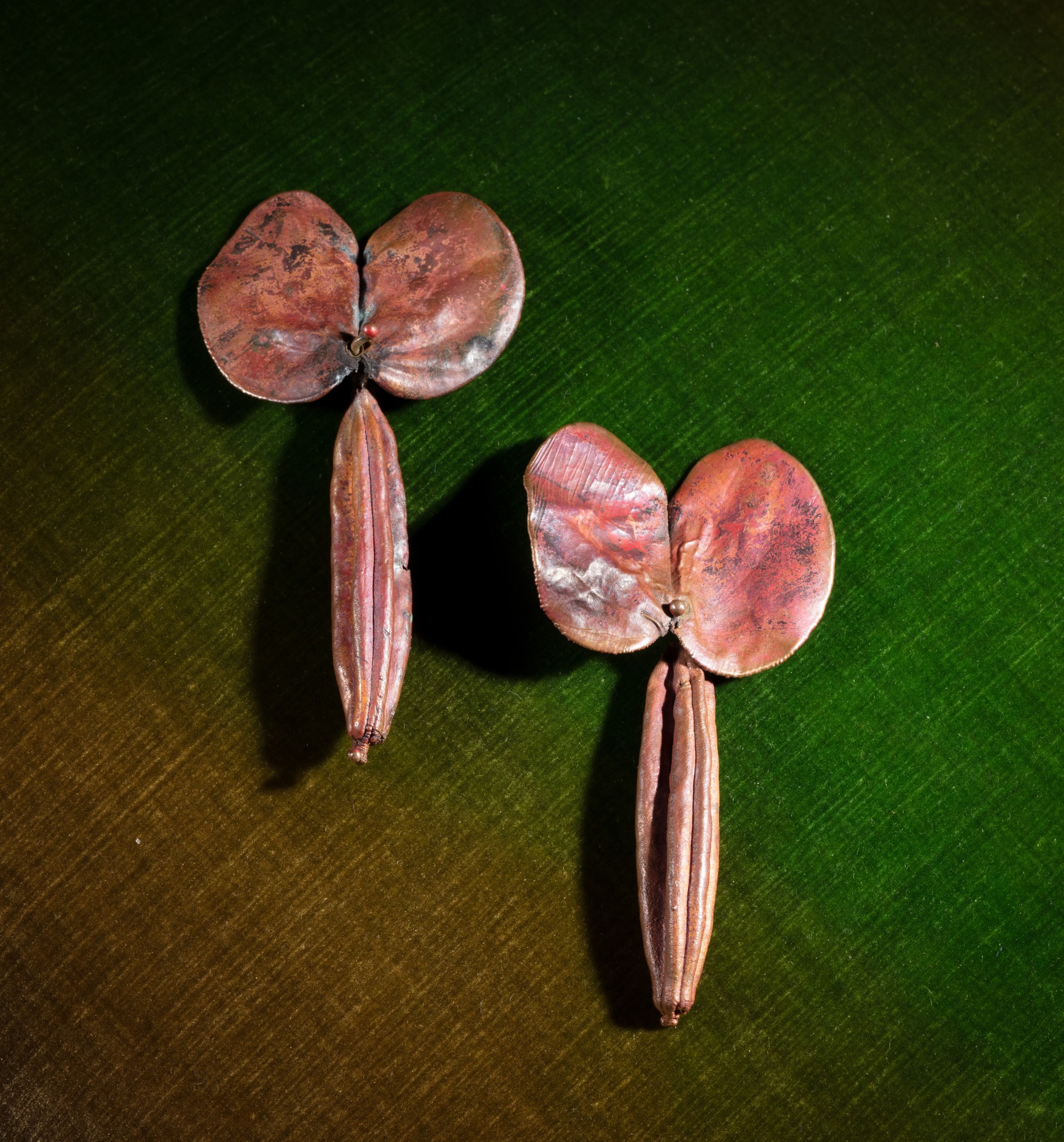
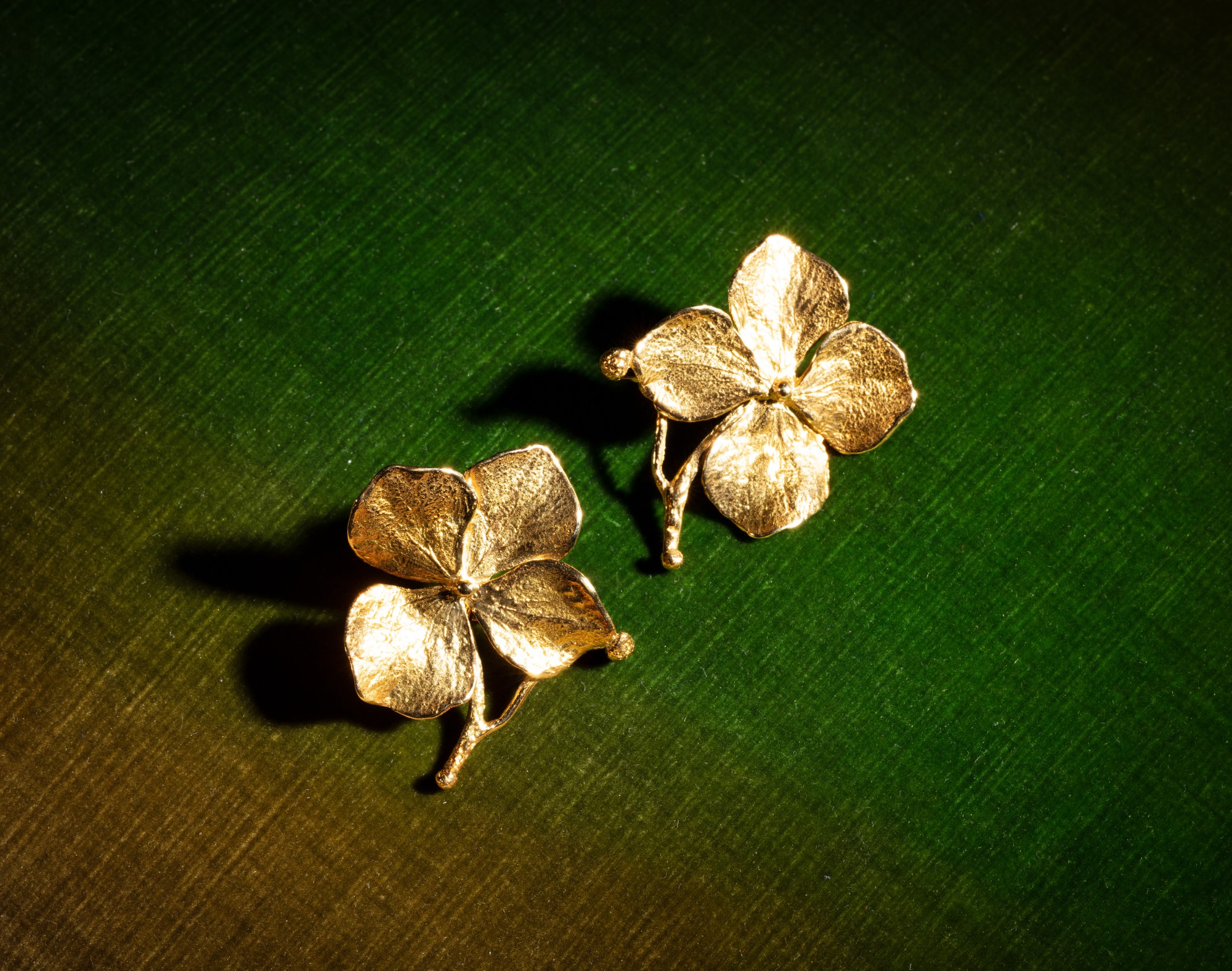
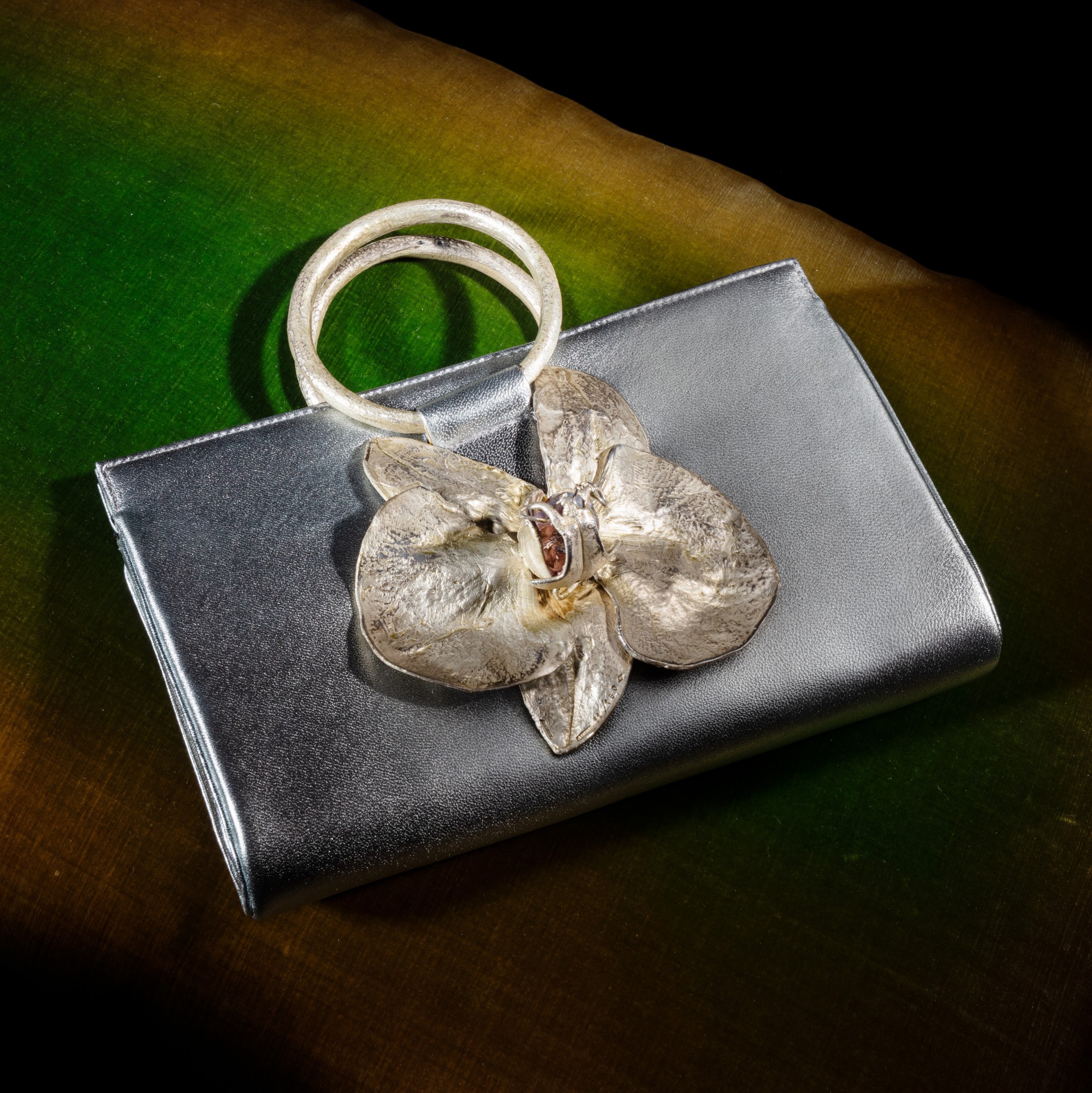
In the spring of 2023, a gilt bronze sculpture by Claude Lalanne sold at Christie's Paris for well above its estimate, a result that surprised no one who had been paying close attention to the market for her work over the preceding decade. Demand for her pieces, whether the intimate scale of a jeweled brooch or the commanding presence of a body cast table, has risen with a consistency that speaks to something deeper than fashion. Collectors who acquire a Lalanne tend not to let go, and when works do appear at auction, the rooms fill with a particular kind of anticipation. It is the anticipation reserved for objects that feel genuinely irreplaceable. Claude Lalanne was born in Paris in 1924 into a world that still believed, at least officially, in the separation of fine art from the decorative. She studied at the École des Beaux Arts and the École Nationale Supérieure des Arts Décoratifs, institutions that gave her technical grounding while also exposing her to the surrealist currents that were reshaping French cultural life in the postwar years. It was during this period that she met François Xavier Lalanne, the sculptor and designer who would become her husband and, eventually, her creative counterpart. The two maintained entirely distinct practices while sharing a deep philosophical sympathy, a rare and generative arrangement that would define both their careers. What shaped Claude most profoundly was not any single teacher or movement but a sustained, almost devotional attention to the natural world. Plants, insects, human skin, the curve of a shoulder or the unfurling of a petal: these were her true subjects. She developed an electroplating technique that allowed her to cast organic forms directly in copper and bronze, preserving the fidelity of living surfaces with uncanny precision. A leaf became a vessel. A torso became a chair. The transformation was always respectful of the original, never mocking it, and the results occupied a category that existing critical language struggled to accommodate. Were they sculpture? Furniture? Jewelry? Claude Lalanne's answer, implicit in every piece she made, was that the question itself was beside the point. The body cast works represent one of the two great pillars of her practice. Pieces such as the Pomme Bouche, created in 1975, fuse the human mouth with a bitten apple in gilt bronze, producing an image that is at once surrealist provocation and object of extraordinary formal beauty. These works carry echoes of Man Ray and Méret Oppenheim, artists who similarly collapsed the boundary between desire and the everyday object, but Claude's sensibility was warmer and more material, less interested in shock than in genuine enchantment. The second pillar is the vegetal work: mirrors framed in intricate gilt and galvanized copper branches, tables alive with cast botanical detail, brooches and necklaces in which silver and bronze become indistinguishable from the orchids and hydrangeas they replicate. Works such as the Miroir Végétal and the Unique Végétale Mirror demonstrate her mastery of surface, light, and botanical exactitude simultaneously. Her jewelry deserves special attention as a category, because it is sometimes where new collectors first encounter her work and discover how fully her vision translates to intimate scale. The Hortensia necklace, the Bracelet Entrelacs, the Paire de boucles d'oreilles Gousse: each of these pieces is a complete world rendered at a scale one can carry on the body. They are not merely decorative accessories but wearable sculptures, and they demonstrate that Claude Lalanne's command of form and material did not diminish with reduction in size. If anything, the jewelry reveals a precision and delicacy that the larger works can sometimes obscure beneath their visual grandeur. The Sac Orchidée, a bag worked in silver and leather, extends this logic into a functional object with the same refusal to treat utility as a limitation. The market for Claude Lalanne's work matured significantly in the 2000s and reached new heights in the years following her death in 2019. Major auction houses including Sotheby's and Christie's have handled significant estates and single owner collections featuring her pieces, and results have consistently demonstrated that collectors prize rarity and condition above all. Unique works and early examples in fine condition command the strongest premiums, while even the edition pieces from her later career attract serious bidding. Collectors drawn to the intersection of fine art and design, a space that has gained enormous institutional credibility since the major retrospectives given to the Lalannes at venues including Kasmin Gallery in New York, find in Claude's work a kind of anchor: an artist whose credentials are unimpeachable and whose objects are genuinely pleasurable to live with. Within art history, Claude Lalanne belongs to a constellation of artists who refused the hierarchy that placed fine art above craft and design. Her closest affinities are with the Surrealists, particularly with figures like Salvador Dalí and Leonora Carrington who understood the domestic object as a site of transformation and latent strangeness. She also resonates with the work of Line Vautrin, the French jeweler and decorator whose bronze and talosel works similarly dissolved the boundary between object and artwork, and with Julio González, whose pioneering use of metal as a sculptural medium opened possibilities that Claude explored with her own distinct sensibility. More broadly, she anticipates the contemporary embrace of artists such as Joana Vasconcelos and Studio Job, both of whom work in the space between sculpture, craft, and theater that Claude helped define. Claude Lalanne died in 2019 at the age of ninety four, having worked with extraordinary productivity until the end of her life. Her legacy is not merely the body of work she left, though that body is vast and various and still capable of surprising even those who think they know it well. Her deeper contribution is the permission she gave to other artists and collectors to take beauty seriously, to believe that a chair or a brooch or a mirror could carry the same weight of feeling and thought as a painting or a monument. In a cultural moment that increasingly values the experiential and the multisensory, her work feels not like a relic of the twentieth century but like a living proposition about what art can be and where it can live.