Art Deco
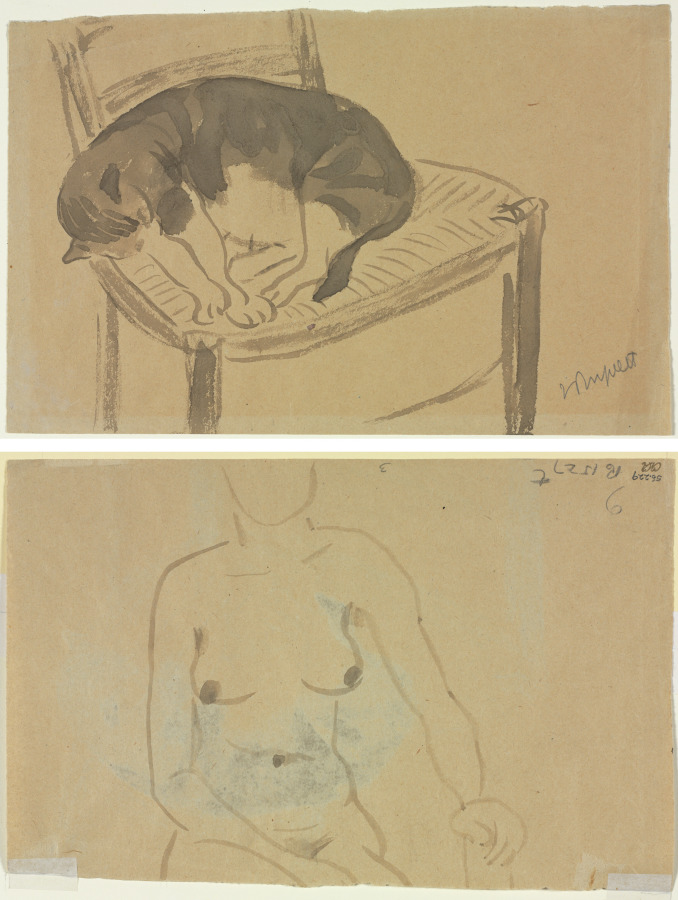
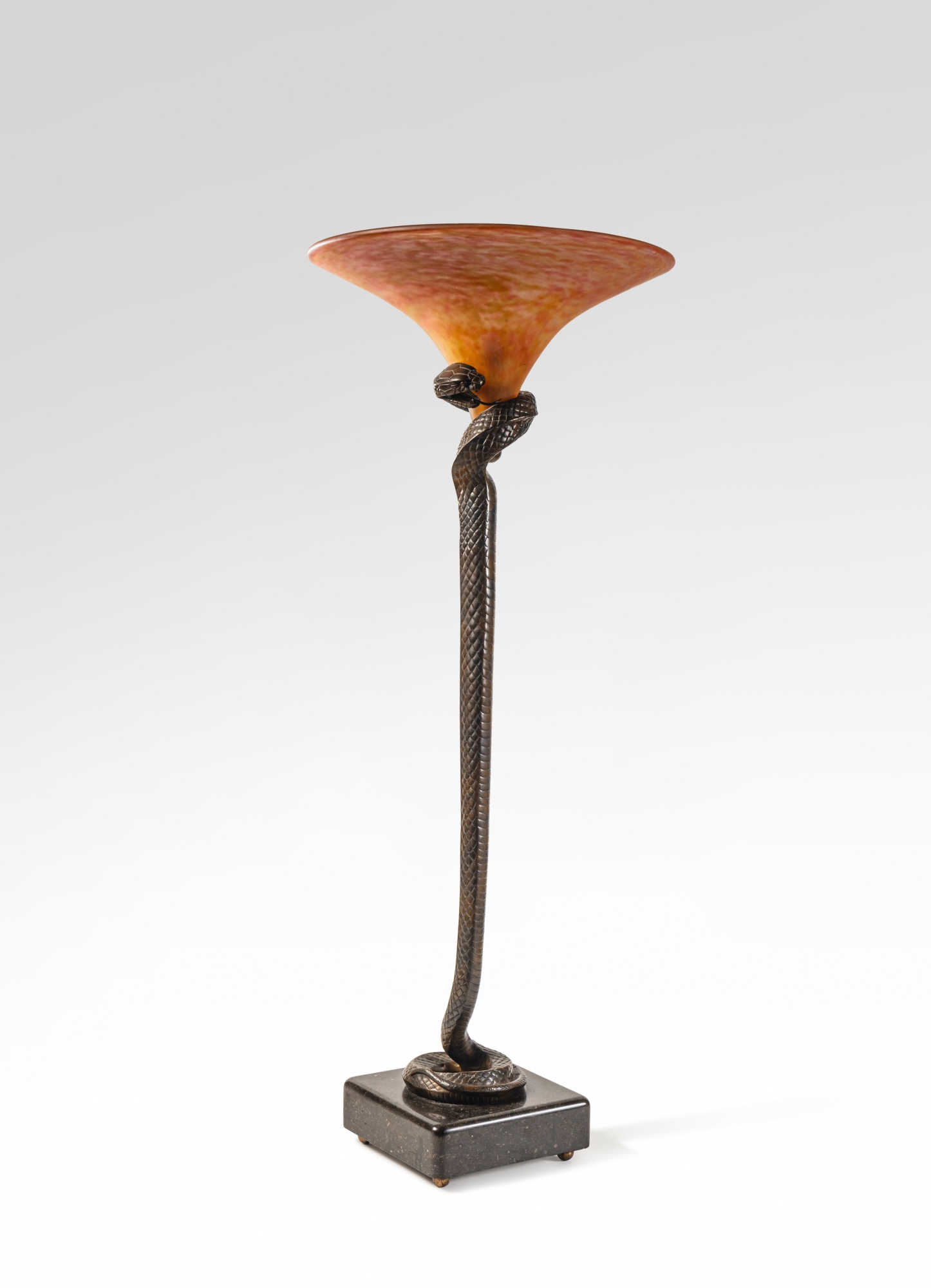
Jane Poupelet
Sleeping Cat (recto) Torso of a Nude Woman (verso) , 1900

The Glamour That Never Stops Working
There is something unusually direct about the appeal of Art Deco to collectors. Other movements reward patience, ask you to do interpretive work, meet the artist halfway. Deco walks toward you. It announces itself with confidence, fills a room without apology, and has this remarkable quality of looking completely at home in contemporary interiors even now, a century after its defining moment at the 1925 Exposition Internationale des Arts Décoratifs et Industriels Modernes in Paris.
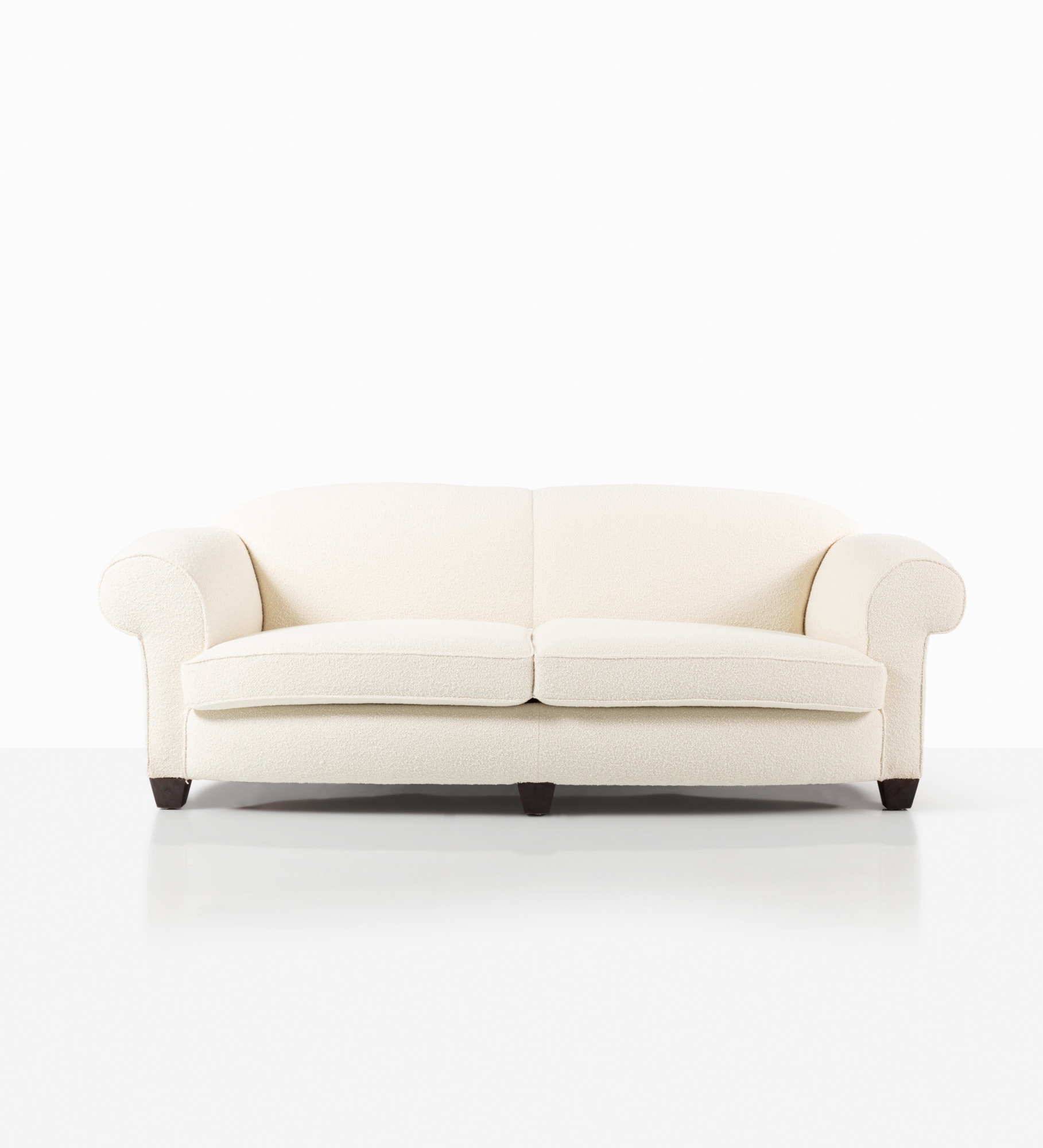
Collectors who live with Deco works often describe the same experience: the objects earn their keep daily. They are not relics that demand reverence from a distance. They are things you actually want to touch, sit in, light a room with, wake up next to. That fusion of beauty and utility, of luxury and purpose, is what keeps drawing serious collectors back.
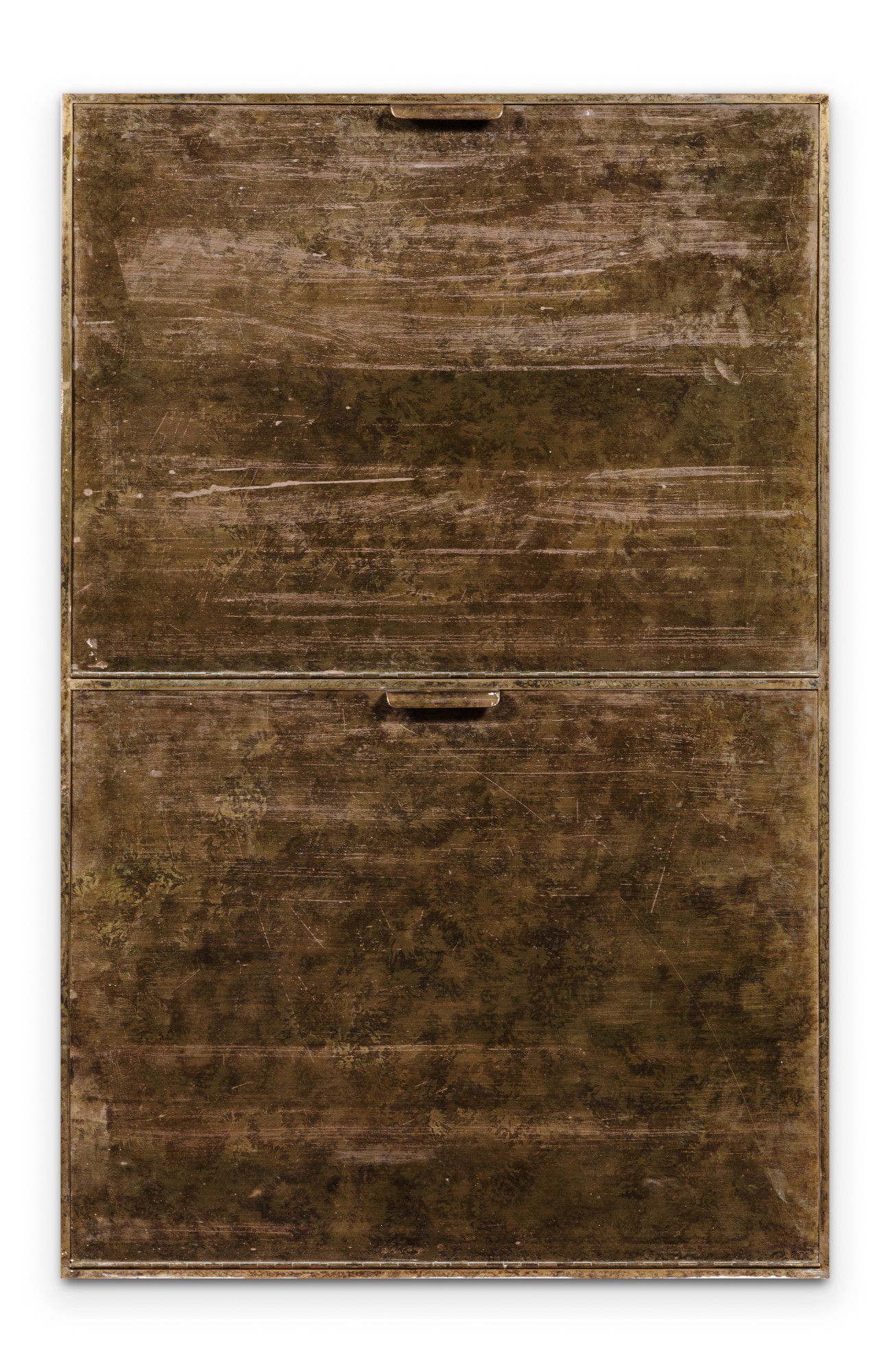
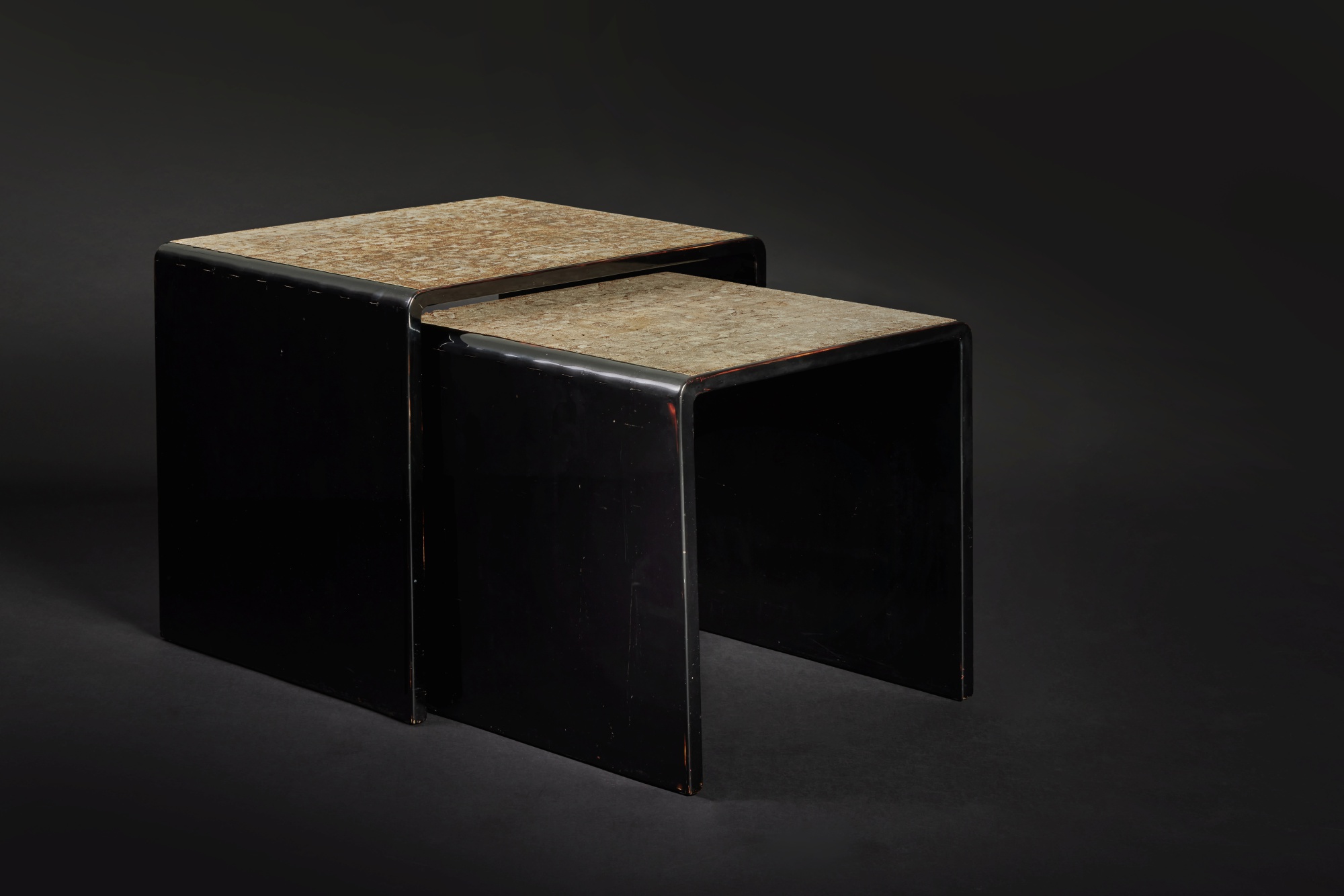
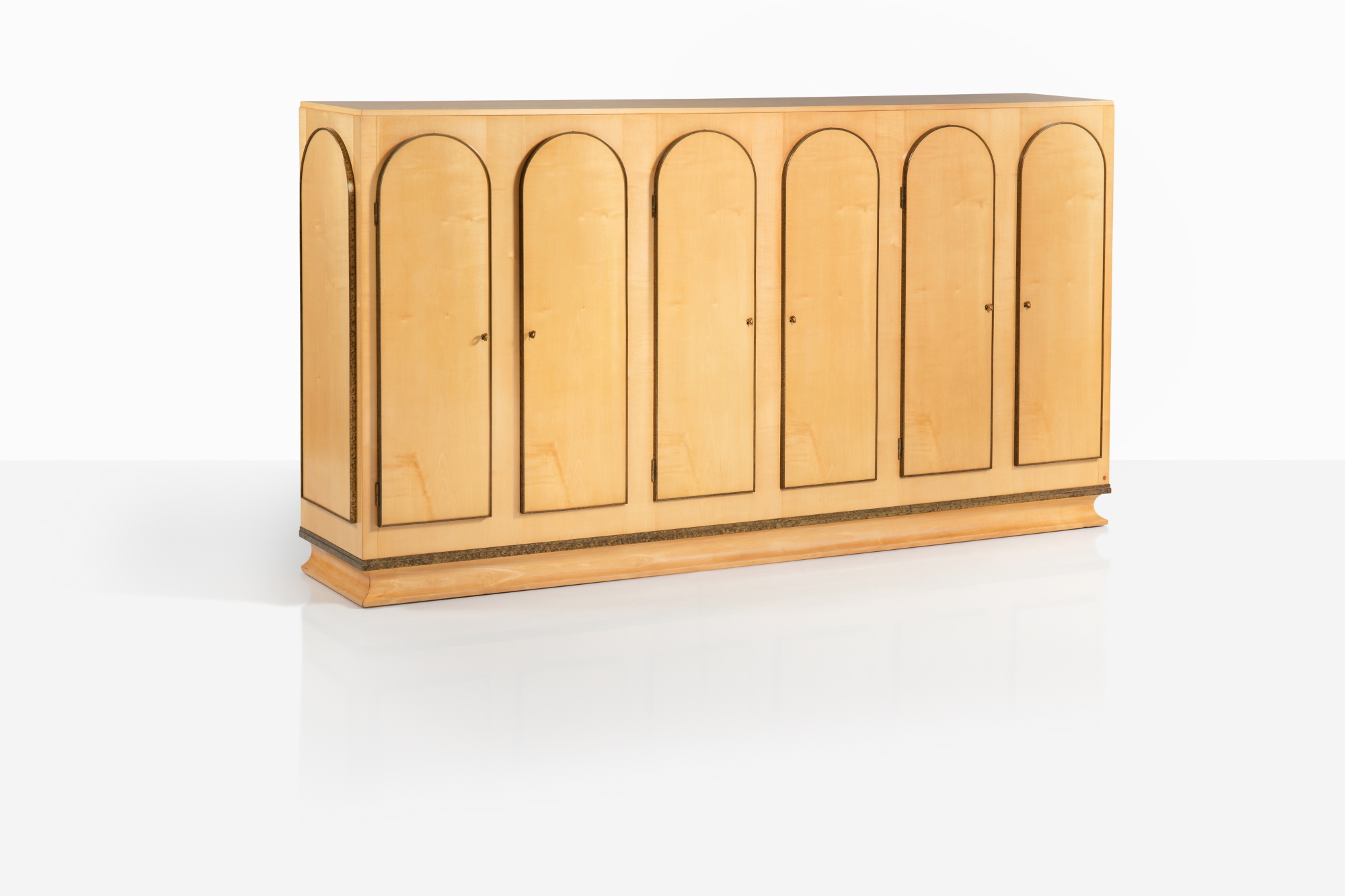
Eugène Printz
Two double doors, circa 1930
Understanding what separates a merely good Deco work from a genuinely great one is the essential skill for anyone building a collection in this space. The movement produced an enormous volume of work, and the disparity in quality is wide. At the top end, you are looking at pieces where every decision, material, proportion, and ornament serves a coherent vision. Great Deco is never busy.
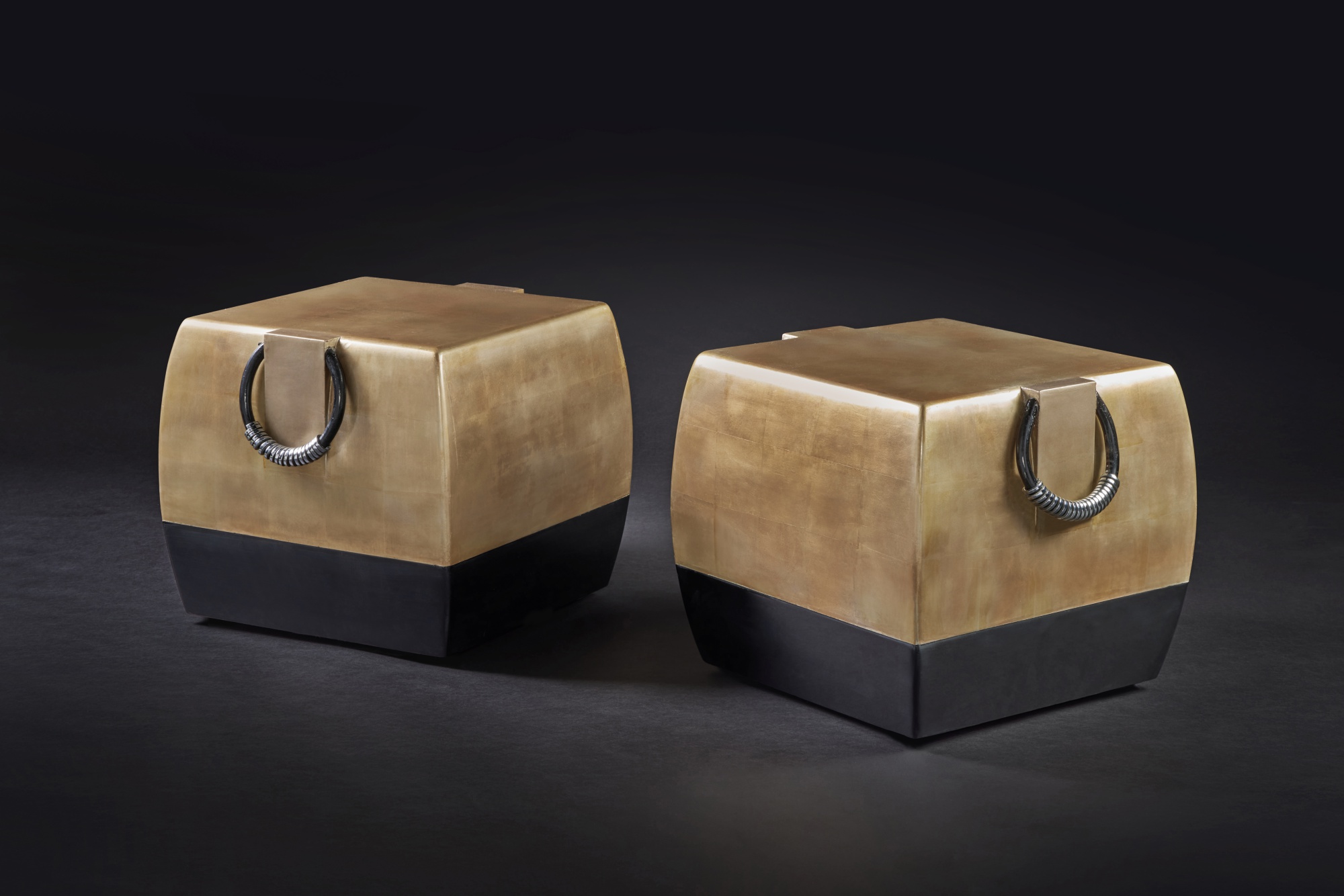
It has discipline underneath the decoration. A lacquered cabinet by Jean Dunand rewards close looking because the surface complexity resolves into calm, not chaos. An ironwork screen by Edgar Brandt has rhythmic logic even in its most exuberant moments. When ornament starts to feel gratuitous, when the gilding is there to impress rather than to complete a form, that is usually a sign you are looking at a secondary work rather than a primary one.
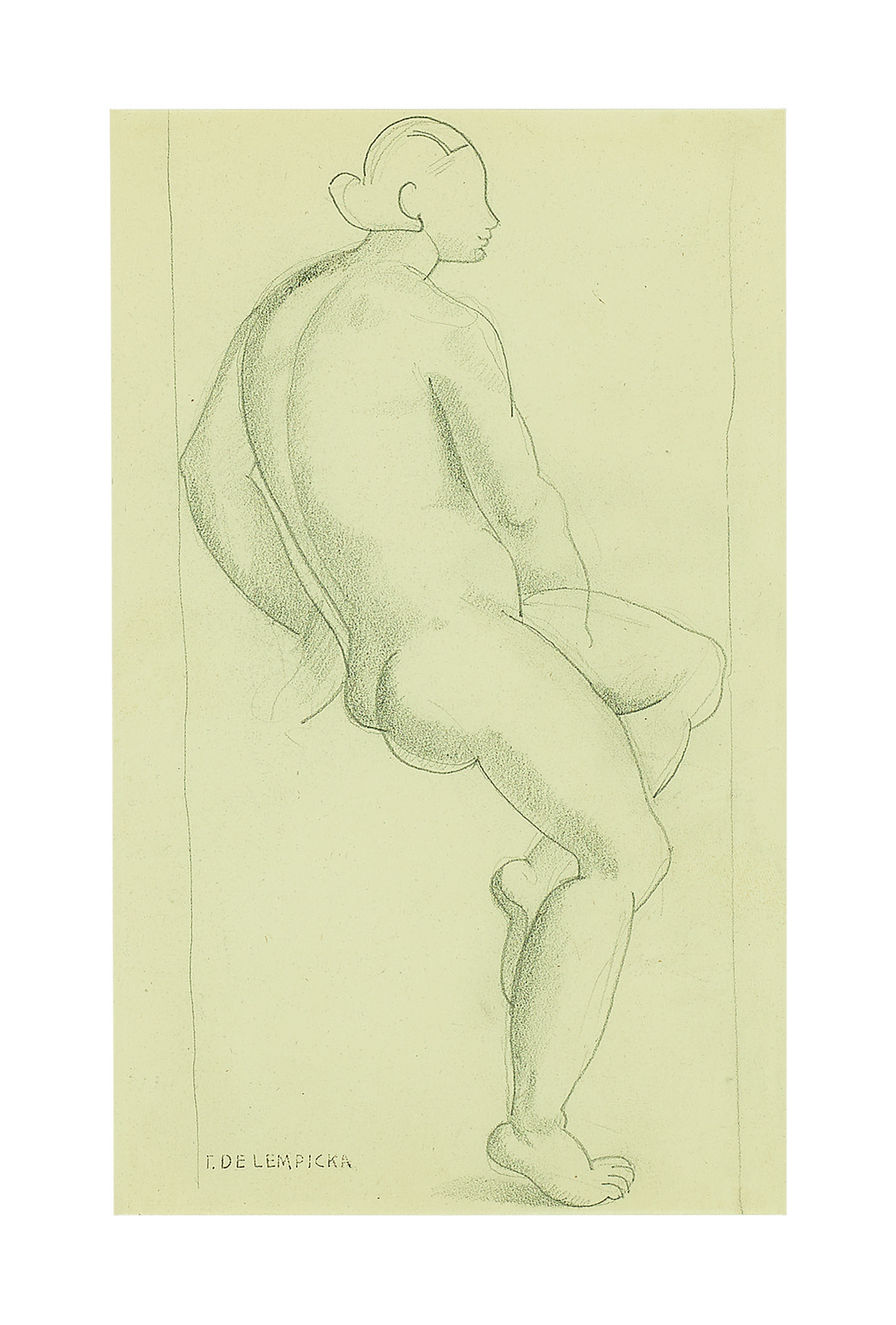
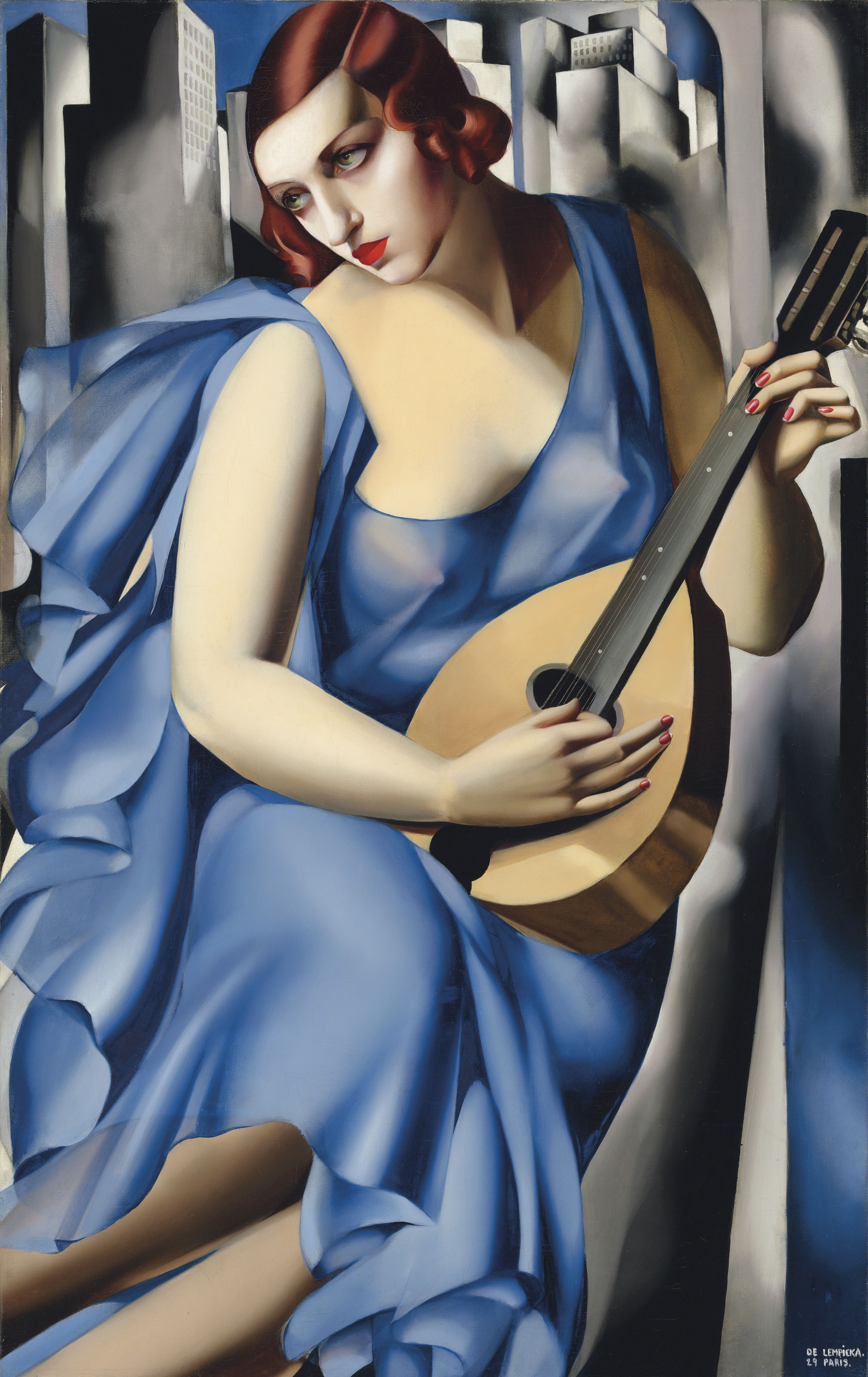
Tamara de Lempicka
Nu Assis, 1924
Provenance matters here too, particularly for furniture and decorative objects where direct links to the great ateliers add both historical integrity and market value. For collectors thinking about where to focus their attention, the artists well represented on The Collection offer a useful map of the movement at its strongest. Tamara de Lempicka remains the artist most immediately associated with Deco painting in the popular imagination, and for good reason. Her portraits have a psychological intensity that elevates them well beyond period illustration.
She was a genuinely ambitious painter working in a tradition that stretched from Ingres through the Italian Mannerists, and her best canvases hold their own in any serious painting collection. Émile Jacques Ruhlmann, whose furniture commands the very top of the Deco market, represents something different: an absolute commitment to material quality and formal refinement that makes his pieces effectively timeless. Collectors who acquire Ruhlmann are acquiring a benchmark. The same seriousness of purpose runs through Jean Dunand's lacquerwork and Armand Albert Rateau's bronze furniture, both of which represent areas where scarcity is real and genuine examples are increasingly difficult to find.

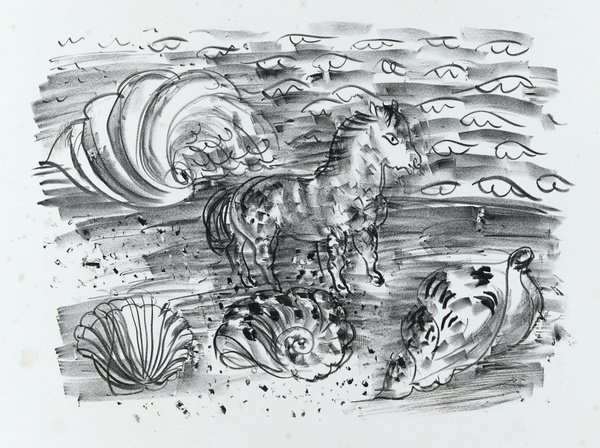
Raoul Dufy
La Fée Electricité, 1937
Beyond those central figures, there are compelling reasons to look more closely at artists who remain undervalued relative to their actual quality. František Drtikol, the Czech photographer working in the late 1920s and 1930s, made images of such formal sophistication that they feel prescient rather than period. His nudes, with their geometric shadows and theatrical staging, are collected by photography specialists and Deco specialists alike, and prices have not yet caught up with the work's quality. Georges Barbier's graphic work occupies a similar position.
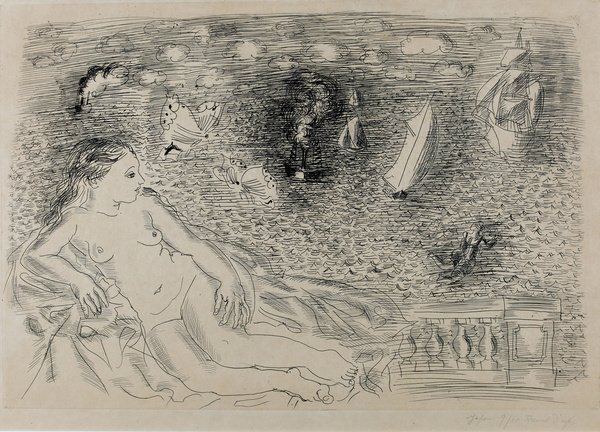
He was one of the great illustrators of the Belle Époque and early Deco period, with a line quality and sense of color that is entirely his own. Works on paper of this kind offer an accessible entry point into Deco collecting without sacrificing seriousness. Zinaida Serebriakova, whose work bridges Russian and French traditions, is another figure whose relative obscurity in the Western market seems increasingly anomalous given the strength and consistency of her output. At auction, blue chip Deco furniture and decorative objects have shown remarkable resilience over the past two decades.

Mike Kelley
Lenticular 1
Ruhlmann pieces regularly achieve significant multiples over estimate when strong provenance is attached, and Dunand lacquerware has appreciated steadily. The Paris market, particularly through the major sales at Sotheby's and Christie's that accompany the Biennale des Antiquaires, has been the traditional center of gravity for high end Deco furniture. The paintings market is somewhat more volatile. De Lempicka works have seen dramatic auction highs alongside occasional softness, partly because the market has to absorb a relatively small number of truly first rate canvases alongside a larger body of work that varies in ambition.
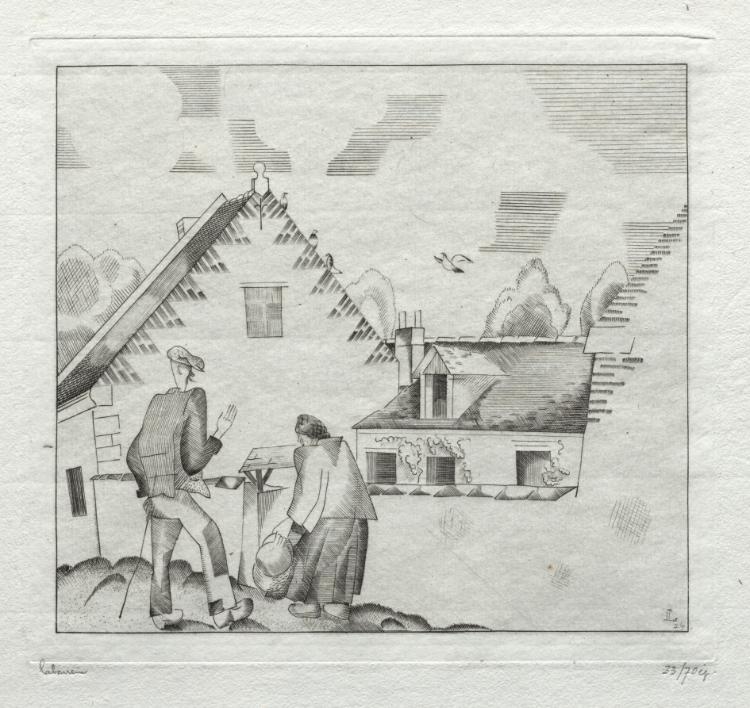
For collectors entering this space, it is worth distinguishing carefully between works from her peak period in the late 1920s and those produced later in her career. The secondary market for prints and works on paper by figures like Jean Émile Laboureur and Stephen Gooden is more stable and more forgiving for collectors building incrementally. Practically speaking, condition is everything in Deco decorative objects. Lacquerwork is especially susceptible to environmental fluctuation, and even minor repairs can significantly affect value.
Always ask for a full condition report and, for significant acquisitions, an independent conservation assessment before committing. For furniture, look carefully at original hardware and surface finishes. Replacement veneer or later alterations, even sympathetically done, represent a meaningful discount from unrestored examples. When acquiring paintings, ask about exhibition history and any relevant literature citations.
De Lempicka in particular has been the subject of authentication scrutiny, and documented provenance connecting a work to her studio or to significant early exhibitions is not a luxury, it is essential. For works on paper, framing and light exposure history matter more than collectors sometimes appreciate. The good news is that Deco in all its forms rewards the collector who pays attention. This is a movement where doing the work, asking the right questions, and taking genuine pleasure in the objects themselves all point in exactly the same direction.