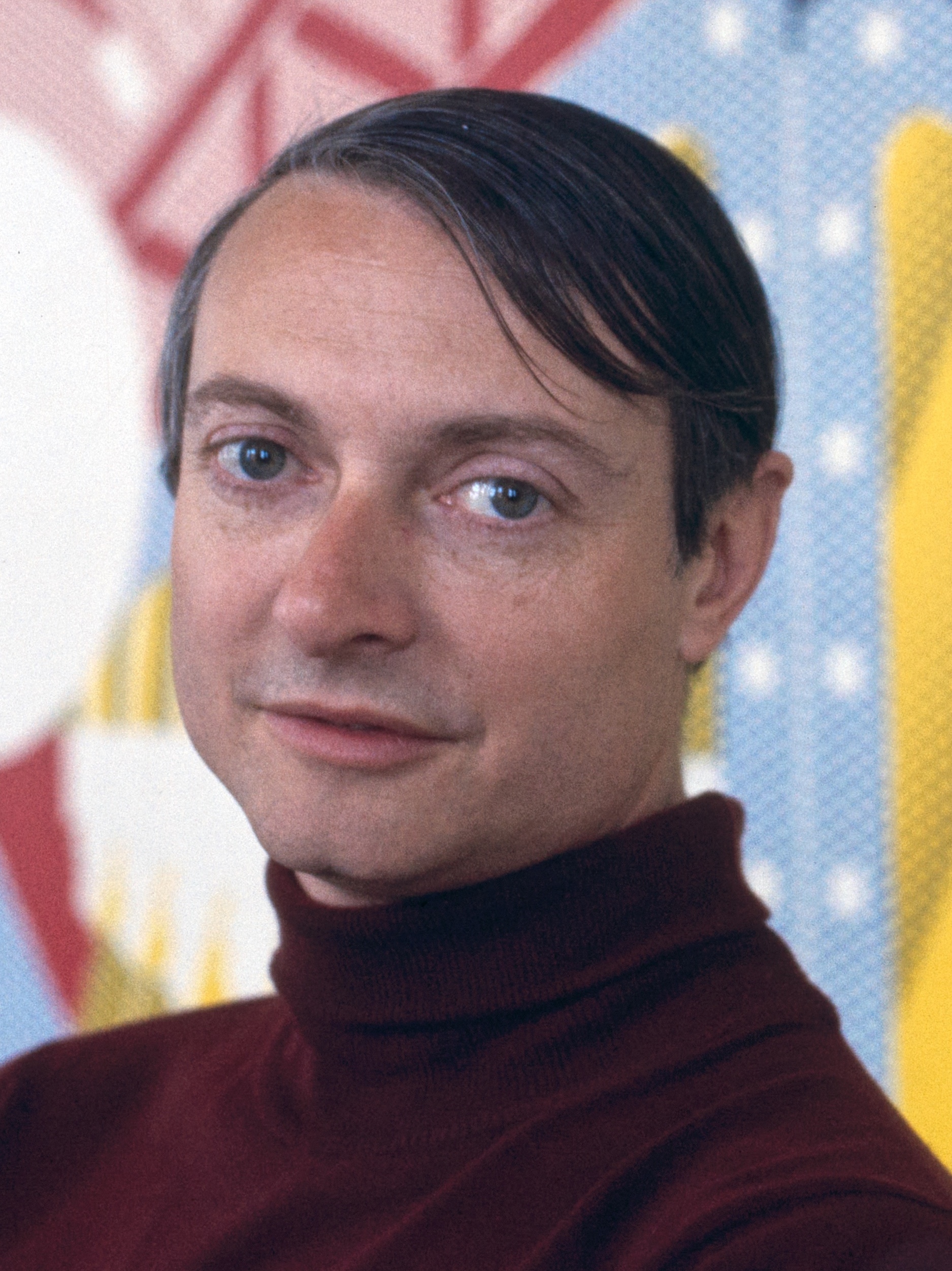
Roy Lichtenstein
25
Followers
Artist Spotlight
Roy Lichtenstein, The Dot That Conquered Art
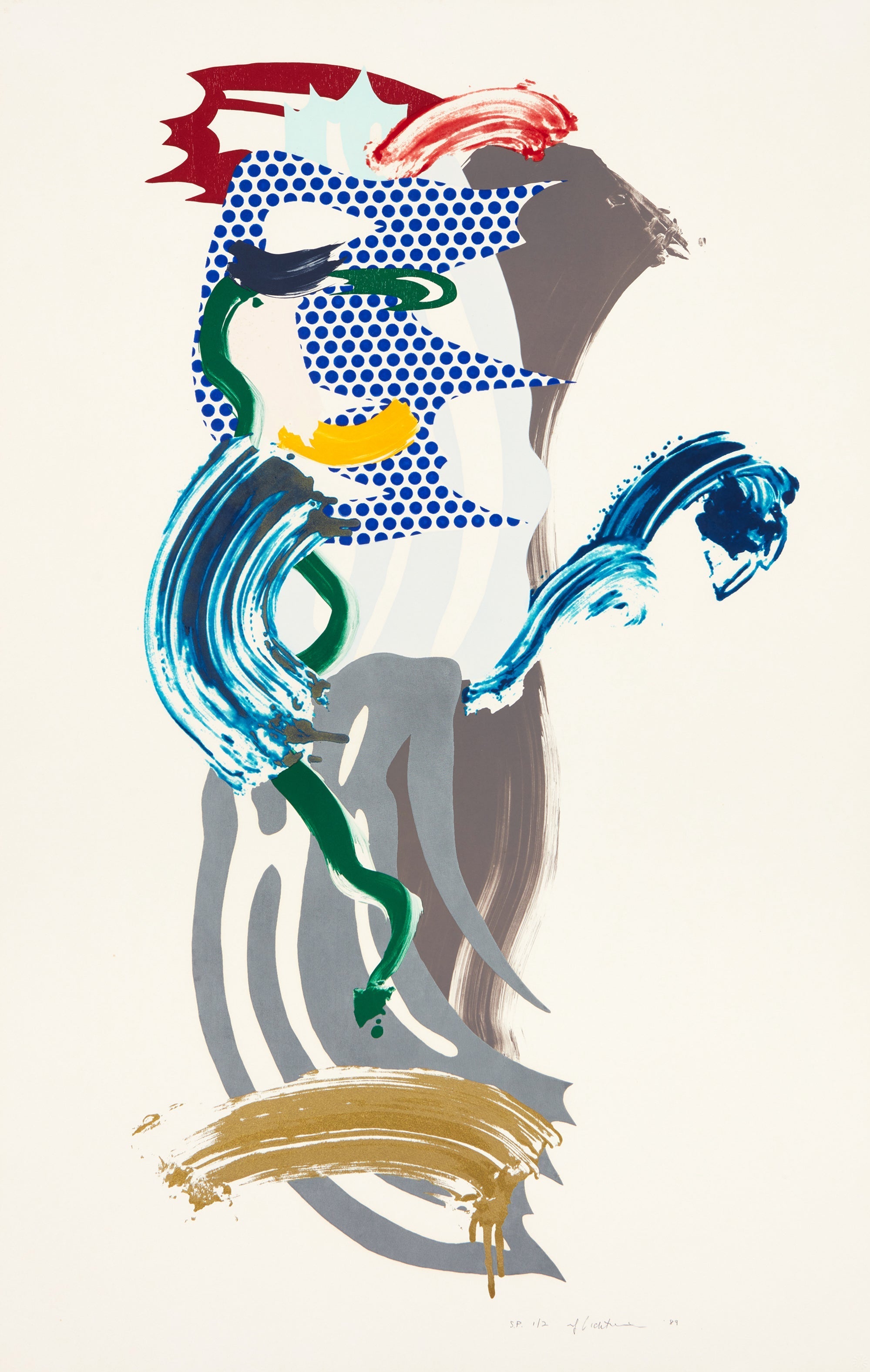
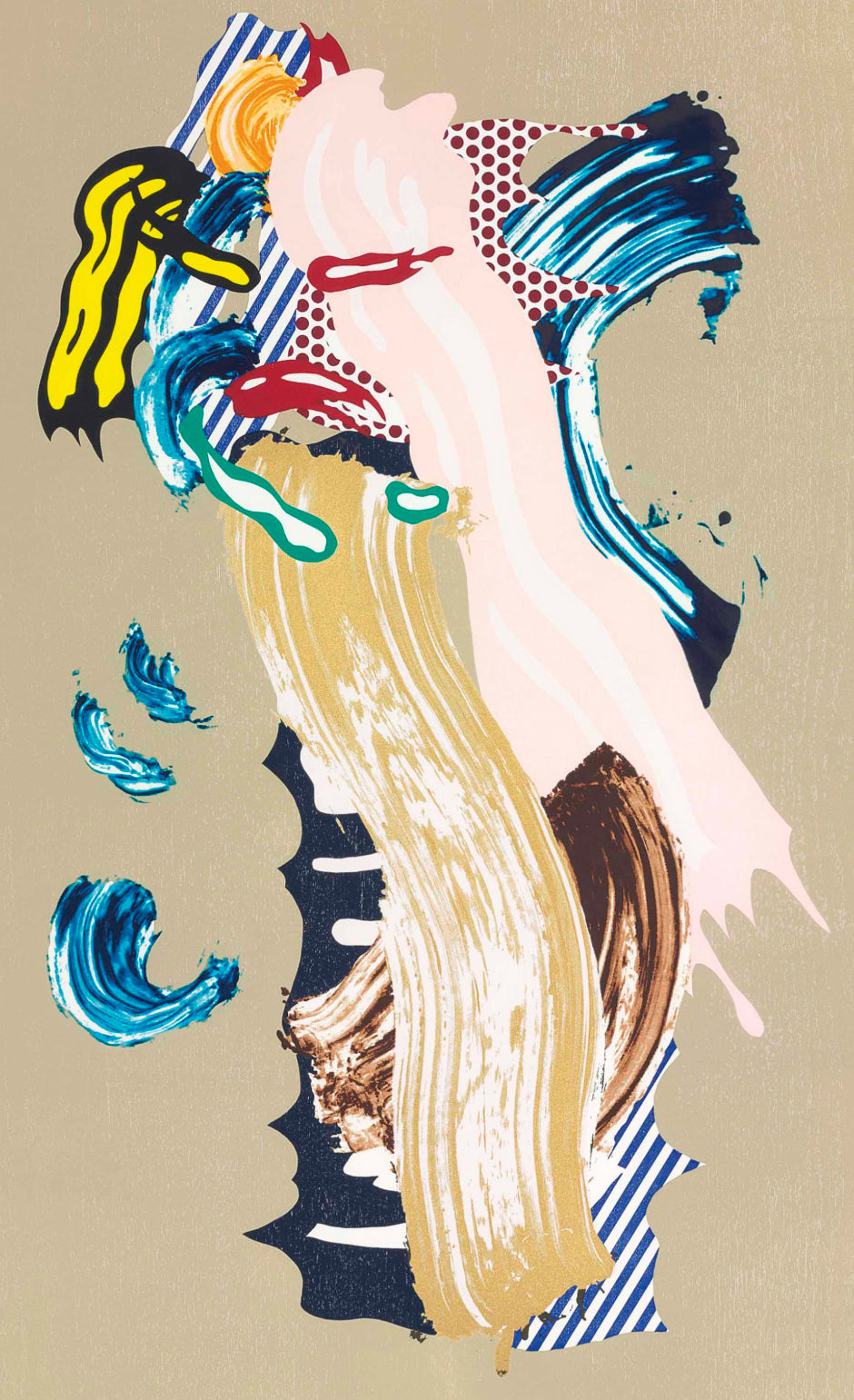
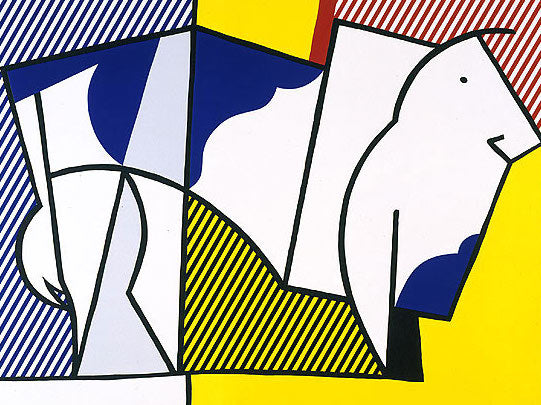
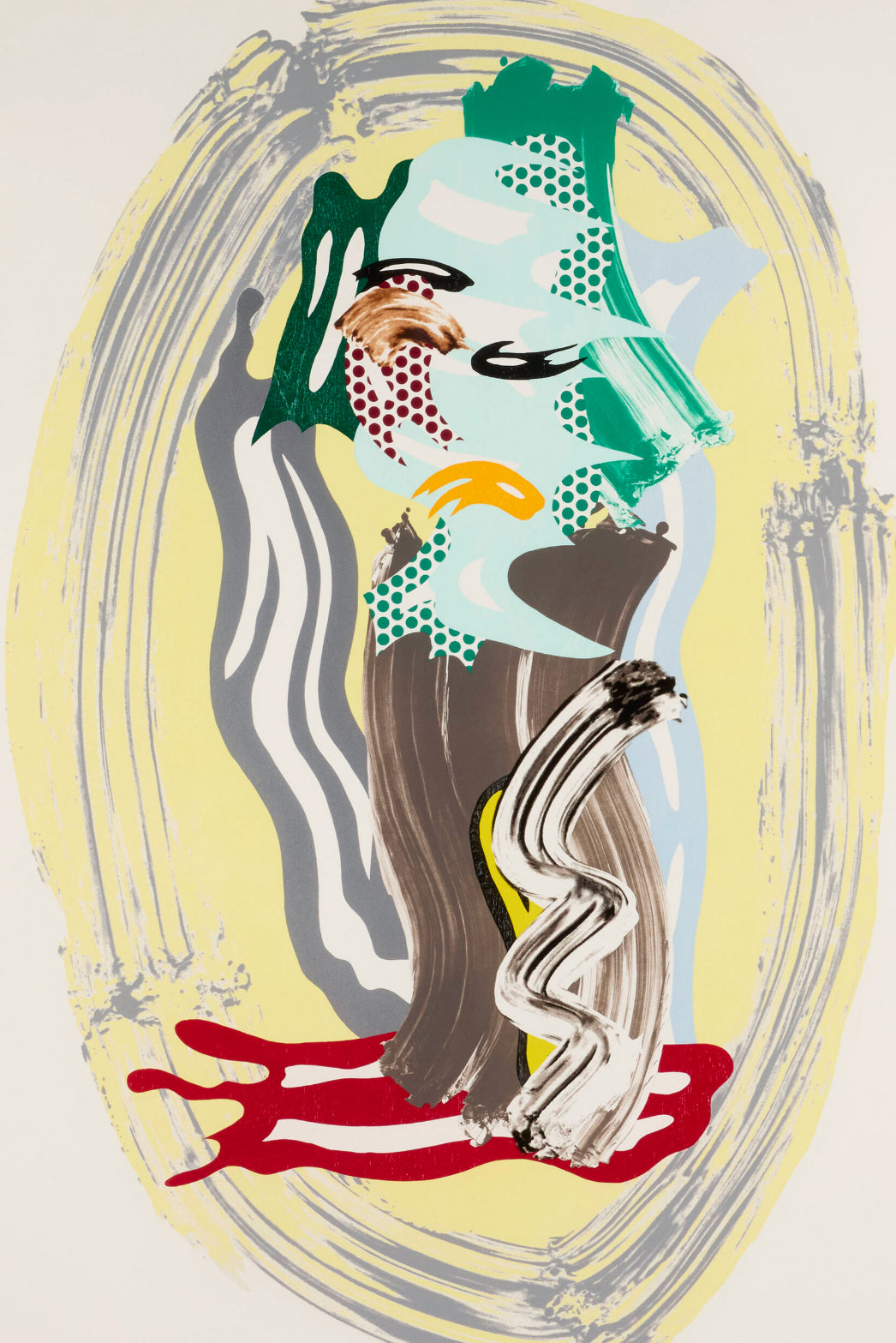
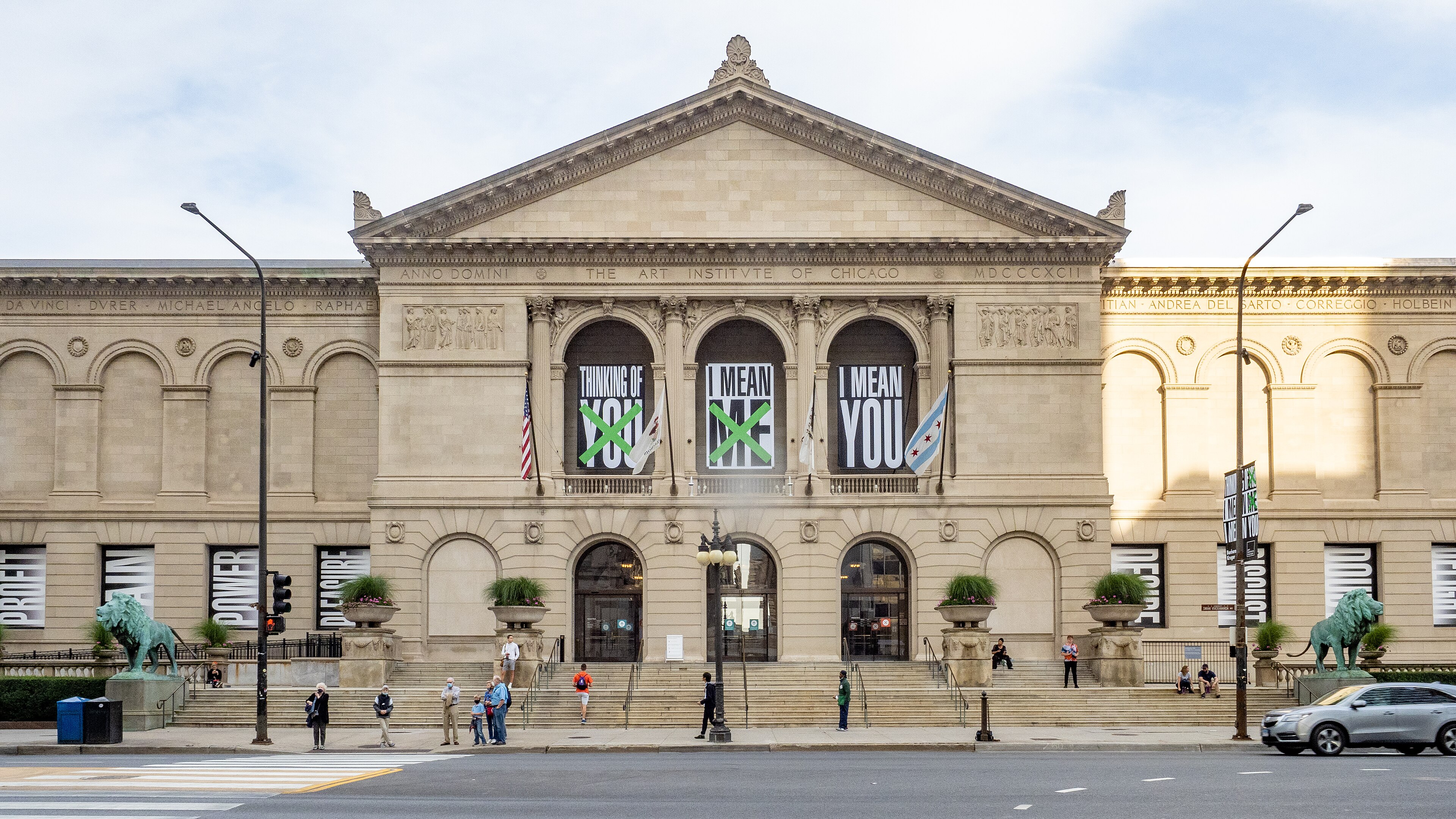
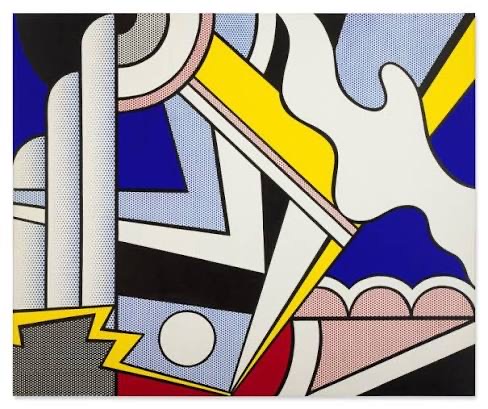
When the Whitney Museum of American Art mounted its landmark Lichtenstein retrospective in 2012, the queues stretched around the block and critics reached for their most extravagant superlatives. The show, which traveled to the Art Institute of Chicago and the National Gallery of Art in Washington, reminded a new generation what collectors and curators had known for decades: that Roy Lichtenstein had accomplished something genuinely rare. He had taken the visual language of the everyday, the throwaway, the disposable, and elevated it into some of the most formally rigorous and emotionally… Continue reading
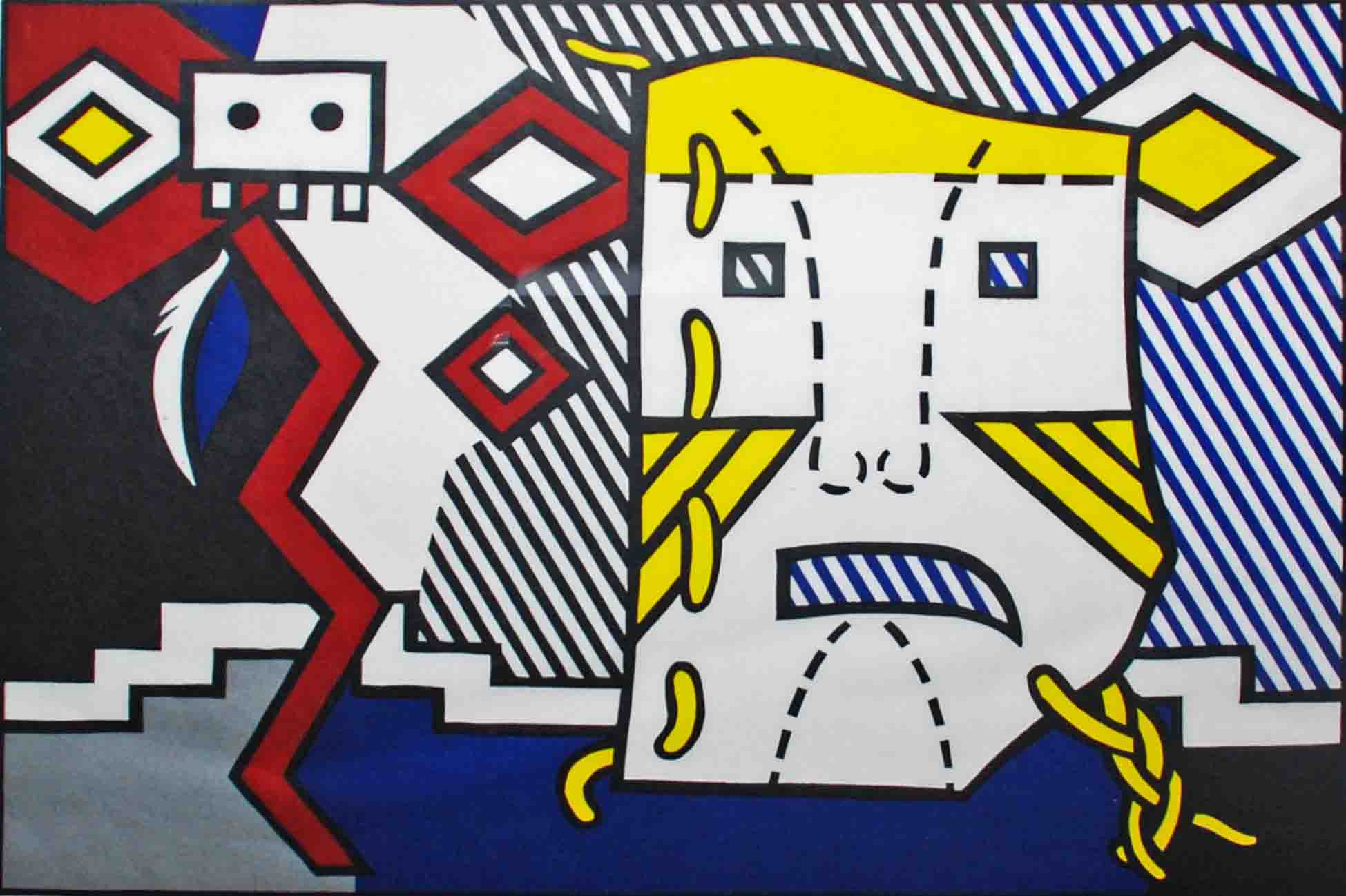
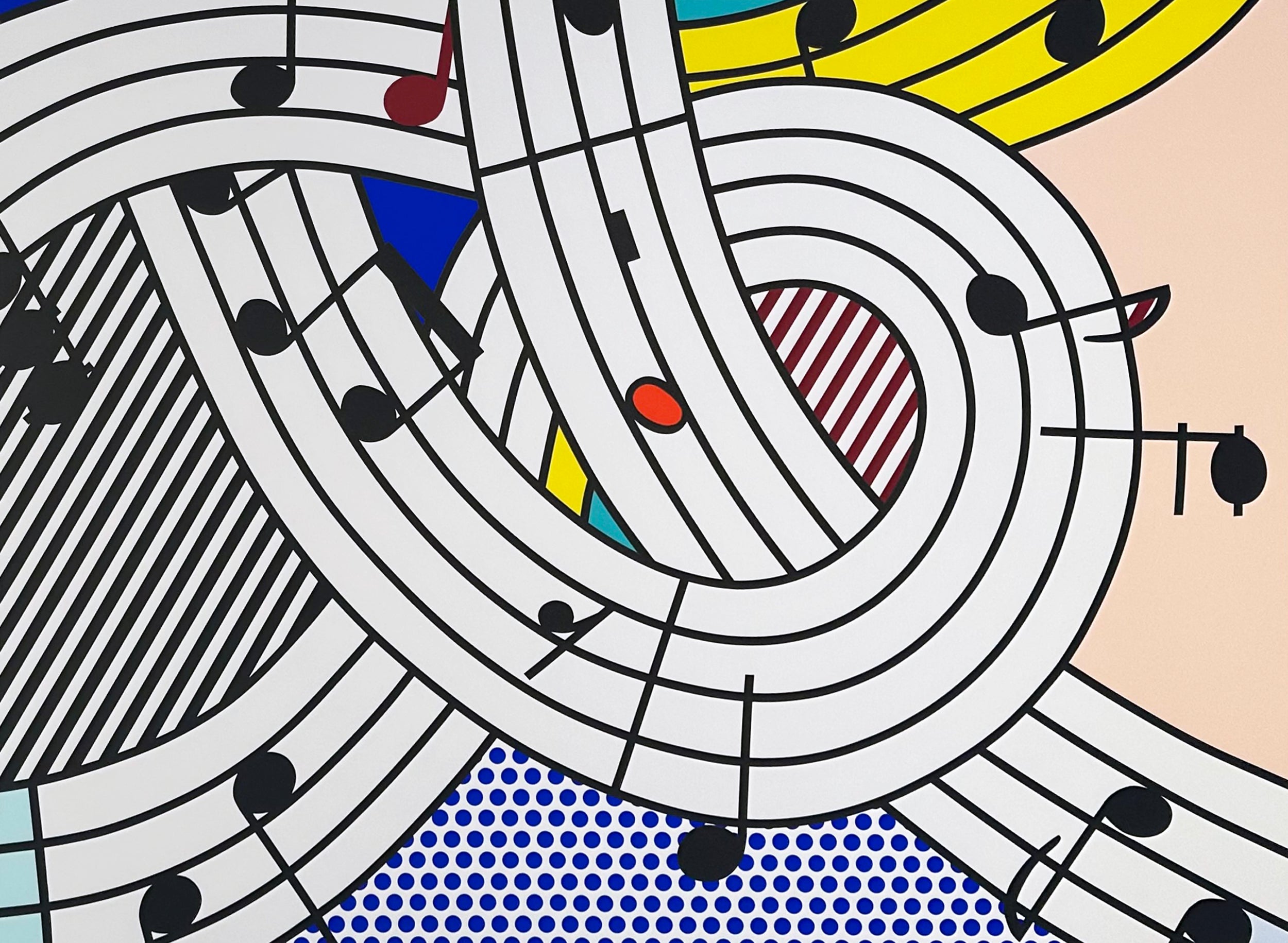

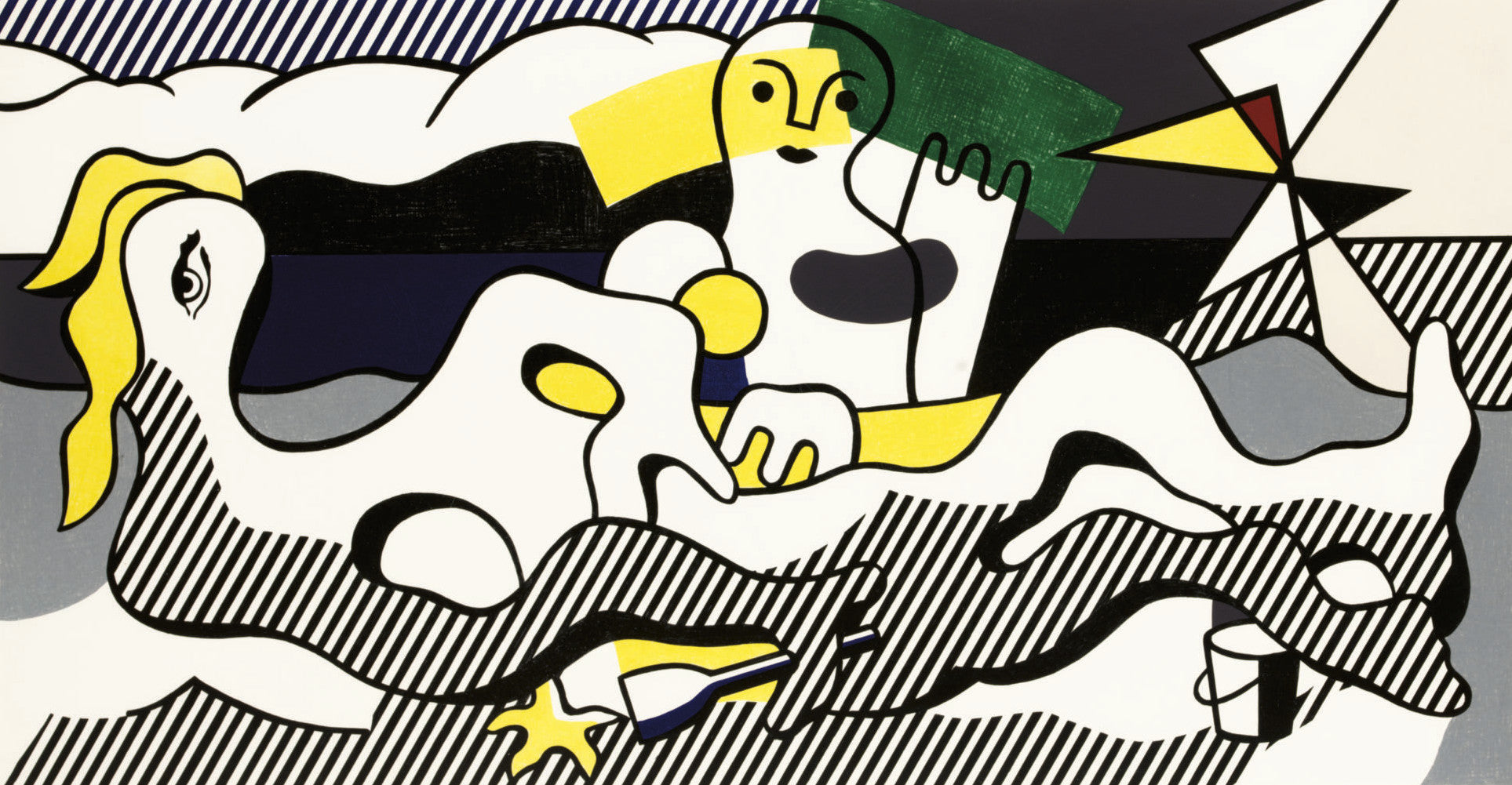





Artists in conversation
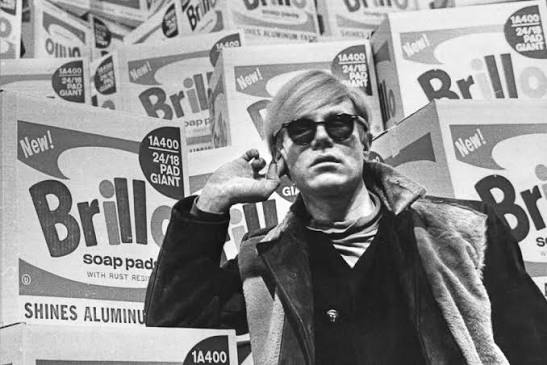
Andy Warhol
Warhol shared Lichtenstein's fascination with commercial imagery, mass reproduction aesthetics, and the elevation of consumer culture into fine art. Both artists were central to American Pop Art and used bold graphic techniques to blur the line between advertising and high art.
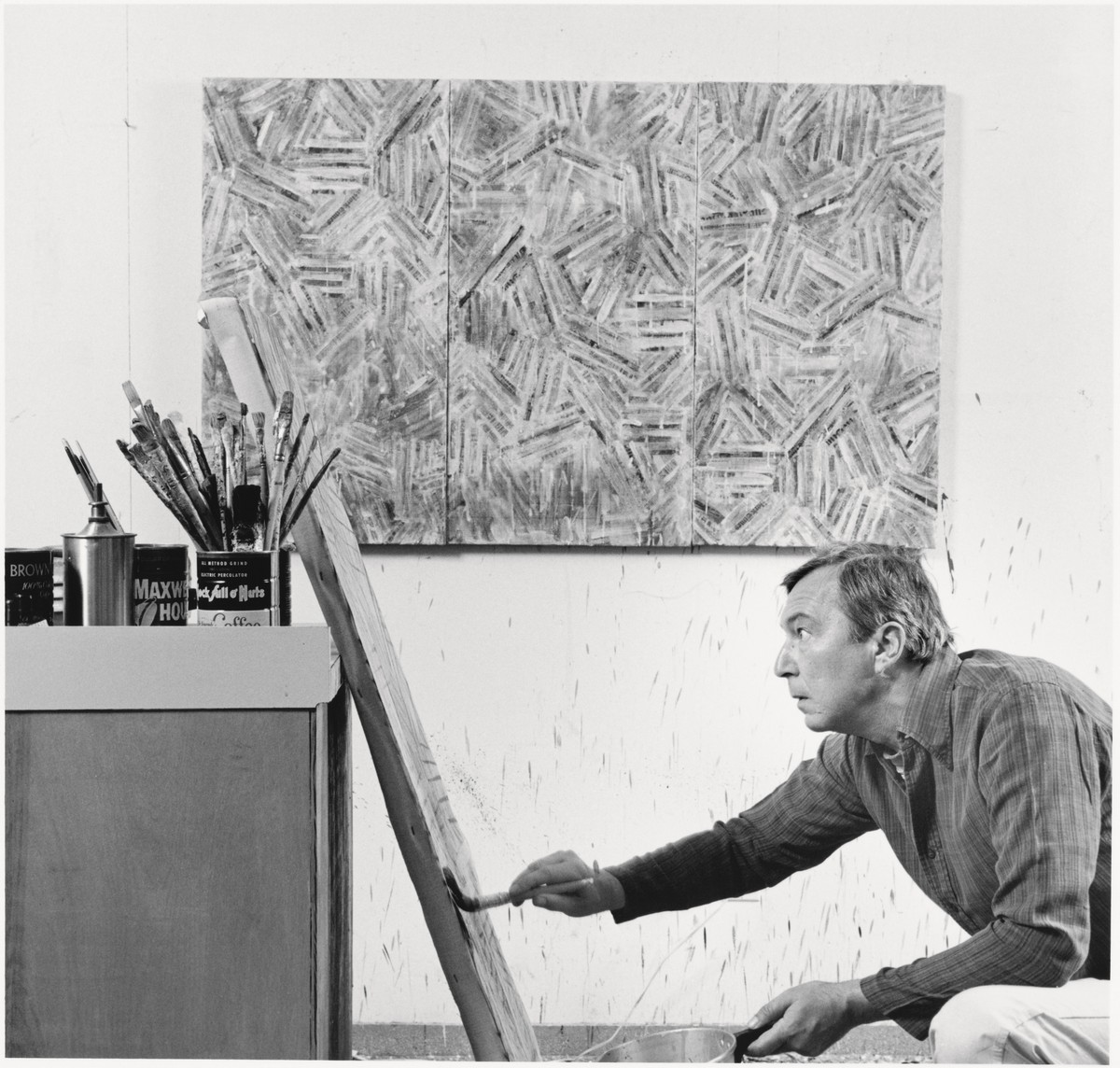
Jasper Johns
Johns similarly appropriated familiar everyday symbols and flat graphic imagery into large scale paintings that questioned the boundaries of fine art and popular visual culture. His use of bold outlines and iconic subject matter parallels Lichtenstein's conceptual approach.
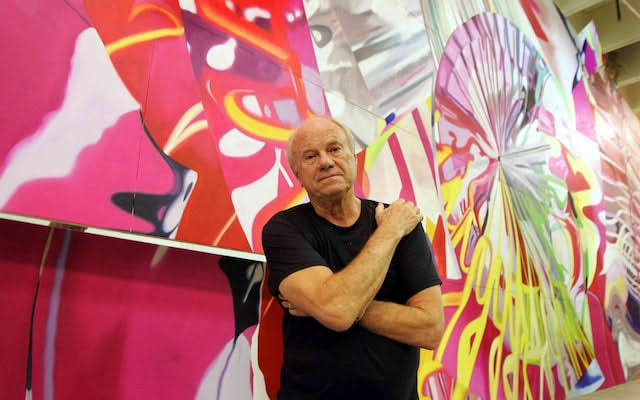
James Rosenquist
Rosenquist drew directly from commercial advertising imagery and billboard painting techniques to create monumental Pop Art canvases with slick graphic surfaces. His work shares Lichtenstein's interest in fragmented consumer imagery presented on a grand scale.
Artists who inspired them
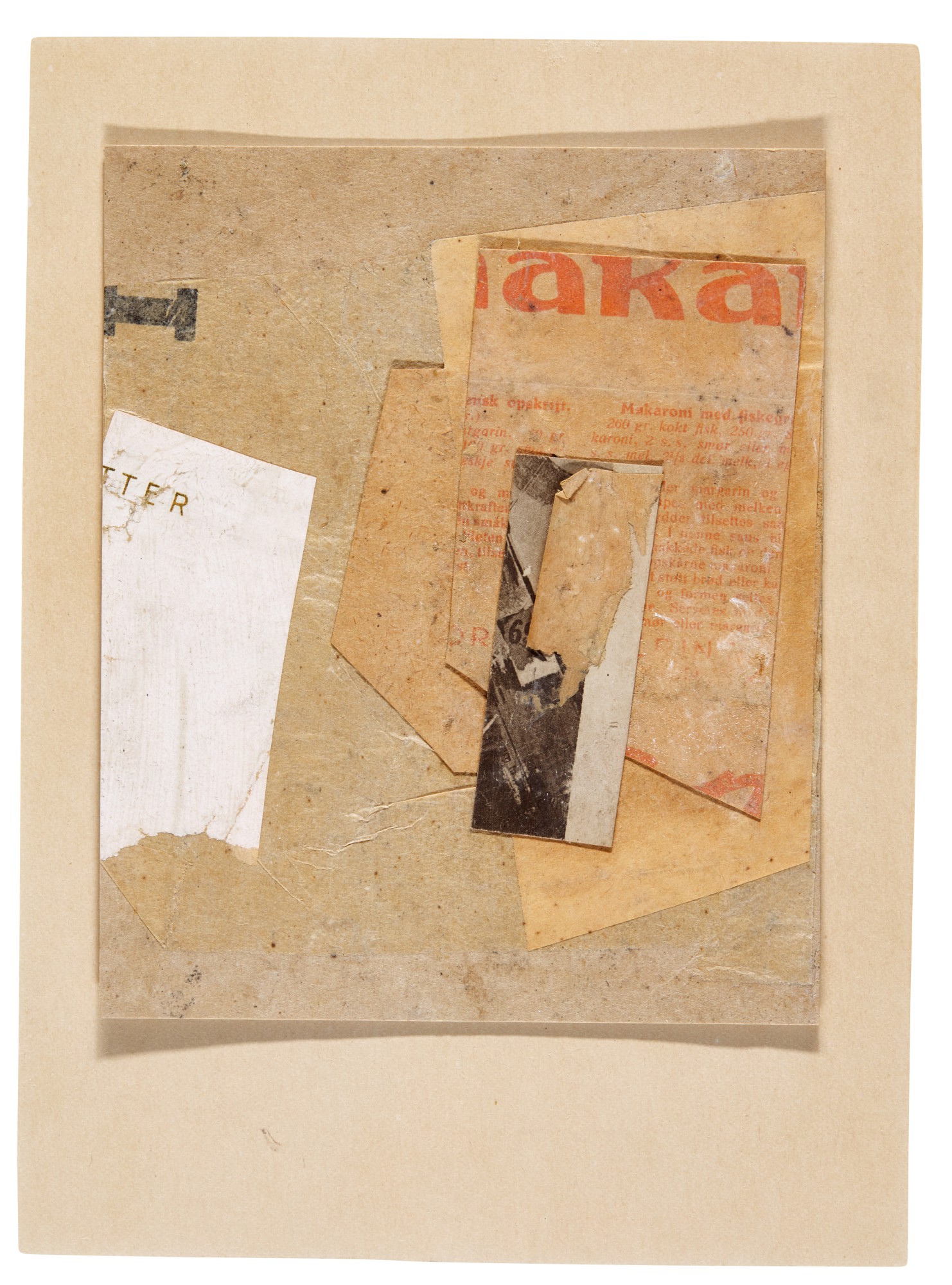
Kurt Schwitters
Schwitters pioneered the use of commercial ephemera and mass media fragments as fine art material, a conceptual foundation Lichtenstein built upon when appropriating comic strips and advertisements. His Merz collages legitimized lowbrow printed matter as serious artistic subject matter.
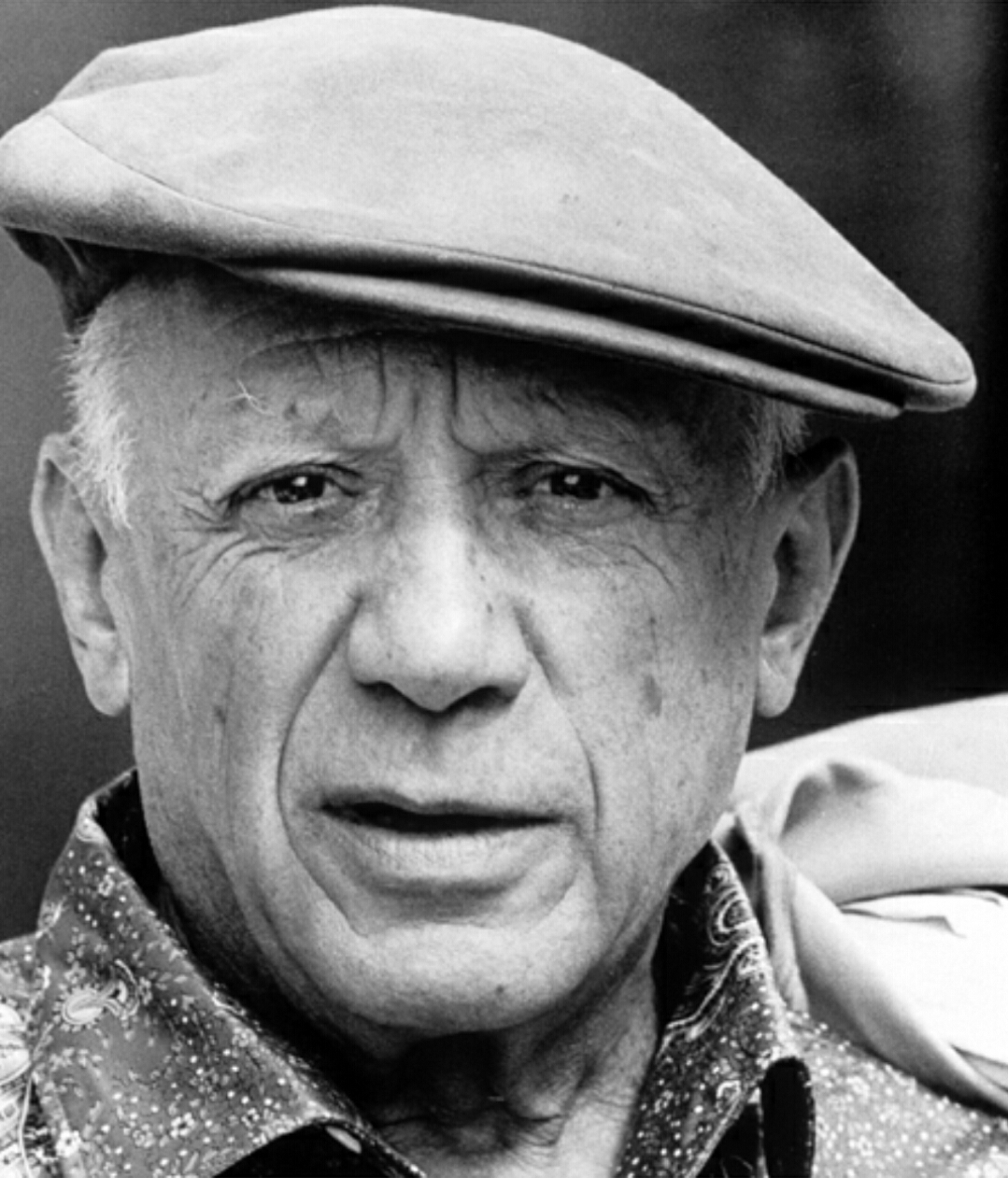
Pablo Picasso
Lichtenstein directly engaged with Picasso's Cubist works by reinterpreting them in his own Ben-Day dot comic style, acknowledging Picasso as a towering predecessor to critically confront and absorb. Picasso's radical transformation of visual representation deeply informed Lichtenstein's own interrogation of pictorial conventions.
Artists they inspired
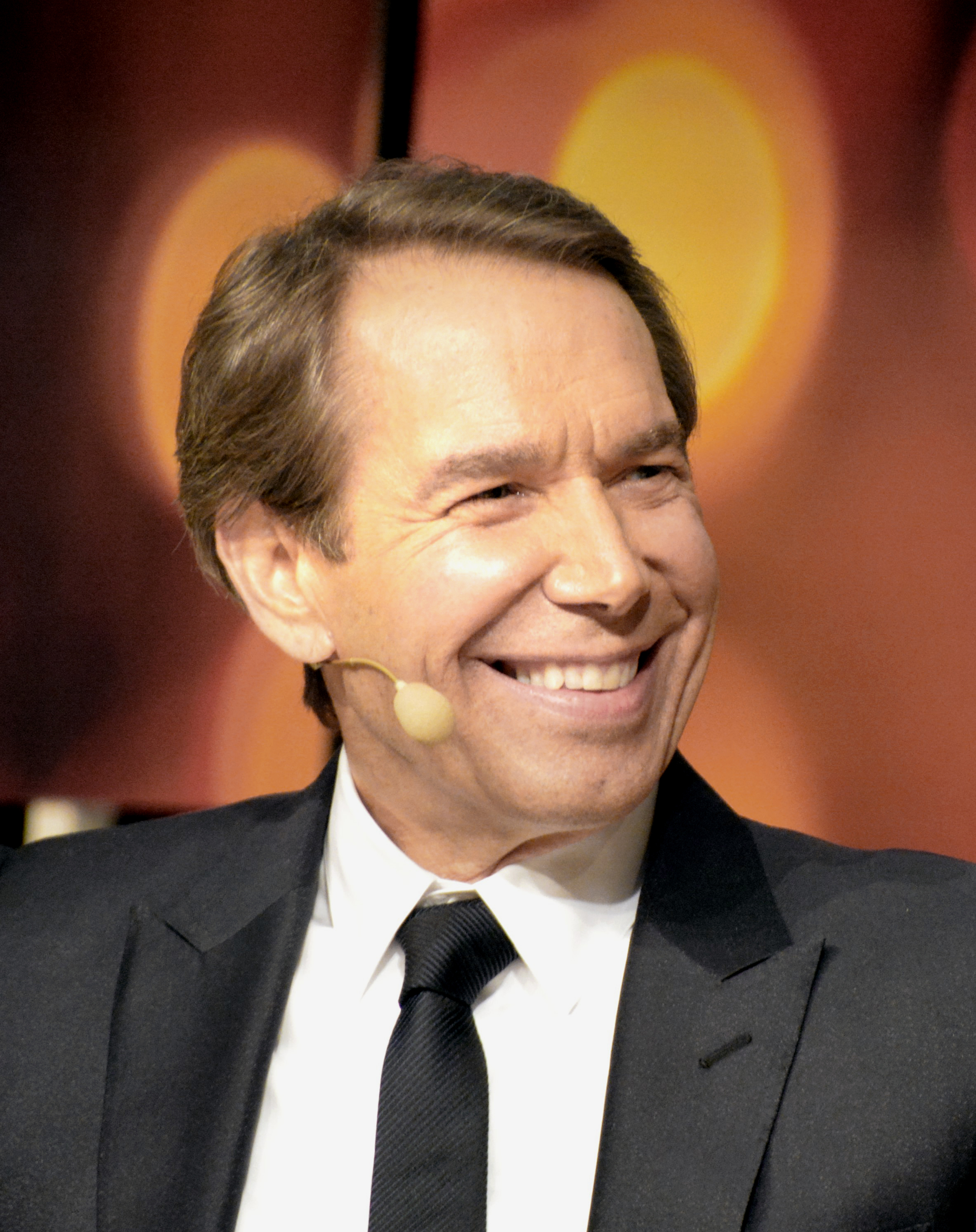
Jeff Koons
Koons adopted Lichtenstein's strategy of elevating mass culture objects and commercial imagery into high art contexts with a deliberately slick and irony laden aesthetic. His appropriation of kitsch and consumer iconography carries a clear lineage from Lichtenstein's Pop Art framework.

Takashi Murakami
Murakami built his Superflat movement on Lichtenstein's template of merging cartoon and commercial imagery with fine art ambitions on a monumental scale. His bold outlines, flat color fields, and deliberate collapse of high and low culture echo Lichtenstein's foundational Pop strategies.
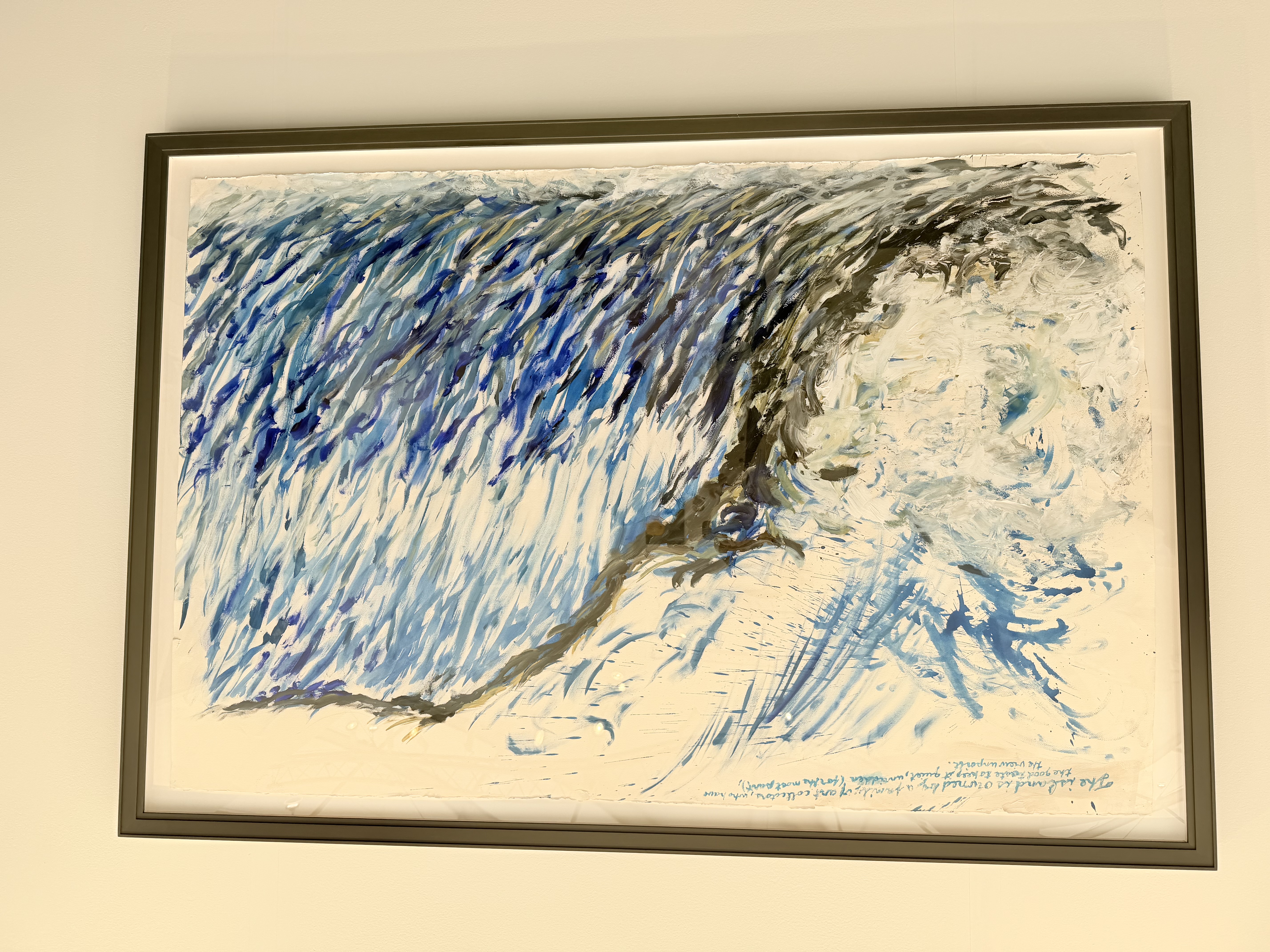
Raymond Pettibon
Pettibon continued Lichtenstein's practice of using comic book drawing conventions and speech bubbles as a vehicle for serious fine art commentary and critique. His large scale ink drawings that blend text and graphic imagery demonstrate a clear inheritance from Lichtenstein's legitimization of comics as an artistic language.