
Richard Hamilton
“
92
Works
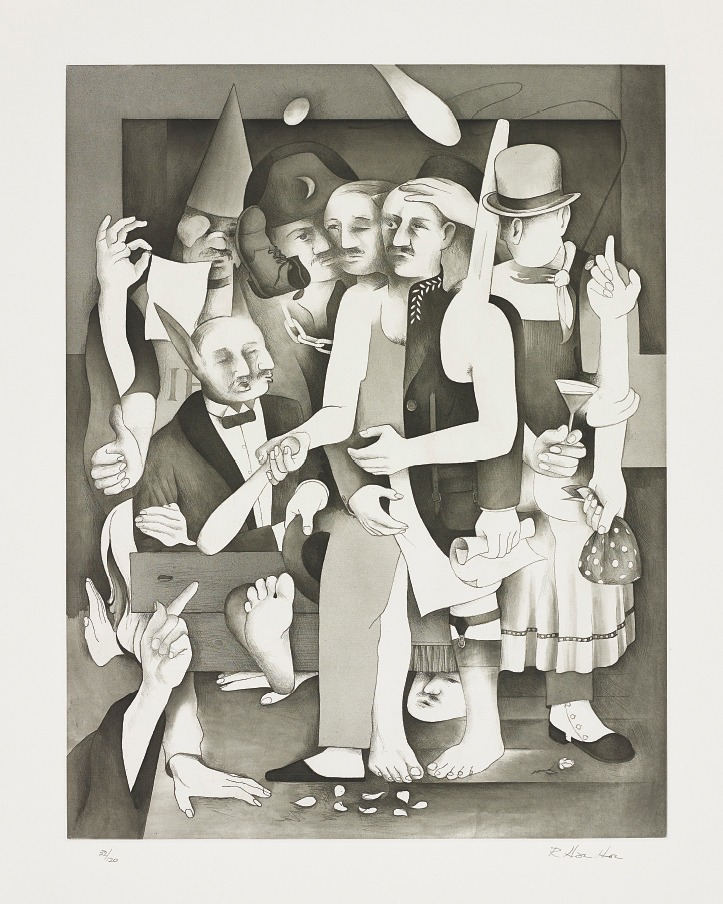
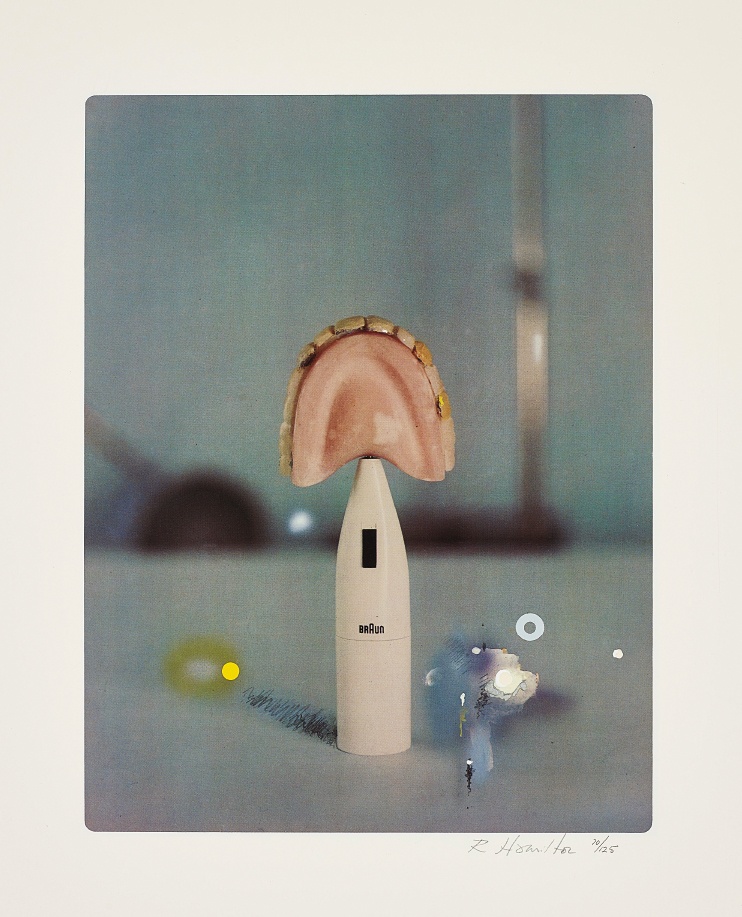
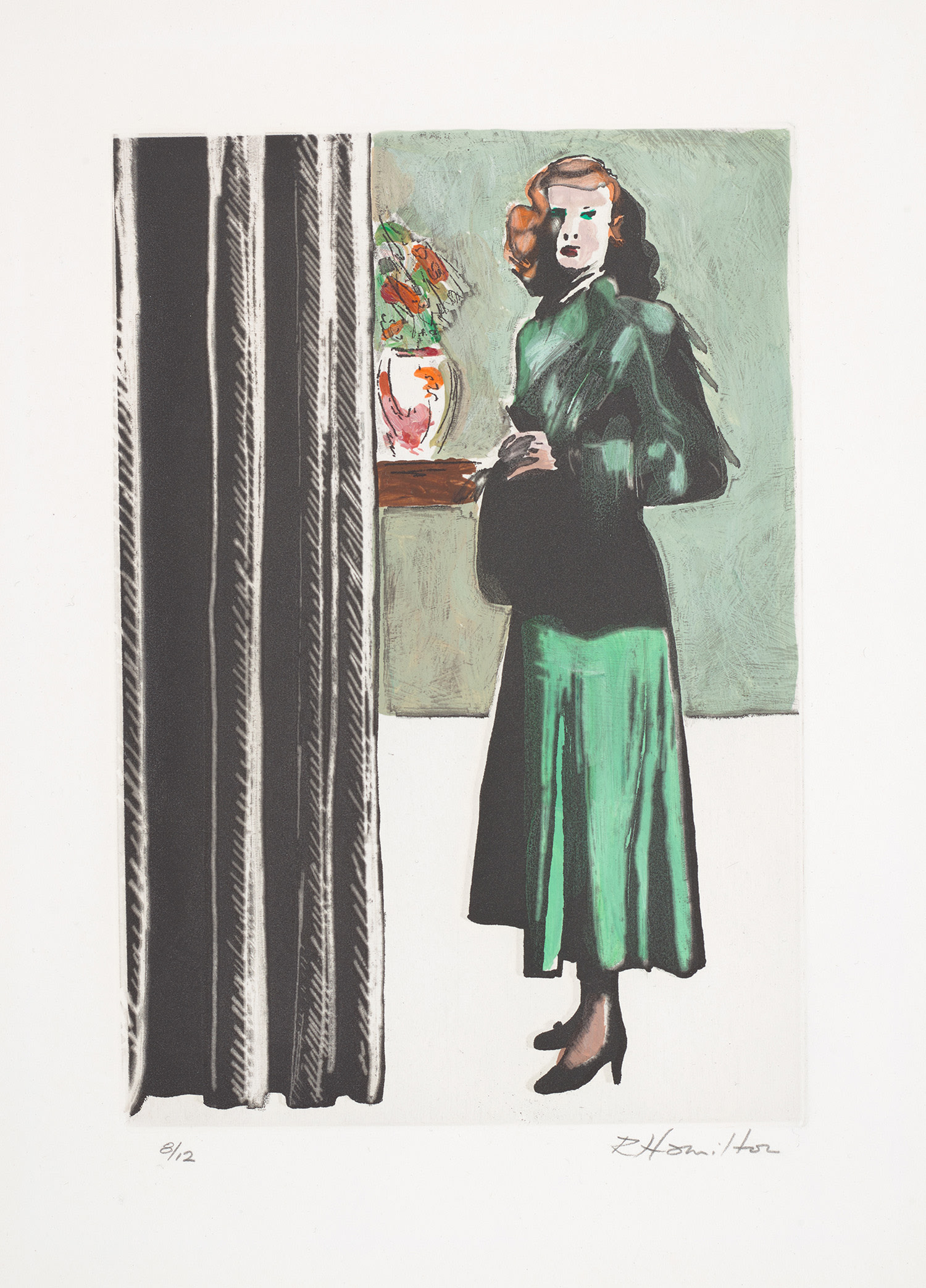
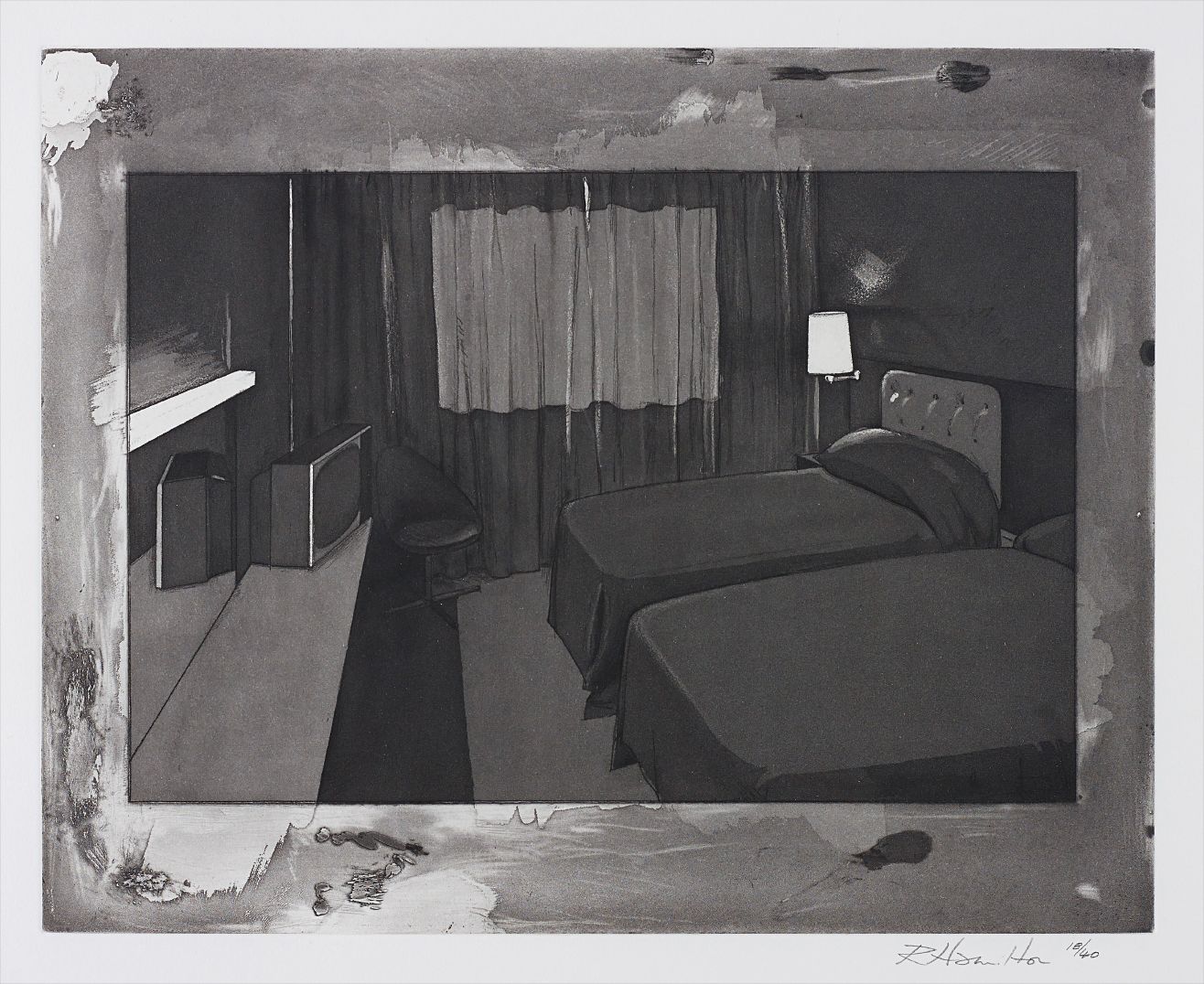
Richard Hamilton was a British artist widely regarded as one of the founding figures of Pop Art. Born in London, he studied at the Royal Academy Schools and the Slade School of Fine Art. Hamilton's work brilliantly merged fine art traditions with popular culture imagery, advertising, and consumer goods, establishing him as a pioneering force in post-war British art. His 1956 collage "Just what is it that makes today's homes so different, so appealing?" is considered one of the earliest and most iconic works of Pop Art, predating American Pop artists and featuring a muscular man holding a giant Tootsie Pop in a room filled with consumer products and media imagery. Throughout his career, Hamilton demonstrated remarkable versatility and intellectual rigor, working across painting, printmaking, collage, and digital media. He was deeply engaged with technology and reproduction, creating series that examined political subjects (such as his paintings responding to the Troubles in Northern Ireland), consumer culture, and the nature of representation itself. His work often incorporated photographic elements and explored the relationship between high and low culture. Hamilton was also instrumental in organizing the landmark 1956 exhibition "This Is Tomorrow" at the Whitechapel Gallery, which helped define the Independent Group's aesthetic concerns and influenced a generation of artists. Hamilton's influence extended beyond his own practice through his role as an educator and theorist. He taught at various institutions and his writings on art and culture remain influential. His retrospectives at major institutions including Tate and the Guggenheim cemented his status as a crucial figure in twentieth-century art. Hamilton continued working productively until late in his life, adapting to new technologies and maintaining his incisive commentary on contemporary visual culture. His legacy lies in his sophisticated integration of mass media imagery with fine art practice, his technical innovation, and his profound influence on subsequent generations of artists working with appropriation and popular imagery.
Artists in conversation