Street Art
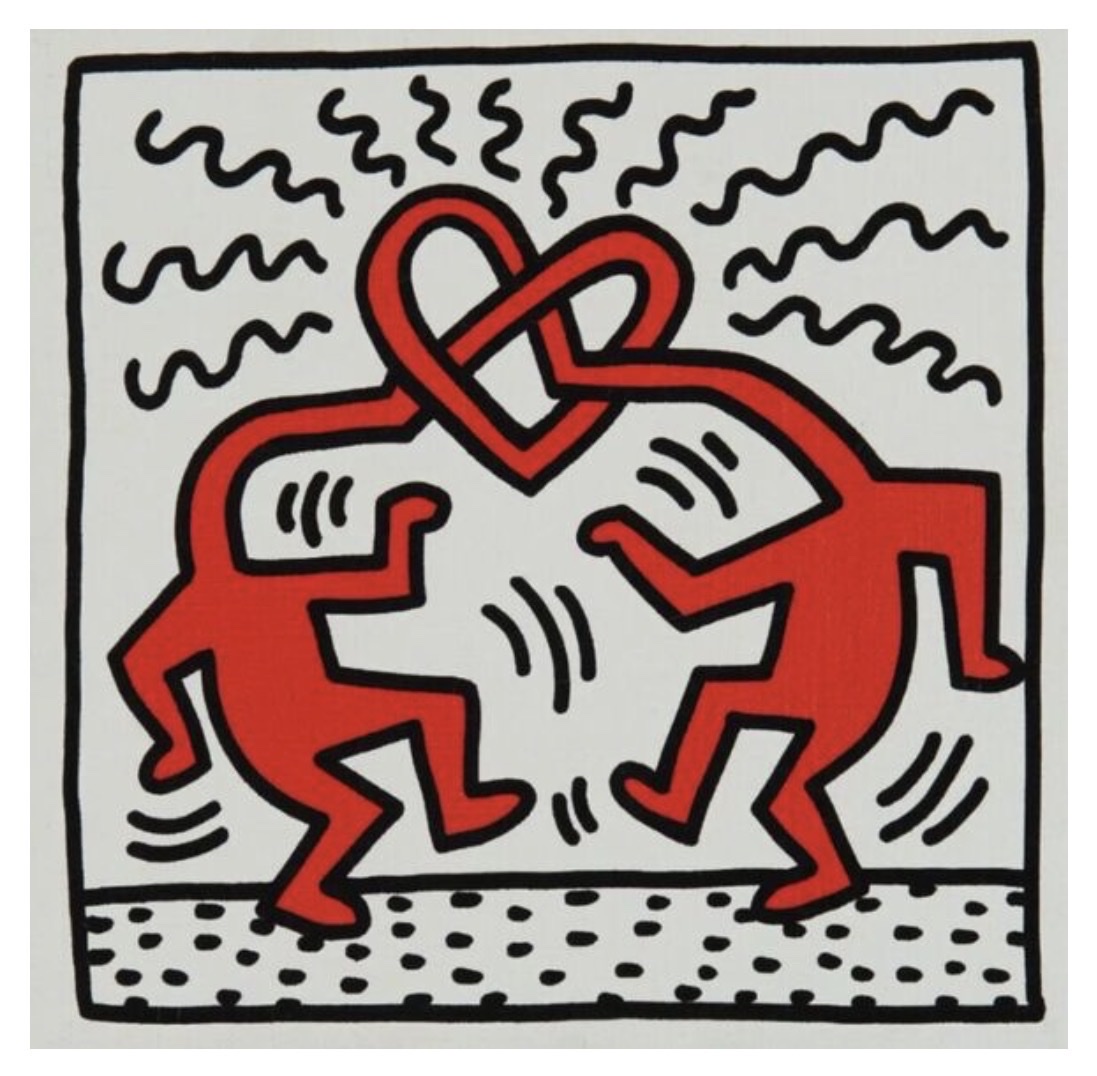
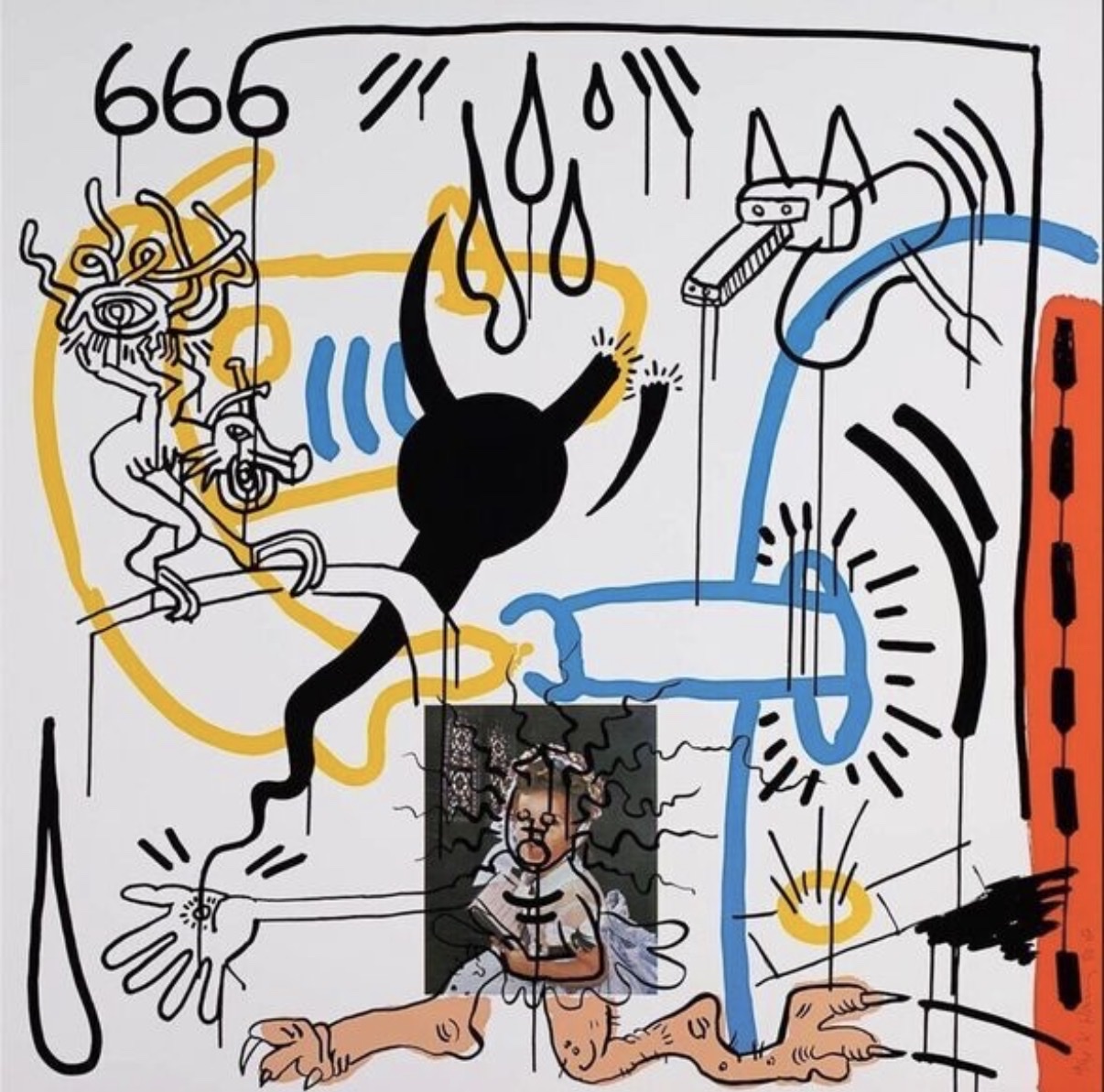
Keith Haring
Untitled (Two Lovers), 1989
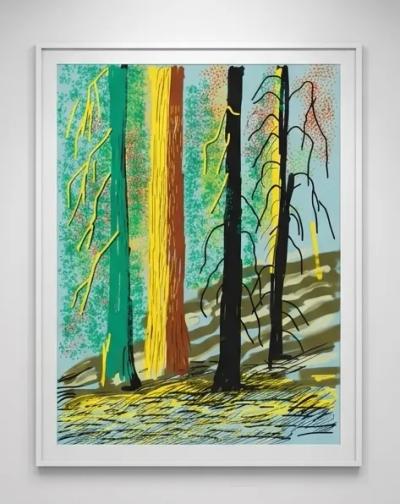
The Wall Came Down, Art Went Everywhere
There is something quietly radical about living with street art. The work carries the memory of another context, another surface, another set of stakes entirely. When you hang a Shepard Fairey screenprint or a Banksy canvas in your home, you are not just acquiring an image. You are acquiring a posture toward the world, a way of looking at public space and institutional authority that does not soften simply because it now hangs between two sconces in a dining room.
That friction is precisely the point, and it is what makes collectors return to this movement again and again. Street art asks something of the collector that few other movements do. It demands that you hold two ideas at once: the democratizing impulse that drove these artists to work outside the gallery system, and the undeniable fact that their work has become some of the most commercially significant art of the past four decades. Rather than treating this tension as a problem, the most thoughtful collectors lean into it.
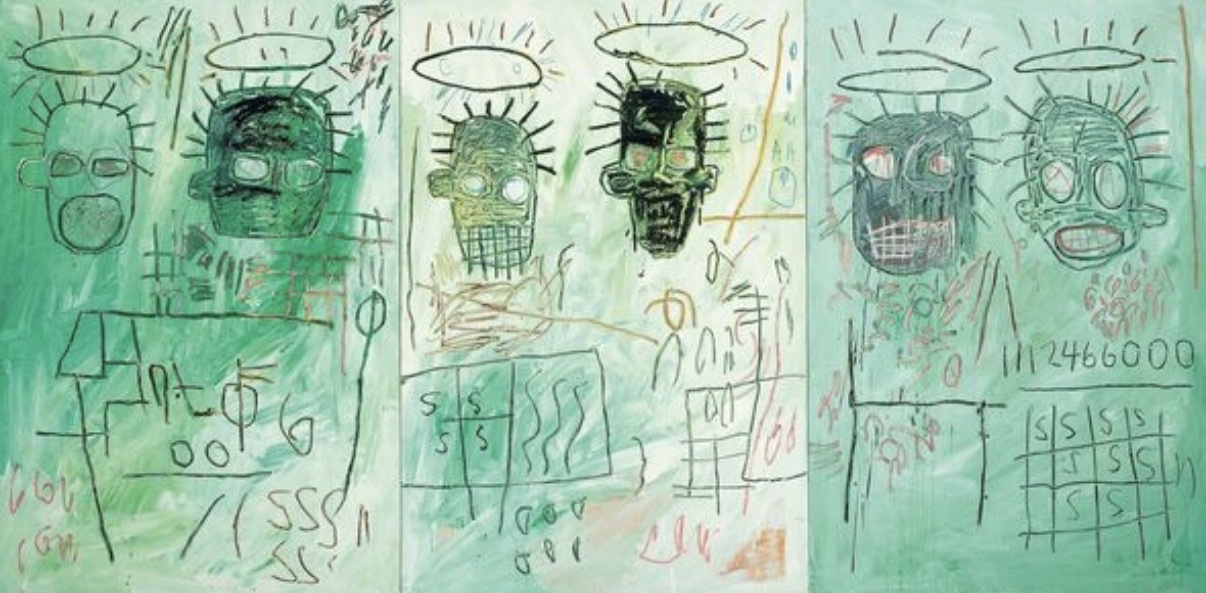
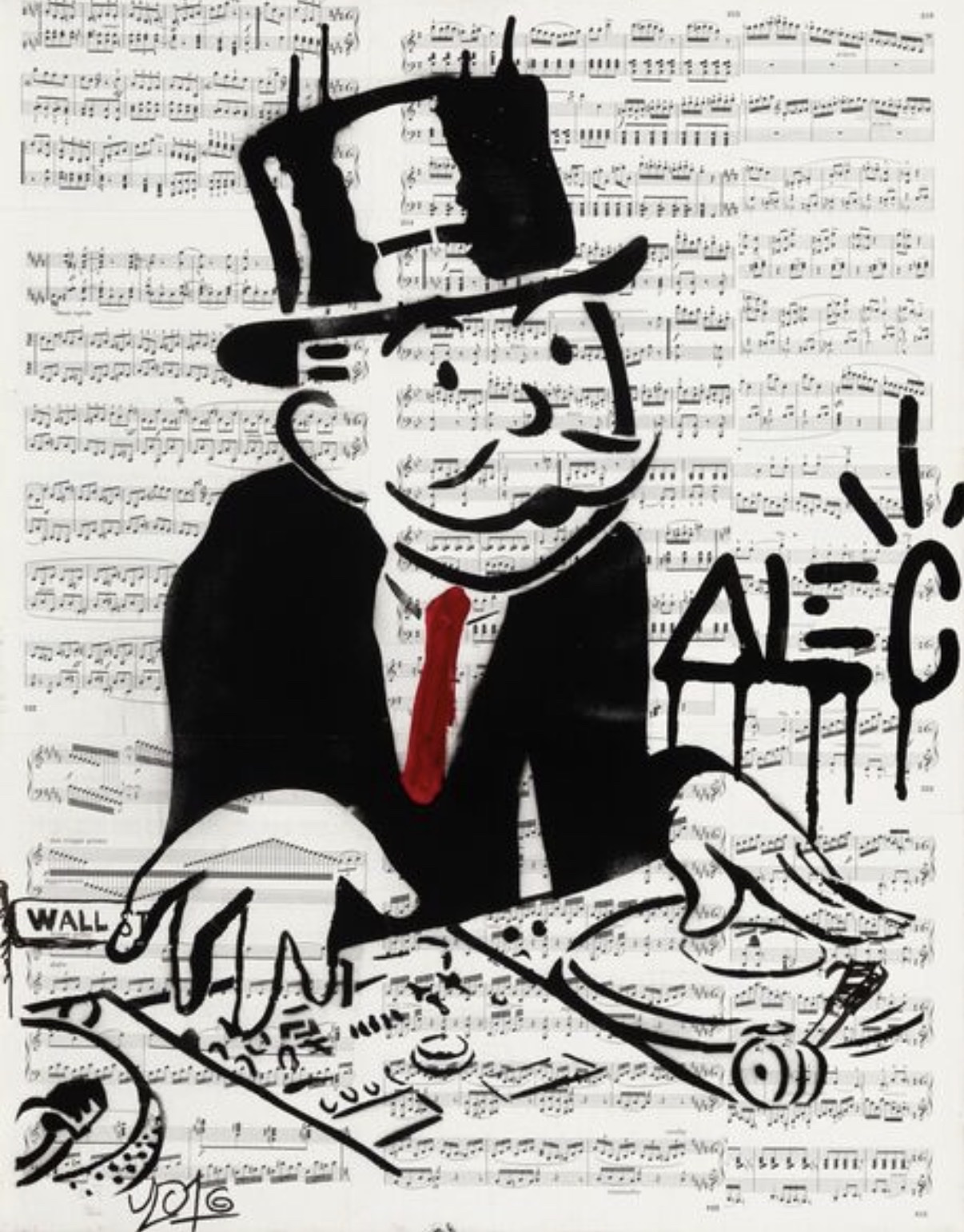
Jean-Michel Basquiat
Six Crimee, 1982
They understand that the conversation between the street and the white cube is itself part of what gives the work its charge. When separating a good work from a great one in this space, the question of authenticity carries unusual weight, and not just in the certificate sense. The best works retain a genuine conceptual urgency. A Banksy piece that simply reproduces a recognizable motif without friction or wit is a lesser proposition than one where the image and the idea are inseparable from each other.
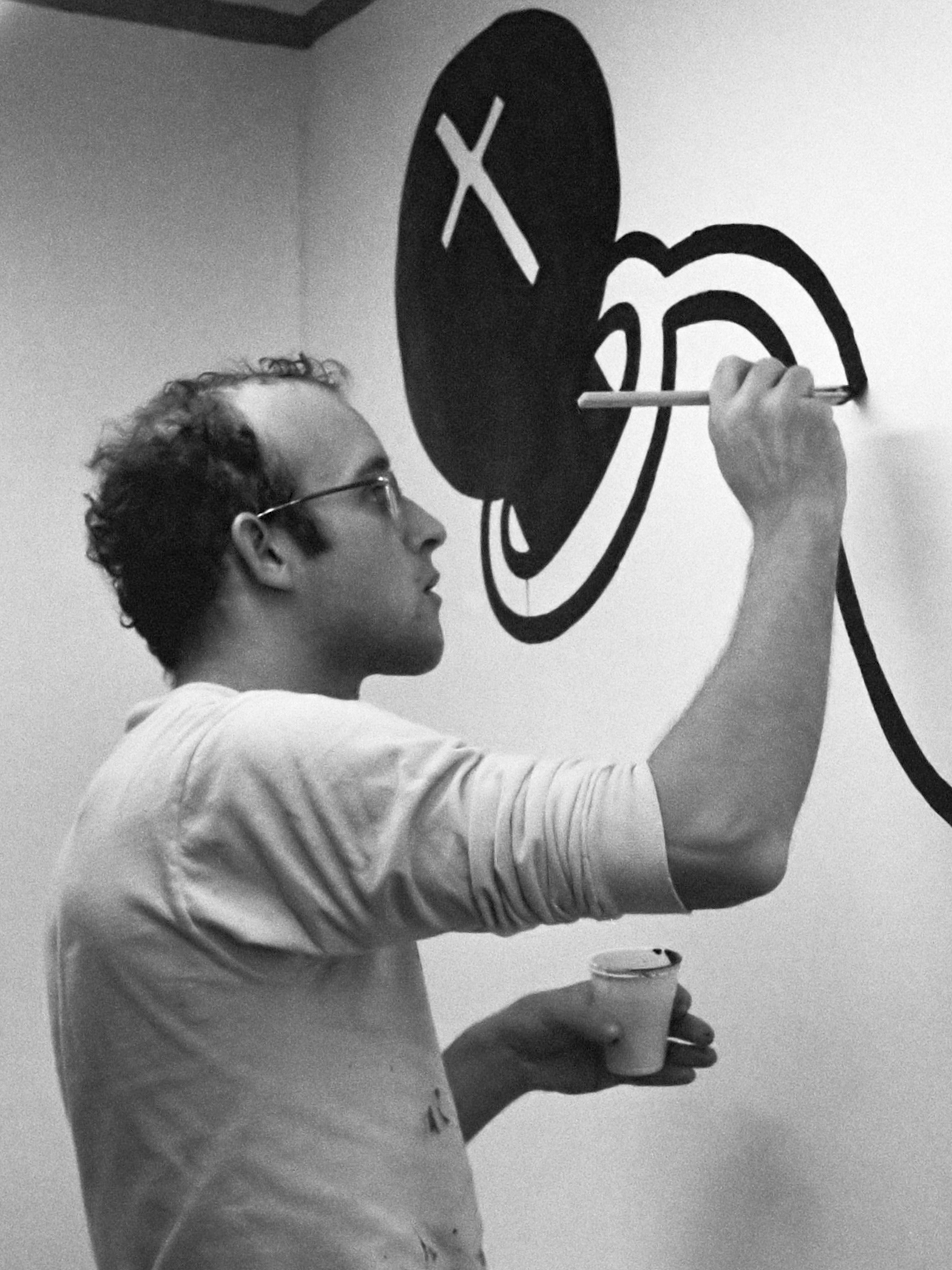
Similarly, works by Keith Haring made during his most productive years in the early to mid 1980s, when the work was in constant dialogue with the AIDS crisis and the Reagan era, carry a density of meaning that later licensed editions simply cannot replicate. Look for works where the artist's street sensibility is not decorative but structural, where it changes how you read the image. Scale, surface, and provenance matter enormously. Works produced directly by the artist, particularly those with a documented exhibition history or those that originated as genuine interventions in public space before entering private hands, tend to command stronger prices and deeper collector affinity.
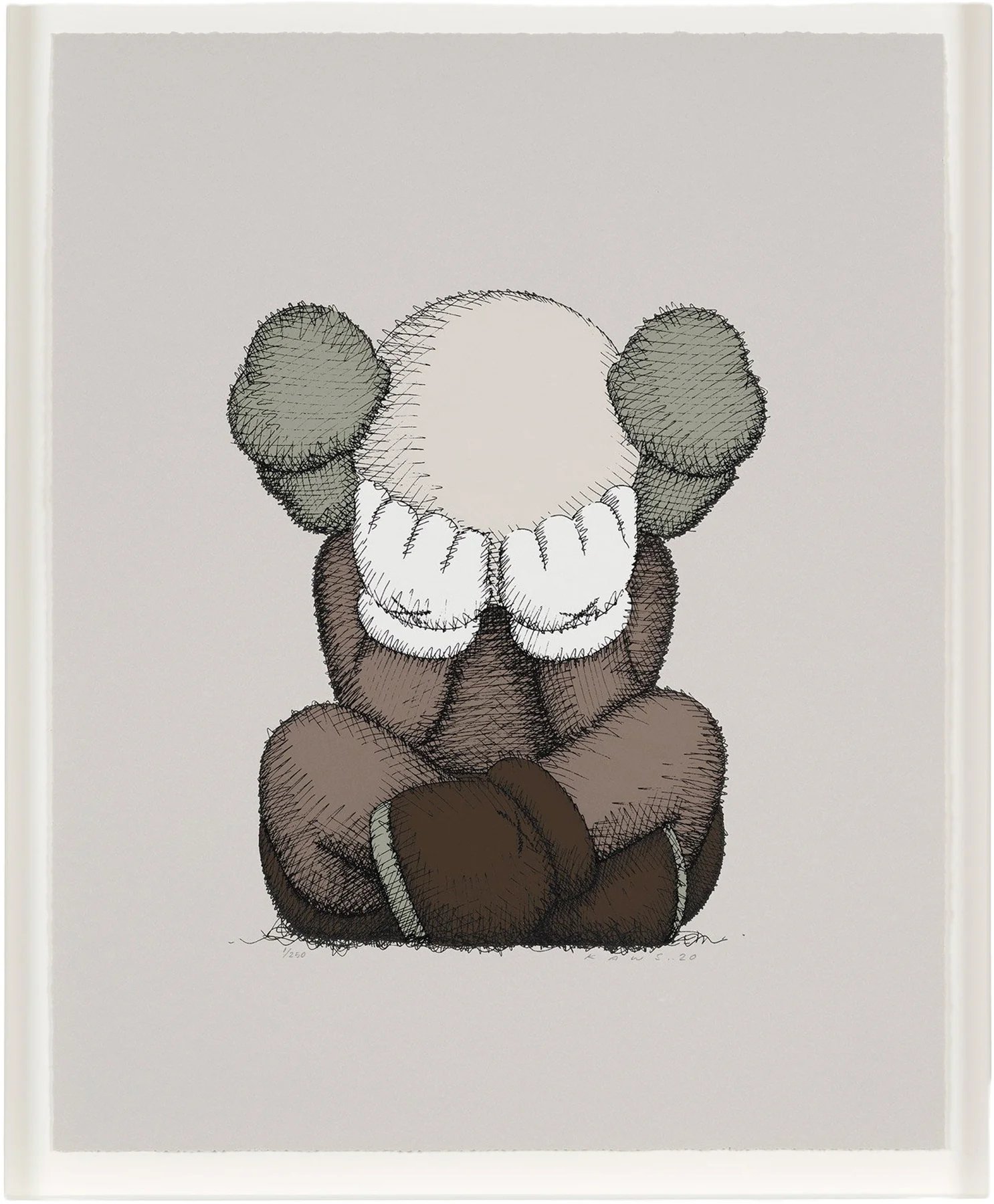
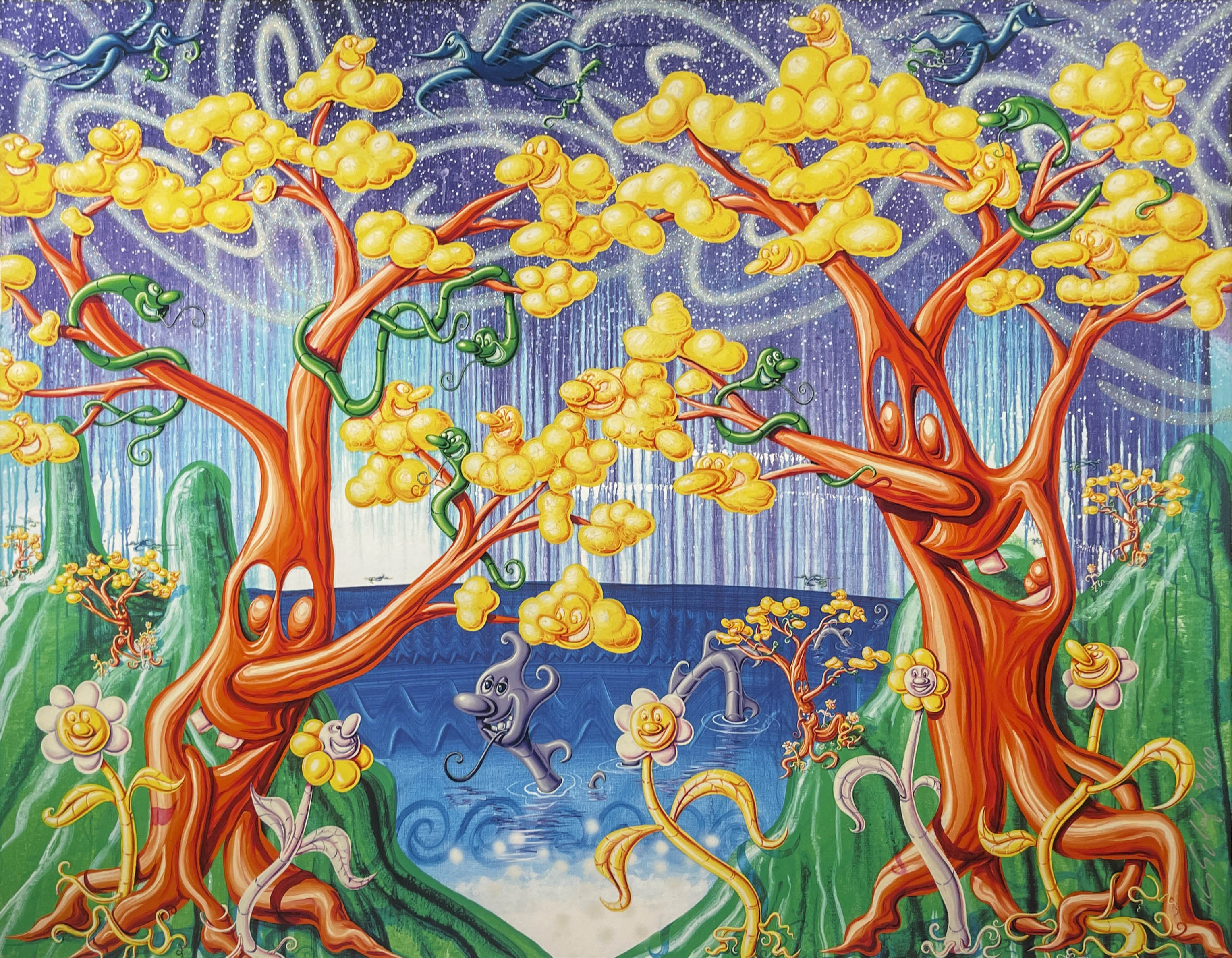
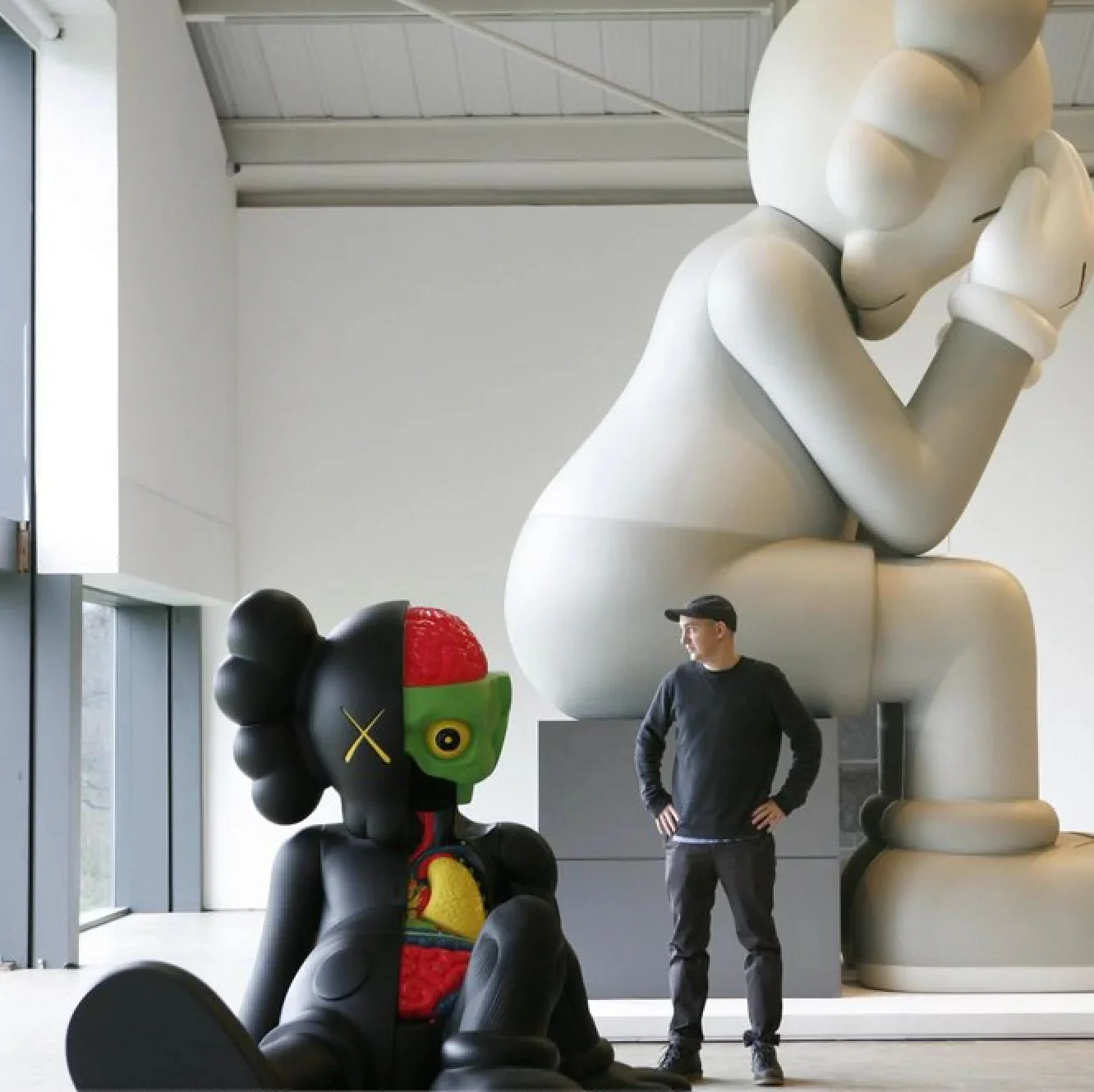
KAWS
Separated, 2021
Editions are not a lesser category by default. Haring's posters and multiples have held their value with remarkable consistency because the edition sizes were controlled and the imagery remains culturally potent. KAWS has built an entire secondary market ecosystem around his editions and sculptures, with pieces regularly achieving multiples of their original retail prices at auction. The edition versus unique work question should always come back to the specific artist's relationship with multiples and whether the edition form was central to their practice or incidental to it.
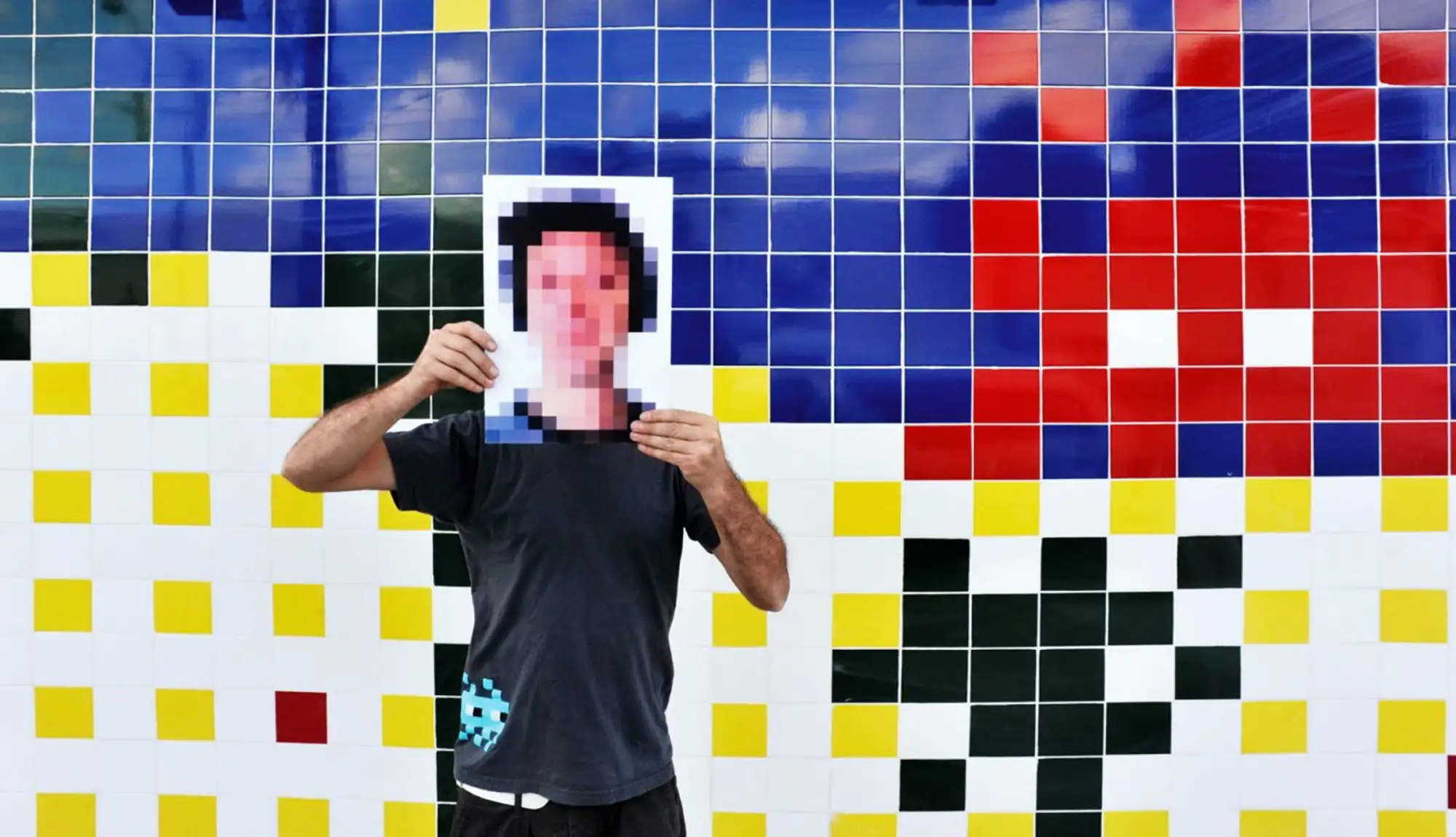
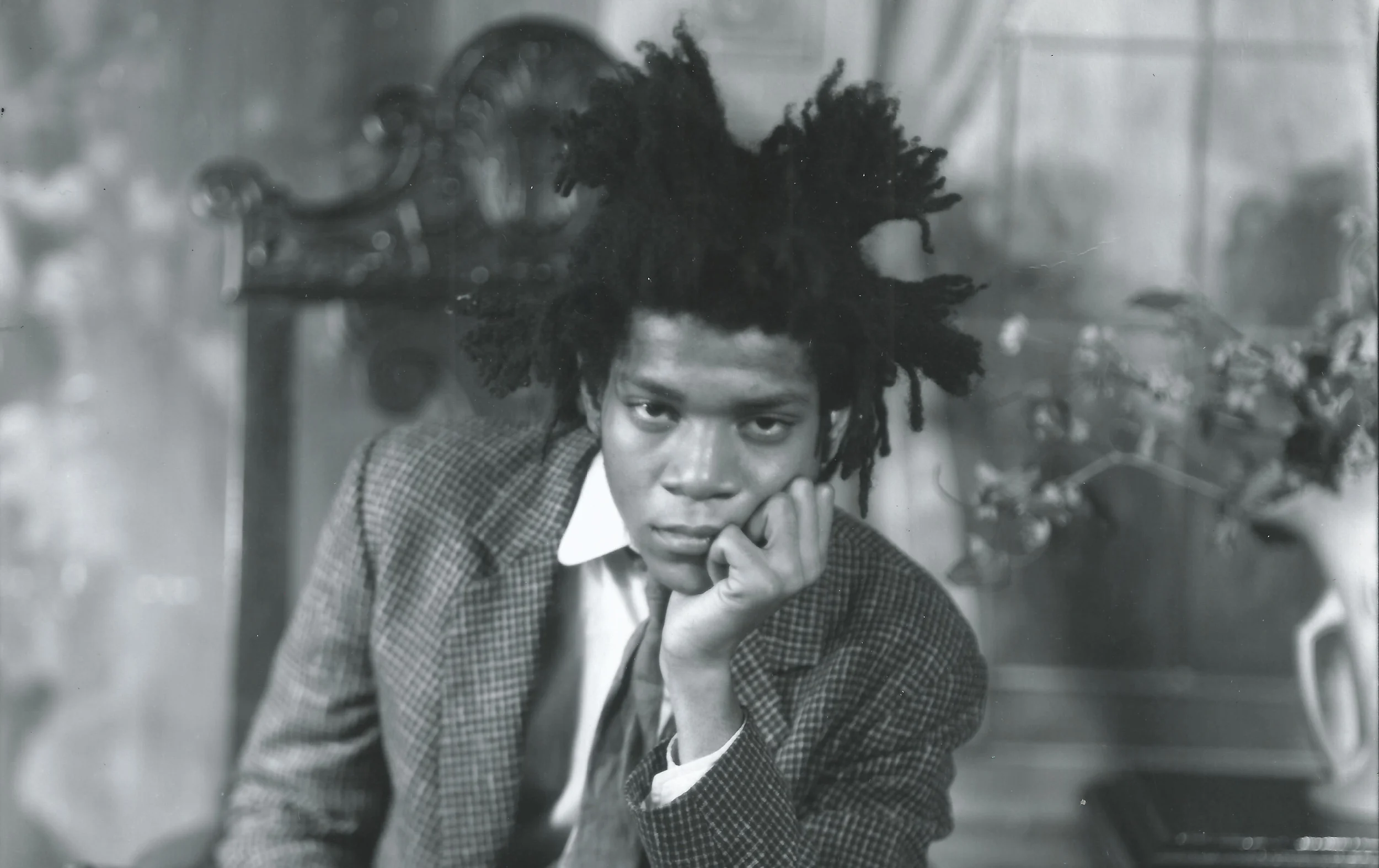
In terms of artists representing the strongest long term value on The Collection, the case for Banksy, KAWS, and Keith Haring is well established and backed by years of auction data. But the more interesting conversation for a collector building a position right now involves looking one layer deeper. Jean Michel Basquiat, well represented here, sits at the intersection of street art, Neo Expressionism, and African American cultural history in a way that makes his market uniquely resilient. Invader, the French artist whose tiled mosaic characters have colonized the facades of cities across the world since the late 1990s, occupies a genuinely distinctive place.
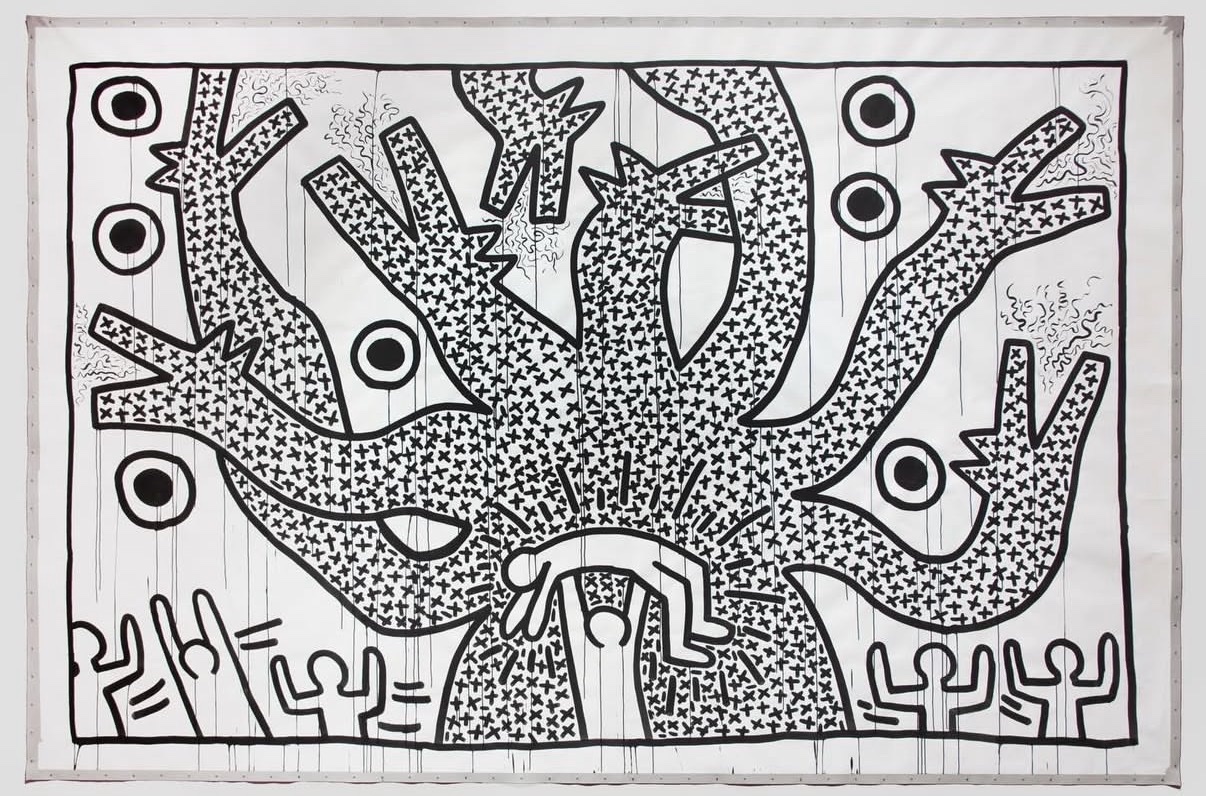
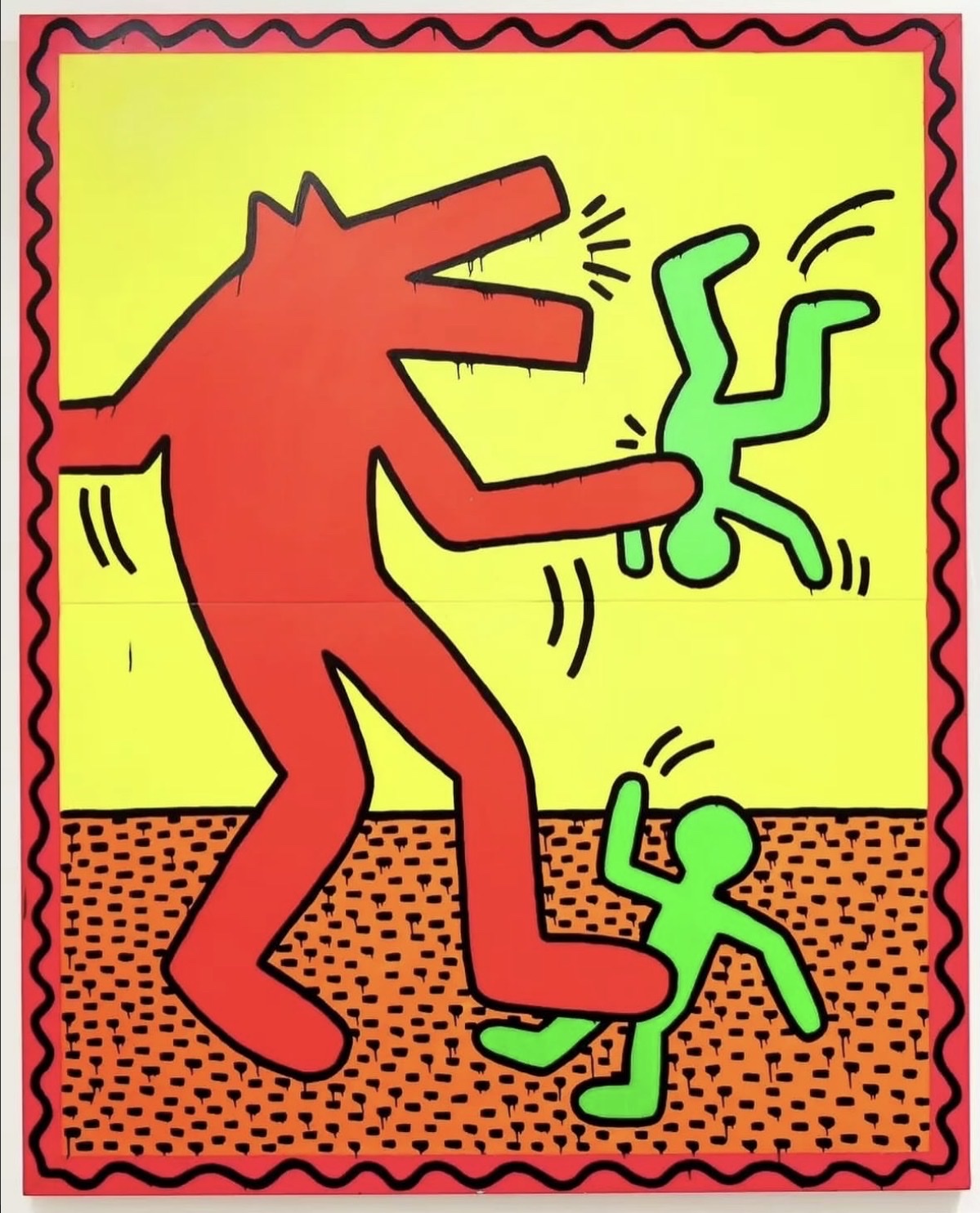
Keith Haring
7-headed dog (untitled), 1982
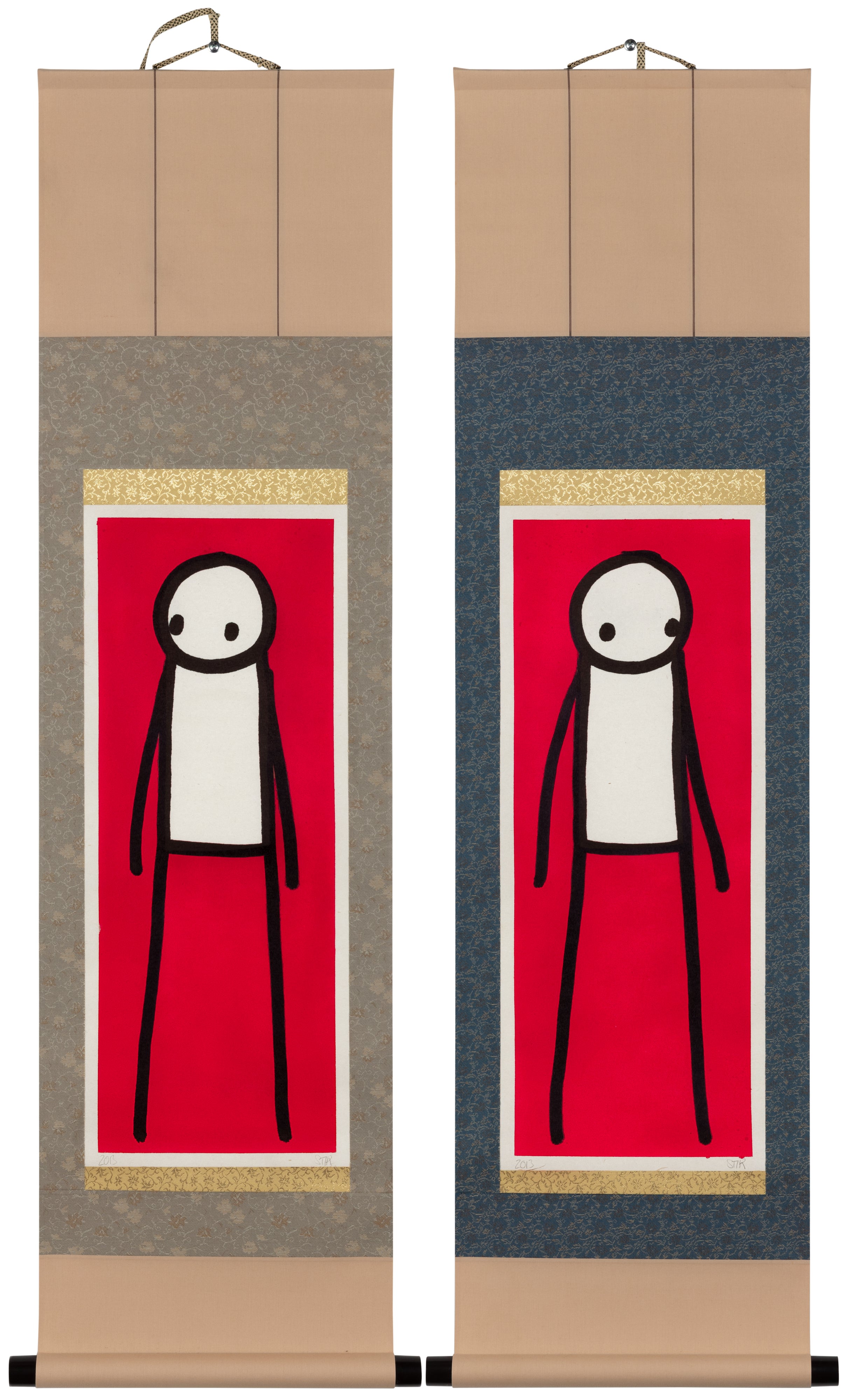
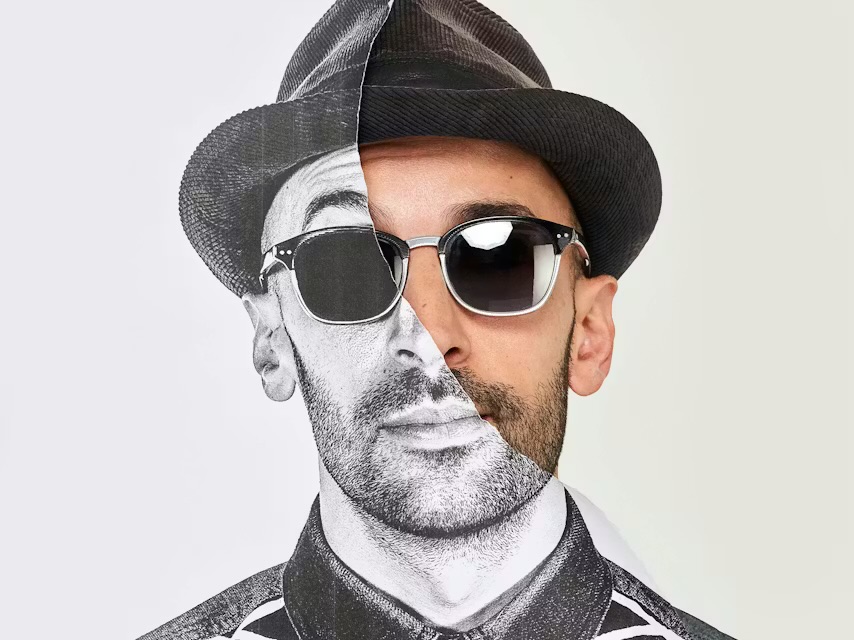
His works are modest in scale but enormous in conceptual ambition, and the secondary market for his mosaics has strengthened considerably over the past decade. JR, whose large format wheat paste photographs have appeared on the favelas of Rio, the walls of the West Bank, and the facades of the Louvre, is still arguably undervalued given the scope and ambition of his practice. For collectors interested in emerging positions, several artists in this space deserve close attention. Stik, the London based artist whose simple line figure drawings carry an unexpected emotional weight, has developed a committed following that is beginning to translate into sustained secondary market interest.
Os Gêmeos, the São Paulo twin duo whose surrealist murals brought a distinctly Brazilian visual language into the global street art conversation, remain underrecognized in certain collecting markets relative to their actual influence. Caledonia Curry, who works under the name Swoon and creates intricate hand cut prints and installations rooted in community and ecology, represents a strand of the movement that is increasingly relevant to younger collectors concerned with sustainability and social practice. Barry McGee, a key figure in the San Francisco Mission District scene of the 1990s and a significant presence in major museum surveys, is another artist whose full market value has not yet caught up with his art historical importance. At auction, street art has demonstrated both remarkable peaks and notable volatility.
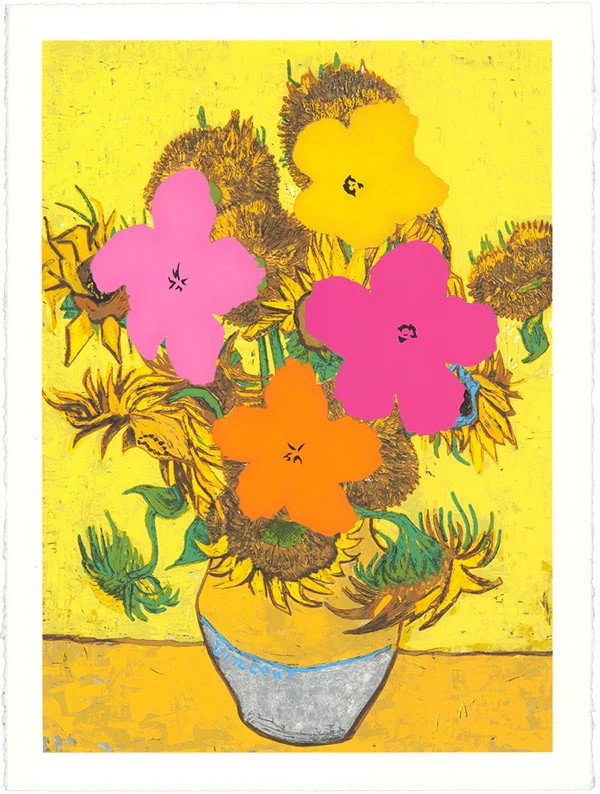
Mr. Brainwash
Flower and Sun, 2023
Banksy's Devolved Parliament achieved approximately 9.9 million pounds at Sotheby's London in 2019, shattering his previous record. KAWS consistently sees strong results across multiple auction houses, with his companion sculptures and paintings crossing seven figures with regularity. That said, the market can be unforgiving toward works that lack strong provenance or clear authenticity documentation.
Always ask a gallery for full provenance details, authentication where applicable, and condition reports that specifically address any prior display in outdoor or semi outdoor conditions. Fading, paper acidity, and delamination are particular concerns with works on paper and early prints. Display considerations are worth taking seriously. Many works in this category were conceived for natural light and high visibility environments.
Framing behind UV protective glass is not optional for works on paper. For sculptural editions by artists like KAWS, consistent ambient conditions matter more than most collectors expect. When speaking with a gallery, ask directly whether a given work was stored or displayed outdoors at any point in its history, what the edition size and number is, and whether the artist's studio has been involved in authentication. The street art market rewards the collector who asks careful questions early, and it can be unforgiving toward those who do not.