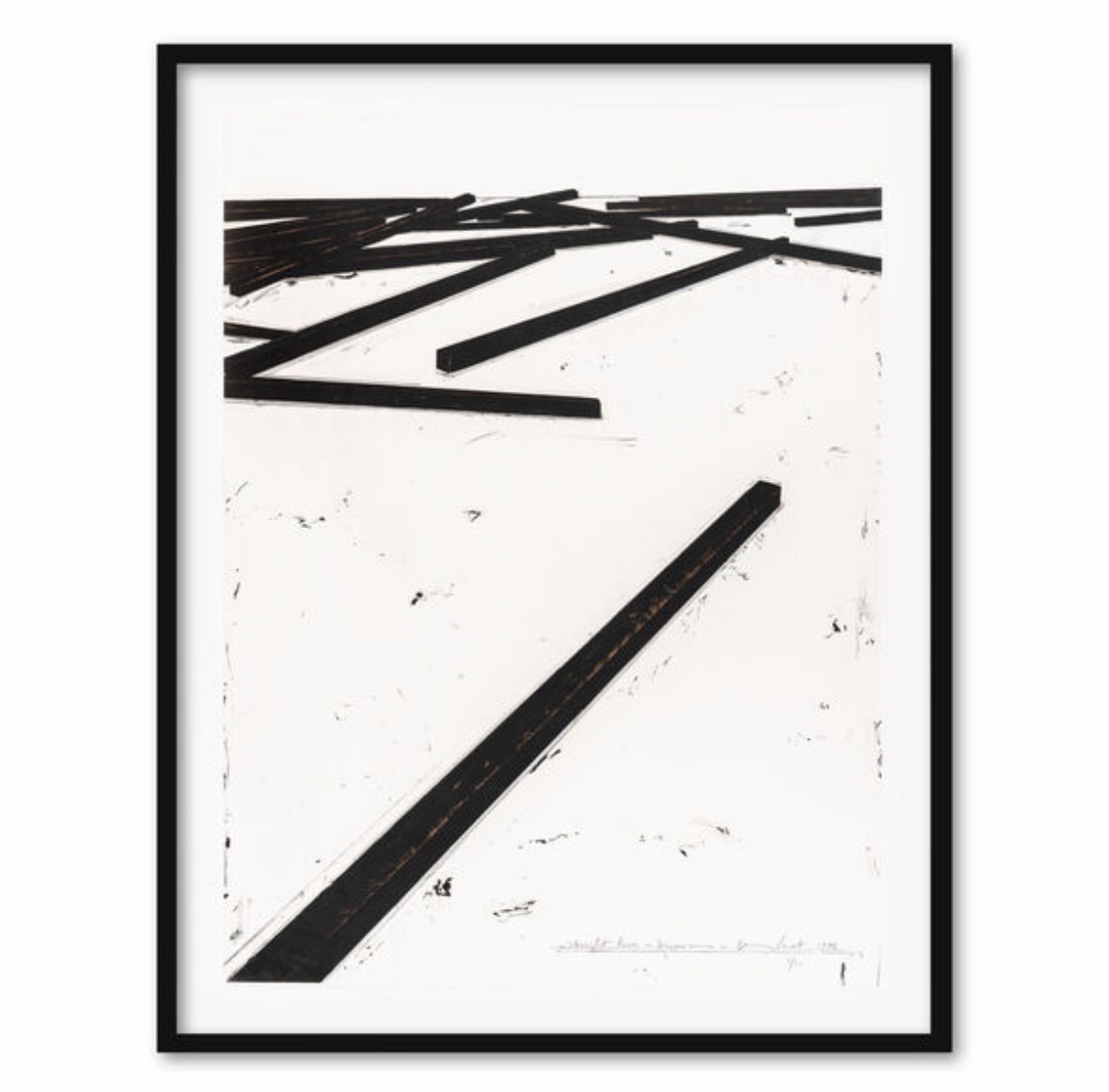
Straight Lines / Dispersion
1997
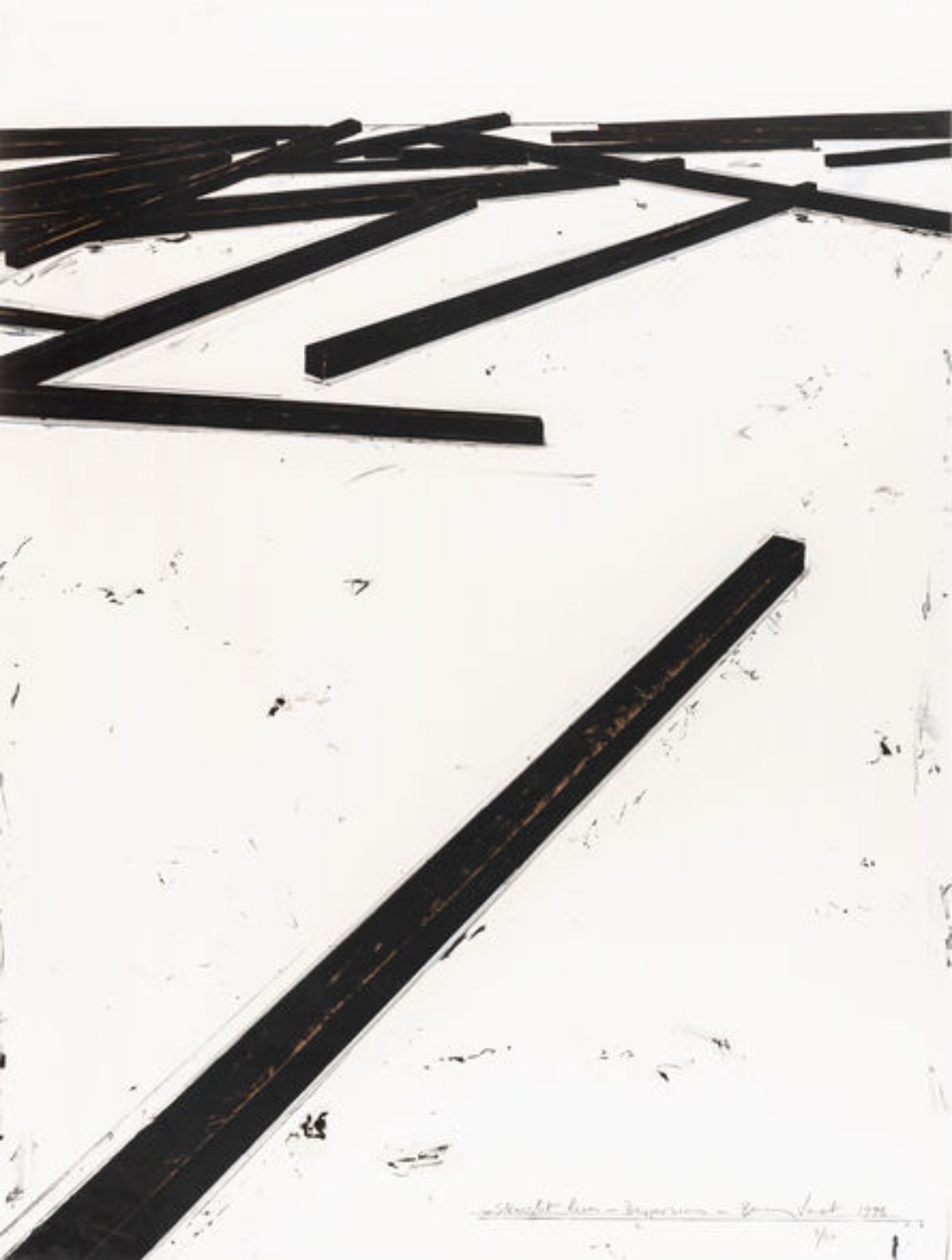
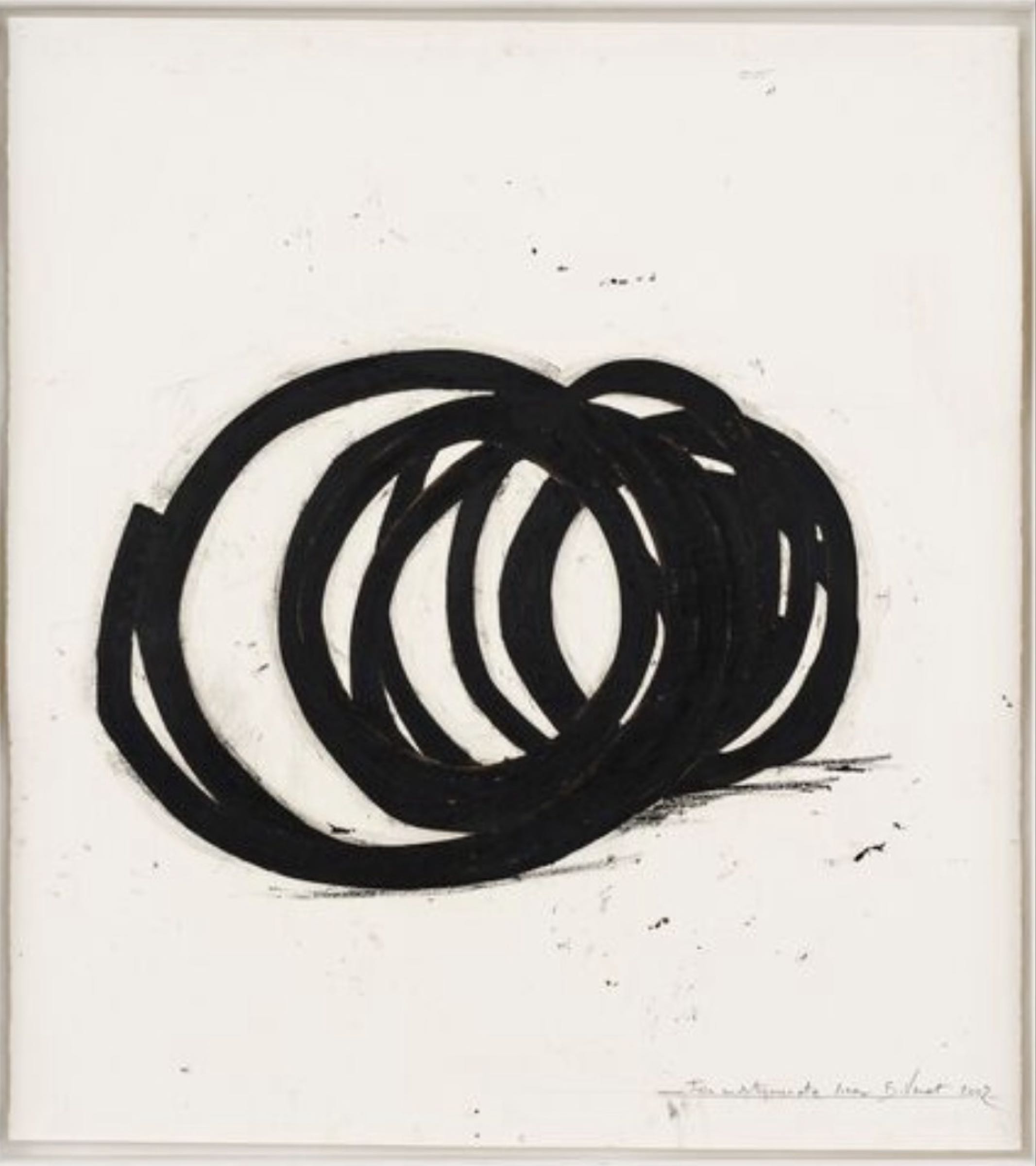
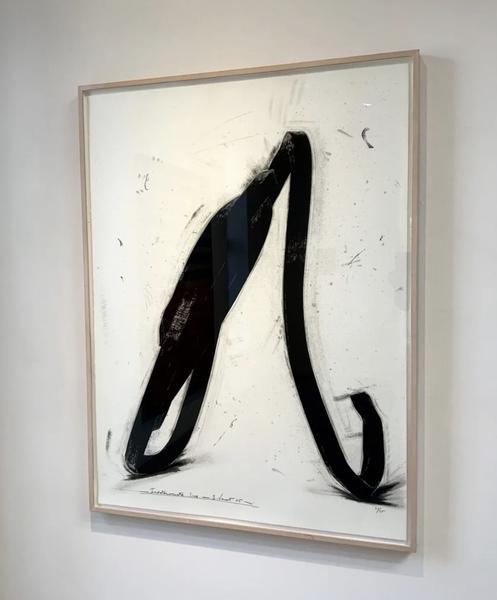
A commanding large-format silkscreen by Bernar Venet, 'Straight Lines / Dispersion' (1997) deploys bold black geometric bars radiating across a white ground in a composition that evokes both mathematical precision and physical energy. The work belongs to Venet's iconic 'Straight Lines' series, in which he investigates the conceptual and visual tension between order and scatter. Printed in an edition of 50 + 8 AP and hand-signed by the artist in pencil in the lower margin, the work is published by Dorfman Projects, New York. Offered framed and in excellent condition with a Certificate of Authenticity issued by the gallery.
- Medium
- Silkscreen printed in colors on cream white wove paper
- Dimensions
- Signed
- Yes
- Spotted At
- Gallery · Dorfman Projects
Notes
Frame included. Part of a limited edition set. Certificate of Authenticity issued by gallery. Paper described as 'unknown cream white wove paper'. Edition of 50 + 8 AP. Inscription visible in lower margin reads: 'straight lines — dispersion — [signature] 1997 [edition number]/[edition size]'.
Collectors of Bernar Venet
Also spotted by
Artists in conversation
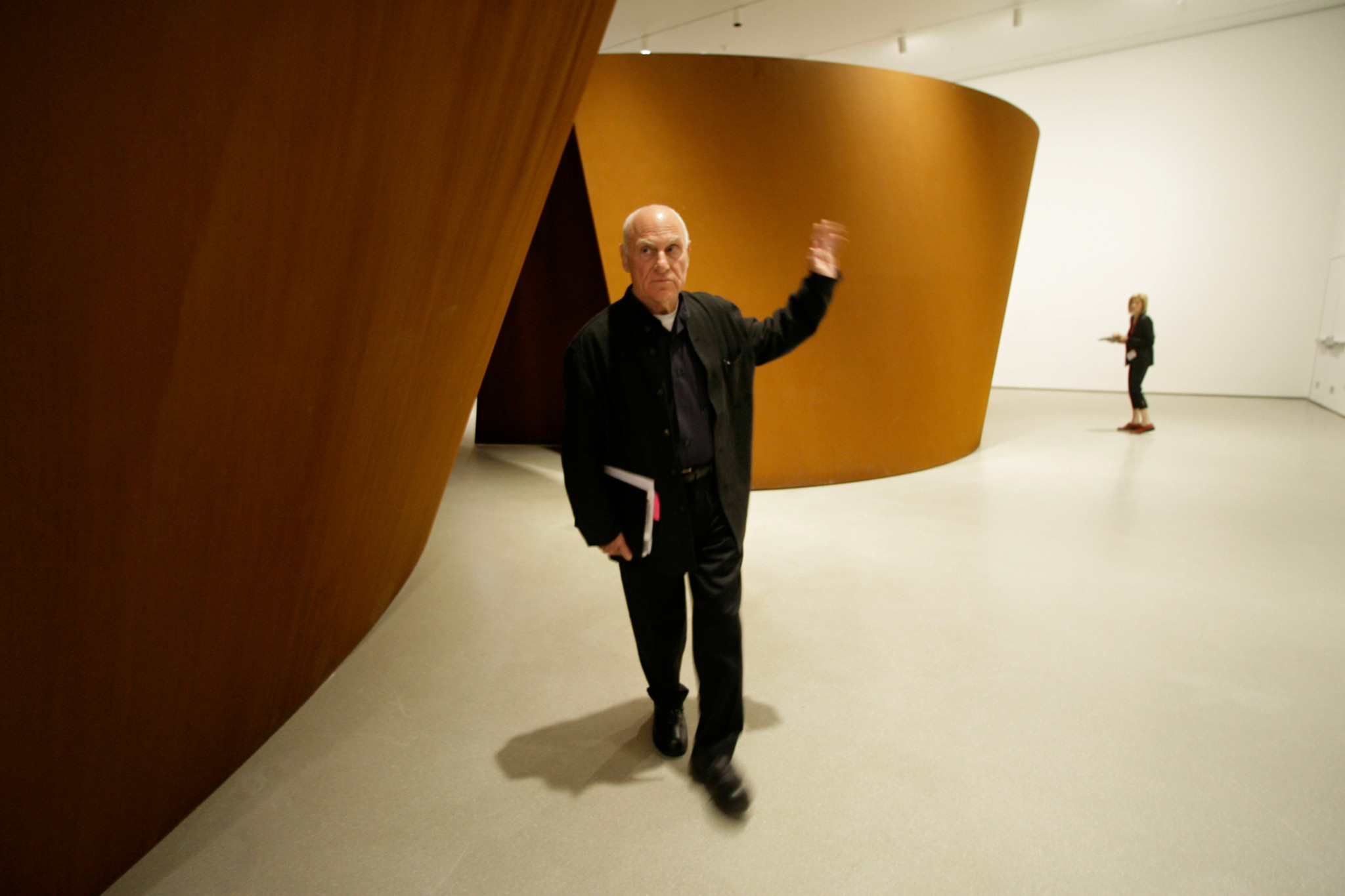
Richard Serra
American · b. 1938
Serra similarly employed large scale raw steel as his primary medium to create monumental sculptures that engage space and geometry in a conceptually rigorous way. Both artists share an industrial aesthetic and a commitment to minimalist formal language in their sculptural practice.
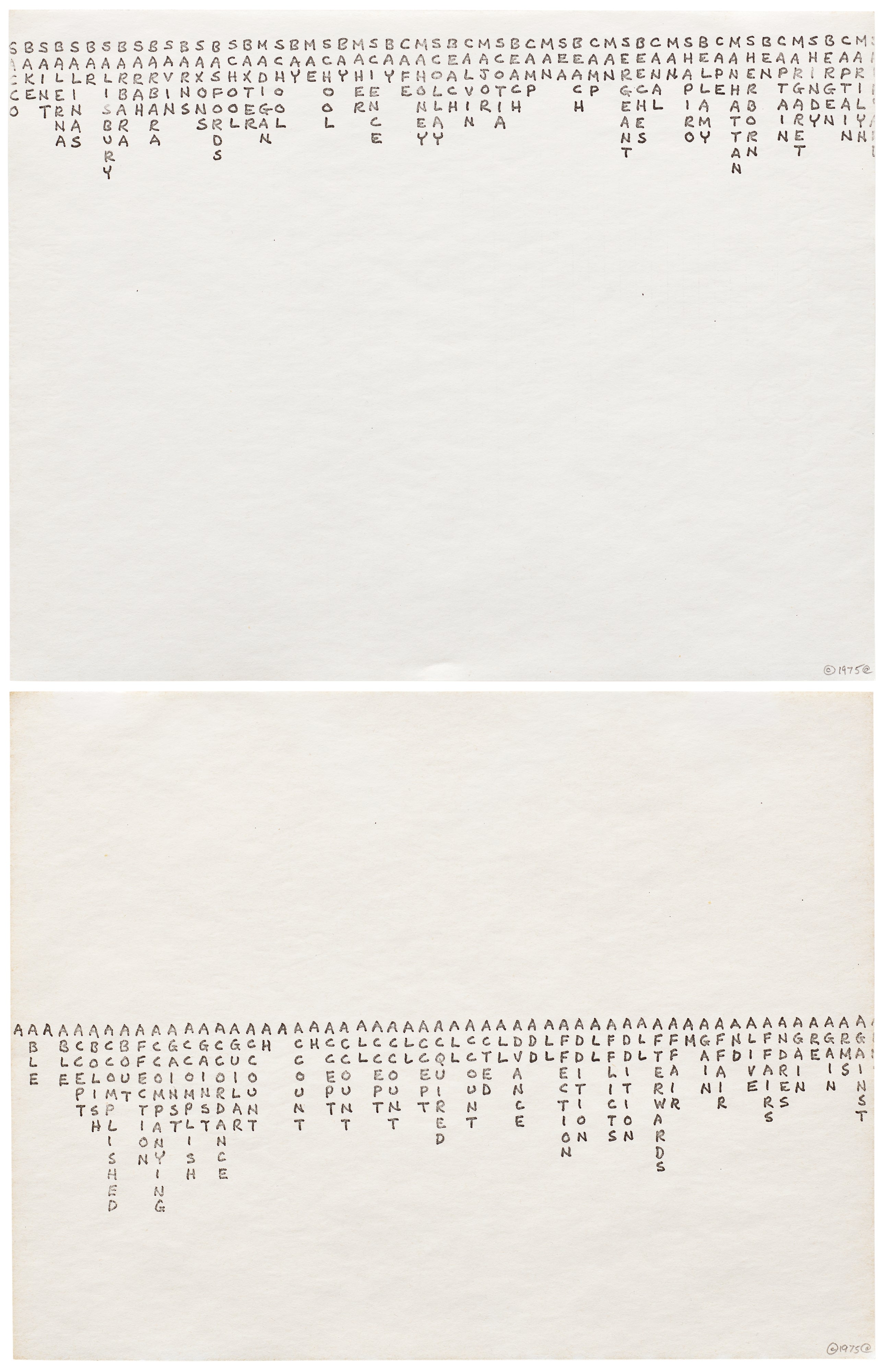
Carl Andre
American · b. 1935
Andre shares Venet's alignment with minimalism and conceptual art, using industrial materials and mathematical logic to structure his sculptures. His reduction of form to pure geometric and material essentials parallels Venet's own systematic approach to abstraction.
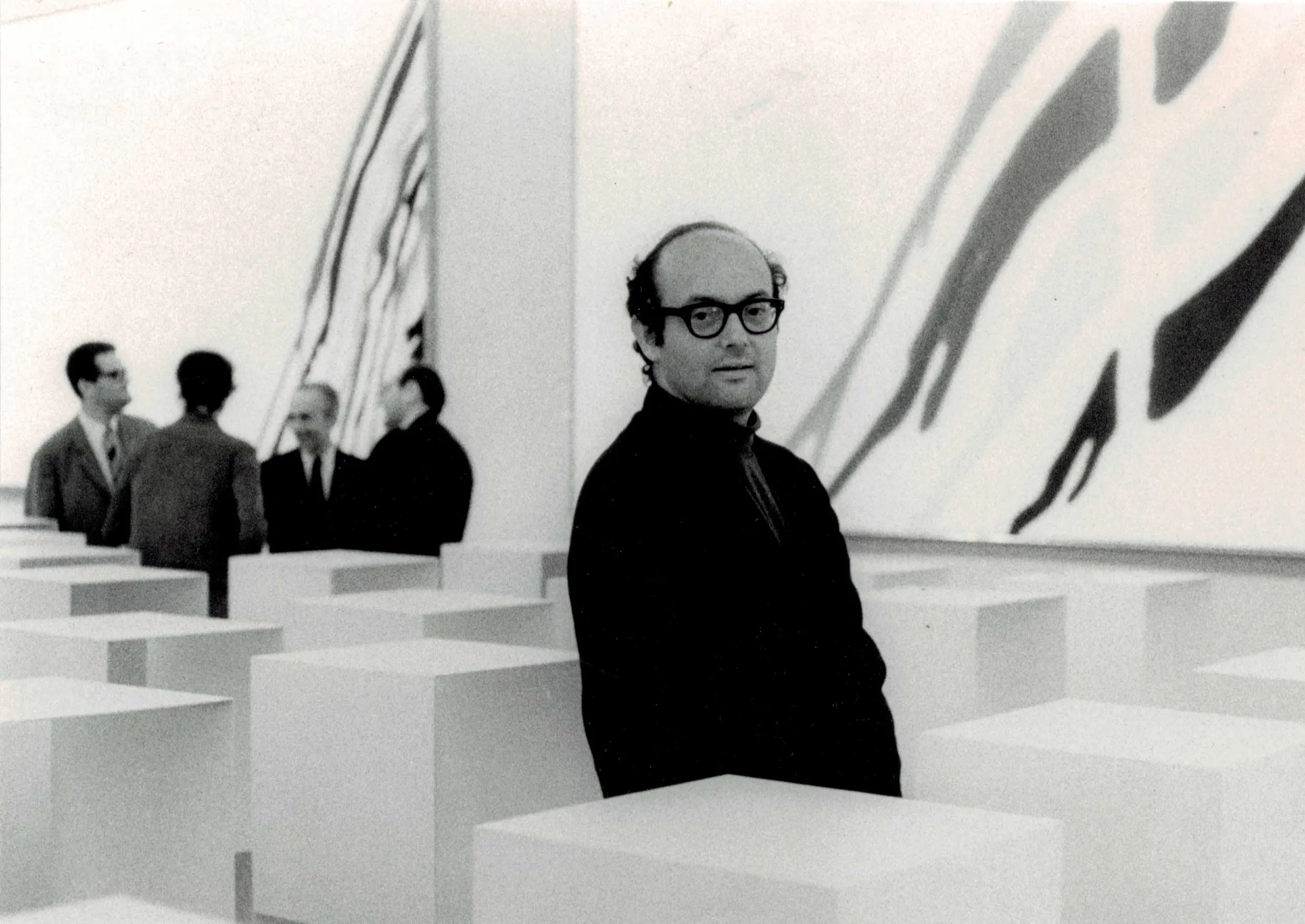
Sol LeWitt
American · b. 1928
LeWitt similarly grounded his art in mathematical systems and geometric abstraction, producing works that emphasize concept over subjective expression. Both artists treated structural logic and formal repetition as the foundation of their visual language.
Start the Discussion
Request access to join the discussion