Conceptual Photography
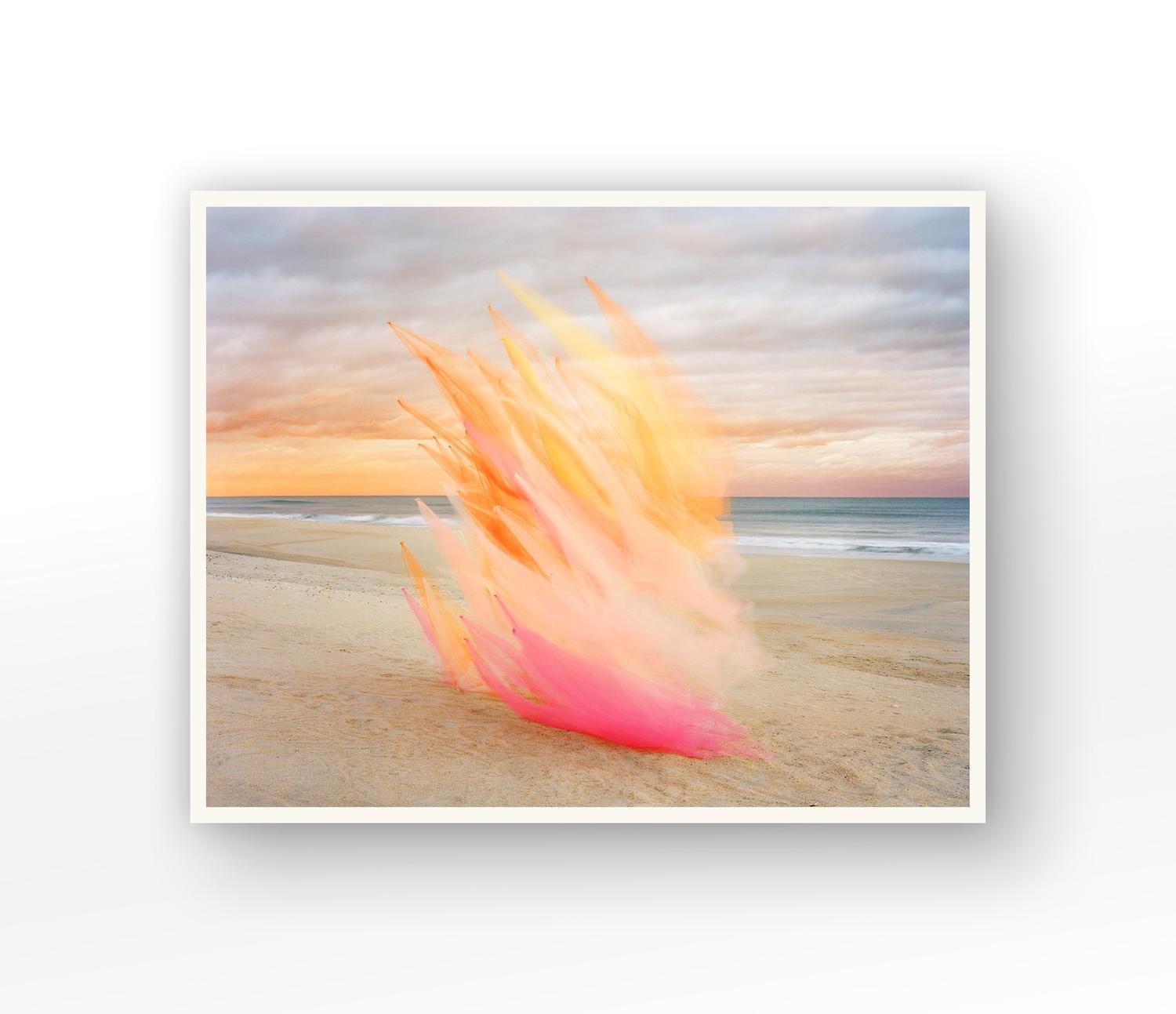
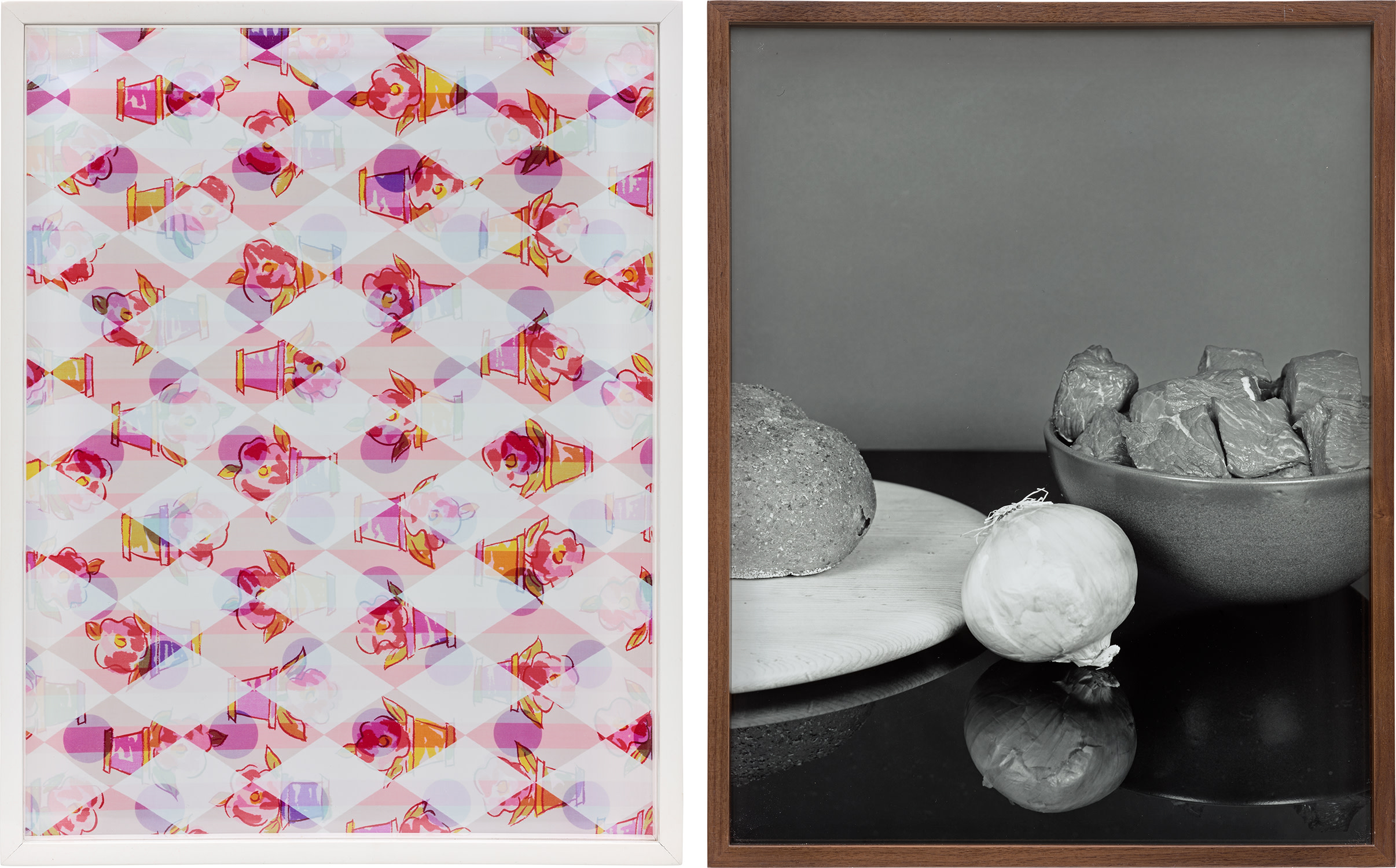
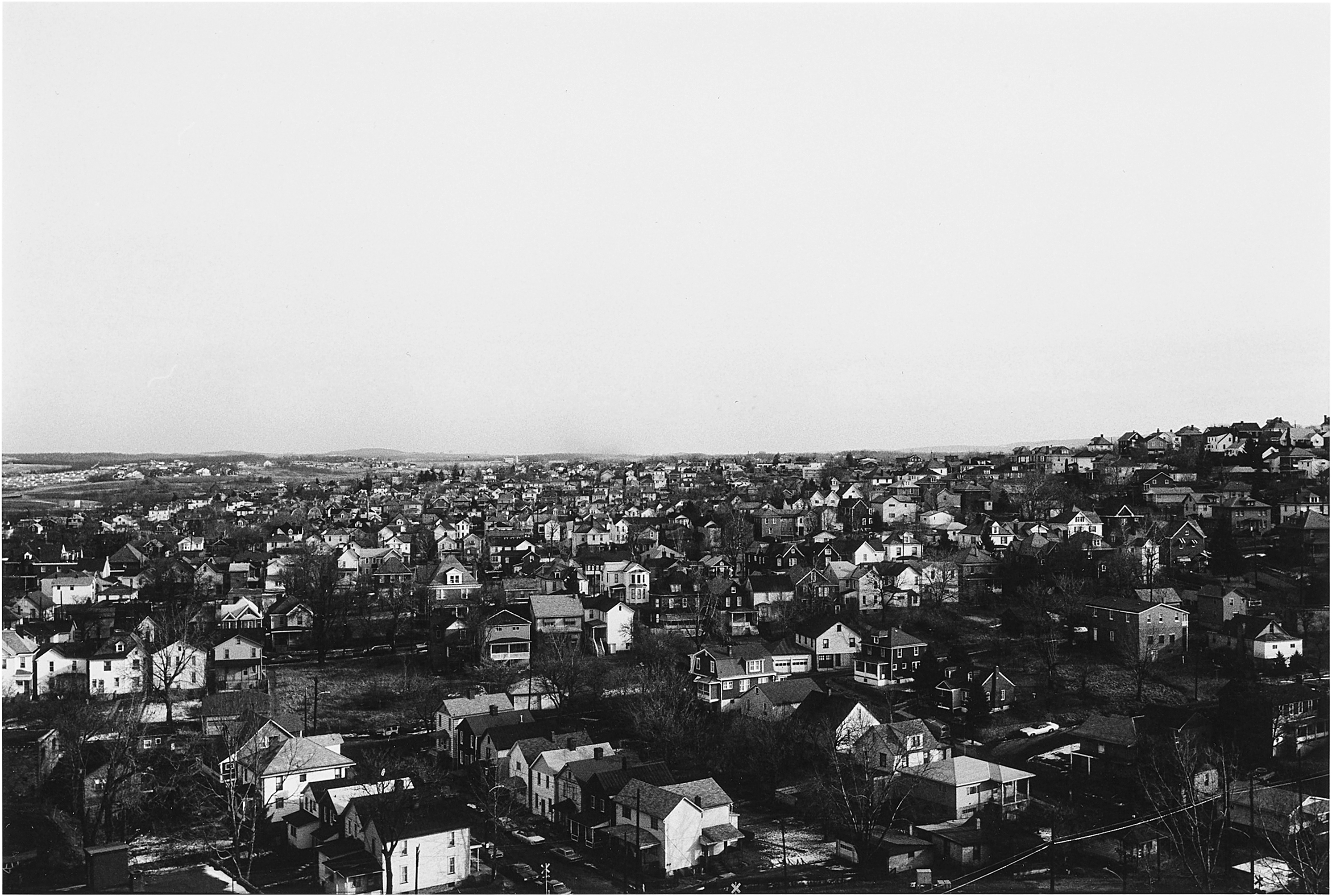
Thomas Jackson
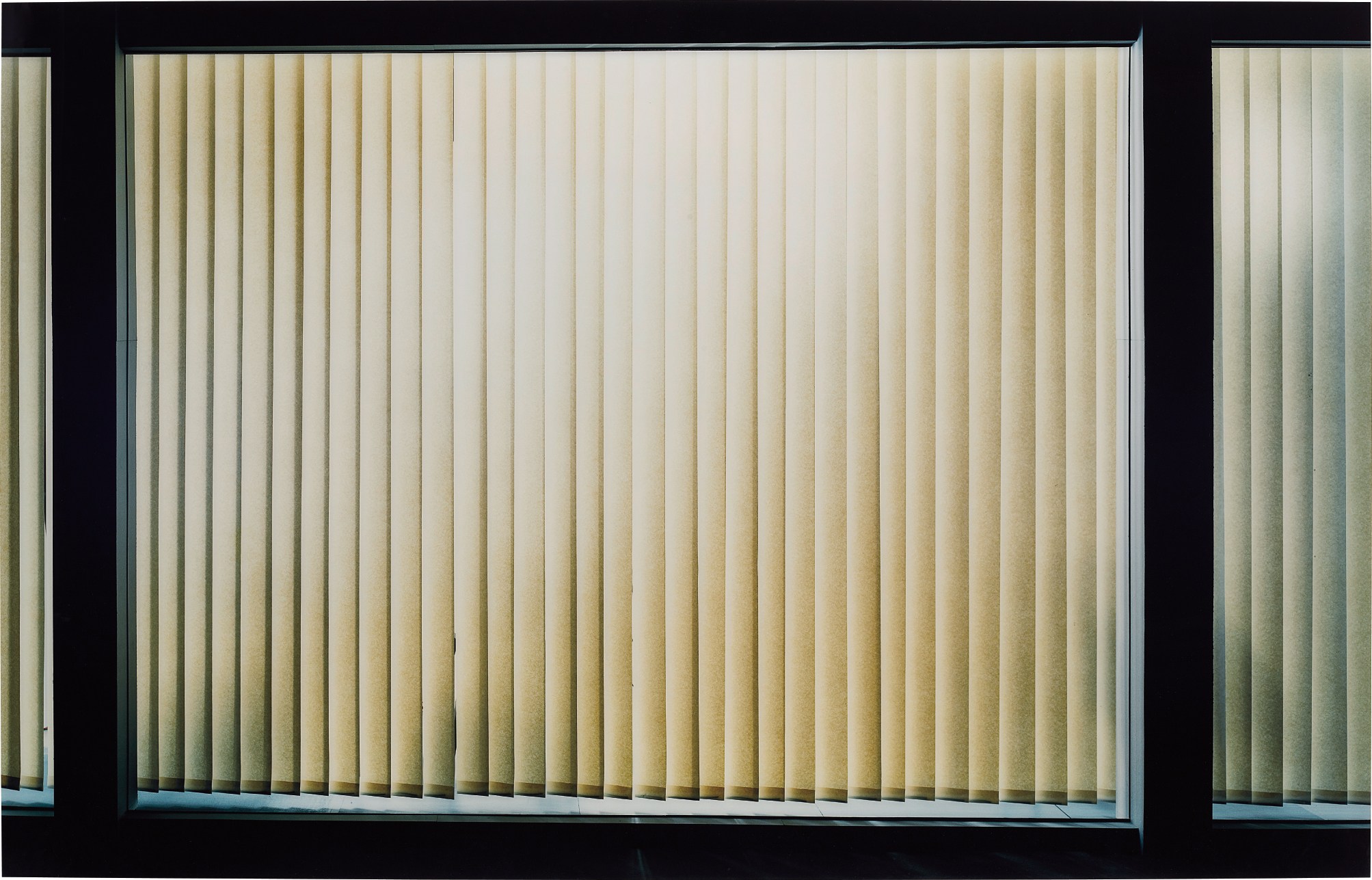
Tulle no. 34_v3, 2021



The Camera Lies. That Is The Point.
When a print by Andreas Gursky sold at Christie's London for over four million dollars, it confirmed something the art world had been circling for years: conceptual photography had fully arrived not just as a critical category but as a market force with serious staying power. The image in question, a vast and vertiginous rendering of a trading floor, was not a document. It was an argument about capitalism, scale, and the limits of human perception, made with a camera the way a sculptor works with stone. That collectors were willing to pay accordingly said everything about how the conversation had shifted.
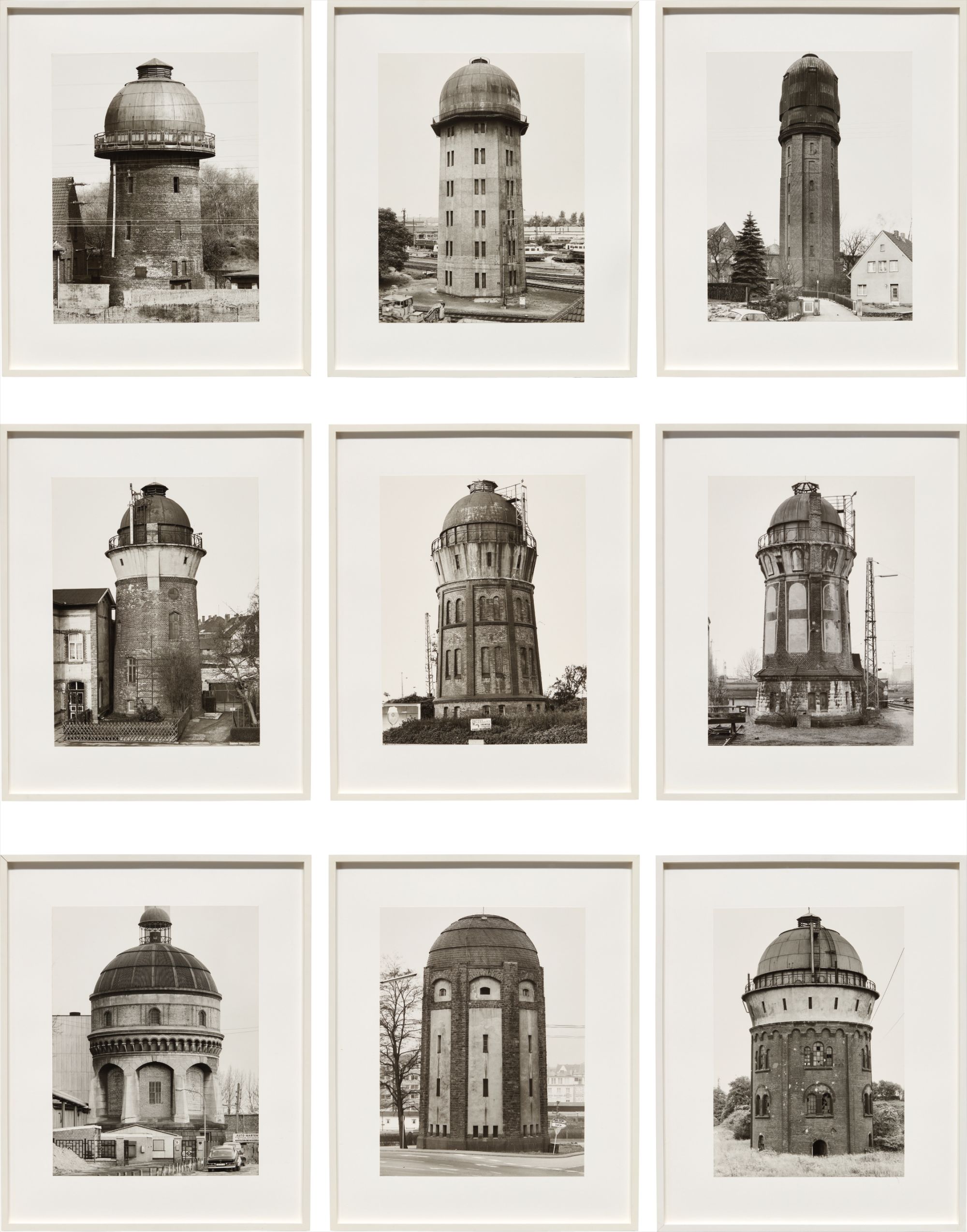
The story of conceptual photography is really the story of photography refusing to accept the terms it was handed. For most of its history the medium was asked to witness, to record, to be faithful. The artists who began dismantling that expectation in the 1960s and 1970s understood that the camera's apparent objectivity was itself a fiction worth exploiting. Bernd and Hilla Becher, whose rigorous typological grids of water towers and blast furnaces launched an entire generation of German image makers, were doing something quietly radical: using the language of industrial documentation to make conceptual sculpture.
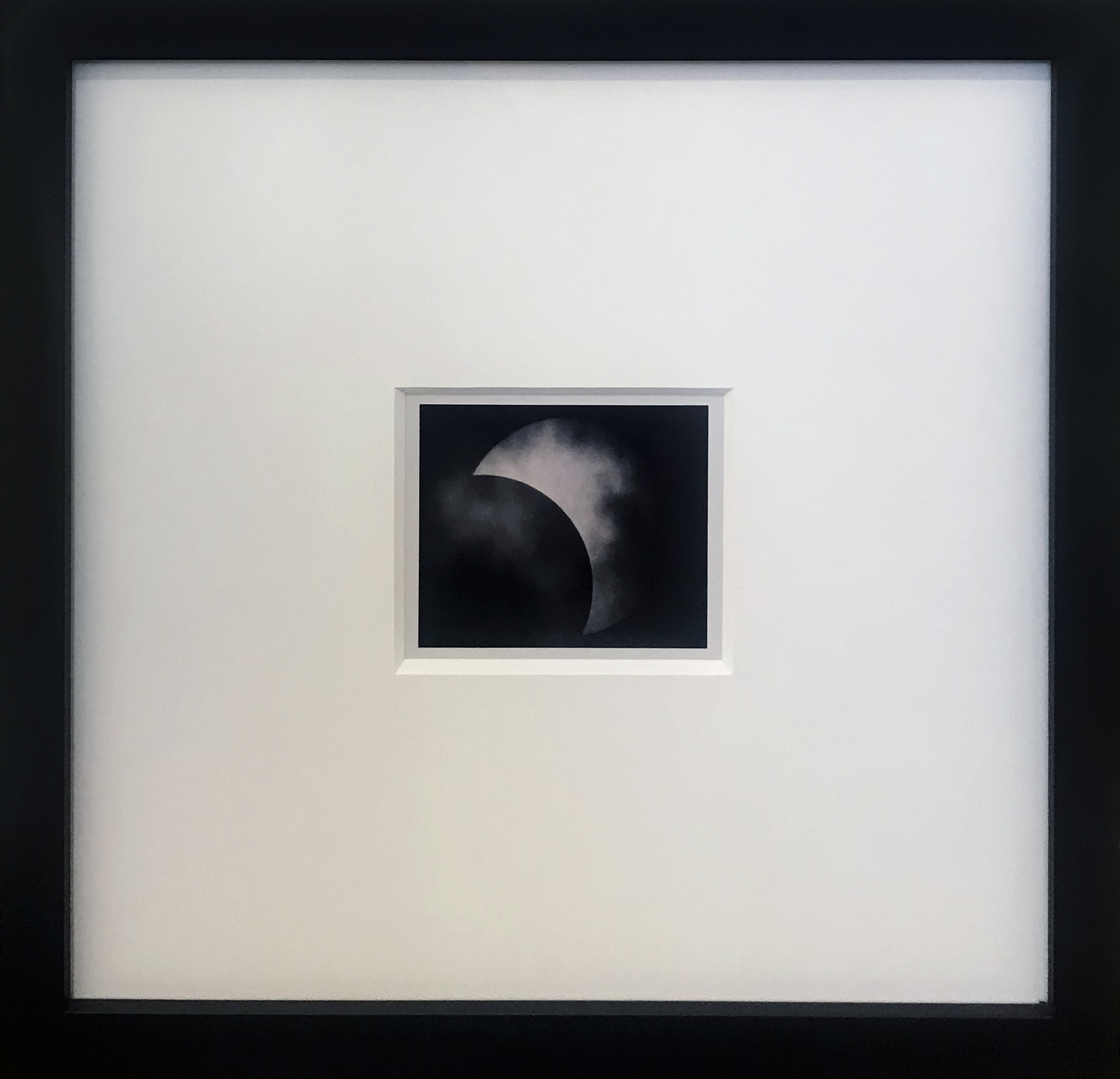
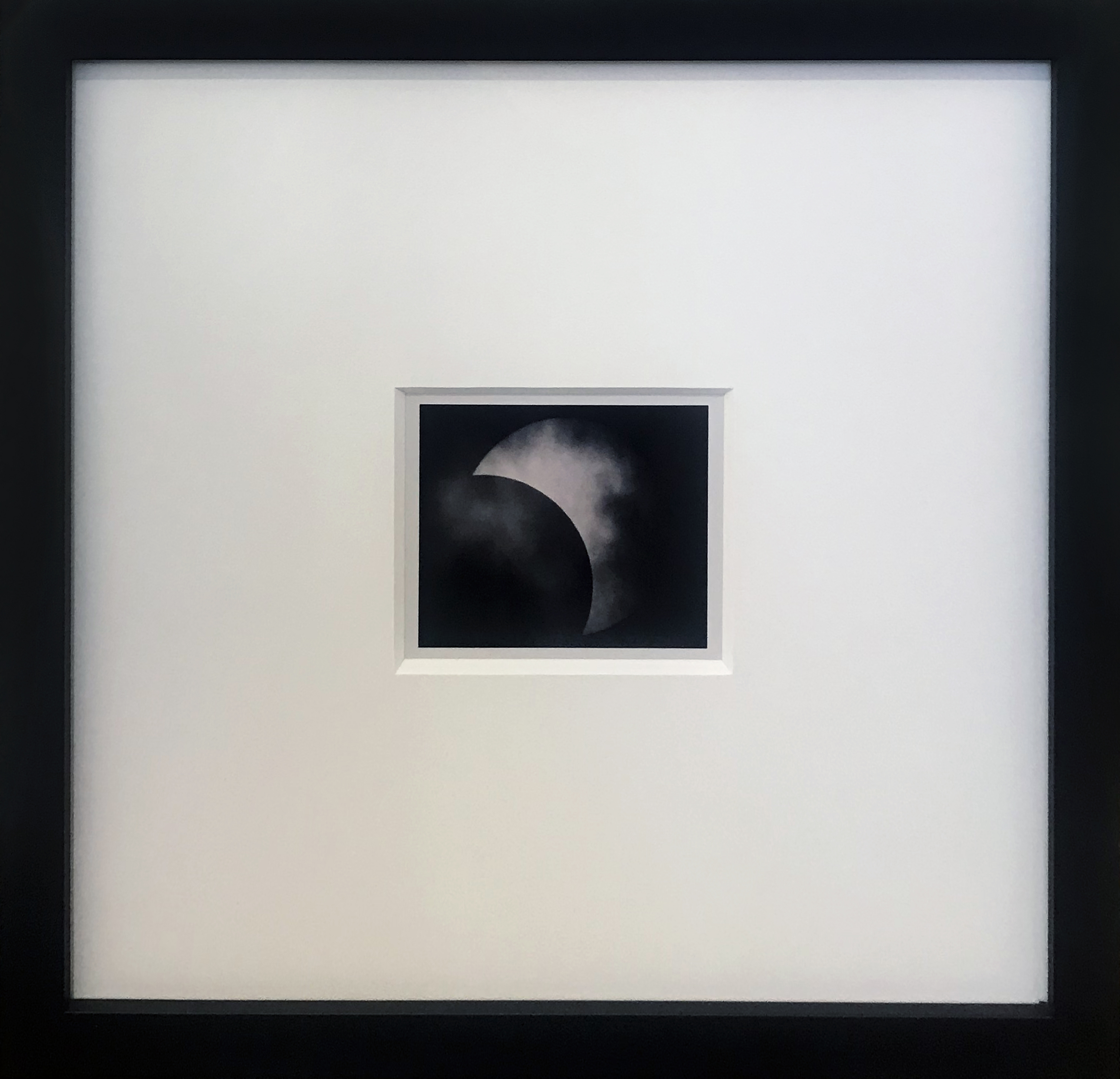
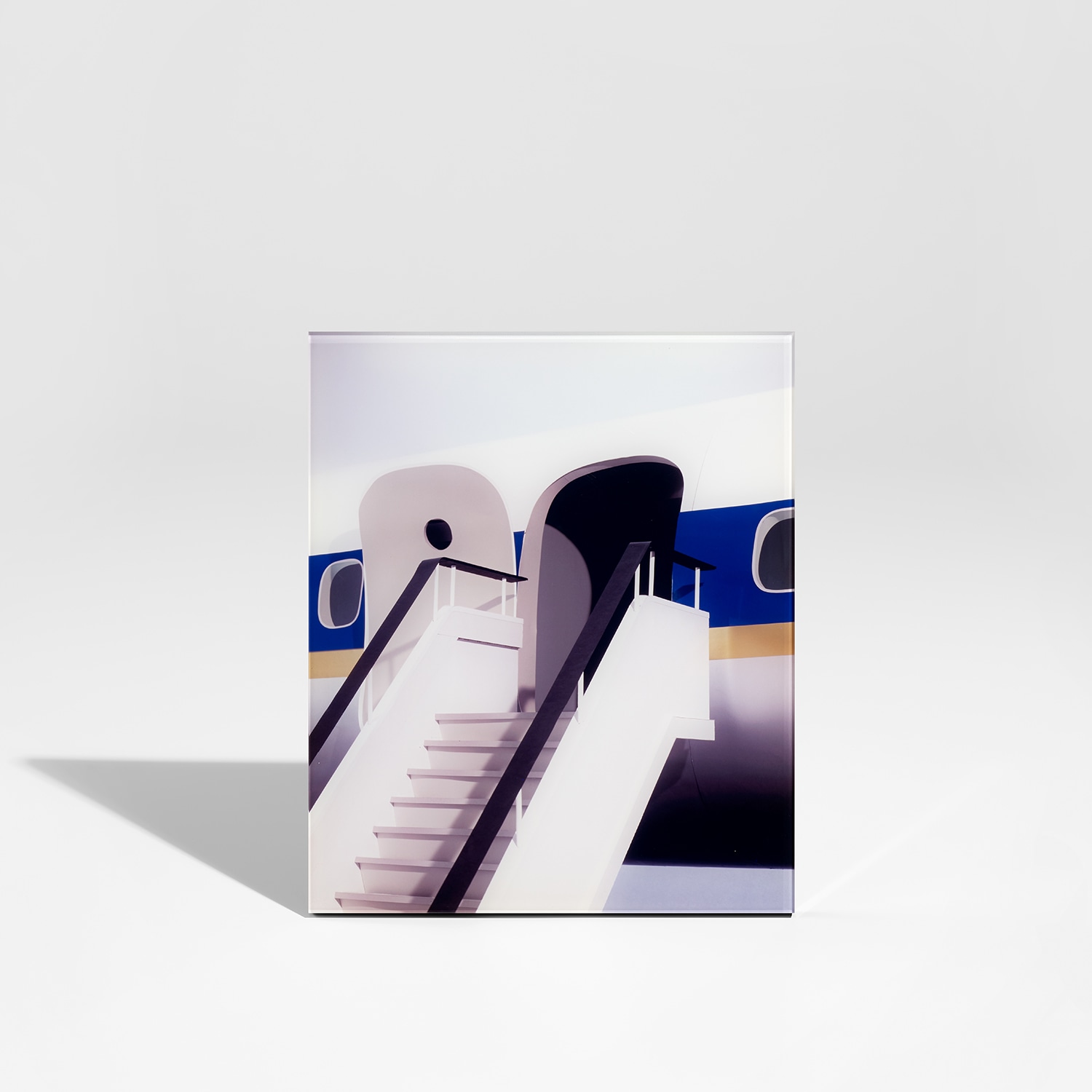
Thomas Ruff
Eclipse, 2004
Their students at the Düsseldorf Kunstakademie, including Thomas Struth, Thomas Ruff, and Candida Höfer, each took that inheritance in sharply different directions, and the results now anchor major collections worldwide. Museum programming over the past decade has been generous to this territory. The Museum of Modern Art's 2009 survey New Photography, a recurring exhibition that the institution used to spotlight emerging practices, introduced many collectors to figures who are now firmly canonical. Cindy Sherman's retrospective at MoMA in 2012 drew enormous attendance and recalibrated her market significantly, reminding everyone that her work was not merely a period piece of postmodern theory but something viscerally alive.
Jeff Wall's surveys at Tate Modern and the Art Institute of Chicago cemented his position as the medium's great theatrical intelligence, a maker of cinematic tableaux that reward the kind of sustained looking usually reserved for painting. These shows did not just educate audiences. They moved the market. At auction, the gap between the most established names and the mid tier remains wide but is narrowing in interesting ways.
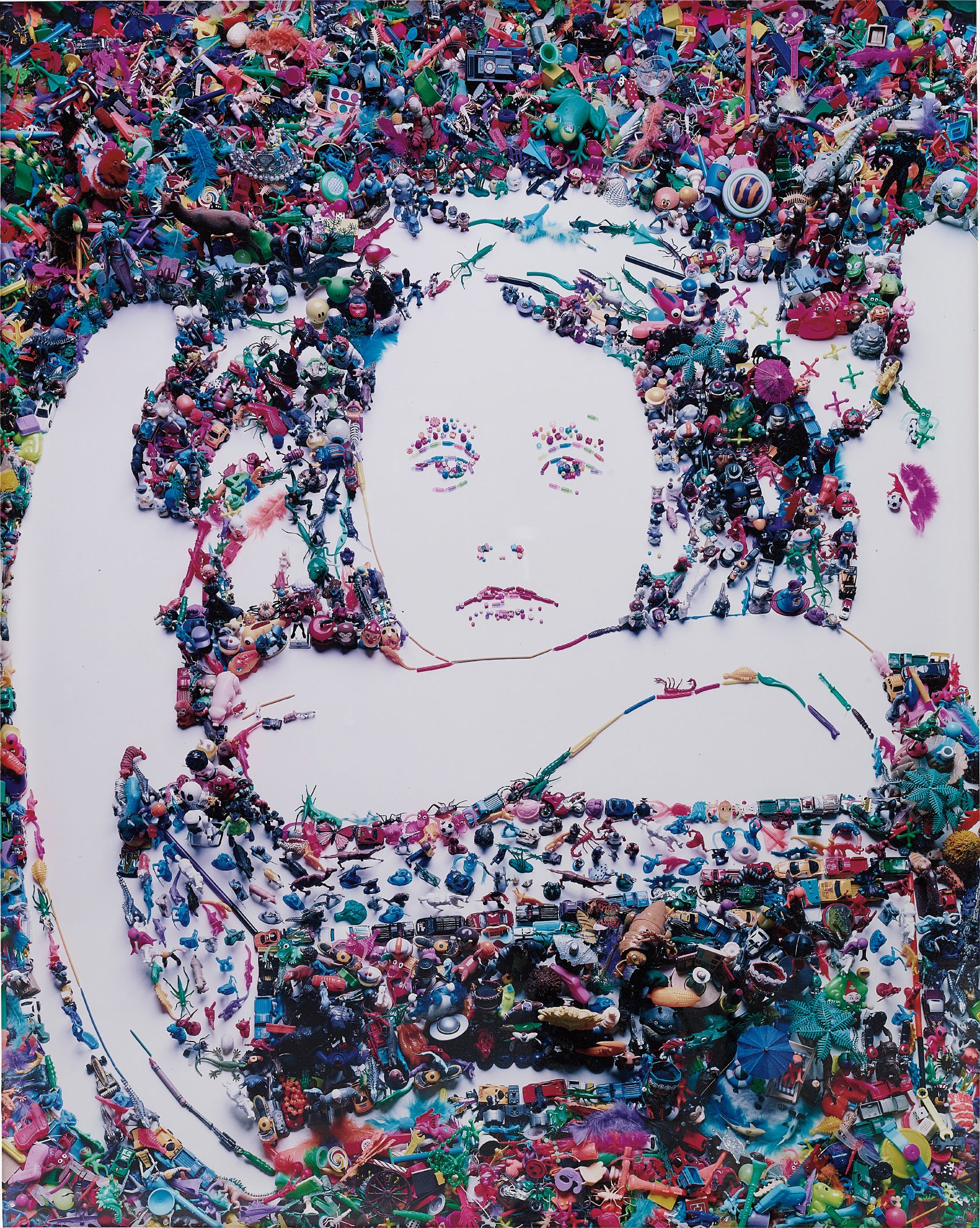
Vik Muniz
I Wait After Julia Margaret Cameron, 2004
Gursky commands the ceiling, but Hiroshi Sugimoto has seen strong results for his Theaters and Seascapes series at both Christie's and Sotheby's, with major prints regularly achieving six figures. Thomas Demand, whose painstaking paper constructions photographed and then destroyed represent one of the most intellectually rigorous practices in contemporary art, has built a devoted institutional following that is beginning to express itself more forcefully at auction. Vik Muniz, whose work collapses the distance between image and material, between high art and vernacular culture, appeals to a broad collecting base precisely because his wit never undermines his intelligence. These artists are well represented on The Collection, and for good reason.
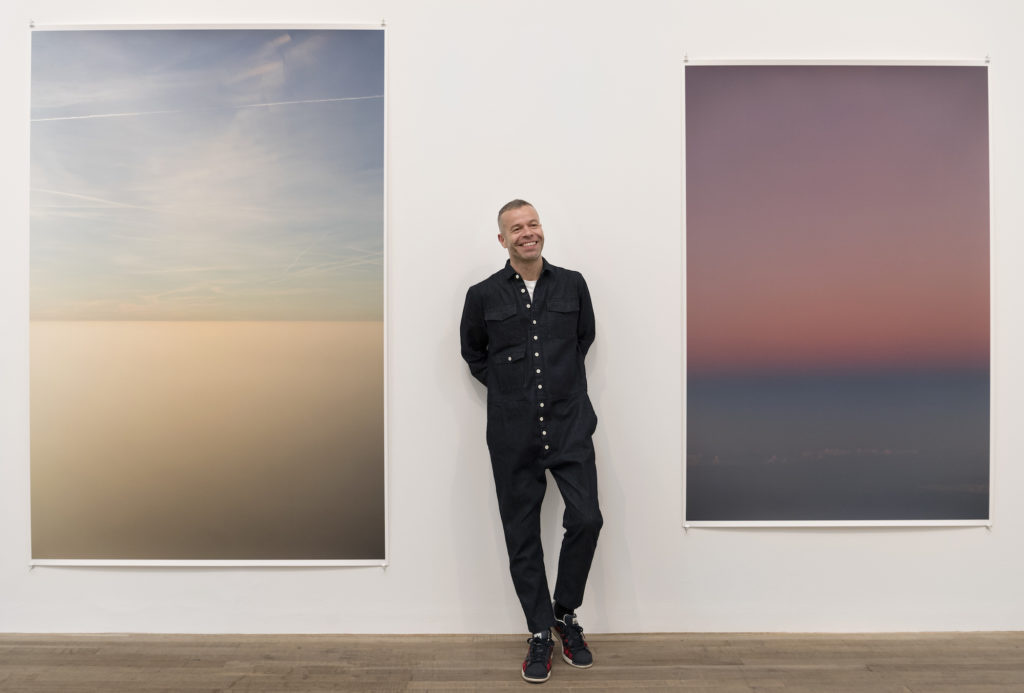
The institutions doing the most serious collecting in this space tell you where the field is heading. The Broad in Los Angeles has made conceptual photography central to its identity, holding significant bodies of work by artists including Cindy Sherman and Barbara Kruger. The San Francisco Museum of Modern Art rebuilt its entire photography department around the idea that the medium's conceptual possibilities were as legitimate as any other contemporary practice. In Europe, the Pinakothek der Moderne in Munich and the Stedelijk in Amsterdam have long treated photographers like Thomas Ruff and Wolfgang Tillmans with the curatorial seriousness usually reserved for painters.

Wolfgang Tillmans
Carciofo
When institutions of that caliber build permanent collection depth in a category, private collectors tend to follow. The critical conversation around conceptual photography has been shaped by a handful of essential voices. David Campany's writing, particularly his work on the relationship between photography and cinema, has given collectors useful frameworks for understanding artists like Wall and Demand. The journal October, associated with critics including Rosalind Krauss and Douglas Crimp, provided much of the theoretical architecture for understanding appropriation and the critique of representation, which is why artists such as Richard Prince, Louise Lawler, and Laurie Simmons feel so intellectually coherent when considered together.
Closer to the present, curators like Roxana Marcoci at MoMA have continued to argue for photography's centrality to any serious account of contemporary art. What feels newly alive in this category is the generation working at the intersection of photography and what we might loosely call post internet image culture. Elad Lassry, whose tightly controlled images of objects and bodies operate somewhere between product photography and modernist painting, has attracted serious collector attention in recent years. Anne Collier's deadpan investigations of found imagery and feminine representation feel urgently contemporary even when her source material is decades old.

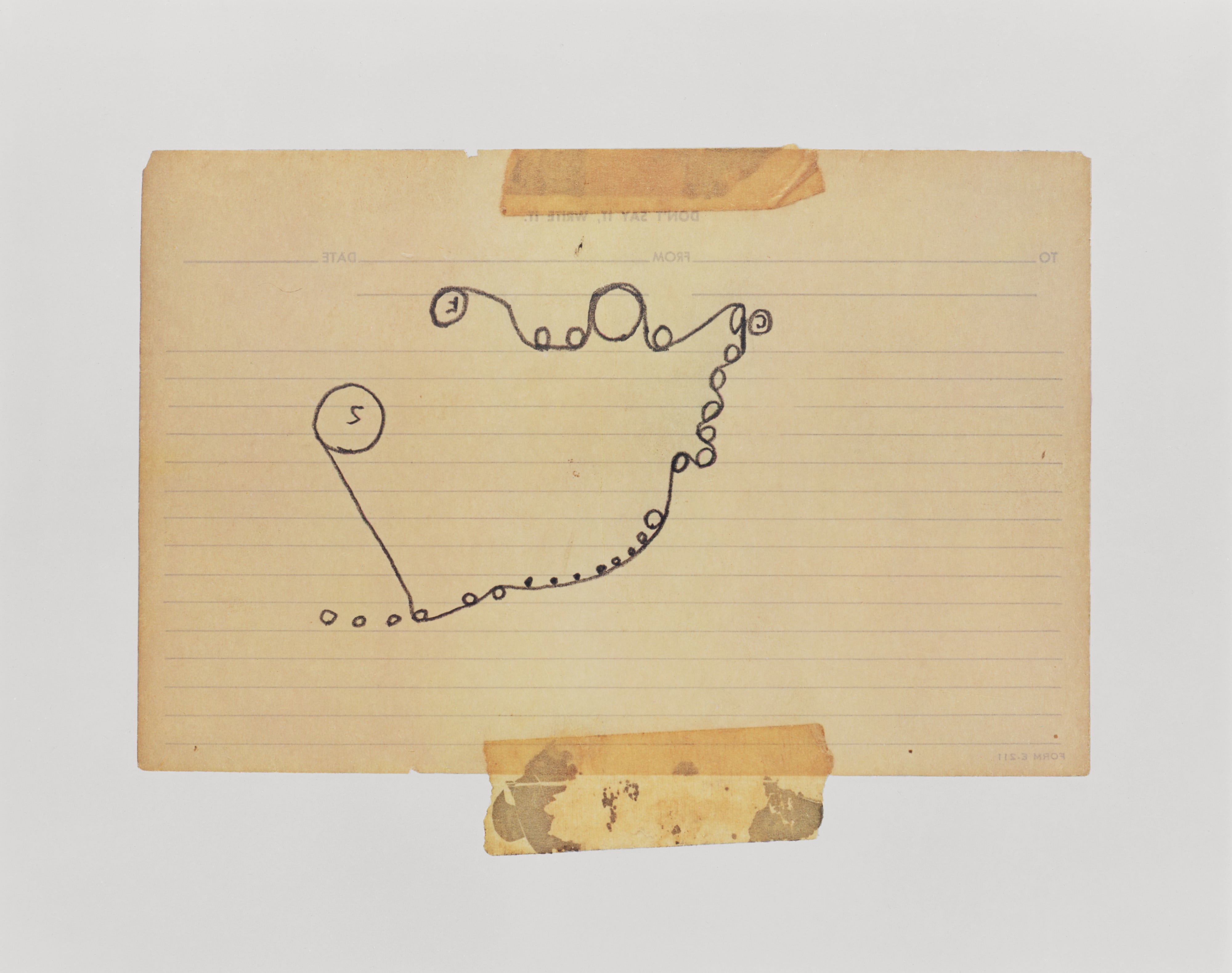
Anne Collier
Questions (Connection), 2011
Walead Beshty's process based work, in which photographic paper is exposed to light during shipping and arrives at galleries already altered by its own journey, raises questions about authorship and materiality that feel genuinely unresolved. These are not artists coasting on an established framework. They are building new ones. What feels settled, reassuringly so, is the canonical status of the Becher school and the Pictures Generation.
These artists proved that photography could carry the full weight of critical and philosophical ambition, and the market has internalized that proof. What feels surprising, at least to those who assumed the field was consolidating, is how much genuinely strange and rigorous work continues to emerge. Uta Barth's investigations of peripheral vision and domestic light, Abelardo Morell's camera obscura rooms, Robert Heinecken's interventions into mass media imagery: these practices remind you that the conceptual turn in photography was never a single move but an ongoing permission, a standing invitation to question what the image is for and who it serves. That invitation remains open, and the most interesting collectors are still accepting it.