Thomas Struth
1
Followers
Artist Spotlight
Thomas Struth Sees the World Clearly
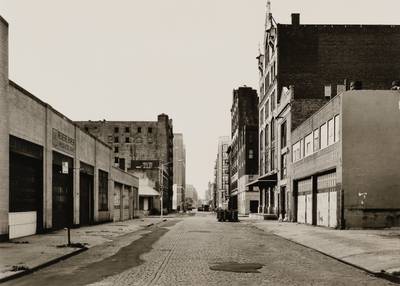
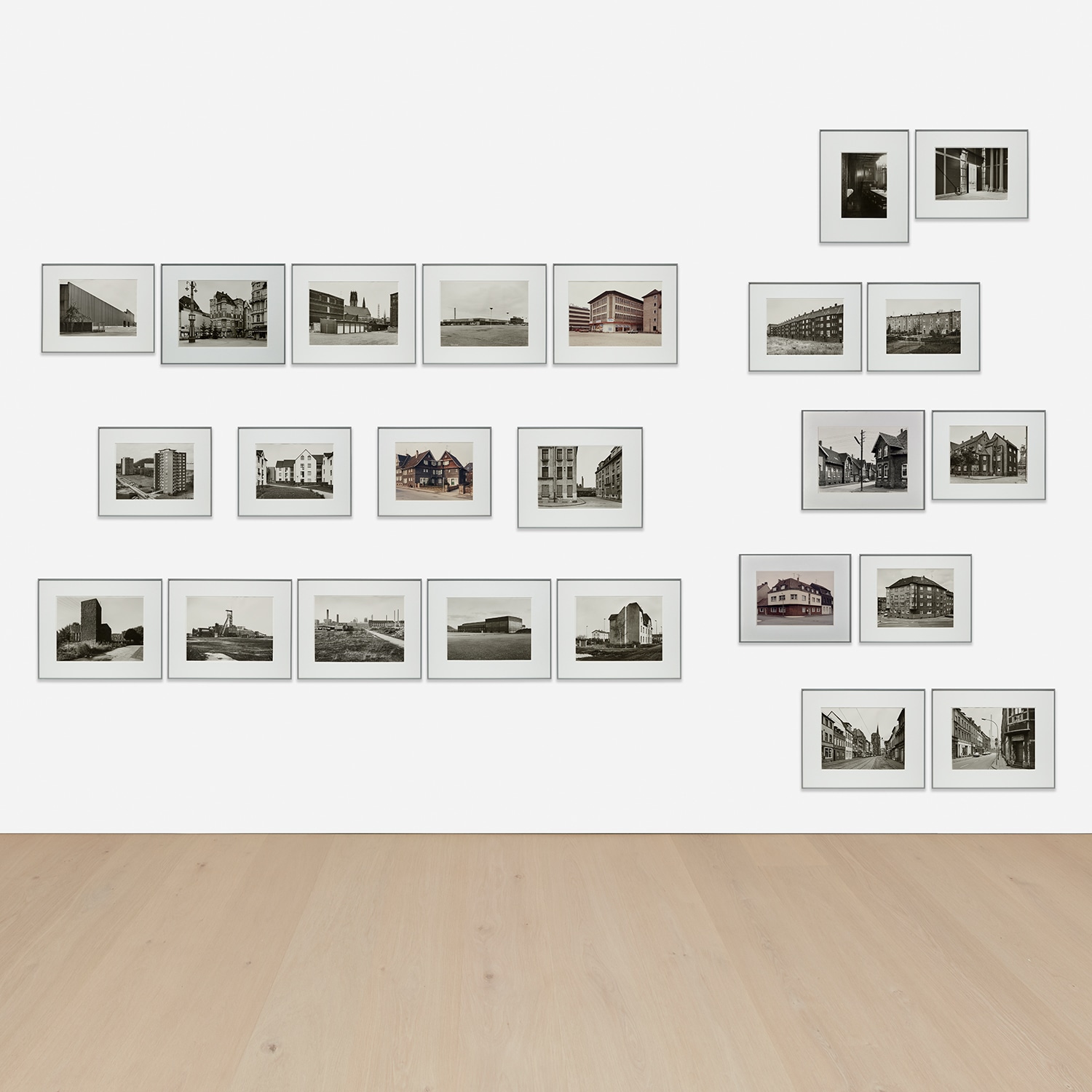
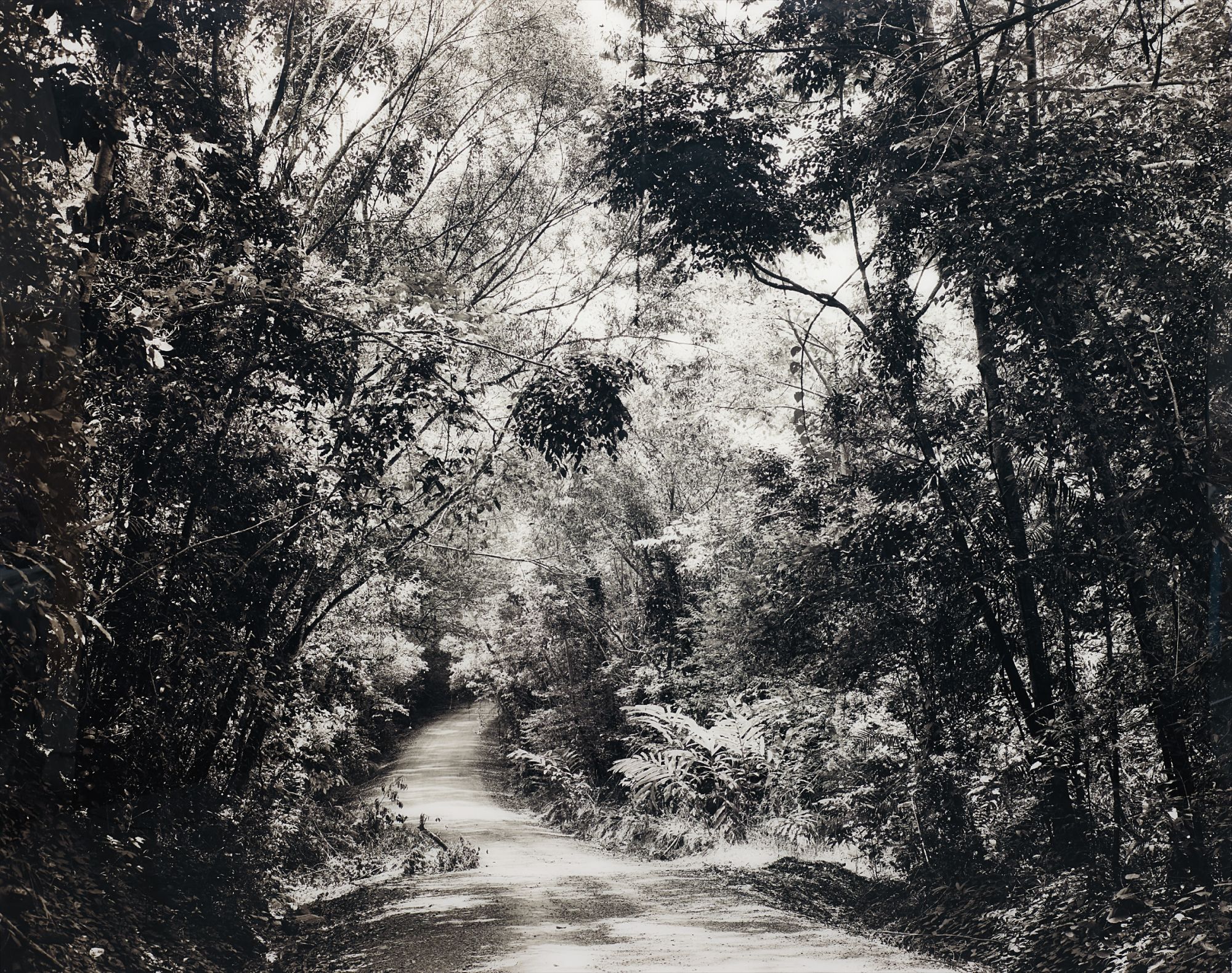
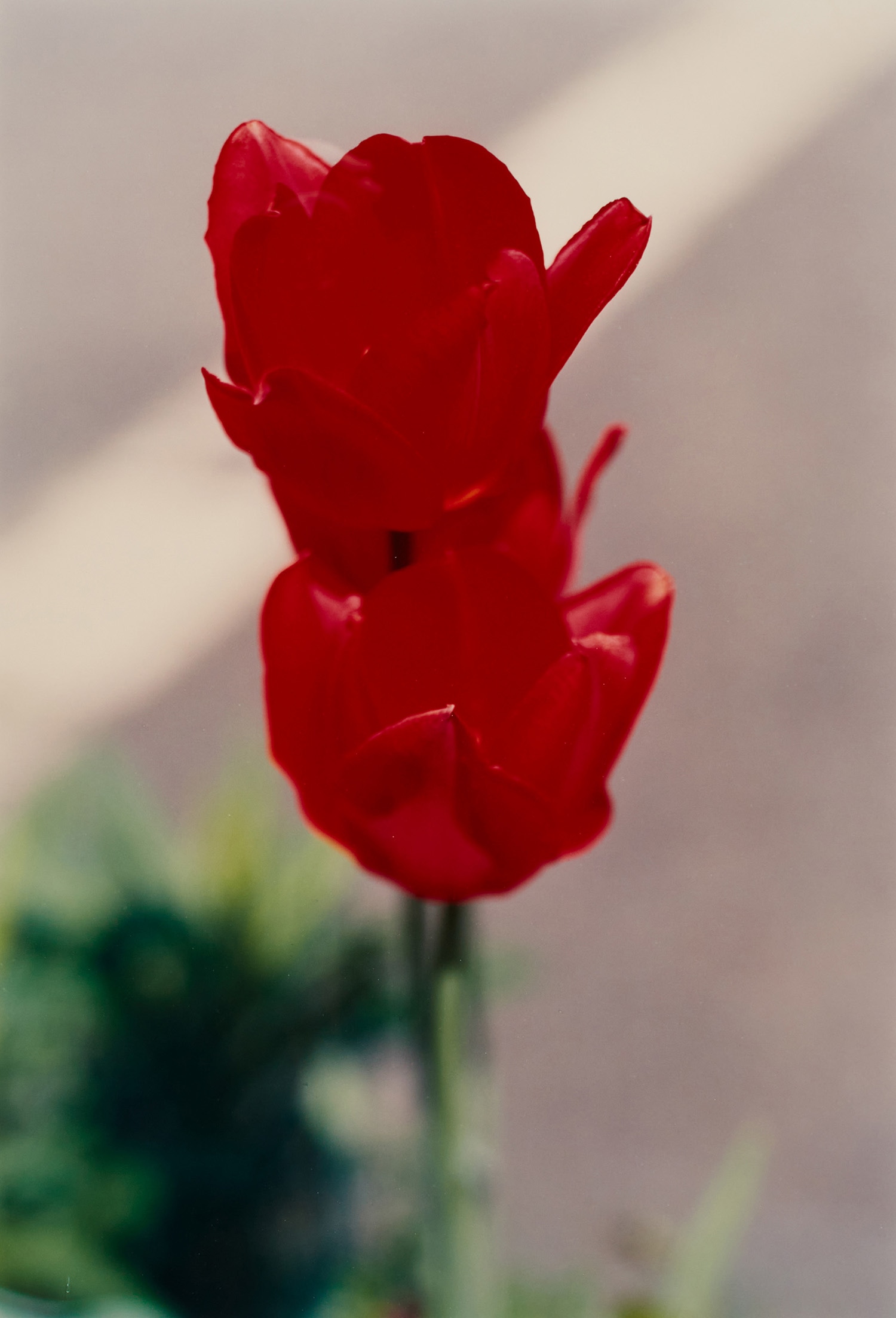
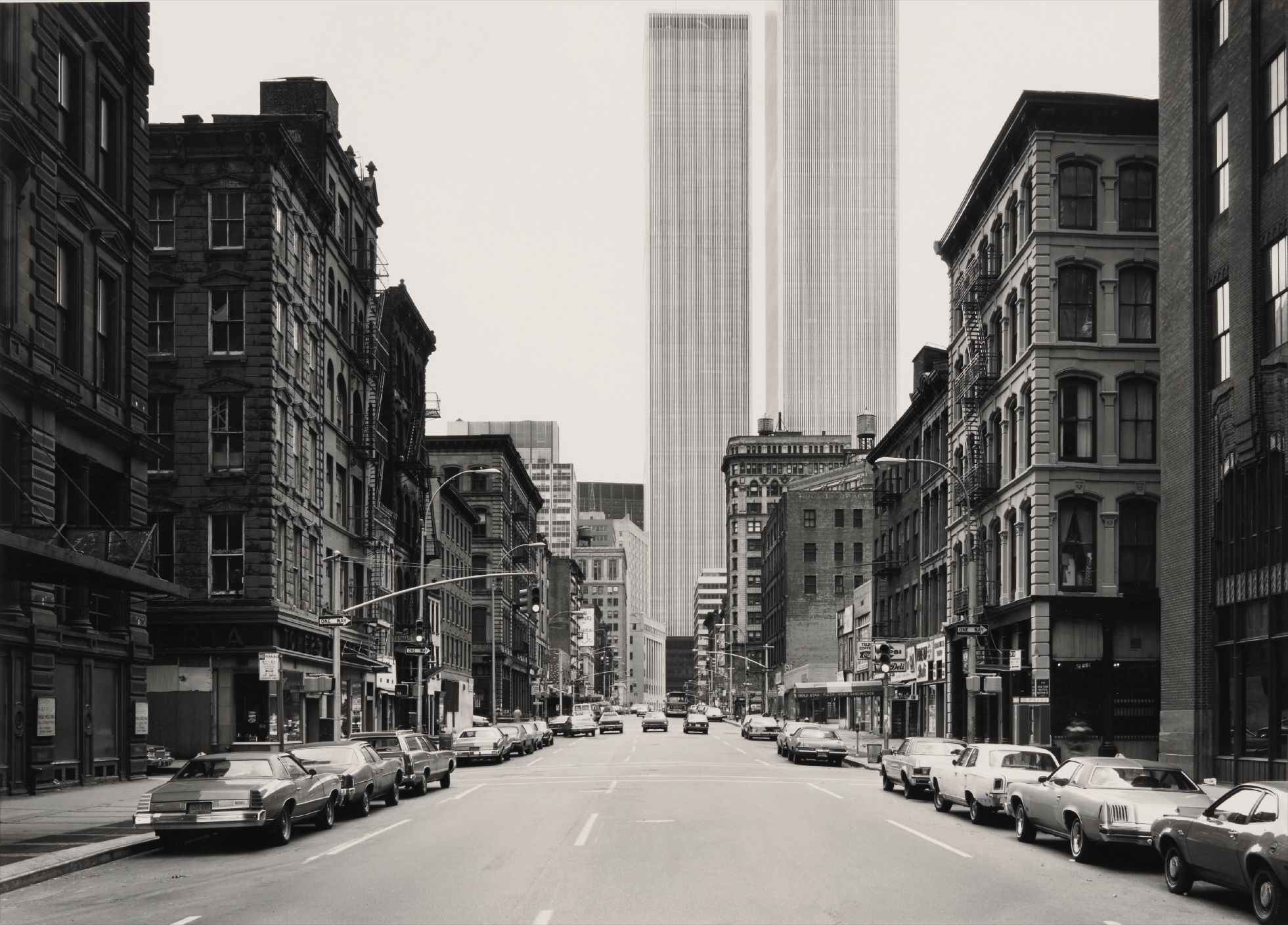
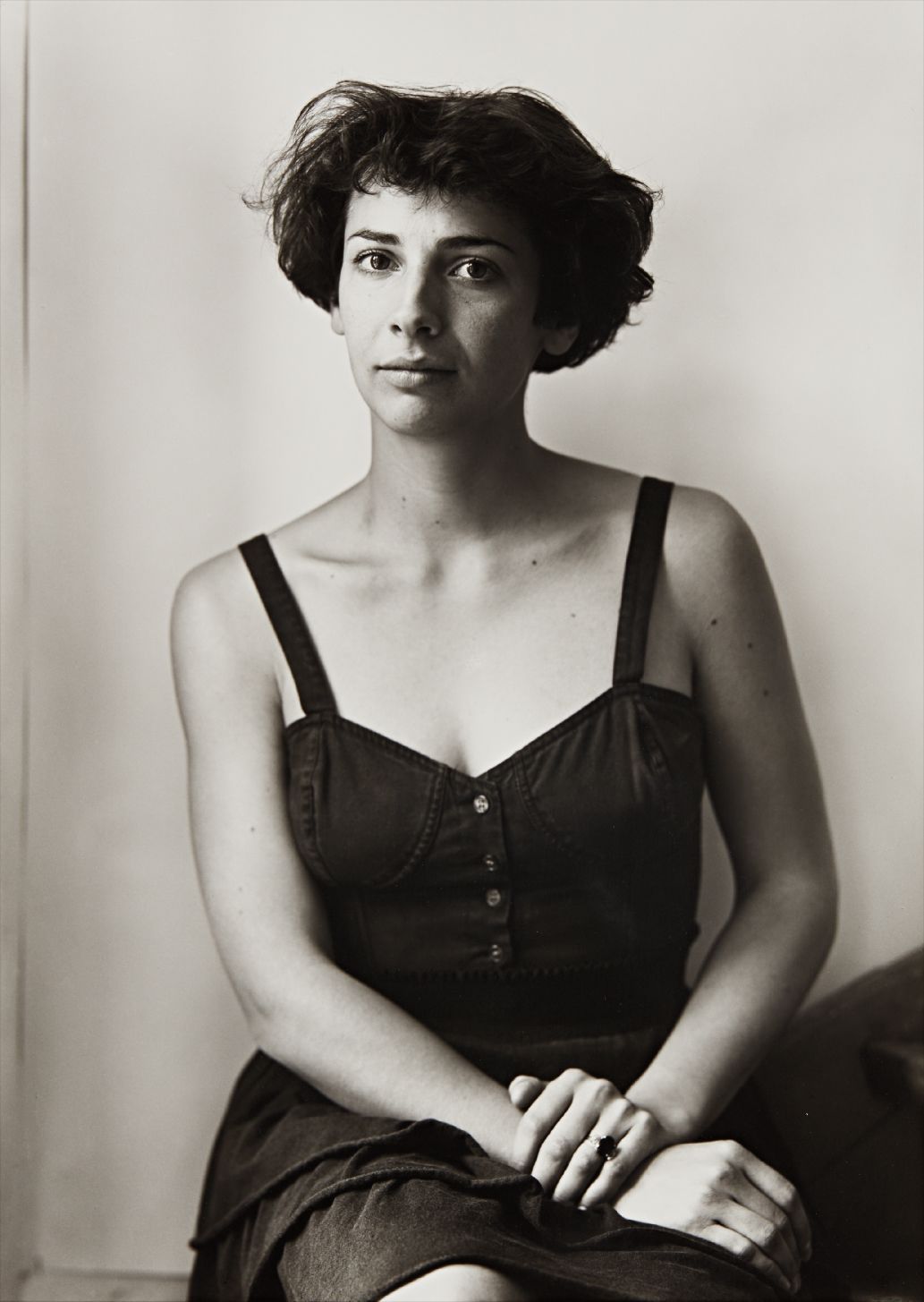
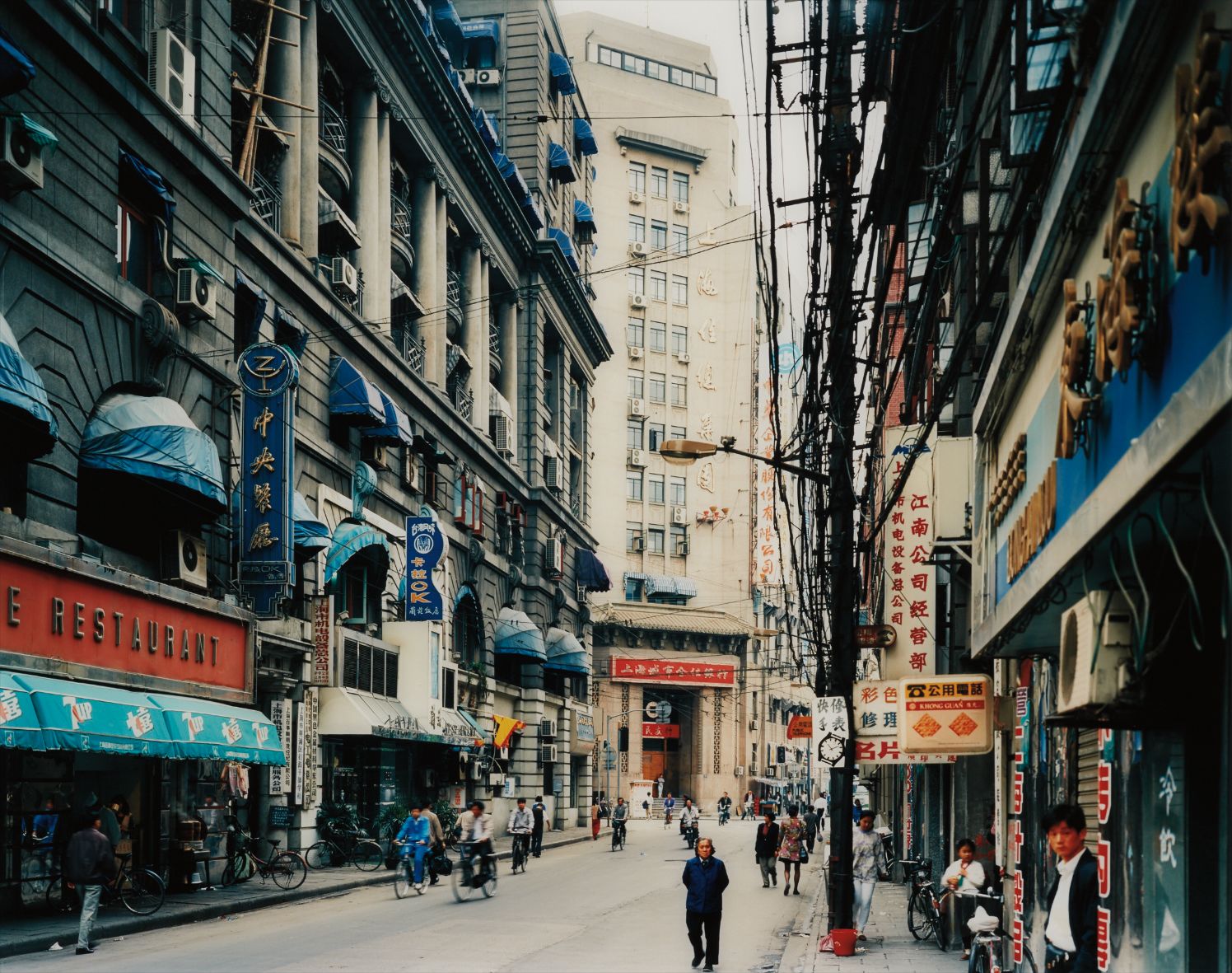
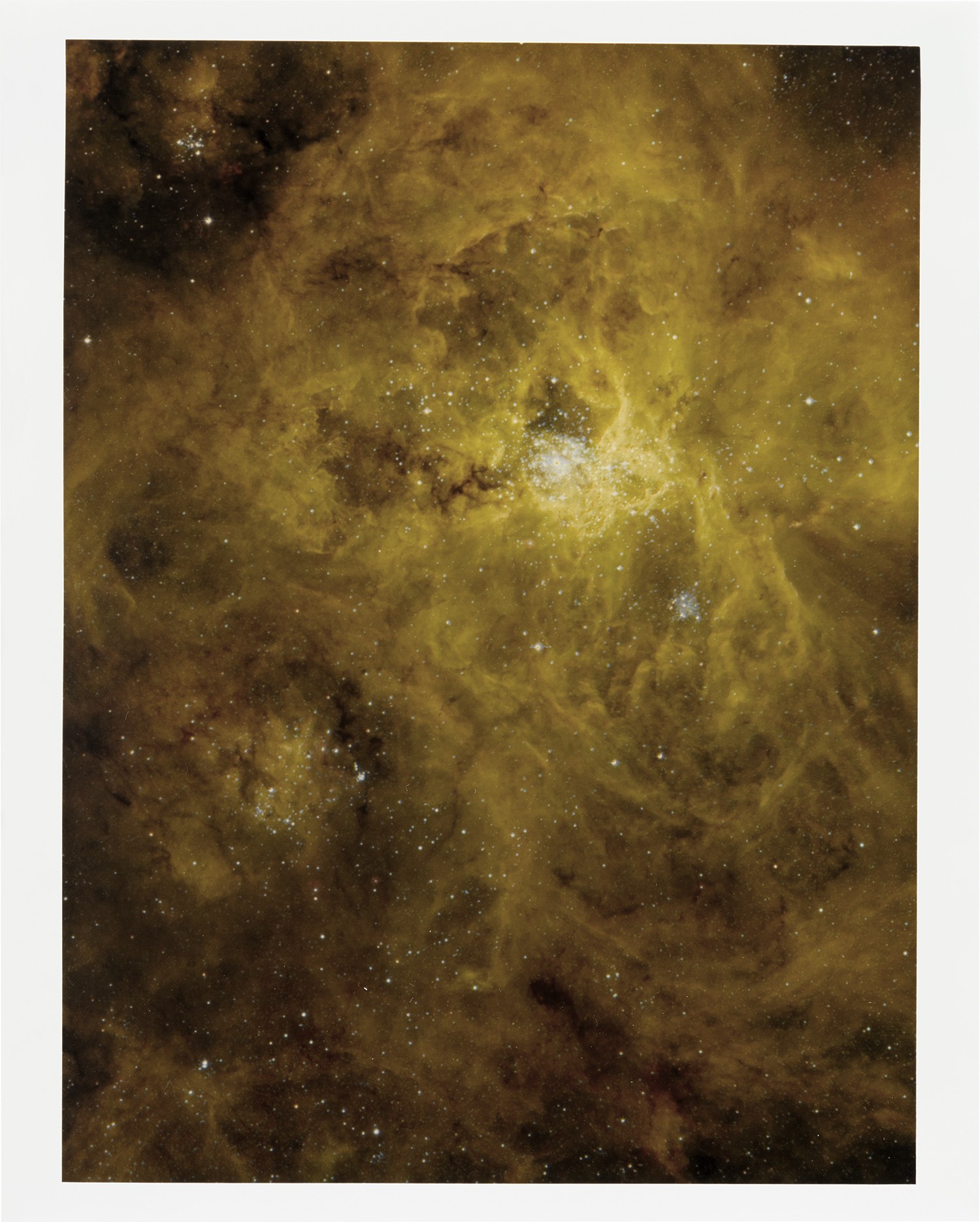
When the Kunstmuseum Düsseldorf mounted a substantial survey of Thomas Struth's work, it confirmed what collectors and curators had long understood: here is a photographer whose sustained, methodical gaze has quietly transformed how we think about cities, culture, and the act of looking itself. Struth has spent five decades building one of the most intellectually coherent bodies of work in contemporary photography, a practice rooted in deep curiosity about human systems and the spaces we inhabit together. His reputation continues to grow in step with a broader critical reassessment of… Continue reading
Artists in conversation
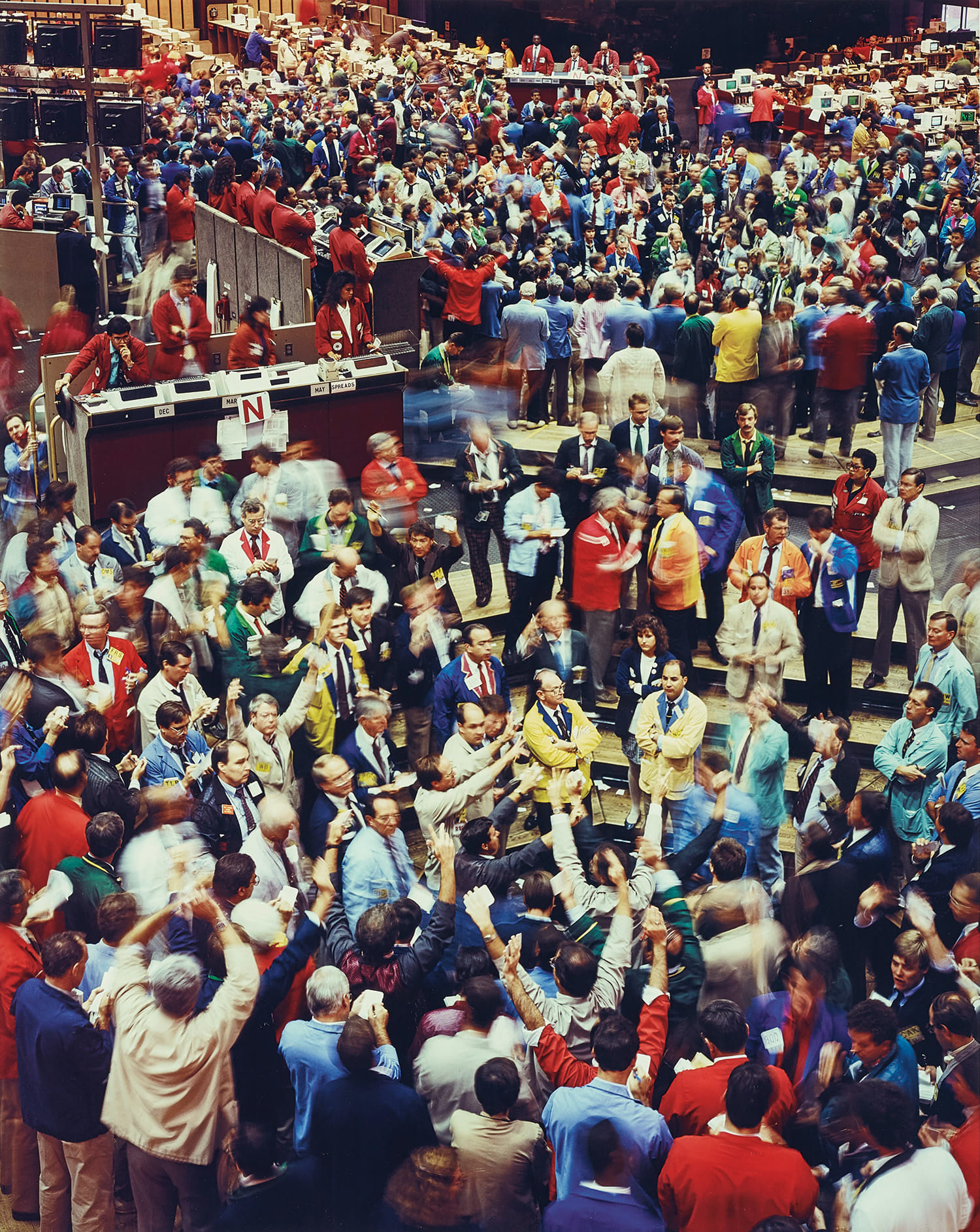
Andreas Gursky
Gursky shares Struth's large format color photography approach and systematic documentation of contemporary spaces including factories, stock exchanges, and institutional environments. Both studied under the Bechers and produce monumental photographic works that examine modern civilization with cool detachment.
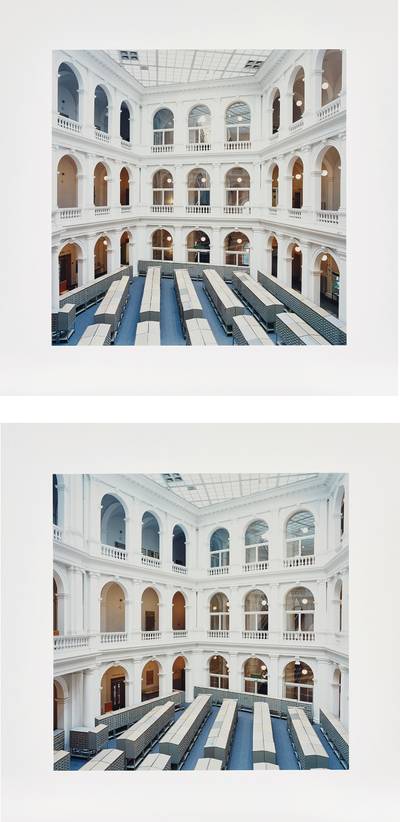
Candida Höfer
Höfer similarly photographs institutional interiors such as libraries, museums, and public halls with a precise and analytical gaze rooted in Becher School typological thinking. Her focus on spaces defined by human presence yet often devoid of people closely parallels Struth's systematic institutional documentation.
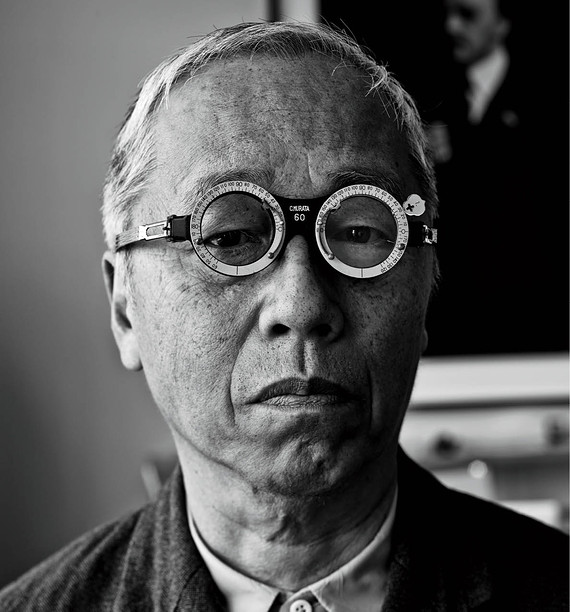
Hiroshi Sugimoto
Sugimoto's long running photographic series examining museums, theaters, and natural history dioramas shares Struth's conceptual interest in how institutions frame human perception and cultural memory. Both artists use large format photography to interrogate the relationship between viewers and canonical representations.
Artists who inspired them
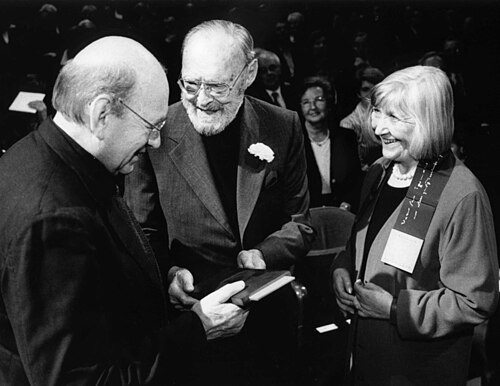
Bernd Becher
Struth studied directly under Bernd and Hilla Becher at the Düsseldorf Art Academy and absorbed their foundational approach of systematic typological documentation of industrial structures. The Bechers' rigorous seriality and objective photographic stance became central pillars of Struth's entire practice.
Hilla Becher
As co-teacher alongside Bernd Becher, Hilla Becher was equally formative in shaping Struth's commitment to neutral frontal framing and the accumulation of images into coherent documentary series. Her collaborative methodology modeled a rigorous conceptual framework that Struth applied to urban and institutional subjects.
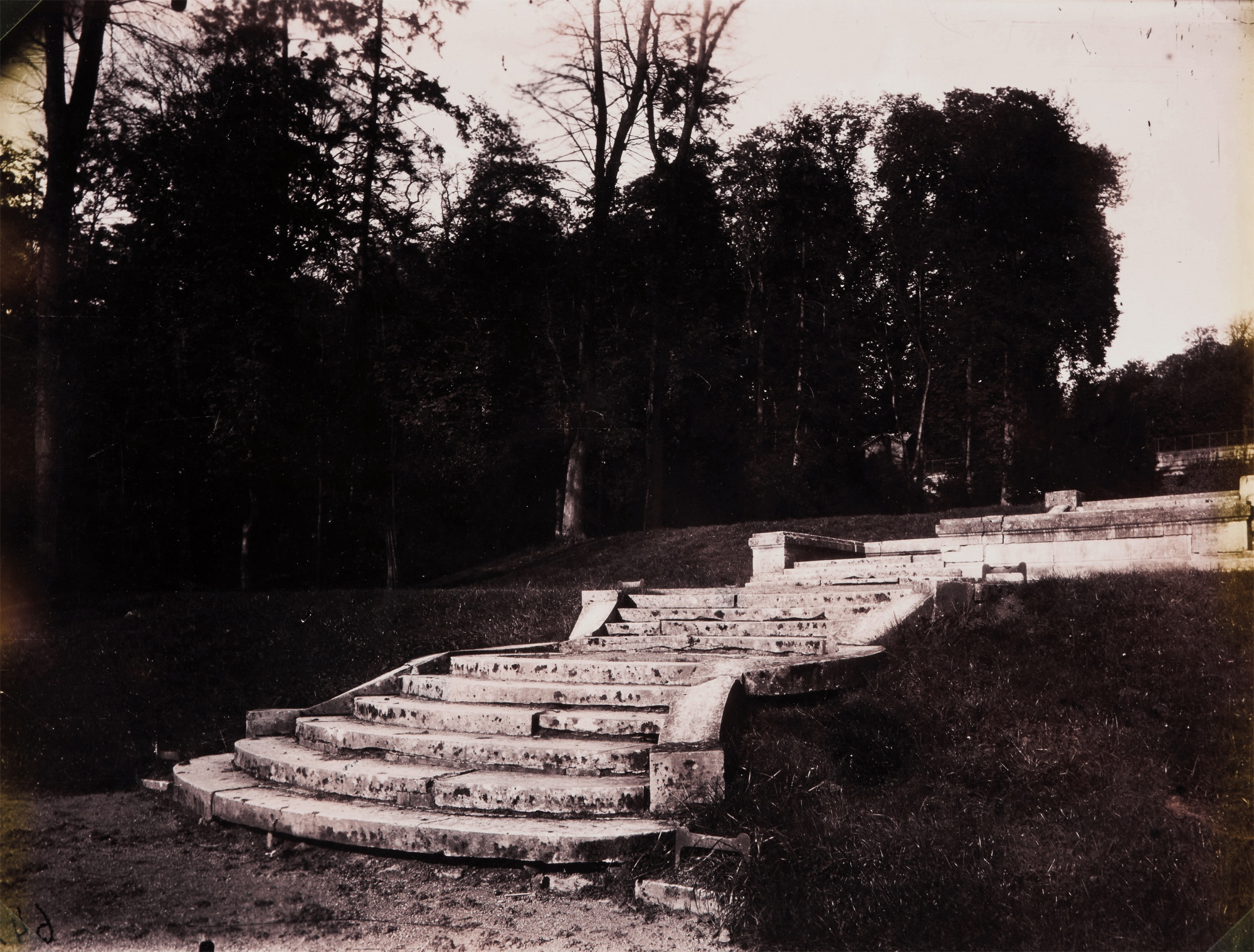
Eugène Atget
Atget's systematic photographic documentation of Parisian streets and architectural facades is widely recognized as a precursor to Struth's early street photography series in cities such as New York, Paris, and Düsseldorf. Struth has acknowledged Atget's quiet methodical urban survey as a touchstone for his own cityscape work.