Mid-Century
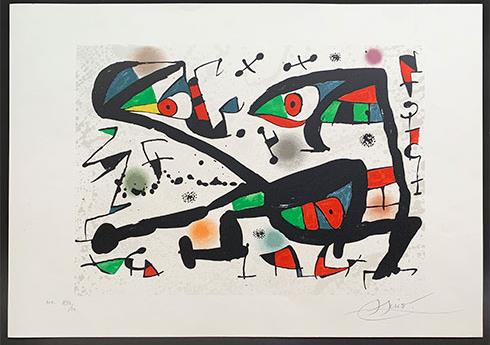
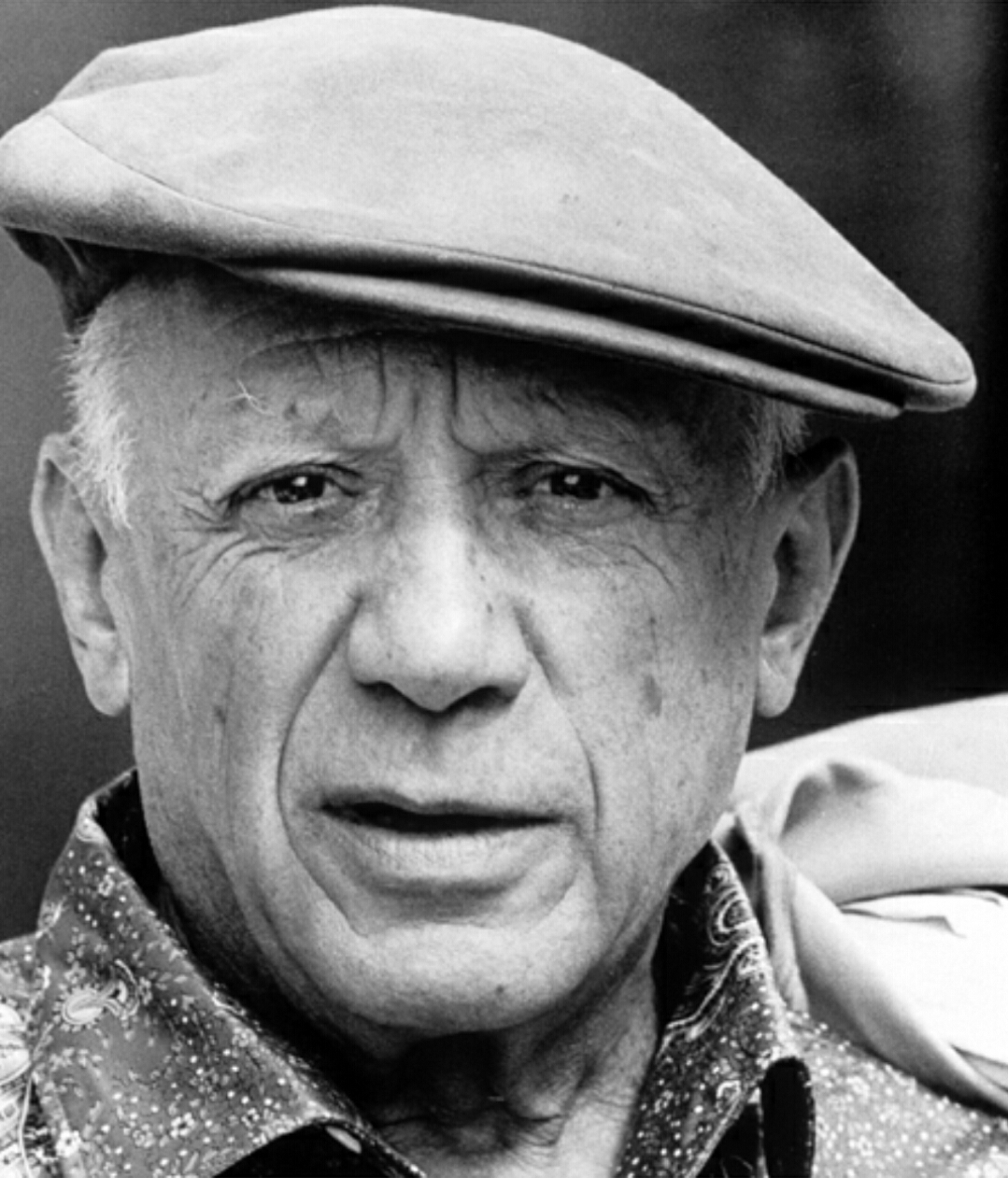
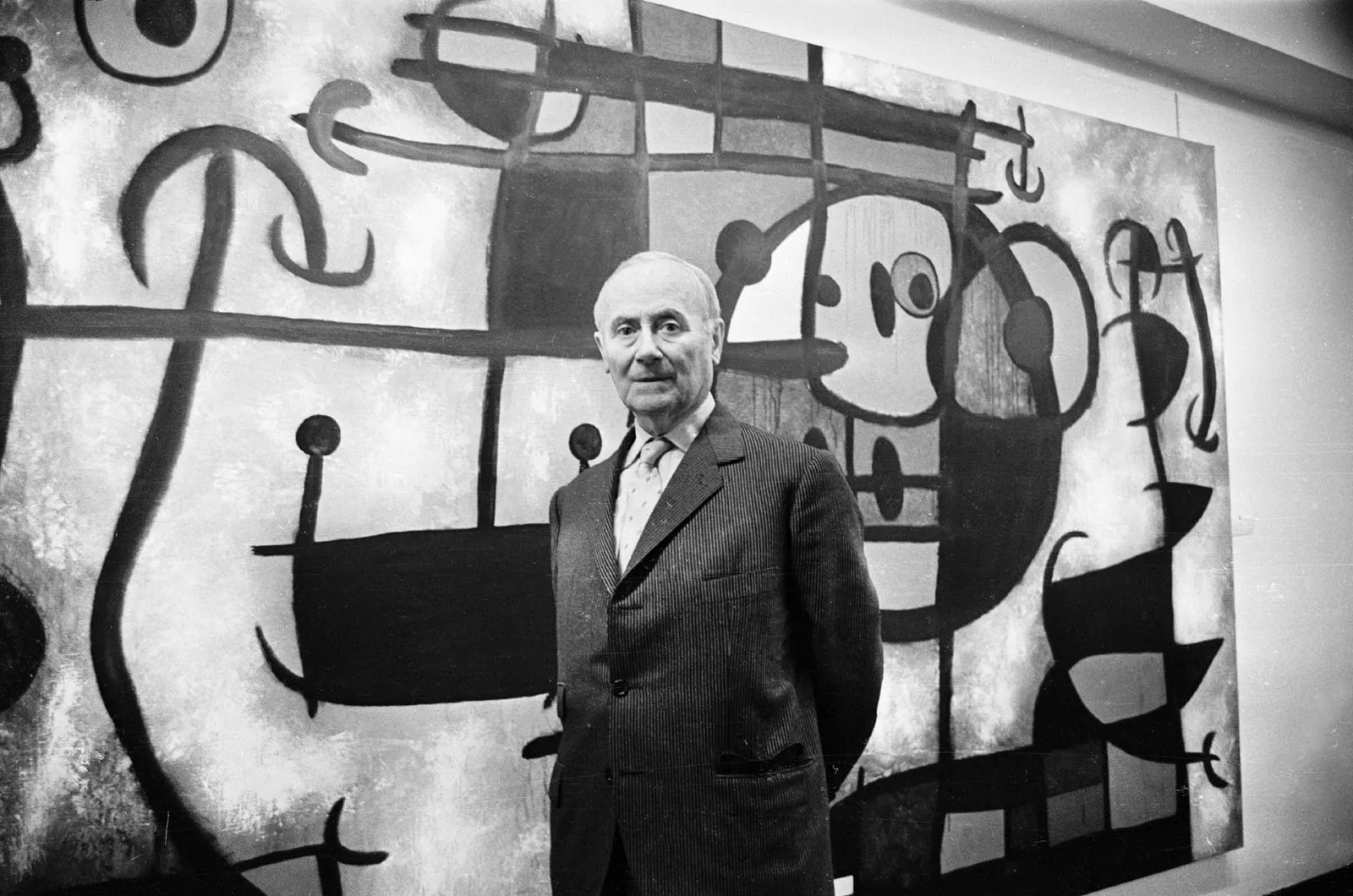
Joan Miró
Fondation de la Fédération Internationale des Jeunesses Musicales Marcel Cuvelier - René Nicoly, 1976

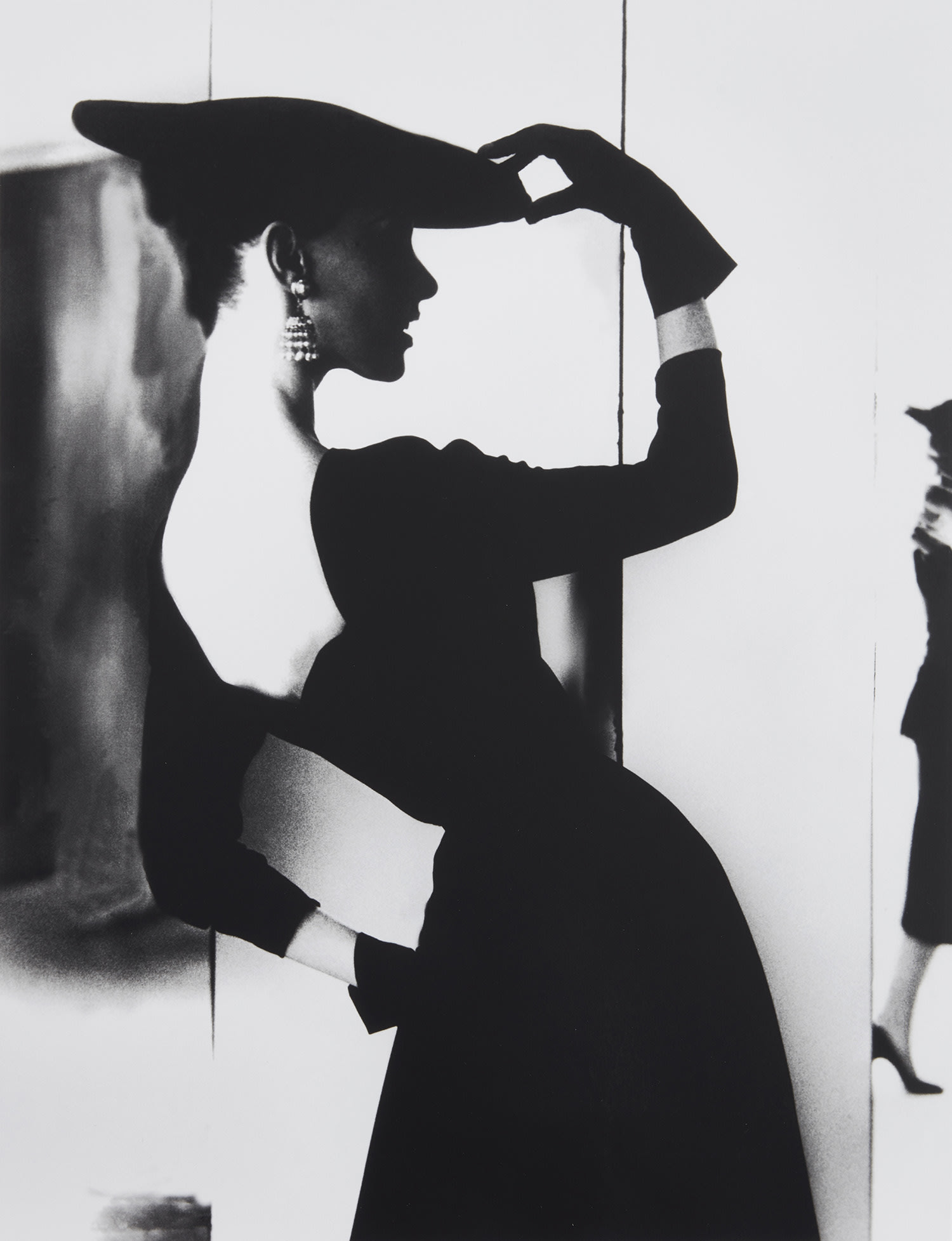
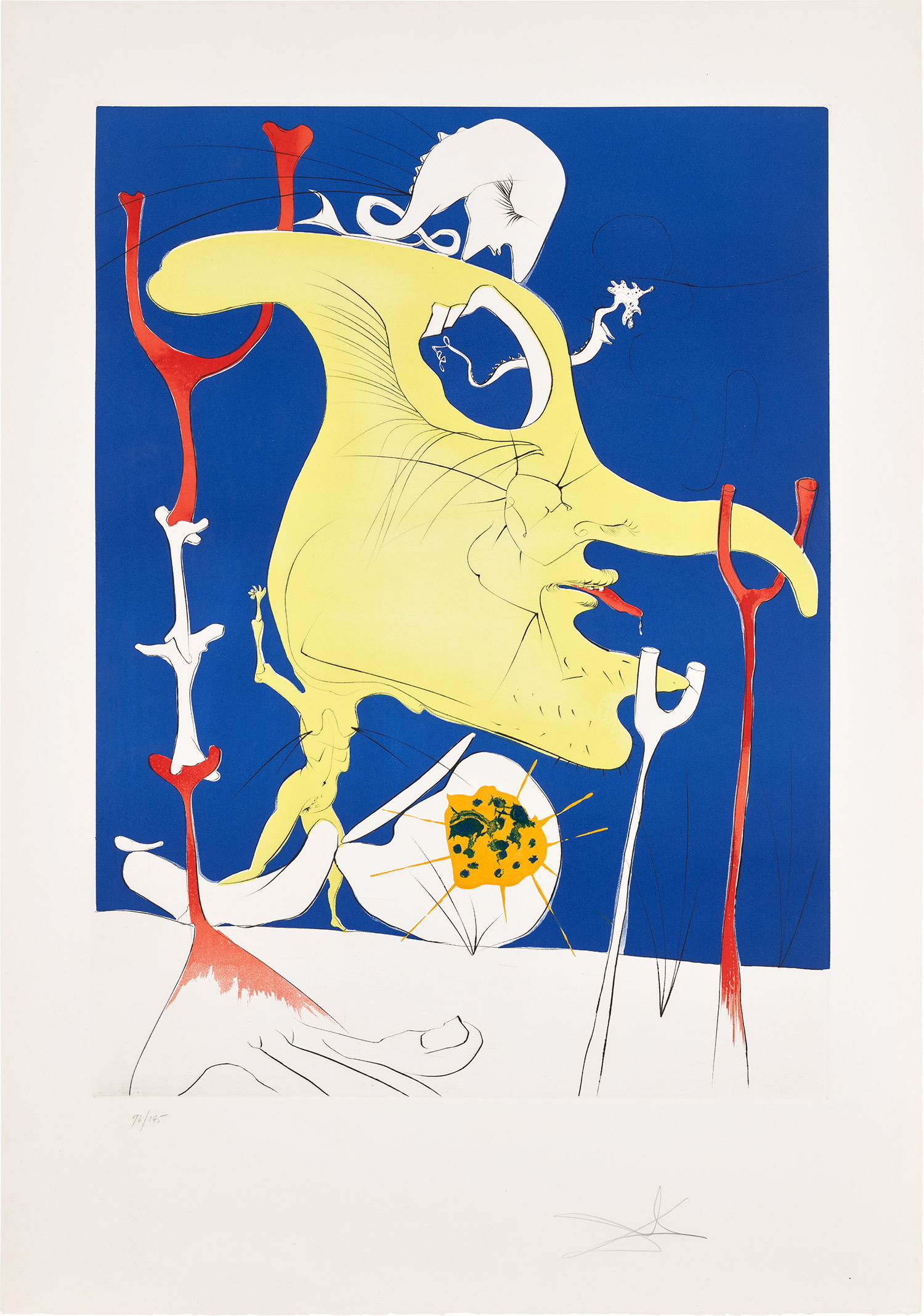
The Century That Still Refuses to Fade
There is a particular quality of light in the mid twentieth century, or at least that is how it feels when you stand in front of the work made during those decades. Something between confidence and restlessness, between the trauma of what had just happened and the intoxicating possibility of what might come next. The period running roughly from the late 1940s through the 1960s produced some of the most enduring objects in the history of Western art, and the question collectors still wrestle with is not whether this work matters but why it continues to feel so alive. The origins of what we now call mid century modernism are inseparable from rupture.
The Second World War dismantled nearly every cultural certainty that had sustained European civilization, and artists responded by reaching simultaneously backward and forward. In Paris, which reasserted itself as a creative capital in the late 1940s even as New York was beginning its rise, painters and sculptors were renegotiating what abstraction could mean after the existential catastrophe of the war. Jean Dubuffet, working in the early 1950s, was already tearing at the very idea of fine art refinement, his raw textured surfaces and deliberately unschooled mark making proposing that the outsider, the child, the untrained hand might carry more truth than the academically accomplished one. His concept of Art Brut was not simply a stylistic choice but a philosophical position, and it still resonates in conversations about authenticity and value today.
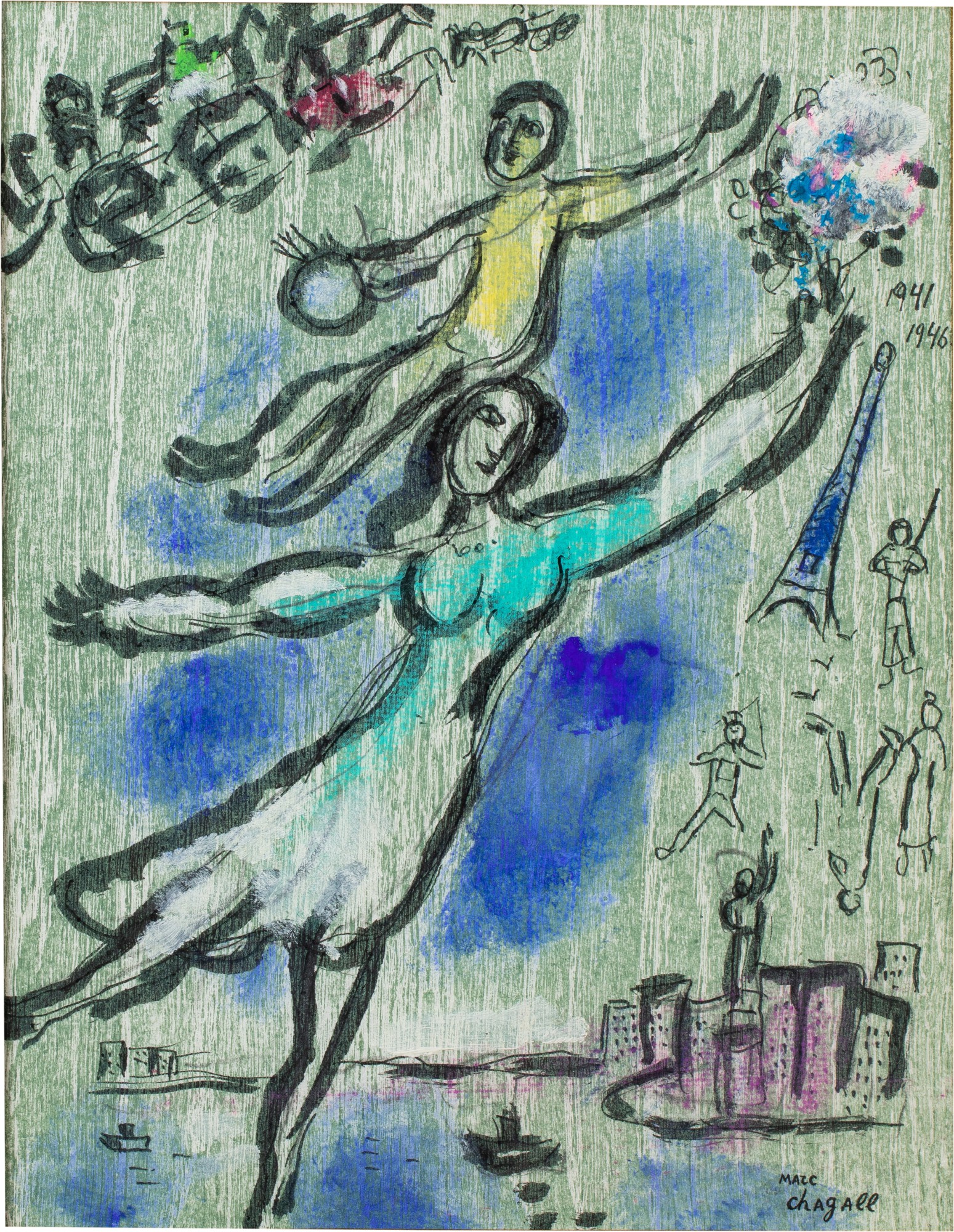
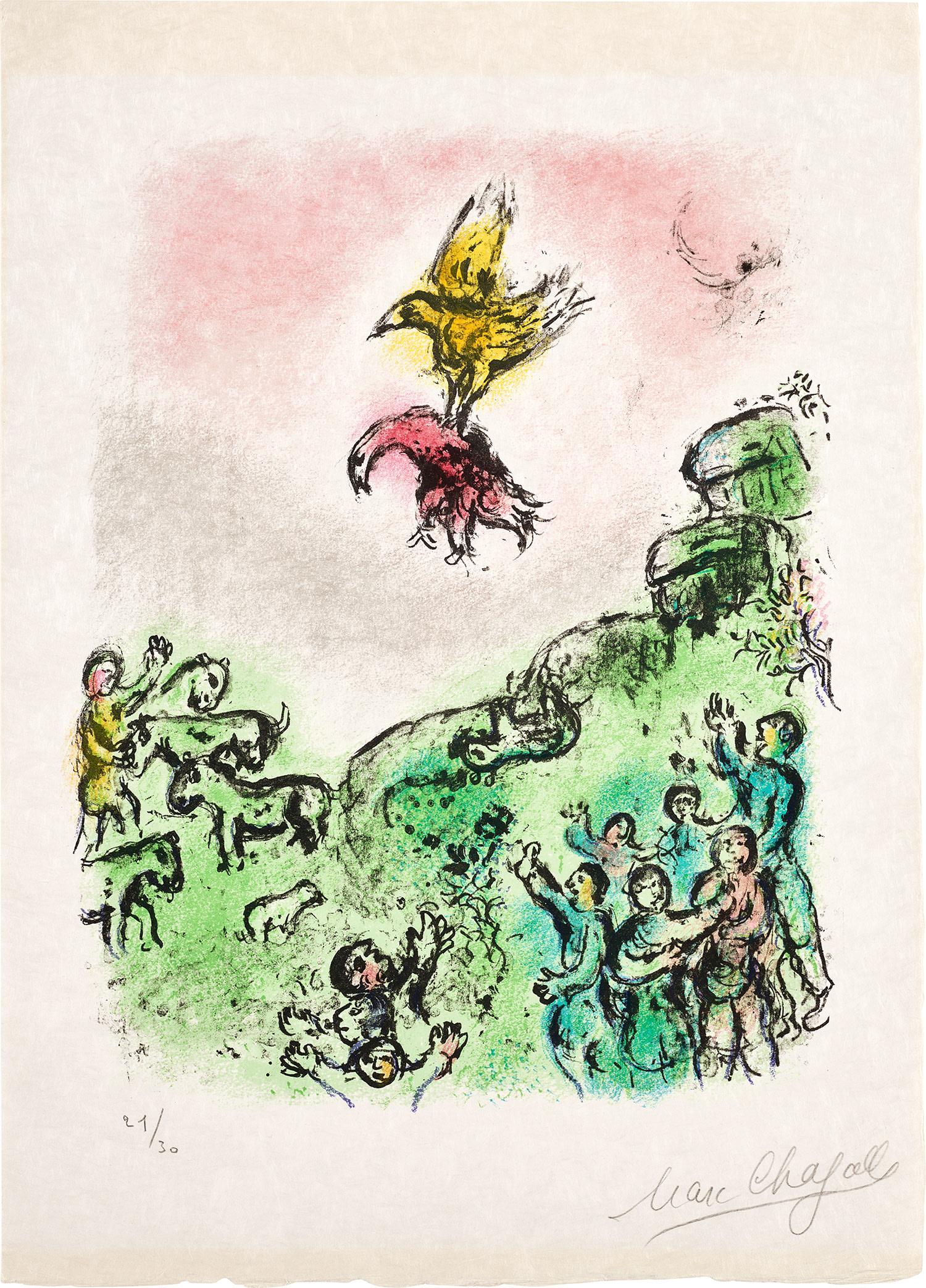
Marc Chagall
La Danse, 1968
At the same time, artists who had been shaped by the Surrealist movement before the war were finding new vocabularies in the postwar climate. Joan Miró, whose visual language had been fermenting since the 1920s, reached a kind of ripe fluency in the 1950s, his biomorphic forms and primary colors achieving a freedom that felt genuinely joyful rather than merely decorative. Marc Chagall, working across painting, stained glass, and printmaking, continued weaving his singular mythology of memory, love, and displacement into forms that somehow managed to be both intimate and monumental. And Salvador Dalí, always the most theatrical of the Surrealists, was navigating his strange late period with a showman's instinct for attention.
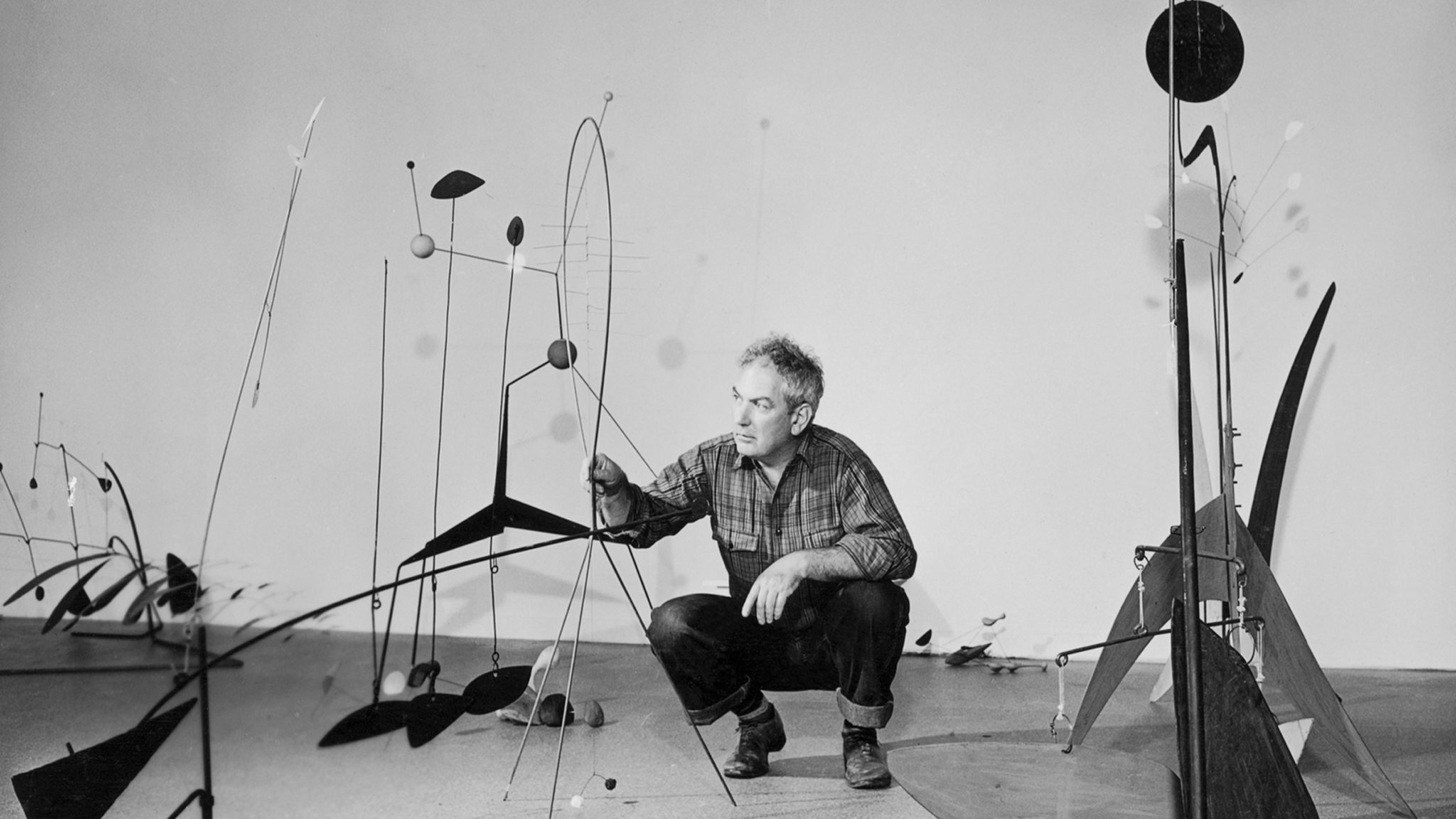
These were not artists coasting on earlier reputations. They were working, seriously and prolifically, and the works from this era remain among the most sought after of their respective careers. Alexander Calder deserves particular attention in any account of mid century art, not simply because his mobiles are among the most recognizable sculptures of the twentieth century but because they represent something philosophically distinctive about the period. Calder understood time as a material.
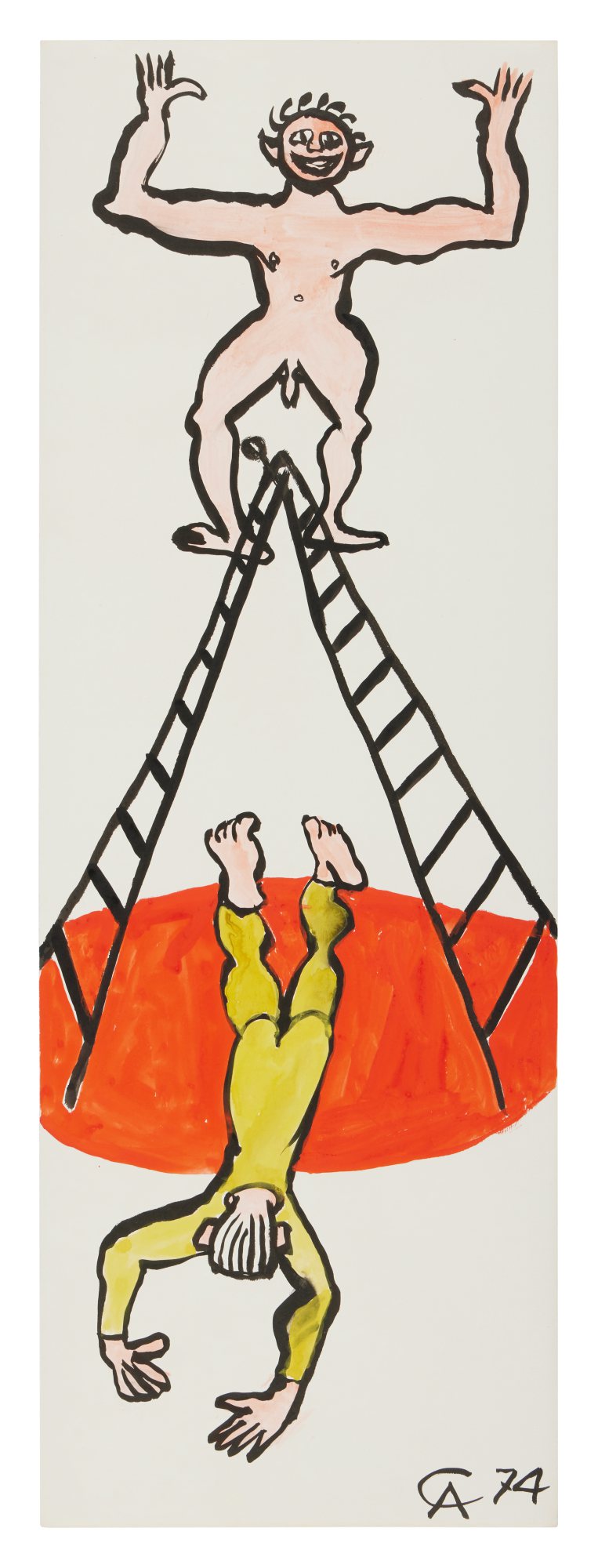
Alexander Calder
Hands Up, 1974
His works change with every breath of air in a room, and that embrace of contingency, of the work as something perpetually unfinished, aligned perfectly with a postwar sensibility that was learning to live with uncertainty. His stabiles, the large grounded sculptures that anchor exterior spaces, carry a different kind of gravity, their bold painted forms asserting themselves in the landscape with a confidence that never tips into arrogance. Calder is exceptionally well represented on The Collection, and spending time with that body of work is a reminder that playfulness and rigor are not opposites. Photography in this period was undergoing its own revolution, and the mid century decades produced some of the most significant photographic work ever made.
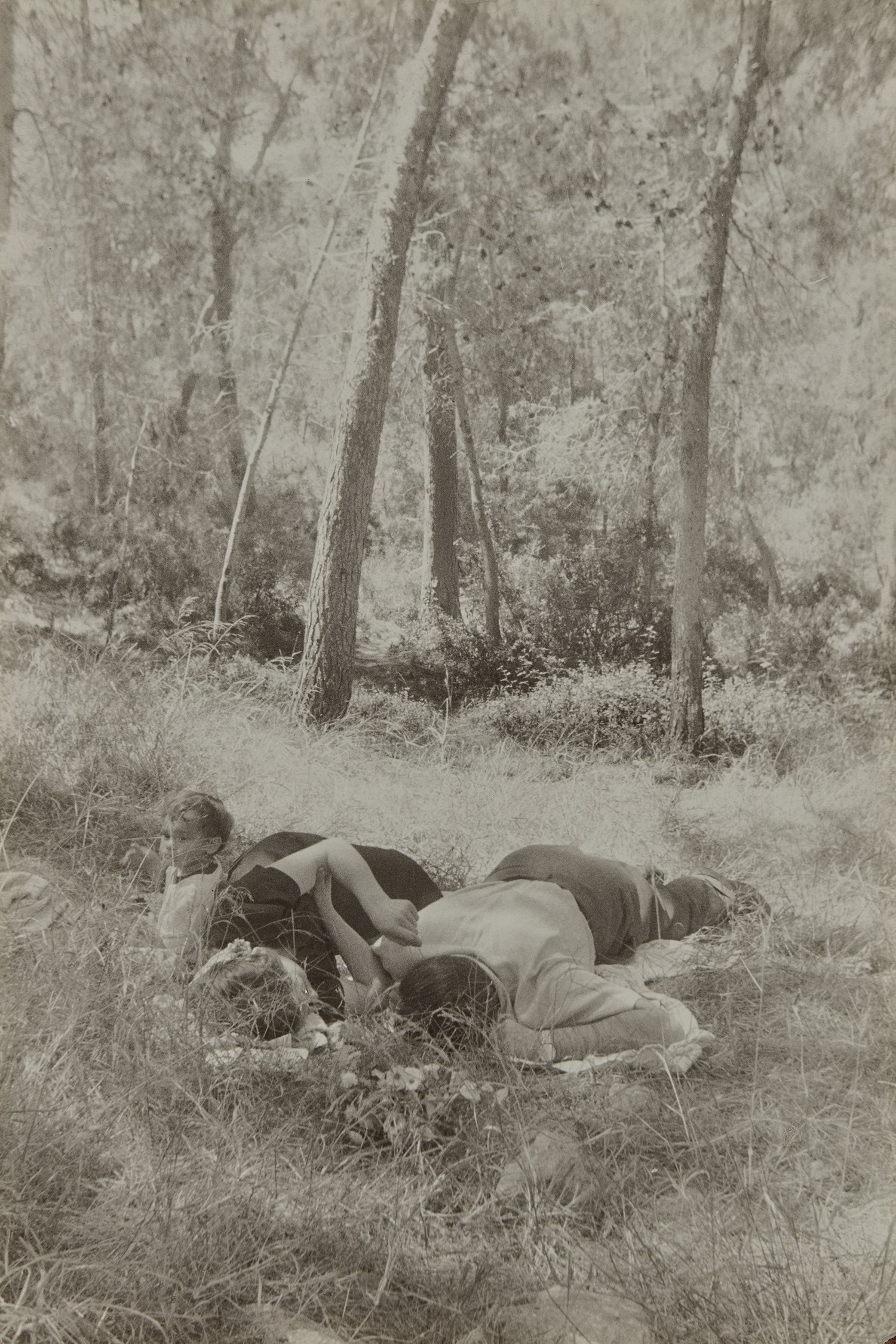
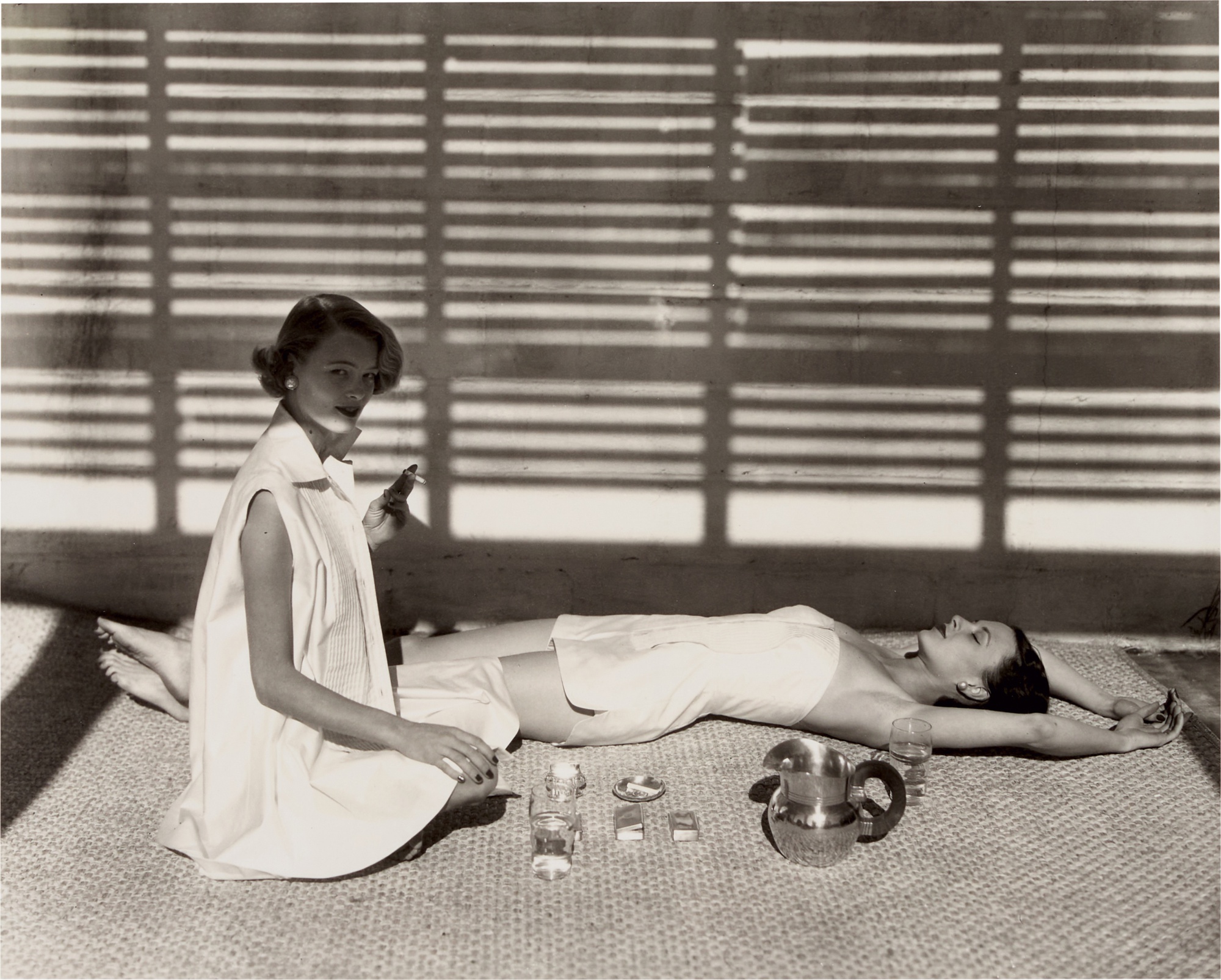
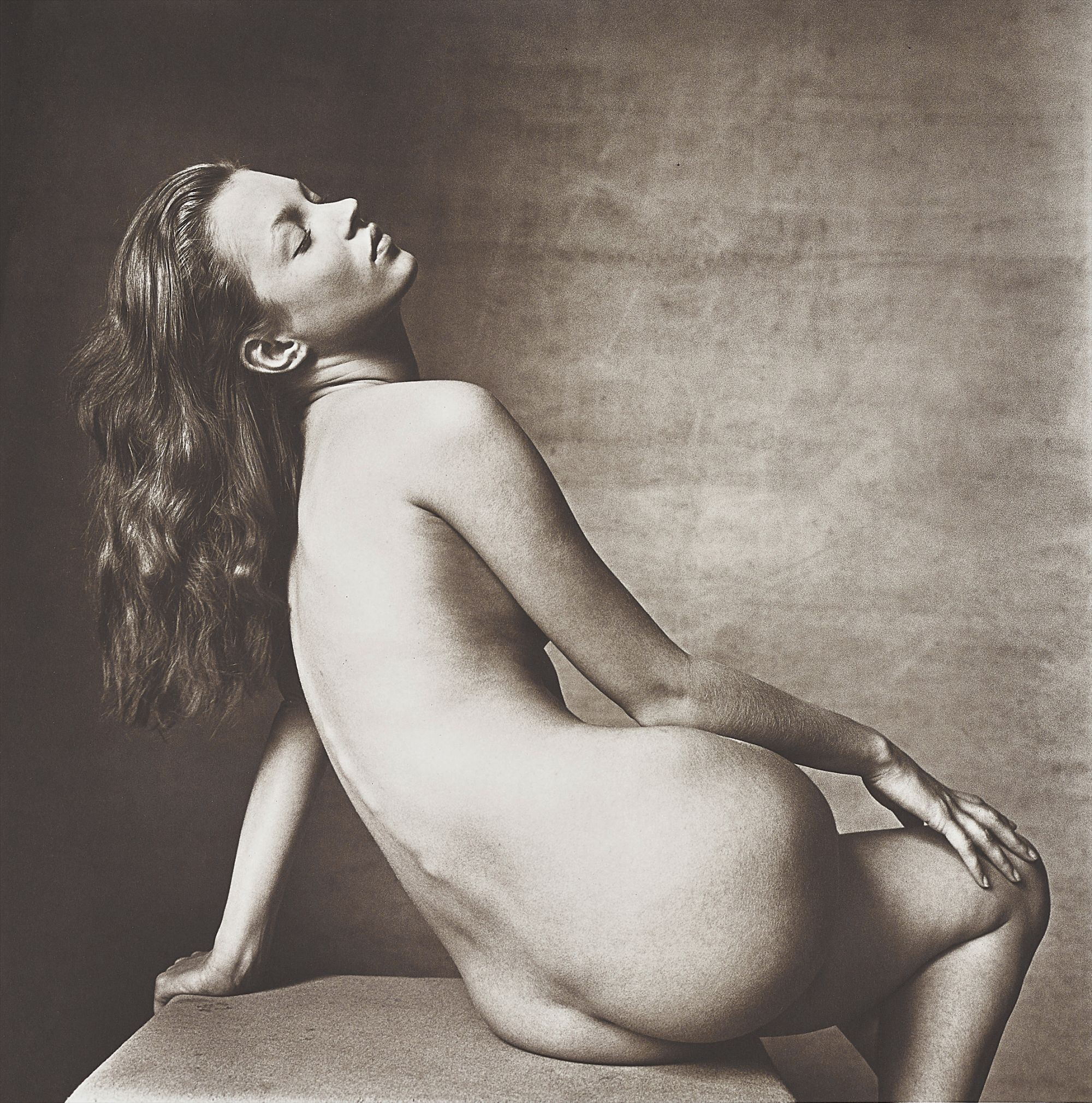
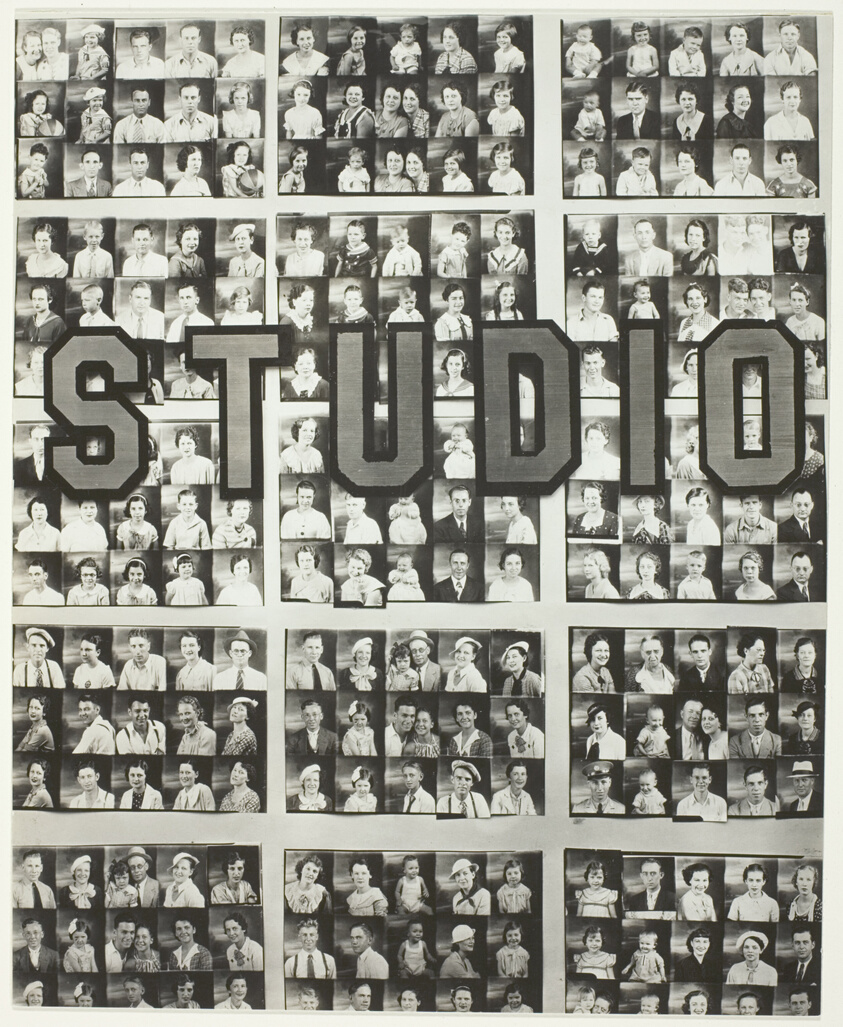
Robert Frank's 1958 book The Americans stands as one of the defining cultural documents of the twentieth century, its restless and oblique vision of postwar American life arriving like a cold splash of water on a face. Frank was working in a tradition that included Walker Evans, whose austere and dignified Depression era photographs had already established photography as a legitimate vehicle for social observation, and Henri Cartier Bresson, whose concept of the decisive moment had given the medium its own theoretical framework. Irving Penn and Richard Avedon were transforming fashion and portrait photography from the inside, bringing a rigor and psychological intensity to commercial work that dissolved the boundary between art and industry. Diane Arbus was mapping her own entirely singular territory, her frontal confrontations with her subjects producing images that are still difficult to look at without feeling something shift.
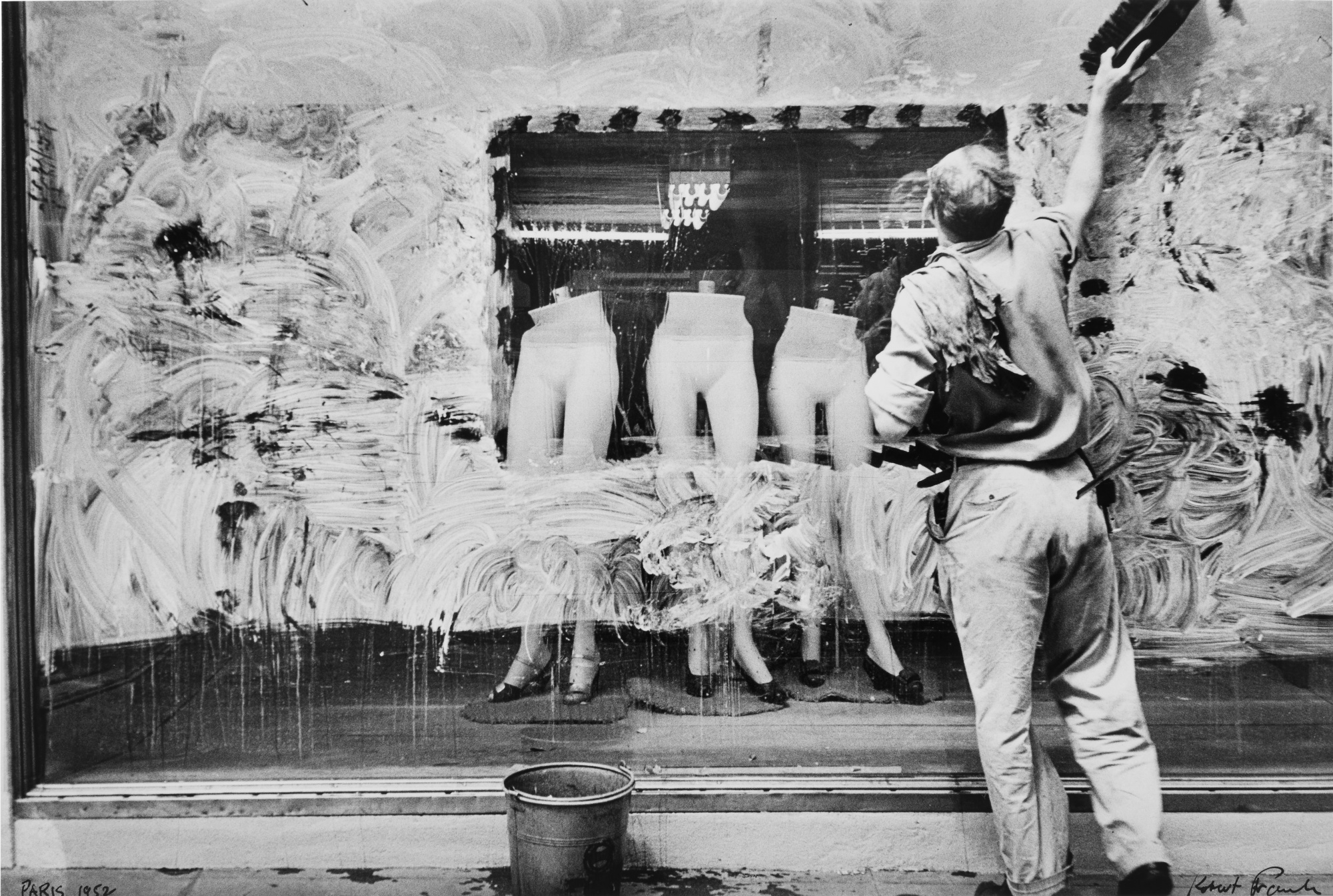
Robert Frank
'Paris' (Window Cleaner)
The photographers represented on The Collection, from Horst P. Horst to André Kertész to Lillian Bassman, collectively map a period when the camera became one of the central instruments of cultural intelligence. Design and the decorative arts were not secondary concerns during this period. They were sites of genuine artistic ambition.
Jean Prouvé approached furniture and architecture with the same analytical intensity a sculptor brings to form, his prefabricated structures and aluminum chairs arriving at beauty through a commitment to structural logic rather than ornamental impulse. Jean Royère moved in a completely different direction, his biomorphic upholstered forms anticipating a taste for softness and organic warmth that the postwar world seemed to crave after years of austerity and military geometry. Both figures understood that the designed object is never merely functional, that the chair you sit in every day shapes your relationship to your own body and your sense of what life might feel like. What makes mid century work so compelling to collectors today is partly historical and partly something harder to name.
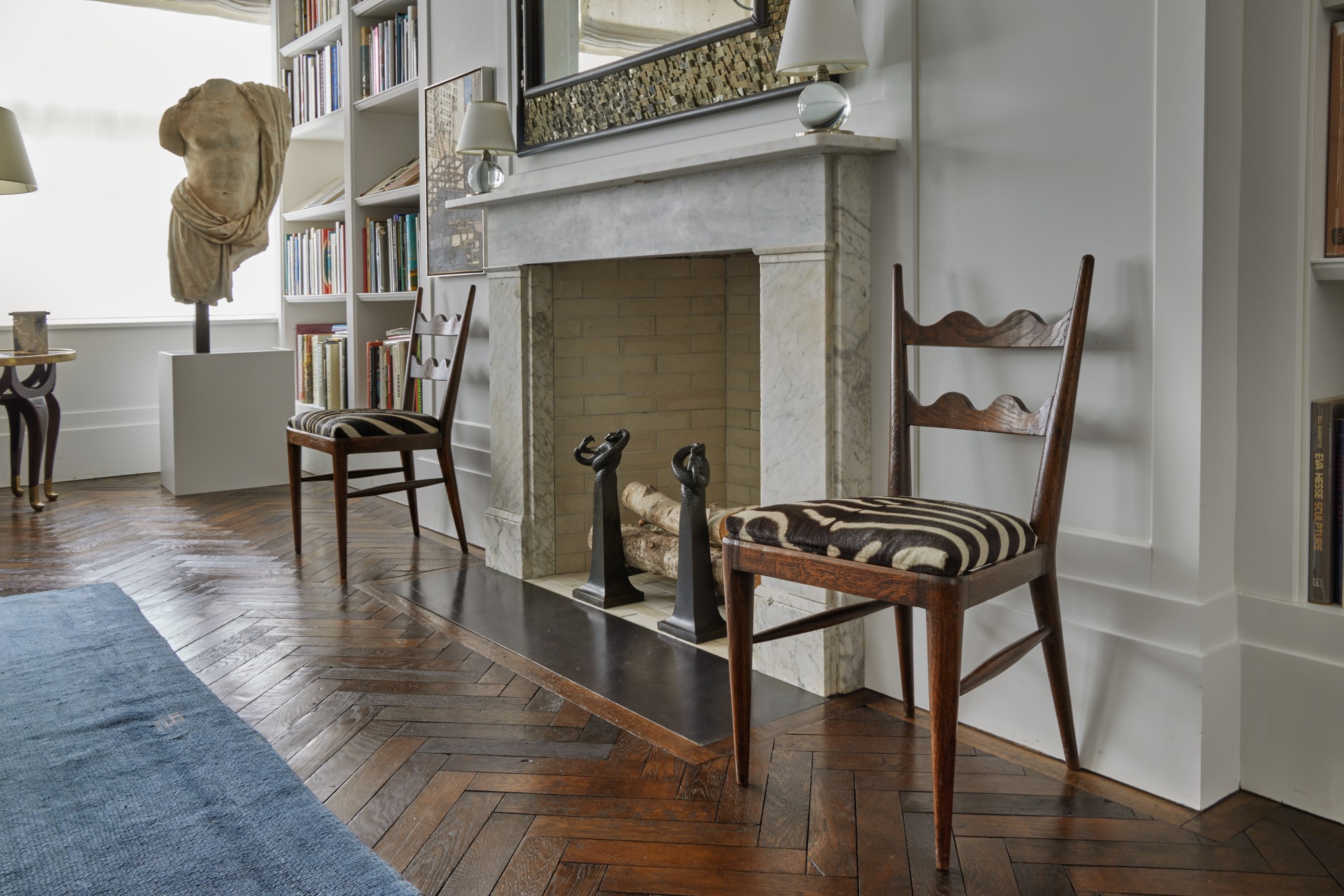
Jean Royère
Pair of "Scotch Club" Chairs
There is the obvious factor of quality: this was a period of extraordinary technical confidence across every medium, from bronze casting to gelatin silver printing to painted steel fabrication. But beyond craft, these works carry a particular emotional register. They were made by people who had survived genuine catastrophe and were choosing, sometimes defiantly, to make things beautiful or provocative or true. That intention is legible in the objects themselves.
When you live with a Miró gouache or a Frank photograph or a Calder mobile, you are in the company of someone who decided that making art was worth doing despite everything history had thrown at them. That is not a small thing. It may be the most enduring argument for collecting at all.